

Search results
Search for "scaffolds" in Full Text gives 607 result(s) in Beilstein Journal of Organic Chemistry. Showing first 200.
Rhodopyran, a carboxylated hexahydrocyclopenta[b]pyran from Rhodococcus
Beilstein J. Org. Chem. 2026, 22, 1107–1113, doi:10.3762/bjoc.22.89
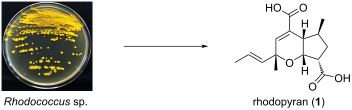
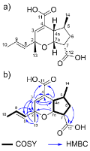
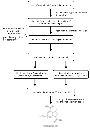
- unusual carboxylated hexahydrocyclopenta[b]pyran and expands the known metabolite diversity of Rhodococcus, highlighting Rhodococcus as a source of uncommon natural-product scaffolds. Keywords: bicyclic compound; cyclopenta[b]pyran; natural products; Rhodococcus; specialized metabolites; Introduction


One-pot four-component sequential synthesis of S-alkyl dithiocarbamates using lipase as a biocatalyst
Beilstein J. Org. Chem. 2026, 22, 1048–1056, doi:10.3762/bjoc.22.83
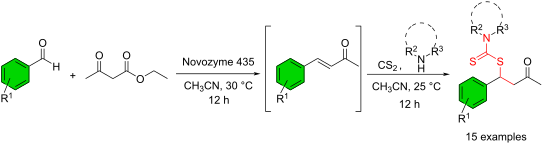
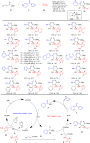
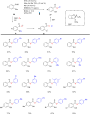
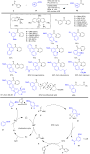
- , where they serve as antifungal and anticancer agents. As a result, their synthesis has garnered significant attention in recent years. In this study, we present an efficient one-pot four-component approach for the synthesis of these scaffolds, utilizing aldehydes, ethyl acetoacetate, carbon disulfide
- , and polymerization agents, further enhancing their importance in chemical synthesis [15][16]. Figure 1 shows a selection of pharmaceutical agents and agrochemicals that incorporate S-alkyl dithiocarbamate scaffolds. Given their significant bioactivity and extensive applications, ongoing research into
- multicomponent transformations. The operational simplicity, mild conditions, and efficient access to structurally diverse S-alkyl dithiocarbamates demonstrate the synthetic utility of this approach. Considering the well-documented biological relevance of dithiocarbamate scaffolds, the synthesized compounds may


Synthesis of novel 1,2,4-oxadiazole-isoxazoline hybrids and their in silico potential with adenosine receptors
Beilstein J. Org. Chem. 2026, 22, 1033–1047, doi:10.3762/bjoc.22.82
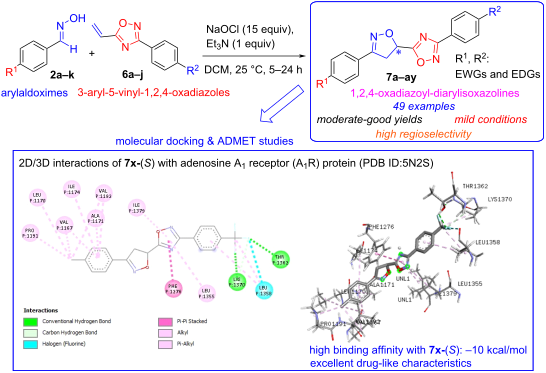
- suitable physicochemical properties. Overall, these findings identify 1,2,4-oxadiazole-isoxazoline hybrids as promising and tunable scaffolds for the development of adenosine A₁ receptor-targeted agents; however, further structural optimization and comprehensive biological evaluation are required to fully
- -oxadiazole-isoxazoline derivatives may serve as promising scaffolds for adenosine A₁ receptor modulation, with potential relevance to therapeutic applications such as cardiovascular regulation (e.g., heart rate control and contractility modulation) and central nervous system effects via neurotransmitter


Novel macrocycles: from synthesis to supramolecular function
Beilstein J. Org. Chem. 2026, 22, 982–985, doi:10.3762/bjoc.22.76

- application potential of macrocyclic chemistry, their further development relies on access to versatile and selectively functionalizable scaffolds. In this context, Vatsouro and co-workers [40] report efficient methodologies for accessing heteromultifunctional calix[4]arene derivatives. Through carefully
- . Danjou and colleagues [41] explored the use of macrocyclic scaffolds for environmental remediation, particularly in the extraction of radioactive contaminants. The authors synthesized a phenoxycalix[4]pyrrole framework functionalized with multiple hydroxamic acid groups for the selective removal of
A practical CO2-mediated synthesis of 5,6-carboxylated silicon-rhodamines for targeted probe development
Beilstein J. Org. Chem. 2026, 22, 915–924, doi:10.3762/bjoc.22.72
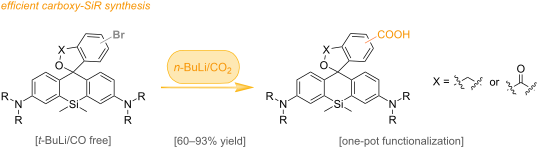
- ≈ 650–670 nm) while retaining high brightness and excellent photostability [20][21][22][23][24]. As a result, silicon-rhodamines (SiRs) have become the most practical rhodamine scaffolds for live-cell imaging, benefiting from reduced cellular autofluorescence and phototoxicity, together with favorable
- improved strategy based on brominated precursors [45]. Owing to the weaker electron-withdrawing effect of bromine relative to carboxy groups, these precursors exhibit higher reactivity and enable the construction of brominated SiR scaffolds in improved yields (60–70%) under milder conditions. Subsequent Pd
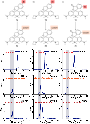
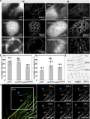
- ethyl acetate and concentrated before being directly subjected to amide coupling without chromatographic purification. To demonstrate the utility of this strategy for probe construction, we selected three representative SiR scaffolds 1a–c, which were widely used in super-resolution imaging, for direct



Site-specific labelling of native peptides and proteins: chemical and enzymatic strategies
Beilstein J. Org. Chem. 2026, 22, 857–881, doi:10.3762/bjoc.22.67
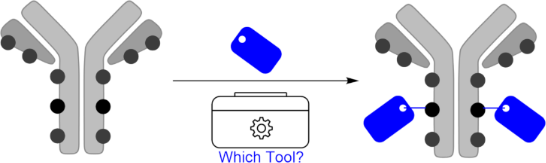
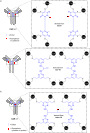
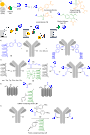
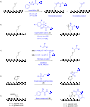
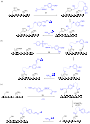
- overcome resistance, highlighting the need for complementary site-specific antibody labelling strategies. Meanwhile, advances in high-throughput screening and AI-guided design have been creating new scaffolds, including nanobodies, de novo binders and peptoids, where tailored modification chemistries have
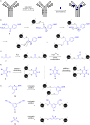
- has enabled pyridinium aldoxime 21 (PyOx) incorporation into protein scaffolds (Scheme 7e) [64]. Acting as a catalytic centre for acyl cation transfer, PyOx reacts with a selected N-acyl-N-alkyl sulfonamide 15’ to generate a reactive ester intermediate. This strategy has successfully modified lysine








Synthesis of heterocycles based on azomethine ylides from α-amino acids (or amines) and carbonyl compounds
Beilstein J. Org. Chem. 2026, 22, 705–741, doi:10.3762/bjoc.22.55
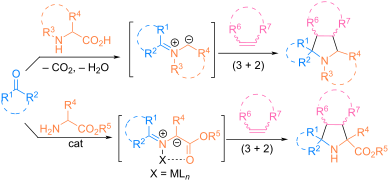
- . The authors used this methodology to modify peptides and functionalize several natural products. Thus, aldimine dipeptides Gly–Gly, Gly–Ala, as well as iminoesters in combination with natural ʟ-borneol, ʟ-menthol, cholesterol, or lactate scaffolds proved to be suitable precursors of azomethine ylides


Using generative AI to transform peptide hits into small molecule leads
Beilstein J. Org. Chem. 2026, 22, 672–679, doi:10.3762/bjoc.22.51
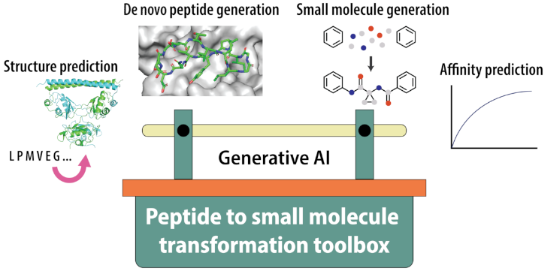
- , de novo peptide binder generation, diffusion models for generating novel small molecule scaffolds, and deep-learning predictors of binding affinity to rapidly triage candidates. Keywords: diffusion models; drug discovery; generative AI; peptides; small molecules; Introduction In drug discovery
- fails to yield hits [9]. While the term peptidomimetics has been used to describe a variety of molecular classes, including modified peptides and molecular scaffolds for display of amino acid side-chains, this Perspective focuses on non-peptidic small molecules with the appropriate shape and
- small molecule binders has also yet to be evaluated. Also in 2023, a deep learning-driven molecular generator for designing peptidomimetics was reported by Nakamura, Bajorath and co-workers [22]. Named DeepCubist, the method superimposes scaffolds from an sp3-rich skeleton library onto the target


Kinetic resolution of racemic planar-chiral vinylcymantrenes by molybdenum-catalyzed asymmetric metathesis dimerization
Beilstein J. Org. Chem. 2026, 22, 568–574, doi:10.3762/bjoc.22.42
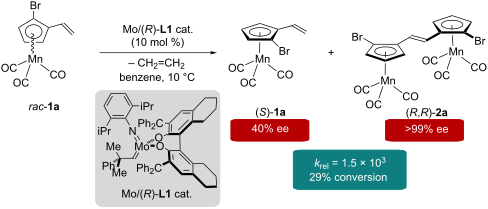
- demonstrated to be excellent chiral scaffolds in asymmetric synthesis, however, enantioselective synthesis of such planar-chiral complexes is still relatively undeveloped and remains as a challenging problem in asymmetric synthesis [24][25][26][27][28][29]. A new type of asymmetric olefin metathesis reaction


Get a better glimpse on sequential photoreactions of trisnorbornadienes with 19F NMR spectroscopy
Beilstein J. Org. Chem. 2026, 22, 527–534, doi:10.3762/bjoc.22.38
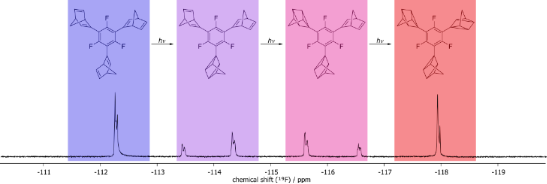
- %) [26][27]. In order to optimize the photophysical and physicochemical properties of norbornadiene (1a) with minimal impact on the energy density, scaffolds with multiple norbornadiene units have been investigated with the goal to accomplish higher energy storage density per molecule [20][21][22][29][30


Synthesis and uranyl(VI) extraction performance of a calix[4]pyrrole–tetrahydroxamic acid receptor
Beilstein J. Org. Chem. 2026, 22, 486–494, doi:10.3762/bjoc.22.36
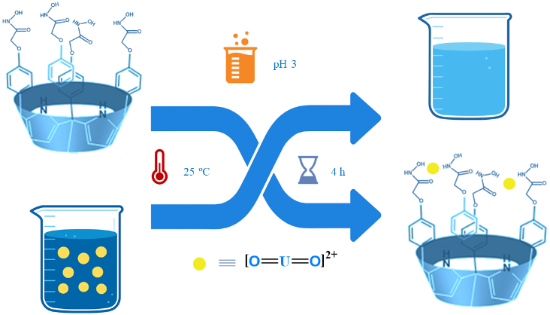
- selective remediation strategies. Supramolecular materials, with their pre-organized structures, offer a promising route for uranium removal. Phenoxycalix[4]pyrroles (PCP) are well-known supramolecular scaffolds capable of selective metal binding, making them attractive candidates for designing uranium


Recent advances in the stereoselective synthesis of distal biaxially chiral molecules
Beilstein J. Org. Chem. 2026, 22, 461–479, doi:10.3762/bjoc.22.34
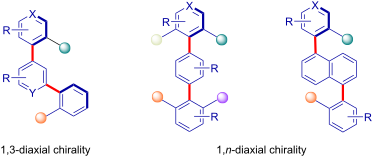
- chiral scaffolds, which arise from hindered rotation between two planes connected by a single bond, have attracted increasing attention due to their widespread applications in chiral ligands, organocatalysts [1], and functional materials [2], making them highly valuable molecular frameworks in organic
- construction of remote biaxial chiral molecules. These strategies enable precise control over the stereochemistry of multiple axes in a single reaction, allowing efficient formation of distal biaxial chiral scaffolds while maintaining excellent enantio- and diastereoselectivity. Recent studies have
- [41]. This strategy delivered excellent enantioselectivity, diastereoselectivity, and overall efficiency, underscoring its unique advantages in the synthesis of multiaxially chiral scaffolds. In parallel, Tanaka and co-workers advanced a [2 + 2 + 2] cycloaddition strategy to realize an asymmetric


Design, synthesis and biological evaluation of 2,5-diaryloxazolo[4,5-d]pyrimidin-7-ylamines as selective cytotoxic agents against HeLa cells
Beilstein J. Org. Chem. 2026, 22, 390–398, doi:10.3762/bjoc.22.27
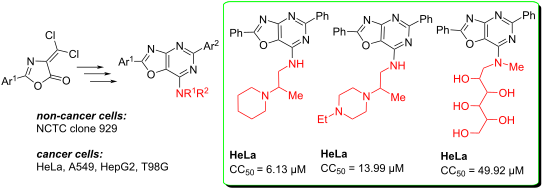
- -mimicking scaffolds are a proven strategy in the design of anticancer drugs. Many cancer-related proteins (e.g., kinases, ATPases, DNA/RNA polymerases) have binding pockets designed for purine nucleotides (ATP, GTP). Oxazolopyrimidines can compete with purines or their analogues, inhibiting enzymatic


Electrosynthetic access to unsymmetrical oxaza[8]helicenes with high chiral stability and strong circularly polarized luminescence (CPL)
Beilstein J. Org. Chem. 2026, 22, 372–382, doi:10.3762/bjoc.22.25
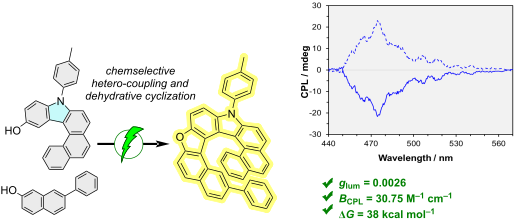
- Heterohelicenes are compelling chiral π-conjugated scaffolds for optoelectronic and chiral-photonic technologies because their helical frameworks and doped heteroatoms endow them with various photophysical, chiroptical, and electronic merits. However, unsymmetrical heterohelicenes remain rare, as their synthesis
- resulting plots show a clockwise diatropic current along the fused heterocycles and benzene rings, in agreement with the ring-current patterns reported for other helicene scaffolds [27] (Figure 2B). Enantiomerization barriers of oxaza[7]helicenes To investigate the enantiomerization (P/M) barriers of oxaza
- designed coupling partners to control both chemo- and regioselectivity. A finely tuned anodic sequence enables selective oxidative hetero-coupling followed by dehydrative cyclization, delivering extended [8]helical scaffolds efficiently under mild, oxidant-free conditions. Combined experimental and DFT




Arene activation via π-bond localization: concepts and opportunities
Beilstein J. Org. Chem. 2026, 22, 257–273, doi:10.3762/bjoc.22.19
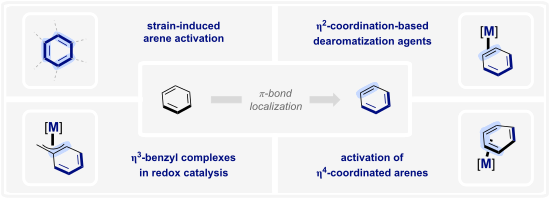
- cyclohexene derivatives beyond sulfone and sulfonamide motifs. By combining ester enolate and amine addition sequences, this methodology was subsequently extended to the synthesis of architecturally complex polyheterocyclic frameworks (Scheme 3B) [62]. Such scaffolds are scarcely represented in contemporary
- complex, three-dimensional molecular scaffolds from simple arene feedstocks and underscoring the vast, still largely untapped potential for methodological innovation in this arena [95]. Activation of η4-coordinated arenes Among the less explored pathways in arene activation, η4-coordination of aromatic
- potential of this activation mode in catalysis. Conclusion and Future Directions Arenes remain privileged scaffolds in synthesis, recognized for their abundance and structural diversity. The deliberate perturbation of aromaticity through π-bond localization has emerged as a powerful strategy for molecular




A mild and atom-efficient four-component cascade strategy for the construction of biologically relevant 4-hydroxyquinolin-2(1H)-one derivatives
Beilstein J. Org. Chem. 2026, 22, 244–256, doi:10.3762/bjoc.22.18
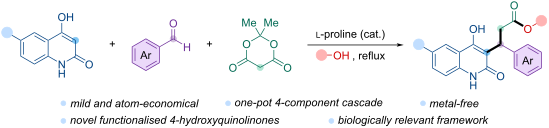
- direct access to scarcely explored open-chain quinolinone esters, expanding the medicinal chemistry toolbox with promising scaffolds for drug discovery. Keywords: antibacterial activity; 4-hydroxyquinolin-2(1H)-one; ʟ-proline catalysis; Meldrum’s acid; Michael addition; multicomponent reaction
- attracted considerable attention due to their broad spectrum of biological activities (Figure 1) [19][20][21][22][23][24][25][26][27][28][29]. These include potent antibacterial, antiviral, antifungal, anti-inflammatory, and neurotropic effects, making them promising scaffolds for drug development [29][30
- -hydroxyquinoline scaffolds bearing both C6-halogen and γ-(3,4-dimethoxyphenyl)propanoic acid motifs. Existing approaches to such derivatives comprise typically multiple steps, are limited in scope, or require harsh reaction conditions, restricting their application in rapid analogue generation. The combination of


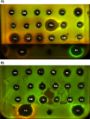
Configuration–packing synergy enabling integrated crystalline-state RTP and amorphous-state TADF
Beilstein J. Org. Chem. 2026, 22, 224–236, doi:10.3762/bjoc.22.16
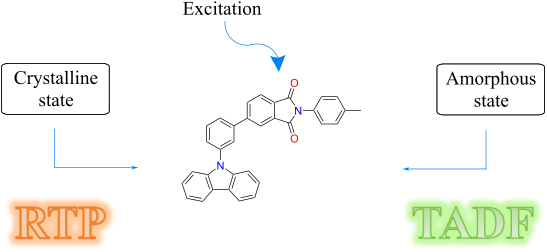
- promotes intersystem crossing (ISC) and spin–orbit coupling (SOC) for RTP and, when coupled with carbazole and other donor segments, facilitates the construction of twisted D–A scaffolds that reduce ΔEST, making them suitable for TADF [34][35][36]. On the one hand, the dual carbonyl groups provide an


Screwing the helical chirality through terminal peri-functionalization
Beilstein J. Org. Chem. 2026, 22, 205–212, doi:10.3762/bjoc.22.14
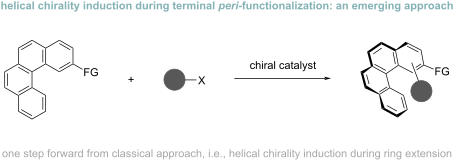
- surmounted, paving the way for the development of innovative approaches and new materials. Such advancements are expected to unlock the full potential of chiral helicenes. Representation of the general practices for the induction of helical chirality in organic scaffolds. A) Prelevant approach for the
- induction of helical chirality which majorly relies on the π extension of organic scaffolds via annulation/cycloaddition and B) central/axial to helical chirality conversion. C) Induction of helical chirality in [4]helicene via terminal peri-functionalization. D) Induction of helical chirality in [5


Streptoquinolines A and B, new antibacterial meroterpenoids produced by Streptomyces sp. TMPU-A0679
Beilstein J. Org. Chem. 2026, 22, 185–191, doi:10.3762/bjoc.22.12
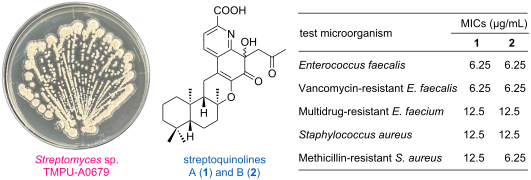
- Pathogens List (BPPL) in 2024, reaffirming VRE as a “High Priority Pathogen” for which research on and the development of new antimicrobial agents are urgently needed [4]. This emphasizes the continuing demand for antibiotics with novel chemical scaffolds and mechanisms of action. In our ongoing search for
- formed during extraction. The discovery of streptoquinolines expands the structural and biological diversities of drimane–quinoline-type meroterpenoids and provides novel insights into their potential as scaffolds for the development of antibacterial agents targeting multidrug-resistant Gram-positive


Circumventing Mukaiyama oxidation: selective S–O bond formation via sulfenamide–alcohol coupling
Beilstein J. Org. Chem. 2026, 22, 158–166, doi:10.3762/bjoc.22.9
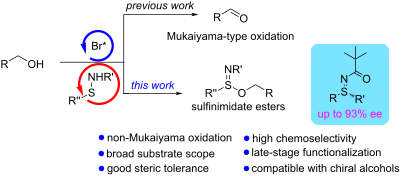
- constructing S–C and S–N bonds, particularly in the synthesis of sulfilimines [19][20][21][22][23][24][25][26][27][28][29][30][31] and sulfinamidines [32][33][34]. Their tunable reactivity and modularity have positioned them as versatile scaffolds for sulfur–nitrogen architecture development. Our group


Total synthesis of natural products based on hydrogenation of aromatic rings
Beilstein J. Org. Chem. 2026, 22, 88–122, doi:10.3762/bjoc.22.4
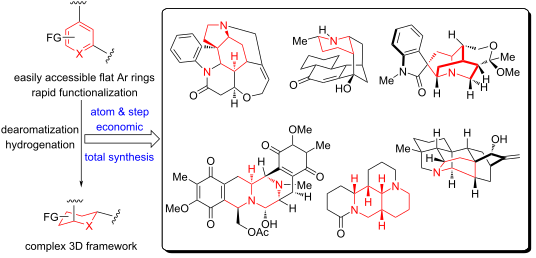
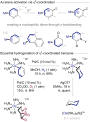
- access these saturated frameworks, catalytic hydrogenation of unsaturated arenes stands out as the most efficient one: it directly transforms planar sp2 systems into three-dimensional sp3-rich scaffolds via the shortest possible synthetic route, embodying both step economy and atom economy (Scheme 1) [25
- hydrogenation, they typically treat the topic from a purely methodological angle and seldom address its growing influence on retrosynthetic analysis [30][32][34][35][36]. Meanwhile, the capability to convert flat, readily accessible aromatic feedstocks into stereochemically defined, three-dimensional scaffolds
- sustained interest from synthetic chemists worldwide due to their pronounced antibacterial and anticancer properties. Since their discovery, bis-THIQ scaffolds have been constructed primarily through the Pictet–Spengler reaction, a cyclization strategy that continues to be widely employed in total synthesis


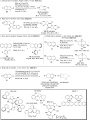


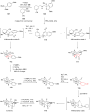


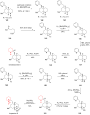


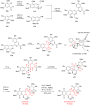


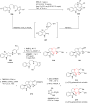

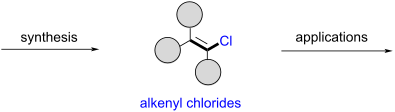
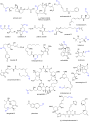
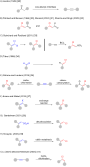
Synthesis and applications of alkenyl chlorides (vinyl chlorides): a review
Beilstein J. Org. Chem. 2026, 22, 1–63, doi:10.3762/bjoc.22.1

















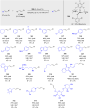
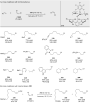
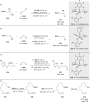


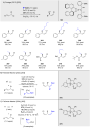


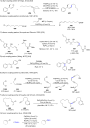


Thiazolidinones: novel insights from microwave synthesis, computational studies, and potentially bioactive hybrids
Beilstein J. Org. Chem. 2025, 21, 2618–2636, doi:10.3762/bjoc.21.203
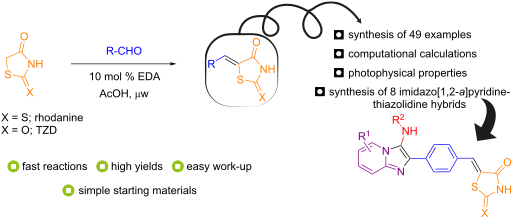
- scaffolds for several synthetic or natural compounds [5]. Five-membered heterocycles include the thiazolidinone nucleus, characterized by two heteroatoms and a carbonyl group on the fourth carbon, as seen in compounds like rhodanine and thiazolidine-2,4-dione derivatives (Figure 1). These privileged






Visible-light-driven NHC and organophotoredox dual catalysis for the synthesis of carbonyl compounds
Beilstein J. Org. Chem. 2025, 21, 2584–2603, doi:10.3762/bjoc.21.200
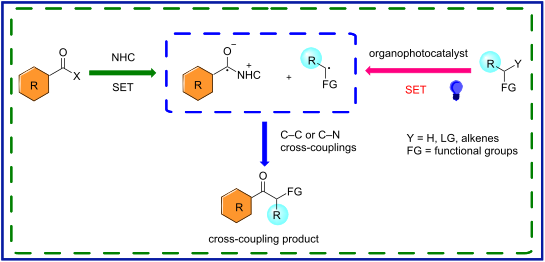
- transformations. Previous reports displayed various research groups successfully designed and prepared a variety of triazolium-based NHCs, eventually leading to the development of chiral NHC scaffolds by Knight and Leeper [17], followed by the remarkable contributions of Bode [18], Rovis [19], Glorius [20
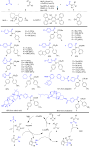
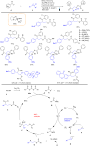
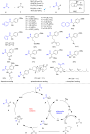
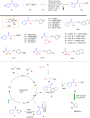
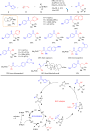
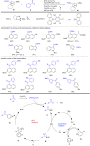
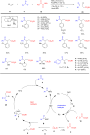
- production of ketone scaffolds, including drug moieties. The organocatalyzed acylation proceeds with excellent site selectivity and broad functional group tolerance of alkanes such as F, Cl, Br, I, CN, CF3, Me, and OMe. The reaction was achieved between acyl fluoride 4 and highly substituted alkane 7 in the
- existing metal-catalyzed C–H bond functionalization methods (Scheme 3) [53]. Recently, Scheidt et al. discovered an NHC/organic photoredox-catalyzed three-component coupling reaction for the efficient and novel preparation of γ-aryloxy ketone scaffolds 12. This transformation builds on the emerging field





Synthesis and characterization of a isothiouronium-calix[4]arene derivative: self-assembly and anticancer activity
Beilstein J. Org. Chem. 2025, 21, 2535–2541, doi:10.3762/bjoc.21.195
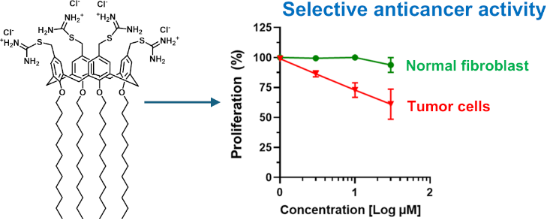
- and precise than current treatments. Numerous multivalent constructs have been reported in literature, both as compounds with intrinsic anticancer activity [4] and nanocarriers for anticancer drug delivery [5][6]. In the development of multivalent compounds, macrocyclic scaffolds such as cyclodextrins