
Search results
Search for "ligand" in Full Text gives 1052 result(s) in Beilstein Journal of Organic Chemistry. Showing first 200.
Controlled supramolecular assemblies of luminescent tridentate cyclometalated alkynylgold(III) amphiphiles in aqueous media
Beilstein J. Org. Chem. 2026, 22, 1097–1106, doi:10.3762/bjoc.22.88
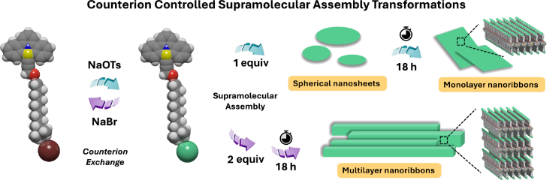
- gold(III) amphiphiles molecular designs and the resulting nanostructural changes. In general, gold(III) complexes suffered from low luminescent properties due to the intrinsic low-energy d–d ligand field states and the enriched electrophilicity of the gold(III) metal center. The non-emissive low-lying
- ligand bearing a propargyl group linked to a terminal quaternary ammonium group through a nonyl linker. Compared with our earlier bidentate designs, this tridentate design provides greater structural rigidity and enhanced luminescence in aqueous media and ambident conditions. Furthermore, the synthetic
- luminescent soft materials can be established towards biomedical and biomaterial applications. Results and Discussion Design and synthesis of GA The gold amphiphile was designed with a tridentate C^N^C cyclometalated gold(III) complex core, which is functionalized with a σ-donating alkynyl ligand. A propargyl


Synthesis of functionalized, 13-alkyl-substituted coralyne derivatives and investigation of their interactions with duplex and abasic site-containing DNA
Beilstein J. Org. Chem. 2026, 22, 1057–1066, doi:10.3762/bjoc.22.84
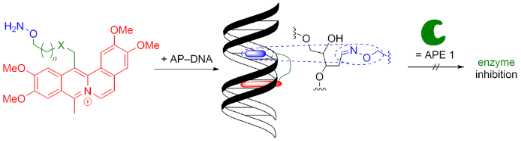
- released from a Boc-protected precursor and that the corresponding coralyne–alkoxyamine conjugate can operate as a ligand for AP-DNA and as inhibitor of enzymatic repair of abasic sites. Keywords: APE1 inhibition; DNA binders; N-hetarenes; papaverine; protoberberines; Introduction DNA is a main target in
- -binding units. Specifically, we proposed that the attachment of an (aminooxy)alkyl functionality may lead to a highly selective ligand for abasic site-containing DNA (AP-DNA) [36][37]. The latter is duplex DNA with apurinic/apyrimidinic (AP) sites, more generally named abasic sites (Scheme 1). Such AP
- with a more efficient preliminary DNA binding of the ligand before covalent connection. Herein, we report on our general attempts to synthesize coralyne derivatives with additional substituents in position 13 as well as exemplary studies of their ability for DNA binding and enzyme inhibition. Results


Synthesis of novel 1,2,4-oxadiazole-isoxazoline hybrids and their in silico potential with adenosine receptors
Beilstein J. Org. Chem. 2026, 22, 1033–1047, doi:10.3762/bjoc.22.82
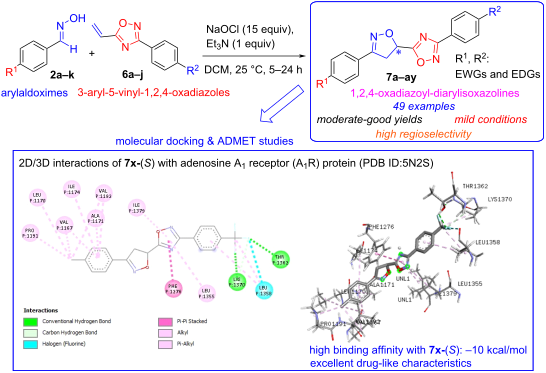
- strong binding affinities toward the adenosine A₁ receptor (−10.0 to −8.3 kcal/mol), surpassing the co-crystallized ligand and engaging in key stabilizing interactions within the binding pocket. Furthermore, ADMET predictions indicated favorable drug-likeness, high gastrointestinal absorption, and
- the observed product. In silico studies Molecular docking studies with adenosine receptor A molecular docking study was performed to obtain a comprehensive insight into the binding modes of the 1,2,4-oxadiazole-isoxazoline hybrids (7a–ay) and the co-crystallized reference ligand (1-butyl-3-(3
- reference ligand, against the A1 adenosine receptor, PDB ID 5N2S (https://doi.org/10.2210/pdb5N2S/pdb) [83], are summarized in Table 5 and Table 6. All compounds 7a–ay exhibited high predicted binding affinities toward the adenosine A1 receptor, with binding energies ranging from −10.0 to −8.3 kcal/mol


Synthesis and optical resolution of 4,5-diaminohomoadamantane: a promising scaffold for chiral ligands and bioactive compounds
Beilstein J. Org. Chem. 2026, 22, 1013–1022, doi:10.3762/bjoc.22.80
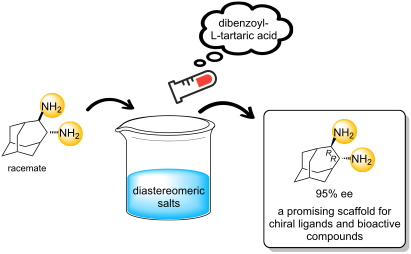
- decided to focus on new approaches to the synthesis of 4,5-diaminohomoadamantane, its chiral resolution, and to test its applicability as chirality-inducing ligand in selected model reactions. We commenced the study using a route for the synthesis of 4,5-diaminohomoadamantane from azidoxime 4. Initially
- , what allows to assign the (4R,5R)-configuration to compound 8a′. Since the chiral resolution of trans-4,5-diaminohomoadamantane was successful, we decided to study metal complexes of ligands based on (4R,5R)-8a′ in model reactions. Ligand 18 was obtained by the reaction of diamine (4R,5R)-8a' with
- benzaldehyde and the N,N’-dibenzyl-substituted ligand (4R,5R)-19’ was synthesized by reduction of diimine 18 (Scheme 7). Ligands (4R,5R)-8a′ and 18 were studied as chiral inducers in a Henry reaction. The reaction of benzaldehyde with nitromethane was carried out in iPrOH in the presence of copper(II) acetate


Rh(III)-catalyzed chelation-assisted C–H activation/annulation of 2-arylimidazolines with cyclic diazo-1,3-dicarbonyl compounds: a novel approach to tetracyclic annulated derivatives of 2,3-dihydroimidazo[2,1-a]isoquinoline
Beilstein J. Org. Chem. 2026, 22, 997–1003, doi:10.3762/bjoc.22.78
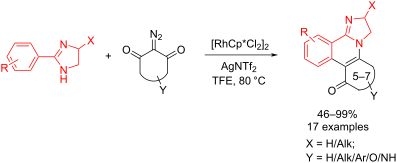
- with AgNTf2. An external non-bridging anion such as NTf is required to replace the bridging chloride ligand, which converts the inert dimeric rhodium complex into the reactive monomer. Next, a Rh(III)-catalyzed chelation-assisted C–H activation of imidazoline 2 occurs, generating a rhodacyclic


Electrochemical reduction of unsaturated carbon–carbon bonds via 3d transition-metal catalysis
Beilstein J. Org. Chem. 2026, 22, 955–981, doi:10.3762/bjoc.22.75
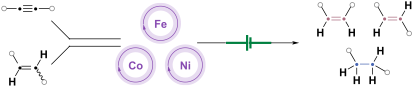
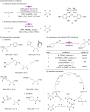
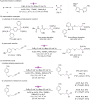
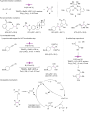
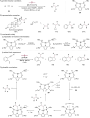
- accessible redox states and ligand-dependent electronic flexibility of earth-abundant transition metals. Consequently, modern electrochemical hydrogenation of unsaturated C–C bonds is understood not as a single mechanistic class, but rather as a continuum encompassing diverse reaction manifolds. Within this
- mechanistic landscape, 3d transition-metal catalysts occupy a uniquely versatile position, as their accessible redox states and ligand-dependent electronic tunability enable engagement with both metal hydride-involved and hydride-free pathways. Consequently, electrochemical control over electron and proton
- protonation to furnish the final product (Scheme 2D). Cobalt Alkynes to alkenes Cobalt readily operates within open-shell and radical manifolds [92][93], rendering it particularly effective for HAT-based reductive transformations. In 2022, the Baran group reported a ligand-controlled E- or Z-selective alkyne








Recent advances in copper-catalyzed direct hydroamination of alkenes with (hetero)aromatic amines
Beilstein J. Org. Chem. 2026, 22, 925–947, doi:10.3762/bjoc.22.73
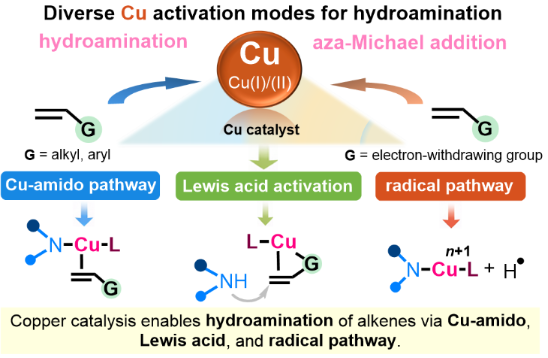
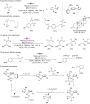
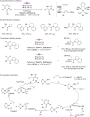
- coordination behavior of these substrates render such transformations inherently challenging. Recently, copper catalysis has emerged as a versatile and practical platform for addressing these limitations. Owing to its redox flexibility and ligand tunability, copper facilitates multiple activation modes
- )aromatic N–H nucleophiles. Notably, ligand design has emerged as a powerful tool for tuning the reactivity and selectivity, including control over Markovnikov vs anti-Markovnikov addition and enantioselective induction in selected cases. These developments collectively underscore the unique adaptability of
- transformed to 1b, reaching quantitative conversion within 5 min. For 1c, the sterically demanding dtbpeCu-NHPh (I) exhibited comparable or enhanced activity, highlighting the significant influence of the ligand environment on catalytic performance. These initial studies were conducted in C6D6 solvent without







Palladium-catalyzed benzocyclization reactions of quinoline-2-carboxamides via sequential C–H/N–H functionalization
Beilstein J. Org. Chem. 2026, 22, 905–914, doi:10.3762/bjoc.22.71
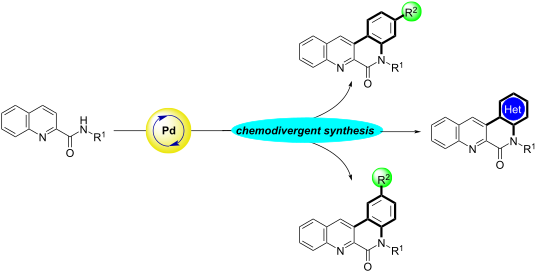
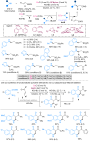
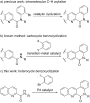
- proceeds at the C–H bond on the quinoline adjacent to the amide group and at the amide N–H bond in the presence of 10 mol % Pd(OAc)2 in o-xylene as a solvent to afford the cyclized product in 34% yield. The yield increases to 81% when the reaction is carried out with 80 mol % P(4-MeOC6H4)3 as a ligand and
- ). Notably, the reaction using o-xylene as the solvent supported a good mass balance of 1a and 3aa. Therefore, the coupling reaction conditions were further optimized using o-xylene as the solvent. The ligand effect was examined, and the results indicated that electron-donating ligands were more efficient
- . First, the activated palladium(0) catalyst is inserted into the carbon–iodine bond of the 1-bromo-2-iodoarene 2 via oxidative addition. The intermediate Int-2 then undergoes ligand exchange from iodine and phosphine to acetate and quinoline-2-carboxamide to generate intermediate Int-3. Then, through a




Site-specific labelling of native peptides and proteins: chemical and enzymatic strategies
Beilstein J. Org. Chem. 2026, 22, 857–881, doi:10.3762/bjoc.22.67
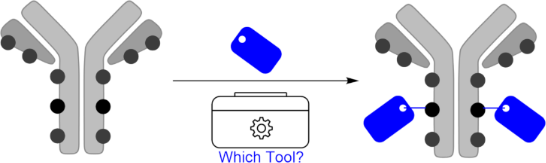
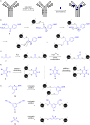
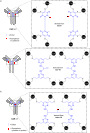
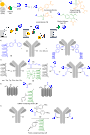
- composed of (1) an affinity ligand that binds to a localised region of a target protein, and (2) a reactive moiety, either a pre-installed electrophile or a catalytic unit that generates one. Once bound, the reactive group is transferred to the target protein, enabling covalent modification. This concept
- strategies broadly classified into non-catalytic and catalytic approaches. Non-catalytic approaches often involve tethering a reactive electrophile to a protein-binding ligand, thereby positioning the electrophile near a neighbouring nucleophilic residue. Example electrophiles include 4








The trans-influence in gold chemistry from a catalytic perspective
Beilstein J. Org. Chem. 2026, 22, 838–856, doi:10.3762/bjoc.22.66
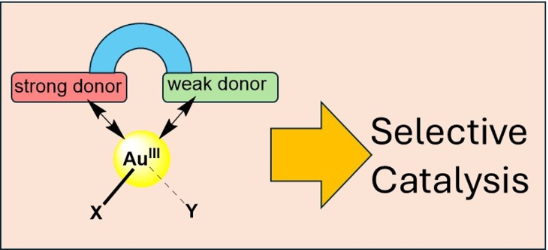
- gold(III) complexes has more recently become a focus of interest. Although often underestimated or not considered, the ligand trans-influence is a crucial factor in determining the reactivity of gold(III) compounds; it modifies not only bond polarisation, dissociation energies and thermal stability but
- also controls the nature of the gold frontier orbitals. This Perspective highlights recent insights into the origins and consequences of the ligand trans-influence and its importance for the energetics of gold-catalysed reactions, with special emphasis on the trans-influence in gold(III) hydrides and
- and reactivity in catalytic reactions [11][12][13][14][15][16][17][18][19]. There is however one important aspect of gold chemistry that is often under-appreciated: the strong control of reactions by the influence of a given ligand on another ligand in trans position, known as the trans-influence


Design, synthesis, and biological evaluation of FXR/ASK1 dual-target modulators
Beilstein J. Org. Chem. 2026, 22, 771–781, doi:10.3762/bjoc.22.59
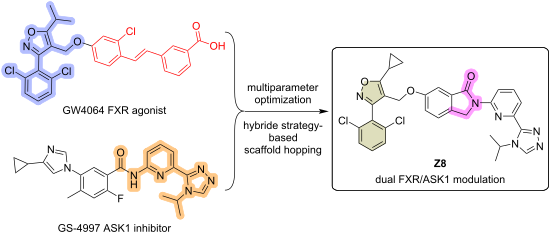
- ) Pd2(dba)3, Xantphos, Cs2CO3, 1,4-dioxane, 80 °C, 18 h, 21% yield. Molecular docking of dual-target modulator Z8 to the ligand binding sites of FXR (PDB ID: 3DCT, https://doi.org/10.2210/pdb3DCT/pdb) [41] and ASK1 (PDB ID: 6OYT, https://doi.org/10.2210/pdb6OYT/pdb) [44]. Supporting Information


Synthesis and biological evaluation of new brassinosteroid analogs with C-22 benzoate function
Beilstein J. Org. Chem. 2026, 22, 753–762, doi:10.3762/bjoc.22.57
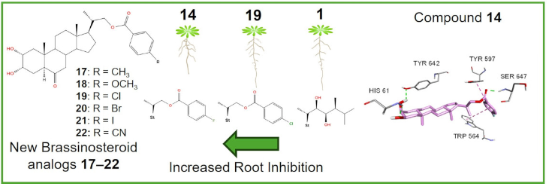
- . Keywords: biological activity; brassinosteroids; BRI1-EMS-Suppressor1; ligand–receptor interaction; structure–activity relationship; Introduction Brassinosteroids (BRs) are phytohormones that are widespread in the plant kingdom, and are found in very low concentrations, i.e., in the of nano- to micromolar
- BAK1 [50][51]. Furthermore, BRL2 was also excluded from the analysis because it does not exhibit high-affinity binding to brassinolide and is therefore considered non-functional in ligand perception within this signaling context. The calculated binding energy values are presented in Table 4
- ). Supporting Information Supporting Information File 13: NMR spectra of compounds, biological bioassays and protein–ligand interactions (molecular docking). Supporting Information File 14: Experimental section. Funding Luis Espinoza-Catalán thanks FONDEQUIP (Fondo de Equipamiento Científico y Tecnológico


Synthesis of heterocycles based on azomethine ylides from α-amino acids (or amines) and carbonyl compounds
Beilstein J. Org. Chem. 2026, 22, 705–741, doi:10.3762/bjoc.22.55
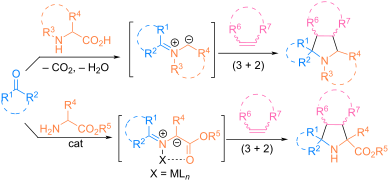
- the catalytic precursor and chiral bis-ferrocenyl amide phosphine (FAP) (L1) as ligand [36] (Scheme 2). The obtained results demonstrated the high efficiency of the Ag(I)-FAP catalytic system for this transformation. In particular, most α-(arylimino)esters yielded cycloaddition products 3 in excellent
- yields, diastereo- and enantioselectivities of analogous (3 + 2) cycloaddition reactions were achieved using new chiral catalytic systems, in particular, Zn(II)-imidazolinyl-[2.2]paracyclophanol (UCDImphanol) ligand [40] and Zn(II)-ferrocenyl-substituted aziridino alcohol ligand [41]. Later in 2005, the
- high yields (77–98%) and good enantioselectivity (67–92% ee). The in situ-generated azomethine ylide is coordinated to the metal center and oriented in transition state A due to the spatial repulsion between the aryl or cyclohexyl group in the ylide and the cyclohexyl fragments of ligand L7, while its


Using generative AI to transform peptide hits into small molecule leads
Beilstein J. Org. Chem. 2026, 22, 672–679, doi:10.3762/bjoc.22.51
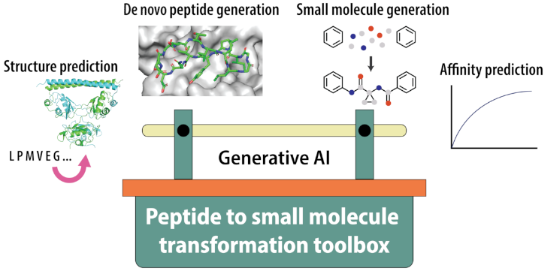
- . There are many AI tools for general ligand-based drug design under active development, spanning a range of generative architectures (e.g., variational autoencoders, generative adversarial networks). Here, we specifically highlight the potential of using diffusion-based models for generating small
- protein–ligand dataset (from Binding MOAD [51]) to factor in the constraints of typical binding pockets. ShEPhERD is an interaction-aware diffusion model developed by Coley and co-workers that is capable of bioisosteric fragment merging [39]. For fragment merging, the model was trained on a subset from
- discovery tools that are ligand-agnostic are under development, along with small molecule prediction methods that do not require experimental data on target-specific peptide binders. Nevertheless, we envisage that given the ease of binder design and screening, synthetic accessibility, and in vitro assay


Advantages of PROTACs in achieving selective degradation of homologous protein families
Beilstein J. Org. Chem. 2026, 22, 628–661, doi:10.3762/bjoc.22.49
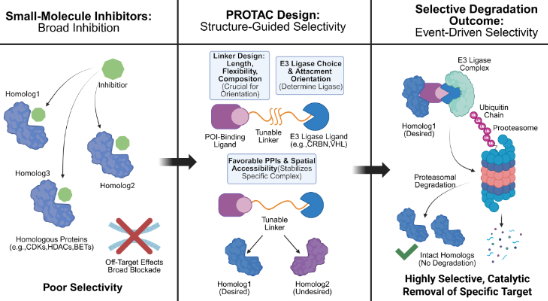
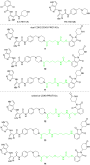
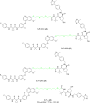
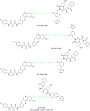
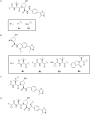
- the conformation of the ternary complex through the strategic modification of the POI ligand, the linker, and the E3 ligase ligand. Several studies have successfully utilized this strategy to enhance disease treatment outcomes via the PROTAC technology [22][28][29]. The rapid progression of the PROTAC
- ][36]. Accordingly, this review emphasizes the advantages of PROTACs in achieving high selectivity among homologous proteins. We systematically summarize the correlations between PROTAC structural components, specifically the POI ligand, the linker, and the E3 ligand, and their role in dictating
- Influence of linkers on the selectivity of PROTACs in highly homologous protein families As previously established [37], a PROTAC molecule comprises three essential components: a POI ligand, a linker, and an E3 ligand. In drug design, POI ligands are typically derived from FDA-approved small-molecule









Hydrogen production from formic acid catalyzed by NHC–Cu complexes
Beilstein J. Org. Chem. 2026, 22, 620–627, doi:10.3762/bjoc.22.48
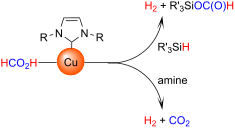
- have also been explored. Beller and co-workers reported the first Fe catalyst bearing a phosphine ligand able to produce H2 with a TON of 1942 in the absence of additives [32]. A well-defined pincer–Fe complex allowing FA decomposition was reported by Milstein and co-workers [33]. While high TONs (up
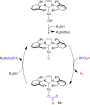
- 3 hours (Table 1, entry 2). Indeed, this complex proved to be three times more efficient than CuI, the best catalyst identified for this transformation in previous studies [44]. By replacing the chloride ligand with iodine, the conversion drastically decreased (Table 1, entry 4). The same effect was
- observed by using complexes bearing an NHC ligand with N-alkyl substituents or a saturated backbone (Table 1, entries 5 and 6). Finally, the effect of the bulkiness of the ligand was investigated. In the presence of [Cu(Cl)(IPr*)] (5) bearing a sterically demanding NHC, 36% conversion was achieved while



Towards the targeted protein degradation of CK2: design and synthesis of CAM4066-based PROTACs
Beilstein J. Org. Chem. 2026, 22, 611–619, doi:10.3762/bjoc.22.47
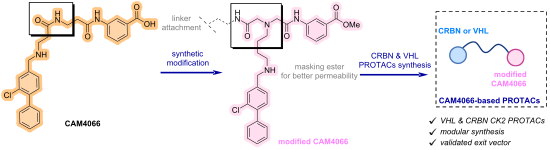
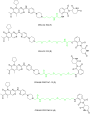
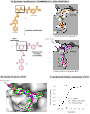
- conjugating a CAM4066-derived warhead to CRBN or VHL ligands, four VHL-recruiting PROTACs, were prepared using PEG and alkyl linkers, alongside two CRBN-recruiting analogues featuring constrained linkers. A ligand–linker analogue in which a linker is projected from the solvent-exposed region of CK2α retained
- adjacent to the ATP-binding site of CK2α [5][6]. Fragment-based ligand discovery subsequently enabled the development of CAM4066, a selective inhibitor that simultaneously engages the αD and ATP sites. CAM4066 validated the αD region as a tractable and selective binding pocket for CK2 kinase inhibition
- conjugated CAM4066-derived ligands to both CRBN or VHL E3-ligase recruiters. We created VHL-recruiting PROTACs for CK2 using PEG and alkyl linkers, while the CRBN-recruiting analogues featured more constrained linkers. A ligand–linker analogue bearing a linker projected from the solvent-exposed region of the

Design and synthesis of an erdafitinib-based selective FGFR2 degrader
Beilstein J. Org. Chem. 2026, 22, 583–591, doi:10.3762/bjoc.22.44
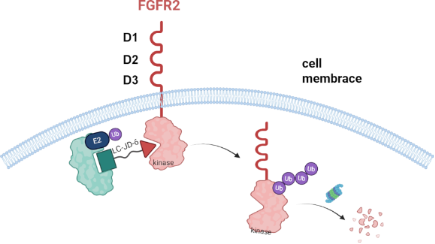
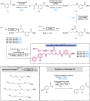
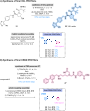
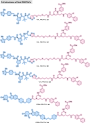
- growth factor receptor 2 (FGFR2) to overcome the issues of drug resistance and adverse reactions associated with traditional inhibitors in the treatment of FGFR2-driven tumors. Erdafitinib was employed as the targeting ligand, and its aliphatic amine site was conjugated with a CRBN E3 ligase ligand to
- proper ligand binding, thus promoting uncontrolled cell proliferation [11][14]. Mutations in FGFR2 may alter its structure, enabling it to bypass normal regulatory mechanisms and activate downstream oncogenic pathways independently of external stimuli, which also contributes to tumor development. Gene
- Discussion FGFR2-targeted degrader design PROTAC molecules are composed of three key elements: a specific ligand targeting the protein of interest (POI), a recruiter for an E3 ubiquitin ligase, and a linker that covalently connects these two functional moieties into a single molecular entity [29]. Herein, we



Kinetic resolution of racemic planar-chiral vinylcymantrenes by molybdenum-catalyzed asymmetric metathesis dimerization
Beilstein J. Org. Chem. 2026, 22, 568–574, doi:10.3762/bjoc.22.42
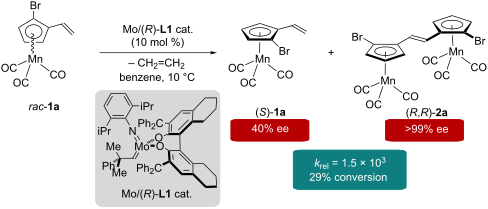
- )/kinetic resolution (KR) of racemic planar-chiral vinylcymantrene derivatives rac-1a–c The vinylcymantrene substrates, rac-1, prepared as above are planar-chiral due to the presence of an unsymmetrically substituted η5-(1-R-2-vinylcyclopentadienyl ligand (R = Br, Me, or I). The racemic substrates were
- benzene at the indicated temperature in the presence of an appropriate chiral Mo-precatalyst (10 mol %), which was generated in situ from the Mo-precursor, (pyrrolyl)2Mo(=CHCMe2Ph)(=N-C6H3-2,6-iPr2) [36], and an axially chiral biphenol ligand. The chiral Mo/(R)-L1 precatalyst [21] facilitated the


Molecular tweezer–peptide conjugates disrupt the protein–protein interaction between survivin and histone H3 essential in mitosis
Beilstein J. Org. Chem. 2026, 22, 557–567, doi:10.3762/bjoc.22.41
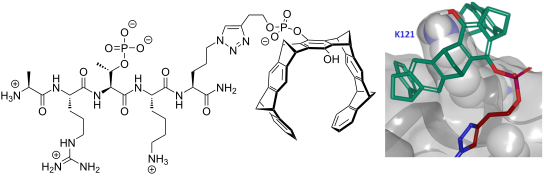
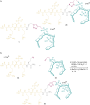
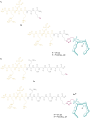
- Lys-121 to alanine in the survivin protein resulted in a drastic loss of binding affinity (WT 120 nM to K121A 22 µM) for the new ligand (Figure 3). We conclude that the new tweezer conjugate specifically directs its tweezer moiety to Lys-121 and thus reinforces the H3–survivin peptide–protein




Modern synthetic pathways towards eribulin and its subunits
Beilstein J. Org. Chem. 2026, 22, 495–526, doi:10.3762/bjoc.22.37
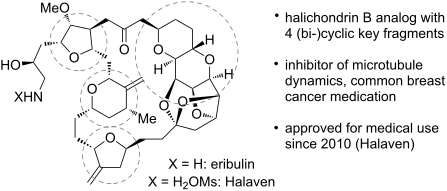
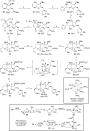
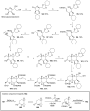
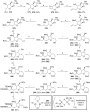
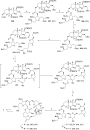
- , Nicolaou and co-workers merged both building blocks within a Ni(II)/Cr(II)-catalyzed NHK reaction using chiral ligand 206 (Scheme 23) [95]. Upon treatment with DBU, 3-methylenetetrahydrofuran 201 was obtained in 56% yield over two steps. PMB-deprotection, iodination and selective reduction of the ester
- coupling between aldehyde 292 and iodide 296 with ligand 172 (see Scheme 17) was used for the assembly of 297 (Scheme 34). The addition of KHMDS induced the cyclization towards tetrahydropyran 298. Finally, oxidation of the sulfide moiety afforded sulfone 299. Using this synthetic strategy, Kim and co








Synthesis and uranyl(VI) extraction performance of a calix[4]pyrrole–tetrahydroxamic acid receptor
Beilstein J. Org. Chem. 2026, 22, 486–494, doi:10.3762/bjoc.22.36
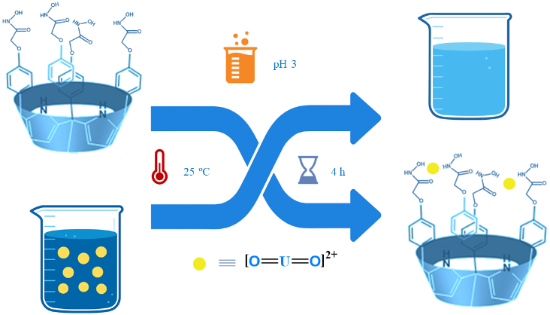
- , removing up to 95% of uranyl(VI) from aqueous solutions (1 mM) at acidic pH, likely due to the strong coordination provided by its hydroxamic acid groups. Further studies revealed that the extraction efficiency also depends on the ligand-to-metal molar ratio. These findings establish PCP HA as a promising
- spectroscopy. The extraction performance was systematically evaluated as a function of pH and ligand-to-metal molar ratio to study the effect of these two key parameters on the extraction process. In doing so, this work aligns with current research dedicated to the design of functional supramolecular materials
- corresponding hydroxamic acid, with no detectable acid-derived by-products. Solubility tests revealed that PCP HA is soluble exclusively in highly polar aprotic solvents (DMSO, DMF) and remains completely insoluble in other common organic solvents (chloroform, ether, etc.) and water. The absence of ligand


Recent advances in the stereoselective synthesis of distal biaxially chiral molecules
Beilstein J. Org. Chem. 2026, 22, 461–479, doi:10.3762/bjoc.22.34
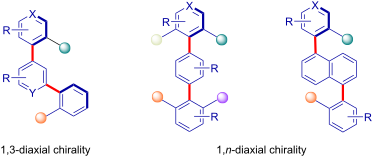
- , Hayashizaki, and Ito reported a highly stereoselective asymmetric cross-coupling reaction of 2-methylnaphthylmagnesium bromide with bromonaphthalene, catalyzed by a nickel complex with ferrocenylphosphine as the ligand, successfully synthesizing biaxially chiral molecules, namely 1,1':5',1"- and 1,1':4',1
- ligands (Scheme 3) [44]. The resulting catalysts 18 demonstrated remarkable efficiency in the asymmetric transfer hydrogenation of quinoline derivatives. Along similar lines, Zhang and co-workers introduced an additional axial chirality element into a ligand framework, affording a pair of diastereomeric
- potential applications in ligand and catalyst development. In a complementary direction, Smith’s group achieved the highly enantioselective synthesis of axially chiral naphthamides (Scheme 6) [47]. Their strategy employed transition-state hydrogen bonding to induce substrate deracemization, followed by


A facile and practical method for the synthesis of trans-(±)-taxifolin and its derivatives via Darzens reaction
Beilstein J. Org. Chem. 2026, 22, 443–450, doi:10.3762/bjoc.22.31
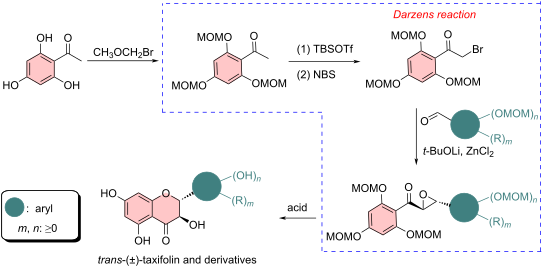
- readily available. Additionally, Xiang et al. [17] and Jew et al. [18] reported asymmetric syntheses of taxifolin, which suffer from long-step operation and the use of complicated and expensive metal-ligand catalysts. Currently, the most widely used chemical method is the synthesis of trans-(±)-taxifolin


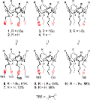
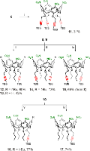
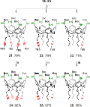
Cone p-aminocalix[4]arenes enriched with ‘clickable’ alkyne or azide functionalities
Beilstein J. Org. Chem. 2026, 22, 399–415, doi:10.3762/bjoc.22.28
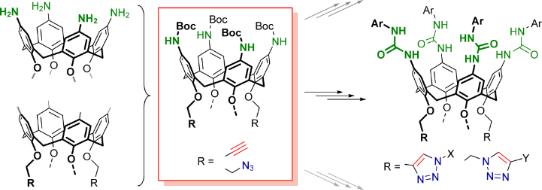
- was required to complete the cycloaddition), an even lower isolated yield of calixarene 37 (≈35%) was observed, indicating that a large portion of Cu+ was complexed with the calixarene product when no excess competing ligand such as triethylamine was present in the reaction mixture. Following our