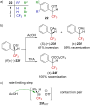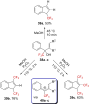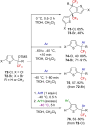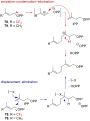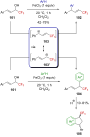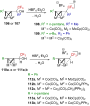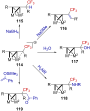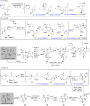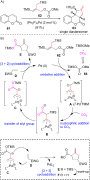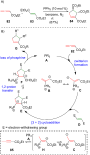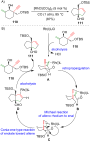

Search for "tandem" in Full Text gives 410 result(s) in Beilstein Journal of Organic Chemistry. Showing first 200.
Beilstein J. Org. Chem. 2021, 17, 1096–1140, doi:10.3762/bjoc.17.86

Graphical Abstract
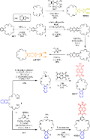
Scheme 1: General strategy for the enantioselective synthesis of N-containing heterocycles from N-tert-butane...
Scheme 2: Methodologies for condensation of aldehydes and ketones with tert-butanesulfinamides (1).
Scheme 3: Transition models for cis-aziridines and trans-aziridines.
Scheme 4: Mechanism for the reduction of N-tert-butanesulfinyl imines.
Scheme 5: Transition models for the addition of organomagnesium and organolithium compounds to N-tert-butanes...
Scheme 6: Synthesis of 2,2-dibromoaziridines 15 from aldimines 14 and bromoform, and proposed non-chelation-c...
Scheme 7: Diastereoselective synthesis of aziridines from tert-butanesulfinyl imines.
Scheme 8: Synthesis of vinylaziridines 22 from aldimines 14 and 1,3-dibromopropene 23, and proposed chelation...
Scheme 9: Synthesis of vinylaziridines 27 from aldimines 14 and α-bromoesters 26, and proposed transition sta...
Scheme 10: Synthesis of 2-chloroaziridines 28 from aldimines 14 and dichloromethane, and proposed transition s...
Scheme 11: Synthesis of cis-vinylaziridines 30 and 31 from aldimines 14 and bromomethylbutenolide 29.
Scheme 12: Synthesis of 2-chloro-2-aroylaziridines 36 and 32 from aldimines 14, arylnitriles 34, and silyldich...
Scheme 13: Synthesis of trifluoromethylaziridines 39 and proposed transition state of the aziridination.
Scheme 14: Synthesis of aziridines 42 and proposed state transition.
Scheme 15: Synthesis of 1-substituted 2-azaspiro[3.3]heptanes, 1-phenyl-2-azaspiro[3.4]octane and 1-phenyl-2-a...
Scheme 16: Synthesis of 1-substituted 2,6-diazaspiro[3.3]heptanes 48 from chiral imines 14 and 1-Boc-azetidine...
Scheme 17: Synthesis of β-lactams 52 from chiral imines 14 and dimethyl malonate (49).
Scheme 18: Synthesis of spiro-β-lactam 57 from chiral (RS)-N-tert-butanesulfinyl isatin ketimine 53 and ethyl ...
Scheme 19: Synthesis of β-lactam 60, a precursor of (−)-batzelladine D (61) and (−)-13-epi-batzelladine D (62)...
Scheme 20: Rhodium-catalyzed asymmetric synthesis of 3-substituted pyrrolidines 66 from chiral imine (RS)-63 a...
Scheme 21: Asymmetric synthesis of 1,3-disubstituted isoindolines 69 and 70 from chiral imine 67.
Scheme 22: Asymmetric synthesis of cis-2,5-disubstituted pyrrolidines 73 from chiral imine (RS)-71.
Scheme 23: Asymmetric synthesis of 3-hydroxy-5-substituted pyrrolidin-2-ones 77 from chiral imine (RS)-74.
Scheme 24: Asymmetric synthesis of 4-hydroxy-5-substituted pyrrolidin-2-ones 80 from chiral imines 79.
Scheme 25: Asymmetric synthesis of 3-pyrrolines 82 from chiral imines 14 and ethyl 4-bromocrotonate (81).
Scheme 26: Asymmetric synthesis of γ-amino esters 84, and tetramic acid derivative 86 from chiral imines (RS)-...
Scheme 27: Asymmetric synthesis of α-methylene-γ-butyrolactams 90 from chiral imines (Z,SS)-87 and ethyl 2-bro...
Scheme 28: Asymmetric synthesis of methylenepyrrolidines 92 from chiral imines (RS)-14 and 2-(trimethysilylmet...
Scheme 29: Synthesis of dibenzoazaspirodecanes from cyclic N-tert-butanesulfinyl imines.
Scheme 30: Stereoselective synthesis of cyclopenta[c]proline derivatives 103 from β,γ-unsaturated α-amino acid...
Scheme 31: Stereoselective synthesis of alkaloids (−)-angustureine (107) and (−)-cuspareine (108).
Scheme 32: Stereoselective synthesis of alkaloids (−)-pelletierine (112) and (+)-coniine (117).
Scheme 33: Synthesis of piperidine alkaloids (+)-dihydropinidine (122a), (+)-isosolenopsin (122b) and (+)-isos...
Scheme 34: Stereoselective synthesis of the alkaloids(+)-sedamine (125) from chiral imine (SS)-119.
Scheme 35: Stereoselective synthesis of trans-5-hydroxy-6-substituted-2-piperidinones 127 and 129 from chiral ...
Scheme 36: Stereoselective synthesis of trans-5-hydroxy-6-substituted ethanone-2-piperidinones 132 from chiral...
Scheme 37: Stereoselective synthesis of trans-3-benzyl-5-hydroxy-6-substituted-2-piperidinones 136 from chiral...
Scheme 38: Stereoselective synthesis of trans-5-hydroxy-6-substituted 2-piperidinones 139 from chiral imine 138...
Scheme 39: Stereoselective synthesis of ʟ-hydroxypipecolic acid 145 from chiral imine 144.
Scheme 40: Synthesis of 1-substituted isoquinolones 147, 149 and 151.
Scheme 41: Stereoselective synthesis of 3-substituted dihydrobenzo[de]isoquinolinones 154.
Scheme 42: Enantioselective synthesis of alkaloids (S)-1-benzyl-6,7-dimethoxy-1,2,3,4-tetrahydroisoquinoline (...
Scheme 43: Enantioselective synthesis of alkaloids (−)-cermizine B (171) and (+)-serratezomine E (172) develop...
Scheme 44: Stereoselective synthesis of (+)-isosolepnosin (177) and (+)-solepnosin (178) from homoallylamine d...
Scheme 45: Stereoselective synthesis of tetrahydroquinoline derivatives 184, 185 and 187 from chiral imines (RS...
Scheme 46: Stereoselective synthesis of pyridobenzofuran and pyridoindole derivatives 193 from homopropargylam...
Scheme 47: Stereoselective synthesis of 2-substituted 1,2,5,6-tetrahydropyridines 196 from chiral imines (RS)-...
Scheme 48: Stereoselective synthesis of 2-substituted trans-2,6-disubstituted piperidine 199 from chiral imine...
Scheme 49: Stereoselective synthesis of cis-2,6-disubstituted piperidines 200, and alkaloid (+)-241D, from chi...
Scheme 50: Stereoselective synthesis of 6-substituted piperidines-2,5-diones 206 and 1,7-diazaspiro[4.5]decane...
Scheme 51: Stereoselective synthesis of spirocyclic oxindoles 210 from chiral imines (RS)-53.
Scheme 52: Stereoselective synthesis of azaspiro compound 213 from chiral imine 211.
Scheme 53: Stereoselective synthesis of tetrahydroisoquinoline derivatives from chiral imines (RS)-214.
Scheme 54: Stereoselective synthesis of (−)-crispine A 223 from chiral imine (RS)-214.
Scheme 55: Synthesis of (−)-harmicine (228) using tert-butanesulfinamide through haloamide cyclization.
Scheme 56: Stereoselective synthesis of tetraponerines T1–T8.
Scheme 57: Stereoselective synthesis of phenanthroindolizidines 246a and (−)-tylophorine (246b), and phenanthr...
Scheme 58: Stereoselective synthesis of indoline, tetrahydroquinoline and tetrahydrobenzazepine derivatives 253...
Scheme 59: Stereoselective synthesis of (+)-epohelmin A (258) and (+)-epohelmin B (260) from aldimine (RS)-79.
Scheme 60: Stereoselective synthesis of (−)-epiquinamide (266) from chiral aldimine (SS)-261.
Scheme 61: Synthesis synthesis of (–)-hippodamine (273) and (+)-epi-hippodamine (272) using chiral sulfinyl am...
Scheme 62: Stereoselective synthesis of (+)-grandisine D (279) and (+)-amabiline (283).
Scheme 63: Stereoselective synthesis of (−)-epiquinamide (266) and (+)-swaisonine (291) from aldimine (SS)-126....
Scheme 64: Stereoselective synthesis of (+)-C(9a)-epi-epiquinamide (294).
Scheme 65: Stereoselective synthesis of (+)-lasubine II (298) from chiral aldimine (SS)-109.
Scheme 66: Stereoselective synthesis of (−)-epimyrtine (300a) and (−)-lasubine II (ent-302) from β-amino keton...
Scheme 67: Stereoselective synthesis of (−)-tabersonine (310), (−)-vincadifformine (311), and (−)-aspidospermi...
Scheme 68: Stereoselective synthesis of (+)-epohelmin A (258) and (+)-epohelmin B (260) from aldehyde 313 and ...
Scheme 69: Total synthesis of (+)-lysergic acid (323) from N-tert-butanesulfinamide (RS)-1.
Beilstein J. Org. Chem. 2021, 17, 1048–1085, doi:10.3762/bjoc.17.84
Graphical Abstract
Scheme 1: Synthesis of optically pure 4-phenylchroman-2-one [34].
Scheme 2: Synthesis of (R)-tolterodine [3].
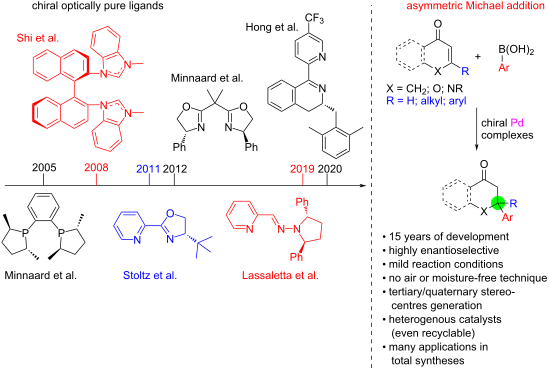
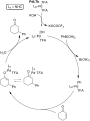
Scheme 3: Catalytic cycle of the Pd(II)-catalysed 1,4-addition of organoboron reagents to enones [3,26,35].
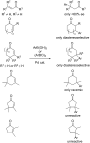
Scheme 4: Enantioselective β-arylation of cyclohexanone [38].
Scheme 5: Application of L2/Pd(OAc)2 in the total synthesis of terpenes [8].
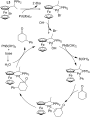
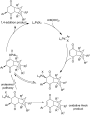
Scheme 6: Plausible catalytic cycle for the addition of phenylboronic acid to 2-cyclohexenone catalysed by L3...
Scheme 7: Microwave-assisted addition of phenylboronic acid to 2-cyclohexenone catalysed by L4/Pd2(dba)3·CHCl3...
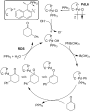
Scheme 8: Plausible catalytic cycle of the addition of phenylboronic acid to 2-cyclohexenone catalysed by pal...
Scheme 9: Proposed catalytic cycle for the addition of phenylboronic acids to 2-cyclohexenone catalysed by Pd...
Scheme 10: Usage of addition reactions of boronic acids to various chromones in the syntheses of potentially a...
Scheme 11: Multigram-scale synthesis of ABBV-2222 [6].
Scheme 12: Application of the asymmetric addition of phenylboronic acid to a chromone derivative for the total...
Scheme 13: Plausible catalytic cycle for the addition of phenylboronic acid to 3-methyl-2-cyclohexenone cataly...
Scheme 14: Total syntheses of naturally occurring terpenoids [10,11].
Scheme 15: Use of the L9/Pd(TFA)2 catalytic system for the synthesis of intermediates of biologically active c...
Scheme 16: Usage of a Michael addition catalysed by L9/Pd(TFA)2 in the total synthesis of (–)-ar-tenuifolene [12].
Scheme 17: Synthesis of terpenoids by Michael addition to 3-methyl-2-cyclopentenone [13].
Scheme 18: Rh-catalysed isomerisation of 3-alkyl-3-arylcyclopentanones to 1-tetralones [53].
Scheme 19: Addition reaction of phenylboronic acid to 3-methyl-2-cyclohexenone catalysed by L9/Pd(TFA)2 in wat...
Scheme 20: Micellar nanoreactor PdL10c for the synthesis of flavanones [58].
Scheme 21: Plausible catalytic cycle for the desymmetrisation of polycyclic cyclohexenediones by the addition ...
Scheme 22: Attempt to use the catalytic system L2/Pd(TFA)2 for the addition of phenylboronic acid to 3-methyl-...
Scheme 23: Ring opening of an enantioenriched tetrahydropyran-2-one derivative as alternative strategy to line...
Scheme 24: Synthesis of biologically active compounds from addition products [14-16].
Scheme 25: Chiral 1,10-phenantroline derivative L15 as ligand for the Pd-catalysed addition reactions of pheny...
Scheme 26: The Rh-catalysed addition reaction of phenylboronic acid to a 3-substituted enone [20].
Scheme 27: Underdeveloped methodologies [14,15,65-67].
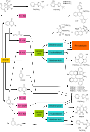
Scheme 28: Flowchart for the selection of the proper catalytic system.
Beilstein J. Org. Chem. 2021, 17, 932–963, doi:10.3762/bjoc.17.77
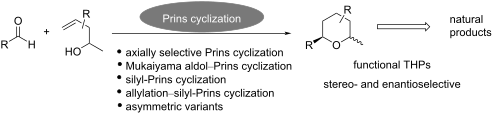
Graphical Abstract
Scheme 1: General strategy for the synthesis of THPs.
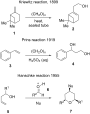
Scheme 2: Developments towards the Prins cyclization.
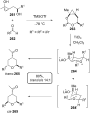
Scheme 3: General stereochemical outcome of the Prins cyclization.
Scheme 4: Regioselectivity in the Prins cyclization.
Scheme 5: Mechanism of the oxonia-Cope reaction in the Prins cyclization.
Scheme 6: Cyclization of electron-deficient enantioenriched alcohol 27.
Scheme 7: Partial racemization through 2-oxonia-Cope allyl transfer.
Scheme 8: Partial racemization by reversible 2-oxonia-Cope rearrangement.
Scheme 9: Rychnovsky modification of the Prins cyclization.
Scheme 10: Synthesis of (−)-centrolobine and the C22–C26 unit of phorboxazole A.
Scheme 11: Axially selective Prins cyclization by Rychnovsky et al.
Scheme 12: Mechanism for the axially selectivity Prins cyclization.
Scheme 13: Mukaiyama aldol–Prins cyclization reaction.
Scheme 14: Application of the aldol–Prins reaction.
Scheme 15: Hart and Bennet's acid-promoted Prins cyclization.
Scheme 16: Tetrahydropyran core of polycarvernoside A as well as (−)-clavoslide A and D.
Scheme 17: Scheidt and co-workers’ route to tetrahydropyran-4-one.
Scheme 18: Mechanism for the Lewis acid-catalyzed synthesis of tetrahydropyran-4-one.
Scheme 19: Hoveyda and co-workers’ strategy for 2,6-disubstituted 4-methylenetetrahydropyran.
Scheme 20: Funk and Cossey’s ene-carbamates strategy.
Scheme 21: Yadav and Kumar’s cyclopropane strategy for THP synthesis.
Scheme 22: 2-Arylcylopropylmethanolin in centrolobine synthesis.
Scheme 23: Yadav and co-workers’ strategy for the synthesis of THP.
Scheme 24: Yadav and co-workers’ Prins–Ritter reaction sequence for 4-amidotetrahydropyran.
Scheme 25: Yadav and co-workers’ strategy to prelactones B, C, and V.
Scheme 26: Yadav and co-workers’ strategy for the synthesis of (±)-centrolobine.
Scheme 27: Loh and co-workers’ strategy for the synthesis of zampanolide and dactylolide.
Scheme 28: Loh and Chan’s strategy for THP synthesis.
Scheme 29: Prins cyclization of cyclohexanecarboxaldehyde.
Scheme 30: Prins cyclization of methyl ricinoleate (127) and benzaldehyde (88).
Scheme 31: AlCl3-catalyzed cyclization of homoallylic alcohol 129 and aldehyde 130.
Scheme 32: Martín and co-workers’ stereoselective approach for the synthesis of highly substituted tetrahydrop...
Scheme 33: Ene-IMSC strategy by Marko and Leroy for the synthesis of tetrahydropyran.
Scheme 34: Marko and Leroy’s strategy for the synthesis of tetrahydropyrans 146.
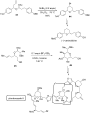
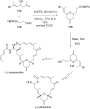
Scheme 35: Sakurai dimerization/macrolactonization reaction for the synthesis of cyanolide A.
Scheme 36: Hoye and Hu’s synthesis of (−)-dactyloide by intramolecular Sakurai cyclization.
Scheme 37: Minehan and co-workers’ strategy for the synthesis of THPs 157.
Scheme 38: Yu and co-workers’ allylic transfer strategy for the construction of tetrahydropyran 161.
Scheme 39: Reactivity enhancement in intramolecular Prins cyclization.
Scheme 40: Floreancig and co-workers’ Prins cyclization strategy to (+)-dactyloide.
Scheme 41: Panek and Huang’s DHP synthesis from crotylsilanes: a general strategy.
Scheme 42: Panek and Huang’s DHP synthesis from syn-crotylsilanes.
Scheme 43: Panek and Huang’s DHP synthesis from anti-crotylsilanes.
Scheme 44: Roush and co-workers’ [4 + 2]-annulation strategy for DHP synthesis [82].
Scheme 45: TMSOTf-promoted annulation reaction.
Scheme 46: Dobb and co-workers’ synthesis of DHP.
Scheme 47: BiBr3-promoted tandem silyl-Prins reaction by Hinkle et al.
Scheme 48: Substrate scope of Hinkle and co-workers’ strategy.
Scheme 49: Cho and co-workers’ strategy for 2,6 disubstituted 3,4-dimethylene-THP.
Scheme 50: Furman and co-workers’ THP synthesis from propargylsilane.
Scheme 51: THP synthesis from silyl enol ethers.
Scheme 52: Rychnovsky and co-workers’ strategy for THP synthesis from hydroxy-substituted silyl enol ethers.
Scheme 53: Li and co-workers’ germinal bissilyl Prins cyclization strategy to (−)-exiguolide.
Scheme 54: Xu and co-workers’ hydroiodination strategy for THP.
Scheme 55: Wang and co-workers’ strategy for tetrahydropyran synthesis.
Scheme 56: FeCl3-catalyzed synthesis of DHP from alkynylsilane alcohol.
Scheme 57: Martín, Padrón, and co-workers’ proposed mechanism of alkynylsilane Prins cyclization for the synth...
Scheme 58: Marko and co-workers’ synthesis of 2,6-anti-configured tetrahydropyran.
Scheme 59: Loh and co-workers’ strategy for 2,6-syn-tetrahydropyrans.
Scheme 60: Loh and co-workers’ strategy for anti-THP synthesis.
Scheme 61: Cha and co-workers’ strategy for trans-2,6-tetrahydropyran.
Scheme 62: Mechanism proposed by Cha et al.
Scheme 63: TiCl4-mediated cyclization to trans-THP.
Scheme 64: Feng and co-workers’ FeCl3-catalyzed Prins cyclization strategy to 4-hydroxy-substituted THP.
Scheme 65: Selectivity profile of the Prins cyclization under participation of an iron ligand.
Scheme 66: Sequential reactions involving Prins cyclization.
Scheme 67: Banerjee and co-workers’ strategy of Prins cyclization from cyclopropane carbaldehydes and propargy...
Scheme 68: Mullen and Gagné's (R)-[(tolBINAP)Pt(NC6F5)2][SbF6]2-catalyzed asymmetric Prins cyclization strateg...
Scheme 69: Yu and co-workers’ DDQ-catalyzed asymmetric Prins cyclization strategy to trisubstituted THPs.
Scheme 70: Lalli and Weghe’s chiral-Brønsted-acid- and achiral-Lewis-acid-promoted asymmetric Prins cyclizatio...
Scheme 71: List and co-workers’ iIDP Brønsted acid-promoted asymmetric Prins cyclization strategy.
Scheme 72: Zhou and co-workers’ strategy for chiral phosphoric acid (CPA)-catalyzed cascade Prins cyclization.
Scheme 73: List and co-workers’ approach for asymmetric Prins cyclization using chiral imidodiphosphoric acid ...
Beilstein J. Org. Chem. 2021, 17, 819–865, doi:10.3762/bjoc.17.71
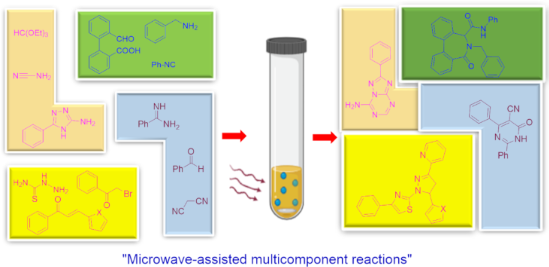
Graphical Abstract
Figure 1: Marketed drugs with acridine moiety.
Scheme 1: Synthesis of 4-arylacridinediones.
Scheme 2: Proposed mechanism for acridinedione synthesis.
Scheme 3: Synthesis of tetrahydrodibenzoacridinones.
Scheme 4: Synthesis of naphthoacridines.
Scheme 5: Plausible mechanism for naphthoacridines.
Figure 2: Benzoazepines based potent molecules.
Scheme 6: Synthesis of azepinone.
Scheme 7: Proposed mechanism for azepinone formation.
Scheme 8: Synthesis of benzoazulenen-1-one derivatives.
Scheme 9: Proposed mechanism for benzoazulene-1-one synthesis.
Figure 3: Indole-containing pharmacologically active molecules.
Scheme 10: Synthesis of functionalized indoles.
Scheme 11: Plausible mechanism for the synthesis of functionalized indoles.
Scheme 12: Synthesis of spirooxindoles.
Scheme 13: Synthesis of substituted spirooxindoles.
Scheme 14: Plausible mechanism for the synthesis of substituted spirooxindoles.
Scheme 15: Synthesis of pyrrolidinyl spirooxindoles.
Scheme 16: Proposed mechanism for pyrrolidinyl spirooxindoles.
Figure 4: Pyran-containing biologically active molecules.
Scheme 17: Synthesis of functionalized benzopyrans.
Scheme 18: Plausible mechanism for synthesis of benzopyran.
Scheme 19: Synthesis of indoline-spiro-fused pyran derivatives.
Scheme 20: Proposed mechanism for indoline-spiro-fused pyran.
Scheme 21: Synthesis of substituted naphthopyrans.
Figure 5: Marketed drugs with pyrrole ring.
Scheme 22: Synthesis of tetra-substituted pyrroles.
Scheme 23: Mechanism for silica-supported PPA-SiO2-catalyzed pyrrole synthesis.
Scheme 24: Synthesis of pyrrolo[1,10]-phenanthrolines.
Scheme 25: Proposed mechanism for pyrrolo[1,10]-phenanthrolines.
Figure 6: Marketed drugs and molecules containing pyrimidine and pyrimidinones skeletons.
Scheme 26: MWA-MCR pyrimidinone synthesis.
Scheme 27: Two proposed mechanisms for pyrimidinone synthesis.
Scheme 28: MWA multicomponent synthesis of dihydropyrimidinones.
Scheme 29: Proposed mechanism for dihydropyrimidinones.
Figure 7: Biologically active fused pyrimidines.
Scheme 30: MWA- MCR for the synthesis of pyrrolo[2,3-d]pyrimidines.
Scheme 31: Proposed mechanism for pyrrolo[2,3-d]pyrimidines.
Scheme 32: Synthesis of substituted pyrrolo[2,3-d]pyrimidine-2,4-diones.
Scheme 33: Probable pathway for pyrrolo[2,3-d]pyrimidine-2,4-diones.
Scheme 34: Synthesis of pyridopyrimidines.
Scheme 35: Plausible mechanism for the synthesis of pyridopyrimidines.
Scheme 36: Synthesis of dihydropyridopyrimidine and dihydropyrazolopyridine.
Scheme 37: Proposed mechanism for the formation of dihydropyridopyrimidine.
Scheme 38: Synthesis of thiopyrano[4,3-d]pyrimidines.
Scheme 39: Plausible mechanism for the synthesis of thiopyrano[4,3-d]pyrimidines.
Scheme 40: Synthesis of decorated imidazopyrimidines.
Scheme 41: Proposed mechanism for imidazopyrimidine synthesis.
Figure 8: Pharmacologically active molecules containing purine bases.
Scheme 42: Synthesis of aza-adenines.
Scheme 43: Synthesis of 5-aza-7-deazapurines.
Scheme 44: Proposed mechanism for deazapurines synthesis.
Figure 9: Biologically active molecules containing pyridine moiety.
Scheme 45: Synthesis of steroidal pyridines.
Scheme 46: Proposed mechanism for steroidal pyridine.
Scheme 47: Synthesis of N-alkylated 2-pyridones.
Scheme 48: Two possible mechanisms for pyridone synthesis.
Scheme 49: Synthesis of pyridone derivatives.
Scheme 50: Postulated mechanism for synthesis of pyridone.
Figure 10: Biologically active fused pyridines.
Scheme 51: Benzimidazole-imidazo[1,2-a]pyridines synthesis.
Scheme 52: Mechanism for the synthesis of benzimidazole-imidazo[1,2-a]pyridines.
Scheme 53: Synthesis of pyrazolo[3,4-b]pyridine-5-spirocycloalkanedione derivatives.
Scheme 54: Proposed mechanism for spiro-pyridines.
Scheme 55: Functionalized macrocyclane-fused pyrazolo[3,4-b]pyridine derivatives.
Scheme 56: Mechanism postulated for macrocyclane-fused pyrazolo[3,4-b]pyridine.
Scheme 57: Generation of pyrazolo[3,4-b]pyridines.
Scheme 58: Proposed mechanism for the synthesis of pyrazolo[3,4-b]pyridines.
Scheme 59: Proposed mechanism for the synthesis of azepinoindole.
Figure 11: Pharmaceutically important molecules with quinoline moiety.
Scheme 60: Povarov-mediated quinoline synthesis.
Scheme 61: Proposed mechanism for Povarov reaction.
Scheme 62: Synthesis of pyrazoloquinoline.
Scheme 63: Plausible mechanism for pyrazoloquinoline synthesis.
Figure 12: Quinazolinones as pharmacologically significant scaffolds.
Scheme 64: Four-component reaction for dihydroquinazolinone.
Scheme 65: Proposed mechanism for dihydroquinazolinones.
Scheme 66: Synthesis purine quinazolinone and PI3K-δ inhibitor.
Scheme 67: Synthesis of fused benzothiazolo/benzoimidazoloquinazolinones.
Scheme 68: Proposed mechanism for fused benzothiazolo/benzoimidazoloquinazolinones.
Scheme 69: On-water reaction for synthesis of thiazoloquinazolinone.
Scheme 70: Proposed mechanism for the thiazoloquinazolinone synthesis.
Scheme 71: β-Cyclodextrin-mediated synthesis of indoloquinazolinediones.
Scheme 72: Proposed mechanism for synthesis of indoloquinazolinediones.
Figure 13: Triazoles-containing marketted drugs and pharmacologically active molecules.
Scheme 73: Cu(I) DAPTA-catalyzed 1,2,3-triazole formation.
Scheme 74: Mechanism for Cu(I) DAPTA-catalyzed triazole formation.
Scheme 75: Synthesis of β-hydroxy-1,2,3-triazole.
Scheme 76: Proposed mechanism for synthesis of β-hydroxy-1,2,3-triazoles.
Scheme 77: Synthesis of bis-1,2,4-triazoles.
Scheme 78: Proposed mechanism for bis-1,2,4-triazoles synthesis.
Figure 14: Thiazole containing drugs.
Scheme 79: Synthesis of a substituted thiazole ring.
Scheme 80: Synthesis of pyrazolothiazoles.
Figure 15: Chromene containing drugs.
Scheme 81: Magnetic nanocatalyst-mediated aminochromene synthesis.
Scheme 82: Proposed mechanism for the synthesis of chromenes.
Beilstein J. Org. Chem. 2021, 17, 688–704, doi:10.3762/bjoc.17.58
Graphical Abstract
Figure 1: Selected alkaloids containing the pyrrolidone motif.
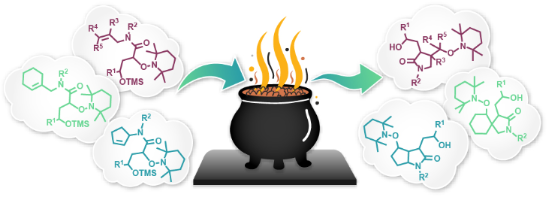
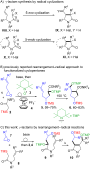
Scheme 1: A) Classical γ-lactam synthesis by atom transfer radical cyclizations; B) previously developed tand...
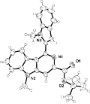
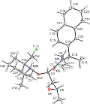
Figure 2: X-ray crystal structure of the major (2R,4S)-alkoxyamine hydrochloride derived from 9j. Displacemen...
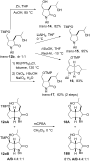
Scheme 2: Formation of the α-(aminoxy)amides 9o,p.
Figure 3: X-ray crystal structure of the minor cis-diastereomers of the keto lactam 13j (left) and the hydrox...
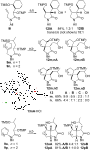
Scheme 3: Thermal radical cyclization reactions of amides 9l–p bearing cyclic units. Conditions: a) t-BuOH, 1...
Scheme 4: Epimerization of spirolactams 12m,n.
Scheme 5: The Dess–Martin oxidation of lactams 12l–o. Conditions: a) DMP (1.3 equiv), t-BuOH (10 mol %), CH2Cl...
Scheme 6: Selected transformations of the lactams trans-12b and 12o.
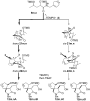
Scheme 7: Diastereoselectivity for the formation of α-(aminoxy)amides 9i–k.
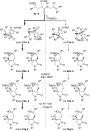
Scheme 8: Rationalization of the diastereoselectivity for the formation of the α-(aminoxy)amide 9l.
Scheme 9: Rationalization of the thermal radical cyclization diastereoselectivity of alkoxyamines 9a–k. (S)-C...
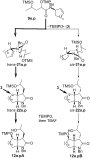
Scheme 10: The stereochemical course for the formation of products 12m,n by thermal radical cyclization of alk...
Scheme 11: Formation of bicycles 12o,p.
Beilstein J. Org. Chem. 2021, 17, 678–687, doi:10.3762/bjoc.17.57
Graphical Abstract
Figure 1: Benzodiazepine-based azolo-containing drugs.
Figure 2: Novel potential 1,2,3-triazolobenziadiazepine drugs.
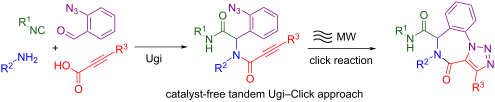
Scheme 1: Examples of synthesis of 1,2,3-triazolobenzodiazepines via tandem approach Ugi reaction/IAAC. Reage...
Scheme 2: Azide precursor synthesis.
Scheme 3: Synthesis of Ugi products 6, their structures and yields.
Figure 3: Code legend for Ugi products 6 and molecular structure (X-ray analysis) of compound 6aaa.
Scheme 4: Cyclization of Ugi-product 6aab with terminal alkyne fragment.
Figure 4: 1H NMR spectra of the reactant and the product of IAAC.
Figure 5: Molecular structure of compound 7aaa (X-ray analysis) and comparison of 1H NMR spectra of compounds ...
Scheme 5: The substrate scope of intermolecular cycloaddition.
Beilstein J. Org. Chem. 2021, 17, 589–621, doi:10.3762/bjoc.17.53
Graphical Abstract
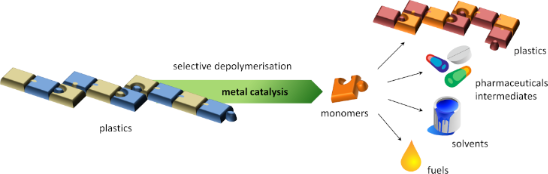
Figure 1: Potential classification of plastic recycling processes. The area covered by the present review is ...
Figure 2: EG produced during glycolytic depolymerisation of PET using DEG + DPG as solvent and titanium(IV) n...
Scheme 1: Simplified representation of the conversion of 1,4-PBD to C16–C44 macrocycles using Ru metathesis c...
Figure 3: Main added-value monomers obtainable by catalytic depolymerisation of PET via chemolytic methods.
Scheme 2: Hydrogenolytic depolymerisation of PET by ruthenium complexes.
Scheme 3: Depolymerisation of PET via catalytic hydrosilylation by Ir(III) pincer complex.
Scheme 4: Catalytic hydrolysis (top) and methanolysis (bottom) reactions of PET.
Scheme 5: Depolymerisation of PET by glycolysis with ethylene glycol.
Figure 4: Glycolysis of PET: evolution of BHET yield over time, with and without zinc acetate catalyst (196 °...
Scheme 6: Potential activated complex for the glycolysis reaction of PET catalysed by metallated ILs and evol...
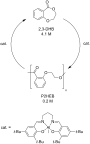
Scheme 7: One-pot, two-step process for PET repurposing via chemical recycling.
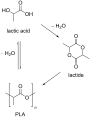
Scheme 8: Synthetic routes to PLA.
Scheme 9: Structures of the zinc molecular catalysts used for PLA-methanolysis in various works. a) See [265], b) ...
Scheme 10: Depolymerisation of PLLA by Zn–N-heterocyclic carbene complex.
Scheme 11: Salalen ligands.
Scheme 12: Catalytic hydrogenolysis of PLA.
Scheme 13: Catalytic hydrosilylation of PLA.
Scheme 14: Hydrogenative depolymerisation of PBT and PCL by molecular Ru catalysts.
Scheme 15: Glycolysis reaction of PCT by diethylene glycol.
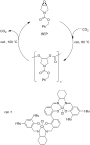
Scheme 16: Polymerisation–depolymerisation cycle of 3,4-T6GBL.
Scheme 17: Polymerisation–depolymerisation cycle of 2,3-HDB.
Scheme 18: Hydrogenative depolymerisation of PBPAC by molecular Ru catalysts.
Scheme 19: Catalytic hydrolysis (top), alcoholysis (middle) and aminolysis (bottom) reactions of PBPAC.
Scheme 20: Hydrogenative depolymerisation of PPC (top) and PEC (bottom) by molecular Ru catalysts.
Scheme 21: Polymerisation-depolymerisation cycle of BEP.
Scheme 22: Hydrogenolysis of polyamides using soluble Ru catalysts.
Scheme 23: Catalytic depolymerisation of epoxy resin/carbon fibres composite.
Scheme 24: Depolymerisation of polyethers with metal salt catalysts and acyl chlorides.
Scheme 25: Proposed mechanism for the iron-catalysed depolymerisation reaction of polyethers. Adapted with per...
Beilstein J. Org. Chem. 2021, 17, 558–568, doi:10.3762/bjoc.17.50
Graphical Abstract
Figure 1: Structure of biologically active phthalazine derivatives.
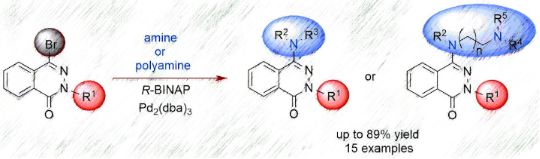
Scheme 1: Synthetic route to aminophthalazinones 5 and 6.
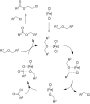
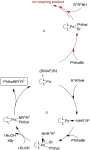
Figure 2: Proposed catalytic cycles for the amination of 4-bromophthalazinones of type 3 (Phthal: phthalazino...
Scheme 2: Synthesis of 4-amino- and 4-polyaminophthalazinones 5 and 6 (the yields refer to the isolated compo...
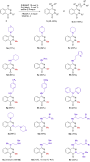
Figure 3: The phthalazinone derivatives that were used to test the complexation of Cu(II) ions.
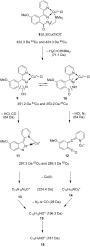
Scheme 3: The proposal of the fragmentation pathway of the Cu(II) complex with compound 7.
Figure 4: Structure of complex 17.
Figure 5: Molecular structure of complex 17 with atom numbering scheme. The anisotropic displacement paramete...
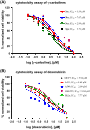
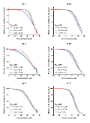
Figure 6: Determination of relative cell viability (% of control) in different cell lines (HT-29; PC-3 and L-...
Figure 7: Cytotoxic properties of the phthalazinone derivatives expressed as IC50 after 72 h of cell treatmen...
Beilstein J. Org. Chem. 2021, 17, 396–403, doi:10.3762/bjoc.17.35
Graphical Abstract
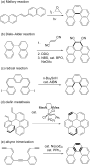
Scheme 1: Conventional methods for the synthesis of helicenes.
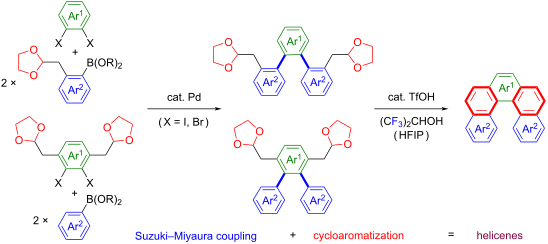
Scheme 2: Brønsted acid-catalyzed cycloaromatization of biaryls bearing an acetal moiety.
Scheme 3: Two strategies for the helicene synthesis via Suzuki–Miyaura coupling/cycloaromatization sequence.
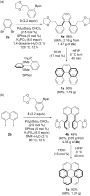
Scheme 4: Synthesis of (a) [5]helicene and (b) [6]helicene.
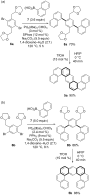
Scheme 5: Synthesis of helicenes with double helical structures.
Scheme 6: Synthesis of hetero[4]-, [5]-, and [6]helicenes.
Beilstein J. Org. Chem. 2021, 17, 343–378, doi:10.3762/bjoc.17.32
Graphical Abstract
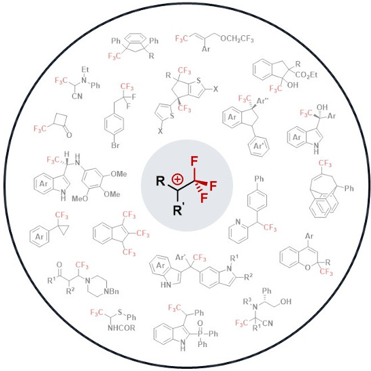
Figure 1: Stabilizing interaction in the CF3CH2+ carbenium ion (top) and structure of the first observable fl...
Scheme 1: Isodesmic equations accounting for the destabilizing effect of the CF3 group. ΔE in kcal⋅mol−1, cal...
Scheme 2: Stabilizing effect of fluorine atoms by resonance electron donation in carbenium ions (δ in ppm).
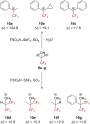
Scheme 3: Direct in situ NMR observation of α-(trifluoromethyl)carbenium ion or protonated alcohols. Δδ = δ19...
Scheme 4: Reported 13C NMR chemical shifts for the α-(trifluoromethyl)carbenium ion 10c (δ in ppm).
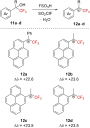
Scheme 5: Direct NMR observation of α-(trifluoromethyl)carbenium ions in situ (δ in ppm).
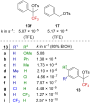
Scheme 6: Illustration of the ion pair solvolysis mechanism for sulfonate 13f. YOH = solvent.
Figure 2: Solvolysis rate for 13a–i and 17.
Figure 3: Structures of allyl triflates 18 and 19 and allyl brosylate 20. Bs = p-BrC6H4SO2.
Figure 4: Structure of tosylate derivatives 21.
Figure 5: a) Structure of triflate derivatives 22. b) Stereochemistry outcomes of the reaction starting from (...
Scheme 7: Solvolysis reaction of naphthalene and anthracenyl derivatives 26 and 29.
Figure 6: Structure of bisarylated derivatives 34.
Figure 7: Structure of bisarylated derivatives 36.
Scheme 8: Reactivity of 9c in the presence of a Brønsted acid.
Scheme 9: Cationic electrocyclization of 38a–c under strongly acidic conditions.
Scheme 10: Brønsted acid-catalyzed synthesis of indenes 42 and indanes 43.
Scheme 11: Reactivity of sulfurane 44 in triflic acid.
Scheme 12: Solvolysis of triflate 45f in alcoholic solvents.
Scheme 13: Synthesis of labeled 18O-52.
Scheme 14: Reactivity of sulfurane 53 in triflic acid.
Figure 8: Structure of tosylates 56 and 21f.
Scheme 15: Resonance forms in benzylic carbenium ions.
Figure 9: Structure of pyrrole derivatives 58 and 59.
Scheme 16: Resonance structure 60↔60’.
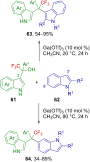
Scheme 17: Ga(OTf)3-catalyzed synthesis of 3,3’- and 3,6’-bis(indolyl)methane from trifluoromethylated 3-indol...
Scheme 18: Proposed reaction mechanism.
Scheme 19: Metal-free 1,2-phosphorylation of 3-indolylmethanols.
Scheme 20: Superacid-mediated arylation of thiophene derivatives.
Scheme 21: In situ mechanistic NMR investigations.
Scheme 22: Proposed mechanisms for the prenyltransferase-catalyzed condensation.
Scheme 23: Influence of a CF3 group on the allylic SN1- and SN2-mechanism-based reactions.
Scheme 24: Influence of the CF3 group on the condensation reaction.
Scheme 25: Solvolysis of 90 in TFE.
Scheme 26: Solvolysis of allyl triflates 94 and 97 and isomerization attempt of 96.
Scheme 27: Proposed mechanism for the formation of 95.
Scheme 28: Formation of α-(trifluoromethyl)allylcarbenium ion 100 in a superacid.
Scheme 29: Lewis acid activation of CF3-substituted allylic alcohols.
Scheme 30: Bimetallic-cluster-stabilized α-(trifluoromethyl)carbenium ions.
Scheme 31: Reactivity of cluster-stabilized α-(trifluoromethyl)carbenium ions.
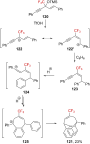
Scheme 32: α-(Trifluoromethyl)propargylium ion 122↔122’ generated from silyl ether 120 in a superacid.
Scheme 33: Formation of α-(trifluoromethyl)propargylium ions from CF3-substituted propargyl alcohols.
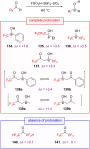
Scheme 34: Direct NMR observation of the protonation of some trifluoromethyl ketones in situ and the correspon...
Scheme 35: Selected resonance forms in protonated fluoroketone derivatives.
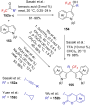
Scheme 36: Acid-catalyzed Friedel–Crafts reactions of trifluoromethyl ketones 143a,b and 147a–c.
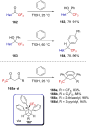
Scheme 37: Enantioselective hydroarylation of CF3-substituted ketones.
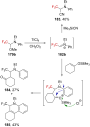
Scheme 38: Acid-catalyzed arylation of ketones 152a–c.
Scheme 39: Reactivity of 156 in a superacid.
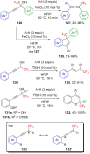
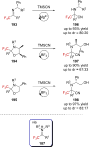
Scheme 40: Reactivity of α-CF3-substituted heteroaromatic ketones and alcohols as well as 1,3-diketones.
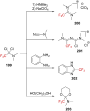
Scheme 41: Reactivity of 168 with benzene in the presence of a Lewis or Brønsted acid.
Scheme 42: Acid-catalyzed three-component asymmetric reaction.
Scheme 43: Anodic oxidation of amines 178a–c and proposed mechanism.
Scheme 44: Reactivity of 179b in the presence of a strong Lewis acid.
Scheme 45: Trifluoromethylated derivatives as precursors of trifluoromethylated iminium ions.
Scheme 46: Mannich reaction with trifluoromethylated hemiaminal 189.
Scheme 47: Suitable nucleophiles reacting with 192 after Lewis acid activation.
Scheme 48: Strecker reaction involving the trifluoromethylated iminium ion 187.
Scheme 49: Reactivity of 199 toward nucleophiles.
Scheme 50: Reactivity of 204a with benzene in the presence of a Lewis acid.
Scheme 51: Reactivity of α-(trifluoromethyl)-α-chloro sulfides in the presence of strong Lewis acids.
Scheme 52: Anodic oxidation of sulfides 213a–h and Pummerer rearrangement.
Scheme 53: Mechanism for the electrochemical oxidation of the sulfide 213a.
Scheme 54: Reactivity of (trifluoromethyl)diazomethane (217a) in HSO3F.
Figure 10: a) Structure of diazoalkanes 217a–c and b) rate-limiting steps of their decomposition.
Scheme 55: Deamination reaction of racemic 221 and enantioenriched (S)-221.
Scheme 56: Deamination reaction of labeled 221-d2. Elimination products were formed in this reaction, the yiel...
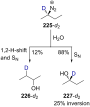
Scheme 57: Deamination reaction of 225-d2. Elimination products were also formed in this reaction in undetermi...
Scheme 58: Formation of 229 from 228 via 1,2-H-shift.
Scheme 59: Deamination reaction of 230. Elimination products were formed in this reaction, the yield of which ...
Scheme 60: Deamination of several diazonium ions. Elimination products were formed in these reactions, the yie...
Scheme 61: Solvolysis reaction mechanism of alkyl tosylates.
Scheme 62: Solvolysis outcome for the tosylates 248 and 249 in HSO3FSbF5.
Figure 11: Solvolysis rate of 248, 249, 252, and 253 in 91% H2SO4.
Scheme 63: Illustration of the reaction pathways. TsCl, pyridine, −5 °C (A); 98% H2SO4, 30 °C (B); 98% H2SO4, ...
Scheme 64: Proposed solvolysis mechanism for the aliphatic tosylate 248.
Scheme 65: Solvolysis of the derivatives 259 and 260.
Scheme 66: Solvolysis of triflate 261. SOH = solvent.
Scheme 67: Intramolecular Friedel–Crafts alkylations upon the solvolysis of triflates 264 and 267.
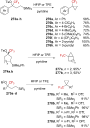
Scheme 68: α-CF3-enhanced γ-silyl elimination of cyclobutyltosylates 270a,b.
Scheme 69: γ-Silyl elimination in the synthesis of a large variety of CF3-substituted cyclopropanes. Pf = pent...
Scheme 70: Synthetic pathways to 281. aNMR yields.
Scheme 71: The cyclopropyl-substituted homoallylcyclobutylcarbenium ion manifold.
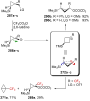
Scheme 72: Reactivity of CF3-substituted cyclopropylcarbinyl derivatives 287a–c. LG = leaving group.
Scheme 73: Reactivity of CF3-substituted cyclopropylcarbinyl derivatives 291a–c.
Scheme 74: Superacid-promoted dimerization or TFP.
Scheme 75: Reactivity of TFP in a superacid.
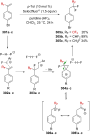
Scheme 76: gem-Difluorination of α-fluoroalkyl styrenes via the formation of a “hidden” α-RF-substituted carbe...
Scheme 77: Solvolysis of CF3-substituted pentyne 307.
Scheme 78: Photochemical rearrangement of 313.
Figure 12: Structure of 2-norbornylcarbenium ion 318 and argued model for the stabilization of this cation.
Figure 13: Structures and solvolysis rate (TFE, 25 °C) of the sulfonates 319–321. Mos = p-MeOC6H4SO2.
Scheme 79: Mechanism for the solvolysis of 323. SOH = solvent.
Scheme 80: Products formed by the hydrolysis of 328.
Scheme 81: Proposed carbenium ion intermediates in an equilibrium during the solvolysis of tosylates 328, 333,...
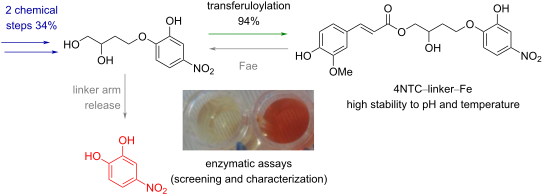
Beilstein J. Org. Chem. 2021, 17, 325–333, doi:10.3762/bjoc.17.30
Graphical Abstract
Figure 1: Alternative syntheses (A) and full structures (B) of the 5-bromo-4-chloro-3-indolyl or 4-nitropheny...
Scheme 1: Chemoenzymatic synthesis of (±)-4-O-(2-hydroxy-4-nitrophenyl)-1-O-trans-feruloyl-1,2,4-butanetriol ...
Figure 2: (A) Spectrometric monitoring (at 530 nm) of 4NTC released after the action of Fae on 12 in the pres...
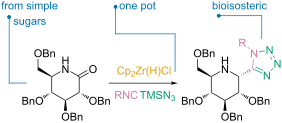
Beilstein J. Org. Chem. 2021, 17, 115–123, doi:10.3762/bjoc.17.12
Graphical Abstract
Scheme 1: Our previous efforts in the field of functionalization of sugar-derived lactams.
Figure 1: Key concepts behind the goal of this work [34].
Scheme 2: Preliminary experiment in search of a procedure for the synthesis of 2-(1H-tetrazol-5-yl)-iminosuga...
Scheme 3: Synthesis of a new class of alkaloid scaffold using the presented methodology.
Scheme 4: Synthesis of a new, chiral 2-(tetrazol-5-yl)-iminosugar based potential organocatalyst.
Scheme 5: Principle behind Woerpel’s model for prediction of the direction of nucleophile addition to oxocarb...
Scheme 6: Difference in conformational stability of glucose- and galactose-derived iminium cations and the maj...
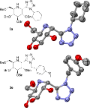
Figure 2: ORTEP structures of compounds 3a and 3e obtained by X-ray analysis. Hydrogen atoms and benzyl group...
Figure 3: Proposed structures of compounds 5a and 2-epi-5a with 1H-1H couplings and NOE effects shown.
Scheme 7: Proposed reaction mechanism for the described Ugi–azide reaction variant.
Scheme 8: Possible pathway for spontaneous imine formation. Values reported are in kcal·mol−1.
Scheme 9: A possible path for tetrazole formation in the described conditions. Values reported are in kcal·mol...
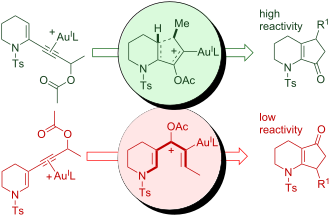
Beilstein J. Org. Chem. 2020, 16, 3059–3068, doi:10.3762/bjoc.16.255
Graphical Abstract
Figure 1: Tandem acetate rearrangement/Nazarov cyclization of different substrates.
Figure 2: DFT-computed energy profile of the tandem Au(I)-catalyzed [3,3]-rearrangement/Nazarov reaction of 3...
Figure 3: DFT-computed energy profile of the tandem Au(I)-catalyzed [3,3]-rearrangement/Nazarov reaction of 2...
Figure 4: Computed comparison of the NBO charges of 2- and 3-substituted substrates.
Figure 5: Single-step transformation of IV to IX.
Figure 6: Triflate-promoted hydrogen abstraction and protodeauration with HOTf.
Figure 7: Triflate-mediated abstraction of the hydrogen atom Ha and protodeauration.
Scheme 1: Synthesis of the enynyl acetate starting material 14.
Scheme 2: Synthesis and cyclization of enynyl acetate 20.
Beilstein J. Org. Chem. 2020, 16, 3038–3051, doi:10.3762/bjoc.16.253
Graphical Abstract
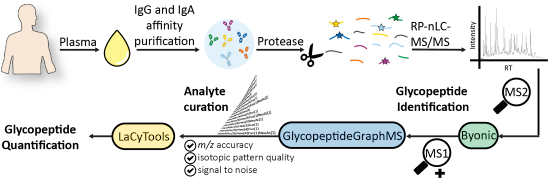
Figure 1: Integration of automated glycopeptide identification by Byonic and GlycopeptideGraphMS (aided by Op...
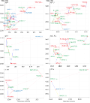
Figure 2: Representative IgG and IgA glycopeptide clusters detected by GlycopeptideGraphMS.
Figure 3: Representative GlycopeptideGraphMS output for peptides of interest. Assigned compositions were iden...
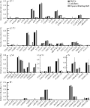
Figure 4: Comparison of quantification results obtained by manual integration of EICs in Skyline (black), aut...
Beilstein J. Org. Chem. 2020, 16, 3015–3031, doi:10.3762/bjoc.16.251
Graphical Abstract
Figure 1: Highly-substituted five-membered carbocycle in biologically significant natural products.
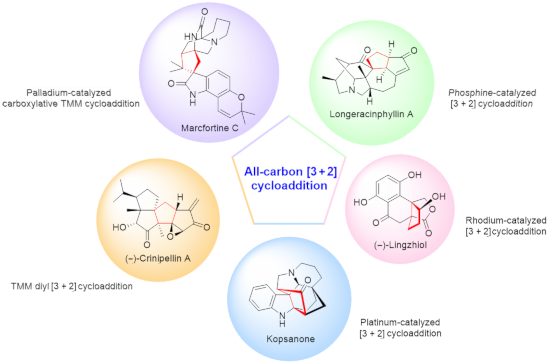
Figure 2: Natural product synthesis featuring the all-carbon [3 + 2] cycloaddition. (Quaternary carbon center...
Scheme 1: Representative natural product syntheses that feature the all-carbon [3 + 2] cyclization as the key...
Scheme 2: (A) An intramolecular trimethylenemethane diyl [3 + 2] cycloaddition with allenyl diazo compound 38...
Scheme 3: (A) Palladium-catalyzed intermolecular carboxylative TMM cycloaddition [36]. (B) The proposed mechanism....
Scheme 4: Natural product syntheses that make use of palladium-catalyzed intermolecular [3 + 2] cycloaddition...
Scheme 5: (A) Phosphine-catalyzed [3 + 2] cycloaddition [17]. (B) The proposed mechanism.
Scheme 6: Lu’s [3 + 2] cycloaddition in natural product synthesis. (A) Synthesis of longeracinphyllin A (10) [41]...
Scheme 7: (A) Phosphine-catalyzed [3 + 2] annulation of unsymmetric isoindigo 100 with allene in the preparat...
Scheme 8: (A) Rhodium-catalyzed intracmolecular [3 + 2] cycloaddition [49]. (B) The proposed catalytic cycle of t...
Scheme 9: Total synthesis of natural products reported by Yang and co-workers applying rhodium-catalyzed intr...
Scheme 10: (A) Platinum(II)-catalyzed intermolecular [3 + 2] cycloaddition of propargyl ether 139 and n-butyl ...
Scheme 11: (A) Platinum-catalyzed intramolecular [3 + 2] cycloaddition of propargylic ketal derivative 142 to ...
Scheme 12: (A) Synthesis of phyllocladanol (21) features a Lewis acid-catalyzed formal intramolecular [3 + 2] ...
Scheme 13: The recent advances of [3 + 2] annulation in natural product synthesis. (A) The preparation of melo...
Beilstein J. Org. Chem. 2020, 16, 2937–2947, doi:10.3762/bjoc.16.243
Graphical Abstract
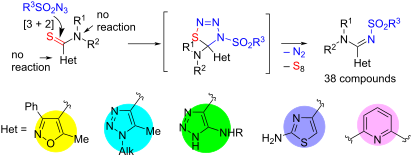
Figure 1: Examples of biological activity and interesting chemical reactivity of N-sulfonyl amidines.
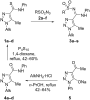
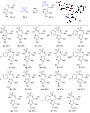
Figure 2: Data on the synthesis of N′-sulfonylazole-4-carboximidamides.
Scheme 1: Synthesis of 1-alkyl-N-phenyl-N'-(sulfonyl)-1H-1,2,3-triazole-4-carboximidamides 3.
Figure 3: Starting compounds.
Scheme 2: Scope for the reaction of 1-alkyl-1,2,3-triazole-4-carbothioamides 1a–d with azides 2a–f.
Scheme 3: Scope of the reaction of 5-arylamino-1,2,3-triazole-4-carbothioamides 1i–l with azides 2a,c–f.
Scheme 4: Synthesis of 2-aminothiazole-4-N-sulfonyl amidines.
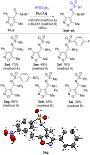
Scheme 5: Synthesis of N-sulfonyl amidines of isoxazolylcarboxylic acid.
Scheme 6: Synthesis of bis(sulfonyl amidines) 3aj–an.
Scheme 7: Plausible mechanism for the reaction of heterocyclic thioamides with sulfonyl azides.
Beilstein J. Org. Chem. 2020, 16, 2862–2869, doi:10.3762/bjoc.16.235
Graphical Abstract
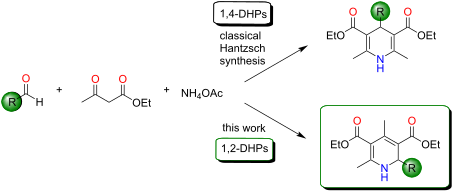
Scheme 1: The classical Hantzsch synthesis between benzaldehyde (1a), ethyl acetoacetate (2), and ammonium ac...
Figure 1: Optimization trials with the selected solid catalysts.
Figure 2: Graphical representation of the results obtained in the reusability test.
Beilstein J. Org. Chem. 2020, 16, 2757–2768, doi:10.3762/bjoc.16.226
Graphical Abstract
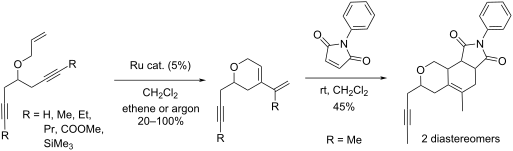
Scheme 1: RCEYM with Ru and Mo catalysts.
Scheme 2: Beneficial effect of ethene atmosphere.
Scheme 3: Enantioselective dienyne metathesis [21].
Scheme 4: Diastereoselective endiyne metathesis [31].
Figure 1: Oxaenediynes considered for the study of desymmetrizing RCEYM.
Scheme 5: Synthesis of hepta-1,6-diyn-4-ol (4a).
Scheme 6: Protection of hepta-1,6-diyn-4-ol (4a).
Scheme 7: Alkylation of the protected diynols 7a and 8a.
Scheme 8: Deprotection of protected diynols 7b, 7c and 8b–d.
Scheme 9: Synthesis of the oxaenediynes 2 and 9 bearing an allyl or a methallyl group.
Scheme 10: Synthesis of oxaenediynes 2e and 2f bearing ester or silyl groups.
Scheme 11: Synthesis of alkadiynyl acrylates 10 and methacrylates 11.
Figure 2: The ruthenium precatalysts employed.
Scheme 12: RCEYM of oxaenediynes 2.
Figure 3: Examples of side products of CM with ethene.
Scheme 13: Attempted RCEYM of oxaenediynes 9, alkadiynyl acrylates 10 and methacrylates 11.
Scheme 14: Diels–Alder reaction of dihydropyran 12b with N-phenylmaleimide (13).
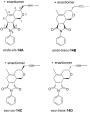
Figure 4: The four possible diastereoisomers of hexahydropyranoisoindole 14.
Figure 5: Conformations of dihydropyran 12b.
Figure 6: The two most stable s-trans (left) and s-cis (right) conformations of dihydropyran 12b.
Figure 7: The two most stable transition states endo-trans 15B and exo-cis 15C (hydrogens are omitted for cla...
Figure 8: PES of the Diels–Alder reaction of dihydropyran 12b and maleimide 13.
Beilstein J. Org. Chem. 2020, 16, 2636–2644, doi:10.3762/bjoc.16.214
Graphical Abstract
Figure 1: Heteroacenes: tetrathienoacene (TTA), S,N-heteroacenes SN4, SN4', and SN4''.
Scheme 1: Synthesis of fused S,N-heterotetracene SN4 9 starting from thieno[3,2-b]thiophene (1).
Scheme 2: Synthesis of parent H-SN4 13 via the azide route.
Scheme 3: Synthesis of tetracyclic H-SN4 13 via the Cadogan route.
Scheme 4: Synthesis of tetracyclic indole derivative 19 via the Cadogan route.
Scheme 5: Synthesis of hexacyclic heteroacene SN4' 22 via the Cadogan route.
Scheme 6: Synthesis of heterotetracene SN4'' 33 via the azide and Buchwald–Hartwig amination route.
Figure 2: UV–vis absorption spectra of TTA, Hex-SN4 9, Pr-SN4'' 33 and fluorescence spectrum of 33 in THF at ...
Figure 3: Energy diagram of the frontier molecular orbitals of heterotetracenes TTA, 9, 13, 19, 22, and 33, a...
Beilstein J. Org. Chem. 2020, 16, 2576–2588, doi:10.3762/bjoc.16.209
Graphical Abstract
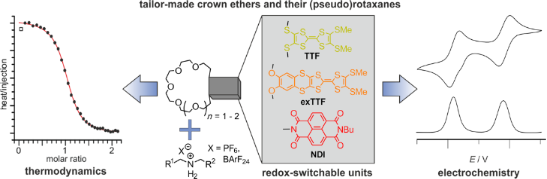
Figure 1: Structures of the compounds used in this study: a) crown-8 analogs; b) crown-7 analogs; c) secondar...
Scheme 1: Schematic representation of synthetic routes towards TTFC7, exTTFC7, NDIC7, and NDIC8.
Figure 2: Solid-state structures of a) exTTFC7 (CH3CN molecule omitted for clarity), b) NDIC7 (CH3CN molecule...
Figure 3: a) Synthesis of the [2]rotaxane NDIRot. b) Stacked 1H NMR spectra (700 MHz, CDCl3, 298 K) of NDIC8 ...
Figure 4: UV–vis–NIR spectra obtained by spectroelectrochemical measurements (0.1 M n-Bu4PF6, CH2Cl2/CH3CN 1:...
Beilstein J. Org. Chem. 2020, 16, 2540–2550, doi:10.3762/bjoc.16.206
Graphical Abstract
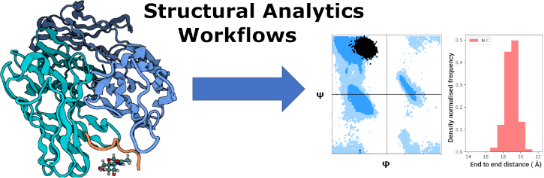
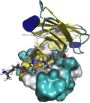
Figure 1: A representation of mucin glycopeptide bound to AR20.5 antibody. Chain A is represented as a molecu...
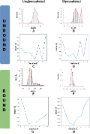
Figure 2: A comparison of root mean analyses for the antigen and Tn-antigen in solution (unbound) and in anti...
Figure 3: End-to-end time series and histogram for the antigen and Tn-antigen in solution (A, B) and the anti...
Figure 4: A comparison of Ramachandran analyses for two key amino acids, Asp3 and Thr4. The first row (A–D) i...
Figure 5: Distribution of clusters, found using TTClust, for the antigen and Tn-antigen in solution (A, B) an...
Beilstein J. Org. Chem. 2020, 16, 2523–2533, doi:10.3762/bjoc.16.204
Graphical Abstract
Figure 1: Comparison of the glycan features in electron density maps over a range of resolutions from selecte...
Figure 2: A roadmap of the software development project that allows structural biologists to quickly obtain d...
Figure 3: N-Linked glycans in Epstein Barr virus major envelope glycoprotein (PDB entry: 2H6O [66]). A) A selecti...
Figure 4: An N-linked glycan attached to Asn35 of human Toll-like receptor 4 (A: PDB entry 2z62 [68]). Model iter...
Beilstein J. Org. Chem. 2020, 16, 2212–2259, doi:10.3762/bjoc.16.186
Graphical Abstract
Figure 1: Representation of corannulene (1) and sumanene (2), the subunits of fullerene (C60).
Scheme 1: Mehta’s unsuccessful effort for the synthesis of sumanene scaffold 2.
Scheme 2: First synthesis of sumanene 2 by Sakurai et al. from norbornadiene 10.
Scheme 3: Synthesis of trimethylsumanene 28 from easily accessible norbornadiene (10).
Scheme 4: Generation of anions 29–31 and the preparation of tris(trimethylsilyl)sumanene 32.
Scheme 5: Synthesis of tri- and hexa-substituted sumanene derivatives.
Scheme 6: Synthesis of bowl-shaped π-extended sumanene derivatives 37a–f.
Scheme 7: Synthesis of monooxasumanene 38, trioxosumanene 40 along with imination of them.
Scheme 8: Synthesis of trimethylsumanenetrione 46 and exo-functionalized products 45a,b.
Scheme 9: Synthesis of bisumanenylidene 47 and sumanene dimer 48 from 2.
Scheme 10: The mono-substitution of 2 to generate diverse mono-sumanene derivatives 49a–d.
Scheme 11: Synthesis of sumanene building block 53 useful for further extension.
Scheme 12: Synthesis of hexafluorosumanene derivative 55 by Sakurai and co-workers.
Scheme 13: Preparation of sumanene-based carbene 60 and its reaction with cyclohexane.
Scheme 14: Barton–Kellogg reaction for the synthesis of sterically hindered alkenes.
Scheme 15: Synthesis of hydroxysumanene 68 by employing Baeyer–Villiger oxidation.
Scheme 16: Synthesis of sumanene derivatives having functionality at an internal carbon.
Scheme 17: Mechanism for nucleophilic substitution reaction at the internal carbon.
Scheme 18: Synthesis of diverse monosubstituted sumanene derivatives.
Scheme 19: Synthesis of di- and trisubstituted sumanene derivatives from sumanene (2).
Scheme 20: Preparation of monochlorosumanene 88 and hydrogenation of sumanene (2).
Scheme 21: The dimer 90 and bissumanenyl 92 achieved from halosumannes.
Scheme 22: Pyrenylsumanene 93 involving the Suzuki-coupling as a key transformation.
Scheme 23: Synthesis of various hexaarylsumanene derivatives using the Suzuki-coupling reaction.
Scheme 24: Synthesis of hexasubstituted sumanene derivatives 96 and 97.
Scheme 25: Synthesis of thioalkylsumanenes via an aromatic nucleophilic substitution reaction.
Scheme 26: Synthesis of tris(ethoxycarbonylethenyl)sumanene derivative 108.
Scheme 27: Synthesis of ferrocenyl-based sumanene derivatives.
Scheme 28: Synthesis of sumanenylferrocene architectures 118 and 119 via Negishi coupling.
Scheme 29: Diosmylation and the synthesis of phenylboronate ester 121 of sumanene.
Scheme 30: Synthesis of the iron-complex of sumanene.
Scheme 31: Synthesis of tri- and mononuclear sumanenyl zirconocene complexes.
Scheme 32: Synthesis of [CpRu(η6-sumanene)]PF6.
Scheme 33: Preparation of sumanene-based porous coordination networks 127 (spherical tetramer units) and 128 (...
Scheme 34: Synthesis of sumanenylhafnocene complexes 129 and 130.
Scheme 35: Synthesis of 134 and 135 along with PdII coordination complex 136.
Scheme 36: Synthesis of alkali metals sumanene complex K7(C21H102−)2(C21H93−)·8THF (137) containing di- and tr...
Scheme 37: The encapsulation of a Cs+ ion between two sumanenyl anions.
Scheme 38: Synthesis of monothiasumanene 140 and dithiasumanene 141 from 139.
Scheme 39: Synthesis of trithiasumanene 151 by Otsubo and his co-workers.
Scheme 40: Synthesis of trithiasumanene derivatives 155 and 156.
Scheme 41: Synthetic route towards hexathiolated trithiasumanenes 158.
Scheme 42: Synthesis of triselenasumanene 160 by Shao and teammates.
Scheme 43: Synthesis of tritellurasumanene derivatives from triphenylene skeletons.
Scheme 44: Synthesis of pyrazine-fused sumanene architectures through condensation reaction.
Scheme 45: Treatment of the trichalcogenasumanenes with diverse oxidative reagents.
Scheme 46: Ring-opening reaction with H2O2 and oxone of heterasumanenes 178 and 179.
Scheme 47: Synthesis of polycyclic compounds from sumanene derivatives.
Scheme 48: Synthesis of diimide-based heterocycles reported by Shao’s and co-workers.
Scheme 49: Synthesis of pristine trichalcogenasumanenes, 151, 205, and 206.
Scheme 50: Synthesis of trichalcogenasumanenes via hexaiodotriphenylene precursor 208.
Scheme 51: Synthesis of trisilasumanenes 214 and 215.
Scheme 52: Synthesis of trisilasumanene derivatives 218 and 219.
Scheme 53: Synthesis of novel trigermasumanene derivative 223.
Scheme 54: An attempt towards the synthesis of tristannasumanene derivative 228.
Scheme 55: Synthesis of triphosphasumanene trisulfide 232 from commercially available 229.
Scheme 56: The doping of sumanene derivatives with chalcogens (S, Se, Te) and phosphorus.
Scheme 57: Synthesis of heterasumanene containing three different heteroatoms.
Scheme 58: Synthesis of trichalcogenasumanene derivatives 240 and 179.
Scheme 59: Preparation of trichalcogenasumanenes 245 and 248.
Scheme 60: Design and synthesis of trichalcogenasumanene derivatives 252 and 178.
Scheme 61: Synthesis of spirosumanenes 264–269 and non-spiroheterasumanenes 258–263.
Scheme 62: Synthesis of sumanene-type hetero polycyclic compounds.
Scheme 63: Synthesis of triazasumanenes 288 and its sulfone congener 287.
Scheme 64: Synthesis of C3-symmetric chiral triaryltriazasumanenes via cross-coupling reaction.
Scheme 65: Synthesis of mononaphthosumanene 293 using Suzuki coupling as a key step.
Scheme 66: Synthesis of di- and trinaphthosumanene derivatives 302–304.
Scheme 67: Synthesis of hemifullerene skeletons by Hirao’s group.
Scheme 68: Design and construction of C70 fragment from a C60 sumanene fragment.
Beilstein J. Org. Chem. 2020, 16, 2127–2135, doi:10.3762/bjoc.16.180
Graphical Abstract
Figure 1: Evaluation of GlypNirO site-specific N-glycosylation profiling. Site-specific relative glycoform ab...
Figure 2: N-Glycoproteome profiling with GlypNirO. Volcano plots of site-specific N-glycoform relative abunda...
Figure 3: Site-specific N-glycopeptide profiling with GlypNirO. Site-specific relative glycoform abundance in...
Figure 4: O-Glycoproteome profiling with GlypNirO. Volcano plots of site-specific O-glycoform relative abunda...
Figure 5: Peptide-specific O-glycosylation profiling with GlypNirO. Peptide-specific relative glycoform abund...
Beilstein J. Org. Chem. 2020, 16, 1974–1982, doi:10.3762/bjoc.16.164
Graphical Abstract
Figure 1: Biologically active compounds featuring the chroman-4-one framework.
Scheme 1: Methods to produce phosphonate-substituted chroman-4-ones.
Figure 2: X-ray structure of compound 3aa (CCDC 2002878).
Scheme 2: Scope of 2-(allyloxy)arylaldehydes. Reaction conditions: 1 (0.3 mmol, 1 equiv), 2a (1.5 equiv) [2f ...
Scheme 3: Scope of diphenylphosphine oxides. Reaction conditions: 1a (0.3 mmol, 1 equiv), 2 (1.5 equiv), DMSO...
Scheme 4: Gram-scale reaction.
Scheme 5: Control experiments and proposed mechanism.