
Search results
Search for "monomer" in Full Text gives 364 result(s) in Beilstein Journal of Organic Chemistry. Showing first 200.
Insight into functionalized-macrocycles-guided supramolecular photocatalysis
Beilstein J. Org. Chem. 2021, 17, 139–155, doi:10.3762/bjoc.17.15
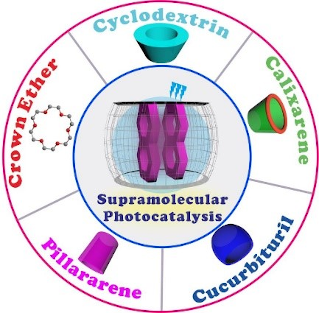
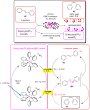
- ) photopolymerization under visible-light irradiation in an aqueous solution [48]. Briefly, the supramolecular PDI–CB[7] complex in Figure 15 acts as a photocatalyst at a low concentration (1 ppm relative to the monomer), which could be utilized for the preparation of a series of homo- or block copolymers with an






Supramolecular polymers with reversed viscosity/temperature profile for application in motor oils
Beilstein J. Org. Chem. 2021, 17, 105–114, doi:10.3762/bjoc.17.11
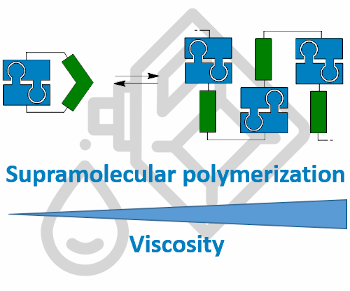
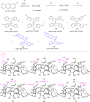
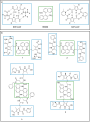
- be achieved by a ring–chain-based polymerization [11]. In this context, Sijbesma and Meijer reported an early example of a low-molecular weight VII using a ditopic monomer which undergoes supramolecular polymerization at elevated temperatures (Figure 1) [12][13]. The system consists of two self
- precoordinating effect to favor the cyclic form at lower temperatures. Thus, the alkylene-bridged monomer A shows no effect in terms of viscosity improvement. In contrast, the gem-dimethyl unit in monomer B leads to sufficient stabilization of the cyclic form at lower temperatures. This allows a ring–chain
- and VI of Nynas NS8. In Nexbase 3020, compound 4 showed an even higher RVT effect. Therefore, the development of a low molecular-weight monomer that undergoes supramolecular polymerization at elevated temperatures and can thus act as a viscosity index improver was successfully realized. Experimental





Supramolecular polymerization of sulfated dendritic peptide amphiphiles into multivalent L-selectin binders
Beilstein J. Org. Chem. 2021, 17, 97–104, doi:10.3762/bjoc.17.10
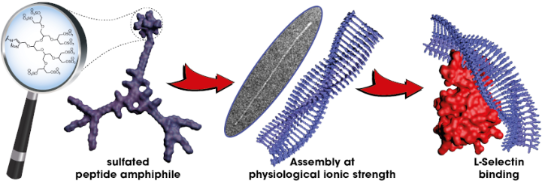
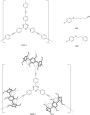
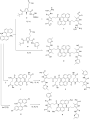
- trimesic acid scaffold by PyBOP coupling in DMF and NMM as weak base. After subsequent size exclusion chromatography, the ready to use azide-functional monomer 7 was isolated in high purity. The peptide amphiphile was finally conjugated to the propargylated sulfated [G2] oligoglycerol dendron 8 via a
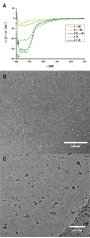
- mixture was subsequently purified by size exclusion chromatography to yield 85% of the oligosulfated monomer II. Characterization of the supramolecular polymers of I and II The self-assembly behavior of the peptide-based materials can be readily investigated using CD spectroscopy. The supramolecular
- conditions, supramolecular polymer formation with a length of several hundred nanometers is observed at monomer concentrations as low as 25 µM. Evaluation of the L-selectin binding efficacy The L-selectin binding behavior of the sulfated supramolecular polymer resulting from II was assessed using a



Molecular basis for protein–protein interactions
Beilstein J. Org. Chem. 2021, 17, 1–10, doi:10.3762/bjoc.17.1
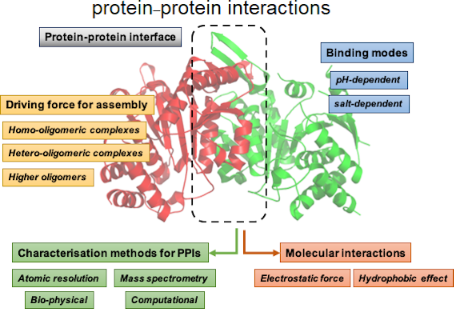
- because the methods normally neglect self-interactions. The advantages of homooligomeric complexes over monomer proteins include an increase in the diversity of the functions [61], allosteric regulation [62], protection against denaturation [63], and the oligomers being able to form without increasing the
- complex formation include domain swapping and the formation of leucine zippers. In domain swapping, a region from the monomer interacts with the adjacent protein partner, forming the protein–protein interface. Most of the times, the interacting region is present on either the N- or C-terminus, although
- tryptophan, the equilibrium between the monomer and the oligomer formation is shifted towards the latter [75][76]. Examples of PPIs within higher-order protein complexes PPIs are responsible for the assembly of large protein complexes, such as capsid proteins in viruses and protein containers. This section


Selected peptide-based fluorescent probes for biological applications
Beilstein J. Org. Chem. 2020, 16, 2971–2982, doi:10.3762/bjoc.16.247

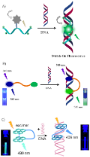
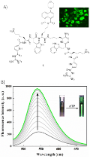
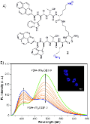
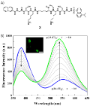
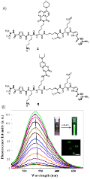
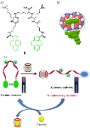
- intensities of absorption or emission at two wavelengths minimizes the error from the physical or chemical fluctuations in the sample. Conventional peptide probes based on environment-sensitive fluorophores [20][21][22], fluorescence resonance energy transfer (FRET) pairs [13] and pyrene excimer/monomer [23
- ]. The attachment of pyrenes to the termini of a flexible peptide linker results in a ratiometric fluorescent probe (Figure 1C). Upon interaction with a biomolecule, the distance between the pyrenes changes, subsequently their monomer to excimer and vice versa fluorescence signal changes. However, the
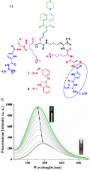
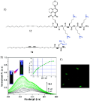
- excimer (490 nm) to monomer emission (406 nm, Figure 3B). Thus, monitoring the relative fluorescence intensities at two wavelengths (F406/F490) allowed the ratiometric detection of nucleic acids. Schmuck et al. reported a similar cationic peptide beacon 3 coupled with a FRET pair, a naphthalene donor and




Changed reactivity of secondary hydroxy groups in C8-modified adenosine – lessons learned from silylation
Beilstein J. Org. Chem. 2020, 16, 2854–2861, doi:10.3762/bjoc.16.234
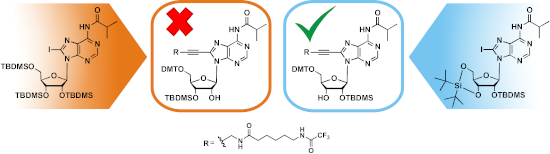
- , functionalized phosphoramidite building blocks of all four nucleosides are highly desired. The number of commercially available RNA phosphoramidites that carry a suitable functionality for post-synthetic attachment of dyes, reporter groups or other conjugates is still rather limited. In particular, monomer
- charge transfer [23][24]. In the course of monomer synthesis, we encountered unexpected results regarding the reactivity and selectivity of the two secondary hydroxy groups of the adenosine derivative 7 (Scheme 1) in the silylation step, leading to non-satisfactory overall reaction yields. Therefore, the


Using multiple self-sorting for switching functions in discrete multicomponent systems
Beilstein J. Org. Chem. 2020, 16, 2831–2853, doi:10.3762/bjoc.16.233

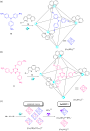
- of various similar molecules. Similarly, Shi controlled a conversion between helicates and a tetrahedral cage by varying the radius of the metal ion (Hg2+ vs Fe2+) [55]. They reported on the self-assembly of the monomer 20, encompassing the quadruple DDAA hydrogen-bonding arrays and 2,2’-bipyridine
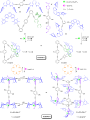
- hydrogen-bonded octameric and tetrameric tubes. (c) A representation of the complex mixture after combining the monomers 5 and 6 in CDCl3. (d) The partial separation of the mixture upon the selective C60 complexation by monomer 5. The guest-induced rearrangement results in an incomplete self-sorted mixture
- four-component sandwich complex [Cu2(16)(17)(18)]2+. a) Chemical structure of the monomer 20 with its quadruple hydrogen-bonding array and a metal-affine 2,2’-bipyridine unit. b) Conversion of the helicate [Hg2(20)6]4+ to the S4-cage [Fe4(20)12]8+ and [Hg2(20)2]4+ based on double self-sorting









Thermodynamic and electrochemical study of tailor-made crown ethers for redox-switchable (pseudo)rotaxanes
Beilstein J. Org. Chem. 2020, 16, 2576–2588, doi:10.3762/bjoc.16.209
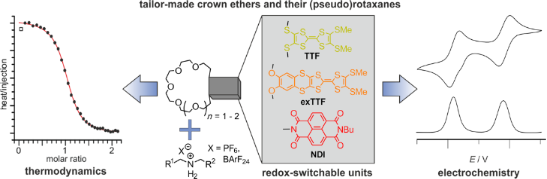
- NDI monomer between 300 and 380 nm (Figure 4a–c, black) [59]. A weak charge-transfer band at ≈450 nm is observed for the free macrocycle NDIC7 (Figure 4a, black), which is most likely caused by an intramolecularly folded naphthalene–NDI complex in solution, similar to the crystal structure. In




A new method for the synthesis of diamantane by hydroisomerization of binor-S on treatment with sulfuric acid
Beilstein J. Org. Chem. 2020, 16, 2534–2539, doi:10.3762/bjoc.16.205

- diamondoid homologous series, which is produced on an industrial scale (prepared by AlBr3 or AlCl3-induced skeletal isomerization of a petrochemical monomer, hydrogenated dicyclopentadiene) [1], have been studied rather extensively, the chemical behavior of diamantane, the second member of the diamandoid


Leveraging glycomics data in glycoprotein 3D structure validation with Privateer
Beilstein J. Org. Chem. 2020, 16, 2523–2533, doi:10.3762/bjoc.16.204
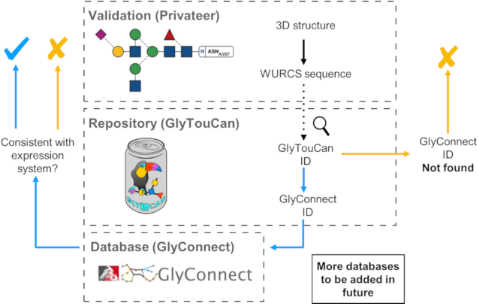
- manually compiled dictionary that translates the PDB Chemical Component Dictionary [62] three-letter codes of carbohydrate monomer definitions found in the structure files into WURCS definitions of unique monomers (described as “UniqueRES” [52]). The WURCS notations are generated for all detected glycans
- model by renaming one of the fucose residues from FUL to FUC due to an anomer mismatch between the three letter code and the actual coordinates of the monomer. The new model thus generated the GlyTouCan ID G21290RB, which in turn could be matched to the GlyConnect ID 54. Under further manual review of



Dawn of a new era in industrial photochemistry: the scale-up of micro- and mesostructured photoreactors
Beilstein J. Org. Chem. 2020, 16, 2484–2504, doi:10.3762/bjoc.16.202




Hierarchically assembled helicates as reaction platform – from stoichiometric Diels–Alder reactions to enamine catalysis
Beilstein J. Org. Chem. 2020, 16, 2338–2345, doi:10.3762/bjoc.16.195
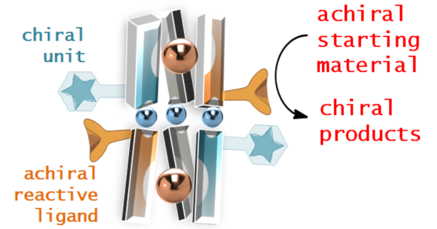
- of the stereoselectivity of the Diels–Alder reaction. In THF the stereochemically locked dimer of the hierarchical helicate was present. Here stereoselectivity was turned on. On the other hand, the highly dynamic and fast diastereomerizing/epimerizing monomer was the major species in DMF switching
- or rigid chiral ligands. In addition, a solvent screening was performed in which solvents were used which favor the dimer. This is imminent for good enantioselectivities because the presence of a high amount of stereolabile monomer switches off the selectivity [13]. Solvent dependence Initially the
- capability of the solvent resulting in a higher proportion of the monomer and thus in lower stereoselectivities. In contrast to this, less polar solvents such as dichloromethane and chloroform resulted in increasing stereoselectivities in the Diels–Alder reaction due to their poor ability to stabilize


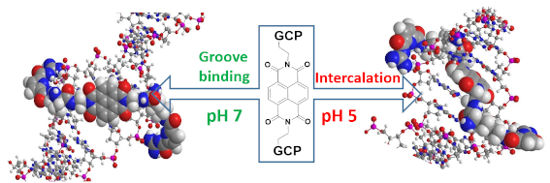
Naphthalene diimide bis-guanidinio-carbonyl-pyrrole as a pH-switchable threading DNA intercalator
Beilstein J. Org. Chem. 2020, 16, 2201–2211, doi:10.3762/bjoc.16.185
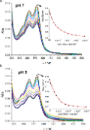
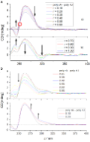
- chromophores, the intrinsic CD spectrum of compound 4 at the 220–400 nm range is negligible. Further, for the analysis of the CD results we compared our data with those published for a close NDI-monomer analogue [26][27], whereby the strong positive ICD band at 270–280 nm was attributed to the intercalation of





Automated high-content imaging for cellular uptake, from the Schmuck cation to the latest cyclic oligochalcogenides
Beilstein J. Org. Chem. 2020, 16, 2007–2016, doi:10.3762/bjoc.16.167
- offsetting a charge repulsion of the extra lysine residues, and thus allowing the formation of stable cationic nanofibers. These nanoaggregates, assembled from the monomer 16, are efficient gene transfection vectors. However, the control peptide 17, which cannot self-assemble into nanotubes, shows negative




Synthesis, docking study and biological evaluation of ᴅ-fructofuranosyl and ᴅ-tagatofuranosyl sulfones as potential inhibitors of the mycobacterial galactan synthesis targeting the galactofuranosyltransferase GlfT2
Beilstein J. Org. Chem. 2020, 16, 1853–1862, doi:10.3762/bjoc.16.152
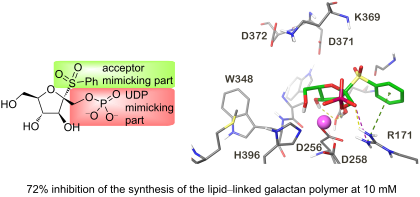
- galactofuranose (Galf) residues linked by alternating β-(1→5)- and β-(1→6)-glycosidic bonds [4]. The Galf monomer is restricted to some bacteria, fungi and a few protozoan species, and it seems to be absent in humans [5]. The enzymes participating in the galactan build-up could thus be considered as potential


A dynamic combinatorial library for biomimetic recognition of dipeptides in water
Beilstein J. Org. Chem. 2020, 16, 1588–1595, doi:10.3762/bjoc.16.131
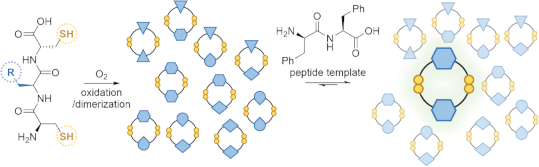
- cysteines are converted quantitively to disulfides by oxidation with oxygen. Until fully oxidized library members can exchange building blocks in a thiol–disulfide exchange reaction. While a closed monomer can be observed in the beginning (Figure S1, Supporting Information File 1), exclusively cyclic


Heterogeneous photocatalysis in flow chemical reactors
Beilstein J. Org. Chem. 2020, 16, 1495–1549, doi:10.3762/bjoc.16.125
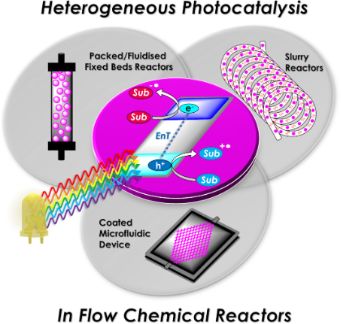
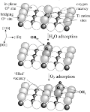
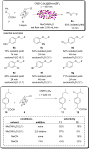
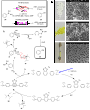
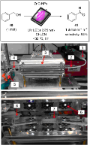
- in the review (see Section 4). Some example methods of immobilising catalysts include covalently bonding the catalyst to a polymer support either by incorporating a monomer with a photocatalytic moiety or post synthetically coupling a photocatalyst to a polymer via direct synthesis. Examples of this
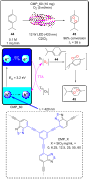
- from our own group include the synthesis of a polystyrene gel with a photocatalytic cross-linking monomer, 4,7-bis(4-vinylphenyl)benzo[c][1,2,5]thiadiazole (St-BTZ) [47]. Additionally, we showed the direct synthesis of a BODIPY photocatalyst as a postsynthetic modification to an aldehyde-functionalised
- solubilising monomers with the same St-BTZ photocatalyst monomer previously reported by Vilela and co-workers [47][139]. They showed that the supported photocatalyst material was an effective HPCat for pharmaceutically relevant transformations in the optimal solvent for the reaction, despite the native














Recent applications of porphyrins as photocatalysts in organic synthesis: batch and continuous flow approaches
Beilstein J. Org. Chem. 2020, 16, 917–955, doi:10.3762/bjoc.16.83
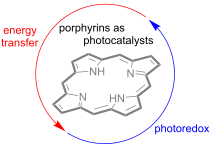
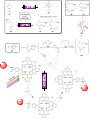
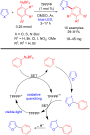
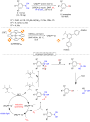
- brominated tin porphyrin (SnTBPP) as monomer (Scheme 47). The irradiation of this material in the presence of both sulfides and molecular oxygen furnished a variety of sulfoxides in 70–97% yields. The SnPor@PAF presented the same photocatalytic activity of its monomer (SnTBPP) with the advantage of its easy






Aldehydes as powerful initiators for photochemical transformations
Beilstein J. Org. Chem. 2020, 16, 833–857, doi:10.3762/bjoc.16.76
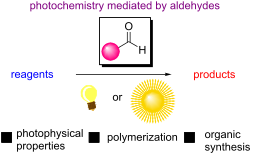
- acetone (4) and formaldehyde (35) in initiating the photografting in an aqueous solution. The maximum extent of grafting was observed for 10 wt % of 36. The concentration of 42 also affected the extent of photografting. The extent of grafting increased with the increase of the monomer up to 2 mol/L and
- carried out, indicating that the polymerization of MAA (42) was mainly induced by photoinitiation by the aliphatic ketones 44 or formaldehyde (35), rather than by self-initiation of the monomer. Furthermore, oxygen was shown to strongly inhibit the photopolymerization, and an increase in the UV intensity
- increased the percentage of conversion and the polymerization rate. Finally, the percentage of conversion decreased, whereas the polymerization rate increased with an increase of the initial monomer concentration since an increase in the concentration of the monomer led to MAA (42) absorbing more energy






Towards triptycene functionalization and triptycene-linked porphyrin arrays
Beilstein J. Org. Chem. 2020, 16, 763–777, doi:10.3762/bjoc.16.70
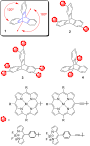
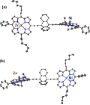
- band positions were seen for the symmetric zinc dimer 9, the unsymmetrical dimer 16 and the zinc monomer 14 at 431 (23202), 432 (23149) and 433 (23095) nm (cm−1) in CHCl3, respectively (Figure 6). A similar Soret band for both the dimer and monomer 9 and 14 suggested that the two subunits in the dimer
- bands observed for the zinc dimer and monomer had low full-width at half-maxima (FWHM) of ≈26 nm (3.85 × 105 cm−1), i.e., a narrow band, the zinc-nickel dimer 16 exhibited a high FWHM of ≈50 nm (2 × 105 cm−1), potentially caused by overlapping of the nickel and zinc porphyrin Q bands which could be due
- dimers and 8 nm (1.25 × 106 cm−1) for the monomer. The difference in properties of the unsymmetric zinc-nickel dimer 16 is observed significantly more in the corresponding fluorescence emission spectrum (Figure 7). The emission observed for the zinc monomer and dimer, 14 and 9, respectively, was





KOt-Bu-promoted selective ring-opening N-alkylation of 2-oxazolines to access 2-aminoethyl acetates and N-substituted thiazolidinones
Beilstein J. Org. Chem. 2020, 16, 492–501, doi:10.3762/bjoc.16.44
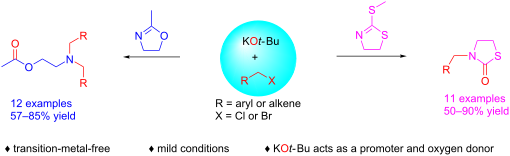
- proceeded well with heterocycle-containing chlorides such as 2-chloro-5-(chloromethyl)thiophene (4e), leading to 2-aminoethyl acetate product 3k in 66% yield which has potential as bifunctional monomer for polymerization. Furthermore, oxazole derivative 2,4,4-trimethyl-4,5-dihydrooxazole (2b) was also


Photophysics and photochemistry of NIR absorbers derived from cyanines: key to new technologies based on chemistry 4.0
Beilstein J. Org. Chem. 2020, 16, 415–444, doi:10.3762/bjoc.16.40
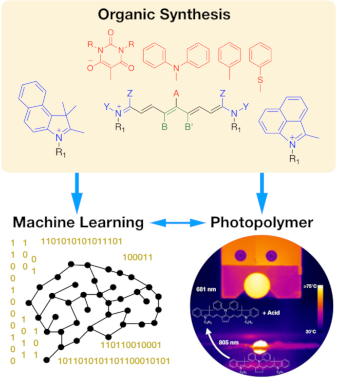
- molar masses and narrow molecular weight distributions. These techniques allow linear increase of molar mass by time and monomer conversion and low dispersity (principally between 1.2 to 1.5). The most common methods of controlled radical polymerization are namely the nitroxide-mediated radical
- metal ions. In this process, basically, in the presence of photoactive materials (PAs) such as photoinitiators, photosensitizers or photoredox catalysts, the photoexcitation of a photoredox system results in formation of reactive radicals. Those reactive radicals add monomer and the polymerization
- presented for in situ generation of Cu(I) to initiate the polymerization with the alkyl bromide. In this system, the Cu(II) complex was exposed to UV light to form Cu(I) which can react with alkyl halide resulting in generation of reactive radicals and Cu(II), Scheme 9. Those reactive radicals add monomer


Room-temperature Pd/Ag direct arylation enabled by a radical pathway
Beilstein J. Org. Chem. 2020, 16, 384–390, doi:10.3762/bjoc.16.36
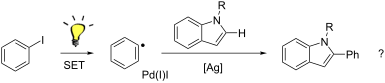
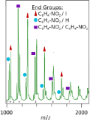
- . Results and Discussion Initial attempts to polymerize iodoindole monomer 1 using the reported conditions (Scheme 1) produced oligomers with an unanticipated coupling pattern in good yield (87%, Figure 1, Supporting Information File 1, Figure S3). The 1H NMR signals from the C2-H, C3-H on the pyrrole ring
- for a radical mechanism. Moreover, the observed behavior appears to be common between the iodoindole monomer and iodobenzene/indole system, rather than a phenomenon unique to an electron-rich iodoindole. The growing evidence for a phenyl radical in the catalytic cycle is in contrast to the typically
- that proceed under mild conditions, improving energy requirements and scalability. Work is ongoing to leverage this insight into new direct arylation methods utilizing palladium-involved radicals. 1H NMR (500 MHz, CDCl3) of (a) 5-iodo-1-octylindole monomer (b) PIn prepared according to conditions in




Formal preparation of regioregular and alternating thiophene–thiophene copolymers bearing different substituents
Beilstein J. Org. Chem. 2020, 16, 317–324, doi:10.3762/bjoc.16.31
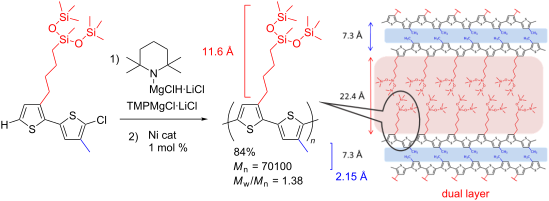
- a monomer. Nickel-catalyzed polymerization of bithiophene with substituents at the 3-position, including alkyl-, fluoroalkyl-, or oligosiloxane-containing groups, afforded the corresponding copolymers in good to excellent yield. The solubility test in organic solvents was performed to reveal that
- to afford the regioregular polythiophene in which 2,5-dihalo-3-substituted thiophene 1 is employed as a monomer precursor, converting to the corresponding organometallic monomer by a halogen−magnesium exchange reaction with a Grignard reagent. The employment of 1 leading to polythiophene has been
- shown to proceed in a dehalogenative manner [3]. We have recently shown that the generation of the organometallic monomer species can alternatively also be achieved by deprotonation, using 2-halo-3-substituted thiophene 2 or 3 with a bulky magnesium amide Knochel–Hauser base (TMPMgCl⋅LiCl) [7], followed


Copper-promoted/copper-catalyzed trifluoromethylselenolation reactions
Beilstein J. Org. Chem. 2020, 16, 305–316, doi:10.3762/bjoc.16.30

- ]. Noteworthy, depending on the nature of the bidentate ligand used, the corresponding copper complex could be isolated as monomer or dimer, and both were air-stable. Among the new complexes, the reactivity of [(bpy)CuSeCF3]2 in trifluoromethylselenolations was thoroughly investigated using a large panel of