
Search results
Search for "addition" in Full Text gives 3384 result(s) in Beilstein Journal of Organic Chemistry. Showing first 200.
Rhodopyran, a carboxylated hexahydrocyclopenta[b]pyran from Rhodococcus
Beilstein J. Org. Chem. 2026, 22, 1107–1113, doi:10.3762/bjoc.22.89
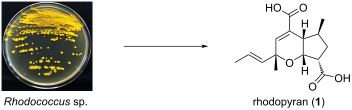
- studies have also highlighted the genomic variability and mosaic genomic architecture of Rhodococcus [5][6]. In addition, antibiotic biosynthesis following horizontal gene transfer from Streptomyces to Rhodococcus has been demonstrated for rhodostreptomycins [7]. Chemically characterized Rhodococcus
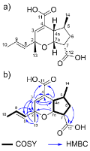
- corroborated by correlations from H-6α/H-6β to C-5 and from H3-14 to C-6. In addition, reciprocal correlations between H-3 and C-4a and between H-4a and C-3, as well as correlations from H-7a to C-2 and C-4a, supported the fusion of the cyclopentane and pyran rings. A weak but observed HMBC correlation from H
- large 3JH-4a,H-5 = 8.6 Hz supports an antiperiplanar alignment, whereas the small 3JH-4a,H-7a = 3.2 Hz is consistent with a gauche relationship (ca. 60° dihedral angle). In addition, H-7a showed a moderate coupling to H-7 (J = 4.6 Hz), consistent with a gauche relationship. At C-6, H-6α showed two


Controlled supramolecular assemblies of luminescent tridentate cyclometalated alkynylgold(III) amphiphiles in aqueous media
Beilstein J. Org. Chem. 2026, 22, 1097–1106, doi:10.3762/bjoc.22.88
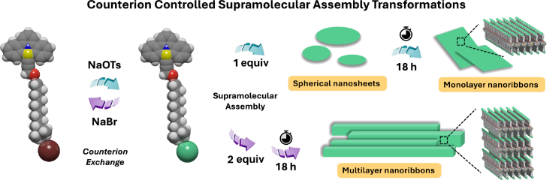
- intensity upon the addition of 1.0–2.0 equiv of sodium tosylate (Figure 2c red line and blue line). However, the vibronic-structured emission band diminished upon the addition of 4.0 equiv of sodium tosylate (Figure 2c, green line). The time-dependent UV–vis adsorption spectra of the annealed solution of GA
- without the addition of sodium tosylate show no significant changes after 18 h at 20.0 °C (Supporting Information File 1, Figure S5a). In contrast, the absorbance of the annealed solution of GA with 1.0, 2.0 and 4.0 equiv of sodium tosylate gradually increased after 18 hours of aging (Figure 3a, and
- controlled assembly process, in which the initial metastable assemblies transform into their thermodynamically driven assemblies. Upon addition of 2.0 equiv of tosylate and aging for 18 h, long nanoribbons were observed (Figure 4c). In contrast, irregular assemblies were observed in an aged GA solution with


Synthesis and acaricidal activity against Varroa destructor of α- and γ-costic acid dimers
Beilstein J. Org. Chem. 2026, 22, 1088–1096, doi:10.3762/bjoc.22.87
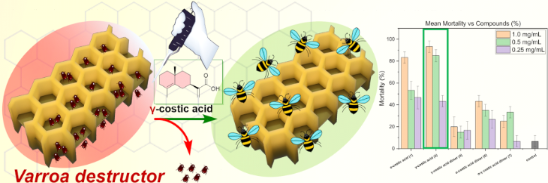
- ][23][24]. In addition, the efficacy of both synthetic and natural acaricides, such as formic and oxalic acids [25], has declined due to the development of resistance in V. destructor populations [26]. Consequently, there is a growing interest in alternative, efficient, and environmentally friendly


Amino acid-based surfactants: sustainable synthesis and antimicrobial mechanisms
Beilstein J. Org. Chem. 2026, 22, 1067–1085, doi:10.3762/bjoc.22.85
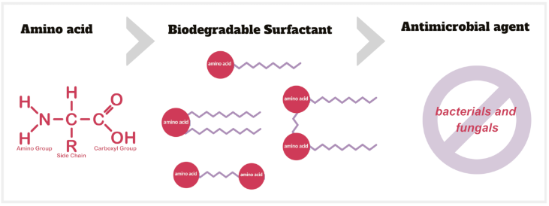
- effects on the cellular integrity and microbial vital processes. In addition, these surfactants can be easily synthesized using green chemistry principles, are biodegradable and more biocompatible than commercial quaternary ammonium surfactants. This paper aimed to elucidate the relevance of amino acid
- converted into single-chain surfactants [3][5]. In addition to the simplified synthesis procedures, these compounds have some of the fundamental requirements for clinical application such as low toxicity, biocompatibility and high biodegradability [6][17][20]. Recent studies highlighted that the
- descriptors afore mentioned, it was possible to find 222 studies within the PubMed database (an average of 11 manuscripts per year). In addition, the highest number of publications was observed in 2015, 2018 and 2021. However, regarding this review, only 26 were selected, such as shown in the flowchart of


Synthesis of functionalized, 13-alkyl-substituted coralyne derivatives and investigation of their interactions with duplex and abasic site-containing DNA
Beilstein J. Org. Chem. 2026, 22, 1057–1066, doi:10.3762/bjoc.22.84
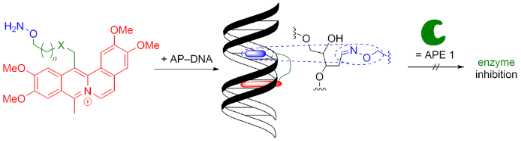
- binds to non-canonical DNA structures, such as G-quadruplex DNA (G4-DNA) and triplex DNA [24][25][26][27]. In addition, it is considered a highly potential drug candidate as it has significant biological activity [28][29]. To add to that, coralyne (2a) is a very efficient photosensitizer that induces
- -solubility of 2e. Upon addition of DNA, the absorption of the long-wavelength band (λmax = 433 nm) of coralyne derivative 2e decreased with a significant red shift of the absorption maximum. Moreover, two isosbestic points at 335 nm and 440 nm formed initially during DNA titration, but they faded with
- spectrometric titrations of coralyne derivative 2e with ct DNA clearly indicate the complex formation. In particular, the hypochromism and the bathochromic shift of the absorption maxima, the fluorescence quenching, and the formation of clear ICD signals upon addition of DNA are characteristic features of a DNA


One-pot four-component sequential synthesis of S-alkyl dithiocarbamates using lipase as a biocatalyst
Beilstein J. Org. Chem. 2026, 22, 1048–1056, doi:10.3762/bjoc.22.83
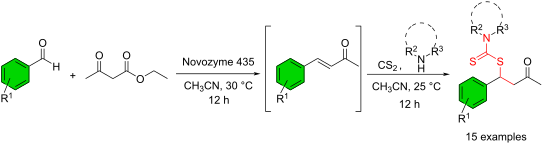
- nucleophilic addition reaction with dithiocarbamate anions, which are generated in situ by reacting CS2 with amines. This sequence successfully yields 15 derivatives of S-alkylated dithiocarbamates with high to excellent yields ranging from 69% to 96%. Keywords: biocatalysis; dithiocarbamate; four-component
- methodology was developed for the synthesis of S-alkyl dithiocarbamates using Novozym 435 as a biocatalyst. The protocol enables the in situ generation of the Michael acceptor through a lipase-catalyzed Knoevenagel condensation/decarboxylation reaction, followed by addition of a dithiocarbamate nucleophile


Synthesis of novel 1,2,4-oxadiazole-isoxazoline hybrids and their in silico potential with adenosine receptors
Beilstein J. Org. Chem. 2026, 22, 1033–1047, doi:10.3762/bjoc.22.82
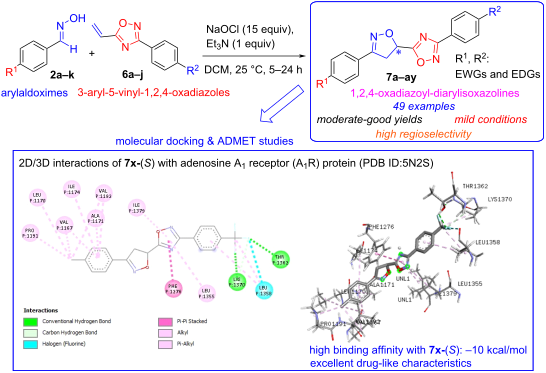
- ][9][10][11][12][13]. A notable therapeutic application is found in Ataluren®, a drug for for the treatment of Duchenne Muscular Dystrophy (DMD), which features a 1,2,4-oxadiazole scaffold [14] (Figure 1). In addition to oxadiazoles, numerous five-membered O,N-containing heterocycles have been
- optimal reaction conditions. A series of experiments was carried out by varying the equivalents of 2e (1.2–1.5 equiv), 6d (1.0–1.5 equiv), sodium hypochlorite (1.6–20 equiv), and triethylamine (1.2–2.4 equiv) (Table 2). In addition, control reactions employing either triethylamine or sodium hypochlorite
- (6i) proceeded efficiently, delivering good to high yields across the examined substrates (Table 4, entries 16–20). In addition, reactions of p-trifluoromethylbenzaldoxime (2i) with vinyl-1,2,4-oxadiazoles 6 provided the desired products in moderate to good yields (52–78%) (Table 4). Cycloadditions


Semisynthesis, characterisation, and antibacterial evaluation of a novel lecanoric acid-derived amide library
Beilstein J. Org. Chem. 2026, 22, 1023–1032, doi:10.3762/bjoc.22.81
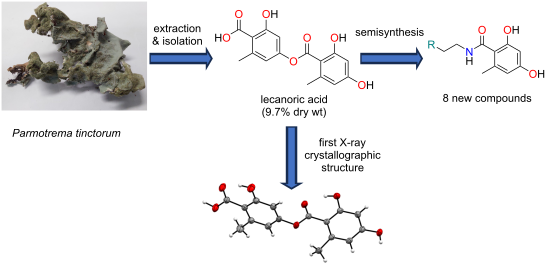
- methylene groups (δC 38.1, 37.1), one aliphatic methine carbon (δC 25.2), and one carbonyl carbon (δC 167.7). The presence of phenols in 6 was supported by a bathochromic shift of the UV spectrum upon addition of base (NaOH) [25][26]. One spin system was identified from the COSY spectrum, which was the
- (15 µL) were loaded prior to the addition of bacteria. The plates were incubated for 24 h at 37 °C in static conditions. The effects of the compounds at 50 µM on bacterial growth and viability of biofilm bacteria were determined by the OD600 and resazurin metabolic assay, respectively. The final


Synthesis and optical resolution of 4,5-diaminohomoadamantane: a promising scaffold for chiral ligands and bioactive compounds
Beilstein J. Org. Chem. 2026, 22, 1013–1022, doi:10.3762/bjoc.22.80
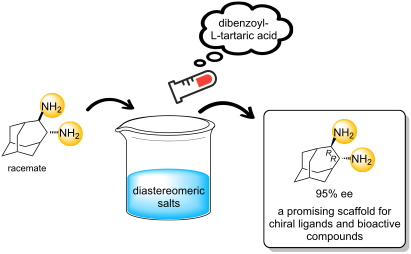
- based on a rigid polycyclic framework such as homoadamantane remain underexplored. We anticipated that the unique steric and lipophilic properties of chiral trans-4,5-diaminohomoadamantane could provide the necessary stereoinduction in metal-catalyzed asymmetric reactions. In addition, such structures


Rh(III)-catalyzed chelation-assisted C–H activation/annulation of 2-arylimidazolines with cyclic diazo-1,3-dicarbonyl compounds: a novel approach to tetracyclic annulated derivatives of 2,3-dihydroimidazo[2,1-a]isoquinoline
Beilstein J. Org. Chem. 2026, 22, 997–1003, doi:10.3762/bjoc.22.78
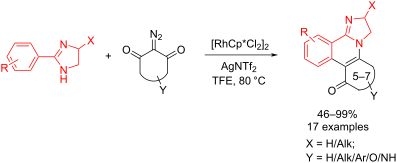
- methylene group of the dimedone moiety at 4.18 ppm with both protons from the methylene group of the imidazoline moiety at 2.55 and 3.60 ppm was observed for the major isomer 4g. Next, the scope of suitable diazo carbonyl compounds was examined. In addition to dimedone, 1,3-cyclohexanedione and its 5-phenyl


The role of spacer length and flexibility in peptide self-assembly
Beilstein J. Org. Chem. 2026, 22, 986–996, doi:10.3762/bjoc.22.77
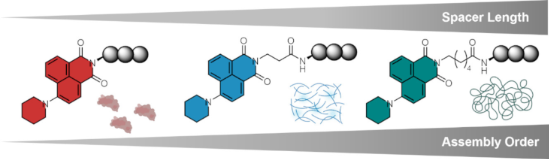
- primarily driven by hydrophobic interactions of the π-block and supported by peptide–peptide interactions. In addition, the investigated spacers were limited to relatively short, hydrophobic aliphatic chains. Future work could expand these design principles by exploring longer peptide sequences as well as a
- reaction mixture was drained, the Fmoc group was removed as described before and washed three times with DMF. The following coupling steps were performed in the same way. The final deprotection was performed via addition of a solution of 8% piperidine (DMF, 2.1 mL) for 80 s at 110 °C. The resin solvent was
- dryness and redissolving the residue in the same volume of D2O. Dimethyl sulfone (DMS, 6.96 mg) was added as an internal reference. Each peptide conjugate was initially dissolved in TFE-d3, followed by the addition of the DMS-containing PBS/D2O buffer (250 µL) and additional PBS/D2O buffer without DMS to


Novel macrocycles: from synthesis to supramolecular function
Beilstein J. Org. Chem. 2026, 22, 982–985, doi:10.3762/bjoc.22.76
- cells. In addition to its intrinsic biological activity, the nanoassembled platform may also serve as a carrier for combination therapies by encapsulating additional therapeutic agents. Macrocyclic chemistry is proving equally vital for environmental sustainability and separation science. For instance
- binding affinity and selectivity that depended on the presence of Lys121. Structural investigations revealed an unexpected binding mode in which, in addition to the peptide-mediated recognition of the BIR domain, the tweezer scaffold established supplementary interactions with the protein surface. These
Electrochemical reduction of unsaturated carbon–carbon bonds via 3d transition-metal catalysis
Beilstein J. Org. Chem. 2026, 22, 955–981, doi:10.3762/bjoc.22.75
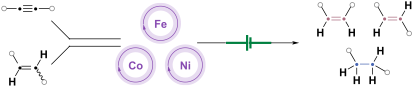
- controlled syn-addition pathway that furnishes Z-alkenes [10], whereas Birch-type reductions via single-electron transfer (SET) promote an anti-addition process that enables the formation of E-alkenes [11][12]. Beyond the classical strategies, recent advances have enabled the highly efficient chemo- and
- governed primarily by bond dissociation free energies, radical stabilization, and cage escape or recombination kinetics, rather than by inner-sphere insertion chemistry. In addition, in certain systems, hydride transfer can operate as a distinct mechanistic mode, wherein the M–H unit directly delivers a
- through a silane-mediated hydrogen-transfer pathway, thereby circumventing the direct use of water in hydrogen-transfer processes. Notably, the addition of a catalytic amount of a nickel complex was found to improve the reaction efficiency, which is attributed to the electroreductive generation of a Ni(0








Synthesis of sterically shielded piperidine nitroxides via acid-catalyzed heterocyclization of β-aminoketone derivatives with ketones
Beilstein J. Org. Chem. 2026, 22, 948–954, doi:10.3762/bjoc.22.74
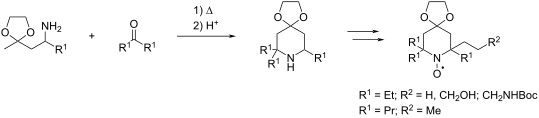
- -tetrapropyl-substituted piperidine nitroxides, and sterically shielded nitroxides with functional groups in the side chain of the heterocycle. Results and Discussion Aminodioxolanes 4a,b were obtained from enones 1a,b via a modified literature sequence [30] involving phthalimide Michael addition, dioxolane
- , characteristic signals of the dioxolane fragment protons (multiplet, 3.72–3.79 ppm, 4H) and an isolated methyl group (singlet, 1.13 ppm, 3H) were observed. The NH2 protons appeared as a broad signal at 1.77–1.89 ppm. In addition, an eight-spin system comprising the ethyl group resonances (0.71, 1.13, 1.19 ppm
- nucleophilic addition [34][35]. Conversely, less basic organometallic reagents, such as vinylmagnesium bromide [34], ethynylmagnesium bromide [23], or allylmagnesium chloride [36], readily undergo addition, yielding the corresponding nitroxides. Ketonitrone 6a was treated with various alkynylmagnesiun bromides


Recent advances in copper-catalyzed direct hydroamination of alkenes with (hetero)aromatic amines
Beilstein J. Org. Chem. 2026, 22, 925–947, doi:10.3762/bjoc.22.73
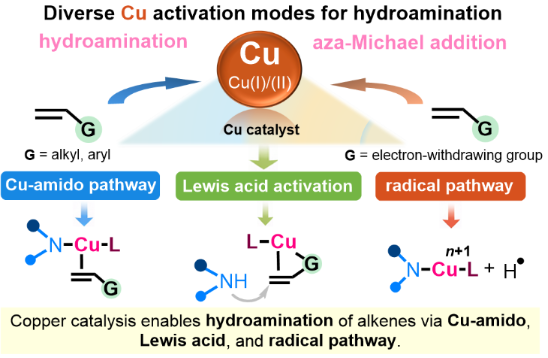
- , including copper–amido-mediated nucleophilic addition or aminocupration, Lewis acid-type alkene activation, and radical-mediated pathways. These complementary mechanisms provide access to diverse alkene classes with control over regioselectivity (Markovnikov vs anti-Markovnikov addition), stereoselectivity
- , and functional group tolerance. This review summarizes recent advances in the copper-catalyzed hydroamination of alkenes with (hetero)aromatic N–H nucleophiles, emphasizing the mechanistic paradigms and the factors governing selectivity. Keywords: aromatic amines; aza-Michael addition; Cu catalysis
- remains a primary objective of modern organic synthesis [5][6]. Among the diverse strategies available for C–N bond formation, the direct addition of an N–H bond across a C–C double bond, known as hydroamination, is an ideal transformation considering atom and step economy [7][8][9][10][11][12







A practical CO2-mediated synthesis of 5,6-carboxylated silicon-rhodamines for targeted probe development
Beilstein J. Org. Chem. 2026, 22, 915–924, doi:10.3762/bjoc.22.72
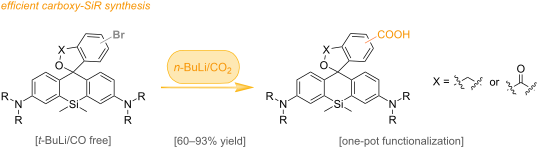
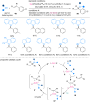
- readily available CO2, this method delivers carboxylated SiR derivatives in 60–93% yields while avoiding the use of t-BuLi, toxic CO, and expensive palladium catalysts. In addition, the crude carboxylation mixtures can be directly subjected to amide coupling without chromatographic purification, enabling
- makes SiRs highly attractive as fluorogenic probes for precise super-resolution imaging by enabling target-specific recognition and significantly improving signal-to-noise ratio (SNR). In addition, hydroxymethyl-substituted SiR derivatives, including HMSiR [30][31] and Aze-HMSiR [32][33][34], can
- the near-infrared region, reaching up to 740 nm [21][22][40]. In addition, modulation of the L–Z equilibrium through tuning of N-substituents has enabled the development of fluorogenic and spontaneously blinking SiR probes with finely controlled off–on behavior [11][26][28][41]. However, despite the



Palladium-catalyzed benzocyclization reactions of quinoline-2-carboxamides via sequential C–H/N–H functionalization
Beilstein J. Org. Chem. 2026, 22, 905–914, doi:10.3762/bjoc.22.71
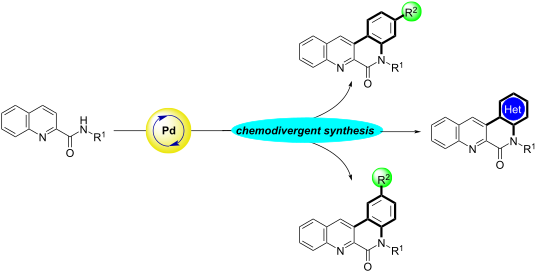
- were observed in the reactions involving 2-bromo-1-iodo-4-methoxybenzene (2f) and 1-bromo-2-iodo-4-methoxybenzene (1g) (Table 3, entries 5 and 6). The oxidative addition of the palladium catalyst to the C–I bond in these electron-donating group-containing bromo(iodo)benzenes occurred slowly, requiring
- an inhibition of the catalyst’s oxidative addition to the C–I bond. Notably, the substrates containing electron-withdrawing groups, such as cyano or nitro groups, resulted in low yields, even after longer reaction times (Table 3, entries 7 and 8). These results were attributed to homo-coupling of 1
- . First, the activated palladium(0) catalyst is inserted into the carbon–iodine bond of the 1-bromo-2-iodoarene 2 via oxidative addition. The intermediate Int-2 then undergoes ligand exchange from iodine and phosphine to acetate and quinoline-2-carboxamide to generate intermediate Int-3. Then, through a




Cascade transformation of 2-(diazoacetyl)-2H-azirines to 2-aroyl-3-hydroxy-1H-pyrroles via condensation with aromatic aldehydes
Beilstein J. Org. Chem. 2026, 22, 897–904, doi:10.3762/bjoc.22.70
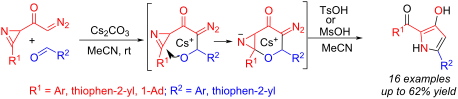
- Information File 1). In the 1H NMR spectrum of the crude compound 4b, in addition to the signals of the main isomer 4b, there is a set of low-intensity proton signals: 1.34 (d), 2.59 (d), 3.27 (s), 5.16 (s), formally corresponding to the set of signals of the main diastereoisomer 4b: (1.26 (d), 2.85 (d), 3.24
- F requires overcoming an excessively high energy barrier, so the conversion of intermediate E to intermediate F or directly to H apparently occurs via proton elimination/addition. The elimination of a nitrogen molecule from intermediate H is accompanied by the opening of the 6-membered ring and


Chiral cyclopropenimine-catalyzed enantioselective Michael reactions of phenol and benzofuran-derived α,β-unsaturated pyrazolamides with benzophenone-imine of glycine esters
Beilstein J. Org. Chem. 2026, 22, 888–896, doi:10.3762/bjoc.22.69
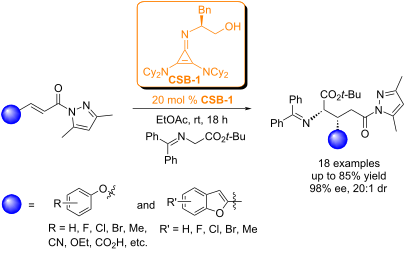
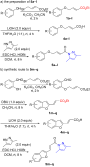
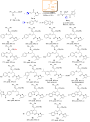
- adjacent stereocenters, which was obtained from in-situ acidic hydrolysis and lactamization of the corresponding Michael product. Keywords: α,β-unsaturated pyrazolamide; chiral cyclopropenimine; glutamic acid; lactamization; Michael addition; Introduction Phenols and benzofurans are feedstock chemicals
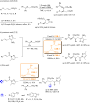
- anti-form of 6a. With mode B, the π–π stacking between benzophenone-imine 2a and the phenoxylmethyl group in 5a may enhance the ratio of this attack to produce the syn-form of 6a as major product. A mechanism for this highly enantioselective Michael addition between 2a and 5a was proposed based on
- -disubstituted glutamic and pyroglutamic acid esters by this protocol are underway. Experimental General procedure for the CSB-1-catalyzed Michael addition of compounds 2 and 5 To 2a (1.0 mmol) and 5a (1.0 mmol) in EtOAc (10.0 mL) was added CSB-1 (0.2 mmol) and the mixture was stirred at rt for 18 h. After the






Diastereodivergent electrophilic trapping of α-boryl lithium derivatives
Beilstein J. Org. Chem. 2026, 22, 882–887, doi:10.3762/bjoc.22.68
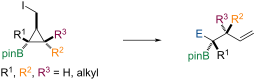
- confirmed due to the inability to obtain suitable crystals for X-ray analysis. In addition to the nucleophilic substitution of the boryl lithium species with R3SiCl, a small range of alternative electrophiles was examined (Scheme 3). Incorporation of a tin-based electrophile furnished stannane 6i in




Site-specific labelling of native peptides and proteins: chemical and enzymatic strategies
Beilstein J. Org. Chem. 2026, 22, 857–881, doi:10.3762/bjoc.22.67
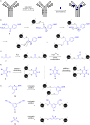
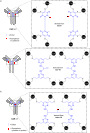
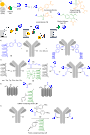
- product can be reacted with hydroxylamine-containing payloads to afford oxime-linked conjugates (Scheme 3c) [29][30]. Additionally, dibromomaleimides 8 [31][32] and dibromopyridazinediones 9 (Scheme 3d) [33] bearing payloads at the N-position can rebridge cysteines through an addition–elimination
- mechanism. These reagents have been extensively explored for protein conjugates, especially as ADCs [34]. Similarly, divinylpyrimidines 10 [35] and arylenedipropiolonitriles 11 [36] have also been investigated for analogous purposes but via a conjugate addition mechanism (Scheme 3e). Exploiting the unique
- oxidation state of phosphorous, diethynylphosphonites 12 also utilize conjugate addition to provide a versatile three-point conjugation platform [37]. Related technologies have been adapted to link multiple disulfide residues simultaneously. Using bis-dibromopyridazinediones bis-9 [38] or bis/tetra








The trans-influence in gold chemistry from a catalytic perspective
Beilstein J. Org. Chem. 2026, 22, 838–856, doi:10.3762/bjoc.22.66
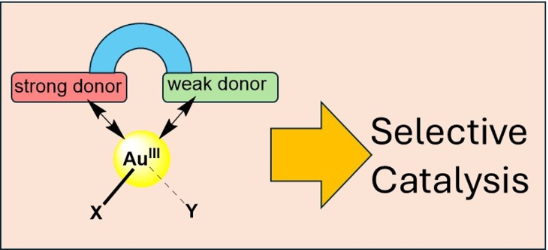
- ^C^N complex 12 (H trans to C) is stable in THF solution at −20 °C but decomposes at room temperature. This instability of 12 may in part also be due to the tendency of the pyridine arm to dissociate; for example, on addition of LiHBEt3 the pyridine is displaced to give the dihydrido complex Li[(N–C
- into M–H or M–C are a mainstay of homogeneous catalysis. Alkyne insertion by a migratory insertion process leads to cis-addition. By contrast, insertions of alkyne into Au–H bonds result in anti (trans)-addition products, which cannot readily be explained by the conventional migratory pathway. To the
- complexes of type 8 can react with acetylenes slowly, in a possibly light-induced radical reaction [49]. The addition of radical initiators such as azobis(isobutyronitrile) (AIBN) reduced the reaction times from days to minutes, with quantitative and completely stereoselective formation of Z-vinyl gold


Unsymmetrical sulfoxides with sterically hindered catechol fragment: synthesis, structure, electrochemical properties, and antiradical activity
Beilstein J. Org. Chem. 2026, 22, 828–837, doi:10.3762/bjoc.22.65
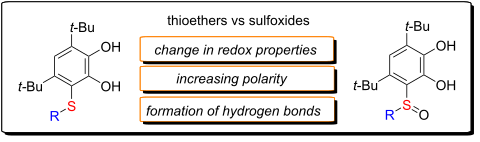
- , and antibacterial agents [6][7][8]. However, the practical utility of such type of compounds extends beyond biomedical applications. For instance, Michael addition reactions between dithiols and phenolic compounds yield cross-linked, colorless polymer films with universal adhesion and high stability
- ). Addition of the target catechols to a DPPH radical solution leads to a decrease in absorbance at the 517 nm maximum. The antiradical activities of CatH2-S-R and CatH2-SO-R were evaluated through the determination of IC50 and the time to reach the steady-state equilibrium (TEC50) values, together with the


Total synthesis of the capsular polysaccharide repeating unit towards the development of a glycoconjugate vaccine against Klebsiella pneumoniae ST512
Beilstein J. Org. Chem. 2026, 22, 821–827, doi:10.3762/bjoc.22.64
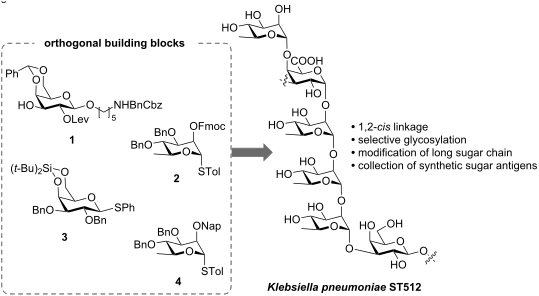
- repeating unit {3)-[α-ʟ-Rhap-(1→4)]-α-ᴅ-GalpA-(1→2)-α-ʟ-Rhap-(1→2)-α-ʟ-Rhap-(1→2)-α-ʟ-Rhap-(1→3)-β-ᴅ-Galp-(1→}n (Figure 1) [13]. The chemical synthesis of this molecule is challenging due to the stereoselective formation of the 1,2-cis glycosidic linkage on the galacturonic acid core. In addition, the


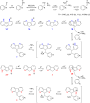
Knoevenagel condensation of 4,5- and 1,8-diazafluorenes
Beilstein J. Org. Chem. 2026, 22, 803–812, doi:10.3762/bjoc.22.62
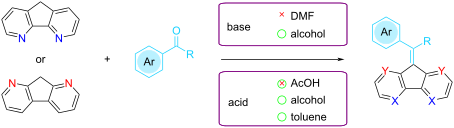
- cases when the condensation product precipitated from the reaction mixture (see note d in Table 1), i.e., when the reaction became irreversible. The proposed mechanism for the condensation reaction in the presence of ammonium acetate is shown in Scheme 2 [25]. Accordingly, the addition of diazafluorene
- ). Contrary, both the neutral (2) and protonated (2A’) forms of 1,8-diazafluorene were identified in both solvents (see Supporting Information File 1, Figure S2) with relatively high ratio (2 to 2A’ = 1:0.4 in CD3OD and 1:0.9 in CD3COOD). This equilibrium was reached immediately after the addition of the acid
- the protonation and subsequent addition of a nucleophile (H2O) an intramolecular rearrangement facilitated by the proximity of a neighboring nitrogen atom (in position 1 or 8) occurred (see Scheme 3). Elimination of the aldehyde leads to the formation of 1,8-diazafluorene (2), which can be oxidized