

Search results
Search for "small-molecule modifications" in Full Text gives 1 result(s) in Beilstein Journal of Organic Chemistry.
Site-specific labelling of native peptides and proteins: chemical and enzymatic strategies
Beilstein J. Org. Chem. 2026, 22, 857–881, doi:10.3762/bjoc.22.67
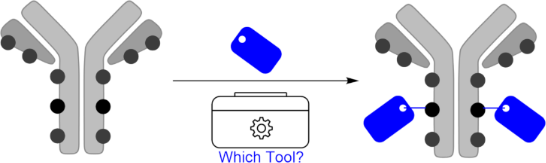
- highlight opportunities for innovation in next-generation native-sequence protein modification technologies. Keywords: affinity-guided chemistry; disulfide-rebridging; enzyme catalysis; glycan modifications; native-sequence; protein labelling; small-molecule modifications; terminal; Introduction Protein
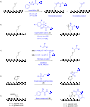
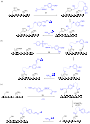
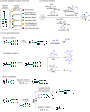
- -molecule modifications provide powerful strategies for site-selective modification of otherwise intractable residues, as summarised in a comprehensive review [109]. However, most new conjugation reagents are not yet commercially available, requiring in-house synthesis, and the resulting conjugates often
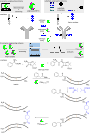
- site-specific histidine modification of the Fc region, albeit at a modest yield (37%). Another related and noteworthy technology is the cysteine-to-lysine transfer reaction, which operates via a mechanism analogous to native chemical ligation in Fab fragments [108]. Together the advances of small








Other Beilstein-Institut Open Science Activities