

Search results
Search for "recyclability" in Full Text gives 86 result(s) in Beilstein Journal of Organic Chemistry.
Novel macrocycles: from synthesis to supramolecular function
- Veronica Iuliano,
- Carmen Talotta,
- Margherita De Rosa,
- Paolo Della Sala,
- Konrad Tiefenbacher,
- Pablo Ballester and
- Carmine Gaeta
Beilstein J. Org. Chem. 2026, 22, 982–985, doi:10.3762/bjoc.22.76
- extraction efficiency even when flooded with competing anions. Furthermore, by evaluating the recyclability and solvent stability of covalent versus noncovalent immobilization, the study offers key design rules for building durable separation materials. While solid-supported systems demonstrate the
Site-specific labelling of native peptides and proteins: chemical and enzymatic strategies
- Antonio Angelastro,
- Jonathan Bargh,
- Subhajit Guria,
- Victor Laserna and
- Louis Luk
Beilstein J. Org. Chem. 2026, 22, 857–881, doi:10.3762/bjoc.22.67
- activity of the modified protein, recyclability and manufacturing cost of the enzymes also need to be carefully considered, as costs can easily balloon in process development. Nonetheless, the use of glycan remodelling is expanding for applications such as site-specific protein labelling, with ADC

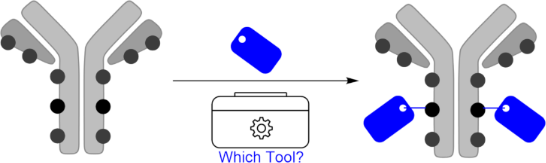
Graphical Abstract

Scheme 1: a) Sanger’s reagent (1), b) reductive amination by sodium cyanoborohydride, c) native chemical liga...

Scheme 2: Introduction of carbonyl functionality at protein N-termini via a) oxidation by periodate, b) Rapop...
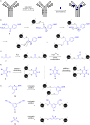
Scheme 3: a) Concept of disulfide rebridging. Reagents include b) sulfones 6, c) dihaloacetones 7, d) dibromo...
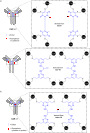
Scheme 4: Multi-disulfide rebridging technologies.

Scheme 5: Formation of full- and half-antibody as a result of disulfide rebridging.

Scheme 6: Use of 2,3-diaminopropionic acid (DAP, 13) for native-sequence substrate profiling.
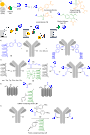
Scheme 7: Affinity-guided labelling. a) Reagents and catalysts appended to the binder include electrophilic m...

Scheme 8: Chemical sequence to convert subtilisin serine residue into a cysteine analogue.
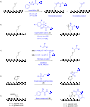
Scheme 9: Examples of small molecule reagents. Modifications of a–c) methionine by oxaziridine 22, hypervalen...

Scheme 10: Labelling of arginine by reagents carrying a) glyoxal 27, b) phenanthrenequinones 28, c) DKPA 29 gr...
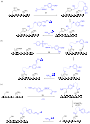
Scheme 11: Examples of linchpin-directed modification targeting a) histidine, b) aspartic acid, and c) lysine ...
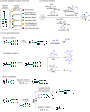
Scheme 12: Overview of glycan-directed strategies for site-specific protein modification. a) Structural motifs...

Scheme 13: Generic reaction mechanisms recruited by various native-sequence modifying enzymes.

Scheme 14: a,b) Engineered biocatalysts including sortase. Proteins AGA1 and AGA2 are surface proteins natural...
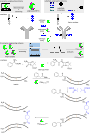
Scheme 15: Engineered biocatalysts include a) microbial transglutaminase (MTG) and b) penicillin G acylase (PG...
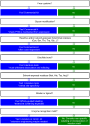
Scheme 16: Selection scheme of a suitable native-sequence labelling tool.
Arene activation via π-bond localization: concepts and opportunities
- Paul Meiners,
- Julian J. Melder and
- Tobias Morack
Beilstein J. Org. Chem. 2026, 22, 257–273, doi:10.3762/bjoc.22.19
- ) systems [56][57][58]. Beyond the conceptual advance, the Mo(0) manifold offers practical benefits in terms of scalability and recyclability [59]. However, the preparation of enantioenriched η2-arene complexes presented unique challenges. In contrast to the Re(I) and W(0) analogues, where resolution of the

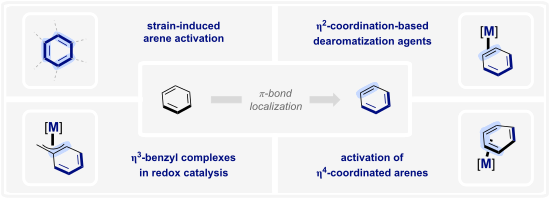
Graphical Abstract

Figure 1: Aromatic molecules as the foundation of modern molecular chemistry.

Figure 2: Arenes as springboards to three-dimensional chemical space and strategies toward arene activation v...

Figure 3: Structure and synthetic utilization of strained arenes; NICS: nucleus independent chemical shifts [26-28].

Figure 4: Bonding and reactivity of η2-coordinated aromatic systems [44,46].

Figure 5: Illustrative selection of η2-coordinating dearomatization agents; MeIm: N-methylimidazole, NHE: nor...

Figure 6: Preparation, lability and most stable linkage isomers of pentaammineosmium(II) complexes.

Scheme 1: Heteroatom-directed reactions of η2-arene complexes [45,50].

Figure 7: Latent functionality through transient metal binding.
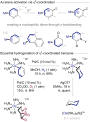
Figure 8: Selective hydrogenation of η2-coordinated benzene to cyclohexene under ambient conditions [53,54].

Scheme 2: Synthesis and utilization of enantioenrichted Mo(η2-arene) complexes in enantioselective synthesis [55]....

Scheme 3: Synthesis of trisubstituted cyclohexenes from phenyl sulfones enabled by tungsten-mediated dearomat...

Scheme 4: Diels–Alder reactions of η2-arene complexes with alkenes and alkynes; NMM: N-methylmaleimide [64,65].

Scheme 5: Binding characteristics and pioneering examples of isolable η3-benzyl complexes.

Figure 9: Divergent functionalization of benzyl electrophiles leveraging η3-benzyl complexes toward benzylic ...

Scheme 6: p-Selective allylation of benzyl chlorides with allylstannanes and subsequent synthetic expansion o...

Figure 10: Strategies for para- and ortho-selective arene functionalization/dearomatization via η3-benzyl comp...

Scheme 7: Substrate-dependent ortho- and para-selective dearomatization of naphthyl chlorides and leveraging ...

Figure 11: η4-Arene coordination as an underexplored but promising pathway for arene activation [96,98-100].
Silica gel with covalently attached bambusuril macrocycle for dicyanoaurate sorption from water
- Michaela Šusterová and
- Vladimír Šindelář
Beilstein J. Org. Chem. 2025, 21, 2604–2611, doi:10.3762/bjoc.21.201
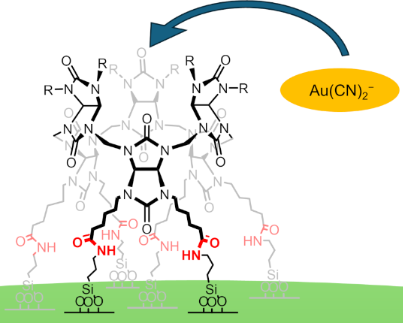
- competing dicyanoargentate(I) anions. We also examine the recyclability of the material and assess its stability in organic solvents, comparing its performance with that of a previously developed material containing noncovalently bound bambusuril. Keywords: anion binding; anion extraction; anion receptor
- gel modified either with covalently or noncovalently immobilized BU1 was further investigated for its ability to sorb anions from water and in terms of recyclability. For this purpose, dicyanoaurate ([Au(CN)2]−) was selected as this anion can be monitored by UV–vis spectroscopy (Figure 2) and plays a
- [17]. The finding is also in agreement with our reported results on the noncovalent SG-BnBU system, which showed significantly higher sorption efficiency towards dicyanoaurate over dicyanoargentate [14]. We next examined the recyclability of the materials. Only SG-NHCO-BU1 was used in these

Graphical Abstract

Scheme 1: Synthesis of SG-NHCO-BU1 and SG-BU1 materials based on covalently and non-covalently attached BU1 o...

Figure 1: A) Thermogravimetric analyses of BU1, SG, a-SG, and SG-NHCO-BU1. B) UV–vis titration of K[Au(CN)2] ...

Figure 2: The efficiency of materials (blue SG-BU1, grey SG-NHCO-BU1) in sorbing dicyanoaurate from its water...
The high potential of methyl laurate as a recyclable competitor to conventional toxic solvents in [3 + 2] cycloaddition reactions
- Ayhan Yıldırım and
- Mustafa Göker
Beilstein J. Org. Chem. 2025, 21, 2389–2415, doi:10.3762/bjoc.21.184
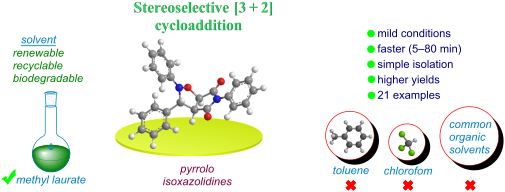
- criteria (availability, price, recyclability, grade, synthesis, toxicity, biodegradability, performance, stability, flammability, storage, renewability) with a view to defining the concept of green solvents [71]. Methyl laurate, predicted as the main potential green solvent in this study, fulfils almost

Graphical Abstract

Figure 1: Versatile compounds via cycloaddition reactions.
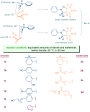
Scheme 1: Molecular structures of parent compounds 1a–f, 2a–d and cycloadducts 3a–u.

Figure 2: a) Radar view of the physical properties of methyl laurate. b) Oral toxicity values of methyl laura...

Figure 3: The oral toxicity values of all the solvents utilized in the present study obtained with ProTox 3.0....

Figure 4: Ecological, environmental risk assessments, pesticide similarity and biodegradability assessments o...

Figure 5: Ecological, environmental risk assessments, pesticide similarity and biodegradability assessments o...

Figure 6: Ecological, environmental risk assessments, pesticide similarity and biodegradability assessments o...

Figure 7: Various toxicity parameters of methyl laurate and a series of other solvents calculated by ADMETLab...

Figure 8: a) Visualization of the localization of conventional organic and bio-based solvents in the Hansen s...
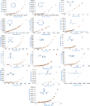
Figure 9: Vapour pressures of the solvents used (values retrieved from the Chemeo molecular database).

Scheme 2: Endo and exo stereoisomeric approaches of nitrone 1a and maleimide 2a in [3 + 2] cycloaddition reac...

Figure 10: Signals of protons used in the calculation of the diastereomeric ratios (cis/trans) of cycloadditio...

Figure 11: Results of studies on the recovery of solvents used in the reaction.

Figure 12: Simplified scheme describing the reaction monitoring and solvent recovery.
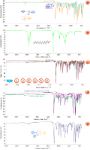
Figure 13: a) The superimposed spectra of C,N-diphenylnitrone and N-phenylmaleimide. b) The spectrum of methyl...
C2 to C6 biobased carbonyl platforms for fine chemistry
- Jingjing Jiang,
- Muhammad Noman Haider Tariq,
- Florence Popowycz,
- Yanlong Gu and
- Yves Queneau
Beilstein J. Org. Chem. 2025, 21, 2103–2172, doi:10.3762/bjoc.21.165
- substituted amines under metal catalysis or catalyst-free conditions, using hydrosilane, formic acid, hydrogen, MeOH or HCOOH/Et3N as reducing sources [245]. The type and recyclability of catalysts, the nature of supports, reaction conditions, and reactors play important roles in the sustainability of the

Graphical Abstract

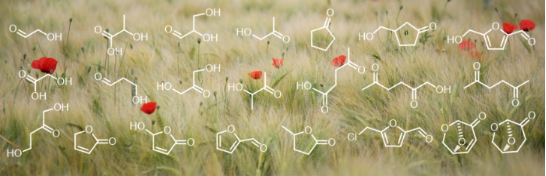
Figure 1: C2–C6 biobased carbonyl building blocks.

Scheme 1: Proposed (2 + 2) route to glycolaldehyde and glycolic acid from erythritol by Cu/AC catalyst (AC = ...

Scheme 2: Reductive amination of GCA.

Scheme 3: N-Formylation of secondary amines by reaction with GCA.

Scheme 4: Synthesis and conversion of hydroxy acetals to cyclic acetals.

Scheme 5: Synthesis of 3-(indol-3-yl)-2,3-dihydrofurans via three-component reaction of glycolaldehyde, indol...

Scheme 6: BiCl3-catalyzed synthesis of benzo[a]carbazoles from 2-arylindoles and α-bromoacetaldehyde ethylene...

Scheme 7: Cu/NCNSs-based conversion of glycerol to glycolic acid and other short biobased acids.

Scheme 8: E. coli-based biotransformation of C1 source molecules (CH4, CO2 and CO) towards C2 glycolic acid.

Scheme 9: N-Formylation of amines with C2 (a) or C3 (b) biomass-based feedstocks.

Scheme 10: Methods for the formation of propanoic acid (PA) from lactic acid (LA).

Scheme 11: Co-polymerization of biobased lactic acid and glycolic acid via a bicatalytic process.

Scheme 12: Oxidation of α-hydroxy acids by tetrachloroaurate(III) in acetic acid–sodium acetate buffer medium.

Figure 2: Selective catalytic pathways for the conversion of lactic acid (LA).

Scheme 13: Synthesis of 1,3-PDO via cross-aldol reaction between formaldehyde and acetaldehyde to 3-hydroxypro...

Scheme 14: Hydrothermal conversion of 1,3-dihydroxy-2-propane and 2,3-dihydroxypropanal to methylglyoxal.

Scheme 15: FLS-catalyzed formose reaction to synthesize GA and DHA.

Scheme 16: GCA and DHA oxidation products of glycerol and isomerization of GCA to DHA under flow conditions us...

Scheme 17: Acid-catalyzed reactions of DHA with alcohols.

Scheme 18: Synthesis of dihydroxyacetone phosphate from dihydroxyacetone.

Scheme 19: Bifunctional acid–base catalyst DHA conversion into lactic acid via pyruvaldehyde or fructose forma...

Scheme 20: Catalytic one-pot synthesis of GA and co-synthesis of formamides and formates from DHA.

Scheme 21: (a) Synthesis of furan derivatives and (b) synthesis of thiophene derivative by cascade [3 + 2] ann...

Scheme 22: Brønsted acidic ionic liquid catalyzed synthesis of benzo[a]carbazole from renewable acetol and 2-p...

Scheme 23: Asymmetric hydrogenation of α-hydroxy ketones to 1,2-diols.

Scheme 24: Synthesis of novel 6-(substituted benzylidene)-2-methylthiazolo [2,3-b]oxazol-5(6H)-one from 1-hydr...

Scheme 25: ʟ-Proline-catalyzed synthesis of anti-diols from hydroxyacetone and aldehydes.

Scheme 26: C–C-bond-formation reactions of a biomass-based feedstock aromatic aldehyde (C5) and hydroxyacetone...

Scheme 27: Ethanol upgrading to C4 bulk chemicals via the thiamine (VB1)-catalyzed acetoin condensation.

Scheme 28: One-pot sequential chemoenzymatic synthesis of 2-aminobutane-1,4-diol and 1,2,4-butanetriol via 1,4...

Scheme 29: Synthesis of 1,4-dihydroxybutan-2-one by microbial transformation.

Scheme 30: Conversion of polyols by [neocuproine)Pd(OAc)]2(OTf)2] to α-hydroxy ketones.

Scheme 31: Chemoselective oxidation of alcohols with chiral palladium-based catalyst 2.

Scheme 32: Electrochemical transformation of furfural to 5-hydroxy-2(5H)-furanone (HFO).

Scheme 33: Selective hydrodeoxygenation of HFO and oxidation to γ-butyrolactone (GBL).

Scheme 34: Photosensitized oxygenation of furan towards HFO via ozonide intermediates.

Scheme 35: Conversion of furfural to HFO and MAN by using mesoporous carbon nitride (SGCN) as photocatalyst.

Scheme 36: Synthesis of HFO from furan derivatives.

Scheme 37: Photooxidation of furfural to 5-hydroxy-2(5H)-furanone (HFO).

Scheme 38: Synthesis of Friedel–Crafts indole adduct from HFO.

Scheme 39: Conversion of HFO to α,γ-substituted chiral γ-lactones.

Scheme 40: Tautomeric transformation of HFO to formylacrylic acid.

Scheme 41: Hydrolysis of HFO to succinic acid in aqueous solution.

Scheme 42: Substitution and condensation reactions of 5-hydroxy-2(5H)-furanone (HFO).

Scheme 43: (a) Conversion of HFO towards valuable C4 chemicals and (b) anodic oxidation of 5-hydroxy-2(5H)-fur...

Figure 3: Conversion of HFO towards other natural and synthetic substances.

Scheme 44: Conversion of furfural to maleic anhydride (reaction a: VOx/Al2O3; reaction b: VPO).

Scheme 45: Conversion of furfural into succinic acid.

Scheme 46: Electro‑, photo‑, and biocatalysis for one-pot selective conversions of furfural into C4 chemicals.

Scheme 47: Production route of furfural from hemicellulose.

Scheme 48: Mechanism for xylose dehydration to furfural through a choline xyloside intermediate.

Scheme 49: Conversion of furfural to furfuryl alcohol and its derivatives.

Scheme 50: Conversion of furfural to furfuryl alcohol and 3-(2-furyl)acrolein.

Scheme 51: The aerobic oxidative condensation of biomass-derived furfural and linear alcohols.

Scheme 52: The single-step synthesis of 2-pentanone from furfural.

Scheme 53: Electrocatalytic coupling reaction of furfural and levulinic acid.

Scheme 54: Conversion of furfural to m-xylylenediamine.

Scheme 55: Conversion of furfural to tetrahydrofuran-derived amines.

Scheme 56: Formation of trans-4,5-diamino-cyclopent-2-enones from furfural.

Scheme 57: Production of pyrrole and proline from furfural.

Scheme 58: Synthesis of 1‑(trifluoromethyl)-8-oxabicyclo[3.2.1]oct-3-en-2-ones from furfural.

Scheme 59: Conversion of furfural to furfural-derived diacids.

Scheme 60: A telescope protocol derived from furfural and glycerol.

Scheme 61: A tandem cyclization of furfural and 5,5-dimethyl-1,3-cyclohexanedione.

Scheme 62: A Ugi four-component reaction to construct furfural-based polyamides.

Scheme 63: One-pot synthesis of γ-acyloxy-Cy7 from furfural.

Scheme 64: Dimerization–Piancatelli sequence toward humins precursors from furfural.

Scheme 65: Conversion of furfural to CPN.

Scheme 66: Synthesis of jet fuels range cycloalkanes from CPN and lignin-derived vanillin.

Scheme 67: Solar-energy-driven synthesis of high-density biofuels from CPN.

Scheme 68: Reductive amination of CPN to cyclopentylamine.

Scheme 69: Asymmetric hydrogenation of C=O bonds of exocyclic α,β-unsaturated cyclopentanones.

Scheme 70: Preparation of levulinic acid via the C5 route (route a) or C6 route (routes b1 and b2).

Scheme 71: Mechanism of the rehydration of HMF to levulinic acid and formic acid.

Scheme 72: Important levulinic acid-derived chemicals.

Scheme 73: Direct conversion of levulinic acid to pentanoic acid.

Scheme 74: Catalytic aerobic oxidation of levulinic acid to citramalic acid.

Scheme 75: Conversion of levulinic acid to 1,4-pentanediol (a) see ref. [236]; b) see ref. [237]; c) see ref. [238]; d) see r...

Scheme 76: Selective production of 2-butanol through hydrogenolysis of levulinic acid.

Scheme 77: General reaction pathways proposed for the formation of 5MPs from levulinic acid.

Scheme 78: Selective reductive amination of levulinic acid to N-substituted pyrroles.

Scheme 79: Reductive amination of levulinic acid to chiral pyrrolidinone.

Scheme 80: Reductive amination of levulinic acid to non-natural chiral γ-amino acid.

Scheme 81: Nitrogen-containing chemicals derived from levulinic acid.

Scheme 82: Preparation of GVL from levulinic acid by dehydration and hydrogenation.

Scheme 83: Ruthenium-catalyzed levulinic acid to chiral γ-valerolactone.

Scheme 84: Catalytic asymmetric hydrogenation of levulinic acid to chiral GVL.

Scheme 85: Three steps synthesis of ε-caprolactam from GVL.

Scheme 86: Multistep synthesis of nylon 6,6 from GVL.

Scheme 87: Preparation of MeGVL by α-alkylation of GVL.

Scheme 88: Ring-opening polymerization of five-membered lactones.

Scheme 89: Synthesis of GVL-based ionic liquids.

Scheme 90: Preparation of butene isomers from GVL under Lewis acid conditions.

Scheme 91: Construction of C5–C12 fuels from GVL over nano-HZSM-5 catalysts.

Scheme 92: Preparation of alkyl valerate from GVL via ring opening/reduction/esterification sequence.

Scheme 93: Construction of 4-acyloxypentanoic acids from GVL.

Scheme 94: Synthesis of 1,4-pentanediol (PDO) from GVL.

Scheme 95: Construction of novel cyclic hemiketal platforms via self-Claisen condensation of GVL.

Scheme 96: Copper-catalyzed lactamization of GVL.

Figure 4: Main scaffolds obtained from HMF.

Scheme 97: Biginelli reactions towards HMF-containing dihydropyrimidinones.

Scheme 98: Hantzsch dihydropyridine synthesis involving HMF.

Scheme 99: The Kabachnik–Fields reaction involving HMF.

Scheme 100: Construction of oxazolidinone from HMF.

Scheme 101: Construction of rhodamine-furan hybrids from HMF.

Scheme 102: A Groebke–Blackburn–Bienaymé reaction involving HMF.

Scheme 103: HMF-containing benzodiazepines by [4 + 2 + 1] cycloadditions.

Scheme 104: Synthesis of fluorinated analogues of α-aryl ketones.

Scheme 105: Synthesis of HMF derived disubstituted γ-butyrolactone.

Scheme 106: Functionalized aromatics from furfural and HMF.

Scheme 107: Diels–Alder adducts from HMF or furfural with N-methylmaleimide.

Scheme 108: Pathway of the one-pot conversion of HMF into phthalic anhydride.

Scheme 109: Photocatalyzed preparation of humins (L-H) from HMF mixed with spoiled HMF residues (LMW-H) and fur...

Scheme 110: Asymmetric dipolar cycloadditions on HMF.

Scheme 111: Dipolar cycloadditions of HMF based nitrones to 3,4- and 3,5-substituted isoxazolidines.

Scheme 112: Production of δ-lactone-fused cyclopenten-2-ones from HMF.

Scheme 113: Aza-Piancatelli access to aza-spirocycles from HMF-derived intermediates.

Scheme 114: Cross-condensation of furfural, acetone and HMF into C13, C14 and C15 products.

Scheme 115: Base-catalyzed aldol condensation/dehydration sequences from HMF.

Scheme 116: Condensation of HMF and active methylene nitrile.

Scheme 117: MBH reactions involving HMF.

Scheme 118: Synthesis of HMF-derived ionic liquids.

Scheme 119: Reductive amination/enzymatic acylation sequence towards HMF-based surfactants.

Scheme 120: The formation of 5-chloromethylfurfural (CMF).

Scheme 121: Conversion of CMF to HMF, levulinic acid, and alkyl levulinates.

Scheme 122: Conversion of CMF to CMFCC and FDCC.

Scheme 123: Conversion of CMF to BHMF.

Scheme 124: Conversion of CMF to DMF.

Scheme 125: CMF chlorine atom substitutions toward HMF ethers and esters.

Scheme 126: Introduction of carbon nucleophiles in CMF.

Scheme 127: NHC-catalyzed remote enantioselective Mannich-type reactions of CMF.

Scheme 128: Conversion of CMF to promising biomass-derived dyes.

Scheme 129: Radical transformation of CMF with styrenes.

Scheme 130: Synthesis of natural herbicide δ-aminolevulinic acid from CMF.

Scheme 131: Four step synthesis of the drug ranitidine from CMF.

Scheme 132: Pd/CO2 cooperative catalysis for the production of HHD and HXD.

Scheme 133: Different ruthenium (Ru) catalysts for the ring-opening of 5-HMF to HHD.

Scheme 134: Proposed pathways for preparing HXD from HMF.

Scheme 135: MCP formation and uses.

Scheme 136: Cu(I)-catalyzed highly selective oxidation of HHD to 2,5-dioxohexanal.

Scheme 137: Synthesis of N‑substituted 3‑hydroxypyridinium salts from 2,5-dioxohexanal.

Scheme 138: Ru catalyzed hydrogenations of HHD to 1,2,5-hexanetriol (a) see ref. [396]; b) see ref. [397]).

Scheme 139: Aviation fuel range quadricyclanes produced by HXD.

Scheme 140: Synthesis of HDGK from HXD and glycerol as a chain extender.

Scheme 141: Synthesis of serinol pyrrole from HXD and serinol.

Scheme 142: Synthesis of pyrroles from HXD and nitroarenes.

Scheme 143: Two-step production of PX from cellulose via HXD.

Scheme 144: Preparation of HCPN from HMF via hydrogenation and ring rearrangement.

Scheme 145: Suggested pathways from HMF to HCPN.

Scheme 146: α-Alkylation of HCPN with ethylene gas.

Scheme 147: Synthesis of 3-(hydroxymethyl)cyclopentylamine from HMF via reductive amination of HCPN.

Scheme 148: Production of LGO and Cyrene® from biomass.

Scheme 149: Synthesis of HBO from LGO and other applications.

Scheme 150: Construction of m-Cyrene® homopolymer.

Scheme 151: Conversion of Cyrene® to THFDM and 1,6-hexanediol.

Scheme 152: RAFT co-polymerization of LGO and butadienes.

Scheme 153: Polycondensation of HO-LGOL and diols with dimethyl adipate.

Scheme 154: Self-condensation of Cyrene® and Claisen–Schmidt reactions.

Scheme 155: Synthesis of 5-amino-2-(hydroxymethyl)tetrahydropyran from Cyrene®.
Gold extraction at the molecular level using α- and β-cyclodextrins
- Susana Santos Braga
Beilstein J. Org. Chem. 2025, 21, 1116–1125, doi:10.3762/bjoc.21.89
- to the thiol groups in the cyclodextrin. The authors further reported the process to be selective and to have good efficiency, with a gold removal yield as high as 96.1% in the presence of the thiolated β-CD derivative (Figure 5). Cyclodextrin recyclability was, however, not demonstrated and it is

Graphical Abstract

Figure 1: Schematic depiction of the α-CD channels containing the polyionic {[K(OH2)6]+[AuBr4]−}n chain insid...

Figure 2: Complexes of α-CD with MAuBr4 salts. Left) Co-precipitation yields from aqueous solutions of α-CD (...

Figure 3: Crystal structures of the complexes of α-CD with KAuCN2 salts, with tubular representation for α-CD...

Figure 4: Solid-state structure of the complex 2β-CD·HAuBr4·DBC. (a) Capped-stick and space-filling represent...

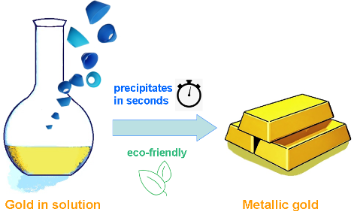
Figure 5: Schematic depiction of the selective removal of AuCl4− and its precipitation as solid gold from e-w...
Recent advances in synthetic approaches for bioactive cinnamic acid derivatives
- Betty A. Kustiana,
- Galuh Widiyarti and
- Teni Ernawati
Beilstein J. Org. Chem. 2025, 21, 1031–1086, doi:10.3762/bjoc.21.85

Graphical Abstract

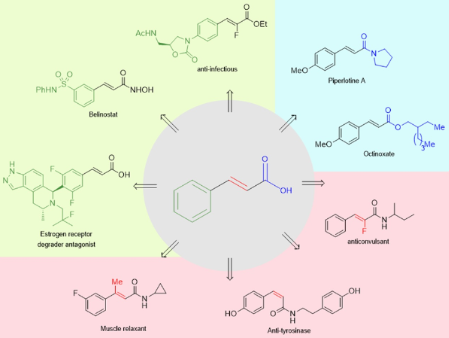
Figure 1: Biologically active cinnamic acid derivatives.
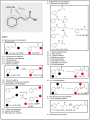
Scheme 1: General synthetic strategies for cinnamic acid derivatizations.

Scheme 2: Cinnamic acid coupling via isobutyl anhydride formation.
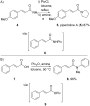
Scheme 3: Amidation reaction via O/N-pivaloyl activation.

Scheme 4: Cinnamic acid amidation using TCCA/PPh3 reagent.
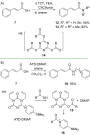
Scheme 5: Cinnamic acid amidation using triazine-based reagents.

Scheme 6: Cinnamic acid amidation using continuous flow mechanochemistry.

Scheme 7: Cinnamic acid amidation using COMU as coupling reagent.
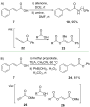
Scheme 8: Cinnamic acid amidation using allenone coupling reagent.

Scheme 9: Cinnamic acid amidation using 4-acetamidophenyl triflimide as reagent.

Scheme 10: Cinnamic acid amidation using methyltrimethoxysilane (MTM).

Scheme 11: Cinnamic acid amidation utilizing amine–borane reagent.

Scheme 12: Cinnamic acid amidation using TCCA/PPh3 reagent.

Scheme 13: Cinnamic acid amidation using PPh3/I2 reagent.

Scheme 14: Cinnamic acid amidation using PCl3 reagent.

Scheme 15: Cinnamic acid amidation utilizing pentafluoropyridine (PFP) as reagent.

Scheme 16: Cinnamic acid amidation using hypervalent iodine(III).

Scheme 17: Mechanochemical amidation using 1,1,2,2-tetrafluoroethyl-N,N-dimethylamine (TFEDMA) reagent.

Scheme 18: Methyl ester preparation using tris(2,4,6-trimethoxyphenyl)phosphine (TMPP).

Scheme 19: N-Trifluoromethyl amide preparation using isothiocyanate and AgF.

Scheme 20: POCl3-mediated amide coupling of carboxylic acid and DMF.
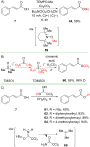
Scheme 21: O-Alkylation of cinnamic acid using alkylating agents.

Scheme 22: Glycoside preparation via Mitsunobu reaction.
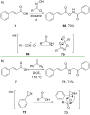
Scheme 23: O/N-Acylation via rearrangement reactions.
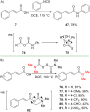
Scheme 24: Amidation reactions using sulfur-based alkylating agents.

Scheme 25: Amidation reaction catalyzed by Pd0 via C–N cleavage.

Scheme 26: Amidation reaction catalyzed by CuCl/PPh3.

Scheme 27: Cu(II) triflate-catalyzed N-difluoroethylimide synthesis.

Scheme 28: Cu/Selectfluor-catalyzed transamidation reaction.

Scheme 29: CuO–CaCO3-catalyzed amidation reaction.

Scheme 30: Ni-catalyzed reductive amidation.
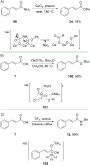
Scheme 31: Lewis acidic transition-metal-catalyzed O/N-acylations.

Scheme 32: Visible-light-promoted amidation of cinnamic acid.

Scheme 33: Sunlight/LED-promoted amidation of cinnamic acid.

Scheme 34: Organophotocatalyst-promoted N–O cleavage of Weinreb amides to synthesize primary amides.

Scheme 35: Cinnamamide synthesis through [Ir] photocatalyst-promoted C–N-bond cleavage of tertiary amines.

Scheme 36: Blue LED-promoted FeCl3-catalyzed reductive transamidation.

Scheme 37: FPyr/TCT-catalyzed amidation of cinnamic acid derivative 121.

Scheme 38: Cs2CO3/DMAP-mediated esterification.

Scheme 39: HBTM organocatalyzed atroposelective N-acylation.

Scheme 40: BH3-catalyzed N-acylation reactions.
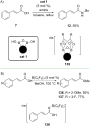
Scheme 41: Borane-catalyzed N-acylation reactions.

Scheme 42: Catalytic N-acylation reactions via H/F bonding activation.

Scheme 43: Brønsted base-catalyzed synthesis of cinnamic acid esters.

Scheme 44: DABCO/Fe3O4-catalyzed N-methyl amidation of cinnamic acid 122.
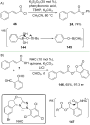
Scheme 45: Catalytic oxidation reactions of acylating agents.

Scheme 46: Preparation of cinnamamide-substituted benzocyclooctene using I(I)/I(III) catalysis.

Scheme 47: Pd-colloids-catalyzed oxidative esterification of cinnamyl alcohol.
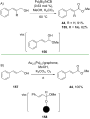
Scheme 48: Graphene-supported Pd/Au alloy-catalyzed oxidative esterification via hemiacetal intermediate.
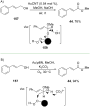
Scheme 49: Au-supported on A) carbon nanotubes (CNT) and B) on porous boron nitride (pBN) as catalyst for the ...

Scheme 50: Cr-based catalyzed oxidative esterification of cinnamyl alcohols with H2O2 as the oxidant.

Scheme 51: Co-based catalysts used for oxidative esterification of cinnamyl alcohol.
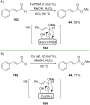
Scheme 52: Iron (A) and copper (B)-catalyzed oxidative esterification of cinnamaldehyde.

Scheme 53: NiHPMA-catalyzed oxidative esterification of cinnamaldehyde.
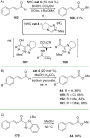
Scheme 54: Synthesis of cinammic acid esters through NHC-catalyzed oxidative esterification via intermolecular...
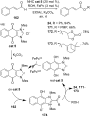
Scheme 55: Redox-active NHC-catalyzed esterification via intramolecular oxidation.

Scheme 56: Electrochemical conversion of cinnamaldehyde to methyl cinnamate.

Scheme 57: Bu4NI/TBHP-catalyzed synthesis of bisamides from cinnamalaldehyde N-tosylhydrazone.

Scheme 58: Zn/NC-950-catalyzed oxidative esterification of ketone 182.

Scheme 59: Ru-catalyzed oxidative carboxylation of terminal alkenes.
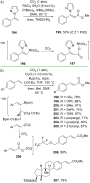
Scheme 60: Direct carboxylation of alkenes using CO2.
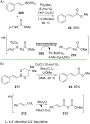
Scheme 61: Carboxylation of alkenylboronic acid/ester.
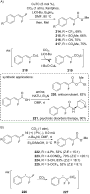
Scheme 62: Carboxylation of gem-difluoroalkenes with CO2.
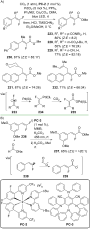
Scheme 63: Photoredox-catalyzed carboxylation of difluoroalkenes.

Scheme 64: Ru-catalyzed carboxylation of alkenyl halide.
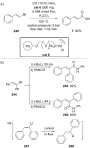
Scheme 65: Carboxylation of alkenyl halides under flow conditions.
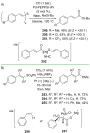
Scheme 66: Cinnamic acid ester syntheses through carboxylation of alkenyl sulfides/sulfones.

Scheme 67: Cinnamic acid derivatives synthesis through a Ag-catalyzed decarboxylative cross-coupling proceedin...
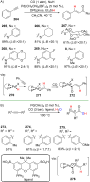
Scheme 68: Pd-catalyzed alkyne hydrocarbonylation.

Scheme 69: Fe-catalyzed alkyne hydrocarbonylation.
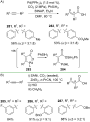
Scheme 70: Alkyne hydrocarboxylation using CO2.
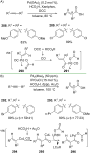
Scheme 71: Alkyne hydrocarboxylation using HCO2H as CO surrogate.

Scheme 72: Co/AlMe3-catalyzed alkyne hydrocarboxylation using DMF.
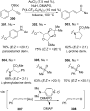
Scheme 73: Au-catalyzed oxidation of Au–allenylidenes.
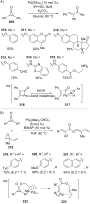
Scheme 74: Pd-catalyzed C–C-bond activation of cyclopropenones to synthesize unsaturated esters and amides.
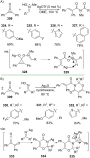
Scheme 75: Ag-catalyzed C–C-bond activation of diphenylcyclopropenone.
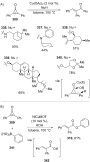
Scheme 76: Cu-catalyzed C–C bond activation of diphenylcyclopropenone.
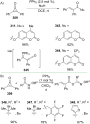
Scheme 77: PPh3-catalyzed C–C-bond activation of diphenylcyclopropenone.
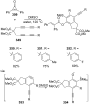
Scheme 78: Catalyst-free C–C-bond activation of diphenylcyclopropenone.
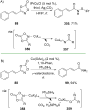
Scheme 79: Cu-catalyzed dioxolane cleavage.
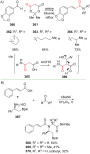
Scheme 80: Multicomponent coupling reactions.
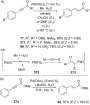
Scheme 81: Pd-catalyzed partial hydrogenation of electrophilic alkynes.

Scheme 82: Nickel and cobalt as earth-abundant transition metals used as catalysts for the partial hydrogenati...
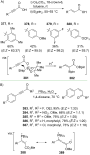
Scheme 83: Metal-free-catalyzed partial hydrogenation of conjugated alkynes.

Scheme 84: Horner–Wadsworth–Emmons reaction between triethyl 2-fluoro-2-phosphonoacetate and aldehydes with ei...
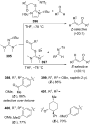
Scheme 85: Preparation of E/Z-cinnamates using thiouronium ylides.
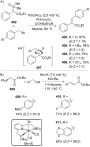
Scheme 86: Transition-metal-catalyzed ylide reactions.
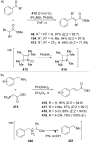
Scheme 87: Redox-driven ylide reactions.
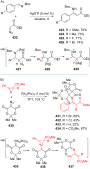
Scheme 88: Noble transition-metal-catalyzed olefination via carbenoid species.

Scheme 89: TrBF4-catalyzed olefination via carbene species.

Scheme 90: Grubbs catalyst (cat 7)/photocatalyst-mediated metathesis reactions.

Scheme 91: Elemental I2-catalyzed carbonyl-olefin metathesis.

Scheme 92: Cu-photocatalyzed E-to-Z isomerization of cinnamic acid derivatives.

Scheme 93: Ni-catalyzed E-to-Z isomerization.

Scheme 94: Dehydration of β-hydroxy esters via an E1cB mechanism to access (E)-cinnamic acid esters.

Scheme 95: Domino ring-opening reaction induced by a base.
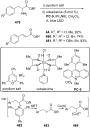
Scheme 96: Dehydroamination of α-aminoester derivatives.

Scheme 97: Accessing methyl cinnamate (44) via metal-free deamination or decarboxylation.

Scheme 98: The core–shell magnetic nanosupport-catalyzed condensation reaction.
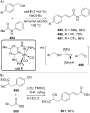
Scheme 99: Accessing cinnamic acid derivatives from acetic acid esters/amides through α-olefination.
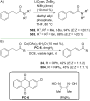
Scheme 100: Accessing cinnamic acid derivatives via acceptorless α,β-dehydrogenation.

Scheme 101: Cu-catalyzed formal [3 + 2] cycloaddition.
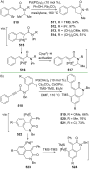
Scheme 102: Pd-catalyzed C–C bond formation via 1,4-Pd-shift.
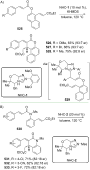
Scheme 103: NHC-catalyzed Rauhut–Currier reactions.
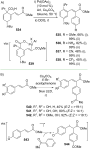
Scheme 104: Heck-type reaction for Cα arylation.

Scheme 105: Cu-catalyzed trifluoromethylation of cinnamamide.
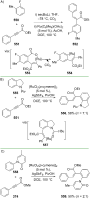
Scheme 106: Ru-catalyzed alkenylation of arenes using directing groups.
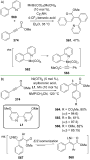
Scheme 107: Earth-abundant transition-metal-catalyzed hydroarylation of α,β-alkynyl ester 374.
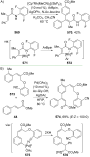
Scheme 108: Precious transition-metal-catalyzed β-arylation of cinnamic acid amide/ester.

Scheme 109: Pd-catalyzed β-amination of cinnamamide.

Scheme 110: S8-mediated β-amination of methyl cinnamate (44).

Scheme 111: Pd-catalyzed cross-coupling reaction of alkynyl esters with phenylsilanes.
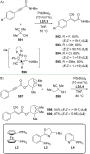
Scheme 112: Pd-catalyzed β-cyanation of alkynyl amide/ester.
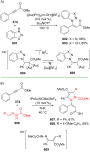
Scheme 113: Au-catalyzed β-amination of alkynyl ester 374.
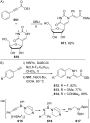
Scheme 114: Metal-free-catalyzed Cβ-functionalizations of alkynyl esters.
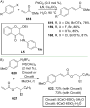
Scheme 115: Heck-type reactions.
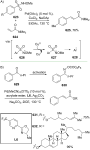
Scheme 116: Mizoroki–Heck coupling reactions using unconventional functionalized arenes.
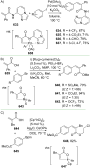
Scheme 117: Functional group-directed Mizoroki–Heck coupling reactions.
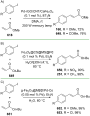
Scheme 118: Pd nanoparticles-catalyzed Mizoroki–Heck coupling reactions.
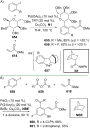
Scheme 119: Catellani-type reactions to access methyl cinnamate with multifunctionalized arene.
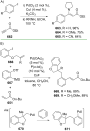
Scheme 120: Multicomponent coupling reactions.

Scheme 121: Single atom Pt-catalyzed Heck coupling reaction.
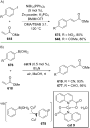
Scheme 122: Earth-abundant transition metal-catalyzed Heck coupling reactions.
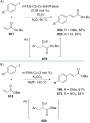
Scheme 123: Polymer-coated earth-abundant transition metals-catalyzed Heck coupling reactions.

Scheme 124: Earth-abundant transition-metal-based nanoparticles as catalysts for Heck coupling reactions.
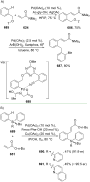
Scheme 125: CN- and Si-based directing groups to access o-selective cinnamic acid derivatives.
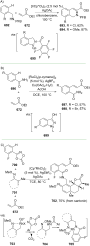
Scheme 126: Amide-based directing group to access o-selective cinnamic acid derivatives.
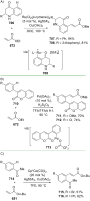
Scheme 127: Carbonyl-based directing group to access o-selective cinnamic acid derivatives.
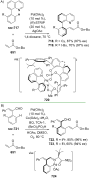
Scheme 128: Stereoselective preparation of atropisomers via o-selective C(sp2)–H functionalization.
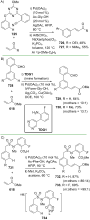
Scheme 129: meta-Selective C(sp2)–H functionalization using directing group-tethered arenes.

Scheme 130: para-Selective C(sp2)–H functionalization using directing group-tethered arenes.

Scheme 131: Non-directed C(sp2)–H functionalization via electrooxidative Fujiwara–Moritani reaction.
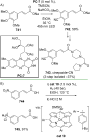
Scheme 132: Interconversion of functional groups attached to cinnamic acid.

Scheme 133: meta-Selective C(sp2)–H functionalization of cinnamate ester.

Scheme 134: C(sp2)–F arylation using Grignard reagents.

Scheme 135: Truce–Smiles rearrangement of N-aryl metacrylamides.

Scheme 136: Phosphine-catalyzed cyclization of γ-vinyl allenoate with enamino esters.
Chitosan-supported CuI-catalyzed cascade reaction of 2-halobenzoic acids and amidines for the synthesis of quinazolinones
- Xuhong Zhao,
- Weishuang Li,
- Mengli Yang,
- Bojie Li,
- Yaoyao Zhang,
- Lizhen Huang and
- Lei Zhu
Beilstein J. Org. Chem. 2025, 21, 839–844, doi:10.3762/bjoc.21.67
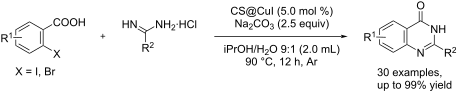
- under optimized conditions (Scheme 4a). The recyclability of heterogeneous catalysts is a critical factor in assessing their practical utility in transition metal-catalyzed reactions. Therefore, the recyclability of CS@CuI was evaluated in the reaction of 2-iodobenzoic acid (1a) with 2a, as illustrated
- (0.2 mmol), amidine hydrochloride 2 (0.3 mmol, 1.5 equiv), CS@CuI (5.0 mol %), Na2CO3 (1.25 mmol, 2.5 equiv), iPrOH/H2O 9:1 (2.0 mL), 90 °C, 12 h, argon atmosphere. Proposed mechanism for the CS@CuI-catalyzed synthesis of quinazolinones. Scaling-up experiment (a) and recyclability of CS@CuI (b

Graphical Abstract

Scheme 1: Copper-catalyzed cascade reaction of 2-halobenzoic acids and amidines for the synthesis of quinazol...

Scheme 2: Substrate scope. Reaction conditions: 1 (0.5 mmol, 1.0 equiv), amidines hydrochloride 2 (0.75 mmol,...

Scheme 3: Proposed mechanism for the CS@CuI-catalyzed synthesis of quinazolinones.

Scheme 4: Scaling-up experiment (a) and recyclability of CS@CuI (b).
Substituent effects in N-acetylated phenylazopyrazole photoswitches
- Radek Tovtik,
- Dennis Marzin,
- Pia Weigel,
- Stefano Crespi and
- Nadja A. Simeth
Beilstein J. Org. Chem. 2025, 21, 830–838, doi:10.3762/bjoc.21.66
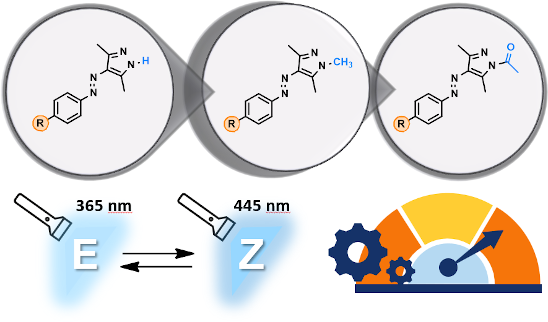
- photostationary distribution (PSD) of the initial dark state could not be fully regenerated by photochemical means for all 33 PAPs (vide infra, ex-situ NMR measurements and thermal half-lifes). The recyclability of NH-PAPs was previously studied by Rustler et al. by altered irradiation with 365 and 420 or 455 nm
- -PAP-CN upon 365 nm irradiation (12.5 µM in CH3CN, at 25 °C). B) Absorbance of the same sample at 365 nm (Ar, 365nm) after reaching PSS365 or PSS455, respectively, to show the recyclability. Hammett plot of NAc-PAP derivatives. Eyring plots for NAc-PAP-CN and NAc-PAP-OMe. Reaction pathway for

Graphical Abstract

Scheme 1: Reaction pathway for synthesizing NH-substituted, methylated-, and acetylated arylazopyrazoles. Con...

Figure 1: UV–vis absorption spectra of selected NAc-PAP derivatives in CH3CN. The strong π→π* can be observed...

Figure 2: A) Time-resolved UV–vis absorption spectra of NAc-PAP-CN upon 365 nm irradiation (12.5 µM in CH3CN,...

Figure 3: Hammett plot of NAc-PAP derivatives.

Figure 4: Eyring plots for NAc-PAP-CN and NAc-PAP-OMe.
Photomechanochemistry: harnessing mechanical forces to enhance photochemical reactions
- Francesco Mele,
- Ana M. Constantin,
- Andrea Porcheddu,
- Raimondo Maggi,
- Giovanni Maestri,
- Nicola Della Ca’ and
- Luca Capaldo
Beilstein J. Org. Chem. 2025, 21, 458–472, doi:10.3762/bjoc.21.33
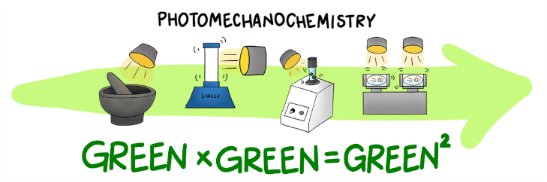
- yield of 79%. Scanning electron microscopy (SEM) analysis revealed the deformation and reduction in size of SAOED particles upon milling. Interestingly, carbon determination experiments revealed that SAOED is quickly poisoned by organic matter, thus hampering recyclability. This can be to some extent

Graphical Abstract

Figure 1: The Grotthuss–Draper, Einstein–Stark, and Beer–Lambert laws. T: transmittance; ε: molar attenuation...

Figure 2: The benefits of merging photochemistry with mechanochemical setups (top). Most common setups for ph...

Scheme 1: Mechanochemically triggered pedal-like motion in solid-state [2 + 2] photochemical cycloaddition fo...
Scheme 2: Mechanically promoted [2 + 2] photodimerization of trans-1,2-bis(4-pyridyl)ethylene (2.1) via supra...

Scheme 3: Photo-thermo-mechanosynthesis of quinolines [65].

Scheme 4: Study of the mechanically assisted [2 + 2] photodimerization of chalcone [66].

Scheme 5: Liquid-assisted vortex grinding (LAVG) for the synthesis of [2.2]paracyclophane [68].

Scheme 6: Photomechanochemical approach for the riboflavin tetraacetate-catalyzed photocatalytic oxidation of...

Scheme 7: Photomechanochemical oxidation of 1,2-diphenylethyne to benzil. The photo in Scheme 7 was republished with ...

Scheme 8: Photomechanochemical borylation of aryldiazonium salts. The photo in Scheme 8 was reproduced from [72] (© 2017 ...

Scheme 9: Photomechanochemical control over stereoselectivity in the [2 + 2] dimerization of acenaphthylene. ...

Scheme 10: Photomechanochemical synthesis of polyaromatic compounds using UV light. The photo in Scheme 10 was reproduc...

Scheme 11: Mechanically assisted photocatalytic reactions: A) atom-transfer-radical addition, B) pinacol coupl...

Scheme 12: Use of mechanoluminescent materials as photon sources for photomechanochemistry. SAOED: SrAl2O4:Eu2+...

Figure 3: SWOT (strengths, weaknesses, opportunities, threats) analysis of photomechanochemistry.
Dioxazolones as electrophilic amide sources in copper-catalyzed and -mediated transformations
- Seungmin Lee,
- Minsuk Kim,
- Hyewon Han and
- Jongwoo Son
Beilstein J. Org. Chem. 2025, 21, 200–216, doi:10.3762/bjoc.21.12
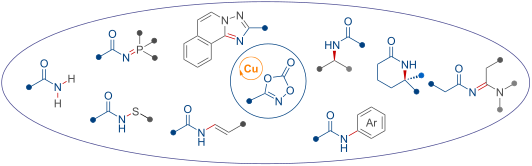
- widely used as N-acylamide sources in amidation processes of challenging substrates, typically employing precious transition metals. However, these catalytic systems often present several challenges associated with cost, toxicity, stability, and recyclability. Among the 3d transition metals, copper

Graphical Abstract

Scheme 1: Formation of isocyanates and amidated arenes from dioxazolones.

Scheme 2: Copper-catalyzed synthesis of δ-lactams via open-shell copper nitrenoid transfer. aCuBr (10 mol %) ...

Figure 1: Proposed reaction pathway for the copper-catalyzed synthesis of δ-lactams from dioxazolones.

Scheme 3: Copper(II)-catalyzed synthesis of 1,2,4-triazole derivatives.

Figure 2: Proposed reaction mechanism for the copper-catalyzed synthesis of 1,2,4-triazole analogues from dio...

Scheme 4: Copper(I)-catalyzed synthesis of N-acyl amidines from dioxazolones, acetylenes, and amines. aPerfor...

Figure 3: Proposed reaction mechanism for the copper(I)-catalyzed synthesis of N-acyl amidines.

Scheme 5: Preparation of N-arylamides from dioxazolones and boronic acids using a copper salt.

Figure 4: Proposed reaction pathway for the copper-mediated synthesis of N-arylamides from dioxazolones.

Scheme 6: Copper-catalyzed preparation of N-acyl iminophosphoranes from dioxazolones.

Figure 5: Proposed reaction pathway for the copper-catalyzed synthesis of N-acyl iminophosphoranes from dioxa...

Scheme 7: Copper-catalyzed synthesis of N-acyl sulfenamides. a1.0 equiv of 18 and 2.0 equiv of 19 were used. b...

Figure 6: Proposed reaction mechanism for the copper-catalyzed S-amidation of thiols.

Scheme 8: Copper-catalyzed asymmetric hydroamidation of vinylarenes. a4 mol % + 2 mol % catalyst was used. b4...

Figure 7: Proposed reaction mechanism for the copper-catalyzed hydroamidation of vinylarenes.

Scheme 9: Copper-catalyzed anti-Markovnikov hydroamidation of alkynes.

Figure 8: Proposed reaction mechanism for the copper-catalyzed amidation of alkynes.

Scheme 10: Copper-catalyzed preparation of primary amides through N–O bond reduction using reducing agent.

Figure 9: Proposed catalytic cycle for the copper-catalyzed reduction of dioxazolones.
Electrochemical allylations in a deep eutectic solvent
- Sophia Taylor and
- Scott T. Handy
Beilstein J. Org. Chem. 2024, 20, 2217–2224, doi:10.3762/bjoc.20.189
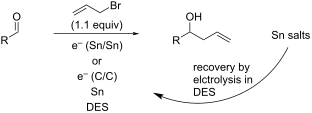
- first analyzed by 1H NMR spectroscopy and then purified using flash column chromatography. The graphite electrodes were not polished in between reactions, but were rinsed with DI water and then acetone. DES and tin metal recycling For the recyclability trials, the electrolysis vial was opened and about

Factors influencing the performance of organocatalysts immobilised on solid supports: A review
- Zsuzsanna Fehér,
- Dóra Richter,
- Gyula Dargó and
- József Kupai
Beilstein J. Org. Chem. 2024, 20, 2129–2142, doi:10.3762/bjoc.20.183
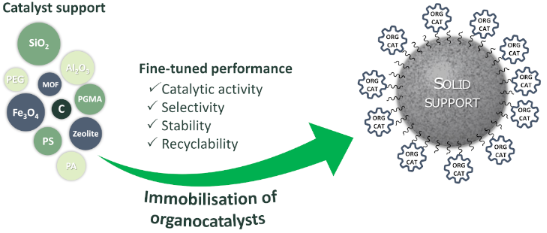
- , including the type of support, immobilisation techniques and the resulting interactions. In addition, the influence of these factors on catalytic activity, selectivity and recyclability is discussed, providing an insight into optimising the performance of immobilised organocatalysts for practical
- ]. The role of the polymers as supports for catalysts is not merely passive. These supports significantly influence the reaction environment and catalytic efficiency [42]. Attachment methods, spacer lengths, and polymer nature profoundly impact the catalyst's performance and recyclability. Various
- /xylitol/water, and betaine/mannitol/water [74]. In these systems, the recyclability of the organocatalyst was investigated and several reaction cycles were performed using the same DESs and organocatalyst. For example, in the Michael addition of methyl 2-oxocyclopentane-1-carboxylate and trans-β

Graphical Abstract

Scheme 1: Esterification of oleic acid (1) with propylsulfonic acid (Pr-SO3H)-functionalised mesoporous silic...

Scheme 2: Using confinement of organocatalytic units for improving the enantioselectivity of silica-supported...

Scheme 3: Michael addition catalysed by cinchona thiourea immobilised on magnetic nanoparticles (13).

Scheme 4: Michael addition catalysed by cinchona thiourea in the presence of magnetic nanoparticles.

Scheme 5: Benzoin condensation catalysed by N-benzylthiazolium salt attached to mesoporous material.

Scheme 6: Photoinduced RAFT polymerisation of n-butyl acrylate (19) catalysed by silica nanoparticle-supporte...

Scheme 7: Pressure and temperature dependence of the 1,4-addition of propanal to trans-β-nitrostyrene under c...

Scheme 8: α-Amination of ethyl 2-oxocyclopentanecarboxylate catalysed by PS-THU which could be recycled over ...

Scheme 9: Preparation of supported catalysts C29–C31 from cinchona squaramides 29–31 modified with a primary ...

Scheme 10: Application of PGMA-supported organocatalysts C29–C31 in the asymmetric Michael addition of pentane...

Scheme 11: Alcoholytic desymmetrisation of a cyclic anhydride 34 catalysed by polyamide-supported cinchona sul...
Light on the sustainable preparation of aryl-cored dibromides
- Fabrizio Roncaglia,
- Alberto Ughetti,
- Nicola Porcelli,
- Biagio Anderlini,
- Andrea Severini and
- Luca Rigamonti
Beilstein J. Org. Chem. 2024, 20, 1076–1087, doi:10.3762/bjoc.20.95
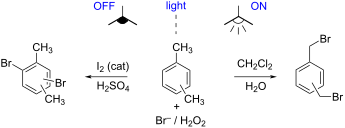
- ] resulting in easier recyclability. Light irradiation often significantly influences the selectivity of halogenation processes. Photolytic cleavage of molecular halogens gives rise to radicals that are known to favour benzylic functionalisation [17]. Conversely, the same molecular halogens exhibit prominent

Graphical Abstract

Figure 1: Comparison between the light-initiated radical halogenation of toluene (right), and the Ar-SE bromi...

Figure 2: Toluene halogenation mediated by NBS in absence (left) or exposed to light (right).
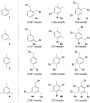
Figure 3: Scifinder® reaction hits for the structure “as drawn” (January 2024).

Figure 4: Yields obtained in the preparation of aryl-cored halides.
Green and sustainable approaches for the Friedel–Crafts reaction between aldehydes and indoles
- Periklis X. Kolagkis,
- Eirini M. Galathri and
- Christoforos G. Kokotos
Beilstein J. Org. Chem. 2024, 20, 379–426, doi:10.3762/bjoc.20.36
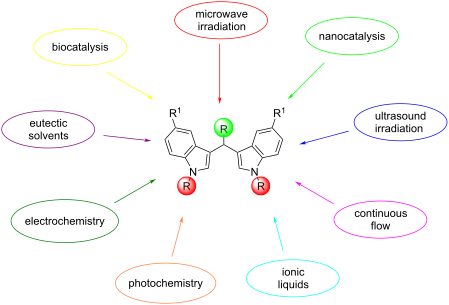
- counterparts, due to their recyclability, ease of handling, and low cost [40]. Carbon-based solid acid catalysts especially are an interesting catalyst class, because they display low corrosiveness, toxicity, and higher catalytic activity, while also being insoluble in most organic solvents. The large amount
- 100 nm, exhibit various benefits, such as tailoring the scaffold of the catalyst, the recyclability of the nanocompounds, as well as the elevated catalytic activity offered. These benefits stem from their high surface area, that provides more active sites for the reactants to absorb into and collide
- facile recyclability, with the silica layer preventing the Fe3O4 from aggregation. The LPMNPs managed to provide impressive yields, while employing an amount of 2.5 mol % in water, with the help of conventional heating at 50 °C, which facilitated the organocatalytic process that required 1 to 1.5 hours

Graphical Abstract

Scheme 1: Examples of BIMs used for their medicinal properties.

Scheme 2: Mechanisms for the synthesis of BIMs using protic or Lewis acids as catalysts.

Scheme 3: Synthesis of bis(indolyl)methanes using DBDMH.

Scheme 4: Competition experiments and synthesis of bis(indolyl)methanes using DBDMH.

Scheme 5: Proposed mechanism for formation of BIM of using DBDMH.

Scheme 6: Synthesis of bis(indolyl)methanes using I2.

Scheme 7: General reaction mechanism upon halogen bonding.

Scheme 8: Synthesis of bis(indolyl)methanes using I2, introduced by Ji.

Scheme 9: Synthesis of bis(indolyl)methanes using Br2 in CH3CN.

Scheme 10: Βidentate halogen-bond donors.

Scheme 11: Synthesis of bis(indolyl)methanes using bidentate halogen-bond donor 26.

Scheme 12: Proposed reaction mechanism.

Scheme 13: Synthesis of bis(indolyl)methanes using iodoalkyne as catalyst.

Scheme 14: Proposed reaction mechanism.

Scheme 15: Optimized reaction conditions used by Ramshini.

Scheme 16: Activation of the carbonyl group by HPA/TPI-Fe3O4.

Scheme 17: Synthesis of BIMs in the presence of nanoAg-Pt/SiO2-doped silicate.

Scheme 18: Mechanism of action proposed by Khalafi-Nezhad et al.

Scheme 19: Activation of the carbonyl group by the Cu–isatin Schiff base complex.

Scheme 20: Optimum reaction conditions published by Jain.

Scheme 21: Organocatalytic protocol utilizing nanoparticles introduced by Bankar.
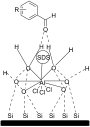
Scheme 22: Activation of the carbonyl group by the AlCl3·6H2O-SDS-SiO2 complex.

Scheme 23: Optimal reaction conditions for the aforementioned nano-Fe3O4 based catalysts.

Scheme 24: Nanocatalytic protocol proposed by Kaur et al.

Scheme 25: Microwave approach introduced by Yuan.

Scheme 26: Microwave approach introduced by Zahran et al.

Scheme 27: Microwave irradiation protocol introduced by Bindu.

Scheme 28: Silica-supported microwave irradiation protocol.

Scheme 29: Proposed mechanism for formation of BIM by Nongkhlaw.

Scheme 30: Microwave-assisted synthesis of BIMs catalyzed by succinic acid.

Scheme 31: Proposed mechanism of action of MMO-4.

Scheme 32: Catalytic approach introduced by Muhammadpoor-Baltork et al.

Scheme 33: Reaction conditions used by Xiao-Ming.

Scheme 34: Ultrasonic irradiation-based protocol published by Saeednia.

Scheme 35: Pyruvic acid-mediated synthesis of BIMs proposed by Thopate.

Scheme 36: Synthesis of BIMs using [bmim]BF4 or [bmim]PF6 ionic liquids.

Scheme 37: Synthesis of BIMs utilizing In(OTf)3 in octylmethylimidazolium hexafluorophosphate as ionic liquid.

Scheme 38: FeCl3·6H2O-catalyzed synthesis of BIMs with use of ionic liquid.

Scheme 39: Synthesis of BIMs utilizing the [hmim]HSO4/EtOH catalytic system.

Scheme 40: Synthesis of BIMs utilizing acidic ionic liquid immobilized on silica gel (ILIS-SO2Cl).

Scheme 41: The [bmim][MeSO4]-catalyzed reaction of indole with various aldehydes.

Scheme 42: The role of [bmim][MeSO4] in catalyzing the reaction of indole with aldehydes.

Scheme 43: Synthesis of BIMs utilizing FeCl3-based ionic liquid ([BTBAC]Cl-FeCl3) as catalyst.

Scheme 44: Synthesis of BIMs using [Msim]Cl at room temperature.

Scheme 45: [Et3NH][H2PO4]-catalyzed synthesis of bis(indolyl)methanes.

Scheme 46: PILs-catalyzed synthesis of bis(indolyl)methanes.

Scheme 47: FSILs-mediated synthesis of bis(indolyl)methanes.

Scheme 48: Possible “release and catch” catalytic process.

Scheme 49: Synthesis of bis(indolyl)methanes by [DABCO-H][HSO4].

Scheme 50: Synthesis of bis(indolyl)methanes by [(THA)(SO4)].

Scheme 51: Synthesis of BBSI-Cl and BBSI-HSO4.

Scheme 52: Synthesis of BIMs in the presence of BBSI-Cl and BBSI-HSO4.

Scheme 53: Chemoselectivity of the present method.

Scheme 54: Synthesis of BIMs catalyzed by chitosan-supported ionic liquid.

Scheme 55: Proposed mechanism of action of CSIL.

Scheme 56: Optimization of the reaction in DESs.

Scheme 57: Synthesis of BIMs using ChCl/SnCl2 as DES.

Scheme 58: Synthesis of BIMs derivatives in presence of DES.

Scheme 59: BIMs synthesis in choline chloride/urea (CC/U).

Scheme 60: Flow chemistry-based synthesis of BIMs by Ley.

Scheme 61: Flow chemistry-based synthesis of BIMs proposed by Nam et al.

Scheme 62: Amino-catalyzed reaction of indole with propionaldehyde.

Scheme 63: Aminocatalytic synthesis of BIMs.

Scheme 64: Proposed mechanism for the aminocatalytic synthesis of BIMs.

Scheme 65: Enzymatic reaction of indole with aldehydes.

Scheme 66: Proposed mechanism for the synthesis of BIMs catalyzed by TLIM.

Scheme 67: Proposed reaction mechanism by Badsara.

Scheme 68: Mechanism proposed by D’Auria.

Scheme 69: Photoinduced thiourea catalysis.

Scheme 70: Proposed mechanism of photoacid activation.

Scheme 71: Proposed mechanism of action for CF3SO2Na.

Scheme 72: Proposed mechanism for the synthesis of BIMs by Mandawad.

Scheme 73: Proposed mechanism for the (a) acid generation and (b) synthesis of BIMs.

Scheme 74: a) Reaction conditions employed by Khaksar and b) activation of the carbonyl group by HFIP.

Scheme 75: Activation of the carbonyl group by the PPy@CH2Br through the formation of a halogen bond.

Scheme 76: Reaction conditions utilized by Mhaldar et al.

Scheme 77: a) Reaction conditions employed by López and b) activation of the carbonyl group by thiourea.

Scheme 78: Infrared irradiation approach introduced by Luna-Mora and his research group.

Scheme 79: Synthesis of BIMs with the use of the Fe–Zn BMOF.
A novel recyclable organocatalyst for the gram-scale enantioselective synthesis of (S)-baclofen
- Gyula Dargó,
- Dóra Erdélyi,
- Balázs Molnár,
- Péter Kisszékelyi,
- Zsófia Garádi and
- József Kupai
Beilstein J. Org. Chem. 2023, 19, 1811–1824, doi:10.3762/bjoc.19.133
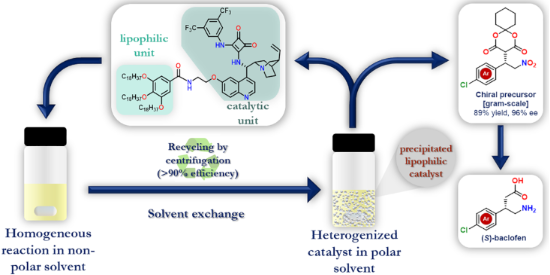
- cinchona squaramide organocatalyst. Its catalytic activity and recyclability were examined in a new stereoselective synthesis of baclofen, which is used to treat muscle spasms [30]. Finally, the catalyst was easily recycled by centrifugation over five reaction cycles without significant loss of activity
- the 1 mol % catalyst loading. Gram-scale synthesis of baclofen Finally, we planned to demonstrate the recyclability of our lipophilic organocatalyst 2 in the gram-scale synthesis of baclofen precursor (S)-17. The catalyst loading was set to 1 mol % to reduce the needed catalyst amount and the reaction

Graphical Abstract

Figure 1: Application of cinchona squaramide 1 and recyclable, lipophilic cinchona squaramide organocatalysts ...

Scheme 1: Synthesis of demethylated cinchona squaramide organocatalyst and the incorporation of the flexible ...

Scheme 2: Synthesis of the lipophilic tag from methyl gallate (8) and attachment to the cinchona squaramide.

Figure 2: Classification of the tested non-polar solvents according to the GSK’s solvent sustainability guide ...

Figure 3: Recycling of the lipophilic organocatalyst in the stereoselective Michael addition by replacing the...

Scheme 3: A new, stereoselective synthetic route for baclofen.

Scheme 4: Gram-scale synthesis of (S)-baclofen hydrochloride.
Synthesis of 5-arylidenerhodanines in L-proline-based deep eutectic solvent
- Stéphanie Hesse
Beilstein J. Org. Chem. 2023, 19, 1537–1544, doi:10.3762/bjoc.19.110

- promising emerging class of green solvents as they offer numerous advantages, such as low volatility, non-flammability, chemical and thermal stability, recyclability, and above all a good biodegradability [10]. Moreover, their synthesis is usually easy and cheap as DES are formed by simply mixing an H-bond

Graphical Abstract

Figure 1: Examples of rhodanines and related five-membered heterocycles with interesting biological activitie...

Scheme 1: Synthesis of 5-benzylidenerhodanine derivatives. Conditions: areaction performed for 3 h at 60 °C. b...
N-Sulfenylsuccinimide/phthalimide: an alternative sulfenylating reagent in organic transformations
- Fatemeh Doraghi,
- Seyedeh Pegah Aledavoud,
- Mehdi Ghanbarlou,
- Bagher Larijani and
- Mohammad Mahdavi
Beilstein J. Org. Chem. 2023, 19, 1471–1502, doi:10.3762/bjoc.19.106
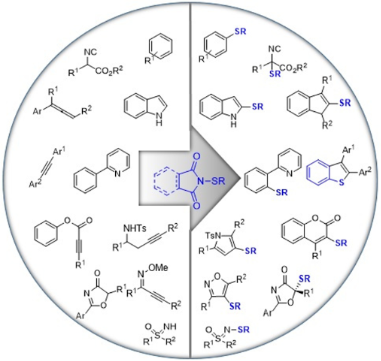
- ) [44]. Among different Lewis acid catalysts, such as Cu(OTf)2, Mg(OTf)2, Zn(OTf)2, Sc(OTf)3, Eu(OTf)3, and Yb(OTf)3, it was found that Sc(OTf)3 gave higher product yield. In addition, the combination of Sc(OTf)3/ILs displayed good recyclability in this transformation. In 2014, Anbarasan and Saravanan

Graphical Abstract

Scheme 1: Sulfur-containing bioactive molecules.

Scheme 2: Scandium-catalyzed synthesis of thiosulfonates.

Scheme 3: Palladium-catalyzed aryl(alkyl)thiolation of unactivated arenes.

Scheme 4: Catalytic cycle for Pd-catalyzed aryl(alkyl)thiolation of unactivated arenes.

Scheme 5: Iron- or boron-catalyzed C–H arylthiation of substituted phenols.

Scheme 6: Iron-catalyzed azidoalkylthiation of alkenes.

Scheme 7: Plausible mechanism for iron-catalyzed azidoalkylthiation of alkenes.

Scheme 8: BF3·Et2O‑mediated electrophilic cyclization of aryl alkynoates.

Scheme 9: Tentative mechanism for BF3·Et2O‑mediated electrophilic cyclization of aryl alkynoates.

Scheme 10: Construction of 6-substituted benzo[b]thiophenes.

Scheme 11: Plausible mechanism for construction of 6-substituted benzo[b]thiophenes.

Scheme 12: AlCl3‑catalyzed cyclization of N‑arylpropynamides with N‑sulfanylsuccinimides.

Scheme 13: Synthetic utility of AlCl3‑catalyzed cyclization of N‑arylpropynamides with N‑sulfanylsuccinimides.

Scheme 14: Sulfenoamination of alkenes with sulfonamides and N-sulfanylsuccinimides.

Scheme 15: Lewis acid/Brønsted acid controlled Pd-catalyzed functionalization of aryl C(sp2)–H bonds.

Scheme 16: Possible mechanism for Lewis acid/Brønsted acid controlled Pd-catalyzed functionalization of aryl C...

Scheme 17: FeCl3-catalyzed carbosulfenylation of unactivated alkenes.

Scheme 18: Copper-catalyzed electrophilic thiolation of organozinc halides.

Scheme 19: h-BN@Copper(II) nanomaterial catalyzed cross-coupling reaction of sulfoximines and N‑(arylthio)succ...

Scheme 20: AlCl3‑mediated cyclization and sulfenylation of 2‑alkyn-1-one O‑methyloximes.

Scheme 21: Lewis acid-promoted 2-substituted cyclopropane 1,1-dicarboxylates with sulfonamides and N-(arylthio...

Scheme 22: Lewis acid-mediated cyclization of β,γ-unsaturated oximes and hydrazones with N-(arylthio/seleno)su...

Scheme 23: Credible pathway for Lewis acid-mediated cyclization of β,γ-unsaturated oximes with N-(arylthio)suc...

Scheme 24: Synthesis of 4-chalcogenyl pyrazoles via chalcogenation/cyclization of α,β-alkynic hydrazones.

Scheme 25: Controllable synthesis of 3-thiolated pyrroles and pyrrolines.

Scheme 26: Possible mechanism for controllable synthesis of 3-thiolated pyrroles and pyrrolines.

Scheme 27: Co-catalyzed C2-sulfenylation and C2,C3-disulfenylation of indole derivatives.

Scheme 28: Plausible catalytic cycle for Co-catalyzed C2-sulfenylation and C2,C3-disulfenylation of indoles.

Scheme 29: C–H thioarylation of electron-rich arenes by iron(III) triflimide catalysis.

Scheme 30: Difunctionalization of alkynyl bromides with thiosulfonates and N-arylthio succinimides.·

Scheme 31: Suggested mechanism for difunctionalization of alkynyl bromides with thiosulfonates and N-arylthio ...

Scheme 32: Synthesis of thioesters, acyl disulfides, ketones, and amides by N-thiohydroxy succinimide esters.

Scheme 33: Proposed mechanism for metal-catalyzed selective acylation and acylthiolation.

Scheme 34: AlCl3-catalyzed synthesis of 3,4-bisthiolated pyrroles.

Scheme 35: α-Sulfenylation of aldehydes and ketones.

Scheme 36: Acid-catalyzed sulfetherification of unsaturated alcohols.

Scheme 37: Enantioselective sulfenylation of β-keto phosphonates.

Scheme 38: Organocatalyzed sulfenylation of 3‑substituted oxindoles.

Scheme 39: Sulfenylation and chlorination of β-ketoesters.

Scheme 40: Intramolecular sulfenoamination of olefins.

Scheme 41: Plausible mechanism for intramolecular sulfenoamination of olefins.

Scheme 42: α-Sulfenylation of 5H-oxazol-4-ones.

Scheme 43: Metal-free C–H sulfenylation of electron-rich arenes.

Scheme 44: TFA-promoted C–H sulfenylation indoles.
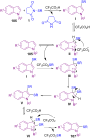
Scheme 45: Proposed mechanism for TFA-promoted C–H sulfenylation indoles.

Scheme 46: Organocatalyzed sulfenylation and selenenylation of 3-pyrrolyloxindoles.

Scheme 47: Organocatalyzed sulfenylation of S-based nucleophiles.

Scheme 48: Conjugate Lewis base Brønsted acid-catalyzed sulfenylation of N-heterocycles.

Scheme 49: Mechanism for activation of N-sulfanylsuccinimide by conjugate Lewis base Brønsted acid catalyst.

Scheme 50: Sulfenylation of deconjugated butyrolactams.

Scheme 51: Intramolecular sulfenofunctionalization of alkenes with phenols.

Scheme 52: Organocatalytic 1,3-difunctionalizations of Morita–Baylis–Hillman carbonates.

Scheme 53: Organocatalytic sulfenylation of β‑naphthols.

Scheme 54: Acid-promoted oxychalcogenation of o‑vinylanilides with N‑(arylthio/arylseleno)succinimides.

Scheme 55: Lewis base/Brønsted acid dual-catalytic C–H sulfenylation of aryls.

Scheme 56: Lewis base-catalyzed sulfenoamidation of alkenes.

Scheme 57: Cyclization of allylic amide using a Brønsted acid and tetrabutylammonium chloride.

Scheme 58: Catalytic electrophilic thiocarbocyclization of allenes with N-thiosuccinimides.

Scheme 59: Suggested mechanism for electrophilic thiocarbocyclization of allenes with N-thiosuccinimides.

Scheme 60: Chiral chalcogenide-catalyzed enantioselective hydrothiolation of alkenes.

Scheme 61: Proposed mechanism for chalcogenide-catalyzed enantioselective hydrothiolation of alkenes.

Scheme 62: Organocatalytic sulfenylation for synthesis a diheteroatom-bearing tetrasubstituted carbon centre.

Scheme 63: Thiolative cyclization of yne-ynamides.

Scheme 64: Synthesis of alkynyl and acyl disulfides from reaction of thiols with N-alkynylthio phthalimides.

Scheme 65: Oxysulfenylation of alkenes with 1-(arylthio)pyrrolidine-2,5-diones and alcohols.

Scheme 66: Arylthiolation of arylamines with (arylthio)-pyrrolidine-2,5-diones.

Scheme 67: Catalyst-free isothiocyanatoalkylthiation of styrenes.

Scheme 68: Sulfenylation of (E)-β-chlorovinyl ketones toward 3,4-dimercaptofurans.

Scheme 69: HCl-promoted intermolecular 1, 2-thiofunctionalization of aromatic alkenes.

Scheme 70: Possible mechanism for HCl-promoted 1,2-thiofunctionalization of aromatic alkenes.

Scheme 71: Coupling reaction of diazo compounds with N-sulfenylsuccinimides.

Scheme 72: Multicomponent reactions of disulfides with isocyanides and other nucleophiles.

Scheme 73: α-Sulfenylation and β-sulfenylation of α,β-unsaturated carbonyl compounds.
Clauson–Kaas pyrrole synthesis using diverse catalysts: a transition from conventional to greener approach
- Dileep Kumar Singh and
- Rajesh Kumar
Beilstein J. Org. Chem. 2023, 19, 928–955, doi:10.3762/bjoc.19.71
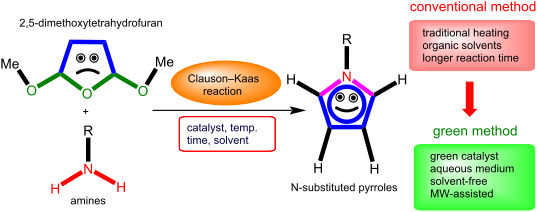
- different areas of chemistry. Various pyrrole containing molecules. A tree-diagram showing various conventional and green protocols for Clauson-Kaas pyrrole synthesis. Reusability of catalyst γ-Fe2O3@SiO2-Sb-IL in six cycles. Recyclability of β-cyclodextrin-SO3H. Plausible mechanism for the formation of N

Graphical Abstract

Figure 1: Various pyrrole containing molecules.
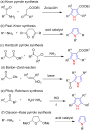
Scheme 1: Various synthestic protocols for the synthesis of pyrroles.

Figure 2: A tree-diagram showing various conventional and green protocols for Clauson-Kaas pyrrole synthesis.

Scheme 2: A general reaction of Clauson–Kaas pyrrole synthesis and proposed mechanism.

Scheme 3: AcOH-catalyzed synthesis of pyrroles 5 and 7.

Scheme 4: Synthesis of N-substituted pyrroles 9.

Scheme 5: P2O5-catalyzed synthesis of N-substituted pyrroles 11.

Scheme 6: p-Chloropyridine hydrochloride-catalyzed synthesis of pyrroles 13.

Scheme 7: TfOH-catalyzed synthesis of N-sulfonylpyrroles 15, N-sulfonylindole 16, N-sulfonylcarbazole 17.

Scheme 8: Scandium triflate-catalyzed synthesis of N-substituted pyrroles 19.

Scheme 9: MgI2 etherate-catalyzed synthesis and proposed mechanism of N-arylpyrrole derivatives 21.

Scheme 10: Nicotinamide catalyzed synthesis of pyrroles 23.

Scheme 11: ZrOCl2∙8H2O catalyzed synthesis and proposed mechanism of pyrrole derivatives 25.

Scheme 12: AcONa catalyzed synthesis of N-substituted pyrroles 27.

Scheme 13: Squaric acid-catalyzed synthesis and proposed mechanism of N-substituted pyrroles 29.

Figure 3: Reusability of catalyst γ-Fe2O3@SiO2-Sb-IL in six cycles.

Scheme 14: Magnetic nanoparticle-supported antimony catalyst used in the synthesis of N-substituted pyrroles 31...

Scheme 15: Iron(III) chloride-catalyzed synthesis of N-substituted pyrroles 33.

Scheme 16: Copper-catalyzed Clauson–Kaas synthesis and mechanism of pyrroles 35.

Scheme 17: β-CD-SO3H-catalyzed synthesis and proposed mechanism of pyrroles 37.

Figure 4: Recyclability of β-cyclodextrin-SO3H.

Scheme 18: Solvent-free and catalyst-free synthesis and plausible mechanism of N-substituted pyrroles 39.

Scheme 19: Nano-sulfated TiO2-catalyzed synthesis of N-substituted pyrroles 41.

Figure 5: Plausible mechanism for the formation of N-substituted pyrroles catalyzed by nano-sulfated TiO2 cat...

Scheme 20: Copper nitrate-catalyzed Clauson–Kaas synthesis and mechanism of N-substituted pyrroles 43.

Scheme 21: Synthesis of N-substituted pyrroles 45 by using Co catalyst Co/NGr-C@SiO2-L.

Scheme 22: Zinc-catalyzed synthesis of N-arylpyrroles 47.

Scheme 23: Silica sulfuric acid-catalyzed synthesis of pyrrole derivatives 49.

Scheme 24: Bismuth nitrate-catalyzed synthesis of pyrroles 51.

Scheme 25: L-(+)-tartaric acid-choline chloride-catalyzed Clauson–Kaas synthesis and plausible mechanism of py...

Scheme 26: Microwave-assisted synthesis of N-substituted pyrroles 55 in AcOH or water.

Scheme 27: Synthesis of pyrrole derivatives 57 using a nano-organocatalyst.

Figure 6: Nano-ferric supported glutathione organocatalyst.

Scheme 28: Microwave-assisted synthesis of N-substituted pyrroles 59 in water.

Scheme 29: Iodine-catalyzed synthesis and proposed mechanism of pyrroles 61.

Scheme 30: H3PW12O40/SiO2-catalyzed synthesis of N-substituted pyrroles 63.

Scheme 31: Fe3O4@-γ-Fe2O3-SO3H-catalyzed synthesis of pyrroles 65.

Scheme 32: Mn(NO3)2·4H2O-catalyzed synthesis and proposed mechanism of pyrroles 67.

Scheme 33: p-TsOH∙H2O-catalyzed (method 1) and MW-assisted (method 2) synthesis of N-sulfonylpyrroles 69.

Scheme 34: ([hmim][HSO4]-catalyzed Clauson–Kaas synthesis of pyrroles 71.

Scheme 35: Synthesis of N-substituted pyrroles 73 using K-10 montmorillonite catalyst.

Scheme 36: CeCl3∙7H2O-catalyzed Clauson–Kaas synthesis of pyrroles 75.

Scheme 37: Synthesis of N-substituted pyrroles 77 using Bi(NO3)3∙5H2O.

Scheme 38: Oxone-catalyzed synthesis and proposed mechanism of N-substituted pyrroles 79.
A new oxidatively stable ligand for the chiral functionalization of amino acids in Ni(II)–Schiff base complexes
- Alena V. Dmitrieva,
- Oleg A. Levitskiy,
- Yuri K. Grishin and
- Tatiana V. Magdesieva
Beilstein J. Org. Chem. 2023, 19, 566–574, doi:10.3762/bjoc.19.41
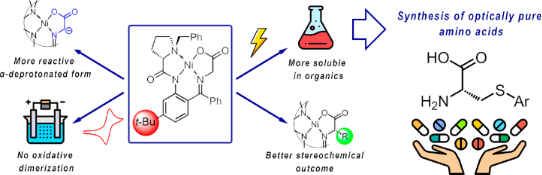
- -stereocenter [32]; a significant downfield shift of this signal (up to 0.5 ppm) could be expected for the diastereomer with the ᴅ-α-stereocenter with respect to the ʟ-isomer. To prove the recyclability of the t-Bu-containing (S)-N-benzylproline-derived ligand L7, the ʟ-(pMeCysNi)L7 complex was decomposed by

Graphical Abstract

Scheme 1: Selected examples of the chiral ligands used for synthesis of the Ni(II)–Schiff base complexes.

Scheme 2: Synthesis of the chiral ligand L7 and its Ni(II) complexes with glycine, serine, dehydroalanine, an...

Figure 1: Fragment of the NOESY spectrum of the ʟ-(oBrCysNi)L7 complex indicating the correlation between the...

Figure 2: Low-gradient isosurfaces with low densities (blue color of the isosurface corresponds to the hydrog...
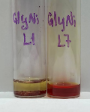
Figure 3: Saturated solutions of (GlyNi)L1 (left) and (GlyNi)L7 (right) in diethyl ether.

Figure 4: The CV curves observed for (GlyNi)L7 and (ΔAlaNi)L7 in the anodic and cathodic regions (Pt, CH3CN, ...
Inline purification in continuous flow synthesis – opportunities and challenges
- Jorge García-Lacuna and
- Marcus Baumann
Beilstein J. Org. Chem. 2022, 18, 1720–1740, doi:10.3762/bjoc.18.182
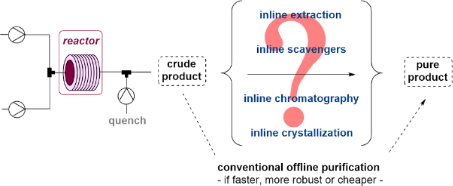
- products that can be purified by SiO2 column chromatography, other noteworthy advantages are the possibility of isolating side products that may aid in mechanistic studies, and the recyclability and robustness of the SiO2 columns. One of the main issues that can be found with this purification technique is

Graphical Abstract

Scheme 1: Automated in-line chromatography with the Advion puriFlash® system. The rightmost part of the schem...

Scheme 2: Purification via pH tuning and several Zaiput membranes. Redrawn from [51].

Scheme 3: Two-phase recirculating system for purifications of an immobilized enzyme-based reaction. Redrawn f...

Scheme 4: Countercurrent L–L purification using large Zaiput membranes in the presence of a phase transfer ca...

Scheme 5: General scheme of a telescoped flow process using L–L separators.

Scheme 6: Example of phase separation using a computer-vision approach. Redrawn from [68].

Scheme 7: Example of an inline purification using heterogeneous scavenging. Redrawn from [76].

Scheme 8: General scheme of a telescoped process using heterogenous cartridges.
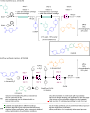
Scheme 9: Comparison of two strategies for flow-based imatinib syntheses. Redrawn from [91] and [92].

Scheme 10: General purification scheme using the catch and release strategy.

Scheme 11: Exemplar catch and release purification of a stereoselective oxidation. Redrawn from [105].

Scheme 12: Catch and release-type purification using conventional SiO2. Redrawn from [107].

Scheme 13: Schematic representation of an industrial continuous crystallization. Redrawn from [109].

Scheme 14: General scheme of an academic inline crystallization approach.

Scheme 15: Simplified overview of purification options and selected criteria.
Redox-active molecules as organocatalysts for selective oxidative transformations – an unperceived organocatalysis field
- Elena R. Lopat’eva,
- Igor B. Krylov,
- Dmitry A. Lapshin and
- Alexander O. Terent’ev
Beilstein J. Org. Chem. 2022, 18, 1672–1695, doi:10.3762/bjoc.18.179
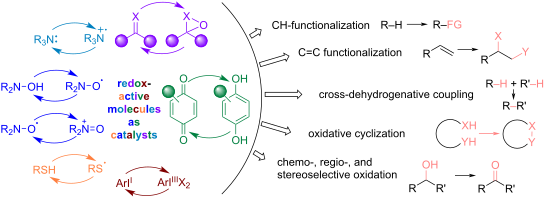
- under visible light irradiation. The advantages of this mixed hetero-/homogeneous catalytic system include the easy separation of the products from NHPI and TiO2, recyclability, selectivity control by TiO2/NHPI ratio, and high efficiency at low TiO2 loading due to the radical chain nature of the

Graphical Abstract
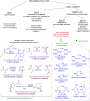
Scheme 1: Organocatalysis classification used in the present perspective.

Scheme 2: Oxidative processes catalyzed by amines.

Scheme 3: N-Heterocyclic carbene (NHC) catalysis in oxidative functionalization of aldehydes.
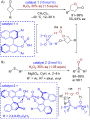
Scheme 4: Examples of asymmetric oxidative processes catalyzed by chiral Brønsted acids.

Scheme 5: Asymmetric aerobic α-hydroxylation of lactams under phase-transfer organocatalysis conditions emplo...

Scheme 6: Selective CH-oxidation of methylarenes to aldehydes or carboxylic acids.

Scheme 7: An example of the regioselective CH-amination by a sterically hindered imide-N-oxyl radical precurs...

Scheme 8: CH-amination of ethylbenzene and CH-fluorination of aldehydes catalyzed by N-hydroxybenzimidazoles,...

Scheme 9: Mixed hetero-/homogeneous TiO2/N-hydroxyimide photocatalysis in the selective benzylic oxidation.

Scheme 10: Electrochemical benzylic iodination and benzylation of pyridine by benzyl iodides generated in situ...

Scheme 11: Electrochemical oxidative C–O/C–N coupling of alkylarenes with NHPI. Electrolysis conditions: Const...

Scheme 12: Chemoselective alcohol oxidation catalyzed by TEMPO.

Scheme 13: ABNO-catalyzed oxidative C–N coupling of primary alcohols with primary amines.

Scheme 14: ACT-catalyzed electrochemical oxidation of primary alcohols and aldehydes to carboxylic acids.

Scheme 15: Electrocatalytic oxidation of benzylic alcohols by a TEMPO derivative immobilized on a graphite ano...

Scheme 16: Electrochemical oxidation of carbamates of cyclic amines to lactams and oxidative cyanation of amin...

Scheme 17: Hydrogen atom transfer (HAT) and single-electron transfer (SET) as basic principles of amine cation...
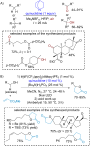
Scheme 18: Electrochemical quinuclidine-catalyzed oxidation involving unactivated C–H bonds.

Scheme 19: DABCO-mediated photocatalytic C–C cross-coupling involving aldehyde C–H bond cleavage.

Scheme 20: DABCO-derived cationic catalysts in inactivated C–H bond cleavage for alkyl radical addition to ele...
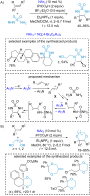
Scheme 21: Electrochemical diamination and dioxygenation of vinylarenes catalyzed by triarylamines.

Scheme 22: Electrochemical benzylic oxidation mediated by triarylimidazoles.

Scheme 23: Thiyl radical-catalyzed CH-arylation of allylic substrates by aryl cyanides.

Scheme 24: Synthesis of redox-active alkyl tetrafluoropyridinyl sulfides by unactivated C–H bond cleavage by t...

Scheme 25: Main intermediates in quinone oxidative organocatalysis.

Scheme 26: Electrochemical DDQ-catalyzed intramolecular dehydrogenative aryl–aryl coupling.

Scheme 27: DDQ-mediated cross-dehydrogenative C–N coupling of benzylic substrates with azoles.
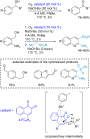
Scheme 28: Biomimetic o-quinone-catalyzed benzylic alcohol oxidation.

Scheme 29: Electrochemical synthesis of secondary amines by oxidative coupling of primary amines and benzylic ...

Scheme 30: General scheme of dioxirane and oxaziridine oxidative organocatalysis.

Scheme 31: Dioxirane organocatalyzed CH-hydroxylation involving aliphatic C(sp3)–H bonds.

Scheme 32: Enantioselective hydroxylation of CH-acids catalyzed by chiral oxaziridines.

Scheme 33: Iodoarene-organocatalyzed vinylarene diamination.

Scheme 34: Iodoarene-organocatalyzed asymmetric CH-hydroxylation of benzylic substrates.

Scheme 35: Iodoarene-organocatalyzed asymmetric difluorination of alkenes with migration of aryl or methyl gro...

Scheme 36: Examples of 1,2-diiodo-4,5-dimethoxybenzene-catalyzed electrochemical oxidative heterocyclizations.

Scheme 37: Electrochemical N-ammonium ylide-catalyzed CH-oxidation.

Scheme 38: Oxidative dimerization of aryl- and alkenylmagnesium compounds catalyzed by quinonediimines.

Scheme 39: FLP-catalyzed dehydrogenation of N-substituted indolines.
An alternative C–P cross-coupling route for the synthesis of novel V-shaped aryldiphosphonic acids
- Stephen J. I. Shearan,
- Enrico Andreoli and
- Marco Taddei
Beilstein J. Org. Chem. 2022, 18, 1518–1523, doi:10.3762/bjoc.18.160
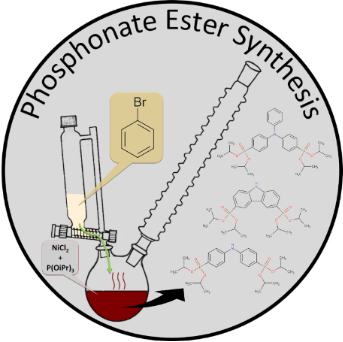
- flask at the end is simply unreacted phosphite, which would ideally need to be investigated to assess its recyclability, and lead to a process with greener attributes. In this sense, the phosphite is likely to be the last product coming over via distillation, and should be relatively pure, but further

Graphical Abstract

Scheme 1: Scheme showing the transformation of the Br-substrates to phosphonate esters and then to phosphonic...
Figure 1: Experimental setup for the improved C–P cross-coupling reaction.
Recent developments and trends in the iron- and cobalt-catalyzed Sonogashira reactions
- Surendran Amrutha,
- Sankaran Radhika and
- Gopinathan Anilkumar
Beilstein J. Org. Chem. 2022, 18, 262–285, doi:10.3762/bjoc.18.31
- (Scheme 21). The product yield was significantly lower only by decreasing the reaction temperature. The amino groups present on the POP backbone enable a suitable electronic surrounding of the cobalt species which promotes the reaction. The catalyst showed excellent recyclability for 8 successive runs

Graphical Abstract

Scheme 1: One pot Sonogashira coupling of aryl iodides with arylynols in the presence of iron(III) chloride h...

Scheme 2: The iron-catalyzed Sonogashira coupling of aryl iodides with terminal acetylenes in water under aer...

Scheme 3: Sonogashira coupling of aryl halides and phenylacetylene in the presence of iron nanoparticles.
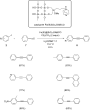
Scheme 4: Sonogashira coupling catalyzed by a silica-supported heterogeneous Fe(III) catalyst.
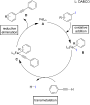
Scheme 5: Suggested catalytic cycle for the Sonogashira coupling using a silica-supported heterogeneous Fe(II...

Scheme 6: Chemoselective iron-catalyzed cross coupling of 4-bromo-1-cyclohexen-1-yltrifluromethane sulfonate ...
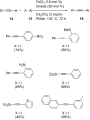
Scheme 7: Fe-catalyzed Sonogashira coupling between terminal alkynes and aryl iodides.

Scheme 8: Iron-catalyzed domino Sonogashira coupling and hydroalkoxylation.

Scheme 9: Sonogashira coupling of aryl halides and phenylacetylene in the presence of Fe(III) acetylacetonate...

Scheme 10: Sonogashira coupling of aryl iodides and alkynes with Fe(acac)3/2,2-bipyridine catalyst.

Scheme 11: Sonogashira cross-coupling of terminal alkynes with aryl iodides in the presence of Fe powder/ PPh3...

Scheme 12: α-Fe2O3 nanoparticles-catalyzed coupling of phenylacetylene with aryl iodides.

Scheme 13: Sonogashira cross-coupling reaction between phenylacetylene and 4-substituted iodobenzenes catalyze...

Scheme 14: One-pot synthesis of 2-arylbenzo[b]furans via tandem Sonogashira coupling–cyclization protocol.

Scheme 15: Suggested mechanism of the Fe(III) catalyzed coupling of o-iodophenol with acetylene derivatives.

Scheme 16: Fe3O4@SiO2/Schiff base/Fe(II)-catalyzed Sonogashira–Hagihara coupling reaction.

Scheme 17: Sonogashira coupling using the Fe(II)(bdmd) catalyst in DMF/1,4-dioxane.

Scheme 18: Synthesis of 7-azaindoles using Fe(acac)3 as catalyst.

Scheme 19: Plausible mechanistic pathway for the synthesis of 7-azaindoles.

Scheme 20: Synthesis of Co@imine-POP catalyst.

Scheme 21: Sonogashira coupling of various arylhalides and phenylacetylene in the presence of Co@imine-POP cat...

Scheme 22: Sonogashira coupling of aryl halides and phenylacetylene using Co-DMM@MNPs/chitosan.

Scheme 23: Sonogashira cross-coupling of aryl halides with terminal acetylenes in the presence of Co-NHC@MWCNT...

Scheme 24: Sonogashira cross-coupling of aryl halides with terminal acetylenes in the presence of Co nanoparti...

Scheme 25: Sonogashira coupling reaction of aryl halides with phenylacetylene in the presence of Co nanopartic...

Scheme 26: PdCoNPs-3DG nanocomposite-catalyzed Sonogashira cross coupling of aryl halide and terminal alkynes.

Scheme 27: Sonogashira cross-coupling of aryl halides and phenylacetylene in the presence of graphene-supporte...

Scheme 28: Sonogashira cross-coupling with Pd/Co ANP-PPI-graphene.

Scheme 29: Pd-Co-1(H)-catalyzed Sonogashira coupling reaction.

Scheme 30: The coupling of aryl halides with terminal alkynes using cobalt hollow nanospheres as catalyst.
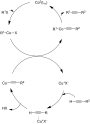
Scheme 31: A plausible mechanism for the cobalt-catalyzed Sonogashira coupling reaction.

Scheme 32: Sonogashira cross-coupling reaction of arylhalides with phenylacetylene catalyzed by Fe3O4@PEG/Cu-C...

Scheme 33: Plausible mechanism of Sonogashira cross-coupling reaction catalyzed by Fe3O4@PEG/Cu-Co.

Scheme 34: Sonogashira coupling reaction of para-substituted bromobenzenes with phenylacetylene in the presenc...

Scheme 35: Possible mechanism for the visible light-assisted cobalt complex-catalyzed Sonogashira coupling. (R...

Scheme 36: Sonogashira cross-coupling of aryl halides and phenylacetylene using cobalt as additive.

Scheme 37: Plausible mechanism of Sonogashira cross-coupling reaction over [LaPd*]. (Reproduced with permissio...