
Search results
Search for "potassium" in Full Text gives 648 result(s) in Beilstein Journal of Organic Chemistry. Showing first 200.
Synthesis of functionalized, 13-alkyl-substituted coralyne derivatives and investigation of their interactions with duplex and abasic site-containing DNA
Beilstein J. Org. Chem. 2026, 22, 1057–1066, doi:10.3762/bjoc.22.84
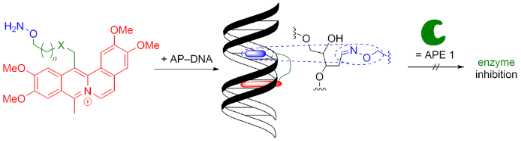
- -spectroscopic analysis of the reaction mixtures showed either no conversion or decomposition. In another approach, the reaction of the bromopentyl-substituted papaverine 3b with NaN3 or potassium acetate yielded the azide 3e in 83% and the ester (Scheme 2). The direct alkaline hydrolysis of the latter furnished


Halogenated azobenzene acrylates: from efficient solution photoswitching to stable solid-state photochromic materials
Beilstein J. Org. Chem. 2026, 22, 782–794, doi:10.3762/bjoc.22.60
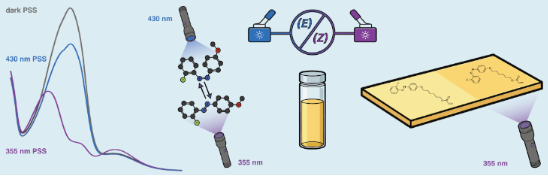
- potassium carbonate and potassium iodide to yield alcohols 4a–f (56–88%) that underwent final acylation with acryloyl chloride [6]. The target azobenzene monomers 1a–f were prepared with satisfactory yields ranging from 63 to 83%. Thermal analysis The thermal behavior of target compounds 1a–f was


Melifoliox B, a novel phloroglucin derivative isolated from Melicope barbigera (Rutaceae) and synthesis of new oxidation products from melifoliones A and B
Beilstein J. Org. Chem. 2026, 22, 535–546, doi:10.3762/bjoc.22.39
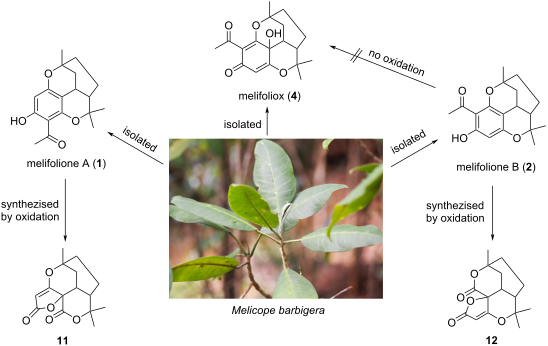
- (2) (ratio ca. 10:1) were used for the following oxidation procedures: After oxidation with alkaline ferricyanide or using the Fenton reaction with iron(II) sulfate/hydrogen peroxide in acidic solution, only the unchanged melifoliones could be recovered in both cases. Oxidation with potassium
- dichromate in acidic solution or with potassium permanganate in acidic or alkaline solution led to complete decomposition of the melifoliones. A solution of the melifoliones in methanol with addition of methylene blue decomposed completely into undefined products within 24 hours when exposed to sunlight and
- atmospheric oxygen. Oxidation with potassium peroxodisulfate (Oxone®) according to a method by Carreño et al. [7] led to a complex mixture of compounds in which the quinols 3 and 4 could be excluded. While oxidation with alkaline hypochlorite solution gave a mixture of not identified chlorinated products



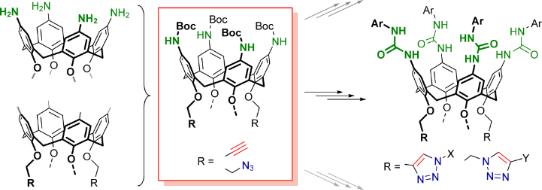
Cone p-aminocalix[4]arenes enriched with ‘clickable’ alkyne or azide functionalities
Beilstein J. Org. Chem. 2026, 22, 399–415, doi:10.3762/bjoc.22.28
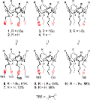
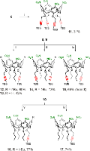
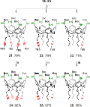
- closed vessel to prevent the product oxidation. At the work-up step sodium hydroxide was replaced with potassium hydroxide which provided better water solubility of inorganic salts for their extractive removal. As a result, tetraamine 18 having four TBS-protected propargyl groups at the narrow rim was






Recent advances in the cleavage of non-activated amides
Beilstein J. Org. Chem. 2026, 22, 352–369, doi:10.3762/bjoc.22.23
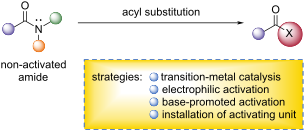
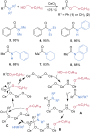
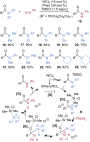
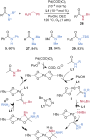
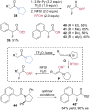
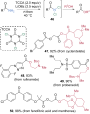
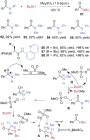
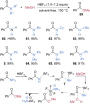
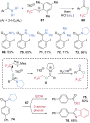
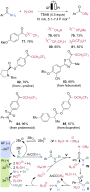
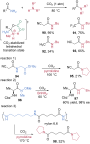
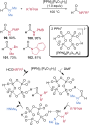
- intermediate E, the carboxylic acid is formed, regenerating the acidic and basic surface sites of the Nb2O5 catalyst. In 2020, Mashima et al. reported an intriguing accelerating effect of potassium alkoxides on the manganese-catalyzed esterification of tertiary amides (Scheme 4) [48]. They found that potassium
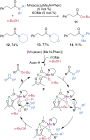
- methoxide significantly enhances the esterification process, thereby facilitating C–N bond cleavage in non-activated amides. In the presence of 5 mol % Mn(acac)2(Me2N-Phen) and potassium methoxide, using n-butanol as the nucleophile, tertiary amides 12–14 were converted to butyl 3-phenylpropionate (11) in
- good to high yields. The authors proposed that a manganese–potassium heterodinuclear alkoxylate complex F, formed from Mn(acac)2(Me2N-Phen), potassium methoxide, and n-butanol, serves as the key catalytic species. The dinuclear complex stabilizes the relevant transition states and intermediates










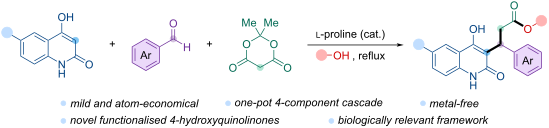
A mild and atom-efficient four-component cascade strategy for the construction of biologically relevant 4-hydroxyquinolin-2(1H)-one derivatives
Beilstein J. Org. Chem. 2026, 22, 244–256, doi:10.3762/bjoc.22.18
- -unsaturated malonate 6 with 2a–c, various bases (sodium methoxide, triethylamine, potassium hydroxide) and solvents (ethanol, DMF, pyridine) were tested, mostly at room temperature, with an additional attempt at refluxing in ethanol/DMF. The desired malonate Michael adduct 7 (isolated and fully characterized
- , see Supporting Information File 1) was obtained exclusively when potassium hydroxide was used as base in the reaction between 2b and arylidenemalonate 6 in DMF at room temperature. The malonate Michael adduct 7 was then subjected to various decarboxylation conditions. The Krapcho protocol (NaCl or


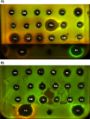
Configuration–packing synergy enabling integrated crystalline-state RTP and amorphous-state TADF
Beilstein J. Org. Chem. 2026, 22, 224–236, doi:10.3762/bjoc.22.16
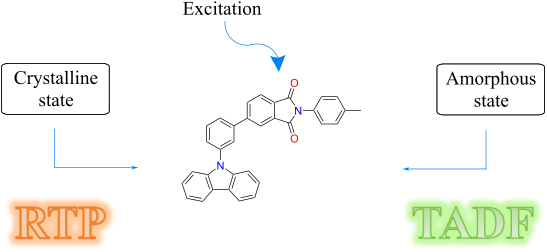
- no moisture or oxygen interfered with the reaction. Following this, 3-(9H-carbazol-9-yl)phenylboronic acid (5, 1.09 g, 3.80 mmol) was added to the flask. The mixture was stirred for 5 minutes to allow proper mixing. To facilitate the Suzuki coupling reaction, an aqueous solution of potassium


Synthesis of diaryl phosphates using phytic acid as a phosphorus source
Beilstein J. Org. Chem. 2026, 22, 213–223, doi:10.3762/bjoc.22.15
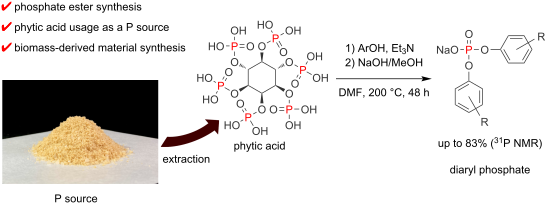
- A total P analysis was performed according to a test method for industrial wastewater standardized in the Japanese Industrial Standards (JIS K 0102 46.3). Step 1 (preparation of a coloring agent): Hexaammonium heptamolybdate tetrahydrate (300 mg) and antimony potassium tartrate trihydrate (12 mg
- potassium peroxodisulfate aqueous solution (4.0 w/v %, 5 mL) was added to the diluted phytic acid solution (25 mL), and the resulting mixture was autoclaved (121 °C, 30 min). Thereafter, the solution was diluted with deionized water to a concentration of approximately 1 µg P/mL. Step 3 (measurements): The
- standard curve was constructed using potassium dihydrogen phosphate solutions (0.5, 1.0, and 1.5 µg P/mL) as the standard solutions. Diaryl phosphate synthesis and characterization The synthesis methods for diaryl phosphates using commercial and extracted phytic acid are included in Supporting Information




Improved synthesis and physicochemical characterization of the selective serotonin 2A receptor agonist 25CN-NBOH
Beilstein J. Org. Chem. 2026, 22, 175–184, doi:10.3762/bjoc.22.11
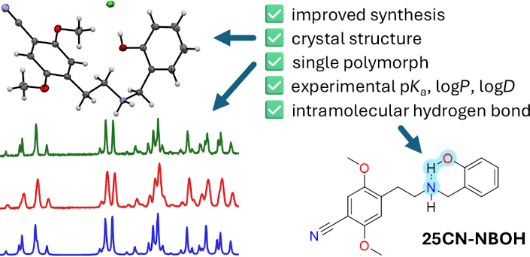
- scenarios. Experimental Reagents and solvents were used as received from commercial vendors, unless otherwise specified. ortho-Phosphoric acid (85%, Ph. Eur.), potassium chloride, sodium carbonate (>99.9%), and sodium dihydrogen phosphate monohydrate (Ph. Eur.) were purchased from Merck (Darmstadt, Germany
- = 0.15 M), 67 mM sodium phosphate (pH 7.40, I = 0.18 M), and 50 mM sodium carbonate (pH 9.50, I = 0.15 M). The ionic strength of the buffers was adjusted by adding a calculated amount of potassium chloride. The octanol phases were saturated with the appropriate buffer solution, and vice versa, before the


Highly electrophilic, gem- and spiro-activated trichloromethylnitrocyclopropanes: synthesis and structure
Beilstein J. Org. Chem. 2026, 22, 123–130, doi:10.3762/bjoc.22.5
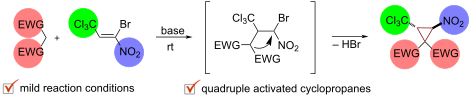
- conditions. The reaction is carried out either in tetrahydrofuran in the presence of triethylamine or in methanol in the presence of fused potassium acetate. The structures of the isolated individual products were characterized by 1H and 13C NMR, IR spectroscopy, mass spectrometry, and confirmed by single


Reactivity umpolung of the cycloheptatriene core in hexa(methoxycarbonyl)cycloheptatriene
Beilstein J. Org. Chem. 2026, 22, 64–70, doi:10.3762/bjoc.22.2
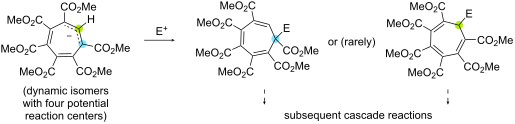
- potassium 1 (Figure 2) undergoes reactions with various electrophilic reagents which presented the first examples of unexpected pathways for the derivatization of cycloheptatrienes [17][18][19]. However, the anion is highly symmetric and does not challenge regioselectivity. Therefore, besides the
- revealed that the α-position is most nucleophilic. Notably, anion 1 demonstrated similar HOMO and Fukui function distribution (see Supporting Information File 1), however, all positions would lead to the very same products. The potassium salt of anion 2 was generated in an acetonitrile solution from hexa
- (methoxycarbonyl)cycloheptatriene 3 (pKa(DMSO) = 8.65) [20][21] with potassium tert-butoxide and subjected to reactions with electrophilic reagents. The reactions gave two primary products 4 and 5 (Scheme 1) through an attack to either the most available i-position or the most nucleophilic but sterically hindered


Synthesis and applications of alkenyl chlorides (vinyl chlorides): a review
Beilstein J. Org. Chem. 2026, 22, 1–63, doi:10.3762/bjoc.22.1
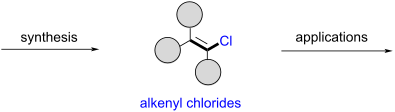
- reported the synthesis of conjugated alkenyl chloride 183 by chlorination of cis-diol 181 and subsequent elimination of product 182 with KOH (Scheme 31) [130]. Schlosser reported that treatment of 1,2-dichloroalkanes with sodium or potassium hydroxide in dimethoxyethane effected selective elimination
- oxidation of HCl with oxone (potassium peroxymonosulfate) to generate molecular chlorine (Scheme 35A) [135]. Electrophilic addition of chlorine across the enone double bond, followed by triethylamine-induced elimination, furnished the corresponding alkenyl chlorides (e.g., compound 193) in good yields. A

















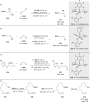


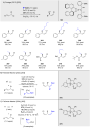


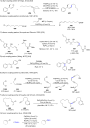


Sustainable electrochemical synthesis of aliphatic nitro-NNO-azoxy compounds employing ammonium dinitramide and their in vitro evaluation as potential nitric oxide donors and fungicides
Beilstein J. Org. Chem. 2025, 21, 2739–2754, doi:10.3762/bjoc.21.211
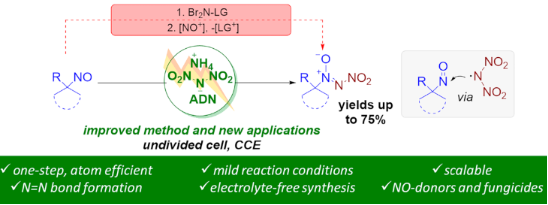
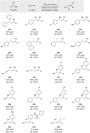
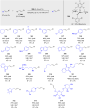
- , entry 4). Increasing the current density resulted in a drop in the yield to 32%, while reducing the current density had a negligible effect on the yield of 2a (Table 1, entry 5). Employing 1 equivalent of ADN or potassium dinitramide (KDN) along with 1 equivalent of n-Bu4NBF4 as the supporting





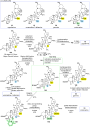
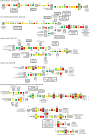
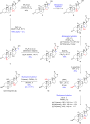
Recent advancements in the synthesis of Veratrum alkaloids
Beilstein J. Org. Chem. 2025, 21, 2657–2693, doi:10.3762/bjoc.21.206
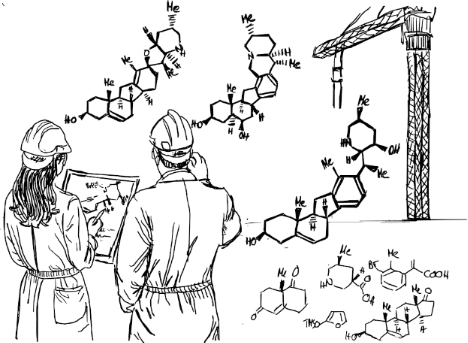
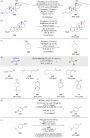
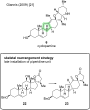
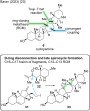
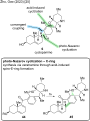
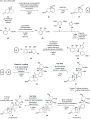
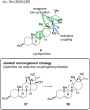
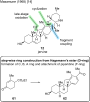
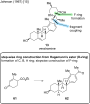
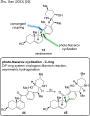
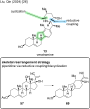
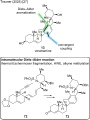
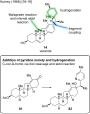
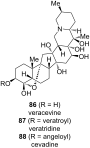
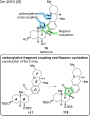
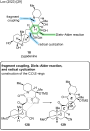
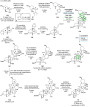
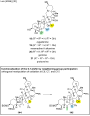
- regioselectively desaturated to furnish known phenylsulfonylenamine (Scheme 23). Conversion toward the bromohydrin, treatment with potassium hydride, and subsequent addition of the crotyl-Grignard reagent 75 gave the desired isomer 76 in 22% yield over four steps. More exactly, the diastereomeric piperidine was
















Synthesis of new tetra- and pentacyclic, methylenedioxy- and ethylenedioxy-substituted derivatives of the dibenzo[c,f][1,2]thiazepine ring system
Beilstein J. Org. Chem. 2025, 21, 2645–2656, doi:10.3762/bjoc.21.205
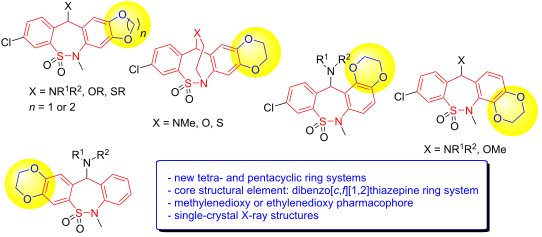
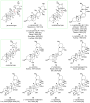
- of compound 28 with 1,2-dibromoethane (29), reduction with NaBH4 (30), chlorination with SOCl2 (31) and subsequent treatment with methylamine afforded pentacyclic product 25. Reaction of bromoalkyl derivative 30 with potassium thioacetate gave acetylthio derivative 32, which was cyclized after


Chemoenzymatic synthesis of the cardenolide rhodexin A and its aglycone sarmentogenin
Beilstein J. Org. Chem. 2025, 21, 2637–2644, doi:10.3762/bjoc.21.204
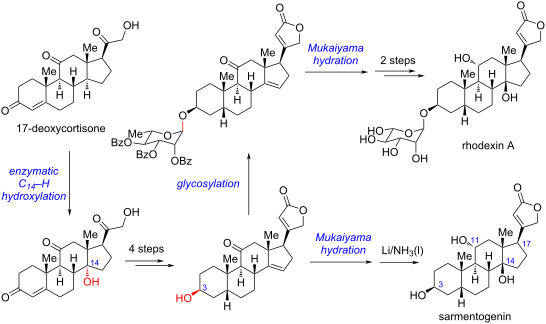
- lactone ring attached to the C17 position, and a glycosyl moiety in general. It is believed that CGs can increase cardiac contractility by inhibiting the sodium–potassium adenosine triphosphatase (Na+/K+ ATPase) of the plasma membrane [2]. The well-known CGs, such as digoxin, digitoxin, ouabain, and



Silica gel with covalently attached bambusuril macrocycle for dicyanoaurate sorption from water
Beilstein J. Org. Chem. 2025, 21, 2604–2611, doi:10.3762/bjoc.21.201
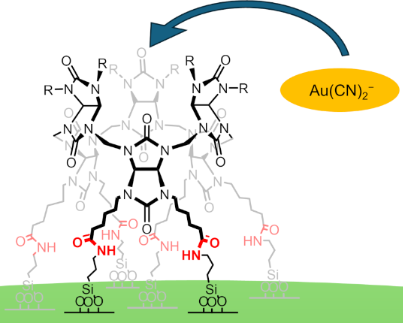
- 1.15111) was dried in vacuo at 50 °C overnight before use. 3-Aminopropyltriethoxysilane (APTES), 1-hydroxybenzotriazole (HOBt), 1,3-diisopropylcarbodiimide (DIC), potassium dicyanoaurate, potassium dicyanoargentate, sodium chloride, tetrabutylammonium chloride and sodium bromide were purchased from Merck


Visible-light-driven NHC and organophotoredox dual catalysis for the synthesis of carbonyl compounds
Beilstein J. Org. Chem. 2025, 21, 2584–2603, doi:10.3762/bjoc.21.200
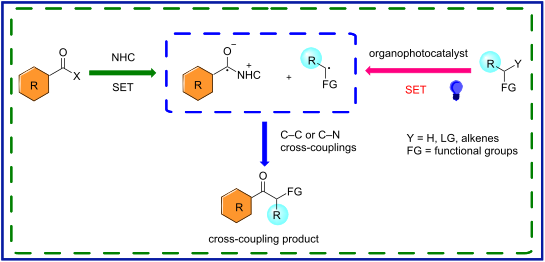
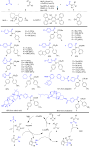
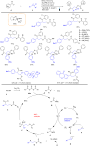
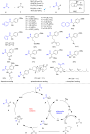
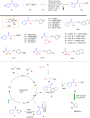
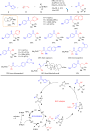
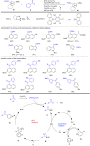
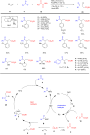
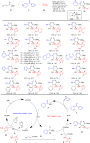
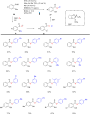
- , and aryloxymethyl potassium trifluoroborate salt 10 under mild conditions. The described catalytic system exhibited broad functional group tolerance and efficiently employed terminal alkenes 11 to generate quaternary centers adjacent to the carbonyl group. The key step in this organocatalytic process





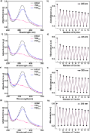
Effect of a photoswitchable rotaxane on membrane permeabilization across lipid compositions
Beilstein J. Org. Chem. 2025, 21, 2498–2512, doi:10.3762/bjoc.21.192
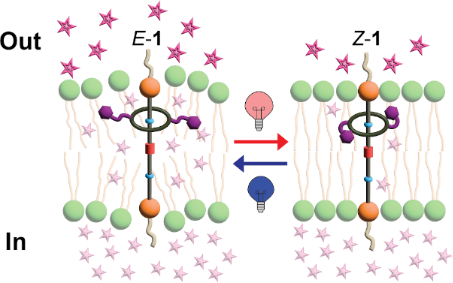
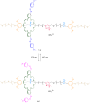
- bilayers through the shuttling of the macrocycle carrying the ions or through a relay mechanism [10][11]. In one example, the isomerization of an azobenzene photoswitch incorporated into the axle was used to modulate the shuttling rate of the macrocycle and, consequently, the efficiency of potassium ion




Assembly strategy for thieno[3,2-b]thiophenes via a disulfide intermediate derived from 3-nitrothiophene-2,5-dicarboxylate
Beilstein J. Org. Chem. 2025, 21, 2489–2497, doi:10.3762/bjoc.21.191
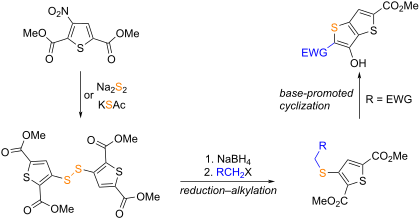
- to be an unsuitable route for nucleophilic substitution of its nitro group. Next, we explored an alternative route using potassium thioacetate (KSAc) as a softer nucleophile. Unexpectedly, the reaction of ester 1 with KSAc in acetone gave a mixture of products other than the desired 3-AcS-substituted
- addition to potassium thioacetate, the reactivity of ester 1 was investigated with other related S-nucleophiles, such as potassium ethyl xanthate (KSC(S)OEt), sodium diethyldithiocarbamate (NaSC(S)NEt2) as well as thioacetamide in the presence of K2CO3 and Na2S2 (Table 1, entries 2–5). In each case, the
- . Conclusion In summary, this study reveals an unusual and previously poorly understood reactivity of 3-nitrothiophene-2,5-dicarboxylate toward sulfur-containing nucleophiles such as potassium thioacetate or thioacetamide, which resulted in the efficient formation of both bis(thiophen-3-yl) sulfide and



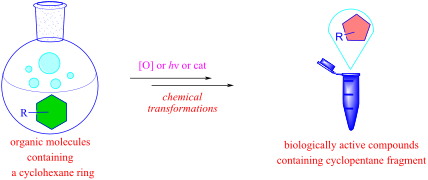
Transformation of the cyclohexane ring to the cyclopentane fragment of biologically active compounds
Beilstein J. Org. Chem. 2025, 21, 2416–2446, doi:10.3762/bjoc.21.185
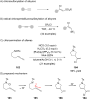
- Me2S to give dialdehyde 28 and reaction of compound 28 with colloidal potassium in toluene. During aldol condensation in the presence of morpholine-camphorsulfonic acid (CSA) or ʟ-proline, a stable aldehyde 30 was isolated in yields of 50% and 75%, respectively. Decarbonylation and corresponding


Thiadiazino-indole, thiadiazino-carbazole and benzothiadiazino-carbazole dioxides: synthesis, physicochemical and early ADME characterization of representatives of new tri-, tetra- and pentacyclic ring systems and their intermediates
Beilstein J. Org. Chem. 2025, 21, 2220–2233, doi:10.3762/bjoc.21.169
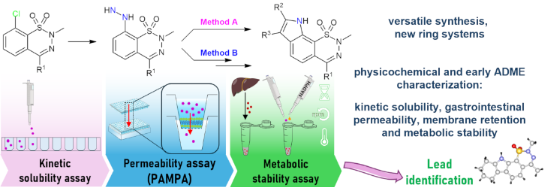
- microsome (HLM) fractions were thawed on ice and diluted in 0.05 M potassium phosphate buffer (pH 7.4) to a final protein concentration of 1.25 mg/mL. Test compounds were dissolved in DMSO to create stock solutions of 5 mM. The drug concentration in the final assays was 10 μM. The assay was performed in


Synthesis, biological and electrochemical evaluation of glycidyl esters of phosphorus acids as potential anticancer drugs
Beilstein J. Org. Chem. 2025, 21, 1909–1916, doi:10.3762/bjoc.21.148
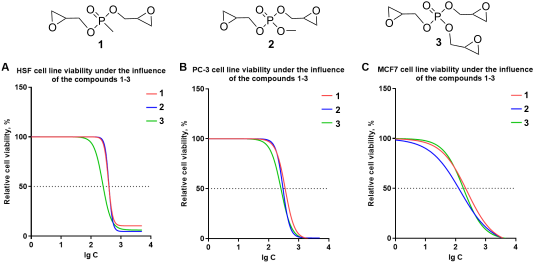
- equiv of potassium hydroxide (34.0 g, 0.607 mol) were added to the flask. Methylphosphonic dichloride MeP(O)Cl2 (1 equiv, 19.2 g, 0.144 mol) was added dropwise to the mixture with constant stirring in 1 hour. The reaction mixture was additionally stirred at −25 to −30 °C for 2 h and precipitating for 12
- mol) and 4.2 equiv of potassium hydroxide (31.8 g, 0.567 mol) were added to the flask. Methyl dichlorophosphate (MeO)P(O)Cl2 (1 equiv, 20.1 g, 0.135 mol) was added dropwise to the mixture with constant stirring in 1 hour. The reaction mixture was additionally stirred at −25 to −30 °C for 2 h and
- with 200 mL of dichloromethane, equipped with a mechanical stirrer, was cooled to −30 °C. Then, 3 equiv of glycidol (22.6 g, 0.305 mol) and 4.5 equiv of potassium hydroxide (25.6 g, 0.457 mol) were added to the flask. Phosphorus oxychloride P(O)Cl3 (1 equiv, 15.6 g, 0.102 mol) was added dropwise to the


Influence of the cation in hypophosphite-mediated catalyst-free reductive amination
Beilstein J. Org. Chem. 2025, 21, 1661–1670, doi:10.3762/bjoc.21.130
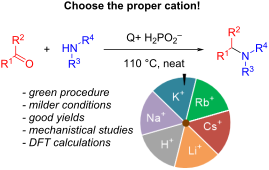
- system is more efficient than the earlier described usage of the pure NaH2PO2: higher solubility of the potassium, rubidium and cesium salts compared to the sodium and lithium and a proper pH of the reaction medium. Acidic catalysis strongly accelerates the rate of hemiaminal and iminium ion formation
- [41]. The higher ionic radius of potassium facilitates rapid dissolution of the reducing agent thus increasing the reduction rate. Together these factors allow conducting reductive amination reactions selectively and at lower temperatures. Conclusion In conclusion, the reactivity of hypophosphites of


Tautomerism and switching in 7-hydroxy-8-(azophenyl)quinoline and similar compounds
Beilstein J. Org. Chem. 2025, 21, 1404–1421, doi:10.3762/bjoc.21.105
- adding pre-cooled methanol (4.0 mL). In a separate round-bottomed flask, 7-hydroxyquinoline (0.29 g, 2.0 mmol) and potassium hydroxide (0.163 g, 3.0 mmol) were dissolved in methanol (6.0 mL) and cooled to 0 °C. This solution was treated under constant stirring by dropwise addition of the cold diazonium
- a separate 50 mL flask, 7-hydroxyquinoline (0.29 g, 2.0 mmol) dissolved in methanol (4.0 mL) was treated with potassium hydroxide (0.16 g, 3.0 mmol). The solution was stirred at 0 °C for 20 min, then the cooled diazonium salt solution was added slowly to the cold solution of 7-hydroxyquinoline
- during 30 min. Upon addition, a red-orange color formed. The mixture was left stirring at 0 °C for 2 h, then at rt overnight. The mixture was filtered, the filtrate was neutralized with 1 N aqueous potassium hydroxide solution, diluted with dichloromethane (75 mL) and stirred overnight. The orange solid