
Search results
Search for "nucleophilic" in Full Text gives 1360 result(s) in Beilstein Journal of Organic Chemistry. Showing first 200.
Controlled supramolecular assemblies of luminescent tridentate cyclometalated alkynylgold(III) amphiphiles in aqueous media
Beilstein J. Org. Chem. 2026, 22, 1097–1106, doi:10.3762/bjoc.22.88
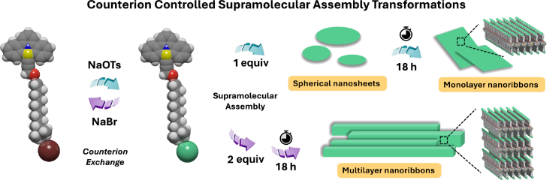
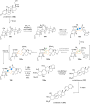
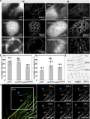
- cyclometalated gold(III) complex 2 was synthesized and further reacted with compound 1 in the presence of triethylamine and a catalytic amount of copper iodide to afford the amphiphile precursor 3. The nucleophilic substitution of compound 3 with trimethylamine enabled to afford GA. The chemical structures of


Amino acid-based surfactants: sustainable synthesis and antimicrobial mechanisms
Beilstein J. Org. Chem. 2026, 22, 1067–1085, doi:10.3762/bjoc.22.85
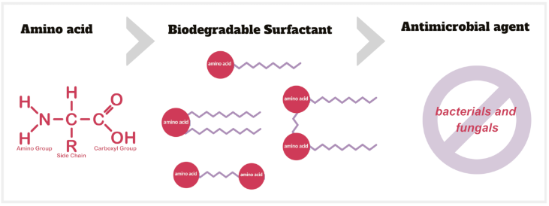
- reactions. N-Alkylation is mainly achieved either by reductive amination with long-chain aldehydes followed by chemical reduction, or by direct nucleophilic substitution using activated alkyl halides or sulfonates [6][10][13]. Reductive amination generally affords improved control over mono-N-alkylation and


Synthesis of functionalized, 13-alkyl-substituted coralyne derivatives and investigation of their interactions with duplex and abasic site-containing DNA
Beilstein J. Org. Chem. 2026, 22, 1057–1066, doi:10.3762/bjoc.22.84
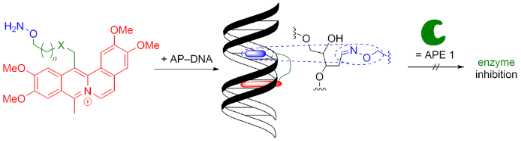
- ). Subsequent nucleophilic substitution of 3b with KCN furnished the nitrile-functionalized papaverine 3d in 56% yield. However, attempts to hydrolyze the nitrile 3d to the corresponding carboxylic acid failed both under mild and harsh alkaline conditions as well as under acidic conditions, as TLC and 1H NMR


One-pot four-component sequential synthesis of S-alkyl dithiocarbamates using lipase as a biocatalyst
Beilstein J. Org. Chem. 2026, 22, 1048–1056, doi:10.3762/bjoc.22.83
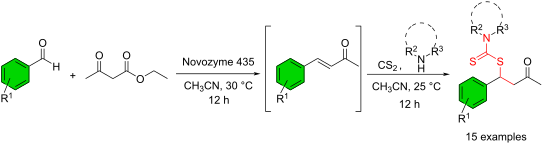
- nucleophilic addition reaction with dithiocarbamate anions, which are generated in situ by reacting CS2 with amines. This sequence successfully yields 15 derivatives of S-alkylated dithiocarbamates with high to excellent yields ranging from 69% to 96%. Keywords: biocatalysis; dithiocarbamate; four-component
- reaction efficiency when compared to the optimized method (Scheme 5b). Based on the control reactions and previous studies a mechanism is proposed (Scheme 6). The reaction begins with a nucleophilic attack by the activated ketoester, facilitated by the triad amino acids of lipase, on the carbonyl group of


Semisynthesis, characterisation, and antibacterial evaluation of a novel lecanoric acid-derived amide library
Beilstein J. Org. Chem. 2026, 22, 1023–1032, doi:10.3762/bjoc.22.81
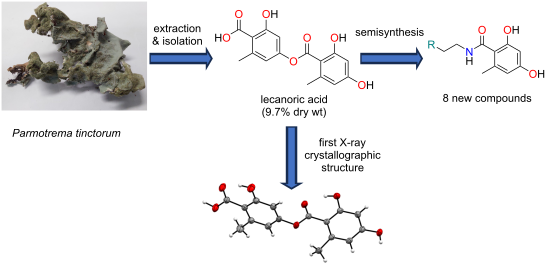
- kept consistent. Work-up and purification of each reaction involved the utilisation of semipreparative RP-HPLC (MeOH/H2O/0.1% TFA). 1H NMR and UHPLC–MS of all UV-active HPLC fractions from the three trial reactions confirmed that lecanoric acid had reacted as expected, with nucleophilic attack of the


Synthesis of sterically shielded piperidine nitroxides via acid-catalyzed heterocyclization of β-aminoketone derivatives with ketones
Beilstein J. Org. Chem. 2026, 22, 948–954, doi:10.3762/bjoc.22.74
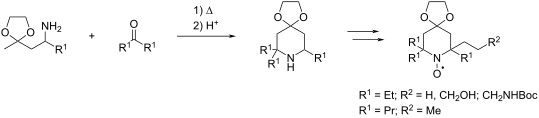
- nucleophilic addition [34][35]. Conversely, less basic organometallic reagents, such as vinylmagnesium bromide [34], ethynylmagnesium bromide [23], or allylmagnesium chloride [36], readily undergo addition, yielding the corresponding nitroxides. Ketonitrone 6a was treated with various alkynylmagnesiun bromides


Recent advances in copper-catalyzed direct hydroamination of alkenes with (hetero)aromatic amines
Beilstein J. Org. Chem. 2026, 22, 925–947, doi:10.3762/bjoc.22.73
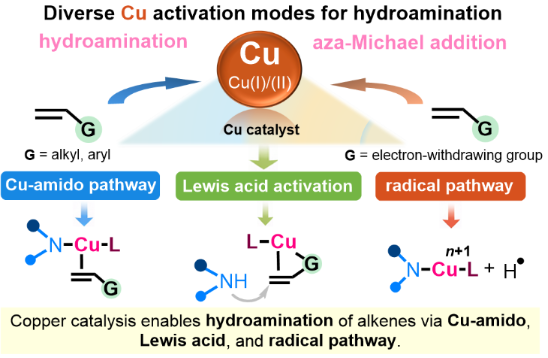
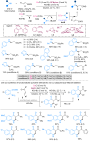
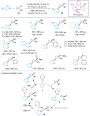
- , including copper–amido-mediated nucleophilic addition or aminocupration, Lewis acid-type alkene activation, and radical-mediated pathways. These complementary mechanisms provide access to diverse alkene classes with control over regioselectivity (Markovnikov vs anti-Markovnikov addition), stereoselectivity
- suitable ligands such as N-heterocyclic carbenes or electron-rich phosphines, the deprotonation of an N–H heteroaromatic can generate a copper–amido intermediate [32][33][34]. These species typically exhibit enhanced nucleophilicity and can engage alkenes via the direct nucleophilic addition of a copper
- electrophilicity and lowers the barrier for nucleophilic attack (Scheme 1b). Further, copper can mediate radical-based pathways either by generating hydrogen radicals or intercepting nitrogen-centered radical intermediates in oxidative- or photoredox-assisted systems (Scheme 1c). These radical manifolds often






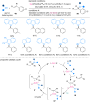

A practical CO2-mediated synthesis of 5,6-carboxylated silicon-rhodamines for targeted probe development
Beilstein J. Org. Chem. 2026, 22, 915–924, doi:10.3762/bjoc.22.72
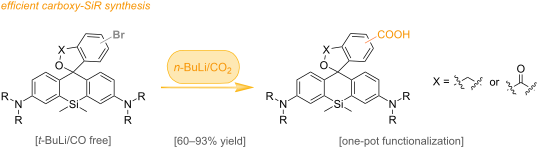
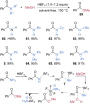
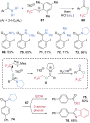
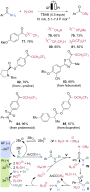
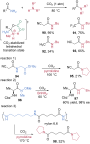
- carboxylation strategy using CO2 as an inexpensive, readily available, and non-toxic C1 source. In principle, CO2 can serve as a carbonyl source through nucleophilic addition followed by protonation to furnish the corresponding carboxylic acid. On the basis of this design (Figure 2a), brominated SiR precursors

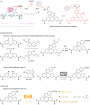

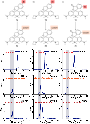

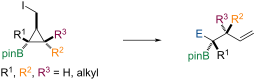
Diastereodivergent electrophilic trapping of α-boryl lithium derivatives
Beilstein J. Org. Chem. 2026, 22, 882–887, doi:10.3762/bjoc.22.68
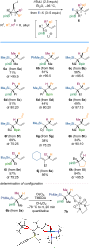
- confirmed due to the inability to obtain suitable crystals for X-ray analysis. In addition to the nucleophilic substitution of the boryl lithium species with R3SiCl, a small range of alternative electrophiles was examined (Scheme 3). Incorporation of a tin-based electrophile furnished stannane 6i in
- , this work establishes α-boryl lithium intermediates as valuable stereogenic platforms for conducting highly diastereoselective nucleophilic transformations. The combination of the anion-stabilizing capability of boron with strain-release-driven ring fragmentation provides exceptional chemo- and




Site-specific labelling of native peptides and proteins: chemical and enzymatic strategies
Beilstein J. Org. Chem. 2026, 22, 857–881, doi:10.3762/bjoc.22.67
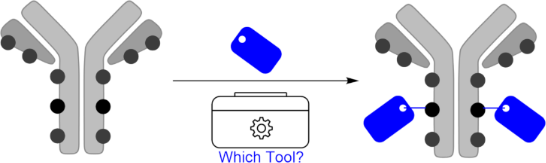
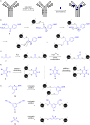
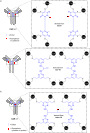
- proteins, including somatostatin, immunoglobulins (across all isotypes and subclasses), insulin and interleukin-10 naturally contain disulfide bridges. These can be selectively reduced to yield two nucleophilic thiols for reaction with bis-electrophilic reagents to rebridge the cysteines, while introducing
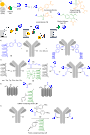
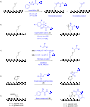
- biological environment [46]. In a related concept, the Chin group reported the genetic incorporation of the unnatural amino acid 2,3-diaminopropionic acid (DAP, 13), a nucleophilic amine that has a relatively low pKa (6–8) and is structurally analogous to serine or cysteine, enabling identification of native
- strategies broadly classified into non-catalytic and catalytic approaches. Non-catalytic approaches often involve tethering a reactive electrophile to a protein-binding ligand, thereby positioning the electrophile near a neighbouring nucleophilic residue. Example electrophiles include 4






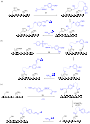
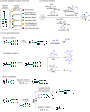


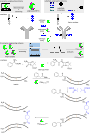

The trans-influence in gold chemistry from a catalytic perspective
Beilstein J. Org. Chem. 2026, 22, 838–856, doi:10.3762/bjoc.22.66
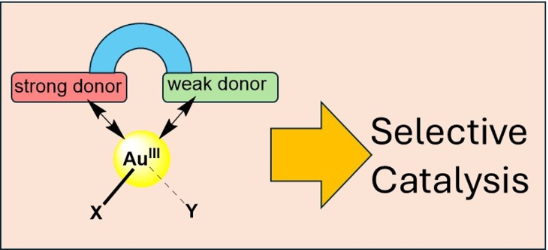
- differences are crucial for reactivity; for example, while the Pt–CO complex could be recrystallised from boiling methanol, the Au–CO complex is extremely sensitive to nucleophilic attack by water or alcohols (e.g., water–gas-shift, vide infra). The high Lewis acidity of a cationic gold(III) centre must not
- detected. Only one of the AcFO ligands undergoes insertion. The observed product could be formed either by an intramolecular migratory pathway, or by an outer-sphere nucleophilic attack by AcFO− on a coordinated ethylene ligand. DFT studies eliminated the intramolecular migratory pathway as uncompetitive
- and pointed to an associative interchange mechanism to bring the ethylene into the position trans to N (Scheme 15). The external nucleophilic attack pathway was proved experimentally using cis-1,2-C2H2D2, which generates the threo product, consistent with anti-addition of an external nucleophile [84


Unsymmetrical sulfoxides with sterically hindered catechol fragment: synthesis, structure, electrochemical properties, and antiradical activity
Beilstein J. Org. Chem. 2026, 22, 828–837, doi:10.3762/bjoc.22.65
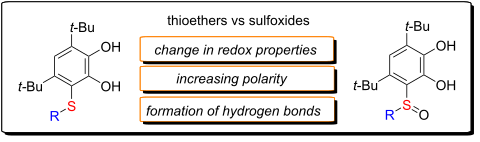
- thiol [22][23][24][25], through nucleophilic aromatic substitution on the catechol ring [26][27], or under electrochemical conditions [28][29][30][31][32]. A number of methods exist for the conversion of sulfides into sulfoxides, proceeding via either oxidative or non-oxidative pathways. The controlled


Synthesis and structural elucidation of a novel bis-spirooxindole from isatin and ethylenediamine
Beilstein J. Org. Chem. 2026, 22, 813–820, doi:10.3762/bjoc.22.63
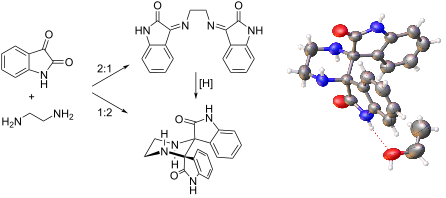
- carbonyl group with a γ-lactam system, which enables participation in a wide range of nucleophilic additions, condensations, and cyclizations [7]. As a result, isatin has proven to be a particularly powerful synthon for the construction of 2-oxindole derivatives, including a large variety of spiro-fused
- complexity and, in some cases, unexpected reaction outcomes. In reactions involving amino acids or diamines, the coexistence of multiple nucleophilic and electrophilic sites can give rise to competing pathways and polycyclic architectures. A well-documented example is the condensation of isatin (1) with ʟ


Preparation of 3-(alkylamino)imidazo[1,2-a]pyridine-2-carbaldehydes via Kornblum oxidation and unexpected ring-opening reactions of the corresponding alcohols under oxidative conditions
Beilstein J. Org. Chem. 2026, 22, 763–770, doi:10.3762/bjoc.22.58
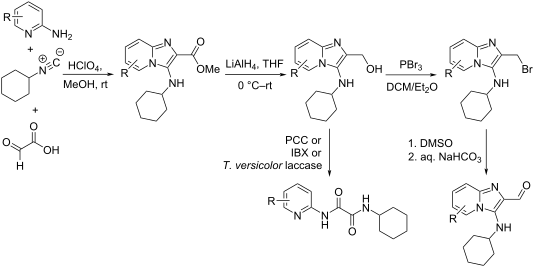
- –99% using LiAlH4 reduction (Scheme 3). Unexpectedly, reduction of 13d and 13f led to the same compound, the dehalogenated derivative 17d in 96% and 51% yield, respectively, presumably through nucleophilic aromatic substitution [29]. Oxidation of alcohols 17a–d using pyridinium chlorochromate (PCC


Rongalite addition to dienones: diastereoselectivity in cyclic sulfone synthesis; stereochemical rationalization and prospects as a general conjugate nucleophile
Beilstein J. Org. Chem. 2026, 22, 742–752, doi:10.3762/bjoc.22.56

- significantly faster than the slowest step of the double conjugate addition to give 1a and 1b. However, the simplest explanation for these results is that Rongalite is significantly less nucleophilic than p-toluenesulfinate. This could be related to the inductive withdrawal of electron density by the hydroxy
- heterocycles and also those looking to use Rongalite as a source of nucleophilic sulfur in other transformations. We are currently examining extensions of this method and other sulfinate reaction development and catalysis. Rongalite as an equivalent of the unstable hyposulfite ion. Sulfone diastereomers 1a and




Synthesis of heterocycles based on azomethine ylides from α-amino acids (or amines) and carbonyl compounds
Beilstein J. Org. Chem. 2026, 22, 705–741, doi:10.3762/bjoc.22.55
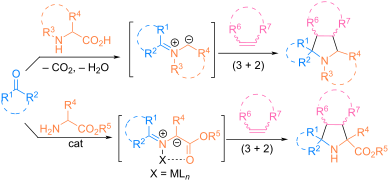
- isatins and amino acids, in which the nucleophilic center is activated due to the possibility of delocalization of the negative charge involving the indole ring. In these reactions, the authors used ʟ-proline, piperidine-2-carboxylic acid, and sarcosine. In all cases, the synthesis proceeds with high


Regioselective approach to 5-arylsulfonylisoxazoles and their antimicrobial activity
Beilstein J. Org. Chem. 2026, 22, 592–602, doi:10.3762/bjoc.22.45
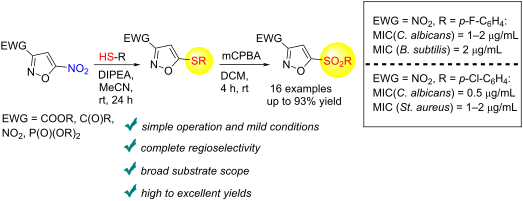
- nucleophilic aromatic substitution with thiophenols followed by oxidation with m-chloroperbenzoic acid (mCPBA). The scope of the reactions was explored, demonstrating high yields across a variety of functional groups and substituents. Optimized conditions enabled selective oxidation of thioaryl groups to
- as promising antimicrobial agents and provide new insights into their mechanism of action. Keywords: antimicrobial activity; aromatic nucleophilic substitution; isoxazoles; oxidation; sulfonylisoxazoles; Introduction The isoxazole ring represents an important building block for the synthesis of
- -sulfonylisoxazoles based on nucleophilic aromatic substitution of the nitro group in 3-EWG-5-nitroisoxazoles by treatment with thiophenols as S-nucleophiles and subsequent oxidation of the thioaryl group (Scheme 1, approach D). Previously, we reported that 3-EWG-5-nitroisoxazoles readily react with various N,O,S


Experimental and DFT studies on the regioselective methanolysis of 5-azido-9-oxabicyclo[6.1.0]nonan-4-yl 4-nitrobenzoate isomers
Beilstein J. Org. Chem. 2026, 22, 547–556, doi:10.3762/bjoc.22.40
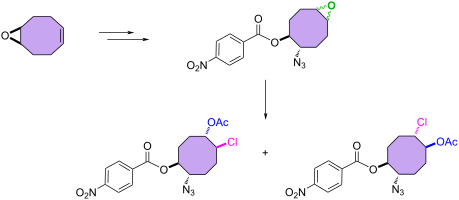
- formed in both pathways. Free energy computations indicate that the intermediate 12 is thermodynamically more stable by 4.9 kcal mol−1 compared to intermediate 15. The nucleophilic attack by chloride ion bifurcates into two paths, namely C1- (route a) and C2-attacks (route b) for intermediates 12 and 15
- regioselectivity (Figure 4). In the protonated intermediate 12 derived from epoxide 9a, the carbon atom preferentially attacked by chloride bears a relatively more positive charge, which is consistent with an electronically favoured nucleophilic attack. In contrast, for the protonated intermediate 15 derived from
- epoxide 9b, the more positively charged epoxide carbon is sterically shielded by the neighbouring ester carbonyl group. As a result, nucleophilic attack occurs at the sterically more accessible, albeit less positively charged, epoxide carbon. These observations indicate that the regioselectivity of


Modern synthetic pathways towards eribulin and its subunits
Beilstein J. Org. Chem. 2026, 22, 495–526, doi:10.3762/bjoc.22.37
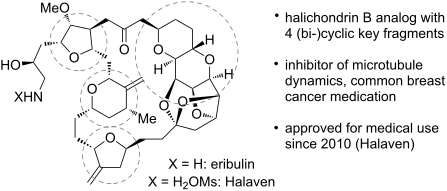
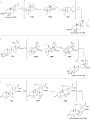
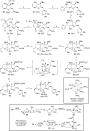
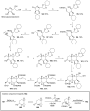
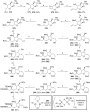
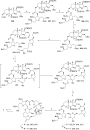
- formation of 252. Next, conditions reported by Kishi and co-workers were applied for the nucleophilic substitution of the chloride by the oxygen from the tetrahydrofuran ring towards 253 [94], before an adjacent secondary alcohol group reopened the bicyclic cationic intermediate. Cleavage of the TBDMS
- products were fused together by the nucleophilic attack of deprotonated alkyne 265 to aldehyde 261 (Scheme 31). The obtained diastereomers 266 were oxidized to the respective ketone 267, and again, Noyori reduction was performed to access 268 [105]. Treatment with AgBF4 at elevated temperature induced a








Recent advances in the stereoselective synthesis of distal biaxially chiral molecules
Beilstein J. Org. Chem. 2026, 22, 461–479, doi:10.3762/bjoc.22.34
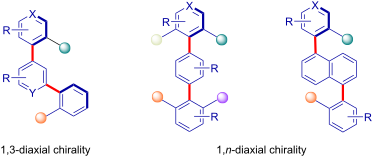
- ) intermediate, which undergoes intramolecular nucleophilic cyclization (Scheme 15) [54]. This work represents the first synthesis of a compound integrating both helical and axial stereogenic elements, and achieves high diastereoselectivity and enantioselectivity through a cinchona alkaloid-derived squaramide
- first enantioselective C–H amination of arenes catalyzed by a chiral phosphoric acid. Thus, this nucleophilic aromatic substitution reaction not only enables the synthesis of compounds bearing two chiral N-aryl axes but also provides a viable alternative to metal-catalyzed C–N cross-coupling reactions


Synthesis and anti-cancer activity of naphthalimide–organylselanyl conjugates
Beilstein J. Org. Chem. 2026, 22, 416–435, doi:10.3762/bjoc.22.29
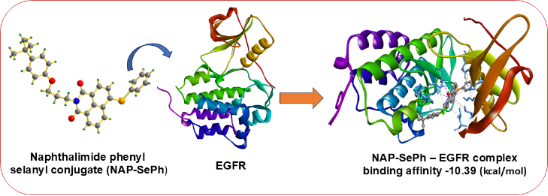
- Discussion Chemistry Scheme 1 illustrates the synthesis of naphthalimide-organylselanyl conjugates 7 and 8. The incorporation of the organoselenide moiety into the naphthalimide scaffold was achieved via a nucleophilic substitution reaction. The bromine atom in the bromonaphthalimide precursor 12, prepared




Dialkylaminoalkylation of β-ketosulfones via ring-opening of 3-sulfonylpyrrolidines
Beilstein J. Org. Chem. 2026, 22, 383–389, doi:10.3762/bjoc.22.26
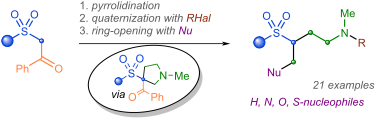
- obtained products with LiAlH4 leads to a substitution of the attached nucleophilic moiety with hydrogen in good yields. Keywords: aminoalkylation; aminosulfones; ketosulfones; pyrrolidines; Introduction Sulfones and sulfonic acids are valuable structural motifs in organic chemistry, notable for their
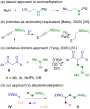
- commonly achieved by a classic nucleophilic substitution of a leaving group at the β-position relative to the N-protected nitrogen (Figure 2a). While this approach addresses most needs of targeted synthesis, developing alternative methods from inexpensive starting materials via domino-processes, allowing
- the fast increase of the molecular complexity, remains significant. Unlike the classical aminoethylation of nucleophilic compounds [28][29], Batey et al. recently developed a two-step approach consisted in addition of terminal ynimides I to various electrophiles with subsequent reduction of the C≡C




Recent advances in the cleavage of non-activated amides
Beilstein J. Org. Chem. 2026, 22, 352–369, doi:10.3762/bjoc.22.23
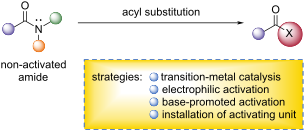
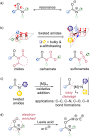
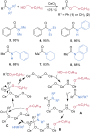
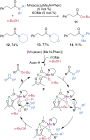
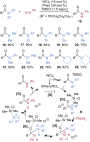
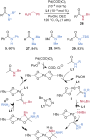
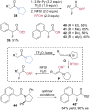
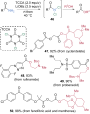
- geometry to the amide unit (Scheme 1a) [17][18][19]. As a result, nucleophilic attack at the carbonyl is disfavored, and even when a tetrahedral intermediate forms, collapse with expulsion of an amide anion is thermodynamically challenging. Consequently, harsh conditions such as high temperatures or
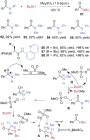
- of CeO2 to attack the carbonyl carbon, leading to cleavage of the C–N bond (B). Subsequent nucleophilic attack of the octoxide anion on the activated carbonyl center (C) then furnishes the ester product. Later, the same group found that niobium could also serve as a heterogeneous Lewis acid catalyst
- that coordination of the amide oxygen to the Lewis-acidic sites of Nb activates the amide toward nucleophilic attack. Simultaneously, water is pre-adsorbed on the basic oxygen sites of Nb2O5, enabling nucleophilic attack on the activated carbonyl center (D). Following amine release from the resulting










Synthesis of tricyclic fused pyrrolidine nitroxides from 2-alkynylpyrrolidine-1-oxyls
Beilstein J. Org. Chem. 2026, 22, 344–351, doi:10.3762/bjoc.22.22

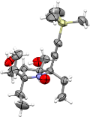
- -2-ethynylpyrrolidine-1-oxyls with nucleophilic agents can lead to the formation of condensed systems involving the substituent at position 3 of the pyrrolidine ring [16]. Alkynes are broadly used in the synthesis of various heterocyclic compounds, and participation of neighboring functional groups
- literature data on reactivity of 5-azidopentyne derivatives in intramolecular Huisgen cycloaddition reactions are contradictory. Some authors successfully obtained 5-azidopentyne derivatives upon nucleophilic substitution at 80 °C in DMF, and additional heating at 170 °C was necessary for cyclization to




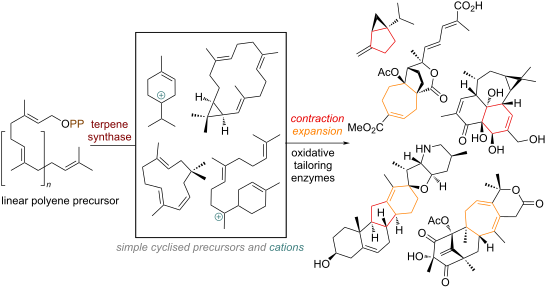
Ring contraction and ring expansion reactions in terpenoid biosynthesis and their application to total synthesis
Beilstein J. Org. Chem. 2026, 22, 289–343, doi:10.3762/bjoc.22.21
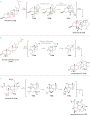
- cyclopropyl system after nucleophilic attack by one of the olefins in 59. After a 1,2-hydride shift (59a to 59b) and nucleophilic capture of the tertiary cation to give 60, the full skeleton of tiglianes (e.g., phorbol (61)) would be assembled. An early example of a puzzling ring contraction observed in
- reactive pathway consists of an alkene isomerisation from the propenyl-substituent at C-5, followed by protonation of the C-7 alcohol to give intermediate 116a. From here a transannular cyclopropanation affords the cation 116b, which upon nucleophilic attack of water provides 116c. Expulsion of acetone
- formed by placing a leaving group on the C-5 tertiary hydroxy group of the precursor 138. This intermediate is privileged to undergo a 1,2-alkyl migration expanding the C-ring, giving a different decalin cation 138b. Keto/enol-tautomerism and nucleophilic attack of the enol at C-4/C-5 furnishes the