

Search results
Search for "ceric ammonium nitrate" in Full Text gives 26 result(s) in Beilstein Journal of Organic Chemistry.
Modern synthetic pathways towards eribulin and its subunits
- Sebastian Dominik Graf
Beilstein J. Org. Chem. 2026, 22, 495–526, doi:10.3762/bjoc.22.37
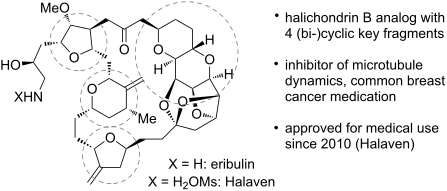

Graphical Abstract

Figure 1: Eribulin with common synthetic precursor fragments and halichondrin B.

Scheme 1: Overview of the industrial process pathway for the large-scale production of the mesylate salt of 1...

Scheme 2: Synthesis of 22. (a) i. 2,2-dimethoxypropane, p-TsOH, MeOH, 65 °C; ii. NaBH4, MeOH, rt; (b) i. NaH,...

Scheme 3: Synthesis of 27. (a) i. NaH, BnBr, THF, rt; ii. iodobenzoic acid, MeCN, 80 °C; iii. (EtO)2POCH2COOE...

Scheme 4: Synthesis of 31 and 33. (a) i. MMTrCl, iPr2NEt, DCM, rt; ii. K2CO3, MeOH, DCM, rt; iii. TBDMSCl, im...

Scheme 5: Synthesis of 1. (a) CrCl2, 37, 38, 39 (proton sponge), LiCl, Mn, ZrCp2Cl2, MeCN, EtOAc; (b) SrCO3, t...

Scheme 6: Synthesis of 45. Above: Reaction conditions: (a) methoxyacetic acid, BF3·OEt2, DCM, −30 °C; (b) Pd(...

Scheme 7: Synthesis of 64. Reaction conditions: (a) i. acetone, I2, rt; ii. vinylmagnesium bromide, THF, −20 ...
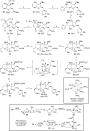
Scheme 8: Synthesis of 79. Above: Reaction conditions: (a) i. K2CO3, MeOH, 60 °C; ii. 2,2-dimethoxypropane, H2...

Scheme 9: Synthesis of 92. Reaction conditions: (a) TESCl, imidazole, DCM, 0 °C to rt; (b) i. oxalyl chloride...
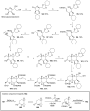
Scheme 10: Synthesis of 104. Above: Reaction conditions: (a) cyclohexanone, p-TsOH, toluene, 110 °C, crystalli...

Scheme 11: Synthesis of 117. (a) i. acetone, CuSO4, rt; ii. H2O2, K2CO3, H2O, rt; iii. EtI, MeCN, 70 °C; (b) i...

Scheme 12: Synthesis of 121. Reaction conditions: (a) i. TBDPSCl, imidazole, DMF, rt; ii. O3, DCM, −78 °C; iii...

Scheme 13: Synthesis of 131. (a) i. 2,2-dimethoxypropane, p-TsOH, MeOH, 60 °C; ii. LiAlH4, THF, 0 °C to rt; (b...

Scheme 14: Synthesis of 143. (a) i. I2, PPh3, imidazole, DCM; ii. HMPA, CuI, vinylmagnesium bromide, THF, −20 ...

Scheme 15: Modified synthesis of 104. Reaction conditions: (a) (EtO)2POCH2COOEt, KOt-Bu, THF, 15 °C; (b) TBAF,...

Scheme 16: Synthesis of 161. Reaction conditions: (a) crotyl bromide, Sn, TBAI, NaI, DMF/H2O, rt; (b) NaH, BnB...

Scheme 17: Synthesis of 169. Reaction conditions: (a) i. Co2(CO)8, BF3·Et2O, DCM, 23 °C; ii. CAN, acetone, 0 °...

Scheme 18: Synthesis of 181. Reaction conditions: (a) i. Co2(CO)8, BF3·Et2O, DCM, 23 °C; ii. (NH4)2Ce(NO3)6, a...

Scheme 19: Synthesis of 186. Reaction conditions: (a) NEt3, LiCl, MeCN, 0–23 °C; (b) HF·pyridine, MeCN, 23 °C;...

Scheme 20: Modified synthesis of 181. Reaction conditions: (a) i. Ni(cod)2, P(n-Bu)3, Et3SiH, THF, 23 °C; ii. ...

Scheme 21: Synthesis of 200. Reaction conditions: (a) i. Co2(CO)8, DCM, 23 °C; ii. BF3·Et2O, 0 °C; iii. (NH4)2...

Scheme 22: Modified synthesis of 186. Reaction conditions: (a) DDQ, 2,6-di-t-Bu-4-hydroxytoluene, hv, MeCN, 23...

Scheme 23: Synthesis of 1. Reaction conditions: (a) i. CrCl2, NiCl2, 206, NEt3, THF, 23 °C; ii. DBU, toluene, ...

Scheme 24: Synthesis of 217. Above: Reaction conditions: (a) TBDPSCl, imidazole, DCM, 0–5 °C. (b) m-CPBA, DCM,...

Scheme 25: Synthesis of 231. Reaction conditions: (a) i. AcCl, MeOH, 0 °C to rt; ii. TrCl, pyridine, 50 °C; (b...

Scheme 26: Synthesis of 239. Reaction conditions: (a) i. Boc2O, K2CO3, THF, rt; ii. Ru(acac)3, NaBrO3, EtOAc, H...

Scheme 27: Synthesis of 247. Reaction conditions: (a) NCS, 248, MeCN, 0 °C to rt; (b) LDA, 249, THF, −78 °C; (...

Scheme 28: Synthesis of 255. Reaction conditions: (a) i. LiHMDS, THF, −78 °C to rt; ii. m-CPBA, DCM, −78 °C to...

Scheme 29: Synthesis of 261. Reaction conditions: (a) allyltrimethylsilane, TiCl4, DCM −78 °C; (b) LiBH4, EtOH...

Scheme 30: Synthesis of 265. Reaction conditions: (a) (R,R)-Ru-cat (0.2 mol %), DCM, NEt3, HCOOH, rt; (b) TBAF...

Scheme 31: Synthesis of 272. Reaction conditions: (a) LDA, THF, −78 °C; (b) DMP, NaHCO3, DCM, 0 °C to rt; (c) (...
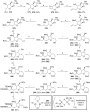
Scheme 32: Synthesis of 292. Reaction conditions: (a) TsCl, NEt3, DCM, rt; (b) K2CO3, MeOH, 45 °C; (c) vinylma...

Scheme 33: Synthesis of 296. Reaction conditions: (a) 171 (see Scheme 17), Cr-cat, CoPc (see Scheme 17), Mn, NEt3·HCl, LiCl, TMS...

Scheme 34: Synthesis of 299. Reaction conditions: (a) 172 (see Scheme 17), CrCl2, NEt3, NiCl2, THF, rt; (b) KHMDS, THF,...

Scheme 35: Synthesis of 305. Reaction conditions: (a) i. p-TsOH, MeOH, 40 °C; ii. MeLi, LiBr, THF, −25 °C; (b)...
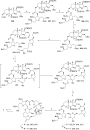
Scheme 36: Synthesis of 1. Reaction conditions: (a) i. 41 (see Scheme 6), LDA, THF, −78 °C; ii. DMP, NaHCO3, DCM, rt; ...

Scheme 37: Synthesis of 324. Reaction conditions: (a) i. acetone, CuSO4, rt; ii. H2O2 (30%), K2CO3, rt; iii. E...
Recent advancements in the synthesis of Veratrum alkaloids
- Morwenna Mögel,
- David Berger and
- Philipp Heretsch
Beilstein J. Org. Chem. 2025, 21, 2657–2693, doi:10.3762/bjoc.21.206
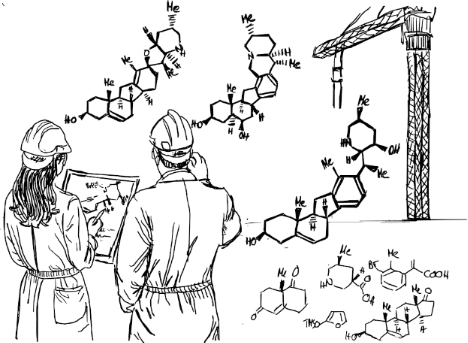
- the D-ring oxidatively aromatized by the action of ceric ammonium nitrate. Reduction of the nitrile moiety furnished aldehyde 70, which was obtained on gram-scale over three steps in 54%. The endgame of this synthesis closely resembles the one of cyclopamine (Scheme 12). Sulfinyl formation and

Graphical Abstract

Scheme 1: Representatives of steroid alkaloid classes. Marked in blue is the steroidal cholestane framework, ...

Scheme 2: Subclasses of Veratrum alkaloids: jervanine, veratramine and cevanine-type [8].

Scheme 3: Flow chart presentation of the synthesis of (−)-englerin A developed by the Christmann group [10].
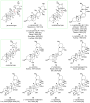
Scheme 4: Structures and year of synthesis of the three types of Veratrum alkaloids reported in the literatur...
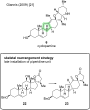
Scheme 5: Key step in the synthesis of cyclopamine (6) by the Giannis group [21].

Scheme 6: Overview of the semisynthesis of cyclopamine (6) reported by the Giannis group in 2009 [21].
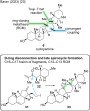
Scheme 7: Key steps in the synthesis of cyclopamine (6) by the Baran group [23].

Scheme 8: Overview of the total synthesis of cyclopamine (6) by the Baran group in 2023 [23].
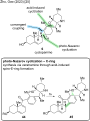
Scheme 9: Key steps in the synthesis of cyclopamine (6) by the Zhu/Gao group [25].
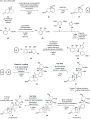
Scheme 10: Overview of the total synthesis of cyclopamine (6) by the group of Zhao/Gao in 2023 [25].
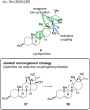
Scheme 11: Key steps in the synthesis of cyclopamine (6) by the Liu/Qin group [26].

Scheme 12: Overview of the semisynthesis of cyclopamine (6) by the Liu/Qin group in 2024 [26].
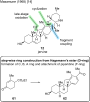
Scheme 13: Key steps in the synthesis of jervine (12) by the Masamune group [14].

Scheme 14: Overview of the total synthesis of jervine (12) by the Masamune group in 1968 [14].

Scheme 15: Color-coded schemes of the presented cyclopamine (6) syntheses by Giannis, Baran, Zhu/Gao, and Liu/...
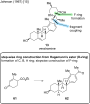
Scheme 16: Key steps in the total synthesis of veratramine (13) by the Johnson group [15].

Scheme 17: Overview of the total synthesis of veratramine (13) by the Johnson group in 1967 [15].
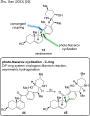
Scheme 18: Key steps in the synthesis of veratramine (13) by the Zhu/Gao group [25].

Scheme 19: Shortened overview of the total synthesis of veratramine (13) by the Zhu/Gao group in 2023 [25].
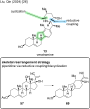
Scheme 20: Key steps in the synthesis of veratramine by the Liu/Qin group [26].

Scheme 21: Overview of the semisynthesis of veratramine (13) by the Liu/Qin group in 2024 [26].
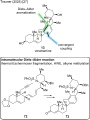
Scheme 22: Key steps in the synthesis of veratramine (13) by the Trauner group [27].

Scheme 23: Overview of the total synthesis of veratramine (13) by the Trauner group in 2025 [27].
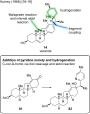
Scheme 24: Key steps in the synthesis of verarine (14) by the Kutney group [16-19].

Scheme 25: Overview of the total synthesis of verarine (14) by the Kutney group reported 1962–1968 [16-19].

Scheme 26: Color-coded schemes of the presented veratramine-type alkaloid synthesis of Zhu/Gao, Liu/Qin and Tr...
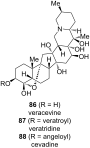
Scheme 27: Structures of veracevine (86), veratridine (87), and cevadine (88).

Scheme 28: Key step in the semisynthesis of verticine (15) by the Kutney group (1977) [20,46].

Scheme 29: Overview of the semisynthesis of verticine (15) by the Kutney group (1977) [20,46].

Scheme 30: Key step of the total synthesis of (±)-4-methylenegermine (17) by the Stork group (2017) [22].

Scheme 31: Overview of the total synthesis of (±)-4-methylenegermine (17) by the Stork group (2017) [22].

Scheme 32: Key step of the total synthesis of heilonine (16) by Cassaidy and Rawal (2021) [24].

Scheme 33: Overview of the total synthesis of heilonine (16) by Cassaidy and Rawal (2021) [24]. FGI: functional gr...
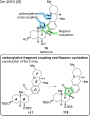
Scheme 34: Key steps of the synthesis of heilonine (16) by Dai and co-workers (2024) [28].

Scheme 35: Overview of the total synthesis of heilonine (16) by Dai and co-workers (2024) [28].
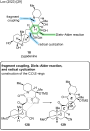
Scheme 36: Key steps of the total synthesis of zygadenine (18) reported by Luo and co-workers [29].
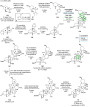
Scheme 37: Overview of the total synthesis of zygadenine (18) by Luo and co-workers (2023) [29].
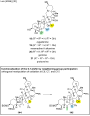
Scheme 38: Key step of the divergent total syntheses of highly oxidized cevanine-type alkaloids by Luo and co-...
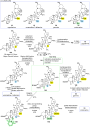
Scheme 39: Divergent syntheses of highly oxidized cevanine-type alkaloids by Luo and co-workers (2024) [30].
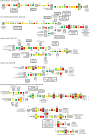
Scheme 40: Color-coded overview of the presented cevanine-type alkaloid syntheses [10,20,22,24,28-30,46]. LLS: longest linear sequen...
Asymmetric total synthesis of tricyclic prostaglandin D2 metabolite methyl ester via oxidative radical cyclization
- Miao Xiao,
- Liuyang Pu,
- Qiaoli Shang,
- Lei Zhu and
- Jun Huang
Beilstein J. Org. Chem. 2025, 21, 1964–1972, doi:10.3762/bjoc.21.152
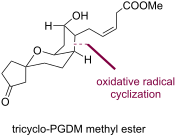
- -deficient [28], thereby lowering the energy barrier for electrophilic radical addition. Increasing the reaction temperature to 70 °C proved detrimental, yielding only trace amounts of product 14 (Table 1, entry 5). Finally, replacing Mn(OAc)3·2H2O/Cu(OAc)2·H2O with other oxidants, such as ceric ammonium
- nitrate (CAN) [29][30] and Fe(ClO4)3·9H2O [31], failed to afford desired product 14 (Table 1, entries 6 and 7). To explore the synthesis of fully functionalized tricyclic core scaffold 12, methods for incorporating the side chain at C14 and for the stereocontrolled introduction of the allyl moiety at C8

Graphical Abstract
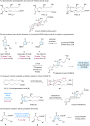
Scheme 1: Representative prostaglandins and general synthetic strategy toward PGDM methyl ester 4.

Scheme 2: Retrosynthetic analysis for the first generation synthesis of PGDM methyl ester 4.

Scheme 3: Synthesis of bicyclic ketal 25.

Scheme 4: Retrosynthetic analysis for the second-generation synthesis of tricyclic PGDM methyl ester 4.
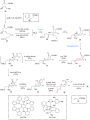
Scheme 5: Asymmetric total synthesis of tricyclic-PGDM methyl ester 4.
Asymmetric organocatalytic synthesis of chiral homoallylic amines
- Nikolay S. Kondratyev and
- Andrei V. Malkov
Beilstein J. Org. Chem. 2024, 20, 2349–2377, doi:10.3762/bjoc.20.201
- cleavage of the methoxyphenyl group in aqueous methanol using excess of ceric ammonium nitrate (CAN) as a soft oxidant (Scheme 14). The sequence afforded the target (S)-homoallylic amine 69 in 64% overall yield with a complete retention of chirality. To gain a mechanistic insight into the formation of the

Graphical Abstract

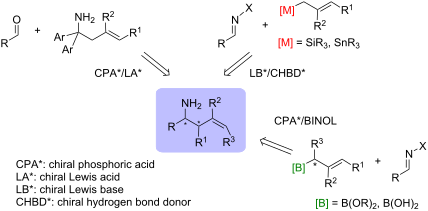
Scheme 1: The position of homoallylic amines in the landscape of alkaloid and nitrogen compounds syntheses.
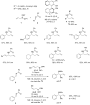
Scheme 2: 3,3’-Diaryl-BINOL-catalysed asymmetric organocatalytic allylation of acylimines [24].

Scheme 3: Aminophenol-catalysed reaction between N-phosphinoylimines and pinacol allylboronic ester. Imine sc...

Scheme 4: Asymmetric geranylation and prenylation of indoles catalysed by (R)- or (S)-3,3’-dibromo-BINOL [25]. aA...

Scheme 5: (R)-3,3’-Di(3,5-di(trifluoromethyl)phenyl-BINOL-catalysed asymmetric geranylation and prenylation o...

Scheme 6: Microwave-induced one-pot asymmetric allylation of in situ-formed arylimines, catalysed by (R)-3,3’...

Scheme 7: Microwave-induced one-pot asymmetric allylation of in situ-formed arylimines, catalysed by (R)-3,3’...
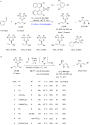
Scheme 8: Kinetic resolution of chiral secondary allylboronates [15,30].

Scheme 9: (E)-Stereospecific asymmetric α-trifluoromethylallylation of cyclic imines and hydrazones [31].

Scheme 10: Hosomi–Sakurai-type allylation of in situ-formed N-Fmoc aldimines [32].

Figure 1: Two different pathways for the Hosomi–Sakurai reaction of allyltrimethylsilane with N-Fmoc aldimine...

Scheme 11: Chiral squaramide-catalysed hydrogen bond-assisted chloride abstraction–allylation of N-carbamoyl α...

Figure 2: The pyrrolidine unit gem-methyl group conformational control in the squaramide-based catalyst [34].

Figure 3: The energetic difference between the transition states of the two proposed modes of the reaction (SN...

Scheme 12: One-pot preparation procedure for oxazaborolidinium ion (COBI) 63 [37].

Scheme 13: Chiral oxazaborolidinium ion (COBI)-catalysed allylation of N-(2-hydroxy)phenylimines with allyltri...

Scheme 14: The two-step N-(2-hydroxy)phenyl group deprotection procedure [37].

Scheme 15: Low-temperature (−40 °C) NMR experiments evidencing the reversible formation of the active COBI–imi...

Figure 4: Two computed reaction pathways for the COBI-catalysed Strecker reaction (TS1 identical to allylatio...

Scheme 16: Highly chemoselective and stereospecific synthesis of γ- and γ,δ-substituted homoallylic amines by ...

Scheme 17: Catalytic cycle for the three-component allylation with HBD/πAr–Ar catalyst [39].

Scheme 18: Reactivity of model electrophiles [39].
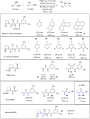
Scheme 19: HBD/πAr–Ar catalyst rational design and optimisation [39].

Scheme 20: Scope of the three-component HBD/πAr–Ar-catalysed reaction [39].

Scheme 21: Limitations of the HBD/πAr–Ar-catalysed reaction [39].

Scheme 22: Asymmetric chloride-directed dearomative allylation of in situ-generated N-acylquinolinium ions, ca...

Scheme 23: Chiral phosphoric acid-catalysed aza-Cope rearrangement of in situ-formed N-α,α’-diphenyl-(α’’-ally...

Scheme 24: Tandem (R)-VANOL-triborate-catalysed asymmetric aza-Cope rearrangement of in situ-formed aldimines ...

Scheme 25: (S)-TRIP-catalysed enantioconvergent aza-Cope rearrangement of β-formyl amides, substrate scope [43]. a...

Scheme 26: (S)-TRIP-catalysed enantioconvergent aza-Cope rearrangement of β-formyl amides 16–19, amide and all...

Scheme 27: Synthetic applications of homoallylic N-benzophenone imine products 131 [43].

Scheme 28: Chiral organocatalysed addition of 2,2,2-trifluoroethyl ketimines to isatin-derived Morita–Baylis–H...

Scheme 29: Chiral chinchona-derived amine-catalysed reaction between isatin-based Morita–Baylis–Hilman carbona...

Scheme 30: (R)-VAPOL-catalysed hydrogen atom transfer deracemisation [45].

Scheme 31: Chiral PA-catalysed [1,3]-rearrangement of ene-aldimines [46].
O,S,Se-containing Biginelli products based on cyclic β-ketosulfone and their postfunctionalization
- Kateryna V. Dil and
- Vitalii A. Palchykov
Beilstein J. Org. Chem. 2024, 20, 2143–2151, doi:10.3762/bjoc.20.184
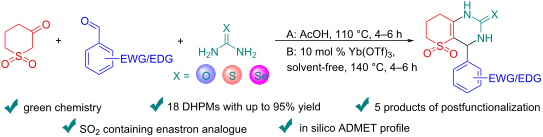
- (Table 1, entry 7). Reflux in alcoholic media in the presence of p-toluenesulfonic acid or CAN (ceric ammonium nitrate) was also not particularly successful (Table 1, entries 8 and 9, yield 32–35%). We subsequently explored a range of reaction conditions to improve overall yield and selectivity. We

Graphical Abstract
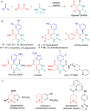
Scheme 1: The general Biginelli reaction (A) and examples of DHMP (B) and thiopyran-1,1-dioxide (C) containin...

Figure 1: Number of aryl-substituted Biginelli-type products and publications as analyzed by Reaxys database....

Scheme 2: Scope of the obtained Biginelli products 2a–q.

Scheme 3: Synthesis of SO2-containing enastron analogue 2r.

Scheme 4: Postmodification of the Biginelli product 2a.

Figure 2: Distribution of compounds 2a–r, 3–7 (log P (y)–MW (x)) through LLAMA software. The chemical structu...
Strategies to access the [5-8] bicyclic core encountered in the sesquiterpene, diterpene and sesterterpene series
- Cécile Alleman,
- Charlène Gadais,
- Laurent Legentil and
- François-Hugues Porée
Beilstein J. Org. Chem. 2023, 19, 245–281, doi:10.3762/bjoc.19.23
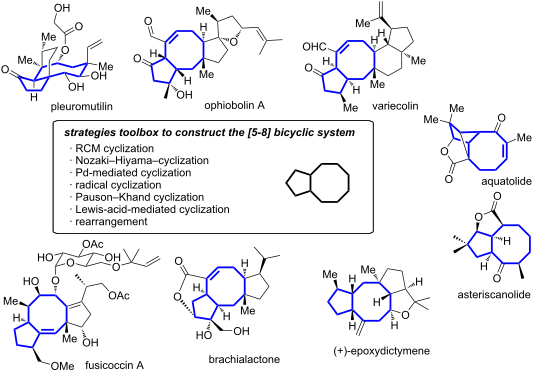
- exo Diels–Alder cycloaddition, which resulted in compound 159. The enol ether was oxidized by ceric ammonium nitrate (CAN) to deliver intermediate 160, which was further subjected to an iron-catalyzed hydrogen atom transfer generating tricyclic intermediate 161. Further functionalization permitted the

Graphical Abstract

Figure 1: Examples of terpenes containing a bicyclo[3.6.0]undecane motif.

Figure 2: Commercially available first and second generation Grubbs and Hoveyda–Grubbs catalysts.

Figure 3: Examples of strategies to access the fusicoccan and ophiobolin tricyclic core structure by RCM.

Scheme 1: Synthesis of bicyclic core structure 12 of ophiobolin M (13) and cycloaraneosene (14).

Scheme 2: Synthesis of the core structure 21 of ophiobolins and fusicoccanes.

Scheme 3: Ring-closing metathesis attempts starting from thioester 22.

Scheme 4: Total synthesis of ent-fusicoauritone (28).

Figure 4: General structure of ophiobolins and congeners.

Scheme 5: Total synthesis of (+)-ophiobolin A (8).

Scheme 6: Investigation of RCM for the synthesis of ophiobolin A (8). Path A) RCM with TBDPS-protected alcoho...

Scheme 7: Synthesis of the core structure of cotylenin A aglycon, cotylenol (50).

Scheme 8: Synthesis of tricyclic core structure of fusicoccans.

Scheme 9: Total synthesis of (−)-teubrevin G (59).

Scheme 10: Synthesis of the core skeleton 63 of the basmane family.

Scheme 11: Total synthesis of (±)-schindilactone A (68).

Scheme 12: Total synthesis of dactylol (72).

Scheme 13: Ring-closing metathesis for the total synthesis of (±)-asteriscanolide (2).

Scheme 14: Synthesis of the simplified skeleton of pleuromutilin (1).

Scheme 15: Total synthesis of (−)-nitidasin (93) using a ring-closing metathesis to construct the eight-member...

Scheme 16: Total synthesis of (±)-naupliolide (97).

Scheme 17: Synthesis of the A-B ring structure of fusicoccane (101).

Scheme 18: First attempts of TRCM of dienyne substrates.

Scheme 19: TRCM on optimized substrates towards the synthesis of ophiobolin A (8).

Scheme 20: Tandem ring-closing metathesis for the synthesis of variecolin intermediates 114 and 115.

Scheme 21: Synthesis of poitediol (118) using the allylsilane ring-closing metathesis.

Scheme 22: Access to scaffold 122 by a NHK coupling reaction.

Scheme 23: Key step to construct the [5-8] bicyclooctanone core of aquatolide (4).

Scheme 24: Initial strategy to access aquatolide (4).

Scheme 25: Synthetic plan to cotylenin A (130).

Scheme 26: [5-8] Bicyclic structure of brachialactone (7) constructed by a Mizoroki–Heck reaction.

Scheme 27: Influence of the replacement of the allylic alcohol moiety.

Scheme 28: Formation of variecolin intermediate 140 through a SmI2-mediated Barbier-type reaction.

Scheme 29: SmI2-mediated ketyl addition. Pleuromutilin (1) eight-membered ring closure via C5–C14 bond formati...

Scheme 30: SmI2-mediated dialdehyde cyclization cascade of [5-8-6] pleuromutilin scaffold 149.

Scheme 31: A) Modular synthetic route to mutilin and pleuromutilin family members by Herzon’s group. B) Scaffo...

Scheme 32: Photocatalyzed oxidative ring expansion in pleuromutilin (1) total synthesis.

Scheme 33: Reductive radical cascade cyclization route towards (−)-6-epi-ophiobolin N (168).

Scheme 34: Reductive radical cascade cyclization route towards (+)-6-epi-ophiobolin A (173).

Scheme 35: Radical 8-endo-trig-cyclization of a xanthate precursor.

Figure 5: Structural representations of hypoestin A (177), albolic acid (178), and ceroplastol II (179) beari...

Scheme 36: Synthesis of the common [5-8-5] tricyclic intermediate of hypoestin A (177), albolic acid (178), an...

Scheme 37: Asymmetric synthesis of hypoestin A (177), albolic acid (178), and ceroplastol II (179).

Figure 6: Scope of the Pauson–Khand reaction.

Scheme 38: Nazarov cyclization revealing the fusicoauritone core structure 192.

Scheme 39: Synthesis of fusicoauritone (28) through Nazarov cyclization.

Scheme 40: (+)-Epoxydictymene (5) synthesis through a Nicholas cyclization followed by a Pauson–Khand reaction...

Scheme 41: Synthesis of aquatolide (4) by a Mukaiyama-type aldolisation.

Scheme 42: Tandem Wolff/Cope rearrangement furnishing the A-B bicyclic moiety 204 of variecolin.

Scheme 43: Asymmetric synthesis of the A-B bicyclic core 205 and 206 of variecolin.

Scheme 44: Formation of [5-8]-fused rings by cyclization under thermal activation.

Scheme 45: Construction of the [5-8-6] tricyclic core structure of variecolin (3) by Diels–Alder reaction.

Scheme 46: Synthesis of the [6-4-8-5]-tetracyclic skeleton by palladium-mediated cyclization.

Scheme 47: Access to the [5-8] bicyclic core structure of asteriscanolide (227) through rhodium-catalyzed cycl...

Scheme 48: Total syntheses of asterisca-3(15),6-diene (230) and asteriscanolide (2) with a Rh-catalyzed cycliz...

Scheme 49: Photocyclization of 2-pyridones to access the [5-8-5] backbone of fusicoccanes.

Scheme 50: Total synthesis of (+)-asteriscunolide D (245) and (+)-aquatolide (4) through photocyclization.

Scheme 51: Biocatalysis pathway to construct the [5-8-5] tricyclic scaffold of brassicicenes.

Scheme 52: Influence of the CotB2 mutant over the cyclization’s outcome of GGDP.
Synthesis of highly substituted fluorenones via metal-free TBHP-promoted oxidative cyclization of 2-(aminomethyl)biphenyls. Application to the total synthesis of nobilone
- Ilya A. P. Jourjine,
- Lukas Zeisel,
- Jürgen Krauß and
- Franz Bracher
Beilstein J. Org. Chem. 2021, 17, 2668–2679, doi:10.3762/bjoc.17.181
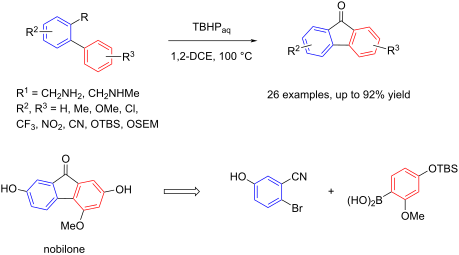
- secondary and tertiary amines, amides/lactams/carbamates, and nitrile. The test reactions were monitored by thin-layer chromatography (TLC) and, where deemed necessary, results were further verified by GC–MS. The reagents employed encompassed tritylium tetrafluoroborate [50], H2O2/HBr [42], ceric ammonium
- nitrate (CAN) [41], 2,2,6,6-tetramethylpiperidinyloxyl (TEMPO)/CuCl [51], K2S2O8 [36], dimethyl sulfoxide (DMSO)/O2 [52], PhI(OAc)2/benzoyl peroxide (BPO) [47], Dess-Martin periodinane, N-bromosuccinimide (NBS), N-hydroxyphthalimide (NHPI)/Co(OAc)2/O2 [53], H2O2/tetrabutylammonium iodide (TBAI) [43], CBr4

Graphical Abstract

Scheme 1: Selected fluorenone-type natural products.

Scheme 2: Overview of published cyclization methodologies for the synthesis of fluorenones starting from func...
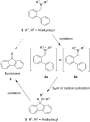
Scheme 3: Preliminary considerations for the oxidative cyclization of 2-(aminomethyl)biphenyls to fluorenones....

Scheme 4: Substrate scope and yields for oxidative cyclizations of N-methyl-2-(aminomethyl)biphenyls 9a–d bea...
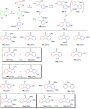
Scheme 5: Substrate scope for the oxidative cyclization of 2-(aminomethyl)biphenyls. Conditions: a) Boc2O, NEt...

Scheme 6: Substrate scope for the oxidative cyclization of 2-(aminomethyl)biphenyls with main focus on protec...

Scheme 7: Total synthesis of nobilone (1d). Conditions: a) TBS-Cl, imidazole, DMF, 50 °C, 18 h; b) n-BuLi, B(...

Scheme 8: Proposed mechanism for the oxidative cyclization of amines 2a and 2b to fluorenone (3).
Synthesis of phenanthridines via a novel photochemically-mediated cyclization and application to the synthesis of triphaeridine
- Songeziwe Ntsimango,
- Kennedy J. Ngwira,
- Moira L. Bode and
- Charles B. de Koning
Beilstein J. Org. Chem. 2021, 17, 2340–2347, doi:10.3762/bjoc.17.152
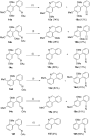
- Information File 1. Trisphaeridine (3) To a solution of 2,3-dimethoxy-[1,3]dioxolo[4,5-j]phenanthridine (23, 63 mg, 0.22 mmol) in acetonitrile (3 mL) was slowly added a solution of ceric ammonium nitrate (356 mg, 0.65 mmol) in water (1.5 mL) at 0 °C. The resulting solution was stirred at the same temperature

Graphical Abstract

Figure 1: Biologically active phenanthridines.

Figure 2: Synthetic routes to phenanthridines via iminyl radicals.

Scheme 1: Previous unexpected synthesis of the phenanthridine framework.

Scheme 2: Synthesis of biaryl benzaldehydes.

Scheme 3: Synthesis of biaryl oximes.
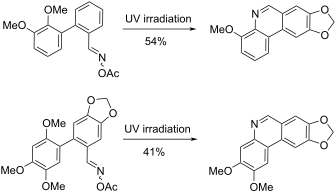
Scheme 4: Synthesis of phenanthridines. Reagents and conditions (i) UV irradiation (450 W medium pressure Hg ...

Figure 3: Two possible mechanistic routes and intermediates in the synthesis of phenanthridines.

Scheme 5: Synthesis of trisphaeridine. Reagents and conditions (i) cat. Pd(PPh3)4, aq Na2CO3, DME, reflux, Ar...
Double-headed nucleosides: Synthesis and applications
- Vineet Verma,
- Jyotirmoy Maity,
- Vipin K. Maikhuri,
- Ritika Sharma,
- Himal K. Ganguly and
- Ashok K. Prasad
Beilstein J. Org. Chem. 2021, 17, 1392–1439, doi:10.3762/bjoc.17.98
- -headed nucleosides 151a–d starting from LNA uridine diol 147 which in turn was synthesized from diacetone-α-ᴅ-allose following a procedure reported in the literature [76]. LNA uridine diol 147 was reacted with iodine and ceric ammonium nitrate (CAN) in acetic acid to afford the nucleoside 148. Nucleoside

Graphical Abstract

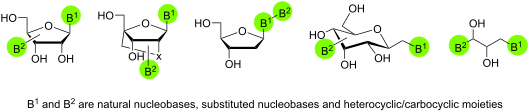
Figure 1: Double-headed nucleosides. B1 and B2 = nucleobases or heterocyclic/carbocyclic moieties; L = linker....

Scheme 1: Synthesis of 2′-(pyrimidin-1-yl)methyl- or 2′-(purin-9-yl)methyl-substituted double-headed nucleosi...

Scheme 2: Synthesis of double-headed nucleoside 7 having two cytosine moieties.

Scheme 3: Synthesis of double-headed nucleoside 2′-deoxy-2′-C-(2-(thymine-1-yl)ethyl)-uridine (11).

Scheme 4: Double-headed nucleosides 14 and 15 obtained by click reaction.

Scheme 5: Synthesis of the double-headed nucleoside 19.

Scheme 6: Synthesis of the double-headed nucleosides 24 and 25.

Scheme 7: Synthesis of double-headed nucleosides 28 and 29.

Scheme 8: Synthesis of double-headed nucleoside 33.

Scheme 9: Synthesis of double-headed nucleoside 37.

Scheme 10: Synthesis of the double-headed nucleoside 1-(5′-O-(4,4′-dimethoxytrityl)-2′-C-((4-(pyren-1-yl)-1,2,...

Scheme 11: Synthesis of triazole-containing double-headed ribonucleosides 46a–c and 50a–e.

Scheme 12: Synthesis of double-headed nucleosides 54a–g.

Scheme 13: Synthesis of double-headed nucleosides 59 and 60.

Scheme 14: Synthesis of the double-headed nucleosides 63 and 64.

Scheme 15: Synthesis of double-headed nucleosides 66a–c.

Scheme 16: Synthesis of benzoxazole-containing double-headed nucleosides 69 and 71 from 5′-amino-5′-deoxynucle...

Scheme 17: Synthesis of 4′-C-((N6-benzoyladenin-9-yl)methyl)thymidine (75) and 4′-C-((thymin-1-yl)methyl)thymi...

Scheme 18: Synthesis of double-headed nucleosides 5′-(adenine-9-yl)-5′-deoxythymidine (79) and 5′-(adenine-9-y...

Scheme 19: Synthesis of double-headed nucleosides 85–87 via reversed nucleosides methodology.

Scheme 20: Double-headed nucleosides 91 and 92 derived from ω-terminal-acetylenic sugar derivatives 90a,b.

Scheme 21: Synthesis of double-headed nucleosides 96a–g.

Scheme 22: Synthesis of double-headed nucleosides 100 and 103.

Scheme 23: Double-headed nucleosides 104 and 105 with a triazole motif.

Scheme 24: Synthesis of the double-headed nucleosides 107 and 108.

Scheme 25: Synthesis of double-headed nucleoside 110 with additional nucleobase in 5′-(S)-C-position joined th...

Scheme 26: Synthesis of double-headed nucleosides 111–113 with additional nucleobases in the 5′-(S)-C-position...

Scheme 27: Synthesis of double-headed nucleoside 114 by click reaction.

Scheme 28: Synthesis of double-headed nucleosides 118 with an additional nucleobase at the 5′-(S)-C-position.

Scheme 29: Synthesis of bicyclic double-headed nucleoside 122.

Scheme 30: Synthesis of double-headed nucleosides 125a–c derived from 2′-amino-LNA.

Scheme 31: Double-headed nucleoside 127 obtained by click reaction.

Scheme 32: Synthesis of double-headed nucleoside 130.

Scheme 33: Double-headed nucleosides 132a–d and 134a–d synthesized by Sonogashira cross coupling reaction.

Scheme 34: Synthesis of double-headed nucleosides 137 and 138 via Suzuki coupling.

Scheme 35: Synthesis of double-headed nucleosides 140 and 141 via Sonogashira cross coupling reaction.

Scheme 36: Synthesis of double-headed nucleoside 143.

Scheme 37: Synthesis of the double-headed nucleoside 146.

Scheme 38: Synthesis of 5-C-alkynyl-functionalized double-headed nucleosides 151a–d.

Scheme 39: Synthesis of 5-C-triazolyl-functionalized double-headed nucleosides 154a, b.

Scheme 40: Synthesis of double-headed nucleosides 157a–c.

Scheme 41: Synthesis of double-headed nucleoside 159, phosphoramidite 160 and the corresponding nucleotide mon...

Scheme 42: Synthesis of double-headed nucleoside 163, phosphoramidite 164 and the corresponding nucleotide mon...

Scheme 43: Synthesis of double-headed nucleoside 167, phosphoramidite 168, and the corresponding nucleotide mo...

Scheme 44: Synthesis of double-headed nucleoside 171, phosphoramidite 172, and the corresponding nucleotide mo...

Scheme 45: Synthesis of double-headed nucleoside 175, phosphoramidite 176, and the corresponding nucleotide mo...

Scheme 46: Synthesis of double-headed nucleoside 178.

Scheme 47: Synthesis of the double-headed nucleosides 181 and 183.

Scheme 48: Alternative synthesis of the double-headed nucleoside 183.

Scheme 49: Synthesis of double-headed nucleoside 188 through thermal [2 + 3] sydnone–alkyne cycloaddition reac...

Scheme 50: Synthesis of the double-headed nucleosides 190 and 191.

Scheme 51: Synthesis of 1-((5S)-2,3,4-tri-O-acetyl-5-(2,6-dichloropurin-9-yl)-β-ᴅ-xylopyranosyl)uracil (195).

Scheme 52: Synthesis of hexopyranosyl double-headed pyrimidine homonucleosides 200a–c.

Figure 2: 3′-C-Ethynyl-β-ᴅ-allopyranonucleoside derivatives 201a–f.

Scheme 53: Synthesis of 3′-C-(1,4-disubstituted-1,2,3-triazolyl)-double-headed pyranonucleosides 203–207.

Scheme 54: Synthesis of 3′-C-(1,4-disubstituted-1,2,3-triazolyl)-double-headed pyranonucleosides 208 and 209.

Scheme 55: Synthesis of 3′-C-(1,4-disubstituted-1,2,3-triazolyl)-double-headed pyranonucleoside 210.

Scheme 56: Synthesis of double-headed acyclic nucleosides (2S,3R)-1,4-bis(thymine-1-yl)butane-2,3-diol (213a) ...

Scheme 57: Synthesis of double-headed acyclic nucleosides (2R,3S)-1,4-bis(thymine-1-yl)butane-2,3-diol (213c) ...

Scheme 58: Synthesis of double-headed acetylated 1,3,4-oxadiazino[6,5-b]indolium-substituted C-nucleosides 218b...

Scheme 59: Synthesis of double-headed acyclic nucleoside 222.
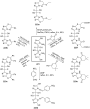
Scheme 60: Synthesis of functionalized 1,2-bis(1,2,4-triazol-3-yl)ethane-1,2-diols 223a–f.

Scheme 61: Synthesis of acyclic double-headed 1,2,4-triazino[5,6-b]indole C-nucleosides 226–231.
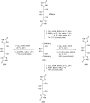
Scheme 62: Synthesis of double-headed 1,3,4-thiadiazoline, 1,3,4-oxadiazoline, and 1,2,4-triazoline acyclo C-n...

Scheme 63: Synthesis of double-headed acyclo C-nucleosides 240–242.

Scheme 64: Synthesis of double-headed acyclo C-nucleoside 246.

Scheme 65: Synthesis of acyclo double-headed nucleoside 250.

Scheme 66: Synthesis of acyclo double-headed nucleoside 253.

Scheme 67: Synthesis of acyclo double-headed nucleosides 259a–d.

Scheme 68: Synthesis of acyclo double-headed nucleoside 261.
Photocatalytic deaminative benzylation and alkylation of tetrahydroisoquinolines with N-alkylpyrydinium salts
- David Schönbauer,
- Carlo Sambiagio,
- Timothy Noël and
- Michael Schnürch
Beilstein J. Org. Chem. 2020, 16, 809–817, doi:10.3762/bjoc.16.74
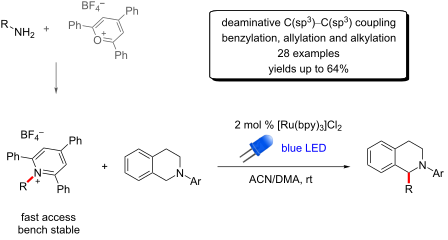
- these compounds are either free amines or N-alkylated [48][49]. Hence, we tested the oxidative cleavage of the PMP group of compound 24 (Scheme 4), with ceric ammonium nitrate (CAN) [50][51]. After column chromatography, 50% of the desired free amine were isolated, which made this method a viable route

Graphical Abstract

Scheme 1: Examples of photocatalytic C–C bond formation by nucleophilic trapping of a reactive THIQ intermedi...

Figure 1: Kinetic profile for the benzylation of 1 to 3.
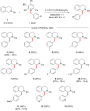
Scheme 2: Benzylation of N-phenyl-THIQ.

Scheme 3: Benzylation of substituted N-arylTHIQs.

Scheme 4: Removal of the PMP protecting group.

Scheme 5: Alkylation of N-phenyl-THIQ derivatives. Conditions: a2 mol % [Ir(dtbbpy)(ppy)2]PF6, DMA, 60 h; b2 ...

Scheme 6: Proposed mechanism.
Asymmetric synthesis of CF2-functionalized aziridines by combined strong Brønsted acid catalysis
- Xing-Fa Tan,
- Fa-Guang Zhang and
- Jun-An Ma
Beilstein J. Org. Chem. 2020, 16, 638–644, doi:10.3762/bjoc.16.60
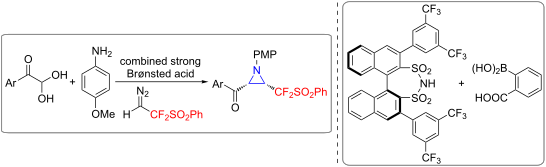
- chiral centers, pointing at a cis-aziridination process [46]. Scaled-up experiments with model substrate 1a also proved to be feasible, delivering the chiral CF2-aziridine 4a with comparable results (Scheme 3a). The 4-methoxyphenyl group of 4a was cleaved smoothly with ceric ammonium nitrate, giving the

Graphical Abstract

Scheme 1: Preparation of chiral aziridines from fluorinated diazo reagents.

Scheme 2: Substrate scope of chiral CF2-substituted aziridines from PhSO2CF2CHN2. General reaction conditions...

Scheme 3: Scale-up experiment to 4a and further synthetic transformations.
Synthesis of the polyketide section of seragamide A and related cyclodepsipeptides via Negishi cross coupling
- Jan Hendrik Lang and
- Thomas Lindel
Beilstein J. Org. Chem. 2019, 15, 577–583, doi:10.3762/bjoc.15.53
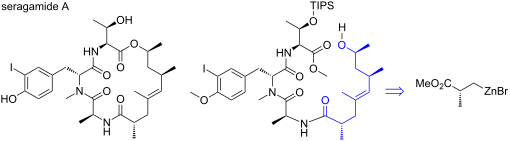
- separate the diastereomers of product 13 by column chromatography. The use of DMEAD (di-2-methoxyethyl azodicarboxylate) [38] was inferior (33%). The PMP protecting group was envisioned to be stable during the following steps and to be selectively cleavable with ceric ammonium nitrate (CAN). Reduction of

Graphical Abstract

Scheme 1: Actin-binding cyclodepsipeptides, photo amino acids, retrosynthetic cuts of polyketide 7 leading to...

Scheme 2: Synthesis of γ-hydroxy esters 11 and 12, followed by Mitsunobu inversion.
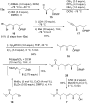
Scheme 3: Synthesis of the polyketide section 7.

Scheme 4: Access to methylated D-iodotyrosine derivatives 22, 23, and 25.

Scheme 5: Synthesis of the doubly protected open chain peptide-polyketide 31.
Synthesis of a leopolic acid-inspired tetramic acid with antimicrobial activity against multidrug-resistant bacteria
- Luce Mattio,
- Loana Musso,
- Leonardo Scaglioni,
- Andrea Pinto,
- Piera Anna Martino and
- Sabrina Dallavalle
Beilstein J. Org. Chem. 2018, 14, 2482–2487, doi:10.3762/bjoc.14.224
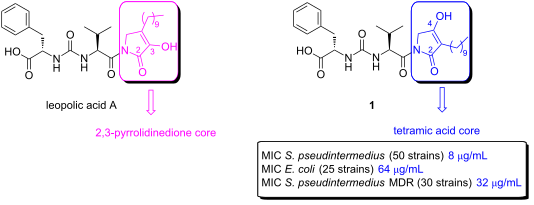
- ester nitrogen we chose the p-methoxybenzyl (PMB) group, easily removable by ceric ammonium nitrate (CAN). N-(4-Methoxybenzyl)glycine ethyl ester (5) was obtained in 87% yield by reacting 4-methoxybenzylamine (3) with bromoacetic acid ethyl ester (4) in THF (Scheme 1). The ester 5 was converted into
- and the formation of an enolate, which was subsequently reacted with 1-iododecane and deprotected with ceric ammonium nitrate to afford derivatives 8a and 8b, respectively. Unfortunately, at this stage all attempts to decarboxylate compounds 8a and 8b failed [22]. To overcome the problem of

Graphical Abstract

Figure 1: Structures of leopolic acid A and compound 1.

Scheme 1: Synthesis of 3-decyltetramic intermediate 13. Reagent and conditions: a) TEA, THF, 0 °C to rt, 2.5 ...

Scheme 2: Synthesis of dipeptide L-Phe-L-Val intermediate 20. Reagents and conditions: a) PTSA·H2O, benzyl al...

Scheme 3: Synthesis of compound 1. Reagents and conditions: a) n-BuLi, THF, −60 °C, 220 min, 60%; b) H2, Pd/C...
Mechanochemical synthesis of small organic molecules
- Tapas Kumar Achar,
- Anima Bose and
- Prasenjit Mal
Beilstein J. Org. Chem. 2017, 13, 1907–1931, doi:10.3762/bjoc.13.186
- Hantzsch pyrrole synthesis is well known for the construction of poly substituted pyrroles [121][122]. In 1998, Jung and co-workers reported polymer supported solid phase synthesis of N-substituted pyrroles [123]. In 2013, Menendez and co-workers reported a ceric ammonium nitrate (CAN) and silver-nitrate

Graphical Abstract

Scheme 1: Mechanochemical aldol condensation reactions [48].

Scheme 2: Enantioselective organocatalyzed aldol reactions under mechanomilling. a) Based on binam-(S)-prolin...

Scheme 3: Mechanochemical Michael reaction [51].

Scheme 4: Mechanochemical organocatalytic asymmetric Michael reaction [52].

Scheme 5: Mechanochemical Morita–Baylis–Hillman (MBH) reaction [53].

Scheme 6: Mechanochemical Wittig reactions [55].

Scheme 7: Mechanochemical Suzuki reaction [56].

Scheme 8: Mechanochemical Suzuki–Miyaura coupling by LAG [57].

Scheme 9: Mechanochemical Heck reaction [59].

Scheme 10: a) Sonogashira coupling under milling conditions. b) The representative example of a double Sonogas...

Scheme 11: Copper-catalyzed CDC reaction under mechanomilling [67].

Scheme 12: Asymmetric alkynylation of prochiral sp3 C–H bonds via CDC [68].

Scheme 13: Fe(III)-catalyzed CDC coupling of 3-benzylindoles [69].

Scheme 14: Mechanochemical synthesis of 3-vinylindoles and β,β-diindolylpropionates [70].

Scheme 15: Mechanochemical C–N bond construction using anilines and arylboronic acids [78].

Scheme 16: Mechanochemical amidation reaction from aromatic aldehydes and N-chloramine [79].

Scheme 17: Mechanochemical CDC between benzaldehydes and benzyl amines [81].

Scheme 18: Mechanochemical protection of -NH2 and -COOH group of amino acids [85].

Scheme 19: Mechanochemical Ritter reaction [87].

Scheme 20: Mechanochemical synthesis of dialkyl carbonates [90].

Scheme 21: Mechanochemical transesterification reaction using basic Al2O3 [91].

Scheme 22: Mechanochemical carbamate synthesis [92].

Scheme 23: Mechanochemical bromination reaction using NaBr and oxone [96].

Scheme 24: Mechanochemical aryl halogenation reactions using NaX and oxone [97].

Scheme 25: Mechanochemical halogenation reaction of electron-rich arenes [88,98].

Scheme 26: Mechanochemical aryl halogenation reaction using trihaloisocyanuric acids [100].

Scheme 27: Mechanochemical fluorination reaction by LAG method [102].

Scheme 28: Mechanochemical Ugi reaction [116].

Scheme 29: Mechanochemical Passerine reaction [116].

Scheme 30: Mechanochemical synthesis of α-aminonitriles [120].

Scheme 31: Mechanochemical Hantzsch pyrrole synthesis [121].

Scheme 32: Mechanochemical Biginelli reaction by subcomponent synthesis approach [133].

Scheme 33: Mechanochemical asymmetric multicomponent reaction[134].

Scheme 34: Mechanochemical Paal–Knorr pyrrole synthesis [142].

Scheme 35: Mechanochemical synthesis of benzothiazole using ZnO nano particles [146].

Scheme 36: Mechanochemical synthesis of 1,2-di-substituted benzimidazoles [149].

Scheme 37: Mechanochemical click reaction using an alumina-supported Cu-catalyst [152].

Scheme 38: Mechanochemical click reaction using copper vial [155].

Scheme 39: Mechanochemical indole synthesis [157].

Scheme 40: Mechanochemical synthesis of chromene [158].

Scheme 41: Mechanochemical synthesis of azacenes [169].

Scheme 42: Mechanochemical oxidative C-P bond formation [170].

Scheme 43: Mechanochemical C–chalcogen bond formation [171].

Scheme 44: Solvent-free synthesis of an organometallic complex.
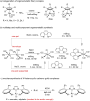
Scheme 45: Selective examples of mechano-synthesis of organometallic complexes. a) Halogenation reaction of Re...

Scheme 46: Mechanochemical activation of C–H bond of unsymmetrical azobenzene [178].

Scheme 47: Mechanochemical synthesis of organometallic pincer complex [179].

Scheme 48: Mechanochemical synthesis of tris(allyl)aluminum complex [180].

Scheme 49: Mechanochemical Ru-catalyzed olefin metathesis reaction [181].

Scheme 50: Rhodium(III)-catalyzed C–H bond functionalization under mechanochemical conditions [182].

Scheme 51: Mechanochemical Csp2–H bond amidation using Ir(III) catalyst [183].

Scheme 52: Mechanochemical Rh-catalyzed Csp2–X bond formation [184].

Scheme 53: Mechanochemical Pd-catalyzed C–H activation [185].

Scheme 54: Mechanochemical Csp2–H bond amidation using Rh catalyst.

Scheme 55: Mechanochemical synthesis of indoles using Rh catalyst [187].

Scheme 56: Mizoroki–Heck reaction of aminoacrylates with aryl halide in a ball-mill [58].

Scheme 57: IBX under mechanomilling conditions [8].

Scheme 58: Thiocarbamoylation of anilines; trapping of reactive aryl-N-thiocarbamoylbenzotriazole intermediate...
Synthesis of the C8’-epimeric thymine pyranosyl amino acid core of amipurimycin
- Pramod R. Markad,
- Navanath Kumbhar and
- Dilip D. Dhavale
Beilstein J. Org. Chem. 2016, 12, 1765–1771, doi:10.3762/bjoc.12.165
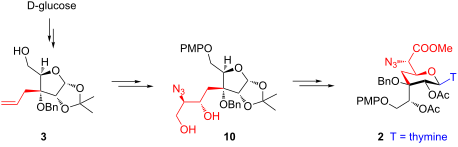
- reduction of the azide to an amine) affording a crude product which was directly reacted with CbzCl to afford compound 19 (Scheme 5). Compound 19 on reaction with ceric ammonium nitrate (deprotection of PMP ether) followed by acetyl protection of the resultant triol using Ac2O in pyridine gave triacetate

Graphical Abstract

Figure 1: Antifungal antibiotic amipurimycin (1).

Scheme 1: Retrosynthesis of 2.
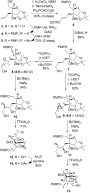
Scheme 2: Synthesis of 1,3-anhydrosugar 12 and 13.

Scheme 3: Formation of 2,7-dioxabicyclo[3.2.1]octane 12/13.

Figure 2: Conformational analysis of 13 and 14.

Figure 3: Geometrically optimized conformation of 12 and 13 respectively by DFT study.
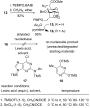
Scheme 4: Glycosylation of 16.

Scheme 5: Glycosylation attempt by changing protections.

Scheme 6: Synthesis of nucleoside 2.
Pyridinoacridine alkaloids of marine origin: NMR and MS spectral data, synthesis, biosynthesis and biological activity
- Louis P. Sandjo,
- Victor Kuete and
- Maique W. Biavatti
Beilstein J. Org. Chem. 2015, 11, 1667–1699, doi:10.3762/bjoc.11.183
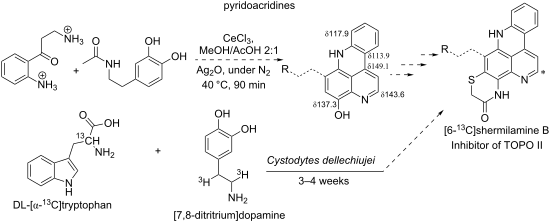
- the yield of 12 was greater in the second preparation. Nevertheless, the red color mentioned for neoamphimedine after route B seems unusual. The natural product is known as a yellow solid [61] suggesting that the neamphimedine in this case might be contaminated with ceric ammonium nitrate (CAN), which

Graphical Abstract

Figure 1: Fragments produced by the FAB–MS of dehydrokuanoniamine B (20) [42].

Figure 2: Fragments produced by the EIMS of sagitol (26) [55].

Figure 3: Fragments produced by the EIMS of styelsamine B (4) [45].

Figure 4: Fragments produced by the EIMS of styelsamine D (6) [45].
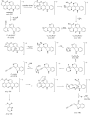
Figure 5: Fragments produced by the EIMS of subarine (37) [40].

Scheme 1: Synthesis of styelsamine B (4) and cystodytin J (1) [58].

Scheme 2: Synthesis of sebastianine A (38) and its regioisomer 39 [59].

Scheme 3: Synthesis route A of neoamphimedine (12) [61].
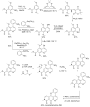
Scheme 4: Synthesis route B of neoamphimedine (12) [62].
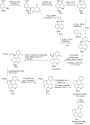
Scheme 5: Synthesis of arnoamines A (40) and B (41) [63].

Scheme 6: Synthesis of ascididemin (42) [65].
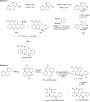
Scheme 7: Synthesis of subarine (37) [66,67].

Scheme 8: Synthesis of demethyldeoxyamphimedine (9) [68].

Scheme 9: Synthesis of pyridoacridine analogues related to ascididemin (42) [70].
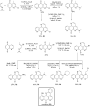
Scheme 10: Synthesis of analogues of meridine (56) [71].

Scheme 11: Synthesis of bulky pyridoacridine as eilatin (58) [72].

Scheme 12: Synthesis of AK37 (59), analogue of kuanoniamine A (60) [73].

Figure 6: Biosynthesis pathway I [74].

Figure 7: Reaction illustrating catechol and kynuramine as possible biosynthetic precursors [75].

Figure 8: Biosynthesis pathway B deduced from the feeding experiment A using labelled precursors [76].

Figure 9: Proposed biosynthesis pathway [47].

Figure 10: 4H-Pyrido[2,3,4-kl]acridin-4-one as a cytotoxic pharmacophore.

Figure 11: 7H-Pyrido[2,3,4-kl]acridine as a cytotoxic pharmacophore.

Figure 12: 9H-Quinolino[4,3,2-de][1,10]phenanthrolin-9-one as a cytotoxic pharmacophore.

Figure 13: 8H-Benzo[b]pyrido[4,3,2-de][1,7]phenanthrolin-8-one as a cytotoxic pharmacophore.

Figure 14: Pyrido[4,3,2-mn]pyrrolo[3,2,1-de]acridine as a cytotoxic pharmacophore.

Figure 15: 9H-Pyrido[4,3,2-mn]thiazolo[4,5-b]acridin-9-one and 8H-pyrido[4,3,2-mn]thiazolo[4,5-b]acridine: cyt...
Figure 16: 9H-quinolino[4,3,2-de][1,10]phenanthrolin-9-one as an anti-mycobacterial pharmacophore.

Figure 17: 9H-Quinolino[4,3,2-de][1,10]phenanthrolin-9-one as an antibacterial pharmacophore.

Figure 18: Saturated and less saturated pyridine moieties as aspartyl inhibitor cores.

Figure 19: Iminobenzoquinone and acridone cores as intercalating and TOPO inhibitor motifs found in pyridoacri...
Photovoltaic-driven organic electrosynthesis and efforts toward more sustainable oxidation reactions
- Bichlien H. Nguyen,
- Robert J. Perkins,
- Jake A. Smith and
- Kevin D. Moeller
Beilstein J. Org. Chem. 2015, 11, 280–287, doi:10.3762/bjoc.11.32
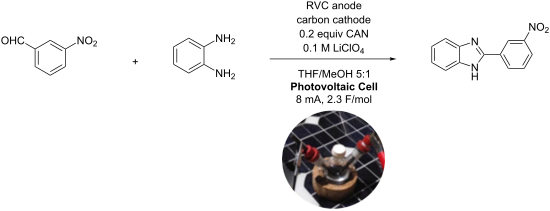
- from the light-driven process is comparable to the literature value for the oxidation. The final oxidation in Scheme 4c illustrates the use of the light-driven electrolysis reaction for recycling ceric ammonium nitrate (CAN) for a p-methoxybenzyl deprotection of an alcohol proceeding through oxidation

Graphical Abstract

Scheme 1: Electrochemical recycling of a chemical oxidant.

Figure 1: a) Electrolysis setup with a “suitcase” photovoltaic device. b) Electrolysis with a very simple, co...

Scheme 2: Examples of solar-driven direct electrochemical oxidations.

Scheme 3: Overoxidation of dithioketal.

Scheme 4: Examples of solar-driven, indirect electrochemical oxidations.

Scheme 5: Solar-driven synthesis of C-glycosides.

Scheme 6: Solar-driven oxidative condensation.

Scheme 7: Solar-driven oxidative cyclization with a second nucleophile.
Efficient carbon-Ferrier rearrangement on glycals mediated by ceric ammonium nitrate: Application to the synthesis of 2-deoxy-2-amino-C-glycoside
- Alafia A. Ansari,
- Y. Suman Reddy and
- Yashwant D. Vankar
Beilstein J. Org. Chem. 2014, 10, 300–306, doi:10.3762/bjoc.10.27
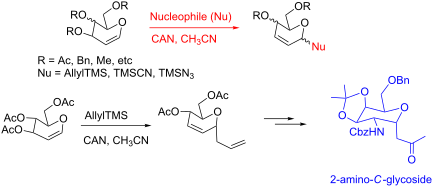
- Alafia A. Ansari Y. Suman Reddy Yashwant D. Vankar Department of Chemistry, Indian Institute of Technology Kanpur 208 016, India 10.3762/bjoc.10.27 Abstract A carbon-Ferrier rearrangement on glycals has been performed by using ceric ammonium nitrate to obtain products in moderate to good yields
- -glycosides; carbon-Ferrier rearrangement; ceric ammonium nitrate; 2-deoxy-2-aminoglycosides; Overman rearrangement; Introduction The growing significance of C-glycosides can be attributed to their potential use as inhibitors of carbohydrate-processing enzymes [1][2][3], their extraordinary stability
- reaction. In view of our continued interest in the development of novel methods for the synthesis of O- and C-glycosides [31][32][33][34][35][36], we here report on the carbon-Ferrier rearrangement of glycals by using ceric ammonium nitrate. Ceric ammonium nitrate (CAN) is a versatile and efficient reagent

Graphical Abstract

Scheme 1: Proposed mechanism.

Scheme 2: Synthesis of 2-deoxy-2-amino-C-glycoside 12 from Ferrier product 2a.

Figure 1: nOe and decoupling experiments of compound 12.
Amyloid-β probes: Review of structure–activity and brain-kinetics relationships
- Todd J. Eckroat,
- Abdelrahman S. Mayhoub and
- Sylvie Garneau-Tsodikova
Beilstein J. Org. Chem. 2013, 9, 1012–1044, doi:10.3762/bjoc.9.116
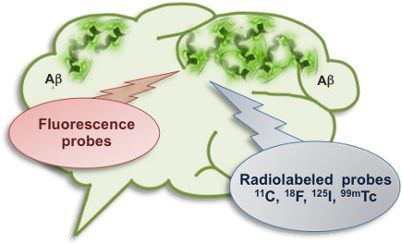
- kinetics [47]. Representative syntheses of radioiodinated oxadiazoles 50a and 51c are shown (Scheme 5B and C). The 1,3,4-oxadiazole core of [125I]50a was obtained from the reaction between 4-iodobenzhydrazide (52) and 4-dimethylaminobenzaldehyde (23) in the presence of ceric ammonium nitrate (CAN) followed

Graphical Abstract
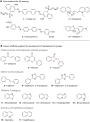
Figure 1: Structures of A. dyes originally used to stain Aβ and B. newer scaffolds explored for the developme...
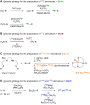
Scheme 1: General synthetic strategies (Gs) used to introduce A. 18F, B. 11C, C. 99mTc/Re, and D. 123I and 125...

Scheme 2: A. Structures of radiolabeled chalcone analogues discussed. B.–D. Synthetic schemes for the prepara...
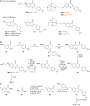
Scheme 3: A. Structures of the radiolabeled flavone and aurone analogues discussed. B. Synthetic scheme for t...

Scheme 4: A. Structures of the radiolabeled stilbene analogues discussed. B. Synthetic scheme for the prepara...

Scheme 5: A. Structures of the diphenyl-1,3,4- and diphenyl-1,2,4-oxadiazoles discussed. B.,C. Synthetic sche...

Figure 2: Structures of the radiolabeled benzothiazole analogues discussed.
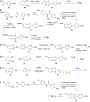
Scheme 6: A.–F. Synthetic schemes for the preparation of [11C]56b, [11C]56c, 57, 58a,b, 61, and [18F]65a–d.
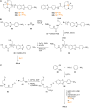
Scheme 7: A. Structures of the [Re]- and [99mTc]-labeled benzothiazole analogues discussed. B.,C. Synthetic s...

Figure 3: Structures of the radiolabeled benzoxazole analogues discussed.
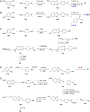
Scheme 8: A.–E. Synthetic schemes for the preparation of 94, [123I]95e, 96–98.

Figure 4: Structures of the radiolabeled benzofuran analogues discussed.
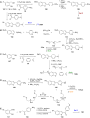
Scheme 9: A.–E. Synthetic schemes for the preparation of 121, [125I]122a, 123a,b, 125a,b, and 126.

Scheme 10: A. Structures of the radiolabeled imidazopyridine analogues discussed. B. Synthetic scheme for the ...

Scheme 11: Synthetic scheme for the preparation of the benzimidazole 146.

Figure 5: Structures of the quinolines discussed.

Scheme 12: Synthetic scheme for the preparation of the naphthalene analogues 152 and 160a,b.

Scheme 13: A. Structures of the radiolabeled analogues resulting from the combination of various scaffolds. B.,...
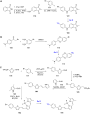
Scheme 14: A.–C. Synthetic schemes for the preparation of radiolabeled probes with unique scaffolds.

Scheme 15: A. Structures of the oxazine-derived fluorescence probes discussed. B. Synthetic scheme for the pre...

Figure 6: Structure of THK-265 (190).

Scheme 16: Synthetic scheme for the preparation of quinoxaline analogue 191.
Synthesis of phenanthridines via palladium-catalyzed picolinamide-directed sequential C–H functionalization
- Ryan Pearson,
- Shuyu Zhang,
- Gang He,
- Nicola Edwards and
- Gong Chen
Beilstein J. Org. Chem. 2013, 9, 891–899, doi:10.3762/bjoc.9.102
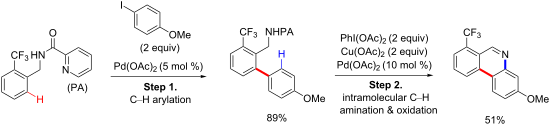
- cyclization and oxidation steps can be performed in one step to give the phenanthridines in a shorter procedure. A variety of oxidants, such as 1,4-benzoquinone (BQ), KMnO4, ceric ammonium nitrate (CAN), and copper salts were examined [46]. The combination of PhI(OAc)2 (2 equiv) and Cu(OAc)2 (2 equiv

Graphical Abstract

Scheme 1: Representative phenanthridine compounds and our synthetic strategy based on Pd-catalyzed sequential...
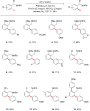
Figure 1: Substrate scope of the Pd-catalyzed PA-directed C–H arylation reaction. All reactions were carried ...

Figure 2: Substrate scope of this phenanthridine synthesis. All reactions were carried out in a 10 mL glass v...
Multicomponent reaction access to complex quinolines via oxidation of the Povarov adducts
- Esther Vicente-García,
- Rosario Ramón,
- Sara Preciado and
- Rodolfo Lavilla
Beilstein J. Org. Chem. 2011, 7, 980–987, doi:10.3762/bjoc.7.110
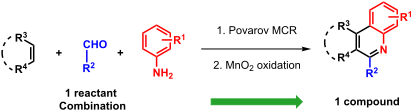
- aromatic species. The literature contains scattered reports of the use of oxidants for this transformation: 2,3-Dichloro-5,6-dicyano-1,4-benzoquinone (DDQ), ceric ammonium nitrate (CAN), nitrobenzene, elemental sulfur, palladium and manganese dioxide among others, all of them far from being ideally suited

Graphical Abstract

Scheme 1: Povarov oxidation access to substituted quinolines.

Scheme 2: Tetrahydroquinoline oxidation.

Scheme 3: Synthesis of the Povarov adducts and their oxidation products.

Figure 1: Optimization of the reaction conditions for the preparation of quinoline 18.

Scheme 4: Oxidation of lactam-fused tetrahydroquinolines 20,20'.
Single enantiomer synthesis of α-(trifluoromethyl)-β-lactam
- Václav Jurčík,
- Alexandra M. Z. Slawin and
- David O'Hagan
Beilstein J. Org. Chem. 2011, 7, 759–766, doi:10.3762/bjoc.7.86
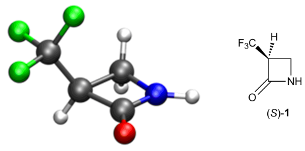
- is reported which took advantage of an aza-Michael addition between (S)-α-(p-methoxyphenyl)ethylamine (3b) and α-(trifluoromethyl)acrylic acid (2). Cyclisation and then chromatographic resolution of the β-lactam diastereoisomers 5b, followed by deprotection with ceric ammonium nitrate generated the β
- ), ceric ammonium nitrate (1.94 g, 3.54 mmol, 3 equiv) was added portionwise. The reaction mixture was stirred at RT for 16 h and then quenched with sat. sodium bicarbonate (5 mL). After 10 min of stirring (when gas evolution ceased), the mixture was extracted into Et2O (3 × 10 mL), the combined organic
- explored for the hydrogenolysis of 5a, however cleavage of the C–N bond proved very difficult and a satisfactory method could not be found. Therefore, (S)-α-(p-methoxyphenyl)ethylamine (3b) was explored as an alternative amine for the aza-Michael reaction, as removal of this amine using ceric ammonium

Graphical Abstract

Figure 1: Enantiomers of α-(trifluoromethyl)-β-lactam (1).

Scheme 1: Synthetic route involving a diastereoisomeric separation to α-(trifluoromethyl)-β-lactam ((S)-1) fr...

Figure 2: X-ray structures of (a) β-lactam (S)-1 and (b) (αR,3R)-5c. (a) Determination of the absolute stereo...

Scheme 2: Synthesis of stereoisomers 5c. The stereochemistry of the major isomer (αR,3R)-5c was solved by X-r...
Synthesis, reactivity and biological activity of 5-alkoxymethyluracil analogues
- Lucie Brulikova and
- Jan Hlavac
Beilstein J. Org. Chem. 2011, 7, 678–698, doi:10.3762/bjoc.7.80
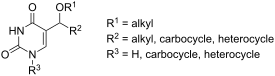
- -(2-chlorovinyl)-2'-deoxyuridine (89) and 5-(1-methoxy-2-chloroethyl)-2'-deoxyuridine (13). 5-Vinyl-2'-deoxyuridine (9) can also undergo reaction with ceric ammonium nitrate (CAN) and sodium azide in aqueous acetonitrile to give 5-(1-hydroxy-2-azidoethyl)-2'-deoxyuridine (92) in 32% yield. When dry

Graphical Abstract

Figure 1: Investigated derivatives.

Figure 2: Modifications of uracil ring.

Figure 3: 5-(3,3,3-Trifluoro-1-methoxypropyl)-2'-deoxyuridine (1).

Scheme 1: Synthesis of 5-(3,3,3-trifluoro-1-methoxypropyl)-2'-deoxyuridine (1) and 5-(3,3,3-trifluoro-1-(2-pr...

Scheme 2: Synthesis of 5-(3,3,3-trifluoro-1-methoxyprop-1-yl)-5,6-dihydro-2'-deoxyuridine (8).

Scheme 3: Synthesis of 5-(methoxy-2-haloethyl)-2'-deoxyuridines 12 and 13.

Scheme 4: Synthesis of 5-(1-methoxy-2-iodoethyl) nucleosides 28–30.

Figure 4: [125I] radiolabelled 5-(1-methoxy-2-iodoethyl)-2'-deoxyuridine 31.

Scheme 5: Synthesis of 5-(1-alkoxy-2-iodoethyl) 34–36 and 5-(1-ethoxy-2,2-diiodoethyl)-2'-deoxyuridine (33).

Scheme 6: Synthesis of 5-(1-methoxy-2-iodoethyl)-3',5'-di-O-acetyl-2'-deoxyuridine (38) and 5-(1-ethoxy-2-iod...

Figure 5: 5-(1-Hydroxy(or ethoxy)-2-haloethyl)-3',5'-di-O-acetyl-2'-deoxyuridines 43–46.

Scheme 7: 5-(1-Methoxy-2,2-dihaloethyl)-2'-deoxyuridines 47–49.

Scheme 8: Synthesis of 5-[1-(2-haloethyl(or nitro)ethoxy)-2-iodoethyl]-2'-deoxyuridines 50–54.

Scheme 9: Synthesis of alkoxyuracil analogues 56–61.

Figure 6: 5-(Methoxy-2-haloethyl)uracils 62–64.

Scheme 10: Synthesis of perfluoro derivatives 70–74.

Scheme 11: Synthesis of 1-β-D-arabinofuranosyl-5-(1-methoxy-2-iodoethyl)uracil (79).

Scheme 12: Synthesis of 1-β-D-arabinofuranosyl-5-(2,2-dibromo-1-methoxyethyl)uracil 82 and uridine analogue 83....

Scheme 13: Synthesis of methoxy derivative 87.

Scheme 14: Synthesis of 5-(1-methoxy-2-azidoethyl)-2'-deoxyuridine (93).

Scheme 15: Synthesis of methoxyalkyl derivatives 96 and 97.

Scheme 16: Synthesis of 5-(1-methoxyethyl)-2'-deoxyuridine (100).

Scheme 17: Synthesis of 2'-deoxy-5-(1-methoxyethyl)-4'-thiouridine (104).

Figure 7: 5-(1-Butoxyethyl)uracil 105 and 5-(1-butoxyethyl)-2'-deoxyuridine (106).

Scheme 18: Synthesis of β- and α-anomer of 5-(1-ethoxy-2-methylprop-1-yl)-2'-deoxyuridine.

Scheme 19: Synthesis of 5-(1-acyloxyethyl)-1-(tetrahydrofuran-2-yl)uracils 117 and 118.

Scheme 20: Synthesis of 5-(1,2-diacetoxyethyl)-3',5'-di-O-acetyl-2'-deoxyuridine 120.

Scheme 21: Synthesis of 5-[alkoxy-(4-nitrophenyl)methyl]uracils 124.

Scheme 22: Synthesis of 5-[alkoxy-(4-nitrophenyl)methyl]uridines 126 and 127.

Scheme 23: Synthesis of phosphoramidite 134. Reaction conditions 1: (a) TBDMSCl, imidazole, pyridine, 33 h, 99...

Scheme 24: Synthesis of phosphoramidite 145. (a) B(OCH3)3, CH(OCH3)3, Na2CO3, MeOH, 150 °C; (b) I2, (0.6 equiv...

Figure 8: Oligonucleotide 146.

Scheme 25: Synthesis of phosphoramidite 150.

Figure 9: 2'-Deoxyuridine derivatives 151–154.

Scheme 26: Synthesis of 2'-deoxyuridine derivatives 151–152.

Scheme 27: Synthesis of 5-[3-(2'-deoxyuridin-5-yl)-1-methoxyprop-1-yl]-2'-deoxyuridine (163).

Scheme 28: Synthesis of “metallocenonucleosides” 164 and 167.

Scheme 29: Synthesis of 5-(2,4:3,5-di-O-benzylidene-D-pentahydroxypentyl)-2,4-di-tert-butoxy-pyrimidine 172 an...

Figure 10: α- and β-pseudouridine (174 and 175).

Figure 11: 5'-Modified pseudouridine 176 and secopseudouridines 177, 178.

Figure 12: Methoxy derivatives 12, 13 and 28.

Figure 13: 5-(1-Methoxy-2,2-dihaloethyl)-2'-deoxyuridines 47–49.

Figure 14: 5-(1-Methoxyethyl)-2'-deoxyuridine 100.

Figure 15: 2'-Deoxy-5-(1-methoxyethyl)-4'-thiouridine (104).

Figure 16: 5-(1-Methoxy-2-azidoethyl)-2'-deoxyuridine (93).

Figure 17: 5-[1-(2-Halo(or nitro)ethoxy-2-iodoethyl)]-2'-deoxyuridines 50–54.

Figure 18: 5-[Alkoxy-(4-nitrophenyl)-methyl] uracil analogues 124, 126 and 127.

Figure 19: Methoxyiodoethyl pyrimidine nucleoside 79.

Figure 20: 5-[alkoxy-(4-nitro-phenyl)-methyl]uridines 126 and 127.
A review of new developments in the Friedel–Crafts alkylation – From green chemistry to asymmetric catalysis
- Magnus Rueping and
- Boris J. Nachtsheim
Beilstein J. Org. Chem. 2010, 6, No. 6, doi:10.3762/bjoc.6.6
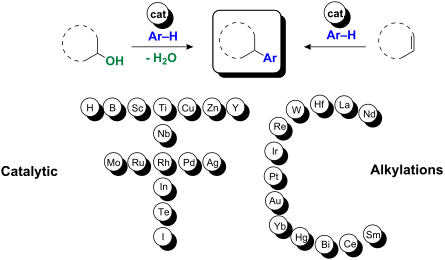
- reduction [121]. The same authors reported shortly after their initial finding a highly efficient substitution of ferrocenyl alcohols in water, without the need of any Lewis-acid catalyst [50]. A comparable, non-chiral version of this C–C bond forming reaction using ceric ammonium nitrate has recently been

Graphical Abstract

Scheme 1: AlCl3-mediated reaction between amyl chloride and benzene as developed by Friedel and Crafts.

Figure 1: Most often used metal salts for catalytic FC alkylations and hydroarylations of arenes.

Figure 2: 1,1-diarylalkanes with biological activity.

Scheme 2: Alkylating reagents and side products produced.

Scheme 3: Initially reported TeCl4-mediated FC alkylation of 1-penylethanol with toluene.

Scheme 4: Sc(OTf)3-catalyzed FC benzylation of arenes.

Scheme 5: Reductive FC alkylation of arenes with arenecarbaldehydes.

Scheme 6: Iron(III)-catalyzed FC benzylation of arenes and heteroarenes.

Scheme 7: A gold(III)-catalyzed route to beclobrate.

Scheme 8: Catalytic FC-type alkylations of 1,3-dicarbonyl compounds.

Scheme 9: Iron(III)-catalyzed synthesis of phenprocoumon.

Scheme 10: Bi(OTf)3-catalyzed FC alkylation of benzyl alcohols developed by Rueping et al.

Scheme 11: (A) Bi(OTf)3-catalyzed intramolecular FC alkylation as an efficient route to substituted fulvenes. ...

Scheme 12: FC-type glycosylation of 1,2-dimethylindole and trimethoxybenzene.

Scheme 13: FC alkylation with highly reactive ferrocenyl- and benzyl alcohols. The reaction proceeds even with...

Scheme 14: Reductive FC alkylation of arenes with benzaldehyde and acetophenone catalyzed by the Ir-carbene co...

Scheme 15: Formal synthesis of 1,1-diarylalkanes from benzyl alcohols and styrenes.

Scheme 16: (A) Mo-catalyzed hydroarylation of styrenes and cyclohexenes. (B) Hydroalkylation–cyclization casca...

Scheme 17: Bi(III)-catalyzed hydroarylation of styrenes with arenes and heteroarenes.

Scheme 18: BiCl3-catalyzed ene/FC alkylation reaction cascade – A fast access to highly arylated dihydroindene...

Scheme 19: Au(I)/Ag(I)-catalyzed hydroarylation of indoles with styrenes, aliphatic and cyclic alkenes.

Scheme 20: First transition-metal-catalyzed ortho-hydroarylation developed by Beller et al.

Scheme 21: (A) Ti(IV)-mediated rearrangement of an N-benzylated aniline to the corresponding ortho-alkylated a...

Scheme 22: Dibenzylation of aniline gives potentially useful amine-based ligands in a one-step procedure.

Scheme 23: FC-type alkylations with allyl alcohols as alkylating reagents – linear vs. branched product format...

Scheme 24: (A) First catalytic FC allylation and cinnamylation using allyl alcohols and its derivatives. (B) E...

Scheme 25: FC allylation/cyclization reaction yielding substituted chromanes.

Scheme 26: Synthesis of (all-rac)-α-tocopherol utilizing Lewis- and strong Brønsted-acids.

Scheme 27: Au(III)-catalyzed cinnamylation of arenes.

Scheme 28: “Exhaustive” allylation of benzene-1,3,5-triol.

Scheme 29: Palladium-catalyzed allylation of indole.

Scheme 30: Pd-catalyzed synthesis of pyrroloindoles from L-tryptophane.

Scheme 31: Ru(IV)-catalyzed allylation of indole and pyrroles with unique regioselectivity.

Scheme 32: Silver(I)-catalyzed intramolecular FC-type allylation of arenes and heteroarenes.

Scheme 33: FC-type alkylations of arenes using propargyl alcohols.

Scheme 34: (A) Propargylation of arenes with stoichiometric amounts of the Ru-allenylidene complex 86. (B) Fir...

Scheme 35: Diruthenium-catalyzed formation of chromenes and 1H-naphtho[2,1-b]pyrans.

Scheme 36: Rhenium(V)-catalyzed FC propargylations as a first step in the total synthesis of podophyllotoxin, ...

Scheme 37: Scandium-catalyzed arylation of 3-sulfanyl- and 3-selanylpropargyl alcohols.

Scheme 38: Synthesis of 1,3-diarylpropynes via direct coupling of propargyl trichloracetimidates and arenes.

Scheme 39: Diastereoselective substitutions of benzyl alcohols.

Scheme 40: (A) First diastereoselective FC alkylations developed by Bach et al. (B) anti-Selective FC alkylati...

Scheme 41: Diastereoselective AuCl3-catalyzed FC alkylation.

Scheme 42: Bi(OTf)3-catalyzed alkylation of α-chiral benzyl acetates with silyl enol ethers.

Scheme 43: Bi(OTf)3-catalyzed diastereoselective substitution of propargyl acetates.

Scheme 44: Nucelophilic substitution of enantioenriched ferrocenyl alcohols.

Scheme 45: First catalytic enantioselective propargylation of arenes.
Photosonochemical catalytic ring opening of α-epoxyketones
- Hamid R. Memarian and
- Ali Saffar-Teluri
Beilstein J. Org. Chem. 2007, 3, No. 2, doi:10.1186/1860-5397-3-2
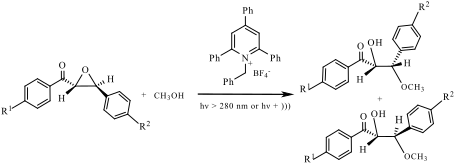
- and α-epoxyketones have also occurred thermally or photochemically by the presence of various electron acceptors. These reactions have been observed thermally by ceric ammonium nitrate (CAN), [28][29] 2,3-dichloro-5,6-dicyano-p-benzoquinone (DDQ) [30] and iron(III) chloride [31] or photo-induced

Graphical Abstract

Scheme 1: Ultrasound-assisted photocatalytic ring opening of α-epoxyketones.
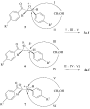
Scheme 2: Possible intermediates involved in the ring opening of α-epoxyketones.

Scheme 3: Possible formation of a complex involved in reaction in acetone.

Scheme 4: Interaction of oxygen lone pair of carbonyl group with carbocation center.

Figure 1: The semi-empirical PM3 calculations for interaction of 1a with NBTPT.