

Search results
Search for "central chirality" in Full Text gives 11 result(s) in Beilstein Journal of Organic Chemistry.
Recent advances in the stereoselective synthesis of distal biaxially chiral molecules
- Fanxing Zhou,
- Chen Zhang,
- Lingyu Sun,
- Yiyun Fang,
- Siming Zheng,
- Lina Hu,
- Mengyang Shen,
- Zhen Zhao,
- Wei Xu,
- Yunqiang Sun and
- Zi-Qiang Rong
Beilstein J. Org. Chem. 2026, 22, 461–479, doi:10.3762/bjoc.22.34
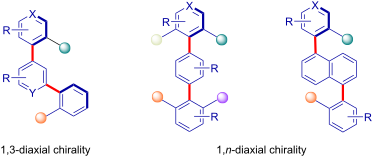
- one chiral axis followed by the second, and transformation from central chirality to axial chirality. We anticipate that this review will facilitate the development of novel synthetic strategies for remote biaxial chiral molecules, improve asymmetric synthesis efficiency, and expand their applications
- to axial chirality for constructing distal biaxial systems Building on the advances in the direct one-step construction of distal biaxial chiral molecules and sequential formation of each chiral axis, another powerful strategy emerged that exploits central chirality as a stereochemical template to
- aromatics 96 and chloronitroalkenes 97 as starting materials, they synthesized the key enantioenriched central chiral dihydrobenzofuran precursor through an organocatalyzed domino reaction. This unique bidirectional catalyst-controlled strategy successfully achieved the transformation from central chirality

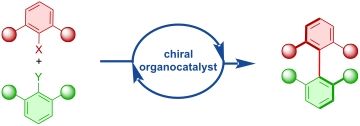
Graphical Abstract

Figure 1: Natural products with various stereogenic axes.

Scheme 1: Iridium complex-catalyzed asymmetrical synthesis of axially chiral (a) teraryl compounds 3 [40] and (b)...

Scheme 2: Rhodium-catalyzed enantio- and diastereoselective cycloaddition of 1,2-bis(arylpropiolyl)benzenes w...

Scheme 3: Synthesis of remote double axially chiral phosphoric acids.

Scheme 4: Construction of chiral biaxial diphosphine ligand.

Scheme 5: Atroposelective synthesis of biaxially chiral 1,4-distyryl-2,3-naphthalene diols.

Scheme 6: H-Bond-enabled enantioselective synthesis of remote biaxially chiral amides mediated by the counter...

Scheme 7: Enantioselective synthesis of biaryl products with twofold chiral axes.

Scheme 8: Iridium-catalyzed C–H alkylation to obtain the distal biaxial atropisomers.

Scheme 9: Co/SPDO-catalyzed biaxial bridged terphenyl compounds.

Scheme 10: Atroposelective Co-catalyzed synthesis of pyridoindolones with two distinct C–N axes.

Scheme 11: NHC organocatalytic synthesis of fused 1,4-biaxial uracils with C–C and C–N chiral axes.

Scheme 12: Synthesis of the first biaxially chiral compound reported by Ito and co-workers [35].

Scheme 13: Synthesis of chiral homoaryl compounds by Suzuki–Miyaura coupling.

Scheme 14: Structurally complex APIs with multiple chiral axes.

Scheme 15: Synthesis of helicenes containing stereogenic axes.

Scheme 16: Chiral NHC–Pd complex-catalyzed Suzuki–Miyaura cross-coupling reaction for the synthesis of block-t...

Scheme 17: Highly enantioselective C–H arylation of heteroarenes.

Scheme 18: Synthesis of novel axially chiral N-arylcarbazole skeletons by the assembly of azidonaphthalenes an...

Scheme 19: Catalytic enantioselective synthesis of axially chiral polycyclic aromatic hydrocarbons.

Scheme 20: Catalytic synthesis of biaxial triphenylene block-transfer isomers.

Scheme 21: A Pd(II)-catalyzed trans-selective C–H alkenylation strategy through thioether-directed olefination....

Scheme 22: Synthesis of N-arylphthalimides from prochiral maleimides and NHC-activated dienolides.

Scheme 23: Ni-catalyzed synthesis of triaxially chiral polysubstituted naphthalene scaffolds.

Scheme 24: Enantioselective Ni-catalyzed Suzuki–Miyaura cross-coupling reaction.

Scheme 25: The stereoselective synthesis of axial chiral indole–quinoline systems.

Scheme 26: The synthesis of bisbenzofuran atropisomeric oligoarenes containing two distal C–C stereogenic axes....
Synthesis and stereochemical analysis of dynamic planar chiral oxa[7]orthocyclophene
- Yukiho Hashimoto,
- Yuuya Kawasaki,
- Kazunobu Igawa and
- Katsuhiko Tomooka
Beilstein J. Org. Chem. 2026, 22, 436–442, doi:10.3762/bjoc.22.30
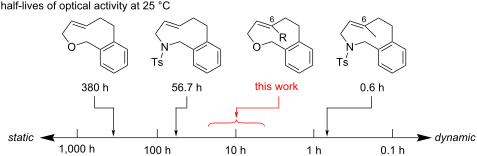
- successfully transformed into central chirality by epoxidation without loss of enantiomeric purity. Keywords: dynamic chirality; medium-sized heterocycle; orthocyclophene; planar chirality; stereochemical analysis; Introduction In the course of our study on planar chiral medium-sized cyclic molecules [1][2
- shape for the CD spectra of the first eluates, thus we determined that the absolute stereochemistry of the first and second eluates corresponds to the (R)- and (S)-isomers, respectively. Transformation of planar chirality of 1ab to central chirality The planar chirality of the methyl-substituted
- oxacyclophene can be transformed into central chirality without loss of enantiomeric purity. For example, (S)-1ab obtained by chiral HPLC separation using an OJ-H column was treated with m-CPBA, in which (S)-1ab was smoothly consumed at 0 °C within 30 minutus to afford epoxide 8 in 61% yield (Scheme 4). HPLC

Graphical Abstract

Figure 1: Stereochemical stability of hetera[7]orthocyclophenes. aHalf-lives of optical activity at 25 °C in ...

Figure 2: Synthetic plan of 1ab and 1ac from 1ad.

Scheme 1: Retrosynthesis of oxacyclophene 1ad.

Scheme 2: Synthesis of C6-iodo-substituted oxacyclophene 1ad.
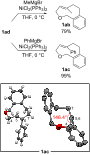
Scheme 3: Synthesis of derivatives 1ab and 1ac, and ORTEP drawing of 1ac (ellipsoid set at 50% probability le...

Figure 3: Chromatograms of HPLC analysis of compounds 1ab and 1ad using an OJ-H column at 25 °C (OJ-H column,...

Figure 4: Chromatograms of HPLC analysis of 1ac (IE column, 4.6 mm × 250 mm, eluent: hexane/iPrOH 95:5, flow ...

Figure 5: Plausible phenyl-substituent effect on the stereochemical stability of 1ac.
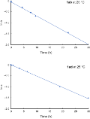
Figure 6: Kinetic measurements for the racemization of 1ab and 1ad.

Figure 7: HPLC analysis of 1ab and 1ad using a CD detector at 5 °C (OJ-H column, 4.6 mm × 250 mm, eluent: hex...

Scheme 4: Epoxidation of (S)-1ab.
Non-central chirality in organic chemistry
- Ken Tanaka and
- Naohiko Yoshikai
Beilstein J. Org. Chem. 2026, 22, 370–371, doi:10.3762/bjoc.22.24
- , planes, helices, and more global structural features can equally serve as stereogenic elements, giving rise to what is broadly termed non-central chirality. Rather than constituting a single structural motif, non-central chirality encompasses a diverse family of stereogenic architectures whose
- commonality lies in how chirality emerges from extended molecular frameworks, dynamic conformational landscapes, or topological constraints. As such, non-central chirality challenges both our synthetic capabilities and our conceptual understanding of stereochemical control. Numerous reviews have addressed
- axial, planar, or helical chirality individually, often organized along specific molecular classes or application-driven themes such as asymmetric catalysis or chiral materials. In contrast, this Thematic Issue deliberately brings together diverse manifestations of non-central chirality under a single
Measuring the stereogenic remoteness in non-central chirality: a stereocontrol connectivity index for asymmetric reactions
- Ivan Keng Wee On,
- Yu Kun Choo,
- Sambhav Baid and
- Ye Zhu
Beilstein J. Org. Chem. 2025, 21, 1995–2006, doi:10.3762/bjoc.21.155
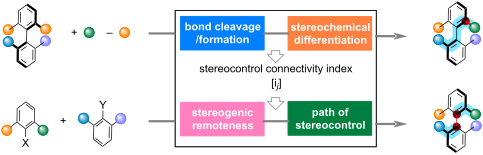
- remained an intuitive and empirical practice, particularly for reactions that create non-central chirality. We put forward a stereocontrol connectivity index to parameterize asymmetric reactions according to the bond connectivity relationships between the prochiral stereogenic elements, the reactive sites
- molecule is characterized by the absence of mirror planes and centers of inversion. Central chirality arises when four distinct substituents (a, b, c, and d) are arranged tetrahedrally around a central atom (Scheme 1A). Non-central chirality – such as axial and planar chirality – are becoming increasingly
- important in pharmaceuticals, catalysts, and advanced materials due to their unique stereogenic scaffolds and associated properties. Consequently, synthetic chemists have been pursuing molecules featuring these forms of non-central chirality, where the stereogenic elements are not localized on a single

Graphical Abstract
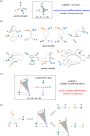
Scheme 1: Illustration of chirality and the intrinsic remoteness of stereogenic elements for axial chirality ...

Scheme 2: Illustrations of assignment using point chirality.
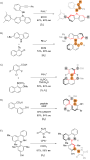
Scheme 3: Examples of reactions that establish axial chirality derived from biaryls.

Scheme 4: Examples of reactions that establish axial chirality derived from C=C bonds.
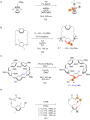
Scheme 5: Examples of reactions that establish planar chirality.
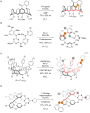
Scheme 6: Examples of reactions that establish “inherent” chirality.
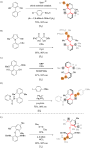
Scheme 7: Parameterization of asymmetric reactions that establish axial chirality.

Figure 1: The relationship between the numbers of non-hydrogen atoms (N) in the chiral catalysts and the valu...
Chiral phosphoric acid-catalyzed asymmetric synthesis of helically chiral, planarly chiral and inherently chiral molecules
- Wei Liu and
- Xiaoyu Yang
Beilstein J. Org. Chem. 2025, 21, 1864–1889, doi:10.3762/bjoc.21.145
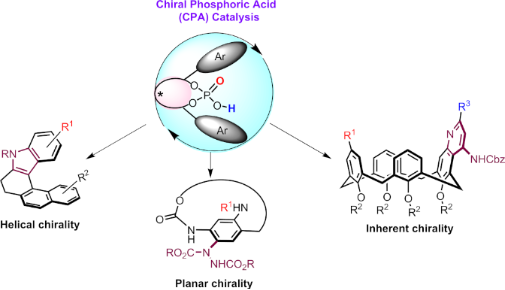
- .21.145 Abstract Chiral molecules, distinguished by nonsuperimposability with their mirror image, play crucial roles across diverse research fields. Molecular chirality is conventionally categorized into the following types: central chirality, axial chirality, planar chirality and helical chirality, along
- catalytic kinetic resolution of racemic helical polycyclic phenols through an organocatalyzed enantioselective dearomative amination reaction [30]. The racemic polycyclic phenol derivatives 25, which exist as single diastereomers featuring both central chirality and helical chirality, were readily prepared
- with allylboronic acid pinacol ester (41) led to efficient kinetic resolution, yielding the recovery of (Sp)-40 with high enantiopurity (Scheme 12). Notably, the allylation products 42, possessing both planar chirality and central chirality, were produced with high enantioselectivity and

Graphical Abstract

Figure 1: General structure of CPAs and selected CPAs with various chiral scaffolds.
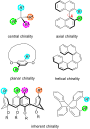
Figure 2: Representative elements of molecular chirality.
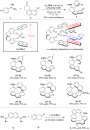
Scheme 1: CPA-catalyzed asymmetric synthesis of azahelicenes via Fischer indole synthesis.
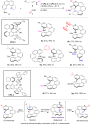
Scheme 2: CPA-catalyzed asymmetric synthesis of azahelicenes via sequential Povarov reaction and oxidative ar...

Scheme 3: CPA-catalyzed asymmetric synthesis of azahelicenes via sequential Povarov reaction involving 3-viny...
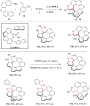
Scheme 4: CPA-catalyzed asymmetric synthesis of heterohelicenes via sequential Povarov reaction involving 2-v...

Scheme 5: Diverse enantioselective synthesis of hetero[7]helicenes via a CPA-catalyzed double annulation stra...
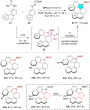
Scheme 6: CPA-catalyzed asymmetric synthesis of indolohelicenoids through enantioselective cycloaddition and ...

Scheme 7: Kinetic resolution of helical polycyclic phenols via CPA-catalyzed enantioselective aminative dearo...

Scheme 8: Kinetic resolution of azahelicenes via CPA-catalyzed transfer hydrogenation.

Scheme 9: Asymmetric synthesis of planarly chiral macrocycles via CPA-catalyzed electrophilic aromatic aminat...

Scheme 10: Enantioselective synthesis of planarly chiral macrocycles via CPA-catalyzed macrocyclization.
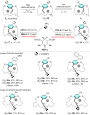
Scheme 11: (Dynamic) kinetic resolution of planarly chiral paracyclophanes via CPA-catalyzed asymmetric reduct...

Scheme 12: Kinetic resolution of macrocyclic paracyclophanes through CPA/Bi-catalyzed asymmetric allylation.

Scheme 13: Enantioselective synthesis of planarly chiral macrocycles via CPA-catalyzed coupling of carboxylic ...
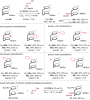
Scheme 14: Kinetic resolution of substituted amido[2.2]paracyclophanes via CPA-catalyzed asymmetric electrophi...
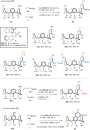
Scheme 15: Enantioselective synthesis of inherently chiral calix[4]arenes via sequential CPA-catalyzed Povarov...

Scheme 16: Asymmetric synthesis of inherently chiral calix[4]arenes via CPA-catalyzed aminative desymmetrizati...

Scheme 17: Asymmetric synthesis of chiral heterocalix[4]arenes via CPA-catalyzed intramolecular SNAr reaction.
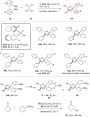
Scheme 18: Enantioselective synthesis of inherently chiral DDDs via CPA-catalyzed cyclocondensation.
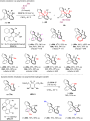
Scheme 19: Asymmetric synthesis of saddle-shaped inherently chiral 9,10-dihydrotribenzoazocines via CPA-cataly...
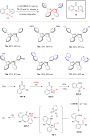
Scheme 20: Enantioselective synthesis of inherently chiral saddle-shaped dibenzo[b,f][1,5]diazocines via CPA-c...
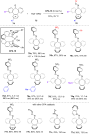
Scheme 21: Enantioselective synthesis of inherent chiral 7-membered tribenzocycloheptene oximes via CPA-cataly...
Catalytic asymmetric reactions of isocyanides for constructing non-central chirality
- Jia-Yu Liao
Beilstein J. Org. Chem. 2025, 21, 1648–1660, doi:10.3762/bjoc.21.129
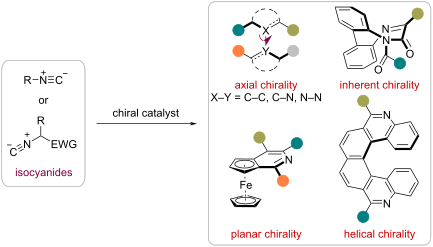
- and manifests in diverse forms (Figure 1a). While central chirality based on stereogenic centers (e.g., C, P, S, etc.) is the most conventional type, non-central chirality, such as axial [1][2][3][4], planar [5][6][7], helical [8][9][10], and inherent chirality [11][12], has gained increasing
- could be applied to synthesize more complex structures. As shown in Scheme 1b, when N-(2-iodophenyl)methacrylamide 3 and 1a were employed as starting materials, compound 4 bearing nonadjacent planar and central chirality was obtained in good yield and enantioselectivity (4a, 54%, 90% ee; 4b, 32%, 97% ee
- with both axial and central chirality, followed by 2) ring-strain and aromatization-driven elimination, which elucidating the observed unusual torsional strain-independent reactivity. In addition, products bearing a tert-butyl ester group were smoothly converted into structurally novel axially chiral

Graphical Abstract

Figure 1: a) Common types of chirality. b) Representative functional molecules bearing non-central chirality.

Scheme 1: Construction of planar chirality.

Scheme 2: Construction of axial chirality.
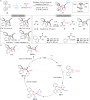
Scheme 3: Construction of inherent chirality.

Scheme 4: Construction of helical chirality.
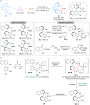
Scheme 5: CPA-catalyzed enantioselective Groebke–Blackburn–Bienaymé reaction.

Scheme 6: Construction of axially chiral 3-arylpyrroles via de novo pyrrole formation.

Scheme 7: Synthesis of atropoisomeric 3-arylpyrroles via central-to-axial chirality transfer.
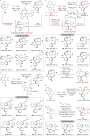
Scheme 8: Dynamic kinetic resolution of bridged biaryls with α-acidic isocyanides.
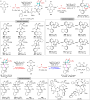
Scheme 9: Desymmetrization of prochiral compounds with α-acidic isocyanides.
Recent advances in organocatalytic atroposelective reactions
- Henrich Szabados and
- Radovan Šebesta
Beilstein J. Org. Chem. 2025, 21, 55–121, doi:10.3762/bjoc.21.6
- transformation is an asymmetric conjugate addition leading to a central chiral intermediate that tautomerizes to the axially chiral product. Chiral phosphoric acid C33 was utilized in the construction of products 136 bearing both axial and central chirality (Scheme 40) [68] through the reaction of bisindoles 134
- , bearing both axial and central chirality, were prepared by organocatalytic asymmetric addition of bisindoles 145 and isatin-derived imines 146 catalyzed by CPA C26 (Scheme 43) [71]. The scope of the reaction showed efficient stereocontrol by consistently high diastereo- and enantioselectivity with

Graphical Abstract

Scheme 1: Formation of axially chiral styrenes 3 via iminium activation.

Scheme 2: Synthesis of axially chiral 2-arylquinolines 6.

Scheme 3: Atroposelective intramolecular (4 + 2) annulation leading to aryl-substituted indolines.

Scheme 4: Atroposelective formation of biaryl via twofold aldol condensation.

Scheme 5: Strategy towards diastereodivergent formation of axially chiral oligonaphthylenes.

Scheme 6: Atroposelective formation of chiral biaryls based on a Michael/Henry domino reaction.

Scheme 7: Organocatalytic Michael/aldol cascade followed by oxidative aromatization.

Scheme 8: Atroposelective formation of C(sp2)–C(sp3) axially chiral compounds.

Scheme 9: NHC-catalyzed synthesis of axially chiral styrenes 26.

Scheme 10: NHC-catalyzed synthesis of biaxial chiral pyranones.

Scheme 11: Formation of bridged biaryls with eight-membered lactones.

Scheme 12: The NHC-catalyzed (3 + 2) annulation of urazoles 37 and ynals 36.

Scheme 13: NHC-catalyzed synthesis of axially chiral 4‑aryl α‑carbolines 41.

Scheme 14: NHC-catalyzed construction of N–N-axially chiral pyrroles and indoles.

Scheme 15: NHC-catalyzed oxidative Michael–aldol cascade.

Scheme 16: NHC-catalyzed (4 + 2) annulation for the synthesis of benzothiophene-fused biaryls.
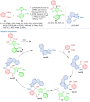
Scheme 17: NHC-catalyzed desymmetrization of N-aryl maleimides.

Scheme 18: NHC-catalyzed deracemization of biaryl hydroxy aldehydes 55a–k into axially chiral benzonitriles 56a...

Scheme 19: NHC-catalyzed desymmetrization of 2-aryloxyisophthalaldehydes.

Scheme 20: NHC-catalyzed DKR of 2-arylbenzaldehydes 62.

Scheme 21: Atroposelective biaryl amination.

Scheme 22: CPA-catalyzed atroposelective amination of 2-anilinonaphthalenes.

Scheme 23: Atroposelective DKR of naphthylindoles.

Scheme 24: CPA-catalyzed kinetic resolution of binaphthylamines.

Scheme 25: Atroposelective amination of aromatic amines with diazodicarboxylates.

Scheme 26: Atroposelective Friedländer heteroannulation.

Scheme 27: CPA-catalyzed formation of axially chiral 4-arylquinolines.

Scheme 28: CPA-catalyzed Friedländer reaction of arylketones with cyclohexanones.

Scheme 29: CPA-catalyzed atroposelective Povarov reaction.

Scheme 30: Atroposelective CPA-catalyzed Povarov reaction.

Scheme 31: Paal–Knorr formation of axially chiral N-pyrrolylindoles and N-pyrrolylpyrroles.

Scheme 32: Atroposelective Paal–Knorr reaction leading to N-pyrrolylpyrroles.

Scheme 33: Atroposelective Pictet–Spengler reaction of N-arylindoles with aldehydes.

Scheme 34: Atroposelective Pictet–Spengler reaction leading to tetrahydroisoquinolin-8-ylanilines.

Scheme 35: Atroposelective formation of arylindoles.

Scheme 36: CPA-catalyzed arylation of naphthoquinones with indolizines.

Scheme 37: Atroposelective reaction of o-naphthoquinones.

Scheme 38: CPA-catalyzed formation of axially chiral arylquinones.

Scheme 39: CPA-catalyzed axially chiral N-arylquinones.

Scheme 40: Atroposelective additions of bisindoles to isatin-based 3-indolylmethanols.

Scheme 41: CPA-catalyzed synthesis of axially chiral arylindolylindolinones.

Scheme 42: CPA-catalyzed reaction between bisindoles and ninhydrin-derived 3-indoylmethanols.

Scheme 43: Atroposelective reaction of bisindoles and isatin-derived imines.

Scheme 44: CPA-catalyzed formation of axially chiral bisindoles.

Scheme 45: Atroposelective reaction of 2-naphthols with alkynylhydroxyisoindolinones.

Scheme 46: CPA-catalyzed reaction of indolylnaphthols with propargylic alcohols.

Scheme 47: Atroposelective formation of indolylpyrroloindoles.

Scheme 48: Atroposelective reaction of indolylnaphthalenes with alkynylnaphthols.

Scheme 49: CPA-catalyzed addition of naphthols to alkynyl-2-naphthols and 2-naphthylamines.

Scheme 50: CPA-catalyzed formation of axially chiral aryl-alkene-indoles.

Scheme 51: CPA-catalyzed formation of axially chiral styrenes.

Scheme 52: Atroposelective formation of alkenylindoles.

Scheme 53: Atroposelective formation of axially chiral arylquinolines.

Scheme 54: Atroposelective (3 + 2) cycloaddition of alkynylindoles with azonaphthalenes.

Scheme 55: CPA-catalyzed formation of axially chiral 3-(1H-benzo[d]imidazol-2-yl)quinolines.

Scheme 56: Atroposelective cyclization of 3-(arylethynyl)-1H-indoles.

Scheme 57: Atroposelective three-component heteroannulation.

Scheme 58: CPA-catalyzed formation of arylbenzimidazols.

Scheme 59: CPA-catalyzed reaction of N-naphthylglycine esters with nitrosobenzenes.
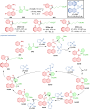
Scheme 60: CPA-catalyzed formation of axially chiral N-arylbenzimidazoles.

Scheme 61: CPA-catalyzed formation of axially chiral arylbenzoindoles.

Scheme 62: CPA-catalyzed formation of pyrrolylnaphthalenes.
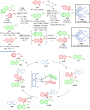
Scheme 63: CPA-catalyzed addition of naphthols and indoles to nitronaphthalenes.

Scheme 64: Atroposelective reaction of heterobiaryl aldehydes and aminobenzamides.

Scheme 65: Atroposelective cyclization forming N-arylquinolones.

Scheme 66: Atroposelective formation of 9H-carbazol-9-ylnaphthalenes and 1H-indol-1-ylnaphthalene.

Scheme 67: CPA-catalyzed formation of pyrazolylnaphthalenes.

Scheme 68: Atroposelective addition of diazodicarboxamides to azaborinephenols.

Scheme 69: Catalytic formation of axially chiral arylpyrroles.

Scheme 70: Atroposelective coupling of 1-azonaphthalenes with 2-naphthols.

Scheme 71: CPA-catalyzed formation of axially chiral oxindole-based styrenes.

Scheme 72: Atroposelective electrophilic bromination of aminonaphthoquinones.

Scheme 73: Atroposelective bromination of dienes.

Scheme 74: CPA-catalyzed formation of axially chiral 5-arylpyrimidines.

Scheme 75: Atroposelective hydrolysis of biaryloxazepines.

Scheme 76: Atroposelective opening of dinaphthosiloles.

Scheme 77: Atroposelective reduction of naphthylenals.

Scheme 78: Atroposelective allylic substitution with 2-naphthols.

Scheme 79: Atroposelective allylic alkylation with phosphinamides.

Scheme 80: Atroposelective allylic substitution with aminopyrroles.

Scheme 81: Atroposelective allylic substitution with aromatic sulfinamides.

Scheme 82: Atroposelective sulfonylation of naphthylynones.

Scheme 83: Squaramide-catalyzed reaction of alkynyl-2-naphthols with 5H-oxazolones.

Scheme 84: Formation of axially chiral styrenes via sulfonylative opening of cyclopropanols.

Scheme 85: Atroposelective organo-photocatalyzed sulfonylation of alkynyl-2-naphthols.

Scheme 86: Thiourea-catalyzed atroposelective cyclization of alkynylnaphthols.

Scheme 87: Squaramide-catalyzed formation of axially chiral naphthylisothiazoles.

Scheme 88: Atroposelective iodo-cyclization catalyzed by squaramide C69.

Scheme 89: Squaramide-catalyzed formation of axially chiral oligoarenes.

Scheme 90: Atroposelective ring-opening of cyclic N-sulfonylamides.

Scheme 91: Thiourea-catalyzed kinetic resolution of naphthylpyrroles.

Scheme 92: Atroposelective ring-opening of arylindole lactams.

Scheme 93: Atroposelective reaction of 1-naphthyl-2-tetralones and diarylphosphine oxides.

Scheme 94: Atroposelective reaction of iminoquinones with indoles.

Scheme 95: Kinetic resolution of binaphthylalcohols.

Scheme 96: DKR of hydroxynaphthylamides.

Scheme 97: Atroposelective N-alkylation with phase-transfer catalyst C75.
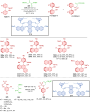
Scheme 98: Atroposelective allylic substitution via kinetic resolution of biarylsulfonamides.

Scheme 99: Atroposelective bromo-functionalization of alkynylarenes.
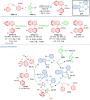
Scheme 100: Sulfenylation-induced atroposelective cyclization.

Scheme 101: Atroposelective O-sulfonylation of isochromenone-indoles.

Scheme 102: NHC-catalyzed atroposelective N-acylation of anilines.

Scheme 103: Peptide-catalyzed atroposelective ring-opening of lactones.

Scheme 104: Peptide-catalyzed coupling of 2-naphthols with quinones.

Scheme 105: Atroposelective nucleophilic aromatic substitution of fluoroarenes.
Copper-catalyzed yne-allylic substitutions: concept and recent developments
- Shuang Yang and
- Xinqiang Fang
Beilstein J. Org. Chem. 2024, 20, 2739–2775, doi:10.3762/bjoc.20.232
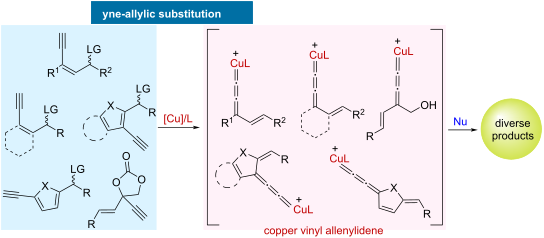
- stereoselective aromatization serves as a pivotal step in the transfer of central chirality to axial chirality (Scheme 52). To harness the full potential of CO2 as a renewable and abundant carbon source, He et al. [82] proposed an innovative strategy that married asymmetric yne-allylic substitution with CO2

Graphical Abstract

Scheme 1: Copper-catalyzed allylic and yne-allylic substitution.

Scheme 2: Challenges in achieving highly selective yne-allylic substitution.

Scheme 3: Yne-allylic substitutions using indoles and pyroles.

Scheme 4: Yne-allylic substitutions using amines.

Scheme 5: Yne-allylic substitution using 1,3-dicarbonyls.

Scheme 6: Postulated mechanism via copper acetylide-bonded allylic cation.

Scheme 7: Amine-participated asymmetric yne-allylic substitution.

Scheme 8: Asymmetric decarboxylative yne-allylic substitution.

Scheme 9: Asymmetric yne-allylic alkoxylation and alkylation.

Scheme 10: Proposed mechanism for Cu(I) system.

Scheme 11: Asymmetric yne-allylic dialkylamination.

Scheme 12: Proposed mechanism of yne-allylic dialkylamination.

Scheme 13: Asymmetric yne-allylic sulfonylation.

Scheme 14: Proposed mechanism of yne-allylic sulfonylation.

Scheme 15: Aymmetric yne-allylic substitutions using indoles and indolizines.

Scheme 16: Double yne-allylic substitutions using pyrrole.

Scheme 17: Proposed mechanism of yne-allylic substitution using electron-rich arenes.

Scheme 18: Aymmetric yne-allylic monofluoroalkylations.

Scheme 19: Proposed mechanism.
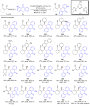
Scheme 20: Aymmetric yne-allylic substitution of yne-allylic esters with anthrones.

Scheme 21: Aymmetric yne-allylic substitution of yne-allylic esters with coumarins.
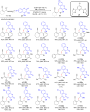
Scheme 22: Aymmetric yne-allylic substitution of with coumarins by Lin.

Scheme 23: Proposed mechanism.

Scheme 24: Amination by alkynylcopper driven dearomatization and rearomatization.

Scheme 25: Arylation by alkynylcopper driven dearomatization and rearomatization.

Scheme 26: Remote substitution/cyclization/1,5-H shift process.

Scheme 27: Proposed mechanism.

Scheme 28: Arylation or amination by alkynylcopper driven dearomatization and rearomatization.

Scheme 29: Remote nucleophilic substitution of 5-ethynylthiophene esters.

Scheme 30: Proposed mechanism.

Scheme 31: [4 + 1] annulation of yne-allylic esters and cyclic 1,3-dicarbonyls.
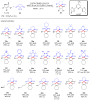
Scheme 32: Asymmetric [4 + 1] annulation of yne-allylic esters.

Scheme 33: Proposed mechanism.

Scheme 34: Asymmetric [3 + 2] annulation of yne-allylic esters.

Scheme 35: Postulated annulation step.

Scheme 36: [4 + 1] Annulations of vinyl ethynylethylene carbonates and 1,3-dicarbonyls.

Scheme 37: Proposed mechanism.

Scheme 38: Formal [4 + 1] annulations with amines.

Scheme 39: Formal [4 + 2] annulations with hydrazines.

Scheme 40: Proposed mechanism.
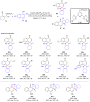
Scheme 41: Dearomative annulation of 1-naphthols and yne-allylic esters.

Scheme 42: Dearomative annulation of phenols or 2-naphthols and yne-allylic esters.

Scheme 43: Postulated annulation mechanism.
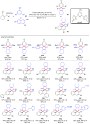
Scheme 44: Dearomative annulation of phenols or 2-naphthols.

Scheme 45: Dearomative annulation of indoles.

Scheme 46: Postulated annulation step.

Scheme 47: Asymmetric [4 + 1] cyclization of yne-allylic esters with pyrazolones.

Scheme 48: Proposed mechanism.

Scheme 49: Construction of C–C axially chiral arylpyrroles.

Scheme 50: Construction of C–N axially chiral arylpyrroles.
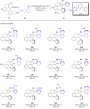
Scheme 51: Construction of chiral arylpyrroles with 1,2-di-axial chirality.

Scheme 52: Proposed mechanism.

Scheme 53: CO2 shuttling in yne-allylic substitution.

Scheme 54: CO2 fixing in yne-allylic substitution.

Scheme 55: Proposed mechanism.
Aromatic C–H bond functionalization through organocatalyzed asymmetric intermolecular aza-Friedel–Crafts reaction: a recent update
- Anup Biswas
Beilstein J. Org. Chem. 2023, 19, 956–981, doi:10.3762/bjoc.19.72

- generating a complex molecular topology of 2,3-disubstituted indoles bearing both axial and central chirality. The aza-Friedel–Crafts reaction would allow the nucleophile to selectively attack the C=N plane of the electrophile as directed by a triple hydrogen-bonded complex between the catalyst and the
- electrophilic substitution also gave a quaternary aza-stereocenter in the pyrazolone moiety. Axial chirality associated with central chirality in the product structures was influenced by chiral phosphoric acid catalyst P23. To freeze the C–C bond rotation, the pyrazole moiety in 99 required sterically demanding

Graphical Abstract

Scheme 1: First organocatalyzed asymmetric aza-Friedel–Crafts reaction.

Scheme 2: Aza-Friedel–Crafts reaction between indoles and cyclic ketimines.

Scheme 3: Aza-Friedel–Crafts reaction utilizing trifluoromethyldihydrobenzoazepinoindoles as electrophiles.

Scheme 4: Aza-Friedel–Crafts reaction utilizing cyclic N-sulfimines as electrophiles.

Scheme 5: Aza-Friedel–Crafts reaction involving N-unprotected imino ester as electrophile.

Scheme 6: Aza-Friedel–Crafts and lactonization cascade.

Scheme 7: One-pot oxidation and aza-Friedel–Crafts reaction.

Scheme 8: C1 and C2-symmetric phosphoric acids as catalysts.

Scheme 9: Aza-Friedel–Crafts reaction using Nps-iminophosphonates as electrophiles.

Scheme 10: Aza-Friedel–Crafts reaction between indole and α-iminophosphonate.

Scheme 11: [2.2]-Paracyclophane-derived chiral phosphoric acids as catalyst.

Scheme 12: Aza-Friedel–Crafts reaction through ring opening of sulfamidates.

Scheme 13: Isoquinoline-1,3(2H,4H)-dione scaffolds as electrophiles.

Scheme 14: Functionalization of the carbocyclic ring of substituted indoles.

Scheme 15: Aza-Friedel–Crafts reaction between unprotected imines and aza-heterocycles.

Scheme 16: Anilines and α-naphthols as potential nucleophiles.

Scheme 17: Solvent-controlled regioselective aza-Friedel–Crafts reaction.
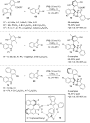
Scheme 18: Generating central and axial chirality via aza-Friedel–Crafts reaction.

Scheme 19: Reaction between indoles and racemic 2,3-dihydroisoxazol-3-ol derivatives.

Scheme 20: Exploiting 5-aminoisoxazoles as nucleophiles.

Scheme 21: Reaction between unsubstituted indoles and 3-alkynylated 3-hydroxy-1-oxoisoindolines.

Scheme 22: Synthesis of unnatural amino acids bearing an aza-quaternary stereocenter.

Scheme 23: Atroposelective aza-Friedel–Crafts reaction.

Scheme 24: Coupling of 5-aminopyrazole and 3H-indol-3-ones.

Scheme 25: Pyrophosphoric acid-catalyzed aza-Friedel–Crafts reaction on phenols.

Scheme 26: Squaramide-assisted aza-Friedel–Crafts reaction.

Scheme 27: Thiourea-catalyzed aza-Friedel–Crafts reaction.

Scheme 28: Squaramide-catalyzed reaction between β-naphthols and benzothiazolimines.

Scheme 29: Thiourea-catalyzed reaction between β-naphthol and isatin-derived ketamine.

Scheme 30: Quinine-derived molecule as catalyst.

Scheme 31: Cinchona alkaloid as catalyst.

Scheme 32: aza-Friedel–Crafts reaction by phase transfer catalyst.

Scheme 33: Disulfonamide-catalyzed reaction.

Scheme 34: Heterogenous thiourea-catalyzed aza-Friedel–Crafts reaction.

Scheme 35: Total synthesis of (+)-gracilamine.

Scheme 36: Total synthesis of (−)-fumimycin.
Recent advances in the asymmetric phosphoric acid-catalyzed synthesis of axially chiral compounds
- Alemayehu Gashaw Woldegiorgis and
- Xufeng Lin
Beilstein J. Org. Chem. 2021, 17, 2729–2764, doi:10.3762/bjoc.17.185
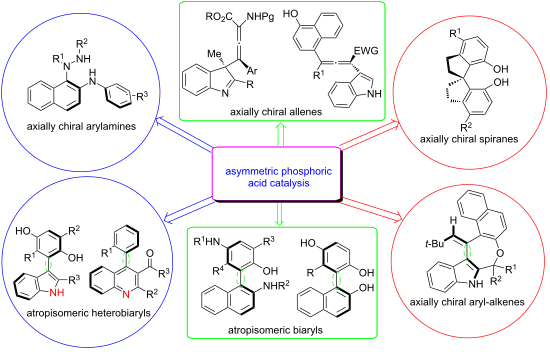
- central chirality information to the axial chirality to give the chiral biaryldiols (Scheme 3) [14]. In 2013, Akiyama and co-workers described the enantioselective preparation of multisubstituted biaryls by the desymmetrization strategy, which was further enhanced by the subsequent asymmetric reaction
- enantioselectivity (91:9 to 98:2 er, Scheme 15) [65]. In addition, the authors also succeeded in preparing naphthylindoles 46, which exhibit both axial and central chirality, through the addition reaction of racemic naphthylindoles 42 and o-hydroxybenzyl alcohols 45 using chiral phosphoric acid CPA 13. This reaction
- also achieved the first catalytic asymmetric construction of axially chiral 3,3’-bisindole scaffolds 49 bearing both axial and central chirality by employing the CPA-14-catalyzed asymmetric addition reaction of 2-substituted 3,3’-bisindoles 47 to isatin-derived 3-indolylmethanols 48. The isatin-derived

Graphical Abstract

Figure 1: Representative examples of axially chiral biaryls, heterobiaryls, spiranes and allenes as ligands a...
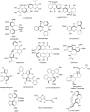
Figure 2: Selected examples of axially chiral drugs and bioactive molecules.

Figure 3: Axially chiral functional materials and supramolecules.

Figure 4: Important chiral phosphoric acid scaffolds used in this review.

Scheme 1: Atroposelective aryl–aryl-bond formation by employing a facile [3,3]-sigmatropic rearrangement.

Scheme 2: Atroposelective synthesis of axially chiral biaryl amino alcohols 5.

Scheme 3: The enantioselective reaction of quinone and 2-naphthol derivatives.

Scheme 4: Enantioselective synthesis of multisubstituted biaryls.

Scheme 5: Enantioselective synthesis of axially chiral quinoline-derived biaryl atropisomers mediated by chir...

Scheme 6: Pd-Catalyzed atroposelective C–H olefination of biarylamines.

Scheme 7: Palladium-catalyzed directed atroposelective C–H allylation.

Scheme 8: Enantioselective synthesis of axially chiral (a) aryl indoles and (b) biaryldiols.

Scheme 9: Asymmetric arylation of indoles enabled by azo groups.

Scheme 10: Proposed mechanism for the asymmetric arylation of indoles.
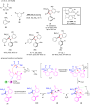
Scheme 11: Enantioselective synthesis of axially chiral N-arylindoles [38].

Scheme 12: Enantioselective [3 + 2] formal cycloaddition and central-to-axial chirality conversion.

Scheme 13: Organocatalytic atroposelective arene functionalization of nitrosonaphthalene with indoles.

Scheme 14: Proposed reaction mechanism for the atroposelective arene functionalization of nitrosonaphthalenes.

Scheme 15: Asymmetric construction of axially chiral naphthylindoles [65].

Scheme 16: Enantioselective synthesis of axially chiral 3,3’-bisindoles [66].
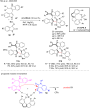
Scheme 17: Atroposelective synthesis of 3,3’-bisiindoles bearing axial and central chirality.

Scheme 18: Enantioselective synthesis of axially chiral 3,3’-bisindoles bearing single axial chirality.

Scheme 19: Enantioselective reaction of azonaphthalenes with various pyrazolones.
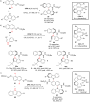
Scheme 20: Enantioselective and atroposelective synthesis of axially chiral N-arylcarbazoles [73].

Scheme 21: Atroposelective cyclodehydration reaction.

Scheme 22: Atroposelective construction of axially chiral N-arylbenzimidazoles [78].

Scheme 23: Proposed reaction mechanism for the atroposelective synthesis of axially chiral N-arylbenzimidazole...

Scheme 24: Atroposelective synthesis of axially chiral arylpyrroles [21].

Scheme 25: Synthesis of axially chiral arylquinazolinones and its reaction pathway [35].
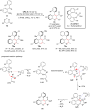
Scheme 26: Synthesis of axially chiral aryquinoline by Friedländer heteroannulation reaction and its proposed...

Scheme 27: Povarov cycloaddition–oxidative chirality conversion process.

Scheme 28: Atroposelective synthesis of oxindole-based axially chiral styrenes via kinetic resolution.

Scheme 29: Synthesis of axially chiral alkene-indole frame works [45].

Scheme 30: Proposed reaction mechanism for axially chiral alkene-indoles.

Scheme 31: Atroposelective C–H aminations of N-aryl-2-naphthylamines with azodicarboxylates.

Scheme 32: Synthesis of brominated atropisomeric N-arylquinoids.

Scheme 33: The enantioselective syntheses of axially chiral SPINOL derivatives.

Scheme 34: γ-Addition reaction of various 2,3-disubstituted indoles to β,γ-alkynyl-α-imino esters.

Scheme 35: Regio- and stereoselective γ-addition reactions of isoxazol-5(4H)-ones to β,γ-alkynyl-α-imino ester...

Scheme 36: Synthesis of chiral tetrasubstituted allenes and naphthopyrans.

Scheme 37: Asymmetric remote 1,8-conjugate additions of thiazolones and azlactones to propargyl alcohols.

Scheme 38: Synthesis of chiral allenes from 1-substituted 2-naphthols [107].
Design and synthesis of quasi-diastereomeric molecules with unchanging central, regenerating axial and switchable helical chirality via cleavage and formation of Ni(II)–O and Ni(II)–N coordination bonds
- Vadim A. Soloshonok,
- José Luis Aceña,
- Hisanori Ueki and
- Jianlin Han
Beilstein J. Org. Chem. 2012, 8, 1920–1928, doi:10.3762/bjoc.8.223
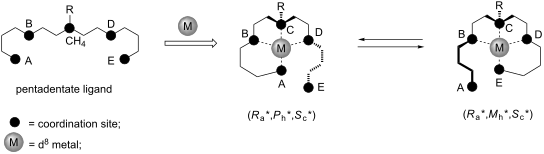
- *) and (Ra*,Ph*,Rc*) occurs by intramolecular trans-coordination of Ni–NH and Ni–O bonds providing a basis for a chiral switch model. Keywords: axial chirality; central chirality; chiral switches; coordination bonds; functional materials; helical chirality; modular structural design; molecular devices
- expect, these desired structural and stereochemical considerations can be seriously compromised by the presence of central chirality in the starting ligand 4. For instance, application of racemic ligands 4 will give rise to at least four diastereomeric products rendering the designed diastereomeric
- instance, the torsion angle C(19)–N(3)–C(20)–C(21) of 32.0(3)° sets the element of helical chirality, while the axial chirality is located through the N(1)–C(8) bond with the torsion angle C(9)–N(1)–C(8)–C(7) of −139.5(2)°. The central chirality is located on N(2) as, coordinated to Ni(II), nitrogen is

Graphical Abstract

Scheme 1: Previous design of diastereomeric molecules 2 and 3 with switchable chirality starting from achiral...

Scheme 2: General design of asymmetric pentadentate ligands 4 and chiroptically switchable quasi-diastereomer...
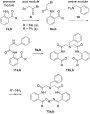
Scheme 3: Preparation of imino–carbonyl ligands 13 by desymmetrization of achiral carbonyl–carbonyl ligands 12...
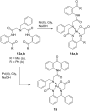
Scheme 4: Preparation of complexes 14a,b and 15 by reactions of ligands 12 with glycine.
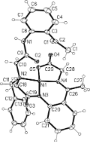
Figure 1: Crystallographic structure of complex 14a.

Scheme 5: Oxidation of enolates 16 and formation of complexes 19 and 20.
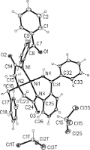
Figure 2: Crystallographic structure of complex 19.