

Search results
Search for "structural features" in Full Text gives 232 result(s) in Beilstein Journal of Organic Chemistry. Showing first 200.
Molecular recognition of AT-DNA sequences by the induced CD pattern of dibenzotetraaza[14]annulene (DBTAA)–adenine derivatives
- Marijana Radić Stojković,
- Marko Škugor,
- Łukasz Dudek,
- Jarosław Grolik,
- Julita Eilmes and
- Ivo Piantanida
Beilstein J. Org. Chem. 2014, 10, 2175–2185, doi:10.3762/bjoc.10.225
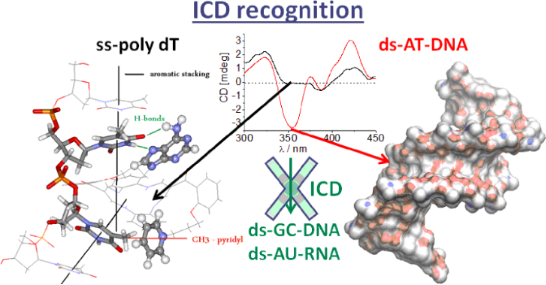
- for the studied series of compounds showed that the essential structural features for the ICD recognition are a) the presence of DNA-binding appendages (adenine side chain and positively charged side chain) on both DBTAA side chains, and b) the presence of a short propyl linker, which does not support
- /AP3am) revealed molecular recognition of AT-DNA by the appearance of an ICD band pattern >300 nm. Significant ICD bands did not appear for other ds-DNA/RNA. A structure–activity relation for the studied series of compounds revealed that the essential structural features for the ICD recognition of AT-DNA

Graphical Abstract

Scheme 1: Studied DBTAA–adenine conjugates (AP3, AP3am, AP5, AP6) [11], and the reference compounds lacking adeni...

Scheme 2: Preparations of the products AP3am and AP5. Starting compounds were synthesized according to previo...

Figure 1: Changes in the UV–vis spectrum of AP3am (c = 1.0 × 10⁻⁵ mol dm−3) upon titration with poly dA–poly ...

Figure 2: Induced CD bands observed for AP3, AP3am, AP6 for poly dA–poly dT and poly (dAdT)2 (c = 3.0 × 10⁻⁵ ...

Figure 3: Comparison of AP3 ICD bands for ss-DNA (dA and dT) with alternating- and homo-AT ds-polynucleotides...

Figure 4: Self-folding of AP5 (upper left – note the stacking of DBTAA and adenine) and AP3 (lower left – not...

Figure 5: Schematic presentation of self-folded AP5 (free AP5 see Figure 4; upper left) in the minor groove of poly d...
Chiral phosphines in nucleophilic organocatalysis
- Yumei Xiao,
- Zhanhu Sun,
- Hongchao Guo and
- Ohyun Kwon
Beilstein J. Org. Chem. 2014, 10, 2089–2121, doi:10.3762/bjoc.10.218
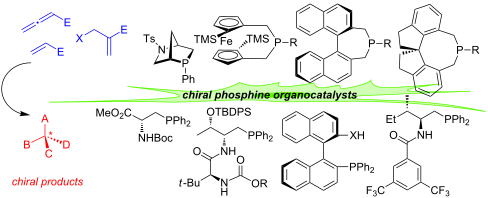
- acylations of alcohols. Our discussion is organized according to the structural features of the chiral phosphines, the reaction types, and the nature of the substrate. Because chiral phosphine-promoted Rauhut–Currier (RC) reactions [9][10] and MBH/aza-MBH reactions [21][22][23][24][25][26] have been

Graphical Abstract

Figure 1: Cyclic chiral phosphines based on bridged-ring skeletons.

Figure 2: Cyclic chiral phosphines based on binaphthyl skeletons.

Figure 3: Cyclic chiral phosphines based on ferrocene skeletons.

Figure 4: Cyclic chiral phosphines based on spirocyclic skeletons.

Figure 5: Cyclic chiral phosphines based on phospholane ring skeletons.

Figure 6: Acyclic chiral phosphines.

Figure 7: Multifunctional chiral phosphines based on binaphthyl skeletons.

Figure 8: Multifunctional chiral phosphines based on amino acid skeletons.

Scheme 1: Asymmetric [3 + 2] annulations of allenoates with electron-deficient olefins, catalyzed by the chir...

Scheme 2: Asymmetric [3 + 2] annulations of allenoate and enones, catalyzed by the chiral binaphthyl-based ph...

Scheme 3: Asymmetric [3 + 2] annulations of N-substituted olefins and allenoates, catalyzed by the chiral bin...

Scheme 4: Asymmetric [3 + 2] annulations of 2-aryl-1,1-dicyanoethylenes with ethyl allenoate, catalyzed by th...

Scheme 5: Asymmetric [3 + 2] annulations of 3-alkylideneindolin-2-ones with ethyl allenoate, catalyzed by the...

Scheme 6: Asymmetric [3 + 2] annulations of 2,6-diarylidenecyclohexanones with allenoates, catalyzed by the c...

Scheme 7: Asymmetric [3 + 2] annulations of allenoate with alkylidene azlactones, catalyzed by the chiral bin...

Scheme 8: Asymmetric [3 + 2] annulations of C60 with allenoates, catalyzed by the chiral phosphine B6.

Scheme 9: Asymmetric [3 + 2] annulations of α,β-unsaturated esters and ketones with an allenoate, catalyzed b...

Scheme 10: Asymmetric [3 + 2] annulations of exocyclic enones with allenoates, catalyzed by the ferrocene-modi...

Scheme 11: Asymmetric [3 + 2] annulations of enones with an allenylphosphonate, catalyzed by the ferrocene-mod...

Scheme 12: Asymmetric [3 + 2] annulations of 3-alkylidene-oxindoles with ethyl allenoate, catalyzed by the fer...

Scheme 13: Asymmetric [3 + 2] annulations of dibenzylideneacetones with ethyl allenoate, catalyzed by the ferr...

Scheme 14: Asymmetric [3 + 2] annulations of trisubstituted alkenes with ethyl allenoate, catalyzed by the fer...

Scheme 15: Asymmetric [3 + 2] annulations of 2,6-diarylidenecyclohexanones with allenoates, catalyzed by the f...

Scheme 16: Asymmetric [3 + 2] annulations of α,β-unsaturated ketones with ethyl allenoates, catalyzed by the f...

Scheme 17: Asymmetric [3 + 2] annulations of α,β-unsaturated esters with allenoates, catalyzed by the ferrocen...

Scheme 18: Asymmetric [3 + 2] annulations of alkylidene azlactones with allenoates, catalyzed by the chiral sp...

Scheme 19: Asymmetric [3 + 2] annulations of α-trimethylsilyl allenones and electron-deficient olefins, cataly...

Scheme 20: Asymmetric [3 + 2] annulations of α,β-unsaturated ketones with an allenone, catalyzed by the chiral...

Scheme 21: Asymmetric [3 + 2] annulations of cyclic enones with allenoates, catalyzed by the chiral α-amino ac...

Scheme 22: Asymmetric [3 + 2] annulations of arylidenemalononitriles and analogues with an allenoate, catalyze...

Scheme 23: Asymmetric [3 + 2] annulations of α,β-unsaturated esters with an allenoate, catalyzed by the chiral...

Scheme 24: Asymmetric [3 + 2] annulations of 3,5-dimethyl-1H-pyrazole-derived acrylamides with an allenoate, c...

Scheme 25: Asymmetric [3 + 2] annulations of maleimides with allenoates, catalyzed by the chiral phosphine H10....

Scheme 26: Asymmetric [3 + 2] annulations of α-substituted acrylates with allenoate, catalyzed by the chiral p...

Scheme 27: Asymmetric [3 + 2] annulation of an N-tosylimine with an allenoate, catalyzed by the chiral phosphi...

Scheme 28: Asymmetric [3 + 2] annulations of N-tosylimines with an allenoate, catalyzed by the chiral phosphin...

Scheme 29: Asymmetric [3 + 2] annulations of N-tosylimines with an allenoate, catalyzed by the chiral phosphin...

Scheme 30: Asymmetric [3 + 2] annulations of N-diphenylphosphinoyl aromatic imines with butynoates, catalyzed ...

Scheme 31: Asymmetric [3 + 2] annulations of N-tosylimines with allenylphosphonates, catalyzed by the chiral p...

Scheme 32: Asymmetric [3 + 2] annulation of an N-tosylimine with an allenoate, catalyzed by the chiral phosphi...

Scheme 33: Asymmetric [3 + 2] annulations of N-diphenylphosphinoyl aromatic imines with allenoates (top), cata...

Scheme 34: Asymmetric [3 + 2] annulation of N-diphenylphosphinoylimines with allenoates, catalyzed by the chir...

Scheme 35: Asymmetric [3 + 2] annulation of an azomethine imine with an allenoate, catalyzed by the chiral pho...

Scheme 36: Asymmetric [3 + 2] annulations between α,β-unsaturated esters/ketones and 3-butynoates, catalyzed b...

Scheme 37: Asymmetric intramolecular [3 + 2] annulations of electron-deficient alkenes and MBH carbonates, cat...

Scheme 38: Asymmetric [3 + 2] annulations of methyleneindolinone and methylenebenzofuranone derivatives with M...

Scheme 39: Asymmetric [3 + 2] annulations of activated isatin-based alkenes with MBH carbonates, catalyzed by ...

Scheme 40: Asymmetric [3 + 2] annulations of maleimides with MBH carbonates, catalyzed by the chiral phosphine ...

Scheme 41: A series of [3 + 2] annulations of various activated alkenes with MBH carbonates, catalyzed by the ...

Scheme 42: Asymmetric [3 + 2] annulations of an alkyne with isatins, catalyzed by the chiral phosphine F1.

Scheme 43: Asymmetric [4 + 2] annulations catalyzed by the chiral phosphine B1.

Scheme 44: Asymmetric [4 + 2] annulations catalyzed by the chiral phosphine H5.

Scheme 45: Asymmetric [4 + 2] annulations catalyzed by the chiral phosphines H13 and H12.

Scheme 46: Asymmetric [4 + 2] annulations catalyzed by the chiral phosphine H6.

Scheme 47: Kerrigan’s [2 + 2] annulations of ketenes with imines, catalyzed by the chiral phosphine B7.

Scheme 48: Asymmetric [4 + 1] annulations, catalyzed by the chiral phosphine G6.

Scheme 49: Asymmetric homodimerization of ketenes, catalyzed by the chiral phosphine F5 and F6.

Scheme 50: Aza-MBH/Michael reactions, catalyzed by the chiral phosphine G1.

Scheme 51: Tandem RC/Michael additions, catalyzed by the chiral phosphine H14.

Scheme 52: Intramolecular tandem RC/Michael addition, catalyzed by the chiral phosphine H15.

Scheme 53: Double-Michael addition, catalyzed by the chiral aminophosphine G9.

Scheme 54: Tandem Michael addition/Wittig olefinations, mediated by the chiral phosphine BIPHEP.

Scheme 55: Asymmetric Michael additions, catalyzed by the chiral phosphines H7, H8, and H9.

Scheme 56: Asymmetric γ-umpolung additions, catalyzed by the chiral phosphine A1.

Scheme 57: Asymmetric γ-umpolung additions, catalyzed by the chiral phosphines E2 and E3.

Scheme 58: Intramolecular γ-additions of hydroxy-2-alkynoates, catalyzed by the chiral phosphine D2.

Scheme 59: Intra-/intermolecular γ-additions, catalyzed by the chiral phosphine D2.

Scheme 60: Intermolecular γ-additions, catalyzed by the chiral phosphines B5 and B3.

Scheme 61: Intermolecular γ-additions, catalyzed by the chiral phosphines E6 and B4.

Scheme 62: Asymmetric allylic substitution of MBH acetates, catalyzed by the chiral phosphine G2.

Scheme 63: Allylic substitutions between MBH acetates or carbonates and an array of nucleophiles, catalyzed by...

Scheme 64: Asymmetric acylation of diols, catalyzed by the chiral phosphines E4 and E5.

Scheme 65: Kinetic resolution of secondary alcohols, catalyzed by the chiral phosphine E8 and E9.
Building complex carbon skeletons with ethynyl[2.2]paracyclophanes
- Ina Dix,
- Lidija Bondarenko,
- Peter G. Jones,
- Thomas Oeser and
- Henning Hopf
Beilstein J. Org. Chem. 2014, 10, 2013–2020, doi:10.3762/bjoc.10.209

- the extra diacetylene bridges, compound 11 preserves the general structural features of [2.2]paracyclophanes, which are strained molecules. We have discussed these in detail in our previous paper [1], and summarize them here as follows: the single bonds in the bridges, C1–C2 and C9–C10, are elongated

Graphical Abstract

Scheme 1: Planar and layered ethynyl aromatics as building blocks for extended aromatic structures.

Scheme 2: Previous coupling experiments with pseudo-ortho-diethynyl[2.2]paracyclophane 4.

Scheme 3: Glaser coupling of pseudo-gem-diethynyl[2.2]paracyclophane 2.

Scheme 4: Glaser coupling of pseudo-ortho-diethynyl[2.2]paracyclophane, 4.

Figure 1: Above: The molecule of compound 11 in the crystal; ellipsoids represent 30% probability levels. Onl...

Figure 2: Above: The molecule of compound 12 in the crystal; ellipsoids represent 50% probability levels. Onl...

Scheme 5: Sonogashira coupling of aldehyde 13 with ortho-diiodobenzene (14).

Scheme 6: Preparation of benzologs of dimers 11/12.
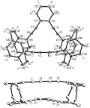
Figure 3: Above: The molecule of compound 19 in the crystal; ellipsoids represent 50% probability levels. Sol...
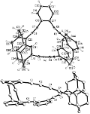
Figure 4: Above: One of the three independent molecules of compound 20 in the crystal; ellipsoids represent 3...

Scheme 7: Cross dimerization of 1 and 4.

Figure 5: The molecule of compound 22 in the crystal; ellipsoids represent 50% probability levels.

Scheme 8: An attempt to prepare a biphenylenophane.

Figure 6: The molecule of compound 26 in the crystal; ellipsoids represent 50% probability levels.
Application of cyclic phosphonamide reagents in the total synthesis of natural products and biologically active molecules
- Thilo Focken and
- Stephen Hanessian
Beilstein J. Org. Chem. 2014, 10, 1848–1877, doi:10.3762/bjoc.10.195
- myxobacteria. Besides the biochemical profile, the two families share common structural features and a common biosynthesis [138][139]. Among the five members of the jerangolid family, which may be considered as trunctated analogs of the ambruticins, jerangolid A is reported to be the most potent [133][134

Graphical Abstract

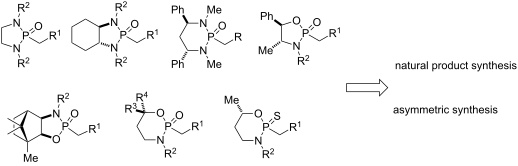
Figure 1: Examples of phosphonamide reagents used in stereoselective synthesis.

Figure 2: Natural products and bioactive molecules synthesized using phosphonamide-based chemistry (atoms, bo...

Scheme 1: Olefination with cyclic phosphonamide anions, mechanistic rationale, and selected examples 27a–d [18].

Scheme 2: Asymmetric olefination with chiral phosphonamide anions and selected examples 31a–d [1,22].

Scheme 3: Synthesis of α-substituted phosphonic acids 33a–e by asymmetric alkylation of chiral phosphonamide ...

Scheme 4: Asymmetric conjugate additions of C2-symmetric chiral phosphonamide anions to cyclic enones, lacton...

Scheme 5: Asymmetric conjugate additions of P-chiral phosphonamide anions generated from 40a and 44a to cycli...

Scheme 6: Asymmetric cyclopropanation with chiral chloroallyl phosphonamide 47, mechanistic rationale, and se...

Scheme 7: Asymmetric cyclopropanation with chiral chloromethyl phosphonamide 28d [59].

Scheme 8: Stereoselective synthesis of cis-aziridines 57 from chiral chloroallyl phosphonamide 47a [62].

Scheme 9: Synthesis of phosphonamides by (A) Arbuzov reaction, (B) condensation of diamines with phosphonic a...

Figure 3: Original and revised structure of polyoxin A (69) [24-26].
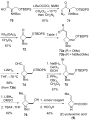
Scheme 10: Synthesis of (E)-polyoximic acid (9) [24-26].

Figure 4: Key assembly strategy of acetoxycrenulide (10) [41,42].

Scheme 11: Total synthesis of (+)-acetoxycrenulide (10) [41,42].

Scheme 12: Synthesis squalene synthase inhibitor 19 by asymmetric sulfuration (A) and asymmetric alkylation (B...
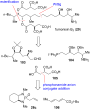
Figure 5: Key assembly strategy of fumonisin B2 (20) and its tricarballylic acid fragment 105 [45,46].

Scheme 13: Final steps of the total synthesis of fumonisin B2 (20) [45,46].

Figure 6: Selected examples of two subclasses of β-lactam antibiotics – carbapenems (111 and 112) and trinems...

Scheme 14: Synthesis of tricyclic β-lactam antibiotic 123 [97].

Scheme 15: Total synthesis of (−)-anthoplalone (8) [56].
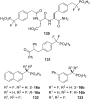
Figure 7: Protein tyrosine phosphatase (PTP) inhibitors 130, 131 and model compounds 16, 132 and 133 [68].

Scheme 16: Synthesis of model PTP inhibitors 16a,b [68].
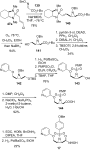
Scheme 17: Synthesis of aziridine hydroxamic acid 17 as MMP inhibitor [63].
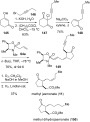
Scheme 18: Synthesis of methyl jasmonate (11) [48].

Figure 8: Structures of nudiflosides A (137) and D (13) [49].

Scheme 19: Total synthesis of the pentasubstituted cyclopentane core 159 of nudiflosides A (151) and D (13) an...

Figure 9: L-glutamic acid (161) and constrained analogues [57,124].

Scheme 20: Stereoselective synthesis of DCG-IV (162) [57].

Scheme 21: Stereoselective synthesis of mGluR agonist 21 [124].
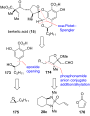
Figure 10: Key assembly strategy of berkelic acid (15) [43].

Scheme 22: Total synthesis of berkelic acid (15) [43].
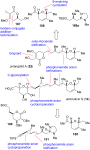
Figure 11: Key assembly strategy of jerangolid A (22) and ambruticin S (14) [27,28].
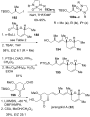
Scheme 23: Final assembly steps in the total synthesis of jerangolid A [27].

Scheme 24: Key assembly steps in the total synthesis of ambruticin S (14) [28].

Figure 12: General steroid construction strategy based on conjugate addition of 212 to cyclopentenone 48, exem...

Scheme 25: Total synthesis of estrone (12) [44].
Structure/affinity studies in the bicyclo-DNA series: Synthesis and properties of oligonucleotides containing bcen-T and iso-tricyclo-T nucleosides
- Branislav Dugovic,
- Michael Wagner and
- Christian J. Leumann
Beilstein J. Org. Chem. 2014, 10, 1840–1847, doi:10.3762/bjoc.10.194
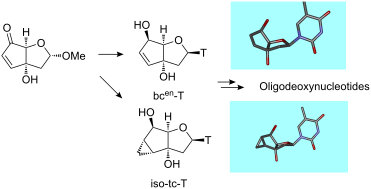
- angle γ. On the other hand, planarizing the C6’–C7’-bond, as in 8β and 11β, leads to a synclinal torsion angle γ and a consistent 2’-endo furanose conformation. In order to correlate structural features of the four monomers under discussions with thermal affinity of correspondingly modified

Graphical Abstract
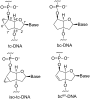
Figure 1: Chemical structures and carbon numbering scheme of tricyclo(tc)-DNA (top, left), bicyclo(bc)-DNA (t...

Scheme 1: Conditions: (a) NaBH4, CeCl3·7H2O, MeOH, −78 °C → rt, 1.5 h, 73% (+9% of C6-epimer); (b) TBS-Cl, im...

Scheme 2: Conditions: (a) thymine, BSA, TMSOTf, TMSCl, CH3CN, rt, 2.5 h; (b) DMTrCl, pyridine, rt, 16 h, 29% ...

Figure 2: X-ray structure of top row: nucleosides 8β (left), 11β (center) and overlay of both structures (rig...

Scheme 3: Pathways for elimination of the modified nucleotides during the oxidation step in oligonucleotide a...
Triazol-substituted titanocenes by strain-driven 1,3-dipolar cycloadditions
- Andreas Gansäuer,
- Andreas Okkel,
- Lukas Schwach,
- Laura Wagner,
- Anja Selig and
- Aram Prokop
Beilstein J. Org. Chem. 2014, 10, 1630–1637, doi:10.3762/bjoc.10.169

- active complexes allows the identification of structural features essential for biological activity. Keywords: azides; click-chemistry; cycloadditions; cytotoxicity; titanocenes; Introduction Group 4 metallocenes and derivatives of Cp2TiCl2, in particular, continue to be in the focus of contemporary
- our cationic carbonyl-substituted titanocenes. Comparison of the three most active complexes also allows the identification of structural features essential for cytotoxic activity. First, a bulky substitution of the cyclopentadienyl ligand is favorable. Second, positioning of the triazol in close
- modular and large numbers of the complexes can in principle be prepared in short periods of time. Some of the triazole-substituted titanocenes display high cyctotoxic activity against BJAB cells. Comparison of the most active complexes allows the identification of structural features essential for

Graphical Abstract

Scheme 1: Modular titanocene synthesis via acylation reactions [24].

Figure 1: Carboxylates employed as titanocene starting materials for azide-substituted complexes.

Figure 2: Azides employed in this study and conditions for their synthesis.

Figure 3: Most active titanocenes of this study and their AC50 values.
Magnesium bis(monoperoxyphthalate) hexahydrate as mild and efficient oxidant for the synthesis of selenones
- Andrea Temperini,
- Massimo Curini,
- Ornelio Rosati and
- Lucio Minuti
Beilstein J. Org. Chem. 2014, 10, 1267–1271, doi:10.3762/bjoc.10.127
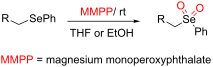
- of phenylseleninic acid [5]. These methods suffer of several disadvantages such as harsh reaction conditions and limited structural features of the substrates; thus, potassium hydrogen persulfate [6] (Oxone) and m-chloroperoxybenzoic acid [4][7] (MCPBA) have been employed for the oxidation of

Graphical Abstract

Scheme 1: General transformation of selenides to selenones.

Scheme 2: Phenylselenone 2 as useful leaving group for the synthesis of different organic molecules.
Atherton–Todd reaction: mechanism, scope and applications
- Stéphanie S. Le Corre,
- Mathieu Berchel,
- Hélène Couthon-Gourvès,
- Jean-Pierre Haelters and
- Paul-Alain Jaffrès
Beilstein J. Org. Chem. 2014, 10, 1166–1196, doi:10.3762/bjoc.10.117


Graphical Abstract

Scheme 1: Pioneer works of Atherton, Openshaw and Todd reporting on the synthesis of phosphoramidate starting...

Scheme 2: Mechanisms 1 (i) and 2 (ii) suggested by Atherton and Todd in 1945; adapted from [1].

Scheme 3: Two reaction pathways (i and ii) to produce chlorophosphate 2. Charge-transfer complex observed whe...

Scheme 4: Mechanism of the Atherton–Todd reaction with dimethylphosphite according to Roundhill et al. (adapt...

Scheme 5: Synthesis of dialkyl phosphate from dialkyl phosphite (i) and identification of chloro- and bromoph...

Scheme 6: Synthesis of chiral phosphoramidate with trichloromethylphosphonate as the suggested intermediate (...
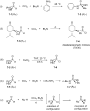
Scheme 7: Selection of results that address the question of the stereochemistry of the AT reaction (adapted f...

Scheme 8: Synthesis of phenoxy spirophosphorane by the AT reaction (adapted from [34]).

Scheme 9: Suggested mechanism of the Atherton–Todd reaction, (i) and (ii) formation of chlorophosphate with a...

Scheme 10: AT reaction in biphasic conditions (adapted from [38]).

Scheme 11: AT reaction with iodoform as halide source (adapted from [37]).

Scheme 12: AT reaction with phenol at low temperature in the presence of DMAP (adapted from [40]).

Scheme 13: Synthesis of a triphosphate by the AT reaction starting with the preparation of chlorophosphate (ad...

Scheme 14: AT reaction with sulfonamide (adapted from [42]).

Scheme 15: Synthesis of a styrylphosphoramidate starting from the corresponding aniline (adapted from [43]).

Scheme 16: Use of hydrazine as nucleophile in AT reactions (adapted from [48]).

Scheme 17: AT reaction with phenol as a nucleophilic species; synthesis of dioleyl phosphate-substituted couma...

Scheme 18: Synthesis of β-alkynyl-enolphosphate from allenylketone with AT reaction (adapted from [58]).

Scheme 19: Synthesis of pseudohalide phosphate by using AT reaction (adapted from [67]).

Scheme 20: AT reaction with hydrospirophosphorane with insertion of CO2 in the product (adapted from [69]).

Scheme 21: AT reaction with diaryl phosphite (adapted from [70]).

Scheme 22: AT reaction with O-alkyl phosphonite (adapted from [71]).

Scheme 23: Use of phosphinous acid in AT reactions (adapted from [72]).

Scheme 24: AT reaction with secondary phosphinethiooxide (adapted from [76]).

Scheme 25: Use of H-phosphonothioate in the AT reaction (adapted from [78]).

Scheme 26: AT-like reaction with CuI as catalyst and without halide source (adapted from [80]).

Scheme 27: Reduction of phenols after activation as phosphate derivatives (adapted from [81] i ; [82], ii; and [83], iii).

Scheme 28: Synthesis of medium and large-sized nitrogen-containing heterocycles (adapted from [85]).

Scheme 29: Synthesis of arylstannane from aryl phosphate prepared by an AT reaction (adapted from [86]).

Scheme 30: Synthesis and use of aryl dialkyl phosphate for the synthesis of biaryl derivatives (adapted from [89])....

Scheme 31: Synthesis of aryl dialkyl phosphate by an AT reaction from phenol and subsequent rearrangement yiel...

Scheme 32: Selected chiral phosphoramidates used as organocatalyst; i) chiral phosphoramidate used in the pion...

Scheme 33: Determination of ee of H-phosphinate by the application of the AT reaction with a chiral amine (ada...

Scheme 34: Chemical structure of selected flame retardants synthesized by AT reactions; (BDE: polybrominated d...

Scheme 35: Transformation of DOPO (i) and synthesis of polyphosphonate (ii) by the AT reaction (adapted from [117] ...

Scheme 36: Synthesis of lipophosphite (bisoleyl phosphite) and cationic lipophosphoramidate with an AT reactio...

Scheme 37: Use of AT reactions to produce cationic lipids characterized by a trimethylphosphonium, trimethylar...

Scheme 38: Cationic lipid synthesized by the AT reaction illustrating the variation of the structure of the li...

Scheme 39: Helper lipids for nucleic acid delivery synthesized with the AT reaction (adapted from [130]).

Scheme 40: AT reaction used to produce red/ox-sensitive cationic lipids (adapted from [135]).

Scheme 41: Alkyne and azide-functionalized phosphoramidate synthesized by AT reactions,(i); illustration of so...

Scheme 42: Cationic lipids exhibiting bactericidal action – arrows indicate the bond formed by the AT reaction...

Scheme 43: β-Cyclodextrin-based lipophosphoramidates (adapted from [138]).

Scheme 44: Polyphosphate functionalized by an AT reaction (adapted from [139]).

Scheme 45: Synthesis of zwitterionic phosphocholine-bound chitosan (adapted from [142]).

Scheme 46: Synthesis of AZT-based prodrug via an AT reaction (adapted from [143]).
Isocyanide-based multicomponent reactions towards cyclic constrained peptidomimetics
- Gijs Koopmanschap,
- Eelco Ruijter and
- Romano V.A. Orru
Beilstein J. Org. Chem. 2014, 10, 544–598, doi:10.3762/bjoc.10.50

- constraints is that they force the molecule into a well-defined secondary structure. Such structural features are often found in biologically active peptides and proteins [8]. Mimicking the secondary structure is of high interest since these motifs are regularly located at the surface of peptide–peptide

Graphical Abstract

Scheme 1: The proposed mechanism of the Passerini reaction.

Scheme 2: The PADAM-strategy to α-hydroxy-β-amino amide derivatives 7. An additional oxidation provides α-ket...

Scheme 3: The general accepted Ugi-mechanism.

Scheme 4: Three commonly applied Ugi/cyclization approaches. a) UDC-process, b) UAC-sequence, c) UDAC-combina...

Scheme 5: Ugi reaction that involves the condensation of Armstrong’s convertible isocyanide.

Scheme 6: Mechanism of the U-4C-3CR towards bicyclic β-lactams.

Scheme 7: The Ugi 4C-3CR towards oxabicyclo β-lactams.

Scheme 8: Ugi MCR between an enantiopure monoterpene based β-amino acid, aldehyde and isocyanide resulting in...

Scheme 9: General MCR for β-lactams in water.

Scheme 10: a) Ugi reaction for β-lactam-linked peptidomimetics. b) Varying the β-amino acid resulted in β-lact...

Scheme 11: Ugi-4CR followed by a Pd-catalyzed Sn2 cyclization.

Scheme 12: Ugi-3CR of dipeptide mimics from 2-substituted pyrrolines.

Scheme 13: Joullié–Ugi reaction towards 2,5-disubstituted pyrrolidines.

Scheme 14: Further elaboration of the Ugi-scaffold towards bicyclic systems.

Scheme 15: Dihydroxyproline derivatives from an Ugi reaction.

Scheme 16: Diastereoselective Ugi reaction described by Banfi and co-workers.

Scheme 17: Similar Ugi reaction as in Scheme 16 but with different acids and two chiral isocyanides.

Scheme 18: Highly diastereoselective synthesis of pyrrolidine-dipeptoids via a MAO-N/MCR-procedure.

Scheme 19: MAO-N/MCR-approach towards the hepatitis C drug telaprevir.

Scheme 20: Enantioselective MAO-U-3CR procedure starting from chiral pyrroline 64.

Scheme 21: Synthesis of γ-lactams via an UDC-sequence.

Scheme 22: Utilizing bifunctional groups to provide bicyclic γ-lactam-ketopiperazines.

Scheme 23: The Ugi reaction provided both γ- as δ-lactams depending on which inputs were used.

Scheme 24: The sequential Ugi/RCM with olefinic substrates provided bicyclic lactams.

Scheme 25: a) The structural and dipole similarities of the triazole unit with the amide bond. b) The copper-c...

Scheme 26: The Ugi/Click sequence provided triazole based peptidomimetics.

Scheme 27: The Ugi/Click reaction as described by Nanajdenko.

Scheme 28: The Ugi/Click-approach by Pramitha and Bahulayan.

Scheme 29: The Ugi/Click-combination by Niu et al.

Scheme 30: Triazole linked peptidomimetics obtained from two separate MCRs and a sequential Click reaction.

Scheme 31: Copper-free synthesis of triazoles via two MCRs in one-pot.

Scheme 32: The sequential Ugi/Paal–Knorr reaction to afford pyrazoles.

Scheme 33: An intramolecular Paal–Knorr condensation provided under basic conditions pyrazolones.

Scheme 34: Similar cyclization performed under acidic conditions provided pyrazolones without the trifluoroace...

Scheme 35: The Ugi-4CR towards 2,4-disubstituted thiazoles.

Scheme 36: Solid phase approach towards thiazoles.

Scheme 37: Reaction mechanism of formation of thiazole peptidomimetics containing an additional β-lactam moiet...

Scheme 38: The synthesis of the trisubstituted thiazoles could be either performed via an Ugi reaction with pr...

Scheme 39: Performing the Ugi reaction with DMB-protected isocyanide gave access to either oxazoles or thiazol...

Scheme 40: Ugi/cyclization-approach towards 2,5-disubstituted thiazoles. The Ugi reaction was performed with d...

Scheme 41: Further derivatization of the thiazole scaffold.

Scheme 42: Three-step procedure towards the natural product bacillamide C.

Scheme 43: Ugi-4CR to oxazoles reported by Zhu and co-workers.

Scheme 44: Ugi-based synthesis of oxazole-containing peptidomimetics.

Scheme 45: TMNS3 based Ugi reaction for peptidomimics containing a tetrazole.

Scheme 46: Catalytic cycle of the enantioselective Passerini reaction towards tetrazole-based peptidomimetics.

Scheme 47: Tetrazole-based peptidomimetics via an Ugi reaction and a subsequent sigmatropic rearrangement.

Scheme 48: Resin-bound Ugi-approach towards tetrazole-based peptidomimetics.

Scheme 49: Ugi/cyclization approach towards γ/δ/ε-lactam tetrazoles.

Scheme 50: Ugi-3CR to pipecolic acid-based peptidomimetics.

Scheme 51: Staudinger–Aza-Wittig/Ugi-approach towards pipecolic acid peptidomimetics.

Figure 1: The three structural isomers of diketopiperazines. The 2,5-DKP isomer is most common.

Scheme 52: UDC-approach to obtain 2,5-DKPs, either using Armstrong’s isocyanide or via ethylglyoxalate.

Scheme 53: a) Ugi reaction in water gave either 2,5-DKP structures or spiro compounds. b) The Ugi reaction in ...

Scheme 54: Solid-phase approach towards diketopiperazines.

Scheme 55: UDAC-approach towards DKPs.

Scheme 56: The intermediate amide is activated as leaving group by acid and microwave assisted organic synthes...

Scheme 57: UDC-procedure towards active oxytocin inhibitors.

Scheme 58: An improved stereoselective MCR-approach towards the oxytocin inhibitor.

Scheme 59: The less common Ugi reaction towards DKPs, involving a Sn2-substitution.

Figure 2: Spatial similarities between a natural β-turn conformation and a DKP based β-turn mimetic [158].

Scheme 60: Ugi-based syntheses of bicyclic DKPs. The amine component is derived from a coupling between (R)-N-...

Scheme 61: Ugi-based synthesis of β-turn and γ-turn mimetics.

Figure 3: Isocyanide substituted 3,4-dihydropyridin-2-ones, dihydropyridines and the Freidinger lactams. Bio-...

Scheme 62: The mechanism of the 4-CR towards 3,4-dihydropyridine-2-ones 212.

Scheme 63: a) Multiple MCR-approach to provide DHP-peptidomimetic in two-steps. b) A one-pot 6-CR providing th...

Scheme 64: The MCR–alkylation–MCR procedure to obtain either tetrapeptoids or depsipeptides.

Scheme 65: U-3CR/cyclization employing semicarbazone as imine component gave triazine based peptidomimetics.

Scheme 66: 4CR towards triazinane-diones.

Scheme 67: The MCR–alkylation–IMCR-sequence described by our group towards triazinane dione-based peptidomimet...

Scheme 68: Ugi-4CR approaches followed by a cyclization to thiomorpholin-ones (a) and pyrrolidines (b).

Scheme 69: UDC-approach for benzodiazepinones.

Scheme 70: Ugi/Mitsunobu sequence to BDPs.

Scheme 71: A UDAC-approach to BDPs with convertible isocyanides. The corresponding amide is cleaved by microwa...

Scheme 72: microwave assisted post condensation Ugi reaction.

Scheme 73: Benzodiazepinones synthesized via the post-condensation Ugi/ Staudinger–Aza-Wittig cyclization.

Scheme 74: Two Ugi/cyclization approaches utilizing chiral carboxylic acids. Reaction (a) provided the product...

Scheme 75: The mechanism of the Gewald-3CR includes three base-catalysed steps involving first a Knoevnagel–Co...

Scheme 76: Two structural 1,4-thienodiazepine-2,5-dione isomers by U-4CR/cyclization.

Scheme 77: Tetrazole-based diazepinones by UDC-procedure.

Scheme 78: Tetrazole-based BDPs via a sequential Ugi/hydrolysis/coupling.

Scheme 79: MCR synthesis of three different tricyclic BPDs.

Scheme 80: Two similar approaches both involving an Ugi reaction and a Mitsunobu cyclization.

Scheme 81: Mitsunobu–Ugi-approach towards dihydro-1,4-benzoxazepines.

Scheme 82: Ugi reaction towards hetero-aryl fused 5-oxo-1,4-oxazepines.

Scheme 83: a) Ugi/RCM-approach towards nine-membered peptidomimetics b) Sequential peptide-coupling, deprotect...

Scheme 84: Ugi-based synthesis towards cyclic RGD-pentapeptides.

Scheme 85: Ugi/MCR-approach towards 12–15 membered macrocycles.

Scheme 86: Stereoselective Ugi/RCM approach towards 16-membered macrocycles.

Scheme 87: Passerini/RCM-sequence to 22-membered macrocycles.

Scheme 88: UDAC-approach towards 12–18-membered depsipeptides.

Figure 4: Enopeptin A with its more active derivative ADEP-4.

Scheme 89: a) The Joullié–Ugi-approach towards ADEP-4 derivatives b) Ugi-approach for the α,α-dimethylated der...

Scheme 90: Ugi–Click-strategy for 15-membered macrocyclic glyco-peptidomimetics.

Scheme 91: Ugi/Click combinations provided macrocycles containing both a triazole and an oxazole moiety.

Scheme 92: a) A solution-phase procedure towards macrocycles. b) Alternative solid-phase synthesis as was repo...

Scheme 93: Ugi/cyclization towards cyclophane based macrocycles.

Scheme 94: PADAM-strategy towards eurystatin A.

Scheme 95: PADAM-approach for cyclotheanamide.

Scheme 96: A triple MCR-approach affording RGD-pentapeptoids.

Scheme 97: Ugi-MiBs-approach towards peptoid macrocycles.

Scheme 98: Passerini-based MiB approaches towards macrocycles 345 and 346.

Scheme 99: Macrocyclic peptide formation by the use of amphoteric aziridine-based aldehydes.
Synthesis of the B-seco limonoid core scaffold
- Hanna Bruss,
- Hannah Schuster,
- Rémi Martinez,
- Markus Kaiser,
- Andrey P. Antonchick and
- Herbert Waldmann
Beilstein J. Org. Chem. 2014, 10, 194–208, doi:10.3762/bjoc.10.15
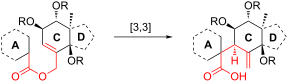
- modulators [26]. B-seco limonoids constitute exceptionally challenging synthesis targets, as the characteristic structural features are a compact, highly oxygenated as well as richly decorated framework and stereochemically dense functionalization. In all B-seco limonoids an A ring is linked by a C–C bond to

Graphical Abstract

Figure 1: Structures of the 4,4,8-trimethyl-17-furanylsteroid core structure I and the representative B-seco ...

Scheme 1: Retrosynthetic analysis of the B-seco limonoid framework employing a [3,3]-sigmatropic rearrangemen...

Scheme 2: Retrosynthetic analysis of the B-seco limonoid scaffold employing a Claisen rearrangement as key st...

Scheme 3: Synthesis of alcohols 19, 20 and 22. Reagents and conditions: a) CSA, 2,3-butanedione, trimethyl or...

Scheme 4: Retrosynthetic analysis of the B-seco limonoid scaffold employing an Ireland–Claisen rearrangement ...

Scheme 5: Synthesis and Ireland–Claisen rearrangement of the allyl esters 27, 28, 29 and 30. Reagents and con...

Figure 2: Conformation of rearrangement precursor 30 and possible transition state involved in the Ireland–Cl...

Scheme 6: Synthesis of model C rings 40, 41 and 42. Reagents and conditions: a) TBDPSCl, DMAP, NEt3, CH2Cl2, ...

Scheme 7: β-Substituted allyl esters tested in the Ireland–Claisen and the Carroll rearrangement.

Scheme 8: Synthesis and Ireland–Claisen rearrangement of bicyclic allyl ester precursor 66. Reagents and cond...
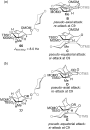
Figure 3: Conformations of rearrangement precursors 66 and 77 and possible transition states involved in the ...

Scheme 9: Synthesis and Ireland–Claisen rearrangement of allyl ester 70. Reagents and conditions: a) DIPEA, M...

Scheme 10: Synthesis and Ireland–Claisen rearrangement of allyl ester 72. Reagents and conditions: a) TIPSOTf,...

Scheme 11: Synthesis of the C14-epi and C14/C9-epi B-seco limonoid scaffolds 78 and 79. Reagents and condition...

Scheme 12: Synthesis of fully functionalized A ring 87. Reagents and conditions: a) HO(CH2)2OH, THF, Pd/C, H2,...

Scheme 13: and Attempted Ireland–Claisen rearrangement of allyl ester 88. R1 = MOM, R2 = CO2H.

Scheme 14: Synthesis and attempted Ireland–Claisen rearrangement of allyl ester 93. Reagents and conditions: a...

Scheme 15: Allyl esters tested in the Ireland–Claisen rearrangement.
Total synthesis of (+)-grandiamide D, dasyclamide and gigantamide A from a Baylis–Hillman adduct: A unified biomimetic approach
- Andivelu Ilangovan and
- Shanmugasundar Saravanakumar
Beilstein J. Org. Chem. 2014, 10, 127–133, doi:10.3762/bjoc.10.9
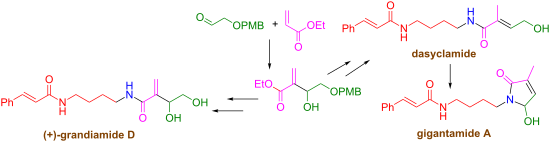
- additional functional groups on them by replacing the starting materials by activated alkenes and aldehydes. Various multifunctional molecules including natural products have already been successfully synthesized using the Baylis–Hillman adducts [9]. Structural features of grandiamide D, gigantamide A

Graphical Abstract

Figure 1: Bisamides as building blocks for flavaglins.

Figure 2: (+)-Grandiamide D, gigantamide A and dasyclamide.

Scheme 1: Retrosynthetic analysis: A unified synthetic approach for the synthesis of grandiamide D, dasyclami...

Scheme 2: Preparation of N-(4-aminobutyl)cinnamamide.

Scheme 3: Synthesis of (±)-grandiamide D.

Scheme 4: Asymmetric synthesis of natural (+)-grandiamide D.

Scheme 5: Various approaches for the synthesis of (E)-N-(4-cinnamamidobutyl)-4-((4-methoxybenzyl)oxy)-2-methy...

Scheme 6: Synthesis of dasyclamide.
Studies on the interaction of isocyanides with imines: reaction scope and mechanistic variations
- Ouldouz Ghashghaei,
- Consiglia Annamaria Manna,
- Esther Vicente-García,
- Marc Revés and
- Rodolfo Lavilla
Beilstein J. Org. Chem. 2014, 10, 12–17, doi:10.3762/bjoc.10.3
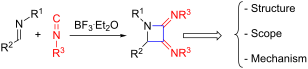
- ring system. The scope of the reaction regarding the imine and isocyanide ranges has been determined, and also some mechanistic variations and structural features have been described. Keywords: azetidines; heterocycles; imines; isocyanides; multicomponent reactions; Introduction The interaction of
- Discussion Reaction scope In this section we analyze the reaction conditions, the structural features of the products and the scope of the reactants. Reaction conditions We began our studies with the experimental screening of the solvents, catalysts and temperatures suitable for this transformation. In this
- monocrystal of the bis(imino)azetidine 3a was subjected to X-ray diffraction analysis and the solid state structure is depicted in Figure 1 [11]. This result confirms the structural features associated to this scaffold, and also raises some questions on the origin of the stereochemistry associated to the C=N

Graphical Abstract

Scheme 1: Azetidine formation from the interaction of imines with isocyanides.

Scheme 2: Reaction conditions.

Figure 1: X-ray diffraction analysis of azetidine 3a.

Scheme 3: Stepwise mechanism for the formation of azetidine 3a.

Scheme 4: Manifold reaction mechanism.
Novel supramolecular affinity materials based on (−)-isosteviol as molecular templates
- Christina Lohoelter,
- Malte Brutschy,
- Daniel Lubczyk and
- Siegfried R. Waldvogel
Beilstein J. Org. Chem. 2013, 9, 2821–2833, doi:10.3762/bjoc.9.317
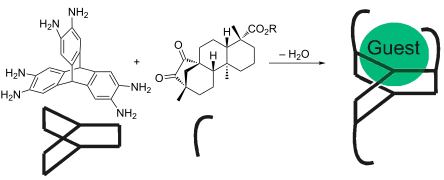
- requirements for the formation of C3-symmetric architectures with extended cavities. Due to their structural features, triptycenes have found widespread application in organic synthesis: Ranging from polymer sciences [41], materials for gas storage [42][43][44][45][46][47][48][49][50], (organo)catalysis [51
- additional base and operation in a sealed tube provided a satisfactory yield of 8 (Scheme 3) [61]. By molecular modelling the structural features can be visualized (Figure 5). A relatively closed C3-symmetric cleft is formed by all-syn-8 (Figure 5a), whereas the less symmetric anti,anti,syn-8 (Figure 5b
- compounds, see Supporting Information File 1. Unique structural features of (−)-isosteviol. Triphenylene ketal based on (−)-isosteviol. Structural features of triptycene derivatives. Hexaammoniumtriptycene hexachloride 4 and 15-oxo-derivatives 5a–c of (–)-isosteviol. Molecular modelling structures (Spartan

Graphical Abstract

Figure 1: Unique structural features of (−)-isosteviol.

Figure 2: Triphenylene ketal based on (−)-isosteviol.

Figure 3: Structural features of triptycene derivatives.

Scheme 1: Functionalization of triphenylene ketal 2a.

Figure 4: Hexaammoniumtriptycene hexachloride 4 and 15-oxo-derivatives 5a–c of (–)-isosteviol.

Scheme 2: Quinoxalines based on diketone 5b.

Scheme 3: Condensation of 5b with hexaammoniumtriptycene hexachloride.

Figure 5: Molecular modelling structures (Spartan ’08 V1.0.0) of (a) all-syn-8 and (b) anti,anti,syn-8.

Scheme 4: Synthesis of nitrobenzylic ester derivatives 10 and 11, starting from (−)-isosteviol 1.

Scheme 5: Condensation of the nitrobenzyl esters 10 and 11 with hexaammoniumtriptycene hexachloride 4.

Scheme 6: Hydrogenolysis to tricarboxylic acid all-syn-16.

Scheme 7: Alkylation of all-syn-16 renders terminal alkene all-syn-17.

Figure 6: (a) Top view on the molecular structure of all-syn-17 with the terminal alkene fragments labelled i...

Scheme 8: Alkylation of (−)-isosteviol diketone 9 with 5-bromo-1-pentene.

Scheme 9: Direct synthesis of alkylated triptycene 17 by condensation of 18 with hexaammoniumtriptycene hexac...

Scheme 10: Olefin metathesis of all-syn-17.

Figure 7: Extracts of the 13C NMR spectra of starting material and product.

Figure 8: Molecular modelling structure (MacroModel 9.3.5) of collapsed 19, (a) top view; (b) side view.

Figure 9: Screening of aromatic analytes with affinity materials 3, 7, 8, 17 and 19.

Figure 10: Primary data of anti,anti,syn-8 and a [3 + 2] cage compound (increasing pseudocumene concentrations...

Figure 11: Screening of protic analytes with affinity materials 3, 8, 14 and 15.
An overview of the synthetic routes to the best selling drugs containing 6-membered heterocycles
- Marcus Baumann and
- Ian R. Baxendale
Beilstein J. Org. Chem. 2013, 9, 2265–2319, doi:10.3762/bjoc.9.265
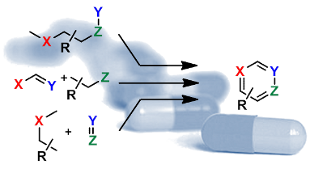
- . Interestingly all these compounds are actually pro-drugs hence the common structural features can be rationalised as the molecules undergo an acid-catalysed Smiles-rearrangement prior to bioconjugation to ATPases (Scheme 6). Most of the synthetic routes towards the embedded pyridine heterocycle in these
- structures of pioglitazone and rosiglitazone show common structural features bearing a distal pyridine ring linked to the thiazolidinedione pharmacophore. In rosiglitazone the pyridine unit is introduced via an SNAr reaction between N-methylethanolamine (1.44) and 2-chloropyridine (1.43) which in turn is

Graphical Abstract

Scheme 1: Scaled industrial processes for the synthesis of simple pyridines.

Scheme 2: Synthesis of nicotinic acid from 2-methyl-5-ethylpyridine (1.11).

Scheme 3: Synthesis of 3-picoline and nicotinic acid.

Scheme 4: Synthesis of 3-picoline from 2-methylglutarodinitrile 1.19.

Scheme 5: Picoline-based synthesis of clarinex (no yields reported).

Scheme 6: Mode of action of proton-pump inhibitors and structures of the API’s.

Scheme 7: Hantzsch-like route towards the pyridine rings in common proton pump inhibitors.

Figure 1: Structures of rosiglitazone (1.40) and pioglitazone (1.41).

Scheme 8: Synthesis of rosiglitazone.

Scheme 9: Syntheses of 2-pyridones.

Scheme 10: Synthesis and mechanism of 2-pyrone from malic acid.

Scheme 11: Polymer-assisted synthesis of rosiglitazone.

Scheme 12: Synthesis of pioglitazone.

Scheme 13: Meerwein arylation reaction towards pioglitazone.

Scheme 14: Route towards pioglitazone utilising tyrosine.

Scheme 15: Route towards pioglitazone via Darzens ester formation.

Scheme 16: Syntheses of the thiazolidinedione moiety.

Scheme 17: Synthesis of etoricoxib utilising Negishi and Stille cross-coupling reactions.

Scheme 18: Synthesis of etoricoxib via vinamidinium condensation.

Figure 2: Structures of nalidixic acid, levofloxacin and moxifloxacin.

Scheme 19: Synthesis of moxifloxacin.

Scheme 20: Synthesis of (S,S)-2,8-diazabicyclo[4.3.0]nonane 1.105.

Scheme 21: Synthesis of levofloxacin.

Scheme 22: Alternative approach to the levofloxacin core 1.125.

Figure 3: Structures of nifedipine, amlodipine and clevidipine.

Scheme 23: Mg3N2-mediated synthesis of nifedipine.

Scheme 24: Synthesis of rac-amlodipine as besylate salt.

Scheme 25: Aza Diels–Alder approach towards amlodipine.

Scheme 26: Routes towards clevidipine.

Figure 4: Examples of piperidine containing drugs.

Figure 5: Discovery of tiagabine based on early leads.

Scheme 27: Synthetic sequences to tiagabine.

Figure 6: Structures of solifenacin (2.57) and muscarine (2.58).

Scheme 28: Enantioselective synthesis of solifenacin.

Figure 7: Structures of DPP-4 inhibitors of the gliptin-type.

Scheme 29: Formation of inactive diketopiperazines from cis-rotameric precursors.

Figure 8: Co-crystal structure of carmegliptin bound in the human DPP-4 active site (PDB 3kwf).

Scheme 30: Improved route to carmegliptin.

Figure 9: Structures of lamivudine and zidovudine.

Scheme 31: Typical routes accessing uracil, thymine and cytosine.

Scheme 32: Coupling between pyrimidones and riboses via the Vorbrüggen nucleosidation.

Scheme 33: Synthesis of lamivudine.

Scheme 34: Synthesis of raltegravir.

Scheme 35: Mechanistic studies on the formation of 3.22.

Figure 10: Structures of selected pyrimidine containing drugs.

Scheme 36: General preparation of pyrimidines and dihydropyrimidones.

Scheme 37: Synthesis of imatinib.

Scheme 38: Flow synthesis of imatinib.

Scheme 39: Syntheses of erlotinib.

Scheme 40: Synthesis of erlotinib proceeding via Dimroth rearrangement.

Scheme 41: Synthesis of lapatinib.

Scheme 42: Synthesis of rosuvastatin.

Scheme 43: Alternative preparation of the key aldehyde towards rosuvastatin.

Figure 11: Structure comparison between nicotinic acetylcholine receptor agonists.

Scheme 44: Syntheses of varenicline and its key building block 4.5.

Scheme 45: Synthetic access to eszopiclone and brimonidine via quinoxaline intermediates.

Figure 12: Bortezomib bound in an active site of the yeast 20S proteasome ([114], pdb 2F16).

Scheme 46: Asymmetric synthesis of bortezomib.

Figure 13: Structures of some prominent piperazine containing drugs.

Figure 14: Structural comparison between the core of aplaviroc (4.35) and a type-1 β-turn (4.36).

Scheme 47: Examplary synthesis of an aplaviroc analogue via the Ugi-MCR.

Scheme 48: Syntheses of azelastine (5.1).

Figure 15: Structures of captopril, enalapril and cilazapril.

Scheme 49: Synthesis of cilazapril.

Figure 16: Structures of lamotrigine, ceftriaxone and azapropazone.

Scheme 50: Synthesis of lamotrigine.

Scheme 51: Alternative synthesis of lamotrigine (no yields reported).

Figure 17: Structural comparison between imiquimod and the related adenosine nucleoside.

Scheme 52: Conventional synthesis of imiquimod (no yields reported).

Scheme 53: Synthesis of imiquimod.

Scheme 54: Synthesis of imiquimod via tetrazole formation (not all yields reported).

Figure 18: Structures of various anti HIV-medications.

Scheme 55: Synthesis of abacavir.

Figure 19: Structures of diazepam compared to modern replacements.

Scheme 56: Synthesis of ocinaplon.

Scheme 57: Access to zaleplon and indiplon.

Scheme 58: Different routes towards the required N-methylpyrazole 6.65 of sildenafil.

Scheme 59: Polymer-supported reagents in the synthesis of key aminopyrazole 6.72.

Scheme 60: Early synthetic route to sildenafil.

Scheme 61: Convergent preparations of sildenafil.

Figure 20: Comparison of the structures of sildenafil, tadalafil and vardenafil.

Scheme 62: Short route to imidazotriazinones.

Scheme 63: Alternative route towards vardenafils core imidazotriazinone (6.95).

Scheme 64: Bayer’s approach to the vardenafil core.

Scheme 65: Large scale synthesis of vardenafil.

Scheme 66: Mode of action of temozolomide (6.105) as methylating agent.

Scheme 67: Different routes to temozolomide.

Scheme 68: Safer route towards temozolomide.

Figure 21: Some unreported heterocyclic scaffolds in top market drugs.
Elucidation of the regio- and chemoselectivity of enzymatic allylic oxidations with Pleurotus sapidus – conversion of selected spirocyclic terpenoids and computational analysis
- Verena Weidmann,
- Mathias Schaffrath,
- Holger Zorn,
- Julia Rehbein and
- Wolfgang Maison
Beilstein J. Org. Chem. 2013, 9, 2233–2241, doi:10.3762/bjoc.9.262
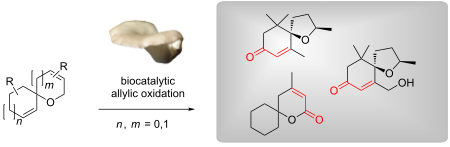
- evaluate the DFT-energies in terms of relative and absolute values. For this comparison CBS-QB3 has been applied to model structures 11A and 11B that contain key structural features of 11 and 12 (Table 1). According to the data summarized in Table 1 and Table 2 B3LYP/6-31+G** gives reasonable results and

Graphical Abstract

Figure 1: Selected biocatalytic allylic and benzylic oxidations with the lyophilisate of Pleurotus sapidus (P...

Scheme 1: Biocatalytic allylic oxidation of theaspirane (1) with lyophilisates of PSA. Only one enantiomer of...

Figure 2: Selected bioactive terpenoids based on spiroether backbones [38,39].

Scheme 2: Intramolecular silyl modified Sakurai reaction to spiroethers 7–9 and 11–13.

Scheme 3: Biocatalytic allylic oxidation of spiroethers 7, 8, 11 and 12 with the lyophilisate of PSA. Convers...

Figure 3: Bond-dissociation enthalpies for three allylic C–H bonds in 11. Double stabilization of the radical...

Scheme 4: Improved 3-step synthesis of vitispirane (23) from theaspirane (1). Only one enantiomer of racemic ...

Scheme 5: Oxidation of vitispirane (23) with PSA gave enone 24 and two diastereomeric allyl alcohols 26a and ...
The chemistry of isoindole natural products
- Klaus Speck and
- Thomas Magauer
Beilstein J. Org. Chem. 2013, 9, 2048–2078, doi:10.3762/bjoc.9.243
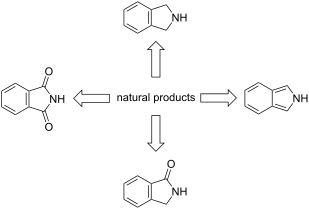

Graphical Abstract

Figure 1: a) Structural features and b) selected examples of non-natural congeners.

Scheme 1: Synthesis of isoindole 18.

Scheme 2: Staining amines with 1,4-diketone 19 (R = H).

Figure 2: Representative members of the indolocarbazole alkaloid family.

Figure 3: Staurosporine (26) bound to the adenosine-binding pocket [19] (from pdb1stc).
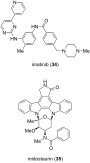
Figure 4: Structure of imatinib (34) and midostaurin (35).

Scheme 3: Biosynthesis of staurosporine (26).

Scheme 4: Wood’s synthesis of K-252a via the common intermediate 48.
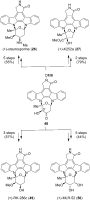
Scheme 5: Synthesis of 26, 27, 49 and 50 diverging from the common intermediate 48.

Figure 5: Selected members of the cytochalasan alkaloid family.

Scheme 6: Biosynthesis of chaetoglobosin A (57) [56].

Scheme 7: Synthesis of cytochalasin D (70) by Thomas [63].

Scheme 8: Synthesis of L-696,474 (78).

Scheme 9: Synthesis of aldehyde 85 (R = TBDPS).

Scheme 10: Synthesis of (+)-aspergillin PZ (79) by Tanis.
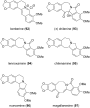
Figure 6: Representative Berberis alkaloids.

Scheme 11: Proposed biosynthetic pathway to chilenine (93).
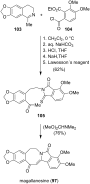
Scheme 12: Synthesis of magallanesine (97) by Danishefsky [84].

Scheme 13: Kurihara’s synthesis of magallanesine (85).

Scheme 14: Proposed biosynthesis of 113, 117 and 125.

Scheme 15: DNA lesion caused by aristolochic acid I (117) [102].

Scheme 16: Snieckus’ synthesis of piperolactam C (131).
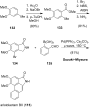
Scheme 17: Synthesis of aristolactam BII (104).

Figure 7: Representative cularine alkaloids.

Scheme 18: Proposed biosynthesis of 136.

Scheme 19: The syntheses of 136 and 137 reported by Castedo and Suau.
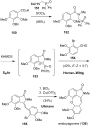
Scheme 20: Synthesis of 136 by Couture.
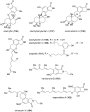
Figure 8: Representative isoindolinone meroterpenoids.

Scheme 21: Postulated biosynthetic pathway for the formation of 156 (adopted from George) [143].

Scheme 22: Synthesis of stachyflin (156) by Katoh [144].

Figure 9: Selected examples of spirodihydrobenzofuranlactams.
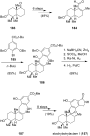
Scheme 23: Synthesis of stachybotrylactam I (157).
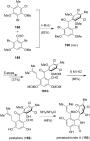
Scheme 24: Synthesis of pestalachloride A (193) by Schmalz.

Scheme 25: Proposed mechanism for the BF3-catalyzed metal-free carbonyl–olefin metathesis [149].
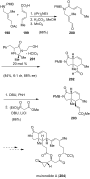
Scheme 26: Preparation of the isoindoline core of muironolide A (204).
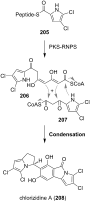
Scheme 27: Proposed biosynthesis of 208.

Scheme 28: Model for the biosynthesis of 215 and 217.

Scheme 29: Synthesis of lactonamycin (215) and lactonamycin Z (217).

Figure 10: Hetisine alkaloids 225–228.

Scheme 30: Biosynthetic proposal for the formation of the hetisine core [167].
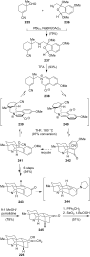
Scheme 31: Synthesis of nominine (225).
Self-assembly of 2,3-dihydroxycholestane steroids into supramolecular organogels as a soft template for the in-situ generation of silicate nanomaterials
- Valeria C. Edelsztein,
- Andrea S. Mac Cormack,
- Matías Ciarlantini and
- Pablo H. Di Chenna
Beilstein J. Org. Chem. 2013, 9, 1826–1836, doi:10.3762/bjoc.9.213
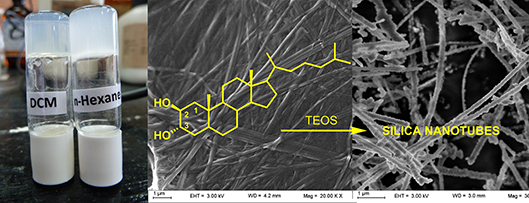
- structure–property relationships, it is still impossible to design a new LMOG de novo. For those reasons most of the known LMOGs have been discovered serendipitously. Nevertheless, with the knowledge gained about the mode of aggregation of LMOG molecules some of the structural features necessary for

Graphical Abstract

Figure 1: Structures of the 2,3-dihydroxycholestane isomers studied in this work.

Figure 2: 3D plots for LMOG 1 and solvent parameters of the tested solvents a) Hansen solubility parameters (δ...

Figure 3: Tg-vs-concentration plots for gels of 1.

Figure 4: SEM images of xerogels from a,b) dichloromethane, and c,d) from dioxane.

Figure 5: Powder X-ray diffraction pattern of the xerogels of 1 from a) n-hexane and b) dichloromethane.

Figure 6: Self-assembly models proposed for LMOG 1, only the left handed helix is shown, head to head hydroge...

Figure 7: SEM images of nanostructured silica obtained from gels of LMOG 1 under the following conditions: 0....
Organocatalyzed enantioselective desymmetrization of aziridines and epoxides
- Ping-An Wang
Beilstein J. Org. Chem. 2013, 9, 1677–1695, doi:10.3762/bjoc.9.192
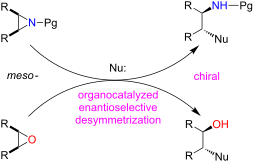
- -oxide, and N-heterocyclic carbenes were published. However, the enantioselective ring-opening of meso-aziridines in the presence of chiral organocatalysts (OC) has emerged as a research field only in recent years. The organocatalysts utilized in these processes are diverse in their structural features

Graphical Abstract

Figure 1: The catalyzed enantioselective desymmetrization.
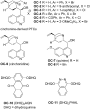
Figure 2: Cinchona alkaloid-derived catalysts OC-1 to OC-11.

Scheme 1: The enantioselective desymmetrization of meso-aziridines in the presence of selected Cinchona alkal...

Figure 3: Cinchona alkaloid-derived catalysts OC-12 to OC-19.

Scheme 2: The enantioselective ring-opening of aziridines in the presence of OC-16.

Scheme 3: OC-16 catalyzed enantioselective ring-opening of aziridines.

Figure 4: The chiral phosphoric acids catalysts OC-20 and OC-21.

Scheme 4: OC-20 and OC-21 catalyzed enantioselective desymmetrization of meso-aziridines.

Figure 5: The proposed mechanism for chiral phosphorous acid-induced enantioselctive desymmetrization of meso...

Scheme 5: OC-21 catalyzed enantioselective desymmetrization of meso-aziridines by Me3SiSPh.

Scheme 6: OC-21 catalyzed the enantioselective desymmetrization of meso-aziridines by Me3SiSePh/PhSeH.

Figure 6: L-Proline and its derivatives OC-22 to OC-27.

Scheme 7: OC-23 catalyzed enantioselective desymmetrization of meso-aziridines.

Figure 7: Proposed bifunctional mode of action of OC-23.

Figure 8: The chiral thioureas OC-28 to OC-44 for the desymmetrization of meso-aziridines.

Scheme 8: Desymmetrization of meso-aziridines with OC-41.

Figure 9: The chiral guanidines (OC-45 to OC-48).

Scheme 9: OC-46 catalyzed desymmetrization of meso-aziridines by arylthiols.

Scheme 10: Desymmetrization of cis-aziridine-2,3-dicarboxylate.

Figure 10: The proposed activation mode of OC-46.

Scheme 11: The enantioselective desymmetrization of meso-aziridines by amine/CS2 in the presence of OC-46.

Figure 11: The chiral 1,2,3-triazolium chlorides OC-49 to OC-55.

Scheme 12: The enantioselective desymmetrization of meso-aziridines by Me3SiX (X = Cl or Br) in the presence o...

Figure 12: Early organocatalysts for enantioselective desymmetrization of meso-epoxides.

Scheme 13: Attempts of enantioselective desymmetrization of meso-epoxides in the presence of OC-58 or OC-60.

Scheme 14: The enantioselective desymmetrization of a meso-epoxide containing one P atom.
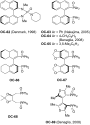
Figure 13: Some chiral phosphoramide and chiral phosphine oxides.

Scheme 15: OC-62 catalyzed enantioselective desymmetrization of meso-epoxides by SiCl4.

Figure 14: The proposed mechanism of the chiral HMPA-catalyzed desymmetrization of meso-epoxides.

Scheme 16: The enantioselective desymmetrization of meso-epoxides in the presence of OC-63.

Figure 15: The Chiral phosphine oxides (OC-70 to OC-77) based on an allene backbone.

Scheme 17: OC-73 catalyzed enantioselective desymmetrization of meso-epoxides by SiCl4.

Figure 16: Chiral pyridine N-oxides used in enantioselective desymmetrization of meso-epoxides.
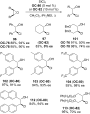
Scheme 18: Catalyzed enantioselective desymmetrization of meso-epoxides in the presence of OC-80 or OC-82.

Figure 17: Chiral pyridine N-oxides OC-85 to OC-94.

Scheme 19: Enantioselective desymmetrization of cis-stilbene oxide by using OC-85 to OC-92 as catalysts.

Figure 18: A novel family of helical chiral pyridine N-oxides OC-95 to OC-97.

Scheme 20: Desymmetrization of meso-epoxides catalyzed by OC-95 to OC-97.

Scheme 21: OC-98 catalyzed enantioselective desymmetrization of meso-epoxides by SiCl4.
True and masked three-coordinate T-shaped platinum(II) intermediates
- Manuel A. Ortuño,
- Salvador Conejero and
- Agustí Lledós
Beilstein J. Org. Chem. 2013, 9, 1352–1382, doi:10.3762/bjoc.9.153
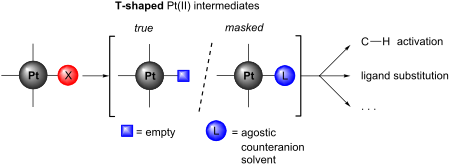
- position is occupied by a very weak ligand (agostic bond, solvent molecule or counteranion), which can be easily displaced. This review summarizes the structural features of the true and masked T-shaped Pt(II) complexes reported so far and describes synthetic strategies employed for their formation
- -coordinate complexes to distinguish them from the true low-coordinate complexes. In this review, we will summarize recent advances in true and masked three-coordinate Pt(II) complexes, highlighting both their structural features and their possible participation as reaction intermediates. Computational
- , the structural features of the main families of these compounds will be summarized. The next sections will be devoted to the spectroscopic tools for their detection and the synthetic strategies employed to their formation. Afterwards, the rearrangement processes exhibited by the low-coordinate

Graphical Abstract
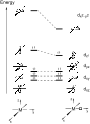
Figure 1: Qualitative orbital diagram for a d8 metal in ML4 square-planar and ML3 T-shaped complexes.

Figure 2: Walsh diagram for the d-block of a d8 ML3 complex upon bending of one L–M–L angle.

Figure 3: Neutral Y-shaped Pt complex Y1 [15]. Angles are given in degrees.

Figure 4: General classification of T-shaped Pt(II) structures according to the fourth coordination site.

Figure 5: Hydride, boryl and borylene true T-shaped Pt(II) complexes.

Figure 6: NHC-based true T-shaped Pt(II) complexes.

Figure 7: Phosphine-based agostic T-shaped Pt(II) complexes. Compounds in brackets correspond with hydrido–al...

Figure 8: Phenylpyridine and NHC-based agostic T-shaped Pt(II) complexes.

Figure 9: Counteranion coordination in T-shaped Pt(II) complexes.

Figure 10: Phosphine-based solvento Pt(II) complexes.

Figure 11: Nitrogen-based solvento Pt(II) complexes.

Figure 12: Pincer-based solvento Pt(II) complexes.
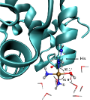
Figure 13: Structure of the QM/MM optimized cisplatin–protein adduct [94].

Figure 14: NMR coupling constants used for the characterization of three-coordinate Pt(II) species.

Figure 15: The chemical formula of the complexes discussed in Table 2.

Scheme 1: Halogen abstraction from 1.

Scheme 2: Halogen abstraction from 2 forming the dicationic complex T3 [22].

Scheme 3: Hydrogenation of complexes A5a and A5b [39].

Scheme 4: Hydrogenation of complexes 3 and A5c [40].

Scheme 5: Intermolecular C–H bond activation from T5a [28].

Scheme 6: Protonation of complexes 4 [35,36].

Scheme 7: Cyclometalation of 5 [43].

Scheme 8: Protonation of 6.

Scheme 9: Reductive elimination of ethane from 7.

Scheme 10: Reductive elimination of methane from six-coordinate Pt(IV) complexes.

Scheme 11: Proposed dissociative mechanism for the fluxional motion of dmphen in [Pt(Me)(dmphen)(PR3)]+ comple...

Figure 16: Feasible interactions for unsaturated intermediates 11b (left) and 12b (right) during fluxional mot...

Scheme 12: Halogen abstraction from 13a,b and subsequent cyclometalation to yield complexes A5a,b [39].

Scheme 13: Proposed mechanism for the acid-catalyzed cyclometalation of 14 via intermediate 15 [41].

Scheme 14: Proposed mechanism for the formation of 19 [102].

Scheme 15: Cyclometalation of 20 via thioether dissociation [117].

Figure 17: Gibbs energy profile (in chloroform solvent) for the cyclometalation of 23 [120].

Scheme 16: Coordination of tmtu to 29 and subsequent C–H bond activation via three-coordinate species 31 and 32...

Scheme 17: Cyclometalation process of NHC-based Pt(II) complexes [28,44].

Scheme 18: Cyclometalation process of complex A9 [43].

Scheme 19: “Rollover” reaction of 38 and subsequent oligomerization [123].

Scheme 20: Proposed mechanism for the formation of cyclometalated species 44 [124].

Scheme 21: Self-assembling process of 45 by “rollover” reaction [126].

Scheme 22: “Rollover” reaction of A9. Energies (solvent) in kcal mol−1 [127].

Scheme 23: Proposed mechanisms for the “rollover” cyclometalation of 52 in gas-phase ion-molecule reactions [128].

Scheme 24: β-H elimination and 1,2-insertion equilibrium involving A1d and the subsequent generation of 57 [35].

Scheme 25: Proposed mechanism for thermolysis of 7b and 7c in benzene-d6 and cyclohexane-d12 solvents [101].

Scheme 26: β-H elimination process of A11a [28].

Scheme 27: Intermolecular C–H bond activation from 62 [95].

Scheme 28: Reductive elimination of methane from 65 followed by CD3CN coordination or C–D bond-activation proc...

Figure 18: DFT-optimized structures describing the κ2 (69, left) and κ3 (69’, right) coordination modes of [Pt...

Scheme 29: Intermolecular arene C–H bond activation from NHC-based complexes [28].

Figure 19: Energy profiles (in benzene solvent) for the benzene C–H bond activation from A11a, A11b, T5a and T...

Scheme 30: Intermolecular arene C–H bond activation from PNP-based complex 71 [12].

Scheme 31: Intermolecular C–H bond-activation by gas-phase ion-molecule reactions of 74 [7,142].

Scheme 32: Dihydrogen activation through complexes A5a, A5b [39], A5c [40] and S1a [54].

Scheme 33: Dihydrogen activation through complexes A7 and 16 [41]. For a: see Scheme 13.

Scheme 34: Br2 and I2 bond activations through complexes A11a and T5a [143].

Scheme 35: Detection and isolation of the Pt(III) complex 81a [143].

Scheme 36: Cl2 bond activation through complexes 82 and 83 [144].

Scheme 37: cis–trans Isomerization mechanism of the solvento Pt(II) complexes S5 [2,61].

Figure 20: Energy profiles for the isomerization of complexes [Pt(R)(PMe3)2(NCMe)]+ where R means Me (85a, red...

Figure 21: DFT-optimized structure of intermediate 86 [62]. Bond distances in angstrom and angles in degrees.

Scheme 38: Proposed dissociative ligand-substitution mechanism of cis-[Pt(R)2S2] complexes (87) [117].

Scheme 39: Proposed mechanisms for the ligand substitution of the dinuclear species 91 [146].
Anionic cascade reactions. One-pot assembly of (Z)-chloro-exo-methylenetetrahydrofurans from β-hydroxyketones
- István E. Markó and
- Florian T. Schevenels
Beilstein J. Org. Chem. 2013, 9, 1319–1325, doi:10.3762/bjoc.9.148

- , possessing unique structural features. Keywords: acetylene addition; dichloroethylene; dimerisation; dioxanes; tetrahydrofurans; Introduction Recently, we have shown that simple ketones reacted with 1,1-dichloroethylene, in the presence of potassium tert-butoxide, to afford rare (Z)-chloro-exo

Graphical Abstract

Scheme 1: Formation of (Z)-chloro-exo-methyleneketals.

Scheme 2: Mechanism of formation of (Z)-chloro-exo-methylenetetrahydrofurans.

Scheme 3: Stepwise formation of (Z)-chloro-exo-methylenetetrahydrofurans.

Scheme 4: Optimized protocols to form (Z)-chloro-exo-methylenetetrahydrofurans.

Scheme 5: Hydration of (Z)-chloro-exo-methylenetetrahydrofurans.

Scheme 6: Formation of dioxanes.

Figure 1: X-ray diffraction analysis of dioxanes 35 and 36.

Scheme 7: Formation of a new spirocyclic dimer.
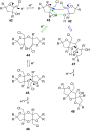
Scheme 8: Mechanism leading to dioxanes and spirocycles.

Scheme 9: (S,S)-syn and (S,R)-syn approaches.
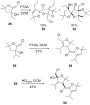
Scheme 10: Formation of a bridged dimer and a triene.

Figure 2: X-ray diffraction analysis of two new dimers.

Scheme 11: Mechanism leading to bridged and dienic dimers.
Methylidynetrisphosphonates: Promising C1 building block for the design of phosphate mimetics
- Vadim D. Romanenko and
- Valery P. Kukhar
Beilstein J. Org. Chem. 2013, 9, 991–1001, doi:10.3762/bjoc.9.114
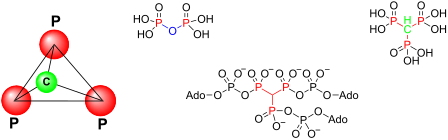
- salts (Figure 1) [7]. Structural features of the trisphosphonate 18 were studied by NMR spectroscopy and by single-crystal X-ray diffraction. Only one 31P NMR signal is observable for three equivalent phosphonate moieties in CHCl3. In contrast, the 31P solid-state NMR spectrum of 18 revealed three

Graphical Abstract

Scheme 1: Synthesis of hexaethyl dialkylaminomethylidynetrisphosphonates 1 from dichloromethylene dialkylammo...

Scheme 2: Synthesis and some transformations of trisphosphonate 2.

Scheme 3: Attempt to synthesize trisphosphonates by the combination of Arbuzov reaction and dialkyl phosphite...

Scheme 4: Synthesis of hexaethylmethylidynetrisphosphonate 6 via phosphinylation of tetraethyl methylenebisph...

Scheme 5: Synthetic approach to methylidynetrisphosphonate ester 9.

Scheme 6: Synthesis of alkylidyne-1,1,1-trisphosphonate esters 12.

Scheme 7: Two-step one-pot synthesis of propargyl-substituted trisphosphonate 15.

Scheme 8: Synthetic route to trisphosphonate 18 via 7,7-bisphosphonyl-3,5-di-tert-butylquinone methide 17.

Scheme 9: Synthesis of trisphosphonate 18 starting from 2,6-di-tert-butyl-4-(dichloromethyl)phenol.

Scheme 10: Synthesis of triphosphorus derivatives 20 via quinone methides 17 and 19.

Scheme 11: Unexpected phosphonylation of the aromatic nucleus in reactions of quinone methides 19 and 21.

Scheme 12: Multistep synthesis of trisphosphonate 18 starting from quinone methide 25.

Scheme 13: Synthesis of hexaethyl methylidynetrisphosphonate (6) via metal-carbenoid-mediated P–H insertion re...

Scheme 14: Reaction between tert-butylphosphaethyne and diethyl phosphite in the presence of sodium metal.

Scheme 15: Cross metathesis of trisphosphonates 12 with 2-methyl-2-butene and the Grubbs second-generation cat...

Scheme 16: Hydroboration–oxidation of trisphosphonates 12b,e.

Scheme 17: Reaction of 3-butyn-1-ylidenetrisphosphonate 15 with benzyl azide.

Scheme 18: The use of the transsilylation reaction for the synthesis of trisphosphonate salts 37.

Scheme 19: Synthesis of the sodium salt of the acid-labile trisphosphonic acid 38.

Scheme 20: Acidic hydrolysis of trisphosphonate ester 1a.

Scheme 21: Methylation of trisphosphonate 1a.

Scheme 22: Synthesis of the free methylidynetrisphosphonic acid via trisphosphonate salt 38.
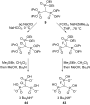
Scheme 23: Synthesis of halomethylidynetrisphosphonate salts 43 and 44 by modified Gross’s procedure.
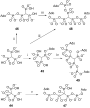
Scheme 24: Synthesis of trisphosphonate modified nucleotides. Reagents: i, 5'-O-tosyl adenosine, MeCN; ii, AMP...

Figure 1: Bond angles and bond distances in pyrophosphate, methylene-1,1-bisphosphonate and fluoromethylidyne...
Thioester derivatives of the natural product psammaplin A as potent histone deacetylase inhibitors
- Matthias G. J. Baud,
- Thomas Leiser,
- Vanessa Petrucci,
- Mekala Gunaratnam,
- Stephen Neidle,
- Franz-Josef Meyer-Almes and
- Matthew J. Fuchter
Beilstein J. Org. Chem. 2013, 9, 81–88, doi:10.3762/bjoc.9.11
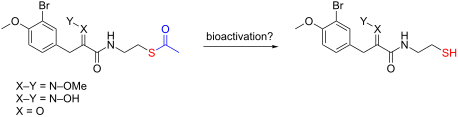
- , we [20] and others [21] reported an in-depth structure–activity relationship of this natural product against its HDAC targets. Dissection of its activity against a panel of HDACs allowed us to highlight structural features responsible for its high inhibitory potency and selectivity. In particular, we

Graphical Abstract
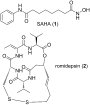
Figure 1: FDA approved HDAC inhibitors for the treatment of CTCL.

Scheme 1: SAR of psammaplin A against zinc-dependant HDACs. Adapted from Baud et al. [20].

Scheme 2: Synthesis of 7–9. Conditions: (i) HCl·H2NOMe, pyridine, rt, 12 h; (ii) EDC, NHS, dioxane, rt, 3 h; ...

Scheme 3: Top: Generation of the fluorescent adduct 11 after reaction of probe 10 with thiols. Bottom left: F...

Figure 2: rHDAC1 was incubated with a predetermined IC50 concentration of 7 (left) and 9 (right) for 1–60 min...
Bioactive selaginellins from Selaginella tamariscina (Beauv.) Spring
- Chao Yang,
- Yutian Shao,
- Kang Li and
- Wujiong Xia
Beilstein J. Org. Chem. 2012, 8, 1884–1889, doi:10.3762/bjoc.8.217
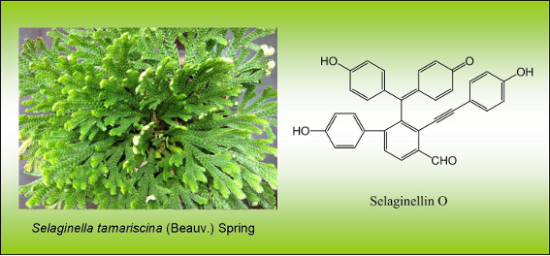
- E-ring, and one ABMN system (δH 7.61, 7.42, 6.41 and 6.35, each 1H, d, J = 10.0 Hz) for the C-ring. The above structural features suggested 1 was a selaginellin with a formyl group. Key evidence for the structure of 1 obtained from the HMBC experiment further confirmed this suggestion (Figure 2

Graphical Abstract

Figure 1: Structures of selaginellins from S. tamariscina.

Figure 2: Key HMBC correlations of compound 1.
The crystal structure of the Dess–Martin periodinane
- Albert Schröckeneder,
- Desiree Stichnoth,
- Peter Mayer and
- Dirk Trauner
Beilstein J. Org. Chem. 2012, 8, 1523–1527, doi:10.3762/bjoc.8.172
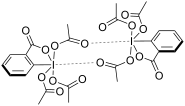
- ) crystallizes in a triclinic unit cell, which is occupied by two molecules. An ORTEP plot and numbering scheme for monomeric DMP (1) with 50% probability ellipsoids is shown in Figure 2. Important bond lengths and angles are provided in Table 1. Several structural features of monomeric 1 are noteworthy. The

Graphical Abstract

Figure 1: The chemical structures of DMP (1), 2-iodobenzoic acid (2), IBX (3) and 4.

Figure 2: ORTEP diagram (50% probability level) of 1 with numbering scheme.

Figure 3: Supramolecular structure of 1 with halogen bonds and selected hydrogen bonds.

Figure 4: Further hydrogen-bond interactions in the supramolecular structure of 1.

Figure 5: Supramolecular structure of 1 viewed along axis b.
Synthesis of diverse indole libraries on polystyrene resin – Scope and limitations of an organometallic reaction on solid supports
- Kerstin Knepper,
- Sylvia Vanderheiden and
- Stefan Bräse
Beilstein J. Org. Chem. 2012, 8, 1191–1199, doi:10.3762/bjoc.8.132
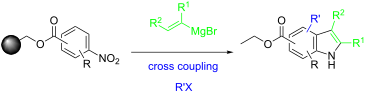
- distinctive structural features of indole moieties prompted us to investigate the scope and limitations of this reaction. In this paper, we describe our various strategies towards synthesis of the indole core. A solid-phase Bartoli reaction on solid supports is advantageous due to the decreased number of

Graphical Abstract

Scheme 1: Diverse synthesis of indoles using Bartoli reactions. aSee [24].

Figure 1: Nitroarenes on solid supports. In red: Nitroarenes failed to give indoles. aResin has been reported...

Figure 2: Temperature optimization with Grignard reagent 2{b}.

Figure 3: Temperature optimization with Grignard reagent 2{a}. Isolated yield.

Figure 4: Optimization studies of ester 1{h} with a Grignard reagent 2{d} to give indole 3{h,d} and methyl 3-...

Scheme 2: Stille reaction on solid supports.

Scheme 3: Suzuki reaction on solid supports.

Scheme 4: Sonogashira–Hagihara reaction on solid supports.