
Search results
Search for "assembly" in Full Text gives 647 result(s) in Beilstein Journal of Organic Chemistry. Showing first 200.
Insight into functionalized-macrocycles-guided supramolecular photocatalysis
Beilstein J. Org. Chem. 2021, 17, 139–155, doi:10.3762/bjoc.17.15
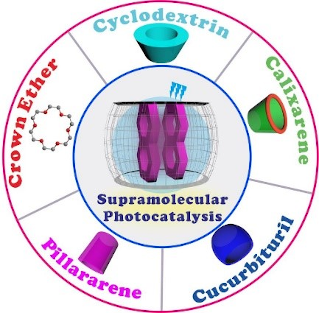
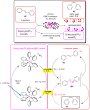
- of functional photocatalytic systems [16][17]. The diversity of crown ether-based photocatalytic reactions is relatively low, involving mainly photocycloaddition reactions. Saltiel and co-workers reported the regiospecific intermolecular [2 + 2]-photocycloaddition based on a supramolecular assembly
- electron donor, respectively (Figure 3). A benzo-18-crown-6 derivative was connected to the porphyrin ring, which could form a supramolecular complex with fullerene through dipole interactions. The formed supramolecular self-assembly resulted in a high energy-transmission efficiency (over 97%) between the
- BODIPY and the zinc porphyrin. The excited zinc porphyrin further transferred the electron to the fullerene, yielding a charge-separated state, with a long lifetime of 23 µs, indicating the charge stabilization of the supramolecular assembly. Thus, an artificial photocatalytic system that can mimic the






Tuning the solid-state emission of liquid crystalline nitro-cyanostilbene by halogen bonding
Beilstein J. Org. Chem. 2021, 17, 124–131, doi:10.3762/bjoc.17.13
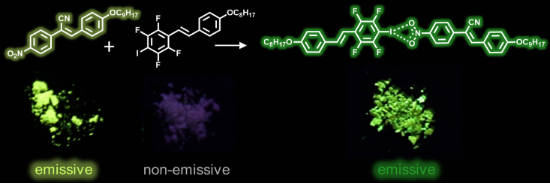
- of iodofluorobenzene derivatives with nitro-cyanostilbenes is reported. The systematic variation of the fluorination degree and pattern indicates the relevance of the halogen bond strength for the induction of liquid crystalline properties. The modular self-assembly approach enables the efficient
- interactions, which allow for dynamic responses to external stimuli [1]. In addition, the self-assembly of the complementary molecular entities provides an easy access to functional systems and enables recyclability and self-healing properties of the materials [2]. With respect to the formation of
- with the theoretical data and confirms that the formation of thermally stable halogen bonding induces the liquid crystalline properties of the assemblies. We suppose that the formation of the halogen-bonded assembly expands the mesogenic core and yields a more balanced ratio of rigid and flexible






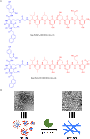
Supramolecular polymerization of sulfated dendritic peptide amphiphiles into multivalent L-selectin binders
Beilstein J. Org. Chem. 2021, 17, 97–104, doi:10.3762/bjoc.17.10
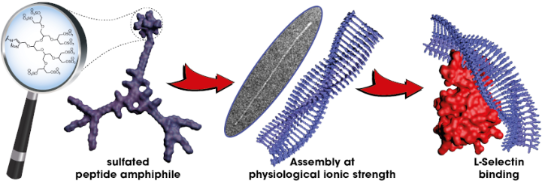
- Research Center of Electron Microscopy, Freie Universität Berlin, Fabeckstr. 34a, 14195 Berlin 10.3762/bjoc.17.10 Abstract The synthesis of a sulfate-modified dendritic peptide amphiphile and its self-assembly into one-dimensional rod-like architectures in aqueous medium is reported. The influence of the
- -selectin binders; multivalency; self-assembly in water; supramolecular polymers; Introduction Deciphering the interaction of artificial molecular building blocks with biological components is a key element on the way to understanding and selectively manipulating biological systems. Throughout nature
- self-assembly turns out to be crucial in obtaining supramolecular polymers suitable for interactions with biological targets [16]. Peptide amphiphiles provide access to supramolecular structures in this competitive environment by taking advantage of nature’s versatile toolbox of noncovalent



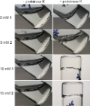
Circularly polarized luminescent systems fabricated by Tröger's base derivatives through two different strategies
Beilstein J. Org. Chem. 2021, 17, 52–57, doi:10.3762/bjoc.17.6
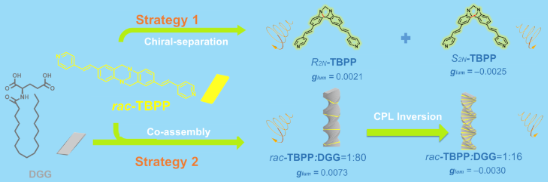
- luminescence with glum values of +0.0021, and −0.0025, respectively. The second way to fabricate the rac-TBPP-based CPL-active material is to co-gel the fluorescent rac-TBPP with a chiral ᴅ-glutamic acid gelator DGG by co-assembly strategy. At the molar ratio of rac-TBPP/DGG = 1:80, the glum value of the co
- the TB unit the fluorescence intensity of these co-assembly co-gels enhanced sharply (Figure 2a). More interestingly, at the molar ratio of rac-TBPP/DGG = 1:16, the CPL spectra of the co-gel shows a negative signal, while at the molar ratio of rac-TBPP/DGG = 1:32 or higher, positive signals exhibiting
- the co-assembly strategy. The cogels show significant CPL emission and stoichiometry-controlled inversion of chirality due to the hydrogen bonding interactions and packing modes in the supramolecular co-assemblies. Owing to TB special V-shaped structure, rigid conformation, and nitrogen stereogenic


Control over size, shape, and photonics of self-assembled organic nanocrystals
Beilstein J. Org. Chem. 2021, 17, 42–51, doi:10.3762/bjoc.17.5
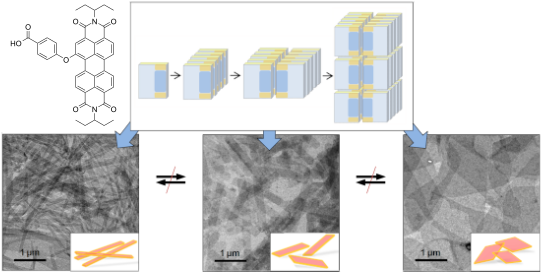
- for Nanoscale Science and Nanotechnology, Ben-Gurion University, Beer Sheva 84105, Israel 10.3762/bjoc.17.5 Abstract The facile fabrication of free-floating organic nanocrystals (ONCs) was achieved via the kinetically controlled self-assembly of simple perylene diimide building blocks in aqueous
- ). Convenient control over the structure and function of organic nanocrystals can enhance their utility in new and developed technologies. Keywords: aromatic amphiphiles; exciton diffusion; organic nanocrystals; perylene diimides; self-assembly; Introduction Semiconductor and metal nanoparticles exhibit size
- the assembly. In general, gaining control over the crystal formation represents a long-standing challenge [29][30][31][32]. In this respect, understanding and controlling the crystallization process is key to fabricating organic nanocrystals with a predesigned morphology and properties [33][34][35




Molecular basis for protein–protein interactions
Beilstein J. Org. Chem. 2021, 17, 1–10, doi:10.3762/bjoc.17.1
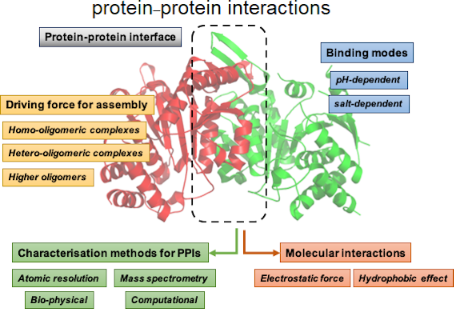
- tryptophan, the equilibrium between the monomer and the oligomer formation is shifted towards the latter [75][76]. Examples of PPIs within higher-order protein complexes PPIs are responsible for the assembly of large protein complexes, such as capsid proteins in viruses and protein containers. This section
- will give a brief overview on how such interactions can give rise to these complex molecules. Capsid viruses The infectivity in viruses is dependent on the correct assembly of viral capsids and surface proteins. A virus is made up of a genome enclosed by a number of copies of proteins to form a shell
- known as a capsid [78]. Some viruses also have lipid envelopes containing glycoproteins, which interact with the host cell membrane to facilitate the viral entry into the cell [79]. The simplest explanation for viral capsid assembly is protein assembly units colliding (following Brownian motion) in a


Secondary metabolites of Bacillus subtilis impact the assembly of soil-derived semisynthetic bacterial communities
Beilstein J. Org. Chem. 2020, 16, 2983–2998, doi:10.3762/bjoc.16.248
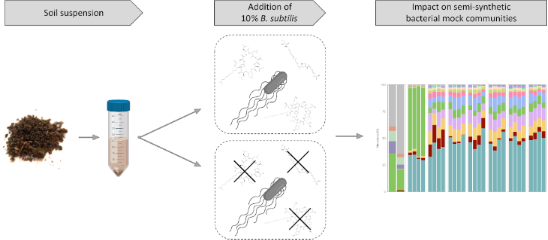
- proliferating under the given conditions and independently from other bacteria. During the following 48 h cocultivation, depletion of the primary nutrient sources and metabolic cross-feeding further shaped the community assembly. In 2018, Goldford et al. revealed that the main sources of metabolic cross-feeding
- are secreted metabolic byproducts from the community members [57]. They further highlighted that bacterial communities stabilised after approximately eight to nine 48 h cocultivations. In our study, bacterial communities were only cocultivated once for 48 h, suggesting that the assembly of the
- prolonged incubation. The B. subtilis strains were added at a community assembly phase when Bacillus was the dominating genus, so that the general genera distribution was not expected to be influenced extensively. Nevertheless, after 48 h cocultivation, the final relative abundance of the Bacillus genus was


Construction of pillar[4]arene[1]quinone–1,10-dibromodecane pseudorotaxanes in solution and in the solid state
Beilstein J. Org. Chem. 2020, 16, 2954–2959, doi:10.3762/bjoc.16.245
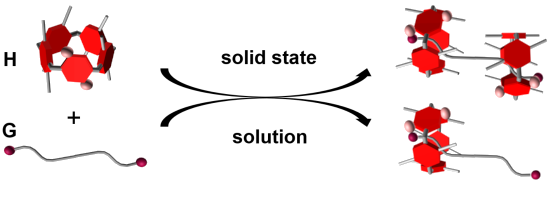
- constructing functional materials from the bottom up as well as an important way to create new substances with functions [1][2][3][4][5]. Through ingenious designs and the applications of molecular recognition and self-assembly strategies, many exquisite supramolecular architectures have been fabricated


Using multiple self-sorting for switching functions in discrete multicomponent systems
Beilstein J. Org. Chem. 2020, 16, 2831–2853, doi:10.3762/bjoc.16.233
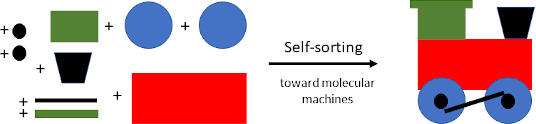
- self-sorting protocols. The present mini review will provide an overview over the latest advancements in this field with a focus on reversibly switchable functions in discrete supramolecular systems. Keywords: copper; fluorescence; self-assembly; self-sorting; zinc porphyrin; Introduction Since self
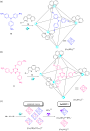
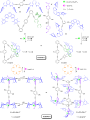
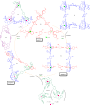
- self-assembly of the triamines 10 and 11 in the presence of the aldehyde 12 and cobalt(II) ions [52]. When all components were mixed in a single reaction vessel, the 1H NMR spectrum indicated the formation of homoleptic as well as heteroleptic species. In the following, they explored the ability of the
- of various similar molecules. Similarly, Shi controlled a conversion between helicates and a tetrahedral cage by varying the radius of the metal ion (Hg2+ vs Fe2+) [55]. They reported on the self-assembly of the monomer 20, encompassing the quadruple DDAA hydrogen-bonding arrays and 2,2’-bipyridine









Easy access to a carbohydrate-based template for stimuli-responsive surfactants
Beilstein J. Org. Chem. 2020, 16, 2788–2794, doi:10.3762/bjoc.16.229
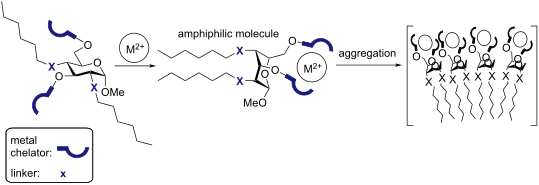
- distance of the two lipophilic tails resulting in a self-assembly of the molecules into larger aggregates that could be characterized with DLS and TEM [11]. In a previous study by Yuasa et al., it was shown that the distance between the two groups on the anomeric and the 3-position indeed decreased upon a




Encrypting messages with artificial bacterial receptors
Beilstein J. Org. Chem. 2020, 16, 2749–2756, doi:10.3762/bjoc.16.225
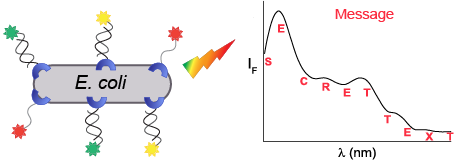
- simpler way to modify the bacterial membrane is by adding to X-ODN-1 a complementary strand (Y-ODN-2) that is modified with the desired functionality (Y) (Figure 1A). In this way, the structure of the artificial receptors can be ‘programmed’ by a simple self-assembly process, which provides the means to




Selective recognition of ATP by multivalent nano-assemblies of bisimidazolium amphiphiles through “turn-on” fluorescence response
Beilstein J. Org. Chem. 2020, 16, 2728–2738, doi:10.3762/bjoc.16.223
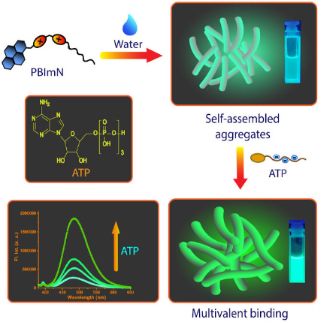
- to an n-alkyl chain at the other, underwent self-assembly in aqueous media depending on the length of the alkyl segment. The amphiphilic derivatives having n-decyl or longer chains, formed nano-assemblies with cyanic–green emission resulting from the stacked pyrene chromophores in the aggregates. The
- buffer and also in buffer containing 150 mM NaCl at physiological pH value. Furthermore, the multivalent aggregates demonstrated a significant selectivity in ATP detection over ADP, AMP and pyrophosphate. Keywords: amphiphile; ATP; excimer; multivalency; self-assembly; Introduction Supramolecular anion
- ]. In this methodology, multivalent arrays are built from comparatively smaller binding sites through self-assembly. The smaller molecular units are easier to synthesize and moreover, the morphology and the surface functionalities of the resultant multivalent structures can be tuned in a modular fashion


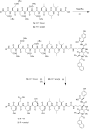
Enzyme-instructed morphological transition of the supramolecular assemblies of branched peptides
Beilstein J. Org. Chem. 2020, 16, 2709–2718, doi:10.3762/bjoc.16.221
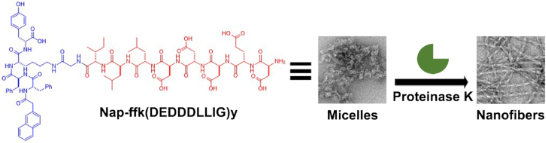
- cellular environment. Keywords: acetylation; branched peptides; enzyme; nanostructures; N-terminal; responsive; self-assembly; Introduction Peptides, being able to self-assemble to exhibit emergent properties and functions [1][2][3][4][5], have received considerable attentions recently. For example
- utilizes nonlinear peptides. For example, nonribosomal peptides exist in other geometries, such as branched (e.g., bleomycin) or cyclic peptides (e.g., vancomycin) [31]. While the understanding of the synthesis of branched peptides is well-developed, the self-assembly and enzymatic conversion of branched
- peptides has received limited attention [2][32][33][34][35][36][37]. For example, Stupp et al. reported that a cell adhesion epitope, RGDS, acts as a branch to peptide amphiphiles for making hydrogels via self-assembly [34][36]. Ulijn et al. connected Fmoc-DAARRGG to a lysine side chain for incorporation




A heterobimetallic tetrahedron from a linear platinum(II)-bis(acetylide) metalloligand
Beilstein J. Org. Chem. 2020, 16, 2701–2708, doi:10.3762/bjoc.16.220
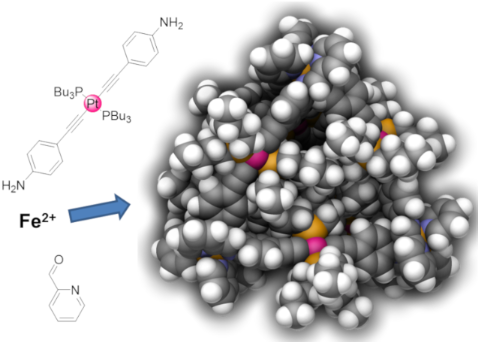
- (acetylide)platinum(II) complex [Pt(L1)2(PBu3)2] as a linear metalloligand. The reaction of this metalloligand with iron(II) cations and pyridine-2-carbaldehyde according to the subcomponent self-assembly approach yielded decanuclear heterobimetallic tetrahedron [Fe4Pt6(L2)12](OTf)8. Thus, combination of
- these two design concepts – the subcomponent self-assembly strategy and the complex-as-a-ligand approach – ensured a fast and easy synthesis of large heterobimetallic coordination cages of tetrahedral shape with a diameter of more than 3 nm as a mixture of all three possible T-, S4- and C3-symmetric
- complexes; pyridylimine ligands; self-assembly; supramolecular chemistry; Introduction The understanding of the general design principles for the self-assembly of metallosupramolecular aggregates [1][2][3][4][5] allowed to access more and more complex and large assemblies over the past decades like


Optical detection of di- and triphosphate anions with mixed monolayer-protected gold nanoparticles containing zinc(II)–dipicolylamine complexes
Beilstein J. Org. Chem. 2020, 16, 2687–2700, doi:10.3762/bjoc.16.219
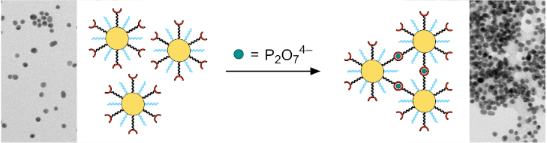
- thus caused the disassembly rather than the assembly of the AuNPs) [34]. While the limit of detection was sometimes very good (in one case less than 0.2 μmol/L [31]), these systems mostly involved the combination of several components and the analyte was in some cases only detected indirectly. In


Water-soluble host–guest complexes between fullerenes and a sugar-functionalized tribenzotriquinacene assembling to microspheres
Beilstein J. Org. Chem. 2020, 16, 2551–2561, doi:10.3762/bjoc.16.207
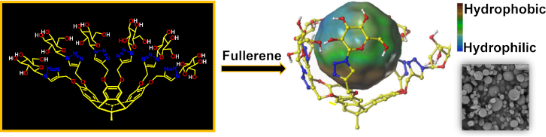
- of 0.3–3.5 μm were observed for the complex TBTQ-(OG)6 C60. Obviously, these aggregates form by further assembly of the supra-amphiphilic host–guest systems, as suggested in Figure 6c, due to the hydrophobic interactions governing the association behavior of TBTQ-(OG)6 C60 in water. Conclusion In


![[Graphic 2]](/bjoc/content/inline/1860-5397-16-207-i3.svg?max-width=637&scale=1.18182) C60 [TBTQ-(OG)6: 50 μM; C60: 50 μM] and (b) TBTQ-(OG)6
C60 [TBTQ-(OG)6: 50 μM; C60: 50 μM] and (b) TBTQ-(OG)6 


NMR Spectroscopy of supramolecular chemistry on protein surfaces
Beilstein J. Org. Chem. 2020, 16, 2505–2522, doi:10.3762/bjoc.16.203
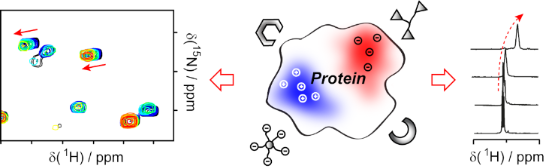
- they have been used to serve as scaffolds for the assembly of protein arrays and crystallization aids [23][24][25][26][27][28]. In addition, a terbiumIII complex termed crystallophore has been developed as a crystallographic nucleation and phasing tool for protein crystallography that can also easily
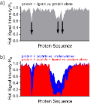
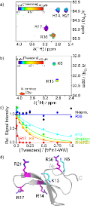
- monomeric in solution with the small calix[4]arene, while calix[6]arene induces protein dimerization [23], and calix[8]arene even tetramerization [24] in solution as evidenced by SEC-MALS. In the NMR spectra, the assembly of proteins is evident by increased line broadening of most residues due to the




Host–guest interaction of cucurbit[8]uril with oroxin A and its effect on the properties of oroxin A
Beilstein J. Org. Chem. 2020, 16, 2332–2337, doi:10.3762/bjoc.16.194
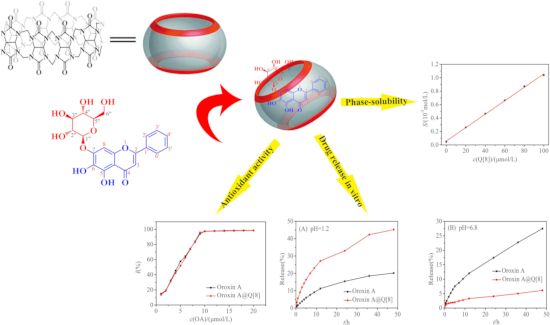
- that the molecular size of the flavonoids and the length of the sugar chains have a greater impact on the assembly mode of supramolecular systems. Results and Discussion Host–guest interactions The host–guest interaction can be effectively observed using 1H NMR spectroscopy, and the mode of action of


The B & B approach: Ball-milling conjugation of dextran with phenylboronic acid (PBA)-functionalized BODIPY
Beilstein J. Org. Chem. 2020, 16, 2272–2281, doi:10.3762/bjoc.16.188
- their derivatives have been widely used in biomedical applications, especially as drug and gene carriers, both in hydrogels and in nanoparticulate formulations [29][30][31][32]. In this regard, the incorporation of hydrophobic moieties in the branched structure of dextrans induces self-assembly into
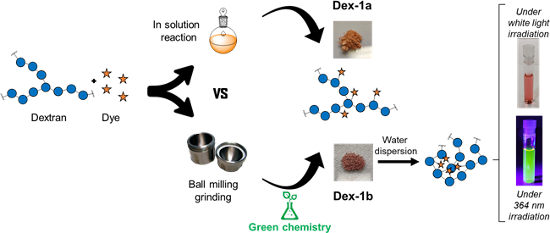
- short reaction time, reactant economy, higher degree of functionalization, and solvent-free conditions, compared to solution-based routes are discussed. The dextran mechanochemically conjugated to PBA-BODIPY (Dex-1b, Figure 1) formed nanoparticles through self-assembly retaining the fluorescent


Synthetic approaches to bowl-shaped π-conjugated sumanene and its congeners
Beilstein J. Org. Chem. 2020, 16, 2212–2259, doi:10.3762/bjoc.16.186
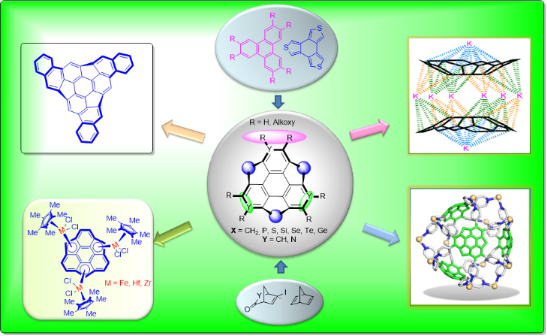
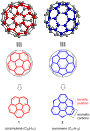
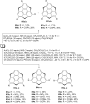
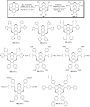
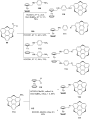
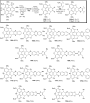
- -assembly, and optical properties of bowl-shaped π-conjugated systems [5][6][7][8][9]. The synthesis of π-bowls is an extremely challenging job due to the presence of unusual strain in these types of molecules, therefore, the first synthetic breakthrough in this arena came into the picture in the late
- the self-assembly. This was confirmed by single crystal structure and it was noticed that all 15 carbon atoms of the three Cp-types of the ring were interacted with the metal atoms and the six K atoms were sandwiched between the convex faces of two sumanenyl trianions. On the other hand, two years











pH- and concentration-dependent supramolecular self-assembly of a naturally occurring octapeptide
Beilstein J. Org. Chem. 2020, 16, 2017–2025, doi:10.3762/bjoc.16.168
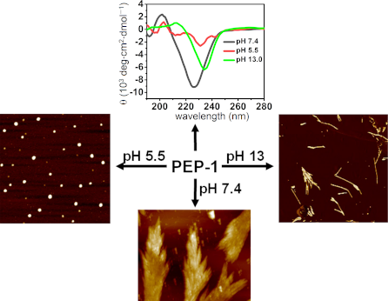
- drug delivery, tissue engineering and regeneration, and as stimuli-responsive materials. Herein, we report the pH- and concentration-dependent self-assembly and conformational transformation of the newly synthesized octapeptide PEP-1. At pH 7.4, PEP-1 forms β-sheet-rich secondary structures into
- and resulting morphologies due to electrostatic repulsion between charged amino acids. PEP-1 can also form helical or random-coil secondary structures at a relatively low concentration. The obtained pH-sensitive self-assembly behavior of the target octapeptide is expected to contribute to the
- development of novel drug nanocarrier assemblies. Keywords: aqueous self-assembly; pH-responsive systems; secondary structure; self-assembled nanostructures; solid-phase peptide synthesis; Introduction The self-assembly of small molecules is a ubiquitous phenomenon in nature [1] and also has key


Controlling the stereochemistry in 2-oxo-aldehyde-derived Ugi adducts through the cinchona alkaloid-promoted electrophilic fluorination
Beilstein J. Org. Chem. 2020, 16, 1963–1973, doi:10.3762/bjoc.16.163
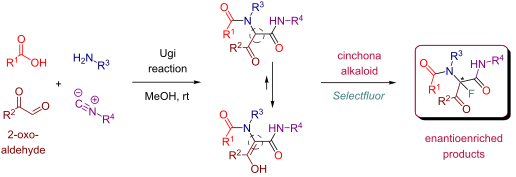
- dichloromethane results in the assembly of an α-acyloxyamide adduct 4. Just a few protocols for the asymmetric P-3CR [37][38][39][40] and its modifications [41][42][43][44][45][46][47] have been reported over the course of the last two decades (Table 1). In the majority of those protocols [37][38][39], the
- -aldehyde 7. For example, we have explored the potential of the peptidyl reactive site in a number of enolization-driven post-Ugi cyclizations leading to the assembly of pyrrol-2-ones 9 and 10 [59][60]. We have also taken advantage of a 1,3-dicarbonyl moiety present in 8 by engaging them in an enolization


Facile synthesis of 7-alkyl-1,2,3,4-tetrahydro-1,8-naphthyridines as arginine mimetics using a Horner–Wadsworth–Emmons-based approach
Beilstein J. Org. Chem. 2020, 16, 1617–1626, doi:10.3762/bjoc.16.134
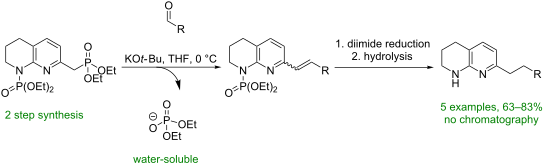
- deuteration. Conclusion In conclusion, a novel method for the assembly of 7-alkyl-1,2,3,4-tetrahydro-1,8-naphthyridine-based arginine mimetics was developed. The synthesis of phosphonate 7 was optimised, with a sequential diphosphorylation process using commercially available starting materials affording the



A dynamic combinatorial library for biomimetic recognition of dipeptides in water
Beilstein J. Org. Chem. 2020, 16, 1588–1595, doi:10.3762/bjoc.16.131
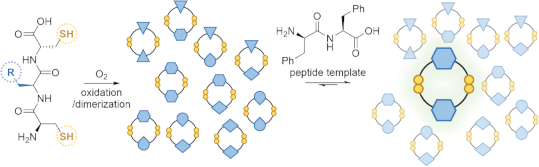
- interaction of the dipeptides with themselves. For example, FF is a popular self-assembly motif, which also explains its poor solubility (≈5 mM) [23]. Hence the thermodynamic data depicts not only the association of a(CFC)2/p(CFC)2 towards FF, but also the dissociation of FF assemblies. The aromatic side


Heterogeneous photocatalysis in flow chemical reactors
Beilstein J. Org. Chem. 2020, 16, 1495–1549, doi:10.3762/bjoc.16.125
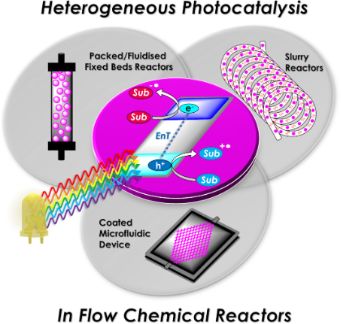
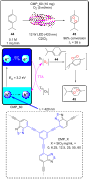
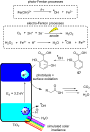
- -bonding interactions, the narrow π–π stacking provides a sufficient π orbital overlap to produce semiconductor-type electronic band structures and an efficient interplanar charge transport similar to g-C3N4 [192]. Duan and co-workers reported the synthesis of a zinc PDI assembly as a heterogeneous