

Search results
Search for "CO2" in Full Text gives 333 result(s) in Beilstein Journal of Organic Chemistry. Showing first 200.
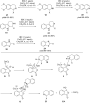
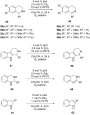
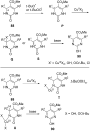
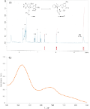
The photodecarboxylative addition of carboxylates to phthalimides as a key-step in the synthesis of biologically active 3-arylmethylene-2,3-dihydro-1H-isoindolin-1-ones
Beilstein J. Org. Chem. 2017, 13, 2833–2841, doi:10.3762/bjoc.13.275
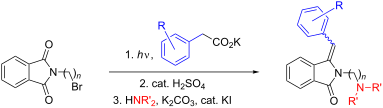
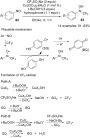
- excess amounts to suppress competing ‘simple’ decarboxylation (-CO2− ↔ -H exchange) reactions to the corresponding toluene derivatives [25]. Following the established protocol and utilizing a 1:1 acetone/water mixture as reaction medium [27][30], irradiations with UVB light (300 ± 30 nm) for 4 hours


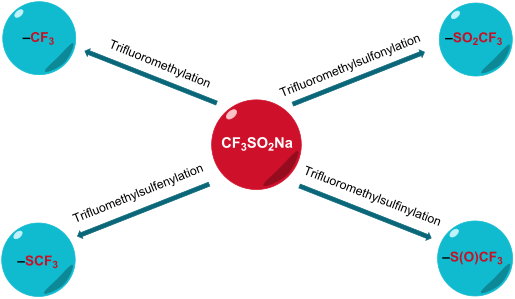
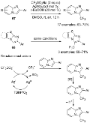
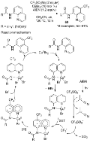
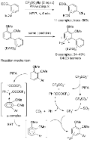
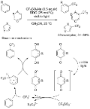
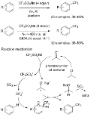
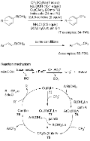
CF3SO2X (X = Na, Cl) as reagents for trifluoromethylation, trifluoromethylsulfenyl-, -sulfinyl- and -sulfonylation. Part 1: Use of CF3SO2Na
Beilstein J. Org. Chem. 2017, 13, 2764–2799, doi:10.3762/bjoc.13.272






















Pyrene–nucleobase conjugates: synthesis, oligonucleotide binding and confocal bioimaging studies
Beilstein J. Org. Chem. 2017, 13, 2521–2534, doi:10.3762/bjoc.13.249
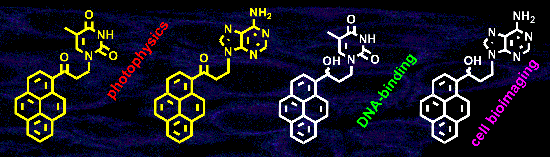
- cells were cultured for 48 h after seeding in Petri dishes with glass bottom (MaTek), reaching approximately 50% confluency. The cells were grown in Dulbeco’s minimal essential medium (DMEM) with 5% FCS, at 5% CO2 and 37 °C. The same medium was used to perform all microscopy experiments. Directly before




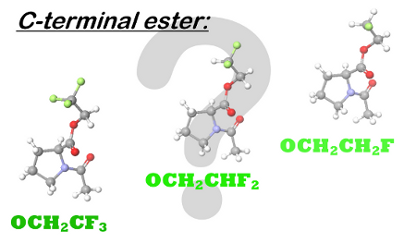
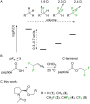
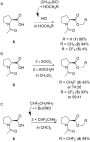
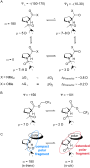
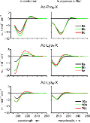
Hydrolysis, polarity, and conformational impact of C-terminal partially fluorinated ethyl esters in peptide models
Beilstein J. Org. Chem. 2017, 13, 2442–2457, doi:10.3762/bjoc.13.241
- , 2.5 Hz, α-CH), 3.73 (s, OCH3), 3.47 (ddd, JHH = 11.6, 8.5, 3.5 Hz, δ-CH), 3.41 (dt, JHH = 11.4, 8.4 Hz, δ-CH), 2.27 and 2.15 (two m, β-CH2), 1.93 (s, CH3C=O), 1.89 and 1.79 (two m, γ-CH2); 13C{1H} NMR (D2O, 126 MHz) δ s-trans, 175.0 (s, CO2), 173.0 (s, N-C=O), 59.0 (s, α-CH), 52.9 (s, OCH3), 48.4 (s
- , δ-CH2), 29.2 (s, β-CH2), 24.2 (s, γ-CH2), 21.2 (s, CH3); s-cis, 174.6 (s, CO2), 173.4 (s, N-C=O), 60.7 (s, α-CH), 53.2 (s, OCH3), 46.6 (s, δ-CH2), 30.6 (s, β-CH2), 22.3 (s, γ-CH2), 21.2 (s, CH3); HRMS (ESI-orbitrap): [M + H]+ calcd for C8H14NO3, 172.0968; found, 172.0968; [α]D25 −83 (c 2.0, CHCl3
- ), 4.20 (q, JHH = 7.2 Hz, OCH2), 3.47 (ddd, JHH = 11.5, 8.7, 3.7 Hz, δ-CH), 3.41 (dt, JHH = 11.5, 8.3 Hz, δ-CH), 2.28 and 2.15 (two m, β-CH2), 1.93 (s, CH3C=O), 1.90 and 1.80 (two m, γ-CH2); 13C{1H} NMR (D2O, 176 MHz) δ s-trans, 174.7 (s, CO2), 173.0 (s, N-C=O), 62.6 (s, OCH2), 59.3 (s, α-CH), 48.5 (s, δ







Synthesis and application of trifluoroethoxy-substituted phthalocyanines and subphthalocyanines
Beilstein J. Org. Chem. 2017, 13, 2273–2296, doi:10.3762/bjoc.13.224
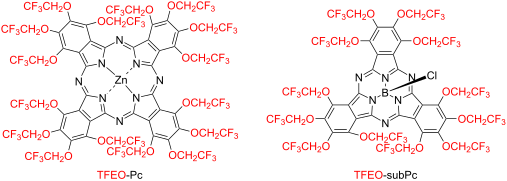
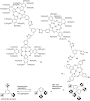
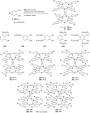
- phthalocyanines. TFEO-Pc is soluble not only in general organic solvents but also in liquid carbon dioxide (CO2) and supercritical CO2 [55]. These forms of CO2 have attracted attention as solvents which do not discharge volatile organic compounds (VOCs), and are expected to replace organic solvents as a
- countermeasure to VOC emissions [56][57][58]. Phthalocyanines that show solubility in CO2 are useful for industrial applications because they can be applied without using an organic solvent [59][60]. The plus and minus signs shown in Table 1 express solubility, where (+) means readily soluble, (−) means
- sparingly soluble, (++) means very high solubility, and (±) means moderate solubility. After conducting solubility studies on various phthalocyanines, only phthalocyanine in which all positions were substituted with trifluoroethoxy groups showed high solubility in both liquid CO2 and supercritical CO2. On








A mechanochemical approach to access the proline–proline diketopiperazine framework
Beilstein J. Org. Chem. 2017, 13, 2169–2178, doi:10.3762/bjoc.13.217
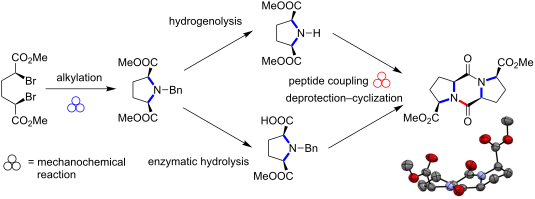
- it would avoid a potential pressure build-up (release of CO2) which could occur with NaHCO3. Noteworthy, no epimerization could be detected by NMR or HPLC analyses. Both peptides 7 and 8 were then deprotected and cyclized into the corresponding diketopiperazine 9. Palladium-catalyzed hydrogenolysis


Novel approach to hydroxy-group-containing porous organic polymers from bisphenol A
Beilstein J. Org. Chem. 2017, 13, 2131–2137, doi:10.3762/bjoc.13.211
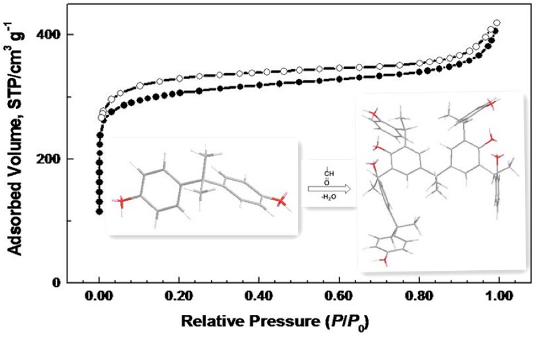
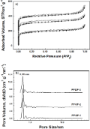
- crucial factor that influences the amount of adsorbed CO2, whereas the uptake capacity is more depended on porosity characteristic such as pore size in the networks [36][37]. Specially, the smallest pores contribute most to the CO2 uptake at low pressure [36]. Hence, PPOP-3 with a smaller pore size
- located at 0.68 nm that is different from the other two polymers in Figure 3b is probably the best candidate for CO2 capture. The high carbon dioxide uptake capacity for PPOPs may correspond to the large amount of the hydroxy groups in the PPOPs through the formation of O=C=O(δ–)…H(δ+)–O hydrogen bonds
- Information File 1, Figure S8). The typical heats of absorption Qst for the PPOPs are measured in the range of about 21.6–24.3 kJ mol−1 (Figure 5), which are in accordance with the report data [40], indicating that the adsorption of CO2 is mainly physical adsorption. Unusually, PPOP-2 and PPOP-3 show an




Block copolymers from ionic liquids for the preparation of thin carbonaceous shells
Beilstein J. Org. Chem. 2017, 13, 1693–1701, doi:10.3762/bjoc.13.163
- are applied as catalytic membranes, thermotropic liquid crystals [12], polymer electrolytes, ionic conductive materials, CO2 absorbing materials, microwave absorbing materials and porous materials [4]. Most of these polymers were synthesized by free radical polymerization. There are just few reports


Oxidative dehydrogenation of C–C and C–N bonds: A convenient approach to access diverse (dihydro)heteroaromatic compounds
Beilstein J. Org. Chem. 2017, 13, 1670–1692, doi:10.3762/bjoc.13.162
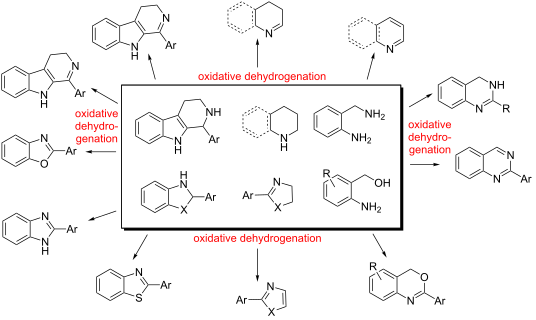
- phthalimide-N-oxyl radical (PINO) via transfer of hydrogen from NHPI to O2. Co2+-assisted this step by associating with oxygen to generate a Co3+–oxygen complex. It then abstracts the hydrogen from NHPI. Next, PINO abstracted a hydrogen from the DHP produced to generate radical X which aromatizes via hydrogen










Synthesis and metal binding properties of N-alkylcarboxyspiropyrans
Beilstein J. Org. Chem. 2017, 13, 1542–1550, doi:10.3762/bjoc.13.154
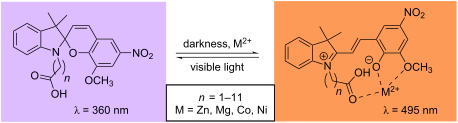
- metals was in the order Zn2+ > Mg2+ > Co2+ > Ni2+. Binding to Ni2+ was considerably less effective than for other divalent metal cations and this was particularly pronounced for non-carboxylate 9, wherein 9–Ni2+ complexation did not exceed background [merocyanine]. Merocyanine complexation of Cu2+ was
- into the merocyanine structure did increase the affinity for Zn2+, Mg2+ and Co2+ over that seen in the non-carboxylate control compound 9. It is apparent from these data that the length of the carboxylate tether can also affect the spiropyran–merocyanine equilibrium in the absence of metal cations




Sustainable synthesis of 3-substituted phthalides via a catalytic one-pot cascade strategy from 2-formylbenzoic acid with β-keto acids in glycerol
Beilstein J. Org. Chem. 2017, 13, 1425–1429, doi:10.3762/bjoc.13.139
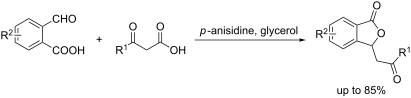
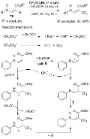
- straightforward method for the preparation of several biologically active compounds of medicinal and agrochemical interest [23][24][25][26][27][28][29][30]. Notably, the decarboxylative reaction of β-keto acids provides a traceless means of activation with CO2 as the only byproduct. On the other hand, glycerol



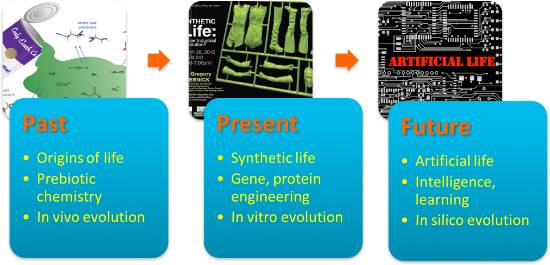
Biomimetic molecular design tools that learn, evolve, and adapt
Beilstein J. Org. Chem. 2017, 13, 1288–1302, doi:10.3762/bjoc.13.125
- of porous materials for hydrogen storage and CO2 capture and reduction Porous materials, such as metal organic frameworks (MOFs), covalent organic frameworks (COFs) and zeolitic imidazolate frameworks (ZIFs) are attracting much interest because of the large numbers of bespoke materials that can be
- designed and synthesized using these self-assembly paradigms. They are being developed to tackle two major and interrelated environmental challenges facing the planet, the rise in CO2 levels in the atmosphere due to burning of fossil fuels, and the storage of hydrogen for zero carbon emission transport





Sugar-based micro/mesoporous hypercross-linked polymers with in situ embedded silver nanoparticles for catalytic reduction
Beilstein J. Org. Chem. 2017, 13, 1212–1221, doi:10.3762/bjoc.13.120
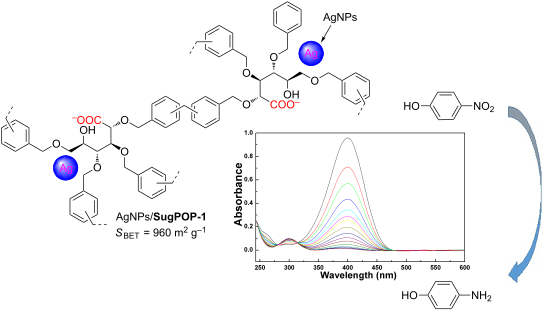
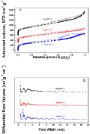
- volume, and pore size, are calculated based on the corresponding isotherms and listed in Table 1. Such HCPs with a high SSA and micro/mesopore distribution inspired us to explore their gas uptake capacity. The CO2 adsorption isotherms of the three polymers at 1.0 bar and 273 K are shown in Figure S5
- (Supporting Information File 1). The polymer SugPOP-1 having a higher SSA and pore volume also exhibits a higher CO2 adsorption capacity (14.4 wt %) than SugPOP-2 (12.8 wt %) and SugPOP-3 (10.5 wt %). Additionally, the hydroxy-group-bearing SugPOP-1 can form hydrogen bonds with carbon dioxide, which may
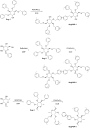
- increase the affinity to carbon dioxide. Compared with the reported polymer Glc-3 [17] (prepared using the same monomer as for SugPOP-1 and with a similar method), the polymer SugPOP-1 also possesses a higher CO2 adsorption capacity due to its higher porosity. Compared with a class of microporous HCPs




Automating multistep flow synthesis: approach and challenges in integrating chemistry, machines and logic
Beilstein J. Org. Chem. 2017, 13, 960–987, doi:10.3762/bjoc.13.97




Use of costic acid, a natural extract from Dittrichia viscosa, for the control of Varroa destructor, a parasite of the European honey bee
Beilstein J. Org. Chem. 2017, 13, 952–959, doi:10.3762/bjoc.13.96
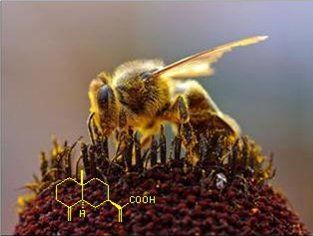
- were transferred directly from bee frames into a wire-screen cylinder. Then the cylinder was placed inside a second Plexiglas cylinder and CO2 was released for 5 min with a flow rate of 5 L/min to anesthetize the mites and the bees. The whole apparatus was then shaken several times to separate the


Synthesis of tetrasubstituted pyrazoles containing pyridinyl substituents
Beilstein J. Org. Chem. 2017, 13, 895–902, doi:10.3762/bjoc.13.90
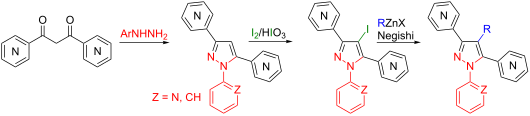
- (pyridin-2-yl)-substituted derivatives 3a,b upon treatment with 1.1 equivalents of n-BuLi at −78 °C. Subsequent reaction with CO2 led to almost complete conversion to 4a,b as detected by TLC (Scheme 3). In contrast, with 3,5-di(pyridin-3-yl)-substituted derivatives 3c,d, the lithiation reaction was slower
- and not fully complete, also the subsequent reaction with CO2 was more sluggish in comparison to 3a,b what resulted in lower yields. The increased reactivity of 3a,b compared to 3c,d may be explained by the ability of the former to stabilize the intermediate organolithium species by chelation due to


The effect of cyclodextrin complexation on the solubility and photostability of nerolidol as pure compound and as main constituent of cabreuva essential oil
Beilstein J. Org. Chem. 2017, 13, 835–844, doi:10.3762/bjoc.13.84
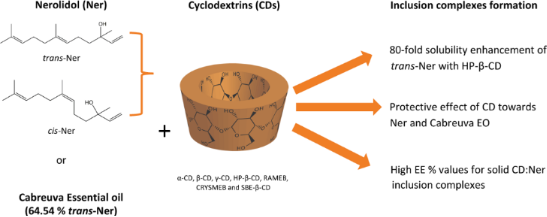
- investigated by TOC analysis using a Shimadzu TOC-VCSH analyzer. It is based on the production of carbon dioxide (CO2) following oxidation of organic compounds. CO2 is then detected using a high-sensitivity infrared gas analyzer (NDIR). First, TOC was measured for the CD solution (TOCCD). Then, the amount of


Continuous-flow processes for the catalytic partial hydrogenation reaction of alkynes
Beilstein J. Org. Chem. 2017, 13, 734–754, doi:10.3762/bjoc.13.73
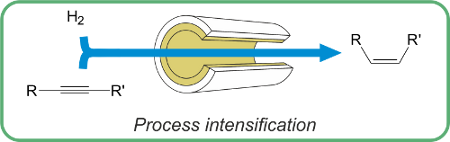
- −1, Table 1, entries 29, 30) [137]. Lower performances were observed using packed-bed catalysts and conventional support materials [123], an amorphous Pd81Si19 alloy catalyst in supercritical CO2 (76% sel. at 91% conversion, 358 K) [149] or a capillary reactor (i.d. 250 μm) internally coated with Pd








Pd- and Cu-catalyzed approaches in the syntheses of new cholane aminoanthraquinone pincer-like ligands
Beilstein J. Org. Chem. 2017, 13, 564–570, doi:10.3762/bjoc.13.55
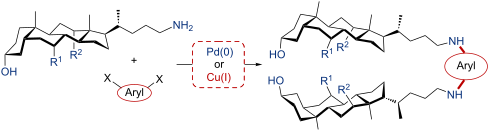
- +, Fe2+, Co2+, Ni2+, Zn2+, Cu2+, Ag+, Pb2+, Hg2+, Cr3+, Ga3+, Y3+, In3+) on the UV spectrum of 5c (Figure 2). The qualitative selectivity test by stepwise addition of 1, 2, 3, and 5 equiv of metal perchlorates in MeCN to the solution of 5c in MeCN revealed that the majority of cations did not influence


Decarboxylative and dehydrative coupling of dienoic acids and pentadienyl alcohols to form 1,3,6,8-tetraenes
Beilstein J. Org. Chem. 2017, 13, 384–392, doi:10.3762/bjoc.13.41
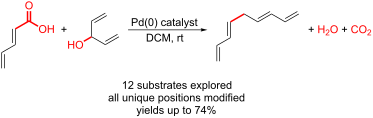
- materials [10][11][12][13][14][15][16][17][18]. Another approach to the formation of C–C bonds is through decarboxylative coupling reactions (Scheme 1). This can be arrived in a one-component fashion via the removal of CO2 from an ester or in a two-component manner by removal of CO2 from a carboxylic acid


Continuous N-alkylation reactions of amino alcohols using γ-Al2O3 and supercritical CO2: unexpected formation of cyclic ureas and urethanes by reaction with CO2
Beilstein J. Org. Chem. 2017, 13, 329–337, doi:10.3762/bjoc.13.36
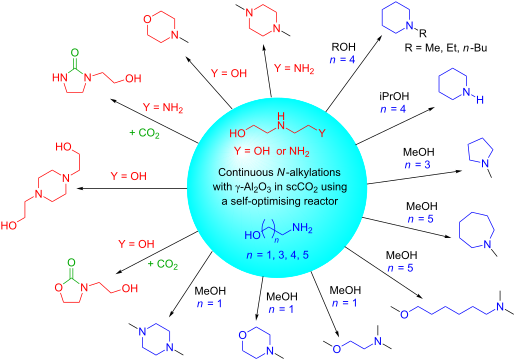
- -optimising reactor, resulting in moderate to high yields of the target products. Carrying out the reaction in scCO2 was shown to be beneficial, as higher yields were obtained in the presence of CO2 than in its absence. A surprising discovery is that, in addition to cyclic amines, cyclic ureas and urethanes
- could be synthesised by incorporation of CO2 from the supercritical solvent into the product. Keywords: continuous flow; heterocycle; N-alkylation; self-optimisation; supercritical CO2; Introduction N-alkylated amines are an important motif present in a range of pharmaceutically and industrially
- gases that are beyond the critical point (e.g., the critical point for CO2 is 31.1 °C and 73.9 bar); in this phase the gas exhibits unique properties and behaves both like a liquid and gas. Using inert supercritical gases as reaction solvents is a greener alternative to using conventional flammable or


NMR reaction monitoring in flow synthesis
Beilstein J. Org. Chem. 2017, 13, 285–300, doi:10.3762/bjoc.13.31
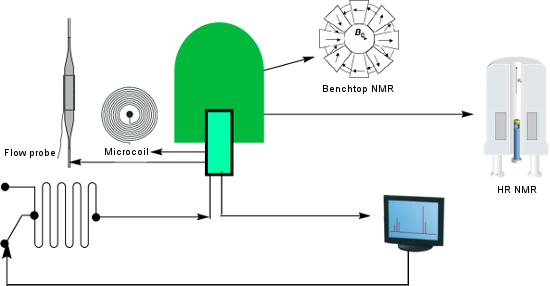
- second flow reactor the Grignard was reacted with CO2 to obtain carboxylic acids (Figure 5). The whole process was monitored by on-line 1H NMR spectroscopy using a low field NMR instrument (Spinsolve-60 from Magritek). The reaction was analysed by in-line NMR and off-line with a standard NMR tube. In the


Spectral and DFT studies of anion bound organic receptors: Time dependent studies and logic gate applications
Beilstein J. Org. Chem. 2017, 13, 222–238, doi:10.3762/bjoc.13.25
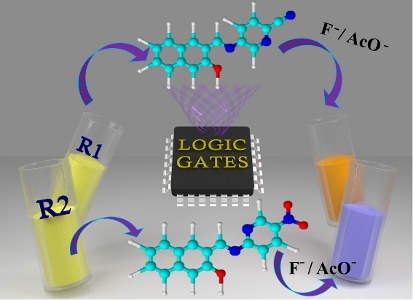
- receptors R1 and R2 (4.5 × 10⁻⁵ M in DMSO) towards the cations Na+, K+, Ca2+, Mg2+, Al3+, Co2+, Ni2+, Cu2+, Zn2+, Pb2+, Cd2+ and Hg2+ that were used as nitrate salts at a concentration of 10−3 M in distilled water. A strong colorimetric response of receptor R1 towards Hg2+ cations resulting in a color


A postsynthetically 2’-“clickable” uridine with arabino configuration and its application for fluorescent labeling and imaging of DNA
Beilstein J. Org. Chem. 2017, 13, 127–137, doi:10.3762/bjoc.13.16
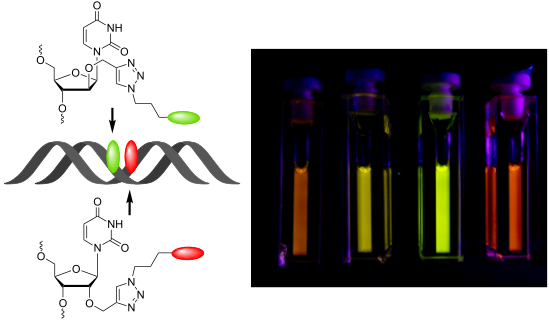
- described in Supporting Information File 1. Cell experiments and confocal fluorescence microsopy. Human cervix carcinoma cells (HeLa cells) were cultured in Dulbecco’s modified Eagle medium (DMEM) supplemented with 10% fetal calf serum and 1% penicillin/streptomycin at 37 °C in a 5% CO2 atmosphere. 24 h
- to the cells. The cells were incubated for 24 h with the respective transfection mixture at 37 °C in a 5% CO2 atmosphere. The visualization of the DNA duplexes was performed by confocal laser scanning microscopy using a Leica TCS SPE (DMi8) inverted microscope with an ACS APO 63×/1.30 oil objective


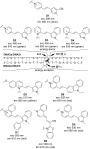

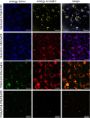
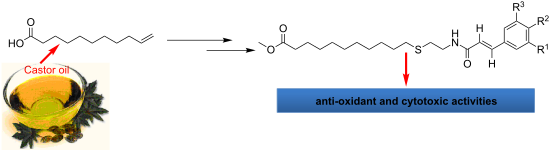
Synthesis and evaluation of anti-oxidant and cytotoxic activities of novel 10-undecenoic acid methyl ester based lipoconjugates of phenolic acids
Beilstein J. Org. Chem. 2017, 13, 26–32, doi:10.3762/bjoc.13.4
- maintained in DMEM supplemented with 10% FBS, 2 mM L-glutamine, 100 U/mL penicillin, and 100 μg/mL streptomycin at 37 °C in a 5% CO2 incubator. After seeding of cells in 96 well culture plates, they were allowed to attach properly. Test compounds of different concentrations ranging from 1 to 50 µM were added