

Search results
Search for "synthesis" in Full Text gives 3812 result(s) in Beilstein Journal of Organic Chemistry. Showing first 200.
Preparation of a furfural-derived enantioenriched vinyloxazoline building block and exploring its reactivity
Beilstein J. Org. Chem. 2025, 21, 1737–1741, doi:10.3762/bjoc.21.136

- Madara Darzina Anna Lielpetere Aigars Jirgensons Latvian Institute of Organic Synthesis Aizkraukles 21, Riga, LV-1006, Latvia Faculty of Natural Sciences and Technology, Riga Technical University, 3 P. Valdena Street, Riga LV-1048, Latvia 10.3762/bjoc.21.136 Abstract N-Alloc-protected furfuryl
- conditions compatible with the double bond and acetal functions. In this work, we present Torii-type electrosynthesis of ester 3d (PG = Alloc) and its transformation to the enantioenriched vinyloxazoline building block 6, which can be used for the asymmetric synthesis of complex molecules [19][20][21][22][23
- reaction, and we found that acetic acid served well for this purpose (Table 1, entry 4). Using the reaction conditions with acetic acid as additive, the reaction could be performed also in a 0.5 g scale for the synthesis of both ester enantiomers S-3d and R-3d (Table 1, entries 5 and 6). In the absence of


Convenient alternative synthesis of the Malassezia-derived virulence factor malassezione and related compounds
Beilstein J. Org. Chem. 2025, 21, 1730–1736, doi:10.3762/bjoc.21.135
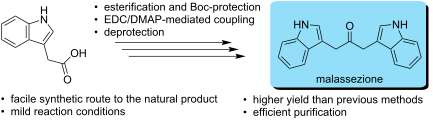
- ]. Unfortunately, testing of malassezione is limited by the lack of a convenient synthesis. Indeed, beyond isolating the compound from cultured M. furfur [11][20], the only reported synthetic route to malassezione is via an iron-catalyzed Fukuyama-type indole synthesis, which afforded the compound in low yield [18
- ]. Herein, we report an alternative synthesis from commercially available indole acetic acid, and demonstrate that the approach can be extended to related compounds. Results and Discussion Previously, malassezione had either been (i) isolated from cultures of M. furfur grown on ʟ-tryptophan as the sole
- subsequent iron-catalyzed reaction afforded 1 in only 35% yield. To avoid the low-yielding preparation of the isonitrile, we elected to use commercially available indole-3-acetic acid as the starting material, and to utilize an approach similar to that described for the synthesis of dibenzylketones from the


3,3'-Linked BINOL macrocycles: optimized synthesis of crown ethers featuring one or two BINOL units
Beilstein J. Org. Chem. 2025, 21, 1719–1729, doi:10.3762/bjoc.21.134
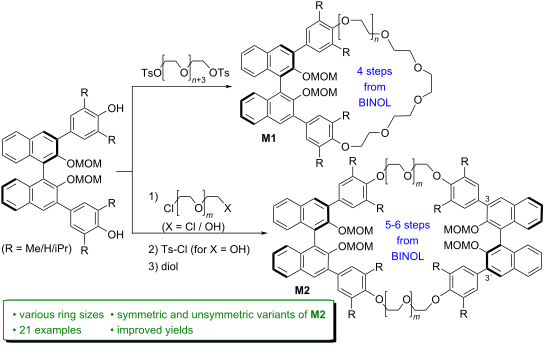
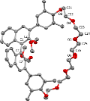
- highly efficient catalysts, chemosensors, and functional materials. We have recently made strides in developing macrocyclic organocatalysts; however, their synthesis remains challenging. In this work, we aimed to discover a straightforward method for producing a diverse range of chiral macrocycles
- , thereby enabling further exploration in the field of interlocked and macrocyclic organocatalysts. We successfully established optimized synthetic routes for the synthesis of chiral macrocycles containing one or two stereogenic units, featuring varying ring sizes and substituents (21 examples in total
- ]. For the synthesis of macrocycles M2 with two BINOL units, we relied on the monoiodide 12, which was first reacted in a two-fold Suzuki coupling to install the first linker, followed by silyl deprotection and introduction of the second linker via nucleophilic substitution [51]. Both procedures require





Approaches to stereoselective 1,1'-glycosylation
Beilstein J. Org. Chem. 2025, 21, 1700–1718, doi:10.3762/bjoc.21.133
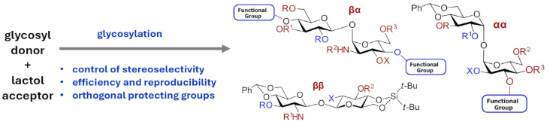
- are involved. Consequently, approaches to 1,1′-glycosylation for the synthesis of nonreducing disaccharides with defined anomeric configurations are essential for the development of 1,1′-disaccharide-containing biomolecules used in vaccine research, as well as for therapeutic and diagnostic
- innovative, specialized approaches. While the synthesis of α,α-1,1'-linked nonreducing sugars was already comprehensively reviewed [36][37], the construction of β,β- and β,α-1,1'-glycosides has received noticeably less attention. This review provides an overview of the most recent developments in 1,1
- synthesis of symmetrically functionalized nonreducing disaccharide-based molecules. However, most biologically active molecules that contain nonreducing sugars are characterized by the presence of non-symmetrically distributed functional groups, which requires the use of selectively orthogonally protected


Continuous-flow-enabled intensification in nitration processes: a review of technological developments and practical applications over the past decade
Beilstein J. Org. Chem. 2025, 21, 1678–1699, doi:10.3762/bjoc.21.132
- , achieving 54.98% o- and 45.01% p-nitrophenol yields within 15 minutes [10]. Umrigar et al. demonstrated a microwave-assisted nitration of monochlorobenzene (MCB) for the efficient synthesis of 2,4-dinitrochlorobenzene (2,4-DNCB), achieving reduced reaction time, minimized waste acid, and enhanced yield
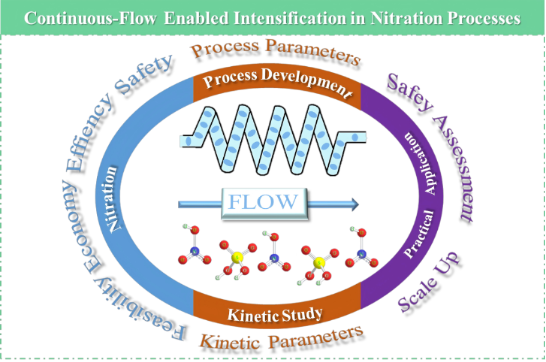
- processes should be comprehensively evaluated against the four aforementioned criteria. For synthesis processes assessed as high-risk, adopting flow chemistry technologies is strongly recommended to mitigate reaction hazards and operational risks. Wang et al. [18] examined the nitration reaction calorimetry
- confirmed exothermic activity of the unquenched organic phase containing products, emphasizing persistent risks even after the unquenched post-nitration system. Rakshit et al. [47] conducted the synthesis of 6-nitrovanillin through continuous-flow nitration using fuming HNO3 in sulfolane efficiently and



Structural analysis of stereoselective galactose pyruvylation toward the synthesis of bacterial capsular polysaccharides
Beilstein J. Org. Chem. 2025, 21, 1671–1677, doi:10.3762/bjoc.21.131
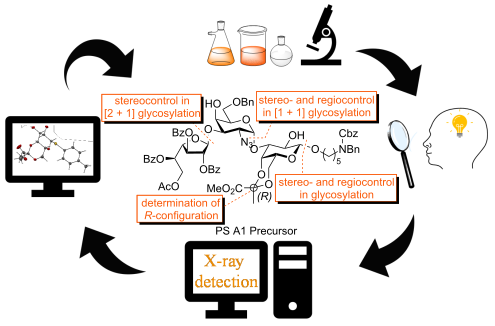
- Program, Taiwan International Graduate Program (TIGP), Academia Sinica, Taipei 115, Taiwan 10.3762/bjoc.21.131 Abstract Pyruvate ketal is a biologically essential moiety due to its key role as an intermediate in metabolic pathways, serving as a key precursor for the synthesis of various essential
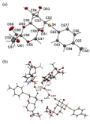
- successfully obtained. Subsequently, the compound was used for the synthesis of zwitterionic polysaccharide A1 (PS A1) precursor, and a clear structural elucidation was applied by using nuclear magnetic resonance and X-ray. Keywords: carbohydrates; capsular polysaccharides; diastereochemistry; glycosylation
- -studied and are considered good candidates for drug development [1][6]. The synthesis of bacterial capsular polysaccharides, particularly in the installation of the pyruvate ketal on galactose, presents significant challenges. Owing to pyruvate ketals are considered immunogenic, non carbohydrate


Influence of the cation in hypophosphite-mediated catalyst-free reductive amination
Beilstein J. Org. Chem. 2025, 21, 1661–1670, doi:10.3762/bjoc.21.130
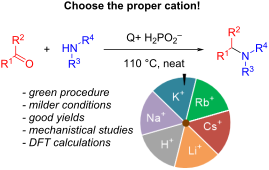
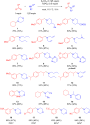
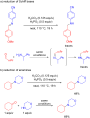
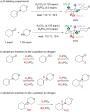
- Scientific) and readily available in bulk quantities compound. In organic synthesis, it is most commonly used in metal-catalyzed reductions where NaH2PO2 serves as a molecular hydrogen donor [6][7][8][9][10][11][12][13][14][15][16]. However, recent studies demonstrated application of hypophosphites as a
- synthesis of esters of phosphonous or alkylphosphinic acids [33][34][35]. Only a single application of cesium hypophosphite was shown in the literature. CsH2PO2 was prepared in situ and used for formation C–P bond by radical addition to unsaturated carboxylic acids [36 ]To summarize the above, it is crucial
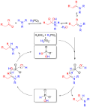
- synthesis of imines and enamines [36][37]. In our reducing system H3PO2 could act as an effective reductant due to its high solubility in neat conditions (Table 1, line 1) (in form of morpholinium hypophosphite). Nonetheless reductive potential of hypophosphite is pH-dependent (−1.65 V at pH 14 vs −0.5 V at


Catalytic asymmetric reactions of isocyanides for constructing non-central chirality
Beilstein J. Org. Chem. 2025, 21, 1648–1660, doi:10.3762/bjoc.21.129
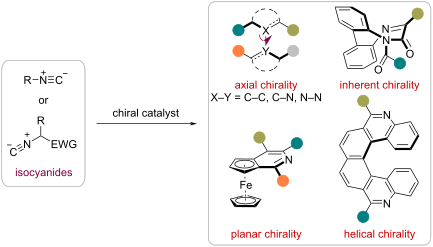
- Jia-Yu Liao College of Pharmaceutical Sciences, Zhejiang University, Hangzhou, 310058, China 10.3762/bjoc.21.129 Abstract Beyond the conventional carbon-centered chirality, catalytic asymmetric transformations of isocyanides have recently emerged as a powerful strategy for the efficient synthesis
- become a hot topic in synthetic organic chemistry. Isocyanides (also termed isonitriles) are a class of highly versatile building blocks in organic synthesis, participating in a wide range of transformations including multicomponent reactions (e.g., the well-known Passerini and Ugi reactions) [13][14][15
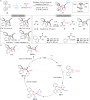
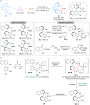
- for Pd-catalyzed isocyanide insertion reactions, organocatalytic isocyanide-based multicomponent reactions have been explored for the synthesis of axially chiral compounds. In 2024, Yang and co-workers reported a catalytic asymmetric version of the Groebke–Blackburn–Bienaymé reaction [32][33][34





Photocatalysis and photochemistry in organic synthesis
Beilstein J. Org. Chem. 2025, 21, 1645–1647, doi:10.3762/bjoc.21.128
- ; photochemistry; Soon after its first reported synthesis in 1936 [1], [Ru(bpy)3]Cl2 (bpy = 2,2'-bipyridine) and its derivatives attracted significant attention due to their photophysical properties [2][3][4]. These complexes can efficiently absorb visible light through a metal-to-ligand charge transfer (MLCT
- impact of [Ru(bpy)3]Cl2 on several research areas, including solar energy conversion [5], optosensing [6], photodynamic therapy [7][8] and bioimaging [9]. Scattered examples of [Ru(bpy)3]Cl2 being used as a photocatalyst for visible-light-driven organic synthesis appeared in the scientific literature as
- implement. Two decades later, photocatalysis and photochemistry remain among the most studied topics in modern organic synthesis. Nowadays, chemists can choose from a wide range of organometallic [12][13], organic [14][15], or heterogeneous photocatalysts [16][17] to trigger visible-light photoredox

Formal synthesis of a selective estrogen receptor modulator with tetrahydrofluorenone structure using [3 + 2 + 1] cycloaddition of yne-vinylcyclopropanes and CO
Beilstein J. Org. Chem. 2025, 21, 1639–1644, doi:10.3762/bjoc.21.127
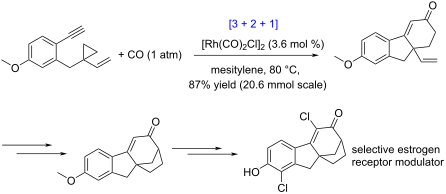
- University, Beijing, 100871, China 10.3762/bjoc.21.127 Abstract A formal synthesis of product VI with tetrahydroflurenone structure as selective estrogen receptor modulator has been realized. The Rh-catalyzed [3 + 2 + 1] reaction of yne-vinylcyclopropanes and CO (20 mmol scale, in 87% yield) for building
- the 6/5/5 skeleton, and a Heck coupling reaction constructing the [3.2.1] framework, are the two key reactions in this 11-step synthesis. Keywords: [3 + 2 + 1] cycloaddition; selective estrogen receptor modulators; synthesis; tetrahydrofluorenone; Introduction Estrogen receptors (ERs) [1][2] are
- finding new strategies for these molecules and their derivatives are still required for future medicinal investigations. Due to this, we decided to explore a new approach to VI, which is reported here. Our approach is inspired by the Lei’s synthesis of ent-kaurane diterpenoids (Scheme 3A) [22] which share


On the aromaticity and photophysics of 1-arylbenzo[a]imidazo[5,1,2-cd]indolizines as bicolor fluorescent molecules for barium tagging in the study of double-beta decay of 136Xe
Beilstein J. Org. Chem. 2025, 21, 1627–1638, doi:10.3762/bjoc.21.126
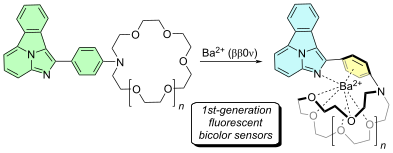
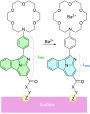
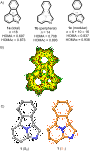
- scaffold. The chemical synthesis, photophysical properties and suitability for barium tagging will be published in due course. Two possible double beta decay modes. Left: with emission of two electronic antineutrinos (ββ2ν). Right: neutrinoless double beta decay (ββ0ν). General structure of first





Transition-state aromaticity and its relationship with reactivity in pericyclic reactions
Beilstein J. Org. Chem. 2025, 21, 1613–1626, doi:10.3762/bjoc.21.125
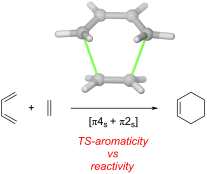
- used in the synthesis of a good number of target molecules, including complex natural products [32][33][34][35]. Typically, the LA binds the dienophile through a donor–acceptor interaction (usually involving a carbonyl group) which results in a significant stabilization of the dienophile’s LUMO. As a
- –ene reaction [58][59] constitutes a fundamental reaction in organic chemistry that has been applied to the synthesis of a number of target molecules owing to its remarkable functional group tolerance [60][61]. Despite that, the main shortcoming of this transformation is its relatively high barrier
- , typically binds a carbonyl group in the enophile partner. In this sense, the acceleration is even more significant in the so-called carbonyl–ene reaction [63], an analogous process where a carbonyl group directly acts as the enophile. This transformation has also been applied to the synthesis of complex


Synthesis of optically active folded cyclic dimers and trimers
Beilstein J. Org. Chem. 2025, 21, 1603–1612, doi:10.3762/bjoc.21.124

- term for cyclic compounds with at least one aromatic ring in the main chain backbone [1]. Cyclophane compounds have long been known; [2.2]paracyclophane was first reported as a cyclic dimer of paraxylylene by Brown et al. in 1949 [2]. In 1951, Cram et al. reported the practical synthesis of [2.2
- '-dimethoxybiphenyl), PPh3, CuI, Bu4NF, MeOH, dehydrated THF, dehydrated toluene, and 1,4-diiodobenzene (5). Et3N was purchased and distilled over KOH. (Sp)-1 [31], (Rp)-1 [31], and 2 [48] were prepared as described in the literature. Synthesis of (Sp)-3 A mixture of (Sp)-1 (49.6 mg, 0.081 mmol), 2 (25.3 mg, 0.059
- ): [M + H]+ calcd. for C56H62Si2, 791.4463; found, 791.4442; [α]D25 = +199.73 (c 0.04, CHCH3). Synthesis of (Sp)-4 (Sp)-3 (43.0 mg, 0.054 mmol) was dissolved in THF (2 mL), followed by the addition of Bu4NF (1.0 M in THF solution, 0.11 mL). The reaction was carried out at room temperature for 30 min



3-Aryl-2H-azirines as annulation reagents in the Ni(II)-catalyzed synthesis of 1H-benzo[4,5]thieno[3,2-b]pyrroles
Beilstein J. Org. Chem. 2025, 21, 1595–1602, doi:10.3762/bjoc.21.123
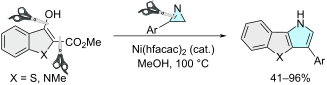
- method for the synthesis of 3-arylbenzo[4,5]thieno[3,2-b]pyrroles has been developed via pyrrole ring annulation to the aromatic benzo[b]thiophene system, using 3-arylazirines as a N‒C=C synthon. The reaction is catalyzed by Ni(hfacac)2 and proceeds through the azirine ring opening across the N=C3 bond
- . Azirines with both electron-donating and electron-withdrawing C3-aryl substituents tolerate the reaction conditions. The reaction of the N-methylindole analog also provides the annulation product but in moderate yield. The described synthesis is the first example of a dealkoxycarbonylative annulation
- reaction, in which 2H-azirines act as the annulation reagent. Keywords: annulation; azirines; benzothiophenes; indoles; nickel catalysis; Introduction 2H-Azirines represent a valuable class of nitrogen heterocycles that are widely used as versatile building blocks in organic synthesis. In particular, the



Chemical synthesis of glycan motifs from the antitumor agent PI-88 through an orthogonal one-pot glycosylation strategy
Beilstein J. Org. Chem. 2025, 21, 1587–1594, doi:10.3762/bjoc.21.122
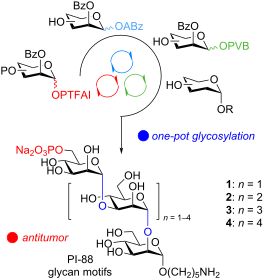
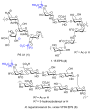
- Academy of Sciences, Kunming 650201, China 10.3762/bjoc.21.122 Abstract Chemical synthesis of monophosphorylated glycan motifs from the antitumor agent PI-88 has been achieved through an orthogonal one-pot glycosylation strategy on the basis of glycosyl ortho-(1-phenylvinyl)benzoates, which not only
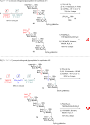
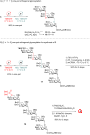
- accelerated synthesis, but also precluded the potential issues inherent to one-pot glycan assembly associated with thioglycosides. The following aspects were featured in synthetic approaches: 1) synthesis of trisaccharide and tetrasaccharide PI-88 glycans via [1 + 1 + 1] and [1 + 1 + 1 + 1] one-pot orthogonal
- glycosylation, respectively; 2) synthesis of PI-88 glycan motif pentasaccharide via [1 + 1 + 1] and [1 + 1 + 3] one-pot orthogonal glycosylation; 3) synthesis of hexasaccharide via [1 + 1 + 1] and [1 + 1 + 1 + 3] one-pot assembly. Keywords: carbohydrates; chemical synthesis; glycosyl ortho-(1-phenylvinyl



Thermodynamic equilibrium between locally excited and charge transfer states in perylene–phenothiazine dyads
Beilstein J. Org. Chem. 2025, 21, 1577–1586, doi:10.3762/bjoc.21.121
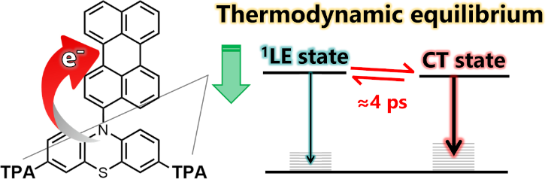
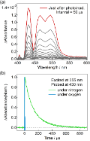
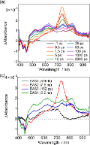
- . Through these investigations, we aim to deepen the understanding of how molecular design parameters such as donor strength, spacer introduction, and π-orthogonality influence excited-state equilibria and charge-transfer processes in π-orthogonal donor–acceptor systems. Results and Discussion Synthesis and
- : Experimental and computational details, synthesis and characterization of compounds, additional spectroscopic results, and theoretical calculations. Acknowledgements The authors acknowledge Dr. Tatsuo Nakagawa, UNISOKU Co., Ltd., for nanosecond transient absorption measurements Funding This work was supported




Synthesis of an aza[5]helicene-incorporated macrocyclic heteroarene via oxidation of an o-phenylene-pyrrole-thiophene icosamer
Beilstein J. Org. Chem. 2025, 21, 1561–1567, doi:10.3762/bjoc.21.119
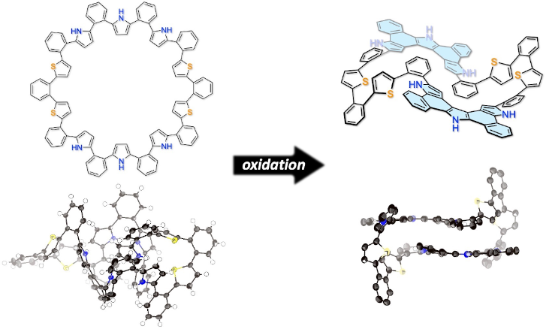
- thiophene units [24][25]. The influence of heteroaromatic positioning on the reaction outcome has been rationalized in our previous work [25]. As a further extension of this molecular design, herein we report the synthesis of an o-phenylene-pyrrole-thiophene hybrid icosamer and its oxidative fusion to yield
- an aza[5]helicene-incorporated macrocycle. The resulting cyclophane-like structure and its optical properties have been analyzed in detail. Results and Discussion Synthesis and characterization Synthesis We obtained o-phenylene-pyrrole-thiophene hybrid icosamer 4 during our attempt to synthesize
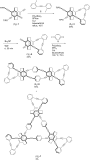
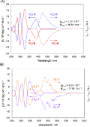
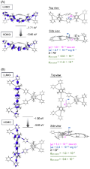
- clarity. (b) NCI plot of 5; (left) top view, (right) side view (isosurface: 0.50, range: −0.03 < sign(λ2)ρ < 0.03). UV–vis absorption and emission spectra of (a) 4 and (b) 5 in DMSO. Synthesis of o-phenylene-pyrrole-thiophene hybrid macrocycles. Synthesis of aza[5]helicene-incorporated macrocyclic


Facile synthesis of hydantoin/1,2,4-oxadiazoline spiro-compounds via 1,3-dipolar cycloaddition of nitrile oxides to 5-iminohydantoins
Beilstein J. Org. Chem. 2025, 21, 1552–1560, doi:10.3762/bjoc.21.118
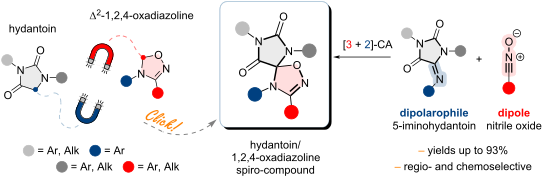
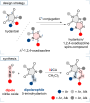
- , we firstly report the synthesis of compounds comprising two pharmacophoric fragments, hydantoin and 1,2,4-oxadiazoline, joined through the C5 atom of each cycle forming spiro-fused structures. We propose an efficient method for the synthesis of such spiro-compounds based on a [3 + 2]-dipolar
- determined by the configuration of the spiro-core, while still allowing for the possibility of relative rotation to facilitate better binding to the targets. Furthermore, it appears to be as exceedingly advantageous from a synthesis perspective, as it enables the application of methods that have been
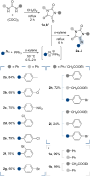
- developed for existing spiro systems to the new hybrid drugs. In this work a similar modification of imidazolidine derivatives was performed for the first time for the synthesis of spiro-hydantoins. The title reactions were carried out using two alternative techniques for the generation of the reactive 1,3



Azide–alkyne cycloaddition (click) reaction in biomass-derived solvent CyreneTM under one-pot conditions
Beilstein J. Org. Chem. 2025, 21, 1544–1551, doi:10.3762/bjoc.21.117
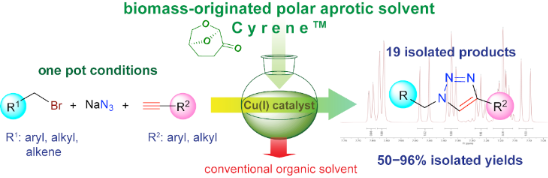
- CyreneTM, as a biomass-originated polar aprotic solvent, could be utilized as an alternative reaction medium for one-pot copper(I)-catalyzed azide–alkyne cycloaddition (click or CuAAC) reactions, for the synthesis of various 1,2,3-triazoles under mild conditions. Nineteen products involving N-substituted-4
- methods, the copper(I)-catalyzed azide–alkyne cycloaddition (CuAAC) reaction, the so-called click reaction [7], has received substantial attention for the selective synthesis of various 1,2,3-triazoles that are of utmost importance in the synthesis of biologically active compounds such as active
- , a wide range of organic reactions, e.g., urea and amide formation [32][33], amide coupling [34], aldol condensation [35], C–H difluoromethylation [36], aromatic substitution [37], and MOFs synthesis [38] were demonstrated in CyreneTM. Very recently, Fasano and Citarella first reported a CuAAC


General method for the synthesis of enaminones via photocatalysis
Beilstein J. Org. Chem. 2025, 21, 1535–1543, doi:10.3762/bjoc.21.116
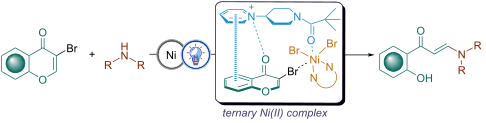
- intermediates in the synthesis of several derivatives with important applications in medicinal chemistry. Furthermore, many marketed drugs feature the enaminone structural moiety. In this context, we have developed a photoredox and nickel catalytic system to rapidly forge the enaminone scaffold from 3
- ; enaminones; nickel; photocatalysis; Introduction Enaminones are relevant intermediates in organic chemistry and the pharmaceutical industry [1][2][3][4][5][6]. These enamines have a carbonyl group conjugated to a carbon–carbon double bond, owing its great versatility in organic synthesis to its ability to
- act as both electrophiles and nucleophiles [7]. This makes enaminones very reactive, providing an excellent scaffold for organic synthesis. Thus, enaminones are valuable building blocks in the preparation of several carbocyclic [8][9][10][11], heterocyclic [12][13][14][15][16][17][18] as well as




Azobenzene protonation as a tool for temperature sensing
Beilstein J. Org. Chem. 2025, 21, 1528–1534, doi:10.3762/bjoc.21.115
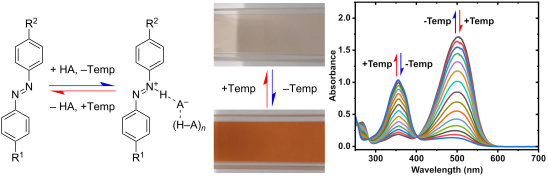
- structures. Acknowledgements The authors thank Kim Kuntze for the synthesis of 4,4’-dimethoxyazobenzene, and acknowledge CSC IT Center for Science, Finland, for computational resources. Funding The work has been financially supported by the Research Council of Finland through the Centre of Excellence


Calcium waste as a catalyst in the transesterification for demanding esters: scalability perspective
Beilstein J. Org. Chem. 2025, 21, 1520–1527, doi:10.3762/bjoc.21.114
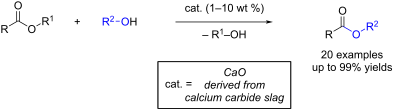
- Anton N. Potorochenko Konstantin S. Rodygin Institute of Chemistry, Saint Petersburg State University, 7/9 Universitetskaya nab., St. Petersburg, 199034, Russia 10.3762/bjoc.21.114 Abstract Esters are valuable compounds in fine organic synthesis and industry. The significant growth in the demand
- amounts of 1–5 wt %. Keywords: biodiesel; calcium oxide; carbide slag; ester; transesterification; Introduction The ester moiety in molecules is one of the most important functional groups, which is widespread in nature, products of fine organic synthesis, and large-scale chemical manufacturing [1][2][3
- fine organic synthesis. Results and Discussion The carbide slag was prepared by hydrolysis of commercially available calcium carbide (Sigma-Aldrich) and oven dried at 80 °C for 3 hours. The active catalyst CS600 was prepared by calcining the carbide slag at 600 °C for 2 hours. The composition of the


Ambident reactivity of enolizable 5-mercapto-1H-tetrazoles in trapping reactions with in situ-generated thiocarbonyl S-methanides derived from sterically crowded cycloaliphatic thioketones
Beilstein J. Org. Chem. 2025, 21, 1508–1519, doi:10.3762/bjoc.21.113
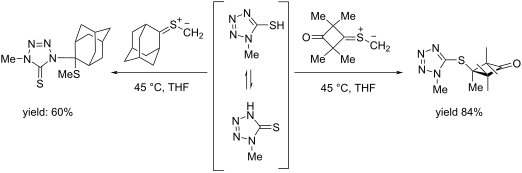
- of the most important types of organic reactions with key importance for the development of methods of modern organic synthesis [1][2][3]. Therefore, conversions of 1,3-dipoles which cover not only cycloadditions but also annulation and insertion reaction attract great attention worldwide [2][3][4
- ]. Thiocarbonyl S-methanides (thiocarbonyl ylides) 1, which were first reported in the 1980s by R. Huisgen and co-workers contributed to a substantial extension of mechanistic interpretations of cycloaddition reactions and to rapid development of methods applied not only for the synthesis of sulfur heterocycles
- but also for the synthesis of sulfur-containing organic compounds in general [2][5][6]. Thiocarbonyl S-methanides 1 belong to the class of so-called S-centered, electron-rich 1,3-dipoles and in numerous studies, thermal decomposition of 1,3,4-thiadiazolines 2, which are easily accessible via [3 + 2


Heterologous biosynthesis of cotylenol and concise synthesis of fusicoccane diterpenoids
Beilstein J. Org. Chem. 2025, 21, 1489–1495, doi:10.3762/bjoc.21.111
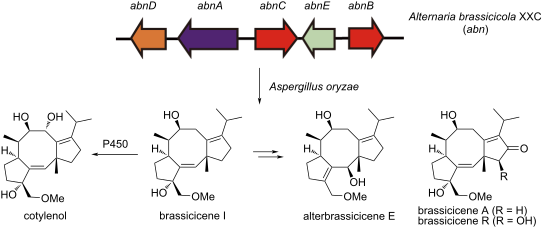
- .21.111 Abstract A novel strategy for the synthesis of fusicoccane diterpenoids is reported. By harnessing the biosynthetic pathways of brassicicenes and fusicoccins, cotylenol was produced in an engineered Aspergillus oryzae strain. We further achieved the concise synthesis of three fusicoccane
- biosynthesis; P450 oxidation; synthesis; Introduction Fusicoccanes are a family of 5-8-5 tricyclic diterpenoid natural products that are produced by bacteria, fungi, algae, and plants (Figure 1a) [1][2][3][4][5][6][7]. Fusicoccanes possess a broad range of biological activities, including anticancer, anti
- activity than cotylenin A in cell growth inhibition assays and less toxicity in single-agent treatments [27][28]. Recently, Jiang and Renata described a chemoenzymatic approach that combines the skeletal construction by chemical methods and enzymatic C–H oxidations [29]. The synthesis employs a catalytic


Photoredox-catalyzed arylation of isonitriles by diaryliodonium salts towards benzamides
Beilstein J. Org. Chem. 2025, 21, 1480–1488, doi:10.3762/bjoc.21.110
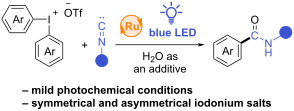
- face limitations such as the significant excess of isonitrile [22] or a restricted scope of aryl bromides (Scheme 1B) [23]. In contrast, diaryliodonium salts, representing stable, robust, and efficient arylating agents [24][25][26][27][28][29][30], have not been explored yet for the synthesis of
- synthesis of benzamides via the arylation of isonitriles with diaryliodonium salts under blue light irradiation (Scheme 1C). Results and Discussion We commenced our investigation by the optimization of the reaction conditions. During the preliminary experiments we tested different solvents and solvent-to