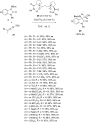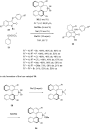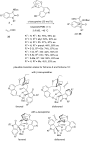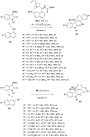

Search for "sterically-hindered" in Full Text gives 291 result(s) in Beilstein Journal of Organic Chemistry. Showing first 200.
Beilstein J. Org. Chem. 2018, 14, 1413–1420, doi:10.3762/bjoc.14.118
Graphical Abstract
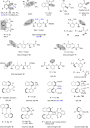
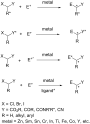
Scheme 1: Nucleophilic and π-electrophilic characters of organometallics depending on the central metals.
Scheme 2: Ni/Cr or Co/Cr-catalyzed NHK reaction.
Scheme 3: Functionalization of alkynes via carbocobaltation.
Scheme 4: Cyclization/borylation of alkynyl iodoarenes using the Co/Cr catalyst.
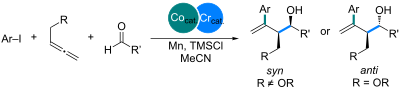
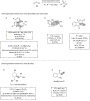
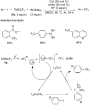
Scheme 5: Three-component coupling of aryl iodides, arenes, and aldehydes using Co/Cr catalyst (this work).
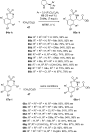
Scheme 6: Screening of aldehydes in the Co/Cr-catalyzed three-component coupling reaction. All yields are det...
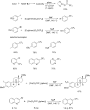
Scheme 7: Screening of aryl iodides in the Co/Cr-catalyzed three-component coupling reaction. All yields are ...
Scheme 8: Screening of allenes in the Co/Cr-catalyzed three-component coupling reaction. All yields are deter...
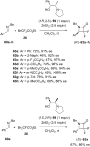
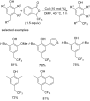
Scheme 9: Reversed diastereoselectivity using allenyl ethers 5 and 6. a4-chlorobenzaldehyde was used instead ...
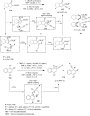
Scheme 10: Stoichiometric reaction of phenylchromium(II or III) reagents (reaction 1) and the three-component ...
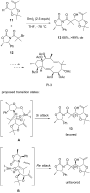
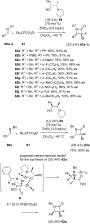
Scheme 11: The origin of the diastereoselectivity in the present three-component coupling.
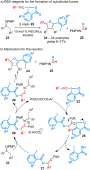
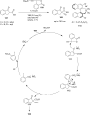
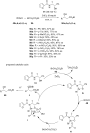
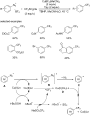
Scheme 12: Plausible reaction mechanism of the three-component coupling.
Beilstein J. Org. Chem. 2018, 14, 1389–1412, doi:10.3762/bjoc.14.117
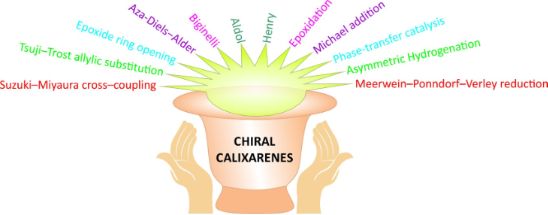
Graphical Abstract
Figure 1: Inherently chiral calix[4]arene-based phase-transfer catalysts.
Scheme 1: Asymmetric alkylations of 3 catalyzed by (±)-1 and (±)-2 under phase-transfer conditions.
Scheme 2: Synthesis of chiral calix[4]arene-based phase-transfer catalyst 7 and structure of O’Donnell’s N-be...
Scheme 3: Asymmetric alkylation of glycine derivative 3 catalyzed by calixarene-based phase-transfer catalyst ...
Figure 2: Calix[4]arene-amides used as phase-transfer catalysts.
Scheme 4: Phase-transfer alkylation of 3 catalyzed by calixarene-triamide 12.
Scheme 5: Synthesis of inherently chiral calix[4]arenes 20a/20b substituted at the lower rim. Reaction condit...
Scheme 6: Asymmetric Henry reaction between 21 and 22 catalyzed by 20a/20b.
Figure 3: Proposed transition state model of asymmetric Henry reaction.
Scheme 7: Synthesis of enantiomerically pure phosphinoferrocenyl-substituted calixarene ligands 27–29.
Scheme 8: Asymmetric coupling reaction of aryl boronates and aryl halides in the presence of calixarene mono ...
Scheme 9: Asymmetric allylic alkylation in the presence of calix[4]arene ligand (S,S)-29.
Figure 4: Structure of inherently chiral oxazoline calix[4]arenes applied in the palladium-catalyzed Tsuji–Tr...
Scheme 10: Asymmetric Tsuji–Trost reaction in the presence of calix[4]arene ligands 36–39.
Figure 5: BINOL-derived calix[4]arene-diphosphite ligands.
Scheme 11: Asymmetric hydrogenation of 41a and 41b catalyzed by in situ-generated catalysts comprised of [Rh(C...
Figure 6: Inherently chiral calix[4]arene 43 containing a diarylmethanol structure.
Scheme 12: Asymmetric Michael addition reaction of 44 with 45 catalyzed by 43.
Figure 7: Calix[4]arene-based chiral primary amine–thiourea catalysts.
Scheme 13: Asymmetric Michael addition of 48 with 49 catalyzed by 47a and 47b.
Scheme 14: Enantioselective Michael addition of 51 to 52 catalyzed by calix[4]arene thioureas.
Scheme 15: Synthesis of calix[4]arene-based tertiary amine–thioureas 54–56.
Scheme 16: Asymmetric Michael addition of 34 and 57 to nitroalkenes 49 catalyzed by 54b.
Scheme 17: Synthesis of p-tert-butylcalix[4]arene bis-squaramide derivative 64.
Scheme 18: Asymmetric Michael addition catalyzed by 64.
Scheme 19: Synthesis of chiral p-tert-butylphenol analogue 68.
Figure 8: Novel prolinamide organocatalysts based on the calix[4]arene scaffold.
Scheme 20: Asymmetric aldol reactions of 72 with 70 and 71 catalyzed by 69b.
Scheme 21: Synthesis of p-tert-butylcalix[4]arene-based chiral organocatalysts 75 and 78 derived from L-prolin...
Scheme 22: Synthesis of upper rim-functionalized calix[4]arene-based L-proline derivative 83.
Scheme 23: Synthesis and proposed structure of Calix-Pro-MN (86).
Figure 9: Calix[4]arene-based L-proline catalysts containing ester, amide and acid units.
Scheme 24: Synthesis of calix[4]arene-based prolinamide 92.
Scheme 25: Calixarene-based catalysts for the aldol reaction of 21 with 70.
Scheme 26: Asymmetric aldol reactions of 72 with cyclic ketones catalyzed by calix[4]arene-based chiral organo...
Figure 10: A proposed structure for catalyst 92 in H2O.
Scheme 27: Synthetic route for organocatalyst 98.
Scheme 28: Asymmetric aldol reactions catalyzed by 99.
Figure 11: Proposed catalytic environment for catalyst 99 in the presence of water.
Scheme 29: Asymmetric aldol reactions between 94 and 72 catalyzed by 55a.
Scheme 30: Enantioselective Biginelli reactions catalyzed by 69f.
Scheme 31: Synthesis of calix[4]arene–(salen) complexes.
Scheme 32: Enantioselective epoxidation of 108 catalyzed by 107a/107b.
Scheme 33: Synthesis of inherently chiral calix[4]arene catalysts 111 and 112.
Scheme 34: Enantioselective MPV reduction.
Scheme 35: Synthesis of chiral calix[4]arene ligands 116a–c.
Scheme 36: Asymmetric MPV reduction with chiral calix[4]arene ligands.
Scheme 37: Chiral AlIII–calixarene complexes bearing distally positioned chiral substituents.
Scheme 38: Asymmetric MPV reduction in the presence of chiral calix[4]arene diphosphites.
Scheme 39: Synthesis of enantiomerically pure inherently chiral calix[4]arene phosphonic acid.
Scheme 40: Asymmetric aza-Diels–Alder reactions catalyzed by (cR,pR)-121.
Scheme 41: Asymmetric ring opening of epoxides catalyzed by (cR,pR)-121.
Beilstein J. Org. Chem. 2018, 14, 1370–1377, doi:10.3762/bjoc.14.115
Graphical Abstract
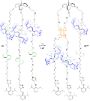
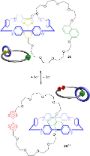
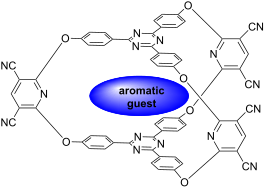
Figure 1: Cryptands with 1,3,5-triphenylbenzene (1) and 2,4,6-triphenyl-1,3,5-triazine (2) aromatic reference...
Scheme 1: Synthesis of cryptand 2.
Figure 2: NMR spectra of cryptand 2: top, 1H NMR; bottom, 13C NMR.
Figure 3: Chemical shift changes of the reference signal (belonging to the more deshielded protons of the p-p...
Figure 4: The equilibrium geometry structure of cryptand 2 having 2,4,6-triphenyl-1,3,5-triazine caps.
Figure 5: The equilibrium geometry structures of the cryptand–anthracene (a) and cryptand–pyrene (b) host–gue...
Figure 6: The equilibrium geometry structure of the cryptand 2–1,5-dihydroxynaphthalene host–guest complex.
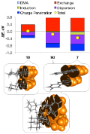
Figure 7: The inclusion dynamics of the anthracene in the cavity of the cryptand for different constrained di...
Beilstein J. Org. Chem. 2018, 14, 1349–1369, doi:10.3762/bjoc.14.114
Graphical Abstract
Scheme 1: Mannich reaction of N-Boc-isatin imines with ethyl nitroacetate (2) catalyzed by a cinchona alkaloi...
Scheme 2: Mannich reaction of N-Boc-isatin imines with 1,3-dicarbonyl compounds catalyzed by a cinchona alkal...
Scheme 3: Mannich reaction of N-alkoxycarbonylisatin imines with acetylacetone catalyzed by a cinchona alkalo...
Scheme 4: Mannich reaction of isatin-derived benzhydrylketimines with trimethylsiloxyfuran catalyzed by a pho...
Scheme 5: Mannich reaction of N-Boc-isatin imines with acetaldehyde catalyzed by a primary amine.
Scheme 6: Mannich reaction of N-Cbz-isatin imines with aldehydes catalyzed by L-diphenylprolinol trimethylsil...
Scheme 7: Addition of dimedone-derived enaminones to N-Boc-isatin imines catalyzed by a phosphoric acid.
Scheme 8: Addition of hydroxyfuran-2-one-derived enaminones to N-Boc-isatin imines catalyzed by a phosphoric ...
Scheme 9: Zinc-catalyzed Mannich reaction of N-Boc-isatin imines with silyl ketene imines.
Scheme 10: Tin-catalyzed Mannich reaction of N-arylisatin imines with an alkenyl trichloroacetate.
Scheme 11: Aza-Morita–Baylis–Hillman reaction of N-Boc-isatin imines with acrolein catalyzed by β-isocupreidin...
Scheme 12: Aza-Morita–Baylis–Hillman reaction of N-Boc-isatin imines with acrolein (35) catalyzed by α-isocupr...
Scheme 13: Aza-Morita–Baylis–Hillman reaction of N-Boc-isatin imines with maleimides catalyzed by β-isocupreid...
Scheme 14: Aza-Morita–Baylis–Hillman reaction of N-Boc-isatin imines with nitroolefins catalyzed by a cinchona...
Scheme 15: Friedel–Crafts reactions of N-Boc-isatin imines with 1 and 2-naphthols catalyzed by a cinchona alka...
Scheme 16: Friedel–Crafts reactions of N-alkoxycarbonyl-isatin imines with 1 and 2-naphthols catalyzed by a ci...
Scheme 17: Friedel–Crafts reaction of N-Boc-isatin imines with 6-hydroxyquinolines catalyzed by a cinchona alk...
Scheme 18: Aza-Henry reaction of N-Boc-isatin imines with nitromethane catalyzed by a bifunctional guanidine.
Scheme 19: Domino addition/cyclization reaction of N-Boc-isatin imines with 1,4-dithiane-2,5-diol (53) catalyz...
Scheme 20: Nickel-catalyzed additions of methanol and cumene hydroperoxide to N-Boc-isatin imines.
Scheme 21: Palladium-catalyzed addition of arylboronic acids to N-tert-butylsulfonylisatin imines.
Beilstein J. Org. Chem. 2018, 14, 1244–1262, doi:10.3762/bjoc.14.107
Graphical Abstract
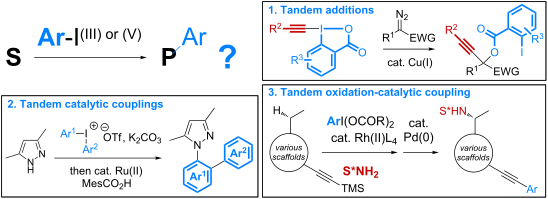
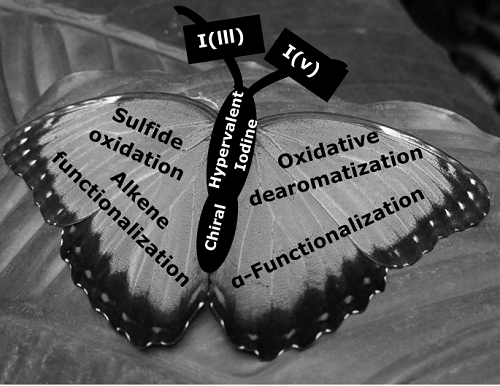
Scheme 1: An overview of different chiral iodine reagents or precursors thereof.
Scheme 2: Asymmetric oxidation of sulfides by chiral hypervalent iodine reagents.
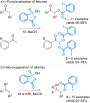
Scheme 3: Oxidative dearomatization of naphthol derivatives by Kita et al.
Scheme 4: [4 + 2] Diels–Alder dimerization reported by Birman et al.
Scheme 5: m-CPBA guided catalytic oxidative naphthol dearomatization.
Scheme 6: Oxidative dearomatization of phenolic derivatives by Ishihara et al.
Scheme 7: Oxidative spirocyclization applying precatalyst 11 developed by Ciufolini et al.
Scheme 8: Asymmetric hydroxylative dearomatization.
Scheme 9: Enantioselective oxylactonization reported by Fujita et al.
Scheme 10: Dioxytosylation of styrene (47) by Wirth et al.
Scheme 11: Oxyarylation and aminoarylation of alkenes.
Scheme 12: Asymmetric diamination of alkenes.
Scheme 13: Stereoselective oxyamination of alkenes reported by Wirth et al.
Scheme 14: Enantioselective and regioselective aminofluorination by Nevado et al.
Scheme 15: Fluorinated difunctionalization reported by Jacobsen et al.
Scheme 16: Aryl rearrangement reported by Wirth et al.
Scheme 17: α-Arylation of β-ketoesters.
Scheme 18: Asymmetric α-oxytosylation of carbonyls.
Scheme 19: Asymmetric α-oxygenation and α-amination of carbonyls reported by Wirth et al.
Scheme 20: Asymmetric α-functionalization of ketophenols using chiral quaternary ammonium (hypo)iodite salt re...
Scheme 21: Oxidative Intramolecular coupling by Gong et al.
Scheme 22: α-Sulfonyl and α-phosphoryl oxylation of ketones reported by Masson et al.
Scheme 23: α-Fluorination of β-keto esters.
Scheme 24: Alkynylation of β-ketoesters and amides catalyzed by phase-transfer catalyst.
Scheme 25: Alkynylation of β-ketoesters and dearomative alkynylation of phenols.
Beilstein J. Org. Chem. 2018, 14, 1112–1119, doi:10.3762/bjoc.14.97
Graphical Abstract
Figure 1: Iodosodilactone and FPID.
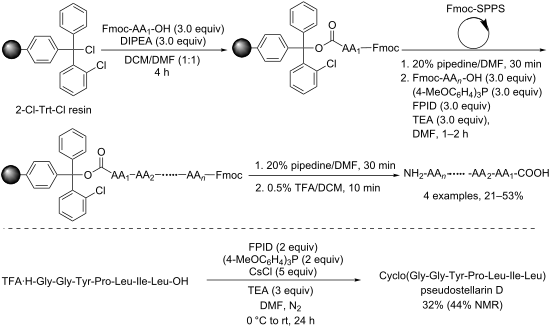
Scheme 1: Proposed mechanism for FPID-mediated amide bond formation.
Scheme 2: Solid-phase peptide synthesis mediated by FPID/(4-MeOC6H4)3P. Conditions: The resin loading for 2-C...
Scheme 3: The regeneration of FPID after SPPS.
Figure 2: Structure of pseudostellarin D.
Scheme 4: Synthetic strategies of pseudostellarin D.
Scheme 5: Preparation of the precursor of pseudostellarin D.
Beilstein J. Org. Chem. 2018, 14, 992–997, doi:10.3762/bjoc.14.84
Graphical Abstract
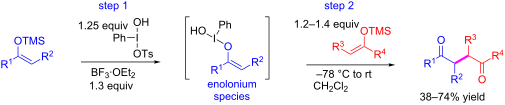
Scheme 1: Oxidative intermolecular cross-coupling of dissimilar enolates.
Scheme 2: Scope of the homo- and heterocoupling of enolates. The purple bond indicates the bond formed. The b...
Scheme 3: Study of diastereoselectivity of the cross-coupling reaction.
Beilstein J. Org. Chem. 2018, 14, 716–733, doi:10.3762/bjoc.14.61
Graphical Abstract
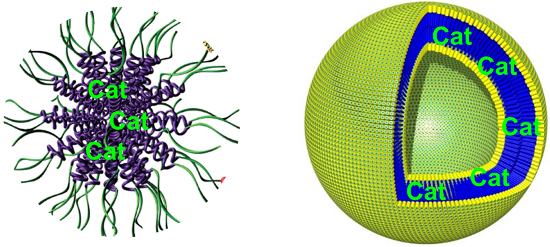
Figure 1: Assembly of catalyst-functionalized amphiphilic block copolymers into polymer micelles and vesicles...
Scheme 1: C–N bond formation under micellar catalyst conditions, no organic solvent involved. Adapted from re...
Scheme 2: Suzuki−Miyaura couplings with, or without, ppm Pd. Conditions: ArI 0.5 mmol 3a, Ar’B(OH)2 (0.75–1.0...
Figure 2: PQS (4a), PQS attached proline catalyst 4b. Adapted from reference [26]. Copyright 2012 American Chemic...
Figure 3: 3a) Schematic representation of a Pickering emulsion with the enzyme in the water phase (i), or wit...
Scheme 3: Cascade reaction with GOx and Myo. Adapted from reference [82].
Figure 4: Cross-linked polymersomes with Cu(OTf)2 catalyst. Reprinted with permission from [15].
Figure 5: Schematic representation of enzymatic polymerization in polymersomes. (A) CALB in the aqueous compa...
Figure 6: Representation of DSN-G0. Reprinted with permission from [100].
Figure 7: The multivalent esterase dendrimer 5 catalyzes the hydrolysis of 8-acyloxypyrene 1,3,6-trisulfonate...
Figure 8: Conversion of 4-NP in five successive cycles of reduction, catalyzed by Au@citrate, Au@PEG and Au@P...
Beilstein J. Org. Chem. 2018, 14, 664–671, doi:10.3762/bjoc.14.54
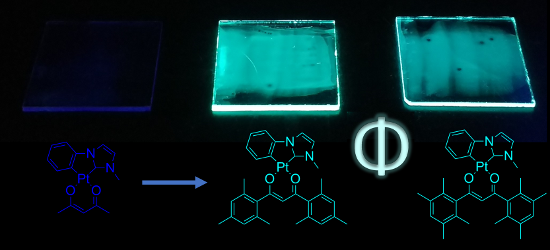
Graphical Abstract
Scheme 1: Synthesis of complexes 2 and 3.
Figure 1: ORTEP representation of 3. Thermal ellipsoids are drawn at the 50% probability level. Selected bond...
Figure 2: UV–vis absorption spectra of complexes 2 and 3 measured in dichloromethane at room temperature.
Figure 3: Emission spectra of complexes 2 and 3 measured at room temperature and 77 K, 2 wt % in a PMMA matri...
Figure 4: Cyclic voltammograms of complexes 2 and 3, analyte concentration 10−4 M. Measured in DMF (0.1 M TBA...
Figure 5: Thin films of Pt(MPIM)(acac) left, Pt(MPIM)(mes) (2) middle, and Pt(MPIM)(dur) (3) right, 2 wt % in...
Figure 6: Photoluminescence spectra of 2 and 3 compared to the emission profile of Pt(MPIM)(acac), 2 wt % in ...
Figure 7: Localization of spin density on the complexes Pt(MPIM)(acac) left, Pt(MPIM)(mes) (2) middle, and Pt...
Beilstein J. Org. Chem. 2018, 14, 531–536, doi:10.3762/bjoc.14.39
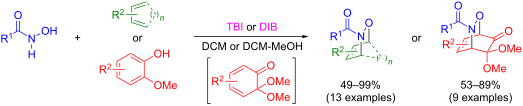
Graphical Abstract
Scheme 1: Hetero-Diels–Alder (HDA) reactions of N-acylnitroso species.
Scheme 2: DIB-mediated oxidative HDA reactions of 1a–c with various guaiacols.
Beilstein J. Org. Chem. 2018, 14, 430–435, doi:10.3762/bjoc.14.31
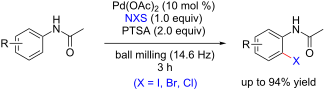
Graphical Abstract
Scheme 1: The influence of the milling frequency on the reaction of 1a with NIS.
Scheme 2: Palladium-catalyzed ortho-iodination of 1a in toluene.
Scheme 3: Plausible mechanism.
Scheme 4: Palladium-catalyzed ortho-bromination and chlorination of 1a in a ball mill.
Beilstein J. Org. Chem. 2018, 14, 325–344, doi:10.3762/bjoc.14.21
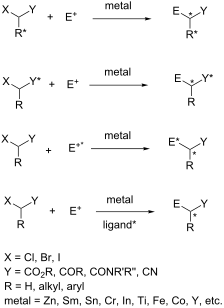
Graphical Abstract
Scheme 1: Reformatsky-type reaction.
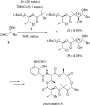
Scheme 2: First total synthesis of prunustatin A based on a Zn-mediated Reformatsky reaction [17].
Scheme 3: Synthesis of a γ-hydroxylysine derivative through a Zn-mediated nitrile Reformatsky-type reaction [18].
Scheme 4: Synthesis of apratoxin E and its C30 epimer through a Zn-mediated Reformatsky reaction. Fmoc = 9-fl...
Scheme 5: Synthesis of the eastern fragment of jatrophane diterpene Pl-3 through a SmI2-mediated Reformatsky ...
Scheme 6: First total synthesis of prebiscibactin through a SmI2-mediated Reformatsky reaction. Boc = tert-bu...
Scheme 7: Synthesis of prostaglandin E2 methyl ester through a SmI2-mediated Reformatsky reaction [23].
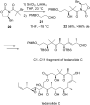
Scheme 8: Synthesis of the C1–C11 fragment of tedanolide C through a SnCl2-mediated Reformatsky reaction. PMB...
Scheme 9: Synthesis of β-trifluoromethyl β-(N-tert-butylsulfinyl)amino esters exhibiting a quaternary stereoc...
Scheme 10: Synthesis of α,α-difluoro-β-(N-tert-butylsulfinyl)amino esters through Zn(II)-mediated aza-Reformat...
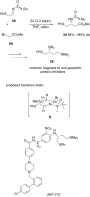
Scheme 11: Synthesis of a common fragment to anti-apoptotic protein inhibitors through a Zn-mediated aza-Refor...
Scheme 12: Synthesis of α,α-difluoro-β-(N-tert-butylsulfinyl)amino ketones through a Zn-mediated aza-Reformats...
Scheme 13: Synthesis of (2-oxoindolin-3-yl)amino esters through a Zn-mediated aza-Reformatsky reaction [30].
Scheme 14: Synthesis of a precursor of sacubitril through a Zn-mediated aza-Reformatsky reaction [31].
Scheme 15: Synthesis of epothilone D through a Cr(II)-mediated Reformatsky reaction. TFA = trifluoroacetic aci...
Scheme 16: Synthesis of β-hydroxy-α-methyl-δ-trichloromethyl-δ-valerolactone through a Sm(II)- or Yb(II)-media...
Scheme 17: Synthesis of cebulactam A1 through a Sm(II)-mediated Reformatsky reaction. MOM = methoxymethyl [34].
Scheme 18: Synthesis of ansamacrolactams (+)-Q-1047H-A-A and (+)-Q-1047H-R-A through a Sm(II)-mediated Reforma...
Scheme 19: Reformatsky reaction of aldehydes with ethyl iodoacetate in the presence of a chiral 1,2-amino alco...
Scheme 20: Reformatsky reaction of aldehydes with ethyl bromoacetate in the presence of a chiral amide ligand [44]....
Scheme 21: Reformatsky reaction of cinnamaldehyde with ethyl bromozinc-α,α-difluoroacetate in the presence of ...
Scheme 22: Reformatsky reaction of aldehydes with an enolate equivalent prepared from phenyl isocyanate and CH2...
Scheme 23: Domino aza-Reformatsky/cyclization reactions of imines with ethyl dibromofluoroacetate in the prese...
Scheme 24: Domino aza-Reformatsky/cyclization reactions of imines with ethyl bromodifluoroacetate in the prese...
Scheme 25: Aza-Reformatsky reactions of cyclic imines with ethyl iodoacetate in the presence of a chiral diary...
Scheme 26: Mechanism for aza-Reformatsky reaction of cyclic imines with ethyl iodoacetate in the presence of a...
Scheme 27: Aza-Reformatsky reaction of dibenzo[b,f][1,4]oxazepines and dibenzo[b,f][1,4]thiazepine with ethyl ...
Beilstein J. Org. Chem. 2018, 14, 203–242, doi:10.3762/bjoc.14.15
Graphical Abstract
Figure 1: Selected examples of drugs with fused pyrazole rings.
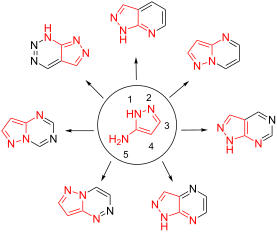
Figure 2: Typical structures of some fused pyrazoloazines from 5-aminopyrazoles.
Scheme 1: Regiospecific synthesis of 4 and 6-trifluoromethyl-1H-pyrazolo[3,4-b]pyridines.
Scheme 2: Synthesis of pyrazolo[3,4-b]pyridine-6-carboxylates.
Scheme 3: Synthesis of 1,4,6-triaryl-1H-pyrazolo[3,4-b]pyridines with ionic liquid .
Scheme 4: Synthesis of coumarin-based isomeric tetracyclic pyrazolo[3,4-b]pyridines.
Scheme 5: Synthesis of 6-substituted pyrazolo[3,4-b]pyridines under Heck conditions.
Scheme 6: Microwave-assisted palladium-catalyzed synthesis of pyrazolo[3,4-b]pyridines.
Scheme 7: Acid-catalyzed synthesis of pyrazolo[3,4-b]pyridines via enaminones.
Scheme 8: Synthesis of pyrazolo[3,4-b]pyridines via aza-Diels–Alder reaction.
Scheme 9: Synthesis of macrocyclane fused pyrazolo[3,4-b]pyridine derivatives.
Scheme 10: Three-component synthesis of 4,7-dihydro-1H-pyrazolo[3,4-b]pyridine derivatives.
Scheme 11: Ultrasonicated synthesis of spiro[indoline-3,4'-pyrazolo[3,4-b]pyridine]-2,6'(1'H)-diones.
Scheme 12: Synthesis of spiro[indoline-3,4'-pyrazolo[3,4-b]pyridine] derivatives under conventional heating co...
Scheme 13: Nanoparticle-catalyzed synthesis of pyrazolo[3,4-b]pyridine-spiroindolinones.
Scheme 14: Microwave-assisted multicomponent synthesis of spiropyrazolo[3,4-b]pyridines.
Scheme 15: Unexpected synthesis of naphthoic acid-substituted pyrazolo[3,4-b]pyridines.
Scheme 16: Multicomponent synthesis of variously substituted pyrazolo[3,4-b]pyridine derivatives.
Scheme 17: Three-component synthesis of 4,7-dihydropyrazolo[3,4-b]pyridines and pyrazolo[3,4-b]pyridines.
Scheme 18: Synthesis of pyrazolo[3,4-b]pyridine-5-spirocycloalkanediones.
Scheme 19: Ultrasound-mediated three-component synthesis of pyrazolo[3,4-b]pyridines.
Scheme 20: Multicomponent synthesis of 4-aryl-3-methyl-1-phenyl-4,6,8,9-tetrahydropyrazolo [3,4-b]thiopyrano[4...
Scheme 21: Synthesis of 2,3-dihydrochromeno[4,3-d]pyrazolo[3,4-b]pyridine-1,6-diones.
Scheme 22: FeCl3-catalyzed synthesis of o-hydroxyphenylpyrazolo[3,4-b]pyridine derivatives.
Scheme 23: Ionic liquid-mediated synthesis of pyrazolo[3,4-b]pyridines.
Scheme 24: Microwave-assisted synthesis of pyrazolo[3,4-b]pyridines.
Scheme 25: Multicomponent synthesis of pyrazolo[3,4-b]pyridine-5-carbonitriles.
Scheme 26: Unusual domino synthesis of 4,7-dihydropyrazolo[3,4-b]pyridine-5-nitriles.
Scheme 27: Synthesis of 4,5,6,7-tetrahydro-4H-pyrazolo[3,4-b]pyridines under conventional heating and ultrasou...
Scheme 28: L-Proline-catalyzed synthesis of of pyrazolo[3,4-b]pyridine.
Scheme 29: Microwave-assisted synthesis of 5-aminoarylpyrazolo[3,4-b]pyridines.
Scheme 30: Microwave-assisted multi-component synthesis of pyrazolo[3,4-e]indolizines.
Scheme 31: Synthesis of fluoropropynyl and fluoroalkyl substituted pyrazolo[1,5-a]pyrimidine.
Scheme 32: Acid-catalyzed synthesis of pyrazolo[1,5-a]pyrimidine derivatives.
Scheme 33: Chemoselective and regiospecific synthesis of 2-(3-methylpyrazol-1’-yl)-5-methylpyrazolo[1,5-a]pyri...
Scheme 34: Regioselective synthesis of 7-trifluoromethylpyrazolo[1,5-a]pyrimidines.
Scheme 35: Microwave-assisted synthesis of 7-trifluoromethylpyrazolo[1,5-a]pyrimidine carboxylates.
Scheme 36: Microwave and ultrasound-assisted synthesis of 7-trifluoromethylpyrazolo[1,5-a]pyrimidines.
Scheme 37: Base-catalyzed unprecedented synthesis of pyrazolo[1,5-a]pyrimidines via C–C bond cleavage.
Scheme 38: Synthesis of aminobenzothiazole/piperazine linked pyrazolo[1,5-a]pyrimidines.
Scheme 39: Synthesis of aminoalkylpyrazolo[1,5-a]pyrimidine-7-amines.
Scheme 40: Synthesis of pyrazolo[1,5-a]pyrimidines from condensation of 5-aminopyrazole 126 and ethyl acetoace...
Scheme 41: Synthesis of 7-aminopyrazolo[1,5-a]pyrimidines.
Scheme 42: Unexpected synthesis of 7-aminopyrazolo[1,5-a]pyrimidines under solvent free and solvent-mediated c...
Scheme 43: Synthesis of N-(4-aminophenyl)-7-aryloxypyrazolo[1,5-a]pyrimidin-5-amines.
Scheme 44: Base-catalyzed synthesis of 5,7-diarylpyrazolo[1,5-a]pyrimidines.
Scheme 45: Synthesis of 6,7-dihydropyrazolo[1,5-a]pyrimidines in PEG-400.
Scheme 46: Synthesis of 7-heteroarylpyrazolo[1,5-a]pyrimidine-3-carboxamides.
Scheme 47: Synthesis of 7-heteroarylpyrazolo[1,5-a]pyrimidine derivatives under conventional heating and micro...
Scheme 48: Synthesis of N-aroylpyrazolo[1,5-a]pyrimidine-5-amines.
Scheme 49: Regioselective synthesis of ethyl pyrazolo[1,5-a]pyrimidine-7-carboxylate.
Scheme 50: Sodium methoxide-catalyzed synthesis of 3-cyano-6,7-diarylpyrazolo[1,5-a]pyrimidines.
Scheme 51: Synthesis of various pyrazolo[3,4-d]pyrimidine derivatives.
Scheme 52: Synthesis of hydrazinopyrazolo[3,4-d]pyrimidine derivatives.
Scheme 53: Synthesis of N-arylidinepyrazolo[3,4-d]pyrimidin-5-amines.
Scheme 54: Synthesis of pyrazolo[3,4-d]pyrimidinyl-4-amines.
Scheme 55: Iodine-catalyzed synthesis of pyrazolo[3,4-d]pyrimidinones.
Scheme 56: Synthesis of ethyl 6-amino-2H-pyrazolo[3,4-d]pyrimidine-4-carboxylate.
Scheme 57: Synthesis of 4-substituted-(3,6-dihydropyran-4-yl)-1H-pyrazolo[3,4-d]pyrimidines.
Scheme 58: Synthesis of 1-(2,4-dichlorophenyl)pyrazolo[3,4-d]pyrimidin-4-yl carboxamides.
Scheme 59: Synthesis of 5-(1,3,4-thidiazol-2-yl)pyrazolo[3,4-d]pyrimidine.
Scheme 60: One pot POCl3-catalyzed synthesis of 1-arylpyrazolo[3,4-d]pyrimidin-4-ones.
Scheme 61: Synthesis of 4-amino-N1,C3-dialkylpyrazolo[3,4-d]pyrimidines under Suzuki conditions.
Scheme 62: Microwave-assisted synthesis of pyrazolo[3,4-b]pyrazines.
Scheme 63: Synthesis and derivatization of pyrazolo[3,4-b]pyrazine-5-carbonitriles.
Scheme 64: Synthesis of 2-thioxo-pyrazolo[1,5-a][1,3,5]triazin-4-ones.
Scheme 65: Synthesis of 2,3-dihydropyrazolo[1,5-a][1,3,5]triazin-4(1H)-one.
Scheme 66: Synthesis of pyrazolo[1,5-a][1,3,5]triazine-8-carboxylic acid ethyl ester.
Scheme 67: Microwave-assisted synthesis of 4,7-dihetarylpyrazolo[1,5-a][1,3,5]triazines.
Scheme 68: Alternative synthetic route to 4,7-diheteroarylpyrazolo[1,5-a][1,3,5]triazines.
Scheme 69: Synthesis of 4-aryl-2-ethylthio-7-methylpyrazolo[1,5-a][1,3,5]triazines.
Scheme 70: Microwave-assisted synthesis of 4-aminopyrazolo[1,5-a][1,3,5]triazine.
Scheme 71: Synthesis of pyrazolo[3,4-d][1,2,3]triazines from pyrazol-5-yl diazonium salts.
Scheme 72: Synthesis of 2,5-dihydropyrazolo[3,4-e][1,2,4]triazines.
Scheme 73: Synthesis of pyrazolo[5,1-c][1,2,4]triazines via diazopyrazolylenaminones.
Scheme 74: Synthesis of pyrazolo[5,1-c][1,2,4]triazines in presence of sodium acetate.
Scheme 75: Synthesis of various 7-diazopyrazolo[5,1-c][1,2,4]triazine derivatives.
Scheme 76: One pot synthesis of pyrazolo[5,1-c][1,2,4]triazines.
Scheme 77: Synthesis of 4-amino-3,7,8-trinitropyrazolo-[5,1-c][1,2,4]triazines.
Scheme 78: Synthesis of tricyclic pyrazolo[5,1-c][1,2,4]triazines by azocoupling reaction.
Beilstein J. Org. Chem. 2018, 14, 155–181, doi:10.3762/bjoc.14.11
Graphical Abstract
Figure 1: Selected examples of pharmaceutical and agrochemical compounds containing the trifluoromethyl group....
Scheme 1: Introduction of a diamine into copper-catalyzed trifluoromethylation of aryl iodides.
Scheme 2: Addition of a Lewis acid into copper-catalyzed trifluoromethylation of aryl iodides and the propose...
Scheme 3: Trifluoromethylation of heteroaromatic compounds using S-(trifluoromethyl)diphenylsulfonium salts a...
Scheme 4: The preparation of a new trifluoromethylation reagent and its application in trifluoromethylation o...
Scheme 5: Trifluoromethylation of aryl iodides using CF3CO2Na as a trifluoromethyl source.
Scheme 6: Trifluoromethylation of aryl iodides using MTFA as a trifluoromethyl source.
Scheme 7: Trifluoromethylation of aryl iodides using CF3CO2K as a trifluoromethyl source.
Scheme 8: Trifluoromethylation of aryl iodides and heteroaryl bromides using [Cu(phen)(O2CCF3)] as a trifluor...
Scheme 9: Trifluoromethylation of aryl iodides with DFPB and the proposed mechanism.
Scheme 10: Trifluoromethylation of aryl iodides using TCDA as a trifluoromethyl source. Reaction conditions: [...
Scheme 11: The mechanism of trifluoromethylation using Cu(II)(O2CCF2SO2F)2 as a trifluoromethyl source.
Scheme 12: Trifluoromethylation of benzyl bromide reported by Shibata’s group.
Scheme 13: Trifluoromethylation of allylic halides and propargylic halides reported by the group of Nishibayas...
Scheme 14: Trifluoromethylation of propargylic halides reported by the group of Nishibayashi.
Scheme 15: Trifluoromethylation of alkyl halides reported by Nishibayashi’s group.
Scheme 16: Trifluoromethylation of pinacol esters reported by the group of Gooßen.
Scheme 17: Trifluoromethylation of primary and secondary alkylboronic acids reported by the group of Fu.
Scheme 18: Trifluoromethylation of boronic acid derivatives reported by the group of Liu.
Scheme 19: Trifluoromethylation of organotrifluoroborates reported by the group of Huang.
Scheme 20: Trifluoromethylation of aryl- and vinylboronic acids reported by the group of Shibata.
Scheme 21: Trifluoromethylation of arylboronic acids via the merger of photoredox and Cu catalysis.
Scheme 22: Trifluoromethylation of arylboronic acids reported by Sanford’s group. Isolated yield. aYields dete...
Scheme 23: Trifluoromethylation of arylboronic acids and vinylboronic acids reported by the group of Beller. Y...
Scheme 24: Copper-mediated Sandmeyer type trifluoromethylation using Umemoto’s reagent as a trifluoromethylati...
Scheme 25: Copper-mediated Sandmeyer type trifluoromethylation using TMSCF3 as a trifluoromethylation reagent ...
Scheme 26: One-pot Sandmeyer trifluoromethylation reported by the group of Gooßen.
Scheme 27: Copper-catalyzed trifluoromethylation of arenediazonium salts in aqueous media.
Scheme 28: Copper-mediated Sandmeyer trifluoromethylation using Langlois’ reagent as a trifluoromethyl source ...
Scheme 29: Trifluoromethylation of terminal alkenes reported by the group of Liu.
Scheme 30: Trifluoromethylation of terminal alkenes reported by the group of Wang.
Scheme 31: Trifluoromethylation of tetrahydroisoquinoline derivatives reported by Li and the proposed mechanis...
Scheme 32: Trifluoromethylation of phenol derivatives reported by the group of Hamashima.
Scheme 33: Trifluoromethylation of hydrazones reported by the group of Baudoin and the proposed mechanism.
Scheme 34: Trifluoromethylation of benzamides reported by the group of Tan.
Scheme 35: Trifluoromethylation of heteroarenes and electron-deficient arenes reported by the group of Qing an...
Scheme 36: Trifluoromethylation of N-aryl acrylamides using CF3SO2Na as a trifluoromethyl source.
Scheme 37: Trifluoromethylation of aryl(heteroaryl)enol acetates using CF3SO2Na as the source of CF3 and the p...
Scheme 38: Trifluoromethylation of imidazoheterocycles using CF3SO2Na as a trifluoromethyl source and the prop...
Scheme 39: Copper-mediated trifluoromethylation of terminal alkynes using TMSCF3 as a trifluoromethyl source a...
Scheme 40: Improved copper-mediated trifluoromethylation of terminal alkynes reported by the group of Qing.
Scheme 41: Copper-catalyzed trifluoromethylation of terminal alkynes reported by the group of Qing.
Scheme 42: Copper-catalyzed trifluoromethylation of terminal alkynes using Togni’s reagent and the proposed me...
Scheme 43: Copper-catalyzed trifluoromethylation of terminal alkynes using Umemoto’s reagent reported by the g...
Scheme 44: Copper-catalyzed trifluoromethylation of 3-arylprop-1-ynes reported by Xiao and Lin and the propose...
Beilstein J. Org. Chem. 2018, 14, 130–134, doi:10.3762/bjoc.14.8
Graphical Abstract
Figure 1: Previously published total syntheses of alkaloid 1 [11,12].
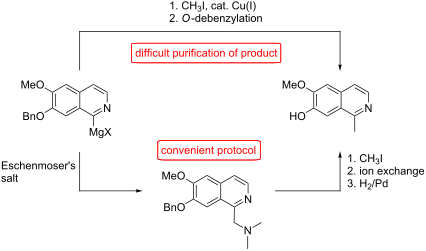
Scheme 1: Total synthesis of alkaloid 1 via direct ring metalation and methylation.
Scheme 2: Total synthesis of alkaloid 1 via the aminomethyl intermediate 5 and selectivity’s found in debenzy...
Beilstein J. Org. Chem. 2018, 14, 114–129, doi:10.3762/bjoc.14.7
Graphical Abstract
Figure 1: a) Angles and unit vectors used to define the relative orientations of the donor and acceptor trans...
Figure 2: Notable recent examples of fluorescent base analogues. For cnA and dnA the attachment point to the ...
Scheme 1: Synthesis of the tricyclic cytosine aromatic core [39]. (a) Ethylene glycol, K2CO3, 120 °C, 1 h, 40%; (...
Scheme 2: Synthesis of protected tC and tCO deoxyribose phosphonates [41]. (a) Ac2O, pyridine, rt; (b) 2-mesityle...
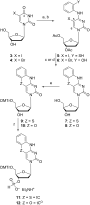
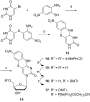
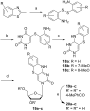
Scheme 3: Synthesis of protected tCnitro deoxyribose phosphoramidite [14]. a) aq NaOH, 24 h, reflux; b) EtOH, HCl...
Scheme 4: Improved synthesis of tC and tC derivatives, where R = H, 7-MeO or 8-MeO [47]. a) H2NNH2 followed by H2O...
Scheme 5: Improved synthesis of tCO derivatives [47]. a) Ac2O, pyridine, 16 h, rt, 85%; b) PPh3, CCl4, DCM, 5 h, ...
Scheme 6: Synthesis of protected tCO ribose phosphoramidite [50]. a) MesSO2Cl, DIPEA, MeCN, 4 h, rt; b) 2-aminoph...
Scheme 7: Synthesis of protected deoxyribose qA [51]. a) N-(tert-Butoxycarbonyl)-2-(trimethylstannyl)aniline, (Ph3...
Scheme 8: Synthesis of protected deoxyribose qA for DNA SPS [53]. a) AcCl, MeOH, rt, 40 min; b) p-toluoyl chlorid...
Scheme 9: Synthesis of qA derivatives. a) EtI, Cs2CO3, DMF, 4 h, rt, 90%; b) HBPin, Pd(PPh3)4, Et3N, 1,4-diox...
Scheme 10: Synthesis of quadracyclic adenine base–base FRET pair. a) HCHO, NaOH, MeCN, H2O, 50 °C, 1 h; b) TBD...
Figure 3: Absorption and emission of tC (dashed line) and tCO (solid line) in dsDNA. The absorption below 300...
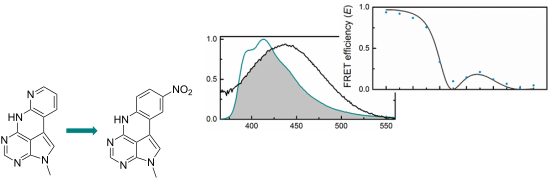
Figure 4: Spectral overlap between the emission of qAN1 (cyan) and the absorption of qAnitro (black) in dsDNA...
Figure 5: Example of typical FRET efficiency as a function of number of base pairs separating the donor and a...
Figure 6: FRET efficiency as a function of number of base pairs separating the donor (qAN1) and acceptor (qAn...
Beilstein J. Org. Chem. 2017, 13, 2509–2520, doi:10.3762/bjoc.13.248
Graphical Abstract
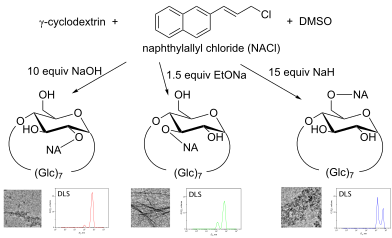
Scheme 1: Preparation of 2I-O-, 3I-O- and 6I-O-naphthylallyl derivatives of γ-CD by cross-metathesis.
Scheme 2: Preparation of 2-O-, 3-O- and 6-O-NA derivatives of γ-CD by direct alkylation (see Table 1 for the yields ...
Figure 1: Volume-weighted distribution functions for water solutions of 2-O- (2a), 3-O- (2b), and 6-O- (2c) N...
Figure 2: Distribution functions for 2-O- (2a), 3-O- (2b), and 6-O- (2c) NA-γ-CD regioisomers in 50% MeOH (v/...
Figure 3: Volume-weighted distribution functions for the 3-O- (2b) and 6-O- (2c) NA-γ-CD regioisomer at diffe...
Figure 4: Effect of increasing concentration and sonication on the morphology of the 3-O-derivative 2b. A to ...
Figure 5: Effect of increasing concentration and sonication on the morphology of the 2-O-derivative 2a. A: 2 ...
Figure 6: Effect of increasing concentration and sonication on the morphology of the 6-O-derivative 2c. A: 0....
Figure 7: Heat change for injection per mole of NA-γ-CD added as a function of the total concentration of NA-...
Figure 8: 1H NMR spectra of 2-O-derivative 2a in D2O at concentrations of 100, 10, and 1 mM.
Figure 9: 1H NMR spectra of 3-O-derivative 2b in D2O at concentrations of 100, 10, and 1 mM.
Figure 10: Putative objects and interactions in naphthylallyl-γ-CD solution, depicted schematically for 6I-O-n...
Beilstein J. Org. Chem. 2017, 13, 2385–2395, doi:10.3762/bjoc.13.236
Graphical Abstract
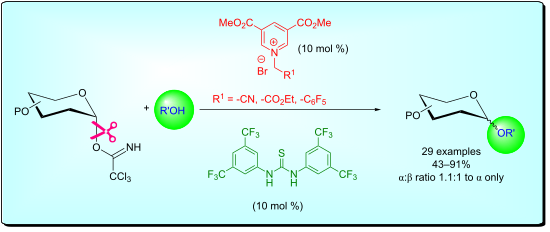
Scheme 1: Mechanistic hypothesis for work.
Figure 1: 1H NMR (a) glycosyl donor 1α and (b) a mixture of 1α and 10 mol % 3a in CD2Cl2 at room temperature.
Figure 2: 1H NMR (a) glycosyl acceptor 2a, (b) pyridinium salt 3a (in DMSO-d6) and (c) a mixture of 2a and 3a...
Figure 3: 1H NMR (a) glycosyl acceptor 2a, (b) pyridinium salt 3a (in DMSO-d6), (c) aryl thiourea and (d) a m...
Scheme 2: Synergistic electron-deficient pyridinium salt/aryl thiourea-catalyzed regioselective O-glycosylati...
Figure 4: Plausible reaction mechanism.
Beilstein J. Org. Chem. 2017, 13, 2340–2351, doi:10.3762/bjoc.13.231
Graphical Abstract
Scheme 1: Mechanistic rationale and optimization of the domino synthesis of 4-arylnaphtho[2,3-c]furan-1,3-dio...
Scheme 2: Domino synthesis of 4-arylnaphtho[2,3-c]furan-1,3-diones 2 via in situ activation of arylpropiolic ...
Scheme 3: Optimization of the synthesis of 2,4-diphenyl-1H-benzo[f]isoindole-1,3(2H)-dione (4a) by imidation ...
Scheme 4: Pseudo three-component synthesis of 4-aryl-1H-benzo[f]isoindole-1,3(2H)-diones 4.
Scheme 5: Modified sequence for the synthesis of acceptor-substituted 4-aryl-1H-benzo[f]isoindole-1,3(2H)-dio...
Figure 1: The ORTEP-style plot of crystal structure 4b (ellipsoids are draw at the 40% probability level).
Scheme 6: Pseudo four-component synthesis of (E)-2,9-diphenyl-3-(phenylimino)-2,3-dihydro-1H-benzo[f]isoindol...
Scheme 7: Synthesis of 6-phenyl-12H-benzo[f]benzo[4,5]imidazo[2,1-a]isoindol-12-one (6).
Figure 2: The ORTEP-type plot of the crystal structure 5 (left) and a centrosymmetric dimer formation by π–π ...
Figure 3: The ORTEP-type plot of the asymmetric unit of the crystal structure 6 (top) and π-stacking interact...
Figure 4: Emission properties of compounds 4a,b,d–f, 5, and 6 under handheld UV-lamp (λexc ≈ 350 nm).
Figure 5: Relative emission intensities of compounds 4a,b,d–f (recorded in CH2Cl2 UVASOL® at T = 293 K; λexc ...
Figure 6: Absorption and emission properties of selected imides 4 measured in CH2Cl2 UVASOL® at 293 K with λe...
Figure 7: Hammett–Taft correlations of the emission maxima (red circles, lmax,em = 4274 · sR + 24495 [cm−1], R...
Figure 8: Relative emission intensities of the 1-phenyl-2,3-naphthaleneimide 4a (blue) and the pentacyclus 6 ...
Beilstein J. Org. Chem. 2017, 13, 2235–2251, doi:10.3762/bjoc.13.221
Graphical Abstract
Figure 1: Dialkyl dicyanofumarates E-1 and dicyanomaleates Z-1.
Scheme 1: Methods for the synthesis of dialkyl dicyanofumarates E-1 from alkyl cyanoacetates 2.
Scheme 2: Methods for the synthesis of dialkyl dicyanofumarates E-1 from alkyl bromoacetates 3.
Scheme 3: Reaction of dimethyl dicyanofumarate (E-1b) with dimethoxycarbene [(MeO)2C:] generated in situ from...
Scheme 4: Cyclopropanation of diethyl dicyanofumarate (E-1a) through reaction with the thiophene derived sulf...
Scheme 5: Cyclopropanation of dimethyl dicyanofumarate (E-1b) through a stepwise reaction with the in situ ge...
Scheme 6: The [2 + 2]-cycloadditions of dimethyl dicyanofumarate (E-1b) with electron-rich ethylenes 20 and 22...
Scheme 7: The [2 + 2]-cycloaddition of isomeric dimethyl dicyanofumarate (E-1b) and dicyanomaleate (Z-1b) wit...
Scheme 8: Non-concerted [2 + 2]-cycloaddition between E-1b and bicyclo[2.1.0]pentene (27).
Scheme 9: Stepwise [3 + 2]-cycloadditions of some thiocarbonyl S-methanides with dialkyl dicyanofumarates E-1...
Scheme 10: Stepwise [3 + 2]-cycloadditions of dimethyl dicyanofumarate (E-1b) and dimethyl dicyanomaleate (Z-1b...
Scheme 11: [3 + 2]-Cycloaddition of diazomethane with dimethyl dicyanofumarate (E-1b) leading to 1H-pyrazole d...
Scheme 12: Reversible Diels–Alder reaction of fulvenes 36 with diethyl dicyanofumarate (E-1a).
Scheme 13: [4 + 2]-Cycloaddition of 9,10-dimethylanthracene (39b) and E-1a.
Scheme 14: Stepwise [4 + 2]-cycloaddition of dimethyl dicyanofumarate (E-1b) with electron-rich 1,1-dimethoxy-...
Scheme 15: Formal [4 + 2]-cycloaddition of 3,4-di(α-styryl)furan (47) with dimethyl dicyanofumarate (E-1b).
Scheme 16: Acid-catalyzed Michael addition of enolizable ketones of type 49 to E-1.
Scheme 17: Reaction of diethyl dicyanofumarate (E-1a) with ammonia NH3.
Scheme 18: Reaction of dialkyl dicyanofumarates E-1 with primary and secondary amines.
Scheme 19: Reaction of dialkyl dicyanofumarates E-1 with 1-azabicyclo[1.1.0]butanes 55.
Scheme 20: Formation of pyrazole derivatives in the reaction of hydrazines with E-1.
Scheme 21: Formation of 5-aminopyrazole-3,4-dicarboxylate 65 via heterocyclization reactions.
Scheme 22: Reactions of aryl- and hetarylcarbohydrazides 67 with E-1a.
Scheme 23: Multistep reaction leading to perhydroquinoxaline derivative 73.
Scheme 24: Synthesis of ethyl 7-aminopteridin-6-carboxylates 75 via a domino reaction.
Scheme 25: Synthesis of morhpolin-2-ones 80 from E-1 and β-aminoalcohols 78 through an initial aza-Michael add...
Scheme 26: Reaction of 3-amino-5-arylpyrazoles 81 with dialkyl dicyanofumarates E-1 via competitive nucleophil...
Scheme 27: Heterocyclization reaction of thiosemicarbazone 86 with E-1a.
Scheme 28: Formation of diethyl 4-cyano-5-oxotetrahydro-4H-chromene-3,4-dicarboxylate (90) from E-1a via heter...
Scheme 29: Reaction of dialkyl dicyanofumarates E-1 with cysteamine (92).
Scheme 30: Formation of disulfides through reaction of thiols with E-1a.
Scheme 31: Formation of CT salts of E-1 with Mn2+ and Cr2+ metallocenes through one-electron transfer.
Scheme 32: Oxidation of diethyl dicyanofumarate (E-1a) with H2O2 to give oxirane 101.
Scheme 33: The aziridination of E-1b through nitrene addition.
Beilstein J. Org. Chem. 2017, 13, 2214–2234, doi:10.3762/bjoc.13.220
Graphical Abstract
Scheme 1: Precursors of nitrosoalkenes NSA.
Scheme 2: Reactions of cyclic α-chlorooximes 1 with 1,3-dicarbonyl compounds.
Scheme 3: C-C-coupling of N,N-bis(silyloxy)enamines 3 with 1,3-dicarbonyl compounds.
Scheme 4: Reaction of N,N-bis(silyloxy)enamines 3 with nitronate anions.
Scheme 5: Reaction of α-chlorooximes TBS ethers 2 with ester enolates.
Scheme 6: Assembly of bicyclooctanone 14 via an intramolecular cyclization of nitrosoalkene NSA2.
Scheme 7: A general strategy for the assembly of bicyclo[2.2.1]heptanes via an intramolecular cyclization of ...
Scheme 8: Stereochemistry of Michael addition to cyclic nitrosoalkene NSA3.
Scheme 9: Stereochemistry of Michael addition to acyclic nitrosoalkenes NSA4.
Scheme 10: Stereochemistry of Michael addition to γ-alkoxy nitrosoalkene NSA5.
Scheme 11: Oppolzer’s total synthesis of 3-methoxy-9β-estra(1,3,5(10))trien(11,17)dione (25).
Scheme 12: Oppolzer’s total synthesis of (+/−)-isocomene.
Figure 1: Alkaloids synthesized using stereoselective Michael addition to conjugated nitrosoalkenes.
Scheme 13: Weinreb’s total synthesis of alstilobanines A, E and angustilodine.
Scheme 14: Weinreb’s approach to the core structure of apparicine alkaloids.
Scheme 15: Weinreb’s synthesis of (+/−)-myrioneurinol via stereoselective conjugate addition of malonate to ni...
Scheme 16: Reactions of cyclic α-chloro oximes with Grignard reagents.
Scheme 17: Corey’s synthesis of (+/−)-perhydrohistrionicotoxin.
Scheme 18: Addition of Gilman’s reagents to α,β-epoxy oximes 53.
Scheme 19: Addition of Gilman’s reagents to α-chlorooximes.
Scheme 20: Reaction of silyl nitronate 58 with organolithium reagents via nitrosoalkene NSA12.
Scheme 21: Reaction of β-ketoxime sulfones 61 and 63 with lithium acetylides.
Scheme 22: Electrophilic addition of nitrosoalkenes NSA14 to electron-rich arenes.
Scheme 23: Addition of nitrosoalkenes NSA14 to pyrroles and indoles.
Scheme 24: Reaction of phosphinyl nitrosoalkenes NSA15 with indole.
Scheme 25: Reaction of pyrrole with α,α’-dihalooximes 70.
Scheme 26: Synthesis of indole-derived psammaplin A analogue 72.
Scheme 27: Synthesis of tryptophanes by reduction of oximinoalkylated indoles 68.
Scheme 28: Ottenheijm’s synthesis of neoechinulin B analogue 77.
Scheme 29: Synthesis of 1,2-dihydropyrrolizinones 82 via addition of pyrrole to ethyl bromopyruvate oxime.
Scheme 30: Kozikowski’s strategy to indolactam-based alkaloids via addition of indoles to ethyl bromopyruvate ...
Scheme 31: Addition of cyanide anion to nitrosoalkenes and subsequent cyclization to 5-aminoisoxazoles 86.
Scheme 32: Et3N-catalysed addition of trimethylsilyl cyanide to N,N-bis(silyloxy)enamines 3 leading to 5-amino...
Scheme 33: Addition of TMSCN to allenyl N-siloxysulfonamide 89.
Scheme 34: Reaction of nitrosoallenes NSA16 with malodinitrile and ethyl cyanoacetic ester.
Scheme 35: [4 + 1]-Annulation of nitrosoalkenes NSA with sulfonium ylides 92.
Scheme 36: Reaction of diazo compounds 96 with nitrosoalkenes NSA.
Scheme 37: Tandem Michael addition/oxidative cyclization strategy to isoxazolines 100.
Beilstein J. Org. Chem. 2017, 13, 2186–2213, doi:10.3762/bjoc.13.219
Graphical Abstract
Figure 1: Summary of the synthetic routes to prepare phosphonic acids detailed in this review. The numbers in...
Figure 2: Chemical structure of dialkyl phosphonate, phosphonic acid and illustration of the simplest phospho...
Figure 3: Illustration of some phosphonic acid exhibiting bioactive properties. A) Phosphonic acids for biome...
Figure 4: Illustration of the use of phosphonic acids for their coordination properties and their ability to ...
Figure 5: Hydrolysis of dialkyl phosphonate to phosphonic acid under acidic conditions.
Figure 6: Examples of phosphonic acids prepared by hydrolysis of dialkylphosphonate with HCl 35% at reflux (16...
Figure 7: A) and B) Observation of P–C bond breaking during the hydrolysis of phosphonate with concentrated H...
Figure 8: Mechanism of the hydrolysis of dialkyl phosphonate with HCl in water.
Figure 9: Hydrolysis of bis-tert-butyl phosphonate 28 into phosphonic acid 29 [137].
Figure 10: A) Hydrolysis of diphenyl phosphonate into phosphonic acid in acidic media. B) Examples of phosphon...
Figure 11: Suggested mechanism occurring for the first step of the hydrolysis of diphenyl phosphonate into pho...
Figure 12: A) Hydrogenolysis of dibenzyl phosphonate to phosphonic acid. B) Compounds 33, 34 and 35 were prepa...
Figure 13: A) Preparation of phosphonic acid from diphenyl phosphonate with the Adam’s catalyst. B) Compounds ...
Figure 14: Suggested mechanism for the preparation of phosphonic acid from dialkyl phosphonate using bromotrim...
Figure 15: A) Reaction of the phosphonate-thiophosphonate 37 with iodotrimethylsilane followed by methanolysis...
Figure 16: Synthesis of hydroxymethylenebisphosphonic acid by reaction of tris(trimethylsilyl) phosphite with ...
Figure 17: Synthesis of the phosphonic acid disodium salt 48 by reaction of mono-hydrolysed phosphonate 47 wit...
Figure 18: Phosphonic acid synthesized by the sequence 1) bromotrimethylsilane 2) methanolysis or hydrolysis. ...
Figure 19: Polyphosphonic acids and macromolecular compounds prepared by the hydrolysis of dialkyl phosphonate...
Figure 20: Examples of organometallic complexes functionalized with phosphonic acids that were prepared by the...
Figure 21: Side reaction observed during the hydrolysis of methacrylate monomer functionalized with phosphonic...
Figure 22: Influence of the reaction time during the hydrolysis of compound 76.
Figure 23: Dealkylation of dialkyl phosphonates with boron tribromide.
Figure 24: Dealkylation of diethylphosphonate 81 with TMS-OTf.
Figure 25: Synthesis of substituted phenylphosphonic acid 85 from the phenyldichlorophosphine 83.
Figure 26: Hydrolysis of substituted phenyldichlorophosphine oxide 86 under basic conditions.
Figure 27: A) Illustration of the synthesis of chiral phosphonic acids from phosphonodiamides. B) Examples of ...
Figure 28: A) Illustration of the synthesis of the phosphonic acid 98 from phosphonodiamide 97. B) Use of cycl...
Figure 29: Synthesis of tris(phosphonophenyl)phosphine 109.
Figure 30: Moedritzer–Irani reaction starting from A) primary amine or B) secondary amine. C) Examples of phos...
Figure 31: Phosphonic acid-functionalized polymers prepared by Moedritzer–Irani reaction.
Figure 32: Reaction of phosphorous acid with imine in the absence of solvent.
Figure 33: A) Reaction of phosphorous acid with nitrile and examples of aminomethylene bis-phosphonic acids. B...
Figure 34: Reaction of carboxylic acid with phosphorous acid and examples of compounds prepared by this way.
Figure 35: Synthesis of phosphonic acid by oxidation of phosphinic acid (also identified as phosphonous acid).
Figure 36: Selection of reaction conditions to prepare phosphonic acids from phosphinic acids.
Figure 37: Synthesis of phosphonic acid from carboxylic acid and white phosphorus.
Figure 38: Synthesis of benzylphosphonic acid 136 from benzaldehyde and red phosphorus.
Figure 39: Synthesis of graphene phosphonic acid 137 from graphite and red phosphorus.
Beilstein J. Org. Chem. 2017, 13, 2094–2114, doi:10.3762/bjoc.13.207
Graphical Abstract
Scheme 1: a) Traditional glycosylation typically employs the premixed approach with both the donor and the ac...
Scheme 2: Glycosylation of an unreactive substrate. Reagents and conditions: (a) Tf2O, −78 °C, CH2Cl2 (DCM), ...
Scheme 3: Bromoglycoside-mediated glycosylation.
Scheme 4: Glycosyl bromide-mediated selenoglycosyl donor-based iterative glycosylation. Reagents and conditio...
Scheme 5: Preactivation-based glycosylation using 2-pyridyl glycosyl donors.
Scheme 6: Chemoselective dehydrative glycosylation. Reagents and conditions: (a) Ph2SO, Tf2O, 2-chloropyridin...
Figure 1: Representative structures of products formed by the preactivation-based dehydrative glycosylation o...
Scheme 7: Possible mechanism for the dehydrative glycosylation. (a) Formation of diphenyl sulfide bis(triflat...
Scheme 8: Chemoselective iterative dehydrative glycosylation. Reagents and conditions: (a) Ph2SO, Tf2O, 2,4,6...
Scheme 9: Chemoselective iterative dehydrative glycosylation. Reagents and conditions: (a) Ph2SO, Tf2O, −40 °...
Scheme 10: Chemical synthesis of a hyaluronic acid (HA) trimer 47. Reagents and conditions: (a) Ph2SO, TTBP, CH...
Figure 2: Retrosynthetic analysis of pentasaccharide 48.
Scheme 11: Effects of anomeric leaving groups on glycosylation outcomes. Reagents and conditions: (a) Ph2SO, Tf...
Scheme 12: Reactivity-based one-pot chemoselective glycosylation.
Scheme 13: Preactivation-based iterative glycosylation of thioglycosides.
Scheme 14: BSP/Tf2O promoted synthesis of 75.
Scheme 15: Proposed mechanism for preactivation-based glycosylation strategy.
Figure 3: The preactivations of glycosyl donors 83, 85 and 87 were investigated by low temperature NMR, which...
Scheme 16: The more electron-rich glycosyl donor 91 gave a higher glycosylation yield than the glycosyl donor ...
Scheme 17: Comparison of the BSP/Tf2O and p-TolSCl/AgOTf promoter systems in facilitating the preactivation-ba...
Scheme 18: One-pot synthesis of Globo-H hexasaccharide 105 using building blocks 101, 102, 103 and 104.
Scheme 19: Synthesis of (a) oligosaccharides 109–113 towards (b) 30-mer galactan 115. Reagents and conditions:...
Figure 4: Structure of mycobacterial arabinogalactan 116.
Figure 5: Representative complex glycans from glycolipid family synthesized by the preactivation-based thiogl...
Figure 6: Representative microbial and mammalian oligosaccharides synthesized by the preactivation-based thio...
Figure 7: Some representative mammalian oligosaccharides synthesized by the preactivation-based thioglycoside...
Figure 8: Preparation of a heparan sulfate oligosaccharides library.
Scheme 20: Synthesis of oligo-glucosamines through electrochemical promoted preactivation-based thioglycoside ...
Scheme 21: Synthesis of 2-deoxyglucosides through preactivation. Reagents and conditions: a) AgOTf, p-TolSCl, ...
Scheme 22: Synthesis of tetrasaccharide 153. Reagents and conditions: (a) AgOTf, p-TolSCl, CH2Cl2, −78 °C; the...
Scheme 23: Aglycon transfer from a thioglycosyl acceptor to an activated donor can occur during preactivation-...
Beilstein J. Org. Chem. 2017, 13, 1828–1849, doi:10.3762/bjoc.13.178
Graphical Abstract
Scheme 1: a) Schematic representations of unsubstituted urea, thiourea and guanidine. b) Wöhler's synthesis o...
Figure 1: Antidiabetic (1–3) and antimalarial (4) drugs derived from ureas and guanidines currently available...
Scheme 2: The structures of some representative (thio)urea and guanidine organocatalysts 5–8 and anion sensor...
Scheme 3: Solid-state reactivity of isothiocyanates reported by Kaupp [30].
Scheme 4: a) Mechanochemical synthesis of aromatic and aliphatic di- and trisubstituted thioureas by click-co...
Figure 2: The supramolecular level of organization of thioureas in the solid-state.
Figure 3: The supramolecular level of organization of thioureas in the solid-state.
Scheme 5: Thiourea-based organocatalysts and anion sensors obtained by click-mechanochemical synthesis.
Scheme 6: Mechanochemical desymmetrization of ortho-phenylenediamine.
Scheme 7: Mechanochemical desymmetrization of para-phenylenediamine.
Scheme 8: a) Selected examples of a mechanochemical synthesis of aromatic isothiocyanates from anilines. b) O...
Scheme 9: In solution, aromatic N-thiocarbamoyl benzotriazoles 27 are unstable and decompose to isothiocyanat...
Scheme 10: Mechanosynthesis of a) bis-thiocarbamoyl benzotriazole 29 and b) benzimidazole thione 31. c) Synthe...
Figure 4: In situ Raman spectroscopy monitoring the synthesis of thiourea 28d in the solid-state. N-Thiocarba...
Scheme 11: a) The proposed synthesis of monosubstituted thioureas 32. b) Conversion of N-thiocarbamoyl benzotr...
Scheme 12: A few examples of mechanochemical amination of thiocarbamoyl benzotriazoles by in situ generated am...
Scheme 13: Mechanochemical synthesis of a) anion binding urea 33 by amine-isocyanate coupling and b) dialkylur...
Scheme 14: a) Solvent-free milling synthesis of the bis-urea anion sensor 35. b) Non-selective desymmetrizatio...
Scheme 15: a) HOMO−1 contours of mono-thiourea 19b and mono-urea 36. b) Mechanochemical synthesis of hybrid ur...
Scheme 16: Synthesis of ureido derivatives 38 and 39 from KOCN and hydrochloride salts of a) L-phenylalanine m...
Scheme 17: a) K2CO3-assisted synthesis of sulfonyl (thio)ureas. b) CuCl-catalyzed solid-state synthesis of sul...
Scheme 18: Two-step mechanochemical synthesis of the antidiabetic drug glibenclamide (2).
Scheme 19: Derivatization of saccharin by mechanochemical CuCl-catalyzed addition of isocyanates.
Scheme 20: a) Unsuccessful coupling of p-toluenesulfonamide and DCC in solution and by neat/LAG ball milling. ...
Scheme 21: a) Expansion of the saccharin ring by mechanochemical insertion of carbodiimides. b) Insertion of D...
Scheme 22: Synthesis of highly basic biguanides by ball milling.
Beilstein J. Org. Chem. 2017, 13, 1661–1668, doi:10.3762/bjoc.13.160
Graphical Abstract
Scheme 1: Supported catalysts in cross-coupling reactions. MM represents mixer mill; PM represents planetary ...
Figure 1: The XRD patterns for the samples of MgAl-LDHs, MgAl-LDHs-PdCl42− and Pd/MgAl-LDHs.
Scheme 2: Selected model reaction.
Figure 2: Examination of the milling-ball filling degree (ΦMB) and milling-ball sizes on the yield of 3aa. Re...
Figure 3: Examination of ball-milling time and rotation speed on the yield of 3aa. Reaction conditions: 1a (1...
Figure 4: Substrate scope of Pd/MgAl-LDHs catalyzed Heck reactions. Reaction conditions unless otherwise note...
Scheme 3: Pd/MgAl-LDHs catalyzed Heck reactions of heteroaryl bromides. Reaction conditions unless otherwise ...
Figure 5: Recycling studies of the Pd/MgAl-LDH catalyst for Heck reactions. Reaction conditions: 1i or 1m (1....