
Search results
Search for "derivatives" in Full Text gives 2839 result(s) in Beilstein Journal of Organic Chemistry. Showing first 200.
Gold extraction at the molecular level using α- and β-cyclodextrins
Beilstein J. Org. Chem. 2025, 21, 1116–1125, doi:10.3762/bjoc.21.89
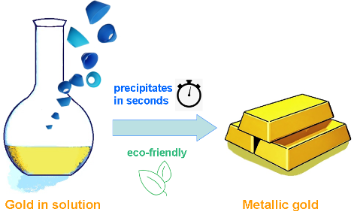
- , thus confirming a strong interaction affinity lying within the 104 molar range. Gold extraction with β-CD and derivatives The possibility of using β-CD instead of α-CD in gold recovery and extraction is highly sought after by both researchers and industry because of the readiness of availability of β


A versatile route towards 6-arylpipecolic acids
Beilstein J. Org. Chem. 2025, 21, 1104–1115, doi:10.3762/bjoc.21.88
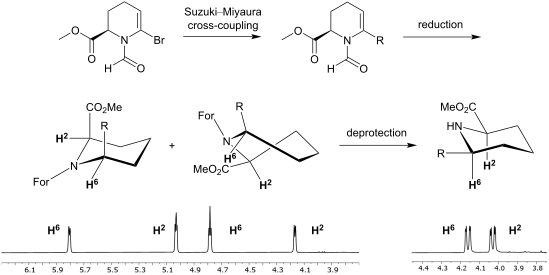
- . It contains a six-membered ring and is, like its five-membered correlate, known for its secondary structure inducing properties, which are particularly useful in the design of peptide conformations. We present a new and improved way to generate enantiomerically pure pipecolic acid derivatives with
- -inducing properties in peptides [22][23][24]. Furthermore, derivatives of pipecolic acid are known for their bioactivity as secondary metabolites [25][26][27] and for being building blocks for piperidine alkaloids [28] with a variety of uses. Results and Discussion Addressing specific positions in the ring
- a key intermediate product. This late-stage approach was previously described by us while utilising Suzuki–Miyaura or Sonogashira–Hagihara cross-coupling reactions to generate pipecolic acid derivatives with alkynyl substituents in the C6 position [35]. Here, we present a robust synthetic route to





Salen–scandium(III) complex-catalyzed asymmetric (3 + 2) annulation of aziridines and aldehydes
Beilstein J. Org. Chem. 2025, 21, 1087–1094, doi:10.3762/bjoc.21.86
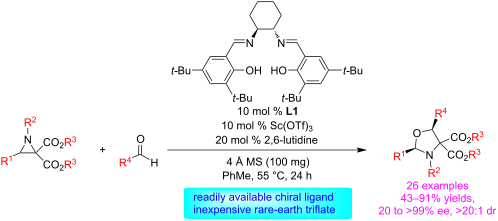
- moieties of biologically active compounds. A salen–scandium triflate complex-catalyzed asymmetric (3 + 2) annulation of dialkyl 1-sulfonylaziridine-2,2-dicarboxylates and aldehydes generated optically active functionalized oxazolidine derivatives in moderate to good yields and good to excellent
- enantioselectivities and high diastereoselectivities. A reasonable reaction mechanism was proposed and rationalized the experimental results. Keywords: aldehyde; annulation; aziridine; oxazolidine; ring expansion; scandium triflate; Introduction Oxazolidine derivatives are an important class of nitrogen and oxygen
- [5] and the FDA-approved antibiotic linezolid [6] (Figure 1). Both chiral oxazolidines [7][8] and oxazolidinones [9][10] have been utilized as chiral auxiliary groups in many asymmetric organic transformations. Oxazolidine derivatives have been prepared mainly from condensation of vicinal amino


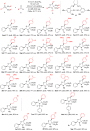
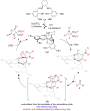

Recent advances in synthetic approaches for bioactive cinnamic acid derivatives
Beilstein J. Org. Chem. 2025, 21, 1031–1086, doi:10.3762/bjoc.21.85
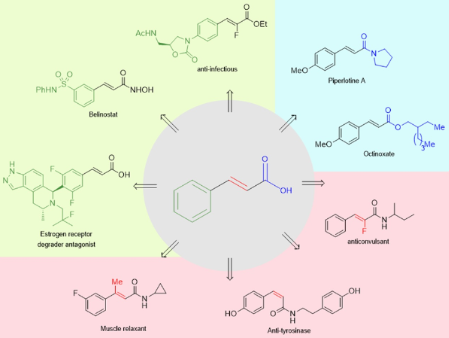
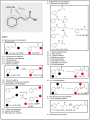
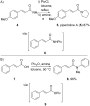
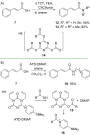
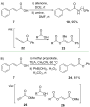
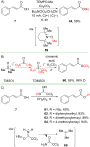
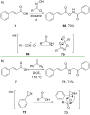
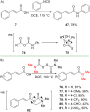
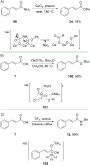
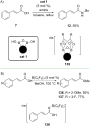
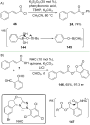
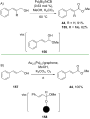
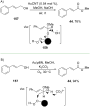
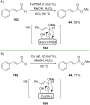
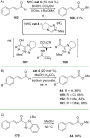
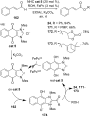
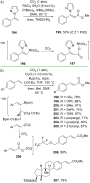
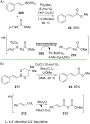
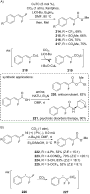
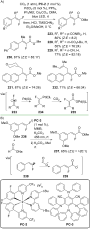
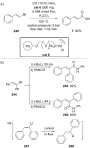
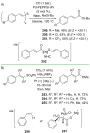
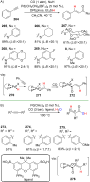
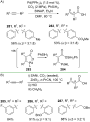
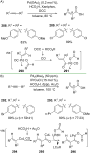
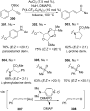
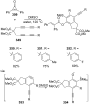
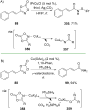
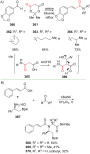
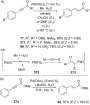
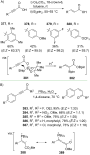
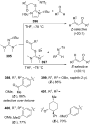
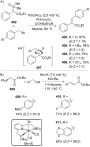
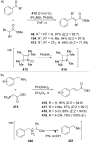
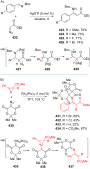
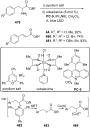
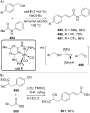
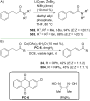
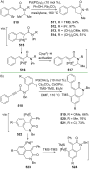
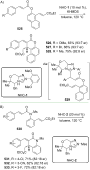
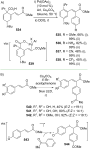
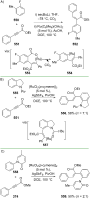
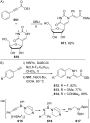
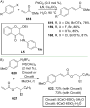
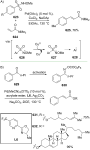
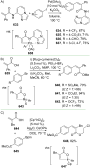
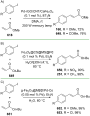
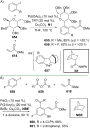
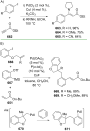
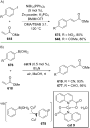
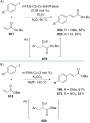
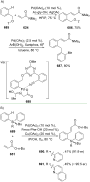
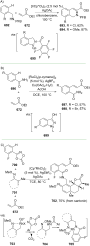
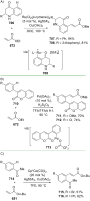
- Cinnamic acid derivatives represent a significant class of biologically active compounds exhibiting a broad spectrum of activities, such as antifungal, antidengue, antimetastatic, antimicrobial, antibacterial, and anticancer properties. Their preparation has attracted considerable attention due to their
- versatile applications across the pharmaceutical, food, and chemical sectors. This review elucidates the functional groups of cinnamic acid that are instrumental in the rational design of biologically active derivatives. A comprehensive representative of recent advancements in synthetic methodologies over
- the past five years is presented, particularly emphasizing the active scaffolds of bioactive cinnamic acid derivatives. The review provides a strategic overview of alternative synthetic routes and highlights the latest innovations, including more efficient, highly selective, and environmentally










































Biobased carbon dots as photoreductants – an investigation by using triarylsulfonium salts
Beilstein J. Org. Chem. 2025, 21, 1024–1030, doi:10.3762/bjoc.21.84
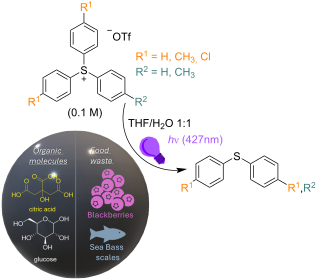
- photoreductants, and we considered triarylsulfonium salts Ar3S+X− as suitable probes. Such derivatives are photoreactive molecules characterized by a positively charged sulfur atom bonded to three aromatic moieties [20][21][22][23], mainly employed as photoacid generators in cationic polymerization [19]. Apart
- (whose EREDonset value were in the range −1.60 and −1.92 V vs Ag/AgCl, a set comparable to that reported in the literature for fac-Ir(ppy) [37], which was effectively used in the photoredox-catalyzed reduction of sulfonium salts [29]) and derivatives 1a–d (EAr3S+/Ar3S• = −1.35 to −1.46 V vs Ag/AgCl; see
- + species, a process where transition-metal-based complexes are employed [29], often (in the case of Ru(II)-based derivatives) in the presence of tertiary amines as sacrificial reductants [27][28]. Nonetheless, while this work serves primarily as a preliminary study comparing the reducing power of various


Pd-Catalyzed asymmetric allylic amination with isatin using a P,olefin-type chiral ligand with C–N bond axial chirality
Beilstein J. Org. Chem. 2025, 21, 1018–1023, doi:10.3762/bjoc.21.83
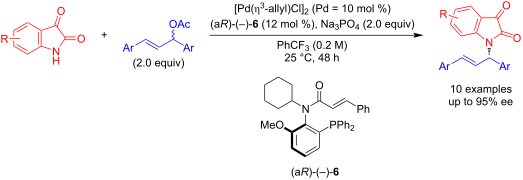
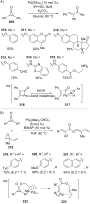
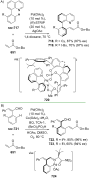
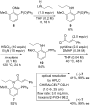
- asymmetric allylic amination of allylic esters with isatin derivatives 11 as nucleophiles. The reaction proceeds efficiently, yielding the products (S)-13 with good-to-high enantioselectivity. A scale-up reaction was also successfully conducted at a 1 mmol scale. Additionally, when malononitrile was added to
- Isatin is a well-known natural indole derivative. Due to the broad biological activities of its derivatives, extensive research has been conducted on their synthesis. Furthermore, the isatin framework is a versatile starting material for various transformations, including multicomponent reactions and the
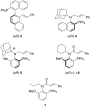
- amination of allyl esters using isatin as a nucleophile. In this reaction, bisphosphine-type ligands such as BINAP and SEGPHOS derivatives, as well as P,N-type ligands like oxazoline-type ligands, were utilized as chiral ligands [26]. On the other hand, several groups have recently reported new chiral




Synthesis of pyrrolo[3,2-d]pyrimidine-2,4(3H)-diones by domino C–N coupling/hydroamination reactions
Beilstein J. Org. Chem. 2025, 21, 1010–1017, doi:10.3762/bjoc.21.82
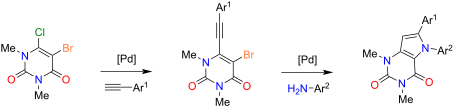
- life on Earth. The importance of these heteroaromatic derivatives has stimulated tremendous investigation towards the understanding of genetic information transmission as well as the synthesis of novel derivatives for medicinal applications [1][2][3][4][5][6][7][8][9][10][11][12][13][14][15]. For
- pyrrolopyrimidine derivatives. The envisioned methodology combines a Sonogashira–Hagihara reaction and a one-pot process comprising a Buchwald–Hartwig coupling reaction followed by a hydroamination [23][24]. Results and Discussion The bromination of 6-chloro-1,3-dimethyluracil (1) afforded, following a known
- procedure [25], 5-bromo-6-chloro-1,3-dimethyluracil (2) in 52% yield (Scheme 1). We previously reported Sonogashira reactions of the latter with various alkynes to give products 3a–d,g,h [26][27]. In this work, we extended the scope and prepared novel derivatives 3e and 3f. A nearly quantitative yield was



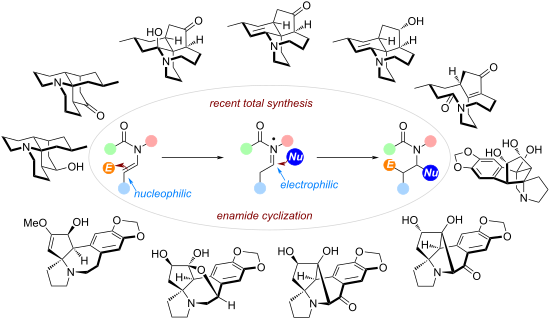
Recent total synthesis of natural products leveraging a strategy of enamide cyclization
Beilstein J. Org. Chem. 2025, 21, 999–1009, doi:10.3762/bjoc.21.81
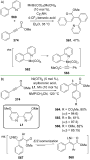
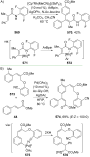
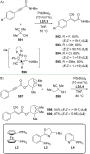
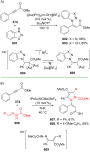
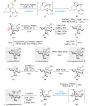
- intermediate would meet challenges associated with the instability of enolate derivatives. In their recent study, they successfully developed such a polycyclization taking advantage of a novel spiropyrroline-derived oxazole (SPDO) ligand (L3). As shown in Scheme 7, one-pot condensation of primary amine 40, β





On the photoluminescence in triarylmethyl-centered mono-, di-, and multiradicals
Beilstein J. Org. Chem. 2025, 21, 964–998, doi:10.3762/bjoc.21.80
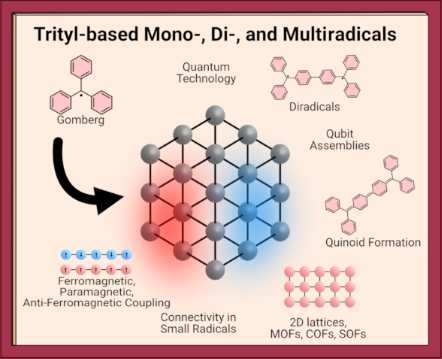
- radicals has seen new impetus during the last decade, stimulated by the development of highly efficient electroluminescent devices based on donor-functionalized TTM radicals [7][8][9][10][11][12][13]. Today, new derivatives of donor-functionalized triarylmethyl radicals are being synthesized with enhanced
- demonstration of LEDs with 100% internal quantum efficiency [8][12]. Modern approaches also incorporate light-emitting TTM radical derivatives into LEDs based on thermally activated delayed fluorescence to moderate excited triplet, doublet, and singlet states in an attempt to improve the overall device and
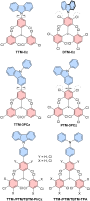
- to be altered sufficiently to evoke a noticeable improvement of the ϕ [48]. This also holds true for mono-para-substitution with boronic acid derivatives, yielding λem = 580 nm and ϕ of 1–3% (in dichloromethane) [49]. Substituting one or two of the 2,4,6-trichlorinated rings in TTM with 2,4,6









Studies on the syntheses of β-carboline alkaloids brevicarine and brevicolline
Beilstein J. Org. Chem. 2025, 21, 955–963, doi:10.3762/bjoc.21.79
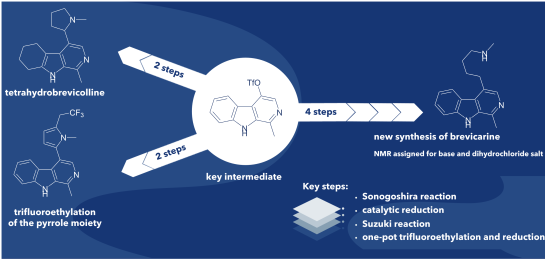
- reactions: reduction of ring A of the β-carboline skeleton or trifluoroethylation of the pyrrole moiety occurred, leading to interesting and potentially useful derivatives. Keywords: alkaloid; β-carboline; Carex brevicollis DC; cross-coupling reaction; trifluoroethylation; Introduction Carex brevicollis
- 21 under extremely harsh conditions (100 °C, 130 bar), followed by N-acetylation gave a mixture of diastereomeric racemates 22, which was cyclized to a diastereomeric mixture of β-carboline derivatives 23. Heating of 23 in pivalic acid in the presence of a catalytic amount of trifluoroacetic acid
- , further investigation is needed to prove this observation. However, the mentioned alkaloids have high potential as medications. Based on the above, research on the total synthesis of these alkaloids and their closely related derivatives is crucial for further confirming their structure and for ensuring


Study of tribenzo[b,d,f]azepine as donor in D–A photocatalysts
Beilstein J. Org. Chem. 2025, 21, 935–944, doi:10.3762/bjoc.21.76
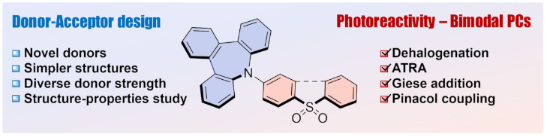
- previously reported by Zysman-Colman and co-workers [19]. Compound 5d showed the best performance with a 27% calculated NMR yield (20%, isolated yield) (Table 3, entry 3), while the azepine derivatives 5a and 5b led the transformation at 13 and 8%, respectively (Table 3, entries 1 and 2). However, these
- properties in addition to the previously reported characteristics like highly twisted structures that can be useful in designing new PCs with TADF behavior. We hope this study inspires the construction of new PCs that could combine azepine derivatives, exemplifying the valuable incorporation of widely used



Silver(I) triflate-catalyzed post-Ugi synthesis of pyrazolodiazepines
Beilstein J. Org. Chem. 2025, 21, 915–925, doi:10.3762/bjoc.21.74
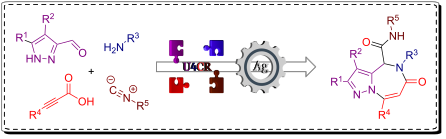
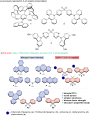
- account chemical and pharmacological importance of fused pyrazole derivatives [48][49][50][51][52][53], we herein report the post-Ugi assembly of novel pyrazolo[1,5-a][1,4]diazepine scaffolds 16 (Scheme 1d). The synthetic sequence involves an Ugi reaction of pyrazole-3-carbaldehydes 14, primary amines 2




Recent advances in controllable/divergent synthesis
Beilstein J. Org. Chem. 2025, 21, 890–914, doi:10.3762/bjoc.21.73
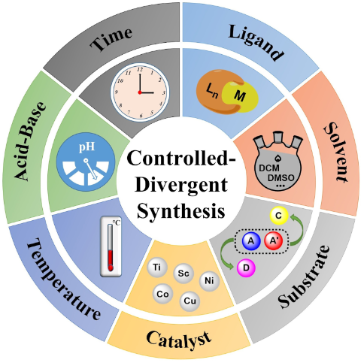
- hydrogen atom transfer (HAT)/chiral copper dual catalytic system that achieved regiodivergent and enantioselective C(sp3)–C(sp3) and C(sp3)–N oxidative cross-couplings between N-arylglycine ester/amide derivatives and abundant hydrocarbon C(sp3)–H feedstocks (Scheme 6) [24]. This methodology also
- influence of steric and electronic effects during the hydrometallation process, simultaneously achieving the synthesis of chiral α-quaternary carbon amino acid derivatives 26 and α-chiral β-amino acid derivatives 27. Using a copper catalyst, the chiral α-quaternary carbon amino acid derivatives 26 were
- obtained with exclusive regioselectivity and excellent enantioselectivity. Employing a nickel catalyst, α-chiral β-amino acid derivatives 27 were synthesized with single regioselectivity and outstanding enantioselectivity. In the same year, Rong and co-workers reported a highly efficient catalyst







Cu–Bpin-mediated dimerization of 4,4-dichloro-2-butenoic acid derivatives enables the synthesis of densely functionalized cyclopropanes
Beilstein J. Org. Chem. 2025, 21, 877–883, doi:10.3762/bjoc.21.71
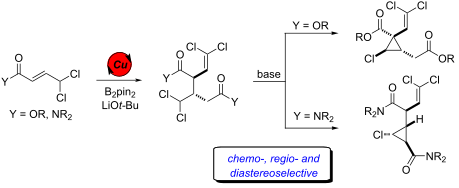
- Patricia Gomez-Roibas Andrea Chaves-Pouso Martin Fananas-Mastral Centro Singular de Investigación en Química Biolóxica e Materiais Moleculares (CiQUS), Universidade de Santiago de Compostela, 15782 Santiago de Compostela, Spain 10.3762/bjoc.21.71 Abstract 4,4-Dichloro-2-butenoic acid derivatives
- versatile building blocks for the stereoselective synthesis of chlorocyclopropanes. Keywords: chlorocyclopropanes; copper; cyclization; 4,4-dichloro-2-butenoic acid derivatives; dimerization; Introduction In the last years our group has been focused on the development of catalytic methodologies for the
- reaction was carried out under standard conditions with ethyl crotonate derivatives bearing a methyl group, hydrogen or bromine atoms at the γ position. Either β-borylation or decomposition products were obtained in those cases (Scheme 3c). On the basis of our experimental results, we propose the following


Chitosan-supported CuI-catalyzed cascade reaction of 2-halobenzoic acids and amidines for the synthesis of quinazolinones
Beilstein J. Org. Chem. 2025, 21, 839–844, doi:10.3762/bjoc.21.67
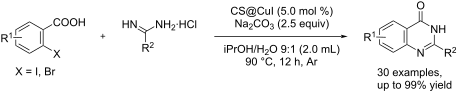
- group, we investigated the reactions with various substituted 2-halobenzoic acids. The reactivity of 2-iodobenzoic acid derivatives (3a–d, 90−96% yields) was higher than that of 2-bromobenzoic acid derivatives (3a–d, 57−73% yields), the electronic properties of the substituents on the benzene ring had
- investigated the reactions of different 2-halobenzoic acid derivatives with amidines where R2 was a tert-butyl group. The results showed that 2-bromobenzoic acid derivatives (3j–k, 55−65% yields) displayed lower activity compared to 2-iodobenzoic acid derivatives (3i–l, 73−90% yields), with a decrease in
- reaction activity observed when substituents were presented on the benzene ring. Finally, we examined reactions with 2-halobenzoic acid derivatives where the R2 substituent was a phenyl group. In this case, the reactivity of 2-iodobenzoic acid derivatives (3m–p, 61–99% yields) was again superior to that of


Substituent effects in N-acetylated phenylazopyrazole photoswitches
Beilstein J. Org. Chem. 2025, 21, 830–838, doi:10.3762/bjoc.21.66
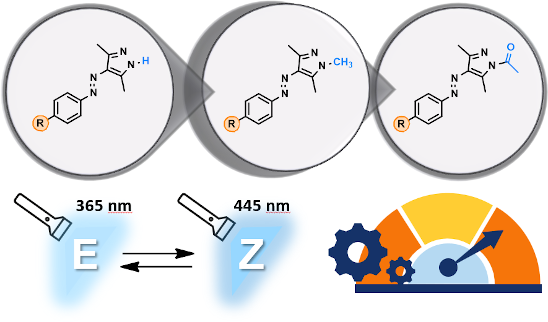
- examples. Azobenzene and its derivatives show two characteristic absorption bands, namely a π→π* transition around 330 nm and an n→π* one around 450 nm, respectively [22]. The molecule can populate the thermodynamically metastable Z isomer by addressing these transitions in the thermally stable E form. The
- relative position of the absorption bands in the azobenzene derivatives depends on the substitution pattern on the aromatic rings, which can act as a handle to affect the absorption properties of the compound class [3]. For instance, push–pull systems or the introduction of tetra-ortho substituents were
- reported to either bathochromically shift the UV–vis absorption spectrum or lead to a better separation of the n→π* bands of the two photoisomers and allow for visible-light-responsive switches [23][24][25][26]. In recent years, heteroaryl azobenzene derivatives have revealed superior properties to


4-(1-Methylamino)ethylidene-1,5-disubstituted pyrrolidine-2,3-diones: synthesis, anti-inflammatory effect and in silico approaches
Beilstein J. Org. Chem. 2025, 21, 817–829, doi:10.3762/bjoc.21.65
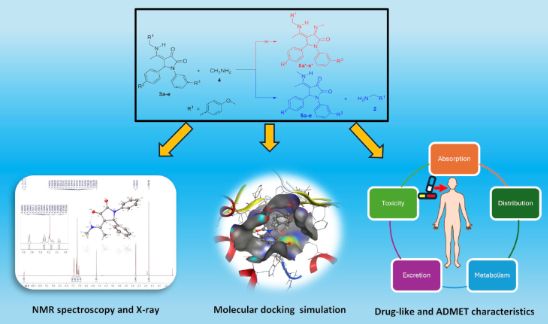
- , we report the synthesis of 4-(1-methylamino)ethylidene-1,5-disubstituted pyrrolidine-2,3-diones via a reversible transimination reaction between Schiff’ base (C=N) linkage-containing pyrrolidine-2,3-dione derivatives and methylamine with yields of 80 to 92%. In addition to nuclear magnetic resonance
- derivatives; iNOS; pyrrolidine-2,3-dione derivatives; pyrrolidine-2,3-diones; pyrrolidine-2,3-diones targeting reversible transimination reaction; Introduction Nitric oxide (NO) is an important signaling molecule in numerous physiological processes such as neuronal tranmission, immue response, inflammatory
- pyrrolidine-2,3-dione derivatives could inhibit biomacromolecules (DNA, BSA, mPGES-1 or CDKs) and consequently, enable them to be candidates for Alzheimer's disease [11], anti-inflammatory [12][13][14][15][16][17], and antitumor drug discovery [12]. Furthermore, pyrrolidine-2,3-diones are also important


Synthesis and photoinduced switching properties of C7-heteroatom containing push–pull norbornadiene derivatives
Beilstein J. Org. Chem. 2025, 21, 807–816, doi:10.3762/bjoc.21.64
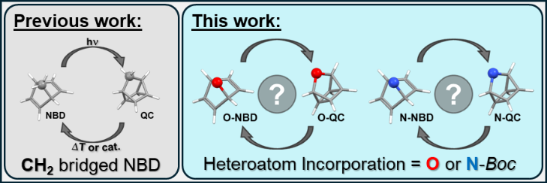
- ) derivatives. Push–pull substitution on the 2 and 3 position as well as introduction of oxygen or nitrogen at position 7 of the NBD scaffold have led to the development of a new family of photoswitches. We studied the potential conversion of norbornadiene to quadricyclane (QC) isomers. As main investigation
- variations in the switching properties. However, it is important to note that altering one property typically impacts other characteristics as well [21][22]. In this regard, both the substitution of the NBD periphery to produce push–pull derivatives and the variation of the central scaffold itself have been
- explored. For instance, incorporation of a C2H4 moiety into the bridge led to the formation of [2.2.2]-bicyclooctadiene derivatives with increased storage capacities but significantly reduced half-lifes compared to analogues NBD derivatives [23][24]. Additionally, introduction of one or more heteroatoms at



Regioselective formal hydrocyanation of allenes: synthesis of β,γ-unsaturated nitriles with α-all-carbon quaternary centers
Beilstein J. Org. Chem. 2025, 21, 800–806, doi:10.3762/bjoc.21.63
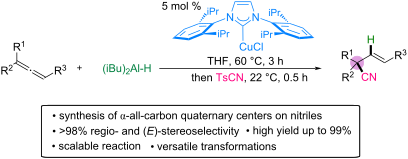
- , achieving complete conversion within 30 min and yielding the desired α-quaternary nitrile 3a in 95% yield. Moreover, no byproducts, such as regioisomeric nitriles or derivatives from over-addition of allylaluminum, were observed. After having established the optimized reaction conditions, the substrate




Recent advances in the electrochemical synthesis of organophosphorus compounds
Beilstein J. Org. Chem. 2025, 21, 770–797, doi:10.3762/bjoc.21.61
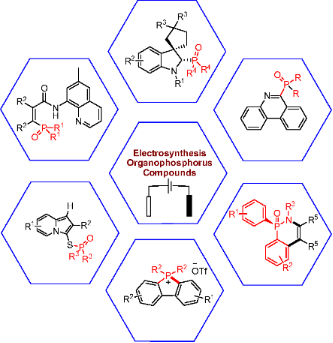
- . Studies showed that a Mn catalyst is critical for synthesizing derivatives of phenanthridine-based diarylphosphine oxides. The reaction yield decreased in the absence of the ligand, and eliminating both the ligand and manganese salt suppressed the reaction. Moreover, a slight decrease in the reaction
- derivatives of glycine with diarylphosphine oxide (R2P(O)–H) for the synthesis of 1-aminoalkylphosphine oxides without the use of any transition metal catalyst or external oxidant. In this conversion, 1-aminoalkylphosphine oxides were formed in an undivided cell using a carbon electrode as the anode and
- phosphine oxide radical. The coupling product was obtained via the reaction of a phosphine oxide radical with thiazole compound. In another study on heteroaromatic compounds' electrochemical C–P coupling reactions, Gao et al. [55] reported an electrochemical reaction of indole derivatives with trialkyl


Copper-catalyzed domino cyclization of anilines and cyclobutanone oxime: a scalable and versatile route to spirotetrahydroquinoline derivatives
Beilstein J. Org. Chem. 2025, 21, 749–754, doi:10.3762/bjoc.21.58
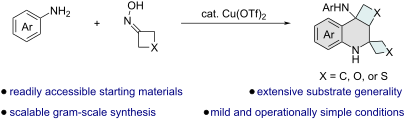
- report the copper-catalyzed synthesis of tetrahydroquinoline derivatives via a domino reaction of aniline with cyclobutanone oxime. This method demonstrates a selective approach for generating bioactive tetrahydroquinoline scaffolds, which have broad applications in pharmaceutical chemistry. The reaction
- conditions were optimized for the effective formation of tetrahydroquinoline derivatives with varying substituents, showing high yields under mild conditions. Mechanistic studies suggest a catalytic cycle involving nucleophilic attack by the aniline on the cyclobutanone oxime, followed by cyclization to form
- pivotal structural elements in drug discovery [1][2][3][4]. Notably, tetrahydroquinoline derivatives featuring a strain-inducing ring system are prevalent in numerous bioactive molecules, including those with promising therapeutic potential for neurological disorders, oncology, and various other medical




Orthogonal photoswitching of heterobivalent azobenzene glycoclusters: the effect of glycoligand orientation in bacterial adhesion
Beilstein J. Org. Chem. 2025, 21, 736–748, doi:10.3762/bjoc.21.57
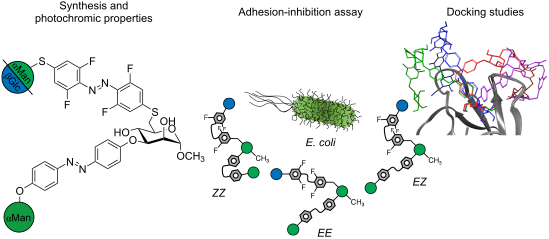
- ]. Specifically, the reversible E/Z isomerization of the azo group in azobenzene glycosides is suited to control the spatial presentation of glycoligands and, for example, switch carbohydrate-specific bacterial adhesion on and off [20][21][22][23]. Indeed, glycoazobenzene derivatives are excellent tools to


Synthesis of HBC fluorophores with an electrophilic handle for covalent attachment to Pepper RNA
Beilstein J. Org. Chem. 2025, 21, 727–735, doi:10.3762/bjoc.21.56
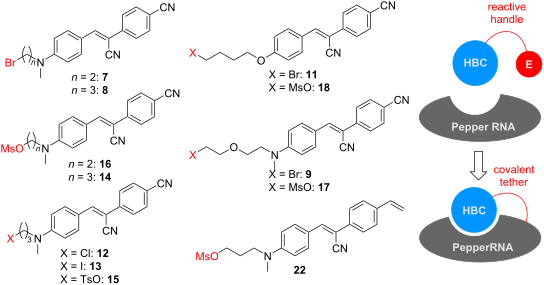
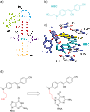
- , however, there was no complementary RNA-based tool with comparable live-cell-imaging properties. Based on the autocatalytically generated fluorophore 4-(p-hydroxybenzylidene)imidazolidin-5-one (HBI) in GFP, in vitro selection on derivatives of HBI led to the discovery of the first fluorogen-activating
- (8), MsOc3HBC (14), and MsOc3HBC-vinyl (22)) as reported previously [11]. Nine more HBC derivatives with altered handle lengths and different electrophilic groups are introduced in this study. Furthermore, we include an evaluation of the efficiency of all reactive fluorophores (previously introduced
- )cyanophenylacetonitrile, called HBC [7]. This typical push–pull fluorophore uses a dialkylamino group as the electron donor and a cyano group as the electron acceptor, while the connecting conjugating system has been varied to obtain a series of derivatives covering a broad spectral range (Scheme 1) [7][12]. All of these



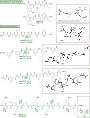
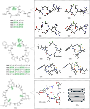
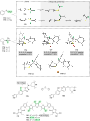
Origami with small molecules: exploiting the C–F bond as a conformational tool
Beilstein J. Org. Chem. 2025, 21, 680–716, doi:10.3762/bjoc.21.54
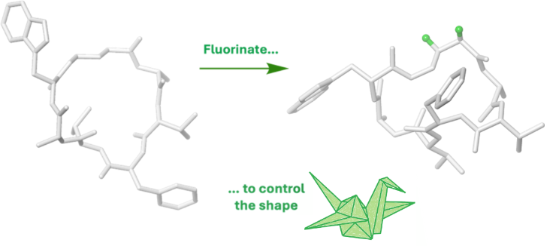
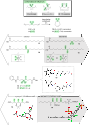
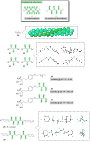
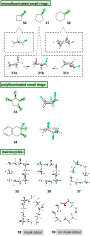
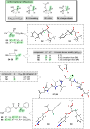
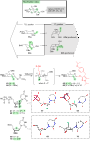
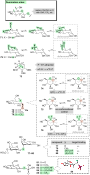
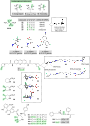
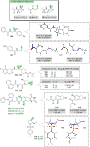
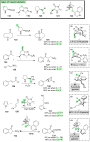
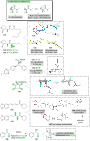
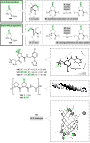
- scaffolds – alkanes – then we will progress to ethers, alcohols, sugars, amines (and their derivatives), carbonyl compounds, peptides, and finally sulfur-containing compounds. By arranging the material in this way, we hope that newcomers to the field might be able to readily envisage ways to apply these
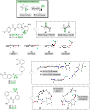
- 8) that adds to the hyperconjugation and intramolecular H-bonding phenomena [96]. The conformational effects of fluorination in these two derivatives (i.e., esters and protonated alcohols) have been little exploited to date in the design of functional molecules [111]. However, one standout example
- oxocarbenium intermediate [136]. Another way that fluorine can alter the shapes of furanoses, is by replacing the ring oxygen. For example, compare the nucleotide derivatives 69 and 70 (Figure 9). When the ring oxygen of 69 is replaced with a fluoromethylene group in 70, the latter molecule adopts an unusual



Photochemically assisted synthesis of phenacenes fluorinated at the terminal benzene rings and their electronic spectra
Beilstein J. Org. Chem. 2025, 21, 670–679, doi:10.3762/bjoc.21.53
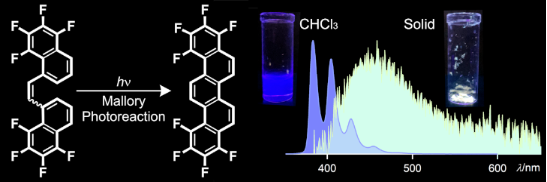
- of phenacene cores could produce a functional aromatic material alternative to fluorinated acenes. In this context, it would be of interest to construct highly fluorinated phenacene derivatives and reveal their structural and electronic natures in order to develop future organic functional molecules