
Search results
Search for "chemical structures" in Full Text gives 262 result(s) in Beilstein Journal of Organic Chemistry. Showing first 200.
Asymmetric Michael addition reactions catalyzed by calix[4]thiourea cyclohexanediamine derivatives
Beilstein J. Org. Chem. 2018, 14, 1901–1907, doi:10.3762/bjoc.14.164
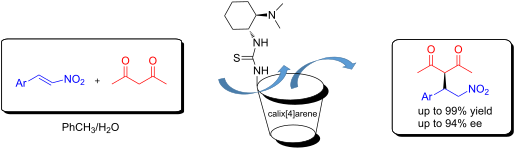
- Michael addition reactions of acetylacetone and aromatic nitroalkenes. Results and Discussion Synthesis of catalysts The chemical structures and synthetic pathways for catalysts are shown in Scheme 1 and Scheme 2, respectively. A series of upper rim-functionalized calix[4]arene-based cyclohexanediamine



Strong binding and fluorescence sensing of bisphosphonates by guanidinium-modified calix[5]arene
Beilstein J. Org. Chem. 2018, 14, 1840–1845, doi:10.3762/bjoc.14.157
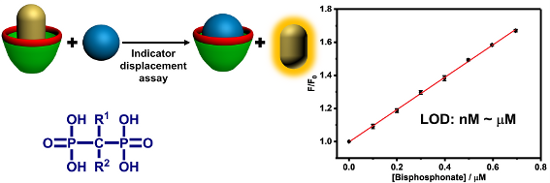
- etidronate in (a) HEPES buffer (10 mM, pH 7.4) and (b) artificial urine at 25 °C. Error bars could not be shown if less than 0.005. The chemical structures of (a) bisphosphonates (BPs) and (b) guanidinium-modified calix[5]arene (GC5A). (c) Schematic illustration of a salt-bridge between a phosphate anion and
- a guanidinium cation. Schematic illustration of the binding between BPs and GC5A and the operating IDA principle of fluorescence “switch-on” sensing of BPs by the GC5A·Fl reporter pair. The chemical structures of the selected BP drugs. Association constants (Ka) of BPs and GC5A determined according


Host–guest complexes of conformationally flexible C-hexyl-2-bromoresorcinarene and aromatic N-oxides: solid-state, solution and computational studies
Beilstein J. Org. Chem. 2018, 14, 1723–1733, doi:10.3762/bjoc.14.146
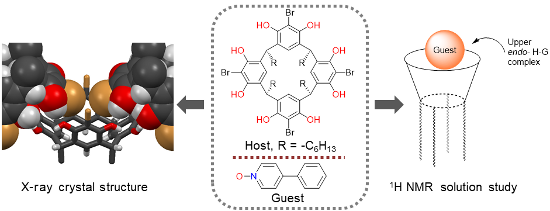
- intermolecular hydrogen bonding and stacking interactions at both upper and lower-rims. The chemical structures of C-ethyl-2-bromoresorcinarene (BrC2), C-propyl-2-bromoresorcinarene (BrC3) and C-hexyl-2-bromoresorcinarene (BrC6) as hosts and pyridine N-oxide (1), 2-methylpyridine N-oxide (2), 3-methylpyridine N


Drug targeting to decrease cardiotoxicity – determination of the cytotoxic effect of GnRH-based conjugates containing doxorubicin, daunorubicin and methotrexate on human cardiomyocytes and endothelial cells
Beilstein J. Org. Chem. 2018, 14, 1583–1594, doi:10.3762/bjoc.14.136
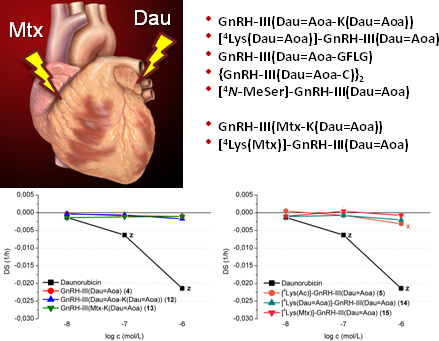
- Supporting Information File 1. Chemical structures of the GnRH-drug conjugates synthesized and investigated in the present work. Abbreviations: Aoa: aminooxyacetyl; Dox: doxorubicin; Dau: daunorubicin; Mtx: methotrexate; Glp: pyroglutamic acid; gult: glutaric acid. Chemical structures of the bifunctional




A conformationally adaptive macrocycle: conformational complexity and host–guest chemistry of zorb[4]arene
Beilstein J. Org. Chem. 2018, 14, 1570–1577, doi:10.3762/bjoc.14.134
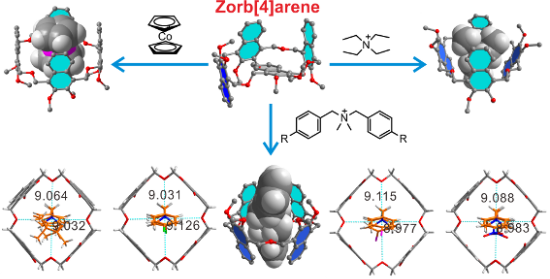
- = −0.13, R2 = 0.9956) and TΔS (right, slope = 0.93, R2 = 0.9976). (a) Chemical structures of ZB4 and the guests involved in this research. The counterions are PF6−. (b) The four representative conformers of ZB4 resulting from naphthalene flipping. Numberings on the structures are used to assign NMR


One hundred years of benzotropone chemistry
Beilstein J. Org. Chem. 2018, 14, 1120–1180, doi:10.3762/bjoc.14.98
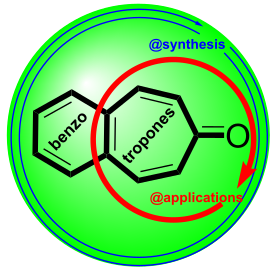
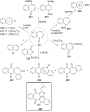
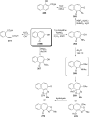
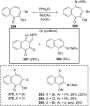
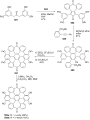
- reports of their interesting chemical structures and potential biological activities. Historically, many efforts have been devoted to the chemistry of benzotropones/benzotropolones and a plethora of benzotropone-type molecules have been produced over 100 years. Furthermore, the scope of this review








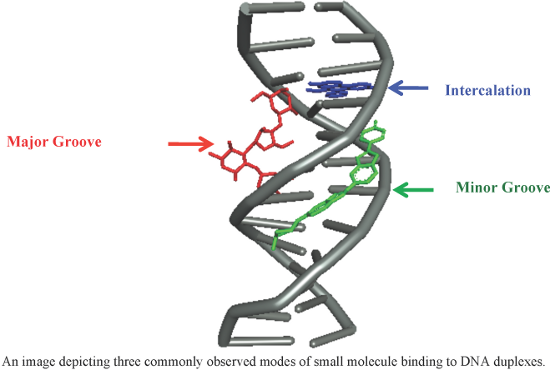
An overview of recent advances in duplex DNA recognition by small molecules
Beilstein J. Org. Chem. 2018, 14, 1051–1086, doi:10.3762/bjoc.14.93






D–A–D-type orange-light emitting thermally activated delayed fluorescence (TADF) materials based on a fluorenone unit: simulation, photoluminescence and electroluminescence studies
Beilstein J. Org. Chem. 2018, 14, 672–681, doi:10.3762/bjoc.14.55
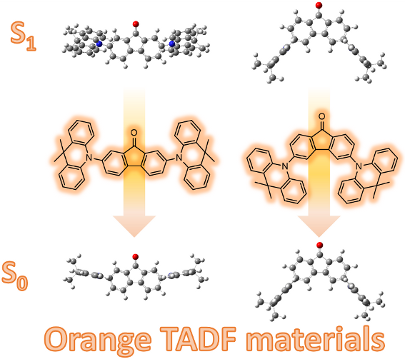
- injection layer, respectively [22]. The energy level diagrams and the chemical structures of the materials utilized are shown in Figure 5. TAPC and TmPyPB also play the role of exciton blocking layer at the same time because of their high T1 energy level. Carriers will also be trapped by the emitter
- films (8 wt % in CBP) measured in N2 at 300 K; time-resolved transient photoluminescence decay spectra of (b) 2:CBP and (c) 1:CBP measured in N2 at different temperatures. Energy level (eV) diagrams of OLED devices and the chemical structures of the materials utilized for device fabrication. J–V–L


Latest development in the synthesis of ursodeoxycholic acid (UDCA): a critical review
Beilstein J. Org. Chem. 2018, 14, 470–483, doi:10.3762/bjoc.14.33
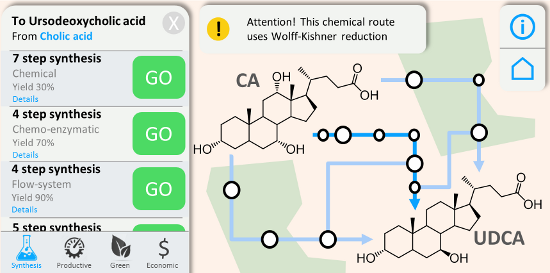
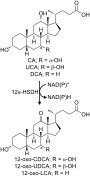
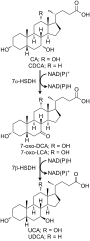
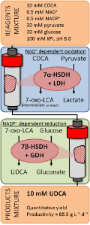
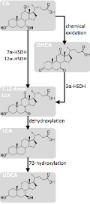
- , ursocholic acid; UDCA, ursodeoxycholic acid; HSDH, hydroxysteroid dehydrogenase; LDH, lactate dehydrogenase; GDH, glucose dehydrogenase. Chemical structure of UDCA. Chemical structures of bile acids and salts. Comparison between Wolff–Kishner and Mozingo reduction. Notably the overall chemical reaction is



Synthesis of fluoro-functionalized diaryl-λ3-iodonium salts and their cytotoxicity against human lymphoma U937 cells
Beilstein J. Org. Chem. 2018, 14, 364–372, doi:10.3762/bjoc.14.24
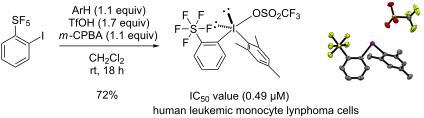
- ; pentafluorosulfanyl; Introduction There has been a surge in the number of reports about fluorine chemistry in recent decades. This is because fluorine is an extremely important element whose presence in a compound can completely change its original physical and chemical characteristics [1][2][3]. The chemical
- structures of various pharmaceuticals, agrochemicals and coatings contain fluorine or fluorinated functional groups [4][5][6][7][8][9]. Therefore, the development of efficient synthetic methodologies for organofluorine compounds has gained much attention [10][11][12][13][14][15]. Our research group has been


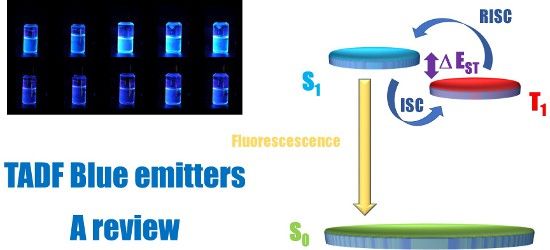
Recent advances on organic blue thermally activated delayed fluorescence (TADF) emitters for organic light-emitting diodes (OLEDs)
Beilstein J. Org. Chem. 2018, 14, 282–308, doi:10.3762/bjoc.14.18


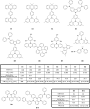


Fluorescent nucleobase analogues for base–base FRET in nucleic acids: synthesis, photophysics and applications
Beilstein J. Org. Chem. 2018, 14, 114–129, doi:10.3762/bjoc.14.7
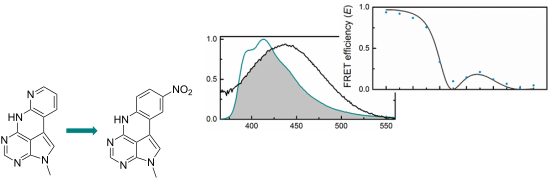
- FBAs (see Figure 2 for chemical structures) include C8 to S8 thio-RNA analogue thA [23], the C8-naphtalene substituted adenines cnA and dnA [24], as well as our own quadracyclic qAN1 [25]. A handful of fluorescent guanine analogues has been synthesized and characterized and includes the recent turn-on



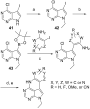


Halogen-containing thiazole orange analogues – new fluorogenic DNA stains
Beilstein J. Org. Chem. 2017, 13, 2902–2914, doi:10.3762/bjoc.13.283
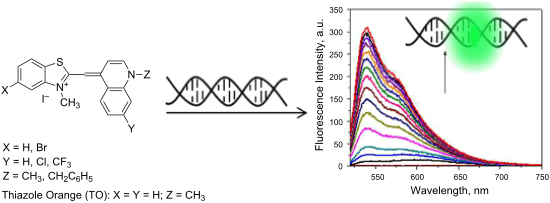
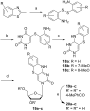
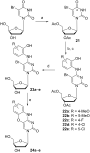
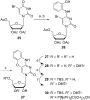
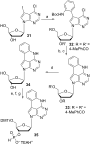
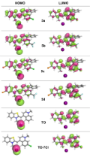
- .). Simulated TDPBE0 spectra in methanol. Electron density (isovalue = 0.002) mapped with electrostatic potential (color scheme: green for negative surface map values and blue for the positive ones). Chemical structures of TO and SYBR Green I – commercial monomethine fluorescent dsDNA binders. Synthesis of the




15N-Labelling and structure determination of adamantylated azolo-azines in solution
Beilstein J. Org. Chem. 2017, 13, 2535–2548, doi:10.3762/bjoc.13.250
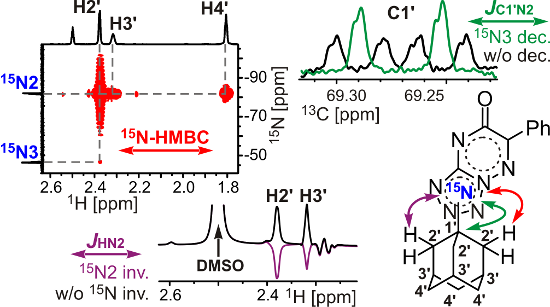
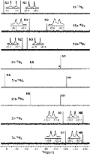
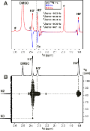
- Determining the accurate chemical structures of synthesized compounds is essential for biomedical studies and computer-assisted drug design. The unequivocal determination of N-adamantylation or N-arylation site(s) in nitrogen-rich heterocycles, characterized by a low density of hydrogen atoms, using NMR
- product structure were also found for N-arylation or N-alkylation with tert-butyl fragments in the series of 1,2,3-triazole [15][16], tetrazole [17][18][19][20], and purine [21] derivatives. Meanwhile, knowledge of the accurate chemical structures of N-substituted heterocycles is essential for biomedical




Novel approach to hydroxy-group-containing porous organic polymers from bisphenol A
Beilstein J. Org. Chem. 2017, 13, 2131–2137, doi:10.3762/bjoc.13.211
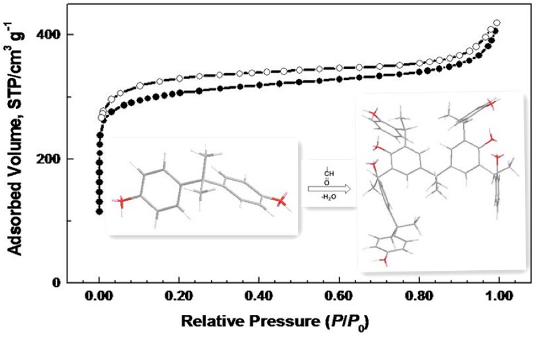
- constructed ultimately. BPA and multi-formyl-containing compounds are suspended in o-dichlorobenzene, and TSA, as a catalyst, was then added into reaction system. After the reaction in a sealed tube at 180 °C for 72 h, three polymers PPOP-1–PPOP-3 were obtained. The possible chemical structures of the


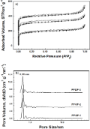


Complexation of molecular clips containing fragments of diphenylglycoluril and benzocrown ethers with paraquat and its derivatives
Beilstein J. Org. Chem. 2017, 13, 2056–2067, doi:10.3762/bjoc.13.203
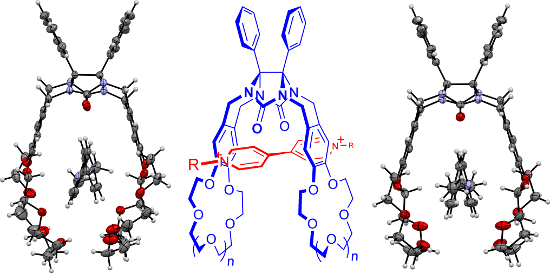
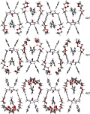
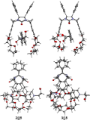
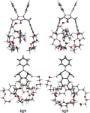
- , the studied clips form inclusion complexes of 1:1 composition. Chemical structures of hosts 1–6 and guests 7–10. HF/6-311+G** calculated 3D molecular electrostatic potential of the guests 7–10. The color code spans from 138 (red) to 177 kcal/mol (blue). Partial 1H NMR spectra (300 MHz, CD3CN/CDCl3 4:3



Solvent-free sonochemistry: Sonochemical organic synthesis in the absence of a liquid medium
Beilstein J. Org. Chem. 2017, 13, 1850–1856, doi:10.3762/bjoc.13.179
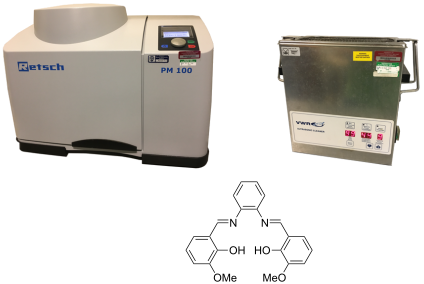
- its flake form and 1,2-phenylenediamine in its bead form. Clear separation of the reagents observed, with orange coated beads of 1,2-phenylenediamine residing at the bottom of the mixture. Chemical structures of the products obtained from the reaction between o-vanillin and 1,2-phenylenediamine


BODIPY-based fluorescent liposomes with sesquiterpene lactone trilobolide
Beilstein J. Org. Chem. 2017, 13, 1316–1324, doi:10.3762/bjoc.13.128
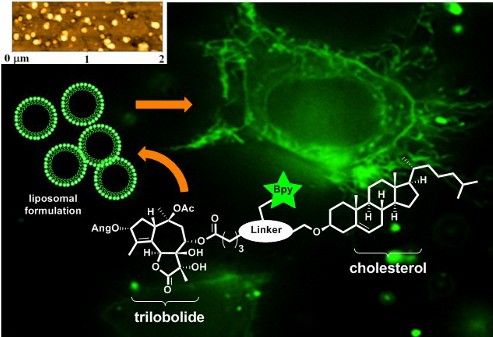
- death, which might be caused by the release of active construct 6 from liposomes in cells. This study could be useful for further design and optimization of analogous systems for theranostic liposomal drug-delivery applications. Chemical structures of the basic compounds used in this study. Absorbance




Sugar-based micro/mesoporous hypercross-linked polymers with in situ embedded silver nanoparticles for catalytic reduction
Beilstein J. Org. Chem. 2017, 13, 1212–1221, doi:10.3762/bjoc.13.120
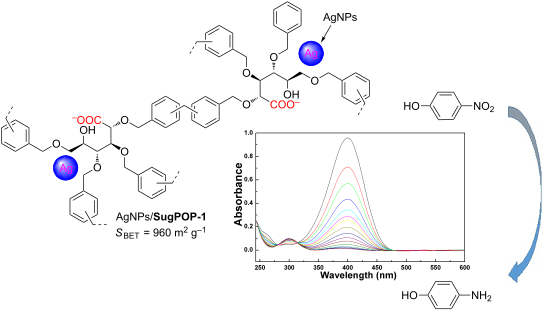
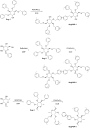
- -linker, the Friedel–Crafts cross-linking polymerization is promoted smoothly by anhydrous FeCl3 in dry 1,2-dichloroethane (DCE). The monomers were either commercially available (Sug-1) or prepared (Sug-2 and Sug-3) by benzylation of free sugars with benzyl bromide and sodium hydride. The chemical
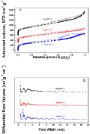
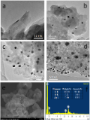
- structures of Sug-2 and Sug-3 have been characterized by 1H NMR, 13C NMR, and MALDI–TOF MS. The chemical structure of the obtained polymers was confirmed by 13C CP/MAS NMR and Fourier transform infrared spectroscopy (FTIR) (Figure S1, Supporting Information File 1). For example, the backbone and structure




Automating multistep flow synthesis: approach and challenges in integrating chemistry, machines and logic
Beilstein J. Org. Chem. 2017, 13, 960–987, doi:10.3762/bjoc.13.97
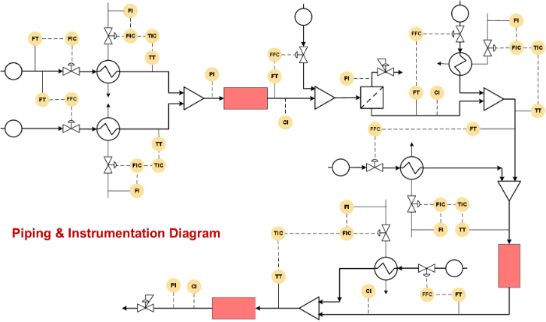
- scale would require the involvement of engineers from various fields viz. chemical, instrumentation, mechanical and electrical. In such cases, it is desired to describe the process in terms of standard symbols (rather than combined chemical structures and diagrams which are most often used in the




A practical and efficient approach to imidazo[1,2-a]pyridine-fused isoquinolines through the post-GBB transformation strategy
Beilstein J. Org. Chem. 2017, 13, 817–824, doi:10.3762/bjoc.13.82
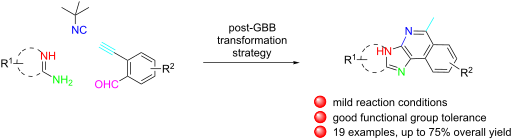
- ], but also allow access to diverse chemical structures [21] from readily accessible building blocks. In the past decades, considerable efforts have been made towards the development of new MCRs and their application to the diversity-oriented synthesis of biologically relevant molecules for drug


Membrane properties of hydroxycholesterols related to the brain cholesterol metabolism
Beilstein J. Org. Chem. 2017, 13, 720–727, doi:10.3762/bjoc.13.71
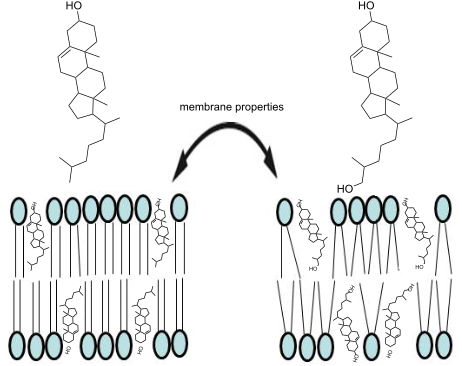
- suitable plastic dishes (ibiTreat µ-Slides Angiogenesis, ibidi, Martinsried, Germany). Vesicles were allowed to settle down some minutes before acquisition of z-stacks with 1 µm step size. Top: Chemical structures of cholesterol and hydroxycholesterols with selected numbering for the carbon atoms. The


Derivatives of the triaminoguanidinium ion, 5. Acylation of triaminoguanidines leading to symmetrical tris(acylamino)guanidines and mesoionic 1,2,4-triazolium-3-aminides
Beilstein J. Org. Chem. 2017, 13, 579–588, doi:10.3762/bjoc.13.57
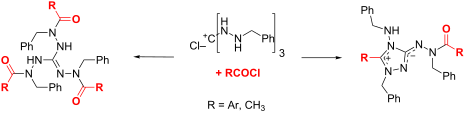
- gives access to diverse chemical structures which could be considered for further studies, e.g., the biological activity of the triazole-based compounds and the use of threefold symmetrically substituted triaminoguanidines as novel hosts in supramolecular chemistry or as ligands in coordination




Secondary metabolome and its defensive role in the aeolidoidean Phyllodesmium longicirrum, (Gastropoda, Heterobranchia, Nudibranchia)
Beilstein J. Org. Chem. 2017, 13, 502–519, doi:10.3762/bjoc.13.50
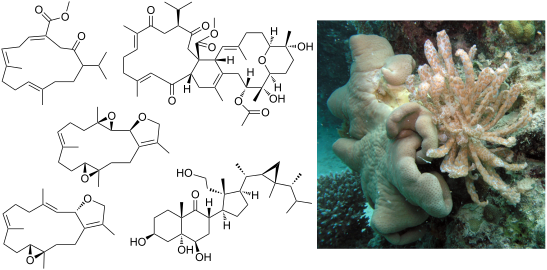
- diterpenes of the chatancin type 16–19 [12]. Compounds 1 and 5 are new chemical structures. The same applies to the biscembranoids 14 and 15, which however show close resemblance to bisglaucumlides B and C [18], but differ in their stereochemistry from the latter. Since no studies regarding the
- -secogorgostan-11-ol. Chemical structures of the polyhydroxylated steroids 2–4 were established by comparison of the NMR and MS data obtained in our laboratory (Supporting Information File 1, Figures S6–11) with the reported values [27][28]. Compound 5 was isolated as colorless oil (1.5 mg). The specific optical



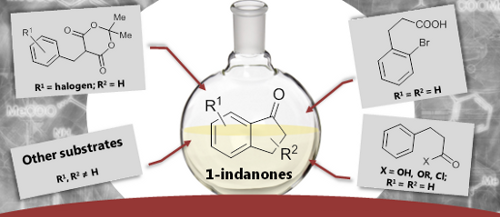
Synthesis of 1-indanones with a broad range of biological activity
Beilstein J. Org. Chem. 2017, 13, 451–494, doi:10.3762/bjoc.13.48