
Search results
Search for "CO2" in Full Text gives 333 result(s) in Beilstein Journal of Organic Chemistry. Showing first 200.
Copolymerization of epoxides with cyclic anhydrides catalyzed by dinuclear cobalt complexes
Beilstein J. Org. Chem. 2018, 14, 2779–2788, doi:10.3762/bjoc.14.255
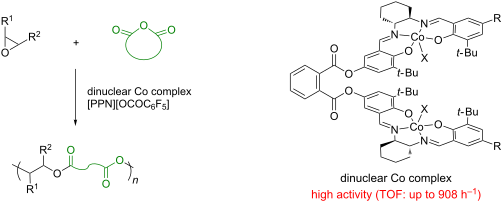
- demonstrate high and/or unique catalytic performances in the epoxide/CA copolymerization [23][32][33][34][35][36][37][38][39]. Recently, we have reported the dinuclear cobalt–salen complexes as catalysts for the copolymerization of epoxides with carbon dioxide (CO2), affording superior catalytic activity
- favorable for a high catalytic activity. Such dependence of the catalytic activity on the absolute configuration contrasts with our previous observation in the epoxide/CO2 copolymerization where the heterochiral (R,R,S,S)-1 showed a much higher catalytic activity than the corresponding homochiral complex (R


An overview on recent advances in the synthesis of sulfonated organic materials, sulfonated silica materials, and sulfonated carbon materials and their catalytic applications in chemical processes
Beilstein J. Org. Chem. 2018, 14, 2745–2770, doi:10.3762/bjoc.14.253
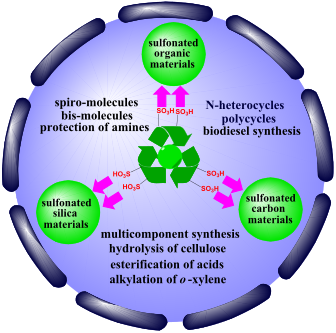
- its decomposition, only CO2 and sulfate are formed [7][8][9][10]. Also, like MSA, p-toluenesulfonic acid (p-TsOH) is non-oxidizing, low cost, and easy to handle. Its physical state is solid, making it easy to work with [11]. According to these benefits, sulfonic acids are used as novel catalysts in


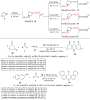


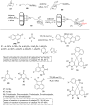


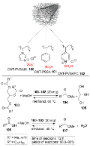

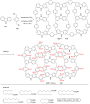


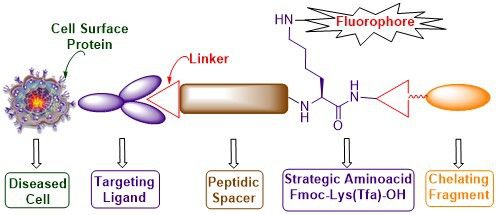
Novel solid-phase strategy for the synthesis of ligand-targeted fluorescent-labelled chelating peptide conjugates as a theranostic tool for cancer
Beilstein J. Org. Chem. 2018, 14, 2665–2679, doi:10.3762/bjoc.14.244
- containing 10% heat-inactivated fetal bovine serum and 1% penicillin streptomycin and CHO-β cells in folate-deficient RPMI 1640 containing 10% heat-inactivated foetal bovine serum and supplemented with 1% penicillin streptomycin. Both the cell lines were grown in a 5% CO2:95% air-humidified atmosphere at 37


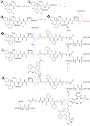
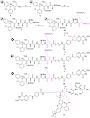

Impact of Pseudomonas aeruginosa quorum sensing signaling molecules on adhesion and inflammatory markers in endothelial cells
Beilstein J. Org. Chem. 2018, 14, 2580–2588, doi:10.3762/bjoc.14.235
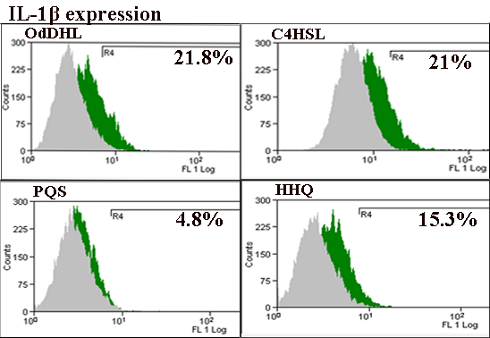
- containing 5% CO2 and 21% O2. To maintain optimal culture conditions, the medium was changed twice a week. Prior the infection with P. aeruginosa and adding QSSMs the endothelial cells were cultured in a medium without antibiotics. Endothelial cells were stimulated with P. aeruginosa PAO1 strain (control


Synthesis of dihydroquinazolines from 2-aminobenzylamine: N3-aryl derivatives with electron-withdrawing groups
Beilstein J. Org. Chem. 2018, 14, 2510–2519, doi:10.3762/bjoc.14.227
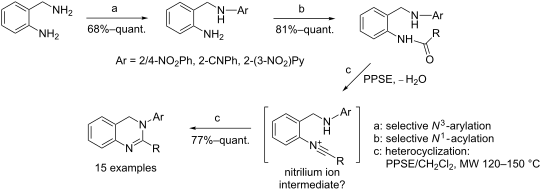
- treatment with NaOH/EtOH evolve to the symmetrically substituted 3,4-DHQs [59]. Other authors report the synthesis of N-phenyl-3,4-DHQ by alkylation of sodium formanilide with 2-nitrobenzyl chloride followed by cyclization under reductive conditions [60], or from 2-ABA and CO2 as starting materials in


Cobalt- and rhodium-catalyzed carboxylation using carbon dioxide as the C1 source
Beilstein J. Org. Chem. 2018, 14, 2435–2460, doi:10.3762/bjoc.14.221
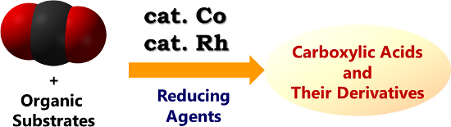
- Tetsuaki Fujihara Yasushi Tsuji Department of Energy and Hydrocarbon Chemistry, Graduate School of Engineering, Kyoto University, Nishikyo-ku, Kyoto 615-8510, Japan 10.3762/bjoc.14.221 Abstract Carbon dioxide (CO2) is one of the most important materials as renewable chemical feedstock. In this
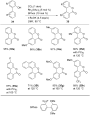
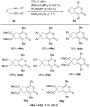
- review, the Co- and Rh-catalyzed transformation of CO2 via carbon–carbon bond-forming reactions is summarized. Combinations of metals (cobalt or rhodium), substrates, and reducing agents realize efficient carboxylation reactions using CO2. The carboxylation of propargyl acetates and alkenyl triflates
- reductant, carboxyzincation and the four-component coupling reaction between alkyne, acrylates, CO2, and zinc occur efficiently. Rh complexes also catalyze the carboxylation of arylboronic esters, C(sp2)–H carboxylation of aromatic compounds, and hydrocarboxylation of styrene derivatives. The Rh-catalyzed





Bioinspired cobalt cubanes with tunable redox potentials for photocatalytic water oxidation and CO2 reduction
Beilstein J. Org. Chem. 2018, 14, 2331–2339, doi:10.3762/bjoc.14.208
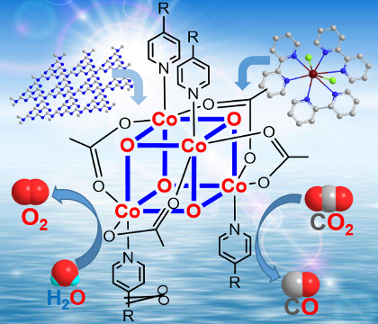
- reactions. The “Co4O4” cubane complex Co4O4(CO2Me)4(RNC5H4)4 (R = CN, Br, H, Me, OMe), serves as a molecular catalyst for the efficient and stable photocatalytic water oxidation and CO2 reduction. A comprehensive structure–function analysis emerged herein, highlights the regulation of electronic
- reactions. Keywords: CO2 reduction; cobalt cubane; photocatalysis; water oxidation; water splitting; Introduction The direct conversion of solar energy into chemical fuels (e.g., H2, CO and hydrocarbons) through water splitting and carbon fixation reactions is a sustainable solution to environmental
- and CO2 reduction is regarded as a critical step toward artificial photosynthesis, which can boost the photoconversion efficiency (PCE) significantly [14][15][16][17][18][19]. Molecular catalysts with complex and varied structural motifs are a class of promising catalysts for solar energy conversion


Semi-synthesis and insecticidal activity of spinetoram J and its D-forosamine replacement analogues
Beilstein J. Org. Chem. 2018, 14, 2321–2330, doi:10.3762/bjoc.14.207
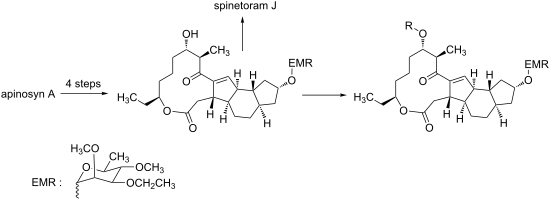
- spinosyn molecule interacts with both gamma-aminobutyric acid (GABA) receptor and nicotine acetylcholine (NACh) receptors [9]. Spinosad and spinetoram can be degraded via a combination of photolysis and microbial action, ultimately producing CO2, H2O, and nitrogen oxides [10]. That suggests that along with




Selective formation of a zwitterion adduct and bicarbonate salt in the efficient CO2 fixation by N-benzyl cyclic guanidine under dry and wet conditions
Beilstein J. Org. Chem. 2018, 14, 2204–2211, doi:10.3762/bjoc.14.194
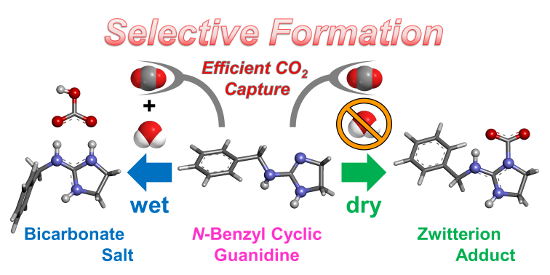
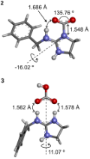
- Yoshiaki Yoshida Naoto Aoyagi Takeshi Endo Molecular Engineering Institute, Kindai University, 11-6 Kayanomori, Iizuka, Fukuoka 820-8555, Japan 10.3762/bjoc.14.194 Abstract The efficient CO2 fixation by N-benzyl cyclic guanidine 1 was achieved by bubbling dry CO2 through CH3CN at 25 °C for 2 h
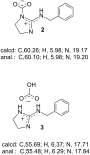
- characterized in detail by elemental analysis, FTIR-ATR, solid-state NMR, TGA, and DFT calculation. These analytical results obviously revealed the formation of a zwitterion adduct and bicarbonate salt from N-benzyl cyclic guanidine and CO2. Especially, the zwitterion adduct of the monocyclic guanidine
- derivative and CO2 was isolated and characterized for the first time. Keywords: bicarbonate salt; carbon dioxide adsorption; cyclic guanidine; repeatable capture and release; zwitterion adduct; Introduction Recently, various reactions with CO2 as a cheap and green carbon reagent have been developed not






Cobalt-catalyzed nucleophilic addition of the allylic C(sp3)–H bond of simple alkenes to ketones
Beilstein J. Org. Chem. 2018, 14, 2012–2017, doi:10.3762/bjoc.14.176
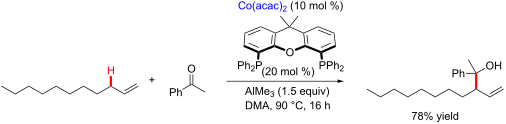
- -allylmetal complex that reacts with electrophiles, triggered by allylic C(sp3)–H activation. To this end, Schneider [26], Kanai [27], and we [28][29] reported in 2017 catalytic allylic C(sp3)–H activation of alkenes to react carbonyl electrophiles such as imines, ketones, and CO2 via nucleophilic allylmetal


Graphitic carbon nitride prepared from urea as a photocatalyst for visible-light carbon dioxide reduction with the aid of a mononuclear ruthenium(II) complex
Beilstein J. Org. Chem. 2018, 14, 1806–1812, doi:10.3762/bjoc.14.153
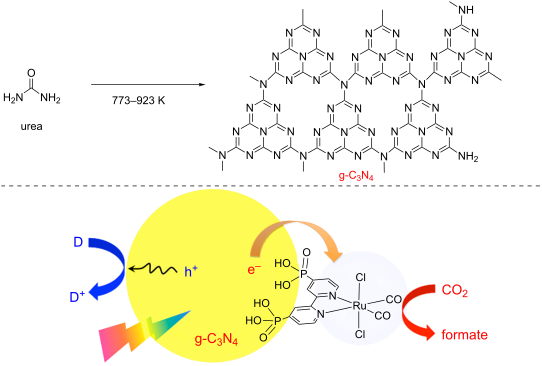
- (773–923 K) in air, and was examined as a photocatalyst for CO2 reduction. With increasing synthesis temperature, the conversion of urea into g-C3N4 was facilitated, as confirmed by X-ray diffraction, FTIR spectroscopy and elemental analysis. The as-synthesized g-C3N4 samples, further modified with Ag
- nanoparticles, were capable of reducing CO2 into formate under visible light (λ > 400 nm) in the presence of triethanolamine as an electron donor, with the aid of a molecular Ru(II) cocatalyst (RuP). The CO2 reduction activity was improved by increasing the synthesis temperature of g-C3N4, with the maximum
- activity obtained at 873–923 K. This trend was also consistent with that observed in photocatalytic H2 evolution using Pt-loaded g-C3N4. The photocatalytic activities of RuP/g-C3N4 for CO2 reduction and H2 evolution were thus shown to be strongly associated with the generation of the crystallized g-C3N4


Defining the hydrophobic interactions that drive competence stimulating peptide (CSP)-ComD binding in Streptococcus pneumoniae
Beilstein J. Org. Chem. 2018, 14, 1769–1777, doi:10.3762/bjoc.14.151
- ]. Bacterial growth conditions. Bacteria from a freezer stock were grown as described in [19]. Briefly, the bacteria were streaked into a THY agar plate supplemented with 5% donor horse serum and chloramphenicol at a final concentration of 4 µg/mL. The plate was incubated for 8 h in a CO2 incubator (37 °C with
- 5% CO2). Fresh colonies (single colony for D39pcomX::lacZ; multiple colonies for TIGR4pcomX::lacZ) were picked into sterilized cultural tubes containing 5 mL of THY broth supplemented with chloramphenicol at a final concentration of 4 µg/mL and the cultures were incubated in a CO2 incubator
- overnight (15 h). Overnight cultures were then diluted (1:50 for D39pcomX::lacZ; 1:10 for TIGR4pcomX::lacZ) with THY and the resulting solution was incubated in a CO2 incubator for 3–4 hours, until the bacteria reached early exponential stage (0.30–0.35 for D39pcomX::lacZ; 0.20–0.25 for TIGR4pcomX::lacZ) as


Natural and redesigned wasp venom peptides with selective antitumoral activity
Beilstein J. Org. Chem. 2018, 14, 1693–1703, doi:10.3762/bjoc.14.144
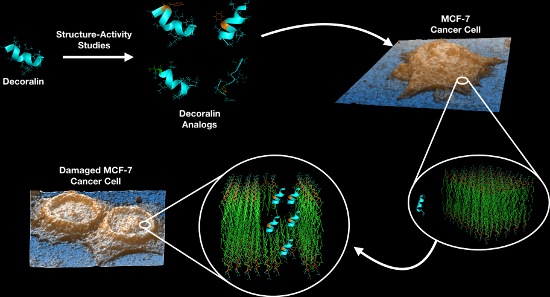
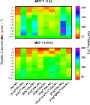
- microtiter plates with a density of 2.0 × 10⁴ cells/well at 37 °C and 5% CO2. On the next day, cells were treated with peptides serial dilutions (0.09–50 μmol L–1), incubated in individual microtiter plates for 2 and 24 h and MTT assays were performed after treatment. Human breast epithelial cells MCF-10A
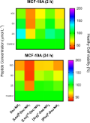
- μg mL−1 streptomycin. The cells were preincubated for 24 h, plated in 96-well microtiter plates with a density of 2.0 × 10⁴ cells/well at 37 °C and 5% CO2. On the next day, cells were treated with peptides serial dilutions (25 to 100 μmol L−1), incubated in individual microtiter plates for 4 and 24 h




Lanyamycin, a macrolide antibiotic from Sorangium cellulosum, strain Soce 481 (Myxobacteria)
Beilstein J. Org. Chem. 2018, 14, 1554–1562, doi:10.3762/bjoc.14.132
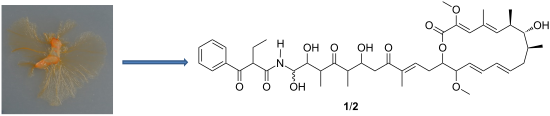
- serum. Cells were maintained in a 37 °C environment with 5% CO2 supply. Cells were infected with Jc1-derived Renilla reporter viruses in the presence or absence of compounds. Infected cells were lysed and then frozen at −80 °C for 1 hour following measurements of Renilla and Firefly luciferase


Spectroelectrochemical studies on the effect of cations in the alkaline glycerol oxidation reaction over carbon nanotube-supported Pd nanoparticles
Beilstein J. Org. Chem. 2018, 14, 1428–1435, doi:10.3762/bjoc.14.120
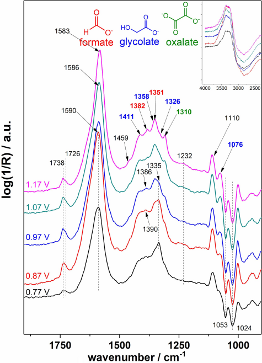
- from starch, sugar or oils and fats [2][3]. The transesterification of oils and fats produces glycerol as a byproduct, which requires further processing to reduce the costs of biofuels [4]. The comparably high energy density of glycerol of 5965 Wh L−1 assuming its total oxidation to CO2 suggests its


Design and biological characterization of novel cell-penetrating peptides preferentially targeting cell nuclei and subnuclear regions
Beilstein J. Org. Chem. 2018, 14, 1378–1388, doi:10.3762/bjoc.14.116
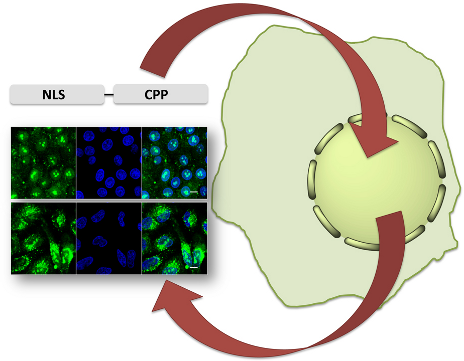
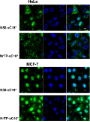
- the molar ellipticity at 222 nm and 207 nm was used to confirm an α-helical structure of peptides [25]. Cell culturing All cell lines were grown in sterile culture dishes in a CO2 incubator (5% CO2) at 37 °C. HeLa and MCF-7 were grown in RPMI-1640 medium containing 10% fetal bovine serum (FBS) and 4



A three-armed cryptand with triazine and pyridine units: synthesis, structure and complexation with polycyclic aromatic compounds
Beilstein J. Org. Chem. 2018, 14, 1370–1377, doi:10.3762/bjoc.14.115
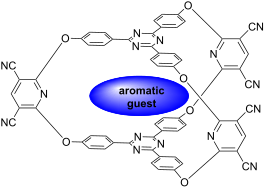
- [32] revealed its selective absorption ability for N2 and CO2 in the solid state. The low complexation ability of cryptand 1 in solution for aromatic guests is due to the unfavorable conformation of the 1,3,5-triphenylbenzene central units in which the peripheral aromatic rings are twisted with




[3 + 2]-Cycloaddition reaction of sydnones with alkynes
Beilstein J. Org. Chem. 2018, 14, 1317–1348, doi:10.3762/bjoc.14.113
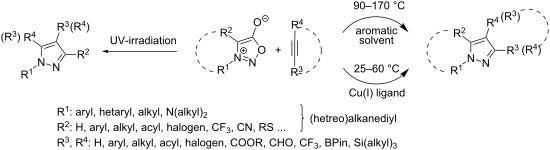
- absence of light. Depending on the temperature, a new reaction pathway involving benzylic group migration, CO2 extrusion and final cycloaddition was proposed (Scheme 4). Kinetics and mechanism of thermal cycloaddition The kinetics and reaction mechanism of the thermal cycloaddition between 4-methyl-3
- bicyclic intermediate via a concerted [3 + 2]-cycloaddition followed by its very fast decomposition (extrusion of CO2) via a retro-Diels–Alder [4 + 2]-cycloaddition. The almost spontaneous extrusion of CO2 is caused by an energetically favorable aromatization occurring in this step leading to the formation
- its slow decomposition to pyrazole and CO2. Such ambiguous substitution effects are therefore worthy of further investigations. Photochemical reaction of sydnones with symmetrical alkynes In 1966 Krauch et al. [59] dealt with irradiation (using a high-pressure Hg lamp) of benzene or dioxane solutions


An overview of recent advances in duplex DNA recognition by small molecules
Beilstein J. Org. Chem. 2018, 14, 1051–1086, doi:10.3762/bjoc.14.93






Mechanochemistry of nucleosides, nucleotides and related materials
Beilstein J. Org. Chem. 2018, 14, 955–970, doi:10.3762/bjoc.14.81
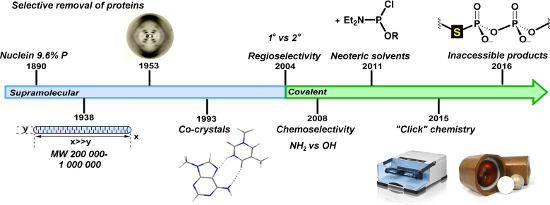
- derivatives, Sikchi and Hultin contrived an attritor-type mill (Figure 1c) to facilitate the use of neat reagents and vent CO2 (closed vessels were reported to break) [19]. Efficient gram-scale Boc protection of amine and carboxylic acid functions was thereby effected (Scheme 3). This chemistry was further


Phosphodiester models for cleavage of nucleic acids
Beilstein J. Org. Chem. 2018, 14, 803–837, doi:10.3762/bjoc.14.68



Synthesis and in vitro biochemical evaluation of oxime bond-linked daunorubicin–GnRH-III conjugates developed for targeted drug delivery
Beilstein J. Org. Chem. 2018, 14, 756–771, doi:10.3762/bjoc.14.64
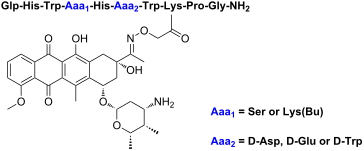
- plastic culture dishes at 37 °C with a humidified atmosphere containing 5% CO2/95% air. Stability of GnRH-III bioconjugates in cell culture medium The GnRH-III bioconjugates were dissolved in water to a concentration of 2.5 mg/mL followed by the dilution with serum-free cell culture medium (final



Latest development in the synthesis of ursodeoxycholic acid (UDCA): a critical review
Beilstein J. Org. Chem. 2018, 14, 470–483, doi:10.3762/bjoc.14.33
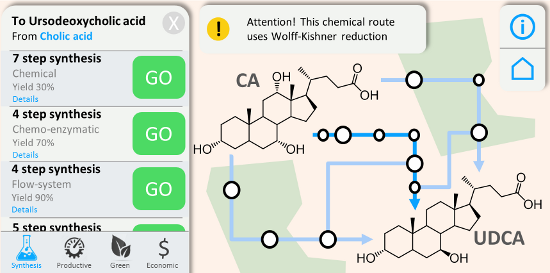
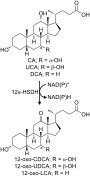
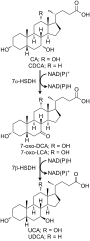
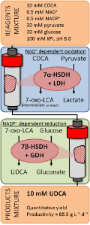
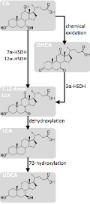
- most used enzymes for the cofactor regeneration are glucose dehydrogenase (glucose to glucuronic acid), lactate dehydrogenase (pyruvate to lactate), glutamate dehydrogenase (α-ketoglutarate to glutamate) and formate dehydrogenase (formate to CO2). In particular, the last enzyme is interesting because
- formate is cheap and, because of the gaseous nature of CO2 as product, the equilibrium of the reaction is entropically favoured. Pedrini et al. in 2006 [33] reported the successful epimerization of CDCA to UDCA using a redox-neutral cascade reaction, with two NAD+-dependent dehydrogenases. In this way the



Synthesis of fluoro-functionalized diaryl-λ3-iodonium salts and their cytotoxicity against human lymphoma U937 cells
Beilstein J. Org. Chem. 2018, 14, 364–372, doi:10.3762/bjoc.14.24
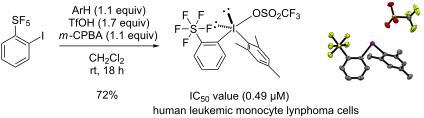
- × 105 cells/well) and incubated at 37 °C for 24 h. MTT reagent (10 μL) was added to each well. After mixing gently, the cells were incubated for 3 h at 37 °C in a CO2 incubator. The culture medium was aspirated and the crystal-dissolving solution (100 μL) was added to each well and mixed. Finally, the


Progress in copper-catalyzed trifluoromethylation
Beilstein J. Org. Chem. 2018, 14, 155–181, doi:10.3762/bjoc.14.11
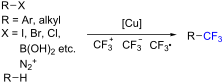
- DMF decomposed into Cu2+, difluorocarbene and fluoride with the release of SO2 and CO2. Then, difluorocarbene and fluoride combined into a CF3 species in the presence of Cu2+ and Cu. In contrast with the majority of previously reported copper-mediated trifluoromethylation reactions of haloarenes