

Search results
Search for "yellow" in Full Text gives 822 result(s) in Beilstein Journal of Organic Chemistry. Showing first 200.
Synthesis and biological evaluation of Argemone mexicana-inspired antimicrobials
Beilstein J. Org. Chem. 2023, 19, 1511–1524, doi:10.3762/bjoc.19.108
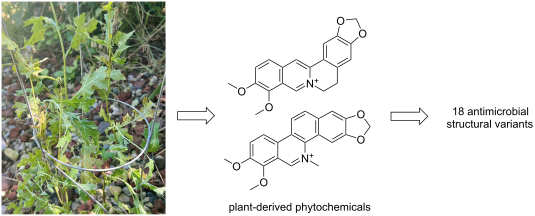
- -oxoberberine has been reported as a white solid, while our oxidized product maintained the bright yellow color of berberine [38]. This same unexpected oxidation was observed, to varying degrees, in the production of our next two variants wherein the expected products B3 and B5, respectively were isolated as a


Organic thermally activated delayed fluorescence material with strained benzoguanidine donor
Beilstein J. Org. Chem. 2023, 19, 1289–1298, doi:10.3762/bjoc.19.95
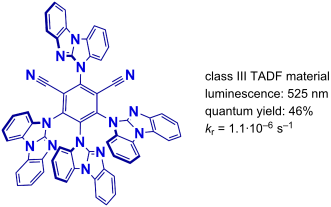
- benzoguanidine donor and compare it with the benchmark carbazole-based material (4CzIPN). Extended π-conjugation in 4BGIPN material results in yellow-green luminescence at 512 nm with a fast radiative rate of 5.5 × 10⁻⁵ s−1 and a photoluminescence quantum yield of 46% in methylcyclohexane solution. Such a
- : guanidine; organic; photoluminescence; TADF; yellow; Introduction Thermally activated delayed fluorescence (TADF) is a photoluminescence mechanism where excitons undergo thermally-assisted reverse-intersystem crossing from an excited triplet state to a higher-lying in energy singlet state to emit delayed
- dichloromethane solution for 4BGIPN at room temperature (Figure 2). The title compound crystallizes with two independent molecules in the unit cell of the triclinic (P−1, Figure 2c, yellow plates) and monoclinic chiral space group P21 (Figure 2a,b,d, yellow blocks). Due to very weak reflection data, the structure


Two new lanostanoid glycosides isolated from a Kenyan polypore Fomitopsis carnea
Beilstein J. Org. Chem. 2023, 19, 1161–1169, doi:10.3762/bjoc.19.84
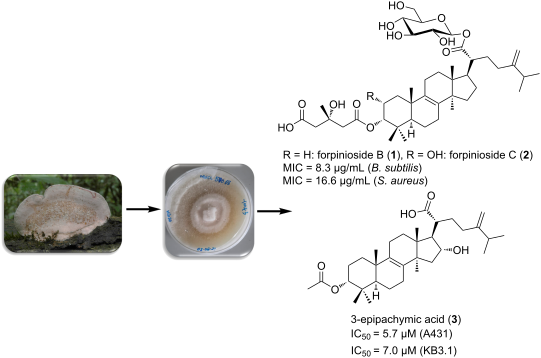
- , nm (log ε): 196.5 (1.7); NMR data (1H NMR: 500 MHz, 13C NMR: 125 MHz in methanol-d4) see Table 1; HRMS–ESI (m/z): [M + Na]+ calcd for C43H68NaO12+, 799.4603; found, 799.4604; [2M + Na]+ calcd for C86H136NaO13+, 1575.9314; found, 1575.9321. Forpinioside C (2): pale yellow oil; +30 (c 0.1, MeOH); UV


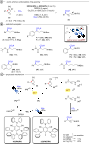
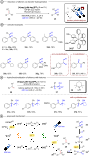
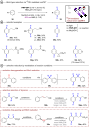
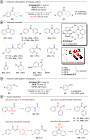
Photoredox catalysis harvesting multiple photon or electrochemical energies
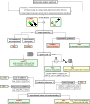
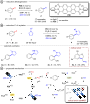
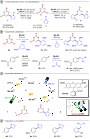
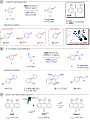
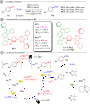
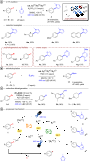
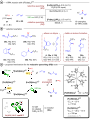
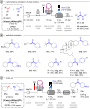
Beilstein J. Org. Chem. 2023, 19, 1055–1145, doi:10.3762/bjoc.19.81










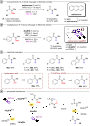
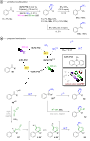
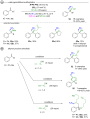
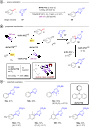







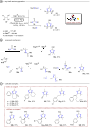
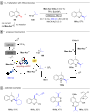


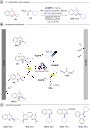
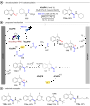
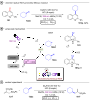


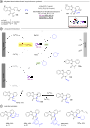


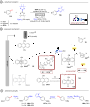
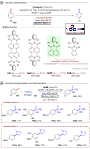


The effect of dark states on the intersystem crossing and thermally activated delayed fluorescence of naphthalimide-phenothiazine dyads
Beilstein J. Org. Chem. 2023, 19, 1028–1046, doi:10.3762/bjoc.19.79
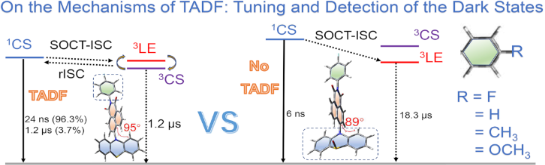
- dried over anhydrous Na2SO4 and the solvent was evaporated under reduced pressure. The crude product was purified by column chromatography (silica gel, DCM/MeOH 50:1, v:v) and the product was obtained as yellow solid. Yield: 28 mg (76%); mp 100.1–101.0 °C; 1H NMR (CDCl3, 400 MHz) δ 8.87 (d, J = 7.63 Hz


Five new sesquiterpenoids from agarwood of Aquilaria sinensis
Beilstein J. Org. Chem. 2023, 19, 998–1007, doi:10.3762/bjoc.19.75
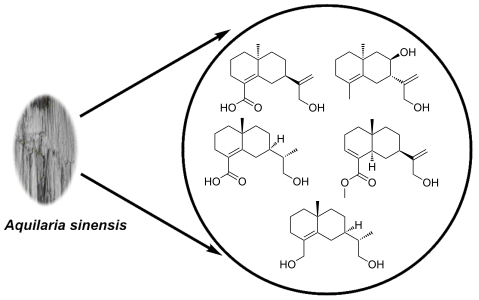
- comparison of their spectroscopic data with those reported in the literature (Figure 1). The new derivatives were characterized as explained below. Compound 1 was obtained as pale yellow gum, and its molecular formula was inferred from the positive HRESIMS at m/z 273.1464 [M + Na]+ (calcd for C15H22O3Na
- calculations. The CD spectrum matched well with the calculated ECD spectrum of 1a (Figure 4), revealing the absolute configuration of 1 to be 7R,10S, and it was named aquisinenoid F. Compound 2 was isolated as pale yellow gum, and was assigned the molecular formula C15H24O2 as inferred from the HRESIMS m/z
- 2 was eventually clarified to be 7S,8R,10S, and it was named aquisinenoid G. Compound 3 was isolated as pale yellow gum, and its molecular formula was determined to be C15H24O3 based on its HRESIMS m/z 275.1622 [M + Na]+ (calcd for C15H24O3Na, 275.1618), 13C NMR and DEPT spectra (Table 2


The unique reactivity of 5,6-unsubstituted 1,4-dihydropyridine in the Huisgen 1,4-diploar cycloaddition and formal [2 + 2] cycloaddition
Beilstein J. Org. Chem. 2023, 19, 982–990, doi:10.3762/bjoc.19.73
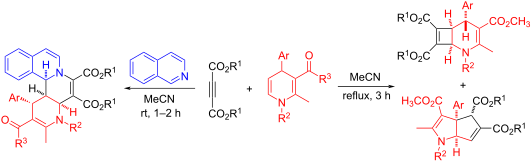
- ) as eluent to give the pure product for analysis. 7,8-Diethyl 4-methyl 2-benzyl-3-methyl-5-(4-nitrophenyl)-2-azabicyclo[4.2.0]octa-3,7-diene-4,7,8-tricarboxylate (5e): yellow solid, 36%; mp 161–163 °C; 1H NMR (400 MHz, CDCl3) δ 8.07–8.05 (m, 2H, ArH), 7.37–7.34 (m, 2H, ArH), 7.33–7.29 (m, 3H, ArH
- ): [M + H]+) calcd for C29H31N2O8, 535.2075; found, 535.2076. 4,5-Diethyl 3-methyl 1-benzyl-2-methyl-3a-(4-nitrophenyl)-1,3a,4,6a-tetrahydrocyclopenta[b]pyrrole-3,4,5-tricarboxylate (6e): yellow solid, 35%; mp 153–155 °C; 1H NMR (400 MHz, CDCl3) δ 7.98 (d, J = 8.8 Hz, ArH), 7.45–7.37 (m, 5H, ArH), 7.30


Intermediates and shunt products of massiliachelin biosynthesis in Massilia sp. NR 4-1
Beilstein J. Org. Chem. 2023, 19, 909–917, doi:10.3762/bjoc.19.69
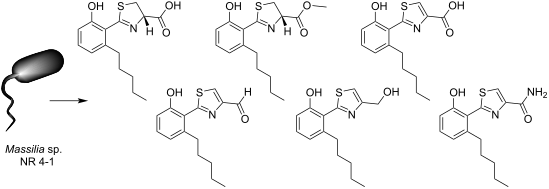
- volume of 100 mL, hence yielding the blue CAS assay solution. To perform the assay, 1 mL of the CAS assay solution was pipetted into a cuvette followed by the addition of 0.2 mL of the substance to be tested. A color change from blue to yellow indicated the presence of metal-chelating molecules. Filter


First synthesis of acylated nitrocyclopropanes
Beilstein J. Org. Chem. 2023, 19, 892–900, doi:10.3762/bjoc.19.67
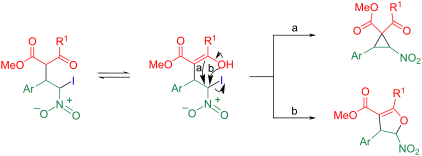
- , 80 mmol), the mixture was extracted with ethyl acetate (30 mL × 3), and the organic layer was washed with brine (30 mL × 1), dried over magnesium sulfate, and concentrated to afford nitrostyrene 2a (17.4 g, 71%, mp 56–58 °C) as a yellow solid. Nitrostyrene 2b (mp 112–114 °C) was prepared in the same
- ethyl benzoylacetate (3f, 1.04 mL, 6 mmol) and triethylamine (84 μL, 0.6 mmol), and the resultant solution was stirred at room temperature for 14 h. After removal of the solvent under reduced pressure, the residual pale-yellow solid was extracted with hot hexane (20 mL × 4). The hexane was concentrated
- , and the residual yellow oil was subjected to column chromatography on silica gel to afford ethyl 2-benzoyl-3-(4-methylphenyl)-4-nitrobutanoate (4f) [28] (eluted with hexane/ethyl acetate 95:5, 1.43 g, 4.02 mmol, 67%) as a pale-yellow oil. Major isomer 1H NMR (400 MHz, CDCl3) δ 0.92 (t, J = 7.2 Hz, 3H


Non-peptide compounds from Kronopolites svenhedini (Verhoeff) and their antitumor and iNOS inhibitory activities
Beilstein J. Org. Chem. 2023, 19, 789–799, doi:10.3762/bjoc.19.59
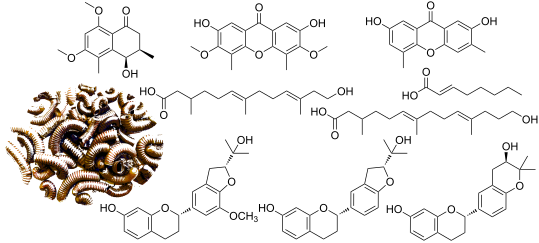
- identification Compound 1, a yellow gum, possesses the molecular formula C14H18O4 (six degrees of unsaturation), as deduced from its HRESIMS [M + H]+ ion peak at m/z 251.1274 (calcd for C14H19O4, 251.1278). The 1H NMR data (Table 1 and Figure S1 in Supporting Information File 1) display one aromatic proton [δH
- experimental and ECD spectra (Figure 3 and Figure S26 in Supporting Information File 1). Consequently, the structure of 4 is defined and named 5-O-methyldaphnegiralin C1. Compound 7, a light yellow gum, has the molecular formula C16H28O3 (three degrees of unsaturation) as determined by its HRESIMS [M + H]+ ion
- at C-3 remains undetermined due to its long carbon chain. As a consequence, the structure of compound 7, named kronoponoid A, was determined to be as showed in Figure 1. Compound 8, a light yellow gum, possesses the molecular formula C17H30O3 (three degrees of unsaturation) deduced from its HRESIMS


Synthesis, structure, and properties of switchable cross-conjugated 1,4-diaryl-1,3-butadiynes based on 1,8-bis(dimethylamino)naphthalene
Beilstein J. Org. Chem. 2023, 19, 674–686, doi:10.3762/bjoc.19.49
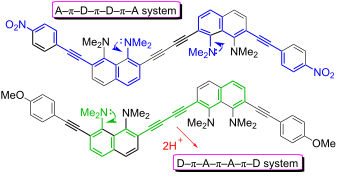
- nitro group. There are two types of independent non-equivalent dications, marked in blue and green, and two types of BF4− anions, marked in red and yellow, in the crystal structure of salt 11c (Figure S68 in Supporting Information File 1). Monomer fragments in both are identical (Table 2, Figure 5). The
- -trifluoromethylphenyl rings. By the way, the qr parameters calculated for two independent molecules of 11c were 0.008 and 0.009, which is slightly less than in the case of compounds 5. As for the crystal packing of 11c, BF4− anions of two types (“red” and “yellow”) interact with cations in different ways. The “red
- ” anion hangs over the cationic centers of both independent molecules, which are almost perpendicular to each other, while the “yellow” one participates mainly in the coordination with the hydrogen atoms of the NMe2 groups. Such a distribution of counterions apparently ensures mutually perpendicular



pH-Responsive fluorescent supramolecular nanoparticles based on tetraphenylethylene-labelled chitosan and a six-fold carboxylated tribenzotriquinacene
Beilstein J. Org. Chem. 2023, 19, 635–645, doi:10.3762/bjoc.19.45
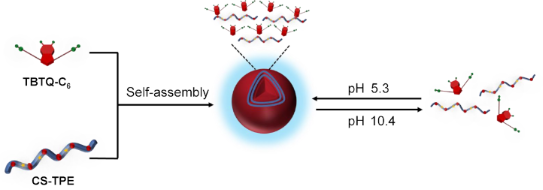
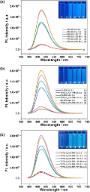
- powders of CS-TPE exhibit a pale-yellow appearance under normal daylight conditions and emit intense green-blue light when exposed to UV irradiation (365 nm). This phenomenon differs greatly from the fluorescence properties of conventional ACQ fluorophores, which are typically nonfluorescent under UV
- the mixture was heated at 70 °C with stirring for 6–10 h. The resulting mixture was then allowed to stand overnight, and the solvent was removed under reduced pressure to obtain the crude Schiff base as a pale-yellow solid. Without further purification, the Schiff base was dispersed in methanol (60 mL
- give CS-TPE as a pale-yellow solid. The CS-TPE obtained with feed ratios (Rf) of 2, 10, and 20 mol % were denominated CS-TPE-2%, CS-TPE-10%, and CS-TPE-20%, respectively. The labelling degree (DL) of CS-TPE was calculated by Equation 1 based on the 1H NMR data. Preparation of TBTQ-C6/CS-TPE



Phenanthridine–pyrene conjugates as fluorescent probes for DNA/RNA and an inactive mutant of dipeptidyl peptidase enzyme
Beilstein J. Org. Chem. 2023, 19, 550–565, doi:10.3762/bjoc.19.40
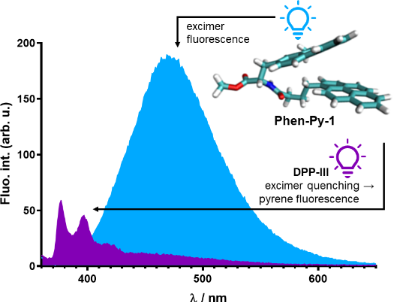
- trifluoroacetate salt of the deprotected amino acid was obtained as yellow oil after evaporation of the solvent. The deprotected compound was then dissolved in anhydrous acetonitrile (3 mL) and appropriate pyrenecarboxylic acid, HBTU, HOBt and Et3N were added. The reaction was stirred at room temperature for 20




Investigation of cationic ring-opening polymerization of 2-oxazolines in the “green” solvent dihydrolevoglucosenone
Beilstein J. Org. Chem. 2023, 19, 217–230, doi:10.3762/bjoc.19.21
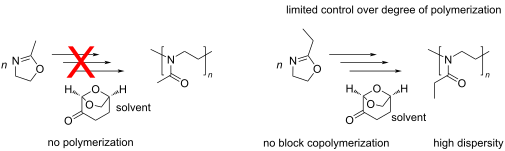
- dialysis against water overnight, followed by lyophilization. The resulting polymer was obtained as a slightly yellow powder. The synthesis of 2-ethyl-3-methyloxazolinium triflate was carried out as follows: 30 mL of dry diethyl ether were placed in a dry round-bottomed flask and methyl
- rapidly turned yellow, which is another sign of undesired side reactions. Besides, 1H NMR spectra of the obtained polymers during the polymerization process (Figure S1 in Supporting Information File 1) demonstrate the appearance of new signals at 1.65 ppm (box a), 2.84 ppm (box b), 3.20 (box c), 3.82 ppm


An accelerated Rauhut–Currier dimerization enabled the synthesis of (±)-incarvilleatone and anticancer studies
Beilstein J. Org. Chem. 2023, 19, 204–211, doi:10.3762/bjoc.19.19
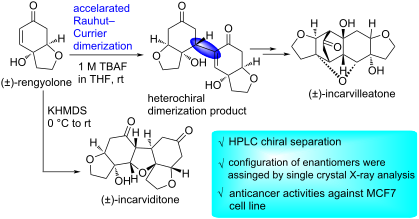
- temperature resulted in the formation of heterodimerized product (±)-4 in 38% yield as a pale-yellow solid (Scheme 3, method A). The yield of this reaction could not be improved even by prolonging the reaction time (up to 24 h). However, when we treated (±)-rengyolone (3) with 1.0 M TBAF (2 equiv) in THF at


Identification and determination of the absolute configuration of amorph-4-en-10β-ol, a cadinol-type sesquiterpene from the scent glands of the African reed frog Hyperolius cinnamomeoventris
Beilstein J. Org. Chem. 2023, 19, 167–175, doi:10.3762/bjoc.19.16
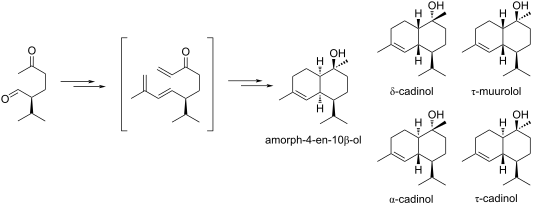
- chromatography; enantioselective synthesis; GC/MS; semiochemicals; Introduction Hyperolius cinnamomeoventris (Figure 1) is one of the largest species of reed frogs (Hyperoliidae), which are commonly found in Africa, south of the Sahara. Males of the Hyperoliidae possess a characteristic yellow gular patch on
- their vocal sac that also serves as a gland which emits volatile organic compounds during calling [1]. These courtship calls are trimodal, consisting of calls, yellow flashing signals, and volatile chemicals released from the gland [2]. The semiochemical signal, the glandular secretion, seems to be used
- mass spectrometric and gas chromatographic data to be acquired, clarifying the identity and stereochemistry of several cadinols. Calling male Hyperolius cinnamomeoventris with exposed vocal sac carrying the yellow gular gland. Figure 1 was reprinted from [2], I. Starnberger et al., “Take time to smell


Synthesis and characterisation of new antimalarial fluorinated triazolopyrazine compounds
Beilstein J. Org. Chem. 2023, 19, 107–114, doi:10.3762/bjoc.19.11
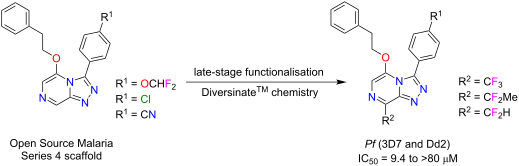
- = 2.7 Hz, C-13); LRESIMS m/z: 451 [M + H]+, 473 [M + Na]+, 923 [2M + Na]+; HRESIMS (m/z): [M + H]+ calcd for C21H16F5N4O2, 451.1188; found, 451.1195. 8-(1,1-Difluoroethyl)-3-(4-(difluoromethoxy)phenyl)-5-phenethoxy-[1,2,4]triazolo[4,3-a]pyrazine (11). Yellow amorphous solid (23 mg, 51%); UV (MeOH) λmax
- ]pyrazine (14). Yellow amorphous solid (18 mg, 44%); UV (MeOH) λmax (log ε): 243 (4.23), 286 (3.81), 317 (3.80) nm; 1H NMR (800 MHz, CDCl3) δH 2.26 (t, J = 18.9 Hz, 3H, H-25), 2.95 (t, J = 6.5 Hz, 2H, H-17), 4.49 (t, J = 6.5 Hz, 2H, H-16), 6.88 (m, 2H, H-19, H-23), 7.23 (m, 1H, H-21), 7.24 (m, 2H, H-20, H
- ), 146.4 (C-3); LRESIMS m/z: 410 [M + H]+, 432 [M + Na]+; HRESIMS (m/z): [M + H]+ calcd for C21H15F3N5O, 410.1223; found, 410.1221. 4-(8-(1,1-Difluoroethyl)-5-phenethoxy-[1,2,4]triazolo[4,3-a]pyrazin-3-yl)benzonitrile (17). Yellow amorphous solid (23 mg, 56%); UV (MeOH) λmax (log ε): 226 (4.41), 250 (4.33


Preparation of β-cyclodextrin/polysaccharide foams using saponin
Beilstein J. Org. Chem. 2023, 19, 78–88, doi:10.3762/bjoc.19.7
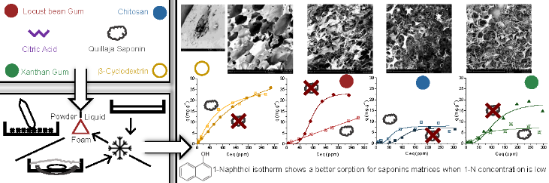
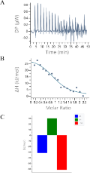
- same trends are observed for all the polysaccharide types (Figure 7). Those matrices with cyclodextrin (yellow bars in Figure 7) absorbed better all the phenolic compounds tested. In addition, the incorporation of saponin does not produce a higher sorption capacity except for the XG matrices. In these
- -cyclodextrin/polysaccharides (blue curves for chitosan, red for locust bean gum, green for xanthan gum) with saponin (yellow curves correspond to cyclodextrin matrices, without polysaccharide). Sorption of phenols (V, vanillin; Ph, phenol; m-c, m-cresol; 4eP, 4-ethylphenol; Eu, eugenol) in β-cyclodextrin



Digyalipopeptide A, an antiparasitic cyclic peptide from the Ghanaian Bacillus sp. strain DE2B
Beilstein J. Org. Chem. 2022, 18, 1763–1771, doi:10.3762/bjoc.18.185
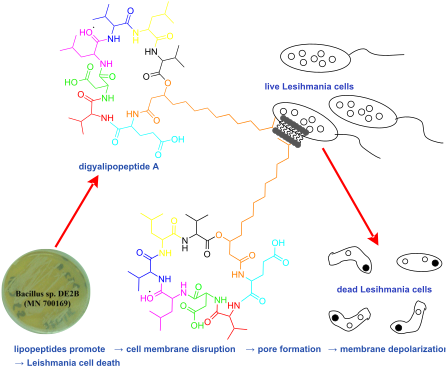
- isolated by repeated semi-preparative reversed-phase HPLC with diode array detection (0–400 nm) at retention time of 27.5 min (see Supporting Information File 1, Figures S3–S7). It was obtained as a white amorphous powder which was bright yellow when in solution. The molecular formula of 1 was determined


Navigating and expanding the roadmap of natural product genome mining tools
Beilstein J. Org. Chem. 2022, 18, 1656–1671, doi:10.3762/bjoc.18.178
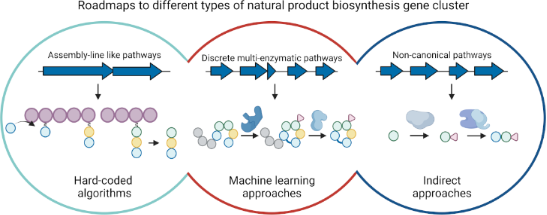
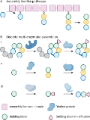
- yellow, genes in green and motifs in violet. Concepts of algorithms in order of complexity and examples of genome mining tools that employ the respective concept. Examples of peptide NPs, the corresponding BGCs of which were determined through retrobiosynthetic analysis and then experimentally verified
- : polytheonamide A (13) [76], closthioamide (14) [77], and biarylitide YYH (15) [33]. gcBGC prioritization process. The bar represents all identified gene clusters in one organism and is subdivided into primary (green) on the left and secondary metabolism (yellow) on the right. Gene clusters associated with




Simple synthesis of multi-halogenated alkenes from 2-bromo-2-chloro-1,1,1-trifluoroethane (halothane)
Beilstein J. Org. Chem. 2022, 18, 1567–1574, doi:10.3762/bjoc.18.167
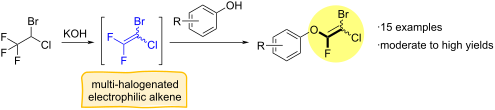
- concentrated under reduced pressure. The residue was purified by column chromatography (hexane only) to afford 7 in 80% yield (107.2 mg) as a yellow oil. 1H NMR (400 MHz, CDCl3) δ 0.127 and 0.239 (s, 9H), 7.06–7.14 (m, 2H), 7.16–7.22 (m, 1H), 7.32–7.41 (m, 2H); 13C NMR (100 MHz, CDCl3) δ −0.364, −0.259, 85.3


Using UHPLC–MS profiling for the discovery of new sponge-derived metabolites and anthelmintic screening of the NatureBank bromotyrosine library
Beilstein J. Org. Chem. 2022, 18, 1544–1552, doi:10.3762/bjoc.18.164
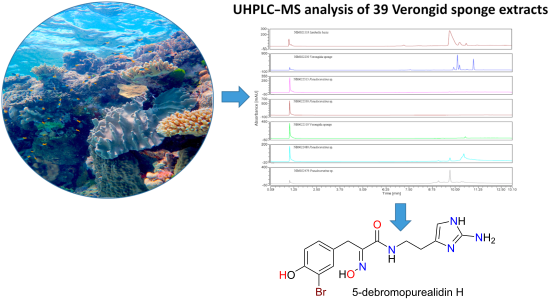
- time. 5-Debromopurealidin H (1) was isolated as a stable yellow film. The LRESIMS of 1 showed 1:1 ion cluster peaks at m/z 382/384 [M + H]+ and 380/382 [M − H]−, indicating the presence of one bromine atom [16]. Furthermore, a molecular formula of C14H17BrN5O3 was assigned following analysis of the 1D
- a further 10 min, all at a flow rate of 9 mL/min. Sixty 1 min fractions were collected from time 0 to 60 min to afford 5-debromopurealidin H (1, 11.1 mg, tR 32–34 min, 0.111% dry wt), and the known alkaloid ianthesine E (2, 161.2 mg, tR 40–41 min, 1.612% dry wt). 5-Debromopurealidin H (1): Yellow
- for C14H1779BrN5O3, 382.0509). Ianthesine E (2): Yellow film; + 76.3 (c 0.4 in MeOH), lit. + 50.6 (c 0.3 in MeOH) [15]; (+)-LRESIMS m/z 714/716/718/720/722 (1:4:6:4:1) [M + H]+, (−)-LRESIMS m/z 792/794/796/798/800 (1:4:6:4:1) [M − H]−. Preparation of nematode larvae for bioassays Haemonchus


A facile approach to spiro[dihydrofuran-2,3'-oxindoles] via formal [4 + 1] annulation reaction of fused 1H-pyrrole-2,3-diones with diazooxindoles
Beilstein J. Org. Chem. 2022, 18, 1532–1538, doi:10.3762/bjoc.18.162
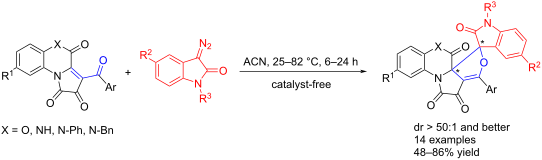
- the solution being turned from purple to red. The starting FPD 1a is bright violet; thus, the disappearance of the violet color was used as an indicator of the reaction’s completion. Product 3aa was isolated as yellow crystals in 73% yield and characterized by NMR, IR, and mass spectra, and single


New triazole-substituted triterpene derivatives exhibiting anti-RSV activity: synthesis, biological evaluation, and molecular modeling
Beilstein J. Org. Chem. 2022, 18, 1524–1531, doi:10.3762/bjoc.18.161
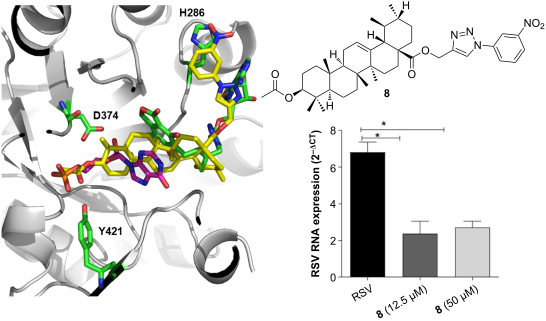
- Figure 3, compound 8 (in yellow sticks) interacted through hydrogen bonds with Arg108 and Tyr421, represented by magenta dots, similar to the interactions observed in the crystallographic complex with IMP and the inhibitor MAD1, in cyan sticks. Moreover, the acetate group (at C-3 position) and nitroaryl
- with compound 8. (B) Viral load quantification by real-time PCR after treatment with compound 8. Superposition of the top-ranked docking solution of compound 8 (carbon atoms in yellow, in stick representation) with the crystallographic poses of IMP and inhibitor MAD1 (color by atoms in stick


Comparison of crystal structure and DFT calculations of triferrocenyl trithiophosphite’s conformance
Beilstein J. Org. Chem. 2022, 18, 1499–1504, doi:10.3762/bjoc.18.157
- vacuo. The product was extracted with benzene (3 × 30 mL) and after evaporation of the solvent triferrocenyl trithiophosphite (1.34 g, 76%) was obtained as a yellow powder. Single crystals suitable for X-ray diffraction were obtained by dissolving the compound in a mixture of benzene/hexane 1:1 and
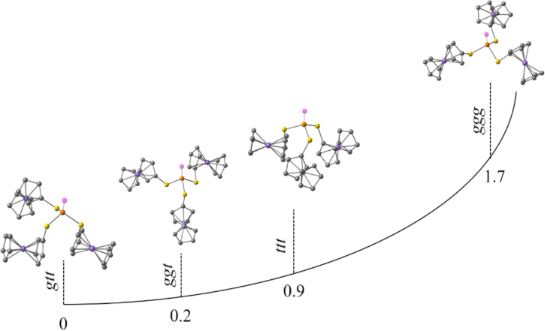
- atoms – orange, S atoms – yellow. Quantum chemically optimized conformations of the (PhS)3P molecule and their relative energies (kcal/mol). Calculated relative energies and dihedral angles Fc(C)–S–P=X (°) (X = LEP, O, S) of four possible conformers of (FcS)3P, (FcS)3PO, and (FcS)3PS. Supporting