
Search for "one-pot synthesis" in Full Text gives 239 result(s) in Beilstein Journal of Organic Chemistry. Showing first 200.
Beilstein J. Org. Chem. 2018, 14, 54–83, doi:10.3762/bjoc.14.4
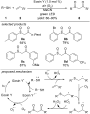
Graphical Abstract
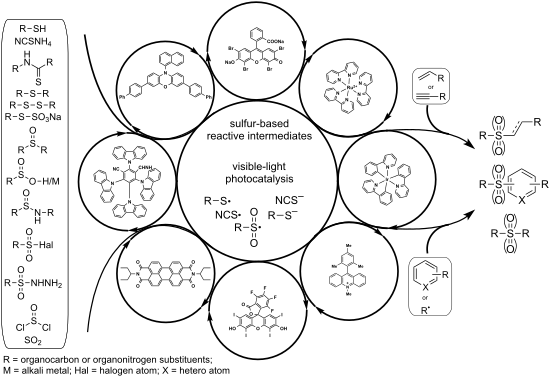
Scheme 1: General overview over the sulfur-based substrates and reactive intermediates that are discussed in ...
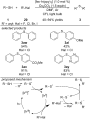
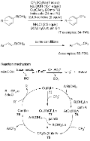
Scheme 2: Photoredox-catalyzed radical thiol–ene reaction, applying [Ru(bpz)3](PF6)2 as photocatalyst.
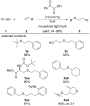
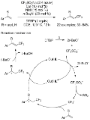
Scheme 3: Photoredox-catalyzed thiol–ene reaction of aliphatic thiols with alkenes enabled by aniline derivat...
Scheme 4: Photoredox-catalyzed radical thiol–ene reaction for the postfunctionalization of polymers (a) and n...
Scheme 5: Photoredox-catalyzed thiol–ene reaction enabled by bromotrichloromethane as redox additive.
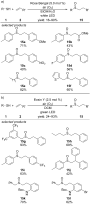
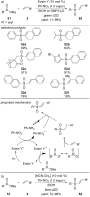
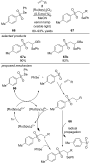
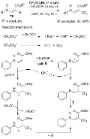
Scheme 6: Photoredox-catalyzed preparation of β-ketosulfoxides with Eosin Y as organic dye as photoredox cata...
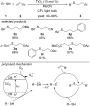
Scheme 7: Greaney’s photocatalytic radical thiol–ene reaction, applying TiO2 nanoparticles as photocatalyst.
Scheme 8: Fadeyi’s photocatalytic radical thiol–ene reaction, applying Bi2O3 as photocatalyst.
Scheme 9: Ananikov’s photocatalytic radical thiol-yne reaction, applying Eosin Y as photocatalyst.
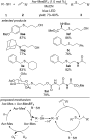
Scheme 10: Organocatalytic visible-light photoinitiated thiol–ene coupling, applying phenylglyoxylic acid as o...
Scheme 11: Xia’s photoredox-catalyzed synthesis of 2,3-disubstituted benzothiophenes, applying 9-mesityl-10-me...
Scheme 12: Wang’s metal-free photoredox-catalyzed radical thiol–ene reaction, applying 9-mesityl-10-methylacri...
Scheme 13: Visible-light benzophenone-catalyzed metal- and oxidant-free radical thiol–ene reaction.
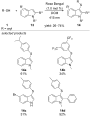
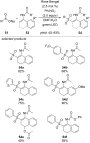
Scheme 14: Visible-light catalyzed C-3 sulfenylation of indole derivatives using Rose Bengal as organic dye.
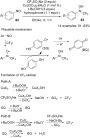
Scheme 15: Photocatalyzed radical thiol–ene reaction and subsequent aerobic sulfide-oxidation with Rose Bengal...
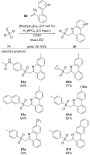
Scheme 16: Photoredox-catalyzed synthesis of diaryl sulfides.
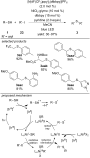
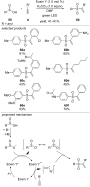
Scheme 17: Photocatalytic cross-coupling of aryl thiols with aryl diazonium salts, using Eosin Y as photoredox...
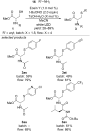
Scheme 18: Photocatalyzed cross-coupling of aryl diazonium salts with cysteines in batch and in a microphotore...
Scheme 19: Fu’s [Ir]-catalyzed photoredox arylation of aryl thiols with aryl halides.
Scheme 20: Fu’s photoredox-catalyzed difluoromethylation of aryl thiols.
Scheme 21: C–S cross-coupling of thiols with aryl iodides via [Ir]-photoredox and [Ni]-dual-catalysis.
Scheme 22: C–S cross-coupling of thiols with aryl bromides, applying 3,7-bis-(biphenyl-4-yl)-10-(1-naphthyl)ph...
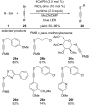
Scheme 23: Collin’s photochemical dual-catalytic cross-coupling of thiols with bromoalkynes.
Scheme 24: Visible-light-promoted C–S cross-coupling via intermolecular electron donor–acceptor complex format...
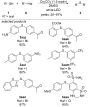
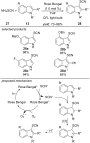
Scheme 25: Li’s visible-light photoredox-catalyzed thiocyanation of indole derivatives with Rose Bengal as pho...
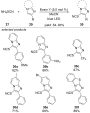
Scheme 26: Hajra’s visible-light photoredox-catalyzed thiocyanation of imidazoheterocycles with Eosin Y as pho...
Scheme 27: Wang’s photoredox-catalyzed thiocyanation reaction of indoles, applying heterogeneous TiO2/MoS2 nan...
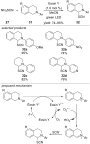
Scheme 28: Yadav’s photoredox-catalyzed α-C(sp3)–H thiocyanation reaction for tertiary amines, applying Eosin ...
Scheme 29: Yadav’s photoredox-catalyzed synthesis of 5-aryl-2-imino-1,3-oxathiolanes.
Scheme 30: Yadav’s photoredox-catalyzed synthesis of 1,3-oxathiolane-2-thiones.
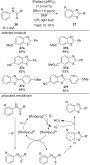
Scheme 31: Li’s photoredox catalysis for the preparation of 2-substituted benzothiazoles, applying [Ru(bpy)3](...
Scheme 32: Lei’s external oxidant-free synthesis of 2-substituted benzothiazoles by merging photoredox and tra...
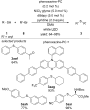
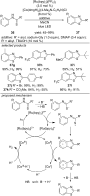
Scheme 33: Metal-free photocatalyzed synthesis of 2-aminobenzothiazoles, applying Eosin Y as photocatalyst.
Scheme 34: Metal-free photocatalyzed synthesis of 1,3,4-thiadiazoles, using Eosin Y as photocatalyst.
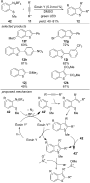
Scheme 35: Visible-light photoredox-catalyzed preparation of benzothiophenes with Eosin Y.
Scheme 36: Visible-light-induced KOH/DMSO superbase-promoted preparation of benzothiophenes.
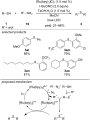
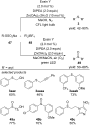
Scheme 37: Jacobi von Wangelin’s photocatalytic approach for the synthesis of aryl sulfides, applying Eosin Y ...
Scheme 38: Visible-light photosensitized α-C(sp3)–H thiolation of aliphatic ethers.
Scheme 39: Visible-light photocatalyzed cross-coupling of alkyl and aryl thiosulfates with aryl diazonium salt...
Scheme 40: Visible-light photocatalyzed, controllable sulfenylation and sulfoxidation with organic thiosulfate...
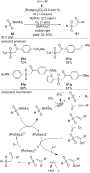
Scheme 41: Rastogi’s photoredox-catalyzed methylsulfoxidation of aryl diazonium salts, using [Ru(bpy)3]Cl2 as ...
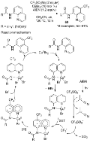
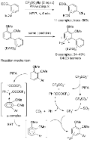
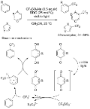
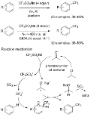
Scheme 42: a) Visible-light metal-free Eosin Y-catalyzed procedure for the preparation of vinyl sulfones from ...
Scheme 43: Visible-light photocatalyzed cross-coupling of sodium sulfinates with secondary enamides.
Scheme 44: Wang’s photocatalyzed oxidative cyclization of phenyl propiolates with sulfinic acids, applying Eos...
Scheme 45: Lei’s sacrificial oxidant-free synthesis of allyl sulfones by merging photoredox and transition met...
Scheme 46: Photocatalyzed Markovnikov-selective radical/radical cross-coupling of aryl sulfinic acids and term...
Scheme 47: Visible-light Eosin Y induced cross-coupling of aryl sulfinic acids and styrene derivatives, afford...
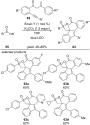
Scheme 48: Photoredox-catalyzed bicyclization of 1,7-enynes with sulfinic acids, applying Eosin Y as photocata...
Scheme 49: Visible-light-accelerated C–H-sulfinylation of arenes and heteroarenes.
Scheme 50: Visible-light photoredox-catalyzed β-selenosulfonylation of electron-rich olefins, applying [Ru(bpy)...
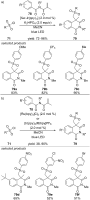
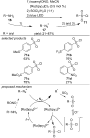
Scheme 51: Photocatalyzed preparation of β-chlorosulfones from the respective olefins and p-toluenesulfonyl ch...
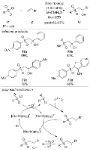
Scheme 52: a) Photocatalyzed preparation of β-amidovinyl sulfones from sulfonyl chlorides. b) Preparation of β...
Scheme 53: Visible-light photocatalyzed sulfonylation of aliphatic tertiary amines, applying [Ru(bpy)3](PF6)2 ...
Scheme 54: Reiser’s visible-light photoredox-catalyzed preparation of β-hydroxysulfones from sulfonyl chloride...
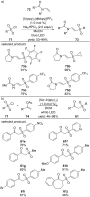
Scheme 55: a) Sun’s visible-light-catalyzed approach for the preparation of isoquinolinonediones, applying [fac...
Scheme 56: Visible-light photocatalyzed sulfonylation/cyclization of vinyl azides, applying [Ru(bpy)3]Cl2 as p...
Scheme 57: Visible-light photocatalyzed procedure for the formation of β-ketosulfones from aryl sulfonyl chlor...
Scheme 58: Zheng’s method for the sulfenylation of indole derivatives, applying sulfonyl chlorides via visible...
Scheme 59: Cai’s visible-light induced synthesis of β-ketosulfones from sulfonyl hydrazines and alkynes.
Scheme 60: Photoredox-catalyzed approach for the preparation of vinyl sulfones from sulfonyl hydrazines and ci...
Scheme 61: Jacobi von Wangelin’s visible-light photocatalyzed chlorosulfonylation of anilines.
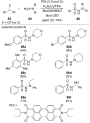
Scheme 62: Three-component photoredox-catalyzed synthesis of N-amino sulfonamides, applying PDI as organic dye....
Scheme 63: Visible-light induced preparation of complex sulfones from oximes, silyl enol ethers and SO2.
Beilstein J. Org. Chem. 2017, 13, 2764–2799, doi:10.3762/bjoc.13.272
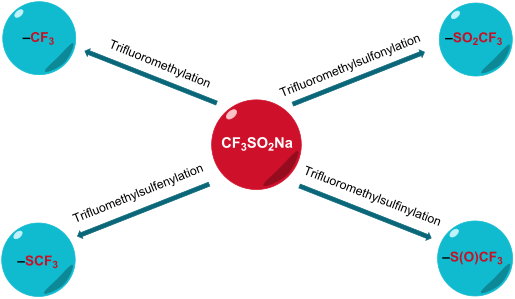
Graphical Abstract
Scheme 1: Trifluoromethylation of enol acetates by Langlois.
Scheme 2: Trifluoromethylation of (het)aryl enol acetates.
Scheme 3: Mechanism for the trifluoromethylation of enol acetates.
Scheme 4: Oxidative trifluoromethylation of unactivated olefins and mechanistic pathway.
Scheme 5: Oxidative trifluoromethylation of acetylenic substrates.
Scheme 6: Metal free trifluoromethylation of styrenes.
Scheme 7: Synthesis of α-trifluoromethylated ketones by oxytrifluoromethylation of heteroatom-functionalised ...
Scheme 8: Catalysed photoredox trifluoromethylation of vinyl azides.
Scheme 9: Oxidative difunctionalisation of alkenyl MIDA boronates.
Scheme 10: Synthesis of β-trifluoromethyl ketones from cyclopropanols.
Scheme 11: Aryltrifluoromethylation of allylic alcohols.
Scheme 12: Cascade multicomponent synthesis of nitrogen heterocycles via azotrifluoromethylation of alkenes.
Scheme 13: Photocatalytic azotrifluoromethylation of alkenes with aryldiazonium salts and CF3SO2Na.
Scheme 14: Copper-promoted intramolecular aminotrifluoromethylation of alkenes with CF3SO2Na.
Scheme 15: Oxytrifluoromethylation of alkenes with CF3SO2Na and hydroxamic acid.
Scheme 16: Manganese-catalysed oxytrifluoromethylation of styrene derivatives.
Scheme 17: Oxytrifluoromethylation of alkenes with NMP/O2 and CF3SO2Na.
Scheme 18: Intramolecular oxytrifluoromethylation of alkenes.
Scheme 19: Hydrotrifluoromethylation of styrenyl alkenes and unactivated aliphatic alkenes.
Scheme 20: Hydrotrifluoromethylation of electron-deficient alkenes.
Scheme 21: Hydrotrifluoromethylation of alkenes by iridium photoredox catalysis.
Scheme 22: Iodo- and bromotrifluoromethylation of alkenes by CF3SO2Na/I2O5 or CF3SO2Na / NaBrO3.
Scheme 23: N-methyl-9-mesityl acridinium and visible-light-induced chloro-, bromo- and SCF3 trifluoromethylati...
Scheme 24: Carbotrifluoromethylation of N-arylacrylamides with CF3SO2Na / TBHP by Lipshutz.
Scheme 25: Carbotrifluoromethylation of N-arylacrylamides with CF3SO2Na/TBHP reported by Lei.
Scheme 26: Carbotrifluoromethylation of N-arylacrylamides with CF3SO2Na/(NH4)2S2O8.
Scheme 27: Metal-free carbotrifluoromethylation of N-arylacrylamides with CF3SO2Na/K2S2O8 reported by Wang.
Scheme 28: Metal-free carbotrifluoromethylation of N-arylacrylamides with CF3SO2Na/PIDA reported by Fu.
Scheme 29: Metal-free cascade trifluoromethylation/cyclisation of N-arylmethacrylamides (a) and enynes (b) wit...
Scheme 30: Trifluoromethylation/cyclisation of N-arylcinnamamides: Synthesis of 3,4-disubstituted dihydroquino...
Scheme 31: Trifluoromethylation/cyclisation of aromatic-containing unsaturated ketones.
Scheme 32: Chemo- and regioselective cascade trifluoromethylation/heteroaryl ipso-migration of unactivated alk...
Scheme 33: Copper-mediated 1,2-bis(trifluoromethylation) of alkenes.
Scheme 34: Trifluoromethylation of aromatics with CF3SO2Na reported by Langlois.
Scheme 35: Baran’s oxidative C–H trifluoromethylation of heterocycles.
Scheme 36: Trifluoromethylation of acetanilides and anilines.
Scheme 37: Trifluoromethylation of heterocycles in water.
Scheme 38: Trifluoromethylation of coumarins in a continuous-flow reactor.
Scheme 39: Oxidative trifluoromethylation of coumarins, quinolines and pyrimidinones.
Scheme 40: Oxidative trifluoromethylation of pyrimidinones and pyridinones.
Scheme 41: Phosphovanadomolybdic acid-catalysed direct C−H trifluoromethylation.
Scheme 42: Oxidative trifluoromethylation of imidazopyridines and imidazoheterocycles.
Scheme 43: Oxidative trifluoromethylation of imidazoheterocycles and imidazoles in ionic liquid/water.
Scheme 44: Oxidative trifluoromethylation of 8-aminoquinolines.
Scheme 45: Oxidative trifluoromethylation of various 8-aminoquinolines using the supported catalyst CS@Cu(OAc)2...
Scheme 46: Oxidative trifluoromethylation of the naphthylamide 70.
Scheme 47: Oxidative trifluoromethylation of various arenes in the presence of CF3SO2Na and sodium persulfate.
Scheme 48: Trifluoromethylation of electron-rich arenes and unsymmetrical biaryls with CF3SO2Na in the presenc...
Figure 1: Trifluoromethylated coumarin and flavone.
Scheme 49: Metal-free trifluoromethylation catalysed by a photoredox organocatalyst.
Scheme 50: Quinone-mediated trifluoromethylation of arenes and heteroarenes.
Scheme 51: Metal- and oxidant-free photochemical trifluoromethylation of arenes.
Scheme 52: Copper-mediated trifluoromethylation of arenediazonium tetrafluoroborates.
Scheme 53: Oxidative trifluoromethylation of aryl- and heteroarylboronic acids.
Scheme 54: Oxidative trifluoromethylation of aryl- and vinylboronic acids.
Scheme 55: Oxidative trifluoromethylation of unsaturated potassium organotrifluoroborates.
Scheme 56: Oxidative trifluoromethylation of (hetero)aryl- and vinyltrifluoroborates.
Scheme 57: Copper−catalysed decarboxylative trifluoromethylation of cinnamic acids.
Scheme 58: Iron-mediated decarboxylative trifluoromethylation of α,β-unsaturated carboxylic acids.
Scheme 59: Cu/Ag-catalysed decarboxylative trifluoromethylation of cinnamic acids.
Scheme 60: I2O5-Promoted decarboxylative trifluoromethylation of cinnamic acids.
Scheme 61: Silver(I)-catalysed denitrative trifluoromethylation of β-nitrostyrenes.
Scheme 62: Copper-catalysed direct trifluoromethylation of styrene derivatives.
Scheme 63: Transition-metal-free synthesis of β-trifluoromethylated enamines.
Scheme 64: I2O5-mediated iodotrifluoromethylation of alkynes.
Scheme 65: Silver-catalysed tandem trifluoromethylation/cyclisation of aryl isonitriles.
Scheme 66: Photoredox trifluoromethylation of 2-isocyanobiphenyls.
Scheme 67: Trifluoromethylation of potassium alkynyltrifluoroborates with CF3SO2Na.
Scheme 68: N-trifluoromethylation of nitrosoarenes with CF3SO2Na (SQ: semiquinone).
Scheme 69: Trifluoromethylation of disulfides with CF3SO2Na.
Scheme 70: Trifluoromethylation of thiols with CF3SO2Na/I2O5.
Scheme 71: Electrophilic trifluoromethylsulfenylation by means of CF3SO2Na/(EtO)2P(O)H/CuCl/DMSO.
Scheme 72: Electrophilic trifluoromethylsulfenylation by means of CF3SO2Na/(EtO)2P(O)H/TMSCl.
Scheme 73: Electrophilic trifluoromethylsulfenylation by means of CF3SO2Na/PPh3/N-chlorophthalimide.
Scheme 74: Electrophilic trifluoromethylsulfenylation by means of CF3SO2Na/PCl3.
Scheme 75: Electrophilic trifluoromethylsulfenylation by means of CF3SO2Na/PCl3.
Scheme 76: Trifluoromethylsulfenylation of aryl iodides with in situ generated CuSCF3 (DMI: 1,3-dimethyl-2-imi...
Scheme 77: Pioneering trifluoromethylsulfinylation of N, O, and C-nucleophiles.
Scheme 78: Trifluoromethylsulfinylation of (1R,2S)-ephedrine (Im: imidazole; DIEA: N,N-diisopropylethylamine).
Scheme 79: Trifluoromethylsulfinylation of substituted benzenes with CF3SO2Na/CF3SO3H.
Scheme 80: Trifluoromethylsulfinylation of indoles with CF3SO2Na/P(O)Cl3.
Scheme 81: Trifluoromethylsulfinylation of indoles with CF3SO2Na/PCl3.
Scheme 82: Formation of triflones from benzyl bromides (DMA: dimethylacetamide).
Scheme 83: Formation of α-trifluoromethylsulfonyl ketones, esters, and amides.
Scheme 84: Allylic trifluoromethanesulfonylation of aromatic allylic alcohols.
Scheme 85: Copper-catalysed couplings of aryl iodonium salts with CF3SO2Na.
Scheme 86: Palladium-catalysed trifluoromethanesulfonylation of aryl triflates and chlorides with CF3SO2Na.
Scheme 87: Copper-catalysed coupling of arenediazonium tetrafluoroborates with CF3SO2Na.
Scheme 88: Synthesis of phenyltriflone via coupling of benzyne with CF3SO2Na.
Scheme 89: Synthesis of 1-trifluoromethanesulfonylcyclopentenes from 1-alkynyl-λ3-bromanes and CF3SO2Na.
Scheme 90: One-pot synthesis of functionalised vinyl triflones.
Scheme 91: Regioselective synthesis of vinyltriflones from styrenes.
Scheme 92: Trifluoromethanesulfonylation of alkynyl(phenyl) iodonium tosylates by CF3SO2Na.
Scheme 93: Synthesis of thio- and selenotrifluoromethanesulfonates.
Beilstein J. Org. Chem. 2017, 13, 2739–2750, doi:10.3762/bjoc.13.270
Graphical Abstract
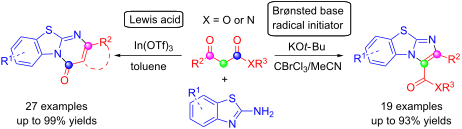
Scheme 1: Two different intermolecular cyclization pathways controlled by reagents used.
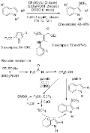
Scheme 2: Scope of reaction. Reaction conditions: 1 (1.2 mmol), 2 (1.0 mmol), KOt-Bu (2 mmol), in 3 mL CBrCl3...
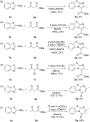
Scheme 3: Scope of the reaction. Reaction conditions: 1 (1.0 mmol), 2 (1.5 mmol), In(OTf)3 (0.1 mmol), in 1.5...
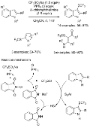
Scheme 4: Control experiments.
Figure 1: Proposed mechanism (benzo[d]imidazo[2,1-b]thiazoles).
Figure 2: Proposed mechanism (benzo[4,5]thiazolo[3,2-a]pyrimidin-4-ones).
Beilstein J. Org. Chem. 2017, 13, 2596–2602, doi:10.3762/bjoc.13.256
Graphical Abstract
Figure 1: Tetrazole-containing drugs.
Scheme 1: Synthesis of acylhydrazino bis(1,5-disubstituted tetrazoles) through two hydrazino-Ugi-azide reacti...
Scheme 2: Synthesis of hydrazides 2a–c. Reagents and conditions: (i) N2H4·H2O, EtOH, reflux, 2–3 h; (ii) CH3I...
Scheme 3: Synthesis of acylhydrazino 1,5-disubstituted tetrazoles 10a–h through multicomponent reactions invo...
Scheme 4: Synthesis of acylhydrazino 1,5-disubstituted tetrazoles 10i–m through multicomponent reactions invo...
Scheme 5: Synthesis of acylhydrazino bis(1,5-disubstituted tetrazoles) 12a–d.
Scheme 6: Possible postmodification reactions of the acylhydrazino bis(1,5-disubstituted tetrazoles) 12a–d.
Beilstein J. Org. Chem. 2017, 13, 2340–2351, doi:10.3762/bjoc.13.231
Graphical Abstract
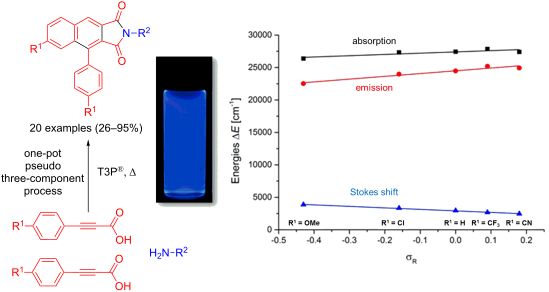
Scheme 1: Mechanistic rationale and optimization of the domino synthesis of 4-arylnaphtho[2,3-c]furan-1,3-dio...
Scheme 2: Domino synthesis of 4-arylnaphtho[2,3-c]furan-1,3-diones 2 via in situ activation of arylpropiolic ...
Scheme 3: Optimization of the synthesis of 2,4-diphenyl-1H-benzo[f]isoindole-1,3(2H)-dione (4a) by imidation ...
Scheme 4: Pseudo three-component synthesis of 4-aryl-1H-benzo[f]isoindole-1,3(2H)-diones 4.
Scheme 5: Modified sequence for the synthesis of acceptor-substituted 4-aryl-1H-benzo[f]isoindole-1,3(2H)-dio...
Figure 1: The ORTEP-style plot of crystal structure 4b (ellipsoids are draw at the 40% probability level).
Scheme 6: Pseudo four-component synthesis of (E)-2,9-diphenyl-3-(phenylimino)-2,3-dihydro-1H-benzo[f]isoindol...
Scheme 7: Synthesis of 6-phenyl-12H-benzo[f]benzo[4,5]imidazo[2,1-a]isoindol-12-one (6).
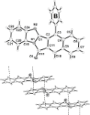
Figure 2: The ORTEP-type plot of the crystal structure 5 (left) and a centrosymmetric dimer formation by π–π ...
Figure 3: The ORTEP-type plot of the asymmetric unit of the crystal structure 6 (top) and π-stacking interact...
Figure 4: Emission properties of compounds 4a,b,d–f, 5, and 6 under handheld UV-lamp (λexc ≈ 350 nm).
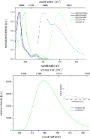
Figure 5: Relative emission intensities of compounds 4a,b,d–f (recorded in CH2Cl2 UVASOL® at T = 293 K; λexc ...
Figure 6: Absorption and emission properties of selected imides 4 measured in CH2Cl2 UVASOL® at 293 K with λe...
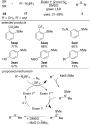
Figure 7: Hammett–Taft correlations of the emission maxima (red circles, lmax,em = 4274 · sR + 24495 [cm−1], R...
Figure 8: Relative emission intensities of the 1-phenyl-2,3-naphthaleneimide 4a (blue) and the pentacyclus 6 ...
Beilstein J. Org. Chem. 2017, 13, 2115–2121, doi:10.3762/bjoc.13.208
Graphical Abstract
Figure 1: Representative examples of bioactive imidazo[1,2-a]pyridines, imidazo[1,2-a]pyrimidines, imidazopyr...
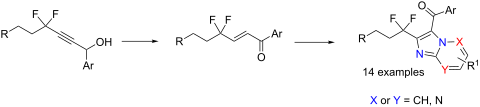
Scheme 1: Retrosynthetic scheme for the preparation of our target molecules A.
Scheme 2: Synthesis of enones 6 with a gem-difluoroalkyl side chain.
Scheme 3: Synthesis of 7a.
Figure 2: Structures of 7a and 7e by X-ray crystallography analysis.
Scheme 4: One-pot synthesis of 7a.
Beilstein J. Org. Chem. 2017, 13, 2094–2114, doi:10.3762/bjoc.13.207
Graphical Abstract
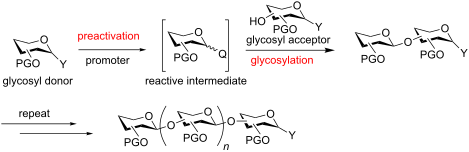
Scheme 1: a) Traditional glycosylation typically employs the premixed approach with both the donor and the ac...
Scheme 2: Glycosylation of an unreactive substrate. Reagents and conditions: (a) Tf2O, −78 °C, CH2Cl2 (DCM), ...
Scheme 3: Bromoglycoside-mediated glycosylation.
Scheme 4: Glycosyl bromide-mediated selenoglycosyl donor-based iterative glycosylation. Reagents and conditio...
Scheme 5: Preactivation-based glycosylation using 2-pyridyl glycosyl donors.
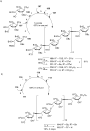
Scheme 6: Chemoselective dehydrative glycosylation. Reagents and conditions: (a) Ph2SO, Tf2O, 2-chloropyridin...
Figure 1: Representative structures of products formed by the preactivation-based dehydrative glycosylation o...
Scheme 7: Possible mechanism for the dehydrative glycosylation. (a) Formation of diphenyl sulfide bis(triflat...
Scheme 8: Chemoselective iterative dehydrative glycosylation. Reagents and conditions: (a) Ph2SO, Tf2O, 2,4,6...
Scheme 9: Chemoselective iterative dehydrative glycosylation. Reagents and conditions: (a) Ph2SO, Tf2O, −40 °...
Scheme 10: Chemical synthesis of a hyaluronic acid (HA) trimer 47. Reagents and conditions: (a) Ph2SO, TTBP, CH...
Figure 2: Retrosynthetic analysis of pentasaccharide 48.
Scheme 11: Effects of anomeric leaving groups on glycosylation outcomes. Reagents and conditions: (a) Ph2SO, Tf...
Scheme 12: Reactivity-based one-pot chemoselective glycosylation.
Scheme 13: Preactivation-based iterative glycosylation of thioglycosides.
Scheme 14: BSP/Tf2O promoted synthesis of 75.
Scheme 15: Proposed mechanism for preactivation-based glycosylation strategy.
Figure 3: The preactivations of glycosyl donors 83, 85 and 87 were investigated by low temperature NMR, which...
Scheme 16: The more electron-rich glycosyl donor 91 gave a higher glycosylation yield than the glycosyl donor ...
Scheme 17: Comparison of the BSP/Tf2O and p-TolSCl/AgOTf promoter systems in facilitating the preactivation-ba...
Scheme 18: One-pot synthesis of Globo-H hexasaccharide 105 using building blocks 101, 102, 103 and 104.
Scheme 19: Synthesis of (a) oligosaccharides 109–113 towards (b) 30-mer galactan 115. Reagents and conditions:...
Figure 4: Structure of mycobacterial arabinogalactan 116.
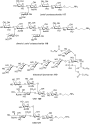
Figure 5: Representative complex glycans from glycolipid family synthesized by the preactivation-based thiogl...
Figure 6: Representative microbial and mammalian oligosaccharides synthesized by the preactivation-based thio...
Figure 7: Some representative mammalian oligosaccharides synthesized by the preactivation-based thioglycoside...
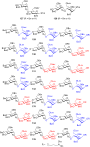
Figure 8: Preparation of a heparan sulfate oligosaccharides library.
Scheme 20: Synthesis of oligo-glucosamines through electrochemical promoted preactivation-based thioglycoside ...
Scheme 21: Synthesis of 2-deoxyglucosides through preactivation. Reagents and conditions: a) AgOTf, p-TolSCl, ...
Scheme 22: Synthesis of tetrasaccharide 153. Reagents and conditions: (a) AgOTf, p-TolSCl, CH2Cl2, −78 °C; the...
Scheme 23: Aglycon transfer from a thioglycosyl acceptor to an activated donor can occur during preactivation-...
Beilstein J. Org. Chem. 2017, 13, 2068–2077, doi:10.3762/bjoc.13.204
Graphical Abstract
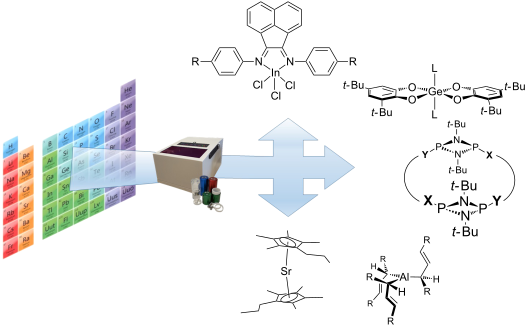
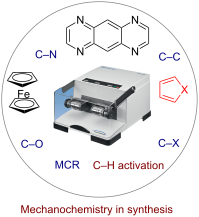
Scheme 1: Variables associated with ball-milling (left) and solvent-based methodologies (right).
Scheme 2: Examples of mechanochemically produced species (a [48], b [62], c [63], d [64], e [65], f [66], g [67], h [68]). The symbol for mec...
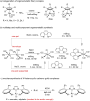
Scheme 3: Mechanochemical synthesis of SrCp′2(OEt2) (Cp′ = C5Me4(n-Pr)).
Scheme 4: Mechanochemical synthesis of the Ar-BIAN ligands and indium(III) complexes (top). One-pot synthesis...
Scheme 5: Synthesis of germanes from germanium (Ge) or germanium oxide (GeO2).
Scheme 6: Ball-milling nucleophilic substitution reactions to produce acyclic and cyclic cyclodiphosphazanes.
Scheme 7: Mechanochemical reactions of potassium 1,3-bis(trimethylsillylallyl) with group 13 (top) and 15 (bo...
Scheme 8: Synthesis of adamantoid phosphazane framework from its double-decker isomer for R = iPr and t-Bu (l...
Beilstein J. Org. Chem. 2017, 13, 2023–2027, doi:10.3762/bjoc.13.200
Graphical Abstract
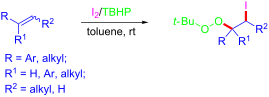
Scheme 1: Synthesis of 1-(tert-butylperoxy)-2-iodoethanes.
Scheme 2: Direct vicinal difunctionalization of alkenes. All reactions were carried out on a 2.0 mmol scale u...
Scheme 3: Possible reaction mechanism.
Beilstein J. Org. Chem. 2017, 13, 1977–1981, doi:10.3762/bjoc.13.193
Graphical Abstract
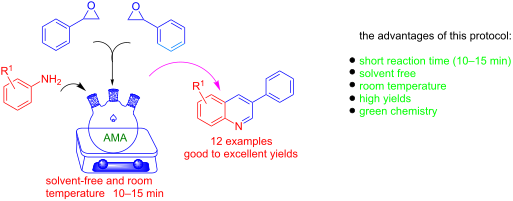
Scheme 1: Synthesis of 3-arylquinolines from anilines and styrene oxide. AMA = Al2O3/methanesulfonic acid
Figure 1: Investigation of the reusability of Al2O3.
Beilstein J. Org. Chem. 2017, 13, 1950–1956, doi:10.3762/bjoc.13.189
Graphical Abstract
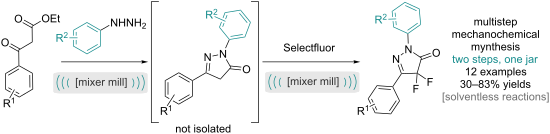
Scheme 1: Factors to be considered regarding the physical form in the one-pot two-step mechanochemical proced...
Scheme 2: Optimised conditions for the one-pot synthesis.
Scheme 3: Substrate scope of the one-pot, 2 step mechanochemical synthesis (isolated yields). a1 equiv Select...
Beilstein J. Org. Chem. 2017, 13, 1907–1931, doi:10.3762/bjoc.13.186
Graphical Abstract
Scheme 1: Mechanochemical aldol condensation reactions [48].
Scheme 2: Enantioselective organocatalyzed aldol reactions under mechanomilling. a) Based on binam-(S)-prolin...
Scheme 3: Mechanochemical Michael reaction [51].
Scheme 4: Mechanochemical organocatalytic asymmetric Michael reaction [52].
Scheme 5: Mechanochemical Morita–Baylis–Hillman (MBH) reaction [53].
Scheme 6: Mechanochemical Wittig reactions [55].
Scheme 7: Mechanochemical Suzuki reaction [56].
Scheme 8: Mechanochemical Suzuki–Miyaura coupling by LAG [57].
Scheme 9: Mechanochemical Heck reaction [59].
Scheme 10: a) Sonogashira coupling under milling conditions. b) The representative example of a double Sonogas...
Scheme 11: Copper-catalyzed CDC reaction under mechanomilling [67].
Scheme 12: Asymmetric alkynylation of prochiral sp3 C–H bonds via CDC [68].
Scheme 13: Fe(III)-catalyzed CDC coupling of 3-benzylindoles [69].
Scheme 14: Mechanochemical synthesis of 3-vinylindoles and β,β-diindolylpropionates [70].
Scheme 15: Mechanochemical C–N bond construction using anilines and arylboronic acids [78].
Scheme 16: Mechanochemical amidation reaction from aromatic aldehydes and N-chloramine [79].
Scheme 17: Mechanochemical CDC between benzaldehydes and benzyl amines [81].
Scheme 18: Mechanochemical protection of -NH2 and -COOH group of amino acids [85].
Scheme 19: Mechanochemical Ritter reaction [87].
Scheme 20: Mechanochemical synthesis of dialkyl carbonates [90].
Scheme 21: Mechanochemical transesterification reaction using basic Al2O3 [91].
Scheme 22: Mechanochemical carbamate synthesis [92].
Scheme 23: Mechanochemical bromination reaction using NaBr and oxone [96].
Scheme 24: Mechanochemical aryl halogenation reactions using NaX and oxone [97].
Scheme 25: Mechanochemical halogenation reaction of electron-rich arenes [88,98].
Scheme 26: Mechanochemical aryl halogenation reaction using trihaloisocyanuric acids [100].
Scheme 27: Mechanochemical fluorination reaction by LAG method [102].
Scheme 28: Mechanochemical Ugi reaction [116].
Scheme 29: Mechanochemical Passerine reaction [116].
Scheme 30: Mechanochemical synthesis of α-aminonitriles [120].
Scheme 31: Mechanochemical Hantzsch pyrrole synthesis [121].
Scheme 32: Mechanochemical Biginelli reaction by subcomponent synthesis approach [133].
Scheme 33: Mechanochemical asymmetric multicomponent reaction[134].
Scheme 34: Mechanochemical Paal–Knorr pyrrole synthesis [142].
Scheme 35: Mechanochemical synthesis of benzothiazole using ZnO nano particles [146].
Scheme 36: Mechanochemical synthesis of 1,2-di-substituted benzimidazoles [149].
Scheme 37: Mechanochemical click reaction using an alumina-supported Cu-catalyst [152].
Scheme 38: Mechanochemical click reaction using copper vial [155].
Scheme 39: Mechanochemical indole synthesis [157].
Scheme 40: Mechanochemical synthesis of chromene [158].
Scheme 41: Mechanochemical synthesis of azacenes [169].
Scheme 42: Mechanochemical oxidative C-P bond formation [170].
Scheme 43: Mechanochemical C–chalcogen bond formation [171].
Scheme 44: Solvent-free synthesis of an organometallic complex.
Scheme 45: Selective examples of mechano-synthesis of organometallic complexes. a) Halogenation reaction of Re...
Scheme 46: Mechanochemical activation of C–H bond of unsymmetrical azobenzene [178].
Scheme 47: Mechanochemical synthesis of organometallic pincer complex [179].
Scheme 48: Mechanochemical synthesis of tris(allyl)aluminum complex [180].
Scheme 49: Mechanochemical Ru-catalyzed olefin metathesis reaction [181].
Scheme 50: Rhodium(III)-catalyzed C–H bond functionalization under mechanochemical conditions [182].
Scheme 51: Mechanochemical Csp2–H bond amidation using Ir(III) catalyst [183].
Scheme 52: Mechanochemical Rh-catalyzed Csp2–X bond formation [184].
Scheme 53: Mechanochemical Pd-catalyzed C–H activation [185].
Scheme 54: Mechanochemical Csp2–H bond amidation using Rh catalyst.
Scheme 55: Mechanochemical synthesis of indoles using Rh catalyst [187].
Scheme 56: Mizoroki–Heck reaction of aminoacrylates with aryl halide in a ball-mill [58].
Scheme 57: IBX under mechanomilling conditions [8].
Scheme 58: Thiocarbamoylation of anilines; trapping of reactive aryl-N-thiocarbamoylbenzotriazole intermediate...
Beilstein J. Org. Chem. 2017, 13, 1900–1906, doi:10.3762/bjoc.13.185
Graphical Abstract
Scheme 1: Reactions of diphenyl and phenyl selenophen-2-yl thioketones with diazomethane (CH2N2; Sel = seleno...
Scheme 2: Reaction of diaryl thioketones with trimethylsilyldiazomethane (TMS-CHN2).
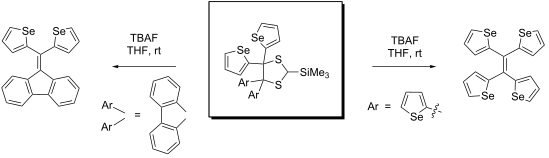
Scheme 3: Formation of tetraaryl/hetarylethenes 9 from the reaction of TMS-CHN2 with diaryl/hetaryl thioketon...
Scheme 4: Synthesis of dibenzofulvenes 9g–k.
Scheme 5: a) Mechanistic explanation for formation of ethenes 9 from dithiolanes of type 6 and b) desilylatio...
Beilstein J. Org. Chem. 2017, 13, 1670–1692, doi:10.3762/bjoc.13.162
Graphical Abstract
Figure 1: Representative bioactive heterocycles.
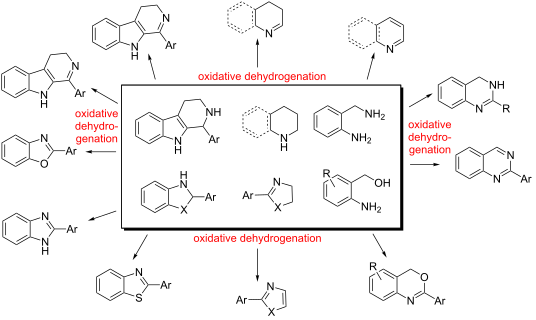
Scheme 1: The concept of oxidative dehydrogenation.
Scheme 2: IBX-mediated oxidative dehydrogenation of various heterocycles [31-34].
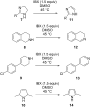
Scheme 3: Potential mechanism of IBX-mediated oxidative dehydrogenation of N-heterocycles [31-34].
Scheme 4: IBX-mediated room temperature one-pot condensation–oxidative dehydrogenation of o-aminobenzylamines....
Scheme 5: Anhydrous cerium chloride-catalyzed, IBX-mediated oxidative dehydrogenation of various heterocycles...
Scheme 6: Oxidative dehydrogenation of quinazolinones with I2 and DDQ [37-40].
Scheme 7: DDQ-mediated oxidative dehydrogenation of thiazolidines and oxazolidines.
Scheme 8: Oxone-mediated oxidative dehydrogenation of intermediates from o-phenylenediamine and o-aminobenzyl...
Scheme 9: Transition metal-free oxidative cross-dehydrogenative coupling.
Scheme 10: NaOCl-mediated oxidative dehydrogenation.
Scheme 11: NBS-mediated oxidative dehydrogenation of tetrahydro-β-carbolines.
Scheme 12: One-pot synthesis of various methyl(hetero)arenes from o-aminobenzamide in presence of di-tert-buty...
Scheme 13: Oxidative dehydrogenation of 1, 4-DHPs.
Scheme 14: Synthesis of quinazolines in the presence of MnO2.
Scheme 15: Selenium dioxide and potassium dichromate-mediated oxidative dehydrogenation of tetrahydro-β-carbol...
Scheme 16: Synthesis of substituted benzazoles in the presence of barium permanganate.
Scheme 17: Oxidative dehydrogenation with phenanthroline-based catalysts. PPTS = pyridinium p-toluenesulfonic ...
Scheme 18: Oxidative dehydrogenation with Flavin mimics.
Scheme 19: o-Quinone based bioinspired catalysts for the synthesis of dihydroisoquinolines.
Scheme 20: Cobalt-catalyzed aerobic dehydrogenation of Hantzch 1,4-DHPs and pyrazolines.
Scheme 21: Mechanism of cobalt-catalyzed aerobic dehydrogenation of Hantzch 1,4-DHPs.
Scheme 22: DABCO and TEMPO-catalyzed aerobic oxidative dehydrogenation of quinazolines and 4H-3,1-benzoxazines....
Scheme 23: Putative mechanism for Cu(I)–DABCO–TEMPO catalyzed aerobic oxidative dehydrogenation of tetrahydroq...
Scheme 24: Potassium triphosphate modified Pd/C catalysts for the oxidative dehydrogenation of tetrahydroisoqu...
Scheme 25: Ruthenium-catalyzed polycyclic heteroarenes.
Scheme 26: Plausible mechanism of the ruthenium-catalyzed dehydrogenation.
Scheme 27: Bi-metallic platinum/iridium alloyed nanoclusters and 5,5’,6,6’-tetrahydroxy-3,3,3’,3’-tetramethyl-...
Scheme 28: Magnesium iodide-catalyzed synthesis of quinazolines.
Scheme 29: Ferrous chloride-catalyzed aerobic dehydrogenation of 1,2,3,4-tetrahydroquinolines.
Scheme 30: Cu(I)-catalyzed oxidative aromatization of indoles.
Scheme 31: Putative mechanism of the transformation.
Scheme 32: Oxidative dehydrogenation of pyrimidinones and pyrimidines.
Scheme 33: Putative mechanisms (radical and metal-catalyzed) of the transformation.
Scheme 34: Ferric chloride-catalyzed, TBHP-oxidized synthesis of substituted quinazolinones and arylquinazolin...
Scheme 35: Iridium-catalyzed oxidative dehydrogenation of quinolines.
Scheme 36: Microwave-assisted synthesis of β-carboline with a catalytic amount of Pd/C in lithium carbonate at...
Scheme 37: 4-Methoxy-TEMPO-catalyzed aerobic oxidative synthesis of 2-substituted benzazoles.
Scheme 38: Plausible mechanism of the 4-methoxy-TEMPO-catalyzed transformation.
Scheme 39: One-pot synthesis of 2-arylquinazolines, catalyzed by 4-hydroxy-TEMPO.
Scheme 40: Oxidative dehydrogenation – a key step in the synthesis of AZD8926.
Scheme 41: Catalytic oxidative dehydrogenation of tetrahydroquinolines to afford bioactive molecules.
Scheme 42: Iodobenzene diacetate-mediated synthesis of β-carboline natural products.
Beilstein J. Org. Chem. 2017, 13, 1478–1485, doi:10.3762/bjoc.13.146
Graphical Abstract
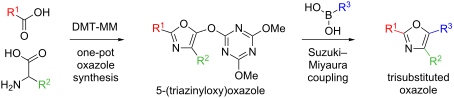
Scheme 1: Our strategy for the concise synthesis of 2,4,5-trisubstituted oxazoles.
Scheme 2: Synthesis of DMPOPOP.
Beilstein J. Org. Chem. 2017, 13, 1310–1315, doi:10.3762/bjoc.13.127
Graphical Abstract
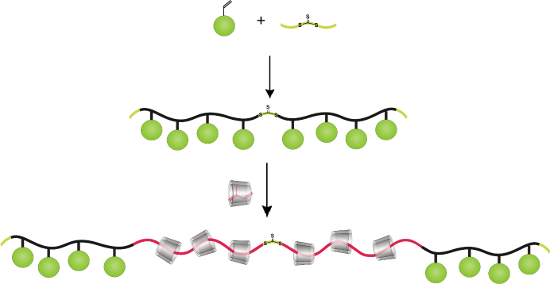
Scheme 1: Synthesis route of RAMEB based statistical polyrotaxane.
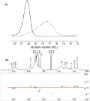
Figure 1: (a) GPC trace of the polyHEMA-co-polyisoprene polyrotaxane 1 and (b) 500 MHz 1H NMR and DOSY spectr...
Scheme 2: Schematic representation of the synthetic procedure for the preparation of randomly methylated β-CD...
Figure 2: (a) GPC traces of the macroCTA 5 (solid line) and the poly(TRIS-AAm)-b-polyisoprene-b-poly(TRIS-AAm...
Beilstein J. Org. Chem. 2017, 13, 960–987, doi:10.3762/bjoc.13.97
Graphical Abstract
Figure 1: A number of experiments for various optimization algorithms [46].
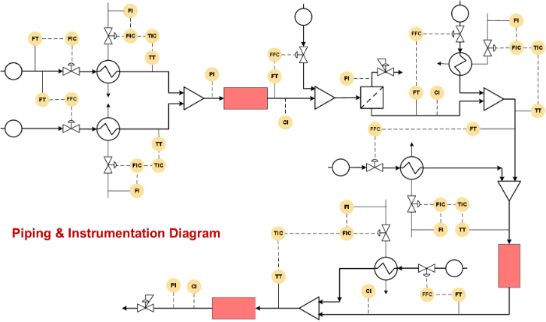
Figure 2: Symbols used for block and P&ID diagrams.
Scheme 1: Multistep synthesis of olanzapine (Hartwig et al. [10])
Figure 3: (A) Block diagram representation of the process shown in Scheme 1, (B) piping and instrumentation diagram o...
Scheme 2: Multistep flow synthesis for tamoxifen (Murray et al. [11]).
Figure 4: (A) Block diagram representation of the process shown in Scheme 2, (B) piping and instrumentation diagram o...
Figure 5: (A) Block diagram representation of the process shown in Scheme 3, (B) piping and instrumentation diagram o...
Scheme 3: Multistep flow synthesis of rufinamide (Zhang et al. [14]).
Figure 6: (A) Block diagram representation of the process shown in Scheme 4, (B) piping and instrumentation diagram o...
Scheme 4: Multistep synthesis for (±)-Oxomaritidine (Baxendale et al. [9]).
Figure 7: (A) Block diagram representation of the process shown in Scheme 5, (B) piping and instrumentation diagram o...
Scheme 5: Multistep synthesis for ibuprofen (Snead and Jamison [60]).
Scheme 6: Multistep synthesis for cinnarizine and buclizine derivatives (Borukhova et al. [23])
Figure 8: (A) Block diagram representation of the process shown in Scheme 6, (B) piping and instrumentation diagram o...
Scheme 7: Multistep synthesis for (S)-rolipram (Tsubogo et al. [4])
Figure 9: (A) Block diagram representation of the process shown in Scheme 7 (colours for each reactor shows different...
Figure 10: (A) Block diagram representation of the process shown in Scheme 8, (B) piping and instrumentation diagram o...
Scheme 8: Multistep synthesis for amitriptyline (Kupracz and Kirschning [7]).
Beilstein J. Org. Chem. 2017, 13, 910–918, doi:10.3762/bjoc.13.92
Graphical Abstract
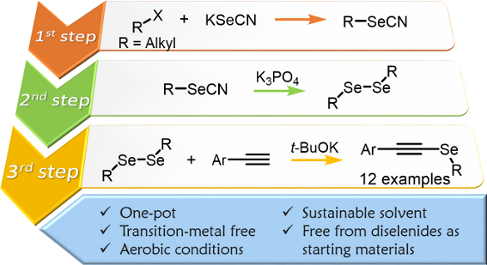
Scheme 1: One-pot synthesis of vinyl and alkynyl selenides.
Scheme 2: Effect of t-BuOK on the formation of n-octyl alkynyl selenide 5a.
Scheme 3: Effect of reactants concentration on alkynyl selenide formation.
Scheme 4: Synthesis of N-ethyl-2-(n-octylselanyl)-1H-indole (9) and 3-iodo-2-(n-octylselanyl)benzofuran (10).
Scheme 5: Control reactions and mechanistic study.
Scheme 6: Proposed mechanism for the formation of selenides 5.
Scheme 7: Proposed mechanism for the formation of indole 9.
Beilstein J. Org. Chem. 2017, 13, 625–638, doi:10.3762/bjoc.13.61
Graphical Abstract
Figure 1: Selected examples of bioactive thiazole derivatives.
Figure 2: Some natural sources of thiazoles.
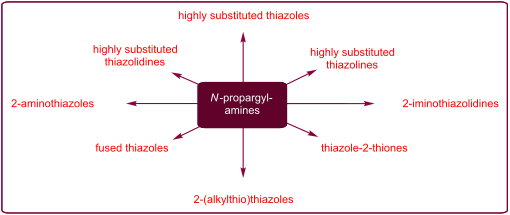
Figure 3: Some important thiazole-based compounds derived from N-propargylamines.
Scheme 1: The synthesis of thiazole-2-thiones 3 through the thermal cyclocondensation of N-propargylamines 1 ...
Scheme 2: (a) One-pot synthesis of 2-benzylthiazolo[3,2-a]benzimidazoles 6 through a base-catalyzed cascade r...
Scheme 3: (a) Synthesis of 2-iminothiazolidines 11 from N-propargylamines 9 and isothiocyanates 10. (b) Synth...
Scheme 4: (a) Synthesis of 2-aminothiazoles 17 through the reaction of ethyl 4-aminobut-2-ynoate salts 15 wit...
Scheme 5: Synthesis of 5-(iodomethylene)-3-methylthiazolidines 27 described by Zhou.
Scheme 6: Mechanism that accounts for the formation of 27.
Scheme 7: Clausen’s synthesis of fluorescein thiazolidines 30.
Scheme 8: Synthesis of multiply substituted thiazolidines 33 from N-propargylamines 32 and blocked N-isothioc...
Scheme 9: (a) Microwave-assisted cyclization of N-propargyl thiocarbamate 34. (b) Synthesis of thiazoles 39 t...
Scheme 10: Synthesis of thiazolidines 42 (42’) from the reaction of β-oxodithioesters 40 (40’) with N-propargy...
Scheme 11: Synthesis of 5-(dibromomethyl)thiazoles 44 via halocyclization of N-propargylamines 43 described by...
Scheme 12: Synthesis of dihydrothiazoles 46 through the treatment of N-propargylamides 45 with Lawesson’s reag...
Scheme 13: Synthesis of thiazoles 49 by treatment of silyl-protected N-propargylamines 47 with benzotriazolylt...
Scheme 14: Mechanism proposed to explain the synthesis of 2,5-disubstituted thiazoles 49 developed by Sasmal.
Scheme 15: Mo-catalyzed cyclization of N-propargylthiocarbamate 50.
Scheme 16: (a) DABCO-mediated intramolecular cyclization of N-(propargylcarbamothioyl)amides 53 to the corresp...
Scheme 17: Proposed mechanism for the generation of the iodine-substituted 4H-1,3-thiazines 56 and 4,5-dihydro...
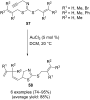
Scheme 18: Au(III)-catalyzed synthesis of 5-alkylidenedihydrothiazoles 58 developed by Stevens.
Beilstein J. Org. Chem. 2017, 13, 451–494, doi:10.3762/bjoc.13.48
Graphical Abstract
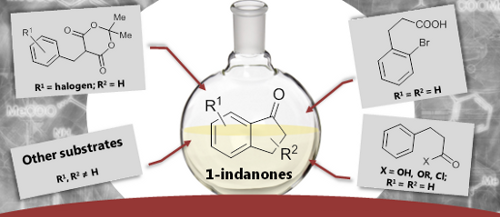
Figure 1: Biologically active 1-indanones and their structural analogues.
Figure 2: Number of papers about (a) 1-indanones, (b) synthesis of 1-indanones.
Scheme 1: Synthesis of 1-indanone (2) from hydrocinnamic acid (1).
Scheme 2: Synthesis of 1-indanone (2) from 3-(2-bromophenyl)propionic acid (3).
Scheme 3: Synthesis of 1-indanones 5 from 3-arylpropionic acids 4.
Scheme 4: Synthesis of kinamycin (9a) and methylkinamycin C (9b).
Scheme 5: Synthesis of trifluoromethyl-substituted arylpropionic acids 12, 1-indanones 13 and dihydrocoumarin...
Scheme 6: Synthesis of 1-indanones 16 from benzoic acids 15.
Scheme 7: Synthesis of 1-indanones 18 from arylpropionic and 3-arylacrylic acids 17.
Scheme 8: The NbCl5-induced one-step synthesis of 1-indanones 22.
Scheme 9: Synthesis of biologically active 1-indanone derivatives 26.
Scheme 10: Synthesis of enantiomerically pure indatraline ((−)-29).
Scheme 11: Synthesis of 1-indanone (2) from the acyl chloride 30.
Scheme 12: Synthesis of the mechanism-based inhibitors 33 of coelenterazine.
Scheme 13: Synthesis of the indane 2-imidazole derivative 37.
Scheme 14: Synthesis of fluorinated PAHs 41.
Scheme 15: Synthesis of 1-indanones 43 via transition metal complexes-catalyzed carbonylative cyclization of m...
Scheme 16: Synthesis of 6-methyl-1-indanone (46).
Scheme 17: Synthesis of 1-indanone (2) from ester 48.
Scheme 18: Synthesis of benzopyronaphthoquinone 51 from the spiro-1-indanone 50.
Scheme 19: Synthesis of the selective endothelin A receptor antagonist 55.
Scheme 20: Synthesis of 1-indanones 60 from methyl vinyl ketone (57).
Scheme 21: Synthesis of 1-indanones 64 from diethyl phthalate 61.
Scheme 22: Synthesis of 1-indanone derivatives 66 from various Meldrum’s acids 65.
Scheme 23: Synthesis of halo 1-indanones 69.
Scheme 24: Synthesis of substituted 1-indanones 71.
Scheme 25: Synthesis of spiro- and fused 1-indanones 73 and 74.
Scheme 26: Synthesis of spiro-1,3-indanodiones 77.
Scheme 27: Mechanistic pathway for the NHC-catalyzed Stetter–Aldol–Michael reaction.
Scheme 28: Synthesis of 2-benzylidene-1-indanone derivatives 88a–d.
Scheme 29: Synthesis of 1-indanone derivatives 90a–i.
Scheme 30: Synthesis of 1-indanones 96 from o-bromobenzaldehydes 93 and alkynes 94.
Scheme 31: Synthesis of 3-hydroxy-1-indanones 99.
Scheme 32: Photochemical preparation of 1-indanones 103 from ketones 100.
Scheme 33: Synthesis of chiral 3-aryl-1-indanones 107.
Scheme 34: Photochemical isomerization of 2-methylbenzil 108.
Scheme 35: Synthesis of 2-hydroxy-1-indanones 111a–c.
Scheme 36: Synthesis of 1-indanone derivatives 113 and 114 from η6-1,2-dioxobenzocyclobutene complex 112.
Scheme 37: Synthesis of nakiterpiosin (117).
Scheme 38: Synthesis of 2-alkyl-1-indanones 120.
Scheme 39: Synthesis of fluorine-containing 1-indanone derivatives 123.
Scheme 40: Synthesis of 2-benzylidene and 2-benzyl-1-indanones 126, 127 from the chalcone 124.
Scheme 41: Synthesis of 2-bromo-6-methoxy-3-phenyl-1-indanone (130).
Scheme 42: Synthesis of combretastatin A-4-like indanones 132a–s.
Figure 3: Chemical structures of investigated dienones 133 and synthesized cyclic products 134–137.
Figure 4: Chemical structures of 1-indanones and their heteroatom analogues 138–142.
Scheme 43: Synthesis of 2-phosphorylated and 2-non-phosphorylated 1-indanones 147 and 148 from β-ketophosphona...
Scheme 44: Photochemical synthesis of 1-indanone derivatives 150, 153a, 153b.
Scheme 45: Synthesis of polysubstituted-1-indanones 155, 157.
Scheme 46: Synthesis of 1-indanones 159a–g from α-arylpropargyl alcohols 158 using RhCl(PPh3)3 as a catalyst.
Scheme 47: Synthesis of optically active 1-indanones 162 via the asymmetric Rh-catalyzed isomerization of race...
Scheme 48: Mechanism of the Rh-catalyzed isomerization of α-arylpropargyl alcohols 161 to 1-indanones 162.
Figure 5: Chemical structure of abicoviromycin (168) and its new benzo derivative 169.
Scheme 49: Synthesis of racemic benzoabicoviromycin 172.
Scheme 50: Synthesis of [14C]indene 176.
Scheme 51: Synthesis of indanone derivatives 178–180.
Scheme 52: Synthesis of racemic pterosin A 186.
Scheme 53: Synthesis of trans-2,3-disubstituted 1-indanones 189.
Scheme 54: Synthesis of 3-aryl-1-indanone derivatives 192.
Scheme 55: Synthesis of 1-indanone derivatives 194 from 3-(2-iodoaryl)propanonitriles 193.
Scheme 56: Synthesis of 1-indanones 200–204 by cyclization of aromatic nitriles.
Scheme 57: Synthesis of 1,1’-spirobi[indan-3,3’-dione] derivative 208.
Scheme 58: Total synthesis of atipamezole analogues 211.
Scheme 59: Synthesis of 3-[4-(1-piperidinoethoxy)phenyl]spiro[indene-1,1’-indan]-5,5’-diol hydrochloride 216.
Scheme 60: Synthesis of 3-arylindan-1-ones 219.
Scheme 61: Synthesis of 2-hydroxy-1-indanones 222.
Scheme 62: Synthesis of the 1-indanone 224 from the THP/MOM protected chalcone epoxide 223.
Scheme 63: Synthesis of 1-indanones 227 from γ,δ-epoxy ketones 226.
Scheme 64: Synthesis of 2-hydroxy-2-methylindanone (230).
Scheme 65: Synthesis of 1-indanone derivatives 234 from cyclopropanol derivatives 233.
Scheme 66: Synthesis of substituted 1-indanone derivatives 237.
Scheme 67: Synthesis of 7-methyl substituted 1-indanone 241 from 1,3-pentadiene (238) and 2-cyclopentenone (239...
Scheme 68: Synthesis of disubstituted 1-indanone 246 from the siloxydiene 244 and 2-cyclopentenone 239.
Scheme 69: Synthesis of 5-hydroxy-1-indanone (250) via the Diels–Alder reaction of 1,3-diene 248 with sulfoxid...
Scheme 70: Synthesis of halogenated 1-indanones 253a and 253b.
Scheme 71: Synthesis of 1-indanones 257 and 258 from 2-bromocyclopentenones 254.
Scheme 72: Synthesis of 1-indanone 261 from 2-bromo-4-acetoxy-2-cyclopenten-1-one (260) and 1,2-dihydro-4-viny...
Scheme 73: Synthesis of 1-indanone 265 from 1,2-dihydro-7-methoxy-4-vinylnaphthalene (262) and bromo-substitut...
Scheme 74: Synthesis of 1-indanone 268 from dihydro-3-vinylphenanthrene 266 and 4-acetoxy-2-cyclopenten-1-one (...
Scheme 75: Synthesis of 1-indanone 271 from phenylselenyl-substituted cyclopentenone 268.
Scheme 76: Synthesis of 1-indanone 272 from the trienone 270.
Scheme 77: Synthesis of the 1-indanone 276 from the aldehyde 273.
Scheme 78: Synthesis of 1-indanones 278 and 279.
Scheme 79: Synthesis of 1-indanone 285 from octa-1,7-diyne (282) and cyclopentenone 239.
Scheme 80: Synthesis of benz[f]indan-1-one (287) from cyclopentenone 239 and o-bis(dibromomethyl)benzene (286)....
Scheme 81: Synthesis of 3-methyl-substituted benz[f]indan-1-one 291 from o-bis(dibromomethyl)benzene (286) and...
Scheme 82: Synthesis of benz[f]indan-1-one (295) from the anthracene epidioxide 292.
Scheme 83: Synthesis of 1-indanone 299 from homophthalic anhydride 298 and cyclopentynone 297.
Scheme 84: Synthesis of cyano-substituted 1-indanone derivative 301 from 2-cyanomethylbenzaldehyde (300) and c...
Scheme 85: Synthesis of 1-indanone derivatives 303–305 from ketene dithioacetals 302.
Scheme 86: Synthesis of 1-indanones 309–316.
Scheme 87: Mechanism of the hexadehydro-Diels–Alder (HDDA) reaction.
Scheme 88: Synthesis of 1-indenone 318 and 1-indanones 320 and 321 from tetraynes 317 and 319.
Scheme 89: Synthesis of 1-indanone 320 from the triyn 319.
Scheme 90: Synthesis 1-indanone 328 from 2-methylfuran 324.
Scheme 91: Synthesis of 1-indanones 330 and 331 from furans 329.
Scheme 92: Synthesis of 1-indanone 333 from the cycloadduct 332.
Scheme 93: Synthesis of (S)-3-arylindan-1-ones 335.
Scheme 94: Synthesis of (R)-2-acetoxy-1-indanone 338.
Figure 6: Chemical structures of obtained cyclopenta[α]phenanthrenes 339.
Scheme 95: Synthesis of the benzoindanone 343 from arylacetaldehyde 340 with 1-trimethylsilyloxycyclopentene (...
Beilstein J. Org. Chem. 2017, 13, 93–105, doi:10.3762/bjoc.13.12
Graphical Abstract
Figure 1: Silicon-protective groups typically used in carbohydrate chemistry.
Scheme 1: Glycosylation with sulfoxide 1.
Scheme 2: Glycosylation with imidate 4.
Scheme 3: Glycosylation with thioglycoside 7.
Scheme 4: In situ formation of a silylated lactosyl iodide for the synthesis of α-lactosylceramide.
Figure 2: Comparison of the reactivity of glycosyl donors with the pKa of the corresponding piperidinium ions....
Figure 3: Conformational change induced by bulky vicinal protective groups such as TBS, TIPS and TBDPS. The v...
Scheme 5: An example of a “one pot one addition” glycosylation, where 3 glucosyl donors are mixed with 2.1 eq...
Scheme 6: Superarmed-armed glycosylation with thioglycoside 34.
Scheme 7: One-pot double glycosylation with the conformationally armed thioglycoside 37.
Scheme 8: Superarmed-armed glycosylation with thioglycoside 41.
Figure 4: Donors disarmed by the di-tert-butylsilylene protective group.
Figure 5: The influence of a 3,6-O-tethering on anomeric reactivity and glycosylation selectivity. The α-thio...
Scheme 9: Regio- and stereoselective glycosylation using the superarmed thioglycoside donor 20.
Scheme 10: Superarmed donors used for C-arylation and the dependence of the size of the silylethers on the ste...
Scheme 11: β-Selective glucosylation with TIPS-protected glucosyl donors. The α-face is shielded by the bulky ...
Scheme 12: β-Selective rhamnosylation with a conformationally inverted donor.
Scheme 13: α-Selective galactosylation with DTBS-protected galactosyl donors.
Scheme 14: β-Selective arabinofuranosylation with a DTBS-protected donor.
Scheme 15: α-Selective glycosylation with a TIPDS-protected glucal donor.
Scheme 16: Highly β-selective glucuronylation using a 2,4-DTBS-tethered donor.
Beilstein J. Org. Chem. 2017, 13, 54–62, doi:10.3762/bjoc.13.7
Graphical Abstract
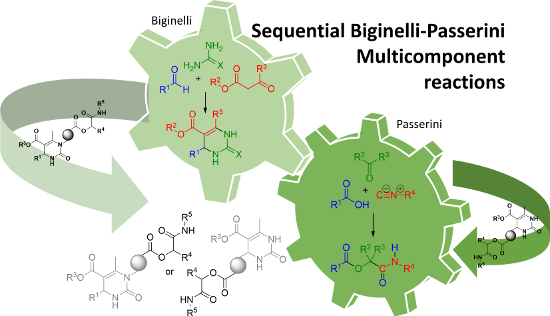
Scheme 1: a) Proposed mechanism of the Biginelli reaction according to [6]. b) Proposed mechanism of the Passeri...
Figure 1: Bifunctional components for the Biginelli–Passerini tandem reaction.
Figure 2: Stacked 1H NMR spectra and signal assignment. Top: DHMP acid 17; bottom: Biginelli–Passerini tandem...
Figure 3: Representative HSQC spectrum of the pure Biginelli–Passerini tandem product 21, expansions and sign...
Figure 4: Stereoisomers formed in the Biginelli–Passerini tandem reaction. The homo (RR, SS) and hetero pairs...
Beilstein J. Org. Chem. 2016, 12, 2893–2897, doi:10.3762/bjoc.12.288
Graphical Abstract
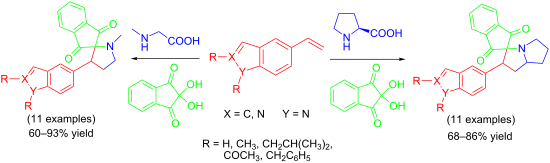
Scheme 1: Synthesis of N-alkyl vinylindoles and N-alkyl vinylindazoles (3).
Scheme 2: Retrosynthetic strategy used for the synthesis of 7 and 8.
Figure 1: NOE interactions in compound 8c supporting the stereochemical assignments for 8a–k. H1 and H2 on th...
Figure 2: ORTEP representation of compounds 7a and 7f obtained by single crystal XRD study.
Beilstein J. Org. Chem. 2016, 12, 2748–2756, doi:10.3762/bjoc.12.271
Graphical Abstract
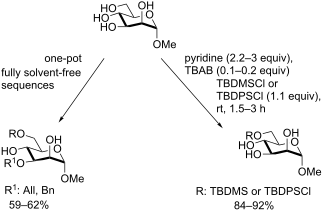
Scheme 1: Multiple O-trimethylsilylations of saccharide compounds.
Beilstein J. Org. Chem. 2016, 12, 2523–2534, doi:10.3762/bjoc.12.247
Graphical Abstract
Figure 1: Structures of (±)-naringenin, (±)-dracocephins A1–A4 and B1–B4 with the indication of the absolute ...
Scheme 1: Proposed biosynthetic route to dracocephins A and B.
Scheme 2: Synthesis of (±)-5-ethoxypyrrolidine-2-one ((±)-9).
Scheme 3: Synthesis of (±)-dracocephins A and B (±)-2a–d and (±)-3a–d and the elution order of stereoisomers ...
Figure 2: a) Chiral HPLC–UV and HPLC–ECD traces of dracocephins A (2a–d) using Chiralpak IC column with the e...
Figure 3: Structure and population of the low-energy CAM-B3LYP/TZVP PCM/CHCl3 conformers (>2%) of (R)-1.
Figure 4: Experimental HPLC–ECD spectrum of (R)-naringenin ((R)-1) compared with the Boltzmann-weighted ECD s...
Figure 5: Structure and population of the low-energy CAM-B3LYP/TZVP PCM/MeCN conformers (>2%) of (2R,5’’R)-2d....
Figure 6: Structure and population of the low-energy CAM-B3LYP/TZVP PCM/MeCN conformers (>2%) of (2R,5’’S)-2a....
Figure 7: Experimental HPLC-ECD spectra of (2R,5’’S)-2a (second eluted stereoisomer) and (2R,5’’R)-2d (fourth...
Figure 8: Experimental HPLC–ECD spectra of (2R,5’’S)-2a and (2R,5’’R)-2d compared with the Boltzmann-weighted...
Figure 9: a) Chiral HPLC–UV and HPLC–ECD traces of dracocephins B1–B4 3a–d using a Chiralpak IC column with t...
Figure 10: Structure and population of the low-energy CAM-B3LYP/TZVP PCM/MeCN conformers (>2%) of (2R,5’’R)-3c....
Figure 11: Structure and population of the low-energy CAM-B3LYP/TZVP PCM/MeCN conformers (>2%) of (2R,5’’S)-3b....
Figure 12: Experimental HPLC-ECD spectra of 3b (first eluted stereoisomer) and 3c (third eluted stereoisomer) ...
Figure 13: Experimental HPLC-ECD spectra of 3b and 3c compared with the Boltzmann-weighted ECD spectra compute...
Figure 14: Proposed mechanism for the formation of dracocephins A and B (2a–d and 3a–d) starting from (±)-9.