

Search results
Search for "kinetic" in Full Text gives 628 result(s) in Beilstein Journal of Organic Chemistry. Showing first 200.
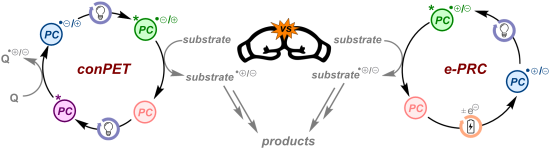
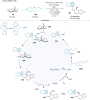
Photoredox catalysis harvesting multiple photon or electrochemical energies
Beilstein J. Org. Chem. 2023, 19, 1055–1145, doi:10.3762/bjoc.19.81























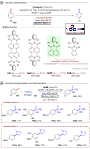


The effect of dark states on the intersystem crossing and thermally activated delayed fluorescence of naphthalimide-phenothiazine dyads
Beilstein J. Org. Chem. 2023, 19, 1028–1046, doi:10.3762/bjoc.19.79
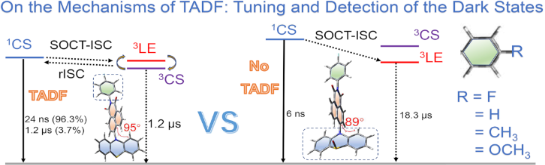
- (Figure 7). Taking the NI-PTZ-F as an example, the transient absorption spectra measured in HEX and the evolution associated difference spectra (EADS), obtained by global fitting based on sequential kinetic model, are presented (Figure 7a and 7b). The first transient species (black line in Figure 7b) is
- spectrograph and to the detector. The sample was contained in a 1 mm quartz cuvette mounted on a movable stage, in order to avoid photodecomposition. The data were subdivided in two different time intervals and fitted using the Glotaran-Application 1.5.1 and Surface Xplorer software. The number of kinetic
- photolysis spectrometer (Edinburgh Instruments, Ltd., U.K.). The data (kinetic decay traces and the transient difference absorption spectra) were analyzed with the L900 software. All samples were deaerated with N2 for ca. 15 min before measurement and excited with a nanosecond pulsed laser (OPO nanosecond


CO2 complexation with cyclodextrins
Beilstein J. Org. Chem. 2023, 19, 1021–1027, doi:10.3762/bjoc.19.78
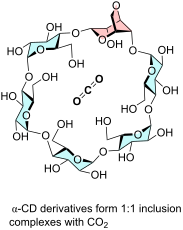
- small value, which means that even at a partial pressure of 5 bar less than 1/2 the CD cavity is filled. The rationale for the poor binding is probably the large discrepancy between the size of CO2 and the CD cavity. 1 has a cavity of 174 Å3 while CO2 is a very small molecule with kinetic diameter of


Photoredox catalysis enabling decarboxylative radical cyclization of γ,γ-dimethylallyltryptophan (DMAT) derivatives: formal synthesis of 6,7-secoagroclavine
Beilstein J. Org. Chem. 2023, 19, 918–927, doi:10.3762/bjoc.19.70
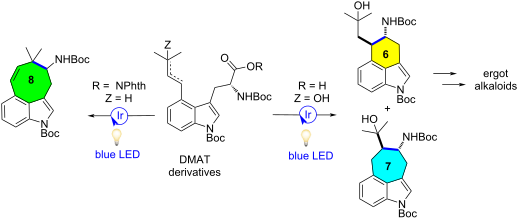
- the importance of steric effects [99]. Indeed, while the addition of the nucleophilic α-amino radical to the α-styrenyl position affords the 6-membered ring (kinetic product via intramolecular 6-exo-trig ring closure) [100] the resulting radical is unstabilized, the 7-membered ring (obtained via


Pyridine C(sp2)–H bond functionalization under transition-metal and rare earth metal catalysis
Beilstein J. Org. Chem. 2023, 19, 820–863, doi:10.3762/bjoc.19.62
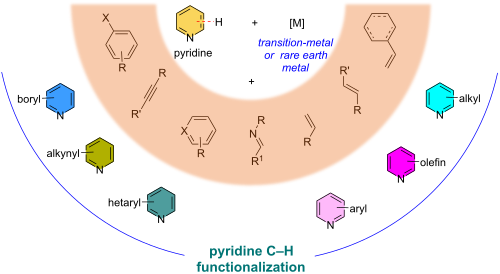
- . Review C–H Alkylation of pyridine The C–H bond is the backbone of an organic molecule and the conversion of a C–H bond to a C–X bond (X = carbon or heteroatom) forms the basis in organic synthesis. The functionalization of C–H bonds is challenging due to a large kinetic barrier for C–H bond cleavage and
- also found to have a higher catalytic activity for the ortho-alkylation of pyridines with styrenes to give the linear alkylated products (5b,c, Scheme 2). Further, the authors proposed that the C–H bond activation could be the rate limiting step based on kinetic isotope experiments (KIE). The proposed






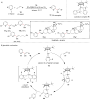


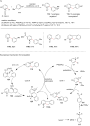


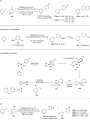


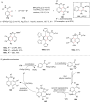
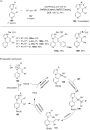


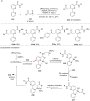


Eschenmoser coupling reactions starting from primary thioamides. When do they work and when not?
Beilstein J. Org. Chem. 2023, 19, 808–819, doi:10.3762/bjoc.19.61
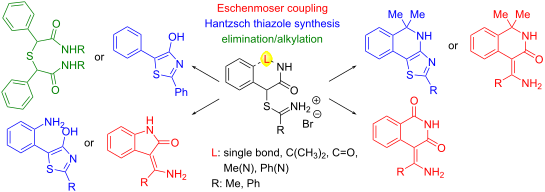
- MeCN undergoes a ring transformation [1][2] to give 2-phenyl-5-(2-aminophenyl)-4-hydroxy-1,3-thiazole (17') (Scheme 7) under kinetic control, the analogous intermediary hydroxythiazole 7a (Scheme 3) does not decompose into analogous thiazole 7a' due to much worse nucleofugality of the leaving amine
- thiobenzamide, thioacetamide, and thiobenzanilide. Reaction of N-phenyl- and N-methyl-2-bromo(phenyl)acetamide (4a,b) with thiobenzamide in acetonitrile. Transformation of salt 15 under kinetic and thermodynamic control conditions [1]. Reaction of salt 6a under different reaction conditions. Reaction of salt 2b


Nucleophile-induced ring contraction in pyrrolo[2,1-c][1,4]benzothiazines: access to pyrrolo[2,1-b][1,3]benzothiazoles
Beilstein J. Org. Chem. 2023, 19, 646–657, doi:10.3762/bjoc.19.46
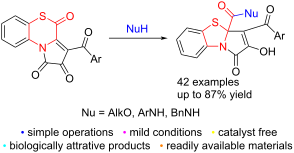
- products 6a,b,e were formed (Scheme 10). These observations are in a full accordance with the studies of similar products of 5-oxa-FPDs II [33][53][54]. We assume compounds 5 to be products of the kinetic control of the reaction, and compounds 3, of the thermodynamic one. In addition, the formation of


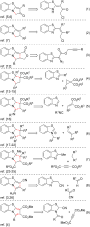


C3-Alkylation of furfural derivatives by continuous flow homogeneous catalysis
Beilstein J. Org. Chem. 2023, 19, 582–592, doi:10.3762/bjoc.19.43
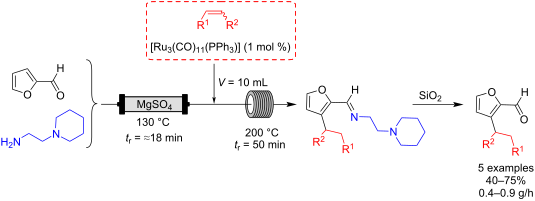
- (triethoxysilyl)ethyl)phosphine L1 or triphenylphosphine [40][41][42]. Their synthesis, well-described in the literature, is detailed in Supporting Information File 1 (pp. S3–S6). Moreover, a kinetic study carried out in batch in the presence of the [Ru3(CO)11(L1)] (comp1), [Ru3(CO)10(L1)2] (comp2) or [Ru3(CO)9
- Information File 1 for the reaction kinetic curves of catalysts). In addition, the catalyst with a single L1 ligand (comp1) was found to be more reactive than the one with two ligands (comp2), and was therefore selected for further optimization. In contrast, comparison of its reaction kinetic curve with that


A new oxidatively stable ligand for the chiral functionalization of amino acids in Ni(II)–Schiff base complexes
Beilstein J. Org. Chem. 2023, 19, 566–574, doi:10.3762/bjoc.19.41
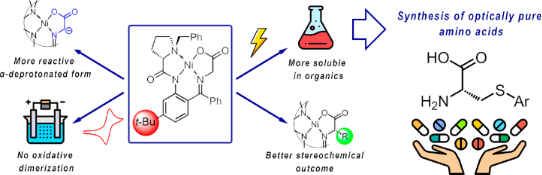
- chirality which exhibits no racemization under action of strong bases [29]. The chiral N–H-containing rimantadine-based ligand (L6) is highly lipophilic and it was successfully used for the kinetic resolution of unprotected racemic amino acids [30]. The examples mentioned above show that the metal–Schiff
- level of stereoselectivity induction is important for the evaluation of the chiral templates efficiency. The estimation of the thermodynamically and kinetically controlled stereoselectivity is based on different approaches. The diastereomeric ratio of the products formed under kinetic control is related
- fragment in the oxidized (GlyNi)L7 and (ΔAlaNi)L7 complexes bears a certain spin density (as it has been previously shown for the t-Bu-free analogs [31]), the bulky t-Bu substituent does prevent dimerization of the radical cations formed in the electron-transfer step increasing their kinetic stability



Transition-metal-catalyzed domino reactions of strained bicyclic alkenes
Beilstein J. Org. Chem. 2023, 19, 487–540, doi:10.3762/bjoc.19.38
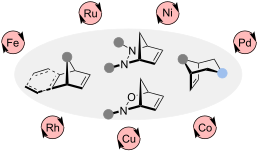
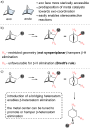
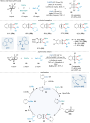
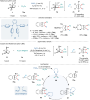
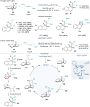
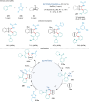
- than the possible syn-1,4-substituted product. It was found the reductive elimination transition state leading to the 1,4-disubstituted product TS33-P1 would require an increase in distortion energy compared to TS35-P2 which contributes to an overall greater kinetic barrier. The following year, Lautens



















Dipeptide analogues of fluorinated aminophosphonic acid sodium salts as moderate competitive inhibitors of cathepsin C
Beilstein J. Org. Chem. 2023, 19, 434–439, doi:10.3762/bjoc.19.33
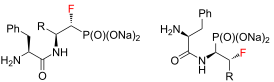
- fluorinated aminophosphonates [23][24] with the simultaneous deprotection of the amino group. The free amines were subjected to kinetic studies to investigate their interaction with cathepsin C. The required steps should be simple and fast, and the conditions of the reactions should be as mild as possible
- literature data of the starting esters 5 and 7 literature data [23][24]. A very good correlation of chemical shifts was also observed in the 13C NMR spectra for the key signals from the C1 and C2 atoms (Table 1). Each sample was pure; no byproducts were present. Kinetic studies Due to the homology and
- fluorinated aminophosphonates with the simultaneous deprotection of the amino group. The resulting acids were converted into the corresponding salts. All the reactions proceeded quantitatively. Obtained compounds were subjected to kinetic studies against cathepsin C, and the results indicated that they are


CuAAC-inspired synthesis of 1,2,3-triazole-bridged porphyrin conjugates: an overview
Beilstein J. Org. Chem. 2023, 19, 349–379, doi:10.3762/bjoc.19.29
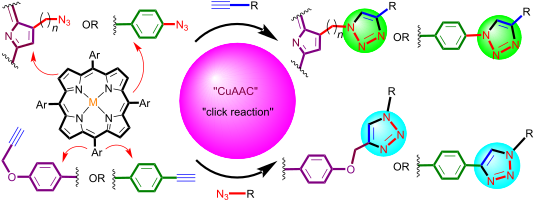
- excellent yields using Zn(OAc)2 in a CHCl3/MeOH mixture. Their UV–vis titration study revealed that these host systems exhibit strong anion-binding affinities. Furthermore, with the help of kinetic studies, the absorption efficiency of malachite green dye was investigated by using free-base porphyrins 171a


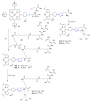


Group 13 exchange and transborylation in catalysis
Beilstein J. Org. Chem. 2023, 19, 325–348, doi:10.3762/bjoc.19.28
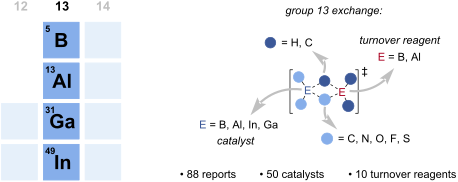
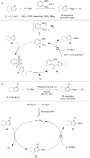
- kinetic and computational analyses, the B‒C(sp2)/B‒H transborylation transition state was determined to have a free energy barrier of approximately 20 kcal mol−1 (ΔG‡calc = 19.7 kcal mol−1; ΔG‡exp = 20.3 kcal mol−1) (Scheme 2). The borane-catalysed hydroboration of alkenes has been less explored, with
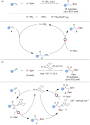
- an ambiphilic aluminium precatalyst, (Me2N)C6H4AlMe2, Thomas et al. were able to shut down hydroalumination by the alane and catalyse the C–H borylation of terminal alkynes with HBpin (Scheme 21) [96]. Through kinetic analysis, it was found that the rate of the alkynyl-Bpin product formation was
- fastest during catalyst activation, rather than during catalysis, leading to an in-depth investigation of catalyst activation using variable time normalisation analysis (VTNA) and kinetic isotope effects. A catalytic cycle was proposed in which (Me2N)C6H4AlH2 83 underwent deprotonation of the alkyne 1 to










Recommendations for performing measurements of apparent equilibrium constants of enzyme-catalyzed reactions and for reporting the results of these measurements
Beilstein J. Org. Chem. 2023, 19, 303–316, doi:10.3762/bjoc.19.26
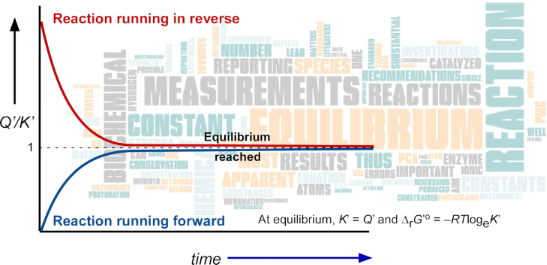
- the apparent equilibrium constant K′ and the standard transformed molar Gibbs energy of reaction (ΔrG'°) for biochemical reactions [11]. STRENDA does not aim at policing authors who report data on enzyme kinetic or on equilibrium measurements. The aim is to aid these researchers by providing
- is convenient to perform (e.g., continuous spectroscopic monitoring), it requires a substantial amount of additional effort by the investigator. We note that it is not necessary to know the mechanism or the kinetic constants or the rate of approach to equilibrium to obtain an accurate value of K
- constants and certain enzyme kinetics parameters via the Haldane relationships. These relationships are discussed in references [10][36] and, in fact, values of K′ have been obtained for a fair number of enzyme-catalyzed reactions by measuring rates of reaction and obtaining the enzyme kinetic parameters

Investigation of cationic ring-opening polymerization of 2-oxazolines in the “green” solvent dihydrolevoglucosenone
Beilstein J. Org. Chem. 2023, 19, 217–230, doi:10.3762/bjoc.19.21
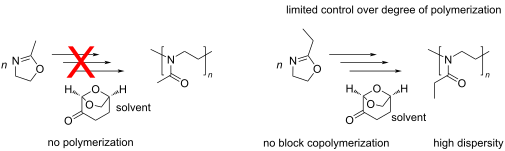
- kinetic study of the polymerization was monitored by 1H NMR spectroscopy analysis. NMR spectra were recorded on a Fourier 300 spectrometer (1H; 300.12 MHz and 13C (1H); 75.48 MHz; Bruker Biospin; Rheinstetten, Germany) at a temperature of 298 K and evaluated using the MestReNova V.6.0.2.-5475 software
- the dependence of monomer concentration M on t is expected in the case of the living polymerization. The decreases compared with MeOTf at the same temperature. The data obtained from these kinetic investigations are summarized in Table 1. After examining the 1H NMR spectra collected during the
- polymerization at 90 °C. The initial monomer concentration was kept at 3 M and [M]0/[I]0 was kept at 50 for the initial kinetic investigation. The monomer conversion was followed by 1H NMR spectroscopy and plotted in the common semi-logarithmic kinetic plots (Figure 2). For the majority of initiators, the


Total synthesis of insect sex pheromones: recent improvements based on iron-mediated cross-coupling chemistry
Beilstein J. Org. Chem. 2023, 19, 158–166, doi:10.3762/bjoc.19.15
- ligand to the iron center in alkyl–alkenyl cross-coupling reactions featuring Grignard reagents, but was involved in the formation of the bulky dication [Mg(NMP)6]2+, the presence of the latter contributing to the kinetic stabilization of the on-cycle active species [Me3FeII]− (Table 2, entry 1) [35


Insight into oral amphiphilic cyclodextrin nanoparticles for colorectal cancer: comprehensive mathematical model of drug release kinetic studies and antitumoral efficacy in 3D spheroid colon tumors
Beilstein J. Org. Chem. 2023, 19, 139–157, doi:10.3762/bjoc.19.14
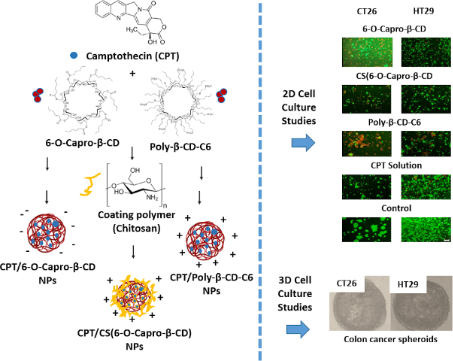
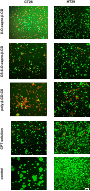
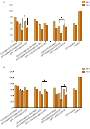
- mathematically by release kinetic modeling for the first time. The overall findings indicated that the strategy of orally targeting anticancer drugs such as CPT with positively charged poly-β-CD-C6 nanoparticles to colon tumors for local and/or systemic efficacy is a promising approach. Keywords: colorectal
- -parenteral route. In this context, release kinetic modeling studies and 3D cell culture studies of colon carcinoma cells of mice and human origin were carried out for the first time for CPT-loaded positively charged β-CD nanoparticles with different formulations. A positive surface charge was achieved
- assessments of this topic [9]. Release kinetics study The in vitro release profiles of CPT-loaded amphiphilic cyclodextrin nanoparticles were fitted with a variety of kinetic models, and the release mechanisms, which are illuminating markers for novel drug delivery systems, were mathematically investigated




Catalytic aza-Nazarov cyclization reactions to access α-methylene-γ-lactam heterocycles
Beilstein J. Org. Chem. 2023, 19, 66–77, doi:10.3762/bjoc.19.6

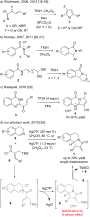
- acetal group could be used as substrates in an aza-Nazarov cyclization with the intermediacy of in situ-generated N-acyliminium ions (Scheme 1b) [21]. The first catalytic aza-Nazarov reaction was reported by Tius and co-workers in 2010, which involved the kinetic resolution of azirine derivatives via an



Redox-active molecules as organocatalysts for selective oxidative transformations – an unperceived organocatalysis field
Beilstein J. Org. Chem. 2022, 18, 1672–1695, doi:10.3762/bjoc.18.179
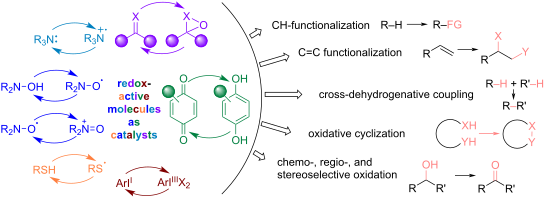
- kinetic resolution of racemic alcohols [99] and for the oxidation of benzylic cyclic ethers to lactones [100] was demonstrated. The CuI/9-azabicyclo[3.3.1]nonane N-oxyl (ABNO) catalytic system successfully promotes the oxidative coupling of alcohols with primary amines [101] (Scheme 13). The reaction









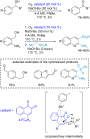


Naphthalimide-phenothiazine dyads: effect of conformational flexibility and matching of the energy of the charge-transfer state and the localized triplet excited state on the thermally activated delayed fluorescence
Beilstein J. Org. Chem. 2022, 18, 1435–1453, doi:10.3762/bjoc.18.149
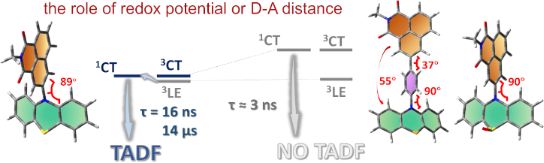
- recorded on a LP920 laser flash photolysis spectrometer (Edinburgh Instruments, Ltd., U.K.). The data (kinetic decay traces and the transient difference absorption spectra) were analyzed with the L900 software. All samples were deaerated with N2 for ca. 15 min in collinear configuration of the pump and
Mechanochemical synthesis of unsymmetrical salens for the preparation of Co–salen complexes and their evaluation as catalysts for the synthesis of α-aryloxy alcohols via asymmetric phenolic kinetic resolution of terminal epoxides
Beilstein J. Org. Chem. 2022, 18, 1416–1423, doi:10.3762/bjoc.18.147
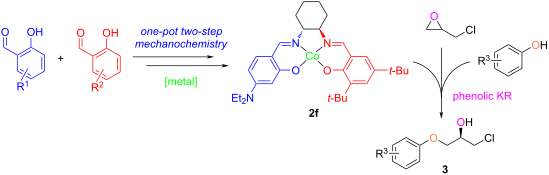
- the unsymmetrical salens with zinc, copper, and cobalt was studied and the chiral Co–salen complex 2f was obtained in 98% yield. Hydrolytic kinetic resolution (HKR) of epichlorohydrin with water catalyzed by complex 2f (0.5 mol %) was explored and resulted in 98% ee, suggesting complex 2f could serve
- with regard to conformational differences, for instance, oligosalen [14], macrocyclic oligosalen [15], and polymeric salen [16]. Jacobsen and co-workers reported the first synthesis of α-aryloxy alcohols through the phenolic kinetic resolution (KR) of terminal epoxides using a Co–salen catalyst [17
- were explored as well. Furthermore, we present the hydrolytic kinetic resolution (HKR) of epichlorohydrin with water using Co–salen complexes 2, and α-aryloxy alcohols were synthesized by the 2f catalytic system through the asymmetric ring opening of epichlorohydrin and phenols. Results and Discussion


On drug discovery against infectious diseases and academic medicinal chemistry contributions
Beilstein J. Org. Chem. 2022, 18, 1355–1378, doi:10.3762/bjoc.18.141

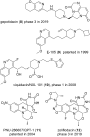
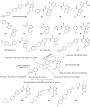
- miniaturization to undertake fast screening campaigns of very large chemical libraries using targets and/or phenotypic-based assays. – The development of structural sciences providing very precise ideas on the kinetic, thermodynamic or on the mode of interactions of chemicals with their biochemical targets. Which







Cyclodextrin-based Schiff base pro-fragrances: Synthesis and release studies
Beilstein J. Org. Chem. 2022, 18, 1346–1354, doi:10.3762/bjoc.18.140
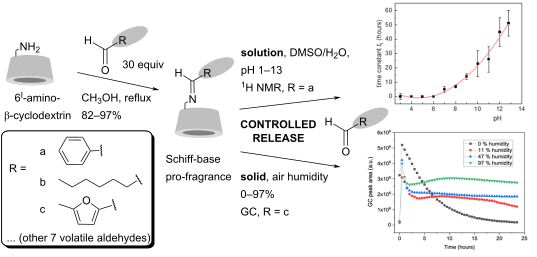
- stability towards hydrolysis. Kinetic studies of the imine hydrolysis by NMR For the kinetic studies of the hydrolysis of imino-CDs, we selected the pro-fragrance 3d made from the most common aldehyde – benzaldehyde. The release of the benzaldehyde (2d) was studied by 1H NMR spectroscopy. Aqueous 0.1 M
- that CD-based pro-fragrances combine a chemical barrier, as the aldehydes are linked to the CD via imine bond, and a physicochemical (supramolecular) barrier, as we established that aldehydes formed inclusion complexes in aqueous solution with β-CD. We confirmed from the NMR kinetic study of the imine
- 1H, 150.04 MHz for 13C) and Varian UNITYINOVA 400 (399,95 MHz for 1H and 100,58 MHz for 13C) spectrometers. For the kinetic studies, the 1H NMR spectra were acquired on a Varian VNMRS 300 spectrometer (300 MHz for 1H). DMSO-d6 and D2O were used as the solvents. The chemical shift values (δ) are given
Make or break: the thermodynamic equilibrium of polyphosphate kinase-catalysed reactions
Beilstein J. Org. Chem. 2022, 18, 1278–1288, doi:10.3762/bjoc.18.134
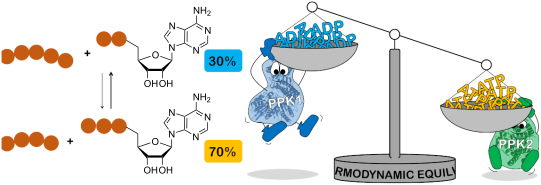
- concentrations of substrate, the different kinetic preferences of PPK1 and PPK2 can be observed. The implications of these results for the application of PPKs in chemical synthesis and as enzymes for ATP regeneration systems are discussed. Keywords: ATP regeneration; biocatalyst; ePC-SAFT; polyp; PPK
- substrate bonds (Figure 2e) [17]. Apart from the structures, the kinetic preference of either polyP synthesis (NTP usage) or NTP synthesis (polyP degradation) has been described to be a characteristic feature of PPK1 and PPK2(-I), respectively (Figure 2a). This is supported by analysis of the kinetic
- cholerae is very similar to the one from E. coli with 82% similarity (64% identity) on the amino acid level; however, it was described to show kinetic preferences of a PPK2 [20]. While the PPK2 from P. aeruginosa catalyses both synthesis and usage of ATP with kinetic preference for ATP synthesis, the


Enantioselective total synthesis of putative dihydrorosefuran, a monoterpene with an unique 2,5-dihydrofuran structure
Beilstein J. Org. Chem. 2022, 18, 1264–1269, doi:10.3762/bjoc.18.132
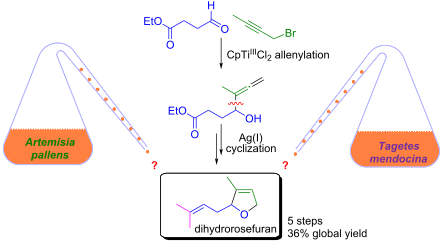
- stereoselective kinetic resolution of allenol 3 via lipase AK-catalyzed acetylation [15]. In this way, unaltered, (−)-hydroxyallene 3 could be separated from (+)-acetyl derivative 9 through standard column chromatography (Scheme 3). Enantiomeric excesses of (−)-3 and (+)-9 were determined by chiral HPLC analyses