
Search for "analogue" in Full Text gives 607 result(s) in Beilstein Journal of Organic Chemistry. Showing first 200.
Beilstein J. Org. Chem. 2021, 17, 343–378, doi:10.3762/bjoc.17.32
Graphical Abstract
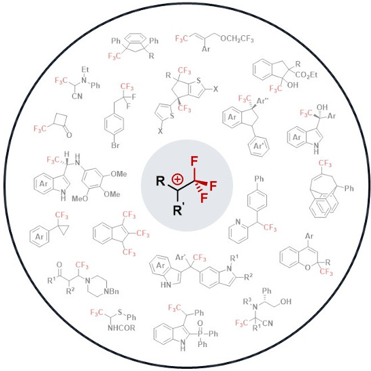
Figure 1: Stabilizing interaction in the CF3CH2+ carbenium ion (top) and structure of the first observable fl...
Scheme 1: Isodesmic equations accounting for the destabilizing effect of the CF3 group. ΔE in kcal⋅mol−1, cal...
Scheme 2: Stabilizing effect of fluorine atoms by resonance electron donation in carbenium ions (δ in ppm).
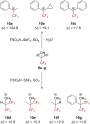
Scheme 3: Direct in situ NMR observation of α-(trifluoromethyl)carbenium ion or protonated alcohols. Δδ = δ19...
Scheme 4: Reported 13C NMR chemical shifts for the α-(trifluoromethyl)carbenium ion 10c (δ in ppm).
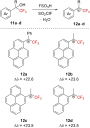
Scheme 5: Direct NMR observation of α-(trifluoromethyl)carbenium ions in situ (δ in ppm).
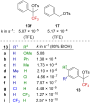
Scheme 6: Illustration of the ion pair solvolysis mechanism for sulfonate 13f. YOH = solvent.
Figure 2: Solvolysis rate for 13a–i and 17.
Figure 3: Structures of allyl triflates 18 and 19 and allyl brosylate 20. Bs = p-BrC6H4SO2.
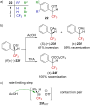
Figure 4: Structure of tosylate derivatives 21.
Figure 5: a) Structure of triflate derivatives 22. b) Stereochemistry outcomes of the reaction starting from (...
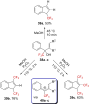
Scheme 7: Solvolysis reaction of naphthalene and anthracenyl derivatives 26 and 29.
Figure 6: Structure of bisarylated derivatives 34.
Figure 7: Structure of bisarylated derivatives 36.
Scheme 8: Reactivity of 9c in the presence of a Brønsted acid.
Scheme 9: Cationic electrocyclization of 38a–c under strongly acidic conditions.
Scheme 10: Brønsted acid-catalyzed synthesis of indenes 42 and indanes 43.
Scheme 11: Reactivity of sulfurane 44 in triflic acid.
Scheme 12: Solvolysis of triflate 45f in alcoholic solvents.
Scheme 13: Synthesis of labeled 18O-52.
Scheme 14: Reactivity of sulfurane 53 in triflic acid.
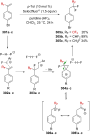
Figure 8: Structure of tosylates 56 and 21f.
Scheme 15: Resonance forms in benzylic carbenium ions.
Figure 9: Structure of pyrrole derivatives 58 and 59.
Scheme 16: Resonance structure 60↔60’.
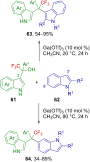
Scheme 17: Ga(OTf)3-catalyzed synthesis of 3,3’- and 3,6’-bis(indolyl)methane from trifluoromethylated 3-indol...
Scheme 18: Proposed reaction mechanism.
Scheme 19: Metal-free 1,2-phosphorylation of 3-indolylmethanols.
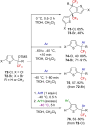
Scheme 20: Superacid-mediated arylation of thiophene derivatives.
Scheme 21: In situ mechanistic NMR investigations.
Scheme 22: Proposed mechanisms for the prenyltransferase-catalyzed condensation.
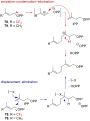
Scheme 23: Influence of a CF3 group on the allylic SN1- and SN2-mechanism-based reactions.
Scheme 24: Influence of the CF3 group on the condensation reaction.
Scheme 25: Solvolysis of 90 in TFE.
Scheme 26: Solvolysis of allyl triflates 94 and 97 and isomerization attempt of 96.
Scheme 27: Proposed mechanism for the formation of 95.
Scheme 28: Formation of α-(trifluoromethyl)allylcarbenium ion 100 in a superacid.
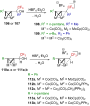
Scheme 29: Lewis acid activation of CF3-substituted allylic alcohols.
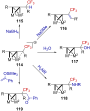
Scheme 30: Bimetallic-cluster-stabilized α-(trifluoromethyl)carbenium ions.
Scheme 31: Reactivity of cluster-stabilized α-(trifluoromethyl)carbenium ions.
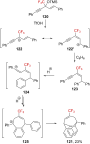
Scheme 32: α-(Trifluoromethyl)propargylium ion 122↔122’ generated from silyl ether 120 in a superacid.
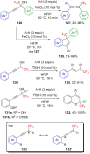
Scheme 33: Formation of α-(trifluoromethyl)propargylium ions from CF3-substituted propargyl alcohols.
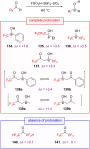
Scheme 34: Direct NMR observation of the protonation of some trifluoromethyl ketones in situ and the correspon...
Scheme 35: Selected resonance forms in protonated fluoroketone derivatives.
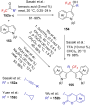
Scheme 36: Acid-catalyzed Friedel–Crafts reactions of trifluoromethyl ketones 143a,b and 147a–c.
Scheme 37: Enantioselective hydroarylation of CF3-substituted ketones.
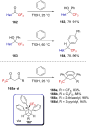
Scheme 38: Acid-catalyzed arylation of ketones 152a–c.
Scheme 39: Reactivity of 156 in a superacid.
Scheme 40: Reactivity of α-CF3-substituted heteroaromatic ketones and alcohols as well as 1,3-diketones.
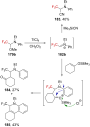
Scheme 41: Reactivity of 168 with benzene in the presence of a Lewis or Brønsted acid.
Scheme 42: Acid-catalyzed three-component asymmetric reaction.
Scheme 43: Anodic oxidation of amines 178a–c and proposed mechanism.
Scheme 44: Reactivity of 179b in the presence of a strong Lewis acid.
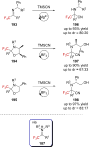
Scheme 45: Trifluoromethylated derivatives as precursors of trifluoromethylated iminium ions.
Scheme 46: Mannich reaction with trifluoromethylated hemiaminal 189.
Scheme 47: Suitable nucleophiles reacting with 192 after Lewis acid activation.
Scheme 48: Strecker reaction involving the trifluoromethylated iminium ion 187.
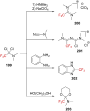
Scheme 49: Reactivity of 199 toward nucleophiles.
Scheme 50: Reactivity of 204a with benzene in the presence of a Lewis acid.
Scheme 51: Reactivity of α-(trifluoromethyl)-α-chloro sulfides in the presence of strong Lewis acids.
Scheme 52: Anodic oxidation of sulfides 213a–h and Pummerer rearrangement.
Scheme 53: Mechanism for the electrochemical oxidation of the sulfide 213a.
Scheme 54: Reactivity of (trifluoromethyl)diazomethane (217a) in HSO3F.
Figure 10: a) Structure of diazoalkanes 217a–c and b) rate-limiting steps of their decomposition.
Scheme 55: Deamination reaction of racemic 221 and enantioenriched (S)-221.
Scheme 56: Deamination reaction of labeled 221-d2. Elimination products were formed in this reaction, the yiel...
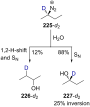
Scheme 57: Deamination reaction of 225-d2. Elimination products were also formed in this reaction in undetermi...
Scheme 58: Formation of 229 from 228 via 1,2-H-shift.
Scheme 59: Deamination reaction of 230. Elimination products were formed in this reaction, the yield of which ...
Scheme 60: Deamination of several diazonium ions. Elimination products were formed in these reactions, the yie...
Scheme 61: Solvolysis reaction mechanism of alkyl tosylates.
Scheme 62: Solvolysis outcome for the tosylates 248 and 249 in HSO3FSbF5.
Figure 11: Solvolysis rate of 248, 249, 252, and 253 in 91% H2SO4.
Scheme 63: Illustration of the reaction pathways. TsCl, pyridine, −5 °C (A); 98% H2SO4, 30 °C (B); 98% H2SO4, ...
Scheme 64: Proposed solvolysis mechanism for the aliphatic tosylate 248.
Scheme 65: Solvolysis of the derivatives 259 and 260.
Scheme 66: Solvolysis of triflate 261. SOH = solvent.
Scheme 67: Intramolecular Friedel–Crafts alkylations upon the solvolysis of triflates 264 and 267.
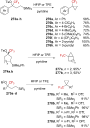
Scheme 68: α-CF3-enhanced γ-silyl elimination of cyclobutyltosylates 270a,b.
Scheme 69: γ-Silyl elimination in the synthesis of a large variety of CF3-substituted cyclopropanes. Pf = pent...
Scheme 70: Synthetic pathways to 281. aNMR yields.
Scheme 71: The cyclopropyl-substituted homoallylcyclobutylcarbenium ion manifold.
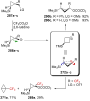
Scheme 72: Reactivity of CF3-substituted cyclopropylcarbinyl derivatives 287a–c. LG = leaving group.
Scheme 73: Reactivity of CF3-substituted cyclopropylcarbinyl derivatives 291a–c.
Scheme 74: Superacid-promoted dimerization or TFP.
Scheme 75: Reactivity of TFP in a superacid.
Scheme 76: gem-Difluorination of α-fluoroalkyl styrenes via the formation of a “hidden” α-RF-substituted carbe...
Scheme 77: Solvolysis of CF3-substituted pentyne 307.
Scheme 78: Photochemical rearrangement of 313.
Figure 12: Structure of 2-norbornylcarbenium ion 318 and argued model for the stabilization of this cation.
Figure 13: Structures and solvolysis rate (TFE, 25 °C) of the sulfonates 319–321. Mos = p-MeOC6H4SO2.
Scheme 79: Mechanism for the solvolysis of 323. SOH = solvent.
Scheme 80: Products formed by the hydrolysis of 328.
Scheme 81: Proposed carbenium ion intermediates in an equilibrium during the solvolysis of tosylates 328, 333,...
Beilstein J. Org. Chem. 2021, 17, 325–333, doi:10.3762/bjoc.17.30
Graphical Abstract
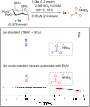
Figure 1: Alternative syntheses (A) and full structures (B) of the 5-bromo-4-chloro-3-indolyl or 4-nitropheny...
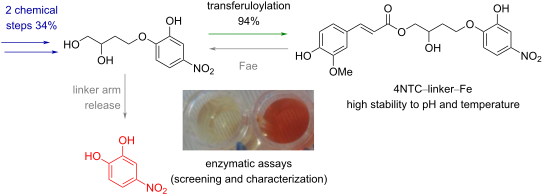
Scheme 1: Chemoenzymatic synthesis of (±)-4-O-(2-hydroxy-4-nitrophenyl)-1-O-trans-feruloyl-1,2,4-butanetriol ...
Figure 2: (A) Spectrometric monitoring (at 530 nm) of 4NTC released after the action of Fae on 12 in the pres...
Beilstein J. Org. Chem. 2021, 17, 293–318, doi:10.3762/bjoc.17.28
Graphical Abstract
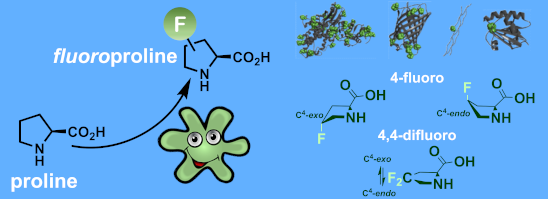
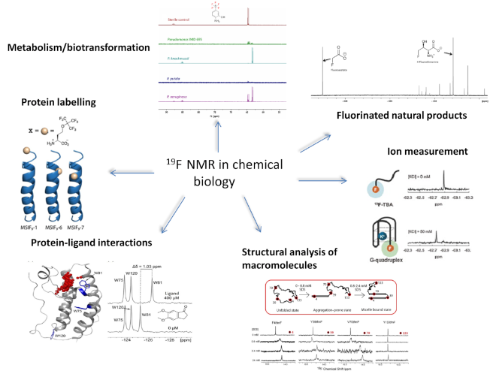
Figure 1: Selected examples of 19F-labelled amino acid analogues used as probes in chemical biology.
Figure 2: (a) Sequences of the antimicrobial peptide MSI-78 and pFtBSer-containing analogs and cartoon repres...
Figure 3: (a) Chemical structures of a selection of trifluoromethyl tags. (b) Comparative analysis showing th...
Figure 4: (a) First bromodomain of Brd4 with all three tryptophan residues displayed in blue and labelled by ...
Figure 5: (a) Enzymatic hydroxylation of GBBNF in the presence of hBBOX (b) 19F NMR spectra showing the conve...
Figure 6: (a) In-cell enzymatic hydrolysis of the fluorinated anandamide analogue ARN1203 catalyzed by hFAAH....
Figure 7: (a) X-ray crystal structure of CAM highlighting the location the phenylalanine residues replaced by...
Figure 8: 19F PREs of 4-F, 5-F, 6-F, 7-FTrp49 containing MTSL-modified S52CCV-N. The 19F NMR resonances of ox...
Figure 9: 19F NMR as a direct probe of Ud NS1A ED homodimerization. Schematic representation showing the loca...
Figure 10: (a) Representative spectrum of a 182 μM sample of Aβ1-40-tfM35 at varying times indicating the majo...
Figure 11: Illustration of the conformational switch induced by SDS in 4-tfmF-labelled α-Syn. Also shown are t...
Figure 12: (a) Structural models of the Myc‐Max (left), Myc‐Max‐DNA (middle) and Myc‐Max‐BRCA1 complexes (righ...
Figure 13: (a) Side (left) and bottom (right) views of the pentameric apo ELIC X-ray structure (PDB ID: 3RQU) ...
Figure 14: (a) General structure of a selection of recently developed 19F-labelled nucleotides for their use a...
Figure 15: Monitoring biotransformation of the fluorinated pesticide cyhalothrin by the fungus C. elegans. The...
Figure 16: Following the biodegradation of emerging fluorinated pollutants by 19F NMR. The spectra are from cu...
Figure 17: Discovery of new fluorinated natural products by 19F NMR. The spectrum is of the culture supernatan...
Figure 18: Application of 19F NMR to investigate the biosynthesis of nucleocidin. The spectra are from culture...
Figure 19: Detection of new fluorofengycins (indicated by arrows) in culture supernatants of Bacillus sp. CS93...
Figure 20: Measurement of β-galactosidase activity in MCF7 cancer cells expressing lacZ using 19F NMR. The deg...
Figure 21: Detection of ions using 19F NMR. (a) Structure of TF-BAPTA and its 19F iCEST spectra in the presenc...
Figure 22: (a) The ONOO−-mediated decarbonylation of 5-fluoroisatin and 6-fluoroisatin. The selectivity of (b)...
Beilstein J. Org. Chem. 2021, 17, 273–282, doi:10.3762/bjoc.17.26
Graphical Abstract
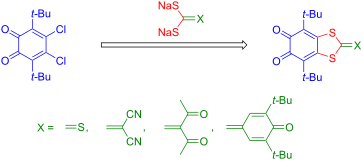
Scheme 1: Synthetic pathways for the preparation of o-quinone derivatives with annulated 1,3-dithiole ring.
Figure 1: Active methylene compounds used for the preparation of gem-dithiolates.
Figure 2: Fragment of coordination polymer chain of adduct 8 in the crystal phase. Hydrogen atoms and CF3 gro...
Scheme 2: The tentative pathway for the formation of o-quinone 7 with annulated thiete ring.
Scheme 3: Reactions of o-quinone 6a.
Scheme 4: Stepwise reduction of o-quinones with metals to semiquinonates and catecholates, respectively.
Beilstein J. Org. Chem. 2021, 17, 156–165, doi:10.3762/bjoc.17.16
Graphical Abstract
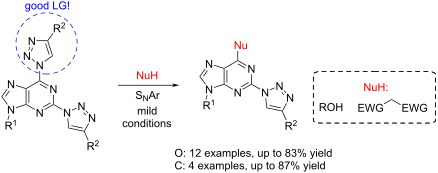
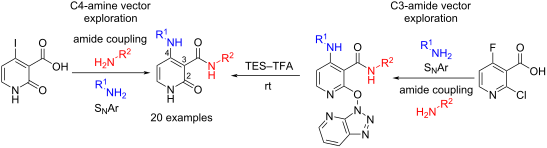
Figure 1: Retrosynthetic disconnection of our privileged kinase scaffold 1.
Scheme 1: Reagents and conditions: (a) MeOH, DIPEA, reflux, 70%; b) TBTU, DIPEA, DMF, rt, 91%.
Scheme 2: Proposed mechanistic explanation for the liberation of the Pd catalytic cycle after addition of sac...
Scheme 3: Formation of C2–OAt ether 15 using HATU. Reagents and condtions: (a) HATU, DIPEA, DCM, rt, 16 h, ((...
Scheme 4: Proposed mechanistic pathways for the transformation of Py–OAt ethers 17 to the pyridin-2H-one 1 mo...
Scheme 5: Failure to exploit logical convergent building block 26. Reagents and conditions: a) HATU, DIPEA, D...
Scheme 6: Library route to 32. Reagents and conditions: a) 4 M HClaq, reflux, 1 h, 81%; (b) EDCI, pyridine, P...
Beilstein J. Org. Chem. 2021, 17, 105–114, doi:10.3762/bjoc.17.11
Graphical Abstract
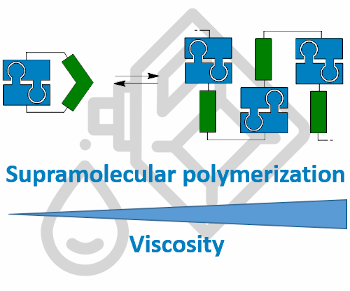
Figure 1: a) VII systems described by Sijbesma and Meijer, featuring two ureidopyrimidone BUs which are linke...
Figure 2: a) GCP and ACP motif, as charged and neutral BUs and BINAM as precoordinating LU. b) Compounds 1, 2...
Figure 3: Synthesis of compounds 1 to 4. Reagents and conditions: i) ʟ-Boc-glutamic acid benzyl ester, HCTU, ...
Figure 4: a) 2D-screening in DMSO of the GCP derivative 1, specific viscosity vs concentration vs temperature...
Figure 5: Comparison of the specific viscosities in dependence of the temperature of the ACP derivative (oran...
Figure 6: DLS measurement of compound 2 in toluene at 25 °C, 60 °C and 100 °C.
Figure 7: Specific viscosity of compounds 2, 3 and 4 in Nynas NS8 in dependency to the temperature.
Figure 8: Specific viscosity of compound 4 in Nynas NS8 and Nexbase 3020.
Beilstein J. Org. Chem. 2021, 17, 58–82, doi:10.3762/bjoc.17.7
Graphical Abstract
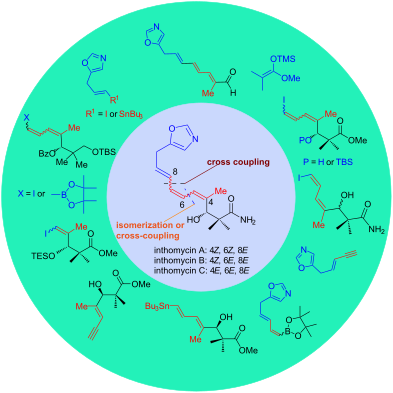
Figure 1: The inthomycins A–C (1–3) and structurally closely related compounds.
Figure 2: Syntheses of inthomycins A–C (1–3).
Scheme 1: The first total synthesis of racemic inthomycin A (rac)-1 by Whiting.
Scheme 2: Moloney’s synthesis of the phenyl analogue of inthomycin C ((rac)-3).
Scheme 3: Moloney’s synthesis of phenyl analogues of inthomycins A (rac-1) and B (rac-2).
Scheme 4: The first total synthesis of inthomycin B (+)-2 by R. J. K. Taylor.
Scheme 5: R. J. K. Taylor’s total synthesis of racemic inthomycin A (rac)-1.
Scheme 6: The first total synthesis of inthomycin C ((+)-3) by R. J. K. Taylor.
Scheme 7: The first total synthesis of naturally occurring inthomycin C ((–)-3) by Ryu et al.
Scheme 8: Preparation of E,E-iododiene (+)-84 and Z,E- iododiene 85a.
Scheme 9: Hatakeyama’s total synthesis of inthomycin A (+)-1 and inthomycin B (+)-2.
Scheme 10: Hatakeyama’s total synthesis of inthomycin C ((–)-3).
Scheme 11: Maulide’s formal synthesis of racemic inthomycin C ((rac)-3).
Scheme 12: Hale’s synthesis of dienylstannane (+)-69 and enyne (+)-82b intermediates.
Scheme 13: Hale’s total synthesis of inthomycin C ((+)-3).
Scheme 14: Hale and Hatakeyama’s resynthesis of (3R)-inthomycin C (−)-3 Mosher esters.
Scheme 15: Reddy’s formal syntheses of inthomycin C (+)-3 and inthomycin C ((−)-3).
Scheme 16: Synthesis of the cross-metathesis precursors (rac)-118 and 121.
Scheme 17: Donohoe’s total synthesis of inthomycin C ((−)-3).
Scheme 18: Synthesis of dienylboronic ester (E,E)-128.
Scheme 19: Synthesis of the alkenyl iodides (Z)- and (E)-130.
Scheme 20: Burton’s total synthesis of inthomycin B ((+)-2).
Scheme 21: Burton’s total synthesis of inthomycin C ((−)-3).
Scheme 22: Burton’s total synthesis of inthomycin A ((+)-1).
Scheme 23: Synthesis of common intermediate (Z)-(+)-143a.
Scheme 24: Synthesis of (Z)-and (E)-selective fragments (+)-145a–c.
Scheme 25: Kim’s total synthesis of inthomycins A (+)-1 and B (+)-2.
Scheme 26: Completion of total synthesis of inthomycin C ((–)-3) by Kim.
Beilstein J. Org. Chem. 2020, 16, 3059–3068, doi:10.3762/bjoc.16.255
Graphical Abstract
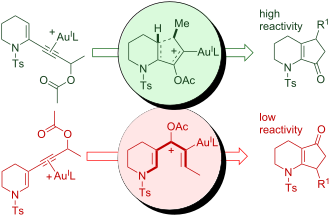
Figure 1: Tandem acetate rearrangement/Nazarov cyclization of different substrates.
Figure 2: DFT-computed energy profile of the tandem Au(I)-catalyzed [3,3]-rearrangement/Nazarov reaction of 3...
Figure 3: DFT-computed energy profile of the tandem Au(I)-catalyzed [3,3]-rearrangement/Nazarov reaction of 2...
Figure 4: Computed comparison of the NBO charges of 2- and 3-substituted substrates.
Figure 5: Single-step transformation of IV to IX.
Figure 6: Triflate-promoted hydrogen abstraction and protodeauration with HOTf.
Figure 7: Triflate-mediated abstraction of the hydrogen atom Ha and protodeauration.
Scheme 1: Synthesis of the enynyl acetate starting material 14.
Scheme 2: Synthesis and cyclization of enynyl acetate 20.
Beilstein J. Org. Chem. 2020, 16, 2948–2953, doi:10.3762/bjoc.16.244
Graphical Abstract
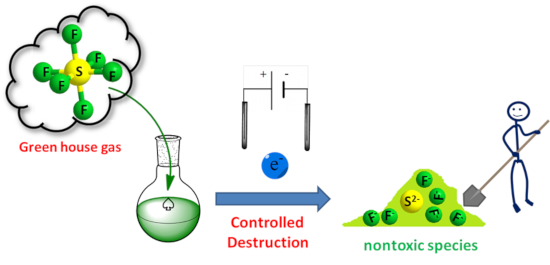
Figure 1: (a) Cyclic voltammetry onto microelectrode arrays (Ø = 20 µm) in acetonitrile freshly distilled aft...
Figure 2: Variation of the current reduction (i2) of SF6 onto Pt macroelectrode (Ø = 0.76 mm) at −2.3 V vs Fc+...
Figure 3: Single compartment three-electrode experiment. 1: Balloon of SF6, 2: electrochemical cell, 3: refer...
Figure 4: Electrolysis of SF6 at −2.3 V vs Fc+/Fc in acetonitrile freshly distilled after addition of TBAClO4...
Figure 5: 19F NMR evolution of the crude mixture along the time after electrolysis realized at constant poten...
Beilstein J. Org. Chem. 2020, 16, 2880–2887, doi:10.3762/bjoc.16.237
Graphical Abstract
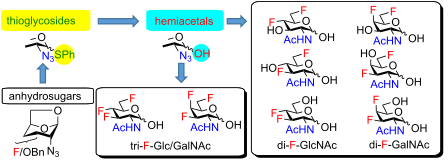
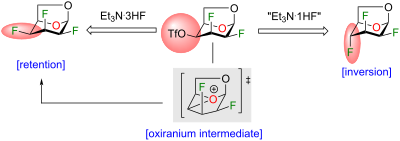
Figure 1: Previously described synthesis of 2,3,4-trifluorinated analogues of galactose 6, glucose 7, mannose ...
Figure 2: Typical 19F NMR spectrum (470 MHz, CDCl3) of the crude reaction mixture using Et3N·3HF/Et3N (entry ...
Figure 3: Fluorination at C4 of 1,6-anhydro-2,3-difluorohexopyranose analogues. a) Reactions on triflates 13, ...
Scheme 1: Synthesis of polyfluorinated alditols from levoglucosan 1: a) difluoroglucitol analogue 22; b) trif...
Beilstein J. Org. Chem. 2020, 16, 2739–2748, doi:10.3762/bjoc.16.224
Graphical Abstract
Scheme 1: Reaction of purine (2) with tetrakis(trifluoromethyl)-1,3-dithietane (1).
Figure 1: Crystal structure of 2a, with the thermal ellipsoids drawn at 30% probability.
Scheme 2: Reaction of 4-azabenzimidazole (3) with tetrakis(trifluoromethyl)-1,3-dithietane (1).
Scheme 3: Reaction of 5-azabenzimidazole (4) with 1.
Scheme 4: Reaction of adenine (5) and 2-fluoroadenine (6) with tetrakis(trifluoromethyl)-1,3-dithietane (1).
Scheme 5: Reaction of theophylline (7) with tetrakis(trifluoromethyl)-1,3-dithietane (1).
Figure 2: Crystal structure of 7a, with the thermal ellipsoids drawn at 30% probability.
Scheme 6: Probable mechanism of the reaction of tetrakis(trifluoromethyl)-1,3-dithietane (1) with compounds 2–...
Figure 3: Top: 19F NMR spectra of 3a acquired over a sample temperature range of 223–373 K. Left: Fitted plot...
Figure 4: DFT-optimized structures of the two rotamers of 3a. Left: Lower-energy rotamer. Right: Higher-energ...
Beilstein J. Org. Chem. 2020, 16, 2728–2738, doi:10.3762/bjoc.16.223
Graphical Abstract
Figure 1: Chemical structures of (a) PBImN (N = 4, 10, 12 and 14) and (b) ATP, ADP and AMP.
Scheme 1: Schematic representation of ATP sensing by multivalent assemblies of PBImN in aqueous media.
Scheme 2: Synthetic route for the preparation of PBImNs.
Figure 2: (a) Absorption and (b) emission spectra of PBImN (50 µM) derivatives in buffer. (c) Absorption and ...
Figure 3: FESEM images of PBIm12 (a) without and (b) with ATP. (c) Emission spectral changes of PBIm12 (75 µM...
Figure 4: a) Emission changes of PBIm12 (75 µM) upon the addition of ATP, ADP, AMP and PPi in buffer. Bar dia...
Beilstein J. Org. Chem. 2020, 16, 2636–2644, doi:10.3762/bjoc.16.214
Graphical Abstract
Figure 1: Heteroacenes: tetrathienoacene (TTA), S,N-heteroacenes SN4, SN4', and SN4''.
Scheme 1: Synthesis of fused S,N-heterotetracene SN4 9 starting from thieno[3,2-b]thiophene (1).
Scheme 2: Synthesis of parent H-SN4 13 via the azide route.
Scheme 3: Synthesis of tetracyclic H-SN4 13 via the Cadogan route.
Scheme 4: Synthesis of tetracyclic indole derivative 19 via the Cadogan route.
Scheme 5: Synthesis of hexacyclic heteroacene SN4' 22 via the Cadogan route.
Scheme 6: Synthesis of heterotetracene SN4'' 33 via the azide and Buchwald–Hartwig amination route.
Figure 2: UV–vis absorption spectra of TTA, Hex-SN4 9, Pr-SN4'' 33 and fluorescence spectrum of 33 in THF at ...
Figure 3: Energy diagram of the frontier molecular orbitals of heterotetracenes TTA, 9, 13, 19, 22, and 33, a...
Beilstein J. Org. Chem. 2020, 16, 2562–2575, doi:10.3762/bjoc.16.208
Graphical Abstract
Scheme 1: Proposed outcome of the halofluorination of (rac)-1. Only the main conformers of (rac)-1 and (rac)-...
Scheme 2: Halofluorination reactions of the trans-diester (rac)-1.
Scheme 3: Probable outcomes of the halofluorination of 4. Both conformers of the compounds 4, (rac)-T2a,b, an...
Scheme 4: Halofluorination reactions of the cis-diester 4. Important NOESY interactions are indicated by two-...
Scheme 5: Halofluorination reactions of the cis-tetrahydrophthalic imide derivative 7.
Scheme 6: Synthesis and halofluorination of the trans-imide (rac)-10.
Figure 1: Crystal structure of (rac)-11b.
Scheme 7: Synthesis of the cyclic carbamide (rac)-13.
Scheme 8: Halofluorination reactions of the γ-lactam (rac)-14. Relevant NOESY interactions are indicated by t...
Figure 2: Crystal structure of the product (rac)-15a.
Figure 3: Crystal structure of the product (rac)-15b.
Scheme 9: Reactions of the diester 16 with NBS or NIS in the presence or absence of Deoxo-Fluor®.
Scheme 10: Formation of the halolactons (rac)-17a,b. The initial attack of the halogen cation occurs at the st...
Scheme 11: Unsuccessful halofluorination of the bicyclic diester 18.
Scheme 12: Halofluorination reactions of the rigid tricyclic imine 19. The relevant NOESY interactions are mar...
Scheme 13: Mechanism of the halofluorination reactions of the substrate 19. X = Br (compounds a), I (compounds...
Scheme 14: Synthesis and halofluorination of the imide 24.
Scheme 15: Cyclizations of halofluorinated diesters with potassium tert-butoxide. Relevant NOESY interactions ...
Scheme 16: Mechanism of the reaction of the cyclopropanation of the compounds (rac)-2a,b and (rac)-5a with t-B...
Scheme 17: Presumed mechanism of the reaction of the compound (rac)-6b with t-BuOK.
Scheme 18: Cyclizations of halofluorinated tetrahydrophthalimides with DBU. Relevant NOESY interactions are ma...
Scheme 19: Mechanism for the formation of (rac)-28 from (rac)-11a,b. Although the formation of the compound (r...
Scheme 20: Fluoroselenations of the cyclohexenedicarboxylates (rac)-1 and 4.
Scheme 21: PhSe+-induced lactonization of the diester 16. Relevant NOESY interactions are marked with two-head...
Scheme 22: Oxidation of the fluoroselenide (rac)-30 under acidic and basic conditions.
Scheme 23: Oxidation of the fluoroselenide mixture (rac)-31 under acidic and basic conditions.
Beilstein J. Org. Chem. 2020, 16, 2212–2259, doi:10.3762/bjoc.16.186
Graphical Abstract
Figure 1: Representation of corannulene (1) and sumanene (2), the subunits of fullerene (C60).
Scheme 1: Mehta’s unsuccessful effort for the synthesis of sumanene scaffold 2.
Scheme 2: First synthesis of sumanene 2 by Sakurai et al. from norbornadiene 10.
Scheme 3: Synthesis of trimethylsumanene 28 from easily accessible norbornadiene (10).
Scheme 4: Generation of anions 29–31 and the preparation of tris(trimethylsilyl)sumanene 32.
Scheme 5: Synthesis of tri- and hexa-substituted sumanene derivatives.
Scheme 6: Synthesis of bowl-shaped π-extended sumanene derivatives 37a–f.
Scheme 7: Synthesis of monooxasumanene 38, trioxosumanene 40 along with imination of them.
Scheme 8: Synthesis of trimethylsumanenetrione 46 and exo-functionalized products 45a,b.
Scheme 9: Synthesis of bisumanenylidene 47 and sumanene dimer 48 from 2.
Scheme 10: The mono-substitution of 2 to generate diverse mono-sumanene derivatives 49a–d.
Scheme 11: Synthesis of sumanene building block 53 useful for further extension.
Scheme 12: Synthesis of hexafluorosumanene derivative 55 by Sakurai and co-workers.
Scheme 13: Preparation of sumanene-based carbene 60 and its reaction with cyclohexane.
Scheme 14: Barton–Kellogg reaction for the synthesis of sterically hindered alkenes.
Scheme 15: Synthesis of hydroxysumanene 68 by employing Baeyer–Villiger oxidation.
Scheme 16: Synthesis of sumanene derivatives having functionality at an internal carbon.
Scheme 17: Mechanism for nucleophilic substitution reaction at the internal carbon.
Scheme 18: Synthesis of diverse monosubstituted sumanene derivatives.
Scheme 19: Synthesis of di- and trisubstituted sumanene derivatives from sumanene (2).
Scheme 20: Preparation of monochlorosumanene 88 and hydrogenation of sumanene (2).
Scheme 21: The dimer 90 and bissumanenyl 92 achieved from halosumannes.
Scheme 22: Pyrenylsumanene 93 involving the Suzuki-coupling as a key transformation.
Scheme 23: Synthesis of various hexaarylsumanene derivatives using the Suzuki-coupling reaction.
Scheme 24: Synthesis of hexasubstituted sumanene derivatives 96 and 97.
Scheme 25: Synthesis of thioalkylsumanenes via an aromatic nucleophilic substitution reaction.
Scheme 26: Synthesis of tris(ethoxycarbonylethenyl)sumanene derivative 108.
Scheme 27: Synthesis of ferrocenyl-based sumanene derivatives.
Scheme 28: Synthesis of sumanenylferrocene architectures 118 and 119 via Negishi coupling.
Scheme 29: Diosmylation and the synthesis of phenylboronate ester 121 of sumanene.
Scheme 30: Synthesis of the iron-complex of sumanene.
Scheme 31: Synthesis of tri- and mononuclear sumanenyl zirconocene complexes.
Scheme 32: Synthesis of [CpRu(η6-sumanene)]PF6.
Scheme 33: Preparation of sumanene-based porous coordination networks 127 (spherical tetramer units) and 128 (...
Scheme 34: Synthesis of sumanenylhafnocene complexes 129 and 130.
Scheme 35: Synthesis of 134 and 135 along with PdII coordination complex 136.
Scheme 36: Synthesis of alkali metals sumanene complex K7(C21H102−)2(C21H93−)·8THF (137) containing di- and tr...
Scheme 37: The encapsulation of a Cs+ ion between two sumanenyl anions.
Scheme 38: Synthesis of monothiasumanene 140 and dithiasumanene 141 from 139.
Scheme 39: Synthesis of trithiasumanene 151 by Otsubo and his co-workers.
Scheme 40: Synthesis of trithiasumanene derivatives 155 and 156.
Scheme 41: Synthetic route towards hexathiolated trithiasumanenes 158.
Scheme 42: Synthesis of triselenasumanene 160 by Shao and teammates.
Scheme 43: Synthesis of tritellurasumanene derivatives from triphenylene skeletons.
Scheme 44: Synthesis of pyrazine-fused sumanene architectures through condensation reaction.
Scheme 45: Treatment of the trichalcogenasumanenes with diverse oxidative reagents.
Scheme 46: Ring-opening reaction with H2O2 and oxone of heterasumanenes 178 and 179.
Scheme 47: Synthesis of polycyclic compounds from sumanene derivatives.
Scheme 48: Synthesis of diimide-based heterocycles reported by Shao’s and co-workers.
Scheme 49: Synthesis of pristine trichalcogenasumanenes, 151, 205, and 206.
Scheme 50: Synthesis of trichalcogenasumanenes via hexaiodotriphenylene precursor 208.
Scheme 51: Synthesis of trisilasumanenes 214 and 215.
Scheme 52: Synthesis of trisilasumanene derivatives 218 and 219.
Scheme 53: Synthesis of novel trigermasumanene derivative 223.
Scheme 54: An attempt towards the synthesis of tristannasumanene derivative 228.
Scheme 55: Synthesis of triphosphasumanene trisulfide 232 from commercially available 229.
Scheme 56: The doping of sumanene derivatives with chalcogens (S, Se, Te) and phosphorus.
Scheme 57: Synthesis of heterasumanene containing three different heteroatoms.
Scheme 58: Synthesis of trichalcogenasumanene derivatives 240 and 179.
Scheme 59: Preparation of trichalcogenasumanenes 245 and 248.
Scheme 60: Design and synthesis of trichalcogenasumanene derivatives 252 and 178.
Scheme 61: Synthesis of spirosumanenes 264–269 and non-spiroheterasumanenes 258–263.
Scheme 62: Synthesis of sumanene-type hetero polycyclic compounds.
Scheme 63: Synthesis of triazasumanenes 288 and its sulfone congener 287.
Scheme 64: Synthesis of C3-symmetric chiral triaryltriazasumanenes via cross-coupling reaction.
Scheme 65: Synthesis of mononaphthosumanene 293 using Suzuki coupling as a key step.
Scheme 66: Synthesis of di- and trinaphthosumanene derivatives 302–304.
Scheme 67: Synthesis of hemifullerene skeletons by Hirao’s group.
Scheme 68: Design and construction of C70 fragment from a C60 sumanene fragment.
Beilstein J. Org. Chem. 2020, 16, 2201–2211, doi:10.3762/bjoc.16.185
Graphical Abstract
Scheme 1: DNA-targeting roles of the structural components incorporated in the design of the novel small mole...
Scheme 2: Synthesis of compound 4. Conditions: a) mono-N-Boc-ethylenediamine, DMF, 90 °C; b) i) trifluoroacet...
Figure 1: UV–vis titrations of compound 4 (c = 1.0 × 10⁻⁶ M), with ct-DNA at pH 7.0 (a) and at pH 5 (b). Inse...
Figure 2: a) CD titration of ct-DNA (c = 3.0 × 10⁻⁵ M) with compound 4 at pH 7.0 (Na cacodylate buffer, I = 0...
Figure 3: CD titration of poly(rA)–poly(rU) (c = 3.0 × 10⁻⁵ M) with compound 4 at a) pH 7.0 (Na cacodylate bu...
Figure 4: CD titration of ds-DNAs (c = 3.0 × 10⁻⁵ M) with 4 for ratio r[4]/ [DNA] = 0.4. Done at pH 5.0 (Na c...
Figure 5: ITC experiments of poly(dAdT)–poly(dAdT) (c = 5.0 × 10⁻⁵ M) titrated with compound 4. Dots represen...
Figure 6: AFM image of a) ct-DNA showing a fibre-like structure with a length of several micrometres; b) upon...
Beilstein J. Org. Chem. 2020, 16, 2141–2150, doi:10.3762/bjoc.16.182
Graphical Abstract
Figure 1: Examples of lipophilicity modulation for geminal dimethyl to cyclopropyl and oxetane modifications ...
Figure 2: Lipophilicity modulation examples involving fluorinated cyclopropane derivatives (measured experime...
Figure 3: Lipophilicity changes upon fluorination of isopropyl, cyclopropane and oxetane rings (Series A, C: ...
Figure 4: Lipophilicity modulations discussed in this contribution.
Figure 5: Distribution of the experimental lipophilicity values of series D, E and F (* denotes an estimated ...
Figure 6: Comparison of lipophilicities between the linear alkyl, isopropyl, cyclopropyl, and 3-oxetanyl subs...
Figure 7: Comparison of lipophilicities between isopropyl and cyclopropyl substituents grouped by exchange of...
Figure 8: Carbon extensions.
Figure 9: Experimental and theoretical (in blue) values (calculated at the MN15/aug-cc-pVTZ//MN15/cc-pVTZ lev...
Figure 10: Correlation of the DFT-calculated lipophilicities with the experimental values. A) fluorinated seri...
Figure 11: Experimental (in black) and theoretical (in blue) values (calculated at the MN15/aug-cc-pVTZ//MN15/...
Beilstein J. Org. Chem. 2020, 16, 2032–2045, doi:10.3762/bjoc.16.170
Graphical Abstract
Figure 1: Structures of investigated compounds stressing steric differences in linker length attached to the ...
Scheme 1: Synthesis of water-soluble naphthalene diimides 3a,b, and 5.
Figure 2: UV–vis absorption (solid line) and fluorescence spectra (dashed line) of NDI 3a,b, and 5 (c = 4.5 ×...
Figure 3: Calculations for Cl-NDI-NMe model compound (at the B3LYP/6-31+G** level of theory) in water (PCM). ...
Figure 4: (a) Melting curve of poly(dA-dT)2 alone and after the addition of NDI 3a,b, and 5 (r = 0.3 ([NDI]/[...
Figure 5: Changes in fluorescence intensity (spectra are normalized) of (a) 3a (c = 1.0 × 10⁻⁶ M), (b) 3b (c ...
Figure 6: Calorimetric titration of a poly(dG-dC)2 solution in sodium cacodylate buffer (pH 5.0) at 298 K wit...
Figure 7: CD titration of poly(dG-dC)2 (c = 2.0 × 10⁻⁵ M) with (a) 3a, (b) 3b, and (c) 5 with increasing mola...
Figure 8: Schematic representation of the alignment of the intercalating 3a (left) and 3b (right) between the...
Beilstein J. Org. Chem. 2020, 16, 2007–2016, doi:10.3762/bjoc.16.167
Graphical Abstract
Figure 1: Schematic representation of binding models between organic cations (simple ammonium, guanidinium, S...
Figure 2: From Schmuck cations to cell-penetrating dipeptides, with schematic representation of the binding m...
Figure 3: Peptide tweezers and cyclic peptides with Schmuck cations for gene transfection.
Figure 4: Evolution from CPPs to CPDs and COCs.
Figure 5: Structure of a) the trifunctional transporter 23 and c) the HaloTag reporter 26. b) Schematic mecha...
Figure 6: CAPA assay for the complex 25, composed of three transporters 23 bound to one streptavidin 24 (with...
Figure 7: Examples from the automated HC imaging of stable HGM cells with HaloTag–GFP on mitochondria, labele...
Figure 8: Evaluation of the automated HC imaging of stable HGM cells with HaloTag–GFP on mitochondria, labele...
Figure 9: a) Automated HC imaging of the cellular uptake of 25, covering the concentration dependence for the...
Figure 10: Examples of automated HC imaging of transiently transfected HeLa cells with HaloTag–GFP on Golgi, l...
Figure 11: Evaluation of the automated HC imaging of the transiently transfected HeLa cells with HaloTag–GFP o...
Beilstein J. Org. Chem. 2020, 16, 1936–1946, doi:10.3762/bjoc.16.160
Graphical Abstract
Figure 1: Representative fluorinated nucleos(t)ides and acyclonucleotides.
Figure 2: Acyclonucleotides as nucleotide surrogates.
Figure 3: Olefination approaches and ring-opening of oxetane derivatives.
Scheme 1: Preparation of fluoroakylidene-oxetanes and their ring-opening reactions.
Scheme 2: Synthesis of benzyloxy-substituted fluoroethylidene-oxetane derivative 8.
Scheme 3: Effect of the medium on the selective formation of derivative 10.
Scheme 4: Mechanism for the formation of dihydrofuran 10.
Scheme 5: Mechanism for the formation of unsaturated lactones 14 and 15.
Scheme 6: Opening reaction of ethyl 2-(oxetanyl-3-idene)acetate (16).
Scheme 7: Functionalization of bromomethyllactone 15 and its analogues.
Scheme 8: Functionalization by substitution reaction of the bromide E-1d vs ring-opening reaction of the oxet...
Scheme 9: Preparation of tetrasubstituted fluoroalkenes.
Beilstein J. Org. Chem. 2020, 16, 1853–1862, doi:10.3762/bjoc.16.152
Graphical Abstract
Figure 1: Target ᴅ-fructofuranosyl and ᴅ-tagatofuranosyl sulfones 1‒3.
Figure 2: Molecular representation of the best binding poses of the four compounds with the predicted highest...
Scheme 1: Reagents and conditions: a) 1. (BnO)2P-NMe2, 1H-tetrazole, 0 °C→rt, 1 h, 2. m-CPBA, 0 °C→rt, 1.5‒2 ...
Scheme 2: Reagents and conditions: a) PivCl, pyridine, CH2Cl2, rt, overnight; b) BnBr, NaOH, TBAB, THF, reflu...
Scheme 3: Reagents and conditions: a) EtSH, BF3∙OEt2, CH2Cl2, 0 °C, 2 h; b) 1. (BnO)2P-NMe2, 1H-tetrazole, 0 ...
Scheme 4: Reagents and conditions: a) PhSH, or iPrSH, BF3·OEt2, CH2Cl2, −5 °C, 1 h; b) BF3·OEt2, Ac2O, 0 °C, ...
Scheme 5: Reagents and conditions: a) 1. (BnO)2P-NMe2, 1H-tetrazole, 0 °C→rt, 1 h, 2. m-CPBA, 0 °C→rt, 1.5‒2 ...
Figure 3: TLC analysis of the effects of the target compounds at 500 μM on the production of lower lipid-link...
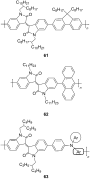
Figure 4: TLC analysis of the dose effects of the compounds 1bα and 3a on production of lower lipid-linked ga...
Beilstein J. Org. Chem. 2020, 16, 1837–1852, doi:10.3762/bjoc.16.151
Graphical Abstract
Figure 1: A) Three types of the backbone amino acid structures that are included in protein translation: glyc...
Figure 2: The set of amino acids examined in this study.
Figure 3: Design of the model system.
Figure 4: Propagation of the C4-conformation into the values of the J coupling in the C2H–C3H2 fragments.
Figure 5: Preferred side-chain conformations according to the multiplicity data.
Figure 6: A) The basicity reduction from the introduction of the dipoles reflects the preferred conformation ...
Figure 7: The lipophilicity data of the model compounds.
Figure 8: The expectations regarding the amide-bond rotation preferences in 1–4.
Figure 9: The explanation for the difference in the rotation barriers in the diastereomeric (A), 4-(trifluoro...
Figure 10: A) The structures of difluorinated model compounds 5 and 6, and the fluorine-free reference 7. B) B...
Beilstein J. Org. Chem. 2020, 16, 1662–1682, doi:10.3762/bjoc.16.138
Graphical Abstract
Scheme 1: Schematic representation of the Pauson–Khand reaction.
Scheme 2: Substrates included in this review.
Scheme 3: Commonly accepted mechanism for the Pauson–Khand reaction.
Scheme 4: Regioselectivity of the PKR.
Scheme 5: Variability at the acetylenic and olefinic counterpart.
Scheme 6: Pauson–Khand reaction of fluoroolefinic enynes reported by the group of Ishizaki [46].
Scheme 7: PKR of enynes bearing fluorinated groups on the alkynyl moiety, reported by the group of Ishizaki [46]....
Scheme 8: Intramolecular PKR of 1,7-enynes reported by the group of Billard [47].
Scheme 9: Intramolecular PKR of 1,7-enynes reported by the group of Billard [48].
Scheme 10: Intramolecular PKR of 1,7-enynes by the group of Bonnet-Delpon [49]. Reaction conditions: i) Co(CO)8 (1...
Scheme 11: Intramolecular PKR of 1,6-enynes reported by the group of Ichikawa [50].
Scheme 12: Intramolecular Rh(I)-catalyzed PKR reported by the group of Hammond [52].
Scheme 13: Intramolecular PKR of allenynes reported by the group of Osipov [53].
Scheme 14: Intramolecular PKR of 1,7-enynes reported by the group of Osipov [53].
Scheme 15: Intramolecular PKR of fluorine-containing 1,6-enynes reported by the Konno group [54].
Scheme 16: Diastereoselective PKR with enantioenriched fluorinated enynes 34 [55].
Scheme 17: Intramolecular PKR reported by the group of Martinez-Solorio [56].
Scheme 18: Fluorine substitution at the olefinic counterpart.
Scheme 19: Synthesis of fluorinated enynes 37 [59].
Scheme 20: Fluorine-containing substrates in PKR [59].
Scheme 21: Pauson Khand reaction for fluorinated enynes by the Fustero group: scope and limitations [59].
Scheme 22: Synthesis of chloro and bromo analogues [59].
Scheme 23: Dimerization pathway [59].
Scheme 24: Synthesis of fluorine-containing N-tethered 1,7-enynes [61].
Scheme 25: Intramolecular PKR of chiral N-tethered fluorinated 1,7-enynes [61].
Scheme 26: Examples of further modifications to the Pauson−Khand adducts [61].
Scheme 27: Asymmetric synthesis the fluorinated enynes 53.
Scheme 28: Intramolecular PKR of chiral N-tethered 1,7-enynes 53 [64].
Scheme 29: Intramolecular PKR of chiral N-tethered 1,7-enyne bearing a vinyl fluoride [64].
Scheme 30: Catalytic intramolecular PKR of chiral N-tethered 1,7-enynes [64].
Scheme 31: Model fluorinated alkynes used by Riera and Fustero [70].
Scheme 32: PKR with norbornadiene and fluorinated alkynes 58 [71].
Scheme 33: Nucleophilic addition/detrifluoromethylation and retro Diels-Alder reactions [70].
Scheme 34: Tentative mechanism for the nucleophilic addition/retro-aldol reaction sequence.
Scheme 35: Catalytic PKR with norbornadiene [70].
Scheme 36: Scope of the PKR of trifluoromethylalkynes with norbornadiene [72].
Scheme 37: DBU-mediated detrifluoromethylation [72].
Scheme 38: A simple route to enone 67, a common intermediate in the total synthesis of α-cuparenone.
Scheme 39: Effect of the olefin partner in the regioselectivity of the PKR with trifluoromethyl alkynes [79].
Scheme 40: Intermolecular PKR of trifluoromethylalkynes with 2-norbornene reported by the group of Konno [54].
Scheme 41: Intermolecular PKR of diarylalkynes with 2-norbornene reported by the group of Helaja [80].
Scheme 42: Intermolecular PKR reported by León and Fernández [81].
Scheme 43: PKR reported with cyclopropene 73 [82].
Beilstein J. Org. Chem. 2020, 16, 1495–1549, doi:10.3762/bjoc.16.125
Graphical Abstract
Figure 1: A) Bar chart of the publications per year for the topics “Photocatalysis” (49,662 instances) and “P...
Figure 2: A) Professor Giacomo Ciamician and Dr. Paolo Silber on their roof laboratory at the University of B...
Scheme 1: PRC trifluoromethylation of N-methylpyrrole (1) using hazardous gaseous CF3I safely in a flow react...
Figure 3: A) Unit cells of the three most common crystal structures of TiO2: rutile, brookite, and anatase. R...
Figure 4: Illustration of the key semiconductor photocatalysis events: 1) A photon with a frequency exceeding...
Figure 5: Photocatalytic splitting of water by oxygen vacancies on a TiO2(110) surface. Reprinted with permis...
Figure 6: Proposed adsorption modes of A) benzene, B) chlorobenzene, C) toluene, D) phenol, E) anisole, and F...
Figure 7: Structures of the sulfonate-containing organic dyes RB5 (3) and MX-5B (4) and the adsorption isothe...
Figure 8: Idealised triclinic unit cell of a g-C3N4 type polymer, displaying possible hopping transport scena...
Figure 9: Idealised structure of a perfect g-C3N4 sheet. The central unit highlighted in red represents one t...
Figure 10: Timeline of the key processes of charge transport following the photoexcitation of g-C3N4, leading ...
Scheme 2: Photocatalytic bifunctionalisation of heteroarenes using mpg-C3N4, with the selected examples 5 and ...
Figure 11: A) Structure of four linear conjugated polymer photocatalysts for hydrogen evolution, displaying th...
Figure 12: Graphical representation of the common methods used to immobilise molecular photocatalysts (PC) ont...
Figure 13: Wireless light emitter-supported TiO2 (TiO2@WLE) HPCat spheres powered by resonant inductive coupli...
Figure 14: Graphical representation of zinc–perylene diimide (Zn-PDI) supramolecular assembly photocatalysis v...
Scheme 3: Upconversion of NIR photons to the UV frequency by NaYF4:Yb,Tm nanocrystals sequentially coated wit...
Figure 15: Types of reactors employed in heterogeneous photocatalysis in flow. A) Fixed bed reactors and the s...
Figure 16: Electrochemical potential of common semiconductor, transition metal, and organic dye-based photocat...
Scheme 4: Possible mechanisms of an immobilised molecular photoredox catalyst by oxidative or reductive quenc...
Scheme 5: Scheme of the CMB-C3N4 photocatalytic decarboxylative fluorination of aryloxyacetic acids, with the...
Scheme 6: Scheme of the g-C3N4 photocatalytic desilylative coupling reaction in flow and proposed mechanism [208].
Scheme 7: Proposed mechanism of the radical cyclisation of unsaturated alkyl 2-bromo-1,3-dicarbonyl compounds...
Scheme 8: N-alkylation of benzylamine and schematic of the TiO2-coated microfluidic device [213].
Scheme 9: Proposed mechanism of the Pt@TiO2 photocatalytic deaminitive cyclisation of ʟ-lysine (23) to ʟ-pipe...
Scheme 10: A) Proposed mechanism for the photocatalytic oxidation of phenylboronic acid (24). B) Photos and SE...
Scheme 11: Proposed mechanism for the DA-CMP3 photocatalytic aza-Henry reaction performed in a continuous flow...
Scheme 12: Proposed mechanism for the formation of the cyclic product 32 by TiO2-NC HPCats in a slurry flow re...
Scheme 13: Reaction scheme for the photocatalytic synthesis of homo and hetero disulfides in flow and scope of...
Scheme 14: Reaction scheme for the MoOx/TiO2 HPCat oxidation of cyclohexane (34) to benzene. The graph shows t...
Scheme 15: Proposed mechanism of the TiO2 HPC heteroarene C–H functionalisation via aryl radicals generated fr...
Scheme 16: Scheme of the oxidative coupling of benzylamines with the HOTT-HATN HPCat and selected examples of ...
Scheme 17: Photocatalysis oxidation of benzyl alcohol (40) to benzaldehyde (41) in a microflow reactor coated ...
Figure 17: Mechanisms of Dexter and Forster energy transfer.
Scheme 18: Continuous flow process for the isomerisation of alkenes with an ionic liquid-immobilised photocata...
Scheme 19: Singlet oxygen synthetic step in the total synthesis of canataxpropellane [265].
Scheme 20: Scheme and proposed mechanism of the singlet oxygen photosensitisation by CMP_X HPCats, with the st...
Scheme 21: Structures of CMP HPCat materials applied by Vilela and co-workers for the singlet oxygen photosens...
Scheme 22: Polyvinylchloride resin-supported TDCPP photosensitisers applied for singlet oxygen photosensitisat...
Scheme 23: Structure of the ionically immobilised TPP photosensitiser on amberlyst-15 ion exchange resins (TPP...
Scheme 24: Photosensitised singlet oxygen oxidation of citronellol (46) in scCO2, with automatic phase separat...
Scheme 25: Schematic of PS-Est-BDP-Cl2 being applied for singlet oxygen photosensitisation in flow. A) Pseudo-...
Scheme 26: Reaction scheme of the singlet oxygen oxidation of furoic acid (54) using a 3D-printed microfluidic...
Figure 18: A) Photocatalytic bactericidal mechanism by ROS oxidative cleavage of membrane lipids (R = H, amino...
Figure 19: A) Suggested mechanisms for the aqueous pollutant degradation by TiO2 in a slurry flow reactor [284-287]. B)...
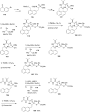
Figure 20: Schematic of the flow system used for the degradation of aqueous oxytetracycline (56) solutions [215]. M...
Scheme 27: Degradation of a salicylic acid (57) solution by a coupled solar photoelectro-Fenton (SPEF) process...
Figure 21: A) Schematic flow diagram using the TiO2-coated NETmix microfluidic device for an efficient mass tr...
Beilstein J. Org. Chem. 2020, 16, 1357–1410, doi:10.3762/bjoc.16.116
Graphical Abstract
Figure 1: Examples of biologically active thietane-containing molecules.
Figure 2: The diverse methods for the synthesis of thietanes.
Scheme 1: Synthesis of 1-(thietan-2-yl)ethan-1-ol (10) from 3,5-dichloropentan-2-ol (9).
Scheme 2: Synthesis of thietanose nucleosides 2,14 from 2,2-bis(bromomethyl)propane-1,3-diol (11).
Scheme 3: Synthesis of methyl 3-vinylthietane-3-carboxylate (19).
Scheme 4: Synthesis of 1,6-thiazaspiro[3.3]heptane (24).
Scheme 5: Synthesis of 6-amino-2-thiaspiro[3.3]heptane hydrochloride (28).
Scheme 6: Synthesis of optically active thietane 31 from vitamin C.
Scheme 7: Synthesis of an optically active thietane nucleoside from diethyl L-tartrate (32).
Scheme 8: Synthesis of thietane-containing spironucleoside 40 from 5-aldo-3-O-benzyl-1,2-O-isopropylidene-α-D...
Scheme 9: Synthesis of optically active 2-methylthietane-containing spironucleoside 43.
Scheme 10: Synthesis of a double-linked thietane-containing spironucleoside 48.
Scheme 11: Synthesis of two diastereomeric thietanose nucleosides via 2,4-di(benzyloxymethyl)thietane (49).
Scheme 12: Synthesis of the thietane-containing PI3k inhibitor candidate 54.
Scheme 13: Synthesis of the spirothietane 57 as the key intermediate to Nuphar sesquiterpene thioalkaloids.
Scheme 14: Synthesis of spirothietane 61 through a direct cyclic thioetherification of 3-mercaptopropan-1-ol.
Scheme 15: Synthesis of thietanes 66 from 1,3-diols 62.
Scheme 16: Synthesis of thietanylbenzimidazolone 75 from (iodomethyl)thiazolobenzimidazole 70.
Scheme 17: Synthesis of 2-oxa-6-thiaspiro[3.3]heptane (80) from bis(chloromethyl)oxetane 76 and thiourea.
Scheme 18: Synthesis of the thietane-containing glycoside, 2-O-p-toluenesulfonyl-4,6-thioanhydro-α-D-gulopyran...
Scheme 19: Synthesis of methyl 4,6-thioanhydro-α-D-glucopyranoside (89).
Scheme 20: Synthesis of thietane-fused α-D-galactopyranoside 93.
Scheme 21: Synthesis of thietane-fused α-D-gulopyranoside 100.
Scheme 22: Synthesis of 3,5-anhydro-3-thiopentofuranosides 104.
Scheme 23: Synthesis of anhydro-thiohexofuranosides 110, 112 and 113 from from 1,2:4,5-di-O-isopropylidene D-f...
Scheme 24: Synthesis of optically active thietanose nucleosides from D- and L-xyloses.
Scheme 25: Synthesis of thietane-fused nucleosides.
Scheme 26: Synthesis of 3,5-anhydro-3-thiopentofuranosides.
Scheme 27: Synthesis of 2-amino-3,5-anhydro-3-thiofuranoside 141.
Scheme 28: Synthesis of thietane-3-ols 145 from (1-chloromethyl)oxiranes 142 and hydrogen sulfide.
Scheme 29: Synthesis of thietane-3-ol 145a from chloromethyloxirane (142a).
Scheme 30: Synthesis of thietane-3-ols 145 from 2-(1-haloalkyl)oxiranes 142 and 147 with ammonium monothiocarb...
Scheme 31: Synthesis of 7-deoxy-5(20)thiapaclitaxel 154a, a thietane derivative of taxoids.
Scheme 32: Synthesis of 5(20)-thiadocetaxel 158 from 10-deacetylbaccatin III (155).
Scheme 33: Synthesis of thietane derivatives 162 as precursors for deoxythiataxoid synthesis through oxiraneme...
Scheme 34: Synthesis of 7-deoxy 5(20)-thiadocetaxel 154b.
Scheme 35: Mechanism for the formation of the thietane ring in 171 from oxiranes with vicinal leaving groups 1...
Scheme 36: Synthesis of cis-2,3-disubstituted thietane 175 from thiirane-2-methanol 172.
Scheme 37: Synthesis of a bridged thietane 183 from aziridine cyclohexyl tosylate 179 and ammonium tetrathiomo...
Scheme 38: Synthesis of thietanes via the photochemical [2 + 2] cycloaddition of thiobenzophenone 184a with va...
Scheme 39: Synthesis of spirothietanes through the photo [2 + 2] cycloaddition of cyclic thiocarbonyls with ol...
Scheme 40: Photochemical synthesis of spirothietane-thioxanthenes 210 from thioxanthenethione (208) and butatr...
Scheme 41: Synthesis of thietanes 213 from 2,4,6-tri(tert-butyl)thiobenzaldehyde (211) with substituted allene...
Scheme 42: Photochemical synthesis of spirothietanes 216 and 217 from N-methylthiophthalimide (214) with olefi...
Scheme 43: Synthesis of fused thietanes from quadricyclane with thiocarbonyl derivatives 219.
Scheme 44: Synthesis of tricyclic thietanes via the photo [2 + 2] cycloaddition of N-methyldithiosuccinimides ...
Scheme 45: Synthesis of tricyclic thietanes via the photo [2 + 2] cycloaddition of N-methylthiosuccinimide/thi...
Scheme 46: Synthesis of tricyclic thietanes via the photo [2 + 2] cycloaddition of N-alkylmonothiophthalimides...
Scheme 47: Synthesis of spirothietanes from dithiosuccinimides 223 with 2,3-dimethyl-2-butene (215a).
Scheme 48: Synthesis of thietanes 248a,b from diaryl thione 184b and ketene acetals 247a,b.
Scheme 49: Photocycloadditions of acridine-9-thiones 249 and pyridine-4(1H)-thione (250) with 2-methylacrynitr...
Scheme 50: Synthesis of thietanes via the photo [2 + 2] cycloaddition of mono-, di-, and trithiobarbiturates 2...
Scheme 51: Synthesis of spirothietanes via the photo [2 + 2] cycloaddition of 1,1,3-trimethyl-2-thioxo-1,2-dih...
Scheme 52: Synthesis of spirothietanes via the photo [2 + 2] cycloaddition of thiocoumarin 286 with olefins.
Scheme 53: Photochemical synthesis of thietanes 296–299 from semicyclic and acyclic thioimides 292–295 and 2,3...
Scheme 54: Photochemical synthesis of spirothietane 301 from 1,3,3-trimethylindoline-2-thione (300) and isobut...
Scheme 55: Synthesis of spirobenzoxazolethietanes 303 via the photo [2 + 2] cycloaddition of alkyl and aryl 2-...
Scheme 56: Synthesis of spirothietanes from tetrahydrothioxoisoquinolines 306 and 307 with olefins.
Scheme 57: Synthesis of spirothietanes from 1,3-dihydroisobenzofuran-1-thiones 311 and benzothiophene-1-thione...
Scheme 58: Synthesis of 2-triphenylsilylthietanes from phenyl triphenylsilyl thioketone (316) with electron-po...
Scheme 59: Diastereoselective synthesis of spiropyrrolidinonethietanes 320 via the photo [2 + 2] cycloaddition...
Scheme 60: Synthesis of bicyclic thietane 323 via the photo [2 + 2] cycloaddition of 2,4-dioxo-3,4-dihydropyri...
Scheme 61: Photo-induced synthesis of fused thietane-2-thiones 325 and 326 from silacyclopentadiene 324 and ca...
Scheme 62: Synthesis of highly strained tricyclic thietanes 328 via the intramolecular photo [2 + 2] cycloaddi...
Scheme 63: Synthesis of tri- and pentacyclic thietanes 330 and 332, respectively, through the intramolecular p...
Scheme 64: Synthesis of tricyclic thietanes 334 via the intramolecular photo [2 + 2] cycloaddition of N-vinylt...
Scheme 65: Synthesis of tricyclic thietanes 336 via the intramolecular photo [2 + 2] cycloaddition of N-but-3-...
Scheme 66: Synthesis of tricyclic thietanes via the intramolecular photo [2 + 2] cycloaddition of N-but-3-enyl...
Scheme 67: Synthesis of tetracyclic thietane 344 through the intramolecular photo [2 + 2] cycloaddition of N-[...
Scheme 68: Synthesis of tri- and tetracyclic thietanes 348, 350, and 351, through the intramolecular photo [2 ...
Scheme 69: Synthesis of tetracyclic fused thietane 354 via the photo [2 + 2] cycloaddition of vinyl 2-thioxo-3H...
Scheme 70: Synthesis of highly rigid thietane-fused β-lactams via the intramolecular photo [2 + 2] cycloadditi...
Scheme 71: Asymmetric synthesis of a highly rigid thietane-fused β-lactam 356a via the intramolecular photo [2...
Scheme 72: Diastereoselective synthesis of the thietane-fused β-lactams via the intramolecular photo [2 + 2] c...
Scheme 73: Asymmetric synthesis of thietane-fused β-lactams 356 via the intramolecular photo [2 + 2] cycloaddi...
Scheme 74: Synthesis of the bridged bis(trifluoromethyl)thietane from 2,2,4,4-tetrakis(trifluoromethyl)-1,3-di...
Scheme 75: Synthesis of the bridged-difluorothietane 368 from 2,2,4,4-tetrafluoro-1,3-dithietane (367) and qua...
Scheme 76: Synthesis of bis(trifluoromethyl)thietanes from 2,2,4,4-tetrakis(trifluoromethyl)-1,3-dithietane (3...
Scheme 77: Synthesis of 2,2-dimethylthio-4,4-di(trifluoromethyl)thietane (378) from 2,2,4,4-tetrakis(trifluoro...
Scheme 78: Formation of bis(trifluoromethyl)thioacetone (381) through nucleophilic attack of dithietane 363 by...
Scheme 79: Synthesis of 2,2-bis(trifluoromethyl)thietanes from 2,2,4,4-tetrakis(trifluoromethyl)-1,3-dithietan...
Scheme 80: Synthesis of the bridged bis(trifluoromethyl)thietane 364 from of 2,2,4,4-tetrakis(trifluoromethyl)...
Scheme 81: Synthesis of 2,4-diiminothietanes 390 from alkenimines and 4-methylbenzenesulfonyl isothiocyanate (...
Scheme 82: Synthesis of arylidene 2,4-diiminothietanes 393 starting from phosphonium ylides 391 and isothiocya...
Scheme 83: Synthesis of thietane-2-ylideneacetates 397 through a DABCO-catalyzed formal [2 + 2] cycloaddition ...
Scheme 84: Synthesis of 3-substituted thietanes 400 from (1-chloroalkyl)thiiranes 398.
Scheme 85: Synthesis of N-(thietane-3-yl)azaheterocycles 403 and 404 through reaction of chloromethylthiirane (...
Scheme 86: Synthesis of 3-sulfonamidothietanes 406 from sulfonamides and chloromethylthiirane (398a).
Scheme 87: Synthesis of N-(thietane-3-yl)isatins 408 from chloromethylthiirane (398a) and isatins 407.
Scheme 88: Synthesis of 3-(nitrophenyloxy)thietanes 410 from nitrophenols 409 and chloromethylthiirane (398a).
Scheme 89: Synthesis of N-aryl-N-(thietane-3-yl)cyanamides 412 from N-arylcyanamides 411 and chloromethylthiir...
Scheme 90: Synthesis of 1-(thietane-3-yl)pyrimidin-2,4(1H,3H)-diones 414 from chloromethylthiirane (398a) and ...
Scheme 91: Synthesis of 2,4-diiminothietanes 418 from 2-iminothiiranes 416 and isocyanoalkanes 415.
Scheme 92: Synthesis of 2-vinylthietanes 421 from thiiranes 419 and 3-chloroallyl lithium (420).
Scheme 93: Synthesis of thietanes from thiiranes 419 and trimethyloxosulfonium iodide 424.
Scheme 94: Mechanism for synthesis of thietanes 425 from thiiranes 419 and trimethyloxosulfonium iodide 424.
Scheme 95: Synthesis of functionalized thietanes from thiiranes and dimethylsulfonium acylmethylides.
Scheme 96: Mechanism for the rhodium-catalyzed synthesis of functionalized thietanes 429 from thiiranes 419 an...
Scheme 97: Synthesis of 3-iminothietanes 440 through thermal isomerization from 4,5-dihydro-1,3-oxazole-4-spir...
Scheme 98: Synthesis of thietanes 443 from 3-chloro-2-methylthiolane (441) through ring contraction.
Scheme 99: Synthesis of an optically active thietanose 447 from D-xylose involving a ring contraction.
Scheme 100: Synthesis of optically thietane 447 via the DAST-mediated ring contraction of 448.
Scheme 101: Synthesis of the optically thietane nucleoside 451 via the ring contraction of thiopentose in 450.
Scheme 102: Synthesis of spirothietane 456 from 3,3,5,5-tetramethylthiolane-2,4-dithione (452) and benzyne (453...
Scheme 103: Synthesis of thietanes 461 via photoisomerization of 2H,6H-thiin-3-ones 459.
Scheme 104: Phosphorodithioate-mediated synthesis of 1,4-diarylthietanes 465.
Scheme 105: Mechanism of the phosphorodithioate-mediated synthesis of 1,4-diarylthietanes 465.
Scheme 106: Phosphorodithioate-mediated synthesis of trisubstituted thietanes (±)-470.
Scheme 107: Mechanism on the phosphorodithioate-mediated synthesis of trisubstituted thietanes.
Scheme 108: Phosphorodithioate-mediated synthesis of thietanes (±)-475.
Scheme 109: Phosphorodithioate-mediated synthesis of 1,2-disubstituted thietanes from aldehydes 476 and acrylon...
Scheme 110: Phosphorodithioate-mediated synthesis of 1,2-disubstituted thietanes via a one-pot three-component ...
Scheme 111: Mechanism for the phosphorodithioate-mediated synthesis of 1,2-disubstituted thietanes via three-co...
Scheme 112: Phosphorodithioate-mediated synthesis of substituted 3-nitrothietanes.
Scheme 113: Mechanism on the phosphorodithioate-mediated synthesis of 1,2-disubstituted thietanes (±)-486.
Scheme 114: Asymmetric synthesis of (S)-2-phenylthietane (497).
Scheme 115: Asymmetric synthesis of optically active 2,4-diarylthietanes.
Scheme 116: Synthesis of 3-acetamidothietan-2-one 503 via the intramolecular thioesterification of 3-mercaptoal...
Scheme 117: Synthesis of 4-substituted thietan-2-one via the intramolecular thioesterification of 3-mercaptoalk...
Scheme 118: Synthesis of 4,4-disubstituted thietan-2-one 511 via the intramolecular thioesterification of the 3...
Scheme 119: Synthesis of a spirothietan-2-one 514 via the intramolecular thioesterification of 3-mercaptoalkano...
Scheme 120: Synthesis of thiatetrahydrolipstatin starting from (S)-(−)-epichlorohydrin ((S)-142a).
Scheme 121: Synthesis of 2-phenethyl-4-(propan-2-ylidene)thietane (520) from 5-bromo-6-methyl-1-phenylhept-5-en...
Scheme 122: Synthesis of 2-phenethyl-4-(propan-2-ylidene)thietane (520) directly from S-(5-bromo-6-methyl-1-phe...
Scheme 123: Synthesis of 2-alkylidenethietanes from S-(2-bromoalk-1-en-4-yl)thioacetates.
Scheme 124: Synthesis of 2-alkylidenethietanes from S-(2-bromo/chloroalk-1-en-4-yl)thiols.
Scheme 125: Synthesis of spirothietan-3-ol 548 from enone 545 and ammonium hydrosulfide.
Scheme 126: Asymmetric synthesis of the optically active thietanoside from cis-but-2-ene-1,4-diol (47).
Scheme 127: Synthesis of 2-alkylidenethietan-3-ols 557 via the fluoride-mediated cyclization of thioacylsilanes ...
Scheme 128: Synthesis of 2-iminothietanes via the reaction of propargylbenzene (558) and isothiocyanates 560 in...
Scheme 129: Synthesis of 2-benzylidenethietane 567 via the nickel complex-catalyzed electroreductive cyclizatio...
Scheme 130: Synthesis of 2-iminothietanes 569 via the photo-assisted electrocyclic reaction of N-monosubstitute...
Scheme 131: Synthesis of ethyl 3,4-diiminothietane-2-carboxylates from ethyl thioglycolate (570) and bis(imidoy...
Scheme 132: Synthesis of N-(thietan-3-yl)-α-oxoazaheterocycles from azaheterocyclethiones and chloromethyloxira...
Scheme 133: Synthesis of thietan-3-yl benzoate (590) via the nickel-catalyzed intramolecular reductive thiolati...
Scheme 134: Synthesis of 2,2-bis(trifluoromethyl)thietane from 3,3-bis(trifluoromethyl)-1,2-dithiolane.
Scheme 135: Synthesis of thietanes from enamines and sulfonyl chlorides.
Scheme 136: Synthesis of spirothietane 603 via the [2 + 3] cycloaddition of 2,2,4,4-tetramethylcyclobutane-1,3-...
Scheme 137: Synthesis of thietane (605) from 1-bromo-3-chloropropane and sulfur.