

Search results
Search for "amino group" in Full Text gives 407 result(s) in Beilstein Journal of Organic Chemistry. Showing first 200.
A cyclopeptide and three oligomycin-class polyketides produced by an underexplored actinomycete of the genus Pseudosporangium
- Shun Saito,
- Kota Atsumi,
- Tao Zhou,
- Keisuke Fukaya,
- Daisuke Urabe,
- Naoya Oku,
- Md. Rokon Ul Karim,
- Hisayuki Komaki and
- Yasuhiro Igarashi
Beilstein J. Org. Chem. 2020, 16, 1100–1110, doi:10.3762/bjoc.16.97
- ''/2''-NH was connected at C-4'' on the basis of the correlations from H-11'' to C-3'' and from H-3'' to C-5''. The connectivity between the carboxy carbon of Pro (C-1') and the amino group of Trp was confirmed by the HMBC correlations from H-2'' and 2''-NH to C-1'. Connectivity between the AcTyr and

Graphical Abstract

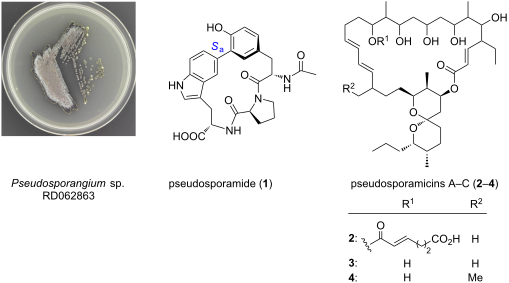
Figure 1: Structures of pseudosporamide (1) and pseudosporamicins A–C (2–4).

Figure 2: COSY, key HMBC and ROESY correlations of pseudosporamide (1).

Figure 3: 1H NMR ΔδS−R values for PGME amides 5a and 5b obtained from compound 1.

Figure 4: The opposite axial chirality around the biaryl C-6–C-7'' bond influenced by the C-2 configuration i...

Figure 5: The experimental and calculated ECD spectra in MeCN.

Figure 6: COSY, key HMBC and NOESY correlations of compound 2.

Figure 7: NOESY correlations for the spiroacetal moiety of compound 2.

Figure 8: Selected examples of oligomycin-class metabolites from actinomycetes.
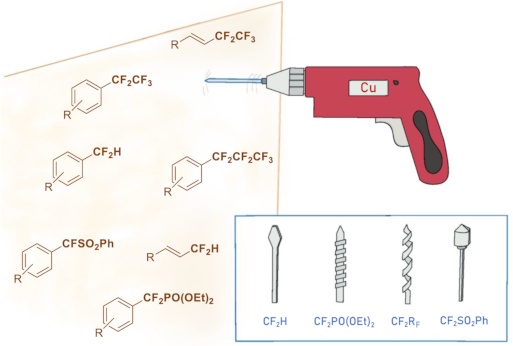
Copper-based fluorinated reagents for the synthesis of CF2R-containing molecules (R ≠ F)
- Louise Ruyet and
- Tatiana Besset
Beilstein J. Org. Chem. 2020, 16, 1051–1065, doi:10.3762/bjoc.16.92
- CuI, in the presence of t-BuOK and 9,10-phenanthraquinone, the functionalization of a panel of (hetero)aromatic and aliphatic terminal alkynes was achieved (Scheme 5). A good functional group tolerance was observed as alkynes bearing a cyano, ester, bromo or amino group among others were suitable

Graphical Abstract

Scheme 1: Synthesis of the first isolable (NHC)CuCF2H complexes from TMSCF2H and their application for the sy...

Scheme 2: Pioneer works for the in situ generation of CuCF2H from TMSCF2H and from n-Bu3SnCF2H. Phen = 1,10-p...
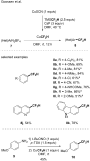
Scheme 3: A Sandmeyer-type difluoromethylation reaction via the in situ generation of CuCF2H from TMSCF2H. a ...
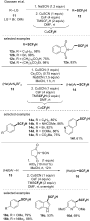
Scheme 4: A one pot, two-step sequence for the difluoromethylthiolation of various classes of compounds via t...
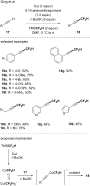
Scheme 5: A copper-mediated oxidative difluoromethylation of terminal alkynes via the in situ generation of a...
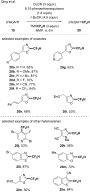
Scheme 6: A copper-mediated oxidative difluoromethylation of heteroarenes.
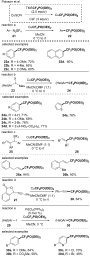
Scheme 7: Synthesis of difluoromethylphosphonate-containing molecules using the in situ-generated CuCF2PO(OEt)...
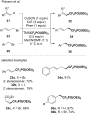
Scheme 8: Synthesis of difluoromethylphosphonate-containing molecules using in situ-generated CuCF2PO(OEt)2 s...
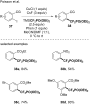
Scheme 9: Synthesis of difluoromethylphosphonate-containing molecules using in situ-generated CuCF2PO(OEt)2 s...
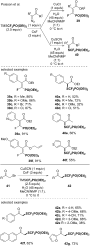
Scheme 10: Synthesis of (diethylphosphono)difluoromethylthiolated molecules using in situ-generated CuCF2PO(OE...
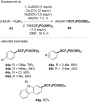
Scheme 11: Access to (diethylphosphono)difluoromethylthiolated molecules via the in situ generation of CuCF2PO...
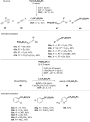
Scheme 12: Synthesis of (phenylsulfonyl)difluoromethyl-containing molecules via the in situ generation of CuCF2...

Scheme 13: Copper-mediated 1,1-difluoroethylation of diaryliodonium salts by using the in situ-generated CuCF2...

Scheme 14: Pioneer works for the pentafluoroethylation and heptafluoropropylation using a copper-based reagent...
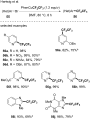
Scheme 15: Pentafluoroethylation of (hetero)aryl bromides using the (Phen)CuCF2CF3 complex. 19F NMR yields wer...

Scheme 16: Synthesis of pentafluoroethyl ketones using the (Ph3P)Cu(phen)CF2CF3 reagent. 19F NMR yields were g...
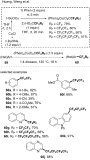
Scheme 17: Synthesis of (Phen)2Cu(O2CCF2RF) and functionalization of (hetero)aryl iodides.
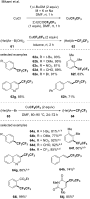
Scheme 18: Pentafluoroethylation of arylboronic acids and (hetero)aryl bromides via the in situ-generated CuCF2...

Scheme 19: In situ generation of CuCF2CF3 species from a cyclic-protected hexafluoroacetone and KCu(Ot-Bu)2. 19...
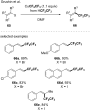
Scheme 20: Pentafluoroethylation of bromo- and iodoalkenes. Only examples of isolated compounds were depicted.

Scheme 21: Fluoroalkylation of aryl halides via a RCF2CF2Cu species.

Scheme 22: Synthesis of perfluoroorganolithium copper species or perfluroalkylcopper derivatives from iodoperf...
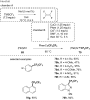
Scheme 23: Formation of the PhenCuCF2CF3 reagent by means of TFE and pentafluoroethylation of iodoarenes and a...
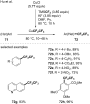
Scheme 24: Generation of a CuCF2CF3 reagent from TMSCF3 and applications.
Fluorinated phenylalanines: synthesis and pharmaceutical applications
- Laila F. Awad and
- Mohammed Salah Ayoup
Beilstein J. Org. Chem. 2020, 16, 1022–1050, doi:10.3762/bjoc.16.91
- α-hydroxy-β-amino ester 142. In this case, XtalFluor-E was used to activate the OH group in the substrate and displaced by neighboring amino-group participation creating an aziridinium intermediate 150. The latter then was opened stereo- and regioselectively by fluoride to give 151 in good yield and

Graphical Abstract

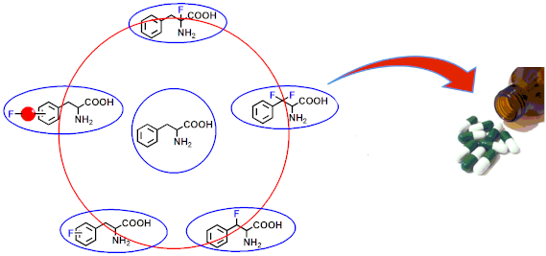
Figure 1: Categories I–V of fluorinated phenylalanines.

Scheme 1: Synthesis of fluorinated phenylalanines via Jackson’s method.

Scheme 2: Synthesis of all-cis-tetrafluorocyclohexylphenylalanines.

Scheme 3: Synthesis of ʟ-4-[sulfono(difluoromethyl)]phenylalanine (nPt: neopentyl, TCE: trichloroethyl).

Scheme 4: Synthesis of ʟ-4-[sulfono(difluoromethyl)]phenylalanine derivatives 17.

Scheme 5: Synthesis of fluorinated Phe analogues from Cbz-protected aminomalonates.

Scheme 6: Synthesis of tetrafluorophenylalanine analogues via the 3-methyl-4-imidazolidinone auxiliary 25.

Scheme 7: Synthesis of tetrafluoro-Phe derivatives via chiral auxiliary 31.

Scheme 8: Synthesis of 2,5-difluoro-Phe and 2,4,5-trifluoro-Phe via Schöllkopf reagent 34.

Scheme 9: Synthesis of 2-fluoro- and 2,6-difluoro Fmoc-Phe derivatives starting from chiral auxiliary 39.

Scheme 10: Synthesis of 2-[18F]FPhe via chiral auxiliary 43.

Scheme 11: Synthesis of FPhe 49a via photooxidative cyanation.

Scheme 12: Synthesis of FPhe derivatives via Erlenmeyer azalactone synthesis.

Scheme 13: Synthesis of (R)- and (S)-2,5-difluoro Phe via the azalactone method.

Scheme 14: Synthesis of 3-bromo-4-fluoro-(S)-Phe (65).

Scheme 15: Synthesis of [18F]FPhe via radiofluorination of phenylalanine with [18F]F2 or [18F]AcOF.

Scheme 16: Synthesis of 4-borono-2-[18F]FPhe.

Scheme 17: Synthesis of protected 4-[18F]FPhe via arylstannane derivatives.

Scheme 18: Synthesis of FPhe derivatives via intermediate imine formation.

Scheme 19: Synthesis of FPhe derivatives via Knoevenagel condensation.

Scheme 20: Synthesis of FPhe derivatives 88a,b from aspartic acid derivatives.

Scheme 21: Synthesis of 2-(2-fluoroethyl)phenylalanine derivatives 93 and 95.

Scheme 22: Synthesis of FPhe derivatives via Zn2+ complexes.

Scheme 23: Synthesis of FPhe derivatives via Ni2+ complexes.

Scheme 24: Synthesis of 3,4,5-trifluorophenylalanine hydrochloride (109).

Scheme 25: Synthesis of FPhe derivatives via phenylalanine aminomutase (PAM).

Scheme 26: Synthesis of (R)-2,5-difluorophenylalanine 115.

Scheme 27: Synthesis of β-fluorophenylalanine via 2-amino-1,3-diol derivatives.

Scheme 28: Synthesis of β-fluorophenylalanine derivatives via the oxazolidinone chiral auxiliary 122.

Scheme 29: Synthesis of β-fluorophenylalanine from pyruvate hemiketal 130.

Scheme 30: Synthesis of β-fluorophenylalanine (136) via fluorination of β-hydroxyphenylalanine (137).

Scheme 31: Synthesis of β-fluorophenylalanine from aziridine derivatives.

Scheme 32: Synthesis of β-fluorophenylalanine 136 via direct fluorination of pyruvate esters.

Scheme 33: Synthesis of β-fluorophenylalanine via fluorination of ethyl 3-phenylpyruvate enol using DAST.

Scheme 34: Synthesis of β-fluorophenylalanine derivatives using photosensitizer TCB.

Scheme 35: Synthesis of β-fluorophenylalanine derivatives using Selectflour and dibenzosuberenone.

Scheme 36: Synthesis of protected β-fluorophenylalanine via aziridinium intermediate 150.

Scheme 37: Synthesis of β-fluorophenylalanine derivatives via fluorination of α-hydroxy-β-aminophenylalanine d...

Scheme 38: Synthesis of β-fluorophenylalanine derivatives from α- or β-hydroxy esters 152a and 155.

Scheme 39: Synthesis of a series of β-fluoro-Phe derivatives via Pd-catalyzed direct fluorination of β-methyle...

Scheme 40: Synthesis of series of β-fluorinated Phe derivatives using quinoline-based ligand 162 in the Pd-cat...

Scheme 41: Synthesis of β,β-difluorophenylalanine derivatives from 2,2-difluoroacetaldehyde derivatives 164a,b....

Scheme 42: Synthesis of β,β-difluorophenylalanine derivatives via an imine chiral auxiliary.

Scheme 43: Synthesis of α-fluorophenylalanine derivatives via direct fluorination of protected Phe 174.

Figure 2: Structures of PET radiotracers of 18FPhe derivatives.

Figure 3: Structures of melfufen (179) and melphalan (180) anticancer drugs.

Figure 4: Structure of gastrazole (JB95008, 181), a CCK2 receptor antagonist.

Figure 5: Dual CCK1/CCK2 antagonist 182.

Figure 6: Structure of sitagliptin (183), an antidiabetic drug.

Figure 7: Structure of retaglpitin (184) and antidiabetic drug.

Figure 8: Structure of evogliptin (185), an antidiabetic drug.

Figure 9: Structure of LY2497282 (186) a DPP-4 inhibitor for the treatment of type II diabetes.

Figure 10: Structure of ulimorelin (187).

Figure 11: Structure of GLP1R (188).
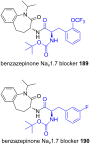
Figure 12: Structures of Nav1.7 blockers 189 and 190.
Pd-catalyzed asymmetric Suzuki–Miyaura coupling reactions for the synthesis of chiral biaryl compounds with a large steric substituent at the 2-position
- Yongsu Li,
- Bendu Pan,
- Xuefeng He,
- Wang Xia,
- Yaqi Zhang,
- Hao Liang,
- Chitreddy V. Subba Reddy,
- Rihui Cao and
- Liqin Qiu
Beilstein J. Org. Chem. 2020, 16, 966–973, doi:10.3762/bjoc.16.85
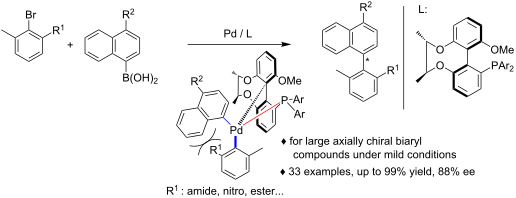
- enantioselectivity. Just a slight improvement of the ee value was found along with the introduction of bulkier substituents to the amino group (5b–d). From the reaction results, it can be seen that the Pd···O interaction [13][64] between the carbonyl group and the palladium plays an important role for the reaction

Graphical Abstract

Figure 1: (R)-MeO-MOP and our ligands.
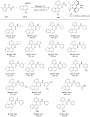
Scheme 1: Asymmetric Suzuki–Miyaura coupling. Reaction conditions: 1 equiv N-aryl-bromoaryl compounds, 2 equi...

Scheme 2: Asymmetric Suzuki–Miyaura coupling. Reaction conditions: 1 equiv of bromoaryl compounds, 2 equiv of...

Scheme 3: Gram-scale reaction.

Scheme 4: Based on our analysis and speculation, a possible intermediate structure is proposed [65,66].

Scheme 5: Method A for the synthesis of amide substrates.

Scheme 6: Method B for the synthesis of amide substrates.
Recent applications of porphyrins as photocatalysts in organic synthesis: batch and continuous flow approaches
- Rodrigo Costa e Silva,
- Luely Oliveira da Silva,
- Aloisio de Andrade Bartolomeu,
- Timothy John Brocksom and
- Kleber Thiago de Oliveira
Beilstein J. Org. Chem. 2020, 16, 917–955, doi:10.3762/bjoc.16.83
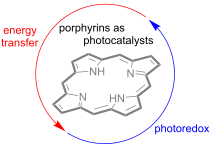
- thermal decomposition of urea at 550 °C for 2 h afforded the CN polymer, which possesses abundant –NH2 functional groups. The heterogeneous photocatalyst carbon nitride-hemin (CNH) was prepared after an amidation reaction between a carboxyl group of Fe(III) protoporphyrin IX and an amino group of the CN

Graphical Abstract

Figure 1: Chemical structures of the porphyrinoids and their absorption spectra: in bold are highlighted the ...

Figure 2: Photophysical and photochemical processes (Por = porphyrin). Adapted from [12,18].

Figure 3: Main dual photocatalysts and their oxidative/reductive excited state potentials, including porphyri...

Scheme 1: Photoredox alkylation of aldehydes with diazo acetates using porphyrins and a Ru complex. aUsing a ...

Scheme 2: Proposed mechanism for the alkylation of aldehydes with diazo acetates in the presence of TPP.
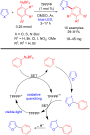
Scheme 3: Arylation of heteroarenes with aryldiazonium salts using TPFPP as photocatalyst, and corresponding ...

Scheme 4: A) Scope with different aryldiazonium salts and enol acetates. B) Photocatalytic cycles and compari...

Scheme 5: Photoarylation of isopropenyl acetate A) Comparison between batch and continuous-flow approaches an...

Scheme 6: Dehalogenation induced by red light using thiaporphyrin (STPP).

Scheme 7: Applications of NiTPP as both photoreductant and photooxidant.

Scheme 8: Proposed mechanism for obtaining tetrahydroquinolines by reductive quenching.

Scheme 9: Selenylation and thiolation of anilines.

Scheme 10: NiTPP as photoredox catalyst in oxidative and reductive quenching, in comparison with other photoca...

Scheme 11: C–O bond cleavage of 1-phenylethanol using a cobalt porphyrin (CoTMPP) under visible light.

Scheme 12: Hydration of terminal alkynes by RhIII(TSPP) under visible light irradiation.

Scheme 13: Regioselective photocatalytic hydro-defluorination of perfluoroarenes by RhIII(TSPP).

Scheme 14: Formation of 2-methyl-2,3-dihydrobenzofuran by intramolecular hydro-functionalization of allylpheno...
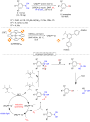
Scheme 15: Photocatalytic oxidative hydroxylation of arylboronic acids using UNLPF-12 as heterogeneous photoca...

Scheme 16: Photocatalytic oxidative hydroxylation of arylboronic acids using MOF-525 as heterogeneous photocat...

Scheme 17: Preparation of the heterogeneous photocatalyst CNH.

Scheme 18: Photoinduced sulfonation of alkenes with sulfinic acid using CNH as photocatalyst.

Scheme 19: Sulfonic acid scope of the sulfonation reactions.

Scheme 20: Regioselective sulfonation reaction of arimistane.

Scheme 21: Synthesis of quinazolin-4-(3H)-ones.

Scheme 22: Selective photooxidation of aromatic benzyl alcohols to benzaldehydes using Pt/PCN-224(Zn).

Scheme 23: Photooxidation of benzaldehydes to benzoic acids using Pt or Pd porphyrins.

Scheme 24: Photocatalytic reduction of various nitroaromatics using a Ni-MOF.

Scheme 25: Photoinduced cycloadditions of CO2 with epoxides by MOF1.

Figure 4: Electronic configurations of the species of oxygen. Adapted from [66].

Scheme 26: TPP-photocatalyzed generation of 1O2 and its application in organic synthesis. Adapted from [67-69].

Scheme 27: Pericyclic reactions involving singlet oxygen and their mechanisms. Adapted from [67].

Scheme 28: First scaled up ascaridole preparation from α-terpinene.

Scheme 29: Antimalarial drug synthesis using an endoperoxidation approach.

Scheme 30: Photooxygenation of colchicine.

Scheme 31: Synthesis of (−)-pinocarvone from abundant (+)-α-pinene.

Scheme 32: Seeberger’s semi-synthesis of artemisinin.

Scheme 33: Synthesis of artemisinin using TPP and supercritical CO2.

Scheme 34: Synthesis of artemisinin using chlorophyll a.

Scheme 35: Quercitol stereoisomer preparation.

Scheme 36: Photocatalyzed preparation of naphthoquinones.

Scheme 37: Continuous endoperoxidation of conjugated dienes and subsequent rearrangements leading to oxidized ...

Scheme 38: The Opatz group total synthesis of (–)-oxycodone.

Scheme 39: Biomimetic syntheses of rhodonoids A, B, E, and F.

Scheme 40: α-Photooxygenation of chiral aldehydes.

Scheme 41: Asymmetric photooxidation of indanone β-keto esters by singlet oxygen using PTC as a chiral inducer...

Scheme 42: Asymmetric photooxidation of both β-keto esters and β-keto amides by singlet oxygen using PTC-2 as ...

Scheme 43: Bifunctional photo-organocatalyst used for the asymmetric oxidation of β-keto esters and β-keto ami...

Scheme 44: Mechanism of singlet oxygen oxidation of sulfides to sulfoxides.

Scheme 45: Controlled oxidation of sulfides to sulfoxides using protonated porphyrins as photocatalysts. aIsol...

Scheme 46: Photochemical oxidation of sulfides to sulfoxides using PdTPFPP as photocatalyst.

Scheme 47: Controlled oxidation of sulfides to sulfoxides using SnPor@PAF as a photosensitizer.

Scheme 48: Syntheses of 2D-PdPor-COF and 3D-Pd-COF.

Scheme 49: Photocatalytic oxidation of A) thioanisole to methyl phenyl sulfoxide and B) various aryl sulfides,...

Scheme 50: General mechanism for oxidation of amines to imines.

Scheme 51: Oxidation of secondary amines to imines.

Scheme 52: Oxidation of secondary amines using Pd-TPFPP as photocatalyst.

Scheme 53: Oxidative amine coupling using UNLPF-12 as heterogeneous photocatalyst.

Scheme 54: Synthesis of Por-COF-1 and Por-COF-2.

Scheme 55: Photocatalytic oxidation of amines to imines by Por-COF-2.

Scheme 56: Photocyanation of primary amines.

Scheme 57: Synthesis of ᴅ,ʟ-tert-leucine hydrochloride.

Scheme 58: Photocyanation of catharanthine and 16-O-acetylvindoline using TPP.

Scheme 59: Photochemical α-functionalization of N-aryltetrahydroisoquinolines using Pd-TPFPP as photocatalyst.

Scheme 60: Ugi-type reaction with 1,2,3,4-tetrahydroisoquinoline using molecular oxygen and TPP.

Scheme 61: Ugi-type reaction with dibenzylamines using molecular oxygen and TPP.

Scheme 62: Mannich-type reaction of tertiary amines using PdTPFPP as photocatalyst.

Scheme 63: Oxidative Mannich reaction using UNLPF-12 as heterogeneous photocatalyst.

Scheme 64: Transformation of amines to α-cyanoepoxides and the proposed mechanism.
Synthesis of six-membered silacycles by borane-catalyzed double sila-Friedel–Crafts reaction
- Yafang Dong,
- Masahiko Sakai,
- Kazuto Fuji,
- Kohei Sekine and
- Yoichiro Kuninobu
Beilstein J. Org. Chem. 2020, 16, 409–414, doi:10.3762/bjoc.16.39
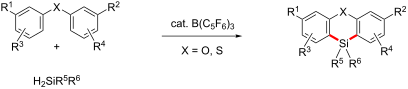
- , Fukuoka 816-8580, Japan 10.3762/bjoc.16.39 Abstract We have developed a catalytic synthetic method to prepare phenoxasilins. A borane-catalyzed double sila-Friedel–Crafts reaction between amino group-containing diaryl ethers and dihydrosilanes can be used to prepare a variety of phenoxasilin derivatives

Graphical Abstract

Scheme 1: Synthetic methods of six-membered silacyclic compounds.

Scheme 2: Scope of dihydrosilanes. Conditions: a: conditions B (Table 1, entry 5); b: conditions A (Table 1, entry 3).
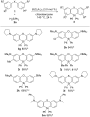
Scheme 3: Scope of diaryl ether and diaryl thioether derivatives. Conditions: a: conditions B (Table 1, entry 5); b:...

Scheme 4: Gram-scale Synthesis of 3a.

Scheme 5: Transformation of the amino groups in 3a.
Combination of multicomponent KA2 and Pauson–Khand reactions: short synthesis of spirocyclic pyrrolocyclopentenones
- Riccardo Innocenti,
- Elena Lenci,
- Gloria Menchi and
- Andrea Trabocchi
Beilstein J. Org. Chem. 2020, 16, 200–211, doi:10.3762/bjoc.16.23
- ). The acylation of the amino group was found necessary to allow for the cobalt-catalyzed reaction to proceed under a CO atmosphere. This step was also carried out in one pot after the KA2 reaction by diluting with pyridine and adding the acylating reagent, to achieve the corresponding product in
- slightly lower yield. Attempts to carry out the Pauson–Khand reaction directly on the amino group before the acylation step did not work, nor using a modified approach using ammonium chloride and 1.5 equivalents of Co2(CO)8 under an inert atmosphere, as reported for similar reactions in the presence of
- components in the outcome of the multicomponent coupling reaction. Similarly, the use of piperidone as the ketone component proved to work only when the amino group was protected as Boc, whereas the N-methyl derivative did not proceed to the coupling product (Table 1, entries 10 and 9, respectively). Indeed

Graphical Abstract

Figure 1: Chemical structure of representative approved drugs containing a spirocyclic moiety.

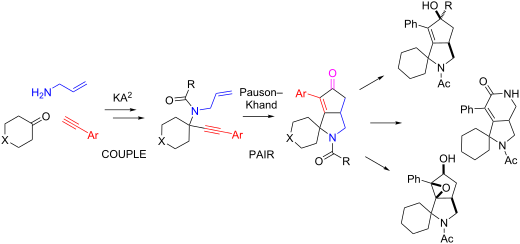
Scheme 1: Synthetic strategies for accessing pyrrolocyclopentenone derivatives, including the novel couple/pa...

Scheme 2: Couple/pair approach using combined KA2 and Pauson–Khand multicomponent reactions.

Scheme 3: Follow-up chemistry on compound 5 taking advantage of the enone chemistry. Reaction conditions. (i)...
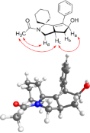
Figure 2: Top: Selected NOE contacts from NOESY 1D spectra of compound 36; bottom: low energy conformer of 36...

Figure 3: PCA plot resulting from the correlation between PC1 vs PC2, showing the positioning in the chemical...

Figure 4: PMI plot showing the skeletal diversity of compounds 3–39 (blue diamonds) with respect to the refer...
Photocontrolled DNA minor groove interactions of imidazole/pyrrole polyamides
- Sabrina Müller,
- Jannik Paulus,
- Jochen Mattay,
- Heiko Ihmels,
- Veronica I. Dodero and
- Norbert Sewald
Beilstein J. Org. Chem. 2020, 16, 60–70, doi:10.3762/bjoc.16.8
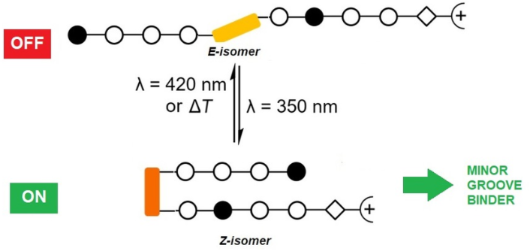
- -methylimidazole units were introduced by employing diamino derivatives 3 (Scheme 2A) [40]. Moreover, it turned out that coupling the subsequent building block to an N-terminal Im building block was problematic because the amino group of the imidazole derivative 2b is a weak nucleophile, and therefore the Fmoc–Py

Graphical Abstract
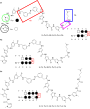
Scheme 1: Pyrrole–imidazole–azobenzene polyamides and the dsDNA target sequences employed in this study.

Scheme 2: Building blocks required for the synthesis of the photoswitchable Im/Py polyamides. A) Fmoc–Azo–OH 1...

Figure 1: Section of the 1H NMR (600 MHz) spectrum of polyamide P1. A) Initial thermal equilibrium. B) After ...

Figure 2: E/Z isomer ratio of the polyamides P1–P3. Values were obtained from the respective 1H NMR experimen...
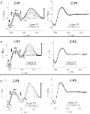
Figure 3: Titration experiments of target DNA sequences with P1–P3 in the photostationary Z-state and the the...
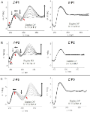
Figure 4: Titration of DNA containing single mutations (in bold) with P1–P3 in the photostationary Z-state an...
Facile regiodivergent synthesis of spiro pyrrole-substituted pseudothiohydantoins and thiohydantoins via reaction of [e]-fused 1H-pyrrole-2,3-diones with thiourea
- Aleksandr I. Kobelev,
- Nikita A. Tretyakov,
- Ekaterina E. Stepanova,
- Maksim V. Dmitriev,
- Michael Rubin and
- Andrey N. Maslivets
Beilstein J. Org. Chem. 2019, 15, 2864–2871, doi:10.3762/bjoc.15.280
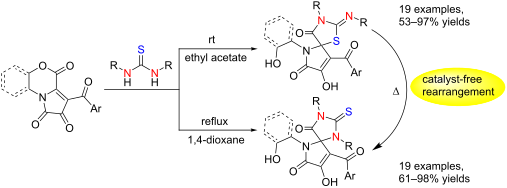
- when the reagents were mixed in the boiling solvent (Table 2, entry 4). Probably, compound 2a was formed not only as a result of the corresponding PTR, but as a result of a concurrent attack of the amino group of thiourea on the C-3a atom of FPD 1a (Scheme 6). Using the optimization data, we obtained a

Graphical Abstract

Figure 1: Hydantoin-based commercially available drugs.

Scheme 1: Pseudothiohydantoin–thiohydantoin rearrangement.

Scheme 2: Syntheses of regioisomeric 5-spiro-substituted thiohydantoins and pseudothiohydantoins: previous [10] a...

Figure 2: Electrophilic centers of FPDs 1, starting materials of this study.

Scheme 3: Cyclocondensation of FPDs 1 with 1,3-binucleophilic reagents, resulting in pyrrole-2-one-bearing sp...

Scheme 4: Reaction of FPD 1a with thiourea.

Scheme 5: PTR of 3a to 2a.
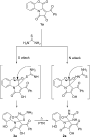
Scheme 6: Pathways for the formation of compound 2a.

Scheme 7: Reaction of FPD 1a with monosubstituted thioureas.

Scheme 8: Reaction of FPDs 1 with 1,3-dibutylthiourea at room temperature.

Scheme 9: Plausible PTR pathways.
Design, synthesis and investigation of water-soluble hemi-indigo photoswitches for bioapplications
- Daria V. Berdnikova
Beilstein J. Org. Chem. 2019, 15, 2822–2829, doi:10.3762/bjoc.15.275
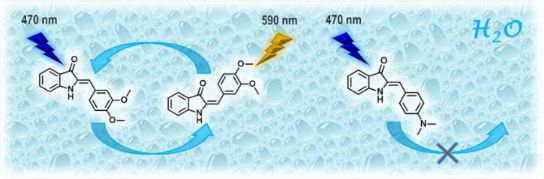
- in the presence of the co-solvent. The comparison with the reported data on Z-1a [13] and related hemi-indigo derivatives containing a 4-amino group in the phenyl ring [13] allowed to conclude that this substitution pattern is unfavorable for photoswitching in aqueous medium. Thus, a higher content
- of organic co-solvents (20–30% of DMSO, DMF or THF) or/and the presence of triethylamine was required to stimulate the photoswitching of the reported compounds with a 4-amino group in the phenyl ring [13]. Considering the limitations imposed on the nature and content of organic co-solvents used in

Graphical Abstract

Scheme 1: Synthesis of hemi-indigo derivatives Z-1a–c.

Scheme 2: Synthetic routes to alkylamino-substituted dimethoxy hemi-indigo Z-1c.

Figure 1: Photoswitching of hemi-indigo derivatives: (A) Z-1a, c = 20 μM in H2O with 10% (v/v) DMSO, λex = 42...

Scheme 3: Photoswitching of hemi-indigo derivatives.

Figure 2: Absorption spectra of the Z-isomer (black), two photostationary states obtained upon irradiation wi...
Synthesis of aryl-substituted thieno[3,2-b]thiophene derivatives and their use for N,S-heterotetracene construction
- Nadezhda S. Demina,
- Nikita A. Kazin,
- Nikolay A. Rasputin,
- Roman A. Irgashev and
- Gennady L. Rusinov
Beilstein J. Org. Chem. 2019, 15, 2678–2683, doi:10.3762/bjoc.15.261
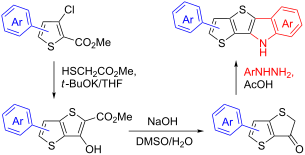
- amino group in the corresponding 3-aminothiophene-2-carboxylates with a halogen atom by the Sandmeyer reaction [20][21]. The former transformation is preferable for large-scale syntheses, but we failed to repeat the reported procedures. For example, our attempt to diazotizate methyl 3-amino-5

Graphical Abstract

Figure 1: An example of an earlier developed S,N-heterohexacene [13] and general structure of compounds synthesiz...

Scheme 1: Synthesis of aryl-substituted TT derivatives 3a–k, product scope, and yields.

Scheme 2: Synthesis of thieno[3,2-b]thiophen-3(2H)-one 4a–k, product scope, and yields.
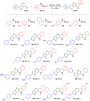
Scheme 3: Synthesis of TTI derivatives 6a–o, substrate and product scopes, and yields.
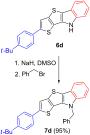
Scheme 4: Alkylation of TTI 6d.

Figure 2: ORTEP diagram for the X-ray structure of compound 7d. Thermal ellipsoids of 50% probability are sho...
Unexpected one-pot formation of the 1H-6a,8a-epiminotricyclopenta[a,c,e][8]annulene system from cyclopentanone, ammonia and dimethyl fumarate. Synthesis of highly strained polycyclic nitroxide and EPR study
- Sergey A. Dobrynin,
- Igor A. Kirilyuk,
- Yuri V. Gatilov,
- Andrey A. Kuzhelev,
- Olesya A. Krumkacheva,
- Matvey V. Fedin,
- Michael K. Bowman and
- Elena G. Bagryanskaya
Beilstein J. Org. Chem. 2019, 15, 2664–2670, doi:10.3762/bjoc.15.259

- dipole and dipolarophile (Figure 3). Nitroxide Oxidation of 1 with m-CPBA afforded the nitroxide 6 with 48% yield (Scheme 3). It is noteworthy that the oxidation of the amino group is accompanied by the stereospecific hydroxylation at position 4 of the 2,3,4,7-tetrahydroazepine ring. The structure
- distorted half-chair. Presumably, this difference is due to the formation of an intramolecular hydrogen bond O6–H…O5 (H…O 1.95(2) Å, O–H…O 154(2)°) in molecule 6. In the crystal of 1 the amino group participates in intermolecular hydrogen bonding N1–H…O3 (H…O 2.39(2) Å, N–H…O 167(1)°) forming chains of

Graphical Abstract

Scheme 1: Synthesis of compound 1.

Figure 1: X-ray structure of compound 1 (one of the two enantiomers present in the crystal).

Scheme 2: Possible mechanism for the formation of 1.

Figure 2: A possible mechanism for the trans-position of the methyne hydrogens in the azepine ring: the elect...

Figure 3: Selective formation of a single diastereomer in the 1,3-dipolar cycloaddition reaction.

Scheme 3: Synthesis of nitroxide 6.

Figure 4: X-ray structure of compound 6 (one of the two enantiomers present in the crystal).

Scheme 4: A proposed mechanism for nitroxide 6 synthesis.

Figure 5: A, B) Temperature dependence of the electron spin relaxation times in water/glycerol at X-band freq...
AgNTf2-catalyzed formal [3 + 2] cycloaddition of ynamides with unprotected isoxazol-5-amines: efficient access to functionalized 5-amino-1H-pyrrole-3-carboxamide derivatives
- Ziping Cao,
- Jiekun Zhu,
- Li Liu,
- Yuanling Pang,
- Laijin Tian,
- Xuejun Sun and
- Xin Meng
Beilstein J. Org. Chem. 2019, 15, 2623–2630, doi:10.3762/bjoc.15.255
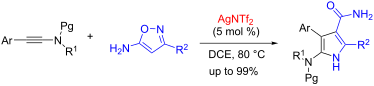
- can enhance the nucleophilic ability of nitrogen on the isoxazole ring. However, this change could raise at least an issue, involving the direct addition of an amino motif to the ynamide substrate [43][44]. To answer this question, two isoxazoles 7 and 8a with an amino group at the distinct position

Graphical Abstract

Scheme 1: Two modes of reactions of alkynes by silver catalysis.

Scheme 2: Reactions of ynamides or ynol ethers with isoxazoles by transition metal catalysis.

Figure 1: Selected bioactive molecules containing the 5-amino-1H-pyrrole-3-carboxamide motif.

Scheme 3: Reactions of ynamide 4a with different isoxazoles 5, 7 and 8a.

Figure 2: Scope with regard to ynamide 4. All reactions were carried out with ynamide 4 (0.2 mmol), isoxazole ...

Figure 3: Scope with regard to the 5-aminoisoxazole 8 (see Figure 2). aReaction conditions: 2.0 equiv of 8e, 100 °C.

Figure 4: Molecular structure in the solid state of compound 10ad.

Scheme 4: A gram-scale experiment.

Scheme 5: Mechanistic hypotheses for Ag-catalyzed reaction of ynamide 4a with aminoisoxazole 8a.

Scheme 6: Possible reaction routes of intermediate C.
Sugar-derived oxazolone pseudotetrapeptide as γ-turn inducer and anion-selective transporter
- Sachin S. Burade,
- Sushil V. Pawar,
- Tanmoy Saha,
- Navanath Kumbhar,
- Amol S. Kotmale,
- Manzoor Ahmad,
- Pinaki Talukdar and
- Dilip D. Dhavale
Beilstein J. Org. Chem. 2019, 15, 2419–2427, doi:10.3762/bjoc.15.234
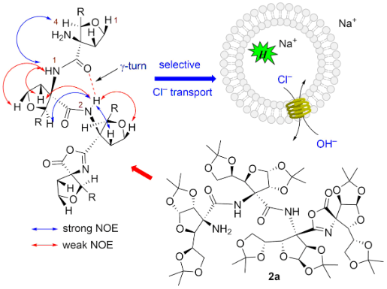
- peptides [21][22][23]. The free amino group in 2a was acetylated with Ac2O/pyridine in dichloromethane to get –NHAc derivative 2b (Scheme 2). The single crystal formation of oxazolone psudopeptides 1, 2a and 2b were unsuccessful under a variety of solvent conditions. The 1H and 13C NMR spectra of 1, 2a and
- 2b. The influx of Cl‒ ion by these transporters were monitored using EYPC-LUVslucigenin. Additionally, compound 9, which has a free amino group and a free carboxylic acid group, was also subjected to the Cl‒ transport study. The Cl– sensitive dye lucigenin, was entrapped within the lipid vesicles and
- in the presence of valinomycin confirming the transport process occurring through an antiport mechanism via Cl−/NO3− exchange (Figure 8D). Such anion-selective transport can be rationalized based on the binding of anions with the terminal amino group of the transporter through hydrogen bond

Graphical Abstract

Figure 1: Oxazolone pseudodipeptide 1 and tetrapeptide 2a.

Scheme 1: Synthesis of linear azido ester dipeptide 5 and tetrapeptide 7.

Scheme 2: Synthesis of oxazolone pseudopeptides 1, 2a and 2b.

Figure 2: Characteristic NOEs of 2a.

Figure 3: DMSO titration study of 2a.

Figure 4: 1H NMR temperature study of 2a.

Figure 5: Optimized helical conformations of (A) 2a, (B) 2b and (C) 9.

Figure 6: Ion transport activity (A) for 1, (B) for 2a, across EYPC-LUVs HPTS.

Figure 7: Cation (A) and anion (B) transport activity of 2a.

Figure 8:
Comparison of the ion transport activity of 2a and 2b at 20 µM across EYPC-LUVs![[Graphic 2]](/bjoc/content/inline/1860-5397-15-234-i4.svg?max-width=637&scale=1.18182) lucigenin (A). Conce...
lucigenin (A). Conce...
Azologization and repurposing of a hetero-stilbene-based kinase inhibitor: towards the design of photoswitchable sirtuin inhibitors
- Christoph W. Grathwol,
- Nathalie Wössner,
- Sören Swyter,
- Adam C. Smith,
- Enrico Tapavicza,
- Robert K. Hofstetter,
- Anja Bodtke,
- Manfred Jung and
- Andreas Link
Beilstein J. Org. Chem. 2019, 15, 2170–2183, doi:10.3762/bjoc.15.214
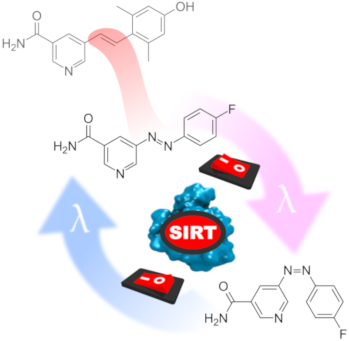
- ‐time photomodulation of sirtuins in vitro. Keywords: azo compounds; epigenetics; photoswitch; sirtuins; stilbenes; Introduction Sirtuins are protein deacylases that cleave off not only acetyl, but also other acyl groups from the ε-amino group of lysines in histones and many other substrate proteins

Graphical Abstract

Figure 1: Selisistat (1) and hit compound GW435821X (2a).

Scheme 1: Reagents and conditions: a) appropriate boronic acid, Pd(PPh3)4, Na2CO3, DMF, H2O, microwave, 15 mi...

Scheme 2: Reagents and conditions: a) Pd2(dba)3 or Pd(OAc)2, P(o-tol)3, TEA, DMF, 120–140 °C, 0.7–24 h, 11–75...

Figure 2: (Left) UV–vis spectrum of 2b 50 µM in 5% DMSO (v/v) in assay buffer after varying durations of irra...

Figure 3: (Left) LC chromatogram of the LC–HRMS analysis of 2b after varying durations of irradiation with 25...

Scheme 3: Photocyclization and oxidation reaction of 2b upon UV irradiation.

Figure 4: Calculated and experimental absorption spectra of compounds (E)-2b-B (A), (Z)-2b-A (B), and product...

Scheme 4: Reagents and conditions: a) 4-fluoroaniline, oxone, HAc, 60 °C, 14 d, 42%; b) NH3, MeOH, rt, 3 d, 9...

Figure 5: (Left) UV–vis spectrum of 11, 50 µM in 5% DMSO (v/v), in assay buffer at the thermal equilibrium an...
Synthesis of 1-azaspiro[4.4]nonan-1-oxyls via intramolecular 1,3-dipolar cycloaddition
- Yulia V. Khoroshunova,
- Denis A. Morozov,
- Andrey I. Taratayko,
- Polina D. Gladkikh,
- Yuri I. Glazachev and
- Igor A. Kirilyuk
Beilstein J. Org. Chem. 2019, 15, 2036–2042, doi:10.3762/bjoc.15.200
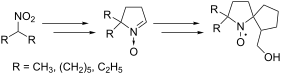
- in the side chain, the hydroxymethyl group in 9a–c was protected via acylation. Heating of 9a–c with an excess of acetic anhydride in chloroform quantitatively afforded the corresponding esters 10a–c. The products of acylation of the sterically hindered amino group were not detected in the reaction

Graphical Abstract
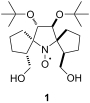
Figure 1: Structure of nitroxide 1.

Scheme 1: The synthesis of aldonitrones 5a–c.

Scheme 2: The principal synthetic scheme for nitroxides 12a–c.

Scheme 3: A possible pathway of ketonitrone 7c self-transformations.

Scheme 4: Oxidation of aminoalcohol 9a.

Scheme 5: The synthesis of alkoxyamines 16a–c.

Scheme 6: The alkoxyamine 18 synthesis.

Scheme 7: A possible mechanism of nitroxide 17 formation.

Scheme 8: Optimisation of the synthesis of nitroxide 1.

Figure 2: Kinetics of the reduction of nitroxides 1 and 12a–c (0.3 mM) with ascorbate (50 mM) in 50 mM phosph...
Archangelolide: A sesquiterpene lactone with immunobiological potential from Laserpitium archangelica
- Silvie Rimpelová,
- Michal Jurášek,
- Lucie Peterková,
- Jiří Bejček,
- Vojtěch Spiwok,
- Miloš Majdl,
- Michal Jirásko,
- Miloš Buděšínský,
- Juraj Harmatha,
- Eva Kmoníčková,
- Pavel Drašar and
- Tomáš Ruml
Beilstein J. Org. Chem. 2019, 15, 1933–1944, doi:10.3762/bjoc.15.189
- α-amino group of Ile829 were obvious. The hydrophobic interactions were directed preferentially to Phe256, Val263, Leu260 and Ile829 residues and a hydrophobic part of Lys252. In contrast to simulation 1 with compound 1, there was no indication of compound 2 escaping from the SERCA cavity (Figure 4

Graphical Abstract

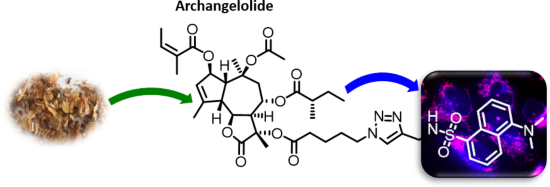
Figure 1: The structure of the sesquiterpene lactones archangelolide (1) and trilobolide (2).

Scheme 1: Reagents and conditions: a) MeOH, TEA, 48 h, yield 32%; b) (i) 5-azidopentanoic acid, DCC, DCM, 90 ...

Figure 2: Intracellular localization of archangelolide-dansyl (5) in human cells from osteosarcoma (U-2 OS). ...

Figure 3: Co-localization of dansylarchangelolide 5 with a marker of endoplasmic reticulum (top row) and with...
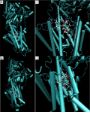
Figure 4: Cartoon representation of sarco/endoplasmic reticulum Ca2+ ATPase binding pocket with A, C) archang...

Figure 5: Molecular surface representation of sarco/endoplasmic reticulum Ca2+ ATPase binding pocket with A) ...

Figure 6: Structural formulae of (i) thapsigargin, (ii) trilobolide (2), and (iii) archangelolide (1). Red pa...

Figure 7: Viability of rat peritoneal cells treated with archangelolide (1), dansylarchangelolide 5 and dansy...

Figure 8: NO production in primary rat macrophages. The cells were treated with archangelolide (1) and dansyl...

Figure 9: Evaluation of cytokine TNF-α secretion in rat peritoneal cells. Stimulation of primary cells was in...

Figure 10: Structure of laserolide.
Installation of -SO2F groups onto primary amides
- Jing Liu,
- Shi-Meng Wang,
- Njud S. Alharbi and
- Hua-Li Qin
Beilstein J. Org. Chem. 2019, 15, 1907–1912, doi:10.3762/bjoc.15.186
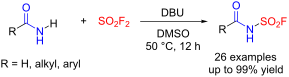
- carboxylic amides (1r–u) were well-tolerated and afforded the target products in 56–90% yields. In addition, alkyl carboxylic amides were also smoothly transformed into the corresponding products (2v–z). However, primary amides bearing an amino group or a phenolic hydroxy group were not successfully

Graphical Abstract

Figure 1: Representative sulfonyl fluoride compounds applied in medicinal chemistry and chemical biology.

Scheme 1: Synthesis background of N-fluorosulfonyl amides and fluorosulfates.

Scheme 2: Screening of the substrate scope of amides. Reaction conditions: a mixture of amides 1 (1.0 mmol), ...

Scheme 3: Amide resonance model and X-ray single crystal structure of 4e (CCDC 1906002).

Scheme 4: The proposed reaction mechanism.
N-(1-Phenylethyl)aziridine-2-carboxylate esters in the synthesis of biologically relevant compounds
- Iwona E. Głowacka,
- Aleksandra Trocha,
- Andrzej E. Wróblewski and
- Dorota G. Piotrowska
Beilstein J. Org. Chem. 2019, 15, 1722–1757, doi:10.3762/bjoc.15.168

- -2-ones having a 2-chloromethyl substituent 173 was formed. Removal of the 1-phenylethyl moiety and a subsequent replacement of the chlorine atom by the amino group via azide gave imidazolin-2-one dipeptides 174 which were transformed into 12 derivatives 175–177 after hydrolysis of the corresponding

Graphical Abstract

Figure 1: Examples of three-carbon chirons.

Figure 2: Structures of derivatives of N-(1-phenylethyl)aziridine-2-carboxylic acid 5–8.

Figure 3: Synthetic equivalency of aziridine aldehydes 6.

Scheme 1: Synthesis of N-(1-phenylethyl)aziridine-2-carboxylates 5. Reagents and conditions: a) TEA, toluene,...

Scheme 2: Absolute configuration at C2 in (2S,1'S)-5a. Reagents and conditions: a) 20% HClO4, 80 °C, 30 h the...

Scheme 3: Major synthetic strategies for a 2-ketoaziridine scaffold [R* = (R)- or (S)-1-phenylethyl; R′ = Alk...

Scheme 4: Synthesis of cyanide (2S,1'S)-13. Reagents and conditions: a) NH3, EtOH/H2O, rt, 72 h; b) Ph3P, CCl4...

Scheme 5: Synthesis of key intermediates (R)-16 and (R)-17 for (R,R)-formoterol (14) and (R)-tamsulosin (15)....

Scheme 6: Synthesis of mitotic kinesin inhibitors (2R/S,1'R)-23. Reagents and conditions: a) H2, Pd(OH)2, EtO...

Scheme 7: Synthesis of (R)-mexiletine ((R)-24). Reagents and conditions: a) TsCl, TEA, DMAP, CH2Cl2, rt, 1 h;...

Scheme 8: Synthesis of (−)-cathinone ((S)-27). Reagents and conditions: a) PhMgBr, ether, 0 °C; b) H2, 10% Pd...

Scheme 9: Synthesis of N-Boc-norpseudoephedrine ((1S,2S)-(+)-29) and N-Boc-norephedrine ((1R,2S)-29). Reagent...

Scheme 10: Synthesis of (−)-ephedrine ((1R,2S)-31). Reagents and conditions: a) TfOMe, MeCN then NaBH3CN, rt; ...

Scheme 11: Synthesis of xestoaminol C ((2S,3R)-35), 3-epi-xestoaminol C ((2S,3S)-35) and N-Boc-spisulosine ((2S...

Scheme 12: Synthesis of ʟ-tryptophanol ((S)-41). Reagents and conditions: a) CDI, MeCN, rt, 1 h then TMSI, MeC...

Scheme 13: Synthesis of ʟ-homophenylalaninol ((S)-42). Reagents and conditions: a) NaH, THF, 0 °C to −78 °C, 1...

Scheme 14: Synthesis of ᴅ-homo(4-octylphenyl)alaninol ((R)-47) and a sphingolipid analogue (R)-48. Reagents an...

Scheme 15: Synthesis of florfenicol ((1R,2S)-49). Reagents and conditions: a) (S)-1-phenylethylamine, TEA, MeO...

Scheme 16: Synthesis of natural tyroscherin ((2S,3R,6E,8R,10R)-55). Reagents and conditions: a) I(CH2)3OTIPS, t...

Scheme 17: Syntheses of (−)-hygrine (S)-61, (−)-hygroline (2S,2'S)-62 and (−)-pseudohygroline (2S,2'R)-62. Rea...

Scheme 18: Synthesis of pyrrolidine (3S,3'R)-68, a fragment of the fluoroquinolone antibiotic PF-00951966. Rea...

Scheme 19: Synthesis of sphingolipid analogues (R)-76. Reagents and conditions: a) BnBr, Mg, THF, reflux, 6 h;...

Scheme 20: Synthesis of ᴅ-threo-PDMP (1R,2R)-81. Reagents and conditions: a) TMSCl, NaI, MeCN, rt, 1 h 50 min,...

Scheme 21: Synthesis of the sphingolipid analogue SG-14 (2S,3S)-84. Reagents and conditions: a) LiAlH4, THF, 0...

Scheme 22: Synthesis of the sphingolipid analogue SG-12 (2S,3R)-88. Reagents and conditions: a) 1-(bromomethyl...

Scheme 23: Synthesis of sphingosine-1-phosphate analogues DS-SG-44 and DS-SG-45 (2S,3R)-89a and (2S,3R)-89a. R...

Scheme 24: Synthesis of N-Boc-safingol ((2S,3S)-95) and N-Boc-ᴅ-erythro-sphinganine ((2S,3R)-95). Reagents and...

Scheme 25: Synthesis of ceramide analogues (2S,3R)-96. Reagents and conditions: a) NaBH4, ZnCl2, MeOH, −78 °C,...

Scheme 26: Synthesis of orthogonally protected serinols, (S)-101 and (R)-102. Reagents and conditions: a) BnBr...

Scheme 27: Synthesis of N-acetyl-3-phenylserinol ((1R,2R)-105). Reagents and conditions: a) AcOH, CH2Cl2, refl...

Scheme 28: Synthesis of (S)-linezolid (S)-107. Reagents and conditions: a) LiAlH4, THF, 0 °C to reflux; b) Boc2...

Scheme 29: Synthesis of (2S,3S,4R)-2-aminooctadecane-1,3,4-triol (ᴅ-ribo-phytosphingosine) (2S,3S,4R)-110. Rea...

Scheme 30: Syntheses of ᴅ-phenylalanine (R)-116. Reagents and conditions: a) AcOH, CH2Cl2, reflux, 4 h; b) MsC...

Scheme 31: Synthesis of N-Boc-ᴅ-3,3-diphenylalanine ((R)-122). Reagents and conditions: a) PhMgBr, THF, −78 °C...

Scheme 32: Synthesis of ethyl N,N’-di-Boc-ʟ-2,3-diaminopropanoate ((S)-125). Reagents and conditions: a) NaN3,...

Scheme 33: Synthesis of the bicyclic amino acid (S)-(+)-127. Reagents and conditions: a) BF3·OEt2, THF, 60 °C,...

Scheme 34: Synthesis of lacosamide, (R)-2-acetamido-N-benzyl-3-methoxypropanamide (R)-130. Reagents and condit...

Scheme 35: Synthesis of N-Boc-norfuranomycin ((2S,2'R)-133). Reagents and conditions: a) H2C=CHCH2I, NaH, THF,...

Scheme 36: Synthesis of MeBmt (2S,3R,4R,6E)-139. Reagents and conditions: a) diisopropyl (S,S)-tartrate (E)-cr...

Scheme 37: Synthesis of (+)-polyoxamic acid (2S,3S,4S)-144. Reagents and conditions: a) AD-mix-α, MeSO2NH2, t-...

Scheme 38: Synthesis of the protected 3-hydroxy-ʟ-glutamic acid (2S,3R)-148. Reagents and conditions: a) LiHMD...

Scheme 39: Synthesis of (+)-isoserine (R)-152. Reagents and conditions: a) AcCl, MeCN, rt, 0.5 h then Na2CO3, ...

Scheme 40: Synthesis of (3R,4S)-N3-Boc-3,4-diaminopentanoic acid (3R,4S)-155. Reagents and conditions: a) Ph3P...

Scheme 41: Synthesis of methyl (2S,3S,4S)-4-(dimethylamino)-2,3-dihydroxy-5-methoxypentanoate (2S,3S,4S)-159. ...

Scheme 42: Syntheses of methyl (3S,4S) 4,5-di-N-Boc-amino-3-hydroxypentanoate ((3S,4S)-164), methyl (3S,4S)-4-N...

Scheme 43: Syntheses of (3R,5S)-5-(aminomethyl)-3-(4-methoxyphenyl)dihydrofuran-2(3H)-one ((3R,5S)-168). Reage...

Scheme 44: Syntheses of a series of imidazolin-2-one dipeptides 175–177 (for R' and R'' see text). Reagents an...

Scheme 45: Syntheses of (2S,3S)-N-Boc-3-hydroxy-2-hydroxymethylpyrrolidine ((2S,3S)-179). Reagents and conditi...

Scheme 46: Syntheses of enantiomers of 1,4-dideoxy-1,4-imino-ʟ- and -ᴅ-lyxitols (2S,3R,4S)-182 and (2R,3S,4R)-...

Scheme 47: Synthesis of 1,4-dideoxy-1,4-imino-ʟ-ribitol (2S,3S,4R)-182. Reagents and conditions: a) AcOH, CH2Cl...

Scheme 48: Syntheses of 1,4-dideoxy-1,4-imino-ᴅ-arabinitol (2R,3R,4R)-182 and 1,4-dideoxy-1,4-imino-ᴅ-xylitol ...

Scheme 49: Syntheses of natural 2,5-imino-2,5,6-trideoxy-ʟ-gulo-heptitol ((2S,3R,4R,5R)-184) and its C4 epimer...

Scheme 50: Syntheses of (−)-dihydropinidine ((2S,6R)-187a) (R = C3H7) and (2S,6R)-isosolenopsins (2S,6R)-187b ...

Scheme 51: Syntheses of (+)-deoxocassine ((2S,3S,6R)-190a, R = C12H25) and (+)-spectaline ((2S,3S,6R)-190b, R ...

Scheme 52: Synthesis of (−)-microgrewiapine A ((2S,3R,6S)-194a) and (+)-microcosamine A ((2S,3R,6S)-194b). Rea...

Scheme 53: Syntheses of ʟ-1-deoxynojirimycin ((2S,3S,4S,5R)-200), ʟ-1-deoxymannojirimycin ((2S,3S,4S,5S)-200) ...

Scheme 54: Syntheses of 1-deoxy-ᴅ-galacto-homonojirimycin (2R,3S,4R,5S)-211. Reagents and conditions: a) MeONH...

Scheme 55: Syntheses of 7a-epi-hyacinthacine A1 (1S,2R,3R,7aS)-220. Reagents and conditions: a) TfOTBDMS, 2,6-...

Scheme 56: Syntheses of 8-deoxyhyacinthacine A1 ((1S,2R,3R,7aR)-221). Reagents and conditions: a) H2, Pd/C, PT...

Scheme 57: Syntheses of (+)-lentiginosine ((1S,2S,8aS)-227). Reagents and conditions: a) (EtO)2P(O)CH2COOEt, L...

Scheme 58: Syntheses of 8-epi-swainsonine (1S,2R,8S,8aR)-231. Reagents and conditions: a) Ph3P=CHCOOMe, MeOH, ...

Scheme 59: Synthesis of a protected vinylpiperidine (2S,3R)-237, a key intermediate in the synthesis of (−)-sw...

Scheme 60: Synthesis of a modified carbapenem 245. Reagents and conditions: a) AcOEt, LiHMDS, THF, −78 °C, 1.5...
Recent advances on the transition-metal-catalyzed synthesis of imidazopyridines: an updated coverage
- Gagandeep Kour Reen,
- Ashok Kumar and
- Pratibha Sharma
Beilstein J. Org. Chem. 2019, 15, 1612–1704, doi:10.3762/bjoc.15.165
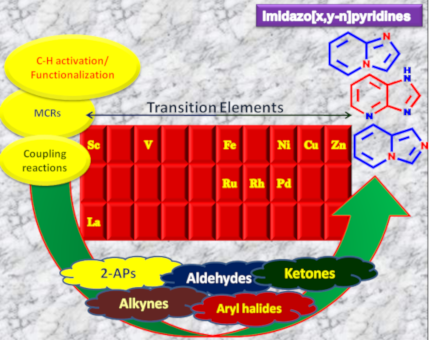
- more. It was observed that most of the methods utilize 2-aminopyridines as one of the starting materials due to its binucleophilic nature; associated with exocyclic amino group and endocyclic pyridinium nitrogen [19]. Recently, A3 coupling of alkynes, aldehydes, and aminopyridines have been developed

Graphical Abstract

Figure 1: Various drugs having IP nucleus.

Figure 2: Participation percentage of various TMs for the syntheses of IPs.

Scheme 1: CuI–NaHSO4·SiO2-catalyzed synthesis of imidazo[1,2-a]pyridines.

Scheme 2: Experimental examination of reaction conditions.

Scheme 3: One-pot tandem reaction for the synthesis of 2-haloimidazopyridines.

Scheme 4: Mechanistic scheme for the synthesis of 2-haloimidazopyridine.

Scheme 5: Copper-MOF-catalyzed three-component reaction (3-CR) for imidazo[1,2-a]pyridines.

Scheme 6: Mechanism for copper-MOF-driven synthesis.

Scheme 7: Heterogeneous synthesis via titania-supported CuCl2.

Scheme 8: Mechanism involving oxidative C–H functionalization.

Scheme 9: Heterogeneous synthesis of IPs.

Scheme 10: One-pot regiospecific synthesis of imidazo[1,2-a]pyridines.

Scheme 11: Vinyl azide as an unprecedented substrate for imidazo[1,2-a]pyridines.

Scheme 12: Radical pathway.

Scheme 13: Cu(I)-catalyzed transannulation approach for imidazo[1,5-a]pyridines.

Scheme 14: Plausible radical pathway for the synthesis of imidazo[1,5-a]pyridines.

Scheme 15: A solvent-free domino reaction for imidazo[1,2-a]pyridines.

Scheme 16: Cu-NPs-mediated synthesis of imidazo[1,2-a]pyridines.

Scheme 17: CuI-catalyzed synthesis of isoxazolylimidazo[1,2-a]pyridines.

Scheme 18: Functionalization of 4-bromo derivative via Sonogashira coupling reaction.

Scheme 19: A plausible reaction pathway.

Scheme 20: Cu(I)-catalyzed intramolecular oxidative C–H amidation reaction.

Scheme 21: One-pot synthetic reaction for imidazo[1,2-a]pyridine.

Scheme 22: Plausible reaction mechanism.

Scheme 23: Cu(OAc)2-promoted synthesis of imidazo[1,2-a]pyridines.

Scheme 24: Mechanism for aminomethylation/cycloisomerization of propiolates with imines.

Scheme 25: Three-component synthesis of imidazo[1,2-a]pyridines.

Figure 3: Scope of pyridin-2(1H)-ones and acetophenones.

Scheme 26: CuO NPS-promoted A3 coupling reaction.

Scheme 27: Cu(II)-catalyzed C–N bond formation reaction.

Scheme 28: Mechanism involving Chan–Lam/Ullmann coupling.

Scheme 29: Synthesis of formyl-substituted imidazo[1,2-a]pyridines.

Scheme 30: A tandem sp3 C–H amination reaction.

Scheme 31: Probable mechanistic approach.

Scheme 32: Dual catalytic system for imidazo[1,2-a]pyridines.

Scheme 33: Tentative mechanism.

Scheme 34: CuO/CuAl2O4/ᴅ-glucose-promoted 3-CCR.

Scheme 35: A tandem CuOx/OMS-2-based synthetic strategy.

Figure 4: Biomimetic catalytic oxidation in the presence of electron-transfer mediators (ETMs).

Scheme 36: Control experiment.

Scheme 37: Copper-catalyzed C(sp3)–H aminatin reaction.

Scheme 38: Reaction of secondary amines.

Scheme 39: Probable mechanistic pathway.

Scheme 40: Coupling reaction of α-azidoketones.

Scheme 41: Probable pathway.

Scheme 42: Probable mechanism with free energy calculations.

Scheme 43: MCR for cyanated IP synthesis.

Scheme 44: Substrate scope for the reaction.

Scheme 45: Reaction mechanism.

Scheme 46: Probable mechanistic pathway for Cu/ZnAl2O4-catalyzed reaction.

Scheme 47: Copper-catalyzed double oxidative C–H amination reaction.

Scheme 48: Application towards different coupling reactions.

Scheme 49: Reaction mechanism.

Scheme 50: Condensation–cyclization approach for the synthesis of 1,3-diarylated imidazo[1,5-a]pyridines.

Scheme 51: Optimized reaction conditions.

Scheme 52: One-pot 2-CR.

Scheme 53: One-pot 3-CR without the isolation of chalcone.

Scheme 54: Copper–Pybox-catalyzed cyclization reaction.

Scheme 55: Mechanistic pathway catalyzed by Cu–Pybox complex.

Scheme 56: Cu(II)-promoted C(sp3)-H amination reaction.

Scheme 57: Wider substrate applicability for the reaction.

Scheme 58: Plausible reaction mechanism.

Scheme 59: CuI assisted C–N cross-coupling reaction.

Scheme 60: Probable reaction mechanism involving sp3 C–H amination.

Scheme 61: One-pot MCR-catalyzed by CoFe2O4/CNT-Cu.

Scheme 62: Mechanistic pathway.

Scheme 63: Synthetic scheme for 3-nitroimidazo[1,2-a]pyridines.

Scheme 64: Plausible mechanism for CuBr-catalyzed reaction.

Scheme 65: Regioselective synthesis of halo-substituted imidazo[1,2-a]pyridines.

Scheme 66: Synthesis of 2-phenylimidazo[1,2-a]pyridines.

Scheme 67: Synthesis of diarylated compounds.

Scheme 68: CuBr2-mediated one-pot two-component oxidative coupling reaction.

Scheme 69: Decarboxylative cyclization route to synthesize 1,3-diarylimidazo[1,5-a]pyridines.

Scheme 70: Mechanistic pathway.

Scheme 71: C–H functionalization reaction of enamines to produce diversified heterocycles.

Scheme 72: A plausible mechanism.

Scheme 73: CuI-promoted aerobic oxidative cyclization reaction of ketoxime acetates and pyridines.

Scheme 74: CuI-catalyzed pathway for the formation of imidazo[1,2-a]pyridine.

Scheme 75: Mechanistic pathway.

Scheme 76: Mechanistic rationale for the synthesis of products.

Scheme 77: Copper-catalyzed synthesis of vinyloxy-IP.

Scheme 78: Regioselective product formation with propiolates.

Scheme 79: Proposed mechanism for vinyloxy-IP formation.

Scheme 80: Regioselective synthesis of 3-hetero-substituted imidazo[1,2-a]pyridines with different reaction su...

Scheme 81: Mechanistic pathway.

Scheme 82: CuI-mediated synthesis of 3-formylimidazo[1,2-a]pyridines.

Scheme 83: Radical pathway for 3-formylated IP synthesis.

Scheme 84: Pd-catalyzed urea-cyclization reaction for IPs.

Scheme 85: Pd-catalyzed one-pot-tandem amination and intramolecular amidation reaction.

Figure 5: Scope of aniline nucleophiles.

Scheme 86: Pd–Cu-catalyzed Sonogashira coupling reaction.

Scheme 87: One-pot amide coupling reaction for the synthesis of imidazo[4,5-b]pyridines.

Scheme 88: Urea cyclization reaction for the synthesis of two series of pyridines.

Scheme 89: Amidation reaction for the synthesis of imidazo[4,5-b]pyridines.

Figure 6: Amide scope.

Scheme 90: Pd NPs-catalyzed 3-component reaction for the synthesis of 2,3-diarylated IPs.

Scheme 91: Plausible mechanistic pathway for Pd NPs-catalyzed MCR.

Scheme 92: Synthesis of chromenoannulated imidazo[1,2-a]pyridines.

Scheme 93: Mechanism for the synthesis of chromeno-annulated IPs.

Scheme 94: Zinc oxide NRs-catalyzed synthesis of imidazo[1,2-a]azines/diazines.

Scheme 95: Zinc oxide-catalyzed isocyanide based GBB reaction.

Scheme 96: Reaction pathway for ZnO-catalyzed GBB reaction.

Scheme 97: Mechanistic pathway.

Scheme 98: ZnO NRs-catalyzed MCR for the synthesis of imidazo[1,2-a]azines.

Scheme 99: Ugi type GBB three-component reaction.

Scheme 100: Magnetic NPs-catalyzed synthesis of imidazo[1,2-a]pyridines.

Scheme 101: Regioselective synthesis of 2-alkoxyimidazo[1,2-a]pyridines catalyzed by Fe-SBA-15.

Scheme 102: Plausible mechanistic pathway for the synthesis of 2-alkoxyimidazopyridine.

Scheme 103: Iron-catalyzed synthetic approach.

Scheme 104: Iron-catalyzed aminooxygenation reaction.

Scheme 105: Mechanistic pathway.

Scheme 106: Rh(III)-catalyzed double C–H activation of 2-substituted imidazoles and alkynes.

Scheme 107: Plausible reaction mechanism.

Scheme 108: Rh(III)-catalyzed non-aromatic C(sp2)–H bond activation–functionalization for the synthesis of imid...

Scheme 109: Reactivity and selectivity of different substrates.

Scheme 110: Rh-catalyzed direct C–H alkynylation by Li et al.

Scheme 111: Suggested radical mechanism.

Scheme 112: Scandium(III)triflate-catalyzed one-pot reaction and its mechanism for the synthesis of benzimidazo...

Scheme 113: RuCl3-assisted Ugi-type Groebke–Blackburn condensation reaction.

Scheme 114: C-3 aroylation via Ru-catalyzed two-component reaction.

Scheme 115: Regioselective synthetic mechanism.

Scheme 116: La(III)-catalyzed one-pot GBB reaction.

Scheme 117: Mechanistic approach for the synthesis of imidazo[1,2-a]pyridines.

Scheme 118: Synthesis of imidazo[1,2-a]pyridine using LaMnO3 NPs under neat conditions.

Scheme 119: Mechanistic approach.

Scheme 120: One-pot 3-CR for regioselective synthesis of 2-alkoxy-3-arylimidazo[1,2-a]pyridines.

Scheme 121: Formation of two possible products under optimization of the catalysts.

Scheme 122: Mechanistic strategy for NiFe2O4-catalyzed reaction.

Scheme 123: Two-component reaction for synthesizing imidazodipyridiniums.

Scheme 124: Mechanistic scheme for the synthesis of imidazodipyridiniums.

Scheme 125: CuI-catalyzed arylation of imidazo[1,2-a]pyridines.

Scheme 126: Mechanism for arylation reaction.

Scheme 127: Cupric acetate-catalyzed double carbonylation approach.

Scheme 128: Radical mechanism for double carbonylation of IP.

Scheme 129: C–S bond formation reaction catalyzed by cupric acetate.

Scheme 130: Cupric acetate-catalyzed C-3 formylation approach.

Scheme 131: Control experiments for signifying the role of DMSO and oxygen.

Scheme 132: Mechanism pathway.

Scheme 133: Copper bromide-catalyzed CDC reaction.

Scheme 134: Extension of the substrate scope.

Scheme 135: Plausible radical pathway.

Scheme 136: Transannulation reaction for the synthesis of imidazo[1,5-a]pyridines.

Scheme 137: Plausible reaction pathway for denitrogenative transannulation.

Scheme 138: Cupric acetate-catalyzed C-3 carbonylation reaction.

Scheme 139: Plausible mechanism for regioselective C-3 carbonylation.

Scheme 140: Alkynylation reaction at C-2 of 3H-imidazo[4,5-b]pyridines.

Scheme 141: Two-way mechanism for C-2 alkynylation of 3H-imidazo[4,5-b]pyridines.

Scheme 142: Palladium-catalyzed SCCR approach.

Scheme 143: Palladium-catalyzed Suzuki coupling reaction.

Scheme 144: Reaction mechanism.

Scheme 145: A phosphine free palladium-catalyzed synthesis of C-3 arylated imidazopyridines.

Scheme 146: Palladium-mediated Buchwald–Hartwig cross-coupling reaction.

Figure 7: Structure of the ligands optimized.

Scheme 147: Palladium acetate-catalyzed direct arylation of imidazo[1,2-a]pyridines.

Scheme 148: Palladium acetate-catalyzed mechanistic pathway.

Scheme 149: Palladium acetate-catalyzed regioselective arylation reported by Liu and Zhan.

Scheme 150: Mechanism for selective C-3 arylation of IP.

Scheme 151: Pd(II)-catalyzed alkenylation reaction with styrenes.

Scheme 152: Pd(II)-catalyzed alkenylation reaction with acrylates.

Scheme 153: A two way mechanism.

Scheme 154: Double C–H activation reaction catalyzed by Pd(OAc)2.

Scheme 155: Probable mechanism.

Scheme 156: Palladium-catalyzed decarboxylative coupling.

Scheme 157: Mechanistic cycle for decarboxylative arylation reaction.

Scheme 158: Ligand-free approach for arylation of imidazo[1,2-a]pyridine-3-carboxylic acids.

Scheme 159: Mechanism for ligandless arylation reaction.

Scheme 160: NHC-Pd(II) complex assisted arylation reaction.

Scheme 161: C-3 arylation of imidazo[1,2-a]pyridines with aryl bromides catalyzed by Pd(OAc)2.

Scheme 162: Pd(II)-catalyzed C-3 arylations with aryl tosylates and mesylates.

Scheme 163: CDC reaction for the synthesis of imidazo[1,2-a]pyridines.

Scheme 164: Plausible reaction mechanism for Pd(OAc)2-catalyzed synthesis of imidazo[1,2-a]pyridines.

Scheme 165: Pd-catalyzed C–H amination reaction.

Scheme 166: Mechanism for C–H amination reaction.

Scheme 167: One-pot synthesis for 3,6-di- or 2,3,6-tri(hetero)arylimidazo[1,2-a]pyridines.

Scheme 168: C–H/C–H cross-coupling reaction of IPs and azoles catalyzed by Pd(II).

Scheme 169: Mechanistic cycle.

Scheme 170: Rh-catalyzed C–H arylation reaction.

Scheme 171: Mechanistic pathway for C–H arylation of imidazo[1,2-a]pyridine.

Scheme 172: Rh(III)-catalyzed double C–H activation of 2-phenylimidazo[1,2-a]pyridines and alkynes.

Scheme 173: Rh(III)-catalyzed mechanistic pathway.

Scheme 174: Rh(III)-mediated oxidative coupling reaction.

Scheme 175: Reactions showing functionalization of the product obtained by the group of Kotla.

Scheme 176: Mechanism for Rh(III)-catalyzed oxidative coupling reaction.

Scheme 177: Rh(III)-catalyzed C–H activation reaction.

Scheme 178: Mechanistic cycle.

Scheme 179: Annulation reactions of 2-arylimidazo[1,2-a]pyridines and alkynes.

Scheme 180: Two-way reaction mechanism for annulations reaction.

Scheme 181: [RuCl2(p-cymene)]2-catalyzed C–C bond formation reaction.

Scheme 182: Reported reaction mechanism.

Scheme 183: Fe(III) catalyzed C-3 formylation approach.

Scheme 184: SET mechanism-catalyzed by Fe(III).

Scheme 185: Ni(dpp)Cl2-catalyzed KTC coupling.

Scheme 186: Pd-catalyzed SM coupling.

Scheme 187: Vanadium-catalyzed coupling of IP and NMO.

Scheme 188: Mechanistic cycle.

Scheme 189: Selective C3/C5–H bond functionalizations by mono and bimetallic systems.

Scheme 190: rGO-Ni@Pd-catalyzed C–H bond arylation of imidazo[1,2-a]pyridine.

Scheme 191: Mechanistic pathway for heterogeneously catalyzed arylation reaction.

Scheme 192: Zinc triflate-catalyzed coupling reaction of substituted propargyl alcohols.
Different reactivity of phosphorylallenes under the action of Brønsted or Lewis acids: a crucial role of involvement of the P=O group in intra- or intermolecular interactions at the formation of cationic intermediates
- Stanislav V. Lozovskiy,
- Alexander Yu. Ivanov and
- Aleksander V. Vasilyev
Beilstein J. Org. Chem. 2019, 15, 1491–1504, doi:10.3762/bjoc.15.151
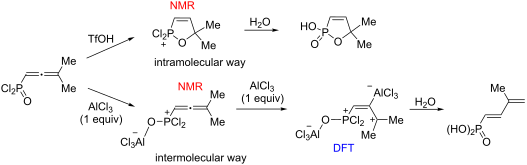
- species E2 and E4 this carbon is connected to a protonated amino group, and in E1 it is bound to oxygen. The same range of absorbance around 100 ppm for this carbon was observed previously for other oxaphospholium ions [14][16]. Then, we carried out hydrolysis of cations A–H (Scheme 2). Results of

Graphical Abstract

Figure 1: Allenes 1a–j used in this study.

Scheme 1: Transformations of allene 1g in TfOH leading to the formation of cations E1, E2 and E4 including se...

Figure 2: 31P NMR monitoring of the progress of transformation of E1 into E2 and E4 in TfOH at room temperatu...

Scheme 2: Results of the hydrolysis of cations A–H.

Scheme 3: Preparation of amides 6a,b from cations A, B, and F–H.

Scheme 4: Large-scale one-pot solvent-free synthesis of amides 6a,b from the corresponding propargylic alcoho...

Scheme 5: AlCl3-promoted hydroarylation of allene 1b by benzene leading to alkene Z-11n.

Scheme 6: Reaction of allene 1a with benzene under the action of AlCl3 followed by quenching of the reaction ...

Scheme 7: Multigram-scale one-pot synthesis of indane 12d from 2-methylbut-3-yn-2-ol.
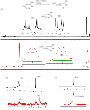
Figure 3: NMR spectra of starting allene 1a (black) and its complex with 1 equivalent of AlCl3 13 (red) in CD2...

Scheme 8: 1H, 13C, and 31P NMR monitoring of AlCl3-promoted reactions of allene 1a leading to compounds E-14 ...

Scheme 9: Plausible reaction mechanism A for the formation of compounds 9, 10, 11, 12 from aillene 1a involvi...

Scheme 10: Plausible reaction mechanism B of formation of compounds 11, 12 from allene 1a involving HCl–AlCl3 ...

Figure 4: Visualization of LUMO, only positive values are shown, isosurface value 0.043: (a) species 16, (b) ...
Synthesis of non-racemic 4-nitro-2-sulfonylbutan-1-ones via Ni(II)-catalyzed asymmetric Michael reaction of β-ketosulfones
- Alexander N. Reznikov,
- Anastasiya E. Sibiryakova,
- Marat R. Baimuratov,
- Eugene V. Golovin,
- Victor B. Rybakov and
- Yuri N. Klimochkin
Beilstein J. Org. Chem. 2019, 15, 1289–1297, doi:10.3762/bjoc.15.127
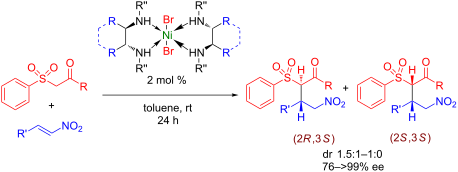
- coordinated to Ni in more Lewis acidic equatorial position, whereas the nitroalkene is positioned in apical by avoiding the steric repulsion of benzyl groups (TS2-I and 2-II vs TS1-I and 1-II, Scheme 2). Additional hydrogen bonding between the hydrogen atom of the amino group and the oxygen atom of the

Graphical Abstract
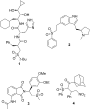
Figure 1: Рharmacologically active sulfones.

Figure 2: Structures of the ligands L1–L8.

Figure 3: Evolution of the conversion of 5 and diastereomeric composition of the products of reaction of 5a w...

Figure 4: Time profile of epimerization and retro-Michael reaction of (2R,3S)-8a in chloroform-d solution.

Figure 5: ORTEP diagram of (2R,3S)-8d.
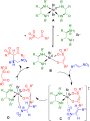
Scheme 1: The proposed mechanism of asymmetric addition of β-ketosulfones to nitroalkenes.

Scheme 2: Transition state models for asymmetric addition of β-ketosulfones to nitroalkenes.
Electrophilic oligodeoxynucleotide synthesis using dM-Dmoc for amino protection
- Shahien Shahsavari,
- Dhananjani N. A. M. Eriyagama,
- Bhaskar Halami,
- Vagarshak Begoyan,
- Marina Tanasova,
- Jinsen Chen and
- Shiyue Fang
Beilstein J. Org. Chem. 2019, 15, 1116–1128, doi:10.3762/bjoc.15.108
- 14 to give the target monomer 3a (Scheme 2). The dA phosphoramidite monomer 3b was synthesized similarly starting from 15 [48]. The amino group of 15 was carbamylated with 5 in the presence of two equivalents LDA to give 16. The silyl groups were removed, and compound 17 was tritylated to give 18
- isolated and the exo-amino group was carbamylated directly with 5 in the presence of two equivalents LDA giving 21 in 55% yield. The silyl protecting groups were removed to give 22, which was tritylated to give 23 and phosphitylated to give the target monomer 3c (Scheme 2). As will be discussed later, we

Graphical Abstract

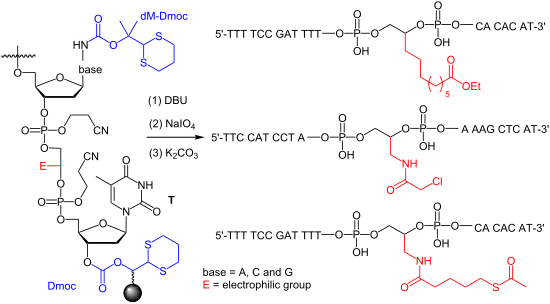
Scheme 1: Comparison of Dmoc and dM-Dmoc as nucleobase protecting groups for ODN synthesis.

Figure 1: dM-Dmoc phosphoramidite monomers and CPG with Dmoc linker.
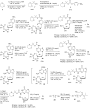
Scheme 2: Synthesis of compound 5 [44], nucleoside phosphoramidite monomers 3a–c and phosphoramidite capping agen...

Figure 2: Structure of phosphoramidites containing electrophilic groups.

Scheme 3: Synthesis of ester-containing phosphoramidite 26a.

Figure 3: ODN sequences 30a–e. Their 5'-tritylated versions are labeled as 30a-tr, 30b-tr, 30c-tr, 30d-tr, an...
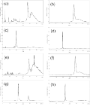
Figure 4: RP HPLC profiles of (a) crude 30a-tr, (b) pure 30a-tr, (c) crude 30a, (d) pure 30a, (e) crude 30c-tr...

Figure 5: PAGE analyses of ODNs 30a–e. Lanes 1–5 are ODNs 30a–e, respectively.
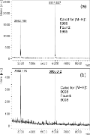
Figure 6: MALDI–TOF MS of (a) ODN 30a and (b) 30c.
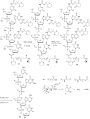
Scheme 4: ODN deprotection and cleavage under non-nucleophilic conditions.
Novel (2-amino-4-arylimidazolyl)propanoic acids and pyrrolo[1,2-c]imidazoles via the domino reactions of 2-amino-4-arylimidazoles with carbonyl and methylene active compounds
- Victoria V. Lipson,
- Tetiana L. Pavlovska,
- Nataliya V. Svetlichnaya,
- Anna A. Poryvai,
- Nikolay Yu. Gorobets,
- Erik V. Van der Eycken,
- Irina S. Konovalova,
- Svetlana V. Shiskina,
- Alexander V. Borisov,
- Vladimir I. Musatov and
- Alexander V. Mazepa
Beilstein J. Org. Chem. 2019, 15, 1032–1045, doi:10.3762/bjoc.15.101
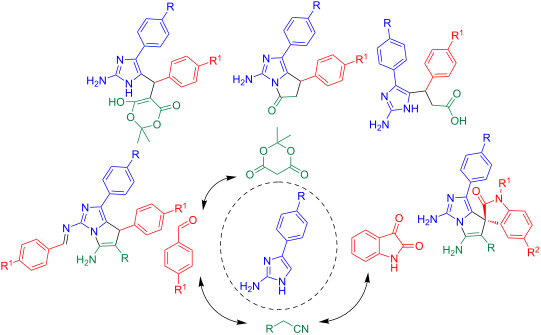
- selectively led to the corresponding Knoevenagel–Michael adducts containing a free amino group in the imidazole fragment. The adducts derived from Meldrum’s acid have been smoothly converted into 1,7-diaryl-3-amino-6,7-dihydro-5H-pyrrolo[1,2-c]imidazol-5-ones and 3-(2-amino-4-aryl-1H-imidazol-5-yl)-3
- intensity of the C5–NH2 group of the imidazo[1,2-c]pyrrole cycle at 7.74–7.84 ppm. A characteristic feature is the appearance of another broad singlet at the 6.37–6.46 ppm, inherent to the amino group of the C2 atom of the imidazole ring, whose chemical shift is affected by the character of the substituents
- the formation of both unexplored heterocyclic systems containing a free amino group open for chemical modifications and the corresponding hetarylpropanoic acids providing useful templates for the synthesis of some marine alkaloids or their analogues. In domino reactions of the 2-amino-4-arylimidazoles

Graphical Abstract

Figure 1: 2-Aminoimidazole alkaloids from marine sponges.

Figure 2: The Knoevenagel–Michael adduct [24] and expected products.

Scheme 1: The three component condensation of imidazo[1,2-a]pyridine, aldehydes and Meldrum’s acid described ...

Figure 3: Molecular structure of 1-([1,1'-biphenyl]-4-yl)-5-oxo-7-phenyl-6,7-dihydro-5H-pyrrolo[1,2-c]imidazo...

Scheme 2: Two forms of cation 9i.

Figure 4: Molecular structure of 3-(2-amino-4-phenyl-1H-imidazol-5-yl)-3-(p-tolyl)propanoic acid 11b accordin...

Scheme 3: Three forms of the compound 11b in the crystal phase.

Scheme 4: Synthesis of the mixture of compounds 13 and 14.

Figure 5: Molecular structure of aminoimidazo[1,2-c]pyrrole 16a according to X-ray diffraction data. Thermal ...

Scheme 5: Resonance structures of 16a.

Figure 6: 3,3’-Spirooxindole alkaloids.

Figure 7: Molecular structure of aminoimidazo[1,2-c]pyrrole 19a according to X-ray diffraction data. Thermal ...

Scheme 6: Resonance structures of 19a.
Hoveyda–Grubbs catalysts with an N→Ru coordinate bond in a six-membered ring. Synthesis of stable, industrially scalable, highly efficient ruthenium metathesis catalysts and 2-vinylbenzylamine ligands as their precursors
- Kirill B. Polyanskii,
- Kseniia A. Alekseeva,
- Pavel V. Raspertov,
- Pavel A. Kumandin,
- Eugeniya V. Nikitina,
- Atash V. Gurbanov and
- Fedor I. Zubkov
Beilstein J. Org. Chem. 2019, 15, 769–779, doi:10.3762/bjoc.15.73
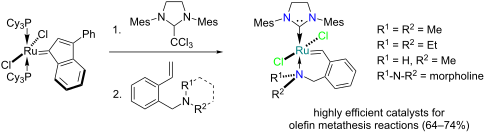
- styrenes 5 with a cyclic tertiary amino group from 1,2,3,4-tetrahydroisoquinoline (Scheme 2). In this case, the initial isoquinoline was reduced in the presence of formic acid and then converted into the desired products 5 by a one-pot solvent-free reaction under the action of the corresponding dihalide in

Graphical Abstract

Figure 1: Commercially available ruthenium catalysts for metathesis reactions.

Figure 2: Retrosynthesis of the ruthenium catalysts.

Scheme 1: Efficient multigram synthesis of N,N-dialkyl-2-vinylbenzylamines 4 (R1X = Me2SO4, Et2SO4 or BnCl, s...

Scheme 2: Synthesis of N-(2-ethenylbenzyl)heterocycles 5.

Scheme 3: Synthesis of N-monoalkyl-2-vinylbenzylamine 7.

Scheme 4: Synthesis of Hoveyda–Grubbs-type catalysts 11.

Scheme 5: Synthesis of the “chloroform adduct” 9.

Figure 3: Selected X-ray data for ruthenium complexes 11a–c. All hydrogen atoms were deleted for clarity (exc...

Scheme 6: Catalytic activity of compounds 11 in the metathesis reactions.