

Search results
Search for "efficiency" in Full Text gives 1249 result(s) in Beilstein Journal of Organic Chemistry. Showing first 200.
Enhancing chemical synthesis planning: automated quantum mechanics-based regioselectivity prediction for C–H activation with directing groups
Beilstein J. Org. Chem. 2025, 21, 1171–1182, doi:10.3762/bjoc.21.94
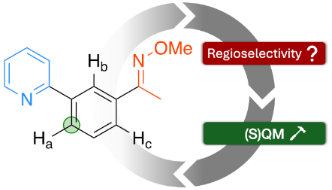
- the potential to significantly accelerate the discovery and optimization of new synthetic routes, thereby impacting materials science and medicinal chemistry by facilitating the synthesis of novel compounds with high precision and efficiency. Pattern Matching Tomberg et al. [9] assembled a look-up


A multicomponent reaction-initiated synthesis of imidazopyridine-fused isoquinolinones
Beilstein J. Org. Chem. 2025, 21, 1161–1169, doi:10.3762/bjoc.21.92
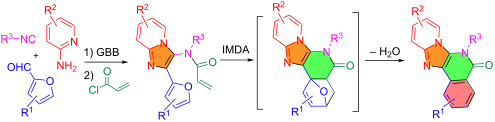
- –Bienaymé (GBB); imidazopyridine; intramolecular Diels–Alder (IMDA); isoquinolinone; multicomponent reaction (MCR); re-aromatization; Introduction Multicomponent reactions (MCRs) have intrinsic green chemistry advantages of synthetic efficiency and operational simplicity. Performing post-condensational
- tested, AlCl₃ gave the best result, while CuCl, ZnCl2, PdCl2 and Sc(OTf)3 showed moderate conversions (30–55%), and InCl3 had the lowest efficiency. Without any Lewis acid we observed no conversion by LC–MS (Table 1, entry 16). During the reaction, IMDA adduct 7a was detected by LC–MS (Figure S1


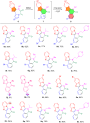
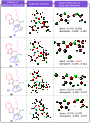


Synthetic approach to borrelidin fragments: focus on key intermediates
Beilstein J. Org. Chem. 2025, 21, 1135–1160, doi:10.3762/bjoc.21.91
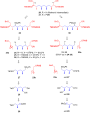
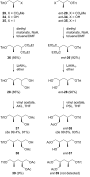
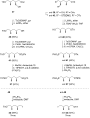
- over 25 steps in 11% overall yield. On the other hand, the efficiency of the process was emphasized by the authors on the utilization of Roche esters 29 and ent-29 to prepare stereochemically pure sulfones 27 and ent-27, respectively. Moreover, the use of the trityl protecting group facilitated a
- stereocenter, significantly reducing overall efficiency. To overcome this challenge, Laschat’s approach leveraged a chiral pool building block – methyl-branched preen gland wax ester – as the starting material. This ester already contained three methyl groups pre-installed with the stereochemistry necessary
- and deprotection steps, functional group transformations, stereocontrolled allylation, cross-metathesis, and Horner–Wadsworth–Emmons (HWE) olefination. This method highlights the power of catalytic stereocontrol, achieving the complex architecture of borrelidin fragments with efficiency and precision








Gold extraction at the molecular level using α- and β-cyclodextrins
Beilstein J. Org. Chem. 2025, 21, 1116–1125, doi:10.3762/bjoc.21.89
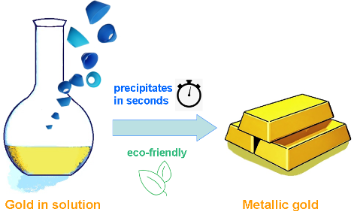
- to the thiol groups in the cyclodextrin. The authors further reported the process to be selective and to have good efficiency, with a gold removal yield as high as 96.1% in the presence of the thiolated β-CD derivative (Figure 5). Cyclodextrin recyclability was, however, not demonstrated and it is


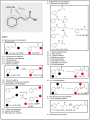
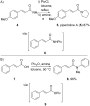
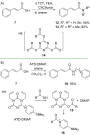
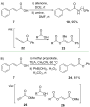
Recent advances in synthetic approaches for bioactive cinnamic acid derivatives
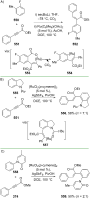
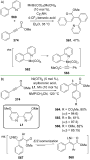
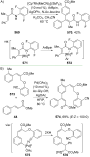
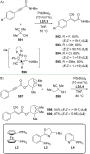
Beilstein J. Org. Chem. 2025, 21, 1031–1086, doi:10.3762/bjoc.21.85








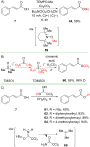

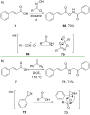
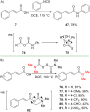


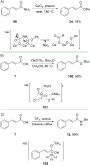








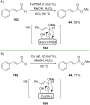

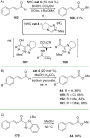
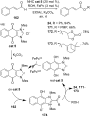


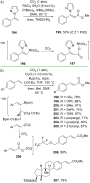
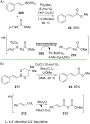
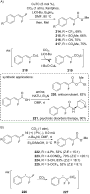
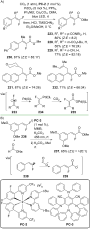

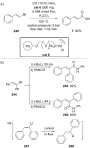
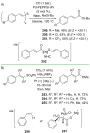

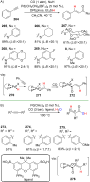

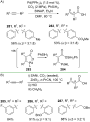
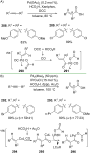

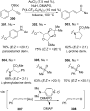
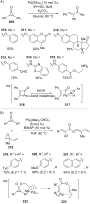
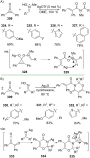
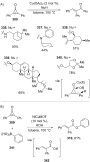
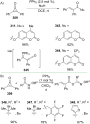
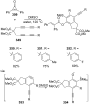
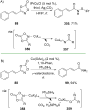
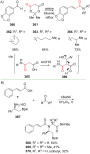
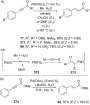

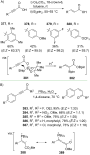

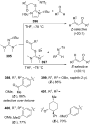
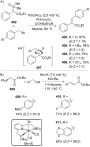
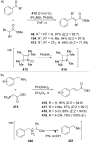
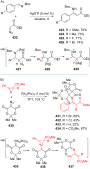


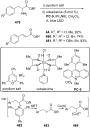


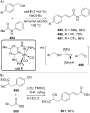
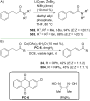

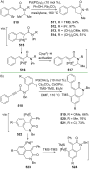
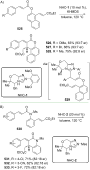
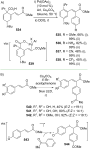



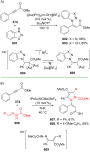
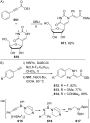
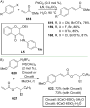
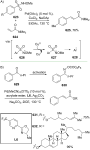
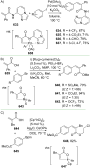
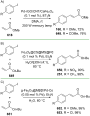
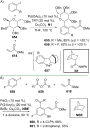
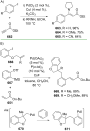

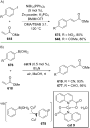
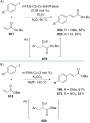

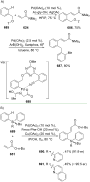
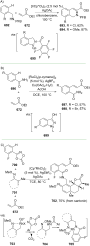
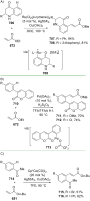
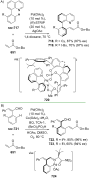
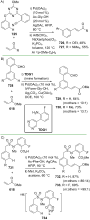


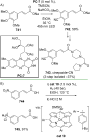


Biobased carbon dots as photoreductants – an investigation by using triarylsulfonium salts
Beilstein J. Org. Chem. 2025, 21, 1024–1030, doi:10.3762/bjoc.21.84
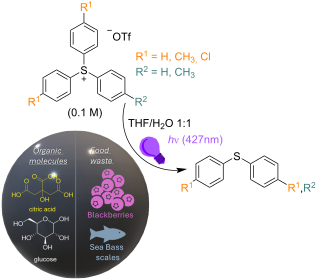
- efficiency of the so obtained carbon nanomaterials was studied in the model photoreduction reaction of triarylsulfonium salts to diaryl sulfides. A comparison carried out on the results obtained points out the key role of the starting substrates in determining the photophysics and the photochemical
- efficiency of the resulting CDs. In this context, citric acid-derived materials (both graphitic and amorphous) were found as the most promising materials, while less satisfactory results have been observed when using CDs derived from glucose and biowastes. Keywords: agricultural waste; carbon dots (CDs
- nanomaterials synthesized from glucose, as well as those prepared starting from food wastes (bass scales and black berry residues from fruit preserves) resulted poorly efficient in the examined process. The obtained results also pointed out the efficiency of citric acid-derived CDs in the photoreduction of Ar3S


Recent total synthesis of natural products leveraging a strategy of enamide cyclization
Beilstein J. Org. Chem. 2025, 21, 999–1009, doi:10.3762/bjoc.21.81
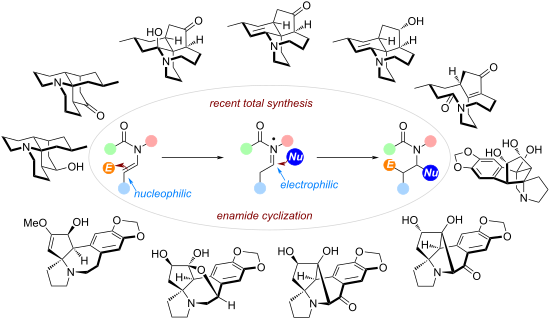
- on this strategy, the authors also accomplished the total synthesis of (−)-lycospidine A in only 10 steps [20], another Lycopodium alkaloid with a truncated tetracyclic skeleton and distinct oxidation levels, further highlighting the versatility and efficiency of the enamide aza-Prins approach
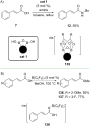
- elegant [2 + 3] cycloaddition of secondary enecarbamates [28], the extension of this reaction to enamides lacking an N–H group is a notable advancement. After extensive optimization, the chiral dirhodium catalyst cat. 1 was found to be most capable in terms of both stereocontrol and efficiency. The use of





On the photoluminescence in triarylmethyl-centered mono-, di-, and multiradicals
Beilstein J. Org. Chem. 2025, 21, 964–998, doi:10.3762/bjoc.21.80
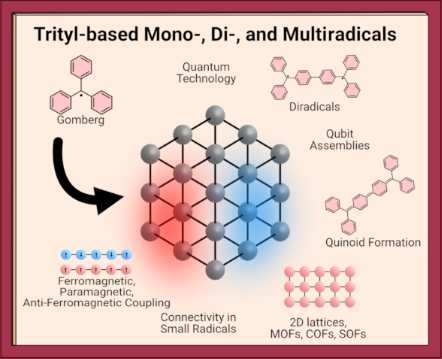
- photoluminescence quantum yield (ϕ) combined with improved photostability. The spin-allowed transition from the excited doublet state to the ground state [7][8][9][10][11][12][13], combined with the absence of competing triplet states – which is a major pathway of efficiency loss in closed-shell emitters – promises
- to overcome the spin-statistical problem that limits the performance of conventional organic electronics. Without the chance to populate any dark triplet or quartet states, light-emitting radicals possess a theoretical internal quantum efficiency of up to 100% in electroluminescent devices [5][7][8
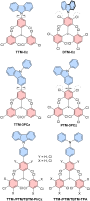
- ][14]. While first examples of radical emitters in light-emitting diodes (LEDs) only delivered around 12% internal quantum efficiency [7], representing no improvement compared to conventional emitters, optimization of the donor-functionalized TTM radical and of the device geometry quickly allowed









Silver(I) triflate-catalyzed post-Ugi synthesis of pyrazolodiazepines
Beilstein J. Org. Chem. 2025, 21, 915–925, doi:10.3762/bjoc.21.74
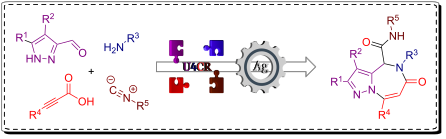
- procedures and harsh reaction conditions, resulting in limited substituent and scaffold diversity [18][19]. In this regard, multicomponent reactions (MCRs) have gained increasing attention for their operational simplicity, efficiency, robustness, atom economy, and potential for diversity-oriented synthesis
- , when performed at room temperature, proceeded with lower efficiency compared to the reaction at 70 °C, leaving some of the starting 1H-pyrazole-3-carbaldehyde (14a) unreacted. Propargylamide 15a was selected as a model substrate to optimize the reaction conditions for the intramolecular
- heteroannulation leading to the pyrazolo[1,5-a][1,4]diazepine scaffold. Our initial choice was to investigate the use of silver(I) triflate (AgOTf) as a catalyst in toluene, given its previously demonstrated efficiency in various transformations involving the activation of triple bonds towards nucleophilic attack




Recent advances in controllable/divergent synthesis
Beilstein J. Org. Chem. 2025, 21, 890–914, doi:10.3762/bjoc.21.73
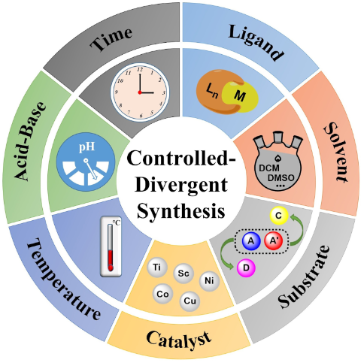
- development, advanced materials innovation, and fundamental molecular science research. In recent years, controllable/divergent synthetic strategies for organic functional molecules using common starting materials have garnered significant attention due to their high efficiency. This review categorizes recent
- reaction pathways, selectivity, and catalytic efficiency. By exploiting dynamic acid–base equilibria or stimuli-responsive systems, chemists can manipulate substrate activation, stabilize reactive intermediates, and orchestrate complex multistep transformations under mild conditions [47]. In 2016, Lu's
- , pharmaceutical research, and advanced materials development. Recent advances in controllable/divergent synthesis methodologies, which enable the construction of variously functionalized architectures from common precursors, have emerged as particularly promising due to their inherent efficiency. Contemporary







Dicarboxylate recognition based on ultracycle hosts through cooperative hydrogen bonding and anion–π interactions
Beilstein J. Org. Chem. 2025, 21, 884–889, doi:10.3762/bjoc.21.72
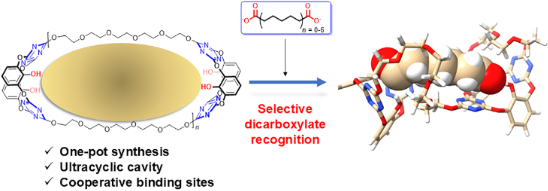
- anticipated to exhibit high association efficiency and selectivity for large guests, driven by cooperative effects of their convergent macrocyclic elements. Dicarboxylates are crucial species in biological system and chemistry [20]. Examples such as malonate, succinate, and glutarate play key roles in


Cu–Bpin-mediated dimerization of 4,4-dichloro-2-butenoic acid derivatives enables the synthesis of densely functionalized cyclopropanes
Beilstein J. Org. Chem. 2025, 21, 877–883, doi:10.3762/bjoc.21.71
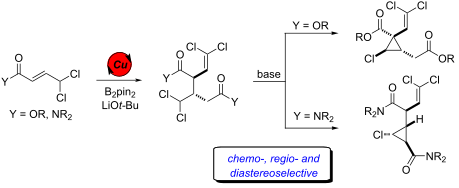
- , entry 2), although the use of sub-stoichiometric amounts led to a significant decrease in reaction yield (Table 1, entry 3). We also tried to reduce the amount of base, but this caused a drop in the reaction efficiency (Table 1, entry 4). Evaluation of different bases demonstrated the important role of
- of the solvent also played a role in the reaction outcome. A decrease both in efficiency and diastereoselectivity was observed when THF was used (Table 1, entry 7). The use of dichloromethane eroded the diastereoselectivity and also the chemoselectivity as shown with the additional formation of 3 as


Light-enabled intramolecular [2 + 2] cycloaddition via photoactivation of simple alkenylboronic esters
Beilstein J. Org. Chem. 2025, 21, 854–863, doi:10.3762/bjoc.21.69
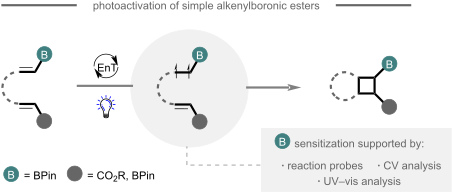
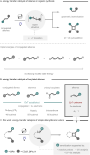
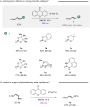
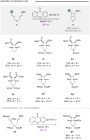
- more efficiently sensitized (lower T1 excited state) than their alkenylboronic ester counterparts. This is unsurprising given their enhanced conjugation (4π electrons vs 2π electrons and p-orbital). To probe the efficiency of trisubstituted alkenes, vicinal boron precursor 3h was designed (Scheme 1



Unraveling cooperative interactions between complexed ions in dual-host strategy for cesium salt separation
Beilstein J. Org. Chem. 2025, 21, 845–853, doi:10.3762/bjoc.21.68
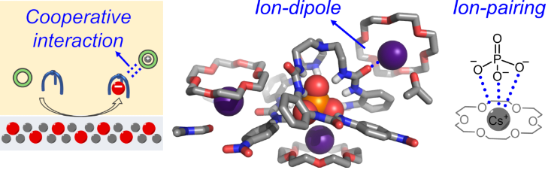
- L as an anion receptor to extract cesium salts (chloride, nitrate, carbonate, sulfate, and phosphate) from the solid phase into chloroform. Remarkably, Cs3PO4 exhibits the highest extraction efficiency, driven by strong cooperative interactions involving ion-dipole coordination between Cs+ and
- binding. Compared to the use of individual anion or cation receptors, the dual-host strategy can significantly enhance the efficiency of ion-pair extraction. However, the driving forces and cooperative interactions of the complexed ions remain poorly understood (Figure 1a). To the best of our knowledge
- binding Na+ and K+ by oligourea foldamers and macrocycles [37][38][39]. However, in the solid−liquid extraction of Li2SO4 in DMSO, addition of crown ether did not help to increase the extraction efficiency. This is because ion-dipole interactions are negligible in high polar solvent, and Li+ binding is


Chitosan-supported CuI-catalyzed cascade reaction of 2-halobenzoic acids and amidines for the synthesis of quinazolinones
Beilstein J. Org. Chem. 2025, 21, 839–844, doi:10.3762/bjoc.21.67
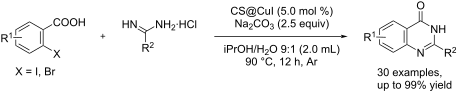
- catalytic efficiency (up to 99% yield). Keywords: chitosan-supported CuI catalyst; cyclization reaction; mild conditions; quinazolinone; Introduction Quinazolinones are not only a key core of nitrogen-containing benzo heterocyclic compounds found in many natural products and bioactive molecules [1][2][3
- developed a magnetically recoverable and reusable Fe3O4 nanoparticle-supported copper(I) catalyst with excellent catalytic efficiency for quinazolinone synthesis [11]. In addition, Cai et al. reported that MCM-41-immobilized tridentate nitrogen-supported copper(I) [MCM-41-3N–CuI] served as a highly
- ]. Furthermore, dicopper(I) complexes can also be used as an effective catalyst in Ullmann-type N-arylation/cyclization of 2-bromobenzoic acids with amidines, providing the corresponding quinazolinones in good yields [15]. Despite the high efficiency of the above-mentioned copper catalysts in the synthesis of


Substituent effects in N-acetylated phenylazopyrazole photoswitches
Beilstein J. Org. Chem. 2025, 21, 830–838, doi:10.3762/bjoc.21.66
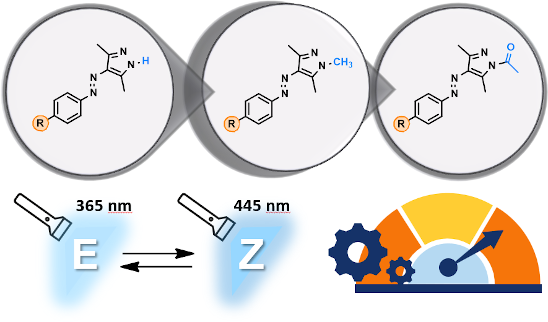
- higher to equal ΦE→Z. Interestingly, for R = Me and H, we recorded higher QYs in NMe-PAPs than in NAc-PAPs (22% and 45% for R = H and R = Me in NMe-PAP vs 14% and 44% for the acetylated ones). In contrast to the excitation of the π→π* state in NAc-PAPs, the isomerization process varies in efficiency when


Synthesis and photoinduced switching properties of C7-heteroatom containing push–pull norbornadiene derivatives
Beilstein J. Org. Chem. 2025, 21, 807–816, doi:10.3762/bjoc.21.64
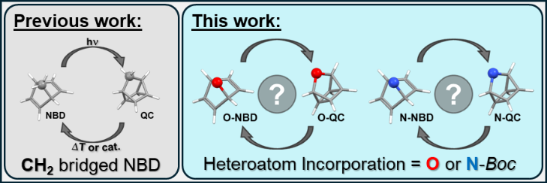
- , it is essential not only to achieve a high storage density and good quantum efficiency for the isomerization process but also to ensure large half-lifes and durability in switching reliability [20]. By making structural adjustments to the parent carbon scaffold, it is possible to target specific



Regioselective formal hydrocyanation of allenes: synthesis of β,γ-unsaturated nitriles with α-all-carbon quaternary centers
Beilstein J. Org. Chem. 2025, 21, 800–806, doi:10.3762/bjoc.21.63
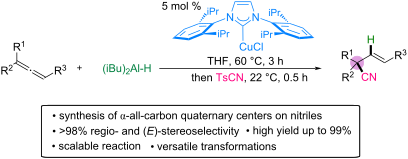
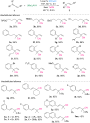
- , bromo, trifluoromethyl, or methoxy groups on the phenyl ring, were smoothly converted into β,γ-unsaturated nitriles 3t–x with high efficiency. Particularly, allenes 1y and 1z containing benzodioxane or naphthalene moieties were well-tolerated under these reaction conditions, affording nitriles 3y and 3z
- reaction conditions, broad functional group compatibility, and high efficiency, enabling the synthesis of new and versatile functionalized β,γ-unsaturated nitriles containing α-all-carbon quaternary centers with exceptional selectivity. The practicality of this approach was validated through gram-scale




Recent advances in the electrochemical synthesis of organophosphorus compounds
Beilstein J. Org. Chem. 2025, 21, 770–797, doi:10.3762/bjoc.21.61
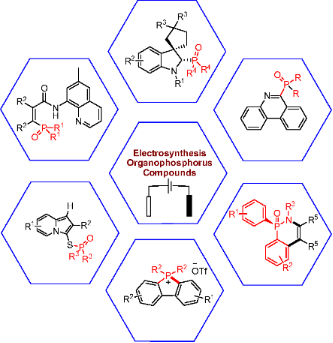
- efficiency of reactions [14][15][16][17][18][19][20][21]. Organophosphorous compounds are essential materials with broad applications in medicinal chemistry, synthesis, agriculture, as ligands, and intermediates to prepare complex compounds. Due to their importance, scientists have introduced many studies in
- reduction occur in separate compartments, separated by a diaphragm or salt bridge, to prevent reactant mixing and improve efficiency (e.g., Daniel cell). However, in undivided cells, both reactions occur in a single compartment without separation, resulting in a more straightforward design but potentially
- lower efficiency (e.g., some electrolytic cells). Role of electrolytes in organic electrochemical reactions Electrolytes are crucial for conductivity and reaction stability in organic electrochemical reactions. They are categorized as supporting electrolytes, which enhance conductivity, reduce


New advances in asymmetric organocatalysis II
Beilstein J. Org. Chem. 2025, 21, 766–769, doi:10.3762/bjoc.21.60

- describes the enantioselective Michael addition of pyrazoline-5-ones to α,β-unsaturated ketones. The enantioselectivity and chemical efficiency of this transformation were achieved with a cinchona-alkaloid-derived primary-amine–Brønsted acid composite [22]. A good demonstration of how organocatalysis

Copper-catalyzed domino cyclization of anilines and cyclobutanone oxime: a scalable and versatile route to spirotetrahydroquinoline derivatives
Beilstein J. Org. Chem. 2025, 21, 749–754, doi:10.3762/bjoc.21.58
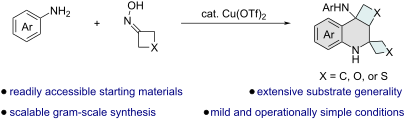
- significantly lower yields of 3aa (Table 1, entry 2). Replacing the Cu(TFA)2 catalyst with other copper sources, such as cuprous chloride (CuCl), cuprous thiocyanate (CuSCN), copper bromide (CuBr2), copper trifluoromethanesulfonate (Cu(OTf)2), and copper powder resulted in diminished reaction efficiency (Table




Synthesis of HBC fluorophores with an electrophilic handle for covalent attachment to Pepper RNA
Beilstein J. Org. Chem. 2025, 21, 727–735, doi:10.3762/bjoc.21.56
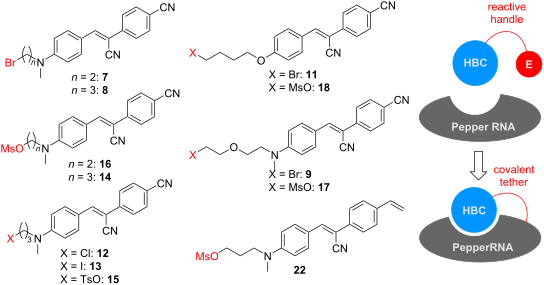
- (8), MsOc3HBC (14), and MsOc3HBC-vinyl (22)) as reported previously [11]. Nine more HBC derivatives with altered handle lengths and different electrophilic groups are introduced in this study. Furthermore, we include an evaluation of the efficiency of all reactive fluorophores (previously introduced



Recent advances in allylation of chiral secondary alkylcopper species
Beilstein J. Org. Chem. 2025, 21, 639–658, doi:10.3762/bjoc.21.51
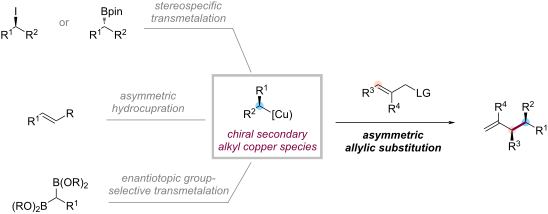
- scope and efficiency of these reactions. A notable advancement came from Knochel's introduction of dialkylzinc reagents in 1999, which substantially broadened the range of applicable organometallic compounds [23]. Subsequent significant progress was achieved independently by Feringa and Alexakis through
- into a powerful and versatile tool in asymmetric synthesis, capable of employing a wide array of organometallic reagents that furnish the desired compounds with high efficiency and selectivity. The regioselective asymmetric construction of stereogenic carbon centers from prochiral allylic substrates
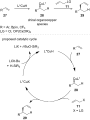
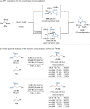
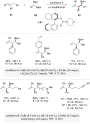
- regioselectivity (SN2/SN2' = >99:1). The reaction with 3-methylbut-2-en-1-yl bromide (15) was particularly noteworthy, as it exhibited superior selectivity compared to the corresponding phosphates. The high efficiency of this protocol was demonstrated through the synthesis of various functionalized alkenes with





Entry to 2-aminoprolines via electrochemical decarboxylative amidation of N‑acetylamino malonic acid monoesters
Beilstein J. Org. Chem. 2025, 21, 630–638, doi:10.3762/bjoc.21.50
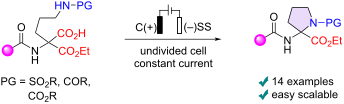
- , NaOAc) did not improve the efficiency of the anodic decarboxylation/cyclization reaction (Table 1, entries 2–4). Even though the amount of hemiaminal 10a was slightly reduced, the formation of amino acid ester 11a as side product was observed in the crude reaction mixture (Table 1, entries 2–4). The



Photocatalyzed elaboration of antibody-based bioconjugates
Beilstein J. Org. Chem. 2025, 21, 616–629, doi:10.3762/bjoc.21.49
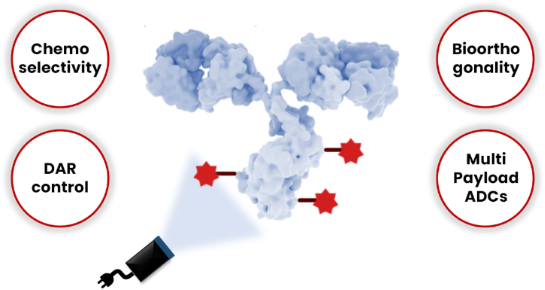
- strategy maximizes the efficiency and specificity of functionalization, representing a significant advancement in the selective modification of antibodies. This method demonstrated an innovative mode of selectivity, even though some drawbacks remain. For example, the 1-methyl-4-arylurazole used in these
- transformations targeted toward a variety of diverse canonical amino acids would introduce more versatility, efficiency, and convenience in the construction of these increasingly important structural units. Cautionary considerations Photoredox chemistry offers a powerful approach for the targeted modification of