
Search results
Search for "catalyst" in Full Text gives 1886 result(s) in Beilstein Journal of Organic Chemistry. Showing first 200.
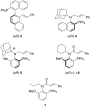
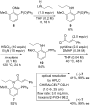
Pd-Catalyzed asymmetric allylic amination with isatin using a P,olefin-type chiral ligand with C–N bond axial chirality
Beilstein J. Org. Chem. 2025, 21, 1018–1023, doi:10.3762/bjoc.21.83
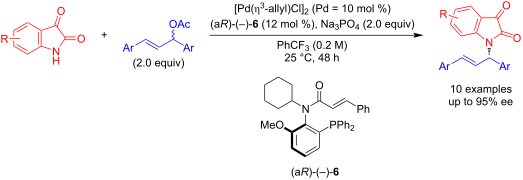
- the resulting product (S)-13a in the presence of FeCl3 as the catalyst, the corresponding malononitrile derivative (S)-16 was obtained without any loss in optical purity. Keywords: asymmetric allylic amination; axial chirality; isatin; palladium catalysis; P,olefin-type chiral ligand; Introduction
- applications of this product, we treated (S)-13a (94% ee) with malononitrile in the presence of FeCl3 as a catalyst [36] and obtained the corresponding malononitrile derivative (S)-16 without any loss of optical purity (Scheme 3). Conclusion In this study, N-propyl-N-cinnamoylamide 7 was synthesized in three




Synthesis of pyrrolo[3,2-d]pyrimidine-2,4(3H)-diones by domino C–N coupling/hydroamination reactions
Beilstein J. Org. Chem. 2025, 21, 1010–1017, doi:10.3762/bjoc.21.82
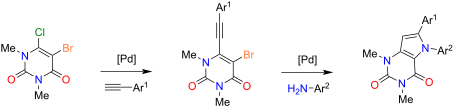
- optimized for the reaction of 3a with p-toluidine to give pyrrolo[3,2-d]pyrimidine-2,4(3H)-dione 4a (Table 1). For the first experiment, we chose Pd(OAc)2 (5 mol %) as the catalyst, XPhos (5 mol %) as the ligand and K3PO4 (3 equiv) as the base in DMA (100 °C, 15 hours), which previously proved to be



Recent total synthesis of natural products leveraging a strategy of enamide cyclization
Beilstein J. Org. Chem. 2025, 21, 999–1009, doi:10.3762/bjoc.21.81
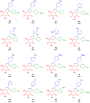
- was utilized to transform enamine 18 and propargyl ester 19 into 1-azaspiro[4.4]nonane 20 with high diastereoselectivity. Notably, the combination of an N-heterocyclic carbene gold catalyst and a silver salt AgSbF6 was found to be essential in guaranteeing the reactivity of the alkyne partner
- column chromatography was required during this process, the synthetic route is highly practical. The enantioselective annulation of tertiary enamide 28 with enoldiazoacetate 29 was then explored under the catalysis of a chiral dirhodium catalyst. While Doyle and co-workers had previously reported an
- elegant [2 + 3] cycloaddition of secondary enecarbamates [28], the extension of this reaction to enamides lacking an N–H group is a notable advancement. After extensive optimization, the chiral dirhodium catalyst cat. 1 was found to be most capable in terms of both stereocontrol and efficiency. The use of



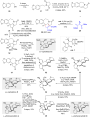
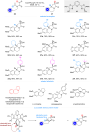


Studies on the syntheses of β-carboline alkaloids brevicarine and brevicolline
Beilstein J. Org. Chem. 2025, 21, 955–963, doi:10.3762/bjoc.21.79
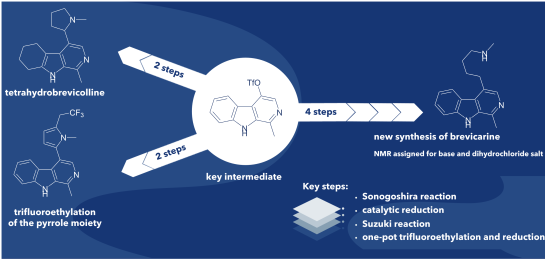
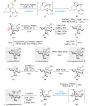
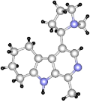
- catalyst, overreduced product 31, i.e., the tetrahydro derivative of racemic brevicolline ((±)-1) was obtained in 91% yield. Structure determination of 31 was supported by single-crystal X-ray diffraction, as well (Figure 2). Changing the catalyst [Pd(OH)2, Ru, Rh], did not alter the course of the reaction


Silver(I) triflate-catalyzed post-Ugi synthesis of pyrazolodiazepines
Beilstein J. Org. Chem. 2025, 21, 915–925, doi:10.3762/bjoc.21.74
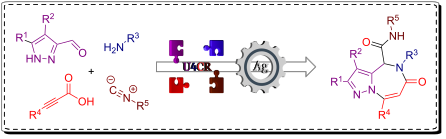
- heteroannulation leading to the pyrazolo[1,5-a][1,4]diazepine scaffold. Our initial choice was to investigate the use of silver(I) triflate (AgOTf) as a catalyst in toluene, given its previously demonstrated efficiency in various transformations involving the activation of triple bonds towards nucleophilic attack
- temperature to 90 °C and the catalyst loading to 10 mol % enabled full conversion of 15a and improved the yield of product 16a (Table 1, entries 2 and 3). The use of other silver salts including AgBF4, Ag(NTf)2 and AgNO3 did not lead to improved results, with Ag(NTf)2 being particularly ineffective (Table 1
- , entries 4–6). Next, various solvents were screened with TFE, DCE, acetonitrile, and chlorobenzene providing low to moderate yields, whereas dioxane emerged as the preferred solvent allowing to bring the yield of pyrazolodiazepine 16a to 66% (Table 1, entries 7–11). Finally, further increasing the catalyst




Recent advances in controllable/divergent synthesis
Beilstein J. Org. Chem. 2025, 21, 890–914, doi:10.3762/bjoc.21.73
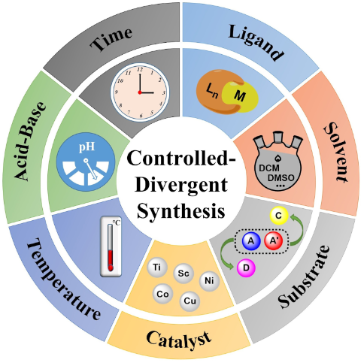
- utilizing in situ-generated π-allylpalladium complexes to capture strained cyclic allene intermediates (Scheme 4) [22]. By modulating the ligands in the reaction system, two distinct polycyclic scaffolds, 13 or 14, could be synthesized with high selectivity. Mechanistically, the Pd(0) catalyst coordinates
- represents a highly challenging direct C(sp3)–H asymmetric amination. Mechanistic insights: When using a bulky, electron-rich chiral bisphosphine ligand L6, the glycine ester substrate coordinates with the copper catalyst to form a key intermediate complex Int-26. The sterically hindered and electron-rich
- the anionic cyano-substituted bisoxazoline ligand L7, the glycine ester and copper catalyst form a distinct intermediate complex Int-28. The ligand’s reduced steric bulk and altered electronic properties facilitate direct interaction with alkyl radicals, forming a high-valent Cu(III) intermediate Int







Cu–Bpin-mediated dimerization of 4,4-dichloro-2-butenoic acid derivatives enables the synthesis of densely functionalized cyclopropanes
Beilstein J. Org. Chem. 2025, 21, 877–883, doi:10.3762/bjoc.21.71
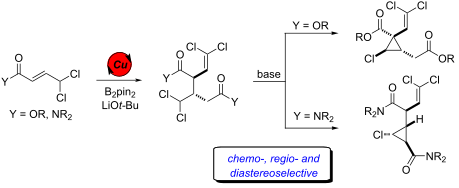
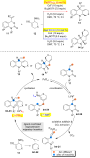
- (1) and B2pin2 (Table 1). By using NaOt-Bu as base and toluene as solvent, the Cu/SIMes catalyst provided compound 2 as single reaction product, albeit in low yield and with low diastereoselectivity (Table 1, entry 1). Lowering the amount of B2pin2 to 1 equivalent was found to be beneficial (Table 1


Light-enabled intramolecular [2 + 2] cycloaddition via photoactivation of simple alkenylboronic esters
Beilstein J. Org. Chem. 2025, 21, 854–863, doi:10.3762/bjoc.21.69
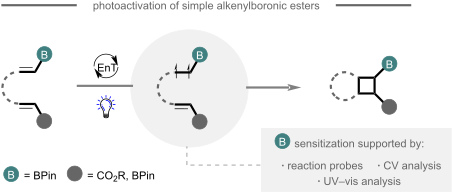
- energy sensitizers, would represent an attractive platform for future reaction design. Here, we disclose the photoactivation of simple alkenylboronic esters established using alkene scrambling as a rapid reaction probe to identify a suitable catalyst and boron motif. Cyclic voltammetry, UV–vis analysis
- high excited state energies and short lifetimes [29]. However, with notable strides in catalyst design, leading to catalysts with high excited state energies [30][31][32][33], in combination with concomitant advances in machine learning excited state predictions [34], it is anticipated that perhaps
- identify a suitable catalyst and boron residue, while control reactions and mechanistic studies support the proposed sensitization. The platform enables direct access to mono- and vicinal cyclobutylboronic esters that could be effectively derivatized to demonstrate their potential in synthesis. Results and



Chitosan-supported CuI-catalyzed cascade reaction of 2-halobenzoic acids and amidines for the synthesis of quinazolinones
Beilstein J. Org. Chem. 2025, 21, 839–844, doi:10.3762/bjoc.21.67
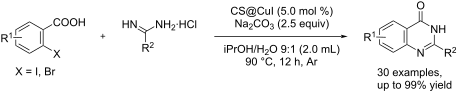
- 10.3762/bjoc.21.67 Abstract A chitosan-supported CuI (CS@CuI) catalyst was developed for the synthesis of quinazolinones from 2-halobenzoic acids (including iodine and bromine) and amidines. The reaction proceeds under mild reaction conditions, demonstrating a broad substrate scope (30 examples) and good
- catalytic efficiency (up to 99% yield). Keywords: chitosan-supported CuI catalyst; cyclization reaction; mild conditions; quinazolinone; Introduction Quinazolinones are not only a key core of nitrogen-containing benzo heterocyclic compounds found in many natural products and bioactive molecules [1][2][3
- developed a magnetically recoverable and reusable Fe3O4 nanoparticle-supported copper(I) catalyst with excellent catalytic efficiency for quinazolinone synthesis [11]. In addition, Cai et al. reported that MCM-41-immobilized tridentate nitrogen-supported copper(I) [MCM-41-3N–CuI] served as a highly


Synthesis and photoinduced switching properties of C7-heteroatom containing push–pull norbornadiene derivatives
Beilstein J. Org. Chem. 2025, 21, 807–816, doi:10.3762/bjoc.21.64
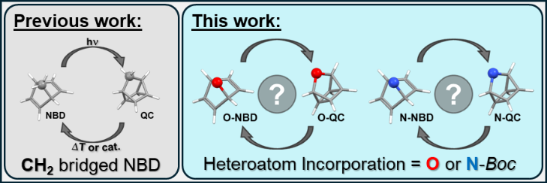
- corresponding to either N-NBD2 and N-UnS2. Addition of the previously used CoII-catalyst POR did not result in regeneration of the parent N-NBD2 species strongly excluding the presence of N-QC2. Given the challenges in generating heterocyclic QC derivatives – successfully achieved only for oxa derivatives – the
- from the respective QC derivative was accomplished by addition of a CoII-porphyrin catalyst. For the nitrogen containing NBDs N-NBD1 and N-NBD2 photoinduced generation of an unidentified species was observed, followed by complete photodecomposition upon extended irradiation. The formation of N-QC2 was
- absorption maximum and onset was observed for the heterocyclic derivatives in relation to their isocyclic analogues. Basic principle of the NBD to QC conversion and vice versa. The bridge-atom at position 7 was varied to carbon, oxygen or nitrogen. The back-conversion induced via heat or a catalyst can


Regioselective formal hydrocyanation of allenes: synthesis of β,γ-unsaturated nitriles with α-all-carbon quaternary centers
Beilstein J. Org. Chem. 2025, 21, 800–806, doi:10.3762/bjoc.21.63
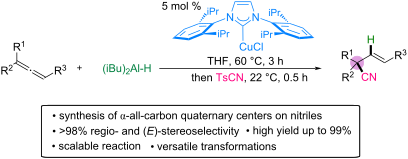
- centers [30][31][32][33]. Herein, we report a mild and efficient method for the regio- and (E)-stereoselective formal hydrocyanation of di- and trisubstituted allenes. Using DIBAL-H as the hydride source and TsCN as a readily available and bench-stable cyanating agent in the presence of a copper catalyst
- , the hydride addition of DIBAL-H to allene 1a catalyzed by 5 mol % IPrCuCl as the optimal catalyst selectively generated the allylaluminum intermediate 2a with >98% conversion [30]. Subsequent addition of one equivalent of TsCN to 2a in a single vessel at room temperature proceeded regioselectively
- , achieving yields of 93% and 87%, respectively. When the catalyst loading was reduced to 3 mol % for the reaction of allene 4b, the hydroalumination did not reach full conversion even with an extended reaction time (6 h vs 3 h). As a result, the incomplete hydroalumination led to a side reaction between the


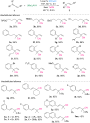


Recent advances in the electrochemical synthesis of organophosphorus compounds
Beilstein J. Org. Chem. 2025, 21, 770–797, doi:10.3762/bjoc.21.61
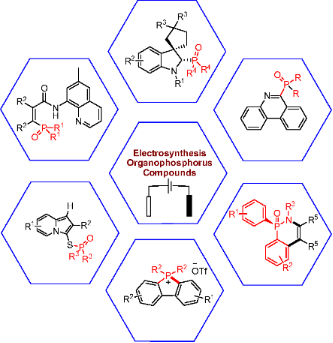
- . Studies showed that a Mn catalyst is critical for synthesizing derivatives of phenanthridine-based diarylphosphine oxides. The reaction yield decreased in the absence of the ligand, and eliminating both the ligand and manganese salt suppressed the reaction. Moreover, a slight decrease in the reaction
- derivatives of glycine with diarylphosphine oxide (R2P(O)–H) for the synthesis of 1-aminoalkylphosphine oxides without the use of any transition metal catalyst or external oxidant. In this conversion, 1-aminoalkylphosphine oxides were formed in an undivided cell using a carbon electrode as the anode and
- dialkyl phosphonates at carbon and platinum electrodes as the anode and cathode in the presence of a silver catalyst in a divided cell (Scheme 3). According to the report, the silver catalyst is central to the coupling reaction. The study of the effect of alternating current (a.c.) electrolysis parameters


New advances in asymmetric organocatalysis II
Beilstein J. Org. Chem. 2025, 21, 766–769, doi:10.3762/bjoc.21.60
- prominent Hayashi–Jørgensen catalyst. This prolinol silyl ether was independently discovered by the respective Hayashi and Jørgensen research teams in 2005 [13][14]. Interestingly, the use of prolinol alkyl ethers for asymmetric Michael additions, although at the time added in a stoichiometric manner, has
- ]. The enantioselective addition of propargyltrichlorosilane to aldehydes was studied by Prabhakar, Takenaka, and co-workers. This transformation was catalyzed by a biisoquinoline N,N’-dioxide catalyst, which acted as a chiral Lewis base [26]. Torres-Oya and Zurro reviewed the recent developments in
- organocatalytic cycloaddition reactions of unsaturated imines. A broad variety of activation modes, as well as catalyst structures, was covered and found to be useful in affording a diverse array of chiral N-heterocycles [27]. In my group, we recently became interested in atroposelective catalytic syntheses

Development and mechanistic studies of calcium–BINOL phosphate-catalyzed hydrocyanation of hydrazones
Beilstein J. Org. Chem. 2025, 21, 755–765, doi:10.3762/bjoc.21.59
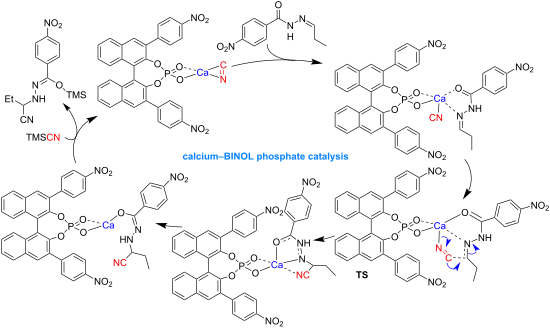
- . Trimethylsilyl cyanide (TMSCN) has been used as a sacrificial cyanide source. We found that isocyanide (rather than cyanide) is a preferred coordination to calcium during the catalytic cycle, while the active catalyst prefers a side-on coordination of cyanide. The configuration-determining step is a
- hydrocyanation via a calcium isocyanide complex, whereas the rate-limiting step is that which recovers the calcium catalyst and replaces the TMS-bound product from the catalyst. While our experimental data demonstrate enantioselectivity values as high as 89% under certain conditions, the overall
- enantioselectivity achieved with the calcium catalyst remains modest, mainly due to competing pathways for the Z- and E-hydrazone isomers leading to opposite enantiomers. The experimental results confirm these computational proposals. Keywords: asymmetric synthesis; calcium–BINOL phosphate catalysis; hydrocyanation


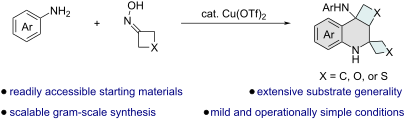
Copper-catalyzed domino cyclization of anilines and cyclobutanone oxime: a scalable and versatile route to spirotetrahydroquinoline derivatives
Beilstein J. Org. Chem. 2025, 21, 749–754, doi:10.3762/bjoc.21.58
- into tetrahydroquinoline (THQ)-based 6-6-4-membered ring systems through a combination of nucleophilic addition and borate-mediated [2 + 2] photocycloaddition, offering a catalyst-free approach to construct conformationally constrained 2D/3D frameworks with high functional group compatibility and
- ) trifluoroacetate (Cu(TFA)2) as the catalyst (20 mol %) under ambient air at 80 °C for 12 hours; the product 3aa was isolated by chromatographic purification (Table 1, entry 1). The use of other solvents, including acetonitrile (MeCN), tetrahydrofuran (THF), toluene, acetone and methanol (MeOH), resulted in
- significantly lower yields of 3aa (Table 1, entry 2). Replacing the Cu(TFA)2 catalyst with other copper sources, such as cuprous chloride (CuCl), cuprous thiocyanate (CuSCN), copper bromide (CuBr2), copper trifluoromethanesulfonate (Cu(OTf)2), and copper powder resulted in diminished reaction efficiency (Table




Synthesis of HBC fluorophores with an electrophilic handle for covalent attachment to Pepper RNA
Beilstein J. Org. Chem. 2025, 21, 727–735, doi:10.3762/bjoc.21.56
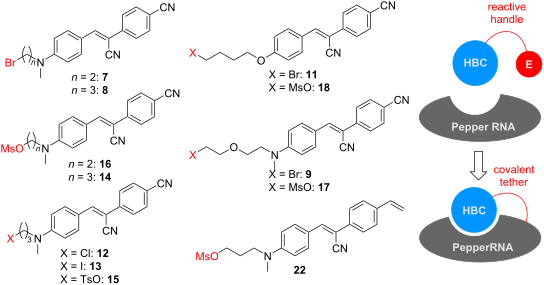
- intention was to provide an RNA pulldown tool where the RNA of interest tagged with the Pepper aptamer becomes covalently attached to the fluorophore, which in turn can be biotinylated via a catalyst-free inverse-electron-demand Diels–Alder reaction (IEDDA) [11]. Thereby, the entire process is easily



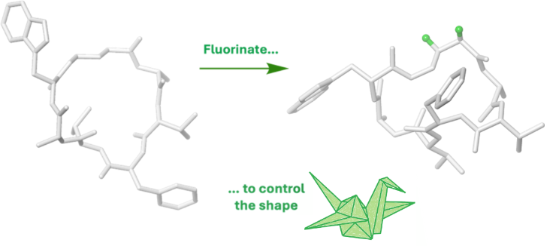
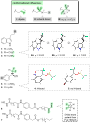
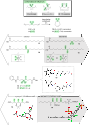
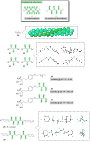
Origami with small molecules: exploiting the C–F bond as a conformational tool
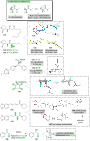
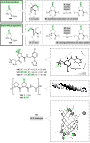
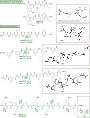
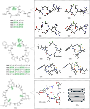
Beilstein J. Org. Chem. 2025, 21, 680–716, doi:10.3762/bjoc.21.54


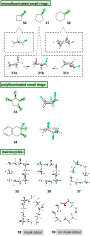
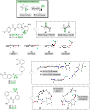

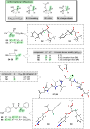
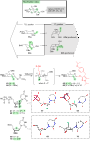
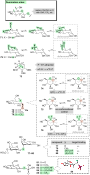
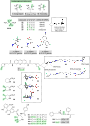
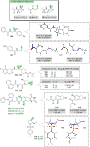
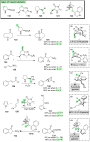
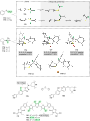
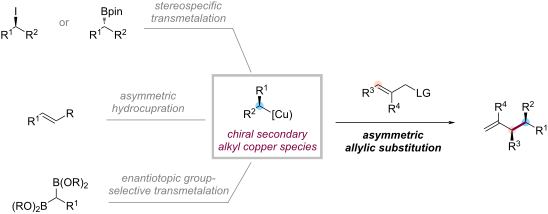
Recent advances in allylation of chiral secondary alkylcopper species
Beilstein J. Org. Chem. 2025, 21, 639–658, doi:10.3762/bjoc.21.51
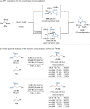
- including s-BuLi, n-BuLi, and PhLi. The optimized protocol, employing CuCN as a catalyst, enabled efficient coupling between t-BuLi-activated complexes 10 and allylic halides 11, furnishing products 12 with complete retention of stereochemistry and high yields (Scheme 7). The method's versatility and
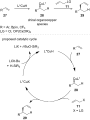
- excellent enantioselectivity, although in moderate yield. Notably, the presence of a chloride anion in the reaction mixture proved crucial for high enantioselectivity, leading to the discovery that a 1:1 complex of copper(I) chloride and (S,S)-Ph-BPE (L1) could serve as an optimal catalyst system. Further
- optimization revealed LiOt-Bu and diphenyl phosphate as the optimal metal alkoxide and leaving group, delivering the desired product 32 in high yield and high enantioselectivity at room temperature with only 2 mol % catalyst loading. The scope of this transformation proved to be remarkably broad. In addition





Photocatalyzed elaboration of antibody-based bioconjugates
Beilstein J. Org. Chem. 2025, 21, 616–629, doi:10.3762/bjoc.21.49
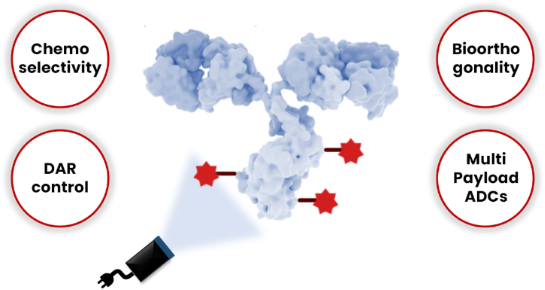
- decision-making [6][7]. Antibody–oligonucleotide conjugates, antibody–enzyme conjugates, antibody–polymer conjugates, antibody–nanomaterial conjugates, antibody–catalyst conjugates, and antibodies involved in protein degradation also play critical roles in biomedical research and therapies [2]. In whatever
- transformations is a strong electrophile that can react with Tyr, for instance, if such an amino acid is located near the reactive site. In addition, command of the DAR might have some limits, as the distance between the catalyst and the mAbs is not well defined, meaning that the photoredox reaction might not
- available and inexpensive Ru(bpy)3, along with a water-soluble, air- and moisture-stable Ni(dabpy)Br2 catalyst. Moreover, they demonstrated that this system works efficiently in aqueous conditions, making it highly suitable for applications involving antibodies. These characteristics make the method highly


Formaldehyde surrogates in multicomponent reactions
Beilstein J. Org. Chem. 2025, 21, 564–595, doi:10.3762/bjoc.21.45
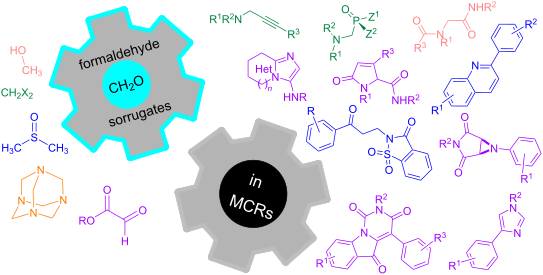
- ] with which a wide range of aromatic and aliphatic disubstituted alkynes were reactive, resulting in a greater diversity of quinolines II. In both cases, regardless of the catalyst used, the MCR tolerates a wide variety of anilines that have either electron-donating or electron-withdrawing groups with
- derivatives are isolated as side-products. Interestingly, when Liu et al. [40] modified this reaction by using a copper(II) catalyst under aerobic oxidative conditions, the regioisomers III (2-arylquinolines) were obtained (Scheme 9). To rationalize this singular result, the authors proposed a mechanism in
- DMSO (Scheme 12) [45]. In this case, the reaction works well under metal-free conditions using iodine as the catalyst. Remarkably, the activation of DMSO was accomplished using Selectfluor, and in this case, DMSO is the source of a C-1 unit. It is important to note that the reaction could be performed


Asymmetric synthesis of β-amino cyanoesters with contiguous tetrasubstituted carbon centers by halogen-bonding catalysis with chiral halonium salt
Beilstein J. Org. Chem. 2025, 21, 547–555, doi:10.3762/bjoc.21.43
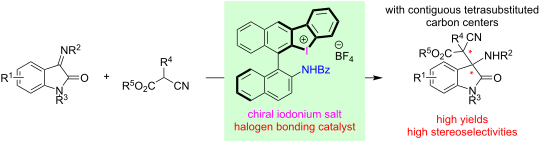
- catalysis (Figure 2c). Results and Discussion Chiral halonium salts 9a–c were prepared according to our previously reported methods [33]. The Mannich reaction of ketimine 7a and cyanoester 16a was selected as a benchmark, and catalyst screening was conducted (Scheme 1). The reaction was carried out with 1.0
- product was obtained in moderate diastereo- and enantioselectivity, however, chloronium salt 9c did not show significant catalytic activity, and the product was formed in nearly the same yield as that obtained without a catalyst with low stereoselectivity. From these observations, bromonium salt 9a was
- , the reaction catalyzed by only 1 mol % of iodonium salt 9b provided the opposite diastereomer of 17a as the major product compared with that without a catalyst, which revealed the high catalytic activity of our catalyst. Further reaction conditions optimization was conducted using 9a as a catalyst


Vinylogous functionalization of 4-alkylidene-5-aminopyrazoles with methyl trifluoropyruvates
Beilstein J. Org. Chem. 2025, 21, 533–540, doi:10.3762/bjoc.21.41
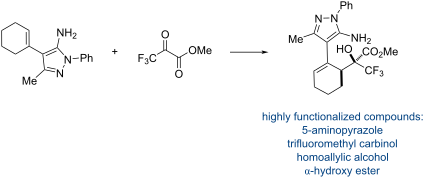
- [32]. Then, we increased the reaction scale to 0.2 mmol and obtained similar results (Table 1, entry 13). At this point, we decided to explore the use of a bifunctional organocatalyst in order to improve the yield. When squaramide SQ-1 was used as a catalyst, we observed a similar yield and
- diastereoselectivity after 24 h of reaction (61% yield and 7:1 dr, Table 1, entry 14). By lowering the reaction temperature to 50 °C using the same catalyst (Table 1, entry 15), the yield of the reaction increased slightly to 73% in 24 hours. Disappointingly, the bifunctional thiourea THIO-1 gave a lower yield and
- . Considering the high diastereoselectivity observed both in the presence and absence of the squaramide catalyst, we propose a plausible mechanism (Scheme 3) that involves hydrogen bonding activation of the methyl trifluoropyruvate by the NH₂ group of the aminopyrazole. This interaction directs the attack of



Cryptophycin unit B analogues
Beilstein J. Org. Chem. 2025, 21, 526–532, doi:10.3762/bjoc.21.40
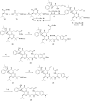
- , HOAt, N,N-dimethylformamide 0 °C for 2 h and at rt for 20 min, 11%; f) Grubbs II catalyst, CH2Cl2, reflux, 3 h, 84%; g) TFA, H2O, CH2Cl2, 0 °C to rt, 5 h, 91%. EDC·HCl = 1-ethyl-3-(3-dimethylaminopropyl)carbodiimide hydrochloride; DMAP = 4-(dimethylamino)pyridine; TFA = trifluoroacetic acid; HOAt = 1



Synthesis of N-acetyl diazocine derivatives via cross-coupling reaction
Beilstein J. Org. Chem. 2025, 21, 490–499, doi:10.3762/bjoc.21.36
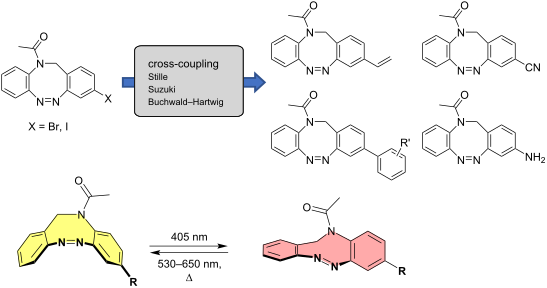
- [23]. Nevertheless, the arylation of monohalogenated N-acetyl diazocines via Stille coupling in our case gave unsatisfying results (Table 2). Reactions with tetrakis(triphenylphosphine)palladium(0) as catalyst resulted in no product 7 formation. Bis(tri-tert-butylphosphine)palladium(0) as catalyst


Photomechanochemistry: harnessing mechanical forces to enhance photochemical reactions
Beilstein J. Org. Chem. 2025, 21, 458–472, doi:10.3762/bjoc.21.33
- % yield, albeit after 72 h of irradiation. This experiment proved that 4.2 can be used in a sub-stoichiometric way, in fact acting as a catalyst. More recently, based on their previous approach via manual grinding (Scheme 2) [64], MacGillivray and co-workers adopted the vortex grinding method to enable