

Search results
Search for "anions" in Full Text gives 403 result(s) in Beilstein Journal of Organic Chemistry. Showing first 200.
Photophysical, photostability, and ROS generation properties of new trifluoromethylated quinoline-phenol Schiff bases
- Inaiá O. Rocha,
- Yuri G. Kappenberg,
- Wilian C. Rosa,
- Clarissa P. Frizzo,
- Nilo Zanatta,
- Marcos A. P. Martins,
- Isadora Tisoco,
- Bernardo A. Iglesias and
- Helio G. Bonacorso
Beilstein J. Org. Chem. 2021, 17, 2799–2811, doi:10.3762/bjoc.17.191
- damage caused by oxidative stress, especially by eliminating reactive oxygen species (ROS) such as hydroxyl radicals (•OH), superoxide anions (O2•‒), and singlet oxygen (1O2) [3][22][23]. Therefore, research in recent years has focused on new compounds obtained from natural sources or by synthetic

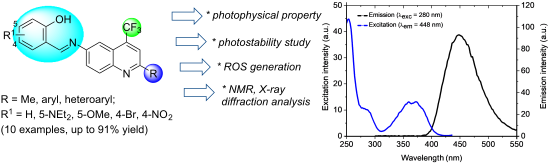
Graphical Abstract

Figure 1: Examples of structures and properties of Schiff bases of interest in the present study.

Scheme 1: General view for the present study.

Scheme 2: Synthesis of ((trifluoromethyl)quinolinyl)phenol Schiff bases 3aa–fa.

Scheme 3: Synthesis of trifluoromethylated quinolinyl-phenol Schiff bases 3bb–be.

Figure 2: ORTEP diagram of the crystal structure of (E)-2-(((2-phenyl-4-(trifluoromethyl)quinolin-6-yl)imino)...
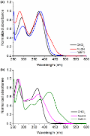
Figure 3: Normalized absorption spectra in the UV–vis region of compounds (a) 3ea and (b) 3be in CHCl3, MeOH ...

Figure 4: Normalized steady-state fluorescence emission spectra of compound 3aa (R = Ph, R1 = H) in CHCl3 (bl...

Figure 5: Comparative normalized steady-state fluorescence emission spectra of compounds 3bb and 3be in the t...

Figure 6: Photostability (%) plots of derivatives 3aa–fa and 3bb–be in DMSO solution after irradiation with w...

Figure 7: DPBF photooxidation assays by red-light irradiation with diode laser (λ = 660 nm) in the presence o...
Recent advances in the asymmetric phosphoric acid-catalyzed synthesis of axially chiral compounds
- Alemayehu Gashaw Woldegiorgis and
- Xufeng Lin
Beilstein J. Org. Chem. 2021, 17, 2729–2764, doi:10.3762/bjoc.17.185
- excellent enantioselectivity [31]. The widespread use of phosphoric acids and phosphates as chiral acids, chiral anions, and ligands is one of the most important achievements of modern enantioselective catalysis. The atropochiral BINOL, H8-BINOL and SPINOL [32] derived phosphoric acids (Figure 4) [33][34
- (Brønsted acidity/basicity, hydrogen-bonding units, and counter-anions toward metals) [48][49]. In 2019, Shi, Lin, and co-workers achieved an enantioselective synthesis of axially chiral quinoline-derived biaryl atropisomers via Pd-catalyzed C–H olefination of 8-phenylquinoline (11) using a novel chiral

Graphical Abstract

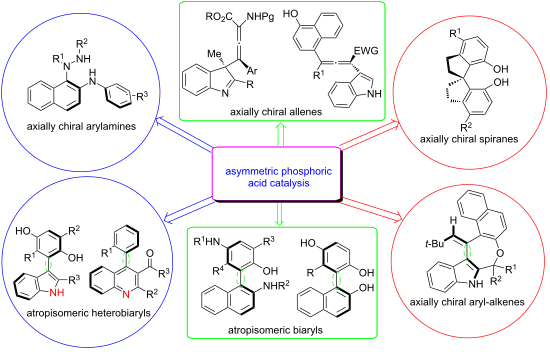
Figure 1: Representative examples of axially chiral biaryls, heterobiaryls, spiranes and allenes as ligands a...
Figure 2: Selected examples of axially chiral drugs and bioactive molecules.

Figure 3: Axially chiral functional materials and supramolecules.

Figure 4: Important chiral phosphoric acid scaffolds used in this review.

Scheme 1: Atroposelective aryl–aryl-bond formation by employing a facile [3,3]-sigmatropic rearrangement.

Scheme 2: Atroposelective synthesis of axially chiral biaryl amino alcohols 5.

Scheme 3: The enantioselective reaction of quinone and 2-naphthol derivatives.

Scheme 4: Enantioselective synthesis of multisubstituted biaryls.

Scheme 5: Enantioselective synthesis of axially chiral quinoline-derived biaryl atropisomers mediated by chir...

Scheme 6: Pd-Catalyzed atroposelective C–H olefination of biarylamines.

Scheme 7: Palladium-catalyzed directed atroposelective C–H allylation.

Scheme 8: Enantioselective synthesis of axially chiral (a) aryl indoles and (b) biaryldiols.

Scheme 9: Asymmetric arylation of indoles enabled by azo groups.

Scheme 10: Proposed mechanism for the asymmetric arylation of indoles.
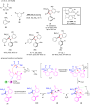
Scheme 11: Enantioselective synthesis of axially chiral N-arylindoles [38].

Scheme 12: Enantioselective [3 + 2] formal cycloaddition and central-to-axial chirality conversion.

Scheme 13: Organocatalytic atroposelective arene functionalization of nitrosonaphthalene with indoles.

Scheme 14: Proposed reaction mechanism for the atroposelective arene functionalization of nitrosonaphthalenes.

Scheme 15: Asymmetric construction of axially chiral naphthylindoles [65].

Scheme 16: Enantioselective synthesis of axially chiral 3,3’-bisindoles [66].
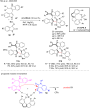
Scheme 17: Atroposelective synthesis of 3,3’-bisiindoles bearing axial and central chirality.

Scheme 18: Enantioselective synthesis of axially chiral 3,3’-bisindoles bearing single axial chirality.

Scheme 19: Enantioselective reaction of azonaphthalenes with various pyrazolones.
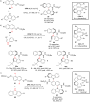
Scheme 20: Enantioselective and atroposelective synthesis of axially chiral N-arylcarbazoles [73].

Scheme 21: Atroposelective cyclodehydration reaction.

Scheme 22: Atroposelective construction of axially chiral N-arylbenzimidazoles [78].

Scheme 23: Proposed reaction mechanism for the atroposelective synthesis of axially chiral N-arylbenzimidazole...

Scheme 24: Atroposelective synthesis of axially chiral arylpyrroles [21].

Scheme 25: Synthesis of axially chiral arylquinazolinones and its reaction pathway [35].
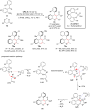
Scheme 26: Synthesis of axially chiral aryquinoline by Friedländer heteroannulation reaction and its proposed...

Scheme 27: Povarov cycloaddition–oxidative chirality conversion process.

Scheme 28: Atroposelective synthesis of oxindole-based axially chiral styrenes via kinetic resolution.

Scheme 29: Synthesis of axially chiral alkene-indole frame works [45].

Scheme 30: Proposed reaction mechanism for axially chiral alkene-indoles.

Scheme 31: Atroposelective C–H aminations of N-aryl-2-naphthylamines with azodicarboxylates.

Scheme 32: Synthesis of brominated atropisomeric N-arylquinoids.

Scheme 33: The enantioselective syntheses of axially chiral SPINOL derivatives.

Scheme 34: γ-Addition reaction of various 2,3-disubstituted indoles to β,γ-alkynyl-α-imino esters.

Scheme 35: Regio- and stereoselective γ-addition reactions of isoxazol-5(4H)-ones to β,γ-alkynyl-α-imino ester...

Scheme 36: Synthesis of chiral tetrasubstituted allenes and naphthopyrans.

Scheme 37: Asymmetric remote 1,8-conjugate additions of thiazolones and azlactones to propargyl alcohols.

Scheme 38: Synthesis of chiral allenes from 1-substituted 2-naphthols [107].
Advances in mercury(II)-salt-mediated cyclization reactions of unsaturated bonds
- Sumana Mandal,
- Raju D. Chaudhari and
- Goutam Biswas
Beilstein J. Org. Chem. 2021, 17, 2348–2376, doi:10.3762/bjoc.17.153
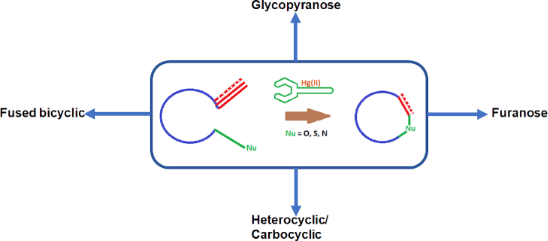
- the selective formation of diastereomeric products. They also observed that changes in Hg(II) salts result in different ratios of the cis- and trans-isomer in the cyclized products [47]. The differences in cis and trans ratios were primarily due to the basicity of anions associated with Hg(II) salts

Graphical Abstract

Scheme 1: Schematic representation of Hg(II)-mediated addition to an unsaturated bond.

Scheme 2: First report of Hg(II)-mediated synthesis of 2,5-dioxane derivatives from allyl alcohol.

Scheme 3: Stepwise synthesis of 2,6-distubstituted dioxane derivatives.

Scheme 4: Cyclization of carbohydrate alkene precursor.

Scheme 5: Hg(II)-mediated synthesis of C-glucopyranosyl derivatives.

Scheme 6: Synthesis of C-glycosyl amino acid derivative using Hg(TFA)2.

Scheme 7: Hg(OAc)2-mediated synthesis of α-ᴅ-ribose derivative.

Scheme 8: Synthesis of β-ᴅ-arabinose derivative 18.

Scheme 9: Hg(OAc)2-mediated synthesis of tetrahydrofuran derivatives.

Scheme 10: Synthesis of Hg(TFA)2-mediated bicyclic nucleoside derivative.

Scheme 11: Synthesis of pyrrolidine and piperidine derivatives.

Scheme 12: HgCl2-mediated synthesis of diastereomeric pyrrolidine derivatives.

Scheme 13: HgCl2-mediated cyclization of alkenyl α-aminophosphonates.

Scheme 14: Cyclization of 4-cycloocten-1-ol with Hg(OAc)2 forming fused bicyclic products.

Scheme 15: trans-Amino alcohol formation through Hg(II)-salt-mediated cyclization.

Scheme 16: Hg(OAc)2-mediated 2-aza- or 2-oxa-bicyclic ring formations.

Scheme 17: Hg(II)-salt-induced cyclic peroxide formation.

Scheme 18: Hg(OAc)2-mediated formation of 1,2,4-trioxanes.

Scheme 19: Endocyclic enol ether derivative formation through Hg(II) salts.

Scheme 20: Synthesis of optically active cyclic alanine derivatives.

Scheme 21: Hg(II)-salt-mediated formation of tetrahydropyrimidin-4(1H)-one derivatives.

Scheme 22: Cyclization of ether derivatives to form stereoselective oxazolidine derivatives.

Scheme 23: Cyclization of amide derivatives induced by Hg(OAc)2.

Scheme 24: Hg(OAc)2/Hg(TFA)2-promoted cyclization of salicylamide-derived amidal auxiliary derivatives.

Scheme 25: Hg(II)-salt-mediated cyclization to form dihydrobenzopyrans.

Scheme 26: HgCl2-induced cyclization of acetylenic silyl enol ether derivatives.

Scheme 27: Synthesis of exocyclic and endocyclic enol ether derivatives.

Scheme 28: Cyclization of trans-acetylenic alcohol by treatment with HgCl2.

Scheme 29: Synthesis of benzofuran derivatives in presence of HgCl2.

Scheme 30: a) Hg(II)-salt-mediated cyclization of 4-hydroxy-2-alkyn-1-ones to furan derivatives and b) its mec...
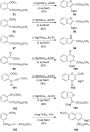
Scheme 31: Cyclization of arylacetylenes to synthesize carbocyclic and heterocyclic derivatives.

Scheme 32: Hg(II)-salt-promoted cyclization–rearrangement to form heterocyclic compounds.

Scheme 33: a) HgCl2-mediated cyclization reaction of tethered alkyne dithioacetals; and b) proposed mechanism.

Scheme 34: Cyclization of aryl allenic ethers on treatment with Hg(OTf)2.

Scheme 35: Hg(TFA)2-mediated cyclization of allene.

Scheme 36: Hg(II)-catalyzed intramolecular trans-etherification reaction of 2-hydroxy-1-(γ-methoxyallyl)tetrah...
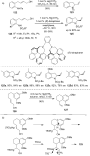
Scheme 37: a) Cyclization of alkene derivatives by catalytic Hg(OTf)2 salts and b) mechanism of cyclization.

Scheme 38: a) Synthesis of 1,4-dihydroquinoline derivatives by Hg(OTf)2 and b) plausible mechanism of formatio...

Scheme 39: Synthesis of Hg(II)-salt-catalyzed heteroaromatic derivatives.

Scheme 40: Hg(II)-salt-catalyzed synthesis of dihydropyranone derivatives.

Scheme 41: Hg(II)-salt-catalyzed cyclization of alkynoic acids.

Scheme 42: Hg(II)-salt-mediated cyclization of alkyne carboxylic acids and alcohol to furan, pyran, and spiroc...

Scheme 43: Hg(II)-salt-mediated cyclization of 1,4-dihydroxy-5-alkyne derivatives.

Scheme 44: Six-membered morpholine derivative formation by catalytic Hg(II)-salt-induced cyclization.

Scheme 45: Hg(OTf)2-catalyzed hydroxylative carbocyclization of 1,6-enyne.
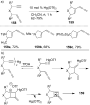
Scheme 46: a) Hg(OTf)2-catalyzed hydroxylative carbocyclization of 1,6-enyne. b) Proposed mechanism.

Scheme 47: a) Synthesis of carbocyclic derivatives using a catalytic amount of Hg(II) salt. b) Proposed mechan...

Scheme 48: Cyclization of 1-alkyn-5-ones to 2-methylfuran derivatives.

Scheme 49: Hg(NO3)2-catalyzed synthesis of 2-methylenepiperidine.

Scheme 50: a) Preparation of indole derivatives through cycloisomerization of 2-ethynylaniline and b) its mech...
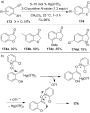
Scheme 51: a) Hg(OTf)2-catalyzed synthesis of 3-indolinones and 3-coumaranones and b) simplified mechanism.

Scheme 52: a) Hg(OTf)2-catalyzed one pot cyclization of nitroalkyne and b) its plausible mechanism.

Scheme 53: Synthesis of tricyclic heterocyclic scaffolds.

Scheme 54: HgCl2-mediated cyclization of 2-alkynylphenyl alkyl sulfoxide.

Scheme 55: a) Hg(OTf)2-catalyzed cyclization of allenes and alkynes. b) Proposed mechanism of cyclization.

Scheme 56: Stereoselective synthesis of tetrahydropyran derivatives.
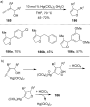
Scheme 57: a) Hg(ClO4)2-catalyzed cyclization of α-allenol derivatives. b) Simplified mechanism.

Scheme 58: Hg(TFA)2-promoted cyclization of a γ-hydroxy alkene derivative.

Scheme 59: Synthesis Hg(II)-salt-mediated cyclization of allyl alcohol for the construction of ventiloquinone ...

Scheme 60: Hg(OAc)2-mediated cyclization as a key step for the synthesis of hongconin.

Scheme 61: Examples of Hg(II)-salt-mediated cyclized ring formation in the syntheses of (±)-fastigilin C and (...

Scheme 62: Formal synthesis of (±)-thallusin.

Scheme 63: Total synthesis of hippuristanol and its analog.

Scheme 64: Total synthesis of solanoeclepin A.

Scheme 65: a) Synthesis of Hg(OTf)2-catalyzed azaspiro structure for the formation of natural products. b) Pro...
Halides as versatile anions in asymmetric anion-binding organocatalysis
- Lukas Schifferer,
- Martin Stinglhamer,
- Kirandeep Kaur and
- Olga García Macheño
Beilstein J. Org. Chem. 2021, 17, 2270–2286, doi:10.3762/bjoc.17.145
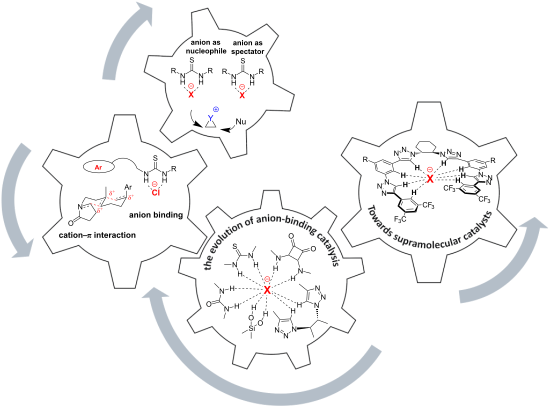
- Lukas Schifferer Martin Stinglhamer Kirandeep Kaur Olga Garcia Macheno Organic Chemistry Institute, Westfälische-Wilhelms University Münster, Correnstraße 36, 48149 Münster, Germany 10.3762/bjoc.17.145 Abstract This review intends to provide an overview on the role of halide anions in the
- the cationic reactive species. Keywords: anion binding; asymmetric catalysis; halide anions; hydrogen donors; noncovalent interactions; Introduction Halogens and the respective anionic halides occupy an essential role in natural and chemical processes [1][2][3][4]. While in chemical syntheses
- halogens are often regarded as surrogates for further functionalization, their role in natural and physiological processes is much more diverse. One of these processes is the ability of large complex molecules and enzymes to recognize halide anions via hydrogen bonds in aqueous media [5]. Amongst others

Graphical Abstract
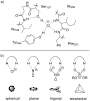
Figure 1: a) Binding interactions in the chloride channel of E. coli. and b) examples of chloride, cyanide, n...

Figure 2: a) H-bond vs anion-binding catalysis and b) activation modes in anion-binding catalysis.

Scheme 1: First proposed anion-binding mechanism in the thiourea-catalyzed acetalization of benzaldehyde.

Scheme 2: a) Thiourea-catalyzed enantioselective acyl-Pictet–Spengler reaction of tryptamine-derived imines 4...

Scheme 3: Proposed mechanism of the thiourea-catalyzed enantioselective Pictet–Spengler reaction of hydroxyla...

Scheme 4: a) Thiourea-catalyzed intramolecular Pictet–Spengler-type cyclization of hydroxylactam-derived N-ac...

Scheme 5: Enantioselective Reissert-type reactions of a) (iso)quinolines with silyl ketene acetals, and b) vi...

Figure 3: Role of the counter-anion: a) Anion acting as a spectator and b) anion participating directly as th...

Scheme 6: Enantioselective selenocyclization catalyzed by squaramide 28.

Scheme 7: Desymmetrization of meso-aziridines catalyzed by bifunctional thiourea catalyst 31.

Scheme 8: Anion-binding-catalyzed desymmetrization of a) meso-aziridines catalyzed by chiral triazolium catal...

Scheme 9: Bis-urea-catalyzed enantioselective fluorination of a) β-bromosulfides and b) β-haloamines by Gouve...

Scheme 10: a) Bifunctional thiourea anion-binding – basic/nucleophilic catalysts. Selected applications in b) ...

Scheme 11: Thiourea-catalyzed enantioselective polycyclization reaction of hydroxylactams 51 through cation–π ...

Scheme 12: Enantioselective aza-Sakurai cyclization of hydroxylactams 56 implicating additional cation–π and L...

Scheme 13: Enantioselective tail-to-head cyclization of neryl chloride derivatives.

Scheme 14: Cation–π interactions in anion binding-catalyzed asymmetric addition reactions: a) addition of indo...

Scheme 15: Bisthiourea catalyzed oxa-Pictet–Spengler reaction of indole-based alcohols and aromatic aldehydes ...

Scheme 16: Anion-binding catalyst development in the enantioselective addition of silyl ketene acetals to 1-ch...

Scheme 17: a) Macrocyclic bis-thiourea catalyst in a diastereoselective glycosylation reaction. b) Competing SN...

Scheme 18: a) Folding mechanism of oligotriazoles upon anion recognition. b) Representative tetratriazole 82 c...

Scheme 19: Switchable chiral tetratriazole catalyst 86 in the enantioselective addition of silyl ketene acetal...
Constrained thermoresponsive polymers – new insights into fundamentals and applications
- Patricia Flemming,
- Alexander S. Münch,
- Andreas Fery and
- Petra Uhlmann
Beilstein J. Org. Chem. 2021, 17, 2123–2163, doi:10.3762/bjoc.17.138
- the halide anions Cl−, Br−, and I−-, respectively, UCST behavior can also be induced in polymeric ionic liquids by the addition of a suitable hydrophobic counterion, such as tetrafluoroborate BF4− [288][289]. In both cases, the critical phase transition temperature is strongly affected by the

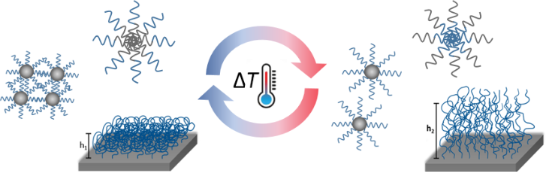
Graphical Abstract

Figure 1: (a) Schematic representation of the phase stability of a binary mixture based on the free enthalpy ...

Figure 2: Illustration of the relationship between the type of miscibility gap and the temperature dependence...

Figure 3: Schematically pictured phase diagram of a binary mixture composed of a dissolved polymer with a LCS...

Figure 4: Schematic illustration of a thermo-induced swelling behavior of a star polymer composed of responsi...

Figure 5: Schematic illustration of self-assembly of block copolymer amphiphiles in a polar medium.

Figure 6: Schematic comparison of the size and conformation between free polymer chains (a), grafted polymer ...

Figure 7: Comparison of the possible phase diagrams of a polymer in solution with partially miscibility and t...

Figure 8: Selection of polymers exhibiting UCST behavior due to hydrogen bonding (blue) divided into homo- (a...

Figure 9: Part A shows the molecular structure of PDMAPS stars synthesized by Li et al. (left) demonstrating ...
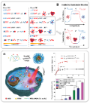
Figure 10: Part A contains a schematic demonstration of conformational transitions of dual-thermoresponsive bl...
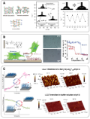
Figure 11: Part A pictures zwitterionic brushes grafted from silicon substrates obtaining a nonassociated, hyd...
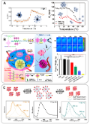
Figure 12: Part A pictures the UCST phase transition of zwitterionic polymers grafted on the surface of mesopo...
Towards new NIR dyes for free radical photopolymerization processes
- Haifaa Mokbel,
- Guillaume Noirbent,
- Didier Gigmes,
- Frédéric Dumur and
- Jacques Lalevée
Beilstein J. Org. Chem. 2021, 17, 2067–2076, doi:10.3762/bjoc.17.133
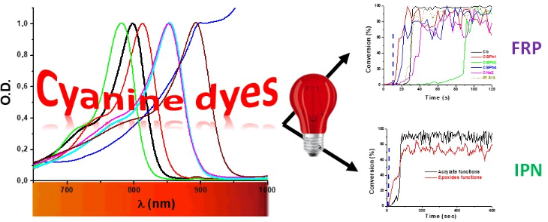
- , 11 of them were never synthesized before. Markedly, noncharged structures, negatively charged cyanine bearing Na+ as counter cation, and positively charged cyanines bearing (B(Ph)4−) or (I−) as counter anions were examined as promising NIR light photoinitiating systems. Excellent photoinitiating
- of counter anions and counter cations as well as cyanine structures are discussed. Results and Discussion Synthesis of the different dyes Two different families of cyanines were prepared, differing by the way how the structure is formed. Notably, dyes Ca and Cb differ from the other cyanines by the

Graphical Abstract

Scheme 1: Investigated NIR dyes.

Scheme 2: Other used chemicals.

Scheme 3: Synthetic routes to compounds Ca, Cb, and CNa.
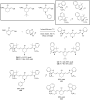
Scheme 4: Synthetic routes to CI1, CI3, CI4, and CI6–CI9.

Scheme 5: The metathesis reaction enabling the formation of “soft” salts CBPh1-CBPh4.

Figure 1: Visible–NIR spectra of NIR dyes in ACN. A) (1) CBPh1, (2) CBPh2, (3) CBPh3, (4) CBPh4, (5) Ca, (6) ...

Figure 2: Photopolymerization profiles of PETIA monomer under air (acrylate functions conversion vs irradiati...

Figure 3: Photopolymerization profiles of PETIA monomer under air (acrylate functions conversion vs irradiati...

Scheme 6: Pictures of polymers obtained for a thickness of 1.4 mm, using a NIR dye/iod/amine 0.1:3:2, %w/w/w ...

Scheme 7: Proposed mechanism for the photochemical reactivity of NIR dyes in a three-component PIS.

Figure 4: A) Photopolymerization profiles of PETIA/epoxy blend 1:1, w/w under air (acrylate and epoxy functio...
Development of N-F fluorinating agents and their fluorinations: Historical perspective
- Teruo Umemoto,
- Yuhao Yang and
- Gerald B. Hammond
Beilstein J. Org. Chem. 2021, 17, 1752–1813, doi:10.3762/bjoc.17.123
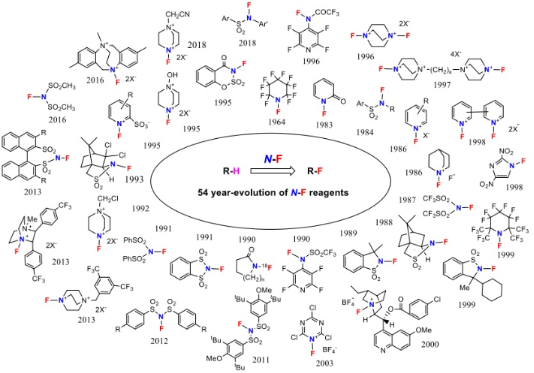
- reagents, a match process which minimizes side reactions. Thus, these N-fluoropyridinium salts made possible the fluorination of a diversity of nucleophilic organic compounds with different reactivities ranging across aromatics, carbanions (Grignard reagents, enolate anions), active methylene compounds
- no α-proton to the N-F site proved to be a good choice for fluorinating enolate anions (Scheme 24). The side reaction, involving HF elimination, and which was a problem in reactions with the Barnette’s reagents 4-1 having the α-proton(s) except for 4-1b [26], was avoided here. The HF elimination is a
- 30). NFSI is a stable and non-hygroscopic crystalline solid with a mp of 114–116 °C. NFSI was shown to fluorinate a variety of nucleophiles. As seen in Scheme 31, trimethylsilyl enol ethers, enolate anions of ketones and esters, and aryl- and vinyllithiums were fluorinated with NFSI in moderate to

Graphical Abstract

Scheme 1: Fluorination with N-F amine 1-1.

Scheme 2: Preparation of N-F amine 1-1.

Scheme 3: Reactions of N-F amine 1-1.

Scheme 4: Synthesis of N-F perfluoroimides 2-1 and 2-2.

Scheme 5: Synthesis of 1-fluoro-2-pyridone (3-1).

Scheme 6: Fluorination with 1-fluoro-2-pyridone (3-1).

Figure 1: Synthesis of N-F sulfonamides 4-1a–g.
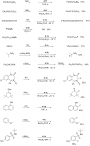
Scheme 7: Fluorination with N-F reagent 4-1b,c,f.

Scheme 8: Fluorination of alkenyllithiums with N-F 4-1h.

Scheme 9: Synthesis of N-fluoropyridinium triflate (5-4a).

Scheme 10: Synthetic methods for N-F-pyridinium salts.

Figure 2: Synthesis of various N-fluoropyridinium salts. Note: athis yield was the one by the improved method...

Scheme 11: Fluorination power order of N-fluoropyridinium salts.
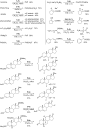
Scheme 12: Fluorinations with N-F salts 5-4.

Scheme 13: Fluorination of Corey lactone 5-7 with N-F-bis(methoxymethyl) salt 5-4l.

Scheme 14: Fluorination with NFPy.

Scheme 15: Synthesis of the N-F reagent, N-fluoroquinuclidinium fluoride (6-1).

Scheme 16: Fluorinations achieved with N-F fluoride 6-1.

Scheme 17: Synthesis of N-F imides 7-1a–g.

Scheme 18: Fluorination with (CF3SO2)2NF, 7-1a.
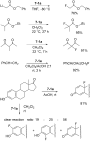
Scheme 19: Fluorination reactions of various substrates with 7-1a.

Scheme 20: Synthesis of N-F triflate 8-1.

Scheme 21: Synthesis of chiral N-fluoro sultams 9-1 and 9-2.
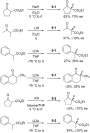
Scheme 22: Fluorination with chiral N-fluoro sultams 9-1 and 9-2.

Scheme 23: Synthesis of saccharin-derived N-fluorosultam 10-2.

Scheme 24: Fluorination with N-fluorosultam 10-2.

Scheme 25: Synthesis of N-F reagent 11-2.

Scheme 26: Fluorination with N-F reagent 11-2.

Scheme 27: Synthesis and reaction of N-fluorolactams 12-1.

Scheme 28: Synthesis of NFOBS 13-2.
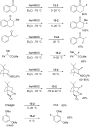
Scheme 29: Fluorination with NFOBS 13-2.

Scheme 30: Synthesis of NFSI (14-2).
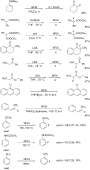
Scheme 31: Fluorination with NFSI 14-2.

Scheme 32: Synthesis of N-fluorosaccharin (15-1) and N-fluorophthalimide (15-2).

Scheme 33: Synthesis of N-F salts 16-3.
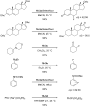
Scheme 34: Fluorination with N-F salts 16-3.

Figure 3: Monofluorination with Selectfluor (16-3a).

Figure 4: Difluorination with Selectfluor (16-3a).

Scheme 35: Transfer fluorination of Selectfluor (16-3a).
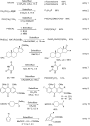
Scheme 36: Fluorination of substrates with Selectfluor (16-3a).

Scheme 37: Synthesis of chiral N-fluoro-sultam 17-2.

Scheme 38: Asymmetric fluorination with chiral 17-2.

Figure 5: Synthesis of Zwitterionic N-fluoropyridinium salts 18-2a–h.

Scheme 39: Fluorinating power order of zwitterionic N-fluoropyridinium salts.

Scheme 40: Fluorination with zwitterionic 18-2.

Scheme 41: Activation of salt 18-2h with TfOH.

Scheme 42: Synthesis of NFTh, 19-2.
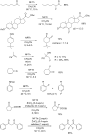
Scheme 43: Fluorination with NFTh, 19-2.

Scheme 44: Synthesis of 3-fluorobenzo-1,2,3-oxathiazin-4-one 2,2-dioxide (20-2).

Scheme 45: Fluorination with 20-2.

Scheme 46: Synthesis of N-F amide 21-3.

Scheme 47: Fluorination with N-F amide 21-2.

Scheme 48: Synthesis of N,N’-difluorodiazoniabicyclo[2.2.2]octane salts 22-1.

Scheme 49: One-pot synthesis of N,N’-difluoro-1,4-diazoniabicyclo[2.2.2]octane bistetrafluoroborate salt (22-1d...

Figure 6: Fluorination of anisole with 22-1a, d, e.
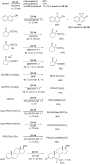
Scheme 50: Fluorination with N,N’-diF bisBF4 22-1d.

Scheme 51: Synthesis of bis-N-F reagents 23-1–5.
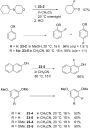
Scheme 52: Fluorination with 23-2, 4, 5.

Figure 7: Synthesis of N,N’-difluorobipyridinium salts 24-2.

Figure 8: Controlled fluorination of N,N’-diF 24-2.

Scheme 53: Fluorinating power of N,N’-diF salts 24-2 and N-F salt 5-4a.
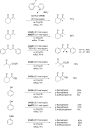
Scheme 54: Fluorination reactions with SynfluorTM (24-2b).
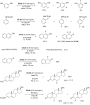
Scheme 55: Additional fluorination reactions with SynfluorTM (24-2b).

Scheme 56: Synthesis of N-F 25-1.

Scheme 57: Fluorination of polycyclic aromatics with 25-1.

Scheme 58: Synthesis of 26-1 and dimethyl analog 26-2.

Scheme 59: Fluorination with reagents 26-1, 26-2, 1-1, and 26-3.

Scheme 60: Synthesis of N-F reagent 27-2.

Scheme 61: Synthesis of chiral N-F reagents 27-6.

Scheme 62: Synthesis of chiral N-F 27-7–9.
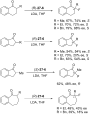
Scheme 63: Asymmetric fluorination with 27-6.

Scheme 64: Synthesis of chiral N-F reagents 28-3.

Scheme 65: Asymmetric fluorination with 28-3.

Scheme 66: Synthesis of chiral N-F reagents 28-7.

Figure 9: Asymmetric fluorination with 28-7.

Scheme 67: In situ formation of N-fluorinated cinchona alkaloids with SelectfluorTM.
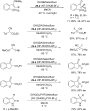
Scheme 68: Asymmetric fluorination with N-F alkaloids formed in situ.

Scheme 69: Synthesis of N-fluorocinchona alkaloids with Selectfluor.

Scheme 70: Asymmetric fluorination with 30-1–4.

Scheme 71: Transfer fluorination from various N-F reagents.

Figure 10: Asymmetric fluorination of silyl enol ethers.

Scheme 72: Synthesis of N-fluoro salt 32-2.

Scheme 73: Reactivity of N-fluorotriazinium salt 32-2.

Scheme 74: Synthesis of bulky N-fluorobenzenesulfonimide NFBSI 33-3.

Scheme 75: Comparison of NFSI and NFBSI.

Scheme 76: Synthesis of p-substituted N-fluorobenzenesulfonimides 34-3.

Figure 11: Asymmetric fluorination with 34-3 and a chiral catalyst 34-4.

Scheme 77: 1,4-Fluoroamination with Selecfluor and a chiral catalyst.

Figure 12: Asymmetric fluoroamination with 35-5a, b.

Scheme 78: Synthesis of Selectfluor analogs 35-5a, b.

Scheme 79: Synthesis of chiral dicationic DABCO-based N-F reagents 36-5.
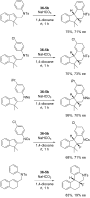
Scheme 80: Asymmetric fluorocyclization with chiral 36-5b.

Scheme 81: Synthesis of chiral 37-2a,b.

Scheme 82: Asymmetric fluorination with chiral 37-2a,b.

Scheme 83: Asymmetric fluorination with chiral 37-2b.

Scheme 84: Reaction of indene with chiral 37-2a,b.

Scheme 85: Synthesis of Me-NFSI, 38-2.

Scheme 86: Fluorination of active methine compounds with Me-NFSI.

Scheme 87: Fluorination of malonates with Me-NFSI.

Scheme 88: Fluorination of keto esters with Me-NFSI.

Scheme 89: Synthesis of N-F 39-3 derived from the ethylene-bridged Tröger’s base.

Scheme 90: Fluorine transfer from N-F 39-3.

Scheme 91: Fluorination with N-F 39-3.

Scheme 92: Synthesis of SelectfluorCN.

Scheme 93: Bistrifluoromethoxylation of alkenes using SelectfluorCN.

Figure 13: Synthesis of NFAS 41-2.

Scheme 94: Radical fluorination with different N-F reagents.

Scheme 95: Radical fluorination of alkenes with NFAS 41-2.

Scheme 96: Radical fluorination of alkenes with NFAS 41-2f.

Scheme 97: Decarboxylative fluorination with NFAS 41-2a,f.

Scheme 98: Fluorine plus detachment (FPD).

Figure 14: FPD values of representative N-F reagents in CH2Cl2 and CH3CN (in parentheses). Adapted with permis...

Scheme 99: N-F homolytic bond dissociation energy (BDE).

Figure 15: BDE values of representative N-F reagents in CH3CN. Adapted with permission from ref. [127]. Copyright 2...

Figure 16: Quantitative reactivity scale for popular N-F reagents. Adapted with permission from ref. [138], publish...

Scheme 100: SET and SN2 mechanisms.

Scheme 101: Radical clock reactions.

Scheme 102: Reaction of potassium enolate of citronellic ester with N-F reagents, 10-1, NFSI, and 8-1.

Scheme 103: Reaction of compound IV with Selectfluor (OTf) and NFSI.

Scheme 104: Reaction of TEMPO with Selecfluor.
Icilio Guareschi and his amazing “1897 reaction”
- Gian Cesare Tron,
- Alberto Minassi,
- Giovanni Sorba,
- Mara Fausone and
- Giovanni Appendino
Beilstein J. Org. Chem. 2021, 17, 1335–1351, doi:10.3762/bjoc.17.93
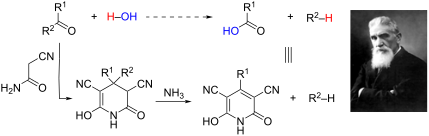
- and restless leg syndrome [53]. Guareschi imides exist in solution predominantly as dicarbonyl tautomers with a cis arrangement of the cyano groups. Conversely, the corresponding anions exist as a mixture of mono- and dienolized tautomers, with a strong preference (≈9:1) for the monoenolized form [8

Graphical Abstract
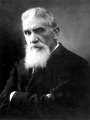
Figure 1: Icilio Guareschi (1847–1918). (Source: Annali della Reale Accademia di Agricoltura di Torino 1919, ...

Scheme 1: Vitamin B6 (pyridoxine, 1), gabapentin (2), and thymol (3).

Figure 2: Baliatico (Nursing) by Francesco Scaramuzza (275 cm × 214 cm, Parma, Complesso Museale della Pilott...

Figure 3: Schiff’s fictitious report on the foundation of the Gazzetta Chimica Italiana (Image reproduced fro...

Scheme 2: Reaction of thymol (3) with chloroform under the basic conditions of the Guareschi–Lustgarten react...

Figure 4: The chemistry building of Turin University in a historical picture. Note, that one of the “mysterio...

Scheme 3: Triacetonamine (6) and the related compounds phorone (7), α-eucaine (8), and tropinone (9).
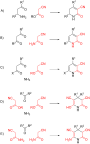
Scheme 4: Taxonomy of the Guareschi pyridone syntheses.
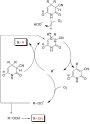
Scheme 5: The catalytic cycle of the “1897 reaction”.

Scheme 6: Resonance forms of the radical 10.

Figure 5: The wet chamber used by Guareschi to restore parchments (Gorrini, G. L'incendio della R. Biblioteca...
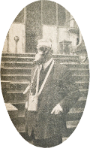
Figure 6: The Guareschi mask. (Servizio Chimico Militare. L'opera di Icilio Guareschi precursore della masche...
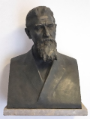
Figure 7: Guareschi’s bust at the Dipartimento di Scienza e Tecnologia del Farmaco of Turin University. Permi...
Recent advances in palladium-catalysed asymmetric 1,4–additions of arylboronic acids to conjugated enones and chromones
- Jan Bartáček,
- Jan Svoboda,
- Martin Kocúrik,
- Jaroslav Pochobradský,
- Alexander Čegan,
- Miloš Sedlák and
- Jiří Váňa
Beilstein J. Org. Chem. 2021, 17, 1048–1085, doi:10.3762/bjoc.17.84
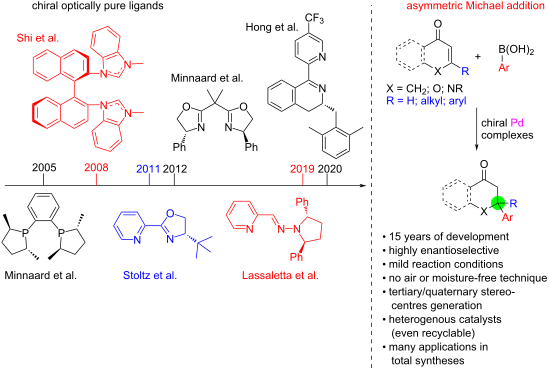
- substitution in the 3-position were also tested. The products were usually obtained with a high degree of enantioselectivity in good yields (up to 96%; up to 93% ee; Table 18) [47][49]. An interesting finding was the effect of non-coordinating hexafluorophosphate anions. The addition of 30 mol % NH4PF6
- increased the catalytic activity and allowed to run the reaction at a lower temperature [48]. This can be very useful for substrates that can react with traces of Pd(0) that are formed by minor side reactions. The authors suspected that hexafluorophosphate anions stabilize the cationic Pd species and result

Graphical Abstract

Scheme 1: Synthesis of optically pure 4-phenylchroman-2-one [34].

Scheme 2: Synthesis of (R)-tolterodine [3].

Scheme 3: Catalytic cycle of the Pd(II)-catalysed 1,4-addition of organoboron reagents to enones [3,26,35].

Scheme 4: Enantioselective β-arylation of cyclohexanone [38].

Scheme 5: Application of L2/Pd(OAc)2 in the total synthesis of terpenes [8].
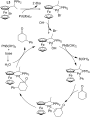
Scheme 6: Plausible catalytic cycle for the addition of phenylboronic acid to 2-cyclohexenone catalysed by L3...

Scheme 7: Microwave-assisted addition of phenylboronic acid to 2-cyclohexenone catalysed by L4/Pd2(dba)3·CHCl3...
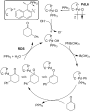
Scheme 8: Plausible catalytic cycle of the addition of phenylboronic acid to 2-cyclohexenone catalysed by pal...
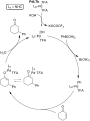
Scheme 9: Proposed catalytic cycle for the addition of phenylboronic acids to 2-cyclohexenone catalysed by Pd...

Scheme 10: Usage of addition reactions of boronic acids to various chromones in the syntheses of potentially a...

Scheme 11: Multigram-scale synthesis of ABBV-2222 [6].

Scheme 12: Application of the asymmetric addition of phenylboronic acid to a chromone derivative for the total...

Scheme 13: Plausible catalytic cycle for the addition of phenylboronic acid to 3-methyl-2-cyclohexenone cataly...

Scheme 14: Total syntheses of naturally occurring terpenoids [10,11].

Scheme 15: Use of the L9/Pd(TFA)2 catalytic system for the synthesis of intermediates of biologically active c...

Scheme 16: Usage of a Michael addition catalysed by L9/Pd(TFA)2 in the total synthesis of (–)-ar-tenuifolene [12].

Scheme 17: Synthesis of terpenoids by Michael addition to 3-methyl-2-cyclopentenone [13].

Scheme 18: Rh-catalysed isomerisation of 3-alkyl-3-arylcyclopentanones to 1-tetralones [53].

Scheme 19: Addition reaction of phenylboronic acid to 3-methyl-2-cyclohexenone catalysed by L9/Pd(TFA)2 in wat...

Scheme 20: Micellar nanoreactor PdL10c for the synthesis of flavanones [58].
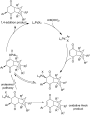
Scheme 21: Plausible catalytic cycle for the desymmetrisation of polycyclic cyclohexenediones by the addition ...

Scheme 22: Attempt to use the catalytic system L2/Pd(TFA)2 for the addition of phenylboronic acid to 3-methyl-...

Scheme 23: Ring opening of an enantioenriched tetrahydropyran-2-one derivative as alternative strategy to line...

Scheme 24: Synthesis of biologically active compounds from addition products [14-16].

Scheme 25: Chiral 1,10-phenantroline derivative L15 as ligand for the Pd-catalysed addition reactions of pheny...

Scheme 26: The Rh-catalysed addition reaction of phenylboronic acid to a 3-substituted enone [20].
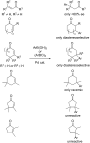
Scheme 27: Underdeveloped methodologies [14,15,65-67].
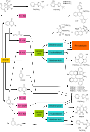
Scheme 28: Flowchart for the selection of the proper catalytic system.
Metal-free glycosylation with glycosyl fluorides in liquid SO2
- Krista Gulbe,
- Jevgeņija Lugiņina,
- Edijs Jansons,
- Artis Kinens and
- Māris Turks
Beilstein J. Org. Chem. 2021, 17, 964–976, doi:10.3762/bjoc.17.78
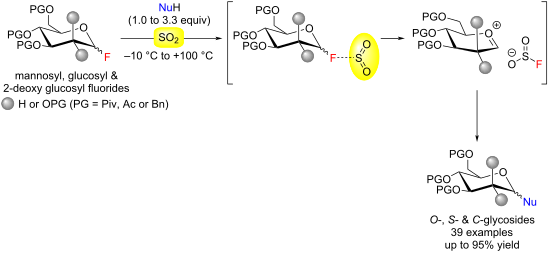
- anomeric ratio observed initially for mannoside 3c (α/β = 82:18, Scheme 1). Finally, we proved the formation of the fluorosulfite species by employing 19F NMR spectroscopy (Figure 1). Glycosylation of the reaction mixture was treated with Et3N to stabilize the possibly formed fluorosulfite anions in form

Graphical Abstract

Scheme 1: Scope of glycosyl acceptors for glycosylation with pivaloyl-protected mannosyl fluoride α-1a in liq...

Scheme 2: Glycosylation of binucleophiles 7a,b in liquid SO2.

Scheme 3: Pivaloyl-protected glucosyl fluoride β-9 as a glycosyl donor in liquid SO2.

Scheme 4: Benzyl protected manno- and glucopyranosyl fluorides α-15 and 16 as glycosyl donors in liquid SO2. ...

Scheme 5: 2-Deoxy glycosyl fluoride α-19 as a glycosyl donor in liquid SO2.
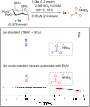
Figure 1: Detection of the FSO2− species by 19F NMR (471 MHz, D2O).

Figure 2: Computational study of reaction mechanism α-11 + MeOH → α-13c in the presence of and in absence of ...
Beyond ribose and phosphate: Selected nucleic acid modifications for structure–function investigations and therapeutic applications
- Christopher Liczner,
- Kieran Duke,
- Gabrielle Juneau,
- Martin Egli and
- Christopher J. Wilds
Beilstein J. Org. Chem. 2021, 17, 908–931, doi:10.3762/bjoc.17.76
- hydrogen atom to orient towards anions (chloride) in the vicinity and the 3'-nitrogen lone pair engages in a lp → σ* anomeric effect with the antibonding orbital from the adjacent P–O5' bond (Figure 2A). This conjugation is surmised to cause considerably increased rigidity of the phosphoramidate sugar

Graphical Abstract

Figure 1: Structures of the chemically modified oligonucleotides (A) N3' → P5' phosphoramidate linkage, (B) a...

Scheme 1: Synthesis of a N3' → P5' phosphoramidate linkage by solid-phase synthesis. (a) dichloroacetic acid;...

Figure 2: Crystal structures of (A) N3' → P5' phosphoramidate DNA (PDB ID 363D) [71] and (B) amide (AM1) RNA in c...

Scheme 2: Synthesis of a phosphorodithioate linkage by solid-phase synthesis. (a) detritylation; (b) tetrazol...

Figure 3: Close-up view of a key interaction between the PS2-modified antithrombin RNA aptamer and thrombin i...

Scheme 3: Synthesis of the (S)-GNA thymine phosphoramidite from (S)-glycidyl 4,4'-dimethoxytrityl ether. (a) ...

Figure 4: Surface models of the crystal structures of RNA dodecamers with single (A) (S)-GNA-T (PDB ID 5V1L) [54]...

Figure 5: Structures of 2'-O-alkyl modifications. (A) 2'-O-methoxy RNA (2'-OMe RNA), (B) 2'-O-(2-methoxyethyl...

Scheme 4: Synthesis of the 2'-OMe uridine from 3',5'-O-(tetraisopropyldisiloxane-1,3-diyl)uridine. (a) Benzoy...

Scheme 5: Synthesis of the 2'-O-MOE uridine from uridine. (a) (PhO)2CO, NaHCO3, DMA, 100 °C; (b) Al(OCH2CH2OCH...
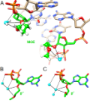
Figure 6: Structure of 2'-O-(2-methoxyethyl)-RNA (MOE-RNA). (A) View into the minor groove of an A-form DNA d...

Figure 7: Structures of locked nucleic acids (LNA)/bridged nucleic acids (BNA) modifications. (A) LNA/BNA, (B...

Scheme 6: Synthesis of the uridine LNA phosphoramidite. (a) i) NaH, BnBr, DMF, ii) acetic anhydride, pyridine...

Scheme 7: Synthesis of the 2'-fluoroarabinothymidine. (a) 30% HBr in acetic acid; (b) 2,4-bis-O-(trimethylsil...

Figure 8: Sugar puckers of arabinose (ANA) and arabinofluoro (FANA) nucleic acids compared with the puckers o...

Figure 9: Structures of C4'-modified nucleic acids. (A) 4'-methoxy, (B) 4'-(2-methoxyethoxy), (C) 2',4'-diflu...

Scheme 8: Synthesis of the 4'-F-rU phosphoramidite. (a) AgF, I2, dichloromethane, tetrahydrofuran; (b) NH3, m...

Scheme 9: Synthesis of the thymine FHNA phosphoramidite. (a) thymine, 1,8-diazabicyclo[5.4.0]undec-7-ene, ace...

Scheme 10: Synthesis of the thymine Ara-FHNA phosphoramidite. (a) i) trifluoromethanesulfonic anhydride, pyrid...

Figure 10: Crystal structures of (A) FHNA and (B) Ara-FHNA in modified A-form DNA decamers (PDB IDs 3Q61 and 3...
Synthetic reactions driven by electron-donor–acceptor (EDA) complexes
- Zhonglie Yang,
- Yutong Liu,
- Kun Cao,
- Xiaobin Zhang,
- Hezhong Jiang and
- Jiahong Li
Beilstein J. Org. Chem. 2021, 17, 771–799, doi:10.3762/bjoc.17.67

- -poor N-aryloxyamides 160, indole derivative 161, and carbonate or other multicharge anions in CH3CN (Scheme 56). The corresponding products can be given in good yield by modifying substituents on the amide moiety in 160 or N-substituted indoles. Inorganic-base electron donors formed transient complexes

Graphical Abstract

Scheme 1: The electron transfer process in EDA complexes.

Scheme 2: Synthesis of benzo[b]phosphorus oxide 3 initiated by an EDA complex.

Scheme 3: Mechanism of the synthesis of quinoxaline derivative 7.

Scheme 4: Synthesis of imidazole derivative 10 initiated by an EDA complex.

Scheme 5: Synthesis of sulfamoylation product 12 initiated by an EDA complex.

Scheme 6: Mechanism of the synthesis of sulfamoylation product 12.

Scheme 7: Synthesis of indole derivative 22 initiated by an EDA complex.

Scheme 8: Synthesis of perfluoroalkylated pyrimidines 26 initiated by an EDA complex.

Scheme 9: Synthesis of phenanthridine derivative 29 initiated by an EDA complex.

Scheme 10: Synthesis of cis-tetrahydroquinoline derivative 32 initiated by an EDA complex.

Scheme 11: Mechanism of the synthesis of cis-tetrahydroquinoline derivative 32.

Scheme 12: Synthesis of phenanthridine derivative 38 initiated by an EDA complex.

Scheme 13: Synthesis of spiropyrroline derivative 40 initiated by an EDA complex.

Scheme 14: Synthesis of benzothiazole derivative 43 initiated by an EDA complex.

Scheme 15: Synthesis of perfluoroalkyl-s-triazine derivative 45 initiated by an EDA complex.

Scheme 16: Synthesis of indoline derivative 47 initiated by an EDA complex.

Scheme 17: Mechanism of the synthesis of spirocyclic indoline derivative 47.

Scheme 18: Synthesis of cyclobutane product 50 initiated by an EDA complex.

Scheme 19: Mechanism of the synthesis of spirocyclic indoline derivative 50.

Scheme 20: Synthesis of 1,3-oxazolidine compound 59 initiated by an EDA complex.

Scheme 21: Synthesis of trifluoromethylated product 61 initiated by an EDA complex.

Scheme 22: Synthesis of indole alkylation product 64 initiated by an EDA complex.

Scheme 23: Synthesis of perfluoroalkylation product 67 initiated by an EDA complex.

Scheme 24: Synthesis of hydrotrifluoromethylated product 70 initiated by an EDA complex.

Scheme 25: Synthesis of β-trifluoromethylated alkyne product 71 initiated by an EDA complex.

Scheme 26: Mechanism of the synthesis of 2-phenylthiophene derivative 74.

Scheme 27: Synthesis of allylated product 80 initiated by an EDA complex.

Scheme 28: Synthesis of trifluoromethyl-substituted alkynyl product 84 initiated by an EDA complex.

Scheme 29: Synthesis of dearomatized fluoroalkylation product 86 initiated by an EDA complex.

Scheme 30: Mechanism of the synthesis of dearomatized fluoroalkylation product 86.

Scheme 31: Synthesis of C(sp3)–H allylation product 91 initiated by an EDA complex.

Scheme 32: Synthesis of perfluoroalkylation product 93 initiated by an EDA complex.

Scheme 33: Synthesis of spirocyclic indolene derivative 95 initiated by an EDA complex.

Scheme 34: Synthesis of perfluoroalkylation product 97 initiated by an EDA complex.

Scheme 35: Synthesis of alkylated indole derivative 100 initiated by an EDA complex.

Scheme 36: Mechanism of the synthesis of alkylated indole derivative 100.

Scheme 37: Synthesis of arylated oxidized indole derivative 108 initiated by an EDA complex.

Scheme 38: Synthesis of 4-ketoaldehyde derivative 111 initiated by an EDA complex.

Scheme 39: Mechanism of the synthesis of 4-ketoaldehyde derivative 111.

Scheme 40: Synthesis of perfluoroalkylated olefin 118 initiated by an EDA complex.

Scheme 41: Synthesis of alkylation product 121 initiated by an EDA complex.

Scheme 42: Synthesis of acylation product 123 initiated by an EDA complex.

Scheme 43: Mechanism of the synthesis of acylation product 123.

Scheme 44: Synthesis of trifluoromethylation product 126 initiated by an EDA complex.

Scheme 45: Synthesis of unnatural α-amino acid 129 initiated by an EDA complex.

Scheme 46: Synthesis of thioether derivative 132 initiated by an EDA complex.

Scheme 47: Synthesis of S-aryl dithiocarbamate product 135 initiated by an EDA complex.

Scheme 48: Mechanism of the synthesis of S-aryl dithiocarbamate product 135.

Scheme 49: Synthesis of thioether product 141 initiated by an EDA complex.

Scheme 50: Mechanism of the synthesis of borate product 144.

Scheme 51: Synthesis of boronation product 148 initiated by an EDA complex.

Scheme 52: Synthesis of boration product 151 initiated by an EDA complex.

Scheme 53: Synthesis of boronic acid ester derivative 154 initiated by an EDA complex.

Scheme 54: Synthesis of β-azide product 157 initiated by an EDA complex.

Scheme 55: Decarboxylation reaction initiated by an EDA complex.

Scheme 56: Synthesis of amidated product 162 initiated by an EDA complex.

Scheme 57: Synthesis of diethyl phenylphosphonate 165 initiated by an EDA complex.

Scheme 58: Mechanism of the synthesis of diethyl phenylphosphonate derivative 165.

Scheme 59: Synthesis of (Z)-2-iodovinyl phenyl ether 168 initiated by an EDA complex.

Scheme 60: Mechanism of the synthesis of (Z)-2-iodovinyl phenyl ether derivative 168.

Scheme 61: Dehalogenation reaction initiated by an EDA complex.
Synthesis of dibenzosuberenone-based novel polycyclic π-conjugated dihydropyridazines, pyridazines and pyrroles
- Ramazan Koçak and
- Arif Daştan
Beilstein J. Org. Chem. 2021, 17, 719–729, doi:10.3762/bjoc.17.61
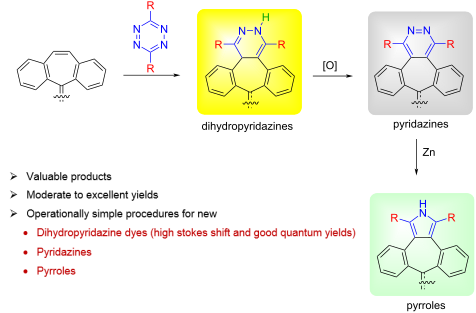
- classic organic dyestuffs. In that study, two highly fluorescent dibenzosuberenone-based dihydropyridazine dyes, 3a,b, were synthesized, and it was found that they can be used as a selective and sensitive sensor of fluoride anions (Scheme 1, Table 1) [55]. In another work, we reported the design

Graphical Abstract

Figure 1: Structures of dibenzosuberenone 1 and pyridazine and pyrrole derivatives.

Figure 2: Structures of s-tetrazines 2a–l.

Scheme 1: Inverse electron-demand Diels–Alder reactions of dibenzosuberenone (1) with tetrazines 2a–l.

Scheme 2: Inverse electron-demand Diels–Alder reactions between dibenzosuberenone 1 and tetrazines 2ka and 2lb...
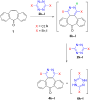
Scheme 3: Proposed reaction mechanism for the formation of dibenzosuberenone derivatives 3 and 4.

Scheme 4: Proposed mechanism for the formation of 5l.

Scheme 5: Oxidation of dihydropyridazines 3a–f. All reactions were carried in CH2Cl2 at room temperature (4e:...

Scheme 6: Synthesis of pyrrole 10a. a1.34 mmol 4a, Zinc (for 10aa: 6.68 mmol, for 10ab: 13.36 mmol), 10 mL gl...

Scheme 7: Synthesis of pyrrole 10b. a1.21 mmol 4b, 12.10 mmol Zinc, 118 °C, 2 h. b1.13 mmol 10ba, 1.69 mmol K...

Scheme 8: Synthesis of p-quinone methides 13–16. a1.77 mmol 11, 1.77 mmol 2, 5 mL toluene, 80 °C (13a: overni...

Scheme 9: Proposed mechanism for the formation of 13.

Figure 3: UV–vis spectra of 3c–f and 3k in CH3CN at rt (c = 5 μM).

Figure 4: Fluorescence spectra of 3c–f and 3k in CH3CN at rt (c = 5 μM).
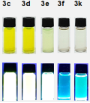
Figure 5: Ambient (top) and fluorescence (bottom, under 365 nm UV light) images of 3c–f and 3k in CH3CN.
Amino- and polyaminophthalazin-1(2H)-ones: synthesis, coordination properties, and biological activity
- Zbigniew Malinowski,
- Emilia Fornal,
- Agata Sumara,
- Renata Kontek,
- Karol Bukowski,
- Beata Pasternak,
- Dariusz Sroczyński,
- Joachim Kusz,
- Magdalena Małecka and
- Monika Nowak
Beilstein J. Org. Chem. 2021, 17, 558–568, doi:10.3762/bjoc.17.50
- A and B, the geometry optimization was performed for the isolated molecules A and B. In a solid phase the Cu(II) central ion is five-coordinated by three nitrogen atoms of 7 and two chloride anions. The CuN3Cl2 coordination center adopts the strongly distorted square pyramidal geometry with the five
- coordination bonds. The coordination sphere of the Cu1 and Cu2 central ions is completed with Cl1, Cl2 and Cl3, Cl4 chloride anions, respectively. In the molecules A and B the pyridin-2-yl substituents are twisted in opposite directions relative to the mean plane of the 1,2-diazine moiety with the dihedral

Graphical Abstract

Figure 1: Structure of biologically active phthalazine derivatives.

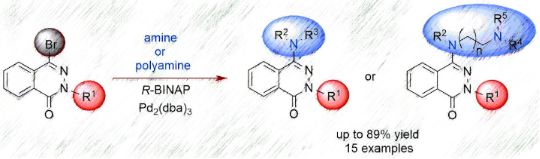
Scheme 1: Synthetic route to aminophthalazinones 5 and 6.
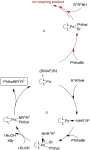
Figure 2: Proposed catalytic cycles for the amination of 4-bromophthalazinones of type 3 (Phthal: phthalazino...
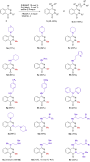
Scheme 2: Synthesis of 4-amino- and 4-polyaminophthalazinones 5 and 6 (the yields refer to the isolated compo...

Figure 3: The phthalazinone derivatives that were used to test the complexation of Cu(II) ions.
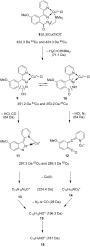
Scheme 3: The proposal of the fragmentation pathway of the Cu(II) complex with compound 7.

Figure 4: Structure of complex 17.

Figure 5: Molecular structure of complex 17 with atom numbering scheme. The anisotropic displacement paramete...
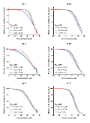
Figure 6: Determination of relative cell viability (% of control) in different cell lines (HT-29; PC-3 and L-...

Figure 7: Cytotoxic properties of the phthalazinone derivatives expressed as IC50 after 72 h of cell treatmen...
Synthesis of (Z)-3-[amino(phenyl)methylidene]-1,3-dihydro-2H-indol-2-ones using an Eschenmoser coupling reaction
- Lukáš Marek,
- Lukáš Kolman,
- Jiří Váňa,
- Jan Svoboda and
- Jiří Hanusek
Beilstein J. Org. Chem. 2021, 17, 527–539, doi:10.3762/bjoc.17.47
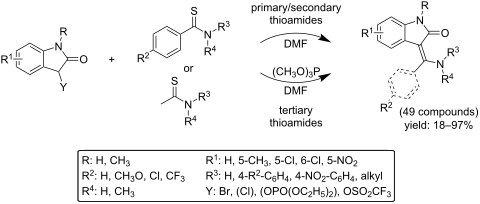
- methanol) such an increase of acidity should be also distinct but it is known that polar protic solvents much better solvate anions and thus decrease their nucleophilicity. Therefore, dimethylformamide has been chosen as the best solvent. Indeed, when dimethylformamide (DMF) was used as the solvent for the

Graphical Abstract

Figure 1: Nintedanib ethanesulfonate.

Scheme 1: The known synthetic strategies leading to 3-(aminomethylidene)oxindoles.

Scheme 2: The possible intermediates and products occurring in the reactions of 3-bromooxindoles with thioben...

Figure 2: The R1 and R2 substitution influence on the isolated yields of products 5aa–ed.

Scheme 3: The Eschenmoser coupling reaction of 3-bromooxindole (1a) with thioacetamides.

Scheme 4: The synthesis of alternative 3-substituted oxindoles and their Eschenmoser coupling reaction with t...
Mesoionic tetrazolium-5-aminides: Synthesis, molecular and crystal structures, UV–vis spectra, and DFT calculations
- Vladislav A. Budevich,
- Sergei V. Voitekhovich,
- Alexander V. Zuraev,
- Vadim E. Matulis,
- Vitaly E. Matulis,
- Alexander S. Lyakhov,
- Ludmila S. Ivashkevich and
- Oleg A. Ivashkevich
Beilstein J. Org. Chem. 2021, 17, 385–395, doi:10.3762/bjoc.17.34
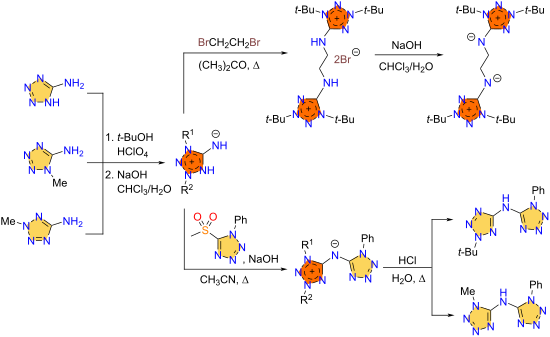
- cation, shown in Figure 2, and two bromide anions. The structure of the cation is close to C2 symmetry, with an rms deviation of its non-hydrogen atoms from ideal positions of 0.1320 Å. In the salt 9, the lengths of the tetrazole ring bonds and the exocyclic C–N bond are given in Table 3 together with

Graphical Abstract

Figure 1: 5-Aminotetrazole derivatives.

Scheme 1: Synthesis of tetrazolium-5-aminides.

Scheme 2: N-Functionalizations of 1,3-disubstituted tetrazolium-5-aminides 8a,b.
Figure 2: Molecules of compounds 8a, 10, 11a, and the bistetrazolium cation 9, with displacement ellipsoids d...

Scheme 3: Possible Lewis structures for the molecule of 8a, with non-Lewis occupancies as % of the total elec...

Figure 3: Experimental (a) and TD-tHCTHhyb/6-311+G(2d,p) calculated (b) UV–vis spectra of compound 8a in diff...

Figure 4: Model structures of 8a used for the calculations of the UV–vis spectra: a) In n-hexane and THF, b) ...

Figure 5: NPA charges (left) and MESP contour map (right) for the molecule of 8a.

Figure 6: The calculated plots in n-hexane of a) HOMO, b) LUMO, c) electron density difference between the S1...

Figure 7: The calculated plots in water of a) HOMO, b) LUMO, c) electron density difference between the S1 an...
CF3-substituted carbocations: underexploited intermediates with great potential in modern synthetic chemistry
- Anthony J. Fernandes,
- Armen Panossian,
- Bastien Michelet,
- Agnès Martin-Mingot,
- Frédéric R. Leroux and
- Sébastien Thibaudeau
Beilstein J. Org. Chem. 2021, 17, 343–378, doi:10.3762/bjoc.17.32
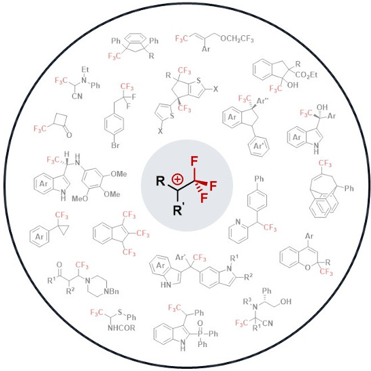
- , BF3⋅Et2O, etc.). These cobalt-cluster-stabilized propargylium ions exhibit a surprisingly high thermodynamic stability, comparable to that of triarylmethylcarbenium ions and are readily observable by NMR spectroscopy or isolable as salts with relatively weakly coordinating anions (BF4−, PF6−, etc

Graphical Abstract

Figure 1: Stabilizing interaction in the CF3CH2+ carbenium ion (top) and structure of the first observable fl...

Scheme 1: Isodesmic equations accounting for the destabilizing effect of the CF3 group. ΔE in kcal⋅mol−1, cal...

Scheme 2: Stabilizing effect of fluorine atoms by resonance electron donation in carbenium ions (δ in ppm).
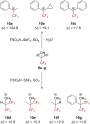
Scheme 3: Direct in situ NMR observation of α-(trifluoromethyl)carbenium ion or protonated alcohols. Δδ = δ19...

Scheme 4: Reported 13C NMR chemical shifts for the α-(trifluoromethyl)carbenium ion 10c (δ in ppm).
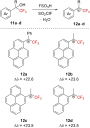
Scheme 5: Direct NMR observation of α-(trifluoromethyl)carbenium ions in situ (δ in ppm).

Scheme 6: Illustration of the ion pair solvolysis mechanism for sulfonate 13f. YOH = solvent.
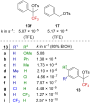
Figure 2: Solvolysis rate for 13a–i and 17.

Figure 3: Structures of allyl triflates 18 and 19 and allyl brosylate 20. Bs = p-BrC6H4SO2.

Figure 4: Structure of tosylate derivatives 21.
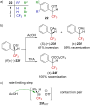
Figure 5: a) Structure of triflate derivatives 22. b) Stereochemistry outcomes of the reaction starting from (...

Scheme 7: Solvolysis reaction of naphthalene and anthracenyl derivatives 26 and 29.

Figure 6: Structure of bisarylated derivatives 34.

Figure 7: Structure of bisarylated derivatives 36.

Scheme 8: Reactivity of 9c in the presence of a Brønsted acid.
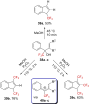
Scheme 9: Cationic electrocyclization of 38a–c under strongly acidic conditions.

Scheme 10: Brønsted acid-catalyzed synthesis of indenes 42 and indanes 43.

Scheme 11: Reactivity of sulfurane 44 in triflic acid.

Scheme 12: Solvolysis of triflate 45f in alcoholic solvents.

Scheme 13: Synthesis of labeled 18O-52.

Scheme 14: Reactivity of sulfurane 53 in triflic acid.

Figure 8: Structure of tosylates 56 and 21f.

Scheme 15: Resonance forms in benzylic carbenium ions.

Figure 9: Structure of pyrrole derivatives 58 and 59.

Scheme 16: Resonance structure 60↔60’.
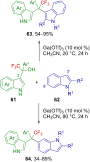
Scheme 17: Ga(OTf)3-catalyzed synthesis of 3,3’- and 3,6’-bis(indolyl)methane from trifluoromethylated 3-indol...

Scheme 18: Proposed reaction mechanism.

Scheme 19: Metal-free 1,2-phosphorylation of 3-indolylmethanols.
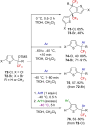
Scheme 20: Superacid-mediated arylation of thiophene derivatives.

Scheme 21: In situ mechanistic NMR investigations.
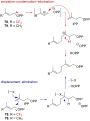
Scheme 22: Proposed mechanisms for the prenyltransferase-catalyzed condensation.

Scheme 23: Influence of a CF3 group on the allylic SN1- and SN2-mechanism-based reactions.

Scheme 24: Influence of the CF3 group on the condensation reaction.

Scheme 25: Solvolysis of 90 in TFE.

Scheme 26: Solvolysis of allyl triflates 94 and 97 and isomerization attempt of 96.

Scheme 27: Proposed mechanism for the formation of 95.

Scheme 28: Formation of α-(trifluoromethyl)allylcarbenium ion 100 in a superacid.
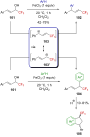
Scheme 29: Lewis acid activation of CF3-substituted allylic alcohols.
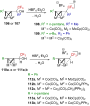
Scheme 30: Bimetallic-cluster-stabilized α-(trifluoromethyl)carbenium ions.
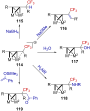
Scheme 31: Reactivity of cluster-stabilized α-(trifluoromethyl)carbenium ions.
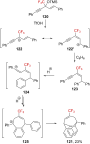
Scheme 32: α-(Trifluoromethyl)propargylium ion 122↔122’ generated from silyl ether 120 in a superacid.
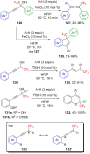
Scheme 33: Formation of α-(trifluoromethyl)propargylium ions from CF3-substituted propargyl alcohols.
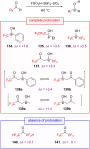
Scheme 34: Direct NMR observation of the protonation of some trifluoromethyl ketones in situ and the correspon...

Scheme 35: Selected resonance forms in protonated fluoroketone derivatives.

Scheme 36: Acid-catalyzed Friedel–Crafts reactions of trifluoromethyl ketones 143a,b and 147a–c.

Scheme 37: Enantioselective hydroarylation of CF3-substituted ketones.
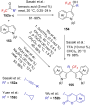
Scheme 38: Acid-catalyzed arylation of ketones 152a–c.

Scheme 39: Reactivity of 156 in a superacid.
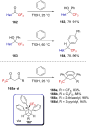
Scheme 40: Reactivity of α-CF3-substituted heteroaromatic ketones and alcohols as well as 1,3-diketones.

Scheme 41: Reactivity of 168 with benzene in the presence of a Lewis or Brønsted acid.

Scheme 42: Acid-catalyzed three-component asymmetric reaction.

Scheme 43: Anodic oxidation of amines 178a–c and proposed mechanism.
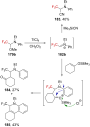
Scheme 44: Reactivity of 179b in the presence of a strong Lewis acid.

Scheme 45: Trifluoromethylated derivatives as precursors of trifluoromethylated iminium ions.

Scheme 46: Mannich reaction with trifluoromethylated hemiaminal 189.

Scheme 47: Suitable nucleophiles reacting with 192 after Lewis acid activation.
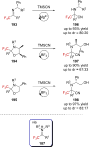
Scheme 48: Strecker reaction involving the trifluoromethylated iminium ion 187.
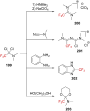
Scheme 49: Reactivity of 199 toward nucleophiles.

Scheme 50: Reactivity of 204a with benzene in the presence of a Lewis acid.

Scheme 51: Reactivity of α-(trifluoromethyl)-α-chloro sulfides in the presence of strong Lewis acids.

Scheme 52: Anodic oxidation of sulfides 213a–h and Pummerer rearrangement.

Scheme 53: Mechanism for the electrochemical oxidation of the sulfide 213a.

Scheme 54: Reactivity of (trifluoromethyl)diazomethane (217a) in HSO3F.

Figure 10: a) Structure of diazoalkanes 217a–c and b) rate-limiting steps of their decomposition.

Scheme 55: Deamination reaction of racemic 221 and enantioenriched (S)-221.

Scheme 56: Deamination reaction of labeled 221-d2. Elimination products were formed in this reaction, the yiel...
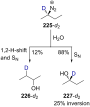
Scheme 57: Deamination reaction of 225-d2. Elimination products were also formed in this reaction in undetermi...

Scheme 58: Formation of 229 from 228 via 1,2-H-shift.

Scheme 59: Deamination reaction of 230. Elimination products were formed in this reaction, the yield of which ...

Scheme 60: Deamination of several diazonium ions. Elimination products were formed in these reactions, the yie...

Scheme 61: Solvolysis reaction mechanism of alkyl tosylates.

Scheme 62: Solvolysis outcome for the tosylates 248 and 249 in HSO3FSbF5.

Figure 11: Solvolysis rate of 248, 249, 252, and 253 in 91% H2SO4.

Scheme 63: Illustration of the reaction pathways. TsCl, pyridine, −5 °C (A); 98% H2SO4, 30 °C (B); 98% H2SO4, ...

Scheme 64: Proposed solvolysis mechanism for the aliphatic tosylate 248.

Scheme 65: Solvolysis of the derivatives 259 and 260.

Scheme 66: Solvolysis of triflate 261. SOH = solvent.

Scheme 67: Intramolecular Friedel–Crafts alkylations upon the solvolysis of triflates 264 and 267.

Scheme 68: α-CF3-enhanced γ-silyl elimination of cyclobutyltosylates 270a,b.
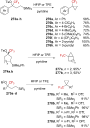
Scheme 69: γ-Silyl elimination in the synthesis of a large variety of CF3-substituted cyclopropanes. Pf = pent...

Scheme 70: Synthetic pathways to 281. aNMR yields.

Scheme 71: The cyclopropyl-substituted homoallylcyclobutylcarbenium ion manifold.
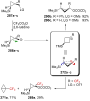
Scheme 72: Reactivity of CF3-substituted cyclopropylcarbinyl derivatives 287a–c. LG = leaving group.

Scheme 73: Reactivity of CF3-substituted cyclopropylcarbinyl derivatives 291a–c.

Scheme 74: Superacid-promoted dimerization or TFP.

Scheme 75: Reactivity of TFP in a superacid.
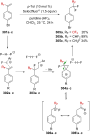
Scheme 76: gem-Difluorination of α-fluoroalkyl styrenes via the formation of a “hidden” α-RF-substituted carbe...

Scheme 77: Solvolysis of CF3-substituted pentyne 307.

Scheme 78: Photochemical rearrangement of 313.

Figure 12: Structure of 2-norbornylcarbenium ion 318 and argued model for the stabilization of this cation.

Figure 13: Structures and solvolysis rate (TFE, 25 °C) of the sulfonates 319–321. Mos = p-MeOC6H4SO2.

Scheme 79: Mechanism for the solvolysis of 323. SOH = solvent.

Scheme 80: Products formed by the hydrolysis of 328.

Scheme 81: Proposed carbenium ion intermediates in an equilibrium during the solvolysis of tosylates 328, 333,...
19F NMR as a tool in chemical biology
- Diana Gimenez,
- Aoife Phelan,
- Cormac D. Murphy and
- Steven L. Cobb
Beilstein J. Org. Chem. 2021, 17, 293–318, doi:10.3762/bjoc.17.28
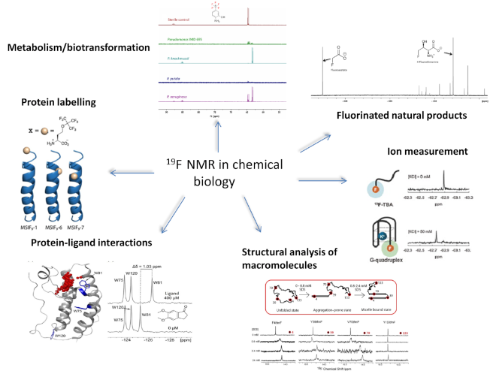

Graphical Abstract

Figure 1: Selected examples of 19F-labelled amino acid analogues used as probes in chemical biology.

Figure 2: (a) Sequences of the antimicrobial peptide MSI-78 and pFtBSer-containing analogs and cartoon repres...

Figure 3: (a) Chemical structures of a selection of trifluoromethyl tags. (b) Comparative analysis showing th...

Figure 4: (a) First bromodomain of Brd4 with all three tryptophan residues displayed in blue and labelled by ...

Figure 5: (a) Enzymatic hydroxylation of GBBNF in the presence of hBBOX (b) 19F NMR spectra showing the conve...

Figure 6: (a) In-cell enzymatic hydrolysis of the fluorinated anandamide analogue ARN1203 catalyzed by hFAAH....

Figure 7: (a) X-ray crystal structure of CAM highlighting the location the phenylalanine residues replaced by...

Figure 8: 19F PREs of 4-F, 5-F, 6-F, 7-FTrp49 containing MTSL-modified S52CCV-N. The 19F NMR resonances of ox...

Figure 9: 19F NMR as a direct probe of Ud NS1A ED homodimerization. Schematic representation showing the loca...

Figure 10: (a) Representative spectrum of a 182 μM sample of Aβ1-40-tfM35 at varying times indicating the majo...

Figure 11: Illustration of the conformational switch induced by SDS in 4-tfmF-labelled α-Syn. Also shown are t...

Figure 12: (a) Structural models of the Myc‐Max (left), Myc‐Max‐DNA (middle) and Myc‐Max‐BRCA1 complexes (righ...

Figure 13: (a) Side (left) and bottom (right) views of the pentameric apo ELIC X-ray structure (PDB ID: 3RQU) ...

Figure 14: (a) General structure of a selection of recently developed 19F-labelled nucleotides for their use a...

Figure 15: Monitoring biotransformation of the fluorinated pesticide cyhalothrin by the fungus C. elegans. The...

Figure 16: Following the biodegradation of emerging fluorinated pollutants by 19F NMR. The spectra are from cu...

Figure 17: Discovery of new fluorinated natural products by 19F NMR. The spectrum is of the culture supernatan...

Figure 18: Application of 19F NMR to investigate the biosynthesis of nucleocidin. The spectra are from culture...

Figure 19: Detection of new fluorofengycins (indicated by arrows) in culture supernatants of Bacillus sp. CS93...

Figure 20: Measurement of β-galactosidase activity in MCF7 cancer cells expressing lacZ using 19F NMR. The deg...

Figure 21: Detection of ions using 19F NMR. (a) Structure of TF-BAPTA and its 19F iCEST spectra in the presenc...

Figure 22: (a) The ONOO−-mediated decarbonylation of 5-fluoroisatin and 6-fluoroisatin. The selectivity of (b)...
Au(III) complexes with tetradentate-cyclam-based ligands
- Ann Christin Reiersølmoen,
- Thomas N. Solvi and
- Anne Fiksdahl
Beilstein J. Org. Chem. 2021, 17, 186–192, doi:10.3762/bjoc.17.18
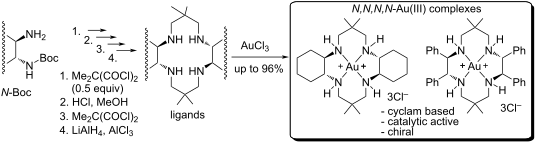
- and 12 hours for complex 6a-Au(III) (Table 1, entries 2 and 5), where the ligand seems to stabilize and deactivate the Au(III) during the reaction. Attempts to improve the 6b-Au(III) complex stability by anion exchange with less coordinating anions failed, as addition of different standard silver
- salts resulted in decomposition of the Au(III) complex. Consequently, the counter-anion exchange method was not possible. Since the ligand 6b seems to de-coordinate, resulting in the cyclam Au(III) complex not being the active catalyst, and the presence of chloride anions, the activity of the 6b-Au(III

Graphical Abstract

Scheme 1: Synthetic protocols for the preparation of potential ligands 1–4.

Scheme 2: Reduction of diamides 1a,b and tetraamides 2a,b.

Scheme 3: Au(III) coordination conditions for ligands 5a,b and 6a,b. Coordination of 5b was unsuccessful.

Figure 1: 1H NMR study of the formation of complex 6a-Au(III) by AuCl3 coordination to ligand 6a.
Benzothiazolium salts as reagents for the deoxygenative perfluoroalkylthiolation of alcohols
- Armin Ariamajd,
- Nils J. Gerwien,
- Benjamin Schwabe,
- Stefan Dix and
- Matthew N. Hopkinson
Beilstein J. Org. Chem. 2021, 17, 83–88, doi:10.3762/bjoc.17.8

- synthesized that serve as convenient sources of hitherto underexplored perfluoroalkylthiolate anions. An investigation of their reactivity in a deoxygenative nucleophilic substitution reaction led to the development of an unprecedented process that provides pentafluoroethyl and heptafluoropropyl thioethers
- heavily fluorinated thiolate anions and the potential for deleterious side-reactions resulting from β-fluoride elimination [28][29][30][31][32][33][34]. Only a handful of perfluoroalkylthiolate salts are known and, to the best of our knowledge, only one general direct nucleophilic perfluoroalkylthiolation
- of an alkyl electrophile has been reported to date [35]. This process used an umpolung strategy with activation of typically electrophilic perfluoroalkylsulfenamide reagents by iodide, releasing −SC2F5 or −SC3F7 anions in situ, which could then react with a selection of alkyl halides (Scheme 1b). In

Graphical Abstract

Scheme 1: Synthetic routes towards perfluoroalkyl thioethers.

Scheme 2: Two-step synthesis of BT-SRF reagents from MBT.

Scheme 3: Plausible mechanism for the formation of thioether 3 and thionoester 4.

Scheme 4: Scope of the deoxygenative perfluoroalkylthiolation reaction using BT-SC2F5 and BT-SC3F7.
Synthesis of tetrafluorinated piperidines from nitrones via a visible-light-promoted annelation reaction
- Vyacheslav I. Supranovich,
- Igor A. Dmitriev and
- Alexander D. Dilman
Beilstein J. Org. Chem. 2020, 16, 3104–3108, doi:10.3762/bjoc.16.260
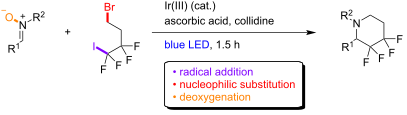
- substitution could be catalyzed by iodide anions accumulating in the reaction mixture. Finally, the deoxygenation of the N-oxide fragment may proceed via consecutive protonation and electron-transfer steps [28]. Conclusion In summary, a one-step method for the synthesis of tetrafluorinated piperidines starting

Graphical Abstract

Scheme 1: The construction of tetrafluorinated piperidines from nitrones.

Scheme 2: The scope of the annelation reaction for the synthesis of piperidines. Isolated yields are shown. a...

Scheme 3: The proposed mechanism of the photoredox annelation reaction (asc = ascorbic acid).
Pentannulation of N-heterocycles by a tandem gold-catalyzed [3,3]-rearrangement/Nazarov reaction of propargyl ester derivatives: a computational study on the crucial role of the nitrogen atom
- Giovanna Zanella,
- Martina Petrović,
- Dina Scarpi,
- Ernesto G. Occhiato and
- Enrique Gómez-Bengoa
Beilstein J. Org. Chem. 2020, 16, 3059–3068, doi:10.3762/bjoc.16.255
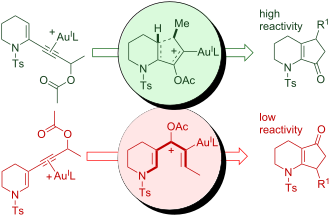
- facilitates the protodeauration in the last step (TS9), which occurs exothermically and with a barrier of only 6.5 kcal⋅mol−1. The easiness of the two-step process from IV to XII is remarkable given the low basicity of the triflate anion, suggesting that other possible anions present in the medium could also

Graphical Abstract

Figure 1: Tandem acetate rearrangement/Nazarov cyclization of different substrates.

Figure 2: DFT-computed energy profile of the tandem Au(I)-catalyzed [3,3]-rearrangement/Nazarov reaction of 3...

Figure 3: DFT-computed energy profile of the tandem Au(I)-catalyzed [3,3]-rearrangement/Nazarov reaction of 2...

Figure 4: Computed comparison of the NBO charges of 2- and 3-substituted substrates.

Figure 5: Single-step transformation of IV to IX.

Figure 6: Triflate-promoted hydrogen abstraction and protodeauration with HOTf.

Figure 7: Triflate-mediated abstraction of the hydrogen atom Ha and protodeauration.

Scheme 1: Synthesis of the enynyl acetate starting material 14.

Scheme 2: Synthesis and cyclization of enynyl acetate 20.
Metal-free nucleophilic trifluoromethylselenolation via an iodide-mediated umpolung reactivity of trifluoromethylselenotoluenesulfonate
- Kevin Grollier,
- Alexis Taponard,
- Arnaud De Zordo-Banliat,
- Emmanuel Magnier and
- Thierry Billard
Beilstein J. Org. Chem. 2020, 16, 3032–3037, doi:10.3762/bjoc.16.252
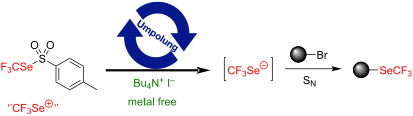
- , Institut Lavoisier de Versailles, 78035 Versailles Cedex, France CERMEP-In vivo imaging, Groupement Hospitalier Est, 59 Bd Pinel, 69677 Lyon, France 10.3762/bjoc.16.252 Abstract We report herein a practical method to generate CF3Se− (and RFSe−) anions from shelf-stable reagents under iodide activation

Graphical Abstract

Scheme 1: State of the art concerning the direct nucleophilic trifluoromethylselenolation.

Scheme 2: The nucleophilic fluoroalkylselenolation of alkyl bromides. Yields were determined by 19F NMR spect...

Scheme 3: Mechanism proposal.
Chiral anion recognition using calix[4]arene-based ureido receptors in a 1,3-alternate conformation
- Tereza Horáčková,
- Jan Budka,
- Vaclav Eigner,
- Wen-Sheng Chung,
- Petra Cuřínová and
- Pavel Lhoták
Beilstein J. Org. Chem. 2020, 16, 2999–3007, doi:10.3762/bjoc.16.249
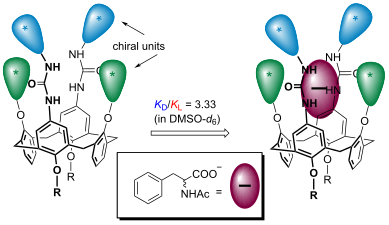
- of calix[4]arene immobilised in the 1,3-alternate conformation led to a system possessing a preorganised ureido cavity hemmed with chiral alkyl units in the near proximity. As shown by the 1H NMR titration experiments, these compounds can be used as receptors for chiral anions in DMSO-d6. The chiral
- for N-acetyl-ʟ-phenylalaninate. The structures of some receptors were confirmed by single crystal X-ray analysis. Keywords: anion recognition; calixarene; chiral receptor; complexation; enantiodiscrimination; Introduction The recognition and complexation of anions has become undoubtedly one of the
- most important branches of modern supramolecular chemistry, as can easily be demonstrated by an immense number of recent reviews [1][2][3][4][5][6] and books [7][8][9][10][11] devoted to this topic. Due to the omnipresence of anions in biological systems, their irreplaceable roles in cell functioning

Graphical Abstract

Figure 1: Design of chiral calix[4]arene-based receptors for anions.

Scheme 1: Synthesis of the calix[4]arene-based chiral anionic receptors 7 and 8.

Figure 2: X-ray structure of 4a: (a) Top view into the cavity. (b) Side view of the same cavity.
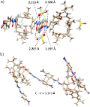
Figure 3: X-ray structure of 7a: (a) Hydrogen bonding interactions (black) in a dimeric motif, chalcogen inte...

Figure 4: X-ray structure of 7d, showing hydrogen bonds between the ureido units (green) and hydrogen bonding...

Figure 5: 1H NMR titration of 7c with N-acetyl-ᴅ-phenylalaninate and N-acetyl-ʟ-phenylalaninate (as TBA salts...
Selected peptide-based fluorescent probes for biological applications
- Debabrata Maity
Beilstein J. Org. Chem. 2020, 16, 2971–2982, doi:10.3762/bjoc.16.247

- , UMP, TBAP, MMP or other anions (SO42−, NO3−, HCO3−, CH3COO−) does not show any enhancement of fluorescence enabling the probe as selective for nucleoside triphosphates. The probe 1 is not toxic and has been demonstrated by fluorescence imaging of ATP in HeLa cells (Figure 2A, inset). Nucleic acid

Graphical Abstract
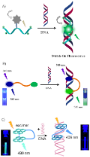
Figure 1: Three different type of peptide-based fluorescent probes and their interaction with nucleic acids a...
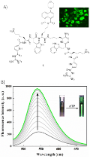
Figure 2: A) Molecular structure of peptidic probe 1, Inset: HeLa cells incubated with peptide 1 (50 μM), sho...
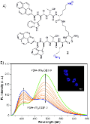
Figure 3: A) Molecular structure of probe 2; B) fluorescence emission spectra for the titration of a 10 μM so...
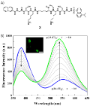
Figure 4: A) Molecular structure of 3; B) fluorescence emission spectra for the titration of a 10 μM solution...
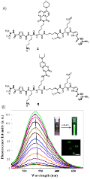
Figure 5: A) Molecular structure of 4 and 5; B) fluorescence spectra for the titration of a 0.5 μM solution o...
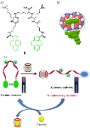
Figure 6: A) Molecular structure of 6; B) possible binding mode of pyrene termini of 6 to CB[8] according to ...
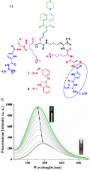
Figure 7: A) Molecular structure of peptidic probes 7 and 8; B) fluorescence emission spectra of probe 7 (5.0...

Figure 8: Top: Molecular structure of 9; bottom: A) fluorescence response of 9 (500 nM) upon addition of β-tr...

Figure 9: Top: Molecular structures of 10 and 11; bottom: A) fluorescence emission spectra of 10 (1.0 µM, λex...
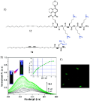
Figure 10: A) Structure of two peptide amphiphiles 12 and 13; B) fluorescent spectra (λex = 400 nm) from a tit...

Figure 11: a) Molecular structure of peptide 14; b) the coordinate represents the states of sensor at differen...