

Search results
Search for "yellow" in Full Text gives 822 result(s) in Beilstein Journal of Organic Chemistry. Showing first 200.
Anion-dependent ion-pairing assemblies of triazatriangulenium cation that interferes with stacking structures
Beilstein J. Org. Chem. 2024, 20, 2567–2576, doi:10.3762/bjoc.20.215
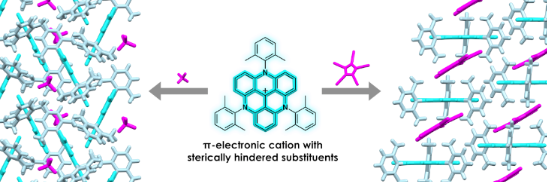
- ) packing structures and (ii) enlarged views for the columnar structures. In (i), cation and anion are represented in cyan and magenta colors, respectively. In (ii), brown, pink, yellow, blue, yellow green, orange, and green (spherical) refer to carbon, hydrogen, boron, nitrogen, fluorine, phosphorus, and
- +-Cl−, (b) 2+-BF4−, and (c) 2+-PF6−. Atom color code: yellow, green, orange, and green (spherical) refer to boron, fluorine, phosphorus, and chlorine, respectively. (i) Single-crystal X-ray structures and (ii) interaction energies for the pairs (a) 2+-Cl−, (b) 2+-BF4−, and (c) 2+-PF6−. In (i), the
- cation and the anion are represented in cyan and magenta colors, respectively. Hirshfeld surface analysis mapped with dnorm of closely contacted ion pairs: (a) 2+-B(C6F5)4− and (b) 2+-PCCp−. Atom color code: brown, yellow, blue, and green refer to carbon, boron, nitrogen, and fluorine, respectively. (i



Phenylseleno trifluoromethoxylation of alkenes
Beilstein J. Org. Chem. 2024, 20, 2434–2441, doi:10.3762/bjoc.20.207
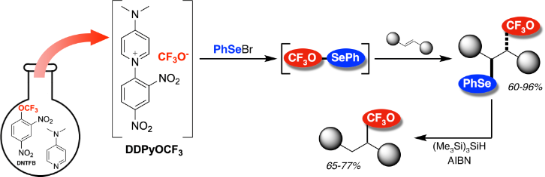
- addition of DNTFB and quickly turns yellow). Then, the tube is opened and PhSeBr (118 mg, 0.5 mmol, 1 equiv) is added in one portion. The resulting reaction mixture is stirred in the same ice bath for 15 minutes. Then, the tube is opened and the alkene (1, 0.5 mmol, 1 equiv) is added. The reaction is



Finding the most potent compounds using active learning on molecular pairs
Beilstein J. Org. Chem. 2024, 20, 2152–2162, doi:10.3762/bjoc.20.185
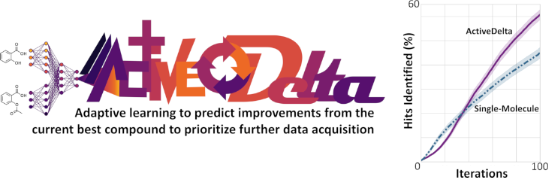
- ) highlighting molecules identified in the first 45 iterations for (A) AD-CP, (B) Chemprop (CP), and (C) random selection (Random). Top ten percentile most potent compounds are shown as stars and identified compounds are highlighted in yellow. The number of times a model ‘jumps’ from one cluster to another is
- receptor) highlighting molecules identified in the first 45 iterations for (A) AD-XGB, (B) XGBoost (XGB), and (C) Random Forest (RF). Top ten percentile most potent compounds are shown as stars and identified compounds are highlighted in yellow. The number of times a model ‘jumps’ from one cluster to


Allostreptopyrroles A–E, β-alkylpyrrole derivatives from an actinomycete Allostreptomyces sp. RD068384
Beilstein J. Org. Chem. 2024, 20, 1981–1987, doi:10.3762/bjoc.20.174
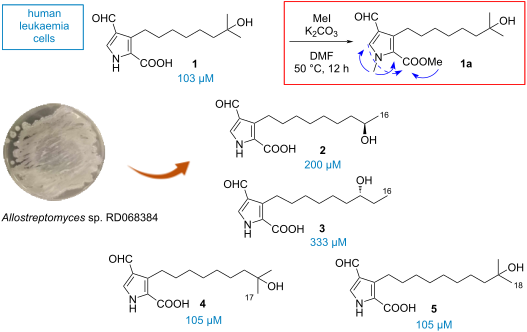
- chromatography followed by ODS HPLC to yield compounds 1–5. Allostreptopyrrole A (1) was obtained as a greenish yellow amorphous solid. The molecular formula was determined to be C15H23NO4 based on a molecular ion peak at m/z 280.1550 [M − H]− (calcd for 280.1554) observed in a negative HRESITOF mass spectrum
- provided a methoxycarbonyl (–COOMe) fragment. Finally, this fragment was placed at C2 by an HMBC correlation from H5 to C6 to complete the gross structure of 1. Both compounds 2 and 3 were obtained as greenish yellow amorphous and their molecular formula were suggested to be the same as that of 1 from
- total 6.5 mg of 1, 3.1 mg of 2, 2.6 mg of 3, 7.2 mg of 4, and 5.6 mg of 5 from 12 L culture. Allostreptopyrrole A (1): greenish yellow amorphous solid; UV (MeOH) λmax nm (log ε) 234 (3.86), 273 sh (3.44); IR (ATR) νmax: 3275, 2964, 2928, 2855, 1658, 1554, 1418 cm−1; 1H and 13C NMR data, see Table 1


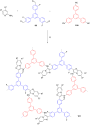
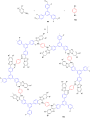
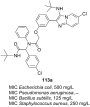
The Groebke–Blackburn–Bienaymé reaction in its maturity: innovation and improvements since its 21st birthday (2019–2023)
Beilstein J. Org. Chem. 2024, 20, 1839–1879, doi:10.3762/bjoc.20.162






Chemo-enzymatic total synthesis: current approaches toward the integration of chemical and enzymatic transformations
Beilstein J. Org. Chem. 2024, 20, 1693–1712, doi:10.3762/bjoc.20.151
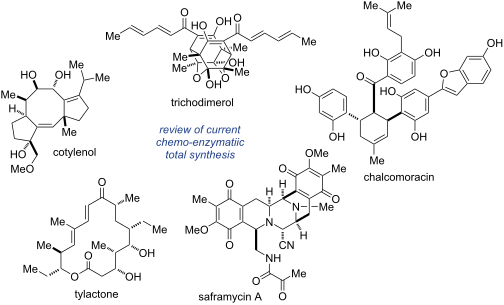
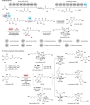
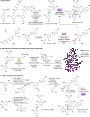
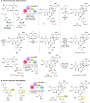
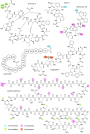
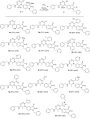
- diversity-oriented synthesis. Targeted natural products and key enzymatic transformations in the chemo-enzymatic total syntheses featured in this review. Enzymatically formed bonds or units are highlighted in yellow. Biosynthetic pathway to brassicicenes in Pseudocercospora fijiensis [14]. (A) Cyclization




Methyltransferases from RiPP pathways: shaping the landscape of natural product chemistry
Beilstein J. Org. Chem. 2024, 20, 1652–1670, doi:10.3762/bjoc.20.147
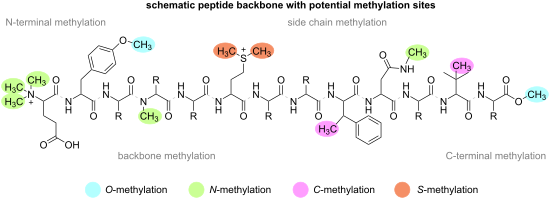
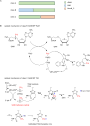
- /aspartimide to isoaspartate. The methyl group is highlighted in blue. The reverse reaction with isoaspartate as substrate of PAMTs is also known. Structural organisation of the OphMA homodimer. A) Schematic representation. The MT domain is coloured in blue; the leader peptide is coloured in yellow, and the





Generation of multimillion chemical space based on the parallel Groebke–Blackburn–Bienaymé reaction
Beilstein J. Org. Chem. 2024, 20, 1604–1613, doi:10.3762/bjoc.20.143

- molecules to be similar. In this way, data visualization becomes possible since similar molecules will likely have close values of t-SNE1 and t-SNE2. As apparent from Figure 7, there is a small overlap between the GBB chemical space (yellow datapoints) with all four databases of comparison (blue data points
- yellow. Distribution of maximal values among pairwise-calculated Tanimoto similarities T (MFP2 fingerprints [46]) of extended Bemis–Murcko scaffolds for the generated chemical space members (5.60 Mln. scaffolds) to the extended Bemis–Murcko scaffolds of A) ChEMBL compounds (v. 33); B) PubChem compounds


Mining raw plant transcriptomic data for new cyclopeptide alkaloids
Beilstein J. Org. Chem. 2024, 20, 1548–1559, doi:10.3762/bjoc.20.138
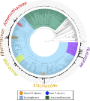
- lack an oxidative decarboxylation of the C-terminus (Figure 3, arabipeptin A). Our transcriptome mining results further support the prevalence of cyclopeptide alkaloids in the Rubiaceae family. Chiococca alba (Snowberry), Cinchona calisaya (Yellow Cinchona), Gardenia jasminoides (Cape Jasmine), C





Photoswitchable glycoligands targeting Pseudomonas aeruginosa LecA
Beilstein J. Org. Chem. 2024, 20, 1486–1496, doi:10.3762/bjoc.20.132
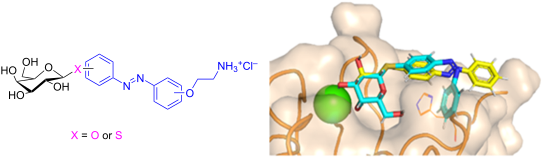
- represents a ΔG value of −30 kJ/mol, corresponding to a Kd of approx 5 μM in the experimental conditions. (B) Manual docking of scaffold for compound 3 with selected low energy conformations of the E-isomer (yellow sticks) and Z-isomer (cyan sticks) superimposed on conserved position of galactose in all LecA


Bioinformatic prediction of the stereoselectivity of modular polyketide synthase: an update of the sequence motifs in ketoreductase domain
Beilstein J. Org. Chem. 2024, 20, 1476–1485, doi:10.3762/bjoc.20.131
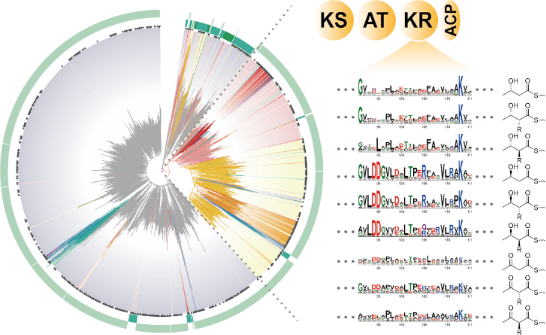
- rings. The triangles indicate a product having α-substituents. (c) Crystal structure of DH-ER-KR tridomain (PDB ID 8G7W) [24]. DH, KRS, ER, KRC are colored in cyan, pink, yellow, and purple, respectively. The lid of KR catalytic pocket is colored in red. The co-crystallized cofactor is represented as


Rapid construction of tricyclic tetrahydrocyclopenta[4,5]pyrrolo[2,3-b]pyridine via isocyanide-based multicomponent reaction
Beilstein J. Org. Chem. 2024, 20, 1436–1443, doi:10.3762/bjoc.20.126
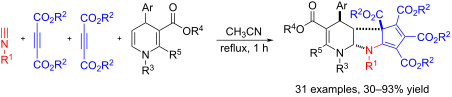
- -(2-methoxyphenyl)-2-methyl-4,4a,8,8a-tetrahydrocyclopenta[4,5]pyrrolo[2,3-b]pyridine-3,4b,5,6,7(1H)-pentacarboxylate (4a): yellow solid, 89%, mp 209–211 °C; 1H NMR (400 MHz, CDCl3) δ 7.49 (d, J = 8.0 Hz, 1H, ArH), 7.47–7.44 (m, 3H, ArH), 7.41–7.38 (m, 1H, ArH), 7.02–6.97 (m, 1H, ArH), 6.68–6.62 (m


A comparison of structure, bonding and non-covalent interactions of aryl halide and diarylhalonium halogen-bond donors
Beilstein J. Org. Chem. 2024, 20, 1428–1435, doi:10.3762/bjoc.20.125
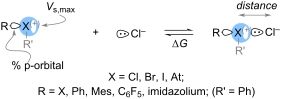
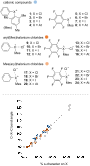
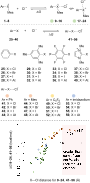
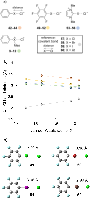
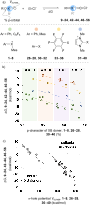
- that we studied here revealed an opposite trend (Scheme 4b, orange, yellow, blue, and green dots). The halogen-bond length decreased with increasing van der Waals radii of X and the trend was more pronounced for monovalent halogen-bond donors. This is exemplified by halogen-bond complexes of the
- halogen-bond donors are clustered into hypervalent 1–8 (Scheme 6b, green dots), monovalent aryl 26–28 and 30–32 (Scheme 6b, orange dots), perfluorophenyl 33–36 (Scheme 6b, yellow dots), and imidazolium 37–40 (Scheme 6b, blue dots) linear correlations with similar slopes are observed for p-orbital
- for compounds 1–24; data from prior work is represented by grey dots [21]. Correlation of ΔG for XB bond formation and X---Cl distance for compounds 9–24 (green dots), 41–48 (orange dots), 49–52 (yellow dots), and 53–56 (blue dots). Correlation of X---Cl distance with van der Waals radii of X




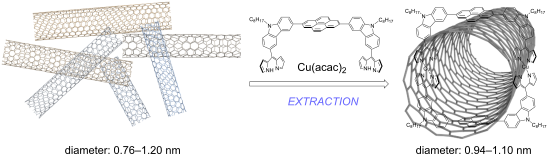
Diameter-selective extraction of single-walled carbon nanotubes by interlocking with Cu-tethered square nanobrackets
Beilstein J. Org. Chem. 2024, 20, 1298–1307, doi:10.3762/bjoc.20.113
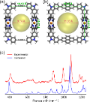
- -nanobrackets 1b. DFT-optimized structure of Cu-nanobrackets (a) 1a and (b) 1b. The yellow regions indicate their spherical cavities. (c) Experimental and calculated results of Raman spectra of 1b (λex = 488 nm). For calculation, Raman activity was transferred to Raman intensity (298.15 K, the full width at




Mechanistic investigations of polyaza[7]helicene in photoredox and energy transfer catalysis
Beilstein J. Org. Chem. 2024, 20, 1236–1245, doi:10.3762/bjoc.20.106
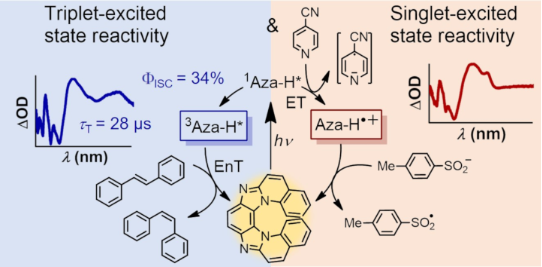
- chloride. We believe that our findings pave the way for a broader usage of the inherently chiral polyazahelicene photocatalyst class, both in photoredox and energy transfer catalysis. A) Room-temperature absorption (black) and emission (yellow) spectra of Aza-H recorded in MeCN/H2O (9:1), and fluorescence
- from Ref [77], transient absorption spectrum of Aza-H with 0.3 mM MV2+ and the difference spectrum of both spectra (cyan). E) Emission lifetime of Aza-H in the presence (dark yellow) and absence (black) of 0.3 mM MV2+. Stilbene isomerization and additional energy transfer experiments. A) and B) Triplet


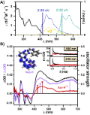


Competing electrophilic substitution and oxidative polymerization of arylamines with selenium dioxide
Beilstein J. Org. Chem. 2024, 20, 1221–1235, doi:10.3762/bjoc.20.105
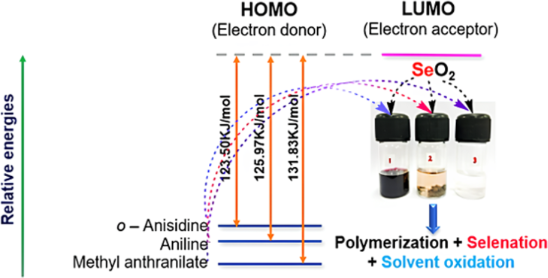
- conforms to our previous experience that diaryl selenides and diaryl diselenides are frequently yellow to brownish orange solids or liquids [39][40]. These contradicting observations prompted us to reinvestigate the reaction reported by Bhat et al. in detail. Indeed, we noticed that the reaction of SeO2
- eluent. The initial pale yellow fraction was collected with 16% ethyl acetate, and the solvent was evaporated to give an off-white solid. Upon recrystallization from ethyl acetate, the above fraction afforded N1,N2-diphenyloxalamide (3) as a colorless solid. The remaining fractions were collected with 22
- , 1580, 1498, 1222, 1028, 812, 745 cm−1. N1,N2-Bis(2-methoxyphenyl)oxalamide (9): Yellow solid (4.2 mg, 0.29%); mp 220–221 °C; 1H NMR (500 MHz, CDCl3, δ) 9.96 (s, 2H), 8.42 (dd, J = 8.1, 1.7 Hz, 2H), 7.14 (td, J = 7.8, 1.6 Hz, 2H), 7.02 (td, J = 7.8, 1.4 Hz, 2H), 6.94 (dd, J = 8.2, 1.4 Hz, 2H), 3.94 (s


The Ugi4CR as effective tool to access promising anticancer isatin-based α-acetamide carboxamide oxindole hybrids
Beilstein J. Org. Chem. 2024, 20, 1213–1220, doi:10.3762/bjoc.20.104
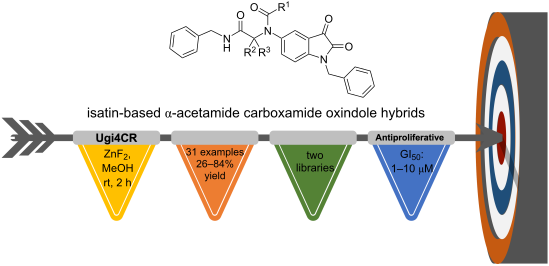
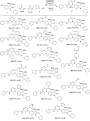
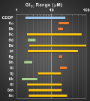
- ]. Carboxylic acids 2 and aldehydes/ketones 3 used in the Ugi4CR. GI50 range plot against human solid tumor cell lines of investigated α-acetamide carboxamide isatin hybrids. Green most potent, yellow intermediate, red less potent. (A) Library of isatin-based α-acetamide carboxamide oxindole derivatives




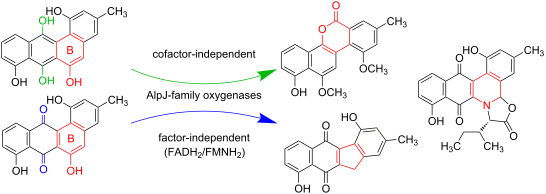
Cofactor-independent C–C bond cleavage reactions catalyzed by the AlpJ family of oxygenases in atypical angucycline biosynthesis
Beilstein J. Org. Chem. 2024, 20, 1198–1206, doi:10.3762/bjoc.20.102
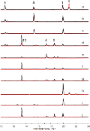
- analysis of the alp gene cluster from Streptomyces ambofaciens revealed AlpG as the homolog of JadH. The N-terminal His6-tagged construct of AlpG was expressed and purified to homogeneity in E. coli (Figure S2, Supporting Information File 1). The purified AlpG displayed a light yellow color, and the




Stability trends in carbocation intermediates stemming from germacrene A and hedycaryol
Beilstein J. Org. Chem. 2024, 20, 1189–1197, doi:10.3762/bjoc.20.101
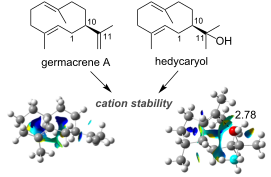
- the 6-6 bicyclic rings. Inspection of the two NCI plots in Figure 4 shows that hedycaryol F-OH has the larger isosurface with the most significant attractive region (yellow) among the two. This is supported by the fact that in F-OH, the C+···OH bond distance is the shortest (Figure 4, Table 1). It is
- to repulsive and yellow represents slightly attractive interactions. The bottom two plots are side views of the cations and emphasize the relatively puckered structure of B compared to A. NCI plots for F and H hedycaryol cations. The C+···OH distances (Å) are shown in black. Correlation plot relating


Kinetically stabilized 1,3-diarylisobenzofurans and the possibility of preparing large, persistent isoacenofurans with unusually small HOMO–LUMO gaps
Beilstein J. Org. Chem. 2024, 20, 1099–1110, doi:10.3762/bjoc.20.97
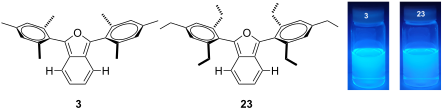
- conjugated π-system in which the 1,3-diphenyl substituents lie flat or nearly flat relative to the isobenzofuran backbone. Likewise, compound 2 is yellow while compounds 3 and 23 are colorless. Compounds 3 and 23 show similar absorption (λmax = 364 and 360 nm for 3 and 23, respectively) and emission (λmax
- reloaded with mesitylene (0.215 g, 1.79 mmol) and an additional 5 mL CH2Cl2. The content of the addition funnel was once again added dropwise into the round bottom flask over 5 minutes with stirring. The light-yellow solution turned to dark brown. After 15 min, 10 mL of a saturated aqueous solution of NaCl
- was added to quench the reaction. The content of the flask was transferred to a 125 mL separatory funnel and extracted twice with 20 mL of CH2Cl2. The organic extracts were combined, dried over anhydrous Na2SO4 and gravity filtered. The solvent was evaporated at reduced pressure leaving a yellow solid






Light on the sustainable preparation of aryl-cored dibromides
Beilstein J. Org. Chem. 2024, 20, 1076–1087, doi:10.3762/bjoc.20.95
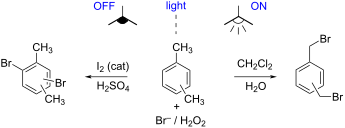
- reaction mixture was kept at 5 °C instead of rt and time was extended by 15% (2 h 20 min for H2O2 dropping and 2 h after the addition). The title product was obtained as pale-yellow solid, yield: 73%. Recrystallisation from hot petroleum ether gave the pure product. White solid, 1H NMR (400 MHz, 298 K
- , CDCl3) δ 7.42 (m, 1H), 7.33 (m, 1H), 7.32 (m, 2H), 4.48 (s, 4H) ppm. 1,5-Dibromo-2,4-dimethylbenzene (2b): Brown solid, yield: 87%. Recrystallisation from hot ethanol gave the pure product as pale-yellow solid. 1H NMR (400 MHz, 298 K, CDCl3) δ 7.68 (s, 1H), 7.10 (s, 1H), 2.31 (s, 6H) ppm. 1,4-Bis
- (3b): pale orange solid, yield: quantitative. Recrystallisation from hot hexane gave the pure product as pale-yellow solid. 1H NMR (400 MHz, 298 K, CDCl3) δ 7.39 (s, 2H), 2.33 (s, 6H) ppm. 1,4-Dibromo-2,5-bis(bromomethyl)benzene (3c): From 3b: chlorobenzene (4.0 mL) was used as the solvent instead of



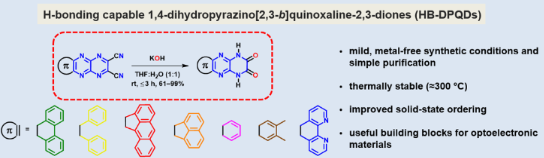
Structure–property relationships in dicyanopyrazinoquinoxalines and their hydrogen-bonding-capable dihydropyrazinoquinoxalinedione derivatives
Beilstein J. Org. Chem. 2024, 20, 1037–1052, doi:10.3762/bjoc.20.92
- ; found, 374.1155. Acenaphtho[1,2-b]pyrazino[2,3-e]pyrazine-9,10-dicarbonitrile (4a) An oven dried sealed tube was charged with 5,6-diaminopyrazine-2,3-dicarbonitrile (12) (0.15 g, 0.92 mmol), acenaphthylene-1,2-dione (0.15 g, 0.84 mmol) and glacial acetic acid (20 mL). The resulting pale-yellow
- suspension was heated to 115 °C for 20 hours with vigorous stirring. After 20 hours, the reaction was cooled, and yellow-gold shimmering particles began to settle out. The mixture was filtered, and the resulting gold-colored solid was recrystallized from hot DMF to obtain pure compound 4a (0.12 g, 0.39 mmol
- yellow solid of 1b was obtained (123 mg, 0.572 mmol, 91%). 1H NMR (600 MHz, DMSO-d6) δ 7.65–7.67 (dd, J = 3.6 Hz, J = 6.6 Hz, 2H), 7.84–7.86 (dd, J = 3.6 Hz, J = 6.6 Hz, 2H), 12.71 (s, 1H); 13C NMR (150 MHz, DMSO-d6) δ 126.7, 128.0, 137.4, 137.7, 155.6; HRESIMS: [M + Na]+ calcd for C10H6N4O2, 237.0388




Confirmation of the stereochemistry of spiroviolene
Beilstein J. Org. Chem. 2024, 20, 852–858, doi:10.3762/bjoc.20.77
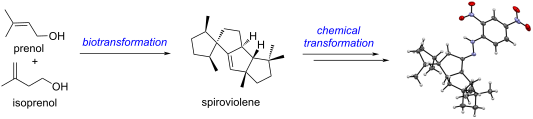
- 10 and 11 can be oxidized to the same 9-oxospiroviolane (12) in the same 92% isolated yield, hence confirming the structural assignment of 10 and 11. By reacting with 2,4-dinitrophenylhydrazine [34], ketone 12 was further converted to hydrazone derivative 13, which gave a brownish-yellow crystal




Methodology for awakening the potential secondary metabolic capacity in actinomycetes
Beilstein J. Org. Chem. 2024, 20, 753–766, doi:10.3762/bjoc.20.69
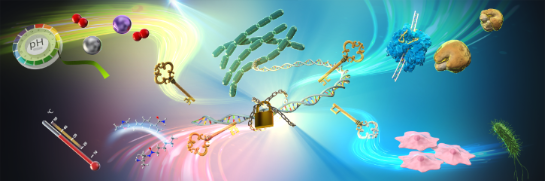
- for maintaining the metabolic homeostasis of nutrient utilization but also for biosynthesis of antibiotics such as ACT, RED, CDA and the yellow pigment coelimycin P2 in Streptomyces coelicolor strains M145 [60][61]. Depletion of a metal component essential for growth activates the production of


SOMOphilic alkyne vs radical-polar crossover approaches: The full story of the azido-alkynylation of alkenes
Beilstein J. Org. Chem. 2024, 20, 701–713, doi:10.3762/bjoc.20.64
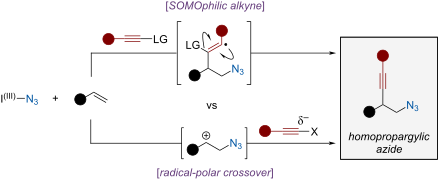
- potassium to tetrabutylammonium (7) reduced the yield to 14% (Scheme 2A). When TMS-alkyne 8 was used, no product formation occurred. In this case, we observed that the initial reaction mixture before light irradiation was colorless. This was surprising, as in all the previous experiments a yellow/orange