

Search results
Search for "pyran" in Full Text gives 104 result(s) in Beilstein Journal of Organic Chemistry.
Synthesis of rigid p-terphenyl-linked carbohydrate mimetics
- Maja Kandziora and
- Hans-Ulrich Reissig
Beilstein J. Org. Chem. 2014, 10, 1749–1758, doi:10.3762/bjoc.10.182
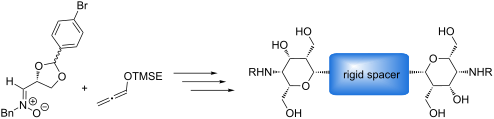
- from the side of the pyran moiety is assumed since the 1,2-oxazine side is more hindered by the bulky N-benzyl moiety. The secondary hydroxy group of 12a was protected employing t-butyldimethylsilyl trifluoromethanesulfonate and 2,6-lutidine in quantitative yield. The Lewis acid-promoted rearrangement
- spectroscopy that aminopyran 25 is not stable and slowly cyclizes to 24; after two days in CDCl3 solution approximately 20% of aminopyran 25 were converted into 24. This result indicates that the N–O bond cleavage of 12a preceded as expected, but that the produced amino group of the pyran ring seems to be in

Graphical Abstract

Scheme 1: Approach to divalent carbohydrate mimetics 1 with rigid spacer and monovalent analogues 2.

Scheme 2: Synthesis of (Z)-nitrone 6. Conditions: a) LiAlH4, THF, 1 h, rt; b) 1. NaIO4, CH3CN/H2O, 1 h, rt; 2...

Scheme 3: [3 + 3]-Cyclization of (Z)-nitrone 6 with lithiated allene 9. Conditions: a) n-BuLi, THF, 15 min, −...

Scheme 4: Synthesis of 1,2-oxazine 4 by acetal formation from 10. Conditions: a) 1-bromo-4-(dimethoxymethyl)b...

Scheme 5: Synthesis of bicyclic ketone 11 by Lewis acid-induced rearrangement and reduction to alcohols 12a a...

Scheme 6: Synthesis of bicyclic diols 15 and of trityl-protected bicyclic 1,2-oxazine 16. Conditions: a) SnCl4...

Scheme 7: Hydrogenolyses of bicyclic 1,2-oxazine derivatives 15a and 15b. Conditions: a) H2, Pd/C, MeOH, EtOA...

Scheme 8: Suzuki cross-coupling of 15a leading to biphenyl derivative 18 and hydrogenolysis to 19. Conditions...

Scheme 9: Synthesis of N-benzylated p-terphenyl derivative 21 by Suzuki cross-coupling of 12a with 20 and sub...

Scheme 10: Attempted reductive cleavage of the N–O bond of compound 21 by samarium diiodide and reaction of 12a...

Scheme 11: Deprotection of compound 21 and samarium diiodide-mediated reaction of 26. Conditions: a) TBAF, THF...

Scheme 12: Suzuki cross-coupling of compound 16. Conditions: Pd(PPh3)2Cl2, 2 M Na2CO3, DMF, 80 °C, 3 d.

Scheme 13: Hydrogenolysis of compound 27 and samarium diiodide-mediated reaction leading to compounds 30 and 31...
Multicomponent reactions in nucleoside chemistry
- Mariola Koszytkowska-Stawińska and
- Włodzimierz Buchowicz
Beilstein J. Org. Chem. 2014, 10, 1706–1732, doi:10.3762/bjoc.10.179
- (59a) (X = NH) [92], the N-methyl-4-hydroxy-6-methylpyridin-2(1H)-one (59b) (X = NMe) [92], N-ethyl-4-hydroxy-6-methylpyridin-2(1H)-one (59c) (X = NEt) [92], 4-hydroxy-6-methyl-2H-pyran-2-one (59d) (X = O) [92], or cyclohexane-1,3-dione (60) [93]. The syntheses of derivatives 61 to 64 represent a

Graphical Abstract

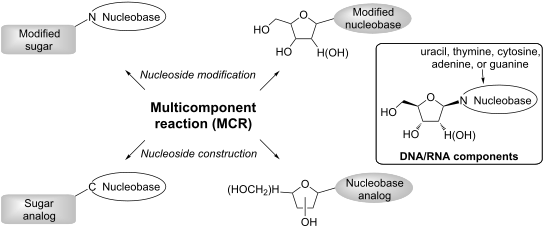
Figure 1: Selected chemical modifications of natural ribose or 2'-deoxyribose nucleosides leading to the deve...

Scheme 1: (a) Classical Mannich reaction; (b) general structures of selected hydrogen active components and s...

Scheme 2: Reagents and reaction conditions: i. H2O or H2O/EtOH, 60–100 °C, 7 h–10 d; ii. H2, Pd/C or PtO2; ii...

Scheme 3: Reagents and reaction conditions: i. H2O, 90 °C, overnight.

Scheme 4: Reagents and reaction conditions: i. AcOH, H2O, 60 °C, 12 h-5 d; ii. AcOH, H2O, 60 °C, 8 h.

Scheme 5: Reagents and reaction conditions: i. CuBr, THF, reflux, 0.5 h; ii. n-Bu4NF·3H2O, THF, rt, 2 h.

Scheme 6: Reagents and reaction conditions: i. [bmim][PF6], 80 °C, 5–8 h.

Scheme 7: Reagents and reaction conditions: i. EtOH, reflux, 24 h.

Scheme 8: Reagents and reaction conditions: i. NaOAc, H2O, 95 °C, 1–16 h; ii. NaOAc, H2O, 95 °C, 1 h.

Scheme 9: Reagents and reaction conditions: i. a. 37% aq HCl, MeOH; b. NaOAc, 1,4-dioxane, H2O, 100 °C, overn...

Scheme 10: Reagents and reaction conditions: i. DMAP, DCC, MeOH, rt, 1 h.

Scheme 11: The Kabachnik–Fields reaction.

Scheme 12: Reagents and reaction conditions: i. 60 °C, 3 h; ii. 80 °C, 2 h.

Scheme 13: The four-component Ugi reaction.

Scheme 14: Reagents and reaction conditions: i. MeOH, rt, 2–3 d, yields not given.

Scheme 15: Reagents and reaction conditions: i. MeOH/CH2Cl2 (1:1), rt, 24 h, yield not given; ii. 6 N aq HCl, ...

Scheme 16: Reagents and reaction conditions: i. MeOH/H2O, rt, 26 h; ii. aq AcOH, reflux, 50%; iii. reversed ph...

Scheme 17: Reagents and reaction conditions: i. MeOH, rt, 24 h; ii. HCl, MeOH, 0 °C to rt, 6 h, then H2O, rt, ...

Scheme 18: Reagents and reaction conditions: i. DMF/Py/MeOH (1:1:1), rt, 48 h; ii. 10% HCl/MeOH, rt, 30 min.

Scheme 19: Reagents and reaction conditions (R = CH3 or H): i. CH2Cl2/MeOH (2:1), 35–40 °C, 2 d; ii. HF/pyridi...

Scheme 20: Reagents and reaction conditions: i. MeOH, 76%; ii. 80% aq TFA, 100%.

Scheme 21: Reagents and reaction conditions: i. EtOH, rt, 72 h; ii. Zn, aq NaH2PO4, THF, rt, 1 week; then 80% ...

Scheme 22: Reagents and reaction conditions: i. EtOH, rt, 48 h, then silica gel chromatography, 33% for 57 (30...

Scheme 23: Reagents and reaction conditions: i. [bmim]BF4, 80 °C, 4 h; ii. [bmim]BF4, 80 °C, 3 h; iii. [bmim]BF...

Scheme 24: Reagents and reaction conditions: i. [bmim]BF4, 80 °C.

Scheme 25: Reagents and reaction conditions: i. H3PW12O40 (2 mol %), EtOH, 50 °C, 2–15 h; ii. H3PW12O40 (2 mol...

Scheme 26: General scheme of the Biginelli reaction.

Scheme 27: Reagents and reaction conditions: i. EtOH, reflux.

Scheme 28: Reagents and reaction conditions: i. Bu4N+HSO4−, diethylene glycol, 120 °C, 1.5–3 h.

Scheme 29: Reagents and reaction conditions: i. BF3·Et2O, CuCl, AcOH, THF, 65 °C, 24 h; ii. Yb(OTf)3, THF, ref...

Scheme 30: Reagents and reaction conditions: TCT (10 mol %), rt: i. 100 min; ii. 150 min; iii. 140 min.

Scheme 31: Reagents and reaction conditions: i. EtOH, microwave irradiation (300 W), 10 min; ii. EtOH, 75 °C, ...

Scheme 32: The Hantzsch reaction.

Scheme 33: Reagents and reaction conditions: TCT (10 mol %), rt, 80–150 min.

Scheme 34: Reagents and reaction conditions: i. Yb(OTf)3, THF, 90 °C, 12 h; ii. 4 Å molecular sieves, EtOH, 90...

Scheme 35: Reagents and reaction conditions: i. MeOH, 50 °C, 48 h.

Scheme 36: Reagents and reaction conditions: i. MeOH, 25 °C, 5 d.

Scheme 37: Bu4N+HSO4−, diethylene glycol, 80 °C, 1–2 h.

Scheme 38: The three-component carbopalladation of dienes on the example of buta-1,3-diene.

Scheme 39: Reagents and reaction conditions: i. 5 mol % Pd(dba)2, Bu4NCl, ZnCl2, acetonitrile or DMSO, 80 °C o...

Scheme 40: Reagents and reaction conditions: i. 2.5 mol % Pd2(dba)3, tris(2-furyl)phosphine, K2CO3, MeCN or DM...

Scheme 41: Reagents and reaction conditions: i. 2.5 mol % Pd2(dba)3, tris(2-furyl)phosphine, K2CO3, MeCN or DM...

Scheme 42: The three-component Bucherer–Bergs reaction.

Scheme 43: Reagents and reaction conditions: i. MeOH, H2O, 70 °C, 4.5 h; ii. (1) H2, 5% Pd/C, MeOH, 55 °C, 5 h...

Scheme 44: Reagents and reaction conditions: i. pyridine, MgSO4, 100 °C, 28 h, N2; ii. DMF, 70–90 °C, 22–30 h,...

Scheme 45: Reagents and reaction conditions: i. Montmorillonite K-10 clay, microwave irradiation (600 W), 6–10...

Scheme 46: Reagents and reaction conditions: i. Montmorillonite K-10 clay, microwave irradiation (560 W), 6–10...

Scheme 47: Reagents and reaction conditions: i. CeCl3·7H2O (20 mol %), NaI (20 mol %), microwave irradiation (...

Scheme 48: Reagents and reaction conditions: i. PhI(OAc)2 (3 mol %), microwave irradiation (45 °C), 6–9 min.

Scheme 49: Reagents and reaction conditions: i. 117, ethyl pyruvate, TiCl4, dichloromethane, −78 °C, 1 h; then ...
C–H-Functionalization logic guides the synthesis of a carbacyclopamine analog
- Sebastian Rabe,
- Johann Moschner,
- Marina Bantzi,
- Philipp Heretsch and
- Athanassios Giannis
Beilstein J. Org. Chem. 2014, 10, 1564–1569, doi:10.3762/bjoc.10.161
- tetrahydropyranyl ether (3,4-dihydro-2H-pyran, cat. pyridinium para-toluenesulfonate, CH2Cl2, 25 °C, quantiative, inconsequential mixture of diastereoisomers), and the C17 carbonyl group was transformed into its 2-picolylimine (2-picolylamine, cat. para-toluenesulfonic acid, toluene, 111 °C, 92% yield). Subjecting

Graphical Abstract

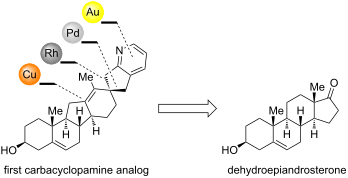
Figure 1: Structures of cyclopamine (1) and carbacyclopamine analog 2.

Scheme 1: Retrosynthetic analysis of carbacyclopamine analog 2.

Scheme 2: Synthesis of carbacyclopamine analog 2.
Multichromophoric sugar for fluorescence photoswitching
- Stéphane Maisonneuve,
- Rémi Métivier,
- Pei Yu,
- Keitaro Nakatani and
- Juan Xie
Beilstein J. Org. Chem. 2014, 10, 1471–1481, doi:10.3762/bjoc.10.151
- -dicyanomethylene-2-tert-butyl-6-(p-dialkylaminostyryl)-4H-pyran) [3] with a photochromic diarylethene (DAE) which showed a photoreversible two-way FRET controlled by the state of the photochromic moiety, and 49% quenching of the fluorescence upon UV irradiation [4]. Bifunctional molecules built on two distinct

Graphical Abstract

Figure 1: Requirements on absorption and emission spectral features of the photochromic and fluorescent units...

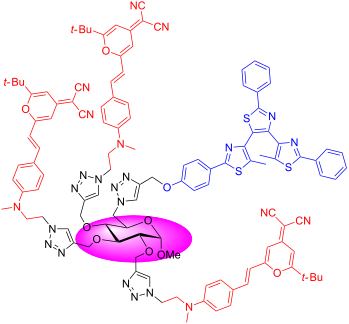
Figure 2: Bifunctional fluorescent-photochromic molecules 1 and 2.
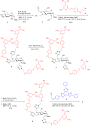
Scheme 1: Synthesis of multichromophoric glucopyranoside 2.

Figure 3: Absorption and fluorescence spectra of compounds 6, 9, and 2 in CH3CN: (a) absorption spectrum of 6...

Figure 4: Absorption and fluorescence changes of compound 2 (1.0 μM in CH3CN) upon UV–visible irradiation: (a...

Figure 5: Partial 1H NMR spectra of compound 2 (11 μM in CD3CN/DMSO-d6 4:1) before and after increasing irrad...

Figure 6: (a) Fluorescence decays (λexc = 475 nm, λem = 610 nm) of compound 2-OF, and 2 after irradiation at ...
Visible-light-induced, Ir-catalyzed reactions of N-methyl-N-((trimethylsilyl)methyl)aniline with cyclic α,β-unsaturated carbonyl compounds
- Dominik Lenhart and
- Thorsten Bach
Beilstein J. Org. Chem. 2014, 10, 890–896, doi:10.3762/bjoc.10.86
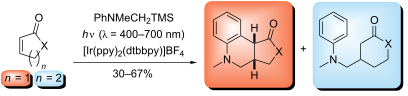
- . With 5,6-dihydro-2H-pyran-2-one (12) two major products 13 and 14 could be isolated (Scheme 3). If performed in CH2Cl2 the reaction remained incomplete after 24 hours. The substrate was recovered in 20% and products 13 and 14 were obtained in a ratio of 55/45 with the tricyclic product prevailing. A
- higher type selectivity. The domino process was suppressed and the plain addition product 22 was obtained in 75% yield (Scheme 7). The latter result suggested that the previously discussed (Scheme 3) addition reaction to 5,6-dihydro-2H-pyran-2-one (12) might also lead to a single product if performed
- -dihydro-2H-pyran-2-one (12). Ir-catalyzed addition reactions of N-methyl-N-((trimethylsilyl)methyl)aniline (5) to 2-cyclopentenone (15). Ir-catalyzed formation of tricyclic products 19 by a domino radical addition reaction to α,β-unsaturated lactams 18. Ir-catalyzed addition reactions of N-methyl-N

Graphical Abstract
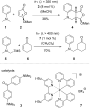
Scheme 1: PET-catalyzed addition of N,N-dimethylaniline (1) to furan-2(5H)-one 2 [38] and of N-methyl-N-((trimeth...

Scheme 2: Ir-catalyzed formation of tricyclic product 10 by a domino radical addition reaction to α,β-unsatur...

Scheme 3: Ir-catalyzed addition reactions of N-methyl-N-((trimethylsilyl)methyl)aniline (5) to 5,6-dihydro-2H...

Scheme 4: Ir-catalyzed addition reactions of N-methyl-N-((trimethylsilyl)methyl)aniline (5) to 2-cyclopenteno...

Scheme 5: Ir-catalyzed formation of tricyclic products 19 by a domino radical addition reaction to α,β-unsatu...

Scheme 6: Ir-catalyzed addition reactions of N-methyl-N-((trimethylsilyl)methyl)aniline (5) to α,β-unsaturate...

Scheme 7: Ir-catalyzed addition reactions of N-methyl-N-((trimethylsilyl)methyl)aniline (5) to α,β-unsaturate...

Scheme 8: Cyclization of putative radical A to intermediate B competes with reduction of A to form addition p...
Boron-substituted 1,3-dienes and heterodienes as key elements in multicomponent processes
- Ludovic Eberlin,
- Fabien Tripoteau,
- François Carreaux,
- Andrew Whiting and
- Bertrand Carboni
Beilstein J. Org. Chem. 2014, 10, 237–250, doi:10.3762/bjoc.10.19

- presence of Yb(fod)3 to afford 2-alkoxy-3,4-dihydro-5-vinyl-2H-pyran 33. In the presence of electron-poor dienophiles, as N-phenylmaleimide, maleic anhydride, activated azo compounds or naphthoquinone, 33 underwent normal Diels–Alder reactions thus giving the corresponding cycloadducts 34 as single

Graphical Abstract

Scheme 1: 1-Boron-substituted 1,3-diene in a tandem cycloaddition [4 + 2]/allylboration sequence.

Scheme 2: Lewis acid catalyst in the tandem cycloaddition [4 + 2]/allylboration sequence.

Scheme 3: Synthesis of an advanced precursor of clerodin.

Scheme 4: Intramolecular Diels–Alder/allylboration sequence.

Scheme 5: Diastereoselective Diels–Alder reaction with N-phenylmaleimide and 4-phenyltriazoline-3,5-dione.

Scheme 6: Asymmetric synthesis of a α-hydroxyalkylcyclohexane.

Scheme 7: Tandem [4 + 2]-cycloaddition/allylboration of 3-silyloxy- and 4-alkoxy-dienyl boronates.

Scheme 8: Metal-mediated cycloisomerization/Diels–Alder reaction/allylboration sequence.

Scheme 9: Cobalt-catalyzed Diels–Alder/allylboration sequence.

Scheme 10: A two-step reaction sequence for the synthesis of tetrahydronaphthalenes 12.

Scheme 11: Tandem sequence based on the Petasis borono–Mannich reaction as first key step.

Scheme 12: One-pot tandem dimerization/allylboration reaction of 1,3-diene-2-boronate.

Scheme 13: Tandem Diels–Alder/cross-coupling reactions of trifluoroborates 15.

Scheme 14: Diels–Alder/cross-coupling reactions of 16.

Scheme 15: Metal catalyzed tandem Diels–Alder/hydrolysis reactions.

Scheme 16: Synthesis of anti-1,5-diols 18 by triple aldehyde addition.

Scheme 17: Catalytic enantioselective three-component hetero-[4 + 2]-cycloaddition/allylboration sequence.

Scheme 18: Synthesis of natural products using the catalytic enantioselective HDA/allylboration sequence.

Scheme 19: Total synthesis of a thiomarinol derivative.

Scheme 20: Synthesis of an advanced intermediate 27 for the east fragment of palmerolide A.

Scheme 21: Bicyclic piperidines from tandem aza-[4 + 2]-cycloaddition/allylboration.

Scheme 22: Hydrogenolysis reactions of hydrazinopiperidines.

Scheme 23: Tandem aza-[4 + 2]-cycloaddition/allylboration/retrosulfinyl-ene sequence.

Scheme 24: Boronated heterodendralene 32 in [4 + 2]-cycloadditions.

Scheme 25: Synthesis of tricyclic imides derivatives.

Scheme 26: Synthesis of 37 via a HDA/allylboration/DA sequence.

Scheme 27: Diels–Alder/allylboration sequence.
Synthesis of new enantiopure poly(hydroxy)aminooxepanes as building blocks for multivalent carbohydrate mimetics
- Léa Bouché,
- Maja Kandziora and
- Hans-Ulrich Reissig
Beilstein J. Org. Chem. 2014, 10, 213–223, doi:10.3762/bjoc.10.17
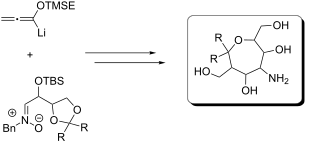
- have the drawbacks of carbohydrates such as low binding affinity or instability [4][5]. Many carbohydrates and their mimetics contain pyran rings, however, the corresponding ring-expanded compounds, oxepanes, have been investigated only in a limited number of studies. Several oxepane units can be found

Graphical Abstract

Scheme 1: General approach to enantiopure the poly(hydroxy)aminopyrans D (n = 0) and the aminooxepanes D (n =...

Scheme 2: Synthesis of (Z)-nitrone 3. Conditions: a) 1. p-Bromobenzaldehyde dimethylacetal, TFA, DMF, rt, 5 d...

Scheme 3: Synthesis of 1,2-oxazines syn-7, syn-9 and syn-10. Conditions: a) n-BuLi, THF, −40 °C, 15 min; b) 1...

Figure 1: Proposed transition structure for the addition of lithiated TMSE-allene 5 to chiral nitrones 3, 6 a...

Scheme 4: Synthesis of ketones 11, 12 and 13 with a bicyclic 1,2-oxazine skeleton by Lewis acid-induced rearr...

Scheme 5: Proposed extended chair-like conformation with Zimmerman–Traxler-type transition state.

Figure 2: GOESY–NMR spectrum (CDCl3, 500 MHz) of bicyclic 1,2-oxazine 13: irradiation of the 2-H proton. [GOE...

Scheme 6: Synthesis of triols 14, 15 and 16 by reduction of the carbonyl group and deprotection. Conditions: ...

Scheme 7: Synthesis of propargylic ether 18. Conditions: a) propargyl bromide, NaOH, TBAI, H2O/CH2Cl2, −20 °C...

Scheme 8: Synthesis of tricyclic compound 20, bicyclic azide 24 and bicyclic amine 25. Conditions: a) MsCl, Et...

Scheme 9: Hydrogenolyses of bicyclic and tricyclic 1,2-oxazines 14, 15 and 20 to aminooxepanes 26, 27 and 28....

Figure 3: Proposed structures of the observed side products 29 and 30 during the hydrogenolyses of 14 and 15.
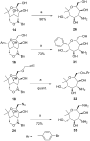
Scheme 10: Hydrogenolyses of bicyclic 1,2-oxazines to aminooxepanes 26, 31 and 32 and to diaminooxepane 33 und...
Organobase-catalyzed three-component reactions for the synthesis of 4H-2-aminopyrans, condensed pyrans and polysubstituted benzenes
- Moustafa Sherief Moustafa,
- Saleh Mohammed Al-Mousawi,
- Maghraby Ali Selim,
- Ahmed Mohamed Mosallam and
- Mohamed Hilmy Elnagdi
Beilstein J. Org. Chem. 2014, 10, 141–149, doi:10.3762/bjoc.10.11
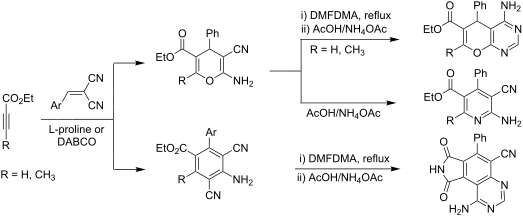
- , P.O. Box 83523, Qena, Egypt 10.3762/bjoc.10.11 Abstract Novel routes for the preparation of 2-amino-4H-pyran-3-carbonitrile 9, amino-arylbenzoic acid ester derivatives 13a,b, 2-aminotetrahydro-4H-chromene-3-carbonitrile 18, 3-amino-4-cyanotetrahydronaphthalene-2-carboxylic acid ester 26 and 4-amino
- -pyran 9 and that the yield of the process can be improved if equimolar amounts of DMADC, benzylidenemalononitrile and malononitrile are used [20]. Similar observations have been made in previous studies of these reactions using 1-methylimidazole [21]. Recently we observed that 2-amino-4H-pyran 9 can be
- generate 10 that cyclizes to form 12. Subsequent aromatization of 12 produces the benzoate derivative 13b. Alternatively, 8 could react with malononitrile to yield 11 that then serve as a precursor to 13 (Scheme 4). In support of the former mechanistic proposal, it was observed that 2-amino-4H-pyran 9

Graphical Abstract

Scheme 1: Reaction of active methylenenitriles with α,β-unsaturated ketones 1.

Scheme 2: Synthesis of 2-amino-4-phenyl-3-cyanopyridines 2.

Scheme 3: Synthesis of polysubstituted benzenes 3.

Scheme 4: Syntheses of compound 9 and compounds 13a,b.
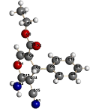
Figure 1: X-ray crystal structure of 9.

Figure 2: X-ray crystal structure of 13a.

Figure 3: X-ray crystal structure of 18.
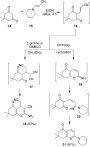
Scheme 5: Syntheses of compounds 18 and 21.
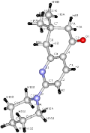
Figure 4: X-ray crystal structure of 21.

Figure 5: X-ray crystal structure of 26.
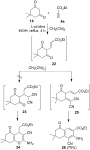
Scheme 6: Syntheses of compound 26.

Figure 6: X-ray crystal structure of 27a.

Scheme 7: Syntheses of compound 28a,b.

Figure 7: X-ray crystal structure of 28b.

Figure 8: X-ray crystal structure of 31a.

Figure 9: X-ray crystal structure of 31b.

Scheme 8: Syntheses of compound 31a,b.

Scheme 9: Syntheses of compound 33a,b.

Figure 10: X-ray crystal structure of 33a.
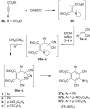
Scheme 10: Syntheses of compound 37a–c.

Figure 11: X-ray crystal structure of 37a.

Figure 12: X-ray crystal structure of 37b.

Scheme 11: Syntheses of compounds 38–40.
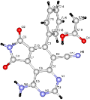
Figure 13: X-ray crystal structure of 39.
Synthesis of five- and six-membered cyclic organic peroxides: Key transformations into peroxide ring-retaining products
- Alexander O. Terent'ev,
- Dmitry A. Borisov,
- Vera A. Vil’ and
- Valery M. Dembitsky
Beilstein J. Org. Chem. 2014, 10, 34–114, doi:10.3762/bjoc.10.6

Graphical Abstract

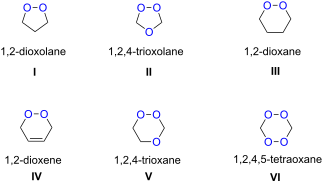
Figure 1: Five and six-membered cyclic peroxides.

Figure 2: Artemisinin and semi-synthetic derivatives.

Scheme 1: Synthesis of 3-hydroxy-1,2-dioxolanes 3a–c.

Scheme 2: Synthesis of dioxolane 6.

Scheme 3: Photooxygenation of oxazolidines 7a–d with formation of spiro-fused oxazolidine-containing dioxolan...

Scheme 4: Oxidation of cyclopropanes 10a–e and 11a–e with preparation of 1,2-dioxolanes 12a–e.

Scheme 5: VO(acac)2-catalyzed oxidation of silylated bicycloalkanols 13a–c.

Scheme 6: Mn(II)-catalyzed oxidation of cyclopropanols 15a–g.

Scheme 7: Oxidation of aminocyclopropanes 20a–c.

Scheme 8: Synthesis of aminodioxolanes 24.
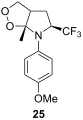
Figure 3: Trifluoromethyl-containing dioxolane 25.

Scheme 9: Synthesis of 1,2-dioxolanes 27a–e by the oxidation of cyclopropanes 26a–e.

Scheme 10: Photoinduced oxidation of methylenecyclopropanes 28.

Scheme 11: Irradiation-mediated oxidation.

Scheme 12: Application of diazene 34 for dioxolane synthesis.

Scheme 13: Mn(OAc)3-catalyzed cooxidation of arylacetylenes 37a–h and acetylacetone with atmospheric oxygen.
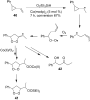
Scheme 14: Peroxidation of (2-vinylcyclopropyl)benzene (40).

Scheme 15: Peroxidation of 1,4-dienes 43a,b.

Scheme 16: Peroxidation of 1,5-dienes 46.

Scheme 17: Peroxidation of oxetanes 53a,b.

Scheme 18: Peroxidation of 1,6-diene 56.

Scheme 19: Synthesis of 3-alkoxy-1,2-dioxolanes 62a,b.

Scheme 20: Synthesis of spiro-bis(1,2-dioxolane) 66.

Scheme 21: Synthesis of dispiro-1,2-dioxolanes 68, 70, 71.

Scheme 22: Synthesis of spirohydroperoxydioxolanes 75a,b.

Scheme 23: Synthesis of spirohydroperoxydioxolane 77 and dihydroperoxydioxolane 79.

Scheme 24: Ozonolysis of azepino[4,5-b]indole 80.

Scheme 25: SnCl4-mediated fragmentation of ozonides 84a–l in the presence of allyltrimethylsilane.

Scheme 26: SnCl4-mediated fragmentation of bicyclic ozonide 84m in the presence of allyltrimethylsilane.

Scheme 27: MCl4-mediated fragmentation of alkoxyhydroperoxides 96 in the presence of allyltrimethylsilane.

Scheme 28: SnCl4-catalyzed reaction of monotriethylsilylperoxyacetal 108 with alkene 109.

Scheme 29: SnCl4-catalyzed reaction of triethylsilylperoxyacetals 111 with alkenes.

Scheme 30: Desilylation of tert-butyldimethylsilylperoxy ketones 131a,b followed by cyclization.

Scheme 31: Deprotection of peroxide 133 followed by cyclization.

Scheme 32: Asymmetric peroxidation of methyl vinyl ketones 137a–e.

Scheme 33: Et2NH-catalyzed intramolecular cyclization.

Scheme 34: Synthesis of oxodioxolanes 143a–j.

Scheme 35: Haloperoxidation accompanied by intramolecular ring closure.

Scheme 36: Oxidation of triterpenes 149a–d with Na2Cr2O7/N-hydroxysuccinimide.

Scheme 37: Curtius and Wolff rearrangements to form 1,2-dioxolane ring-retaining products.

Scheme 38: Oxidative desilylation of peroxide 124.

Scheme 39: Synthesis of dioxolane 158, a compound containing the aminoquinoline antimalarial pharmacophore.

Scheme 40: Diastereomers of plakinic acid A, 162a and 162b.

Scheme 41: Ozonolysis of alkenes.

Scheme 42: Cross-ozonolysis of alkenes 166 with carbonyl compounds.

Scheme 43: Ozonolysis of the bicyclic cyclohexenone 168.

Scheme 44: Cross-ozonolysis of enol ethers 172a,b with cyclohexanone.

Scheme 45: Griesbaum co-ozonolysis.

Scheme 46: Reactions of aryloxiranes 177a,b with oxygen.

Scheme 47: Intramolecular formation of 1,2,4-trioxolane 180.

Scheme 48: Formation of 1,2,4-trioxolane 180 by the reaction of 1,5-ketoacetal 181 with H2O2.

Scheme 49: 1,2,4-Trioxolane 186 with tetrazole fragment.

Scheme 50: 1,2,4-Trioxolane 188 with a pyridine fragment.

Scheme 51: 1,2,4-Trioxolane 189 with pyrimidine fragment.

Scheme 52: Synthesis of aminoquinoline-containing 1,2,4-trioxalane 191.

Scheme 53: Synthesis of arterolane.

Scheme 54: Oxidation of diarylheptadienes 197a–c with singlet oxygen.

Scheme 55: Synthesis of hexacyclinol peroxide 200.

Scheme 56: Oxidation of enone 201 and enenitrile 203 with singlet oxygen.

Scheme 57: Synthesis of 1,2-dioxanes 207 by oxidative coupling of carbonyl compounds 206 and alkenes 205.

Scheme 58: 1,2-Dioxanes 209 synthesis by co-oxidation of 1,5-dienes 208 and thiols.

Scheme 59: Synthesis of bicyclic 1,2-dioxanes 212 with aryl substituents.

Scheme 60: Isayama–Mukaiyama peroxysilylation of 1,5-dienes 213 followed by desilylation under acidic conditio...

Scheme 61: Synthesis of bicycle 218 with an 1,2-dioxane ring.

Scheme 62: Intramolecular cyclization with an oxirane-ring opening.

Scheme 63: Inramolecular cyclization with the oxetane-ring opening.

Scheme 64: Intramolecular cyclization with the attack on a keto group.

Scheme 65: Peroxidation of the carbonyl group in unsaturated ketones 228 followed by cyclization of hydroperox...

Scheme 66: CsOH and Et2NH-catalyzed cyclization.

Scheme 67: Preparation of peroxyplakoric acid methyl ethers A and D.

Scheme 68: Hg(OAc)2 in 1,2-dioxane synthesis.

Scheme 69: Reaction of 1,4-diketones 242 with hydrogen peroxide.

Scheme 70: Inramolecular cyclization with oxetane-ring opening.

Scheme 71: Inramolecular cyclization with MsO fragment substitution.

Scheme 72: Synthesis of 1,2-dioxane 255a, a structurally similar compound to natural peroxyplakoric acids.

Scheme 73: Synthesis of 1,2-dioxanes based on the intramolecular cyclization of hydroperoxides containing C=C ...
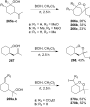
Scheme 74: Use of BCIH in the intramolecular cyclization.

Scheme 75: Palladium-catalyzed cyclization of δ-unsaturated hydroperoxides 271a–e.

Scheme 76: Intramolecular cyclization of unsaturated peroxyacetals 273a–d.

Scheme 77: Allyltrimethylsilane in the synthesis of 1,2-dioxanes 276a–d.

Scheme 78: Intramolecular cyclization using the electrophilic center of the peroxycarbenium ion 279.

Scheme 79: Synthesis of bicyclic 1,2-dioxanes.

Scheme 80: Preparation of 1,2-dioxane 286.

Scheme 81: Di(tert-butyl)peroxalate-initiated radical cyclization of unsaturated hydroperoxide 287.

Scheme 82: Oxidation of 1,4-betaines 291a–d.

Scheme 83: Synthesis of aminoquinoline-containing 1,2-dioxane 294.

Scheme 84: Synthesis of the sulfonyl-containing 1,2-dioxane.

Scheme 85: Synthesis of the amido-containing 1,2-dioxane 301.

Scheme 86: Reaction of singlet oxygen with the 1,3-diene system 302.

Scheme 87: Synthesis of (+)-premnalane А and 8-epi-premnalane A.

Scheme 88: Synthesis of the diazo group containing 1,2-dioxenes 309a–e.

Figure 4: Plakortolide Е.

Scheme 89: Synthesis of 6-epiplakortolide Е.

Scheme 90: Application of Bu3SnH for the preparation of tetrahydrofuran-containing bicyclic peroxides 318a,b.

Scheme 91: Application of Bu3SnH for the preparation of lactone-containing bicyclic peroxides 320a–f.

Scheme 92: Dihydroxylation of the double bond in the 1,2-dioxene ring 321 with OsO4.

Scheme 93: Epoxidation of 1,2-dioxenes 324.

Scheme 94: Cyclopropanation of the double bond in endoperoxides 327.

Scheme 95: Preparation of pyridazine-containing bicyclic endoperoxides 334a–c.

Scheme 96: Synthesis of 1,2,4-trioxanes 337 by the hydroperoxidation of unsaturated alcohols 335 with 1O2 and ...

Scheme 97: Synthesis of sulfur-containing 1,2,4-trioxanes 339.

Scheme 98: BF3·Et2O-catalyzed synthesis of the 1,2,4-trioxanes 342a–g.

Scheme 99: Photooxidation of enol ethers or vinyl sulfides 343.

Scheme 100: Synthesis of tricyclic peroxide 346.

Scheme 101: Reaction of endoperoxides 348a,b derived from cyclohexadienes 347a,b with 1,4-cyclohexanedione.

Scheme 102: [4 + 2]-Cycloaddition of singlet oxygen to 2Н-pyrans 350.

Scheme 103: Synthesis of 1,2,4-trioxanes 354 using peroxysilylation stage.

Scheme 104: Epoxide-ring opening in 355 with H2O2 followed by the condensation of hydroxy hydroperoxides 356 wi...

Scheme 105: Peroxidation of unsaturated ketones 358 with the H2O2/CF3COOH/H2SO4 system.

Scheme 106: Synthesis of 1,2,4-trioxanes 362 through Et2NH-catalyzed intramolecular cyclization.

Scheme 107: Reduction of the double bond in tricyclic peroxides 363.

Scheme 108: Horner–Wadsworth–Emmons reaction in the presence of peroxide group.

Scheme 109: Reduction of ester group by LiBH4 in the presence of 1,2,4-trioxane moiety.

Scheme 110: Reductive amination of keto-containing 1,2,4-trioxane 370.

Scheme 111: Reductive amination of keto-containing 1,2,4-trioxane and a Fe-containing moiety.

Scheme 112: Acid-catalyzed reactions of Н2О2 with ketones and aldehydes 374.
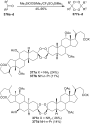
Scheme 113: Cyclocondensation of carbonyl compounds 376a–d using Me3SiOOSiMe3/CF3SO3SiMe3.

Scheme 114: Peroxidation of 4-methylcyclohexanone (378).

Scheme 115: Synthesis of symmetrical tetraoxanes 382a,b from aldehydes 381a,b.

Scheme 116: Synthesis of unsymmetrical tetraoxanes using of MeReO3.

Scheme 117: Synthesis of symmetrical tetraoxanes using of MeReO3.

Scheme 118: Synthesis of symmetrical tetraoxanes using of MeReO3.

Scheme 119: MeReO3 in the synthesis of symmetrical tetraoxanes with the use of aldehydes.

Scheme 120: Preparation of unsymmmetrical 1,2,4,5-tetraoxanes with high antimalarial activity.

Scheme 121: Re2O7-Catalyzed synthesis of tetraoxanes 398.

Scheme 122: H2SO4-Catalyzed synthesis of steroidal tetraoxanes 401.

Scheme 123: HBF4-Catalyzed condensation of bishydroperoxide 402 with 1,4-cyclohexanedione.

Scheme 124: BF3·Et2O-Catalyzed reaction of gem-bishydroperoxides 404 with enol ethers 405 and acetals 406.

Scheme 125: HBF4-Catalyzed cyclocondensation of bishydroperoxide 410 with ketones.

Scheme 126: Synthesis of symmetrical and unsymmetrical tetraoxanes 413 from benzaldehydes 412.
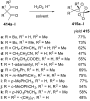
Scheme 127: Synthesis of bridged 1,2,4,5-tetraoxanes 415a–l from β-diketones 414a–l and H2O2.

Scheme 128: Dimerization of zwitterions 417.

Scheme 129: Ozonolysis of verbenone 419.

Scheme 130: Ozonolysis of O-methyl oxime 424.

Scheme 131: Peroxidation of 1,1,1-trifluorododecan-2-one 426 with oxone.

Scheme 132: Intramolecular cyclization of dialdehyde 428 with H2O2.

Scheme 133: Tetraoxanes 433–435 as by-products in peroxidation of ketals 430–432.

Scheme 134: Transformation of triperoxide 436 in diperoxide 437.

Scheme 135: Preparation and structural modifications of tetraoxanes.

Scheme 136: Structural modifications of steroidal tetraoxanes.

Scheme 137: Synthesis of 1,2,4,5-tetraoxane 454 containing the fluorescent moiety.

Scheme 138: Synthesis of tetraoxane 458 (RKA182).
Direct alkenylation of indolin-2-ones by 6-aryl-4-methylthio-2H-pyran-2-one-3-carbonitriles: a novel approach
- Sandeep Kumar,
- Ramendra Pratap,
- Abhinav Kumar,
- Brijesh Kumar,
- Vishnu K. Tandon and
- Vishnu Ji Ram
Beilstein J. Org. Chem. 2013, 9, 809–817, doi:10.3762/bjoc.9.92
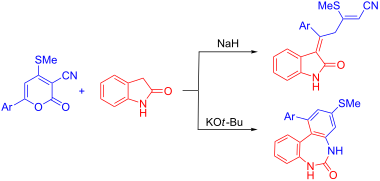
- , Lucknow-226001, India 10.3762/bjoc.9.92 Abstract A direct one-pot base-induced alkenylation of indolin-2-ones has been developed by using 6-aryl-4-methylthio-2H-pyran-2-one-3-carbonitriles. Different bases such as MeONa, NaH and t-BuONa have been used to optimize the reaction conditions to obtain the
- ; 2H-pyran-2-one; Introduction 6-Aryl-4-methylthio-2H-pyran-2-one-3-carbonitriles have emerged as versatile synthons for the construction of an array of arenes and heteroarenes through base-induced ring transformation by nitrogen, sulfur and carbon nucleophiles [1]. However, suitably functionalized 2H
- -pyran-2-ones have not been investigated for the alkenylation of indolin-2-ones. An extensive literature survey on the pharmacological properties of 3-alkenylindolin-2-ones revealed that they possess potent antitumor [2][3][4][5], antipyretic [6], antifungal [7][8], anti-inflammatory [9], and analgesic

Graphical Abstract

Scheme 1: Syntheses of 6-aryl-4-methylthio-2H-pyran-2-one-3-carbonitriles 3.

Figure 1: ORTEP view with atom numbering scheme of compound 5 with displacement ellipsoids at the 30% probabi...
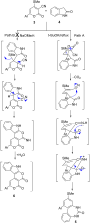
Scheme 2: A plausible mechanism for the formation of 1-aryl-3-methylthio-5H-dibenzo[d,f][1,3]diazepin-6(7H)-o...

Scheme 3: Synthesis of 3-alkenylindolin-2-ones.

Figure 2: ORTEP view with atom numbering scheme of compound 8yc with displacement ellipsoids at the 30% proba...

Scheme 4: Synthesis of 1-aryl-3-sec-amino-5H-dibenzo[d,f][1,3]diazepin-6(7H)-ones 10.

Figure 3: Centrosymmetric dimer of 8yc bound by a pair of weak C−H…π intermolecular interactions (symm. op. 2...

Figure 4: Supramolecular chain of 8yc bound by weak C−H…O intermolecular interactions (symm. op. x,1 + y, z).

Figure 5: Supramolecular chain of 8yc bound by weak C−H…O and Ar-H…π intermolecular interactions (symm. op. 2...
Stereoselective synthesis of trans-fused iridoid lactones and their identification in the parasitoid wasp Alloxysta victrix, Part I: Dihydronepetalactones
- Nicole Zimmermann,
- Robert Hilgraf,
- Lutz Lehmann,
- Daniel Ibarra and
- Wittko Francke
Beilstein J. Org. Chem. 2012, 8, 1246–1255, doi:10.3762/bjoc.8.140
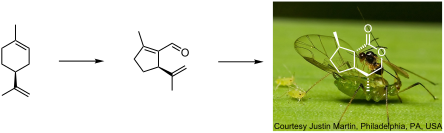
- . Grant et al., found the trans-fused (1R,4aS,7R,7aR)-1-methoxy-4,7-dimethyl-1,4a,5,6,7,7a)-hexahydrocyclopenta[c]pyran, called (1R)-1-methoxymyodesert-3-ene, among the volatiles of the Ellangowan poison bush, which they transformed to the corresponding lactone a' [24]. Apart from this compound and very

Graphical Abstract

Figure 1: Terpenoids 1–5 present in Alloxysta victrix and cis-fused bicyclic iridoids known from other insect...

Figure 2: 70 eV EI-mass spectrum of the iridoid X, a component of the volatile secretions of the parasitoid w...

Figure 3: Structures and gas chromatographic retention times of trans-fused dihydronepetalactones on a conven...

Scheme 1: Route from (S)-pulegone to the mixture of dihydronepetalactones a and b, consequently following Wol...

Figure 4: Configuration of the dihydronepetalactone a.

Figure 5: Route to stereochemically pure trans-fused dihydronepetalactones a–d from (R)-limonene.

Scheme 2: Synthesis of the key compound 16. Reaction conditions: a) O3, MeOH, −50 °C (86%); b) AcOH, piperidi...

Scheme 3: Synthesis of trans,trans-substituted dihydronepetalactone b. Reaction conditions: a) TBDMSCl, imida...

Figure 6: Configurations of compound 24 and the dihydronepetalactone b.

Scheme 4: Synthesis of cis,trans-substituted dihydronepetalactone c. Reaction conditions: a) Crabtree's catal...

Figure 7: Configurations of compound 26 and the dihydronepetalactone c.

Scheme 5: Synthesis of a 2:3 mixture of dihydronepetalactones c and d. Reaction conditions: a) (COCl)2, DMSO,...

Scheme 6: Formal synthesis of a mixture of dihydronepetalactones a and b from (R)-limonene.
Sonogashira–Hagihara reactions of halogenated glycals
- Dennis C. Koester and
- Daniel B. Werz
Beilstein J. Org. Chem. 2012, 8, 675–682, doi:10.3762/bjoc.8.75
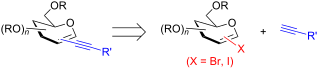
- glycals using several aromatic and aliphatic alkynes. This Pd-catalyzed cross-coupling reaction presents a facile access to alkynyl C-glycosides and sets the stage for a reductive/oxidative refunctionalization of the enyne moiety to regenerate either C-glycosidic structures or pyran derivatives with a
- also the sterically encumbered TIPS groups render the reduction of the olefinic moiety much more difficult. In contrast to the other enynes the carbohydrate derivative 11a was fully reduced in a diastereoselective manner and in excellent yield to the pyran 14d by employing Pearlman’s catalyst (rt

Graphical Abstract

Scheme 1: Different strategies to access C-glycosides starting from 1-substituted glycals.

Scheme 2: Sonogashira–Hagihara reaction of 1-iodo-2-chloroglucal 12 with phenylacetylene (8a) to afford 13.
Carbohydrate-auxiliary assisted preparation of enantiopure 1,2-oxazine derivatives and aminopolyols
- Marcin Jasiński,
- Dieter Lentz and
- Hans-Ulrich Reissig
Beilstein J. Org. Chem. 2012, 8, 662–674, doi:10.3762/bjoc.8.74
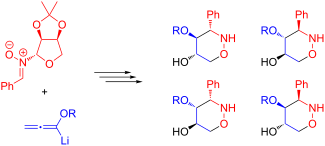
- [58], and pyran derivatives [59]. Gratifyingly, the treatment of tetrahydro-2H-1,2-oxazine derivatives 12 and 13 with an excess of SmI2 in tetrahydrofuran smoothly provided the expected amino alcohols 16 and 17 in excellent yields (Scheme 5). In order to compare the behaviour of a compound still

Graphical Abstract

Scheme 1: Reactivity of N-glycosyl nitrones 1 towards dipolarophiles and nucleophiles leading to products of ...

Scheme 2: Additions of lithiated alkoxyallenes to L-erythrose-derived nitrone 1a leading to 3,6-dihydro-2H-1,...

Figure 1: By-products 4 and 5 isolated from the reaction of nitrone 1a with lithiated methoxyallene.
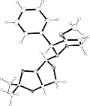
Figure 2: Single-crystal X-ray analysis of (3R)-3a (ellipsoids are drawn at a 50% probability level).

Figure 3: Model proposed for the addition of lithiated allenes to nitrone 1a.

Scheme 3: Speculative mechanistic suggestion for the formation of tetrasubstituted pyrrole derivative 5.

Scheme 4: Introduction of a 5-hydroxy group into 1,2-oxazine derivatives 3 by a hydroboration/oxidation proto...

Scheme 5: Samarium diiodide-induced ring opening of tetrahydro-2H-1,2-oxazine derivatives 12 and 13.

Scheme 6: Reaction of tetrahydro-2H-1,2-oxazine 18 with samarium diiodide. (a) NaH (1.4 equiv), BnBr (1.2 equ...

Scheme 7: Attempted synthesis of pyrrolidine derivatives from precursor 13. (a) TMSCl (1.5 equiv), imidazole,...

Scheme 8: Synthesis of TBS-protected tetrahydro-2H-1,2-oxazine 27 and its transformation into pyrrolidine der...
A concise synthesis of 3-(1-alkenyl)isoindolin-1-ones and 5-(1-alkenyl)pyrrol-2-ones by the intermolecular coupling reactions of N-acyliminium ions with unactivated olefins
- Nianhong Lu,
- Lihong Wang,
- Zhanshan Li and
- Wei Zhang
Beilstein J. Org. Chem. 2012, 8, 192–200, doi:10.3762/bjoc.8.21

- −1, 2θmax = 51°, 9126 reflections measured, 3995 unique (Rint = 0.0696), which were used in all calculations. The final wR(F2) was 0.1427 (for all data), R1 = 0.0764. CCDC file No. 835330. 3-(3,4-Dihydro-2H-pyran-5-yl)-2-methylisoindolin-1-one (3k): Colorless solid, mp 94–97 °C; 1H NMR (400 MHz

Graphical Abstract

Scheme 1: Reaction of 3-hydroxyisoindol-1-one with styrene.

Scheme 2: Reaction of 5-hydroxypyrrol-1-one with styrene.

Scheme 3: Reactions of 5-hydroxyisoindol-1-ones with olefins in the presence of BF3·OEt2.

Figure 1: X-Ray structure (ORTEP drawing) of 3h.

Scheme 4: Reactions of 5-hydroxypyrrol-1-ones with olefins in the presence of BF3·OEt2.
Efficient, highly diastereoselective MS 4 Å-promoted one-pot, three-component synthesis of 2,6-disubstituted-4-tosyloxytetrahydropyrans via Prins cyclization
- Naseem Ahmed and
- Naveen Kumar Konduru
Beilstein J. Org. Chem. 2012, 8, 177–185, doi:10.3762/bjoc.8.19
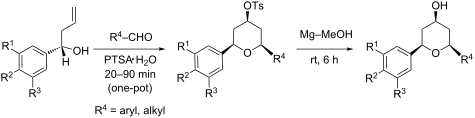
- and H4a are antiperiplanar to H1, H3 and H5. All these findings confirm that the pyran ring takes a chair conformation, where the substituents at C1, C3 and C5 are present in equatorial position. The tosyl group at C4 got easily deprotected at room temperature with Mg–MeOH (Scheme 3) [42] to afford

Graphical Abstract

Figure 1: Tetrahydropyran ring containing natural products.

Scheme 1: Plausible side products mechanism.

Scheme 2: Plausible reaction mechanism via Prins cyclization.

Figure 2: Schematic NOE diagram of compound 3b.

Scheme 3: Deprotection of the hydroxy group.
Multicomponent reaction access to complex quinolines via oxidation of the Povarov adducts
- Esther Vicente-García,
- Rosario Ramón,
- Sara Preciado and
- Rodolfo Lavilla
Beilstein J. Org. Chem. 2011, 7, 980–987, doi:10.3762/bjoc.7.110
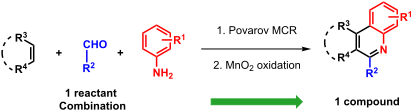
- quinolines 21 in high yields, and the elimination product 22 was not detected. The processes were slower (5–8 h) than those involving the pyran-fused substrates 17,17' (Scheme 3). Interestingly, although DDQ is also capable of promoting these transformations, it is not as selective as Wako MnO2, and apart

Graphical Abstract

Scheme 1: Povarov oxidation access to substituted quinolines.

Scheme 2: Tetrahydroquinoline oxidation.

Scheme 3: Synthesis of the Povarov adducts and their oxidation products.

Figure 1: Optimization of the reaction conditions for the preparation of quinoline 18.

Scheme 4: Oxidation of lactam-fused tetrahydroquinolines 20,20'.
Homoallylic amines by reductive inter- and intramolecular coupling of allenes and nitriles
- Peter Wipf and
- Marija D. Manojlovic
Beilstein J. Org. Chem. 2011, 7, 824–830, doi:10.3762/bjoc.7.94
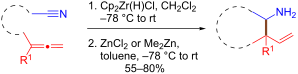
- temperature improved the reaction workup and provided compound 23 in 60% yield. In order to determine the relative configuration of pyran 21, the amine was protected as the t-butyl carbamate (Supporting Information File 1). Signals for both hydrogen atoms Hb and Hc were doublets of doublets with one large and

Graphical Abstract

Scheme 1: One-pot hydrozirconation-reductive coupling of allene 2 and nitrile 7.

Scheme 2: Cyclization of allenylnitrile 18.

Figure 1: Coupling constant analysis of the Boc-protected aminopyran ring in 21.

Scheme 3: Proposed chelated transition state model.

Scheme 4: Conversion of homoallylic amines to β-amino acid derivatives.
The preparation of 3-substituted-1,5-dibromopentanes as precursors to heteracyclohexanes
- Bryan Ringstrand,
- Martin Oltmanns,
- Jeffrey A. Batt,
- Aleksandra Jankowiak,
- Richard P. Denicola and
- Piotr Kaszynski
Beilstein J. Org. Chem. 2011, 7, 386–393, doi:10.3762/bjoc.7.49
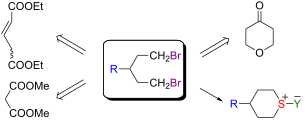
- malonate diesters, while tetrahydropyrans 3c and 3d were obtained from tetrahydro-4H-pyran-4-one. The advantages and disadvantages of each route are discussed. Dibromides 1c and 1d were used to prepare sulfonium zwitterions 11c and 11d. Keywords: 1,5-dibromopentanes; heterocycles; methodology; synthesis
- addition of a Grignard reagent to tetrahydro-4H-pyran-4-one, elimination of water, and hydrogenation of the olefin (Method 2A). Typical yields for Method 2A range from 20–30% [39][40]. The second route is the Wittig olefination of tetrahydro-4H-pyran-4-one followed by hydrogenation (Method 2B). Yields for
- the Wittig olefination of tetrahydro-4H-pyran-4-one range from 35–75% [41][42][43]. The third route (Method 2C) begins from tetrahydropyran-4-carboxylic acid: The acid chloride is reacted with a Grignard reagent, and the resulting ketone reduced under Wolff–Kischner conditions. Typical yields for this

Graphical Abstract

Figure 1: Methods for synthesis of dibromides I and their use for preparation of 6-membered heterocycles.

Scheme 1: General methods for preparation of diols VII.

Scheme 2: General methods for preparation of tetrahydropyrans VIII.

Figure 2: Structures of 1,5-dibromomopentanes 1a–1d.

Scheme 3: Preparation of dibromides 1.

Scheme 4: Preparation of diol 2a.

Scheme 5: Preparation of diol 2b.

Scheme 6: Preparation of tetrahydropyrans 3a–3c.

Scheme 7: Preparation of tetrahydropyran 3d.

Scheme 8: Preparation of methylenetetrahydropyrans 6.

Scheme 9: Preparation of bromides 8 and 10.
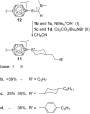
Scheme 10: Preparation of sulfonium derivatives 11.
The catalytic performance of Ru–NHC alkylidene complexes: PCy3 versus pyridine as the dissociating ligand
- Stefan Krehl,
- Diana Geißler,
- Sylvia Hauke,
- Oliver Kunz,
- Lucia Staude and
- Bernd Schmidt
Beilstein J. Org. Chem. 2010, 6, 1188–1198, doi:10.3762/bjoc.6.136
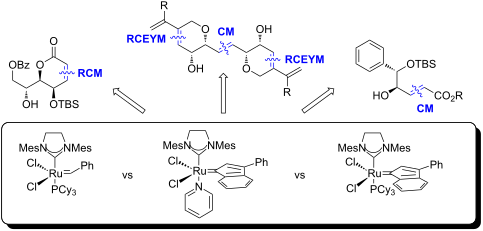
- , found 174.0689; Anal. calcd for C11H10O2: C, 75.8, H, 5.8; found: C, 75.6, H, 5.8. Procedure for the synthesis of (R)-2-((2R,3R)-3-(tert-butyldimethylsilyloxy)-6-oxo-3,6-dihydro-2H-pyran-2-yl)-2-hydroxyethyl benzoate (4g): The acrylate 3g (330 mg, 0.78 mmol) and phenol (37 mg, 0.39 mmol) were dissolved
- '-(ethene-1,2-diyl)bis(5-(prop-1-en-2-yl)-3,6-dihydro-2H-pyran-3-ol (7b): [α]D25: –390.0 (c 0.13, CH2Cl2); 1H NMR (300 MHz, CDCl) δ 6.05 (d, J = 5.4, 2H); 5.96 (d, J = 1.7, 2H); 4.93 (s, 1H); 4.83 (s, 2H); 4.49 (d, J = 15.6, 2H); 4.25 (d, J = 15.5, 2H); 4.04 (s, 2H); 3.99 (d, J = 5.5, 1H); 3.32 (s, 2H

Graphical Abstract

Figure 1: Ru-based metathesis catalysts.

Scheme 1: RCM of an allyl ether catalyzed by catalyst H.

Figure 2: Solvent screening for the RCM of 1 catalyzed by H (standardized conditions as denoted in Scheme 1).

Figure 3: Comparison of catalysts D, E and H in toluene and acetic acid (standardized conditions as denoted i...

Figure 4: Conversion vs catalyst loading for the RCM of 1 in acetic acid (standardized conditions as denoted ...

Scheme 2: Catalyst screening for RCM of acrylate 3a.

Figure 5: Acrylates 3 and their RCM products 4.

Scheme 3: Ring closing enyne metathesis reactions.

Scheme 4: Cross metathesis reactions with allylic alcohol 8.
Addition of lithiated enol ethers to nitrones and subsequent Lewis acid induced cyclizations to enantiopure 3,6-dihydro-2H-pyrans – an approach to carbohydrate mimetics
- Fabian Pfrengle and
- Hans-Ulrich Reissig
Beilstein J. Org. Chem. 2010, 6, No. 75, doi:10.3762/bjoc.6.75
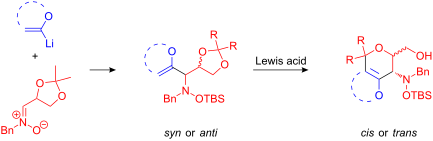
- to a tricarboxylic acid core. Keywords: aminopyrans; carbohydrate mimetics; Lewis acids; lithiated enol ethers; nitrones; oxidative cleavage; stereodivergent synthesis; Introduction The pyran structural motif can be found in numerous bioactive natural products. Possible strategies towards their
- stabilized carbenium ion 6 (Scheme 3). Subsequent attack of the oxocarbenium ion on the enol ether moiety leads to ring closure affording the cationic pyran intermediate 7. Subsequent proton transfer to the (moderately basic) hydroxylamine nitrogen re-establishes the enol ether moiety. During aqueous work-up
- 10). Sodium azide presumably acts as base to initiate the reaction by deprotonation of the hydroxylamine moiety. A hydride shift from the benzylic position to the 3-position of the pyran ring produces the nitrone moiety of 21 and simultaneously displaces the axially positioned bromo substituent by an

Graphical Abstract

Scheme 1: Synthesis of 3,6-dihydro-2H-pyrans D.

Scheme 2: Addition of lithiated enol ether 1a to nitrone 2c/Et2AlCl.

Scheme 3: Mechanistic proposal for the transformation of syn-4a into cis-5a in the presence of TMSOTf.

Scheme 4: Unsuccessful attempt to cyclize hydroxylamine derivative syn-4f.

Scheme 5: Functionalizations of the enol ether moiety of cis-5a leading to compounds 8–11.

Scheme 6: Transformations of the enol ether moiety of trans-5a leading to products 13–15.

Scheme 7: Bromination of bicyclic dihydropyran trans-5b affording 16.

Scheme 8: Synthesis of epoxypyran 18 by bromination of cis-5d.

Scheme 9: Oxidative cleavage of dihydropyran 19 to lactone 20.

Scheme 10: Transformation of α-bromoketone 15 into nitrone 21 by an internal redox reaction.

Scheme 11: Transformation of α-bromoketone 11 into nitrone 21.

Scheme 12: Synthesis of diastereomeric aminopyrans 24 and 26.

Scheme 13: Synthesis of diastereomeric aminopyrans 28 and 30.

Scheme 14: Synthesis of triamides 31 and 32.
Prins fluorination cyclisations: Preparation of 4-fluoro-pyran and -piperidine heterocycles
- Guillaume G. Launay,
- Alexandra M. Z. Slawin and
- David O'Hagan
Beilstein J. Org. Chem. 2010, 6, No. 41, doi:10.3762/bjoc.6.41
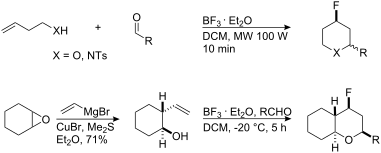
- noted separately by Jaber et al. [12] and subsequently by Kataoka et al. [13]. For example, homoallylic alcohol 1 was converted to pyran 2 with a high diastereoselectivity (Scheme 1) [12]. Most recently, oxa-, aza- and thia-Prins fluorination cyclisations have been carried out using ionic liquid
- the Prins fluorination products, pyran 5m was subjected to hydrogenolysis [23] as illustrated in Scheme 2. This resulted in the efficient conversion to the corresponding open chain compound 3-fluoro-5-phenylpentyl acetate (7). The structural diversity of the Prins fluorination reaction was extended

Graphical Abstract

Scheme 1: The C–F bond forming Prins reaction leading to 4-fluoropyrans [10].

Figure 1: X-ray crystal structure of syn-5a.

Scheme 2: Ring opening hydrogenation of an oxa-Prins product.

Figure 2: X-ray crystal structure of the major bicyclic tetrahydropyran diastereoisomer 9b.

Scheme 3: Reaction using (E)-11a and (Z)-11b hex-3-en-1-ols with 4-nitrobenzaldehyde to generate 4-fluorotetr...
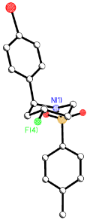
Figure 3: X-ray crystal structure of the minor anti-piperidine product 14d.
Molecular recognition of organic ammonium ions in solution using synthetic receptors
- Andreas Späth and
- Burkhard König
Beilstein J. Org. Chem. 2010, 6, No. 32, doi:10.3762/bjoc.6.32
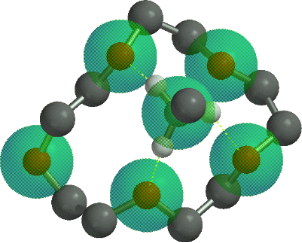

Graphical Abstract

Figure 1: Biologically important amines and quaternary ammonium salts: histamine (1), dopamine (2) and acetyl...

Figure 2: Crown ether 18-crown-6.

Figure 3: Conformations of 18-crown-6 (4) in solvents of different polarity.

Figure 4: Binding topologies of the ammonium ion depending on the crown ring size.
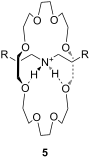
Figure 5: A “pseudorotaxane” structure consisting of 24-crown-8 and a secondary ammonium ion (5); R = Ph.

Figure 6: Typical examples of azacrown ethers, cryptands and related aza macrocycles.

Figure 7: Binding of ammonium to azacrown ethers and cryptands [111-113].

Figure 8: A 19-crown-6-ether with decalino blocking groups (11) and a thiazole-dibenzo-18-crown-6-ether (12).

Figure 9: 1,3-Bis(6-oxopyridazin-1-yl)propane derivatives 13 and 14 by Campayo et al.

Figure 10: Fluorescent azacrown-PET-sensors based on coumarin.

Figure 11: Two different pyridino-cryptands (17 and 18) compared to a pyridino-crown (19); chiral ammonium ion...

Figure 12: Pyridino-18-crown-6 ligand (21), a similar acridino-18-crown-6 ligand (22) and a structurally relat...

Figure 13: Ciral pyridine-azacrown ether receptors 24.

Figure 14: Chiral 15-crown-5 receptors 26 and an analogue 18-crown-6 ligand 27 derived from amino alcohols.

Figure 15: C2-symmetric chiral 18-crown-6 amino alcohol derivatives 28 and related macrocycles.

Figure 16: Macrocycles with diamide-diester groups (30).

Figure 17: C2-symmetric chiral aza-18-crown-6 ethers (31) with phenethylamine residues.

Figure 18: Chiral C-pivot p-methoxy-phenoxy-lariat ethers.

Figure 19: Chiral lariat crown ether 34.

Figure 20: Sucrose-based chiral crown ether receptors 36.
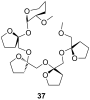
Figure 21: Permethylated fructooligosaccharide 37 showing induced-fit chiral recognition.

Figure 22: Biphenanthryl-18-crown-6 derivative 38.

Figure 23: Chiral lariat crown ethers derived from binol by Fuji et al.

Figure 24: Chiral phenolic crown ether 41 with “aryl chiral barriers” and guest amines.
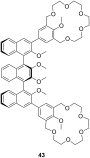
Figure 25: Chiral bis-crown receptor 43 with a meso-ternaphthalene backbone.

Figure 26: Chromogenic pH-dependent bis-crown chemosensor 44 for diamines.

Figure 27: Triamine guests for binding to receptor 44.

Figure 28: Chiral bis-crown phenolphthalein chemosensors 46.

Figure 29: Crown ether amino acid 47.

Figure 30: Luminescent receptor 48 for bis-alkylammonium guests.

Figure 31: Luminescent CEAA (49a), a bis-CEAA receptor for amino acids (49b) and the structure of lysine bindi...

Figure 32: Luminescent CEAA tripeptide for binding small peptides.

Figure 33: Bis crown ether 51a self assembles co-operatively with C60-ammonium ion 51b.

Figure 34: Triptycene-based macrotricyclic dibenzo-[24]-crown-8 ether host 52 and guests.

Figure 35: Copper imido diacetic acid azacrown receptor 53a and the suggested His-Lys binding motif; a copper ...

Figure 36: Urea (54) and thiourea (55) benzo crown receptor for transport and extraction of amino acids.

Figure 37: Crown pyryliums ion receptors 56 for amino acids.

Figure 38: Ditopic sulfonamide bridged crown ether receptor 57.

Figure 39: Luminescent peptide receptor 58.

Figure 40: Luminescent receptor 59 for the detection of D-glucosamine hydrochloride in water/ethanol and lumin...

Figure 41: Guanidinium azacrown receptor 61 for simple amino acids and ditopic receptor 62 with crown ether an...

Figure 42: Chiral bicyclic guanidinium azacrown receptor 63 and similar receptor 64 for the enantioselective t...

Figure 43: Receptors for zwitterionic species based on luminescent CEAAs.

Figure 44: 1,10-Azacrown ethers with sugar podand arms and the anticancer agent busulfan.

Figure 45: Benzo-18-crown-6 modified β-cyclodextrin 69 and β-cyclodextrin functionalized with diaza-18-crown-6...

Figure 46: Receptors for colorimetric detection of primary and secondary ammonium ions.

Figure 47: Porphyrine-crown-receptors 72.

Figure 48: Porphyrin-crown ether conjugate 73 and fullerene-ammonium ion guest 74.

Figure 49: Calix[4]arene (75a), homooxocalix[4]arene (75b) and resorcin[4]arene (75c) compared (R = H, alkyl c...

Figure 50: Calix[4]arene and ammonium ion guest (R = H, alkyl, OAcyl etc.), possible binding sites; A: co-ordi...

Figure 51: Typical guests for studies with calixarenes and related molecules.
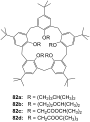
Figure 52: Lower rim modified p-tert-butylcalix[5]arenes 82.

Figure 53: The first example of a water soluble calixarene.

Figure 54: Sulfonated water soluble calix[n]arenes that bind ammonium ions.
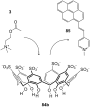
Figure 55: Displacement assay for acetylcholine (3) with a sulfonato-calix[6]arene (84b).

Figure 56: Amino acid inclusion in p-sulfonatocalix[4]arene (84a).

Figure 57: Calixarene receptor family 86 with upper and lower rim functionalization.

Figure 58: Calix[6]arenes 87 with one carboxylic acid functionality.
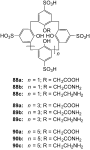
Figure 59: Sulfonated calix[n]arenes with mono-substitution at the lower rim systematically studied on their r...

Figure 60: Cyclotetrachromotropylene host (91) and its binding to lysine (81c).

Figure 61: Calixarenes 92 and 93 with phosphonic acids groups.

Figure 62: Calix[4]arene tetraphosphonic acid (94a) and a double bridged analogue (94b).
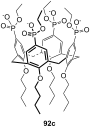
Figure 63: Calix[4]arene tetraphosphonic acid ester (92c) for surface recognition experiments.

Figure 64: Calixarene receptors 95 with α-aminophosphonate groups.

Figure 65: A bridged homocalix[3]arene 95 and a distally bridged homocalix[4]crown 96.

Figure 66: Homocalix[3]arene ammonium ion receptor 97a and the Reichardt’s dye (97b) for colorimetric assays.

Figure 67: Chromogenic diazo-bridged calix[4]arene 98.

Figure 68: Calixarene receptor 99 by Huang et al.
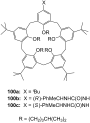
Figure 69: Calixarenes 100 reported by Parisi et al.

Figure 70: Guest molecules for inclusion in calixarenes 100: DAP × 2 HCl (101a), APA (101b) and Lys-OMe × 2 HC...

Figure 71: Different N-linked peptido-calixarenes open and with glycol chain bridges.

Figure 72: (S)-1,1′-Bi-2-naphthol calixarene derivative 104 published by Kubo et al.

Figure 73: A chiral ammonium-ion receptor 105 based on the calix[4]arene skeleton.

Figure 74: R-/S-phenylalaninol functionalized calix[6]arenes 106a and 106b.

Figure 75: Capped homocalix[3]arene ammonium ion receptor 107.

Figure 76: Two C3 symmetric capped calix[6]arenes 108 and 109.

Figure 77: Phosphorous-containing rigidified calix[6]arene 110.

Figure 78: Calix[6]azacryptand 111.

Figure 79: Further substituted calix[6]azacryptands 112.

Figure 80: Resorcin[4]arene (75c) and the cavitands (113).

Figure 81: Tetrasulfonatomethylcalix[4]resorcinarene (114).
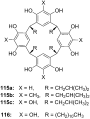
Figure 82: Resorcin[4]arenes (115a/b) and pyrogallo[4]arenes (115c, 116).
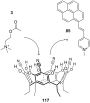
Figure 83: Displacement assay for acetylcholine (3) with tetracyanoresorcin[4]arene (117).

Figure 84: Tetramethoxy resorcinarene mono-crown-5 (118).

Figure 85: Components of a resorcinarene based displacement assay for ammonium ions.

Figure 86: Chiral basket resorcin[4]arenas 121.

Figure 87: Resorcinarenes with deeper cavitand structure (122).

Figure 88: Resorcinarene with partially open deeper cavitand structure (123).
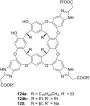
Figure 89: Water-stabilized deep cavitands with partially structure (124, 125).
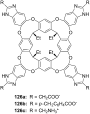
Figure 90: Charged cavitands 126 for tetralkylammonium ions.

Figure 91: Ditopic calix[4]arene receptor 127 capped with glycol chains.

Figure 92: A calix[5]arene dimer for diammonium salt recognition.

Figure 93: Calixarene parts 92c and 129 for the formation molecular capsules.
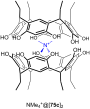
Figure 94: Encapsulation of a quaternary ammonium cation by two resorcin[4]arene molecules (NMe4+@[75c]2 × Cl−...

Figure 95: Encapsulation of a quaternary ammonium cation by six resorcin[4]arene molecules (NMe3D+@[130]6 × Cl−...

Figure 96: Structure and schematic of cucurbit[6]uril (CB[6], 131a).
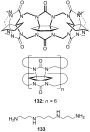
Figure 97: Cyclohexanocucurbit[6]uril (CB′[6], 132) and the guest molecule spermine (133).

Figure 98: α,α,δ,δ-Tetramethylcucurbit[6]uril (134).

Figure 99: Structure of the cucurbituril-phthalhydrazide analogue 135.

Figure 100: Organic cavities for the displacement assay for amine differentiation.

Figure 101: Displacement assay methodology for diammonium- and related guests involving cucurbiturils and some ...

Figure 102: Nor-seco-Cucurbituril (±)-bis-ns-CB[6] (140) and guest molecules.

Figure 103: The cucurbit[6]uril based complexes 141 for chiral discrimination.
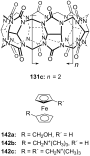
Figure 104: Cucurbit[7]uril (131c) and its ferrocene guests (142) opposed.

Figure 105: Cucurbit[7]uril (131c) guest inclusion and representative guests.

Figure 106: Cucurbit[7]uril (131c) binding to succinylcholine (145) and different bis-ammonium and bis-phosphon...

Figure 107: Paraquat-cucurbit[8]uril complex 149.
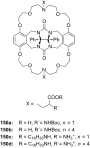
Figure 108: Gluconuril-based ammonium receptors 150.
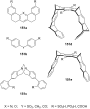
Figure 109: Examples of clefts (151a), tweezers (151b, 151c, 151d) and clips (151e).

Figure 110: Kemp’s triacid (152a), on example of Rebek’s receptors (152b) and guests.

Figure 111: Amino acid receptor (154) by Rebek et al.

Figure 112: Hexagonal lattice designed hosts by Bell et al.

Figure 113: Bell’s amidinium receptor (156) and the amidinium ion (157).
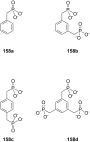
Figure 114: Aromatic phosphonic acids.

Figure 115: Xylene phosphonates 159 and 160a/b for recognition of amines and amino alcohols.
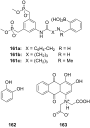
Figure 116: Bisphosphonate recognition motif 161 for a colorimetric assay with alizarin complexone (163) for ca...

Figure 117: Bisphosphonate/phosphate clip 164 and bisphosphonate cleft 165.

Figure 118: N-Methylpyrazine 166a, N-methylnicotinamide iodide (166b) and NAD+ (166c).

Figure 119: Bisphosphate cavitands.
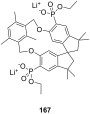
Figure 120: Bisphosphonate 167 of Schrader and Finocchiaro.
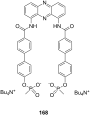
Figure 121: Tweezer 168 for noradrenaline (80b).

Figure 122: Different tripods and heparin (170).
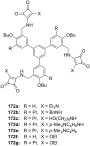
Figure 123: Squaramide based receptors 172.
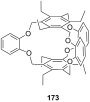
Figure 124: Cage like NH4+ receptor 173 of Kim et al.

Figure 125: Ammonium receptors 174 of Chin et al.

Figure 126: 2-Oxazolin-based ammonium receptors 175a–d and 176 by Ahn et al.

Figure 127: Racemic guest molecules 177.

Figure 128: Tripods based on a imidazole containing macrocycle (178) and the guest molecules employed in the st...

Figure 129: Ammonium ion receptor 180.

Figure 130: Tetraoxa[3.3.3.3]paracyclophanes 181 and a cyclophanic tetraester (182).

Figure 131: Peptidic bridged paraquat-cyclophane.
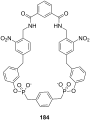
Figure 132: Shape-selective noradrenaline host.

Figure 133: Receptor 185 for binding of noradrenaline on surface layers from Schrader et al.

Figure 134: Tetraphosphonate receptor for binding of noradrenaline.

Figure 135: Tetraphosphonate 187 of Schrader and Finocchiaro.

Figure 136: Zinc-Porphyrin ammonium-ion receptors 188 and 189 of Mizutani et al.
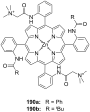
Figure 137: Zinc porphyrin receptor 190.

Figure 138: Zinc porphyrin receptors 191 capable of amino acid binding.

Figure 139: Zinc-porphyrins with amino acid side chains for stereoinduction.

Figure 140: Bis-zinc-bis-porphyrin based on Tröger’s base 193.

Figure 141: BINAP-zinc-prophyrin derivative 194 and it’s guests.

Figure 142: Bisaryl-linked-zinc-porphyrin receptors.
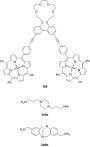
Figure 143: Bis-zinc-porphyrin 199 for diamine recognition and guests.

Figure 144: Bis-zinc-porphyrin crown ether 201.

Figure 145: Bis-zinc-porphyrin 202 for stereodiscrimination (L = large substituent; S = small substituent).

Figure 146: Bis-zinc-porphyrin[3]rotaxane and its copper complex and guests.

Figure 147: Dien-bipyridyl ligand 206 for co-ordination of two metal atoms.

Figure 148: The ligand and corresponding tetradentate co-complex 207 serving as enantioselective receptor for a...

Figure 149: Bis(oxazoline)–copper(II) complex 208 for the recognition of amino acids in aqueous solution.

Figure 150: Zinc-salen-complexes 209 for the recognition tertiary amines.

Figure 151: Bis(oxazoline)–copper(II) 211 for the recognition of amino acids in aqueous solution.

Figure 152: Zn(II)-complex of a C2 terpyridine crown ether.

Figure 153: Displacement assay and receptor for aspartate over glutamate.

Figure 154: Chiral complex 214 for a colorimetric displacement assay for amino acids.

Figure 155: Metal complex receptor 215 with tripeptide side arms.

Figure 156: A sandwich complex 216 and its displaceable dye 217.

Figure 157: Lanthanide complexes 218–220 for amino acid recognition.
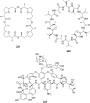
Figure 158: Nonactin (221), valinomycin (222) and vancomycin (223).

Figure 159: Monesin (224a) and a chiral analogue for enantiodiscrimination of ammonium guests (224b).

Figure 160: Chiral podands (226) compared to pentaglyme-dimethylether (225) and 18-crown-6 (4).

Figure 161: Lasalocid A (228).

Figure 162: Lasalocid derivatives (230) of Sessler et al.

Figure 163: The Coporphyrin I tetraanion (231).

Figure 164: Linear and cyclic peptides for ammonium ion recognition.

Figure 165: Cyclic and bicyclic depsipeptides for ammonium ion recognition.
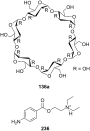
Figure 166: α-Cyclodextrin (136a) and novocaine (236).
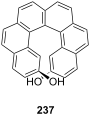
Figure 167: Helical diol receptor 237 by Reetz and Sostmann.

Figure 168: Ammonium binding spherand by Cram et al. (238a) and the cyclic[6]metaphenylacetylene 238b in compar...

Figure 169: Receptor for peptide backbone and ammonium binding (239).

Figure 170: Anion sensor principle with 3-hydroxy-2-naphthanilide of Jiang et al.

Figure 171: 7-bromo-3-hydroxy-N-(2-hydroxyphenyl)naphthalene 2-carboxamide (241) and its amine binding.

Figure 172: Naturally occurring catechins with affinity to quaternary ammonium ions.

Figure 173: Spiropyran (244) and merocyanine form (244a) of the amino acid receptors of Fuji et al.

Figure 174: Coumarin aldehyde (245) and its iminium species with amino acid bound (245a) by Glass et al.
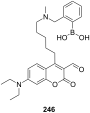
Figure 175: Coumarin aldehyde appended with boronic acid.

Figure 176: Quinolone aldehyde dimers by Glass et al.

Figure 177: Chromogenic ammonium ion receptors with trifluoroacetophenone recognition motifs.

Figure 178: Chromogenic ammonium ion receptor with trifluoroacetophenone recognition motif bound on different m...
(Pseudo)amide-linked oligosaccharide mimetics: molecular recognition and supramolecular properties
- José L. Jiménez Blanco,
- Fernando Ortega-Caballero,
- Carmen Ortiz Mellet and
- José M. García Fernández
Beilstein J. Org. Chem. 2010, 6, No. 20, doi:10.3762/bjoc.6.20
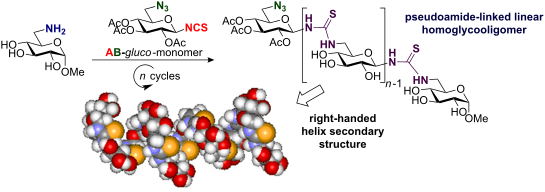
- investigations have demonstrated that incorporation of SAAs in peptide structures can circumvent the adverse properties of bioactive natural systems. Thus, SAAs containing amino and carboxylic functional groups, and a rigid ring system (pyran, furan, oxetane) have emerged as versatile and conformationally

Graphical Abstract

Figure 1: Schematic representation of sugar aminoacids (SAAs) and (pseudo)amide oligosaccharide mimetics.

Figure 2: Natural SAAs structures and natural nucleosidic antibiotics.

Scheme 1: Synthetic route to the target amide-linked sialooligomers. (a) Fmoc-Cl, NaHCO3, H2O, dioxane, 0 °C....

Figure 3: The general structure of glycoamino acids and their corresponding oligomers.

Figure 4: Conformational analysis of the β(1→2)-amide-linked glucooligomer 9.

Figure 5: Short oligomeric chains of C-glycosyl D-arabino THF amino acid oligomers.

Figure 6: (A) Stereoview of the minimized structure of compound 16 (produced by a 500 ps simulation) that mos...

Figure 7: Structures of linear oxetane-β- and δ-SAA homo-oligomers 19–20.

Figure 8: 10-Membered ring H-bonds in compound 21 consistent with NMR and modelling investigations.

Figure 9: General structure of carbopeptoid-oligonucleotide conjugates.

Figure 10: Protected derivatives of 2,6-diamino-2,6-dideoxy-β-D-glucopyranosyl carboxylic acid 22 and 23.

Figure 11: Cyclic homo-oligomers containing glucopyranoid-SAAs.

Scheme 2: Strategy for solid-phase synthesis of cyclic trimers and tetramers containing pyranoid δ-SAAs.

Figure 12: Cyclic tetramers of L-rhamno- and D-gulo-configured oxetane-SAAs.

Figure 13: Aminoglycosidic antibiotics of the glycocinnamoylspermidine family.

Scheme 3: Synthesis of (thio)trehazoline, via triflate, from β-hydroxy(thio)urea.

Figure 14: Approaches to access pseudoamide-type oligosaccharide mimics.

Figure 15: Calystegine B2 analogues 38 and 39 with urea-linked disaccharide structure.

Figure 16: Rotameric equilibrium shift of 40 by formation of a bidentate hydrogen bond.

Figure 17: Nucleotide analogues with thiourea and S-methylisothiouronium linkers.

Scheme 4: Retrosynthetic approach to synthesize thiourea-linked glycooligomers.

Figure 18: Rotameric equilibria for β-(1→6)-thiourea-linked glucodimer 41.

Figure 19: Schematic representation of (a) cyclodextrin (CDs) and (b) cyclotrehalan (CTs) family members.

Scheme 5: Synthesis of guanidine-linked pseudodisaccharides via carbodiimide.

Figure 20: β(1→6)-Guanidine-linked pseudodi- and pseudotrisaccharides 47 and 48.

Scheme 6: Synthesis of N-benzylguanidine-linked CT2 50.

Figure 21: Structure of RNG and DNG.

Figure 22: Preparation of Fmoc-guanidinium derivatives.

Figure 23: Structures of the homo-oligomeric RNG derivatives 51–55.
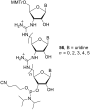
Figure 24: Phosphoramidite building block 56.

Figure 25: Structures of DNGs 57–65.
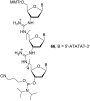
Figure 26: Structure of the phosphoramidite building block 66.
Pd/C-mediated synthesis of α-pyrone fused with a five-membered nitrogen heteroaryl ring: A new route to pyrano[4,3-c]pyrazol-4(1H)-ones
- Dhilli Rao Gorja,
- Venkateswara Rao Batchu,
- Ashok Ettam and
- Manojit Pal
Beilstein J. Org. Chem. 2009, 5, No. 64, doi:10.3762/bjoc.5.64
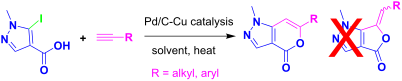
- ] (or 2H-pyran-2-one) and their benzo derivatives, e.g. isocoumarins [3], have shown a wide range of pharmacological activities [4][5][6] such as antifungal, antimicrobial, phytotoxic and other effects. On the other hand α-pyrones fused with a five-membered heteroaryl ring, e.g. thienopyranones, have

Graphical Abstract

Figure 1: Polycyclic azaheteroaromatics (A) and pyrano[4,3-c]pyrazol-4(1H)-ones (B).

Scheme 1: Pd/C-mediated synthesis of 6-substituted pyrano[4,3-c]pyrazol-4(1H)-ones 3.

Scheme 2: Preparation of 5-iodo-1-methyl-1H-pyrazole-4-carboxylic acid (1).

Scheme 3: Mechanism of ring closure of intermediate alkyne Z.
Synthesis of novel photochromic pyrans via palladium- mediated reactions
- Christoph Böttcher,
- Gehad Zeyat,
- Saleh A. Ahmed,
- Elisabeth Irran,
- Thorben Cordes,
- Cord Elsner,
- Wolfgang Zinth and
- Karola Rueck-Braun
Beilstein J. Org. Chem. 2009, 5, No. 25, doi:10.3762/bjoc.5.25
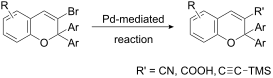
- generates a flexible C3–C4 single bond within the open merocyanine forms in place of the former double bond of the pyran ring (Scheme 1), resulting in a significant structural alteration of the β-turn scaffold. Herein we describe the synthesis of functionalized photochromic pyrans by palladium-catalyzed
- The starting materials, propargyl alcohol 9 and the phenol 8b, were prepared essentially by following literature procedures (Scheme 3). Synthesis of the pyran precursors 10 and 12a/b was accomplished by using PPTS and trimethyl orthoformate in DCE in a standard protocol developed by Carreira [27] for
- in good to excellent yields (Scheme 6). Starting from the bromo-substituted pyran 2b a final carbonylation step (Scheme 6) would directly complete the synthesis of an Fmoc-protected ω-amino acid. Though many protocols for Heck carbonylations are known, only a few report neutral reaction conditions

Graphical Abstract

Scheme 1: Photochromism of 2H-chromenes.
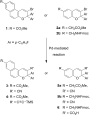
Scheme 2: Synthesis of functionalized pyrans from 2-bromo-3H-naphtho[2,1-b]pyrans and 3-bromo-2H-1-benzopyran...

Scheme 3: Synthesis of the 2-bromo-3H-naphtho[2,1-b]pyran 1 and the 3-bromo-2H-1-benzopyrans 2a/b.

Scheme 4: Ring contraction observed during the cyanation approach towards the synthesis of 3.

Scheme 5: Palladium-catalyzed Sonogashira-coupling of 2-bromo-3H-naphtho[2,1-b]pyran 1.

Scheme 6: Palladium-catalyzed cyanation and carbonylation of 3-bromo-2H-1-benzopyrans 2a/b.

Figure 1: Data from time-resolved measurements of compound 5a. a) and b): Results from fs-pump-probe-spectros...