
Search results
Search for "organic" in Full Text gives 3071 result(s) in Beilstein Journal of Organic Chemistry. Showing first 200.
Rapid access to the core of malayamycin A by intramolecular dipolar cycloaddition
Beilstein J. Org. Chem. 2025, 21, 2542–2547, doi:10.3762/bjoc.21.196
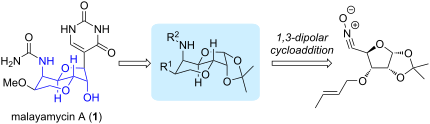
- Yilin Liu Yuchen Yang Chen Yang Sha-Hua Huang Jian Jin Ran Hong Faculty of Chemical Engineering and Energy Technology, Shanghai Institute of Technology, 100 Haiquan Road, Shanghai 201418, P.R. China State Key Laboratory of Chemical Biology, Shanghai Institute of Organic Chemistry, Chinese Academy




Isoorotamide-based peptide nucleic acid nucleobases with extended linkers aimed at distal base recognition of adenosine in double helical RNA
Beilstein J. Org. Chem. 2025, 21, 2513–2523, doi:10.3762/bjoc.21.193
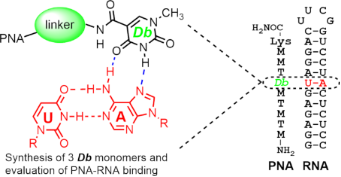
- Department of Chemistry, Ohio Wesleyan University, Delaware, OH, 43015, USA Department of Chemistry, Binghamton University, 4400 Vestal Parkway East, Binghamton, NY 13902, USA Latvian Institute of Organic Synthesis, Aizkraukles 21, Riga, LV-1006, Latvia 10.3762/bjoc.21.193 Abstract Non-coding ribonucleic


Assembly strategy for thieno[3,2-b]thiophenes via a disulfide intermediate derived from 3-nitrothiophene-2,5-dicarboxylate
Beilstein J. Org. Chem. 2025, 21, 2489–2497, doi:10.3762/bjoc.21.191
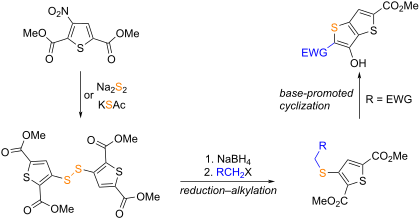
- Roman A. Irgashev Postovsky Institute of Organic Synthesis, Ural Branch of the Russian Academy of Sciences, Ekaterinburg, 620137, Russia 10.3762/bjoc.21.191 Abstract A versatile synthetic route to thieno[3,2-b]thiophenes was elaborated from dimethyl 3-nitrothiophene-2,5-dicarboxylate
- functionalized thieno[3,2-b]thiophenes with potential applications in pharmaceutical and materials chemistry. Keywords: aromatic nucleophilic substitution; disulfide derivative; 3-nitrothiophene; organic disulfides; thieno[3,2-b]thiophene; thiophene ring closure; Introduction Thieno[3,2-b]thiophene (TT
- ) derivatives are a valuable class of fused heteroaromatic compounds characterized by rigid planar π-conjugated backbones that provide narrow band gaps, high charge carrier mobility, and intermolecular π–π stacking interactions, making them particularly attractive for the design of organic materials. Indeed



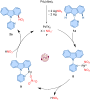
Palladium-catalyzed regioselective C1-selective nitration of carbazoles
Beilstein J. Org. Chem. 2025, 21, 2479–2488, doi:10.3762/bjoc.21.190
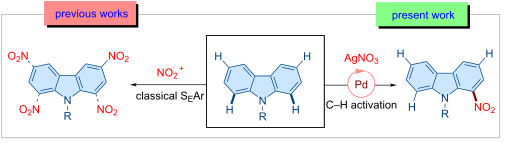
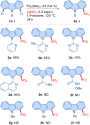
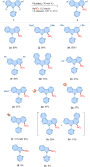
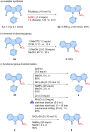
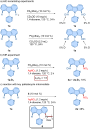
- are ubiquitous and privileged heterocyclic scaffolds in various functional organic materials and naturally occurring products. Although extensive efforts have focused on developing synthetic strategies toward carbazole derivatives, direct regioselective functionalization of the carbazole core remains
- valuable platform for the selective functionalization of carbazoles, offering potential applications in optoelectronics, functional organic materials, and related areas while contributing to the advancement of C–H activation methodologies. Keywords: C–H activation; carbazole; catalysis; nitration
- strategies in streamlining access to nitro-functionalized carbazoles for applications in organic synthesis and materials science. Experimental A 15 mL pressure tube was charged with Pd2(dba)3 (18.3 mg, 0.02 mmol, 10 mol %), N-(pyridin-2-yl)-9H-carbazole 1 (0.2 mmol, 1.0 equiv), and AgNO3 (41 mg, 0.24 mmol


Ex-situ generation of gaseous nitriles in two-chamber glassware for facile haloacetimidate synthesis
Beilstein J. Org. Chem. 2025, 21, 2465–2469, doi:10.3762/bjoc.21.188
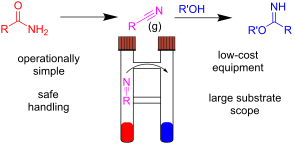
- donor; haloacetimidates; haloacetonitrile; two-chamber reactor; Introduction Trifluoroacetonitrile is an electrophilic reagent that has seen a variety of uses, mostly for incorporating trifluoromethyl groups into organic compounds [1]. As an example it has been successfully utilized for the synthesis
- danger of working with this toxic gas, restricts its use in laboratory scale synthesis. Consequently, when used in organic synthesis, trifluoroacetonitrile is typically synthesized on demand. The most common method is by dehydration of trifluoroacetamide using Gilman’s method with phosphorous pentoxide


The intramolecular stabilizing effects of O-benzoyl substituents as a driving force of the acid-promoted pyranoside-into-furanoside rearrangement
Beilstein J. Org. Chem. 2025, 21, 2456–2464, doi:10.3762/bjoc.21.187
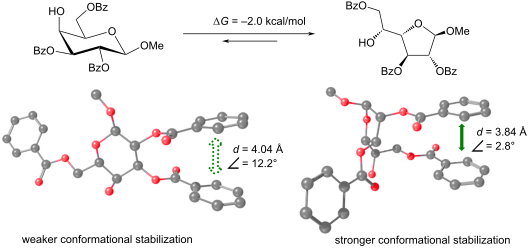
- Alexey G. Gerbst Sofya P. Nikogosova Darya A. Rastrepaeva Dmitry A. Argunov Vadim B. Krylov Nikolay E. Nifantiev Laboratory of Glycoconjugate Chemistry, N.D. Zelinsky Institute of Organic Chemistry, Russian Academy of Sciences, Leninsky Prospect 47, 119991 Moscow, Russian Federation 10.3762/bjoc


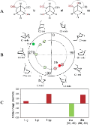

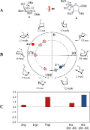

Catalytic enantioselective synthesis of selenium-containing atropisomers via C–Se bond formations
Beilstein J. Org. Chem. 2025, 21, 2447–2455, doi:10.3762/bjoc.21.186
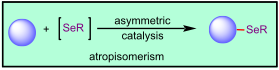
- many applications in industry, but also plays an important role in many fields, such as electronics [3], agriculture [4], environmental protection [5] and cosmetics [6]. Chiral organic selenium-containing compounds also have important applications in organic synthesis and biomedicine [7][8]. These
- compounds can participate in asymmetric synthesis reactions and construct chiral molecules with specific stereoconfiguration, which is particularly critical for drug synthesis [9]. In the field of organic catalysis, chiral organic selenium-containing compounds can be used as chiral ligands or catalysts to
- participate in various types of asymmetric reactions, significantly improving the selectivity of reactions (Figure 1) [10][11][12][13][14]. Catalytic asymmetric synthesis is the main method to construct chiral organic selenium-containing compounds. Centrally chiral selenium-containing compounds can be


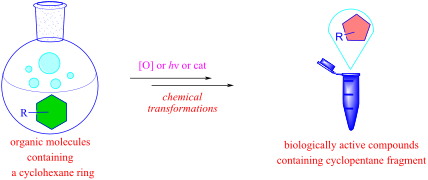
Transformation of the cyclohexane ring to the cyclopentane fragment of biologically active compounds
Beilstein J. Org. Chem. 2025, 21, 2416–2446, doi:10.3762/bjoc.21.185
- -dihydronaphthalenes. Silva et al. have also developed an effective method for the stereoselective oxidation of tetralone derivatives using chiral hypervalent iodine reagents [61][62]. Hypervalent iodine compounds are widely used in organic synthesis as selective oxidants and enantiomerically pure reagents. In terms


The high potential of methyl laurate as a recyclable competitor to conventional toxic solvents in [3 + 2] cycloaddition reactions
Beilstein J. Org. Chem. 2025, 21, 2389–2415, doi:10.3762/bjoc.21.184
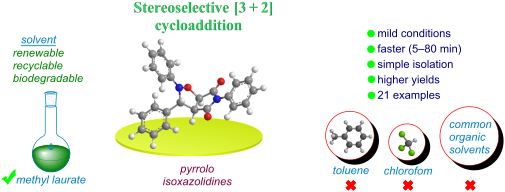
- , toxicity, pesticide similarity, and biodegradability of methyl laurate in comparison with a series of conventional organic solvents, water, some fatty acids and their derivatives. The findings of this investigation revealed that methyl laurate exhibited better green solvent properties when evaluated
- against other solvents. Keywords: cycloaddition; fused isoxazolidines; renewable solvent; reusable solvent; trans-diastereoselectivity; Introduction It is an established fact that a significant number of conventional organic solvents, which are widely utilized in both industrial and academic contexts
- different sources [4][5]. In order to fulfil this requirement, a considerable number of green solvents of various classes have been developed for a range of applications, including the extraction of natural compounds [6][7][8][9], food analysis [10][11][12], pharmacology [13][14][15], and organic synthesis








An Fe(II)-catalyzed synthesis of spiro[indoline-3,2'-pyrrolidine] derivatives
Beilstein J. Org. Chem. 2025, 21, 2383–2388, doi:10.3762/bjoc.21.183
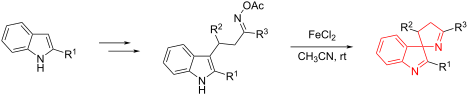
- -unsaturated ketone; dearomatization; indole; spirocyclization; spiro[indoline-3,2'-pyrrolidine]; Introduction Spiro[indoline-3,2'-pyrrolidine] derivatives represent an important class of organic compounds found in both natural products (e.g., coerulescine [1], horsfiline [2], and elacomine [3]) and synthetic




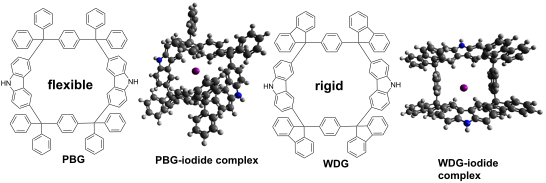
Conformational effects on iodide binding: a comparative study of flexible and rigid carbazole macrocyclic analogs
Beilstein J. Org. Chem. 2025, 21, 2369–2375, doi:10.3762/bjoc.21.181
- supported by the National Natural Science Foundation of China (No. 62074081), the Project of State Key Laboratory of Flexible Electronics, Nanjing University of Posts and Telecommunications (No. ZS030ZR24020), the Synergetic Innovation Centre for Organic Electronics and Information Displays and the Priority



Adaptive experimentation and optimization in organic chemistry
Beilstein J. Org. Chem. 2025, 21, 2367–2368, doi:10.3762/bjoc.21.180
- de Lausanne (EPFL), Lausanne, Switzerland National Centre of Competence in Research (NCCR) Catalysis, École Polytechnique Fédérale de Lausanne (EPFL), Lausanne, Switzerland 10.3762/bjoc.21.180 The field of organic chemistry is undergoing a remarkable transformation. The convergence of laboratory
- automation and artificial intelligence is creating unprecedented opportunities for accelerating chemical discovery and optimization [1][2]. This thematic issue explores how adaptive experimentation, automation, and human–AI synergy are reshaping organic chemistry research. Several key technological advances
- this field and the exciting opportunities ahead. As methods for adaptive experimentation continue to advance, maintaining focus on effective human–AI collaboration will be crucial for realizing the full potential of these technologies in organic chemistry. This integration of automation, machine
Rotaxanes with integrated photoswitches: design principles, functional behavior, and emerging applications
Beilstein J. Org. Chem. 2025, 21, 2345–2366, doi:10.3762/bjoc.21.179
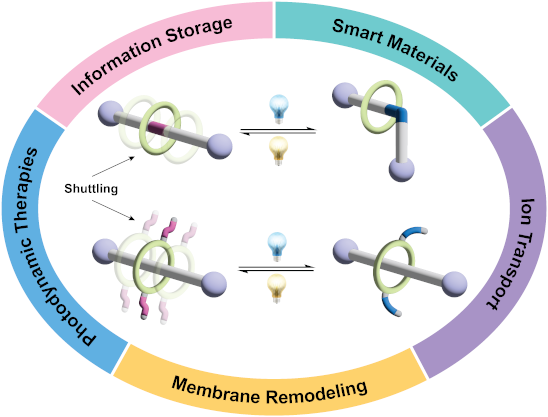
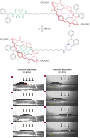
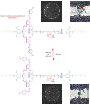
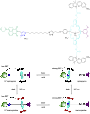
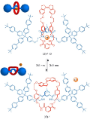
- stiff-stilbene facilitated the formation of aggregates, resulting in organic room-temperature phosphorescence. The phosphorescent properties can be modulated by inducing macrocycle translation through acid–base stimuli or by disrupting the aggregates via stiff-stilbene photoisomerization. The authors
- . However, most photoswitchable rotaxanes developed to date have been designed for use in organic solvents or non-biological environments. To fully harness their potential in biomedical and biotechnological settings, it is essential to establish new design principles that ensure biocompatibility, stability





Insoluble methylene-bridged glycoluril dimers as sequestrants for dyes
Beilstein J. Org. Chem. 2025, 21, 2302–2314, doi:10.3762/bjoc.21.176
- due to its simplicity, efficiency, low cost, and the absence of hazardous byproducts [6]. Many different adsorptive materials have been investigated including activated carbon [7][8][9], hybrid nanomaterials [10], metal oxide-based hybrid materials [11], metal organic frameworks [12], polymers [13
- that β-cyclodextrin (Figure 1)-based polymers could remove organic micropollutants from water [15][16]. For example, in 2021, Sessler and co-workers reported the synthesis of a calix[4]pyrrole (Figure 1)-based porous organic polymer, which exhibits the rapid uptake of dyes from water [17]. In addition
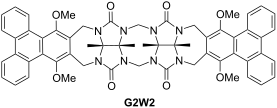
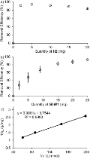
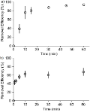
- -type receptors (e.g., H2) and studied their use as sequestrants for organic micropollutants [39]. In this paper, we extend this line of inquiry toward the use of the water-insoluble glycoluril dimer-derived acyclic CB[n] as sequestrants for dyes. Results and Discussion This Results and Discussion



Enantioselective radical chemistry: a bright future ahead
Beilstein J. Org. Chem. 2025, 21, 2283–2296, doi:10.3762/bjoc.21.174
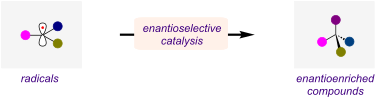
- transformations is also discussed. Keywords: chiral Lewis acid; electrochemistry; enantioselective radical reaction; organocatalysis; photoenzymatic catalysis; photoredox; Introduction Asymmetric catalysis plays an integral role in the enantioselective synthesis of organic compounds. A wide variety of
- enantioenriched catalysts ranging from chiral organometallic complexes to organocatalysts (small organic molecules) have been designed, synthesized, and successfully used in several organic transformations [1][2][3]. Despite these advances, catalytic methods involving radical intermediates were very rare until
- include the use of transition metals or photoredox catalysts. In photoredox catalysis, radical generation often involves single-electron transfer (SET) to or from a photoexcited state of a photoredox catalyst, usually a metal complex or organic molecule. Two other notable strategies for radical generation


Pathway economy in cyclization of 1,n-enynes
Beilstein J. Org. Chem. 2025, 21, 2260–2282, doi:10.3762/bjoc.21.173
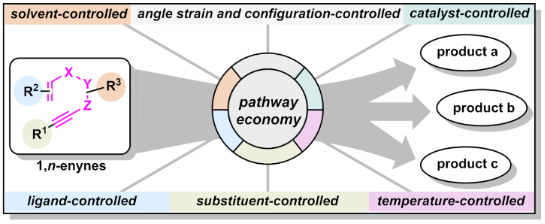
- rapid molecular diversification, offering transformative potential for green chemistry and pharmaceutical applications. By unifying mechanistic insights with practical synthetic design, this review provides valuable guidance for future innovations in precision organic synthesis. Keywords: economical
- synthesis; 1,n-enynes; pathway economy; small-molecule skeletons; Introduction As organic synthesis concepts continue to evolve, economical synthesis remains a foundational principle for synthetic chemists [1][2][3][4][5][6][7]. The essence of economical synthesis lies in the conservation of materials and
- importance of reducing the time required for reaction processes and conducting multistep reactions within a single pot (Scheme 1a) [6][7]. Contemporary organic synthesis is progressively approaching ideal synthesis – achieving highly functionalized target molecular frameworks in a single step. This paradigm


Thiadiazino-indole, thiadiazino-carbazole and benzothiadiazino-carbazole dioxides: synthesis, physicochemical and early ADME characterization of representatives of new tri-, tetra- and pentacyclic ring systems and their intermediates
Beilstein J. Org. Chem. 2025, 21, 2220–2233, doi:10.3762/bjoc.21.169
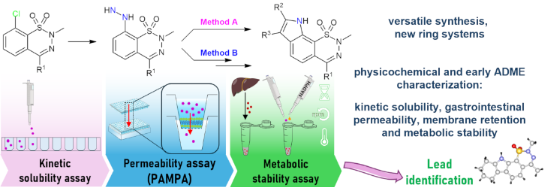
- off and washed with EtOAc (3 × 5 mL). The organic phase was washed with water (5 mL) and brine (5 mL), dried over MgSO4 and evaporated to give crude products 3, which were purified by flash chromatography. 2,4-Dimethyl-2,7,8,9,10,11-hexahydro[1,2,3]thiadiazino[6,5-a]carbazole 1,1-dioxide (3e


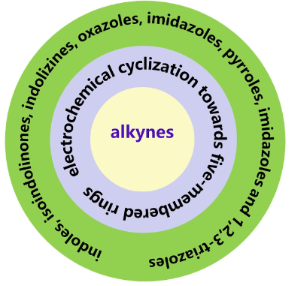
Electrochemical cyclization of alkynes to construct five-membered nitrogen-heterocyclic rings
Beilstein J. Org. Chem. 2025, 21, 2173–2201, doi:10.3762/bjoc.21.166
- Lifen Peng Ting Wang Zhiwen Yuan Bin Li Zilong Tang Xirong Liu Hui Li Guofang Jiang Chunling Zeng Henry N. C. Wong Xiao-Shui Peng Key Laboratory of Theoretical Organic Chemistry and Functional Molecule of Ministry of Education, School of Chemistry and Chemical Engineering, Hunan University of
- of Chemistry and Chemical Engineering, Hunan University, Changsha 410082, P. R. China 10.3762/bjoc.21.166 Abstract Organic five-membered rings have shown significant applications in the fields of organic synthesis, natural products, organic materials and pharmaceuticals for their unique
- reaction mechanisms are disclosed if available. Keywords: alkyne; catalysis; cyclization; electrochemistry; five-membered ring; Introduction Organic five-membered rings, an essential class of organic compounds, not only are frequently used as important starting materials, intermediates or ligands in


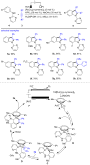

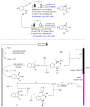
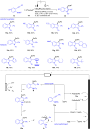


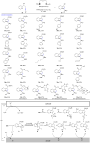



C2 to C6 biobased carbonyl platforms for fine chemistry
Beilstein J. Org. Chem. 2025, 21, 2103–2172, doi:10.3762/bjoc.21.165
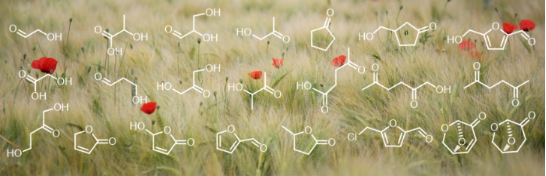
- of Science and Technology, 1037 Luoyu road, Wuhan 430074, China 10.3762/bjoc.21.165 Abstract The carbonyl group is central in organic synthesis, thanks to its ability to undergo a vast range of different chemical transformations on its carbon center or at the neighboring positions. Due to the high
- organic synthesis. Therefore, synthetic chemists can base strategies on the existing reactivity of carbonyl compounds for defining novel routes converting biobased platform molecules containing carbonyl groups to prepare fine organic chemicals [21][22]. Following this approach, researchers can obtain
- evolves towards cyclic acetals (Scheme 4) [32]. Exploring methods for the conversion of glycolaldehyde (GCA) to 3-(indol-3-yl)-2,3-dihydrofurans in organic solvents, Gu et al. reported a three-component reaction combining GCA, ethyl acetoacetate as 1,3-dicarbonyl component and indole. Using glycolaldehyde


The application of desymmetric enantioselective reduction of cyclic 1,3-dicarbonyl compounds in the total synthesis of terpenoid and alkaloid natural products
Beilstein J. Org. Chem. 2025, 21, 2085–2102, doi:10.3762/bjoc.21.164
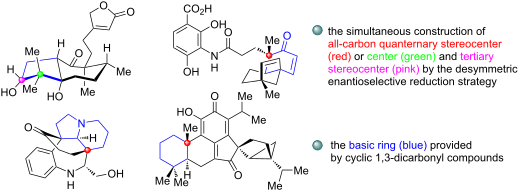
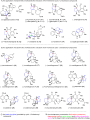
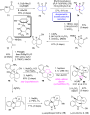
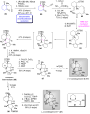
- dicarbonyl substrates, as well as their applications in the synthesis of various complex natural products will become a focal point in the field of organic synthetic chemistry. Several representative terpenoid and alkaloid natural products synthesized by applying desymmetric enantioselective reduction







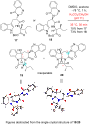
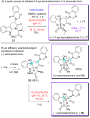
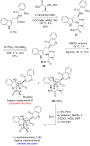
Further elaboration of the stereodivergent approach to chaetominine-type alkaloids: synthesis of the reported structures of aspera chaetominines A and B and revised structure of aspera chaetominine B
Beilstein J. Org. Chem. 2025, 21, 2072–2081, doi:10.3762/bjoc.21.162
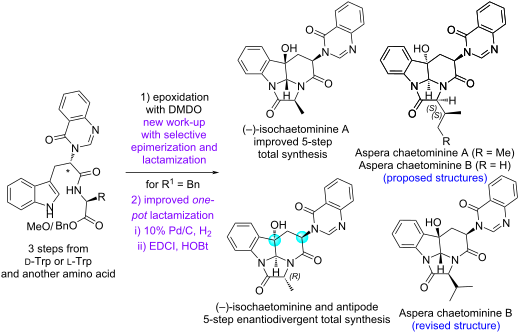
- aspera chaetominine B. Keywords: epoxidation; selective epimerization; stereodivergent synthesis; structural revision; tandem reaction; Introduction In contemporary organic chemistry, due to the widespread application of modern separation and analytical techniques, the structural elucidation and
- concerns in the field of total synthesis of natural products [10][11][12][13][14][15][16][17][18][19][20], which is not only essential for organic chemistry in its own right, but also crucial for drug discovery and structural revision of natural products. Although more and more diastereomeric and



Discovery of cytotoxic indolo[1,2-c]quinazoline derivatives through scaffold-based design
Beilstein J. Org. Chem. 2025, 21, 2062–2071, doi:10.3762/bjoc.21.161
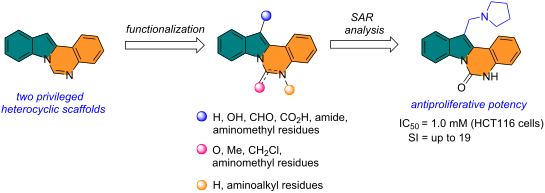
- , offering valuable insights into their SAR and paving the way for a future evaluation of these compounds as anticancer therapeutics. Keywords: antiproliferative activity; antitumor agents; indolo[1,2-c]quinazoline; modification; structure–activity relationship; Introduction Organic compounds featuring


Bioinspired total syntheses of natural products: a personal adventure
Beilstein J. Org. Chem. 2025, 21, 2048–2061, doi:10.3762/bjoc.21.160
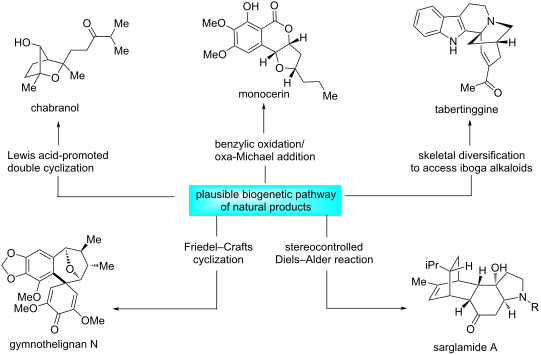
- in human history to obtain natural products and develop new applications. Traditionally, natural products are directly obtained from its natural source, such as sugar and vitamins. Since Wöhler’s historic success [1] in converting widely believed “inorganic” materials into the “organic” compound urea
- , people began to be aware of the capability of mankind in making natural organic molecules. Since then, organic scientists are brave to challenge the complex organic structure of natural products given by nature [2][3][4][5]. To achieve the growing structural complexity of natural products, the synthetic
- capability have been increasing all the time by discovering and inventing a vast number of new organic reactions and methodologies [6]. However, could mankind become really stronger than Mother Nature one day? This question seems to have no answer as future is unpredictable. Maybe, Mother Nature could be our



Solar thermal fuels: azobenzene as a cyclic photon–heat transduction platform
Beilstein J. Org. Chem. 2025, 21, 2036–2047, doi:10.3762/bjoc.21.159
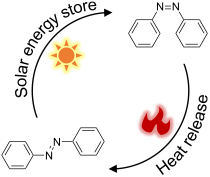
- ]. Since Olmsted’s pioneering exploration of azobenzene compounds as solar thermal fuels in 1983 [42], significant breakthroughs have been achieved through interdisciplinary integration of organic synthesis, functional materials engineering, photophysical mechanism analysis, and computational chemistry. So
- need for NIR-responsive systems. Second, although azobenzene-based fuels have evolved from conceptual designs to functional materials, many still require solvent assistance during energy charging. The use of organic solvents exacerbates environmental concerns, increases costs, complicates operation
- polymers. Figure 5c was adapted from [60], R. Liang et al., “Azopyridine Polymers in Organic Phase Change Materials for High Energy Density Photothermal Storage and Controlled Release”, Angew. Chem., Int. Ed., with permission from John Wiley and Sons. Copyright © 2024 Wiley-VCH GmbH. This content is not





α-Ketoglutaric acid in Ugi reactions and Ugi/aza-Wittig tandem reactions
Beilstein J. Org. Chem. 2025, 21, 2021–2029, doi:10.3762/bjoc.21.157
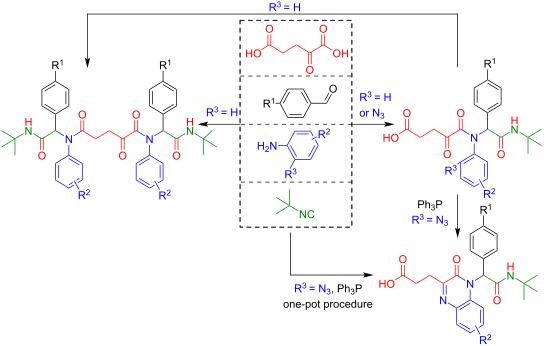
- Ave., 60, 61072, Kharkiv, Ukraine Faculty of Chemistry, V. N. Karazin Kharkiv National University, Svobody sq., 4, 61022, Kharkiv, Ukraine Institute of Organic Chemistry, National Academy of Sciences of Ukraine, Akademika Kukharya Street, 5, 02660, Kyiv, Ukraine 10.3762/bjoc.21.157 Abstract A small
- ; quinoxalinone derivative; Ugi reaction; Introduction Multicomponent reactions are powerful tools in organic chemistry that enable the synthesis of structurally complex and multifunctional compounds from three or more starting materials in a single synthetic step. They are widely used in drug discovery because
- , unlike conventional linear synthesis strategies, they enable the preparation of libraries of organic compounds in higher yields and with significantly less time, resources, and chemical waste [1][2][3][4][5]. The Ugi reaction, discovered in 1959 by Ivar Karl Ugi [6], is one of the classic multicomponent