
Search for "malonate" in Full Text gives 147 result(s) in Beilstein Journal of Organic Chemistry.
Beilstein J. Org. Chem. 2017, 13, 960–987, doi:10.3762/bjoc.13.97
Graphical Abstract
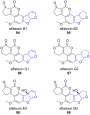
Figure 1: A number of experiments for various optimization algorithms [46].
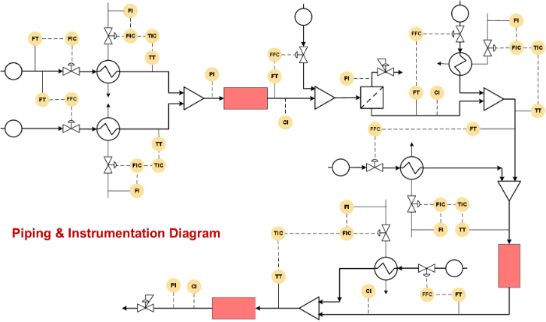
Figure 2: Symbols used for block and P&ID diagrams.
Scheme 1: Multistep synthesis of olanzapine (Hartwig et al. [10])
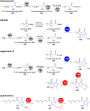
Figure 3: (A) Block diagram representation of the process shown in Scheme 1, (B) piping and instrumentation diagram o...
Scheme 2: Multistep flow synthesis for tamoxifen (Murray et al. [11]).
Figure 4: (A) Block diagram representation of the process shown in Scheme 2, (B) piping and instrumentation diagram o...
Figure 5: (A) Block diagram representation of the process shown in Scheme 3, (B) piping and instrumentation diagram o...
Scheme 3: Multistep flow synthesis of rufinamide (Zhang et al. [14]).
Figure 6: (A) Block diagram representation of the process shown in Scheme 4, (B) piping and instrumentation diagram o...
Scheme 4: Multistep synthesis for (±)-Oxomaritidine (Baxendale et al. [9]).
Figure 7: (A) Block diagram representation of the process shown in Scheme 5, (B) piping and instrumentation diagram o...
Scheme 5: Multistep synthesis for ibuprofen (Snead and Jamison [60]).
Scheme 6: Multistep synthesis for cinnarizine and buclizine derivatives (Borukhova et al. [23])
Figure 8: (A) Block diagram representation of the process shown in Scheme 6, (B) piping and instrumentation diagram o...
Scheme 7: Multistep synthesis for (S)-rolipram (Tsubogo et al. [4])
Figure 9: (A) Block diagram representation of the process shown in Scheme 7 (colours for each reactor shows different...
Figure 10: (A) Block diagram representation of the process shown in Scheme 8, (B) piping and instrumentation diagram o...
Scheme 8: Multistep synthesis for amitriptyline (Kupracz and Kirschning [7]).
Beilstein J. Org. Chem. 2017, 13, 451–494, doi:10.3762/bjoc.13.48
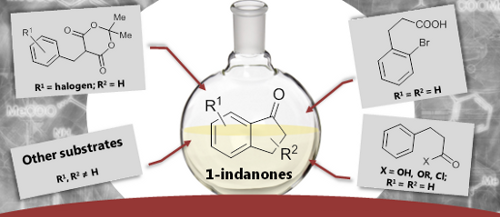
Graphical Abstract
Figure 1: Biologically active 1-indanones and their structural analogues.
Figure 2: Number of papers about (a) 1-indanones, (b) synthesis of 1-indanones.
Scheme 1: Synthesis of 1-indanone (2) from hydrocinnamic acid (1).
Scheme 2: Synthesis of 1-indanone (2) from 3-(2-bromophenyl)propionic acid (3).
Scheme 3: Synthesis of 1-indanones 5 from 3-arylpropionic acids 4.
Scheme 4: Synthesis of kinamycin (9a) and methylkinamycin C (9b).
Scheme 5: Synthesis of trifluoromethyl-substituted arylpropionic acids 12, 1-indanones 13 and dihydrocoumarin...
Scheme 6: Synthesis of 1-indanones 16 from benzoic acids 15.
Scheme 7: Synthesis of 1-indanones 18 from arylpropionic and 3-arylacrylic acids 17.
Scheme 8: The NbCl5-induced one-step synthesis of 1-indanones 22.
Scheme 9: Synthesis of biologically active 1-indanone derivatives 26.
Scheme 10: Synthesis of enantiomerically pure indatraline ((−)-29).
Scheme 11: Synthesis of 1-indanone (2) from the acyl chloride 30.
Scheme 12: Synthesis of the mechanism-based inhibitors 33 of coelenterazine.
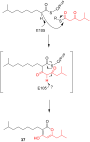
Scheme 13: Synthesis of the indane 2-imidazole derivative 37.
Scheme 14: Synthesis of fluorinated PAHs 41.
Scheme 15: Synthesis of 1-indanones 43 via transition metal complexes-catalyzed carbonylative cyclization of m...
Scheme 16: Synthesis of 6-methyl-1-indanone (46).
Scheme 17: Synthesis of 1-indanone (2) from ester 48.
Scheme 18: Synthesis of benzopyronaphthoquinone 51 from the spiro-1-indanone 50.
Scheme 19: Synthesis of the selective endothelin A receptor antagonist 55.
Scheme 20: Synthesis of 1-indanones 60 from methyl vinyl ketone (57).
Scheme 21: Synthesis of 1-indanones 64 from diethyl phthalate 61.
Scheme 22: Synthesis of 1-indanone derivatives 66 from various Meldrum’s acids 65.
Scheme 23: Synthesis of halo 1-indanones 69.
Scheme 24: Synthesis of substituted 1-indanones 71.
Scheme 25: Synthesis of spiro- and fused 1-indanones 73 and 74.
Scheme 26: Synthesis of spiro-1,3-indanodiones 77.
Scheme 27: Mechanistic pathway for the NHC-catalyzed Stetter–Aldol–Michael reaction.
Scheme 28: Synthesis of 2-benzylidene-1-indanone derivatives 88a–d.
Scheme 29: Synthesis of 1-indanone derivatives 90a–i.
Scheme 30: Synthesis of 1-indanones 96 from o-bromobenzaldehydes 93 and alkynes 94.
Scheme 31: Synthesis of 3-hydroxy-1-indanones 99.
Scheme 32: Photochemical preparation of 1-indanones 103 from ketones 100.
Scheme 33: Synthesis of chiral 3-aryl-1-indanones 107.
Scheme 34: Photochemical isomerization of 2-methylbenzil 108.
Scheme 35: Synthesis of 2-hydroxy-1-indanones 111a–c.
Scheme 36: Synthesis of 1-indanone derivatives 113 and 114 from η6-1,2-dioxobenzocyclobutene complex 112.
Scheme 37: Synthesis of nakiterpiosin (117).
Scheme 38: Synthesis of 2-alkyl-1-indanones 120.
Scheme 39: Synthesis of fluorine-containing 1-indanone derivatives 123.
Scheme 40: Synthesis of 2-benzylidene and 2-benzyl-1-indanones 126, 127 from the chalcone 124.
Scheme 41: Synthesis of 2-bromo-6-methoxy-3-phenyl-1-indanone (130).
Scheme 42: Synthesis of combretastatin A-4-like indanones 132a–s.
Figure 3: Chemical structures of investigated dienones 133 and synthesized cyclic products 134–137.
Figure 4: Chemical structures of 1-indanones and their heteroatom analogues 138–142.
Scheme 43: Synthesis of 2-phosphorylated and 2-non-phosphorylated 1-indanones 147 and 148 from β-ketophosphona...
Scheme 44: Photochemical synthesis of 1-indanone derivatives 150, 153a, 153b.
Scheme 45: Synthesis of polysubstituted-1-indanones 155, 157.
Scheme 46: Synthesis of 1-indanones 159a–g from α-arylpropargyl alcohols 158 using RhCl(PPh3)3 as a catalyst.
Scheme 47: Synthesis of optically active 1-indanones 162 via the asymmetric Rh-catalyzed isomerization of race...
Scheme 48: Mechanism of the Rh-catalyzed isomerization of α-arylpropargyl alcohols 161 to 1-indanones 162.
Figure 5: Chemical structure of abicoviromycin (168) and its new benzo derivative 169.
Scheme 49: Synthesis of racemic benzoabicoviromycin 172.
Scheme 50: Synthesis of [14C]indene 176.
Scheme 51: Synthesis of indanone derivatives 178–180.
Scheme 52: Synthesis of racemic pterosin A 186.
Scheme 53: Synthesis of trans-2,3-disubstituted 1-indanones 189.
Scheme 54: Synthesis of 3-aryl-1-indanone derivatives 192.
Scheme 55: Synthesis of 1-indanone derivatives 194 from 3-(2-iodoaryl)propanonitriles 193.
Scheme 56: Synthesis of 1-indanones 200–204 by cyclization of aromatic nitriles.
Scheme 57: Synthesis of 1,1’-spirobi[indan-3,3’-dione] derivative 208.
Scheme 58: Total synthesis of atipamezole analogues 211.
Scheme 59: Synthesis of 3-[4-(1-piperidinoethoxy)phenyl]spiro[indene-1,1’-indan]-5,5’-diol hydrochloride 216.
Scheme 60: Synthesis of 3-arylindan-1-ones 219.
Scheme 61: Synthesis of 2-hydroxy-1-indanones 222.
Scheme 62: Synthesis of the 1-indanone 224 from the THP/MOM protected chalcone epoxide 223.
Scheme 63: Synthesis of 1-indanones 227 from γ,δ-epoxy ketones 226.
Scheme 64: Synthesis of 2-hydroxy-2-methylindanone (230).
Scheme 65: Synthesis of 1-indanone derivatives 234 from cyclopropanol derivatives 233.
Scheme 66: Synthesis of substituted 1-indanone derivatives 237.
Scheme 67: Synthesis of 7-methyl substituted 1-indanone 241 from 1,3-pentadiene (238) and 2-cyclopentenone (239...
Scheme 68: Synthesis of disubstituted 1-indanone 246 from the siloxydiene 244 and 2-cyclopentenone 239.
Scheme 69: Synthesis of 5-hydroxy-1-indanone (250) via the Diels–Alder reaction of 1,3-diene 248 with sulfoxid...
Scheme 70: Synthesis of halogenated 1-indanones 253a and 253b.
Scheme 71: Synthesis of 1-indanones 257 and 258 from 2-bromocyclopentenones 254.
Scheme 72: Synthesis of 1-indanone 261 from 2-bromo-4-acetoxy-2-cyclopenten-1-one (260) and 1,2-dihydro-4-viny...
Scheme 73: Synthesis of 1-indanone 265 from 1,2-dihydro-7-methoxy-4-vinylnaphthalene (262) and bromo-substitut...
Scheme 74: Synthesis of 1-indanone 268 from dihydro-3-vinylphenanthrene 266 and 4-acetoxy-2-cyclopenten-1-one (...
Scheme 75: Synthesis of 1-indanone 271 from phenylselenyl-substituted cyclopentenone 268.
Scheme 76: Synthesis of 1-indanone 272 from the trienone 270.
Scheme 77: Synthesis of the 1-indanone 276 from the aldehyde 273.
Scheme 78: Synthesis of 1-indanones 278 and 279.
Scheme 79: Synthesis of 1-indanone 285 from octa-1,7-diyne (282) and cyclopentenone 239.
Scheme 80: Synthesis of benz[f]indan-1-one (287) from cyclopentenone 239 and o-bis(dibromomethyl)benzene (286)....
Scheme 81: Synthesis of 3-methyl-substituted benz[f]indan-1-one 291 from o-bis(dibromomethyl)benzene (286) and...
Scheme 82: Synthesis of benz[f]indan-1-one (295) from the anthracene epidioxide 292.
Scheme 83: Synthesis of 1-indanone 299 from homophthalic anhydride 298 and cyclopentynone 297.
Scheme 84: Synthesis of cyano-substituted 1-indanone derivative 301 from 2-cyanomethylbenzaldehyde (300) and c...
Scheme 85: Synthesis of 1-indanone derivatives 303–305 from ketene dithioacetals 302.
Scheme 86: Synthesis of 1-indanones 309–316.
Scheme 87: Mechanism of the hexadehydro-Diels–Alder (HDDA) reaction.
Scheme 88: Synthesis of 1-indenone 318 and 1-indanones 320 and 321 from tetraynes 317 and 319.
Scheme 89: Synthesis of 1-indanone 320 from the triyn 319.
Scheme 90: Synthesis 1-indanone 328 from 2-methylfuran 324.
Scheme 91: Synthesis of 1-indanones 330 and 331 from furans 329.
Scheme 92: Synthesis of 1-indanone 333 from the cycloadduct 332.
Scheme 93: Synthesis of (S)-3-arylindan-1-ones 335.
Scheme 94: Synthesis of (R)-2-acetoxy-1-indanone 338.
Figure 6: Chemical structures of obtained cyclopenta[α]phenanthrenes 339.
Scheme 95: Synthesis of the benzoindanone 343 from arylacetaldehyde 340 with 1-trimethylsilyloxycyclopentene (...
Beilstein J. Org. Chem. 2017, 13, 441–450, doi:10.3762/bjoc.13.47
Graphical Abstract
Figure 1: The structure of butyrolactol A (1).
Figure 2: Cyanobacterial polyketides bearing a tert-butyl group.
Figure 3: Actinomycete metabolites possessing a contiguous 1,2-diol system.
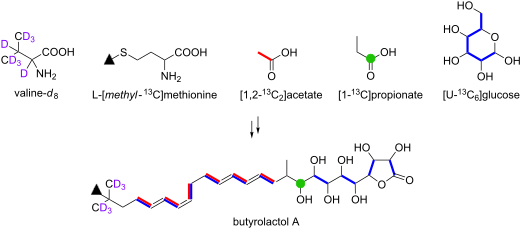
Figure 4: Feeding experiments of 13C-labeled precursors into 1 detected by 2D-INADEQUATE NMR experiments. (a)...
Figure 5: Organization of the biosynthesis gene cluster for 1. Blue, transcriptional regulator; pink, PKS for...
Figure 6: Biosynthetic pathway of hydroxymalonyl-ACP. Adapted from [24].
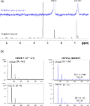
Figure 7: Incorporation of L-valine-d8 into 1. (a) 1H NMR spectrum of natural 1 and 2H NMR spectrum of L-vali...
Figure 8: Incorporation of 13C- and 2H-labeled precursors into 1.
Beilstein J. Org. Chem. 2017, 13, 33–42, doi:10.3762/bjoc.13.5
Graphical Abstract
Figure 1: Menthol auxiliaries 1–4 used in the following anodic coupling reactions.
Scheme 1: Synthesis of carboxylic acids 13a/b–18a/b.
Scheme 2: (a) Preparation of benzyl 2-isopropylmalonate (5) and (b) preparation of benzyl 2-tert-butylmalonat...
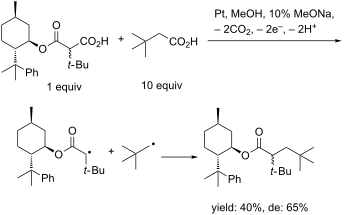
Scheme 3: Coelectrolysis (hetero-coupling) of carboxylic acids 13–17 with 3,3-dimethylbutyric acid (20).
Figure 2: Crystal structure of the minor diastereomer 23b.
Figure 3: Cyclic voltammograms of the malonic derivatives 15a/b, 16a/b and 18a/b (scan rate: 500 mA/s, solven...
Scheme 4: Homo-coupling of carboxylic acids 13a/b–16a/b to diesters 26a/b/c–29a/b/c (n.d.: not determined).
Figure 4: Crystal structure of major diastereomer 28a.
Figure 5: Crystal structure of major diastereomer 29a.
Figure 6: Discrimination of diastereomeric faces in the menthol substituted radical A and in the 8-phenylment...
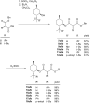
Scheme 5: Reductive cleavage of 30a–c to 8-phenylmenthol (3) and 31a–c.
Beilstein J. Org. Chem. 2017, 13, 1–9, doi:10.3762/bjoc.13.1
Graphical Abstract
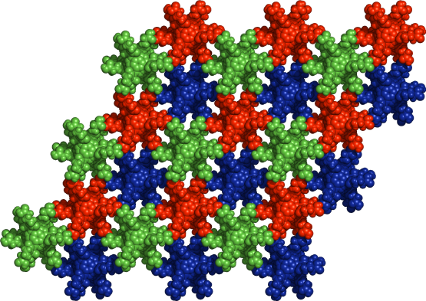
Figure 1: Icosahedral arrangement of functional addends for [60]fullerene hexakisadducts with dodecaacids C2 ...
Figure 2: a) Small cavities within the octahedral sites of HFF-1 filled with one CH2Cl2 molecule [57]; b) isolate...
Scheme 1: Synthesis of [60]fullerene dodecaacid C4.
Figure 3: Face centered cubic arrangement of [60]fullerene dodecaacids for frameworks a) HFF-1 [57], b) HFF-2 and...
Figure 4: Hydrogen bonding network for HFF-3 (left, hydrogen bonds yellow) and porous channels along the c ax...
Figure 5: Interpenetration of two distinct hydrogen bonding networks for HFF-3: a) side view indicating the s...
Beilstein J. Org. Chem. 2016, 12, 2614–2619, doi:10.3762/bjoc.12.257
Graphical Abstract
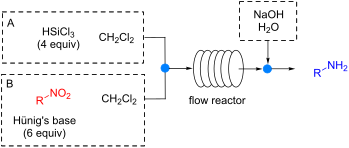
Scheme 1: Continuous flow reduction of 4-nitrobenzophenone using a 0.5 mL PTFE flow reactor.
Scheme 2: Continuous flow reduction of aromatic nitro compounds.
Scheme 3: Continuous-flow reduction of aliphatic nitro compounds.
Scheme 4: Synthesis of 2-(4’-chlrophenyl)aniline (4) with a 5 mL flow reactor.
Scheme 5: Synthesis of intermediate 6, a direct precursor of the drug baclofen.
Scheme 6: Continuous-flow reduction of 1a and in-line extraction.
Beilstein J. Org. Chem. 2016, 12, 2420–2442, doi:10.3762/bjoc.12.236
Graphical Abstract
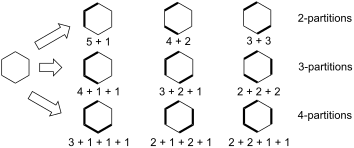
Figure 1: Possible two-component couplings for various monocyclic rings frequently encountered in organic mol...
Figure 2: Possible three-component couplings for various monocyclic rings frequently encountered in organic m...
Figure 3: Possible four-component couplings for various monocyclic rings frequently encountered in organic mo...
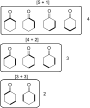
Figure 4: Permutations of two-component coupling patterns for synthesizing the cyclohexanone ring. Synthesis ...
Figure 5: Permutations of two-component coupling patterns for synthesizing the cyclohexanone ring overlayed w...
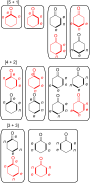
Scheme 1: Conjectured syntheses of cyclohexanone via [5 + 1] strategies.
Scheme 2: Conjectured syntheses of cyclohexanone via [4 + 2] strategies.
Scheme 3: Conjectured syntheses of cyclohexanone via [3 + 3] strategies.
Figure 6: Permutations of three-component coupling patterns for synthesizing the cyclohexanone ring. Synthesi...
Figure 7: Permutations of three-component coupling patterns for synthesizing the pyrazole ring via [2 + 2 + 1...
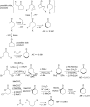
Scheme 4: Literature method for constructing the pyrazole ring via the A4 [2 + 2 + 1] strategy.
Scheme 5: Literature methods for constructing the pyrazole ring via the A5 [2 + 2 + 1] strategy.
Scheme 6: Literature methods for constructing the pyrazole ring via the A1 [2 + 2 + 1] strategy.
Scheme 7: Literature methods for constructing the pyrazole ring via the B4 [3 + 1 + 1] strategy.
Figure 8: Intrinsic green performance of documented pyrazole syntheses according to [2 + 2 + 1] and [3 + 1 + ...
Scheme 8: Conjectured reactions for constructing the pyrazole ring via the A2 and A3 [2 + 2 + 1] strategies.
Scheme 9: Conjectured reactions for constructing the pyrazole ring via the B1, B2, B3, and B4 [3 + 1 + 1] str...
Figure 9: Permutations of three-component coupling patterns for synthesizing the Biginelli ring adduct. Synth...
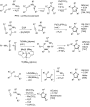
Scheme 10: Reported syntheses of the Biginelli adduct via the traditional [3 + 2 + 1] mapping strategy.
Scheme 11: Reported syntheses of the Biginelli adduct via new [3 + 2 + 1] mapping strategies.
Scheme 12: Reported syntheses of the Biginelli adduct via a new [2 + 2 + 1 + 1] mapping strategy.
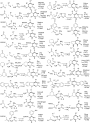
Scheme 13: Conjectured syntheses of the Biginelli adduct via new [2 + 2 + 2] mapping strategies.
Scheme 14: Conjectured syntheses of the Biginelli adduct via new [3 + 2 + 1] mapping strategies.
Figure 10: Intrinsic green performance of documented Biginelli adduct syntheses according to [3 + 2 + 1] three...
Figure 11: Intrinsic green performance of newly conjectured Biginelli adduct syntheses according to [4 + 1 + 1...
Beilstein J. Org. Chem. 2016, 12, 2402–2409, doi:10.3762/bjoc.12.234
Graphical Abstract
Figure 1: Cyclic and acyclic MBH alcohols.
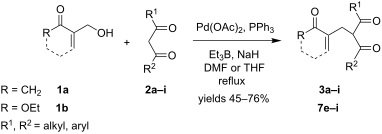
Scheme 1: Proposed catalytic cycle involving palladium catalysis for Et3B-promoted allylation of diethyl malo...
Scheme 2: Mechanistic pathway leading to the tricyclic compound 6j.
Figure 2: X-ray crystal structure of tricyclic compound 6j.
Beilstein J. Org. Chem. 2016, 12, 2038–2045, doi:10.3762/bjoc.12.192
Graphical Abstract
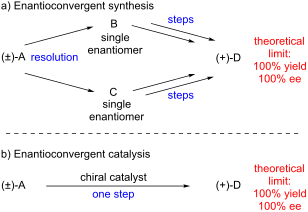
Figure 1: Enantioconvergent methods.
Figure 2: Stereomutative enantioconvergent catalysis.
Scheme 1: Dynamic kinetic resolution by hydrogenation.
Scheme 2: Enantioconvergent synthesis of phosphines governed by Curtin–Hammett/Winstein–Holness kinetics (TMS...
Figure 3: Stereoablative enantioconvergent catalysis.
Scheme 3: Stoltz’ stereoablative oxindole functionalization.
Scheme 4: Fu’s type II enantioconvergent Cu-catalyzed photoredox reaction.
Scheme 5: Stereoablative enantioconvergent allylation and protonation (dba = dibenzylideneacetone).
Scheme 6: Enantioconvergent allylic alkylation with two racemic starting materials.
Figure 4: Enantioconvergent parallel kinetic resolution.
Scheme 7: Enantioconvergent parallel kinetic resolution by two complementary biocatalysts.
Scheme 8: Enantioconvergent PKR by Nocardia EH1.
Beilstein J. Org. Chem. 2016, 12, 1512–1550, doi:10.3762/bjoc.12.148
Graphical Abstract
Scheme 1: Schematic description of the cyclisation reaction catalysed by TE domains. In most cases, the nucle...
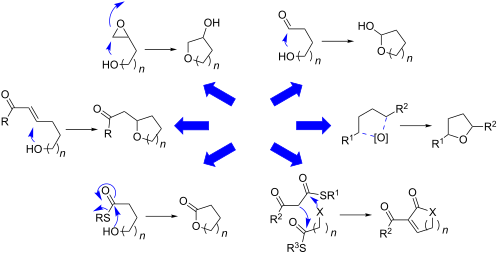
Scheme 2: Mechanisms for the formation of oxygen heterocycles. The degree of substitution can differ from tha...
Scheme 3: Pyran-ring formation in pederin (24) biosynthesis. Incubation of recombinant PedPS7 with substrate ...
Scheme 4: The domain AmbDH3 from ambruticin biosynthesis catalyses the dehydration of 25 and subsequent cycli...
Scheme 5: SalBIII catalyses dehydration of 29 and subsequent cyclisation to tetrahydropyran 30 [18].
Figure 1: All pyranonaphtoquinones contain either the naphtha[2,3-c]pyran-5,10-dione (32) or the regioisomeri...
Scheme 6: Pyran-ring formation in actinorhodin (34) biosynthesis. DNPA: 4-dihydro-9-hydroxy-1-methyl-10-oxo-3H...
Scheme 7: Pyran formation in granaticin (36) biosynthesis. DNPA: 4-dihydro-9-hydroxy-1-methyl-10-oxo-3H-napht...
Scheme 8: Pyran formation in alnumycin (37) biosynthesis. Adapted from [21].
Scheme 9: Biosynthesis of pseudomonic acid A (61). The pyran ring is initially formed in 57 after dehydrogena...
Scheme 10: Epoxidation–cyclisation leads to the formation of the tetrahydropyran ring in the western part of t...
Scheme 11: a) Nonactin (70) is formed from heterodimers of (−)(+)-dimeric nonactic acid and (+)(−)-dimeric non...
Figure 2: Pamamycins (73) are macrodiolide antibiotics containing three tetrahydrofuran moieties, which are a...
Scheme 12: A PS domain homolog in oocydin A (76) biosynthesis is proposed to catalyse furan formation via an o...
Scheme 13: Mechanism of oxidation–furan cyclisation by AurH, which converts (+)-deoxyaureothin (77) into (+)-a...
Scheme 14: Leupyrrin A2 (80) and the proposed biosynthesis of its furylidene moiety [69,70].
Scheme 15: Asperfuranone (93) biosynthesis, adapted from [75].
Figure 3: The four major aflatoxins produced by Aspergilli are the types B1, B2, G1 and G2 (94–97). In the di...
Scheme 16: Overview on aflatoxin B1 (94) biosynthesis. HOMST = 11-hydroxy-O-methylsterigmatocystin [78,79,82-106].
Scheme 17: A zipper mechanism leads to the formation of oxygen heterocycles in monensin biosynthesis [109-111].
Scheme 18: Formation of the 2,6-dioxabicyclo[3.2.1]octane (DBO) ring system in aurovertin B (118) biosynthesis ...
Figure 4: Structures of the epoxide-containing polyketides epothilone A (119) and oleandomycin (120) [123-125].
Scheme 19: Structures of phoslactomycin B (121) (a) and jerangolid A (122) (b). The heterocycle-forming steps ...
Scheme 20: a) Structures of rhizoxin (130) and cycloheximide (131). Model for the formation of δ-lactones (b) ...
Scheme 21: EncM catalyses a dual oxidation sequence and following processing of the highly reactive intermedia...
Figure 5: Mesomeric structures of tetronates [138,139].
Figure 6: Structures of tetronates for which gene clusters have been sequenced. The tetronate moiety is shown...
Scheme 22: Conserved steps for formation and processing in several 3-acyl-tetronate biosynthetic pathways were...
Scheme 23: In versipelostatin A (153) biosynthesis, VstJ is a candidate enzyme for catalysing the [4 + 2] cycl...
Scheme 24: a) Structures of some thiotetronate antibiotics. b) Biosynthesis of thiolactomycin (165) as propose...
Scheme 25: Aureusidine synthase (AS) catalyses phenolic oxidation and conjugate addition of chalcones leading ...
Scheme 26: a) Oxidative cyclisation is a key step in the biosynthesis of spirobenzofuranes 189, 192 and 193. b...
Scheme 27: A bicyclisation mechanism forms a β-lactone and a pyrrolidinone and removes the precursor from the ...
Scheme 28: Spontaneous cyclisation leads to off-loading of ebelactone A (201) from the PKS machinery [163].
Scheme 29: Mechanisms for the formation of nitrogen heterocycles.
Scheme 30: Biosynthesis of highly substituted α-pyridinones. a) Feeding experiments confirmed the polyketide o...
Scheme 31: Acridone synthase (ACS) catalyses the formation of 1,3-dihydroxy-N-methylacridone (224) by condensa...
Scheme 32: A Dieckmann condensation leads to the formation of a 3-acyl-4-hydroxypyridin-2-one 227 and removes ...
Scheme 33: a) Biosynthesis of the pyridinone tenellin (234). b) A radical mechanism was proposed for the ring-...
Scheme 34: a) Oxazole-containing PKS–NRPS-derived natural products oxazolomycin (244) and conglobatin (245). b...
Scheme 35: Structure of tetramic acids 251 (a) and major tautomers of 3-acyltetramic acids 252a–d (b). Adapted...
Scheme 36: Equisetin biosynthesis. R*: terminal reductive domain. Adapted from [202].
Scheme 37: a) Polyketides for which a similar biosynthetic logic was suggested. b) Pseurotin A (256) biosynthe...
Figure 7: Representative examples of PTMs with varying ring sizes and oxidation patterns [205,206].
Scheme 38: Ikarugamycin biosynthesis. Adapted from [209-211].
Scheme 39: Tetramate formation in pyrroindomycin aglycone (279) biosynthesis [213-215].
Scheme 40: Dieckmann cyclases catalyse tetramate or 2-pyridone formation in the biosynthesis of, for example, ...
Beilstein J. Org. Chem. 2016, 12, 1203–1228, doi:10.3762/bjoc.12.116
Graphical Abstract
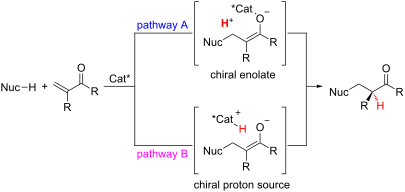
Figure 1: Two general pathways for conjugate addition followed by enantioselective protonation.
Scheme 1: Tomioka’s enantioselective addition of arylthiols to α-substituted acrylates.
Scheme 2: Sibi’s enantioselective hydrogen atom transfer reactions.
Scheme 3: Mikami’s addition of perfluorobutyl radical to α-aminoacrylate 11.
Scheme 4: Reisman’s Friedel–Crafts conjugate addition–enantioselective protonation approach toward tryptophan...
Scheme 5: Pracejus’s enantioselective addition of benzylmercaptan to α-aminoacrylate 20.
Scheme 6: Kumar and Dike’s enantioselective addition of thiophenol to α-arylacrylates.
Scheme 7: Tan’s enantioselective addition of aromatic thiols to 2-phthalimidoacrylates.
Scheme 8: Glorius’ enantioselective Stetter reactions with α-substituted acrylates.
Scheme 9: Dixon’s enantioselective addition of thiols to α-substituted acrylates.
Figure 2: Chiral phosphorous ligands.
Scheme 10: Enantioselective addition of arylboronic acids to methyl α-acetamidoacrylate.
Scheme 11: Frost’s enantioselective additions to dimethyl itaconate.
Scheme 12: Darses and Genet’s addition of potassium organotrifluoroborates to α-aminoacrylates.
Scheme 13: Proposed mechanism for enantioselective additions to α-aminoacrylates.
Scheme 14: Sibi’s addition of arylboronic acids to α-methylaminoacrylates.
Scheme 15: Frost’s enantioselective synthesis of α,α-dibenzylacetates 64.
Scheme 16: Rovis’s hydroheteroarylation of α-substituted acrylates with benzoxazoles.
Scheme 17: Proposed mechanism for the hydroheteroarylation of α-substituted acrylates with benzoxazoles.
Scheme 18: Sodeoka’s enantioselective addition of amines to N-benzyloxycarbonyl acrylamides 75 and 77.
Scheme 19: Proposed catalytic cycle for Sodeoka’s enantioselective addition of amines.
Scheme 20: Sibi’s enantioselective Friedel–Crafts addition of pyrroles to imides 84.
Scheme 21: Kobayashi’s enantioselective addition of malonates to α-substituted N-acryloyloxazolidinones.
Scheme 22: Chen and Wu’s enantioselective addition of thiophenol to N-methacryloyl benzamide.
Scheme 23: Tan’s enantioselective addition of secondary phosphine oxides and thiols to N-arylitaconimides.
Scheme 24: Enantioselective addition of thiols to α-substituted N-acryloylamides.
Scheme 25: Kobayashi’s enantioselective addition of thiols to α,β-unsaturated ketones.
Scheme 26: Feng’s enantioselective addition of pyrazoles to α-substituted vinyl ketones.
Scheme 27: Luo and Cheng’s addition of indoles to vinyl ketones by enamine catalysis.
Scheme 28: Curtin–Hammett controlled enantioselective addition of indole.
Scheme 29: Luo and Cheng’s enantioselective additions to α-branched vinyl ketones.
Scheme 30: Lou’s reduction–conjugate addition–enantioselective protonation.
Scheme 31: Luo and Cheng’s primary amine-catalyzed addition of indoles to α-substituted acroleins.
Scheme 32: Luo and Cheng’s proposed mechanism and transition state.
Figure 3: Shibasaki’s chiral lanthanum and samarium tris(BINOL) catalysts.
Scheme 33: Shibasaki’s enantioselective addition of 4-tert-butyl(thiophenol) to α,β-unsaturated thioesters.
Scheme 34: Shibasaki’s application of chiral (S)-SmNa3tris(binaphthoxide) catalyst 144 to the total synthesis ...
Scheme 35: Shibasaki’s cyanation–enantioselective protonation of N-acylpyrroles.
Scheme 36: Tanaka’s hydroacylation of acrylamides with aliphatic aldehydes.
Scheme 37: Ellman’s enantioselective addition of α-substituted Meldrum’s acids to terminally unsubstituted nit...
Scheme 38: Ellman’s enantioselective addition of thioacids to α,β,β-trisubstituted nitroalkenes.
Scheme 39: Hayashi’s enantioselective hydroarylation of diphenylphosphinylallenes.
Scheme 40: Hayashi’s enantioselective hydroarylation of diphenylphosphinylallenes.
Figure 4: Togni’s chiral ferrocenyl tridentate nickel(II) and palladium(II) complexes.
Scheme 41: Togni’s enantioselective hydrophosphination of methacrylonitrile.
Scheme 42: Togni’s enantioselective hydroamination of methacrylonitrile.
Beilstein J. Org. Chem. 2016, 12, 1185–1195, doi:10.3762/bjoc.12.114
Graphical Abstract
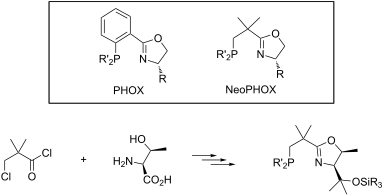
Figure 1: Structural motifs of phospinooxazoline ligands.
Scheme 1: Retrosynthetic analysis for NeoPHOX ligands.
Scheme 2: Synthesis of 1st generation NeoPHOX Ir-complexes [19].
Figure 2: Asymmetric hydrogenation with iridium-NeoPHOX catalysts [19].
Figure 3: Employing L-valine as a starting material for C5 substituted oxazoline.
Scheme 3: Synthesis of a C(5)-disubstituted NeoPHOX-Ir complex.
Figure 4: Retrosynthetic analysis for NeoPHOX ligands derived from serine and threonine.
Scheme 4: Revisited synthetic strategy for the preparation of a threonine-based NeoPHOX ligand.
Scheme 5: Undesired β-lactam formation.
Scheme 6: Synthetic strategy for the synthesis of the serine-derived NeoPHOX ligand.
Scheme 7: Derivatization of the 2nd generation NeoPHOX ligands and formation of their iridium complexes.
Figure 5: Crystal structures of selected Ir-complexes. Hydrogen atoms, COD and BArF anions were omitted for c...
Scheme 8: Asymmetric palladium-catalyzed allylic substitution with rac-(E)-1,3-diphenylallyl acetate.
Scheme 9: Asymmetric palladium-catalyzed allylic substitution with rac-(E)-1,3-dimethylallyl acetate.
Scheme 10: Asymmetric palladium-catalyzed allylic substitution with a cyclic substrate.
Beilstein J. Org. Chem. 2016, 12, 903–911, doi:10.3762/bjoc.12.88
Graphical Abstract
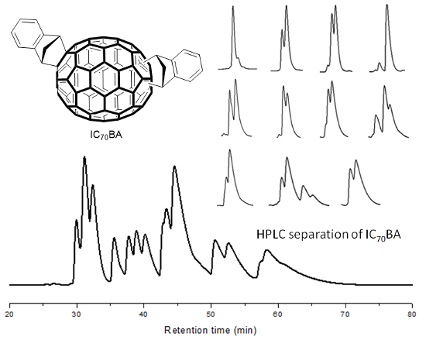
Figure 1: Molecular structure of IC60BA and IC70BA.
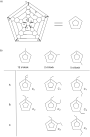
Figure 2: a) Schlegel diagram of C70; b) illustrations of three regioisomers of IC70BA and their geometrical ...
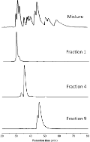
Figure 3: Chromatograms of IC70BA mixture and fractions 1, 4 and 9 separated by HPLC (Cosmosil Buckyprep-D co...
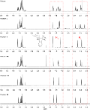
Figure 4: 1H NMR spectrum of IC70BA fractions containing a major isomer species.
Figure 5: The retention time of the first species in fraction 10 is shorter than the species in fraction 11 o...
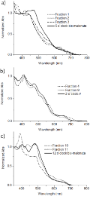
Figure 6: The UV–vis spectrum of each fraction of IC70BA as well as known C70 bisadducts: a) fraction 1, 2, 3...
Figure 7: Schematic diagram of the architecture of BHJ solar cell devices (a) and J−V curves of the devices c...
Beilstein J. Org. Chem. 2016, 12, 628–635, doi:10.3762/bjoc.12.61
Graphical Abstract
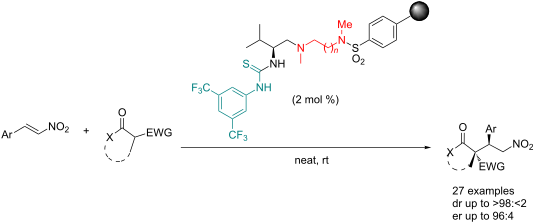
Figure 1: Parent and supported bifunctional thioureas used in this work.
Scheme 1: Reaction of nitrostyrene with diethyl malonate and 2-ethoxycarbonyl cyclopentanone.
Scheme 2: Reaction of nitrostyrenes with malonates and β-diketones.
Scheme 3: Reaction of nitrostyrenes with β-keto esters and β-dicarbonyl compounds.
Scheme 4: Reaction of nitrostyrenes with α-nitrocyclohexanone and ethyl α-nitropropionate.
Beilstein J. Org. Chem. 2016, 12, 571–588, doi:10.3762/bjoc.12.56
Graphical Abstract
Figure 1: Selected monocyclic and monobenzo α-pyrone structures.
Figure 2: The basic core structure of dibenzo-α-pyrones.
Figure 3: Selected dibenzo-α-pyrones.
Figure 4: Structure of ellagic acid and of the urolithins, the latter metabolized from ellagic acid by intest...
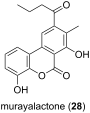
Figure 5: Structure of murayalactone, the only dibenzo-α-pyrone described from bacteria.
Figure 6: Structures of the 6-pentyl-2-pyrone (29) and of trichopyrone (30). Only 29 showed antifungal activi...
Figure 7: Selected monocyclic α-pyrones.
Figure 8: Structures of the gibepyrones A–F.
Figure 9: Structures of the phomenins A and B.
Figure 10: Structures of monocyclic α-pyrones showing pheromone (47) and antitumor activity (48), respectively....
Figure 11: Structures of 6-alkyl (alkoxy or alkylthio)-4-aryl-3-(4-methanesulfonylphenyl)pyrones.
Figure 12: Structures of kavalactones.
Figure 13: Strutures of germicins.
Figure 14: Structures of the pseudopyronines.
Figure 15: The structures of the monobenzo-α-pyrone anticoagulant drugs warfarin and phenprocoumon.
Figure 16: Structures of selected monobenzo-α-pyrones.
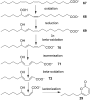
Figure 17: Hypothetical pathway of 29 generation from linoleic acid [34].
Figure 18: Proposed biosynthetic pathway of alternariol (modified from [77]). Malonyl-CoA building blocks are appl...
Figure 19: Structures of phenylnannolones and of enterocin, both biosynthesized via polyketide synthase system...
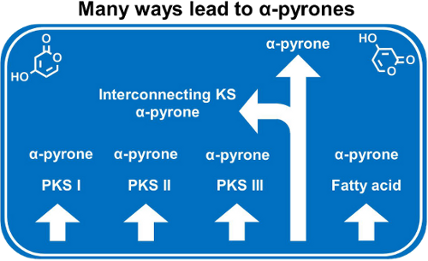
Figure 20: Pyrone ring formation. Examples for the three types of PKS systems are shown in A–C. In D the mecha...
Figure 21: Structures of csypyrones.
Figure 22: Schematic drawing of the T-shaped catalytic cavities of the related enzymes CorB and MxnB. The two ...
Figure 23: Stereo representation of the CorB binding situation (modified from [89]). The substrate mimic (dark vio...
Figure 24: Proposed mechanism for the CsyB enzymatic reaction. A) Coupling reaction of the β-keto fatty acyl i...
Figure 25: Proposed biosynthesis of photopyrone D (37) by the enzyme PpyS from P. luminescens (modified from [63])...
Beilstein J. Org. Chem. 2016, 12, 462–495, doi:10.3762/bjoc.12.48
Graphical Abstract
Scheme 1: Activation of carbonyl compounds via enamine and iminium intermediates [2].
Scheme 2: Electronic and steric interactions present in enamine activation mode [2].
Scheme 3: Electrophilic activation of carbonyl compounds by a thiourea moiety.
Scheme 4: Asymmetric synthesis of dihydro-2H-pyran-6-carboxylate 3 using organocatalyst 4 [16].
Scheme 5: Possible hydrogen-bonding for the reaction of (E)-methyl 2-oxo-4-phenylbut-3-enoate [16].
Scheme 6: Asymmetric desymmetrization of 4,4-cyclohexadienones using the Michael addition reaction with malon...
Scheme 7: The enantioselective synthesis of α,α-disubstituted cycloalkanones using catalyst 11 [18].
Scheme 8: The enantioselective synthesis of indolo- and benzoquinolidine compounds through aza-Diels–Alder re...
Scheme 9: Enantioselective [5 + 2] cycloaddition [20].
Scheme 10: Asymmetric synthesis of oxazine derivatives 26 [21].
Scheme 11: Asymmetric synthesis of bicyclo[3.3.1]nonadienone, core 30 present in (−)-huperzine [22].
Scheme 12: Asymmetric inverse electron-demand Diels-Alder reaction catalyzed by amine-thiourea 34 [23].
Scheme 13: Asymmetric entry to morphan skeletons, catalyzed by amine-thiourea 37 [24].
Scheme 14: Asymmetric transformation of (E)-2-nitroallyl acetate [25].
Scheme 15: Proposed way of activation.
Scheme 16: Asymmetric synthesis of nitrobicyclo[3.2.1]octan-2-one derivatives [26].
Scheme 17: Asymmetric tandem Michael–Henry reaction catalyzed by 50 [27].
Scheme 18: Asymmetric Diels–Alder reactions of 3-vinylindoles 51 [29].
Scheme 19: Proposed transition state and activation mode of the asymmetric Diels–Alder reactions of 3-vinylind...
Scheme 20: Desymmetrization of meso-anhydrides by Chin, Song and co-workers [30].
Scheme 21: Desymmetrization of meso-anhydrides by Connon and co-workers [31].
Scheme 22: Asymmetric intramolecular Michael reaction [32].
Scheme 23: Asymmetric addition of malonate to 3-nitro-2H-chromenes 67 [33].
Scheme 24: Intramolecular desymmetrization through an intramolecular aza-Michael reaction [34].
Scheme 25: Enantioselective synthesis of (−)-mesembrine [34].
Scheme 26: A novel asymmetric Michael–Michael reaction [35].
Scheme 27: Asymmetric three-component reaction catalyzed by Takemoto’s catalyst 77 [46].
Scheme 28: Asymmetric domino Michael–Henry reaction [47].
Scheme 29: Asymmetric domino Michael–Henry reaction [48].
Scheme 30: Enantioselective synthesis of derivatives of 3,4-dihydro-2H-pyran 89 [49].
Scheme 31: Asymmetric addition of α,α-dicyano olefins 90 to 3-nitro-2H-chromenes 91 [50].
Scheme 32: Asymmetric three-component reaction producing 2,6-diazabicyclo[2.2.2]octanones 95 [51].
Scheme 33: Asymmetric double Michael reaction producing substituted chromans 99 [52].
Scheme 34: Enantioselective synthesis of multi-functionalized spiro oxindole dienes 106 [53].
Scheme 35: Organocatalyzed Michael aldol cyclization [54].
Scheme 36: Asymmetric synthesis of dihydrocoumarins [55].
Scheme 37: Asymmetric double Michael reaction en route to tetrasubstituted cyclohexenols [56].
Scheme 38: Asymmetric synthesis of α-trifluoromethyl-dihydropyrans 121 [58].
Scheme 39: Tyrosine-derived tertiary amino-thiourea 123 catalyzed Michael hemiaketalization reaction [59].
Scheme 40: Enantioselective entry to bicyclo[3.2.1]octane unit [60].
Scheme 41: Asymmetric synthesis of spiro[4-cyclohexanone-1,3’-oxindoline] 126 [61].
Scheme 42: Kinetic resolution of 3-nitro-2H-chromene 130 [62].
Scheme 43: Asymmetric synthesis of chromanes 136 [63].
Scheme 44: Wang’s utilization of β-unsaturated α-ketoesters 87 [64,65].
Scheme 45: Asymmetric entry to trifluoromethyl-substituted dihydropyrans 144 [66].
Scheme 46: Phenylalanine-derived thiourea-catalyzed domino Michael hemiaketalization reaction [67].
Scheme 47: Asymmetric synthesis of α-trichloromethyldihydropyrans 149 [68].
Scheme 48: Takemoto’s thiourea-catalyzed domino Michael hemiaketalization reaction [69].
Scheme 49: Asymmetric synthesis of densely substituted cyclohexanes [70].
Scheme 50: Enantioselective synthesis of polysubstituted chromeno [4,3-b]pyrrolidine derivatines 157 [71].
Scheme 51: Enantioselective synthesis of spiro-fused cyclohexanone/5-oxazolone scaffolds 162 [72].
Scheme 52: Utilizing 2-mercaptobenzaldehydes 163 in cascade processes [73,74].
Scheme 53: Proposed transition state of the initial sulfa-Michael step [74].
Scheme 54: Asymmetric thiochroman synthesis via dynamic kinetic resolution [75].
Scheme 55: Enantioselective synthesis of thiochromans [76].
Scheme 56: Enantioselective synthesis of chromans and thiochromans synthesis [77].
Scheme 57: Enantioselective sulfa-Michael aldol reaction en route to spiro compounds [78].
Scheme 58: Enantioselective synthesis of 4-aminobenzo(thio)pyrans 179 [79].
Scheme 59: Asymmetric synthesis of tetrahydroquinolines [80].
Scheme 60: Novel asymmetric Mannich–Michael sequence producing tetrahydroquinolines 186 [81].
Scheme 61: Enantioselective synthesis of biologically interesting chromanes 190 and 191 [82].
Scheme 62: Asymmetric tandem Henry–Michael reaction [83].
Scheme 63: An asymmetric synthesis of substituted cyclohexanes via a dynamic kinetic resolution [84].
Scheme 64: Three component-organocascade initiated by Knoevenagel reaction [85].
Scheme 65: Asymmetric Michael reaction catalyzed by catalysts 57 and 211 [86].
Scheme 66: Proposed mechanism for the asymmetric Michael reaction catalyzed by catalysts 57 and 211 [86].
Scheme 67: Asymmetric facile synthesis of hexasubstituted cyclohexanes [87].
Scheme 68: Dual activation catalytic mechanism [87].
Scheme 69: Asymmetric Michael–Michael/aldol reaction catalyzed by catalysts 57, 219 and 214 [88].
Scheme 70: Asymmetric synthesis of substituted cyclohexane derivatives, using catalysts 57 and 223 [89].
Scheme 71: Asymmetric synthesis of substituted piperidine derivatives, using catalysts 223 and 228 [90].
Scheme 72: Asymmetric synthesis of endo-exo spiro-dihydropyran-oxindole derivatives catalyzed by catalyst 232 [91]....
Scheme 73: Asymmetric synthesis of carbazole spiroxindole derivatives, using catalyst 236 [92].
Scheme 74: Enantioselective formal [2 + 2] cycloaddition of enal 209 with nitroalkene 210, using catalysts 23 ...
Scheme 75: Asymmetric synthesis of polycyclized hydroxylactams derivatives, using catalyst 242 [94].
Scheme 76: Asymmetric synthesis of product 243, using catalyst 246 [95].
Scheme 77: Formation of the α-stereoselective acetals 248 from the corresponding enol ether 247, using catalys...
Scheme 78: Selective glycosidation, catalyzed by Shreiner’s catalyst 23 [97].
Beilstein J. Org. Chem. 2016, 12, 429–443, doi:10.3762/bjoc.12.46
Graphical Abstract
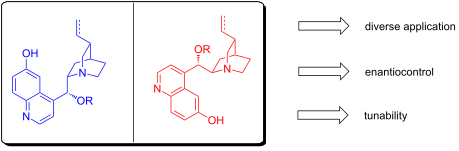
Figure 1: The structural diversity of the cinchona alkaloids, along with cupreine, cupreidine, β-isoquinidine...
Scheme 1: The original 6’-OH cinchona alkaloid organocatalytic MBH process, showing how the free 6’-OH is ess...
Scheme 2: Use of β-ICPD in an aza-MBH reaction.
Scheme 3: (a) The isatin motif is a common feature for MBH processes catalyzed by β-ICPD, as demonstrated by ...
Scheme 4: (a) Chen’s asymmetric MBH reaction. Good selectivity was dependent upon the presence of (R)-BINOL (...
Scheme 5: Lu and co-workers synthesis of a spiroxindole.
Scheme 6: Kesavan and co-workers’ synthesis of spiroxindoles.
Scheme 7: Frontier’s Nazarov cyclization catalyzed by β-ICPD.
Scheme 8: The first asymmetric nitroaldol process catalyzed by a 6’-OH cinchona alkaloid.
Scheme 9: A cupreidine derived catalyst induces a dynamic kinetic asymmetric transformation.
Scheme 10: Cupreine derivative 38 has been used in an organocatalytic asymmetric Friedel–Crafts reaction.
Scheme 11: Examples of 6’-OH cinchona alkaloid catalyzed processes include: (a) Deng’s addition of dimethyl ma...
Scheme 12: A diastereodivergent sulfa-Michael addition developed by Melchiorre and co-workers.
Scheme 13: Melchiorre’s vinylogous Michael addition.
Scheme 14: Simpkins’s TKP conjugate addition reactions.
Scheme 15: Hydrocupreine catalyst HCPN-59 can be used in an asymmetric cyclopropanation.
Scheme 16: The hydrocupreine and hydrocupreidine-based catalysts HCPN-65 and HCPD-67 demonstrate the potential...
Scheme 17: Jørgensen’s oxaziridination.
Scheme 18: Zhou’s α-amination using β-ICPD.
Scheme 19: Meng’s cupreidine catalyzed α-hydroxylation.
Scheme 20: Shi’s biomimetic transamination process for the synthesis of α-amino acids.
Scheme 21: β-Isocupreidine catalyzed [4 + 2] cycloadditions.
Scheme 22: β-Isocupreidine catalyzed [2+2] cycloaddition.
Scheme 23: A domino reaction catalyst by cupreidine catalyst CPD-30.
Scheme 24: (a) Dixon’s 6’-OH cinchona alkaloid catalyzed oxidative coupling. (b) An asymmetric oxidative coupl...
Beilstein J. Org. Chem. 2016, 12, 166–171, doi:10.3762/bjoc.12.18
Graphical Abstract
Figure 1: Pd-catalyzed cleavage of spiro-bis(isooxazoline) ligand A to isoxazole B and Pd-complex D prepared ...
Scheme 1: Synthesis of 2-benzylsulfanyl-1,3-oxazolines 7 and 8.
Scheme 2: Pd-catalyzed cross coupling of benzylsulfanyloxazolines 7 and 8.
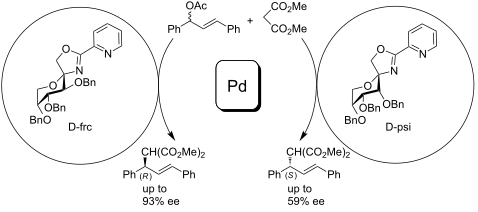
Scheme 3: Palladium catalyzed allylic substitution.
Scheme 4: Proposed transition state of allylic substitution.
Beilstein J. Org. Chem. 2015, 11, 2795–2804, doi:10.3762/bjoc.11.300
Graphical Abstract
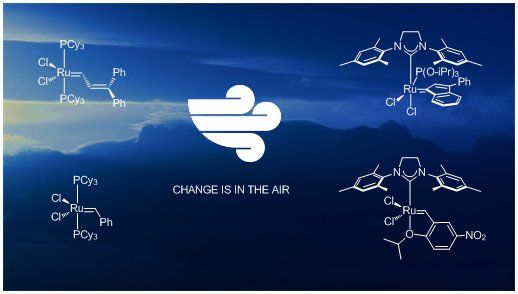
Figure 1: Examples of olefin metathesis ruthenium catalysts.
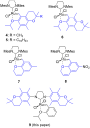
Figure 2: Selected ruthenium metathesis catalyst bearing chromanyl moieties.
Scheme 1: Synthesis of the new NHC precursor. Reagents and conditions: a) HNO3, CH2Cl2, 0 °C, 58%; b) HOCH2SO...
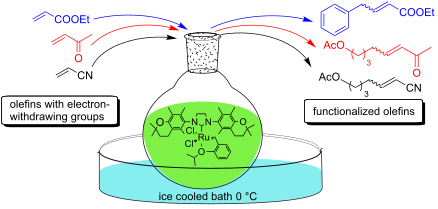
Scheme 2: CM with electron-deficient olefin.
Scheme 3: Possible products of metathesis reaction between diene and alkene.
Figure 3: π-Complex and rutenacyclobutane intermediate with a five-membered ring chelate.
Scheme 4: CM reaction of β-carotene and retinyl acetate with ethyl (2E,4Z/E)-3-methylhexa-2,4-dienoate. React...
Figure 4: Numbering of carbon atoms in the chromanyl moiety.
Beilstein J. Org. Chem. 2015, 11, 2591–2599, doi:10.3762/bjoc.11.279
Graphical Abstract
Figure 1: Some chiral, bioactive isoindolinones.
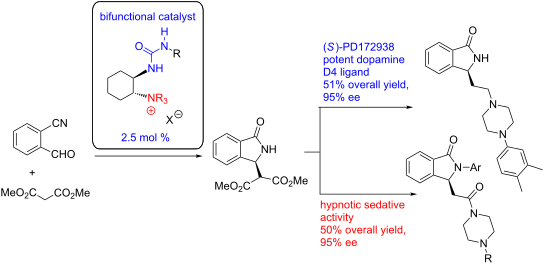
Scheme 1: This work: 1) trans-1,2-cyclohexane diamine-based bifunctional ammonium salts 8 in the asymmetric s...
Scheme 2: Asymmetric cascade, crystallization and decarboxylation reaction.
Scheme 3: Proposed racemization pathways of isoindolinones 9 via retro-Michael process.
Scheme 4: Asymmetric synthesis of (S)-PD172938.
Scheme 5: Coupling of chiral acid 9 with p-tolylpiperazine and CuI arylation of chiral isoindolinones.
Beilstein J. Org. Chem. 2015, 11, 2370–2387, doi:10.3762/bjoc.11.259
Graphical Abstract
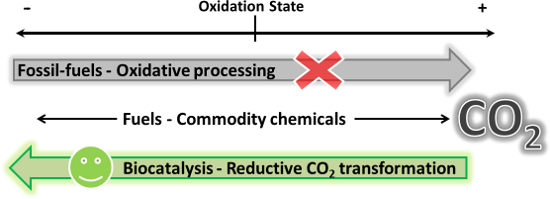
Figure 1: Biocatalytic routes for conversion of CO2 into compounds with carbon in the reduced oxidation state...
Figure 2: Carbonic anhydrase-catalysed rapid interconversion of CO2 and HCO3− in living systems.
Scheme 1: The Calvin cycle for fixation of CO2 with RuBisCO.
Scheme 2: The reductive TCA cycle with CO2 fixation enzymes designated.
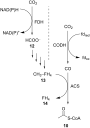
Scheme 3: The Wood–Ljungdahl pathway for generation of acetyl-CoA through reduction of CO2 to formate and CO....
Scheme 4: The acyl-CoA carboxylase pathways for autotrophic CO2 fixation. ACC: acetyl-CoA/propionyl-CoA carbo...
Figure 3: RuBisCO CO2-fixing bypass installed in E. coli and S. cerevisiae to increase carbon flux toward pro...
Scheme 5: Integrated biocatalytic system for carboxylation of phosphoenolpyruvate (19), using PEPC and carbon...
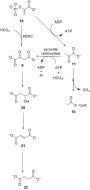
Scheme 6: PEPC and pyruvate carboxylase catalysed carboxylation of pyruvate backbone for the generation of ox...
Scheme 7: Decarboxylase catalysed carboxylation of (a) phenol derivatives, (b) indole and (c) pyrrole.
Figure 4: Formate dehydrogenase (FDH) catalysed reversible reduction of CO2 to formate with electron donor re...
Figure 5: Sequential generation of formate, formaldehyde and methanol from CO2 using reducing equivalents sou...
Figure 6: Hydrogen storage as formic acid through biocatalytic hydrogenation of CO2 and subsequent on-demand ...
Figure 7: Schematic showing required flow of reducing equivalents for CO2 fixation through biotechnological a...
Beilstein J. Org. Chem. 2015, 11, 2038–2056, doi:10.3762/bjoc.11.221
Graphical Abstract
Scheme 1: Polymerization of 7-oxanorbornene in water.
Scheme 2: Synthesis of the first well-defined ruthenium carbene.
Scheme 3: Synthesis of Grubbs' 1st generation catalyst.
Figure 1: NHC-Ruthenium complexes and widely used NHC carbenes.
Scheme 4: Access to 21 from the Grubbs’ 1st generation catalyst and its one-pot synthesis.
Scheme 5: Synthesis of supported Hoveyda-type catalyst.
Figure 2: Scope of RCM reactions with supported Hoveyda-type catalyst. Reaction conditions: 24 (5 mol %), non...
Scheme 6: Synthesis of 33 by Hoveyda and Blechert.
Figure 3: Synthesis of chiral Hoveyda–Grubbs type catalyst and its use in RO/CM.
Scheme 7: Synthesis of 41.
Figure 4: RCM reactions in air using 41 as catalyst. Reaction conditions: 41 (5 mol %), MeOH (0.05 M), 22 °C,...
Figure 5: CM-type reactions in air using 41 as catalyst. Reaction conditions: 41 (5 mol %), 22 °C, 12 h, in a...
Figure 6: Grela's complex (54) and reaction scope in air. Reaction conditions: catalyst, substrate (0.25 mmol...
Figure 7: Abell's complex (61) and its RCM reaction scope in air. Reaction condition: 10 mol % of 61, refluxi...
Figure 8: Catalysts used by Meier in air.
Figure 9: Ammonium chloride-tagged complexes.
Figure 10: Scorpio-type complexes.
Scheme 8: Synthesis of Grubbs' 3rd generation catalyst.
Figure 11: Indenylidene complexes.
Figure 12: Commercially available complexes evaluated under air.
Figure 13: Grela's N,N-unsymmetrically substituted complexes.
Scheme 9: Synthesis of phosphite-based catalysts.
Figure 14: Catalysts used by the Cazin group.
Figure 15: RCM scope in air with catalysts 33, 85 and 98a. Reaction conditions: Catalyst, substrate (0.25 mmol...
Figure 16: Synthesis of Schiff base-ruthenium complexes.
Scheme 10: Schiff base–ruthenium complexes synthesized by Verpoort.
Scheme 11: Synthesis of mixed Schiff base–NHC complexes.
Figure 17: Veerport's indenylidene Schiff-base complexes.
Beilstein J. Org. Chem. 2015, 11, 1583–1595, doi:10.3762/bjoc.11.174
Graphical Abstract
Scheme 1: Activated derivatives of dicarboxylic acids.
Figure 1: Example of natural compounds selectively acylated with dicarboxylic esters.
Figure 2: C6-dicarboxylic acid diesters derivatives of NAG-thiazoline.
Figure 3: Sylibin dimers obtained by CAL-B catalyzed trans-acylation reactions.
Scheme 2: Biocatalyzed synthesis of paclitaxel derivatives.
Figure 4: 5-Fluorouridine derivatives obtained by CAL-B catalysis.
Scheme 3: Biocatalyzed synthesis of hybrid diesters 17 and 18.
Scheme 4: Hybrid derivatives of sylibin.
Figure 5: Bolaamphiphilic molecules containing (L)- and/or (D)-isoascorbic acid moieties.
Figure 6: Doxorubicin (29) trapped in a polyester made of glycolate, sebacate and 1,4-butandiol units.
Figure 7: Polyesters containing functionalized pentofuranose derivatives.
Figure 8: Polyesters containing disulfide moieties.
Figure 9: Polyesters containing epoxy moieties.
Figure 10: Biocatalyzed synthesis of polyesters containing glycerol.
Figure 11: Iataconic (34) and malic (35) acid.
Figure 12: Oxidized poly(hexanediol-2-mercaptosuccinate) polymer.
Figure 13: C-5-substituted isophthalates.
Figure 14: Curcumin-based polyesters.
Figure 15: Silylated polyesters.
Figure 16: Polyesters containing reactive ether moieties.
Figure 17: Polyesters obtained by CAL-B-catalyzed condensation of dicarboxylic esters and N-substituted dietha...
Figure 18: Polyesters comprising mexiletine (38) moieties.
Figure 19: Poly(amide-co-ester)s comprising a terminal hydroxy moiety.
Figure 20: Polymer comprising α-oxydiacid moieties.
Figure 21: Telechelics with methacrylate ends.
Figure 22: Telechelics with allyl-ether ends.
Figure 23: Telechelics with ends functionalized as epoxides.
Beilstein J. Org. Chem. 2015, 11, 1520–1527, doi:10.3762/bjoc.11.166
Graphical Abstract
Figure 1: Examples of ruthenium complexes used in olefin metathesis reactions.
Scheme 1: Synthesis of the mixed phosphine/phosphite complex 1.
Figure 2: Molecular structure of mixed phosphine/phosphite complex 1. Hydrogen atoms are omitted for clarity.
Scheme 2: Synthesis of the bis-phosphite complex 2.
Figure 3: Molecular structure of 2 and the ylide 3. Hydrogen atoms and solvent molecules are omitted for clar...
Figure 4: Reaction profiles of mixed phosphine/phosphite 1 and phosphine-based Ind-I in the RCM of 4 (lines a...
Beilstein J. Org. Chem. 2015, 11, 1274–1331, doi:10.3762/bjoc.11.142
Graphical Abstract
Figure 1: General representation of cyclophanes.
Figure 2: cyclophanes one or more with heteroatom.
Figure 3: Metathesis catalysts 12–17 and C–C coupling catalyst 18.
Figure 4: Natural products containing the cyclophane skeleton.
Figure 5: Turriane family of natural products.
Scheme 1: Synthesis of [3]ferrocenophanes through Mannich reaction. Reagents and conditions: (i) excess HNMe2...
Scheme 2: Synthesis of cyclophanes through Michael addition. Reagents and conditions: (i) xylylene dibromide,...
Scheme 3: Synthesis of normuscopyridine analogue 37 through an oxymercuration–oxidation strategy. Reagents an...
Scheme 4: Synthesis of tribenzocyclotriyne 39 through Castro–Stephens coupling reaction. Reagents and conditi...
Scheme 5: Synthesis of cyclophane 43 through Glaser–Eglinton coupling. Reagents and conditions: (i) 9,10-bis(...
Scheme 6: Synthesis of the macrocyclic C-glycosyl cyclophane through Glaser coupling. Reagents and conditions...
Scheme 7: Synthesis of cyclophane-containing complex 49 through Glaser–Eglinton coupling reaction. Reagents a...
Scheme 8: Synthesis of cyclophane 53 through Glaser–Eglinton coupling. Reagents and conditions: (i) K2CO3, ac...
Figure 6: Cyclophanes 54–56 that have been synthesized through Glaser–Eglinton coupling.
Figure 7: Synthesis of tetrasubstituted [2.2]paracyclophane 57 and chiral cyclophyne 58 through Eglinton coup...
Scheme 9: Synthesis of cyclophane through Glaser–Hay coupling reaction. Reagents and conditions: (i) CuCl2 (1...
Scheme 10: Synthesis of seco-C/D ring analogs of ergot alkaloids through intramolecular Heck reaction. Reagent...
Scheme 11: Synthesis of muscopyridine 73 via Kumada coupling. Reagents and conditions: (i) 72, THF, ether, 20 ...
Scheme 12: Synthesis of the cyclophane 79 via McMurry coupling. Reagents and conditions: (i) 75, decaline, ref...
Scheme 13: Synthesis of stilbenophane 81 via McMurry coupling. Reagents and conditions: (i) TiCl4, Zn, pyridin...
Scheme 14: Synthesis of stilbenophane 85 via McMurry coupling. Reagents and conditions: (i) NBS (2 equiv), ben...
Figure 8: List of cyclophanes prepared via McMurry coupling reaction as a key step.
Scheme 15: Synthesis of paracyclophane by cross coupling involving Pd(0) catalyst. Reagents and conditions: (i...
Scheme 16: Synthesis of the cyclophane 112 via the pinacol coupling and 113 by RCM. Reagents and conditions: (...
Scheme 17: Synthesis of cyclophane derivatives 122a–c via Sonogoshira coupling. Reagents and conditions: (i) C...
Scheme 18: Synthesis of cyclophane 130 via Suzuki–Miyaura reaction as a key step. Reagents and conditions: (i)...
Scheme 19: Synthesis of the mycocyclosin via Suzuki–Miyaura cross coupling. Reagents and conditions: (i) benzy...
Scheme 20: Synthesis of cyclophanes via Wurtz coupling reaction Reagents and conditions: (i) PhLi, Et2O, C6H6,...
Scheme 21: Synthesis of non-natural glycophanes using alkyne metathesis. Reagents and conditions: (i) G-I (12)...
Figure 9: Synthesis of cyclophanes via ring-closing alkyne metathesis.
Scheme 22: Synthesis of crownophanes by cross-enyne metathesis. Reagents and conditions: (i) G-II (13), 5 mol ...
Scheme 23: Synthesis of (−)-cylindrocyclophanes A (156) and (−)-cylindrocyclophanes F (155). Reagents and cond...
Scheme 24: Synthesis of cyclophane 159 derivatives via SM cross-coupling and RCM. Reagents and conditions: (i)...
Scheme 25: Sexithiophene synthesis via cross metathesis. Reagents and conditions: (i) 161, Pd(PPh3)4, K2CO3, T...
Scheme 26: Synthesis of pyrrole-based cyclophane using enyne metathesis. Reagents and conditions: (i) Se, chlo...
Scheme 27: Synthesis of macrocyclic derivatives by RCM. Reagents and conditions: (i) G-I/G-II, CH2Cl2, 0.005 M...
Scheme 28: Synthesis of enantiopure β-lactam-based dienyl bis(dihydrofuran) 179. Reagents and conditions: (i) ...
Scheme 29: Synthesis of a [1.1.6]metaparacyclophane derivative 183 via SM cross coupling. Reagents and conditi...
Scheme 30: Synthesis of a [1.1.6]metaparacyclophane derivative 190 via SM cross coupling. Reagents and conditi...
Scheme 31: Template-promoted synthesis of cyclophanes involving RCM. Reagents and conditions: (i) acenaphthene...
Scheme 32: Synthesis of [3.4]cyclophane derivatives 200 via SM cross coupling and RCM. Reagents and conditions...
Figure 10: Examples for cyclophanes synthesized by RCM.
Scheme 33: Synthesis of the longithorone C framework assisted by fluorinated auxiliaries. Reagents and conditi...
Scheme 34: Synthesis of the longithorone framework via RCM. Reagents and conditions: (i) 213, NaH, THF, rt, 10...
Scheme 35: Synthesis of floresolide B via RCM as a key step. Reagents and conditions: (i) G-II (13, 0.1 equiv)...
Scheme 36: Synthesis of normuscopyridine (223) by the RCM strategy. Reagents and condition: (i) Mg, THF, hexen...
Scheme 37: Synthesis of muscopyridine (73) via RCM. Reagents and conditions: (i) 225, NaH, THF, 0 °C to rt, 1....
Scheme 38: Synthesis of muscopyridine (73) via RCM strategy. Reagents and conditions: (i) NaH, n-BuLi, 5-bromo...
Scheme 39: Synthesis of pyridinophane derivatives 223 and 245. Reagents and conditions: (i) PhSO2Na, TBAB, CH3...
Scheme 40: Synthesis of metacyclophane derivatives 251 and 253. Reagents and conditions: (i) 240, NaH, THF, rt...
Scheme 41: Synthesis of normuscopyridine and its higher analogues. Reagents and conditions: (i) alkenyl bromid...
Scheme 42: Synthesis of fluorinated ferrocenophane 263 via a [2 + 2] cycloaddition. Reagents and conditions: (...
Scheme 43: Synthesis of [2.n]metacyclophanes 270 via a [2 + 2] cycloaddition. Reagents and conditions: (i) Ac2...
Scheme 44: Synthesis of metacyclophane 273 by a [2 + 2 + 2] co-trimerization. Reagents and conditions: (i) [Rh...
Scheme 45: Synthesis of paracyclophane 276 via a [2 + 2 + 2] cycloaddition reaction. Reagents and conditions: ...
Scheme 46: Synthesis of cyclophane 278 via a [2 + 2 + 2] cycloaddition reaction. Reagents and conditions: (i) ...
Scheme 47: Synthesis of cyclophane 280 via a [2 + 2 + 2] cycloaddition. Reagents and conditions: (i) [(Rh(cod)(...
Scheme 48: Synthesis of taxane framework by a [2 + 2 + 2] cycloaddition. Reagents and conditions: (i) Cp(CO)2 ...
Scheme 49: Synthesis of cyclophane 284 and 285 via a [2 + 2 + 2] cycloaddition reaction. Reagents and conditio...
Scheme 50: Synthesis of pyridinophanes 293a,b and 294a,b via a [2 + 2 + 2] cycloaddition. Reagents and conditi...
Scheme 51: Synthesis of pyridinophanes 296 and 297 via a [2 + 2 + 2] cycloaddition. Reagents and conditions: (...
Scheme 52: Synthesis of triazolophane by a 1,3-dipolar cycloaddition. Reagents and conditions: (i) propargyl b...
Scheme 53: Synthesis of glycotriazolophane 309 by a click reaction. Reagents and conditions: (i) LiOH, H2O, Me...
Figure 11: Cyclophanes 310 and 311 prepared via click chemistry.
Scheme 54: Synthesis of cyclophane via the Dötz benzannulation. Reagents and conditions: (i) THF, 100 °C, 12 h...
Scheme 55: Synthesis of [6,6]metacyclophane by a Dötz benzannulation. Reagents and conditions: (i) THF, 100 °C...
Scheme 56: Synthesis of cyclophanes by a Dötz benzannulation. Reagents and conditions: (i) THF, 65 °C, 3 h; (i...
Scheme 57: Synthesis of muscopyridine (73) via an intramolecular DA reaction of ketene. Reagents and condition...
Scheme 58: Synthesis of bis[10]paracyclophane 336 via Diels–Alder reaction. Reagents and conditions: (i) DMAD,...
Scheme 59: Synthesis of [8]paracyclophane via DA reaction. Reagents and conditions: (i) maleic anhydride, 3–5 ...
Scheme 60: Biomimetic synthesis of (−)-longithorone A. Reagents and conditions: (i) Me2AlCl, CH2Cl2, −20 °C, 7...
Scheme 61: Synthesis of sporolide B (349) via a [4 + 2] cycloaddition reaction. Reagents and conditions: (i) P...
Scheme 62: Synthesis of the framework of (+)-cavicularin (352) via a [4 + 2] cycloaddition. Reagents and condi...
Scheme 63: Synthesis of oxazole-containing cyclophane 354 via Beckmann rearrangement. Reagents and conditions:...
Scheme 64: Synthesis of cyclophanes 360a–c via benzidine rearrangement. Reagents and conditions: (i) 356a–d, K2...
Scheme 65: Synthesis of cyclophanes 365a–c via benzidine rearrangement. Reagents and conditions: (i) BocNHNH2,...
Scheme 66: Synthesis of metacyclophane 367 via Ciamician–Dennstedt rearrangement. Reagents and conditions: (i)...
Scheme 67: Synthesis of cyclophane by tandem Claisen rearrangement and RCM as key steps. Reagents and conditio...
Scheme 68: Synthesis of cyclophane derivative 380. Reagents and conditions: (i) K2CO3, CH3CN, allyl bromide, r...
Scheme 69: Synthesis of metacyclophane via Cope rearrangement. Reagents and conditions: (i) MeOH, NaBH4, rt, 1...
Scheme 70: Synthesis of cyclopropanophane via Favorskii rearrangement. Reagents and conditions: (i) Br2, CH2Cl2...
Scheme 71: Cyclophane 389 synthesis via photo-Fries rearrangement. Reagents and conditions: (i) DMAP, EDCl/CHCl...
Scheme 72: Synthesis of normuscopyridine (223) via Schmidt rearrangement. Reagents and conditions: (i) ethyl s...
Scheme 73: Synthesis of crownophanes by tandem Claisen rearrangement. Reagents and conditions: (i) diamine, Et3...
Scheme 74: Attempted synthesis of cyclophanes via tandem Claisen rearrangement and RCM. Reagents and condition...
Scheme 75: Synthesis of muscopyridine via alkylation with 2,6-dimethylpyridine anion. Reagents and conditions:...
Scheme 76: Synthesis of cyclophane via Friedel–Craft acylation. Reagents and conditions: (i) CS2, AlCl3, 7 d, ...
Scheme 77: Pyridinophane 418 synthesis via Friedel–Craft acylation. Reagents and conditions: (i) 416, AlCl3, CH...
Scheme 78: Cyclophane synthesis involving the Kotha–Schölkopf reagent 421. Reagents and conditions: (i) NBS, A...
Scheme 79: Cyclophane synthesis involving the Kotha–Schölkopf reagent 421. Reagents and conditions: (i) BEMP, ...
Scheme 80: Cyclophane synthesis by coupling with TosMIC. Reagents and conditions: (i) (a) ClCH2OCH3, TiCl4, CS2...
Scheme 81: Synthesis of diaza[32]cyclophanes and triaza[33]cyclophanes. Reagents and conditions: (i) DMF, NaH,...
Scheme 82: Synthesis of cyclophane 439 via acyloin condensation. Reagents and conditions: (i) Na, xylene, 75%;...
Scheme 83: Synthesis of multibridged binuclear cyclophane 442 by aldol condensation. Reagents and conditions: ...
Scheme 84: Synthesis of various macrolactones. Reagents and conditions: (i) iPr2EtN, DMF, 77–83%; (ii) TBDMSCl...
Scheme 85: Synthesis of muscone and muscopyridine via Yamaguchi esterification. Reagents and conditions: (i) 4...
Scheme 86: Synthesis of [5]metacyclophane via a double elimination reaction. Reagents and conditions: (i) LiBr...
Figure 12: Cyclophanes 466–472 synthesized via Hofmann elimination.
Scheme 87: Synthesis of cryptophane via Baylis–Hillman reaction. Reagents and conditions: (i) methyl acrylate,...
Scheme 88: Synthesis of cyclophane 479 via double Chichibabin reaction. Reagents and conditions: (i) excess 478...
Scheme 89: Synthesis of cyclophane 483 via double Chichibabin reaction. Reagents and conditions: (i) 481, OH−;...
Scheme 90: Synthesis of cyclopeptide via an intramolecular SNAr reaction. Reagents and conditions: (i) TBAF, T...
Scheme 91: Synthesis of muscopyridine (73) via C-zip ring enlargement reaction. Reagents and conditions: (i) H...
Figure 13: Mechanism of the formation of compound 494.
Scheme 92: Synthesis of indolophanetetraynes 501a,b using the Nicholas reaction as a key step. Reagents and co...
Scheme 93: Synthesis of cyclophane via radical cyclization. Reagents and conditions: (i) cyclododecanone, phen...
Scheme 94: Synthesis of (−)-cylindrocyclophanes A (156) and (−)-cylindrocyclophanes F (155). Reagents and cond...
Scheme 95: Cyclophane synthesis via Wittig reaction. Reagents and conditions: (i) LiOEt (2.1 equiv), THF, −78 ...
Figure 14: Representative examples of cyclophanes synthesized via Wittig reaction.
Scheme 96: Synthesis of the [6]paracyclophane via isomerization of Dewar benzene. Reagents and conditions: (i)...