

Search results
Search for "electrophilic" in Full Text gives 815 result(s) in Beilstein Journal of Organic Chemistry. Showing first 200.
Identification and removal of a cryptic impurity in pomalidomide-PEG based PROTAC
- Bingnan Wang,
- Yong Lu and
- Chuo Chen
Beilstein J. Org. Chem. 2025, 21, 407–411, doi:10.3762/bjoc.21.28
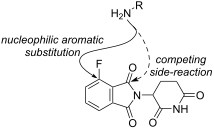
- instability, where the cleavage of the phthalimide and glutarimide rings comprises the major metabolic pathways [9][10]. Computational analysis confirms that C1, C3, C2’, and C4’ are the most electrophilic sites of thalidomide (Figure 4). As expected, introducing a fluorine atom to C4 activates it toward SNAr

Graphical Abstract

Figure 1: The structures of veliparib and iVeliparib-AP6.

Scheme 1: The synthetic route for iVeliparib-AP6.
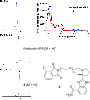
Figure 2: Identification of the cryptic impurity of iVeliparib. The UV trace of the initially purified iVelip...
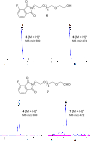
Figure 3: The structures of 6 and 7 and the MS ion extraction traces of 3, 4, 6, and 7 from HPLC analysis of ...

Scheme 2: The conversion of byproduct 6 to 10 to facilitate its removal.

Figure 4: The LUMO and electrostatic charges of thalidomide and its derivatives by DFT calculation at the ωB9...
The effect of neighbouring group participation and possible long range remote group participation in O-glycosylation
- Rituparna Das and
- Balaram Mukhopadhyay
Beilstein J. Org. Chem. 2025, 21, 369–406, doi:10.3762/bjoc.21.27
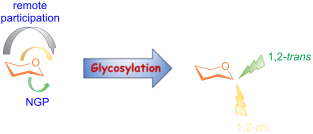
- glycosylation. Conventional glycosylation involves the ‘nucleophilic substitution’ of the leaving group at the sp3 anomeric centre of the donor moiety with a suitable carbohydrate or non-carbohydrate-based aglycon with the help of an electrophilic promoter to form the equatorial glycoside 7 or the axial

Graphical Abstract

Scheme 1: Continuum in the mechanistic pathway of glycosylation [32] reactions ranging between SN2 and SN1.

Scheme 2: Formation of 1,2-trans glycosides by neighbouring group participation with acyl protection in C-2 p...

Scheme 3: Solvent-free activation [92] of disarmed per-acetylated (15) and per-benzoylated (18) glycosyl donors.

Scheme 4: Synthesis of donor 2-(2,2,2-trichloroethoxy)glucopyrano-[2,1-d]-2-oxazoline 22 [94] and regioselective ...

Scheme 5: The use of levulinoyl protection for an orthogonal glycosylation reaction.

Figure 1: The derivatives 32–36 of the pivaloyl group.

Scheme 6: Benzyl and cyanopivalolyl ester-protected hexarhamnoside derivative 37 and its global deprotection ...

Scheme 7: Orthogonal chloroacetyl group deprotection in oligosaccharide synthesis [113].

Figure 2: The derivatives of the chloroacetyl group: CAMB protection (41) [123], CAEB protection (42) [124], POMB prote...

Scheme 8: Use of the (2-nitrophenyl)acetyl protecting group [126] as the neighbouring group protecting group at th...

Scheme 9: Neighbouring group participation protocol by the BnPAc protecting group [128] in the C-2 position.

Scheme 10: Glycosylation reaction with O-PhCar (54) and O-Poc (55) donors showing high β-selectivity [133].

Scheme 11: Neighbouring group participation rendered by an N-benzylcarbamoyl (BnCar) group [137] at the C-2 positio...

Scheme 12: Stereoselectivity obtained from glycosylation [138] with 2-O-(o-trifluoromethylbenzenesulfonyl)-protecte...

Scheme 13: (a) Plausible mechanistic pathway for glycosylation with C-2 DMTM protection [139] and (b) example of a ...

Scheme 14: Glycosylation reactions employing MOM 78, BOM 81, and NAPOM 83-protected thioglycoside donors. Reag...

Scheme 15: Plausible mechanistic pathway for alkoxymethyl-protected glycosyl donors. Path A. Expected product ...

Scheme 16: Plausible mechanistic pathway for alkoxymethyl-protected glycosyl donors [147].

Scheme 17: A. Formation of α-glycosides and B formation of β-glycosides by using chiral auxiliary neighbouring...

Scheme 18: Bimodal participation of 2-O-(o-tosylamido)benzyl (TAB) protecting group to form both α and β-isome...

Scheme 19: (a) 1,2-trans-Directing nature using C-2 cyanomethyl protection and (b) the effect of acceptors and...

Scheme 20: 1,3-Remote assistance by C-3-ester protection for gluco- and galactopyranosides to form 1,2-cis gly...

Scheme 21: 1,6-Remote assistance by C-6-ester protection for gluco- and galactopyranosides to form 1,2-cis gly...

Scheme 22: 1,4-Remote assistance by C-4-ester protection for galactopyranosides to form 1,2-cis glycosidic pro...

Scheme 23: Different products obtained on activation of axial 3-O and equatorial 3-O ester protected glycoside...

Scheme 24: The role of 3-O-protection on the stereochemistry of the produced glycoside [191].

Scheme 25: The role of 4-O-protection on the stereochemistry of the produced glycosides.

Scheme 26: Formation and subsequent stability of the bicyclic oxocarbenium intermediate formed due to remote p...

Scheme 27: The role a C-6 p-nitrobenzoyl group on the stereochemistry of the glycosylated product [196].

Scheme 28: Difference in stereoselectivity obtained in glycosylation reactions by replacing non-participating ...

Scheme 29: The role of electron-withdrawing and electron-donating substituents on the C-4 acetyl group in glyc...

Scheme 30: Effect of the introduction of a methyl group in the C-4 position on the glycosylation with more rea...

Figure 3: Remote group participation effect exhibited by the 2,2-dimethyl-2-(o-nitrophenyl)acetyl (DMNPA) pro...
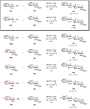
Scheme 31: The different stereoselectivities obtained by Pic and Pico donors on being activated by DMTST.

Figure 4: Hydrogen bond-mediated aglycon delivery (HAD) in glycosylation reactions for 1,2-cis 198a and 1,2-t...

Scheme 32: The role of different acceptor with 6-O-Pic-protected glycosyl donors.

Scheme 33: The role of the remote C-3 protection on various 4,6-O-benzylidene-protected mannosyl donors affect...

Scheme 34: The dual contribution of the DTBS group in glycosylation reactions [246,247].
Synthesis of new condensed naphthoquinone, pyran and pyrimidine furancarboxylates
- Kirill A. Gomonov,
- Vasilii V. Pelipko,
- Igor A. Litvinov,
- Ilya A. Pilipenko,
- Anna M. Stepanova,
- Nikolai A. Lapatin,
- Ruslan I. Baichurin and
- Sergei V. Makarenko
Beilstein J. Org. Chem. 2025, 21, 340–347, doi:10.3762/bjoc.21.24
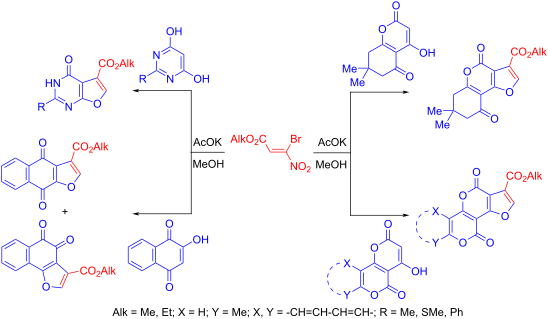
- physicochemical methods, as well as by X-ray diffraction analysis. The obtained compounds, due to the combination of different heterocyclic structures in their molecules, may be interesting as potential biologically active substances. In turn, the presence of active electrophilic centers in their structures

Graphical Abstract

Scheme 1: Approaches to the synthesis of naphtho[2,3-b]furan-4,9-diones.

Scheme 2: Approaches to the synthesis of furo[2,3-d]pyrimidin-4(3H)-ones.

Scheme 3: Approaches to the synthesis of furan-containing pyranopyrans and pyranochromenes.

Scheme 4: Reaction of alkyl 3-bromo-3-nitroacrylates 1a,b with 2-hydroxynaphthalene-1,4-dione (2a).

Scheme 5: Reaction of alkyl 3-bromo-3-nitroacrylates 1a,b with 4-hydroxy-7,7-dimethyl-7,8-dihydro-2H-1-benzop...

Scheme 6: Reaction of alkyl 3-bromo-3-nitroacrylates 1a,b with 4-hydroxy-7-methyl-2H,5H-pyrano[4,3-b]pyran-2,...

Scheme 7: Reaction of alkyl 3-bromo-3-nitroacrylates 1a,b with pyrimidine-4,6-diols 2e–g.
Red light excitation: illuminating photocatalysis in a new spectrum
- Lucas Fortier,
- Corentin Lefebvre and
- Norbert Hoffmann
Beilstein J. Org. Chem. 2025, 21, 296–326, doi:10.3762/bjoc.21.22

Graphical Abstract
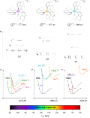
Figure 1: Influence of the metal center M (Fe, Ru, Os) on the position of the MLCT and MC (metal-centered) ab...

Scheme 1: Red-light-mediated ring-closing metathesis through activation of a ruthenium catalyst by an osmium ...

Scheme 2: Photocatalyzed polymerization of dicylopentadiene mediated with red or blue light.

Figure 2: Comparison between [Ru(bpy)3]2+ and [Os(tpy)2]2+ in a photocatalyzed trifluoromethylation reaction:...
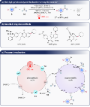
Scheme 3: Red-light photocatalyzed C–N cross-coupling reaction by T. Rovis et al. (SET = single-electron tran...

Figure 3: Red-light-mediated aryl oxidative addition with a bismuthinidene complex.
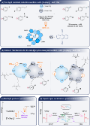
Scheme 4: Red-light-mediated reduction of aryl derivatives by O. S. Wenger et al. (PC = photocatalyst, anh = ...
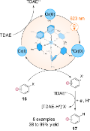
Scheme 5: Red-light-mediated aryl halides reduction with an isoelectronic chromium complex (TDAE = tetrakis(d...
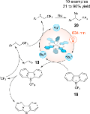
Scheme 6: Red-light-photocatalyzed trifluoromethylation of styrene derivatives with Umemoto’s reagent and a p...
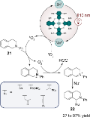
Scheme 7: Red-light-mediated energy transfer for the cross-dehydrogenative coupling of N-phenyltetrahydroisoq...
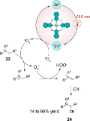
Scheme 8: Red-light-mediated oxidative cyanation of tertiary amines with a phthalocyanin zinc complex.

Scheme 9: Formation of dialins and tetralins via a red-light-photocatalyzed reductive decarboxylation mediate...
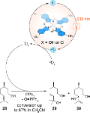
Scheme 10: Oxidation of β-citronellol (28) via energy transfer mediated by a red-light activable silicon phtha...

Scheme 11: Formation of alcohol derivatives 32 from boron compounds 31 using chlorophyll (chl) as a red-light-...

Scheme 12: Red-light-driven reductive dehalogenation of α-halo ketones mediated by a thiaporphyrin photocataly...

Figure 4: Photoinduced electron transfer-reversible addition-fragmentation chain transfer polymerization medi...
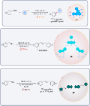
Figure 5: Recent examples of red-light-mediated photocatalytic reactions with traditional organic dyes.

Figure 6: Squaraine photocatalysts used by Goddard et al. and aza-Henry reaction with squaraine-based photoca...

Figure 7: Reactions described by Goddard et al. involving 40 as the photocatalyst.

Figure 8: Various structures of squaraine derivatives used to initiate photopolymerizations.
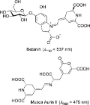
Figure 9: Naturally occurring cyanins.

Figure 10: Influence of the structure on the photophysical properties of a cyanin dye.

Figure 11: NIR-light-mediated aza-Henry reaction photocatalyzed by 46.

Scheme 13: Photocatalyzed arylboronic acids oxidation by 46.
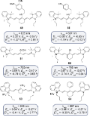
Figure 12: Cyanin structures synthetized and characterized by Goddard et al. (redox potentials given against s...
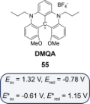
Figure 13: N,N′-Di-n-propyl-1,13-dimethoxyquinacridinium (55) with its redox potentials at its ground state an...
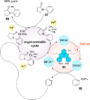
Scheme 14: Dual catalyzed C(sp2)–H arylation of 57 using DMQA 55 as the red-light-absorbing photocatalyst.
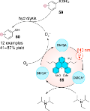
Scheme 15: Red-light-mediated aerobic oxidation of arylboronic acids 59 into phenols 60 via the use of DMQA as...

Figure 14: Red-light-photocatalyzed reactions proposed by Gianetti et al. using DMQA as the photocatalyst.
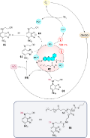
Scheme 16: Simultaneous release of NO and production of superoxide (O2•−) and their combination yielding the p...
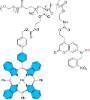
Figure 15: Palladium porphyrin complex as the photoredox catalyst and the NO releasing substrate are linked in...

Scheme 17: Uncaging of compound 69 which is a microtubule depolymerizing agent using near IR irradiation. The ...

Scheme 18: Photochemical uncaging of drugs protected with a phenylboronic acid derivative using near IR irradi...
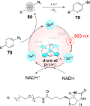
Scheme 19: Photoredox catalytical generation of aminyl radicals with near IR irradiation for the transfer of b...
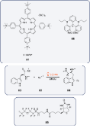
Scheme 20: Photoredox catalytical fluoroalkylation of tryptophan moieties.

Figure 16: Simultaneous absorption of two photons of infrared light of low energy enables electronic excitatio...

Scheme 21: Uncaging Ca2+ ions using two-photon excitation with near infrared light.
Three-component reactions of conjugated dienes, CH acids and formaldehyde under diffusion mixing conditions
- Dmitry E. Shybanov,
- Maxim E. Kukushkin,
- Eugene V. Babaev,
- Nikolai V. Zyk and
- Elena K. Beloglazkina
Beilstein J. Org. Chem. 2025, 21, 262–269, doi:10.3762/bjoc.21.18
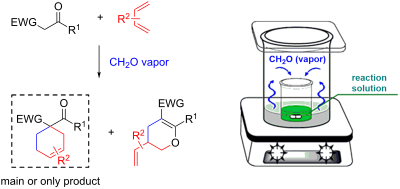
- main reaction products. Keywords: aldol condensation; [4 + 2]-cycloaddition; diffusion mixing; formaldehyde; Knoevenagel condensation; three-component reactions; Introduction Formaldehyde is a reactive electrophilic reagent widely used as a C1 building block in multicomponent reactions [1][2][3]. Its

Graphical Abstract

Scheme 1: Knoevenagel and Diels–Alder reactions in the multicomponent synthesis of substituted cyclohexadiene...

Figure 1: Equipment for carrying out reactions by the diffusion mixing method.

Scheme 2: Interaction of diketone 1 with formaldehyde under the diffusion mixing conditions.

Scheme 3: Products of three-component reactions of methylene derivatives, formaldehyde and various dienes.

Scheme 4: Proposed mechanism for the formation of compounds 8 and 9 in the presence of ʟ-proline.

Scheme 5: Interconversion of derivatives 8 and 9.

Scheme 6: Interaction of 4a/4b and 5a/5b mixtures with bromine.
Dioxazolones as electrophilic amide sources in copper-catalyzed and -mediated transformations
- Seungmin Lee,
- Minsuk Kim,
- Hyewon Han and
- Jongwoo Son
Beilstein J. Org. Chem. 2025, 21, 200–216, doi:10.3762/bjoc.21.12
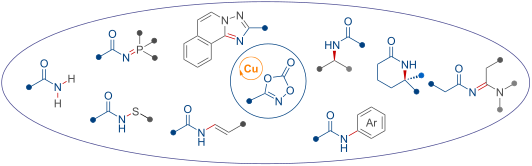
- advancements in the synthetic transformations of dioxazolones, with particular examples of copper salts. Keywords: amidation; copper salts; dioxazolones; electrophilic nitrogen; N-acyl nitrene; Introduction Dioxazolones, first synthesized and reported by Beck and co-workers [1], have been employed as
- electrophiles in various nucleophilic transformations due to their susceptibility to rapid decomposition into the corresponding isocyanates (Scheme 1a) [2][3]. They have attracted increasing interest as electrophilic amide sources in amidation using transition-metal catalysts such as ruthenium, rhodium, and
- dioxazolone 7. Subsequently, nitrene insertion of INT-12 into the Cu–C bond, forms INT-13, which then undergoes isomerization and protodemetalation, followed by catalyst regeneration, as suggested by the DFT calculations. Finally, the nucleophilic addition of the amine to the electrophilic intermediate INT-15

Graphical Abstract

Scheme 1: Formation of isocyanates and amidated arenes from dioxazolones.

Scheme 2: Copper-catalyzed synthesis of δ-lactams via open-shell copper nitrenoid transfer. aCuBr (10 mol %) ...

Figure 1: Proposed reaction pathway for the copper-catalyzed synthesis of δ-lactams from dioxazolones.

Scheme 3: Copper(II)-catalyzed synthesis of 1,2,4-triazole derivatives.

Figure 2: Proposed reaction mechanism for the copper-catalyzed synthesis of 1,2,4-triazole analogues from dio...

Scheme 4: Copper(I)-catalyzed synthesis of N-acyl amidines from dioxazolones, acetylenes, and amines. aPerfor...

Figure 3: Proposed reaction mechanism for the copper(I)-catalyzed synthesis of N-acyl amidines.

Scheme 5: Preparation of N-arylamides from dioxazolones and boronic acids using a copper salt.

Figure 4: Proposed reaction pathway for the copper-mediated synthesis of N-arylamides from dioxazolones.

Scheme 6: Copper-catalyzed preparation of N-acyl iminophosphoranes from dioxazolones.

Figure 5: Proposed reaction pathway for the copper-catalyzed synthesis of N-acyl iminophosphoranes from dioxa...

Scheme 7: Copper-catalyzed synthesis of N-acyl sulfenamides. a1.0 equiv of 18 and 2.0 equiv of 19 were used. b...

Figure 6: Proposed reaction mechanism for the copper-catalyzed S-amidation of thiols.

Scheme 8: Copper-catalyzed asymmetric hydroamidation of vinylarenes. a4 mol % + 2 mol % catalyst was used. b4...

Figure 7: Proposed reaction mechanism for the copper-catalyzed hydroamidation of vinylarenes.

Scheme 9: Copper-catalyzed anti-Markovnikov hydroamidation of alkynes.

Figure 8: Proposed reaction mechanism for the copper-catalyzed amidation of alkynes.

Scheme 10: Copper-catalyzed preparation of primary amides through N–O bond reduction using reducing agent.

Figure 9: Proposed catalytic cycle for the copper-catalyzed reduction of dioxazolones.
Recent advances in electrochemical copper catalysis for modern organic synthesis
- Yemin Kim and
- Won Jun Jang
Beilstein J. Org. Chem. 2025, 21, 155–178, doi:10.3762/bjoc.21.9
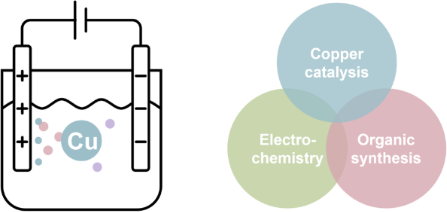
- terminal alkyne 2 in the presence of a chiral copper catalyst and base, which reacts with the electrophilic iminium intermediate 15 to yield the desired chiral product 14. Active Cu(I) is regenerated either through cathodic reduction or by reaction with TEMPO–H. A year after the Mei group’s report, the Xu
- standard conditions. Subsequently, radical-polar coupling between electrophilic Ni-bound α-carbonyl radical intermediate 45 and remaining nucleophilic Cu-enolate 44 provides a chiral product 42 containing vicinal quaternary stereocenters with high stereoselectivity, and all three possible stereoisomers of
- performed using electrophilic chlorinating reagents or stable and readily available chloride sources with stoichiometric amounts of chemical oxidants. However, in this catalytic system, chloride (Cl−) from HCl was used as the chlorinating agent, and electrophilic chlorine (Cl+) was generated in situ by the

Graphical Abstract

Figure 1: General mechanisms of traditional and radical-mediated cross-coupling reactions.

Figure 2: Types of electrocatalysis (using anodic oxidation).

Figure 3: Recent developments and features of electrochemical copper catalysis.

Figure 4: Scheme and proposed mechanism for Cu-catalyzed alkynylation and annulation of benzamide.
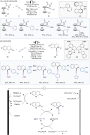
Figure 5: Scheme and proposed mechanism for Cu-catalyzed asymmetric C–H alkynylation.

Figure 6: Scheme for Cu/TEMPO-catalyzed C–H alkenylation of THIQs.
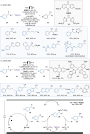
Figure 7: Scheme and proposed mechanism for Cu-catalyzed electrophotochemical enantioselective cyanation of b...
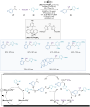
Figure 8: Scheme and proposed mechanism for Cu-catalyzed electrophotochemical asymmetric heteroarylcyanation ...
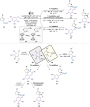
Figure 9: Scheme and proposed mechanism for Cu-catalyzed enantioselective regiodivergent cross-dehydrogenativ...
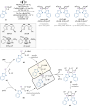
Figure 10: Scheme and proposed mechanism for Cu/Ni-catalyzed stereodivergent homocoupling of benzoxazolyl acet...
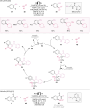
Figure 11: Scheme and proposed mechanism for Cu-catalyzed electrochemical amination.

Figure 12: Scheme and proposed mechanism for Cu-catalyzed electrochemical azidation of N-arylenamines and annu...
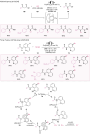
Figure 13: Scheme and proposed mechanism for Cu-catalyzed electrochemical halogenation.

Figure 14: Scheme and proposed mechanism for Cu-catalyzed asymmetric cyanophosphinoylation of vinylarenes.

Figure 15: Scheme and proposed mechanism for Cu/Co dual-catalyzed asymmetric hydrocyanation of alkenes.
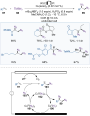
Figure 16: Scheme and proposed mechanism for Cu-catalyzed electrochemical diazidation of olefins.

Figure 17: Scheme and proposed mechanism for Cu-catalyzed electrochemical azidocyanation of alkenes.

Figure 18: Scheme and proposed mechanism for Cu-catalyzed electrophotochemical asymmetric decarboxylative cyan...
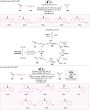
Figure 19: Scheme and proposed mechanism for electrocatalytic Chan–Lam coupling.
Cu(OTf)2-catalyzed multicomponent reactions
- Sara Colombo,
- Camilla Loro,
- Egle M. Beccalli,
- Gianluigi Broggini and
- Marta Papis
Beilstein J. Org. Chem. 2025, 21, 122–145, doi:10.3762/bjoc.21.7

- alkyltrifluoroborate into its corresponding alkyl radical. o-Halo-substituted aryl selenides and sulfides 13 can be achieved by a three-component coupling reaction performed with an aryne precursor, potassium halides and electrophilic chalcogen species as reactants, in the presence of Cu(OTf)2 (Scheme 10) [23]. Under
- these conditions the reaction between aryl thiosulfonates with arynes to give sulfones is competitive. Cu(OTf)2 is essential to remove the sulfinate anions in the reaction medium, avoiding side reactions arising from their attack to the electrophilic arynes. The so-obtained products are susceptible of
- corresponding saturated compounds. Subsequent nucleophilic addition of the cyclic vinyl ether to the iminium salt generates an intermediate XXI susceptible of intramolecular electrophilic attack to give a tricyclic structure XXII. The final deprotonation provides the desired product 24. The multicomponent

Graphical Abstract

Figure 1: Plausible general catalytic activation for ionic or radical mechanisms.

Scheme 1: Synthesis of α-aminonitriles 1.

Scheme 2: Synthesis of β-amino ketone or β-amino ester derivatives 3.

Scheme 3: Synthesis of 1-(α-aminoalkyl)-2-naphthol derivatives 4.

Scheme 4: Synthesis of thioaminals 5.
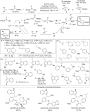
Scheme 5: Synthesis of aryl- or amine-containing alkanes 6 and 7.
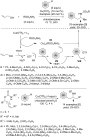
Scheme 6: Synthesis of 1-aryl-2-sulfonamidopropanes 8.

Scheme 7: Synthesis of α-substituted propargylamines 10.

Scheme 8: Synthesis of N-propargylcarbamates 11.

Scheme 9: Synthesis of (E)-vinyl sulfones 12.

Scheme 10: Synthesis of o-halo-substituted aryl chalcogenides 13.

Scheme 11: Synthesis of α-aminophosphonates 14.

Scheme 12: Synthesis of unsaturated furanones and pyranones 15–17.
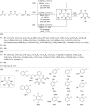
Scheme 13: Synthesis of substituted dihydropyrimidines 18.

Scheme 14: Regioselective synthesis of 1,4-dihydropyridines 20.

Scheme 15: Synthesis of tetrahydropyridines 21.

Scheme 16: Synthesis of furoquinoxalines 22.

Scheme 17: Synthesis of 2,4-substituted quinolines 23.
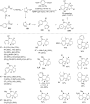
Scheme 18: Synthesis of cyclic ether-fused tetrahydroquinolines 24.

Scheme 19: Practical route for 1,2-dihydroisoquinolines 25.

Scheme 20: Synthesis of 2,3-dihydroquinazolin-4(1H)-one derivatives 26.

Scheme 21: Synthesis of polysubstituted pyrroles 27.

Scheme 22: Enantioselective synthesis of polysubstituted pyrrolidines 30 directed by the copper complex 29.

Scheme 23: Synthesis of 4,5-dihydropyrazoles 31.
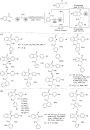
Scheme 24: Synthesis of 2 arylisoindolinones 32.
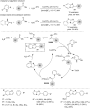
Scheme 25: Synthesis of imidazo[1,2-a]pyridines 33.

Scheme 26: Synthesis of isoxazole-linked imidazo[1,2-a]azines 35.

Scheme 27: Synthesis of 2,3-dihydro-1,2,4-triazoles 36.

Scheme 28: Synthesis of naphthopyrans 37.

Scheme 29: Synthesis of benzo[g]chromene derivatives 38.

Scheme 30: Synthesis of naphthalene annulated 2-aminothiazoles 39, piperazinyl-thiazoloquinolines 40 and thiaz...

Scheme 31: Synthesis of furo[3,4-b]pyrazolo[4,3-f]quinolinones 42.

Scheme 32: Synthesis of spiroindoline-3,4’-pyrano[3,2-b]pyran-4-ones 43.

Scheme 33: Synthesis of N-(α-alkoxy)alkyl-1,2,3-triazoles 44.

Scheme 34: Synthesis of 4-(α-tetrasubstituted)alkyl-1,2,3-triazoles 45.
Recent advances in organocatalytic atroposelective reactions
- Henrich Szabados and
- Radovan Šebesta
Beilstein J. Org. Chem. 2025, 21, 55–121, doi:10.3762/bjoc.21.6
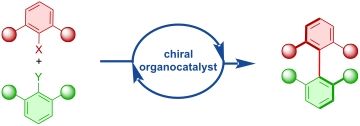
- ]. Yang et al. developed a SPINOL-derived CPA C54-catalyzed electrophilic substitution of diazodicarboxamides 233 and azaborinephenols 232 leading to axially chiral products 234 (Scheme 68) [100]. Excellent enantioselectivities and very good yields were reported in almost all cases. More modest yields

Graphical Abstract

Scheme 1: Formation of axially chiral styrenes 3 via iminium activation.

Scheme 2: Synthesis of axially chiral 2-arylquinolines 6.

Scheme 3: Atroposelective intramolecular (4 + 2) annulation leading to aryl-substituted indolines.

Scheme 4: Atroposelective formation of biaryl via twofold aldol condensation.

Scheme 5: Strategy towards diastereodivergent formation of axially chiral oligonaphthylenes.

Scheme 6: Atroposelective formation of chiral biaryls based on a Michael/Henry domino reaction.

Scheme 7: Organocatalytic Michael/aldol cascade followed by oxidative aromatization.

Scheme 8: Atroposelective formation of C(sp2)–C(sp3) axially chiral compounds.

Scheme 9: NHC-catalyzed synthesis of axially chiral styrenes 26.

Scheme 10: NHC-catalyzed synthesis of biaxial chiral pyranones.

Scheme 11: Formation of bridged biaryls with eight-membered lactones.

Scheme 12: The NHC-catalyzed (3 + 2) annulation of urazoles 37 and ynals 36.

Scheme 13: NHC-catalyzed synthesis of axially chiral 4‑aryl α‑carbolines 41.

Scheme 14: NHC-catalyzed construction of N–N-axially chiral pyrroles and indoles.

Scheme 15: NHC-catalyzed oxidative Michael–aldol cascade.

Scheme 16: NHC-catalyzed (4 + 2) annulation for the synthesis of benzothiophene-fused biaryls.
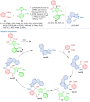
Scheme 17: NHC-catalyzed desymmetrization of N-aryl maleimides.

Scheme 18: NHC-catalyzed deracemization of biaryl hydroxy aldehydes 55a–k into axially chiral benzonitriles 56a...

Scheme 19: NHC-catalyzed desymmetrization of 2-aryloxyisophthalaldehydes.

Scheme 20: NHC-catalyzed DKR of 2-arylbenzaldehydes 62.

Scheme 21: Atroposelective biaryl amination.

Scheme 22: CPA-catalyzed atroposelective amination of 2-anilinonaphthalenes.

Scheme 23: Atroposelective DKR of naphthylindoles.

Scheme 24: CPA-catalyzed kinetic resolution of binaphthylamines.

Scheme 25: Atroposelective amination of aromatic amines with diazodicarboxylates.

Scheme 26: Atroposelective Friedländer heteroannulation.

Scheme 27: CPA-catalyzed formation of axially chiral 4-arylquinolines.

Scheme 28: CPA-catalyzed Friedländer reaction of arylketones with cyclohexanones.

Scheme 29: CPA-catalyzed atroposelective Povarov reaction.

Scheme 30: Atroposelective CPA-catalyzed Povarov reaction.

Scheme 31: Paal–Knorr formation of axially chiral N-pyrrolylindoles and N-pyrrolylpyrroles.

Scheme 32: Atroposelective Paal–Knorr reaction leading to N-pyrrolylpyrroles.

Scheme 33: Atroposelective Pictet–Spengler reaction of N-arylindoles with aldehydes.

Scheme 34: Atroposelective Pictet–Spengler reaction leading to tetrahydroisoquinolin-8-ylanilines.

Scheme 35: Atroposelective formation of arylindoles.

Scheme 36: CPA-catalyzed arylation of naphthoquinones with indolizines.

Scheme 37: Atroposelective reaction of o-naphthoquinones.

Scheme 38: CPA-catalyzed formation of axially chiral arylquinones.

Scheme 39: CPA-catalyzed axially chiral N-arylquinones.

Scheme 40: Atroposelective additions of bisindoles to isatin-based 3-indolylmethanols.

Scheme 41: CPA-catalyzed synthesis of axially chiral arylindolylindolinones.

Scheme 42: CPA-catalyzed reaction between bisindoles and ninhydrin-derived 3-indoylmethanols.

Scheme 43: Atroposelective reaction of bisindoles and isatin-derived imines.

Scheme 44: CPA-catalyzed formation of axially chiral bisindoles.

Scheme 45: Atroposelective reaction of 2-naphthols with alkynylhydroxyisoindolinones.

Scheme 46: CPA-catalyzed reaction of indolylnaphthols with propargylic alcohols.

Scheme 47: Atroposelective formation of indolylpyrroloindoles.

Scheme 48: Atroposelective reaction of indolylnaphthalenes with alkynylnaphthols.

Scheme 49: CPA-catalyzed addition of naphthols to alkynyl-2-naphthols and 2-naphthylamines.

Scheme 50: CPA-catalyzed formation of axially chiral aryl-alkene-indoles.

Scheme 51: CPA-catalyzed formation of axially chiral styrenes.

Scheme 52: Atroposelective formation of alkenylindoles.

Scheme 53: Atroposelective formation of axially chiral arylquinolines.

Scheme 54: Atroposelective (3 + 2) cycloaddition of alkynylindoles with azonaphthalenes.

Scheme 55: CPA-catalyzed formation of axially chiral 3-(1H-benzo[d]imidazol-2-yl)quinolines.

Scheme 56: Atroposelective cyclization of 3-(arylethynyl)-1H-indoles.

Scheme 57: Atroposelective three-component heteroannulation.

Scheme 58: CPA-catalyzed formation of arylbenzimidazols.

Scheme 59: CPA-catalyzed reaction of N-naphthylglycine esters with nitrosobenzenes.
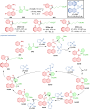
Scheme 60: CPA-catalyzed formation of axially chiral N-arylbenzimidazoles.

Scheme 61: CPA-catalyzed formation of axially chiral arylbenzoindoles.

Scheme 62: CPA-catalyzed formation of pyrrolylnaphthalenes.
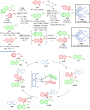
Scheme 63: CPA-catalyzed addition of naphthols and indoles to nitronaphthalenes.

Scheme 64: Atroposelective reaction of heterobiaryl aldehydes and aminobenzamides.

Scheme 65: Atroposelective cyclization forming N-arylquinolones.

Scheme 66: Atroposelective formation of 9H-carbazol-9-ylnaphthalenes and 1H-indol-1-ylnaphthalene.

Scheme 67: CPA-catalyzed formation of pyrazolylnaphthalenes.

Scheme 68: Atroposelective addition of diazodicarboxamides to azaborinephenols.

Scheme 69: Catalytic formation of axially chiral arylpyrroles.

Scheme 70: Atroposelective coupling of 1-azonaphthalenes with 2-naphthols.

Scheme 71: CPA-catalyzed formation of axially chiral oxindole-based styrenes.

Scheme 72: Atroposelective electrophilic bromination of aminonaphthoquinones.

Scheme 73: Atroposelective bromination of dienes.

Scheme 74: CPA-catalyzed formation of axially chiral 5-arylpyrimidines.

Scheme 75: Atroposelective hydrolysis of biaryloxazepines.

Scheme 76: Atroposelective opening of dinaphthosiloles.

Scheme 77: Atroposelective reduction of naphthylenals.

Scheme 78: Atroposelective allylic substitution with 2-naphthols.

Scheme 79: Atroposelective allylic alkylation with phosphinamides.

Scheme 80: Atroposelective allylic substitution with aminopyrroles.

Scheme 81: Atroposelective allylic substitution with aromatic sulfinamides.

Scheme 82: Atroposelective sulfonylation of naphthylynones.

Scheme 83: Squaramide-catalyzed reaction of alkynyl-2-naphthols with 5H-oxazolones.

Scheme 84: Formation of axially chiral styrenes via sulfonylative opening of cyclopropanols.

Scheme 85: Atroposelective organo-photocatalyzed sulfonylation of alkynyl-2-naphthols.

Scheme 86: Thiourea-catalyzed atroposelective cyclization of alkynylnaphthols.

Scheme 87: Squaramide-catalyzed formation of axially chiral naphthylisothiazoles.

Scheme 88: Atroposelective iodo-cyclization catalyzed by squaramide C69.

Scheme 89: Squaramide-catalyzed formation of axially chiral oligoarenes.

Scheme 90: Atroposelective ring-opening of cyclic N-sulfonylamides.

Scheme 91: Thiourea-catalyzed kinetic resolution of naphthylpyrroles.

Scheme 92: Atroposelective ring-opening of arylindole lactams.

Scheme 93: Atroposelective reaction of 1-naphthyl-2-tetralones and diarylphosphine oxides.

Scheme 94: Atroposelective reaction of iminoquinones with indoles.

Scheme 95: Kinetic resolution of binaphthylalcohols.

Scheme 96: DKR of hydroxynaphthylamides.

Scheme 97: Atroposelective N-alkylation with phase-transfer catalyst C75.
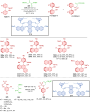
Scheme 98: Atroposelective allylic substitution via kinetic resolution of biarylsulfonamides.

Scheme 99: Atroposelective bromo-functionalization of alkynylarenes.
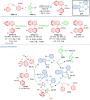
Scheme 100: Sulfenylation-induced atroposelective cyclization.

Scheme 101: Atroposelective O-sulfonylation of isochromenone-indoles.

Scheme 102: NHC-catalyzed atroposelective N-acylation of anilines.

Scheme 103: Peptide-catalyzed atroposelective ring-opening of lactones.

Scheme 104: Peptide-catalyzed coupling of 2-naphthols with quinones.

Scheme 105: Atroposelective nucleophilic aromatic substitution of fluoroarenes.
Reactivity of hypervalent iodine(III) reagents bearing a benzylamine with sulfenate salts
- Beatriz Dedeiras,
- Catarina S. Caldeira,
- José C. Cunha,
- Clara S. B. Gomes and
- M. Manuel B. Marques
Beilstein J. Org. Chem. 2024, 20, 3281–3289, doi:10.3762/bjoc.20.272
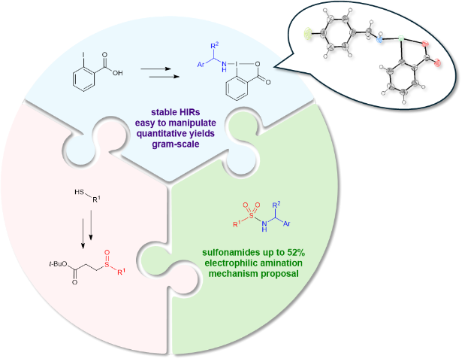
- . A plausible mechanism is proposed, suggesting a possible radical pathway. Keywords: electrophilic amination; hypervalent iodine reagents; sulfinamide; sulfonamide; Introduction Iodine(III) compounds, known as λ3-iodanes, have been extensively applied in organic synthesis. Although initially used
- in electrophilic transfer reactions, with emphasis on umpolung reactivity of usually nucleophilic functional groups. Thus constituting a powerful synthetic tool, opening room for new synthetic disconnections [10]. Within the benziodoxol(on)e class, a range of HIRs featuring nitrogen-containing groups
- benziodoxolone was generated in situ, via a reaction of chlorobenziodoxolone with sulfinate salts, followed by the addition of amines or hydrazines, respectively. On the follow-up on our research, we envisaged to extend the diversity of BBX reagents as electrophilic amine reagents and investigated their

Graphical Abstract
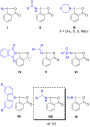
Figure 1: Examples of cyclic HIRs with a nitrogen-based group transfer [4,10,13-20].

Scheme 1: Electrophilic α‑amination of indanone-based β-ketoesters [4].

Scheme 2: Scope of the different (benzylamino)benziodoxolones (BBXs) 2 with ORTEP-3 diagram of compound 2d, u...

Scheme 3: Scope of the different β-sulfinyl esters 4 [32,33]. Isolated yields. rt – room temperature.

Scheme 4: Scope of the primary amine electrophilic reaction of sulfenate salts. Reaction conditions: 4 (2 equ...

Scheme 5: Electrophilic amination reaction in the presence of TEMPO. Reaction conditions: 4a (2 equiv), NaH (...

Scheme 6: Mechanism proposed for sulfonamide 5, β-sulfinyl ester 4, disulfide 7, and sulfide 3 formations. Th...
Efficient synthesis of fluorinated triphenylenes with enhanced arene–perfluoroarene interactions in columnar mesophases
- Yang Chen,
- Jiao He,
- Hang Lin,
- Hai-Feng Wang,
- Ping Hu,
- Bi-Qin Wang,
- Ke-Qing Zhao and
- Bertrand Donnio
Beilstein J. Org. Chem. 2024, 20, 3263–3273, doi:10.3762/bjoc.20.270
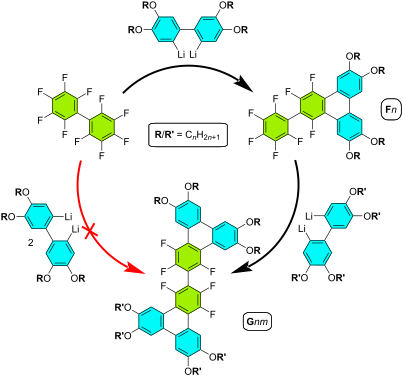
- chains and derived from the classical triphenylene core self-assembling in columnar mesophases based on this paradigm. These mesogenic compounds were simply obtained in good yields by the nucleophilic substitution (SNFAr) of various types of commercially available fluoroarenes with the electrophilic
- variety of triphenylene derivatives (Figure 1) [44][45][46][47] based on the nucleophilic substitution of various electrophilic perfluoroarenes, including C6F2H4, C6F6, C10F8, and C6F5-Ph, by nucleophilic organolithium reagents. e.g., 2,2’-dilithio-4,4’,5,5’-tetrakis(alkoxy)-1,1’-biphenyls, 2Li-BPn

Graphical Abstract

Figure 1: Fluorotriphenylene derivatives and their nonfluorinated homologs obtained by SNFAr from 2,2'-dilith...

Scheme 1: Synthesis, yields, and nomenclature of 1,2,4-trifluoro-6,7,10,11-tetraalkoxy-3-(perfluorophenyl)tri...

Figure 2: Single crystal structure of 1,2,4-trifluoro-3-(perfluorophenyl)triphenylene (F) viewed along the ma...

Figure 3: POM textures, observed between crossed polarizers of Janus and dimer, F6, F12, G66, and G48, respec...

Figure 4: Comparative bar graph summarizing the thermal behavior of Fn, BTP6, and PHn derivatives (2nd heatin...
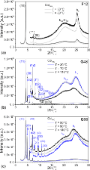
Figure 5: Representative S/WAXS patterns of Fn and Gnm compounds.
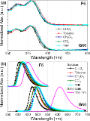
Figure 6: Absorption (a) and emission (b) spectra of F6 and G66, measured in different solvents at a concentr...

Figure 7: DFT calculated frontier molecular orbitals and optimized molecular structures for F1 and G11.
Direct trifluoroethylation of carbonyl sulfoxonium ylides using hypervalent iodine compounds
- Radell Echemendía,
- Carlee A. Montgomery,
- Fabio Cuzzucoli,
- Antonio C. B. Burtoloso and
- Graham K. Murphy
Beilstein J. Org. Chem. 2024, 20, 3182–3190, doi:10.3762/bjoc.20.263
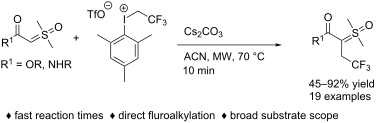
- fluoroalkyliodonium salts as sources of electrophilic trifluoroethyl synthon. Given the non-nucleophilic nature of the iodoarene byproduct, this protocol should not suffer from further reactivity that decomposes the ylide. We describe here the coupling of α-carbonyl sulfoxonium ylides with polyfluoroalkyl(aryl
- discovered by Umemoto has proven an effective electrophilic trifluoroethyl transfer reagent [34][35], and to further explore the potential of fluoroalkyliodonium salts we evaluated the reactivity of such compounds in the context of sulfoxonium ylide derivatization. As depicted in Table 1, we began our
- with them being viable electrophilic sites for halogen bond formation with 1a, supporting the mechanism in path 1. We also expressed the LUMO and LUMO+1 molecular orbitals of 2a’ (Figure 3, middle and right, respectively), which showed lobes centered on the I–C bonds to both the trifluoroethyl and

Graphical Abstract

Figure 1: Representative examples of fluorine containing, biologically active compounds.

Scheme 1: Strategies for the synthesis of α-alkyl sulfoxonium ylides.

Scheme 2: Exploring substrate scope in the direct α-fluoroalkylation of sulfoxonium ylides.

Scheme 3: Synthetic applications of fluoroalkylated sulfoxonium ylides.

Figure 2: Possible mechanisms for the reaction of 1a and 2a leading to 3a (via B), proceeding via either halo...

Figure 3: Electrostatic potential of 2a’ from 0.075 e to 0.21 e, showing two sigma holes of potentials 0.20 a...

Figure 4: The optimized reaction coordinate diagrams for the halogen bond-mediated mechanism (path 1, left) a...
Multicomponent reactions driving the discovery and optimization of agents targeting central nervous system pathologies
- Lucía Campos-Prieto,
- Aitor García-Rey,
- Eddy Sotelo and
- Ana Mallo-Abreu
Beilstein J. Org. Chem. 2024, 20, 3151–3173, doi:10.3762/bjoc.20.261
- intramolecular SNAr reactions. Ugi-4CR/deprotection/cyclization (UDC) strategy: In the UDC approach a protected amine and an electrophilic functional group like esters or ketones are used. Convertible isocyanides can also be employed. Once the Ugi reaction is completed, the protecting group is removed, and the

Graphical Abstract

Figure 1: Classical MCRs.

Figure 2: Different scaffolds that can be formed with the Ugi adduct.

Scheme 1: Oxoindole-β-lactam core produced in a U4C-3CR.

Figure 3: Most active oxoindole-β-lactam compounds developed by Brãndao et al. [33].

Scheme 2: Ugi-azide synthesis of benzofuran, pyrazole and tetrazole hybrids.

Figure 4: The most promising hybrids synthesized via the Ugi-azide multicomponent reaction reported by Kushwa...

Scheme 3: Four-component Ugi reaction for the synthesis of novel antioxidant compounds.

Figure 5: Most potent antioxidant compounds obtained through the Ugi four-component reaction developed by Pac...

Scheme 4: Four-component Ugi reaction to synthesize β-amiloyd aggregation inhibitors.

Figure 6: The most potential β-amiloyd aggregation inhibitors generated by Galante et al. [37].

Scheme 5: Four-component Ugi reaction to obtain FATH hybrids and the best candidate synthesized.

Scheme 6: Four-component Ugi reaction for the synthesis of FATMH hybrids and the best candidate synthesized.

Scheme 7: Petasis multicomponent reaction to produce pyrazine-based MTDLs.

Figure 7: Best pyrazine-based MTDLs synthesized by Madhav et al. [40].

Scheme 8: Synthesis of BCPOs employing a Knoevenagel-based multicomponent reaction and the best candidate syn...

Scheme 9: Hantzsch multicomponent reaction for the synthesis of DHPs as novel MTDLs.

Figure 8: Most active 1,4-dihydropyridines developed by Malek et al. [43].

Scheme 10: Chromone–donepezil hybrid MTDLs obtained via the Passerini reaction.

Figure 9: Best CDH-based MTDLs as AChE inhibitors synthesized by Malek et al. [46].

Scheme 11: Replacement of the nitrogen in lactams 11 with an oxygen in 12 to influence hydrogen-bond donating ...

Scheme 12: MCR 3 + 2 reaction to develop spirooxindole, spiroacenaphthylene, and bisbenzo[b]pyran compounds.

Figure 10: SIRT2 activity of best derivatives obtained by Hasaninejad et al. [49].

Scheme 13: Synthesis of ML192 analogs using the Gewald multicomponent reaction and the best candidate synthesi...

Scheme 14: Development of 1,5-benzodiazepines via Ugi/deprotection/cyclization (UDC) approach by Xu et al. [59].

Scheme 15: Synthesis of polysubstituted 1,4-benzodiazepin-3-ones using UDC strategy.

Scheme 16: Synthetic procedure to obtain 3-carboxamide-1,4-benzodiazepin-5-ones employing Ugi–reduction–cycliz...

Scheme 17: Ugi cross-coupling (U-4CRs) to synthesize triazolobenzodiazepines.

Scheme 18: Azido-Ugi four component reaction cyclization to obtain imidazotetrazolodiazepinones.

Scheme 19: Synthesis of oxazolo- and thiazolo[1,4]benzodiazepine-2,5-diones via Ugi/deprotection/cyclization a...
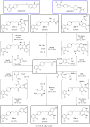
Scheme 20: General synthesis of 2,3-dichlorophenylpiperazine-derived compounds by the Ugi reaction and Ugi/dep...

Figure 11: Best DRD2 compounds synthesized using a multicomponent strategy.

Scheme 21: Bucherer–Bergs multicomponent reaction to obtain a key intermediate in the synthesis of pomaglumeta...

Scheme 22: Ugi reaction to synthesize racetam derivatives and example of two racetams synthesized by Cioc et a...
Controlled oligomerization of [1.1.1]propellane through radical polarity matching: selective synthesis of SF5- and CF3SF4-containing [2]staffanes
- Jón Atiba Buldt,
- Wang-Yeuk Kong,
- Yannick Kraemer,
- Masiel M. Belsuzarri,
- Ansh Hiten Patel,
- James C. Fettinger,
- Dean J. Tantillo and
- Cody Ross Pitts
Beilstein J. Org. Chem. 2024, 20, 3134–3143, doi:10.3762/bjoc.20.259
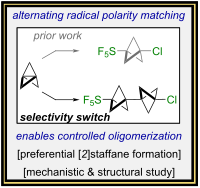
- , the carbon-centered radicals in both INT1 and INT4 are closer to strong electron-withdrawing groups than are the radical centers in INT2 and INT5, rendering INT1 and INT4 relatively more electrophilic. Inductive effects drop off steeply with distance, and it is also established that a substituent (or
- , e.g., a radical or cation) on the transannular carbon atom of a bicyclopentyl moiety can interact through space [35][63][64]. The consequence is ostensibly that more "nucleophilic" INT2 and INT5 are better matched for Cl atom abstraction from the "electrophilic" reagent (SF5Cl or CF3SF4Cl). To test
- -chloropyrimidyl-SF4Cl) was determined to be significantly less "electrophilic" than SF5Cl or CF3SF4Cl, consistent with a reduction in the radical polarity matching effect (see Supporting Information File 1 for details). This was difficult to predict or rationalize based on calculation of free energies of

Graphical Abstract

Figure 1: (Top) highlighting selectivity challenges in the synthesis of [n]staffanes using excess [1.1.1]prop...

Figure 2: Computed free energy profile for the oligomerization of [1.1.1]propellane (1) following SF5 radical...

Figure 3: Computed free energy profile for the oligomerization of [1.1.1]propellane (1) following CF3SF4 radi...

Figure 4: (A) The molecular structure of 3 at 90 K with 5 independent moieties in the asymmetric axis viewed ...
Hypervalent iodine-mediated intramolecular alkene halocyclisation
- Charu Bansal,
- Oliver Ruggles,
- Albert C. Rowett and
- Alastair J. J. Lennox
Beilstein J. Org. Chem. 2024, 20, 3113–3133, doi:10.3762/bjoc.20.258
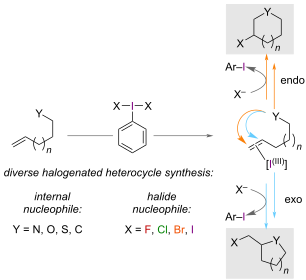
- structures. HVI reagents are characterized by their diverse reactivity as oxidants and electrophilic reagents. In addition, they are inexpensive, non-toxic and considered to be environmentally friendly. An important application of HVI reagents is the synthesis of halogenated cyclic compounds, in particular
- fluoride ion to displace PhI. In pathway B (bottom), the nitrogen is oxidised by the iodane, generating an electrophilic intermediate B. Nucleophilic attack by the double bond subsequently forms the 6-membered ring intermediate C, which is either immediately attacked by fluoride to form both cis and trans
- difluoroiodobenzene 10 is formed in situ, which is activated by HF. Two possible mechanisms were given for the synthesis of pyrrolidines 14, which are the same two proposed for the synthesis of piperidines 6 (Scheme 1). Either an alkene-activated iodonium is formed or an activated electrophilic nitrogen is generated

Graphical Abstract

Figure 1: Example bioactive compounds containing cyclic scaffolds potentially accessible by HVI chemistry.

Figure 2: A general mechanism for HVI-mediated endo- or exo-halocyclisation.
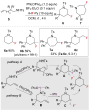
Scheme 1: Metal-free synthesis of β-fluorinated piperidines 6. Ts = tosyl.

Scheme 2: Intramolecular aminofluorination of unactivated alkenes with a palladium catalyst.
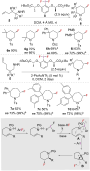
Scheme 3: Aminofluorination of alkenes in the synthesis of enantiomerically pure β-fluorinated piperidines. P...

Scheme 4: Synthesis of β-fluorinated piperidines.

Scheme 5: Intramolecular fluoroaminations of unsaturated amines published by Li.
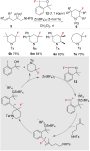
Scheme 6: Intramolecular aminofluorination of unsaturated amines using 1-fluoro-3,3-dimethylbenziodoxole (12)...
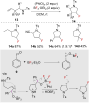
Scheme 7: 3-fluoropyrrolidine synthesis. aDiastereomeric ratio (cis/trans) determined by 19F NMR analysis.

Scheme 8: Kitamura’s synthesis of 3-fluoropyrrolidines. Values in parentheses represent the cis:trans ratio.
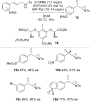
Scheme 9: Jacobsen’s enantio- and diastereoselective protocol for the synthesis of syn-β-fluoroaziridines 15.
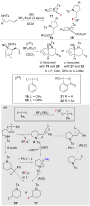
Scheme 10: Different HVI reagents lead to different diastereoselectivity in aminofluorination competing with c...
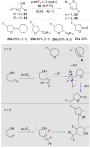
Scheme 11: Fluorocyclisation of unsaturated alcohols and carboxylic acids to make tetrahydrofurans, fluorometh...

Scheme 12: Oxyfluorination of unsaturated alcohols.
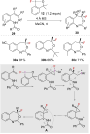
Scheme 13: Synthesis and mechanism of fluoro-benzoxazepines.
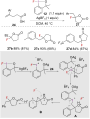
Scheme 14: Intramolecular fluorocyclisation of unsaturated carboxylic acids. Yield of isolated product within ...

Scheme 15: Synthesis of fluorinated tetrahydrofurans and butyrolactone.

Scheme 16: Synthesis of fluorinated oxazolines 32. aReaction time increased to 40 hours. Yields refer to isola...
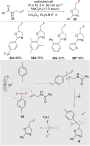
Scheme 17: Electrochemical synthesis of fluorinated oxazolines.

Scheme 18: Electrochemical synthesis of chromanes.

Scheme 19: Synthesis of fluorinated oxazepanes.
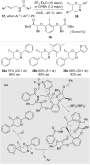
Scheme 20: Enantioselective oxy-fluorination with a chiral aryliodide catayst.
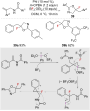
Scheme 21: Catalytic synthesis of 5‑fluoro-2-aryloxazolines using BF3·Et2O as a source of fluoride and an acti...

Scheme 22: Intramolecular carbofluorination of alkenes.

Scheme 23: Intramolecular chlorocyclisation of unsaturated amines.
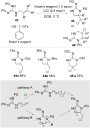
Scheme 24: Synthesis of chlorinated cyclic guanidines 44.
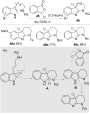
Scheme 25: Synthesis of chlorinated pyrido[2,3-b]indoles 46.

Scheme 26: Chlorolactonization and chloroetherification reactions.
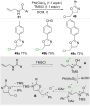
Scheme 27: Proposed mechanism for the synthesis of chloromethyl oxazolines 49.
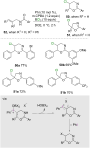
Scheme 28: Oxychlorination to form oxazine and oxazoline heterocycles promoted by BCl3.

Scheme 29: Aminobromocyclisation of homoallylic sulfonamides 53. The cis:trans ratios based on the 1H NMR of t...
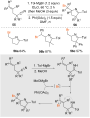
Scheme 30: Synthesis of cyclic imines 45.

Scheme 31: Synthesis of brominated pyrrolo[2,3-b]indoles 59.

Scheme 32: Bromoamidation of alkenes.

Scheme 33: Synthesis of brominated cyclic guanidines 61 and 61’.
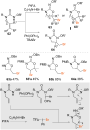
Scheme 34: Intramolecular bromocyclisation of N-oxyureas.
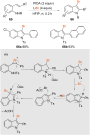
Scheme 35: The formation of 3-bromoindoles.

Scheme 36: Bromolactonisation of unsaturated acids 68.

Scheme 37: Synthesis of 5-bromomethyl-2-oxazolines.
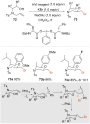
Scheme 38: Synthesis of brominated chiral morpholines.
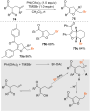
Scheme 39: Bromoenolcyclisation of unsaturated dicarbonyl groups.

Scheme 40: Brominated oxazines and oxazolines with BBr3.

Scheme 41: Synthesis of 5-bromomethtyl-2-phenylthiazoline.

Scheme 42: Intramolecular iodoamination of unsaturated amines.

Scheme 43: Formation of 3-iodoindoles.

Scheme 44: Iodoetherification of 2,2-diphenyl-4-penten-1-carboxylic acid (47’) and 2,2-diphenyl-4-penten-1-ol (...

Scheme 45: Synthesis of 5-iodomethyl-2-oxazolines.

Scheme 46: Synthesis of chiral iodinated morpholines. aFrom the ʟ-form of the amino acid starting material. Th...

Scheme 47: Iodoenolcyclisation of unsaturated dicarbonyl compounds 74.

Scheme 48: Synthesis of 5-iodomethtyl-2-phenylthiazoline (87).
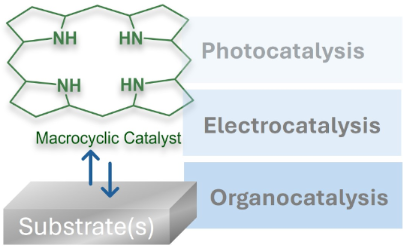
Advances in the use of metal-free tetrapyrrolic macrocycles as catalysts
- Mandeep K. Chahal
Beilstein J. Org. Chem. 2024, 20, 3085–3112, doi:10.3762/bjoc.20.257
- electrophilic CO2, leading to the formation of 18-IV. The negatively charged oxygen in 18-IV is then responsible for removing the chloride atom leading to the major isomer as a final product. The results of this study suggest that nonplanarity or distortion of the tetrapyrrolic macrocyclic core is not a

Graphical Abstract

Figure 1: Chemical structures of the main tetrapyrrolic macrocycles studied in this review for their role as ...

Figure 2: Calix[4]pyrroles 3 and 4 and an their acyclic analogue 5 used for the transformation of Danishefsky...

Figure 3: Calixpyrrole-based organocatalysts 11 and 12 for the diastereoselective addition reaction of TMSOF ...

Figure 4: (a) Chemical structures of macrocyclic organocatalysts used for the synthesis of cyclic carbonates ...

Figure 5: Cuprous chloride-catalyzed aziridination of styrene (22) by chloramine-T (23) providing 1-tosyl-2-p...

Figure 6: Chemical structures of the various porphyrin macrocycles (18, 25–41) screened as potential catalyst...

Figure 7: Organocatalytic activity of distorted porphyrins explored by Senge and co-workers. Planar macrocycl...

Figure 8: Chemical structures of H2EtxTPP (x = 0, 2, 4, 6, 8) compounds with incrementally increasing nonplan...

Figure 9: Chemical structures of OxP macrocycles tested as potential organocatalysts for the conjugate additi...

Figure 10: a) Fundamental structure of the J-aggregates of diprotonated TPPS3 53 and b) its use as a catalyst ...

Figure 11: Chemical structures of amphiphilic porphyrin macrocycles used as pH-switchable catalysts based on i...

Figure 12: a) Chemical structures of porphyrin macrocycles for the cycloaddition of CO2 to N-alkyl/arylaziridi...

Figure 13: Electron and energy-transfer processes typical for excited porphyrin molecules (Por = porphyrin mac...

Figure 14: Proposed mechanism for the light-induced α-alkylation of aldehydes with EDA in the presence of H2TP...

Figure 15: a) Chemical structures of porphyrins screened as photoredox catalysts, b) model reaction of furan (...

Figure 16: Porphyrin macrocycles H2TPP (18) and PPIX 78 as photoreductants for the red light-induced C–H aryla...

Figure 17: Porphyrin macrocycles H2TPP (18) and PPIX 78 as photoredox catalyst for (a) α-alkylation of an alde...

Figure 18: Corrole macrocycles 98–100 as photoredox catalysts for C–H arylation and borylation reactions. Adap...

Figure 19: Proposed catalytic cycle of electrocatalytic generation of H2 evolution using tetrapyrrolic macrocy...

Figure 20: a) Chemical structures of tetrapyrrolic macrocycles 109, 73, and 110 used for oxygen reductions in ...

Figure 21: a) Absorption spectra (left) of the air-saturated DCE solutions containing: 5 × 10⁻⁵ M H2TPP (black...

Figure 22: Chemical structures of N,N’-dimethylated saddle-distorted porphyrin isomers, syn-Me2P 111 and anti-...

Figure 23: Reaction mechanisms for the two-electron reduction of O2 by a) syn-Me2Iph 113 and b) anti-Me2Iph 114...

Figure 24: O2/H2O2 interconversion using methylated saddle-distorted porphyrin and isophlorin (reduced porphyr...

Figure 25: Chemical structures of distorted dodecaphenylporphyrin macrocycle 117 and its diprotonated form 118...
Advances in radical peroxidation with hydroperoxides
- Oleg V. Bityukov,
- Pavel Yu. Serdyuchenko,
- Andrey S. Kirillov,
- Gennady I. Nikishin,
- Vera A. Vil’ and
- Alexander O. Terent’ev
Beilstein J. Org. Chem. 2024, 20, 2959–3006, doi:10.3762/bjoc.20.249
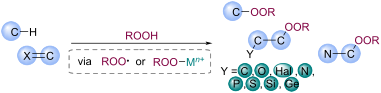
- alkenes 41 was disclosed (Scheme 17) [59]. The target 6-trifluoromethyl peroxides 42 were synthesized in good yields under mild conditions. The electrophilic CF3 radical A, generated from CF3SO2Na through single-electron oxidation by using Mnn/TBHP system, is captured by the carbon–carbon double bond to
- fragment: In 2016 a radical difunctionalization of styrenes 163 using electrophilic perfluoroalkyl compound 164 and tert-butylperoxy radicals with the formation of (1-(tert-butylperoxy)-2-perfluoroalkyl)ethylbenzene 165 was developed (Scheme 52a) [115]. The proposed mechanism includes the Co(II)/Co(III
- catalytic cycle. A Pd-catalyzed synthesis of di-tert-butylperoxyoxoindole derivatives 210 from acrylic acid anilides 209 and TBHP was developed (Scheme 65) [134]. The authors proposed that the initially formed diperoxide A undergoes electrophilic attack by cationic Pd(II) on an aromatic C–H bond with the

Graphical Abstract

Scheme 1: Organic peroxide initiators in polymer chemistry.

Scheme 2: Synthesis of organic peroxides.

Scheme 3: Richness of radical cascades with species formed from hydroperoxides in redox conditions.
Scheme 4: Co-catalyzed allylic peroxidation of alkenes 1 and 3 by TBHP.

Scheme 5: Allylic peroxidation of alkenes 6 by Pd(II)TBHP.
Scheme 6: Cu(I)-catalyzed allylic peroxidation.

Scheme 7: Enantioselective peroxidation of alkenes 10 with TBHP in the presence of copper(I) compounds.

Scheme 8: Oxidation of α-pinene (12) by the Cu(I)/TBHP system.

Scheme 9: Introduction of the tert-butylperoxy fragment into the α-position of cyclic ketones 15 and 17.
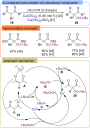
Scheme 10: α-Peroxidation of β-dicarbonyl compounds 19 using the Cu(II)/TBHP system.
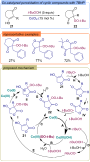
Scheme 11: Co-catalyzed peroxidation of cyclic compounds 21 with TBHP.

Scheme 12: Co-, Mn- and Fe-catalyzed peroxidation of 2-oxoindoles 23, barbituric acids 25, and 4-hydroxycoumar...

Scheme 13: Cu-catalyzed and metal-free peroxidation of barbituric acid derivatives 31 and 3,4-dihydro-1,4-benz...

Scheme 14: Electrochemical peroxidation of 1,3-dicarbonyl compounds 35.

Scheme 15: Peroxidation of β-dicarbonyl compounds, cyanoacetic esters and malonic esters 37 by the TBAI/TBHP s...
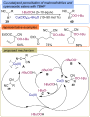
Scheme 16: Cu-catalyzed peroxidation of malonodinitriles and cyanoacetic esters 39 with TBHP.

Scheme 17: Mn-catalyzed remote peroxidation via trifluromethylation of double bond.

Scheme 18: Cu-catalyzed remote peroxidation via trifluromethylthiolation of double bond.

Scheme 19: Fe-, Mn-, and Ru-catalyzed peroxidation of alkylaromatics 45, 47, 49, and 51 with TBHP.

Scheme 20: Cu-catalyzed peroxidation of diphenylacetonitrile (53) with TBHP.
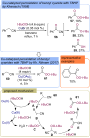
Scheme 21: Cu-catalyzed peroxidation of benzyl cyanides 60 with TBHP.
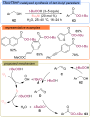
Scheme 22: Synthesis of tert-butylperoxy esters 63 from benzyl alcohols 62 using the TBAI/TBHP system.

Scheme 23: Enantioselective peroxidation of 2-phenylbutane (64) with TBHP and chiral Cu(I) complex.
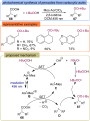
Scheme 24: Photochemical synthesis of peroxides 67 from carboxylic acids 66.
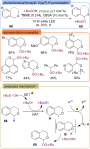
Scheme 25: Photochemical peroxidation of benzylic C(sp3)–H.
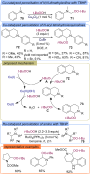
Scheme 26: Cu- and Ru-catalyzed peroxidation of alkylamines with TBHP.
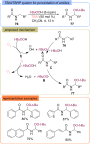
Scheme 27: Peroxidation of amides 76 with the TBAI/TBHP system.
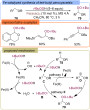
Scheme 28: Fe-catalyzed functionalization of ethers 78 with TBHP.

Scheme 29: Synthesis of 4-(tert-butylperoxy)-5-phenyloxazol-2(3H)-ones 82 from benzyl alcohols 80 and isocyana...

Scheme 30: Fe- and Co-catalyzed peroxidation of alkanes with TBHP.
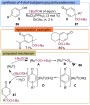
Scheme 31: Rh-catalyzed tert-butylperoxy dienone synthesis with TBHP.

Scheme 32: Rh- and Cu-catalyzed phenolic oxidation with TBHP.

Scheme 33: Metal-free peroxidation of phenols 94.

Scheme 34: Cu-catalyzed alkylation–peroxidation of acrylonitrile.

Scheme 35: Cu-catalyzed cycloalkylation–peroxidation of coumarins 99.

Scheme 36: Metal-free cycloalkylation–peroxidation of coumarins 102.

Scheme 37: Difunctionalization of indene 104 with tert-butylperoxy and alkyl groups.

Scheme 38: Acid-catalyzed radical addition of ketones (108, 111) and TBHP to alkenes 107 and acrylates 110.

Scheme 39: Cu-catalyzed alkylation–peroxidation of alkenes 113 with TBHP and diazo compounds 114.

Scheme 40: Cobalt(II)-catalyzed addition of TBHP and 1,3-dicarbonyl compound 116 to alkenes 117.

Scheme 41: Cu(0)- or Co(II)-catalyzed addition of TBHP and alcohols 120 to alkenes 119.

Scheme 42: Fe-catalyzed functionalization of allenes 122 with TBHP.

Scheme 43: Fe-catalyzed alkylation–peroxidation of alkenes 125 and 127.

Scheme 44: Fe- and Co-catalyzed alkylation–peroxidation of alkenes 130, 133 and 134 with TBHP and aldehydes as...
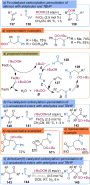
Scheme 45: Carbonylation–peroxidation of alkenes 137, 140, 143 with hydroperoxides and aldehydes.

Scheme 46: Carbamoylation–peroxidation of alkenes 146 with formamides and TBHP.

Scheme 47: TBAB-catalyzed carbonylation–peroxidation of alkenes.

Scheme 48: VOCl2-catalyzed carbonylation–peroxidation of alkenes 152.
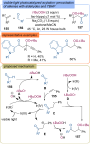
Scheme 49: Acylation–peroxidation of alkenes 155 with aldehydes 156 and TBHP using photocatalysis.
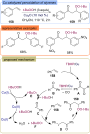
Scheme 50: Cu-catalyzed peroxidation of styrenes 158.

Scheme 51: Fe-catalyzed acylation-peroxidation of alkenes 161 with carbazates 160 and TBHP.

Scheme 52: Difunctionalization of alkenes 163, 166 with TBHP and (per)fluoroalkyl halides.

Scheme 53: Difunctionalization of alkenes 169 and 172 with hydroperoxides and sodium (per)fluoromethyl sulfina...
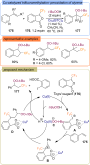
Scheme 54: Trifluoromethylation–peroxidation of styrenes 175 using MOF Cu3(BTC)2 as a catalyst.
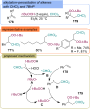
Scheme 55: Difunctionalization of alkenes 178 with tert-butylperoxy and dihalomethyl fragments.

Scheme 56: Difunctionalization of alkenes 180 with the tert-butylperoxy and dihalomethyl moieties.
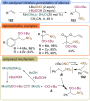
Scheme 57: The nitration–peroxidation of alkenes 182 with t-BuONO and TBHP.
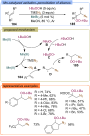
Scheme 58: Azidation–peroxidation of alkenes 184 with TMSN3 and TBHP.

Scheme 59: Co-catalyzed bisperoxidation of butadiene 186.

Scheme 60: Bisperoxidation of styrene (189) and acrylonitrile (192) with TBHP by Minisci.

Scheme 61: Mn-catalyzed synthesis of bis(tert-butyl)peroxides 195 from styrenes 194.

Scheme 62: Bisperoxidation of arylidene-9H-fluorenes 196 and 3-arylidene-2-oxoindoles 198 with TBHP under Mn-c...

Scheme 63: Synthesis of bisperoxides from styrenes 200 and 203 using the Ru and Rh catalysis.
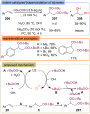
Scheme 64: Iodine-catalyzed bisperoxidation of styrenes 206.
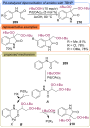
Scheme 65: Synthesis of di-tert-butylperoxyoxoindoles 210 from acrylic acid anilides 209 using a Pd(II)/TBHP o...

Scheme 66: Pinolation/peroxidation of styrenes 211 catalyzed by Cu(I).
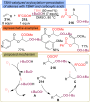
Scheme 67: TBAI-catalyzed acyloxylation–peroxidation of alkenes 214 with carboxylic acids and TBHP.

Scheme 68: Difunctionalization of alkenes 217 with TBHP and water or alcohols.

Scheme 69: TBAI-catalyzed hydroxyperoxidation of 1,3-dienes 220.

Scheme 70: Hydroxyperoxidation of 1,3-dienes 220.

Scheme 71: Iodination/peroxidation of alkenes 223 with I2 and hydroperoxides.

Scheme 72: The reactions of cyclic enol ethers 226 and 228 with I2/ROOH system.

Scheme 73: Synthesis of 1-(tert-butylperoxy)-2-iodoethanes 231.

Scheme 74: Synthesis of 1-iodo-2-(tert-butylperoxy)ethanes 233.
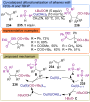
Scheme 75: Cu-catalyzed phosphorylation–peroxidation of alkenes 234.
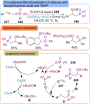
Scheme 76: Co-catalyzed phosphorylation–peroxidation of alkenes 237.
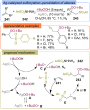
Scheme 77: Ag-catalyzed sulfonylation–peroxidation of alkenes 241.

Scheme 78: Co-catalyzed sulfonylation–peroxidation of alkenes 244.

Scheme 79: Synthesis of α/β-peroxysulfides 248 and 249 from styrenes 247.

Scheme 80: Cu-catalyzed trifluoromethylthiolation–peroxidation of alkenes 250 and allenes 252.

Scheme 81: Photocatalytic sulfonyl peroxidation of alkenes 254 via deamination of N-sulfonyl ketimines 255.

Scheme 82: Photoredox-catalyzed 1,4-peroxidation–sulfonylation of enynones 257.

Scheme 83: Cu-catalyzed silylperoxidation of α,β-unsaturated compounds 260 and enynes 261.

Scheme 84: Fe-catalyzed silyl peroxidation of alkenes.

Scheme 85: Cu-catalyzed germyl peroxidation of alkenes 267.
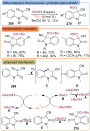
Scheme 86: TBAI-catalyzed intramolecular cyclization of diazo compounds 269 with further peroxidation.

Scheme 87: Co-catalyzed three-component coupling of benzamides 271, diazo compounds 272 and TBHP.

Scheme 88: Co-catalyzed esterification-peroxidation of diazo compounds 274 with TBHP and carboxylic acids 275.

Scheme 89: Cu-catalyzed alkylation–peroxidation of α-carbonylimines 277 or ketones 280.

Scheme 90: Mn-catalyzed ring-opening peroxidation of cyclobutanols 282 with TBHP.

Scheme 91: Peroxycyclization of tryptamines 284 with TBHP.

Scheme 92: Radical cyclization–peroxidation of homotryptamines 287.
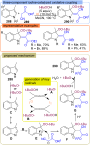
Scheme 93: Iodine-catalyzed oxidative coupling of indoles 288, cyanoacetic esters and TBHP.

Scheme 94: Summary of metal-catalyzed peroxidation processes.
Structure and thermal stability of phosphorus-iodonium ylids
- Andrew Greener,
- Stephen P. Argent,
- Coby J. Clarke and
- Miriam L. O’Duill
Beilstein J. Org. Chem. 2024, 20, 2931–2939, doi:10.3762/bjoc.20.245
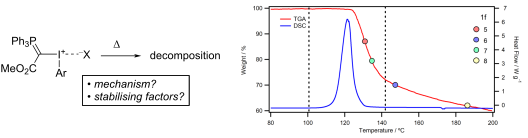
- concentrated on iodine [19], making it highly electrophilic, while a nonbonding pair of electrons is mainly centred on the axial substituents, causing a build-up of electron density on these positions (Figure 1A) [1][20]. Stabilisation of this charge on the axial substituents by strong electron-withdrawing

Graphical Abstract

Figure 1: Structure and stability of hypervalent iodine compounds.

Figure 2: Phosphorus-iodonium ylids investigated in this study: Yields (for synthetic procedures, see Supporting Information File 1), stru...

Figure 3: (a) Selected TGA thermograms of phosphorus-iodonium ylids at 10 °C min−1 in N2 (full dataset in Supporting Information File 1). ...

Figure 4: (a) Proposed decomposition mechanism based on ex situ analysis (1H, 31P NMR, ESI-MS) following abor...
Recent advances in transition-metal-free arylation reactions involving hypervalent iodine salts
- Ritu Mamgain,
- Kokila Sakthivel and
- Fateh V. Singh
Beilstein J. Org. Chem. 2024, 20, 2891–2920, doi:10.3762/bjoc.20.243

- unsymmetrical forms of these salts serve as effective electrophilic arylating reagents in various organic syntheses. The use of diaryliodoniums in C–C and carbon–heteroatom bond formations, particularly under metal-free conditions, has further enhanced the popularity of these reagents. In this review, we
- concentrate on various arylation reactions involving carbon and other heteroatoms, encompassing rearrangement reactions in the absence of any metal catalyst, and summarize advancements made in the last five years. Keywords: arylation reaction; diaryliodonium salts; electrophilic arylation reagent; metal-free
- arylation; rearrangement reaction; Introduction The chemistry of hypervalent iodine compounds is well-established and they are prevalent as oxidants and electrophilic reagents in organic conversions [1][2][3]. They have gained significant attention due to their high reactivity and ability to carry out

Graphical Abstract

Figure 1: Various structures of iodonium salts.

Scheme 1: Αrylation of α-fluoroacetoacetamides 5 to α-aryl-α-fluoroacetoacetamides 7 and α-fluoroacetamides 8...
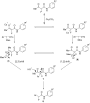
Scheme 2: Proposed mechanism for the arylation of α-fluoroacetoacetamides 5 to α-aryl-α-fluoroacetoacetamides ...

Scheme 3: α-Arylation of α-nitro- and α-cyano derivatives of α-fluoroacetamides 9 employing unsymmetrical DAI...

Scheme 4: Synthesis of α,α-difluoroketones 13 by reacting α,α-difluoro-β-keto acid esters 11 with aryl(TMP)io...

Scheme 5: Coupling reaction of arynes generated by iodonium salts 6 and arynophiles 14 for the synthesis of t...

Scheme 6: Metal-free arylation of quinoxalines 17 and quinoxalinones 19 with DAISs 16.

Scheme 7: Transition-metal-free, C–C cross-coupling of 2-naphthols 21 to 1-arylnapthalen-2-ols 22 employing d...

Scheme 8: Arylation of vinyl pinacol boronates 23 to trans-arylvinylboronates 24 in presence of hypervalent i...

Scheme 9: Light-induced selective arylation at C2 of quinoline N-oxides 25 and pyridine N-oxides 28 in the pr...

Scheme 10: Plaussible mechanism for the light-induced selective arylation of N-heterobiaryls.

Scheme 11: Photoinduced arylation of heterocycles 31 with the help of diaryliodonium salts 16 activated throug...

Scheme 12: Arylation of MBH acetates 33 with DIPEA and DAIRs 16.

Scheme 13: Aryl sulfonylation of MBH acetates 33 with DABSO and diphenyliodonium triflates 16.

Scheme 14: Synthesis of oxindoles 37 from N-arylacrylamides 36 and diaryliodonium salts 26.

Scheme 15: Mechanically induced N-arylation of amines 38 using diaryliodonium salts 16.

Scheme 16: o-Fluorinated diaryliodonium salts 40-mediated diarylation of amines 38.

Scheme 17: Proposed mechanism for the diarylation of amines 38 using o-fluorinated diaryliodonium salts 40.

Scheme 18: Ring-opening difunctionalization of aliphatic cyclic amines 41.

Scheme 19: N-Arylation of amino acid esters 44 using hypervalent iodonium salts 45.

Scheme 20: Regioselective N-arylation of triazole derivatives 47 by hypervalent iodonium salts 48.

Scheme 21: Regioselective N-arylation of tetrazole derivatives 50 by hypervalent iodonium salt 51.

Scheme 22: Selective arylation at nitrogen and oxygen of pyridin-2-ones 53 by iodonium salts 16 depending on t...

Scheme 23: N-Arylation using oxygen-bridged acyclic diaryliodonium salt 56.

Scheme 24: The successive C(sp2)–C(sp2)/O–C(sp2) bond formation of naphthols 58.

Scheme 25: Synthesis of diarylethers 62 via in situ generation of hypervalent iodine salts.

Scheme 26: O-Arylated galactosides 64 by reacting protected galactosides 63 with hypervalent iodine salts 16 i...

Scheme 27: Esterification of naproxen methyl ester 65 via formation and reaction of naproxen-containing diaryl...

Scheme 28: Etherification and esterification products 72 through gemfibrozil methyl ester-derived diaryliodoni...

Scheme 29: Synthesis of iodine containing meta-substituted biaryl ethers 74 by reacting phenols 61 and cyclic ...

Scheme 30: Plausible mechanism for the synthesis of meta-functionalized biaryl ethers 74.

Scheme 31: Intramolecular aryl migration of trifluoromethane sulfonate-substituted diaryliodonium salts 75.

Scheme 32: Synthesis of diaryl ethers 80 via site-selective aryl migration.

Scheme 33: Synthesis of O-arylated N-alkoxybenzamides 83 using aryl(trimethoxyphenyl)iodonium salts 82.

Scheme 34: Synthesis of aryl sulfides 85 from thiols 84 using diaryliodonium salts 16 in basic conditions.

Scheme 35: Base-promoted synthesis of diarylsulfoxides 87 via arylation of general sulfinates 86.

Scheme 36: Plausible mechanism for the arylation of sulfinates 86 via sulfenates A to give diaryl sulfoxides 87...

Scheme 37: S-Arylation reactions of aryl or heterocyclic thiols 88.

Scheme 38: Site-selective S-arylation reactions of cysteine thiol groups in 91 and 94 in the presence of diary...

Scheme 39: The selective S-arylation of sulfenamides 97 using diphenyliodonium salts 98.

Scheme 40: Plausible mechanism for the synthesis of sulfilimines 99.

Scheme 41: Synthesis of S-arylxanthates 102 by reacting DAIS 101 with potassium alkyl xanthates 100.

Figure 2: Structured of the 8-membered and 4-membered heterotetramer I and II.

Scheme 42: S-Arylation by diaryliodonium cations 103 using KSCN (104) as a sulfur source.

Scheme 43: S-Arylation of phosphorothioate diesters 107 through the utilization of diaryliodonium salts 108.

Scheme 44: Transfer of the aryl group from the hypervalent iodonium salt 108 to phosphorothioate diester 107.

Scheme 45: Synthesis of diarylselenides 118 via diarylation of selenocyanate 115.

Scheme 46: Light-promoted arylation of tertiary phosphines 119 to quaternary phosphonium salts 121 using diary...

Scheme 47: Arylation of aminophosphorus substrate 122 to synthesize phosphine oxides 123 using aryl(mesityl)io...

Scheme 48: Reaction of diphenyliodonium triflate (16) with DMSO (124) via thia-Sommelet–Hauser rearrangement.

Scheme 49: Synthesis of biaryl compounds 132 by reacting diaryliodonium salts 131 with arylhydroxylamines 130 ...

Scheme 50: Synthesis of substituted indazoles 134 and 135 from N-hydroxyindazoles 133.
C–H Trifluoromethylthiolation of aldehyde hydrazones
- Victor Levet,
- Balu Ramesh,
- Congyang Wang and
- Tatiana Besset
Beilstein J. Org. Chem. 2024, 20, 2883–2890, doi:10.3762/bjoc.20.242
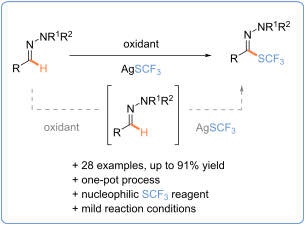
- transformation, experiments with different SCF3 sources were conducted. First, we hypothesized that trifluoromethylthiolated succinimide, which might be in situ generated from NBS and AgSCF3, could be the active species. When the reaction was carried out in the presence of this electrophilic source and 1a, no

Graphical Abstract

Scheme 1: State of the art and this work.

Scheme 2: Reaction conditions: hydrazone (0.3 mmol, 1.0 equiv), NBS (0.33 mmol, 1.1 equiv), in CH3CN (0.4 M),...
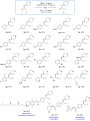
Scheme 3: Scope of the reaction. Reaction conditions: 1 (0.3 mmol, 1.0 equiv), NBS (0.33 mmol, 1.1 equiv) in ...

Scheme 4: Mechanistic investigations and post-functionalization reactions. a19F NMR yields using α,α,α-triflu...
Synthesis of pyrrole-fused dibenzoxazepine/dibenzothiazepine/triazolobenzodiazepine derivatives via isocyanide-based multicomponent reactions
- Marzieh Norouzi,
- Mohammad Taghi Nazeri,
- Ahmad Shaabani and
- Behrouz Notash
Beilstein J. Org. Chem. 2024, 20, 2870–2882, doi:10.3762/bjoc.20.241
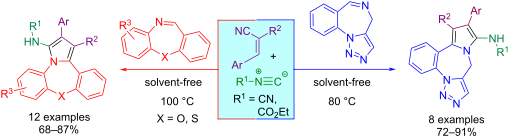
- electrophilic sites simultaneously in their structure, these zwitterions are able to participate in various cyclization processes, especially for the synthesis of pyrroles [37][38][39][40]. For example, Li et al. developed a one-pot four-component reaction (4-CR) of malononitrile, aldehydes, and isocyanides

Graphical Abstract

Figure 1: Representation of distinguished structures of benzodiazepine/benzoxazepine/benzothiazepine with pha...

Scheme 1: Methods for the construction of pyrrole-fused heterocycles through I-MCR reactions.

Scheme 2: The model reaction of dibenzoxazepine, gem-diactivated olefin (2-benzylidenemalononitrile), and cyc...
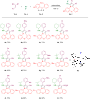
Scheme 3: Substrate scope. Conditions: Reactions were carried out using 1 (0.55 mmol), 2 (0.55 mmol), and 3 (...
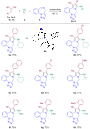
Scheme 4: Substrate scope..Conditions: reactions were carried out using 1 (0.55 mmol), 2 (0.55 mmol), and 5 (...

Figure 2: The crystal structure of 4h (CCDC 2365305).
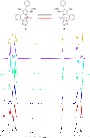
Figure 3: The DNMR (dynamic nuclear magnetic resonance) spectra of compound 6f (DMSO-d6, 300 MHz) at 25–85 °C...

Figure 4: The crystal structure of 6a (CCDC2365306).

Scheme 5: A suggested mechanism for compounds 4.

Scheme 6: Synthesis of pyrrole-fused dibenzoxazepine/triazolobenzodiazepine through a 4-CR.

Scheme 7: Gram-scale synthesis of pyrrole-fused dibenzoxazepine/triazolobenzodiazepine 4a and 6a via 3-CRs.

Figure 5: UV–vis absorption for compounds 4a, 6c and QS (quinine sulfate) (a); emission for 4a, 6c and QS (b)...
N-Glycosides of indigo, indirubin, and isoindigo: blue, red, and yellow sugars and their cancerostatic activity
- Peter Langer
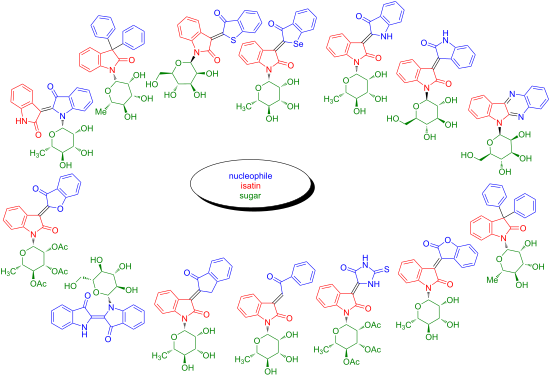
Beilstein J. Org. Chem. 2024, 20, 2840–2869, doi:10.3762/bjoc.20.240
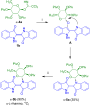
- -O-trimethylsilyl-ʟ-rhamnopyranose (4b) with TMSI gave intermediate A containing an anomeric iodide. Electrophilic addition of rhamnosyl iodide A to one of the two imino groups of 13 gave intermediate B. Another electrophilic addition of n-propyl mercaptane to the second imino group afforded

Graphical Abstract

Scheme 1: Structures of indigo (1a), indirubin (2a) and isoindigo (3a).

Scheme 2: Structures of akashins A–C.
Scheme 3: Synthesis of 5b. Reagents and conditions: i) TMSOTf, 4 Å MS, CH2Cl2, −20 °C, 1.5 h, then 20 °C, 8–1...
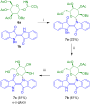
Scheme 4: Synthesis of 7c. Reagents and conditions: i) TMSOTf, 4 Å MS, CH2Cl2, −18 °C, 3 h; then: TMSOTf, 4 Å...
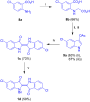
Scheme 5: Synthesis of 1d. Reagents and conditions: i) chloroacetic acid, Na2CO3, reflux, 6 h; ii) Ac2O, NaOA...

Scheme 6: Synthesis of 10e. Reagents and conditions: i) p-TsOH·H2O, acetonitrile, MeOH, 1 d; ii) NIS, PPh3, D...

Scheme 7: Synthesis of akashins A–C. Reagents and conditions: i) TMSOTf, 4 Å MS, CH2Cl2, −18 to 20 °C, 15 h; ...
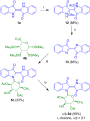
Scheme 8: Synthesis of 5d. Reagents and conditions: i) KMnO4, AcOH, high-power-stirring (12.000 rot/min), 20 ...

Scheme 9: Possible mechanism of the formation of 5c.

Scheme 10: Synthesis of 7d. Reagents and conditions: i) 1) CH2Cl2, 2) Me3SiI, 20 °C, 30 min, 3) 0 °C, 30 min, ...

Scheme 11: Synthesis of α-15b. Reagents and conditions: i) 1) CH2Cl2, 2) Me3SiI, 20 °C, 30 min, 3) 0 °C, 30 mi...
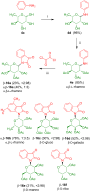
Scheme 12: Synthesis of isatin-N-glycosides 16a–f. Reagents and conditions: i) PhNH2, EtOH, 20 °C, 12 h; ii) Ac...
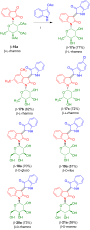
Scheme 13: Synthesis of 17–21. Reagents and conditions: i) Na2CO3, MeOH, 20 °C, 4 h.

Scheme 14: Synthesis of indirubin-N-glycosides α-17a and α-17b.
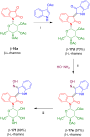
Scheme 15: Synthesis of β-17f. Reagents and conditions: i) 1) Na2CO3, MeOH, 20 °C, 4 h, 2) Ac2O/pyridine 1:1, ...

Scheme 16: Synthesis of β-24a. Reagents and conditions: i) n-PrOH, H2O, formic acid (buffer, 100 mM), 2 h, 65 ...

Scheme 17: Synthesis of isatin-N-glycosides 23b–g and 24b–g.

Scheme 18: Synthesis of β-29a,b. Reagents and conditions: i) EtOH, 20 °C, 12 h; ii) DDQ, dioxane, 20 °C, 12 h;...

Scheme 19: Synthesis of β-31a. Reagents and conditions: i) Na2SO3, dioxane, H2O, 110 °C, 2 d; ii) piperidine, ...

Scheme 20: Synthesis of 33a–d. Reagents and conditions: i) Ac2O, AcOH, NaOAc, 80 °C, 1 h; ii) 1) NaOMe, anhydr...

Scheme 21: Indirubins 34 and 35.

Scheme 22: Synthesis of 36f. Reagents and conditions: i) NaOH, H2O, 20 °C, 5 h; ii) HCl, NaNO2, H2O, −14 °C; i...

Scheme 23: Synthesis of 38a–h. Reagents and conditions: i) 1) 0.1 equiv NaOMe, MeOH, 20 °C, 15–20 min, 2) HOAc...

Scheme 24: Synthesis of 40a–h. Reagents and conditions: i) method A: EtOH/THF, cat. KOt-Bu, 20 °C, 3–4.5 h; me...

Scheme 25: Synthesis of 41a–d. Reagents and conditions: i) Ac2O, AcOH, NaOAc, 80 °C, 1 h.

Scheme 26: Synthesis of 41e. Reagents and conditions: i) AcOH, NaOAc, 110 °C, 24 h.

Scheme 27: Synthesis of E-β-43a–e and E-β-44a,b. Reagents and conditions: i) 1) NEt3, EtOH, 20 °C, 12 h, 2) DM...

Scheme 28: Synthesis of E-43f. Reagents and conditions: i) Na2CO3, MeOH, 20 °C, 6–24 h.

Scheme 29: Synthesis of 46a–m. Reagents and conditions: i) NEt3 (1 equiv), EtOH, 20 °C, 6–10 h; ii) MsCl, NEt3...

Scheme 30: Synthesis of 48a–d. Reagents and conditions: i) AcOH/Ac2O, NaOAc, 60 °C, 3–4 h.

Scheme 31: Synthesis of 48e. Reagents and conditions: i) NaOAc, AcOH, 110 °C, 24 h.
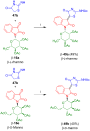
Scheme 32: Synthesis of β-49a,b. Reagents and conditions: i) AcOH/Ac2O, NaOAc, 60 °C, 3–4 h.

Scheme 33: Synthesis of β-54a,b. Reagents and conditions: i) 1) NaH, DMF, 0 °C, 15 min, 2) β-51a,b, 20 °C, 3 h...

Scheme 34: Synthesis of 54c–l. The yields refer to the yields of the first and second condensation step for ea...

Scheme 35: Synthesis of 57a–c and 58a–d. Reagents and conditions: i) HCl (conc.), AcOH, reflux, 24 h; ii) 1) B...

Scheme 36: Synthesis of 59a–e and 60a–e. Reagents and conditions: i) P(NEt2)3 (1.1 equiv), CH2Cl2, −78 °C to 2...

Scheme 37: Synthesis of 61a–d and 62a–d. Reagents and conditions: i) P(NEt2)3 (1.1 equiv), CH2Cl2, −78 °C to 2...

Scheme 38: Synthesis of β-64a–e and α-64a. Reagents and conditions: i) AcOH, Ac2O, NaOAc, 90 °C, 6 h.

Scheme 39: Synthesis of β-72a. Reagents and conditions: i) 66, EtOH, 20 °C, 12 h; ii) DDQ, dioxane, 20 °C, 12 ...

Scheme 40: Synthesis of β-72b.

Scheme 41: Synthesis of β-74a–c. Reagents and conditions: i) AcOH, Ac2O, NaOAc, 130 °C, 2 d.

Scheme 42: Synthesis of β-77. Reagents and conditions: i) 1) NEt3, EtOH, 20 °C, 12 h, 2) DMAP, NEt3, MsCl, 0 °...

Scheme 43: Synthesis of β-81a–f and β-80g. Reagents and conditions: i) AcOH, 80 °C, 1–3 h; ii) benzene, PTSA, ...

Scheme 44: Synthesis of 84a. Reagents and conditions: i) benzene, AlCl3, 20 °C, 10 min; ii) MeOH, NaOMe, 12 h,...

Scheme 45: Synthesis of 84b–l. The yields refer to the yields of the condensation and the deprotection step fo...
Synthesis of tricarbonylated propargylamine and conversion to 2,5-disubstituted oxazole-4-carboxylates
- Kento Iwai,
- Akari Hikasa,
- Kotaro Yoshioka,
- Shinki Tani,
- Kazuto Umezu and
- Nagatoshi Nishiwaki
Beilstein J. Org. Chem. 2024, 20, 2827–2833, doi:10.3762/bjoc.20.238

- -acylamine; oxazole; propargylamine; Introduction Propargylamine is an important motif in the synthesis of heterocyclic compounds [1][2][3][4] and drug discovery [5][6] due to its multifunctionality, which includes a basic and nucleophilic amino group, an electrophilic and dipolarophilic triple bond, and an
- derivative has been employed (Scheme 1) [13][14]. Recently, we have demonstrated that the central carbonyl group of DEMO is highly electrophilic, facilitating the nucleophilic addition of less reactive reagents such as acid amides [23][24][25][26]. When the reaction was conducted in the presence of acetic
- various nucleophiles. This is because the imino carbon atom of 2 is also highly electrophilic, similar to DEMO [23][24][25]. This method offers an advantage over conventional methods as the N-acyl group can be modified by altering the acid amide. In this study, lithium acetylides were employed as

Graphical Abstract

Scheme 1: Synthesis of polyfunctionalized methane derivatives through successive nucleophilic additions to th...

Scheme 2: Cyclization of 4a quenched by D2O.

Scheme 3: Plausible mechanisms for the ring closure of 4.

Scheme 4: Hydration of the ethynyl group of 4a.
Mechanochemical difluoromethylations of ketones
- Jinbo Ke,
- Pit van Bonn and
- Carsten Bolm
Beilstein J. Org. Chem. 2024, 20, 2799–2805, doi:10.3762/bjoc.20.235
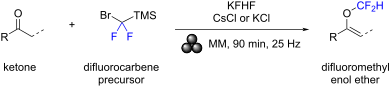
- by these findings, we now explored difluoromethylation reactions with compounds bearing less nucleophilic functional groups. Ketones caught our particular attention as they contain a weak nucleophilic carbonyl oxygen adjacent to an electrophilic carbonyl carbon. Previous studies have focused on

Graphical Abstract

Scheme 1: Overview over difluoromethyl enol ether syntheses from acyclic and cyclic 1,3-diones (A), acyclic k...

Scheme 2: Attempted difluoromethylation of 1a in solution. The reactions were performed on a 0.2 mmol scale. ...

Scheme 3: Scope of ketones. The yields were determined by 1H NMR spectroscopy using 1,2-dichloroethane as the...

Scheme 4: Proposed mechanism (A) and mechanistic investigations (B and C). The yields were determined by 1H N...
Synthesis of spiroindolenines through a one-pot multistep process mediated by visible light
- Francesco Gambuti,
- Jacopo Pizzorno,
- Chiara Lambruschini,
- Renata Riva and
- Lisa Moni
Beilstein J. Org. Chem. 2024, 20, 2722–2731, doi:10.3762/bjoc.20.230
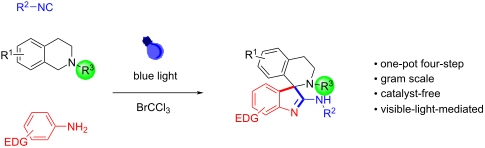
- reacts with an isocyanide and an electron-rich aniline in a three-component Ugi-type reaction to give an α-aminoamidine. This compound might undergo an additional visible light-mediated oxidation to furnish a second iminium intermediate, which acts as electrophile in an intramolecular electrophilic

Graphical Abstract

Figure 1: Selected natural products containing spiro-indolenines.
Scheme 1: Synthesis of spiro[indole-heterocycles].
Scheme 2: Synthetic strategy for the new synthesis of 2,3-diaminoindolenines [21] and spiro[indole-isoquinolines]....
Scheme 3: Scope of the synthesis of spiro[indole-THIQs]. aα-aminoamidine 2b has been isolated (54%) too; bα-a...

Scheme 4: Two-step synthesis using p-methylaniline.

Scheme 5: Investigation of the one-pot four-step synthetic protocol employing N-Ph-benzoxazepine 5.

Figure 2: Time profile of the reaction of N-Ph-THIQ, 3,5-dimethoxyaniline and t-BuNC conducted under optimize...

Scheme 6: Proposed mechanism.