

Search results
Search for "decarboxylative" in Full Text gives 128 result(s) in Beilstein Journal of Organic Chemistry.
Recent advances in transition-metal-catalyzed incorporation of fluorine-containing groups
- Xiaowei Li,
- Xiaolin Shi,
- Xiangqian Li and
- Dayong Shi
Beilstein J. Org. Chem. 2019, 15, 2213–2270, doi:10.3762/bjoc.15.218
- (III)–F species. Other catalysts Other transition metals, including Co, Ni, Fe, Ag, Ir, Mn, etc., have received more and more attention. Aliphatic and benzylic C–H fluorination and decarboxylative fluorination: In 2012, a silver-catalyzed radical decarboxylative fluorination of aliphatic carboxylic
- substrates with or without an electron-withdrawing group (EWG) in the presence of Selectfluor (Scheme 39). Notably, an EWG beta to the benzylic position is efficient for an excellent selectivity of the benzylic fluorination. Moreover, Gouverneur and co-workers [87] established the decarboxylative
- decarboxylative trifluoromethylation of various primary and secondary aliphatic carboxylic acids. With AgNO3 as a catalyst, (bpy)Cu(CF3)3 (bpy = 2,2’-bipyridine) as a CF3 source and K2S2O8 as an oxidant, aliphatic carboxylic acids were converted to the corresponding trifluoromethylated products in good yields

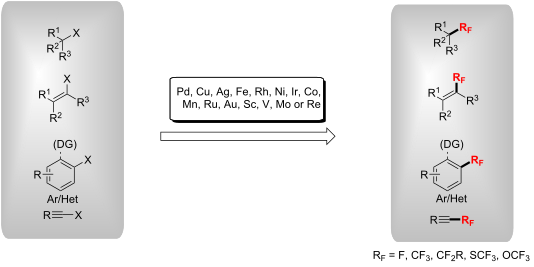
Graphical Abstract
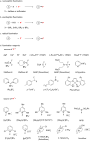
Scheme 1: The main three strategies of fluorination: nucleophilic, electrophilic and radical fluorination.

Scheme 2: Doyle’s Pd-catalyzed fluorination of allylic chlorides.

Scheme 3: Allylic fluorination of 2- and 3-substituted propenyl esters.

Scheme 4: Regioselective allylic fluorination of cinnamyl phosphorothioate esters.

Scheme 5: Palladium-catalyzed aliphatic C–H fluorination reported by Doyle.

Scheme 6: Pd-catalyzed enantioselective fluorination of α-ketoesters followed by stereoselective reduction to...

Scheme 7: Pd-catalyzed C(sp3)–H fluorination of oxindoles.

Scheme 8: C–H fluorination of 8-methylquinoline derivatives with F− reagents.

Scheme 9: Fluorination of α-cyano acetates reported by van Leeuwen.

Scheme 10: The catalytic enantioselective electrophilic C–H fluorination of α-chloro-β-keto phosphonates.

Scheme 11: Fluorination of unactivated C(sp3)–H bonds directed by the bidentate PIP auxiliary.

Scheme 12: Fluorination of C(sp3)–H bonds at the β-position of carboxylic acids.

Scheme 13: Enantioselective benzylic C–H fluorination with a chiral transient directing group.

Scheme 14: Microwave-heated Pd-catalyzed fluorination of aryl alcohols.

Scheme 15: Fluorination of aryl potassium trifluoroborates.

Scheme 16: C(sp2)–F bond formation using precatalyst [L·Pd]2(cod).

Scheme 17: Pd-catalyzed fluorination of (hetero)aryl triflates and bromides.

Scheme 18: The Pd-catalyzed C–H fluorination of arenes with Selectfluor/NFSI.

Scheme 19: Pd(II)-catalyzed ortho-monofluorination protocol for benzoic acids.

Scheme 20: Pd-catalyzed C(sp2)–H bond fluorination of 2-arylbenzothiazoles.

Scheme 21: Nitrate-promoted fluorination of aromatic and olefinic C(sp2)–H bonds and proposed mechanism.

Scheme 22: Fluorination of oxalyl amide-protected benzylamine derivatives.

Scheme 23: C–H fluorination of benzaldehydes with orthanilic acids as transient directing group.

Scheme 24: Pd(II)-catalyzed aryl C–H fluorination with various directing groups.

Scheme 25: Cu-catalyzed aliphatic, allylic, and benzylic fluorination.

Scheme 26: Cu-catalyzed SN2 fluorination of primary and secondary alkyl bromides.

Scheme 27: Copper-catalyzed fluorination of alkyl triflates.

Scheme 28: Cu-catalyzed fluorination of allylic bromides and chlorides.

Scheme 29: Synthetic strategy for the fluorination of active methylene compounds.

Scheme 30: Fluorination of β-ketoesters using a tartrate-derived bidentate bisoxazoline-Cu(II) complex.

Scheme 31: Highly enantioselective fluorination of β-ketoesters and N-Boc-oxindoles.

Scheme 32: Amide group-assisted site-selective fluorination of α-bromocarbonyl compounds.

Scheme 33: Cu-mediated aryl fluorination reported by Sanford [77].

Scheme 34: Mono- or difluorination reactions of benzoic acid derivatives.

Scheme 35: Cu-catalyzed fluorination of diaryliodonium salts with KF.
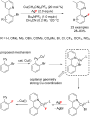
Scheme 36: Copper(I)-catalyzed cross-coupling of 2-pyridylaryl bromides.

Scheme 37: AgNO3-catalyzed decarboxylative fluorination of aliphatic carboxylic acids.

Scheme 38: The Mn-catalyzed aliphatic and benzylic C–H fluorination.

Scheme 39: Iron(II)-promoted C–H fluorination of benzylic substrates.

Scheme 40: Ag-catalyzed fluorodecarboxylation of carboxylic acids.

Scheme 41: Vanadium-catalyzed C(sp3)–H fluorination.

Scheme 42: AgNO3-catalyzed radical deboronofluorination of alkylboronates and boronic acids.
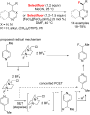
Scheme 43: Selective heterobenzylic C–H fluorination with Selectfluor reported by Van Humbeck.

Scheme 44: Fe(II)-catalyzed site-selective fluorination guided by an alkoxyl radical.

Scheme 45: Fluorination of allylic trichloroacetimidates reported by Nguyen et al.

Scheme 46: Iridium-catalyzed fluorination of allylic carbonates with TBAF(t-BuOH)4.

Scheme 47: Iridium-catalyzed asymmetric fluorination of allylic trichloroacetimidates.

Scheme 48: Cobalt-catalyzed α-fluorination of β-ketoesters.

Scheme 49: Nickel-catalyzed α-fluorination of various α-chloro-β-ketoesters.

Scheme 50: Ni(II)-catalyzed enantioselective fluorination of oxindoles and β-ketoesters.

Scheme 51: Scandium(III)-catalyzed asymmetric C–H fluorination of unprotected 3-substituted oxindoles.

Scheme 52: Iron-catalyzed directed C–H fluorination.

Scheme 53: Electrophilic silver-catalyzed Ar–F bond-forming reaction from arylstannanes.

Figure 1: Nucleophilic, electrophilic and radical CF3 sources.

Scheme 54: Cu(I)-catalyzed allylic trifluoromethylation of unactivated terminal olefins.

Scheme 55: Direct copper-catalyzed trifluoromethylation of allylsilanes.

Scheme 56: Cupper-catalyzed enantioselective trifluoromethylation of five and six-membered ring β-ketoesters.

Scheme 57: Cu-catalyzed highly stereoselective trifluoromethylation of secondary propargyl sulfonates.

Scheme 58: Remote C(sp3)–H trifluoromethylation of carboxamides and sulfonamides.

Scheme 59: Trifluoromethylation of allylsilanes with photoredox catalysis.

Scheme 60: Ag-catalyzed decarboxylative trifluoromethylation of aliphatic carboxylic acids in aqueous CH3CN.
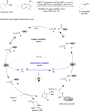
Scheme 61: Decarboxylative trifluoromethylation of aliphatic carboxylic acids via combined photoredox and copp...

Scheme 62: Palladium-catalyzed Ar–CF3 bond-forming reaction.

Scheme 63: Palladium-catalyzed trifluoromethylation of arenes with diverse heterocyclic directing groups.

Scheme 64: Pd-catalyzed trifluoromethylation of indoles as reported by Liu.

Scheme 65: Pd-catalyzed trifluoromethylation of vinyl triflates and vinyl nonaflates.

Scheme 66: Pd(II)-catalyzed ortho-trifluoromethylation of aromatic C–H bonds.

Scheme 67: Visible-light-induced Pd(OAc)2-catalyzed ortho-trifluoromethylation of acetanilides with CF3SO2Na.

Scheme 68: CuI-catalyzed trifluoromethylation of aryl- and alkenylboronic acids.

Scheme 69: Cu-catalyzed trifluoromethylation of aryl- and vinylboronic acids.

Scheme 70: Copper-catalyzed trifluoromethylation of α,β-unsaturated carboxylic acids.

Scheme 71: Formation of C(sp2)–CF3 bond catalyzed by copper(I) complex.

Scheme 72: Loh’s Cu(I)-catalyzed trifluoromethylation of enamides and electron-deficient alkenes.

Scheme 73: Copper and iron-catalyzed decarboxylative tri- and difluoromethylation.

Scheme 74: Cu-catalyzed trifluoromethylation of hydrazones developed by Bouyssi.

Scheme 75: Cu(I)-catalyzed trifluoromethylation of terminal alkenes.

Scheme 76: Cu/Ag-catalyzed decarboxylative trifluoromethylation of cinnamic acids.

Scheme 77: Copper-catalyzed direct alkenyl C–H trifluoromethylation.

Scheme 78: Copper(I/II)-catalyzed direct trifluoromethylation of styrene derivatives.

Scheme 79: Regioselective trifluoromethylation of pivalamido arenes and heteroarenes.

Scheme 80: Synthesis of trifluoromethylquinones in the presence of copper(I).
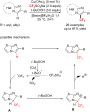
Scheme 81: Oxidative trifluoromethylation of imidazoheterocycles in ionic liquid/water.

Scheme 82: A mild and fast continuous-flow trifluoromethylation of coumarins using a CuI/CF3SO2Na/TBHP system.

Scheme 83: Copper-catalyzed oxidative trifluoromethylation of various 8-aminoquinolines.

Scheme 84: PA-directed copper-catalyzed trifluoromethylation of anilines.

Scheme 85: Trifluoromethylation of potassium vinyltrifluoroborates catalyzed by Fe(II).

Scheme 86: Alkenyl trifluoromethylation catalyzed by Ru(phen)3Cl2 as photocatalyst.

Scheme 87: Ru-catalyzed trifluoromethylation of alkenes by Akita’s group.

Scheme 88: Ir-catalyzed Cvinyl–CF3 bond formation of α,β-unsaturated carboxylic acids.

Scheme 89: Ag(I)-catalyzed denitrative trifluoromethylation of β-nitrostyrenes.

Scheme 90: Photocatalyzed direct trifluoromethylation of aryl and heteroaryl C–H bonds.

Scheme 91: Rhenium (MTO)-catalyzed direct trifluoromethylation of aromatic substrates.

Scheme 92: Trifluoromethylation of unprotected anilines under [Ir(ppy)3] catalyst.

Scheme 93: Oxidative trifluoromethylation of imidazopyridines and imidazoheterocycles.

Scheme 94: Ruthenium-catalyzed trifluoromethylation of (hetero)arenes with trifluoroacetic anhydride.

Scheme 95: Phosphovanadomolybdic acid-catalyzed direct C–H trifluoromethylation.

Scheme 96: Picolinamide-assisted ortho-trifluoromethylation of arylamines.

Scheme 97: A nickel-catalyzed C–H trifluoromethylation of free anilines.

Scheme 98: Cu-mediated trifluoromethylation of terminal alkynes reported by Qing.

Scheme 99: Huang’s C(sp)–H trifluoromethylation using Togni’s reagent.

Scheme 100: Cu-catalyzed methods for trifluoromethylation with Umemoto’s reagent.

Scheme 101: The synthesis of alkynyl-CF3 compounds in the presence of fac-[Ir(ppy)3] under visible-light irradi...

Scheme 102: Pd-catalyzed Heck reaction reported by Reutrakul.

Scheme 103: Difluoromethylation of enamides and ene-carbamates.

Scheme 104: Difluoromethylation of α,β-unsaturated carboxylic acids.

Scheme 105: Copper-catalyzed direct C(sp2)–H difluoroacetylation reported by Pannecoucke and co-workers.

Scheme 106: Difluoroalkylation of aldehyde-derived hydrazones with functionalized difluoromethyl bromides.

Scheme 107: Photoredox-catalyzed C–H difluoroalkylation of aldehyde-derived hydrazones.

Scheme 108: Synergistic ruthenium(II)-catalyzed C–H difluoromethylation reported by Ackermann.

Scheme 109: Visible-light photocatalytic decarboxylation of α,β-unsaturated carboxylic acids.

Scheme 110: Synthesis of difluorinated ketones via S-alkyl dithiocarbamates obtained from acyl chlorides and po...

Scheme 111: Synthesis of aryl and heteroaryl difluoromethylated phosphonates.

Scheme 112: Difluoroalkylation of secondary propargyl sulfonates using Cu as the catalyst.

Scheme 113: Ru(II)-mediated para-selective difluoromethylation of anilides and their derivatives.

Scheme 114: Bulky diamine ligand promoted cross-coupling of difluoroalkyl bromides.

Scheme 115: Copper-catalyzed C3–H difluoroacetylation of quinoxalinones.

Scheme 116: Copper(I) chloride-catalyzed trifluoromethylthiolation of enamines, indoles and β-ketoesters.

Scheme 117: Copper-boxmi-catalyzed asymmetric trifluoromethylthiolation of β-ketoesters.

Scheme 118: Direct Cu-catalyzed trifluoromethylthiolation of boronic acids and alkynes.

Scheme 119: Cu-catalyzed synthesis of α-trifluoromethylthio-substituted ketones.

Scheme 120: Trifluoromethylthiolation reactions promoted by diazotriflone and copper.

Scheme 121: Halide activation of N-(trifluoromethylthio)phthalimide.

Scheme 122: The visible light-promoted trifluoromethylthiolation reported by Glorius.

Scheme 123: Synthesis of α-trifluoromethylthioesters via Goossen’s approach.

Scheme 124: Photoinduced trifluoromethylthiolation of diazonium salts.

Scheme 125: Ag-mediated trifluoromethoxylation of aryl stannanes and arylboronic acids.

Scheme 126: Catalytic (hetero)aryl C–H trifluoromethoxylation under visible light.

Scheme 127: Photoinduced C–H-bond trifluromethoxylation of (hetero)arenes.
Recent advances on the transition-metal-catalyzed synthesis of imidazopyridines: an updated coverage
- Gagandeep Kour Reen,
- Ashok Kumar and
- Pratibha Sharma
Beilstein J. Org. Chem. 2019, 15, 1612–1704, doi:10.3762/bjoc.15.165
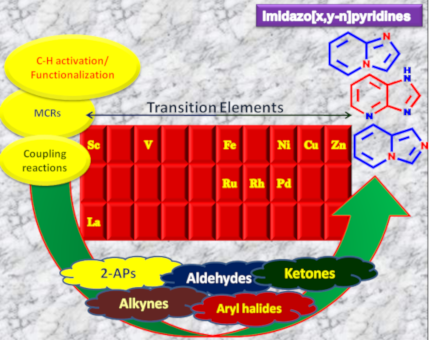

Graphical Abstract

Figure 1: Various drugs having IP nucleus.

Figure 2: Participation percentage of various TMs for the syntheses of IPs.

Scheme 1: CuI–NaHSO4·SiO2-catalyzed synthesis of imidazo[1,2-a]pyridines.

Scheme 2: Experimental examination of reaction conditions.

Scheme 3: One-pot tandem reaction for the synthesis of 2-haloimidazopyridines.

Scheme 4: Mechanistic scheme for the synthesis of 2-haloimidazopyridine.

Scheme 5: Copper-MOF-catalyzed three-component reaction (3-CR) for imidazo[1,2-a]pyridines.

Scheme 6: Mechanism for copper-MOF-driven synthesis.

Scheme 7: Heterogeneous synthesis via titania-supported CuCl2.

Scheme 8: Mechanism involving oxidative C–H functionalization.

Scheme 9: Heterogeneous synthesis of IPs.

Scheme 10: One-pot regiospecific synthesis of imidazo[1,2-a]pyridines.

Scheme 11: Vinyl azide as an unprecedented substrate for imidazo[1,2-a]pyridines.

Scheme 12: Radical pathway.

Scheme 13: Cu(I)-catalyzed transannulation approach for imidazo[1,5-a]pyridines.

Scheme 14: Plausible radical pathway for the synthesis of imidazo[1,5-a]pyridines.

Scheme 15: A solvent-free domino reaction for imidazo[1,2-a]pyridines.

Scheme 16: Cu-NPs-mediated synthesis of imidazo[1,2-a]pyridines.

Scheme 17: CuI-catalyzed synthesis of isoxazolylimidazo[1,2-a]pyridines.

Scheme 18: Functionalization of 4-bromo derivative via Sonogashira coupling reaction.

Scheme 19: A plausible reaction pathway.

Scheme 20: Cu(I)-catalyzed intramolecular oxidative C–H amidation reaction.

Scheme 21: One-pot synthetic reaction for imidazo[1,2-a]pyridine.

Scheme 22: Plausible reaction mechanism.

Scheme 23: Cu(OAc)2-promoted synthesis of imidazo[1,2-a]pyridines.

Scheme 24: Mechanism for aminomethylation/cycloisomerization of propiolates with imines.

Scheme 25: Three-component synthesis of imidazo[1,2-a]pyridines.

Figure 3: Scope of pyridin-2(1H)-ones and acetophenones.

Scheme 26: CuO NPS-promoted A3 coupling reaction.

Scheme 27: Cu(II)-catalyzed C–N bond formation reaction.

Scheme 28: Mechanism involving Chan–Lam/Ullmann coupling.

Scheme 29: Synthesis of formyl-substituted imidazo[1,2-a]pyridines.

Scheme 30: A tandem sp3 C–H amination reaction.

Scheme 31: Probable mechanistic approach.

Scheme 32: Dual catalytic system for imidazo[1,2-a]pyridines.

Scheme 33: Tentative mechanism.

Scheme 34: CuO/CuAl2O4/ᴅ-glucose-promoted 3-CCR.

Scheme 35: A tandem CuOx/OMS-2-based synthetic strategy.

Figure 4: Biomimetic catalytic oxidation in the presence of electron-transfer mediators (ETMs).

Scheme 36: Control experiment.

Scheme 37: Copper-catalyzed C(sp3)–H aminatin reaction.

Scheme 38: Reaction of secondary amines.

Scheme 39: Probable mechanistic pathway.

Scheme 40: Coupling reaction of α-azidoketones.

Scheme 41: Probable pathway.

Scheme 42: Probable mechanism with free energy calculations.

Scheme 43: MCR for cyanated IP synthesis.

Scheme 44: Substrate scope for the reaction.

Scheme 45: Reaction mechanism.

Scheme 46: Probable mechanistic pathway for Cu/ZnAl2O4-catalyzed reaction.

Scheme 47: Copper-catalyzed double oxidative C–H amination reaction.

Scheme 48: Application towards different coupling reactions.

Scheme 49: Reaction mechanism.

Scheme 50: Condensation–cyclization approach for the synthesis of 1,3-diarylated imidazo[1,5-a]pyridines.

Scheme 51: Optimized reaction conditions.

Scheme 52: One-pot 2-CR.

Scheme 53: One-pot 3-CR without the isolation of chalcone.

Scheme 54: Copper–Pybox-catalyzed cyclization reaction.

Scheme 55: Mechanistic pathway catalyzed by Cu–Pybox complex.

Scheme 56: Cu(II)-promoted C(sp3)-H amination reaction.

Scheme 57: Wider substrate applicability for the reaction.

Scheme 58: Plausible reaction mechanism.

Scheme 59: CuI assisted C–N cross-coupling reaction.

Scheme 60: Probable reaction mechanism involving sp3 C–H amination.

Scheme 61: One-pot MCR-catalyzed by CoFe2O4/CNT-Cu.

Scheme 62: Mechanistic pathway.

Scheme 63: Synthetic scheme for 3-nitroimidazo[1,2-a]pyridines.

Scheme 64: Plausible mechanism for CuBr-catalyzed reaction.

Scheme 65: Regioselective synthesis of halo-substituted imidazo[1,2-a]pyridines.

Scheme 66: Synthesis of 2-phenylimidazo[1,2-a]pyridines.

Scheme 67: Synthesis of diarylated compounds.

Scheme 68: CuBr2-mediated one-pot two-component oxidative coupling reaction.

Scheme 69: Decarboxylative cyclization route to synthesize 1,3-diarylimidazo[1,5-a]pyridines.

Scheme 70: Mechanistic pathway.

Scheme 71: C–H functionalization reaction of enamines to produce diversified heterocycles.

Scheme 72: A plausible mechanism.

Scheme 73: CuI-promoted aerobic oxidative cyclization reaction of ketoxime acetates and pyridines.

Scheme 74: CuI-catalyzed pathway for the formation of imidazo[1,2-a]pyridine.

Scheme 75: Mechanistic pathway.

Scheme 76: Mechanistic rationale for the synthesis of products.

Scheme 77: Copper-catalyzed synthesis of vinyloxy-IP.

Scheme 78: Regioselective product formation with propiolates.

Scheme 79: Proposed mechanism for vinyloxy-IP formation.

Scheme 80: Regioselective synthesis of 3-hetero-substituted imidazo[1,2-a]pyridines with different reaction su...

Scheme 81: Mechanistic pathway.

Scheme 82: CuI-mediated synthesis of 3-formylimidazo[1,2-a]pyridines.

Scheme 83: Radical pathway for 3-formylated IP synthesis.

Scheme 84: Pd-catalyzed urea-cyclization reaction for IPs.

Scheme 85: Pd-catalyzed one-pot-tandem amination and intramolecular amidation reaction.

Figure 5: Scope of aniline nucleophiles.

Scheme 86: Pd–Cu-catalyzed Sonogashira coupling reaction.

Scheme 87: One-pot amide coupling reaction for the synthesis of imidazo[4,5-b]pyridines.

Scheme 88: Urea cyclization reaction for the synthesis of two series of pyridines.

Scheme 89: Amidation reaction for the synthesis of imidazo[4,5-b]pyridines.

Figure 6: Amide scope.

Scheme 90: Pd NPs-catalyzed 3-component reaction for the synthesis of 2,3-diarylated IPs.

Scheme 91: Plausible mechanistic pathway for Pd NPs-catalyzed MCR.

Scheme 92: Synthesis of chromenoannulated imidazo[1,2-a]pyridines.

Scheme 93: Mechanism for the synthesis of chromeno-annulated IPs.

Scheme 94: Zinc oxide NRs-catalyzed synthesis of imidazo[1,2-a]azines/diazines.

Scheme 95: Zinc oxide-catalyzed isocyanide based GBB reaction.

Scheme 96: Reaction pathway for ZnO-catalyzed GBB reaction.

Scheme 97: Mechanistic pathway.

Scheme 98: ZnO NRs-catalyzed MCR for the synthesis of imidazo[1,2-a]azines.

Scheme 99: Ugi type GBB three-component reaction.

Scheme 100: Magnetic NPs-catalyzed synthesis of imidazo[1,2-a]pyridines.

Scheme 101: Regioselective synthesis of 2-alkoxyimidazo[1,2-a]pyridines catalyzed by Fe-SBA-15.

Scheme 102: Plausible mechanistic pathway for the synthesis of 2-alkoxyimidazopyridine.

Scheme 103: Iron-catalyzed synthetic approach.

Scheme 104: Iron-catalyzed aminooxygenation reaction.

Scheme 105: Mechanistic pathway.

Scheme 106: Rh(III)-catalyzed double C–H activation of 2-substituted imidazoles and alkynes.

Scheme 107: Plausible reaction mechanism.

Scheme 108: Rh(III)-catalyzed non-aromatic C(sp2)–H bond activation–functionalization for the synthesis of imid...

Scheme 109: Reactivity and selectivity of different substrates.

Scheme 110: Rh-catalyzed direct C–H alkynylation by Li et al.

Scheme 111: Suggested radical mechanism.

Scheme 112: Scandium(III)triflate-catalyzed one-pot reaction and its mechanism for the synthesis of benzimidazo...

Scheme 113: RuCl3-assisted Ugi-type Groebke–Blackburn condensation reaction.

Scheme 114: C-3 aroylation via Ru-catalyzed two-component reaction.

Scheme 115: Regioselective synthetic mechanism.

Scheme 116: La(III)-catalyzed one-pot GBB reaction.

Scheme 117: Mechanistic approach for the synthesis of imidazo[1,2-a]pyridines.

Scheme 118: Synthesis of imidazo[1,2-a]pyridine using LaMnO3 NPs under neat conditions.

Scheme 119: Mechanistic approach.

Scheme 120: One-pot 3-CR for regioselective synthesis of 2-alkoxy-3-arylimidazo[1,2-a]pyridines.

Scheme 121: Formation of two possible products under optimization of the catalysts.

Scheme 122: Mechanistic strategy for NiFe2O4-catalyzed reaction.

Scheme 123: Two-component reaction for synthesizing imidazodipyridiniums.

Scheme 124: Mechanistic scheme for the synthesis of imidazodipyridiniums.

Scheme 125: CuI-catalyzed arylation of imidazo[1,2-a]pyridines.

Scheme 126: Mechanism for arylation reaction.

Scheme 127: Cupric acetate-catalyzed double carbonylation approach.

Scheme 128: Radical mechanism for double carbonylation of IP.

Scheme 129: C–S bond formation reaction catalyzed by cupric acetate.

Scheme 130: Cupric acetate-catalyzed C-3 formylation approach.

Scheme 131: Control experiments for signifying the role of DMSO and oxygen.

Scheme 132: Mechanism pathway.

Scheme 133: Copper bromide-catalyzed CDC reaction.

Scheme 134: Extension of the substrate scope.

Scheme 135: Plausible radical pathway.

Scheme 136: Transannulation reaction for the synthesis of imidazo[1,5-a]pyridines.

Scheme 137: Plausible reaction pathway for denitrogenative transannulation.

Scheme 138: Cupric acetate-catalyzed C-3 carbonylation reaction.

Scheme 139: Plausible mechanism for regioselective C-3 carbonylation.

Scheme 140: Alkynylation reaction at C-2 of 3H-imidazo[4,5-b]pyridines.

Scheme 141: Two-way mechanism for C-2 alkynylation of 3H-imidazo[4,5-b]pyridines.

Scheme 142: Palladium-catalyzed SCCR approach.

Scheme 143: Palladium-catalyzed Suzuki coupling reaction.

Scheme 144: Reaction mechanism.

Scheme 145: A phosphine free palladium-catalyzed synthesis of C-3 arylated imidazopyridines.

Scheme 146: Palladium-mediated Buchwald–Hartwig cross-coupling reaction.

Figure 7: Structure of the ligands optimized.

Scheme 147: Palladium acetate-catalyzed direct arylation of imidazo[1,2-a]pyridines.

Scheme 148: Palladium acetate-catalyzed mechanistic pathway.

Scheme 149: Palladium acetate-catalyzed regioselective arylation reported by Liu and Zhan.

Scheme 150: Mechanism for selective C-3 arylation of IP.

Scheme 151: Pd(II)-catalyzed alkenylation reaction with styrenes.

Scheme 152: Pd(II)-catalyzed alkenylation reaction with acrylates.

Scheme 153: A two way mechanism.

Scheme 154: Double C–H activation reaction catalyzed by Pd(OAc)2.

Scheme 155: Probable mechanism.

Scheme 156: Palladium-catalyzed decarboxylative coupling.

Scheme 157: Mechanistic cycle for decarboxylative arylation reaction.

Scheme 158: Ligand-free approach for arylation of imidazo[1,2-a]pyridine-3-carboxylic acids.

Scheme 159: Mechanism for ligandless arylation reaction.

Scheme 160: NHC-Pd(II) complex assisted arylation reaction.

Scheme 161: C-3 arylation of imidazo[1,2-a]pyridines with aryl bromides catalyzed by Pd(OAc)2.

Scheme 162: Pd(II)-catalyzed C-3 arylations with aryl tosylates and mesylates.

Scheme 163: CDC reaction for the synthesis of imidazo[1,2-a]pyridines.

Scheme 164: Plausible reaction mechanism for Pd(OAc)2-catalyzed synthesis of imidazo[1,2-a]pyridines.

Scheme 165: Pd-catalyzed C–H amination reaction.

Scheme 166: Mechanism for C–H amination reaction.

Scheme 167: One-pot synthesis for 3,6-di- or 2,3,6-tri(hetero)arylimidazo[1,2-a]pyridines.

Scheme 168: C–H/C–H cross-coupling reaction of IPs and azoles catalyzed by Pd(II).

Scheme 169: Mechanistic cycle.

Scheme 170: Rh-catalyzed C–H arylation reaction.

Scheme 171: Mechanistic pathway for C–H arylation of imidazo[1,2-a]pyridine.

Scheme 172: Rh(III)-catalyzed double C–H activation of 2-phenylimidazo[1,2-a]pyridines and alkynes.

Scheme 173: Rh(III)-catalyzed mechanistic pathway.

Scheme 174: Rh(III)-mediated oxidative coupling reaction.

Scheme 175: Reactions showing functionalization of the product obtained by the group of Kotla.

Scheme 176: Mechanism for Rh(III)-catalyzed oxidative coupling reaction.

Scheme 177: Rh(III)-catalyzed C–H activation reaction.

Scheme 178: Mechanistic cycle.

Scheme 179: Annulation reactions of 2-arylimidazo[1,2-a]pyridines and alkynes.

Scheme 180: Two-way reaction mechanism for annulations reaction.

Scheme 181: [RuCl2(p-cymene)]2-catalyzed C–C bond formation reaction.

Scheme 182: Reported reaction mechanism.

Scheme 183: Fe(III) catalyzed C-3 formylation approach.

Scheme 184: SET mechanism-catalyzed by Fe(III).

Scheme 185: Ni(dpp)Cl2-catalyzed KTC coupling.

Scheme 186: Pd-catalyzed SM coupling.

Scheme 187: Vanadium-catalyzed coupling of IP and NMO.

Scheme 188: Mechanistic cycle.

Scheme 189: Selective C3/C5–H bond functionalizations by mono and bimetallic systems.

Scheme 190: rGO-Ni@Pd-catalyzed C–H bond arylation of imidazo[1,2-a]pyridine.

Scheme 191: Mechanistic pathway for heterogeneously catalyzed arylation reaction.

Scheme 192: Zinc triflate-catalyzed coupling reaction of substituted propargyl alcohols.
Switchable selectivity in Pd-catalyzed [3 + 2] annulations of γ-oxy-2-cycloalkenones with 3-oxoglutarates: C–C/C–C vs C–C/O–C bond formation
- Yang Liu,
- Julie Oble and
- Giovanni Poli
Beilstein J. Org. Chem. 2019, 15, 1107–1115, doi:10.3762/bjoc.15.107
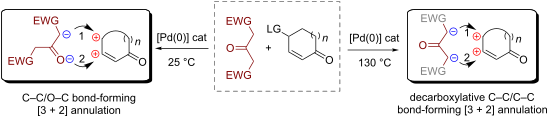
- undergoing two decarboxylation to give 5a. This type of thermal 1,3-oxygen-to-carbon rearrangement was already described by Trost in the early 80’s [48][49]. In view of the high temperature needed (130 °C for several hours or under microwave irradiation), this decarboxylative rearrangement appears to require
- -forming annulations with dimethyl 3-oxoglutarate (1a). C–C/C–O bond-forming annulations with various bis-nucleophiles. Decarboxylative rearrangement of 4a into 5a. Proposed mechanism for the Pd-catalyzed part of the [3 + 2] annulation reaction. Proposed mechanism for the temperature dependent cyclization

Graphical Abstract

Scheme 1: Previously developed bis-nucleophile/bis-electrophile [3 + 2] annulations.

Scheme 2: Concept: [3 + 2] C–C/C–C vs C–C/O–C bond-forming annulations.

Figure 1: Examples of annulated cylopentanic (top) and furan-based (bottom) substructures in natural products....

Scheme 3: C–C/O–C bond forming annulations with dimethyl 3-oxoglutarate (1a).

Scheme 4: C–C/C–C bond-forming annulations with dimethyl 3-oxoglutarate (1a).

Scheme 5: C–C/C–O bond-forming annulations with various bis-nucleophiles.

Scheme 6: Decarboxylative rearrangement of 4a into 5a.

Scheme 7: Proposed mechanism for the Pd-catalyzed part of the [3 + 2] annulation reaction.

Scheme 8: Proposed mechanism for the temperature dependent cyclization part of the [3 + 2] annulation.
Multicomponent reactions (MCRs): a useful access to the synthesis of benzo-fused γ-lactams
- Edorta Martínez de Marigorta,
- Jesús M. de Los Santos,
- Ana M. Ochoa de Retana,
- Javier Vicario and
- Francisco Palacios
Beilstein J. Org. Chem. 2019, 15, 1065–1085, doi:10.3762/bjoc.15.104
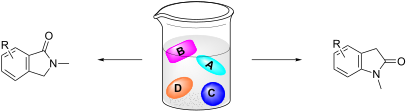
- one (path A), decarboxylative coupling to form intermediates 14 and 15, followed by a cyclization take place, while in the second path (B), the first step seems to be the formation of amide 16. Indeed, another multicomponent approach to isoindolinones uses iodobenzamides 17 as starting materials
- = OH, conditions B, Scheme 9) instead of diketones and a quaternary ammonium salt as catalyst in water. In this multicomponent decarboxylative alkylation/cyclization process, they prepared several lactam derivatives 36 with good yields. While the first research group suggests that the reaction would

Graphical Abstract

Figure 1: γ-Lactam-derived structures considered in this review.

Figure 2: Alkaloids containing an isoindolinone moiety.

Figure 3: Alkaloids containing the 2-oxindole ring system.
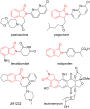
Figure 4: Drugs and biological active compounds containing an isoindolinone moiety.
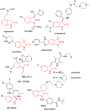
Figure 5: Drugs and biologically active compounds bearing a 2-oxindole skeleton.
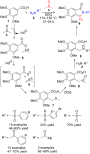
Scheme 1: Three-component reaction of benzoic acid 1, amides 2 and DMSO (3).

Scheme 2: Copper-catalysed three-component reaction of 2-iodobenzoic acids 10, alkynylcarboxylic acids 11 and...

Scheme 3: Proposed mechanism for the formation of methylene isoindolinones 13.

Scheme 4: Copper-catalysed three-component reaction of 2-iodobenzamide 17, terminal alkyne 18 and pyrrole or ...

Scheme 5: Palladium-catalysed three-component reaction of ethynylbenzamides 21, secondary amines 22 and CO (23...

Scheme 6: Proposed mechanism for the formation of methyleneisoindolinones 24.

Scheme 7: Copper-catalysed three-component reaction of formyl benzoate 29, amines 2 and alkynes 18.

Scheme 8: Copper-catalysed three-component reaction of formylbenzoate 29, amines 2 and ketones 31.

Scheme 9: Non-catalysed (A) and phase-transfer catalysed (B) three-component reactions of formylbenzoic acids ...

Scheme 10: Proposed mechanism for the formation of isoindolinones 36.

Scheme 11: Three-component reaction of formylbenzoic acid 33, amines 2 and fluorinated silyl ethers 39.

Scheme 12: Three-component Ugi reaction of 2-formylbenzoic acid (33), diamines 41 and isocyanides 42.

Scheme 13: Non-catalysed (A, B) and chiral phosphoric acid promoted (C) three-component Ugi reactions of formy...

Scheme 14: Proposed mechanism for the enantioselective formation of isoindolinones 46.

Scheme 15: Three-component reaction of benzoic acids 33 or 54, amines 2 and TMSCN (52).

Scheme 16: Several variations of the three-component reaction of formylbenzoic acids 33, amines 2 and isatoic ...

Scheme 17: Proposed mechanism for the synthesis of isoindoloquinazolinones 57.

Scheme 18: Three-component reaction of isobenzofuranone 61, amines 2 and isatoic anhydrides 56.

Scheme 19: Palladium-catalysed three-component reaction of 2-aminobenzamides 59, 2-bromobenzaldehydes 62 and C...
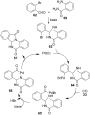
Scheme 20: Proposed mechanism for the palladium-catalysed synthesis of isoindoloquinazolinones 57.

Scheme 21: Four-component reaction of 2-vinylbenzoic acids 67, aryldioazonium tetrafluoroborates 68, DABCO·(SO2...

Scheme 22: Plausible mechanism for the formation of isoindolinones 71.

Scheme 23: Three-component reaction of trimethylsilylaryltriflates 77, isocyanides 42 and CO2 (78).

Scheme 24: Plausible mechanism for the three-component synthesis of phthalimides 79.
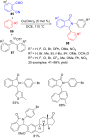
Scheme 25: Copper-catalysed three-component reaction of 2-formylbenzonitriles 85, arenes 86 and diaryliodonium...
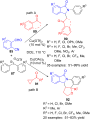
Scheme 26: Copper-catalysed three-component reaction of 2-formylbenzonitriles 85, diaryliodonium salts 87 and ...

Scheme 27: Proposed mechanism for the formation of 2,3-diarylisoindolinones 88, 89 and 92.

Scheme 28: Palladium-catalysed three-component reaction of chloroquinolinecarbaldehydes 97 with isocyanides 42...
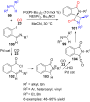
Scheme 29: Palladium-catalysed three-component reaction of imines 99 with CO (23) and ortho-iodoarylimines 100....

Scheme 30: Palladium-catalysed three-component reaction of amines 2 with CO (23) and aryl iodide 105.

Scheme 31: Three-component reaction of 2-ethynylanilines 109, perfluoroalkyl iodides 110 and carbon monoxide (...

Scheme 32: Ultraviolet-induced three-component reaction of N-(2-iodoaryl)acrylamides 113, DABCO·(SO2)2 (69) an...

Scheme 33: Proposed mechanism for the preparation of oxindoles 115.

Scheme 34: Three-component reaction of acrylamide 113, CO (23) and 1,4-benzodiazepine 121.

Scheme 35: Multicomponent reaction of sulfonylacrylamides 123, aryldiazonium tetrafluoroborates 68 and DABCO·(...

Scheme 36: Proposed mechanism for the preparation of oxindoles 124.

Scheme 37: Three-component reaction of N-arylpropiolamides 128, aryl iodides 129 and boronic acids 130.

Scheme 38: Proposed mechanism for the formation of diarylmethylene- and diarylallylideneoxindoles 131 and 132.

Scheme 39: Three-component reaction of cyclohexa-1,3-dione (136), amines 2 and alkyl acetylenedicarboxylates 1...

Scheme 40: Proposed mechanism for the formation of 2-oxindoles 138.
New α- and β-cyclodextrin derivatives with cinchona alkaloids used in asymmetric organocatalytic reactions
- Iveta Chena Tichá,
- Simona Hybelbauerová and
- Jindřich Jindřich
Beilstein J. Org. Chem. 2019, 15, 830–839, doi:10.3762/bjoc.15.80
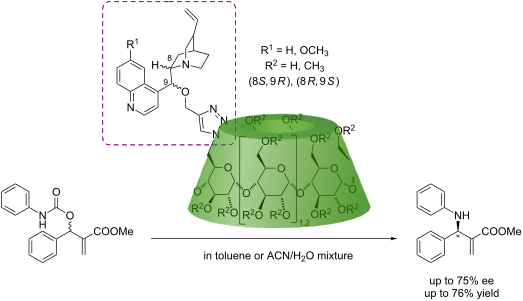
- –Hillman and aldol-type reactions, we focused on their application in the decarboxylative asymmetric allylic amination (AAA) [38] of MBH carbamate 12 affording the product 13 with enantiomeric excesses of up to 75% (Scheme 4). However, compared with the published procedure [38] (up to 97% ee, aromatic
- the decarboxylative asymmetric allylic amination of a Morita–Baylis–Hillman carbamate (10 mol % of catalyst, up to 75% ee, up to 76% isolated yield). We believe that these new CD derivatives comprising cinchona alkaloids will be suitable catalysts of other asymmetric reactions using them under green

Graphical Abstract

Figure 1: Schematic cone-shaped (a) and structure representations (b) of α-CD (six glucopyranoside units) and...

Figure 2: Common cinchona alkaloids (cinchonine, cinchonidine, quinine, quinidine).

Scheme 1: CuAAC click reaction of propargylated cinchona alkaloids 3a–d with 6I-azido-6I-deoxy-α-CD (1) and 6I...

Scheme 2: CuAAC click reaction of per-Me-N3-α-CD (6) or per-Me-N3-β-CD (7) and propargylated cinchona alkaloi...

Scheme 3: Synthesis of difunctionalized α-CD 11 with quinine moieties.

Figure 3: Representative 1H NMR spectrum of the non-methylated quinidine–α-CD derivative 4d.

Figure 4: Representative 13C NMR spectrum and parts of the HMBC spectrum of the non-methylated quinidine–α-CD...

Scheme 4: AAA reaction of MBH carbamate 12 catalyzed by the prepared CD derivatives 4a–d, 5a–d, 8a–d, 9a–d, 11...
Targeting the Pseudomonas quinolone signal quorum sensing system for the discovery of novel anti-infective pathoblockers
- Christian Schütz and
- Martin Empting
Beilstein J. Org. Chem. 2018, 14, 2627–2645, doi:10.3762/bjoc.14.241
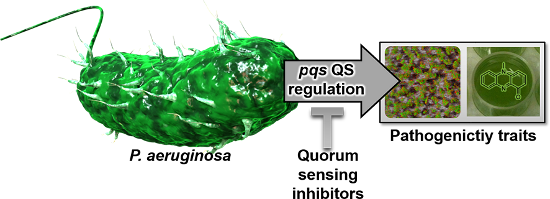
- formed by action of the heterodimeric complex PqsBC. This time, CoA-activated octanoic acid is used to preload an active-site cysteine of PqsC with the fatty acid via a thioester linkage [30][31]. The previously produced 2-ABA is then consumed to from HHQ under decarboxylative condensation [30]. Finally

Graphical Abstract

Figure 1: The four quorum sensing systems in P. aeruginosa las, iqs, rhl, and pqs. Abbreviations: OdDHL, N-(3...

Figure 2: Schematic overview of the PQS biosynthesis and involvement of related metabolites and PqsE in virul...

Figure 3: Anthranilic acid (1) and derivatives thereof (2–4).

Figure 4: Crystal structure of 6-FABA-AMP in complex with PqsA.

Figure 5: Structures of substrate mimetic PqsA inhibitors.

Figure 6: Structures and characteristics of prominent classes of PqsD inhibitors.

Figure 7: Comparison of docking poses of three prototypic PqsD inhibitors: benzamidobenzoic acid derivative 12...

Figure 8: Structures and characteristics of hits against PqsD identified through different methods.

Figure 9: HHQ and PQS analogues as PqsD inhibitors and chemical probe used for screening.

Figure 10: Structure of PqsD-targeting biofilm inhibitor derived from linezolid.

Figure 11: Fragment-based PqsE-inhibitors 24–26.

Figure 12: PqsE co-crystal structures. (A) native product 2-ABA; (B–D) hit fragments 24–26.

Figure 13: Structurally diverse PqsBC-inhibitors 27–30.

Figure 14: Native PqsR ligand HHQ (31) which is converted into PQS (32) by PqsH and synthetic inhibitors 33 an...

Figure 15: Quinazolinone inhibitor 36 (QZN).

Figure 16: Crystal structure of QZN (36) in complex with PqsRCBD.

Figure 17: Structures of best fitting compounds 37–40 obtained from docking studies.

Figure 18: Initial hit 21 and optimized compound 42 (M64).

Figure 19: Co-crystal structure of M64 (42) with PqsRLBD.

Figure 20: M64 (42) as the starting point for further optimization leading to 43, which was further modified a...

Figure 21: Hit fragments from the benzamide (47–48) and oxadiazole class (49–51).

Figure 22: Structures of dual inhibitors 52–55.

Figure 23: Sulfonyl pyrimidines 56–58 acting as dual PqsD/PqsR inhibitors.
Investigations of alkynylbenziodoxole derivatives for radical alkynylations in photoredox catalysis
- Yue Pan,
- Kunfang Jia,
- Yali Chen and
- Yiyun Chen
Beilstein J. Org. Chem. 2018, 14, 1215–1221, doi:10.3762/bjoc.14.103
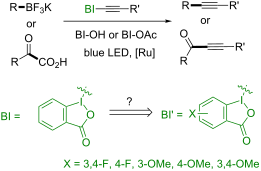
- group first used alkynylbenziodoxoles for decarboxylative radical alkynylation under silver salt and persulfate conditions [19]. In 2014, the Chen group discovered that alkynylbenziodoxoles (BI-alkyne) readily participated in photoredox catalysis as the radical alkynylation reagent [20], after which
- 8 as the acyl radical precursor, the decarboxylative alkynylation with BI-alkyne derivatives afforded ynone 9 under the photoredox conditions [21]. Both the unsubstituted and 3,4-dimethoxy substituted BI’-alkynes 3c and 3f gave ynone 9 in similar 77–79% yields, while the 3,4-difluoro substituted BI

Graphical Abstract

Scheme 1: Investigation of alkynylbenziodoxole derivatives for radical alkynylations.

Scheme 2: Synthesis and characterization of BI-alkyne derivatives 3a–f.

Scheme 3: Reaction of alkynylbenziodoxole derivatives for deboronative alkynylation in photoredox catalysis. ...

Scheme 4: Reaction of alkynylbenziodoxole derivatives for radical alkynylations in photoredox catalysis. Reac...

Scheme 5: Reaction of alkynylbenziodoxole derivatives for acyl radical alkynylation in photoredox catalysis. ...

Scheme 6: Mechanistic investigations of alkynylbenziodoxole for radical acceptor and oxidative quenching reac...

Scheme 7: The role of alkynylbenziodoxole derivatives for radical alkynylation in photoredox catalysis.
One hundred years of benzotropone chemistry
- Arif Dastan,
- Haydar Kilic and
- Nurullah Saracoglu
Beilstein J. Org. Chem. 2018, 14, 1120–1180, doi:10.3762/bjoc.14.98

Graphical Abstract

Scheme 1: Tropone (1), tropolone (2) and their resonance structures.

Figure 1: Natural products containing a tropone nucleus.

Figure 2: Possible isomers 11–13 of benzotropone.

Scheme 2: Synthesis of benzotropones 11 and 12.

Scheme 3: Oxidation products of benzotropylium fluoroborate (16).

Scheme 4: Oxidation of 7-bromo-5H-benzo[7]annulene (22).

Scheme 5: Synthesis of 4,5-benzotropone (11) using o-phthalaldehyde (27).

Scheme 6: Synthesis of 4,5-benzotropone (11) starting from oxobenzonorbornadiene 31.

Scheme 7: Acid-catalyzed cleavage of oxo-bridge of 34.

Scheme 8: Synthesis of 4,5-benzotropone (11) from o-xylylene dibromide (38).

Scheme 9: Synthesis of 4,5-benzotropone (11) via the carbene adduct 41.

Scheme 10: Heck coupling strategy for the synthesis of 11.

Scheme 11: Synthesis of benzofulvalenes via carbonyl group of 4,5-benzotropone (11).

Figure 3: Some cycloheptatrienylium cations.

Scheme 12: Synthesis of condensation product 63 and its subsequent oxidative cyclization products.

Figure 4: A novel series of benzo[7]annulenes prepared from 4,5-benzotropone (11).

Scheme 13: Preparation of substituted benzo[7]annulene 72 using the Mukaiyama-Michael reaction.

Figure 5: Possible benzo[7]annulenylidenes 73–75.

Scheme 14: Thermal and photochemical decomposition of 7-diazo-7H-benzo[7]annulene (76) and the trapping of int...

Scheme 15: Synthesis of benzoheptafulvalene 86.

Scheme 16: Synthesis of 7-(diphenylmethylene)-7H-benzo[7]annulene (89).

Scheme 17: Reaction of 4,5-benzotropone (11) with dimethyl diazomethane.

Scheme 18: Synthesis of dihydrobenzomethoxyazocine 103.

Scheme 19: Synthesis and reducibility of benzo-homo-2-methoxyazocines.

Scheme 20: Synthesis of 4,5-benzohomotropones 104 and 115 from 4,5-benzotropones 11 and 113.

Scheme 21: A catalytic deuterogenation of 4,5-benzotropone (11) and synthesis of 5-monosubstituted benzo[7]ann...

Scheme 22: Synthesis of methyl benzo[7]annulenes 131 and 132.

Scheme 23: Ambident reactivity of halobenzo[7]annulenylium cations 133a/b.

Scheme 24: Preparation of benzo[7]annulenylidene–iron complexes 147.

Scheme 25: Synthesis of 1-ethynylbenzotropone (150) and the etheric compound 152 from 4,5-benzotropone (11) wi...

Scheme 26: Thermal decomposition of 4,5-benzotropone (11).

Scheme 27: Reaction of 4,5-benzotropone (11) with 1,2-ethanediol and 1,2-ethanedithiol.

Scheme 28: Conversions of 1-benzosuberone (162) to 2,3-benzotropone (12).

Scheme 29: Synthesis strategies for 2,3-bezotropone (12) using 1-benzosuberones.

Scheme 30: Oxidation-based synthesis of 2,3-benzotropone (12) via 1-benzosuberone (162).

Scheme 31: Synthesis of 2,3-benzotropone (12) from α-tetralone (171) via ring-expansion.

Scheme 32: Preparation of 2,3-benzotropone (12) by using of benzotropolone 174.

Figure 6: Benzoheptafulvenes as condensation products of 2,3-benzotropone (12).

Scheme 33: Conversion of 2,3-benzotropone (12) to tosylhydrazone salt 182 and gem-dichloride 187.

Figure 7: Benzohomoazocines 191–193 and benzoazocines 194–197.

Scheme 34: From 2,3-benzotropone (12) to carbonium ions 198–201.

Scheme 35: Cycloaddition reactions of 2,3-benzotropone (12).
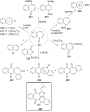
Scheme 36: Reaction of 2,3-benzotropone (12) with various reagents and compounds.

Figure 8: 3,4-Benzotropone (13) and its resonance structure.

Scheme 37: Synthesis of 6,7-benzobicyclo[3.2.0]hepta-3,6-dien-2-one (230).

Figure 9: Photolysis and thermolysis products of 230.

Figure 10: Benzotropolones and their tautomeric structures.

Scheme 38: Synthesis strategies of 4,5-benzotropolone (238).

Scheme 39: Synthesis protocol for 2-hydroxy-4,5-benzotropone (238) using oxazole-benzo[7]annulene 247.

Figure 11: Some quinoxaline and pyrazine derivatives 254–256 prepared from 4,5-benzotropolone (238).

Scheme 40: Nitration product of 4,5-benzotropolone (238) and its isomerization to 1-nitro-naphthoic acid (259)....

Scheme 41: Synthesis protocol for 6-hydroxy-2,3-benzotropone (239) from benzosuberone (162).
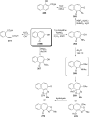
Scheme 42: Various reactions via 6-hydroxy-2,3-benzotropone (239).

Scheme 43: Photoreaction of 6-hydroxy-2,3-benzotropone (239).

Scheme 44: Synthesis of 7-hydroxy-2,3-benzotropone (241) from benzosuberone (162).

Scheme 45: Synthesis strategy for 7-hydroxy-2,3-benzotropone (241) from ketone 276.

Scheme 46: Synthesis of 7-hydroxy-2,3-benzotropone (241) from β-naphthoquinone (280).

Scheme 47: Synthesis of 7-hydroxy-2,3-benzotropone (241) from bicyclic endoperoxide 213.

Scheme 48: Synthesis of 7-hydroxy-2,3-benzotropone (241) by ring-closing metathesis.

Figure 12: Various monosubstitution products 289–291 of 7-hydroxy-2,3-benzotropone (241).

Scheme 49: Reaction of 7-hydroxy-2,3-benzotropone (241) with various reagents.

Scheme 50: Synthesis of 4-hydroxy-2,3-benzotropones 174 and 304 from diketones 300/301.

Scheme 51: Catalytic hydrogenation of diketones 300 and 174.

Scheme 52: Synthesis of halo-benzotropones from alkoxy-naphthalenes 306, 307 and 310.

Figure 13: Unexpected byproducts 313–315 during synthesis of chlorobenzotropone 309.

Figure 14: Some halobenzotropones and their cycloadducts.

Scheme 53: Multisep synthesis of 2-chlorobenzotropone 309.

Scheme 54: A multistep synthesis of 2-bromo-benzotropone 26.

Scheme 55: A multistep synthesis of bromo-2,3-benzotropones 311 and 316.

Scheme 56: Oxidation reactions of 8-bromo-5H-benzo[7]annulene (329) with some oxidants.

Scheme 57: Synthesis of 2-bromo-4,5-benzotropone (26).

Scheme 58: Synthesis of 6-chloro-2,3-benzotropone (335) using LiCl and proposed intermediate 336.

Scheme 59: Reaction of 7-bromo-2,3-benzotropone (316) with methylamine.

Scheme 60: Reactions of bromo-2,3-benzotropones 26 and 311 with dimethylamine.

Scheme 61: Reactions of bromobenzotropones 311 and 26 with NaOMe.

Scheme 62: Reactions of bromobenzotropones 26 and 312 with t-BuOK in the presence of DPIBF.

Scheme 63: Cobalt-catalyzed reductive cross-couplings of 7-bromo-2,3-benzotropone (316) with cyclic α-bromo en...

Figure 15: Cycloadduct 357 and its di-π-methane rearrangement product 358.

Scheme 64: Catalytic hydrogenation of 2-chloro-4,5-benzotropone (311).

Scheme 65: Synthesis of dibromo-benzotropones from benzotropones.

Scheme 66: Bromination/dehydrobromination of benzosuberone (162).

Scheme 67: Some transformations of isomeric dibromo-benzotropones 261A/B.

Scheme 68: Transformations of benzotropolone 239B to halobenzotropolones 369–371.

Figure 16: Bromobenzotropolones 372–376 and 290 prepared via bromination/dehydrobromination strategy.

Scheme 69: Synthesis of some halobenzotropolones 289, 377 and 378.

Figure 17: Bromo-chloro-derivatives 379–381 prepared via chlorination.

Scheme 70: Synthesis of 7-iodo-3,4-benzotropolone (382).

Scheme 71: Hydrogenation of bromobenzotropolones 369 and 370.

Scheme 72: Debromination reactions of mono- and dibromides 290 and 375.

Figure 18: Nitratation and oxidation products of some halobenzotropolenes.
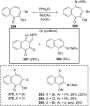
Scheme 73: Azo-coupling reactions of some halobenzotropolones 294, 375 and 378.

Figure 19: Four possible isomers of dibenzotropones 396–399.

Figure 20: Resonance structures of tribenzotropone (400).

Scheme 74: Two synthetic pathways for tribenzotropone (400).

Scheme 75: Synthesis of tribenzotropone (400) from dibenzotropone 399.

Scheme 76: Synthesis of tribenzotropone (400) from 9,10-phenanthraquinone (406).

Scheme 77: Synthesis of tribenzotropone (400) from trifluoromethyl-substituted arene 411.

Figure 21: Dibenzosuberone (414).

Figure 22: Reduction products 415 and 416 of tribenzotropone (400).

Figure 23: Structures of tribenzotropone dimethyl ketal 417 and 4-phenylfluorenone (412) and proposed intermed...

Figure 24: Structures of benzylidene- and methylene-9H-tribenzo[a,c,e][7]annulenes 419 and 420 and chiral phos...

Figure 25: Structures of tetracyclic alcohol 422, p-quinone methide 423 and cation 424.

Figure 26: Structures of host molecules 425–427.

Scheme 78: Synthesis of non-helical overcrowded derivatives syn/anti-431.

Figure 27: Hexabenzooctalene 432.

Figure 28: Structures of possible eight isomers 433–440 of naphthotropone.

Scheme 79: Synthesis of naphthotropone 437 starting from 1-phenylcycloheptene (441).

Scheme 80: Synthesis of 10-hydroxy-11H-cyclohepta[a]naphthalen-11-one (448) from diester 445.

Scheme 81: Synthesis of naphthotropone 433.

Scheme 82: Synthesis of naphthotropones 433 and 434 via cycloaddition reaction.

Scheme 83: Synthesis of naphthotropone 434 starting from 452.

Figure 29: Structures of tricarbonyl(tropone)irons 458, and possible cycloadducts 459.

Scheme 84: Synthesis of naphthotropone 436.

Scheme 85: Synthesis of precursor 465 for naphthotropone 435.

Scheme 86: Generation of naphthotropone 435 from 465.

Figure 30: Structures of tropylium cations 469 and 470.

Figure 31: Structures of tropylium ions 471+.BF4−, 472+.BF4−, and 473+.BF4−.

Scheme 87: Synthesis of tropylium ions 471+.BF4− and 479+.ClO4−.

Scheme 88: Synthesis of 1- and 2-methylanthracene (481 and 482) via carbene–carbene rearrangement.

Figure 32: Trapping products 488–490.

Scheme 89: Generation and chemistry of a naphthoannelated cycloheptatrienylidene-cycloheptatetraene intermedia...

Scheme 90: Proposed intermediates and reaction pathways for adduct 498.

Scheme 91: Exited-state intramolecular proton transfer of 505.

Figure 33: Benzoditropones 506 and 507.

Scheme 92: Synthesis of benzoditropone 506e.

Scheme 93: Synthetic approaches for dibenzotropone 507 via tropone (1).

Scheme 94: Formation mechanisms of benzoditropone 507 and 516 via 515.

Scheme 95: Synthesis of benzoditropones 525 and 526 from pyromellitic dianhydride (527).

Figure 34: Possible three benzocyclobutatropones 534–536.

Scheme 96: Synthesis of benzocyclobutatropones 534 and 539.

Scheme 97: Synthesis attempts for benzocyclobutatropone 545.

Scheme 98: Generation and trapping of symmetric benzocyclobutatropone 536.

Scheme 99: Synthesis of chloro-benzocyclobutatropone 552 and proposed mechanism of fluorenone derivatives.

Scheme 100: Synthesis of tropolone analogue 559.

Scheme 101: Synthesis of tropolones 561 and 562.

Figure 35: o/p-Tropoquinone rings (563 and 564) and benzotropoquinones (565–567).

Scheme 102: Synthesis of benzotropoquinone 566.

Scheme 103: Synthesis of benzotropoquinone 567 via a Diels–Alder reaction.

Figure 36: Products 575–577 through 1,2,3-benzotropoquinone hydrate 569.

Scheme 104: Structures 578–582 prepared from tropoquinone 567.

Figure 37: Two possible structures 583 and 584 for dibenzotropoquinone, and precursor compound 585 for 583.
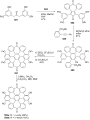
Scheme 105: Synthesis of saddle-shaped ketone 592 using dibenzotropoquinone 584.
Hypervalent iodine(III)-mediated decarboxylative acetoxylation at tertiary and benzylic carbon centers
- Kensuke Kiyokawa,
- Daichi Okumatsu and
- Satoshi Minakata
Beilstein J. Org. Chem. 2018, 14, 1046–1050, doi:10.3762/bjoc.14.92
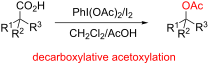
- Kensuke Kiyokawa Daichi Okumatsu Satoshi Minakata Department of Applied Chemistry, Graduate School of Engineering, Osaka University, 2-1 Yamadaoka, Suita, Osaka 565-0871, Japan 10.3762/bjoc.14.92 Abstract The decarboxylative acetoxylation of carboxylic acids using a combination of PhI(OAc)2 and
- . Keywords: acetoxylation; carboxylic acids; decarboxylation; hypervalent iodine; iodine; Introduction The decarboxylative functionalization of carboxylic acids and the derivatives thereof is an important transformation in organic synthesis. In recent years, increasing efforts have been devoted to the
- development of decarboxylative transformations [1][2][3][4][5][6][7][8][9][10][11][12][13], especially through radical decarboxylation processes, allowing an easy access to valuable compounds from readily available carboxylic acids. However, despite these advances, the oxidative decarboxylation coupled with C

Graphical Abstract

Scheme 1: Decarboxylative functionalization using PhI(OAc)2/I2 system.

Scheme 2: Substrate scope. Reactions were conducted on a 0.5 mmol scale at a 0.2 or 0.4 M concentration on th...

Scheme 3: Hydrolysis of acetates.

Scheme 4: Mechanistic investigations.

Scheme 5: Proposed reaction pathway.
High-yielding continuous-flow synthesis of antimalarial drug hydroxychloroquine
- Eric Yu,
- Hari P. R. Mangunuru,
- Nakul S. Telang,
- Caleb J. Kong,
- Jenson Verghese,
- Stanley E. Gilliland III,
- Saeed Ahmad,
- Raymond N. Dominey and
- B. Frank Gupton
Beilstein J. Org. Chem. 2018, 14, 583–592, doi:10.3762/bjoc.14.45
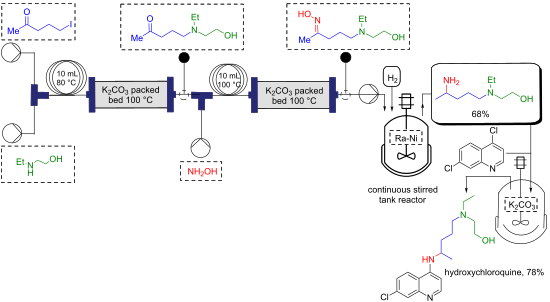
- ]. With these issues in mind, we carried out a retrosynthetic analysis (Scheme 2) in which 10, an iodo analogue to the starting material 3, could be generated in a single step via a decarboxylative ring-opening of α-acetyl butyrolactone 8. The iodo analogue 10 could then be used without isolation to

Graphical Abstract

Figure 1: Commercially available antimalarial drugs.

Scheme 1: Current batch syntheses of the key intermediate 5-(ethyl(2-hydroxyethyl)amino)pentan-2-one (6).

Scheme 2: Retrosynthetic strategy to hydroxychloroquine (1).

Scheme 3: Schematic representation for continuous in-line extraction of 10.

Scheme 4: Optimization of the flow process for the synthesis of 12.
Progress in copper-catalyzed trifluoromethylation
- Guan-bao Li,
- Chao Zhang,
- Chun Song and
- Yu-dao Ma
Beilstein J. Org. Chem. 2018, 14, 155–181, doi:10.3762/bjoc.14.11
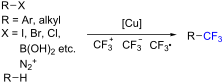
- was paid on trifluoroacetates. Trifluoroacetate is readily available and one of the cheapest and most convenient sources of the trifluoromethylation for both industrial and medicinal purposes. In 2011, a practical and ligand-free Cu-catalyzed decarboxylative trifluoromethylation of aryl iodides was
- economic decarboxylative trifluoromethylation reagent [Cu(phen)O2CCF3], which was prepared from readily available and inexpensive starting materials (Scheme 8). Treatment of copper tert-butoxide with phen, followed by addition of trifluoroacetic acid afforded the air-stable [Cu(phen)O2CCF3] complex, which

Graphical Abstract

Figure 1: Selected examples of pharmaceutical and agrochemical compounds containing the trifluoromethyl group....

Scheme 1: Introduction of a diamine into copper-catalyzed trifluoromethylation of aryl iodides.
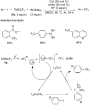
Scheme 2: Addition of a Lewis acid into copper-catalyzed trifluoromethylation of aryl iodides and the propose...

Scheme 3: Trifluoromethylation of heteroaromatic compounds using S-(trifluoromethyl)diphenylsulfonium salts a...

Scheme 4: The preparation of a new trifluoromethylation reagent and its application in trifluoromethylation o...

Scheme 5: Trifluoromethylation of aryl iodides using CF3CO2Na as a trifluoromethyl source.

Scheme 6: Trifluoromethylation of aryl iodides using MTFA as a trifluoromethyl source.

Scheme 7: Trifluoromethylation of aryl iodides using CF3CO2K as a trifluoromethyl source.
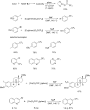
Scheme 8: Trifluoromethylation of aryl iodides and heteroaryl bromides using [Cu(phen)(O2CCF3)] as a trifluor...

Scheme 9: Trifluoromethylation of aryl iodides with DFPB and the proposed mechanism.

Scheme 10: Trifluoromethylation of aryl iodides using TCDA as a trifluoromethyl source. Reaction conditions: [...

Scheme 11: The mechanism of trifluoromethylation using Cu(II)(O2CCF2SO2F)2 as a trifluoromethyl source.

Scheme 12: Trifluoromethylation of benzyl bromide reported by Shibata’s group.

Scheme 13: Trifluoromethylation of allylic halides and propargylic halides reported by the group of Nishibayas...

Scheme 14: Trifluoromethylation of propargylic halides reported by the group of Nishibayashi.

Scheme 15: Trifluoromethylation of alkyl halides reported by Nishibayashi’s group.

Scheme 16: Trifluoromethylation of pinacol esters reported by the group of Gooßen.

Scheme 17: Trifluoromethylation of primary and secondary alkylboronic acids reported by the group of Fu.

Scheme 18: Trifluoromethylation of boronic acid derivatives reported by the group of Liu.

Scheme 19: Trifluoromethylation of organotrifluoroborates reported by the group of Huang.

Scheme 20: Trifluoromethylation of aryl- and vinylboronic acids reported by the group of Shibata.

Scheme 21: Trifluoromethylation of arylboronic acids via the merger of photoredox and Cu catalysis.

Scheme 22: Trifluoromethylation of arylboronic acids reported by Sanford’s group. Isolated yield. aYields dete...

Scheme 23: Trifluoromethylation of arylboronic acids and vinylboronic acids reported by the group of Beller. Y...

Scheme 24: Copper-mediated Sandmeyer type trifluoromethylation using Umemoto’s reagent as a trifluoromethylati...

Scheme 25: Copper-mediated Sandmeyer type trifluoromethylation using TMSCF3 as a trifluoromethylation reagent ...

Scheme 26: One-pot Sandmeyer trifluoromethylation reported by the group of Gooßen.

Scheme 27: Copper-catalyzed trifluoromethylation of arenediazonium salts in aqueous media.
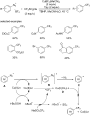
Scheme 28: Copper-mediated Sandmeyer trifluoromethylation using Langlois’ reagent as a trifluoromethyl source ...

Scheme 29: Trifluoromethylation of terminal alkenes reported by the group of Liu.

Scheme 30: Trifluoromethylation of terminal alkenes reported by the group of Wang.

Scheme 31: Trifluoromethylation of tetrahydroisoquinoline derivatives reported by Li and the proposed mechanis...
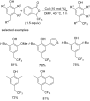
Scheme 32: Trifluoromethylation of phenol derivatives reported by the group of Hamashima.
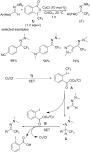
Scheme 33: Trifluoromethylation of hydrazones reported by the group of Baudoin and the proposed mechanism.

Scheme 34: Trifluoromethylation of benzamides reported by the group of Tan.
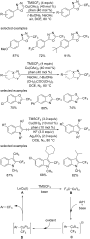
Scheme 35: Trifluoromethylation of heteroarenes and electron-deficient arenes reported by the group of Qing an...

Scheme 36: Trifluoromethylation of N-aryl acrylamides using CF3SO2Na as a trifluoromethyl source.
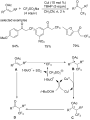
Scheme 37: Trifluoromethylation of aryl(heteroaryl)enol acetates using CF3SO2Na as the source of CF3 and the p...

Scheme 38: Trifluoromethylation of imidazoheterocycles using CF3SO2Na as a trifluoromethyl source and the prop...

Scheme 39: Copper-mediated trifluoromethylation of terminal alkynes using TMSCF3 as a trifluoromethyl source a...

Scheme 40: Improved copper-mediated trifluoromethylation of terminal alkynes reported by the group of Qing.

Scheme 41: Copper-catalyzed trifluoromethylation of terminal alkynes reported by the group of Qing.
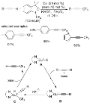
Scheme 42: Copper-catalyzed trifluoromethylation of terminal alkynes using Togni’s reagent and the proposed me...

Scheme 43: Copper-catalyzed trifluoromethylation of terminal alkynes using Umemoto’s reagent reported by the g...
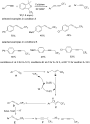
Scheme 44: Copper-catalyzed trifluoromethylation of 3-arylprop-1-ynes reported by Xiao and Lin and the propose...
From dipivaloylketene to tetraoxaadamantanes
- Gert Kollenz and
- Curt Wentrup
Beilstein J. Org. Chem. 2018, 14, 1–10, doi:10.3762/bjoc.14.1

- hydrolysis of the bisdioxines proceeds through the addition of water to a C=C double bond and results in a second transannular oxa-Michael-type reaction and generation of tetraoxaadamantanes 5. This reaction is decarboxylative when free carboxylic acid functions are present in the bisdioxines, thus forming
- reaction (Scheme 7), and not in the final products, which are not prone to decarboxylation: the stable bis-carboxylic acid 24 can be obtained by hydrogenolysis of the dibenzyl ester 23 (Scheme 6) [30]. The reaction may be seen as a decarboxylative [31][32] oxa-Michael addition (Scheme 7) and may be related
- ) derived from dipivaloylketene (2). Mechanisms of formation of bisdioxine acid derivatives from dimer 3. Recently reported synthesis of chromenobisdioxines. Formation of tetraoxaadamantanes. Decarboxylative hydrolysis and oxa-Michael-type ring closure. Oxime and hydrazine derivatives of bisdioxines and

Graphical Abstract
Scheme 1: Synthetic routes to 2,4,6,8-tetraoxaadamantanes.

Scheme 2: Conversion of dipivaloylketene (2) to bisdioxines (2,6,9-trioxabicyclo[3.3.1]nona-3,7-dienes) 4 and...

Scheme 3: 2,6,9-Trioxabicyclo[3.3.1]nonadienes (bisdioxines, 9–13) derived from dipivaloylketene (2).

Scheme 4: Mechanisms of formation of bisdioxine acid derivatives from dimer 3.

Scheme 5: Recently reported synthesis of chromenobisdioxines.

Scheme 6: Formation of tetraoxaadamantanes.

Scheme 7: Decarboxylative hydrolysis and oxa-Michael-type ring closure.

Scheme 8: Oxime and hydrazine derivatives of bisdioxines and tetraoxaadamantanes.

Figure 1: Bistetraoxaadamantane derivatives.

Scheme 9: Inward-pointing isocyanate, urethane and carbamate groups in bisdioxines. The diisocyanate is obtai...
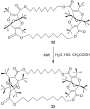
Scheme 10: Microwave-assisted tetraoxaadamantane formation.
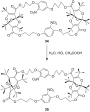
Scheme 11: Cyclic bisdioxine ester derivative 34 forming a single mono-tetraoxaadamantane.

Figure 2: Cyclic bisdioxine derivative not forming a tetraoxaadamantane due to reduced cavity size.

Figure 3: The bisdioxine-calix[6]arene derivative 37 complexes Cs+ but does not form a tetraoxaadamantane der...
Quinone-catalyzed oxidative deformylation: synthesis of imines from amino alcohols
- Xinyun Liu,
- Johnny H. Phan,
- Benjamin J. Haugeberg,
- Shrikant S. Londhe and
- Michael D. Clift
Beilstein J. Org. Chem. 2017, 13, 2895–2901, doi:10.3762/bjoc.13.282
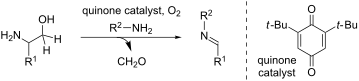
- decarboxylative homologation of α-amino acids [32], which demonstrated for the first time that quinone organocatalysts can be utilized to enable oxidative C–C bond cleavage to provide versatile imine intermediates. To further exploit the utility of this chemistry, we sought to develop a new method for the
- iminoquinone intermediate is likely required for productive reactivity. To demonstrate the synthetic utility of this methodology, we performed a sequential oxidative deformylation/Mukaiyama−Mannich addition under our previously reported conditions for decarboxylative amino acid homologation (Scheme 4) [32]. In

Graphical Abstract

Scheme 1: Established methods for the preparation of imines vs this work.

Scheme 2: Proposed catalytic cycle for quinone-catalyzed deformylation.
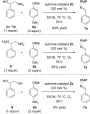
Scheme 3: Studies of quinone-catalyzed C−C bond cleavage in related substrates.

Scheme 4: Sequential oxidative deformylation/Mukaiyama−Mannich addition using phenylglycinol.
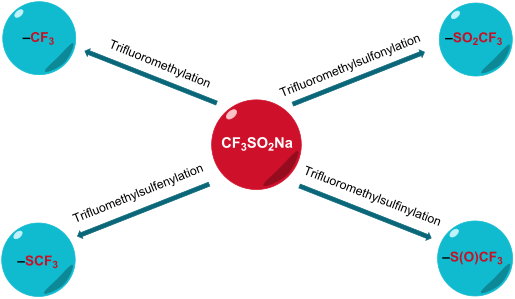
CF3SO2X (X = Na, Cl) as reagents for trifluoromethylation, trifluoromethylsulfenyl-, -sulfinyl- and -sulfonylation. Part 1: Use of CF3SO2Na
- Hélène Guyon,
- Hélène Chachignon and
- Dominique Cahard
Beilstein J. Org. Chem. 2017, 13, 2764–2799, doi:10.3762/bjoc.13.272
- decarboxylative trifluoromethylation of α,β-unsaturated carboxylic acids in the presence of CF3SO2Na and TBHP [82]. Various (hetero)arenes were compatible with these reaction conditions

Graphical Abstract

Scheme 1: Trifluoromethylation of enol acetates by Langlois.

Scheme 2: Trifluoromethylation of (het)aryl enol acetates.

Scheme 3: Mechanism for the trifluoromethylation of enol acetates.

Scheme 4: Oxidative trifluoromethylation of unactivated olefins and mechanistic pathway.
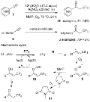
Scheme 5: Oxidative trifluoromethylation of acetylenic substrates.

Scheme 6: Metal free trifluoromethylation of styrenes.

Scheme 7: Synthesis of α-trifluoromethylated ketones by oxytrifluoromethylation of heteroatom-functionalised ...
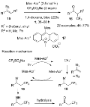
Scheme 8: Catalysed photoredox trifluoromethylation of vinyl azides.

Scheme 9: Oxidative difunctionalisation of alkenyl MIDA boronates.

Scheme 10: Synthesis of β-trifluoromethyl ketones from cyclopropanols.

Scheme 11: Aryltrifluoromethylation of allylic alcohols.

Scheme 12: Cascade multicomponent synthesis of nitrogen heterocycles via azotrifluoromethylation of alkenes.

Scheme 13: Photocatalytic azotrifluoromethylation of alkenes with aryldiazonium salts and CF3SO2Na.

Scheme 14: Copper-promoted intramolecular aminotrifluoromethylation of alkenes with CF3SO2Na.

Scheme 15: Oxytrifluoromethylation of alkenes with CF3SO2Na and hydroxamic acid.

Scheme 16: Manganese-catalysed oxytrifluoromethylation of styrene derivatives.

Scheme 17: Oxytrifluoromethylation of alkenes with NMP/O2 and CF3SO2Na.

Scheme 18: Intramolecular oxytrifluoromethylation of alkenes.

Scheme 19: Hydrotrifluoromethylation of styrenyl alkenes and unactivated aliphatic alkenes.

Scheme 20: Hydrotrifluoromethylation of electron-deficient alkenes.

Scheme 21: Hydrotrifluoromethylation of alkenes by iridium photoredox catalysis.

Scheme 22: Iodo- and bromotrifluoromethylation of alkenes by CF3SO2Na/I2O5 or CF3SO2Na / NaBrO3.

Scheme 23: N-methyl-9-mesityl acridinium and visible-light-induced chloro-, bromo- and SCF3 trifluoromethylati...

Scheme 24: Carbotrifluoromethylation of N-arylacrylamides with CF3SO2Na / TBHP by Lipshutz.

Scheme 25: Carbotrifluoromethylation of N-arylacrylamides with CF3SO2Na/TBHP reported by Lei.

Scheme 26: Carbotrifluoromethylation of N-arylacrylamides with CF3SO2Na/(NH4)2S2O8.

Scheme 27: Metal-free carbotrifluoromethylation of N-arylacrylamides with CF3SO2Na/K2S2O8 reported by Wang.

Scheme 28: Metal-free carbotrifluoromethylation of N-arylacrylamides with CF3SO2Na/PIDA reported by Fu.

Scheme 29: Metal-free cascade trifluoromethylation/cyclisation of N-arylmethacrylamides (a) and enynes (b) wit...

Scheme 30: Trifluoromethylation/cyclisation of N-arylcinnamamides: Synthesis of 3,4-disubstituted dihydroquino...

Scheme 31: Trifluoromethylation/cyclisation of aromatic-containing unsaturated ketones.

Scheme 32: Chemo- and regioselective cascade trifluoromethylation/heteroaryl ipso-migration of unactivated alk...

Scheme 33: Copper-mediated 1,2-bis(trifluoromethylation) of alkenes.

Scheme 34: Trifluoromethylation of aromatics with CF3SO2Na reported by Langlois.

Scheme 35: Baran’s oxidative C–H trifluoromethylation of heterocycles.

Scheme 36: Trifluoromethylation of acetanilides and anilines.

Scheme 37: Trifluoromethylation of heterocycles in water.

Scheme 38: Trifluoromethylation of coumarins in a continuous-flow reactor.

Scheme 39: Oxidative trifluoromethylation of coumarins, quinolines and pyrimidinones.

Scheme 40: Oxidative trifluoromethylation of pyrimidinones and pyridinones.

Scheme 41: Phosphovanadomolybdic acid-catalysed direct C−H trifluoromethylation.
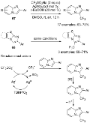
Scheme 42: Oxidative trifluoromethylation of imidazopyridines and imidazoheterocycles.

Scheme 43: Oxidative trifluoromethylation of imidazoheterocycles and imidazoles in ionic liquid/water.
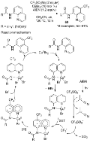
Scheme 44: Oxidative trifluoromethylation of 8-aminoquinolines.

Scheme 45: Oxidative trifluoromethylation of various 8-aminoquinolines using the supported catalyst CS@Cu(OAc)2...

Scheme 46: Oxidative trifluoromethylation of the naphthylamide 70.

Scheme 47: Oxidative trifluoromethylation of various arenes in the presence of CF3SO2Na and sodium persulfate.
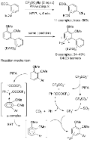
Scheme 48: Trifluoromethylation of electron-rich arenes and unsymmetrical biaryls with CF3SO2Na in the presenc...

Figure 1: Trifluoromethylated coumarin and flavone.

Scheme 49: Metal-free trifluoromethylation catalysed by a photoredox organocatalyst.
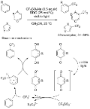
Scheme 50: Quinone-mediated trifluoromethylation of arenes and heteroarenes.
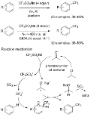
Scheme 51: Metal- and oxidant-free photochemical trifluoromethylation of arenes.

Scheme 52: Copper-mediated trifluoromethylation of arenediazonium tetrafluoroborates.

Scheme 53: Oxidative trifluoromethylation of aryl- and heteroarylboronic acids.
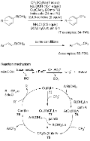
Scheme 54: Oxidative trifluoromethylation of aryl- and vinylboronic acids.

Scheme 55: Oxidative trifluoromethylation of unsaturated potassium organotrifluoroborates.

Scheme 56: Oxidative trifluoromethylation of (hetero)aryl- and vinyltrifluoroborates.

Scheme 57: Copper−catalysed decarboxylative trifluoromethylation of cinnamic acids.

Scheme 58: Iron-mediated decarboxylative trifluoromethylation of α,β-unsaturated carboxylic acids.

Scheme 59: Cu/Ag-catalysed decarboxylative trifluoromethylation of cinnamic acids.

Scheme 60: I2O5-Promoted decarboxylative trifluoromethylation of cinnamic acids.

Scheme 61: Silver(I)-catalysed denitrative trifluoromethylation of β-nitrostyrenes.
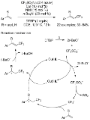
Scheme 62: Copper-catalysed direct trifluoromethylation of styrene derivatives.
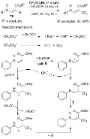
Scheme 63: Transition-metal-free synthesis of β-trifluoromethylated enamines.

Scheme 64: I2O5-mediated iodotrifluoromethylation of alkynes.

Scheme 65: Silver-catalysed tandem trifluoromethylation/cyclisation of aryl isonitriles.

Scheme 66: Photoredox trifluoromethylation of 2-isocyanobiphenyls.

Scheme 67: Trifluoromethylation of potassium alkynyltrifluoroborates with CF3SO2Na.
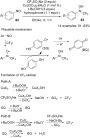
Scheme 68: N-trifluoromethylation of nitrosoarenes with CF3SO2Na (SQ: semiquinone).

Scheme 69: Trifluoromethylation of disulfides with CF3SO2Na.

Scheme 70: Trifluoromethylation of thiols with CF3SO2Na/I2O5.
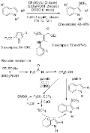
Scheme 71: Electrophilic trifluoromethylsulfenylation by means of CF3SO2Na/(EtO)2P(O)H/CuCl/DMSO.

Scheme 72: Electrophilic trifluoromethylsulfenylation by means of CF3SO2Na/(EtO)2P(O)H/TMSCl.
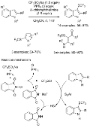
Scheme 73: Electrophilic trifluoromethylsulfenylation by means of CF3SO2Na/PPh3/N-chlorophthalimide.

Scheme 74: Electrophilic trifluoromethylsulfenylation by means of CF3SO2Na/PCl3.

Scheme 75: Electrophilic trifluoromethylsulfenylation by means of CF3SO2Na/PCl3.

Scheme 76: Trifluoromethylsulfenylation of aryl iodides with in situ generated CuSCF3 (DMI: 1,3-dimethyl-2-imi...

Scheme 77: Pioneering trifluoromethylsulfinylation of N, O, and C-nucleophiles.

Scheme 78: Trifluoromethylsulfinylation of (1R,2S)-ephedrine (Im: imidazole; DIEA: N,N-diisopropylethylamine).

Scheme 79: Trifluoromethylsulfinylation of substituted benzenes with CF3SO2Na/CF3SO3H.

Scheme 80: Trifluoromethylsulfinylation of indoles with CF3SO2Na/P(O)Cl3.

Scheme 81: Trifluoromethylsulfinylation of indoles with CF3SO2Na/PCl3.

Scheme 82: Formation of triflones from benzyl bromides (DMA: dimethylacetamide).

Scheme 83: Formation of α-trifluoromethylsulfonyl ketones, esters, and amides.

Scheme 84: Allylic trifluoromethanesulfonylation of aromatic allylic alcohols.

Scheme 85: Copper-catalysed couplings of aryl iodonium salts with CF3SO2Na.

Scheme 86: Palladium-catalysed trifluoromethanesulfonylation of aryl triflates and chlorides with CF3SO2Na.

Scheme 87: Copper-catalysed coupling of arenediazonium tetrafluoroborates with CF3SO2Na.

Scheme 88: Synthesis of phenyltriflone via coupling of benzyne with CF3SO2Na.

Scheme 89: Synthesis of 1-trifluoromethanesulfonylcyclopentenes from 1-alkynyl-λ3-bromanes and CF3SO2Na.

Scheme 90: One-pot synthesis of functionalised vinyl triflones.

Scheme 91: Regioselective synthesis of vinyltriflones from styrenes.

Scheme 92: Trifluoromethanesulfonylation of alkynyl(phenyl) iodonium tosylates by CF3SO2Na.

Scheme 93: Synthesis of thio- and selenotrifluoromethanesulfonates.
A Brønsted base-promoted diastereoselective dimerization of azlactones
- Danielle L. J. Pinheiro,
- Gabriel M. F. Batista,
- Pedro P. de Castro,
- Leonã S. Flores,
- Gustavo F. S. Andrade and
- Giovanni W. Amarante
Beilstein J. Org. Chem. 2017, 13, 2663–2670, doi:10.3762/bjoc.13.264
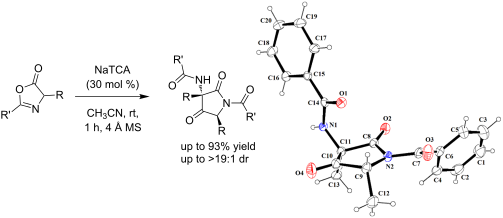
- strongly dependent on the base, as well as the substituent at the C2 position [24]. Once again, no comments concerning the stereochemistry were addressed. Thus, we started this study envisioning the trichloromethylation of azlactones through the decarboxylative potassium trichloroacetate (KTCA) in DMSO

Graphical Abstract

Figure 1: Structure of an azlactone dimer.
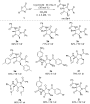
Scheme 1: Diastereoselective dimerization of azlactones. Reactions were carried out using 0.45 mmol of 1 and ...

Figure 2: X-ray crystallographic structure of 2a (30% ellipsoids probability).

Scheme 2: Sterically bulky azlactone enol derivatives.
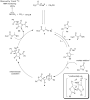
Figure 3: Plausible mechanism for the dimerization of azlactone.

Figure 4:
Plot of ![[Graphic 5]](/bjoc/content/inline/1860-5397-13-264-i10.svg?max-width=637&scale=1.18182) vs time for the dimerization of azlactone 1a.
vs time for the dimerization of azlactone 1a.

Scheme 3: Reduction of 2c.
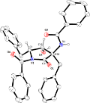
Figure 5: X-ray crystallographic structure of 6 (30% ellipsoids probability).
Regioselective decarboxylative addition of malonic acid and its mono(thio)esters to 4-trifluoromethylpyrimidin-2(1H)-ones
- Sergii V. Melnykov,
- Andrii S. Pataman,
- Yurii V. Dmytriv,
- Svitlana V. Shishkina,
- Mykhailo V. Vovk and
- Volodymyr A. Sukach
Beilstein J. Org. Chem. 2017, 13, 2617–2625, doi:10.3762/bjoc.13.259
- , 4 Svobody sq, Kharkiv 61122, Ukraine 10.3762/bjoc.13.259 Abstract Background: Due to the high reactivity towards various C-nucleophiles, trifluoromethylketimines are known to be useful reagents for the synthesis of α-trifluoromethylated amine derivatives. However, decarboxylative reactions with
- , unique heterocyclic ketimines, react with malonic acid under organic base catalysis to regioselectively provide either Michael- or Mannich-type decarboxylative addition products depending on solvent polarity. Malonic mono(thio)esters give exclusively Michael-type products. The two regioisomeric products
- synthesis of novel isomeric 4(6)-trifluoromethylated 1,2,3,4-tetrahydro- and perhydro-(2-oxopyrimidin-4-yl)acetic acid derivatives. Keywords: ketimines; malonic acid; Michael- and Mannich-type decarboxylative addition; pyrimidin-2(1H)-ones; regioselectivity; trifluoromethyl group; Introduction

Graphical Abstract
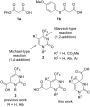
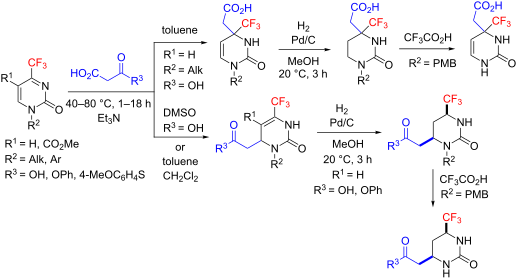
Figure 1: Summary of the present study.

Scheme 1: Hydrogenation of compounds 4–6 and preparation of N1(3)-unsubstituted compounds 9–11d.

Figure 2: Molecular structure of compound 11b. Two enantiomers form a heterochiral dimer in the crystal state...
1-Imidoalkylphosphonium salts with modulated Cα–P+ bond strength: synthesis and application as new active α-imidoalkylating agents
- Jakub Adamek,
- Roman Mazurkiewicz,
- Anna Węgrzyk and
- Karol Erfurt
Beilstein J. Org. Chem. 2017, 13, 1446–1455, doi:10.3762/bjoc.13.142
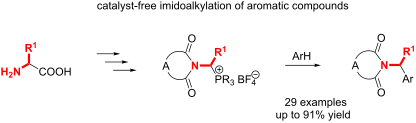
- . The crucial step in the method included the decarboxylative α-methoxylation of N-phthaloyl- or N-succinylamino acids to the corresponding N-(1-methoxyalkyl)imides, followed by the displacement of the methoxy group by the triarylphosphonium group through melting of the imide derivative with
- knowledge, attempts at an electrochemical decarboxylative α-methoxylation of 2-imidoalkanecarboxylic acids have been reported only twice in the literature [33][34]. The reactions were carried out in MeOH in the presence of sodium methoxide. Unfortunately, because of the low reaction selectivity related to
- side reactions (for example Kolbe-dimerization), the yields were only poor (10–35%) [33][34]. According to our previously reported procedure for the electrochemical decarboxylative α-methoxylation of N-acyl-α-amino acids [18], amino acid derivatives 6 were converted to N-(1-methoxyalkyl)imides 7. The

Graphical Abstract

Scheme 1: α-Amidoalkylation reactions under basic or acidic conditions.

Scheme 2: Synthetic routes of α-amido- and α-imidoalkylation of aromatic and heteroaromatic compounds.

Scheme 3: Reaction of imidophosphonium salt 5e with 1,3,5-trimethoxybenzene.
Sustainable synthesis of 3-substituted phthalides via a catalytic one-pot cascade strategy from 2-formylbenzoic acid with β-keto acids in glycerol
- Lina Jia and
- Fuzhong Han
Beilstein J. Org. Chem. 2017, 13, 1425–1429, doi:10.3762/bjoc.13.139
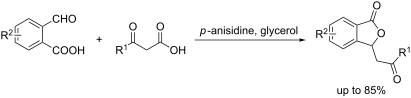
- demand and potential for the development of a green one-pot cascade aldol/cyclization strategy for these compounds [22]. The use of β-keto acids as ketone enolate equivalents in metal- and organocatalytic decarboxylative aldol reactions has been extensively studied and proven to be a valuable and
- straightforward method for the preparation of several biologically active compounds of medicinal and agrochemical interest [23][24][25][26][27][28][29][30]. Notably, the decarboxylative reaction of β-keto acids provides a traceless means of activation with CO2 as the only byproduct. On the other hand, glycerol

Graphical Abstract

Scheme 1: Synthesis of 3-substituted phthalides from substituted 2-formylbenzoic acids and β-keto acids.
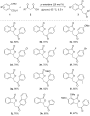
Scheme 2: Substrate scope of the synthesis of 3-substituted phthalides. General reaction conditions: 1 (0.5 m...

Scheme 3: Possible mechanistic pathway.
Decarboxylative and dehydrative coupling of dienoic acids and pentadienyl alcohols to form 1,3,6,8-tetraenes
- Ghina’a I. Abu Deiab,
- Mohammed H. Al-Huniti,
- I. F. Dempsey Hyatt,
- Emma E. Nagy,
- Kristen E. Gettys,
- Sommayah S. Sayed,
- Christine M. Joliat,
- Paige E. Daniel,
- Rupa M. Vummalaneni,
- Andrew T. Morehead Jr,
- Andrew L. Sargent and
- Mitchell P. Croatt
Beilstein J. Org. Chem. 2017, 13, 384–392, doi:10.3762/bjoc.13.41
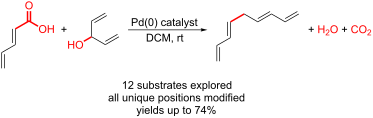
- at Greensboro, Greensboro, NC 27402, USA Department of Chemistry, East Carolina University, Greenville, NC 27858, USA 10.3762/bjoc.13.41 Abstract Dienoic acids and pentadienyl alcohols are coupled in a decarboxylative and dehydrative manner at ambient temperature using Pd(0) catalysis to generate
- 1,3,6,8-tetraenes. Contrary to related decarboxylative coupling reactions, an anion-stabilizing group is not required adjacent to the carboxyl group. Of mechanistic importance, it appears that both the diene of the acid and the diene of the alcohol are required for this reaction. To further understand
- materials [10][11][12][13][14][15][16][17][18]. Another approach to the formation of C–C bonds is through decarboxylative coupling reactions (Scheme 1). This can be arrived in a one-component fashion via the removal of CO2 from an ester or in a two-component manner by removal of CO2 from a carboxylic acid

Graphical Abstract

Scheme 1: Prior and current decarboxylative couplings.

Scheme 2: Esters examined in the decarboxylation reaction.

Scheme 3: Possible mechanistic pathways.

Figure 1: Calculated HOMO of transition state between E and F.
Polyketide stereocontrol: a study in chemical biology
- Kira J. Weissman
Beilstein J. Org. Chem. 2017, 13, 348–371, doi:10.3762/bjoc.13.39
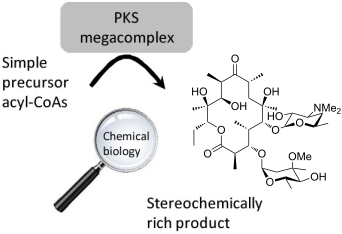
- appropriate precursor from the cellular pool, a ketosynthase (KS) which extends the chain via a Claisen-like decarboxylative condensation, and a non-catalytic acyl carrier protein (ACP) to which the intermediates are covalently tethered through a phosphopantetheine prosthetic group. The modules can also

Graphical Abstract

Figure 1: Structures of clinically-relevant polyketides: erythromycin A (1), azithromycin (2), clarithromycin...

Figure 2: Schematic of erythromycin A (1) bound to 23S ribosomal RNA of the 50S subunit of the Deinococcus ra...

Figure 3: Schematic of the biosynthetic pathway leading to erythromycin A (1) in the bacterium Saccharopolysp...

Figure 4: Schematic of the virginiamycin PKS from Streptomyces virginiae, a member of the trans-AT PKS family ...

Figure 5: Determination of the stereochemistry of extender unit selection by the AT domains of modular PKS. a...

Figure 6: Creation by genetic engineering of the DEBS 1-TE model system. The region of the eryAIII gene encod...

Figure 7: Model for substrate selection by AT domains. a) Sequence motifs in malonyl- and methylmalonyl-CoA-s...

Figure 8: Proposed mechanism for KS-catalyzed chain extension, based on extrapolation from studies on homolog...

Figure 9: Experiment in vitro to determine the stereochemistry of condensation in modular PKS [46]. Use of specif...

Figure 10: Genetic engineering experiments which suggested a role for the KS domain in epimerization. a) A dik...

Figure 11: Models for control of the stereochemistry of reduction by KR domains. The two directions of ketored...

Figure 12: Assays in vitro to evaluate the stereospecificity of recombinant KR domains. A series of KR domains...

Figure 13: Assays in vitro which provided the first direct evidence that KR domains act as epimerases [77]. Biosyn...

Figure 14: Assays in vitro to demonstrate directly the epimerase activity of PKS KR domains. a) Equilibrium ex...

Figure 15: Model for DH-catalyzed generation of trans and cis double bonds by syn elimination from substrates ...
Figure 16: Stereospecificity of dehydration by Rif DH10 [94]. a) The four possible diastereomeric diketide-ACP sub...

Figure 17: Stereocontrol by PKS ER domains. Sequence motifs correlated with the final stereochemistry of the C...

Figure 18: a) PKS engineered to test the role of the ER stereospecificity residues [115]. TKS-ERY4 was created by r...
Multicomponent synthesis of spiropyrrolidine analogues derived from vinylindole/indazole by a 1,3-dipolar cycloaddition reaction
- Manjunatha Narayanarao,
- Lokesh Koodlur,
- Vijayakumar G. Revanasiddappa,
- Subramanya Gopal and
- Susmita Kamila
Beilstein J. Org. Chem. 2016, 12, 2893–2897, doi:10.3762/bjoc.12.288
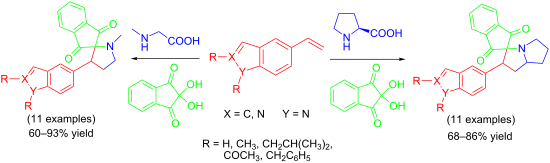
- out by reacting N-alkylvinyl products 3 with azomethine ylide, generated in situ through decarboxylative condensation of ninhydrin (4) and sarcosine (5). The 1,3-dipolar cycloaddition of the ylide with the olefin 3 yielded spiropyrrolidines 7 with regiospecificity (Table 1, entries 1–4). The formation

Graphical Abstract

Scheme 1: Synthesis of N-alkyl vinylindoles and N-alkyl vinylindazoles (3).

Scheme 2: Retrosynthetic strategy used for the synthesis of 7 and 8.

Figure 1: NOE interactions in compound 8c supporting the stereochemical assignments for 8a–k. H1 and H2 on th...

Figure 2: ORTEP representation of compounds 7a and 7f obtained by single crystal XRD study.
Chemical probes for competitive profiling of the quorum sensing signal synthase PqsD of Pseudomonas aeruginosa
- Michaela Prothiwa,
- Dávid Szamosvári,
- Sandra Glasmacher and
- Thomas Böttcher
Beilstein J. Org. Chem. 2016, 12, 2784–2792, doi:10.3762/bjoc.12.277
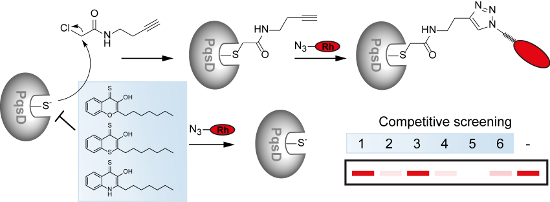
- ]. The biosynthesis of AQs has been matter of a long-standing debate that could only recently be resolved. Although HHQ could be produced in vitro by a PqsD catalyzed “head-to-head” decarboxylative Claisen condensation of activated anthranilic acid with β-keto fatty acid derivatives [10][11], isotope
- catalyzes the condensation with malonyl-CoA to form 2-aminobenzoylacetyl-CoA. The thioesterase PqsE hydrolyses the thioester to produce 2-aminobenzoylacetate (2-ABA) [13]. The PqsBC complex finally generates HHQ or other AQs in a decarboxylative condensation reaction of 2-ABA with fatty acids loaded on PqsC

Graphical Abstract

Figure 1: Quinolone signals of Pseudomonas aeruginosa. A) Structures of HHQ and PQS. B) Proposed mechanism fo...

Figure 2: Synthesis of electrophilic ABPP probes. A) Synthesis of α,β-unsaturated amide probes UA1–3. B) Synt...

Figure 3: In vitro labeling of PqsD by chemical probes. A) ABPP probe library with wild-type PqsD and PqsD C1...

Scheme 1: Synthesis of various HHQ and PQS analogues.
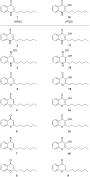
Figure 4: Library of HHQ and PQS analogues.

Figure 5: Competitive profiling platform. A) Schematic representation of the competitive labelling strategy w...
Enantioselective addition of diphenyl phosphonate to ketimines derived from isatins catalyzed by binaphthyl-modified organocatalysts
- Hee Seung Jang,
- Yubin Kim and
- Dae Young Kim
Beilstein J. Org. Chem. 2016, 12, 1551–1556, doi:10.3762/bjoc.12.149
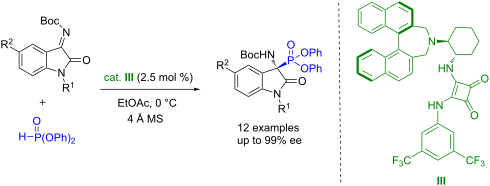
- of organocatalysts [38][39][40][41][42][43][44][45], we have reported the catalytic asymmetric decarboxylative aldol addition reaction of isatins with benzoylacetic acids catalyzed by chiral binaphthyl-based squaramide [46]. Here we wish to report the enantioselective addition reaction of diphenyl

Graphical Abstract

Figure 1: Structure of chiral bifunctional organocatalysts.

Figure 2: Proposed stereochemical model.

Scheme 1: Gram scale addition of ketimine 1a and diphenyl phosphonate (2).
Biosynthesis of oxygen and nitrogen-containing heterocycles in polyketides
- Franziska Hemmerling and
- Frank Hahn
Beilstein J. Org. Chem. 2016, 12, 1512–1550, doi:10.3762/bjoc.12.148
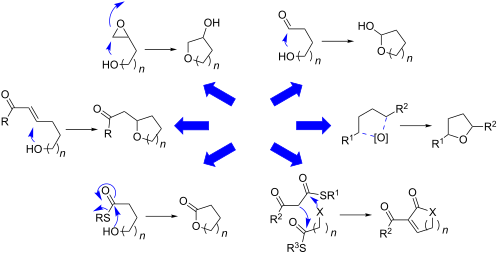
- -hydroxytetrahydro-2H-pyran-2-one 124 is formally dehydrated by consecutive malonylation–elimination to finally give a 5,6-dihydro-2H-pyran-2-one 127 [127]. The tailoring enzyme PlmT2 was proposed to catalyse the decarboxylative elimination of malonoyl halfester 126. It is not clear, whether the initial malonylation

Graphical Abstract

Scheme 1: Schematic description of the cyclisation reaction catalysed by TE domains. In most cases, the nucle...

Scheme 2: Mechanisms for the formation of oxygen heterocycles. The degree of substitution can differ from tha...

Scheme 3: Pyran-ring formation in pederin (24) biosynthesis. Incubation of recombinant PedPS7 with substrate ...

Scheme 4: The domain AmbDH3 from ambruticin biosynthesis catalyses the dehydration of 25 and subsequent cycli...

Scheme 5: SalBIII catalyses dehydration of 29 and subsequent cyclisation to tetrahydropyran 30 [18].

Figure 1: All pyranonaphtoquinones contain either the naphtha[2,3-c]pyran-5,10-dione (32) or the regioisomeri...

Scheme 6: Pyran-ring formation in actinorhodin (34) biosynthesis. DNPA: 4-dihydro-9-hydroxy-1-methyl-10-oxo-3H...

Scheme 7: Pyran formation in granaticin (36) biosynthesis. DNPA: 4-dihydro-9-hydroxy-1-methyl-10-oxo-3H-napht...

Scheme 8: Pyran formation in alnumycin (37) biosynthesis. Adapted from [21].

Scheme 9: Biosynthesis of pseudomonic acid A (61). The pyran ring is initially formed in 57 after dehydrogena...

Scheme 10: Epoxidation–cyclisation leads to the formation of the tetrahydropyran ring in the western part of t...

Scheme 11: a) Nonactin (70) is formed from heterodimers of (−)(+)-dimeric nonactic acid and (+)(−)-dimeric non...

Figure 2: Pamamycins (73) are macrodiolide antibiotics containing three tetrahydrofuran moieties, which are a...

Scheme 12: A PS domain homolog in oocydin A (76) biosynthesis is proposed to catalyse furan formation via an o...

Scheme 13: Mechanism of oxidation–furan cyclisation by AurH, which converts (+)-deoxyaureothin (77) into (+)-a...

Scheme 14: Leupyrrin A2 (80) and the proposed biosynthesis of its furylidene moiety [69,70].

Scheme 15: Asperfuranone (93) biosynthesis, adapted from [75].
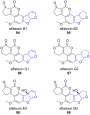
Figure 3: The four major aflatoxins produced by Aspergilli are the types B1, B2, G1 and G2 (94–97). In the di...

Scheme 16: Overview on aflatoxin B1 (94) biosynthesis. HOMST = 11-hydroxy-O-methylsterigmatocystin [78,79,82-106].

Scheme 17: A zipper mechanism leads to the formation of oxygen heterocycles in monensin biosynthesis [109-111].

Scheme 18: Formation of the 2,6-dioxabicyclo[3.2.1]octane (DBO) ring system in aurovertin B (118) biosynthesis ...

Figure 4: Structures of the epoxide-containing polyketides epothilone A (119) and oleandomycin (120) [123-125].

Scheme 19: Structures of phoslactomycin B (121) (a) and jerangolid A (122) (b). The heterocycle-forming steps ...

Scheme 20: a) Structures of rhizoxin (130) and cycloheximide (131). Model for the formation of δ-lactones (b) ...

Scheme 21: EncM catalyses a dual oxidation sequence and following processing of the highly reactive intermedia...

Figure 5: Mesomeric structures of tetronates [138,139].

Figure 6: Structures of tetronates for which gene clusters have been sequenced. The tetronate moiety is shown...
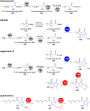
Scheme 22: Conserved steps for formation and processing in several 3-acyl-tetronate biosynthetic pathways were...

Scheme 23: In versipelostatin A (153) biosynthesis, VstJ is a candidate enzyme for catalysing the [4 + 2] cycl...

Scheme 24: a) Structures of some thiotetronate antibiotics. b) Biosynthesis of thiolactomycin (165) as propose...

Scheme 25: Aureusidine synthase (AS) catalyses phenolic oxidation and conjugate addition of chalcones leading ...

Scheme 26: a) Oxidative cyclisation is a key step in the biosynthesis of spirobenzofuranes 189, 192 and 193. b...

Scheme 27: A bicyclisation mechanism forms a β-lactone and a pyrrolidinone and removes the precursor from the ...

Scheme 28: Spontaneous cyclisation leads to off-loading of ebelactone A (201) from the PKS machinery [163].

Scheme 29: Mechanisms for the formation of nitrogen heterocycles.

Scheme 30: Biosynthesis of highly substituted α-pyridinones. a) Feeding experiments confirmed the polyketide o...

Scheme 31: Acridone synthase (ACS) catalyses the formation of 1,3-dihydroxy-N-methylacridone (224) by condensa...

Scheme 32: A Dieckmann condensation leads to the formation of a 3-acyl-4-hydroxypyridin-2-one 227 and removes ...

Scheme 33: a) Biosynthesis of the pyridinone tenellin (234). b) A radical mechanism was proposed for the ring-...

Scheme 34: a) Oxazole-containing PKS–NRPS-derived natural products oxazolomycin (244) and conglobatin (245). b...

Scheme 35: Structure of tetramic acids 251 (a) and major tautomers of 3-acyltetramic acids 252a–d (b). Adapted...

Scheme 36: Equisetin biosynthesis. R*: terminal reductive domain. Adapted from [202].

Scheme 37: a) Polyketides for which a similar biosynthetic logic was suggested. b) Pseurotin A (256) biosynthe...

Figure 7: Representative examples of PTMs with varying ring sizes and oxidation patterns [205,206].

Scheme 38: Ikarugamycin biosynthesis. Adapted from [209-211].

Scheme 39: Tetramate formation in pyrroindomycin aglycone (279) biosynthesis [213-215].

Scheme 40: Dieckmann cyclases catalyse tetramate or 2-pyridone formation in the biosynthesis of, for example, ...
Multicomponent reactions: A simple and efficient route to heterocyclic phosphonates
- Mohammad Haji
Beilstein J. Org. Chem. 2016, 12, 1269–1301, doi:10.3762/bjoc.12.121
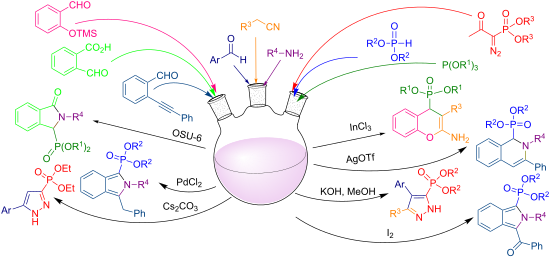
- ]. The desired phosphono-substituted pyrroles were isolated in 41–87% yield under solvent and catalyst-free conditions. Kaboudin et al. described a three-component, catalyst-free decarboxylative coupling of proline (296) with aldehydes 297 and dialkyl phosphonates to afford pyrrolidinylphosphonates 300
- . Multicomponent reaction of alkanedials, acetamide and acetyl chloride in the presence of PCl3 and acetic acid. An oxidative domino three-component synthesis of polyfunctionalized pyridines. A sequential one-pot three-component synthesis of polysubstituted pyrroles. Three-component decarboxylative coupling of

Graphical Abstract

Scheme 1: The Biginelli condensation.

Scheme 2: The Biginelli reaction of β-ketophosphonates catalyzed by ytterbium triflate.

Scheme 3: Trimethylchlorosilane-mediated Biginelli reaction of diethyl (3,3,3-trifluoropropyl-2-oxo)phosphona...

Scheme 4: Biginelli reaction of dialkyl (3,3,3-trifluoropropyl-2-oxo)phosphonate with trialkyl orthoformates ...

Scheme 5: p-Toluenesulfonic acid-promoted Biginelli reaction of β-ketophosphonates, aryl aldehydes and urea.

Scheme 6: General Kabachnik–Fields reaction for the synthesis of α-aminophosphonates.

Scheme 7: Phthalocyanine–AlCl catalyzed Kabachnik–Fields reaction of N-Boc-piperidin-4-one with diethyl phosp...

Scheme 8: Kabachnik–Fields reaction of isatin with diethyl phosphite and benzylamine.

Scheme 9: Magnetic Fe3O4 nanoparticle-supported phosphotungstic acid-catalyzed Kabachnik–Fields reaction of i...

Scheme 10: The Mg(ClO4)2-catalyzed Kabachnik–Fields reaction of 1-tosylpiperidine-4-one.

Scheme 11: An asymmetric version of the Kabachnik–Fields reaction for the synthesis of α-amino-3-piperidinylph...

Scheme 12: A classical Kabachnik–Fields reaction followed by an intramolecular ring-closing reaction for the s...

Scheme 13: Synthesis of (S)-piperidin-2-phosphonic acid through an asymmetric Kabachnik–Fields reaction.

Scheme 14: A modified diastereoselective Kabachnik–Fields reaction for the synthesis of isoindolin-1-one-3-pho...

Scheme 15: A microwave-assisted Kabachnik–Fields reaction toward isoindolin-1-ones.

Scheme 16: The synthesis of 3-arylmethyleneisoindolin-1-ones through a Horner–Wadsworth–Emmons reaction of Kab...

Scheme 17: An efficient one-pot method for the synthesis of ethyl (2-alkyl- and 2-aryl-3-oxoisoindolin-1-yl)ph...

Scheme 18: FeCl3 and PdCl2 co-catalyzed three-component reaction of 2-alkynylbenzaldehydes, anilines, and diet...

Scheme 19: Three-component reaction of 6-methyl-3-formylchromone (75) with hydrazine derivatives or hydroxylam...

Scheme 20: Three-component reaction of 6-methyl-3-formylchromone (75) with thiourea, guanidinium carbonate or ...

Scheme 21: Three-component reaction of 6-methyl-3-formylchromone (75) with 1,4-bi-nucleophiles in the presence...

Scheme 22: One-pot three-component reaction of 2-alkynylbenzaldehydes, amines, and diethyl phosphonate.

Scheme 23: Lewis acid–surfactant combined catalysts for the one-pot three-component reaction of 2-alkynylbenza...

Scheme 24: Lewis acid catalyzed cyclization of different Kabachnik–Fields adducts.

Scheme 25: Three-component synthesis of N-arylisoquinolone-1-phosphonates 119.

Scheme 26: CuI-catalyzed three-component tandem reaction of 2-(2-formylphenyl)ethanones with aromatic amines a...

Scheme 27: Synthesis of 1,5-benzodiazepin-2-ylphosphonates via ytterbium chloride-catalyzed three-component re...

Scheme 28: FeCl3-catalyzed four-component reaction for the synthesis of 1,5-benzodiazepin-2-ylphosphonates.

Scheme 29: Synthesis of indole bisphosphonates through a modified Kabachnik–Fields reaction.

Scheme 30: Synthesis of heterocyclic bisphosphonates via Kabachnik–Fields reaction of triethyl orthoformate.

Scheme 31: A domino Knoevenagel/phospha-Michael process for the synthesis of 2-oxoindolin-3-ylphosphonates.

Scheme 32: Intramolecular cyclization of phospha-Michael adducts to give dihydropyridinylphosphonates.

Scheme 33: Synthesis of fused phosphonylpyrans via intramolecular cyclization of phospha-Michael adducts.

Scheme 34: InCl3-catalyzed three-component synthesis of (2-amino-3-cyano-4H-chromen-4-yl)phosphonates.

Scheme 35: Synthesis of phosphonodihydropyrans via a domino Knoevenagel/hetero-Diels–Alder process.

Scheme 36: Multicomponent synthesis of phosphonodihydrothiopyrans via a domino Knoevenagel/hetero-Diels–Alder ...

Scheme 37: One-pot four-component synthesis of 1,2-dihydroisoquinolin-1-ylphosphonates under multicatalytic co...

Scheme 38: CuI-catalyzed four-component reactions of methyleneaziridines towards alkylphosphonates.

Scheme 39: Ruthenium–porphyrin complex-catalyzed three-component synthesis of aziridinylphosphonates and its p...

Scheme 40: Copper(I)-catalyzed three-component reaction towards 1,2,3-triazolyl-5-phosphonates.

Scheme 41: Three-component reaction of acylphosphonates, isocyanides and dialkyl acetylenedicarboxylate to aff...

Scheme 42: Synthesis of (4-imino-3,4-dihydroquinazolin-2-yl)phosphonates via an isocyanide-based three-compone...

Scheme 43: Silver-catalyzed three-component synthesis of (2-imidazolin-4-yl)phosphonates.

Scheme 44: Three-component synthesis of phosphonylpyrazoles.

Scheme 45: One-pot three-component synthesis of 3-carbo-5-phosphonylpyrazoles.

Scheme 46: A one-pot two-step method for the synthesis of phosphonylpyrazoles.

Scheme 47: A one-pot method for the synthesis of (5-vinylpyrazolyl)phosphonates.

Scheme 48: Synthesis of 1H-pyrrol-2-ylphosphonates via the [3 + 2] cycloaddition of phosphonate azomethine yli...

Scheme 49: Three-component synthesis of 1H-pyrrol-2-ylphosphonates.

Scheme 50: The classical Reissert reaction.

Scheme 51: One-pot three-component synthesis of N-phosphorylated isoquinolines.

Scheme 52: One-pot three-component synthesis of 1-acyl-1,2-dihydroquinoline-2-phosphonates and 2-acyl-1,2-dihy...

Scheme 53: Three-component reaction of pyridine derivatives with ethyl propiolate and dialkyl phosphonates.

Scheme 54: Three-component reactions for the phosphorylation of benzothiazole and isoquinoline.

Scheme 55: Three-component synthesis of diphenyl [2-(aminocarbonyl)- or [2-(aminothioxomethyl)-1,2-dihydroisoq...

Scheme 56: Three-component stereoselective synthesis of 1,2-dihydroquinolin-2-ylphosphonates and 1,2-dihydrois...

Scheme 57: Diphosphorylation of diazaheterocyclic compounds via a tandem 1,4–1,2 addition of dimethyl trimethy...

Scheme 58: Multicomponent reaction of alkanedials, acetamide and acetyl chloride in the presence of PCl3 and a...

Scheme 59: An oxidative domino three-component synthesis of polyfunctionalized pyridines.

Scheme 60: A sequential one-pot three-component synthesis of polysubstituted pyrroles.

Scheme 61: Three-component decarboxylative coupling of proline with aldehydes and dialkyl phosphites for the s...

Scheme 62: Three-component domino aza-Wittig/phospha-Mannich sequence for the phosphorylation of isatin deriva...

Scheme 63: Stereoselective synthesis of phosphorylated trans-1,5-benzodiazepines via a one-pot three-component...

Scheme 64: One-pot three-component synthesis of phosphorylated 2,6-dioxohexahydropyrimidines.