

Search results
Search for "benzaldehydes" in Full Text gives 102 result(s) in Beilstein Journal of Organic Chemistry.
Isocyanide-based multicomponent reactions towards cyclic constrained peptidomimetics
- Gijs Koopmanschap,
- Eelco Ruijter and
- Romano V.A. Orru
Beilstein J. Org. Chem. 2014, 10, 544–598, doi:10.3762/bjoc.10.50


Graphical Abstract

Scheme 1: The proposed mechanism of the Passerini reaction.

Scheme 2: The PADAM-strategy to α-hydroxy-β-amino amide derivatives 7. An additional oxidation provides α-ket...

Scheme 3: The general accepted Ugi-mechanism.

Scheme 4: Three commonly applied Ugi/cyclization approaches. a) UDC-process, b) UAC-sequence, c) UDAC-combina...

Scheme 5: Ugi reaction that involves the condensation of Armstrong’s convertible isocyanide.

Scheme 6: Mechanism of the U-4C-3CR towards bicyclic β-lactams.

Scheme 7: The Ugi 4C-3CR towards oxabicyclo β-lactams.

Scheme 8: Ugi MCR between an enantiopure monoterpene based β-amino acid, aldehyde and isocyanide resulting in...

Scheme 9: General MCR for β-lactams in water.

Scheme 10: a) Ugi reaction for β-lactam-linked peptidomimetics. b) Varying the β-amino acid resulted in β-lact...

Scheme 11: Ugi-4CR followed by a Pd-catalyzed Sn2 cyclization.

Scheme 12: Ugi-3CR of dipeptide mimics from 2-substituted pyrrolines.

Scheme 13: Joullié–Ugi reaction towards 2,5-disubstituted pyrrolidines.

Scheme 14: Further elaboration of the Ugi-scaffold towards bicyclic systems.

Scheme 15: Dihydroxyproline derivatives from an Ugi reaction.

Scheme 16: Diastereoselective Ugi reaction described by Banfi and co-workers.

Scheme 17: Similar Ugi reaction as in Scheme 16 but with different acids and two chiral isocyanides.

Scheme 18: Highly diastereoselective synthesis of pyrrolidine-dipeptoids via a MAO-N/MCR-procedure.

Scheme 19: MAO-N/MCR-approach towards the hepatitis C drug telaprevir.

Scheme 20: Enantioselective MAO-U-3CR procedure starting from chiral pyrroline 64.

Scheme 21: Synthesis of γ-lactams via an UDC-sequence.

Scheme 22: Utilizing bifunctional groups to provide bicyclic γ-lactam-ketopiperazines.

Scheme 23: The Ugi reaction provided both γ- as δ-lactams depending on which inputs were used.

Scheme 24: The sequential Ugi/RCM with olefinic substrates provided bicyclic lactams.

Scheme 25: a) The structural and dipole similarities of the triazole unit with the amide bond. b) The copper-c...

Scheme 26: The Ugi/Click sequence provided triazole based peptidomimetics.

Scheme 27: The Ugi/Click reaction as described by Nanajdenko.

Scheme 28: The Ugi/Click-approach by Pramitha and Bahulayan.

Scheme 29: The Ugi/Click-combination by Niu et al.

Scheme 30: Triazole linked peptidomimetics obtained from two separate MCRs and a sequential Click reaction.

Scheme 31: Copper-free synthesis of triazoles via two MCRs in one-pot.

Scheme 32: The sequential Ugi/Paal–Knorr reaction to afford pyrazoles.

Scheme 33: An intramolecular Paal–Knorr condensation provided under basic conditions pyrazolones.

Scheme 34: Similar cyclization performed under acidic conditions provided pyrazolones without the trifluoroace...

Scheme 35: The Ugi-4CR towards 2,4-disubstituted thiazoles.

Scheme 36: Solid phase approach towards thiazoles.

Scheme 37: Reaction mechanism of formation of thiazole peptidomimetics containing an additional β-lactam moiet...

Scheme 38: The synthesis of the trisubstituted thiazoles could be either performed via an Ugi reaction with pr...

Scheme 39: Performing the Ugi reaction with DMB-protected isocyanide gave access to either oxazoles or thiazol...

Scheme 40: Ugi/cyclization-approach towards 2,5-disubstituted thiazoles. The Ugi reaction was performed with d...

Scheme 41: Further derivatization of the thiazole scaffold.

Scheme 42: Three-step procedure towards the natural product bacillamide C.

Scheme 43: Ugi-4CR to oxazoles reported by Zhu and co-workers.

Scheme 44: Ugi-based synthesis of oxazole-containing peptidomimetics.

Scheme 45: TMNS3 based Ugi reaction for peptidomimics containing a tetrazole.

Scheme 46: Catalytic cycle of the enantioselective Passerini reaction towards tetrazole-based peptidomimetics.

Scheme 47: Tetrazole-based peptidomimetics via an Ugi reaction and a subsequent sigmatropic rearrangement.

Scheme 48: Resin-bound Ugi-approach towards tetrazole-based peptidomimetics.

Scheme 49: Ugi/cyclization approach towards γ/δ/ε-lactam tetrazoles.

Scheme 50: Ugi-3CR to pipecolic acid-based peptidomimetics.

Scheme 51: Staudinger–Aza-Wittig/Ugi-approach towards pipecolic acid peptidomimetics.

Figure 1: The three structural isomers of diketopiperazines. The 2,5-DKP isomer is most common.

Scheme 52: UDC-approach to obtain 2,5-DKPs, either using Armstrong’s isocyanide or via ethylglyoxalate.

Scheme 53: a) Ugi reaction in water gave either 2,5-DKP structures or spiro compounds. b) The Ugi reaction in ...

Scheme 54: Solid-phase approach towards diketopiperazines.

Scheme 55: UDAC-approach towards DKPs.

Scheme 56: The intermediate amide is activated as leaving group by acid and microwave assisted organic synthes...

Scheme 57: UDC-procedure towards active oxytocin inhibitors.

Scheme 58: An improved stereoselective MCR-approach towards the oxytocin inhibitor.

Scheme 59: The less common Ugi reaction towards DKPs, involving a Sn2-substitution.

Figure 2: Spatial similarities between a natural β-turn conformation and a DKP based β-turn mimetic [158].

Scheme 60: Ugi-based syntheses of bicyclic DKPs. The amine component is derived from a coupling between (R)-N-...

Scheme 61: Ugi-based synthesis of β-turn and γ-turn mimetics.

Figure 3: Isocyanide substituted 3,4-dihydropyridin-2-ones, dihydropyridines and the Freidinger lactams. Bio-...

Scheme 62: The mechanism of the 4-CR towards 3,4-dihydropyridine-2-ones 212.

Scheme 63: a) Multiple MCR-approach to provide DHP-peptidomimetic in two-steps. b) A one-pot 6-CR providing th...

Scheme 64: The MCR–alkylation–MCR procedure to obtain either tetrapeptoids or depsipeptides.

Scheme 65: U-3CR/cyclization employing semicarbazone as imine component gave triazine based peptidomimetics.

Scheme 66: 4CR towards triazinane-diones.

Scheme 67: The MCR–alkylation–IMCR-sequence described by our group towards triazinane dione-based peptidomimet...

Scheme 68: Ugi-4CR approaches followed by a cyclization to thiomorpholin-ones (a) and pyrrolidines (b).

Scheme 69: UDC-approach for benzodiazepinones.

Scheme 70: Ugi/Mitsunobu sequence to BDPs.

Scheme 71: A UDAC-approach to BDPs with convertible isocyanides. The corresponding amide is cleaved by microwa...

Scheme 72: microwave assisted post condensation Ugi reaction.

Scheme 73: Benzodiazepinones synthesized via the post-condensation Ugi/ Staudinger–Aza-Wittig cyclization.

Scheme 74: Two Ugi/cyclization approaches utilizing chiral carboxylic acids. Reaction (a) provided the product...

Scheme 75: The mechanism of the Gewald-3CR includes three base-catalysed steps involving first a Knoevnagel–Co...

Scheme 76: Two structural 1,4-thienodiazepine-2,5-dione isomers by U-4CR/cyclization.

Scheme 77: Tetrazole-based diazepinones by UDC-procedure.

Scheme 78: Tetrazole-based BDPs via a sequential Ugi/hydrolysis/coupling.

Scheme 79: MCR synthesis of three different tricyclic BPDs.

Scheme 80: Two similar approaches both involving an Ugi reaction and a Mitsunobu cyclization.

Scheme 81: Mitsunobu–Ugi-approach towards dihydro-1,4-benzoxazepines.

Scheme 82: Ugi reaction towards hetero-aryl fused 5-oxo-1,4-oxazepines.

Scheme 83: a) Ugi/RCM-approach towards nine-membered peptidomimetics b) Sequential peptide-coupling, deprotect...

Scheme 84: Ugi-based synthesis towards cyclic RGD-pentapeptides.

Scheme 85: Ugi/MCR-approach towards 12–15 membered macrocycles.

Scheme 86: Stereoselective Ugi/RCM approach towards 16-membered macrocycles.

Scheme 87: Passerini/RCM-sequence to 22-membered macrocycles.

Scheme 88: UDAC-approach towards 12–18-membered depsipeptides.

Figure 4: Enopeptin A with its more active derivative ADEP-4.

Scheme 89: a) The Joullié–Ugi-approach towards ADEP-4 derivatives b) Ugi-approach for the α,α-dimethylated der...

Scheme 90: Ugi–Click-strategy for 15-membered macrocyclic glyco-peptidomimetics.

Scheme 91: Ugi/Click combinations provided macrocycles containing both a triazole and an oxazole moiety.

Scheme 92: a) A solution-phase procedure towards macrocycles. b) Alternative solid-phase synthesis as was repo...

Scheme 93: Ugi/cyclization towards cyclophane based macrocycles.

Scheme 94: PADAM-strategy towards eurystatin A.

Scheme 95: PADAM-approach for cyclotheanamide.

Scheme 96: A triple MCR-approach affording RGD-pentapeptoids.

Scheme 97: Ugi-MiBs-approach towards peptoid macrocycles.

Scheme 98: Passerini-based MiB approaches towards macrocycles 345 and 346.

Scheme 99: Macrocyclic peptide formation by the use of amphoteric aziridine-based aldehydes.
Silver and gold-catalyzed multicomponent reactions
- Giorgio Abbiati and
- Elisabetta Rossi
Beilstein J. Org. Chem. 2014, 10, 481–513, doi:10.3762/bjoc.10.46
- secondary amines, as well as aryl and alkyl-substituted alkynes (Scheme 2). It is noteworthy that the approach tolerated challenging substrates such as formaldehyde, o-substituted benzaldehydes, and secondary aromatic amines. Moreover, the PS–NHC–Ag(I) catalyst was proven to be reusable at least 12 times
- ., o-substituted benzaldehydes) gave worse results. Other strengths of the approach are the ultralow catalyst loading (0.236 mol % gold) and the great TON (>400). Periodic mesoporous organosilicas (PMOs), properly functionalized with HS/SO3H [29] or alkylimidazolium [30], were recently used as support

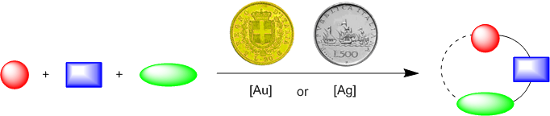
Graphical Abstract

Scheme 1: General reaction mechanism for Ag(I)-catalyzed A3-coupling reactions.

Scheme 2: A3-coupling reaction catalyzed by polystyrene-supported NHC–silver halides.

Figure 1: Various NHC–Ag(I) complexes used as catalysts for A3-coupling.

Scheme 3: Proposed reaction mechanism for NHC–AgCl catalyzed A3-coupling reactions.

Scheme 4: Liu’s synthesis of pyrrole-2-carboxaldehydes 4.

Scheme 5: Proposed reaction mechanism for Liu’s synthesis of pyrrole-2-carboxaldehydes 4.

Scheme 6: Gold-catalyzed synthesis of propargylamines 1.

Scheme 7: A3-coupling catalyzed by phosphinamidic Au(III) metallacycle 6.

Scheme 8: Gold-catalyzed KA2-coupling.

Scheme 9: A3-coupling applied to aldehyde-containing oligosaccharides 8.

Scheme 10: A3-MCR for the preparation of propargylamine-substituted indoles 9.

Scheme 11: A3-coupling interceded synthesis of furans 12.

Scheme 12: A3/KA2-coupling mediated synthesis of functionalized dihydropyrazoles 13 and polycyclic dihydropyra...

Scheme 13: Au(I)-catalyzed entry to cyclic carbamimidates 17 via an A3-coupling-type approach.

Scheme 14: Proposed reaction mechanism for the Au(I)-catalyzed synthesis of cyclic carbamimidates 17.

Figure 2: Chiral trans-1-diphenylphosphino-2-aminocyclohexane–Au(I) complex 20.

Scheme 15: A3-coupling-type synthesis of oxazoles 21 catalyzed by Au(III)–salen complex.

Scheme 16: Proposed reaction mechanism for the synthesis of oxazoles 21.

Scheme 17: Synthesis of propargyl ethyl ethers 24 by an A3-coupling-type reaction.

Scheme 18: General mechanism of Ag(I)-catalyzed MCRs of 2-alkynylbenzaldehydes, amines and nucleophiles.

Scheme 19: General synthetic pathway to 1,3-disubstituted-1,2-dihydroisoquinolines.

Scheme 20: Synthesis of 1,3-disubstituted-1,2-dihydroisoquinolines 29.

Scheme 21: Synthesis of 1,3-disubstituted-1,2-dihydroisoquinolines 35 and 36.

Scheme 22: Rh(II)/Ag(I) co-catalyzed synthesis of 1,3-disubstituted-1,2-dihydroisoquinolines 40.

Scheme 23: General synthetic pathway to 2-amino-1,2-dihydroquinolines.

Scheme 24: Synthesis of 2-amino-1,2-dihydroquinolines 47.

Scheme 25: Synthesis of tricyclic H-pyrazolo[5,1-a]isoquinoline 48.

Scheme 26: Synthesis of tricyclic H-pyrazolo[5,1-a]isoquinolines 48.

Scheme 27: Cu(II)/Ag(I) catalyzed synthesis of H-pyrazolo[5,1-a]isoquinolines 48.

Scheme 28: Synthesis of 2-aminopyrazolo[5,1-a]isoquinolines 53.

Scheme 29: Synthesis of 1-(isoquinolin-1-yl)guanidines 55.

Scheme 30: Ag(I)/Cu(I) catalyzed synthesis of 2-amino-H-pyrazolo[5,1-a]isoquinolines 58.

Scheme 31: Ag(I)/Ni(II) co-catalyzed synthesis of 3,4-dihydro-1H-pyridazino[6,1-a]isoquinoline-1,1-dicarboxyla...

Scheme 32: Ag(I) promoted activation of the α-carbon atom of the isocyanide group.

Scheme 33: Synthesis of dihydroimidazoles 65.

Scheme 34: Synthesis of oxazoles 68.

Scheme 35: Stereoselective synthesis of chiral butenolides 71.

Scheme 36: Proposed reaction mechanism for the synthesis of butenolides 71.

Scheme 37: Stereoselective three-component approach to pirrolidines 77 by means of a chiral auxiliary.

Scheme 38: Stereoselective three-component approach to pyrrolidines 81 and 82 by means of a chiral catalyst.

Scheme 39: Synthesis of substituted five-membered carbocyles 86.

Scheme 40: Synthesis of regioisomeric arylnaphthalene lactones.

Scheme 41: Enantioselective synthesis of spiroacetals 96 by Fañanás and Rodríguez [105].

Scheme 42: Enantioselective synthesis of spiroacetals 101 by Gong [106].

Scheme 43: Synthesis of polyfunctionalized fused bicyclic ketals 103 and bridged tricyclic ketals 104.

Scheme 44: Proposed reaction mechanism for the synthesis of ketals 103 and 104.

Scheme 45: Synthesis of β-alkoxyketones 108.

Scheme 46: Synthesis of N-methyl-1,4-dihydropyridines 112.

Scheme 47: Synthesis of tetrahydrocarbazoles 115–117.

Scheme 48: Plausible reaction mechanism for the synthesis of tetrahydrocarbazoles 115–117.

Scheme 49: Carboamination, carboalkoxylation and carbolactonization of terminal alkenes.

Scheme 50: Oxyarylation of alkenes with arylboronic acids and Selectfluor as reoxidant.

Scheme 51: Proposed reaction mechanism for oxyarylation of alkenes.

Scheme 52: Oxyarylation of alkenes with arylsilanes and Selectfluor as reoxidant.

Scheme 53: Oxyarylation of alkenes with arylsilanes and IBA as reoxidant.
Secondary amine-initiated three-component synthesis of 3,4-dihydropyrimidinones and thiones involving alkynes, aldehydes and thiourea/urea
- Jie-Ping Wan,
- Yunfang Lin,
- Kaikai Hu and
- Yunyun Liu
Beilstein J. Org. Chem. 2014, 10, 287–292, doi:10.3762/bjoc.10.25
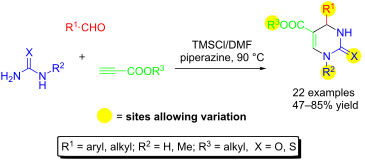
- thiourea and alkyne were not successful. On the other hand, benzaldehydes with ortho- and meta-substitution could also react with thioureas and propiolates to give the corresponding DHPMs 5l–5p. However, compared with thiourea, urea has been found to undergo a similar transformation more toughly, and DHPMs

Graphical Abstract

Figure 1: Some DHPMs-based lead compounds.

Scheme 1: Regioselective 1,3-thiazines and DHPMs via aldehydes, ureas/thioureas and alkynes.

Scheme 2: Synthesis of enamino ester intermediate and its transformation to DHPM.

Scheme 3: Proposed reaction mechanism.
Synthesis of five- and six-membered cyclic organic peroxides: Key transformations into peroxide ring-retaining products
- Alexander O. Terent'ev,
- Dmitry A. Borisov,
- Vera A. Vil’ and
- Valery M. Dembitsky
Beilstein J. Org. Chem. 2014, 10, 34–114, doi:10.3762/bjoc.10.6

Graphical Abstract

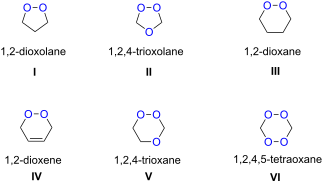
Figure 1: Five and six-membered cyclic peroxides.

Figure 2: Artemisinin and semi-synthetic derivatives.

Scheme 1: Synthesis of 3-hydroxy-1,2-dioxolanes 3a–c.

Scheme 2: Synthesis of dioxolane 6.

Scheme 3: Photooxygenation of oxazolidines 7a–d with formation of spiro-fused oxazolidine-containing dioxolan...

Scheme 4: Oxidation of cyclopropanes 10a–e and 11a–e with preparation of 1,2-dioxolanes 12a–e.

Scheme 5: VO(acac)2-catalyzed oxidation of silylated bicycloalkanols 13a–c.

Scheme 6: Mn(II)-catalyzed oxidation of cyclopropanols 15a–g.

Scheme 7: Oxidation of aminocyclopropanes 20a–c.

Scheme 8: Synthesis of aminodioxolanes 24.
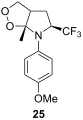
Figure 3: Trifluoromethyl-containing dioxolane 25.

Scheme 9: Synthesis of 1,2-dioxolanes 27a–e by the oxidation of cyclopropanes 26a–e.

Scheme 10: Photoinduced oxidation of methylenecyclopropanes 28.

Scheme 11: Irradiation-mediated oxidation.

Scheme 12: Application of diazene 34 for dioxolane synthesis.

Scheme 13: Mn(OAc)3-catalyzed cooxidation of arylacetylenes 37a–h and acetylacetone with atmospheric oxygen.
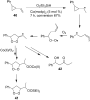
Scheme 14: Peroxidation of (2-vinylcyclopropyl)benzene (40).

Scheme 15: Peroxidation of 1,4-dienes 43a,b.

Scheme 16: Peroxidation of 1,5-dienes 46.

Scheme 17: Peroxidation of oxetanes 53a,b.

Scheme 18: Peroxidation of 1,6-diene 56.

Scheme 19: Synthesis of 3-alkoxy-1,2-dioxolanes 62a,b.

Scheme 20: Synthesis of spiro-bis(1,2-dioxolane) 66.

Scheme 21: Synthesis of dispiro-1,2-dioxolanes 68, 70, 71.

Scheme 22: Synthesis of spirohydroperoxydioxolanes 75a,b.

Scheme 23: Synthesis of spirohydroperoxydioxolane 77 and dihydroperoxydioxolane 79.

Scheme 24: Ozonolysis of azepino[4,5-b]indole 80.

Scheme 25: SnCl4-mediated fragmentation of ozonides 84a–l in the presence of allyltrimethylsilane.

Scheme 26: SnCl4-mediated fragmentation of bicyclic ozonide 84m in the presence of allyltrimethylsilane.

Scheme 27: MCl4-mediated fragmentation of alkoxyhydroperoxides 96 in the presence of allyltrimethylsilane.

Scheme 28: SnCl4-catalyzed reaction of monotriethylsilylperoxyacetal 108 with alkene 109.

Scheme 29: SnCl4-catalyzed reaction of triethylsilylperoxyacetals 111 with alkenes.

Scheme 30: Desilylation of tert-butyldimethylsilylperoxy ketones 131a,b followed by cyclization.

Scheme 31: Deprotection of peroxide 133 followed by cyclization.

Scheme 32: Asymmetric peroxidation of methyl vinyl ketones 137a–e.

Scheme 33: Et2NH-catalyzed intramolecular cyclization.

Scheme 34: Synthesis of oxodioxolanes 143a–j.

Scheme 35: Haloperoxidation accompanied by intramolecular ring closure.

Scheme 36: Oxidation of triterpenes 149a–d with Na2Cr2O7/N-hydroxysuccinimide.

Scheme 37: Curtius and Wolff rearrangements to form 1,2-dioxolane ring-retaining products.

Scheme 38: Oxidative desilylation of peroxide 124.

Scheme 39: Synthesis of dioxolane 158, a compound containing the aminoquinoline antimalarial pharmacophore.

Scheme 40: Diastereomers of plakinic acid A, 162a and 162b.

Scheme 41: Ozonolysis of alkenes.

Scheme 42: Cross-ozonolysis of alkenes 166 with carbonyl compounds.

Scheme 43: Ozonolysis of the bicyclic cyclohexenone 168.

Scheme 44: Cross-ozonolysis of enol ethers 172a,b with cyclohexanone.

Scheme 45: Griesbaum co-ozonolysis.

Scheme 46: Reactions of aryloxiranes 177a,b with oxygen.

Scheme 47: Intramolecular formation of 1,2,4-trioxolane 180.

Scheme 48: Formation of 1,2,4-trioxolane 180 by the reaction of 1,5-ketoacetal 181 with H2O2.

Scheme 49: 1,2,4-Trioxolane 186 with tetrazole fragment.

Scheme 50: 1,2,4-Trioxolane 188 with a pyridine fragment.

Scheme 51: 1,2,4-Trioxolane 189 with pyrimidine fragment.

Scheme 52: Synthesis of aminoquinoline-containing 1,2,4-trioxalane 191.

Scheme 53: Synthesis of arterolane.

Scheme 54: Oxidation of diarylheptadienes 197a–c with singlet oxygen.

Scheme 55: Synthesis of hexacyclinol peroxide 200.

Scheme 56: Oxidation of enone 201 and enenitrile 203 with singlet oxygen.

Scheme 57: Synthesis of 1,2-dioxanes 207 by oxidative coupling of carbonyl compounds 206 and alkenes 205.

Scheme 58: 1,2-Dioxanes 209 synthesis by co-oxidation of 1,5-dienes 208 and thiols.

Scheme 59: Synthesis of bicyclic 1,2-dioxanes 212 with aryl substituents.

Scheme 60: Isayama–Mukaiyama peroxysilylation of 1,5-dienes 213 followed by desilylation under acidic conditio...

Scheme 61: Synthesis of bicycle 218 with an 1,2-dioxane ring.

Scheme 62: Intramolecular cyclization with an oxirane-ring opening.

Scheme 63: Inramolecular cyclization with the oxetane-ring opening.

Scheme 64: Intramolecular cyclization with the attack on a keto group.

Scheme 65: Peroxidation of the carbonyl group in unsaturated ketones 228 followed by cyclization of hydroperox...

Scheme 66: CsOH and Et2NH-catalyzed cyclization.

Scheme 67: Preparation of peroxyplakoric acid methyl ethers A and D.

Scheme 68: Hg(OAc)2 in 1,2-dioxane synthesis.

Scheme 69: Reaction of 1,4-diketones 242 with hydrogen peroxide.

Scheme 70: Inramolecular cyclization with oxetane-ring opening.

Scheme 71: Inramolecular cyclization with MsO fragment substitution.

Scheme 72: Synthesis of 1,2-dioxane 255a, a structurally similar compound to natural peroxyplakoric acids.

Scheme 73: Synthesis of 1,2-dioxanes based on the intramolecular cyclization of hydroperoxides containing C=C ...
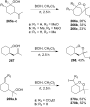
Scheme 74: Use of BCIH in the intramolecular cyclization.

Scheme 75: Palladium-catalyzed cyclization of δ-unsaturated hydroperoxides 271a–e.

Scheme 76: Intramolecular cyclization of unsaturated peroxyacetals 273a–d.

Scheme 77: Allyltrimethylsilane in the synthesis of 1,2-dioxanes 276a–d.

Scheme 78: Intramolecular cyclization using the electrophilic center of the peroxycarbenium ion 279.

Scheme 79: Synthesis of bicyclic 1,2-dioxanes.

Scheme 80: Preparation of 1,2-dioxane 286.

Scheme 81: Di(tert-butyl)peroxalate-initiated radical cyclization of unsaturated hydroperoxide 287.

Scheme 82: Oxidation of 1,4-betaines 291a–d.

Scheme 83: Synthesis of aminoquinoline-containing 1,2-dioxane 294.

Scheme 84: Synthesis of the sulfonyl-containing 1,2-dioxane.

Scheme 85: Synthesis of the amido-containing 1,2-dioxane 301.

Scheme 86: Reaction of singlet oxygen with the 1,3-diene system 302.

Scheme 87: Synthesis of (+)-premnalane А and 8-epi-premnalane A.

Scheme 88: Synthesis of the diazo group containing 1,2-dioxenes 309a–e.

Figure 4: Plakortolide Е.

Scheme 89: Synthesis of 6-epiplakortolide Е.

Scheme 90: Application of Bu3SnH for the preparation of tetrahydrofuran-containing bicyclic peroxides 318a,b.

Scheme 91: Application of Bu3SnH for the preparation of lactone-containing bicyclic peroxides 320a–f.

Scheme 92: Dihydroxylation of the double bond in the 1,2-dioxene ring 321 with OsO4.

Scheme 93: Epoxidation of 1,2-dioxenes 324.

Scheme 94: Cyclopropanation of the double bond in endoperoxides 327.

Scheme 95: Preparation of pyridazine-containing bicyclic endoperoxides 334a–c.

Scheme 96: Synthesis of 1,2,4-trioxanes 337 by the hydroperoxidation of unsaturated alcohols 335 with 1O2 and ...

Scheme 97: Synthesis of sulfur-containing 1,2,4-trioxanes 339.

Scheme 98: BF3·Et2O-catalyzed synthesis of the 1,2,4-trioxanes 342a–g.

Scheme 99: Photooxidation of enol ethers or vinyl sulfides 343.

Scheme 100: Synthesis of tricyclic peroxide 346.

Scheme 101: Reaction of endoperoxides 348a,b derived from cyclohexadienes 347a,b with 1,4-cyclohexanedione.

Scheme 102: [4 + 2]-Cycloaddition of singlet oxygen to 2Н-pyrans 350.

Scheme 103: Synthesis of 1,2,4-trioxanes 354 using peroxysilylation stage.

Scheme 104: Epoxide-ring opening in 355 with H2O2 followed by the condensation of hydroxy hydroperoxides 356 wi...

Scheme 105: Peroxidation of unsaturated ketones 358 with the H2O2/CF3COOH/H2SO4 system.

Scheme 106: Synthesis of 1,2,4-trioxanes 362 through Et2NH-catalyzed intramolecular cyclization.

Scheme 107: Reduction of the double bond in tricyclic peroxides 363.

Scheme 108: Horner–Wadsworth–Emmons reaction in the presence of peroxide group.

Scheme 109: Reduction of ester group by LiBH4 in the presence of 1,2,4-trioxane moiety.

Scheme 110: Reductive amination of keto-containing 1,2,4-trioxane 370.

Scheme 111: Reductive amination of keto-containing 1,2,4-trioxane and a Fe-containing moiety.

Scheme 112: Acid-catalyzed reactions of Н2О2 with ketones and aldehydes 374.
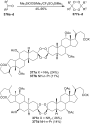
Scheme 113: Cyclocondensation of carbonyl compounds 376a–d using Me3SiOOSiMe3/CF3SO3SiMe3.

Scheme 114: Peroxidation of 4-methylcyclohexanone (378).

Scheme 115: Synthesis of symmetrical tetraoxanes 382a,b from aldehydes 381a,b.

Scheme 116: Synthesis of unsymmetrical tetraoxanes using of MeReO3.

Scheme 117: Synthesis of symmetrical tetraoxanes using of MeReO3.

Scheme 118: Synthesis of symmetrical tetraoxanes using of MeReO3.

Scheme 119: MeReO3 in the synthesis of symmetrical tetraoxanes with the use of aldehydes.

Scheme 120: Preparation of unsymmmetrical 1,2,4,5-tetraoxanes with high antimalarial activity.

Scheme 121: Re2O7-Catalyzed synthesis of tetraoxanes 398.

Scheme 122: H2SO4-Catalyzed synthesis of steroidal tetraoxanes 401.

Scheme 123: HBF4-Catalyzed condensation of bishydroperoxide 402 with 1,4-cyclohexanedione.

Scheme 124: BF3·Et2O-Catalyzed reaction of gem-bishydroperoxides 404 with enol ethers 405 and acetals 406.

Scheme 125: HBF4-Catalyzed cyclocondensation of bishydroperoxide 410 with ketones.

Scheme 126: Synthesis of symmetrical and unsymmetrical tetraoxanes 413 from benzaldehydes 412.
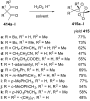
Scheme 127: Synthesis of bridged 1,2,4,5-tetraoxanes 415a–l from β-diketones 414a–l and H2O2.

Scheme 128: Dimerization of zwitterions 417.

Scheme 129: Ozonolysis of verbenone 419.

Scheme 130: Ozonolysis of O-methyl oxime 424.

Scheme 131: Peroxidation of 1,1,1-trifluorododecan-2-one 426 with oxone.

Scheme 132: Intramolecular cyclization of dialdehyde 428 with H2O2.

Scheme 133: Tetraoxanes 433–435 as by-products in peroxidation of ketals 430–432.

Scheme 134: Transformation of triperoxide 436 in diperoxide 437.

Scheme 135: Preparation and structural modifications of tetraoxanes.

Scheme 136: Structural modifications of steroidal tetraoxanes.

Scheme 137: Synthesis of 1,2,4,5-tetraoxane 454 containing the fluorescent moiety.

Scheme 138: Synthesis of tetraoxane 458 (RKA182).
Bis(benzylamine) monomers: One-pot preparation and application in dendrimer scaffolds for removing pyrene from aqueous environments
- Olivia N. Monaco,
- Sarah C. Tomas,
- Meghan K. Kirrane and
- Amy M. Balija
Beilstein J. Org. Chem. 2013, 9, 2320–2327, doi:10.3762/bjoc.9.266
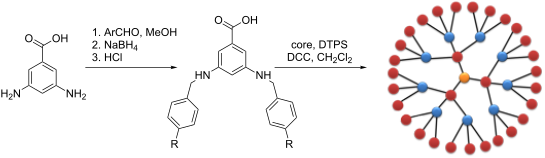
- sterically hindered benzaldehydes 2b–g could also be utilized to prepare the corresponding bisimine products (Table 1, compounds 3b–g). Minimal impact on the overall yield of the reaction was observed upon varying the benzaldehyde concentration or substituting absolute ethanol for methanol; however, elevated
- . Bisamine products were obtained with electron-deficient, electron-rich, and sterically hindered benzaldehydes (Table 2, Compounds 4b–h). The formation of 4f was difficult, resulting in lower overall yields and longer reaction times, possibly due to the electron-withdrawing properties of the nitro group [13
- benzaldehydes that resulted in unstable imines. An unprecedented first-generation bisamine-based dendrimer 6 was prepared but was found to degrade readily in organic solvents. More stable second-generation dendrimers composed of hybrid dendrons 8 and one of the three tri-phenol cores 5, 9, and 10 were

Graphical Abstract

Scheme 1: Synthesis of first generation bisamine based dendrimer 6.

Scheme 2: Synthesis of dendron 8.
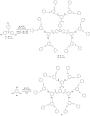
Scheme 3: Synthesis of hybrid dendrimers 11–13.

Figure 1: Fluorescence of a saturated aqueous solution of pyrene after 30 min exposure to dendrimers 11–13.
Regioselective carbon–carbon bond formation of 5,5,5-trifluoro-1-phenylpent-3-en-1-yne
- Motoki Naka,
- Tomoko Kawasaki-Takasuka and
- Takashi Yamazaki
Beilstein J. Org. Chem. 2013, 9, 2182–2188, doi:10.3762/bjoc.9.256
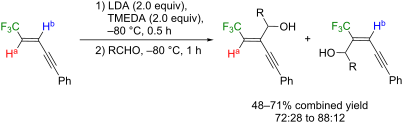
- and limitation of this procedure were investigated. A number of carbonyl compounds were employed as electrophiles for the anions generated from the enyne 4. Benzaldehydes with electron-donating (Table 2, entries 2 and 3) as well as -withdrawing (Table 2, entry 4) substituents at the para position were

Graphical Abstract

Scheme 1: Proposed reaction mechanism between 1 and MeLi.

Scheme 2: Furan synthesis from a mixture of 5a and 6a.

Scheme 3: Deuteration of anionic species from 4.

Figure 1: A part of 1H NMR chart of 4 and its deuterated mixture.

Scheme 4: Lithiation of 4 and the following electrophilic reactions.
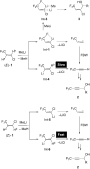
Scheme 5: Alternative reaction mechanism between 1 and MeLi.
Raman spectroscopy as a tool for monitoring mesoscale continuous-flow organic synthesis: Equipment interface and assessment in four medicinally-relevant reactions
- Trevor A. Hamlin and
- Nicholas E. Leadbeater
Beilstein J. Org. Chem. 2013, 9, 1843–1852, doi:10.3762/bjoc.9.215
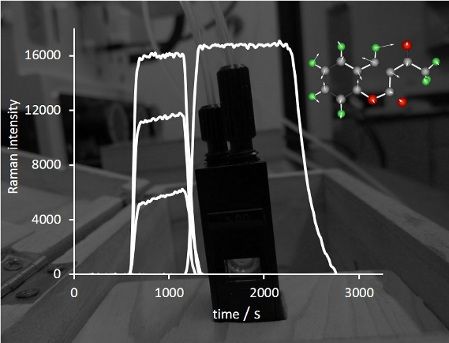
- is variable. Our optimal conditions for the reaction were heating at 65 °C with a flow rate of 1 mL/min, this corresponding to a product conversion of 90%, as determined by GC analysis. Performing the reaction under these conditions using three substituted benzaldehydes as substrates, we obtained

Graphical Abstract
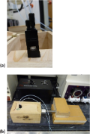
Figure 1: (a) Flow cell and (b) Raman interface used in the present study.

Scheme 1: The reaction between salicylaldehyde and ethyl acetoacetate to form 3-acetyl coumarin (1).

Figure 2: The Raman spectrum of 3-acetylcoumarin (1) generated using Gaussian 09 [40] at the B3LYP/6-31g(d) level...

Figure 3: Monitoring an aliquot of 3-acetyl coumarin (1) as it passes through the flow cell (scan time = 15 s...

Figure 4: Monitoring the conversion of salicylaldehyde and ethyl acetoacetate to 3-acetylcoumarin (1) across ...

Figure 5: Plot of Raman intensity of the peak arising at 1608 cm-1 vs concentration of 3-acetyl coumarin (1),...

Scheme 2: The Knoevenagel condensation of benzaldehyde and ethyl acetoacetate to yield (Z)-ethyl 2-benzyliden...

Figure 6: Monitoring the conversion of benzaldehyde and ethyl acetoacetate to (Z)-ethyl 2-benzylidene-3-oxobu...

Scheme 3: Claisen-Schmidt condensation of benzaldehyde with acetophenone to yield chalcone, 3a.

Figure 7: Monitoring the conversion of benzaldehyde with acetophenone to chalcone, 3a, across a range of reac...

Scheme 4: The Biginelli cyclocondensation of benzaldehyde, ethyl acetoacetate, and urea to yield 5-ethoxycarb...

Figure 8: Monitoring the conversion of benzaldehyde, ethyl acetoacetate, and urea to 5-ethoxycarbonyl-6-methy...
Amyloid-β probes: Review of structure–activity and brain-kinetics relationships
- Todd J. Eckroat,
- Abdelrahman S. Mayhoub and
- Sylvie Garneau-Tsodikova
Beilstein J. Org. Chem. 2013, 9, 1012–1044, doi:10.3762/bjoc.9.116
- built from the reaction of methyl 5-iodosalicilate (40) with ethyl bromoacetate (41) followed by ester hydrolysis and cyclization to afford 5-iodo-3-coumaranone (42), which, after condensation with the proper benzaldehydes, gave the aurone scaffold 43, which could be radiolabeled (Scheme 3C). As for the

Graphical Abstract
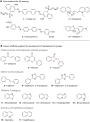
Figure 1: Structures of A. dyes originally used to stain Aβ and B. newer scaffolds explored for the developme...
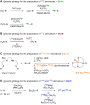
Scheme 1: General synthetic strategies (Gs) used to introduce A. 18F, B. 11C, C. 99mTc/Re, and D. 123I and 125...

Scheme 2: A. Structures of radiolabeled chalcone analogues discussed. B.–D. Synthetic schemes for the prepara...
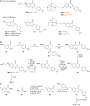
Scheme 3: A. Structures of the radiolabeled flavone and aurone analogues discussed. B. Synthetic scheme for t...

Scheme 4: A. Structures of the radiolabeled stilbene analogues discussed. B. Synthetic scheme for the prepara...

Scheme 5: A. Structures of the diphenyl-1,3,4- and diphenyl-1,2,4-oxadiazoles discussed. B.,C. Synthetic sche...

Figure 2: Structures of the radiolabeled benzothiazole analogues discussed.
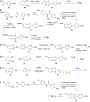
Scheme 6: A.–F. Synthetic schemes for the preparation of [11C]56b, [11C]56c, 57, 58a,b, 61, and [18F]65a–d.
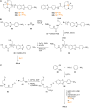
Scheme 7: A. Structures of the [Re]- and [99mTc]-labeled benzothiazole analogues discussed. B.,C. Synthetic s...

Figure 3: Structures of the radiolabeled benzoxazole analogues discussed.
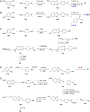
Scheme 8: A.–E. Synthetic schemes for the preparation of 94, [123I]95e, 96–98.

Figure 4: Structures of the radiolabeled benzofuran analogues discussed.
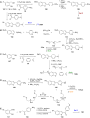
Scheme 9: A.–E. Synthetic schemes for the preparation of 121, [125I]122a, 123a,b, 125a,b, and 126.

Scheme 10: A. Structures of the radiolabeled imidazopyridine analogues discussed. B. Synthetic scheme for the ...

Scheme 11: Synthetic scheme for the preparation of the benzimidazole 146.

Figure 5: Structures of the quinolines discussed.

Scheme 12: Synthetic scheme for the preparation of the naphthalene analogues 152 and 160a,b.

Scheme 13: A. Structures of the radiolabeled analogues resulting from the combination of various scaffolds. B.,...
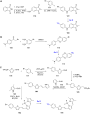
Scheme 14: A.–C. Synthetic schemes for the preparation of radiolabeled probes with unique scaffolds.

Scheme 15: A. Structures of the oxazine-derived fluorescence probes discussed. B. Synthetic scheme for the pre...

Figure 6: Structure of THK-265 (190).

Scheme 16: Synthetic scheme for the preparation of quinoxaline analogue 191.
NHC-catalysed highly selective aerobic oxidation of nonactivated aldehydes
- Lennart Möhlmann,
- Stefan Ludwig and
- Siegfried Blechert
Beilstein J. Org. Chem. 2013, 9, 602–607, doi:10.3762/bjoc.9.65
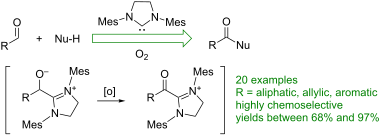
- yields. We assume that the oxygen concentration in the reaction solution is relatively similar due to the rather low solubility of O2 in organic solvents. However, vigorously shaking or stirring is essential. For hydroxy-substituted benzaldehydes only moderate yields (64%) could be achieved, even with

Graphical Abstract

Scheme 1: NHC/mpg-C3N4-catalysed aerobic oxidation of aldehydes.

Scheme 2: Oxidation of 4-nitrobenzaldehyde with different NHC-salts as precatalysts.

Figure 1: Oxidation of cyclohexanecarbaldehyde to cyclohexanecarboxylic acid under aerobic conditions with an...

Figure 2: Oxidation of various aldehydes under the optimized conditions: a2 equiv K2CO3 was used instead of D...
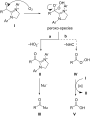
Scheme 3: Proposed mechanism for the aerobic oxidation.
Organocatalytic C–H activation reactions
- Subhas Chandra Pan
Beilstein J. Org. Chem. 2012, 8, 1374–1384, doi:10.3762/bjoc.8.159
- -annulation cascade reaction with N,N-(dialkylamino)benzaldehydes, a process in which a 1,5-hydride shift occurs followed by larger ring formation [16]. After the evaluation of different Brønsted acid catalysts, diphenylphosphate (20 mol %) was identified as a suitable catalyst for the reaction. Toluene again
- was the solvent of choice, and microwave irradiation was used for a shorter reaction time. The scope of the reactions was broad allowing different indoles and a variety of N,N-(dialkylamino)benzaldehydes to be employed, and the products 3 were obtained in good to excellent yields (Scheme 4) [16]. For

Graphical Abstract

Scheme 1: Triflic acid-catalysed synthesis of cyclic aminals.

Scheme 2: PTSA-catalysed synthesis of cyclic aminals.

Scheme 3: Plausible mechanism for cyclic aminal synthesis.

Scheme 4: Annulation cascade reaction with double nucleophiles.

Scheme 5: Mechanism for the indole-annulation cascade reaction.

Scheme 6: Synthesis of N-alkylpyrroles and δ-hydroxypyrroles.
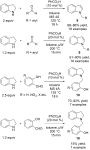
Scheme 7: Synthesis of N-alkylindoles 9 and N-alkylindolines 10.

Scheme 8: Mechanistic study for the N-alkylpyrrole formation.
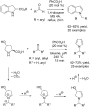
Scheme 9: Benzoic acid catalysed decarboxylative redox amination.
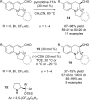
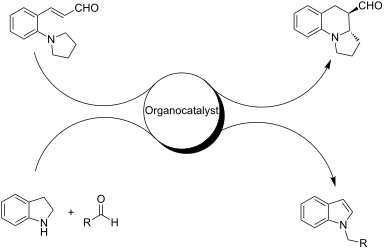
Scheme 10: Organocatalytic redox reaction of ortho-(dialkylamino)cinnamaldehydes.

Scheme 11: Mechanism for aminocatalytic redox reaction of ortho-(dialkylamino)cinnamaldehydes.

Scheme 12: Asymmetric synthesis of tetrahydroquinolines having gem-methyl ester groups.

Scheme 13: Asymmetric synthesis of tetrahydroquinolines from chiral substrates 18.

Scheme 14: Organocatalytic biaryl synthesis by Kwong, Lei and co-workers.

Scheme 15: Organocatalytic biaryl synthesis by Shi and co-workers.

Scheme 16: Organocatalytic biaryl synthesis by Hayashi and co-workers.

Scheme 17: Proposed mechanism for organocatalytic biaryl synthesis.
Synthesis of a novel chemotype via sequential metal-catalyzed cycloisomerizations
- Bo Leng,
- Stephanie Chichetti,
- Shun Su,
- Aaron B. Beeler and
- John A. Porco Jr.
Beilstein J. Org. Chem. 2012, 8, 1338–1343, doi:10.3762/bjoc.8.153

- ). The chemotypes discovered in initial pilot studies have been further developed into library scaffolds and identified as biologically interesting structures [6]. Herein, we report the expanded utility of alkynyl o-benzaldehydes through a sequential metal-catalyzed cycloisomerization process to afford a
- novel polycyclic cyclopropane chemotype. Results and Discussion In an effort to further explore the utility of alkynyl o-benzaldehydes as scaffolds for reaction screening, we designed a focused reaction screen with diynyl benzaldehyde [7] substrate 3. Based on the cycloisomerization/addition reactions
- synthesis of alkynyl o-benzaldehydes: 2-(3-(but-2-ynyloxy)prop-1-ynyl)benzaldehyde. To a solution of 2-bromobenzaldehyde (2.0 g, 10.8 mmol) and 1-(prop-2-ynyloxy)but-2-yne (1.4 g, 13 mmol) in Et3N (68 mL), was added tetrakis(triphenylphosphine)palladium(0) (0.38 g, 0.32 mmol). The reaction mixture was

Graphical Abstract

Scheme 1: Cycloisomerization/nucleophilic addition of alkynyl benzaldehyde 1 to isochromene 2.
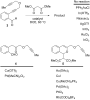
Figure 1: Reaction screen with diynyl benzaldehyde 3.

Scheme 2: Sequential cycloisomerizations of substrate 3. Condition A: PtCl2 (10 mol %), Cu(MeCN)4PF6 (10 mol ...

Figure 2: X-ray crystal structure of cyclopropane 6.

Scheme 3: Proposed reaction pathway for diastereoselective, sequential cycloisomerization.

Scheme 4: Proposed alternative reaction pathway affording 23.
Synthesis of 2-amino-3-arylpropan-1-ols and 1-(2,3-diaminopropyl)-1,2,3-triazoles and evaluation of their antimalarial activity
- Matthias D’hooghe,
- Stéphanie Vandekerckhove,
- Karen Mollet,
- Karel Vervisch,
- Stijn Dekeukeleire,
- Liesbeth Lehoucq,
- Carmen Lategan,
- Peter J. Smith,
- Kelly Chibale and
- Norbert De Kimpe
Beilstein J. Org. Chem. 2011, 7, 1745–1752, doi:10.3762/bjoc.7.205
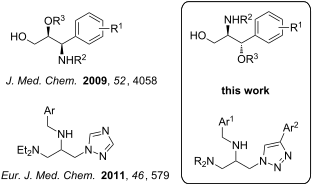
- prepared by treatment of N-(arylmethylidene)alkylamines (synthesized in high yields through condensation of the corresponding benzaldehydes with the appropriate primary amines in CH2Cl2 in the presence of anhydrous MgSO4) with 1.5 equiv of chloroacetyl chloride and 3 equiv of 2,6-lutidine in benzene

Graphical Abstract

Figure 1: Functionalized aminopropanes as potential antimalarial agents.

Scheme 1: Synthesis of aminopropanols 6, 8 and 9.

Scheme 2: Synthesis of syn-aminopropan-1,3-diols 12.

Scheme 3: Synthesis of 2-[(1,2,3-triazol-1-yl)methyl]aziridines 15 and their transformation into 1,2,3-triami...
Synthesis of diverse dihydropyrimidine-related scaffolds by fluorous benzaldehyde-based Biginelli reaction and post-condensation modifications
- Bruno Piqani and
- Wei Zhang
Beilstein J. Org. Chem. 2011, 7, 1294–1298, doi:10.3762/bjoc.7.150
- Bruno Piqani Wei Zhang Department of Chemistry, University of Massachusetts Boston, 100 Morrissey Boulevard, Boston, MA 02125, USA 10.3762/bjoc.7.150 Abstract Dihydropyrimidinones and dihydropyrimidinethiones generated from the Biginelli reactions of perfluorooctanesulfonyl-attached benzaldehydes
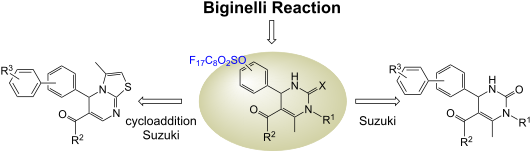
- diversity-oriented synthesis of biaryl-substituted dihydropyrimidinone 5, thiazolopyrimidine 6, and dihydropyrimidine 7 compounds (Scheme 1). The perfluorooctanesulfonyl-attached benzaldehydes 1 were used as a key component for the Biginelli reactions [6]. The Biginelli products 4 were used as a common
- extractions (F-SPE) for purification [7]. The perfluorooctanesulfonyl group served as a phase tag for F-SPE and also as a convertible linker for the Suzuki coupling to introduce biaryl functionality to the heterocyclic skeletons [8][9][10][11][12]. Result and Discussion Fluorous benzaldehydes 1 were prepared

Graphical Abstract

Scheme 1: Synthesis of diverse dihydropyrimidine-related compounds.
Novel synthesis of pseudopeptides bearing a difluoromethyl group by Ugi reaction and desulfanylation
- Jingjing Wu,
- Hui Li and
- Song Cao
Beilstein J. Org. Chem. 2011, 7, 1070–1074, doi:10.3762/bjoc.7.123

- group (PhS) with Bu3SnH/AIBN according to our previous research, and the desired difluoromethyl-containing pseudopeptide was successfully obtained [27]. To demonstrate the scope of the method, several different substituted anilines, substituted benzaldehydes, isocyanides and this novel difluorinated

Graphical Abstract

Figure 1: Two examples of bioactive pseudopeptides bearing a CF2H group.

Scheme 1: Synthesis of difluoromethyl-containing pseudopeptides (4a–m) by Ugi reaction and desulfanylation.

Scheme 2: The Ugi reaction of aniline, benzaldehyde, (isocyanomethyl)benzene with acetic acid, difluoroacetic...

Scheme 3: Synthesis of 2,2-difluoro-2-(phenylthio)acetic acid (2).
Recent advances in the gold-catalyzed additions to C–C multiple bonds
- He Huang,
- Yu Zhou and
- Hong Liu
Beilstein J. Org. Chem. 2011, 7, 897–936, doi:10.3762/bjoc.7.103
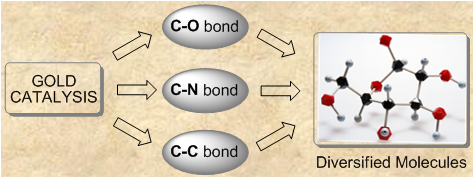

Graphical Abstract

Scheme 1: Gold-catalyzed addition of alcohols.
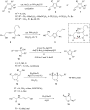
Scheme 2: Gold-catalyzed cycloaddition of alcohols.

Scheme 3: Ionic liquids as the solvent in gold-catalyzed cycloaddition.

Scheme 4: Gold-catalyzed cycloaddition of diynes.

Scheme 5: Gold(I) chloride catalyzed cycloisomerization of 2-alkynyl-1,5-diols.

Scheme 6: Gold-catalyzed cycloaddition of glycols and dihydroxy compounds.

Scheme 7: Gold-catalyzed ring-opening of cyclopropenes.

Scheme 8: Gold-catalyzed intermolecular hydroalkoxylation of alkynes. PR3 = 41–45.

Scheme 9: Gold-catalyzed intramolecular 6-endo-dig cyclization of β-hydroxy-α,α-difluoroynones.

Scheme 10: Gold-catalyzed intermolecular hydroalkoxylation of non-activated olefins.

Scheme 11: Preparation of unsymmetrical ethers from alcohols.

Scheme 12: Expedient synthesis of dihydrofuran-3-ones.

Scheme 13: Catalytic approach to functionalized divinyl ketones.
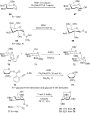
Scheme 14: Gold-catalyzed glycosylation.

Scheme 15: Gold-catalyzed cycloaddition of aldehydes and ketones.

Scheme 16: Gold-catalyzed annulations of 2-(ynol)aryl aldehydes and o-alkynyl benzaldehydes.

Scheme 17: Gold-catalyzed addition of carboxylates.

Scheme 18: Dual-catalyzed rearrangement reaction of allenoates.

Scheme 19: Meyer–Schuster rearrangement of propargylic alcohols.

Scheme 20: Propargylic alcohol rearrangements.

Scheme 21: Gold-catalyzed synthesis of imines and amine alkylation.

Scheme 22: Hydroamination of allenes and allenamides.

Scheme 23: Gold-catalyzed inter- and intramolecular amination of alkynes and alkenes.

Scheme 24: Gold-catalyzed cycloisomerization of O-propioloyl oximes and β-allenylhydrazones.

Scheme 25: Intra- and intermolecular amination with ureas.

Scheme 26: Gold-catalyzed cyclization of ortho-alkynyl-N-sulfonylanilines and but-3-yn-1-amines.

Scheme 27: Gold-catalyzed piperidine ring synthesis.

Scheme 28: Ring expansion of alkylnyl cyclopropanes.

Scheme 29: Gold-catalyzed annulations of N-propargyl-β-enaminones and azomethine imines.
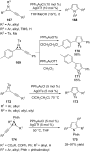
Scheme 30: Gold(I)-catalyzed cycloisomerization of aziridines.

Scheme 31: AuCl3/AgSbF6-catalyzed intramolecular amination of 2-(tosylamino)phenylprop-1-en-3-ols.

Scheme 32: Gold-catalyzed cyclization via a 7-endo-dig pathway.

Scheme 33: Gold-catalyzed synthesis of fused xanthines.

Scheme 34: Gold-catalyzed synthesis of amides and isoquinolines.

Scheme 35: Gold-catalyzed oxidative cross-coupling reactions of propargylic acetates.

Scheme 36: Gold-catalyzed nucleophilic addition to allenamides.

Scheme 37: Gold-catalyzed direct carbon–carbon bond coupling reactions.

Scheme 38: Gold-catalyzed C−H functionalization of indole/pyrrole heterocycles and non-activated arenes.

Scheme 39: Gold-catalyzed cycloisomerization of cyclic compounds.

Scheme 40: Gold-catalyzed cycloaddition of 1-aryl-1-allen-6-enes and propargyl acetates.

Scheme 41: Gold(I)-catalyzed cycloaddition with ligand-controlled regiochemistry.

Scheme 42: Gold(I)-catalyzed cycloaddition of dienes and enynes.

Scheme 43: Gold-catalyzed intramolecular cycloaddition of 3-alkoxy-1,5-enynes and 2,2-dipropargylmalonates.

Scheme 44: Gold-catalyzed intramolecular cycloaddition of 1,5-allenynes.

Scheme 45: Gold(I)-catalyzed cycloaddition of indoles.

Scheme 46: Gold-catalyzed annulation reactions.

Scheme 47: Gold–carbenoid induced cleavage of a sp3-hybridized C−H bond.

Scheme 48: Furan- and indole-based cascade reactions.

Scheme 49: Tandem process using aromatic alkynes.

Scheme 50: Gold-catalyzed cycloaddition of 1,3-dien-5-ynes.

Scheme 51: Gold-catalyzed cascade cyclization of diynes, propargylic esters, and 1,3-enynyl ketones.

Scheme 52: Tandem reaction of β-phenoxyimino ketones and alkynyl oxime ethers.

Scheme 53: Gold-catalyzed tandem cyclization of enynes, 2-(tosylamino)phenylprop-1-yn-3-ols, and allenoates.

Scheme 54: Cyclization of 2,4-dien-6-yne carboxylic acids.
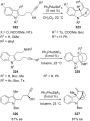
Scheme 55: Gold(I)-catalyzed tandem cyclization approach to tetracyclic indolines.
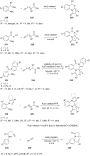
Scheme 56: Gold-catalyzed tandem reactions of alkynes.
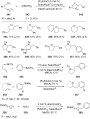
Scheme 57: Aminoarylation and oxyarylation of alkenes.

Scheme 58: Cycloaddition of 2-ethynylnitrobenzene with various alkenes.

Scheme 59: Gold-catalyzed tandem reactions of allenoates and alkynes.

Scheme 60: Gold-catalyzed asymmetric synthesis of 2,3-dihydropyrroles.

Scheme 61: Chiral [NHC–Au(I)]-catalyzed cyclization of enyne.
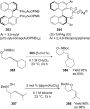
Scheme 62: Gold-catalyzed hydroaminations and hydroalkoxylations.

Scheme 63: Gold(I)-catalyzed asymmetric hydroalkoxylation of 1,3-dihydroxymethyl-2-alkynylbenzene chromium com...

Scheme 64: Gold-catalyzed synthesis of julolidine derivatives.

Scheme 65: Gold-catalyzed the synthesis of chiral fused heterocycles.

Scheme 66: Gold-catalyzed asymmetric reactions with 3,5-(t-Bu)2-4-MeO-MeOBIPHEP.

Scheme 67: Gold-catalyzed cyclization of o-(alkynyl) styrenes.

Scheme 68: Asymmetric gold(I)-catalyzed redox-neutral domino reactions of enynes.

Scheme 69: Gold(I)-catalyzed enantioselective polyene cyclization reaction.

Scheme 70: Gold(I)-catalyzed enantioselective synthesis of benzopyrans.

Scheme 71: Gold(I)-catalyzed enantioselective ring expansion of allenylcyclopropanols.
Novel carbazole–pyridine copolymers by an economical method: synthesis, spectroscopic and thermochemical studies
- Aamer Saeed,
- Madiha Irfan and
- Shahid Ameen Samra
Beilstein J. Org. Chem. 2011, 7, 638–647, doi:10.3762/bjoc.7.75
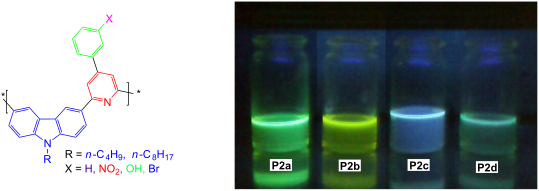
- synthesized by a modified Chichibabin reaction, i.e., by the condensation of diacetylated N-alkylcarbazoles with 3-substituted benzaldehydes in the presence of ammonium acetate in refluxing acetic acid. All the polymers were characterized by FTIR, 1H NMR, 13C NMR, UV–vis spectroscopy, fluorimetry, TGA and DSC
- recrystallization. The diacetylated carbazole monomers were heated under reflux with various 3-substituted benzaldehydes and ammonium acetate in glacial acetic acid in a modified Chichibabin reaction to assemble the pyridine ring in situ and afford the desired polymers (Scheme 2) [27]. The construction of the
- pyridine ring in situ by reaction of diacetylated carbazole monomers with different benzaldehydes and ammonium acetate may be envisaged by the complex sequence shown in Scheme 3 which involves protonation, enolization, deprotonation, dehydration, the nucleophilic addition of ammonia, intramolecular

Graphical Abstract

Scheme 1: Synthesis of the monomers. i) R–Br, 50% KOH, benzene, TBAB, 80 °C, 2 h; ii) AcCl, AlCl3, CHCl3, 0 °...

Scheme 2: Synthesis of poly[3,6-N-alkylcarbazole-4-(3-substituted phenyl)pyridine-2,5-diyl]. i) CH3COONH4, CH3...
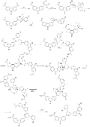
Scheme 3: Proposed mechanism of pyridine ring formation.
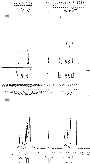
Figure 1: 1H NMR spectra of (a) monomer 2a and (b) polymer P1a.

Figure 2: Zimm plot for P2a in THF at room temperature.

Figure 3: Thermogravimetric analysis curve of P1a.

Figure 4: TGA curves of polymers (a) P1 and (b) P2.

Figure 5: DSC graph for polymer P1a.

Figure 6: UV–vis spectra of the polymers of (a) series P1 and (b) series P2.

Figure 7: Photoluminescence spectra of polymers P1and P2 in CHCl3 solution.

Figure 8: (a) Polymers of P2 series in visible light; (b) observed fluorescence (CHCl3 dilute solutions) unde...
The arene–alkene photocycloaddition
- Ursula Streit and
- Christian G. Bochet
Beilstein J. Org. Chem. 2011, 7, 525–542, doi:10.3762/bjoc.7.61
- exposure to light but, depending on the substitution pattern, other reactive sites may be involved. Carbonyl groups are also known to undergo different types of photochemistry. Thus, benzophenones, acetophenones and benzaldehydes are not only used as sensitizers but can, under specific circumstances, also
- allyloxy, acrylic or allenyloxy substituted anthraquinones, benzophenones or benzaldehydes indeed give potentially interesting benzoxepines. There is little doubt that arene photochemistry will continue to help the synthetic chemist to assemble complex and challenging targets in the coming years
- benzoxepine by Jones et al. Photocycloaddition observed by Griesbeck et al. Mechanism proposed by Griesbeck et al. Intramolecular photocycloaddition of allenes to benzaldehydes.

Graphical Abstract

Scheme 1: Photochemistry of benzene.

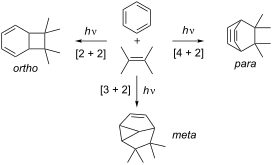
Scheme 2: Three distinct modes of photocycloaddition of arenes to alkenes.

Scheme 3: Mode selectivity with respect of the free enthalpy of the radical ion pair formation.

Scheme 4: Photocycloaddition shows lack of mode selectivity.

Scheme 5: Mechanism of the meta photocycloaddition.

Scheme 6: Evidence of biradiacal involved in meta photocycloaddition by Reedich and Sheridan.

Scheme 7: Regioselectivity with electron withdrawing and electron donating substituents.

Scheme 8: Closure of cyclopropyl ring affords regioisomers.

Scheme 9: Endo versus exo product in the photocycloaddition of pentene to anisole [33].

Scheme 10: Regio- and stereoselectivity in the photocycloaddition of cyclopentene with a protected isoindoline....

Scheme 11: 2,6- and 1,3-addition in intramolecular approach.

Scheme 12: Linear and angularly fused isomers can be obtained upon intramolecular 1,3-addition.

Scheme 13: Synthesis of α-cedrene via diastereoselective meta photocycloaddition.

Scheme 14: Asymmetric meta photocycloaddition introduced by chirality of tether at position 2.

Scheme 15: Enantioselective meta photocycloaddition in β-cyclodextrin cavity.

Scheme 16: Vinylcyclopropane–cyclopentene rearrangement.

Scheme 17: Further diversification possibilities of the meta photocycloaddition product.

Scheme 18: Double [3 + 2] photocycloaddition reaction affording fenestrane.

Scheme 19: Total synthesis of Penifulvin B.

Scheme 20: Towards the total synthesis of Lacifodilactone F.

Scheme 21: Regioselectivity of ortho photocycloaddition in polarized intermediates.

Scheme 22: Exo and endo selectivity in ortho photocycloaddition.

Scheme 23: Ortho photocycloaddition of alkanophenones.

Scheme 24: Photocycloadditions to naphtalenes usually in an [2 + 2] mode [79].

Scheme 25: Ortho photocycloaddition followed by rearrangements.

Scheme 26: Stable [2 + 2] photocycloadducts.

Scheme 27: Ortho photocycloadditions with alkynes.

Scheme 28: Intramolecular ortho photocycloaddition and rearrangement thereof.

Scheme 29: Intramolecular ortho photocycloaddition to access propellanes.

Scheme 30: Para photocycloaddition with allene.

Scheme 31: Photocycloadditions of dianthryls.

Scheme 32: Photocycloaddition of enone with benzene.

Scheme 33: Intramolecular photocycloaddition affording multicyclic compounds via [4 + 2].

Scheme 34: Photocycloaddition described by Sakamoto et al.

Scheme 35: Proposed mechanism by Sakamoto et al.

Scheme 36: Photocycloaddition described by Jones et al.

Scheme 37: Proposed mechanism for the formation of benzoxepine by Jones et al.

Scheme 38: Photocycloaddition observed by Griesbeck et al.

Scheme 39: Mechanism proposed by Griesbeck et al.

Scheme 40: Intramolecular photocycloaddition of allenes to benzaldehydes.
SbCl3-catalyzed one-pot synthesis of 4,4′-diaminotriarylmethanes under solvent-free conditions: Synthesis, characterization, and DFT studies
- Ghasem Rezanejade Bardajee
Beilstein J. Org. Chem. 2011, 7, 135–144, doi:10.3762/bjoc.7.19
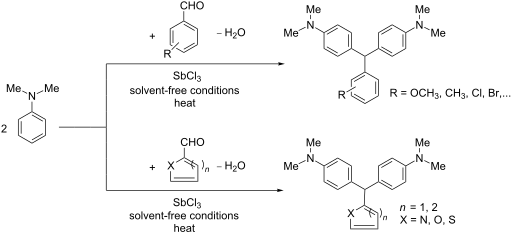
- other hand, electron-rich groups such as para-methoxy decrease the product yield (Table 1, entries 10–11). Surprisingly, benzaldehydes with two or even three deactivating methoxy groups react with N,N-dimethylaniline to produce the corresponding products in moderately good yields (Table 1, entries 13–14
- variety of aryl and heteroaryl aldehydes under solvent-free conditions to give substituted triarylmethanes. Using SbCl3 as catalyst, even electron-rich benzaldehydes such as 3,4,5-trimethoxybenzaldehyde gave the corresponding products in good yields. Operational simplicity, high yields, and the ability to

Graphical Abstract

Scheme 1: General route for the synthesis of 4,4’-diaminotriarylmethane derivatives in the presence of SbCl3:...

Figure 1: Molecular structure of compound 11.

Figure 2: The molecular structure of compound 11 optimized by the B3LYP/cc-pVDZ method [47].
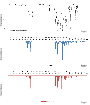
Figure 3: Experimental infrared spectrum of compound 11 and infrared spectrum calculated with B3LYP and cc-pV...

Figure 4: Linear correlation between the experimental and the theoretical frequencies (cm−1) obtained by HF/6...
Kinetics and mechanism of vanadium catalysed asymmetric cyanohydrin synthesis in propylene carbonate
- Michael North and
- Marta Omedes-Pujol
Beilstein J. Org. Chem. 2010, 6, 1043–1055, doi:10.3762/bjoc.6.119
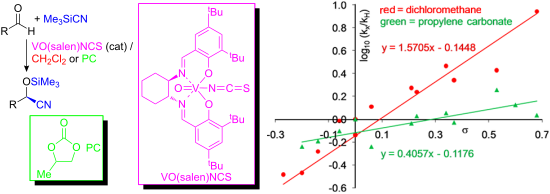
- dichloromethane is also consistent with a less tightly organized transition state, again consistent with only one of the reaction components interacting with the catalyst. To investigate this further, a Hammett analysis was undertaken using a range of substituted benzaldehydes. Hammett analysis It is well
- -substituted benzaldehydes with their substituent constants can be used to investigate the relative importance of Lewis acid and Lewis base catalysis in a catalysed reaction. This methodology was developed using the asymmetric addition of TMSCN to aldehydes catalysed by complexes including 1, 2 and 6 (Figure 7
- -substituted benzaldehydes were determined (Table 5) and used to construct a Hammett plot (Figure 9). All of the aldehydes included in Table 5 gave nonracemic cyanohydrin trimethylsilyl ethers, confirming that in each case the reaction was catalysed by complex 2. In most cases the enantiomeric excess of the

Graphical Abstract

Scheme 1: Synthesis and transformation of nonracemic silyl-protected cyanohydrins.
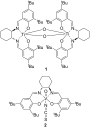
Figure 1: Highly active metal(salen) complexes for asymmetric cyanohydrin synthesis.

Scheme 2: Synthesis of cyclic carbonates.

Scheme 3: Synthesis of cyanohydrin trimethylsilyl ethers and acetates.

Scheme 4: Equilibrium between bimetallic and monometallic Ti(salen) complexes.

Figure 2: Second-order kinetics plot for the addition of TMSCN to benzaldehyde at 0 °C catalysed by complex 2...

Figure 3: Plot of k2obs against [2], showing that the reactions are first order with respect to the concentratio...

Figure 4: Eyring plot to determine the activation parameters for catalyst 2 in propylene carbonate. The red a...

Figure 5: 51V NMR spectra of complex 2 recorded at 50 °C. a) Spectrum in CDCl3; b) spectrum in CDCl3 with 500...
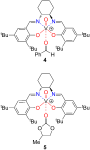
Figure 6: Structures consistent with the 51V NMR spectra.

Figure 7: Bimetallic aluminium(salen) complex for asymmetric cyanohydrin synthesis.

Figure 8: Rate determining transition states for asymmetric cyanohydrin synthesis: a) when Lewis base catalys...

Figure 9: Hammett correlations with catalyst 2 at 0 °C. Data in red are obtained in dichloromethane [52], whilst ...
Aromatic and heterocyclic perfluoroalkyl sulfides. Methods of preparation
- Vladimir N. Boiko
Beilstein J. Org. Chem. 2010, 6, 880–921, doi:10.3762/bjoc.6.88
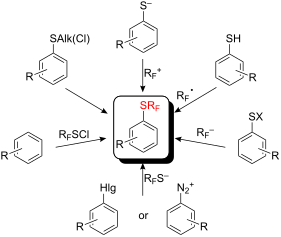
- monoperfluoroalkyl thio derivatives. With iron powder as a catalyst bis(SRF)-derivatives can be obtained (Scheme 9). Similarly, methyl benzoates and benzaldehydes with two and especially three hydroxyl groups form bis(CF3S)-substituted derivatives without of catalyst. Analogous reactions are observed with aniline

Graphical Abstract

Figure 1: Examples of industrial fluorine-containing bio-active molecules.

Figure 2: CF3(S)- and CF3(O)-containing pharmacologically active compounds.

Figure 3: Hypotensive candidates with SRF and SO2RF groups – analogues of Losartan and Nifedipin.

Figure 4: The variety of the pharmacological activity of RFS-substituted compounds.

Figure 5: Recent examples of compounds containing RFS(O)n-groups [12-18].

Scheme 1: Fluorination of ArSCCl3 to corresponding ArSCF3 derivatives. For references see: a[38-43]; b[41,42]; c[43]; d[44]; e[38-43,45-47]; f[38-43,48,49]; g...

Scheme 2: Preparation of aryl pentafluoroethyl sulfides.

Scheme 3: Mild fluorination of the aryl SCF2Br derivatives.

Scheme 4: HF fluorinations of aryl α,α,β-trichloroisobutyl sulfide at various conditions.

Scheme 5: Monofluorination of α,α-dichloromethylene group.

Scheme 6: Electrophilic substitution of phenols with CF3SCl [69].

Scheme 7: Introduction of SCF3 groups into activated phenols [71-74].

Scheme 8: Preparation of tetrakis(SCF3)-4-methoxyphenol [72].

Scheme 9: The interactions of resorcinol and phloroglucinol derivatives with RFSCl.

Scheme 10: Reactions of anilines with CF3SCl.

Scheme 11: Trifluoromethylsulfanylation of anilines with electron-donating groups in the meta position [74].

Scheme 12: Reaction of benzene with CF3SCl/CF3SO3H [77].

Scheme 13: Reactions of trifluoromethyl sulfenyl chloride with aryl magnesium and -mercury substrates.

Scheme 14: Reactions of pyrroles with CF3SCl.

Scheme 15: Trifluoromethylsulfanylation of indole and indolizines.

Scheme 16: Reactions of N-methylpyrrole with CF3SCl [80,82].

Scheme 17: Reactions of furan, thiophene and selenophene with CF3SCl.

Scheme 18: Trifluoromethylsulfanylation of imidazole and thiazole derivatives [83].

Scheme 19: Trifluoromethylsulfanylation of pyridine requires initial hydride reduction.

Scheme 20: Introduction of additional RFS-groups into heterocyclic compounds in the presence of CF3SO3H.

Scheme 21: Introduction of additional RFS-groups into pyrroles [82,87].

Scheme 22: By-products in reactions of pyrroles with CF3SCl [82].

Scheme 23: Reaction of aromatic iodides with CuSCF3 [93,95].

Scheme 24: Reaction of aromatic iodides with RFZCu (Z = S, Se), RF = CF3, C6F5 [93,95,96].

Scheme 25: Side reactions during trifluoromethylsulfanylation of aromatic iodides with CF3SCu [98].

Scheme 26: Reactions with in situ generated CuSCF3.

Scheme 27: Perfluoroalkylthiolation of aryl iodides with bulky RFSCu [105].

Scheme 28: In situ formation and reaction of RFZCu with aryl iodides.

Figure 6: Examples of compounds obtained using in situ generated RFZCu methodology [94].

Scheme 29: Introduction of SCF3 group into aromatics via difluorocarbene.

Scheme 30: Tetrakis(dimethylamino)ethylene dication trifluoromethyl thiolate as a stable reagent for substitut...

Scheme 31: The use of CF2=S/CsF or (CF3S)2C=S/CsF for the introduction of CF3S groups into fluorinated heteroc...

Scheme 32: One-pot synthesis of ArSCF3 from ArX, CCl2=S and KF.

Scheme 33: Reaction of aromatics with CF3S− Kat+ [115].

Scheme 34: Reactions of activated aromatic chlorides with AgSCF3/KI.

Scheme 35: Comparative CuSCF3/KI and Hg(SCF3)2/KI reactions.

Scheme 36: Me3SnTeCF3 – a reagent for the introduction of the TeCF3 group.

Scheme 37: Sandmeyer reactions with CuSCF3.

Scheme 38: Reactions of perfluoroalkyl iodides with alkali and organolithium reagents.

Scheme 39: Perfluoroalkylation with preliminary breaking of the disulfide bond.

Scheme 40: Preparation of RFS-substituted anilines from dinitrodiphenyl disulfides.

Scheme 41: Photochemical trifluoromethylation of 2,4,6-trimercaptochlorobenzene [163].

Scheme 42: Putative process for the formation of B, C and D.

Scheme 43: Trifluoromethylation of 2-mercapto-4-hydroxy-6-trifluoromethylyrimidine [145].

Scheme 44: Deactivation of 2-mercapto-4-hydroxypyrimidines S-centered radicals.

Scheme 45: Perfluoroalkylation of thiolates with CF3Br under UV irradiation.

Scheme 46: Catalytic effect of methylviologen for RF• generation.

Scheme 47: SO2−• catalyzed trifluoromethylation.

Scheme 48: Electrochemical reduction of CF3Br in the presence of SO2 [199,200].

Scheme 49: Participation of SO2 in the oxidation of ArSCF3−•.

Scheme 50: Electron transfer cascade involving SO2 and MV.

Scheme 51: Four stages of the SRN1 mechanism for thiol perfluoroalkylation.

Scheme 52: A double role of MV in the catalysis of RFI reactions with aryl thiols.

Scheme 53: Photochemical reaction of pentafluoroiodobenzene with trifluoromethyl disulfide.

Scheme 54: N- Trifluoromethyl-N-nitrosobenzene sulfonamide – a source of CF3• radicals [212,213].

Scheme 55: Radical trifluoromethylation of organic disulfides with ArSO2N=NCF3.

Scheme 56: Barton’s S-perfluoroalkylation reactions [216].

Scheme 57: Decarboxylation of thiohydroxamic esters in the presence of C6F13I.

Scheme 58: Reactions of thioesters of trifluoroacetic and trifluoromethanesulfonic acids in the presence of ar...

Scheme 59: Perfluoroalkylation of polychloropyridine thiols with xenon perfluorocarboxylates or XeF2 [222,223].

Scheme 60: Interaction of Xe(OCORF)2 with nitroaryl disulfide [227].

Scheme 61: Bi(CF3)3/Cu(OCOCH3)2 trifluoromethylation of thiophenolate [230].

Scheme 62: Reaction of fluorinated carbanions with aryl sulfenyl chlorides.

Scheme 63: Reaction of methyl perfluoromethacrylate with PhSCl in the presence of fluoride.

Scheme 64: Reactions of ArSCN with potassium and magnesium perfluorocarbanions [237].

Scheme 65: Reactions of RFI with TDAE and organic disulfides [239,240].

Scheme 66: Decarboxylation of perfluorocarboxylates in the presence of disulfides [245].

Scheme 67: Organization of a stable form of “CF3−” anion in the DMF.

Scheme 68: Silylated amines in the presence of fluoride can deprotonate fluoroform for reaction with disulfide...

Figure 7: Other examples of aminomethanols [264].

Scheme 69: Trifluoromethylation of diphenyl disulfide with PhSO2CF3/t-BuOK.

Scheme 70: Amides of trifluoromethane sulfinic acid are sources of CF3− anion.

Scheme 71: Trifluoromethylation of various thiols using “hyper-valent” iodine (III) reagent [279].

Scheme 72: Trifluoromethylation of p-nitrothiophenolate with diaryl CF3 sulfonium salts [280].

Scheme 73: Trifluoromethyl transfer from dibenzo (CF3)S-, (CF3)Se- and (CF3)Te-phenium salts to thiolates [283].

Scheme 74: Multi-stage paths for synthesis of dibenzo-CF3-thiophenium salts [61].
Synthesis of spiroannulated and 3-arylated 1,2,4-trioxanes from mesitylol and methyl 4-hydroxytiglate by photooxygenation and peroxyacetalization
- Axel G. Griesbeck,
- Lars-Oliver Höinck and
- Jörg M. Neudörfl
Beilstein J. Org. Chem. 2010, 6, No. 61, doi:10.3762/bjoc.6.61
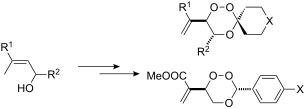
- exception of the adamantane derivative 5d which has a remarkably shorter O-O bond distance. 4-Arylated 1,2,4-trioxanes The 1,2,4-trioxanes 10 were formed in moderate to good yields, with the Hock-type cleavage product from the ß-hydroperdiol as the only side-product, from 4 and substituted benzaldehydes

Graphical Abstract

Figure 1: Antimalaria active natural artemisinin 1 and the spirobicyclic 1,2,4-trioxane derivative 2 show the...

Scheme 1: Singlet oxygen ene reaction of methyl 4-hydroxytiglate (3) and mesitylol (6) under solid-phase cond...

Scheme 2: 1,2,4-trioxane 9c and bis-trioxane 8a,b formation from the bifunctional cyclohexa-1,4-dione.

Figure 2: Structure of the spirobicyclic trioxane 5c in the crystal.

Scheme 3: BF3-catalyzed acetalization of hydroperoxide 4 with benzaldehyde derivatives.

Figure 3: Structure of the 3-arylated trioxane 10b in the crystal.

Figure 4: Structure of the p-bromophenyl derivative 10d in the crystal lattice (disordered water molecules in...

Figure 5: Numbering of 3-aryl-1,2,4-trioxanes 10 and relevant bonds; structure of artemether (AM).
Prins fluorination cyclisations: Preparation of 4-fluoro-pyran and -piperidine heterocycles
- Guillaume G. Launay,
- Alexandra M. Z. Slawin and
- David O'Hagan
Beilstein J. Org. Chem. 2010, 6, No. 41, doi:10.3762/bjoc.6.41
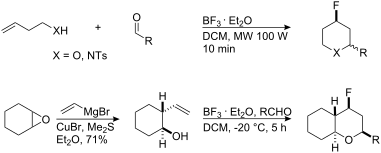
- of substituted benzaldehydes 4. Electron withdrawing groups on the aromatic ring led to the more efficient reactions (Table 1, entries a–g) to generate 4-fluoropyrans 5 with conversions of 65–73%. Diastereoselectivities were however, modest with d.r’s of between 1.9 : 1 and 5.4 : 1. With electron

Graphical Abstract

Scheme 1: The C–F bond forming Prins reaction leading to 4-fluoropyrans [10].

Figure 1: X-ray crystal structure of syn-5a.

Scheme 2: Ring opening hydrogenation of an oxa-Prins product.

Figure 2: X-ray crystal structure of the major bicyclic tetrahydropyran diastereoisomer 9b.

Scheme 3: Reaction using (E)-11a and (Z)-11b hex-3-en-1-ols with 4-nitrobenzaldehyde to generate 4-fluorotetr...
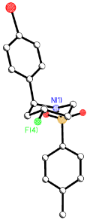
Figure 3: X-ray crystal structure of the minor anti-piperidine product 14d.
Gold film- catalysed benzannulation by Microwave- Assisted, Continuous Flow Organic Synthesis (MACOS)
- Gjergji Shore,
- Michael Tsimerman and
- Michael G. Organ
Beilstein J. Org. Chem. 2009, 5, No. 35, doi:10.3762/bjoc.5.35
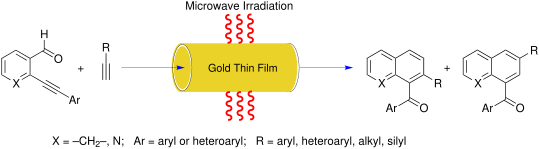
- benzaldehydes [36] A 10 mL round-bottom flask was charged with Pd(PPh3)4 (0.0375 mmol), CuI (0.075 mmol), and purged with argon. To it were added consecutively: THF (6 mL), Et3N (1.5 mmol), the aryl bromide (0.75 mmol), and the alkyne (0.9 mmol). The solution was then heated to 70 °C and stirred for 6–13 h
- chromatography. 2-(2-Phenylethynyl)benzaldehyde (1a). Following the general procedure for the synthesis of benzaldehydes, column chromatography (10% diethyl ether in pentane) provided 141 mg of product as a pale-brown oil (91%, yield). 1H NMR (300 MHz, CDCl3): δ 10.67 (s, 1H), 7.96 (d, J = 7.8 Hz, 1H), 7.63 (t
- the general procedure for the synthesis of benzaldehydes, column chromatography (10% diethyl ether in pentane) provided 142 mg of the product as a pale-yellow oil (89%, yield). 1H NMR (300 MHz, CDCl3): δ 10.63 (s, 1H), 7.95 (d, J = 8.1 Hz, 1H), 7.66–7.51 (m, 3H), 7.43 (t, J = 7.8 Hz, 1H), 7.34 (dd, J

Graphical Abstract

Figure 1: Mechanism of Au(III)-catalyzed benzannulation between aromatic carbonyls and alkynes.
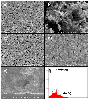
Figure 2: X-ray analysis of the metal films used in this benzannulation study. Panels a–e are scanning-electr...
Convenient methods for preparing π-conjugated linkers as building blocks for modular chemistry
- Jiří Kulhánek,
- Filip Bureš and
- Miroslav Ludwig
Beilstein J. Org. Chem. 2009, 5, No. 11, doi:10.3762/bjoc.5.11
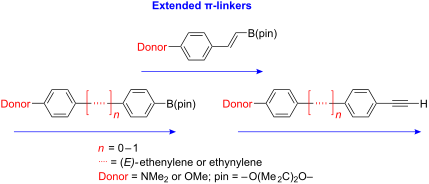
- easily accessible as a pure (E)-product from the pinacol ester of 4-formylphenylboronic acid and diethyl benzylphosphonate through the Horner–Wadsworth–Emmons reaction in 76% yield [36], methoxy and N,N-dimethylamino substituted (E)-4-bromostilbenes were synthesized from the corresponding benzaldehydes

Graphical Abstract

Figure 1: Basic and newly proposed π-conjugated linkers designed for the Suzuki–Miyaura and Sonogashira cross...

Scheme 1: Convenient synthetic methods leading to π-linkers 3–6.

Scheme 2: Sonogashira cross-coupling leading to π-linkers 7c–9c.
Enantioselective nucleophilic difluoromethylation of aromatic aldehydes with Me3SiCF2SO2Ph and PhSO2CF2H reagents catalyzed by chiral quaternary ammonium salts
- Chuanfa Ni,
- Fang Wang and
- Jinbo Hu
Beilstein J. Org. Chem. 2008, 4, No. 21, doi:10.3762/bjoc.4.21
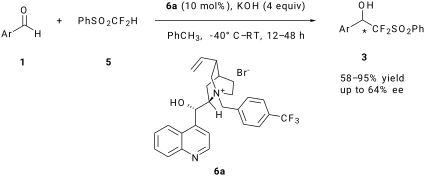
- aldehydes with halogen substitution (Table 3, entries 3, 5–9) showed better enantioselectivity than those with methyl and methoxy substituents (Table 3, entries 11,12). Among the halogenated benzaldehydes that were tested, the reaction with 2-chlorobenzaldehyde showed an enantiomeric excess up to 64% (Table
- enantioselective difluoromethylation of aromatic aldehydes with Me3SiCF2SO2Ph and PhSO2CF2H. The enantioselectivity is substrate-dependent and for 2-chlorinated benzaldehydes, an ee up to 64% was obtained. The easy preparation of the chiral cinchonium salts and the convenient experimental procedure make the

Graphical Abstract

Scheme 1: Structure of chiral quaternary ammonium salts.

Scheme 2: Determination of the absolute configuration of (+)-3a.