

Search results
Search for "amphiphilic" in Full Text gives 143 result(s) in Beilstein Journal of Organic Chemistry.
Mutagenic activity of quaternary ammonium salt derivatives of carbohydrates
Beilstein J. Org. Chem. 2016, 12, 1434–1439, doi:10.3762/bjoc.12.138
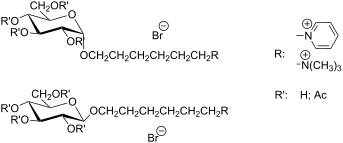
- or aromatic). Mostly, one of the aliphatic or aromatic residues possesses hydrophobic properties, whereas the nitrogen group is hydrophilic. The QAS molecules have a typical head/tail structure determining their amphiphilic character [5]. QASs find application in many fields of everyday life, and


From N-vinylpyrrolidone anions to modified paraffin-like oligomers via double alkylation with 1,8-dibromooctane: access to covalent networks and oligomeric amines for dye attachment
Beilstein J. Org. Chem. 2016, 12, 1395–1400, doi:10.3762/bjoc.12.133
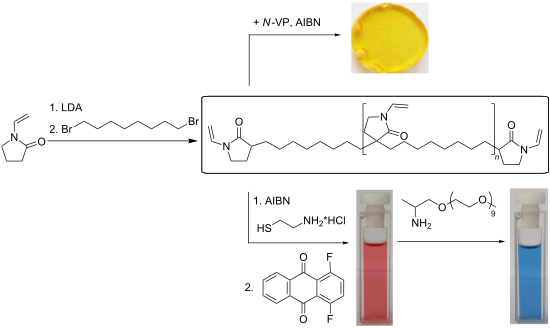
- thermo- [18] or/and pH [19] responsive polymers. Besides classical alkylation reactions, Reinecke et al. performed ring-opening reactions to insert functional groups and aromatic side chains [20][21]. Furthermore, they investigated the formation of homogeneous [22] and amphiphilic [23] N-VP networks



Synthesis of a deuterated probe for the confocal Raman microscopy imaging of squalenoyl nanomedicines
Beilstein J. Org. Chem. 2016, 12, 1127–1135, doi:10.3762/bjoc.12.109
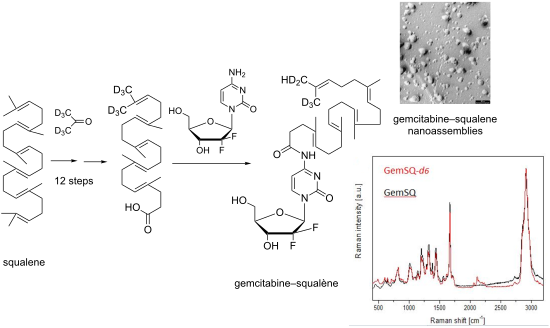
- , the use of fluorescent probes requires the covalent binding of large dye molecules (bodipy, cyanine, rhodamine etc, ...) to the drug conjugate, thus potentially modifying its physicochemical profile as well as the in vivo fate and the pharmacological activity. A simple encapsulation of an amphiphilic


Stimuli-responsive HBPS-g-PDMAEMA and its application as nanocarrier in loading hydrophobic molecules
Beilstein J. Org. Chem. 2016, 12, 939–949, doi:10.3762/bjoc.12.92
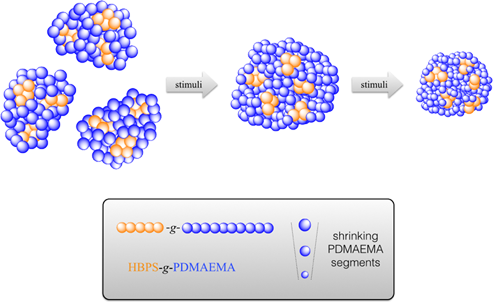
- aggregates were capable to encapsulate small hydrophobic molecules. These newly prepared HBPS-g-PDMAEMA nanocarriers might be used in, e.g., medicine or catalysis. Keywords: amphiphilic polymer; hyperbranched polystyrene; phase transition; poly[2-(dimethylamino)ethyl methacrylate] (PDMAEMA); stimuli
- -responsive nanocarriers; Introduction Stimuli-responsive polymers have attracted much attention due to their broad applications including drug controlled release [1][2][3][4][5], sensing [6][7] and 4D printing [8][9]. Nanocarriers prepared from amphiphilic stimuli-responsive polymers are promising
- blocking hydrophilic PDMAEMA chains on a hydrophobic chain. These amphiphilic polymers may aggregate in water to form nanoparticles having stimuli-responsive properties. Different hydrophobic segments with different microstructures give the aggregates adjustable properties that can be used for various




Aggregation behavior of amphiphilic cyclodextrins in a nonpolar solvent: evidence of large-scale structures by atomistic molecular dynamics simulations and solution studies
Beilstein J. Org. Chem. 2016, 12, 73–80, doi:10.3762/bjoc.12.8
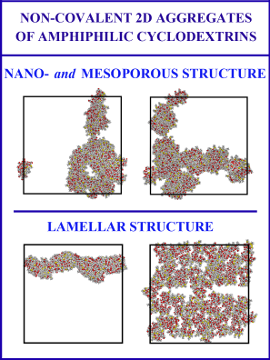
- nanoaggregates even in apolar solvents. Keywords: aggregation; amphiphilic cyclodextrins; molecular dynamics; nanoparticles; self-assembly; simulations; Introduction Amphiphilic cyclodextrins (aCD) are a class of molecules highly investigated for their self-assembly properties and inherent potential
- . Furthermore, as the technique is highly sensitive to the aggregates presence, it was not possible to exclude the presence of even nanometric-sized clusters apart from the bigger aggregates [13]. Conclusion Amphiphilic cyclodextrins (aCD) are almost invariably investigated in a water environment for their
- scattering investigations show that, indeed also in a nonpolar solvent such as dichloromethane, these amphiphilic cyclodextrins give rise to quite well defined aggregates, or nanostructures, having a hydrodynamic radius of about 80 nm and a relatively modest polydispersity. This result obtained with a


Supramolecular polymer assembly in aqueous solution arising from cyclodextrin host–guest complexation
Beilstein J. Org. Chem. 2016, 12, 50–72, doi:10.3762/bjoc.12.7
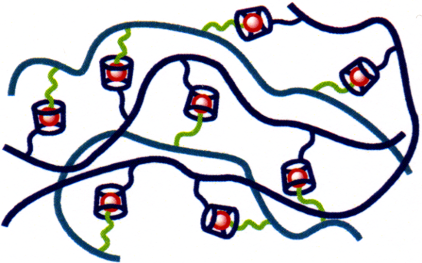
- carboxylate on average. This was attributed to aggregation of the dimers as a consequence of their amphiphilic nature, complexation of the octamethylene linker in the β-CD dimer annuli, and hydrogen bonding interactions between their β-CD annuli. The 1:1 complexation constants, 10−4K11 = 7.96, 2.32 and 26.42
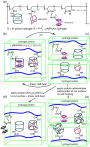
- chain such that the uncomplexed portions of the PEG chains are too short for significant interchain interaction to form a water soluble network [82][86][88]. However, when a hydrophobic adamantyl group is substituted onto one end of a low molecular weight PEG chain to form amphiphilic AD-PEG, it is


Recent advances in metathesis-derived polymers containing transition metals in the side chain
Beilstein J. Org. Chem. 2015, 11, 2747–2762, doi:10.3762/bjoc.11.296
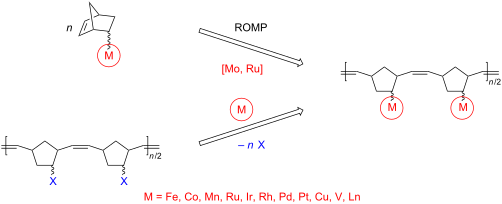
- , amphiphilic Ru-modified triblock copolymers have been produced from biocompatible and bioconjugatable oxanorbornene monomers. By extending the above ROMP methodology, Sleiman et al. managed to synthesize the Ru triblock copolymers 25 and 26 (Scheme 11), and examined their self-assembling into micelles in
- norbornene monomers substituted with rhodocenium units and their controlled polymerization, by two parallel routes (ROMP and RAFT), to rhodocenium-containing metallopolymers. ROMP of both triazolyl-rhodocenium monomers, 40 and 42, proceeded productively and in a living fashion to yield amphiphilic


Smart molecules for imaging, sensing and health (SMITH)
Beilstein J. Org. Chem. 2015, 11, 2540–2548, doi:10.3762/bjoc.11.274
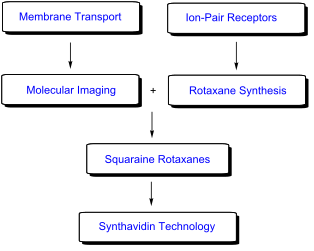
- ”. In 2003, Houk and coworkers published a survey of all known natural and synthetic host/guest binding systems and concluded that the best predictor of strong affinity is the amount of solvent accessible surface area that is buried upon binding [48]. Typically, this surface area is amphiphilic; that is


Aggregation behaviour of amphiphilic cyclodextrins: the nucleation stage by atomistic molecular dynamics simulations
Beilstein J. Org. Chem. 2015, 11, 2459–2473, doi:10.3762/bjoc.11.267
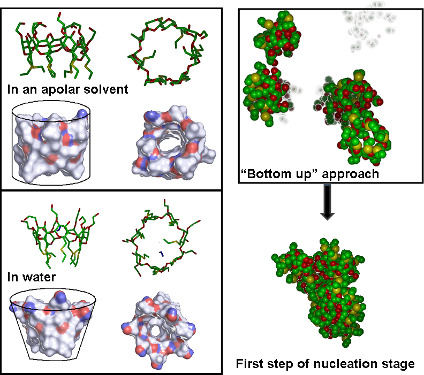
- report a theoretical study of the aggregation of a few amphiphilic cyclodextrins carrying hydrophobic thioalkyl groups and hydrophilic ethylene glycol moieties at opposite rims, focusing on the initial nucleation stage in an apolar solvent and in water. The study is based on atomistic molecular dynamics
- methods with a “bottom up” approach that can provide important information about the initial aggregates of few molecules. The focus is on the interaction pattern of amphiphilic cyclodextrin (aCD), which may interact by mutual inclusion of the substituent groups in the hydrophobic cavity of neighbouring
- correlating their structures with the pharmaceutical properties. Keywords: aggregation; amphiphilic cyclodextrins; micelles; molecular dynamics simulations; nanoparticles; self-assembly; Introduction Inclusion complexes with supramolecular structures formed by native or modified cyclodextrins (CDs) are


Preparation of Pickering emulsions through interfacial adsorption by soft cyclodextrin nanogels
Beilstein J. Org. Chem. 2015, 11, 2355–2364, doi:10.3762/bjoc.11.257
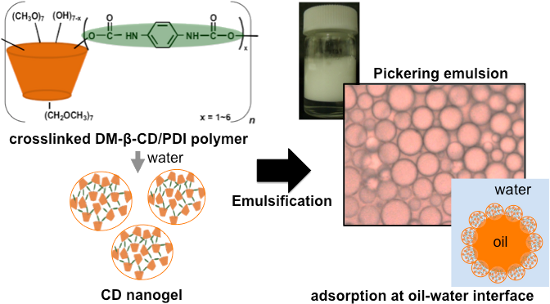
- DM-β-CD polymers bearing a [MDI or PDI]/[DM-β-CD] feed ratio of more than three has a lipophilic nature, they show a poor hydrophilicity. Controlling the degree of crosslinking should provide an appropriate balance between the hydrophilicity and hydrophobicity, generating an amphiphilic crosslinked
- CD polymer, which can be dispersed in water as well as in nonpolar solvents. This amphiphilic polymer should realize water-swellable hydrogel nanoparticles containing CDs (CD nanogels). In this paper, we describe the preparation of Pickering emulsions using CD nanogels composed of crosslinked DM-β-CD
- the oil droplets from coalescence. Conclusion Amphiphilic CD nanogels, which are a new class of soft hydrogel nanoparticles, were prepared by crosslinking DM-β-CDs with PDI followed by the immersion in water. The DLS study shows that the primary CD nanogels (30–50 nm in diameter) assemble into larger


Self-assemblies of γ-CDs with pentablock copolymers PMA-PPO-PEO-PPO-PMA and endcapping via atom transfer radical polymerization of 2-methacryloyloxyethyl phosphorylcholine
Beilstein J. Org. Chem. 2015, 11, 2267–2277, doi:10.3762/bjoc.11.247
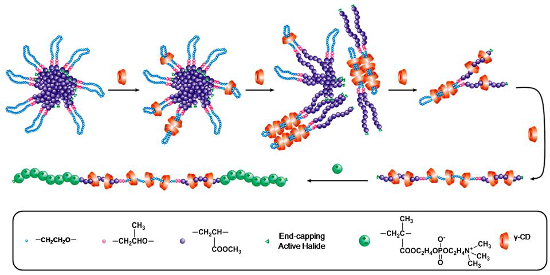
- more flexible main chain and smaller cross-sectional area as compared with PHEMA. Attaching PMA to two ends of PPO-PEO-PPO imparts the resulting amphiphilic copolymers with a unique core–shell micellar structure, showing different self-assembly behavior as compared with that of PHEMA-PPO-PEO-PPO-PHEMA
- -CD/PHEMA-PPO-PEO-PPO-PHEMA PPRs showing a mixed loose-fit (with PEO) and over-fit (with PHEMA) architecture, instead of the PEO-bent double-chain-stranded tight-fit ones like those of γ-CD/BrPEPBr PPRs [15][16]. However, attaching hydrophobic PMA to PPO-PEO-PPO renders the resulting amphiphilic




Synthesis, antimicrobial and cytotoxicity evaluation of new cholesterol congeners
Beilstein J. Org. Chem. 2015, 11, 1922–1932, doi:10.3762/bjoc.11.208
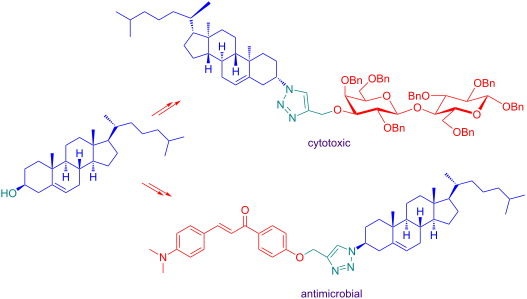
- ) is an amphiphilic-like steroidal constituent of eukaryotic cell membranes. It acts as fluidity buffer and it is essential for membrane integrity and permeability. Besides, it is a substrate for the biosynthesis of steroidal hormones, bile acids and vitamin D. Pathological accumulation of oxygenated




Star-shaped tetrathiafulvalene oligomers towards the construction of conducting supramolecular assembly
Beilstein J. Org. Chem. 2015, 11, 1596–1613, doi:10.3762/bjoc.11.175
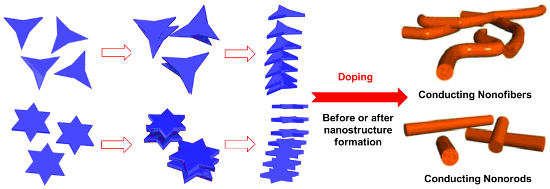
- , and particles, amphiphilic TTFs having a rigid core and long alkyl chains are one of the best molecular systems. The self-assembly of TTF derivatives in solid and on surface gives rise to a long-distance dynamic ordering as compared with single crystals. Among the recent researches on TTF and its
- amphiphilic TTFs (13 and 14) (Figure 5) [54][55][56] After that, many research efforts have been focused on the construction of conducting nanoobjects possibly employed as nanosized electric wires, wirings, molecular switches, and devices. Some neutral nanoobjects derived from TTFs show electroconductivity
- ]annulene 28, suggesting a higher stacking ability and a larger ring size for 30. Alkyl-substituted TTF[18]annulene 32 was reported to show almost no aggregation behavior in solution [72]. However, the slightly more amphiphilic 31 exhibits self-aggregation in benzene, toluene, and cyclohexane owing to a




Dicarboxylic esters: Useful tools for the biocatalyzed synthesis of hybrid compounds and polymers
Beilstein J. Org. Chem. 2015, 11, 1583–1595, doi:10.3762/bjoc.11.174

- ´-dithiodipropionic acid dimethyl ester in combination with pentadecalactone and 1,4-butandiol (Figure 8) [57]. When MeO-PEG-OH was used as chain terminator amphiphilic copolymers were formed. The hydrophobicity of the polymer could easily be changed by the content of the lactone. The copolymers had low toxicity and
- in gene therapy. Mexiletine (38) was incorporated into amphiphilic poly(amine-co-ester)s through a two-step lipase catalyzed procedure. Firstly, racemic mexiletine was used in a biocatalyzed kinetic resolution to form the amide with pure (R)-amide with methyl 3-(bis(2-hydroxyethyl)amino)propanoate
- . The formed diol was mixed with an equal molar amount of divinyl sebacate and lipase as a catalyst, after some time methoxypoly(ethylene glycol) was added to react with the remaining vinyl carboxylates to give an amphiphilic polymer. This product self-assembled into nanometer-scale-sized particles in


Terminal lipophilization of a unique DNA dodecamer by various nucleolipid headgroups: Their incorporation into artificial lipid bilayers and hydrodynamic properties
Beilstein J. Org. Chem. 2015, 11, 913–929, doi:10.3762/bjoc.11.103
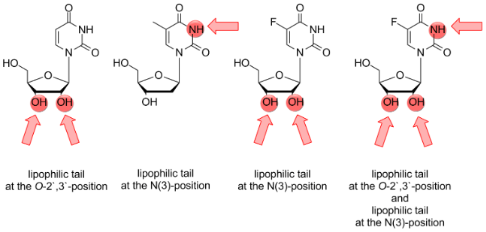
- the amphiphilic head group but preserved the oligonucleotide DNA sequence. This sequence [5’-d(NL-(Cy5) TAG GTC AAT ACT); NL = nucleolipid] was chosen because it forms neither a hairpin structure nor a self-complementary duplex [9]. Particularly, for a successful delivery of siRNAs [10][11][12] their






Trifluoromethyl-substituted tetrathiafulvalenes
Beilstein J. Org. Chem. 2015, 11, 647–658, doi:10.3762/bjoc.11.73
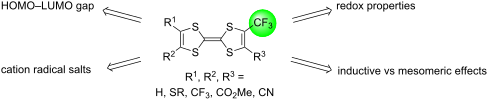
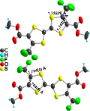
- moieties and formation of fluorine bilayers [32][33], attributed to the amphiphilic character of those TTF derivatives upon CF3-functionalization. A strong anodic shift of the first oxidation potential was also noted for 1c and 2cc, when compared with the unsubstituted EDT-TTF molecule. This work has been




Potential of acylated peptides to target the influenza A virus
Beilstein J. Org. Chem. 2015, 11, 589–595, doi:10.3762/bjoc.11.65
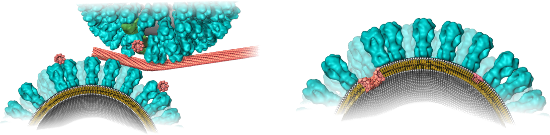
- by infection inhibition assays, in which we achieved low micromolar inhibition constants against both viral strains. In addition, we compared C18-PeBGF to other published amphiphilic peptide inhibitors, such as the stearylated sugar receptor mimicking peptide (Matsubara et al. 2010), and the “Entry
- limitations of this type of self-assembling IAV inhibitors. Keywords: amphiphilic peptide; antiviral; influenza virus; multivalency; self-assembled structures; Introduction Annually influenza A virus infections cause up to 500.000 deaths worldwide, and are therefore a serious threat, and burden to humans [1
- )-N,N,N',N'-tetramethyluronium tetrafluoroborate (TBTU) as coupling reagent in the presence of diisopropylethylamine (DIPEA) in DMF. Peptides summarized in Table 1 were explored for influenza A virus inhibition. Acylated and other amphiphilic peptides are well known to self-assemble into


Chemoselective O-acylation of hydroxyamino acids and amino alcohols under acidic reaction conditions: History, scope and applications
Beilstein J. Org. Chem. 2015, 11, 446–468, doi:10.3762/bjoc.11.51
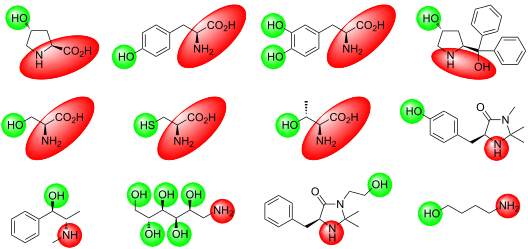
- cumbersome copper protective chemistry has continued to dominate in the literature for the preparation of side-chain acrylic derivatives of hydroxyamino acids [5][6][7][8]. Use of chemoselective O-acylation of hydroxyamino acids for preparation of amphiphilic organocatalysts Following the first 2009 report
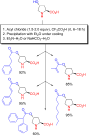
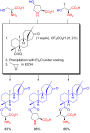
- on the chemoselective O-acylation of hydroxyproline in CF3CO2H solutions [46], taken together with the potential for preparation of amphiphilic organocatalysts on large scale, in a protective group-free and non-chromatographic manner, the use of acidic O-acylation of hydroxyamino acids within
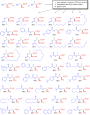
- asymmetric organocatalysis picked up momentum quite rapidly. Through a series of disclosures, during the time period from 2010 to 2012, Xiangkai Fu and co-workers detailed the preparation of amphiphilic organocatalysts from serine, threonine and cysteine by acidic O-acylation, as well as their use in




Formulation development, stability and anticancer efficacy of core-shell cyclodextrin nanocapsules for oral chemotherapy with camptothecin
Beilstein J. Org. Chem. 2015, 11, 204–212, doi:10.3762/bjoc.11.22
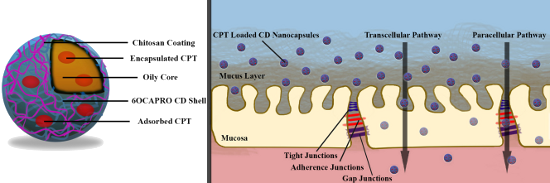
- reason, an amphiphilic cyclodextrin (CD) derivative per-modified on the primary face 6OCAPRO was used as core molecule to form nanocapsules with the nanoprecipitation technique. Nanocapsules were further coated with the cationic polymer chitosan to improve the cellular uptake and interaction with
- as CPT which may contribute to patient quality of life and drug efficacy in cancer therapy. Keywords: amphiphilic cyclodextrin; camptothecin; core-shell; nanocapsule; oral chemotherapy; Introduction Cancer is one of the major fatal diseases in the world and causes abnormal growth of cells spreading
- -(+)-glucopyranose units linked by α-(1,4) glucosidic bonds. The most common advantages of CDs in the pharmaceutical field are to enhance the stability, solubility, and bioavailability of drug molecules [24]. Amphiphilic CDs are derivatives of natural CDs which are chemically obtained and modified on the primary and


Formation of nanoparticles by cooperative inclusion between (S)-camptothecin-modified dextrans and β-cyclodextrin polymers
Beilstein J. Org. Chem. 2015, 11, 147–154, doi:10.3762/bjoc.11.14
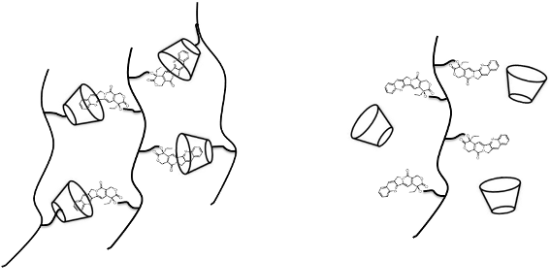
- of nanoparticles. It has been shown that CD polymers can form nanoparticles when associated with various amphiphilic polymers such as dextran modified with fatty acid chains [15] or adamantane [16] in aqueous solution. Simply by mixing solutions of β-CD polymers and the hydrophobic-modified dextrans


Release of β-galactosidase from poloxamine/α-cyclodextrin hydrogels
Beilstein J. Org. Chem. 2014, 10, 3127–3135, doi:10.3762/bjoc.10.330
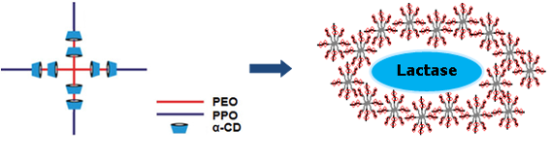
- relative to the initial amount loaded for α-CD, Tetronic 90R4, and pulverized T25a10 tablets were 98.7 ± 6.0, 94.5 ± 6.8 and 97.4 ± 8.8, respectively. Note that even in the case of a mixture of the lactase protein with an amphiphilic block copolymer (such as Tetronic 90R4), the activity is as high as 95


Conjugates of methylated cyclodextrin derivatives and hydroxyethyl starch (HES): Synthesis, cytotoxicity and inclusion of anaesthetic actives
Beilstein J. Org. Chem. 2014, 10, 3087–3096, doi:10.3762/bjoc.10.325
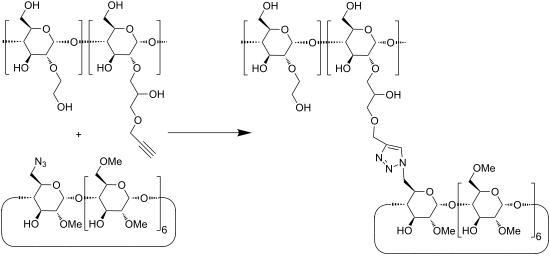
- ; occupancy; polymer; sevoflurane; solubility; starch; Introduction Cyclodextrins (CDs), α(1→4) linked cyclic oligomers of anhydroglucose, are produced nowadays in industrial scale [1]. CDs are able to complex hydrophobic or amphiphilic guest molecules in aqueous phase [2]. β-CD, the seven membered ring


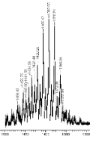
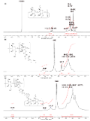


Synthesis of uniform cyclodextrin thioethers to transport hydrophobic drugs
Beilstein J. Org. Chem. 2014, 10, 2920–2927, doi:10.3762/bjoc.10.310
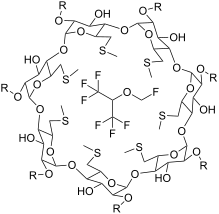
- either nearly insoluble in water or the binding constants are rather low [32][33][34]. We focussed our effort on the design of hydrophilic and/or amphiphilic CD thioethers, because only amphiphilic molecules can form [35][36] or incorporate into bilayer membranes [37][38]. Amphiphilic CD carriers can
- hydrophobic β-CD derivatives [41][42]. Mazzaglia et al. reported on amphiphilic β-CD derivatives with alkyl chains (C2–C16) connected by the thioether linkages to the primary site and a statistical substitution with oligoethylene glycol at secondary sites [43]. Becker et al. describe similar hosts with 2,2,2


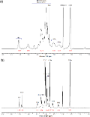


Removal of volatile organic compounds using amphiphilic cyclodextrin-coated polypropylene
Beilstein J. Org. Chem. 2014, 10, 2743–2750, doi:10.3762/bjoc.10.290
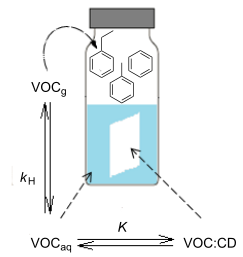
- , F-59140 Dunkerque, France 10.3762/bjoc.10.290 Abstract Polypropylene nonwovens were functionalised using a self-assembled, amphiphilic cyclodextrin coating and the potential for water purification by removal of pollutants was studied. As benzene is one of the problematic compounds in the Water
- organic compounds are known to form stable inclusion complexes with cyclodextrins. Six different amphiphilic cyclodextrin derivatives were synthesised in order to elucidate whether or not the uptake abilities of the coating depend on the structure of the derivative. Headspace gas chromatography was used
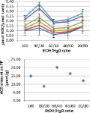
- for quantification of the uptake exploiting the volatile nature of benzene and its derivatives. The capacity was shown to increase beyond the expected stoichiometries of guest–host complexes with ratios of up to 16:1. Keywords: amphiphilic cyclodextrins; polypropylene; static headspace chromatography


Linear-g-hyperbranched and cyclodextrin-based amphiphilic block copolymer as a multifunctional nanocarrier
Beilstein J. Org. Chem. 2014, 10, 2696–2703, doi:10.3762/bjoc.10.284
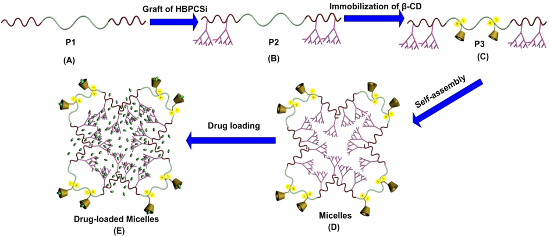
- achieve controlled drug release. An amphiphilic, triblock polymer (ABC) with hyperbranched polycarbonsilane (HBPCSi) and β-cyclodextrin (β-CD) moieties were first synthesized by the combination of a two-step reversible addition-fragmentation transfer polymerization into a pseudo-one-step hydrosilylation
- exhibit controlled drug release based on the diffusion release mechanism. The novel multifunctional nanocarrier may be applicable to produce highly efficient and specialized delivery systems for drugs, genes, and diagnostic agents. Keywords: amphiphilic block copolymer; cyclodextrin polymer
- contrast properties, raising increasing attention [3][6][7][9][10][11][12][13][14]. Compared with other multifunctional nanocarriers reported in the literature, polymeric micelles formed by amphiphilic block copolymers (ABC) may possess many advantages including water-solubility, nontoxicity, selectivity