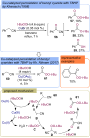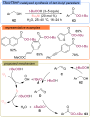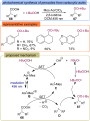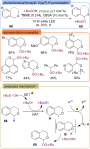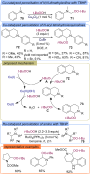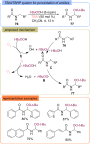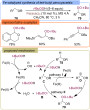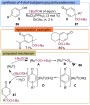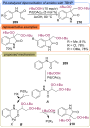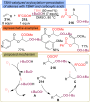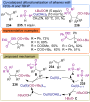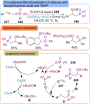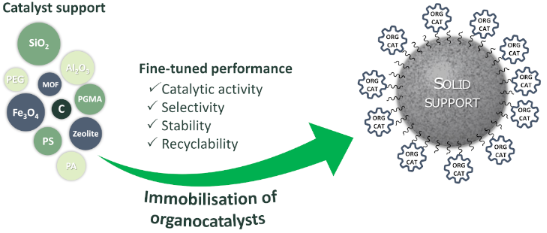

Search for "tert-butyl" in Full Text gives 709 result(s) in Beilstein Journal of Organic Chemistry. Showing first 200.
Beilstein J. Org. Chem. 2025, 21, 55–121, doi:10.3762/bjoc.21.6
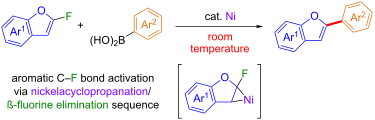
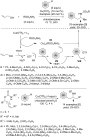
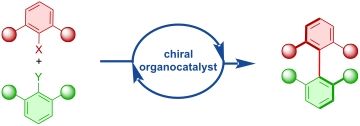
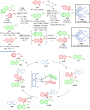
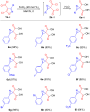
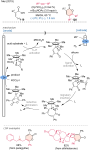
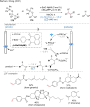
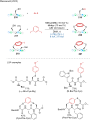
Graphical Abstract
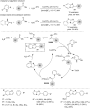
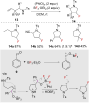
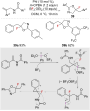
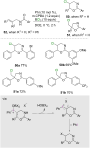
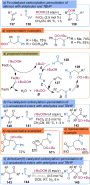
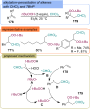
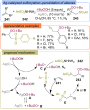
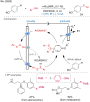
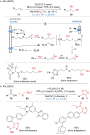
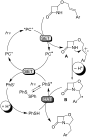
Scheme 1: Formation of axially chiral styrenes 3 via iminium activation.
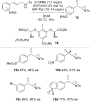
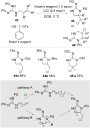
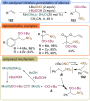
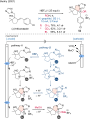
Scheme 2: Synthesis of axially chiral 2-arylquinolines 6.
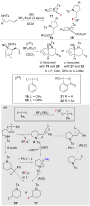
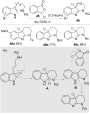
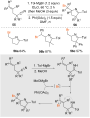
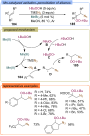
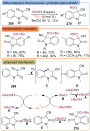
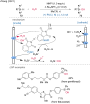
Scheme 3: Atroposelective intramolecular (4 + 2) annulation leading to aryl-substituted indolines.
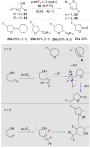
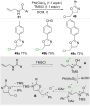
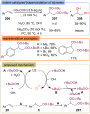
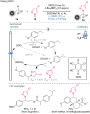
Scheme 4: Atroposelective formation of biaryl via twofold aldol condensation.
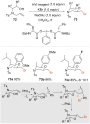
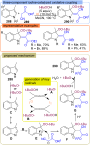
Scheme 5: Strategy towards diastereodivergent formation of axially chiral oligonaphthylenes.
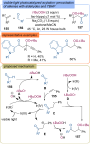
Scheme 6: Atroposelective formation of chiral biaryls based on a Michael/Henry domino reaction.
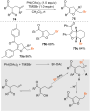
Scheme 7: Organocatalytic Michael/aldol cascade followed by oxidative aromatization.
Scheme 8: Atroposelective formation of C(sp2)–C(sp3) axially chiral compounds.
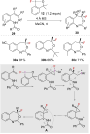
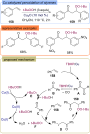
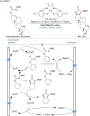
Scheme 9: NHC-catalyzed synthesis of axially chiral styrenes 26.
Scheme 10: NHC-catalyzed synthesis of biaxial chiral pyranones.
Scheme 11: Formation of bridged biaryls with eight-membered lactones.
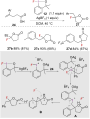
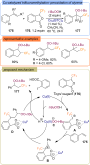
Scheme 12: The NHC-catalyzed (3 + 2) annulation of urazoles 37 and ynals 36.
Scheme 13: NHC-catalyzed synthesis of axially chiral 4‑aryl α‑carbolines 41.
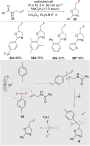
Scheme 14: NHC-catalyzed construction of N–N-axially chiral pyrroles and indoles.
Scheme 15: NHC-catalyzed oxidative Michael–aldol cascade.
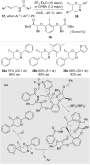
Scheme 16: NHC-catalyzed (4 + 2) annulation for the synthesis of benzothiophene-fused biaryls.
Scheme 17: NHC-catalyzed desymmetrization of N-aryl maleimides.
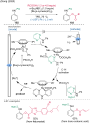
Scheme 18: NHC-catalyzed deracemization of biaryl hydroxy aldehydes 55a–k into axially chiral benzonitriles 56a...
Scheme 19: NHC-catalyzed desymmetrization of 2-aryloxyisophthalaldehydes.
Scheme 20: NHC-catalyzed DKR of 2-arylbenzaldehydes 62.
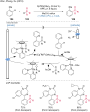
Scheme 21: Atroposelective biaryl amination.
Scheme 22: CPA-catalyzed atroposelective amination of 2-anilinonaphthalenes.
Scheme 23: Atroposelective DKR of naphthylindoles.
Scheme 24: CPA-catalyzed kinetic resolution of binaphthylamines.
Scheme 25: Atroposelective amination of aromatic amines with diazodicarboxylates.
Scheme 26: Atroposelective Friedländer heteroannulation.
Scheme 27: CPA-catalyzed formation of axially chiral 4-arylquinolines.
Scheme 28: CPA-catalyzed Friedländer reaction of arylketones with cyclohexanones.
Scheme 29: CPA-catalyzed atroposelective Povarov reaction.
Scheme 30: Atroposelective CPA-catalyzed Povarov reaction.
Scheme 31: Paal–Knorr formation of axially chiral N-pyrrolylindoles and N-pyrrolylpyrroles.
Scheme 32: Atroposelective Paal–Knorr reaction leading to N-pyrrolylpyrroles.
Scheme 33: Atroposelective Pictet–Spengler reaction of N-arylindoles with aldehydes.
Scheme 34: Atroposelective Pictet–Spengler reaction leading to tetrahydroisoquinolin-8-ylanilines.
Scheme 35: Atroposelective formation of arylindoles.
Scheme 36: CPA-catalyzed arylation of naphthoquinones with indolizines.
Scheme 37: Atroposelective reaction of o-naphthoquinones.
Scheme 38: CPA-catalyzed formation of axially chiral arylquinones.
Scheme 39: CPA-catalyzed axially chiral N-arylquinones.
Scheme 40: Atroposelective additions of bisindoles to isatin-based 3-indolylmethanols.
Scheme 41: CPA-catalyzed synthesis of axially chiral arylindolylindolinones.
Scheme 42: CPA-catalyzed reaction between bisindoles and ninhydrin-derived 3-indoylmethanols.
Scheme 43: Atroposelective reaction of bisindoles and isatin-derived imines.
Scheme 44: CPA-catalyzed formation of axially chiral bisindoles.
Scheme 45: Atroposelective reaction of 2-naphthols with alkynylhydroxyisoindolinones.
Scheme 46: CPA-catalyzed reaction of indolylnaphthols with propargylic alcohols.
Scheme 47: Atroposelective formation of indolylpyrroloindoles.
Scheme 48: Atroposelective reaction of indolylnaphthalenes with alkynylnaphthols.
Scheme 49: CPA-catalyzed addition of naphthols to alkynyl-2-naphthols and 2-naphthylamines.
Scheme 50: CPA-catalyzed formation of axially chiral aryl-alkene-indoles.
Scheme 51: CPA-catalyzed formation of axially chiral styrenes.
Scheme 52: Atroposelective formation of alkenylindoles.
Scheme 53: Atroposelective formation of axially chiral arylquinolines.
Scheme 54: Atroposelective (3 + 2) cycloaddition of alkynylindoles with azonaphthalenes.
Scheme 55: CPA-catalyzed formation of axially chiral 3-(1H-benzo[d]imidazol-2-yl)quinolines.
Scheme 56: Atroposelective cyclization of 3-(arylethynyl)-1H-indoles.
Scheme 57: Atroposelective three-component heteroannulation.
Scheme 58: CPA-catalyzed formation of arylbenzimidazols.
Scheme 59: CPA-catalyzed reaction of N-naphthylglycine esters with nitrosobenzenes.
Scheme 60: CPA-catalyzed formation of axially chiral N-arylbenzimidazoles.
Scheme 61: CPA-catalyzed formation of axially chiral arylbenzoindoles.
Scheme 62: CPA-catalyzed formation of pyrrolylnaphthalenes.
Scheme 63: CPA-catalyzed addition of naphthols and indoles to nitronaphthalenes.
Scheme 64: Atroposelective reaction of heterobiaryl aldehydes and aminobenzamides.
Scheme 65: Atroposelective cyclization forming N-arylquinolones.
Scheme 66: Atroposelective formation of 9H-carbazol-9-ylnaphthalenes and 1H-indol-1-ylnaphthalene.
Scheme 67: CPA-catalyzed formation of pyrazolylnaphthalenes.
Scheme 68: Atroposelective addition of diazodicarboxamides to azaborinephenols.
Scheme 69: Catalytic formation of axially chiral arylpyrroles.
Scheme 70: Atroposelective coupling of 1-azonaphthalenes with 2-naphthols.
Scheme 71: CPA-catalyzed formation of axially chiral oxindole-based styrenes.
Scheme 72: Atroposelective electrophilic bromination of aminonaphthoquinones.
Scheme 73: Atroposelective bromination of dienes.
Scheme 74: CPA-catalyzed formation of axially chiral 5-arylpyrimidines.
Scheme 75: Atroposelective hydrolysis of biaryloxazepines.
Scheme 76: Atroposelective opening of dinaphthosiloles.
Scheme 77: Atroposelective reduction of naphthylenals.
Scheme 78: Atroposelective allylic substitution with 2-naphthols.
Scheme 79: Atroposelective allylic alkylation with phosphinamides.
Scheme 80: Atroposelective allylic substitution with aminopyrroles.
Scheme 81: Atroposelective allylic substitution with aromatic sulfinamides.
Scheme 82: Atroposelective sulfonylation of naphthylynones.
Scheme 83: Squaramide-catalyzed reaction of alkynyl-2-naphthols with 5H-oxazolones.
Scheme 84: Formation of axially chiral styrenes via sulfonylative opening of cyclopropanols.
Scheme 85: Atroposelective organo-photocatalyzed sulfonylation of alkynyl-2-naphthols.
Scheme 86: Thiourea-catalyzed atroposelective cyclization of alkynylnaphthols.
Scheme 87: Squaramide-catalyzed formation of axially chiral naphthylisothiazoles.
Scheme 88: Atroposelective iodo-cyclization catalyzed by squaramide C69.
Scheme 89: Squaramide-catalyzed formation of axially chiral oligoarenes.
Scheme 90: Atroposelective ring-opening of cyclic N-sulfonylamides.
Scheme 91: Thiourea-catalyzed kinetic resolution of naphthylpyrroles.
Scheme 92: Atroposelective ring-opening of arylindole lactams.
Scheme 93: Atroposelective reaction of 1-naphthyl-2-tetralones and diarylphosphine oxides.
Scheme 94: Atroposelective reaction of iminoquinones with indoles.
Scheme 95: Kinetic resolution of binaphthylalcohols.
Scheme 96: DKR of hydroxynaphthylamides.
Scheme 97: Atroposelective N-alkylation with phase-transfer catalyst C75.
Scheme 98: Atroposelective allylic substitution via kinetic resolution of biarylsulfonamides.
Scheme 99: Atroposelective bromo-functionalization of alkynylarenes.
Scheme 100: Sulfenylation-induced atroposelective cyclization.
Scheme 101: Atroposelective O-sulfonylation of isochromenone-indoles.
Scheme 102: NHC-catalyzed atroposelective N-acylation of anilines.
Scheme 103: Peptide-catalyzed atroposelective ring-opening of lactones.
Scheme 104: Peptide-catalyzed coupling of 2-naphthols with quinones.
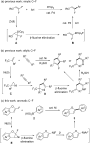
Scheme 105: Atroposelective nucleophilic aromatic substitution of fluoroarenes.
Beilstein J. Org. Chem. 2025, 21, 1–7, doi:10.3762/bjoc.21.1
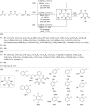
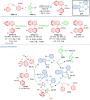
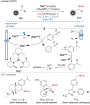
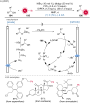
Graphical Abstract
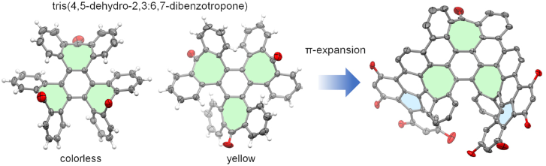
Figure 1: Structures of compounds 1–3 and the polycyclic skeleton of 1 as mapped on a carbon schwarzite unit ...
Scheme 1: a) Synthesis of 1; b) reactions of 1; c) synthesis of 3.
Figure 2: (a) Structures of 1 in the colorless crystal; (b) structures of (P,M,P)-1 in the yellow crystal. (C...
Figure 3: Structure of (M,P,M)-3 in the crystal of 3·CH2Cl2 (carbon and oxygen atoms are shown as grey and re...
Figure 4: UV–vis absorption spectrum (black line) and emission spectrum (blue line, excited at 400 nm) of com...
Beilstein J. Org. Chem. 2024, 20, 3299–3305, doi:10.3762/bjoc.20.274
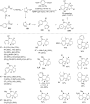
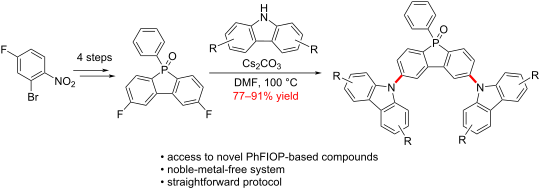
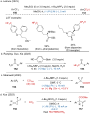
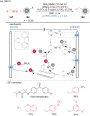
Graphical Abstract
Scheme 1: Preparation of key intermediate 5.
Scheme 2: Synthesis of PhFlOP-based molecules 7.
Figure 1: An ORTEP drawing obtained using the X-ray crystallographic data of 7-H.
Figure 2: (a) UV–vis absorption spectra of the PhFlOP-based emitters 7 measured at a concentration of ≈10−5 M...
Figure 3: (a) PL spectra of the PhFlOP-based emitters 7 measured in toluene at room temperature. (b) PL spect...
Beilstein J. Org. Chem. 2024, 20, 3281–3289, doi:10.3762/bjoc.20.272
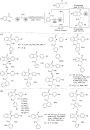
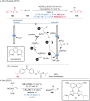
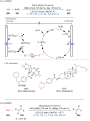
Graphical Abstract
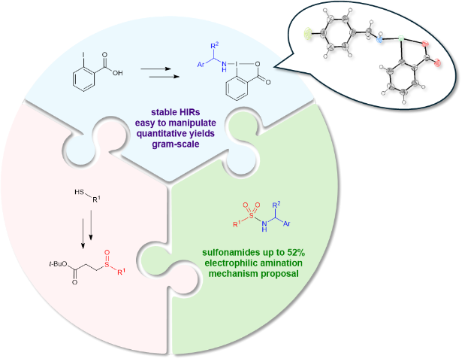
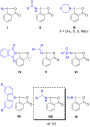
Figure 1: Examples of cyclic HIRs with a nitrogen-based group transfer [4,10,13-20].
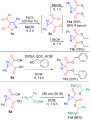
Scheme 1: Electrophilic α‑amination of indanone-based β-ketoesters [4].
Scheme 2: Scope of the different (benzylamino)benziodoxolones (BBXs) 2 with ORTEP-3 diagram of compound 2d, u...
Scheme 3: Scope of the different β-sulfinyl esters 4 [32,33]. Isolated yields. rt – room temperature.
Scheme 4: Scope of the primary amine electrophilic reaction of sulfenate salts. Reaction conditions: 4 (2 equ...
Scheme 5: Electrophilic amination reaction in the presence of TEMPO. Reaction conditions: 4a (2 equiv), NaH (...
Scheme 6: Mechanism proposed for sulfonamide 5, β-sulfinyl ester 4, disulfide 7, and sulfide 3 formations. Th...
Beilstein J. Org. Chem. 2024, 20, 3191–3197, doi:10.3762/bjoc.20.264
Graphical Abstract
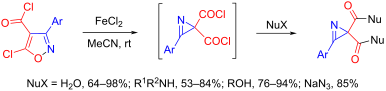
Scheme 1: Approaches to 2H-azirine-2,2-dicarboxylic acid derivatives.
Scheme 2: Synthesis of 2H-azirine-2,2-dicarboxylic acids 6.
Scheme 3: Transformations of 3-(tert-butyl)-5-chloroisoxazole-4-carbonyl chloride (1j).
Scheme 4: Synthesis of amides 10. aFiltration through celite after reaction with amine (without aqueous worku...
Scheme 5: Synthesis of esters 11.
Scheme 6: Synthesis of dicarbonyl azide 12.
Beilstein J. Org. Chem. 2024, 20, 3182–3190, doi:10.3762/bjoc.20.263
Graphical Abstract
Figure 1: Representative examples of fluorine containing, biologically active compounds.
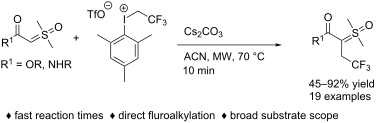
Scheme 1: Strategies for the synthesis of α-alkyl sulfoxonium ylides.
Scheme 2: Exploring substrate scope in the direct α-fluoroalkylation of sulfoxonium ylides.
Scheme 3: Synthetic applications of fluoroalkylated sulfoxonium ylides.
Figure 2: Possible mechanisms for the reaction of 1a and 2a leading to 3a (via B), proceeding via either halo...
Figure 3: Electrostatic potential of 2a’ from 0.075 e to 0.21 e, showing two sigma holes of potentials 0.20 a...
Figure 4: The optimized reaction coordinate diagrams for the halogen bond-mediated mechanism (path 1, left) a...
Beilstein J. Org. Chem. 2024, 20, 3174–3181, doi:10.3762/bjoc.20.262
Graphical Abstract
Figure 1: Examples of bioactive tetrahydropyridazine derivatives.
Figure 2: Linear and cyclic peptides incorporating the dehydropiperazic acid moiety.
Figure 3: Piperazic acid and analogues and target trifluoro/difluoromethylated tetrahydropyridazine acids.
Scheme 1: Reported syntheses of tetrahydropyridazine ester derivatives.
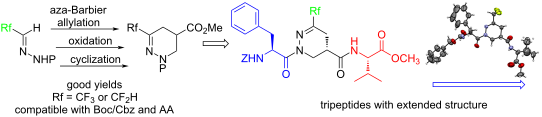
Figure 4: Synthetic strategy to obtain fluorinated tetrahydropyridazines from difluoro- or trifluoromethylate...
Scheme 2: Synthesis of fluorinated hydrazones 3a–f.
Scheme 3: Allylation of fluorinated hydrazones 3a–f to obtain 5a–f.
Scheme 4: Oxidation of hydrazines 5a–f to obtain hydrazones 6a–f.
Scheme 5: Intramolecular cyclization of compounds 6a–f to obtain tetrahydropyridazines 7a–f.
Scheme 6: Preparation of tripeptides 8e, 8e’, 8f, and 8f’. Yields refer to the yield over 2 steps.
Figure 5: X-ray diffraction of compound 8f.
Beilstein J. Org. Chem. 2024, 20, 3113–3133, doi:10.3762/bjoc.20.258
Graphical Abstract
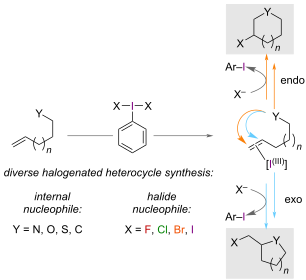
Figure 1: Example bioactive compounds containing cyclic scaffolds potentially accessible by HVI chemistry.
Figure 2: A general mechanism for HVI-mediated endo- or exo-halocyclisation.
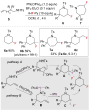
Scheme 1: Metal-free synthesis of β-fluorinated piperidines 6. Ts = tosyl.
Scheme 2: Intramolecular aminofluorination of unactivated alkenes with a palladium catalyst.
Scheme 3: Aminofluorination of alkenes in the synthesis of enantiomerically pure β-fluorinated piperidines. P...
Scheme 4: Synthesis of β-fluorinated piperidines.
Scheme 5: Intramolecular fluoroaminations of unsaturated amines published by Li.
Scheme 6: Intramolecular aminofluorination of unsaturated amines using 1-fluoro-3,3-dimethylbenziodoxole (12)...
Scheme 7: 3-fluoropyrrolidine synthesis. aDiastereomeric ratio (cis/trans) determined by 19F NMR analysis.
Scheme 8: Kitamura’s synthesis of 3-fluoropyrrolidines. Values in parentheses represent the cis:trans ratio.
Scheme 9: Jacobsen’s enantio- and diastereoselective protocol for the synthesis of syn-β-fluoroaziridines 15.
Scheme 10: Different HVI reagents lead to different diastereoselectivity in aminofluorination competing with c...
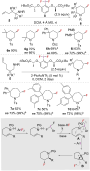
Scheme 11: Fluorocyclisation of unsaturated alcohols and carboxylic acids to make tetrahydrofurans, fluorometh...
Scheme 12: Oxyfluorination of unsaturated alcohols.
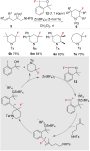
Scheme 13: Synthesis and mechanism of fluoro-benzoxazepines.
Scheme 14: Intramolecular fluorocyclisation of unsaturated carboxylic acids. Yield of isolated product within ...
Scheme 15: Synthesis of fluorinated tetrahydrofurans and butyrolactone.
Scheme 16: Synthesis of fluorinated oxazolines 32. aReaction time increased to 40 hours. Yields refer to isola...
Scheme 17: Electrochemical synthesis of fluorinated oxazolines.
Scheme 18: Electrochemical synthesis of chromanes.
Scheme 19: Synthesis of fluorinated oxazepanes.
Scheme 20: Enantioselective oxy-fluorination with a chiral aryliodide catayst.
Scheme 21: Catalytic synthesis of 5‑fluoro-2-aryloxazolines using BF3·Et2O as a source of fluoride and an acti...
Scheme 22: Intramolecular carbofluorination of alkenes.
Scheme 23: Intramolecular chlorocyclisation of unsaturated amines.
Scheme 24: Synthesis of chlorinated cyclic guanidines 44.
Scheme 25: Synthesis of chlorinated pyrido[2,3-b]indoles 46.
Scheme 26: Chlorolactonization and chloroetherification reactions.
Scheme 27: Proposed mechanism for the synthesis of chloromethyl oxazolines 49.
Scheme 28: Oxychlorination to form oxazine and oxazoline heterocycles promoted by BCl3.
Scheme 29: Aminobromocyclisation of homoallylic sulfonamides 53. The cis:trans ratios based on the 1H NMR of t...
Scheme 30: Synthesis of cyclic imines 45.
Scheme 31: Synthesis of brominated pyrrolo[2,3-b]indoles 59.
Scheme 32: Bromoamidation of alkenes.
Scheme 33: Synthesis of brominated cyclic guanidines 61 and 61’.
Scheme 34: Intramolecular bromocyclisation of N-oxyureas.
Scheme 35: The formation of 3-bromoindoles.
Scheme 36: Bromolactonisation of unsaturated acids 68.
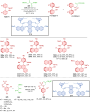
Scheme 37: Synthesis of 5-bromomethyl-2-oxazolines.
Scheme 38: Synthesis of brominated chiral morpholines.
Scheme 39: Bromoenolcyclisation of unsaturated dicarbonyl groups.
Scheme 40: Brominated oxazines and oxazolines with BBr3.
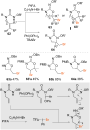
Scheme 41: Synthesis of 5-bromomethtyl-2-phenylthiazoline.
Scheme 42: Intramolecular iodoamination of unsaturated amines.
Scheme 43: Formation of 3-iodoindoles.
Scheme 44: Iodoetherification of 2,2-diphenyl-4-penten-1-carboxylic acid (47’) and 2,2-diphenyl-4-penten-1-ol (...
Scheme 45: Synthesis of 5-iodomethyl-2-oxazolines.
Scheme 46: Synthesis of chiral iodinated morpholines. aFrom the ʟ-form of the amino acid starting material. Th...
Scheme 47: Iodoenolcyclisation of unsaturated dicarbonyl compounds 74.
Scheme 48: Synthesis of 5-iodomethtyl-2-phenylthiazoline (87).
Beilstein J. Org. Chem. 2024, 20, 3085–3112, doi:10.3762/bjoc.20.257
Graphical Abstract
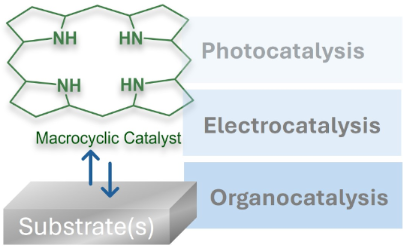
Figure 1: Chemical structures of the main tetrapyrrolic macrocycles studied in this review for their role as ...
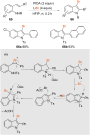
Figure 2: Calix[4]pyrroles 3 and 4 and an their acyclic analogue 5 used for the transformation of Danishefsky...
Figure 3: Calixpyrrole-based organocatalysts 11 and 12 for the diastereoselective addition reaction of TMSOF ...
Figure 4: (a) Chemical structures of macrocyclic organocatalysts used for the synthesis of cyclic carbonates ...
Figure 5: Cuprous chloride-catalyzed aziridination of styrene (22) by chloramine-T (23) providing 1-tosyl-2-p...
Figure 6: Chemical structures of the various porphyrin macrocycles (18, 25–41) screened as potential catalyst...
Figure 7: Organocatalytic activity of distorted porphyrins explored by Senge and co-workers. Planar macrocycl...
Figure 8: Chemical structures of H2EtxTPP (x = 0, 2, 4, 6, 8) compounds with incrementally increasing nonplan...
Figure 9: Chemical structures of OxP macrocycles tested as potential organocatalysts for the conjugate additi...
Figure 10: a) Fundamental structure of the J-aggregates of diprotonated TPPS3 53 and b) its use as a catalyst ...
Figure 11: Chemical structures of amphiphilic porphyrin macrocycles used as pH-switchable catalysts based on i...
Figure 12: a) Chemical structures of porphyrin macrocycles for the cycloaddition of CO2 to N-alkyl/arylaziridi...
Figure 13: Electron and energy-transfer processes typical for excited porphyrin molecules (Por = porphyrin mac...
Figure 14: Proposed mechanism for the light-induced α-alkylation of aldehydes with EDA in the presence of H2TP...
Figure 15: a) Chemical structures of porphyrins screened as photoredox catalysts, b) model reaction of furan (...
Figure 16: Porphyrin macrocycles H2TPP (18) and PPIX 78 as photoreductants for the red light-induced C–H aryla...
Figure 17: Porphyrin macrocycles H2TPP (18) and PPIX 78 as photoredox catalyst for (a) α-alkylation of an alde...
Figure 18: Corrole macrocycles 98–100 as photoredox catalysts for C–H arylation and borylation reactions. Adap...
Figure 19: Proposed catalytic cycle of electrocatalytic generation of H2 evolution using tetrapyrrolic macrocy...
Figure 20: a) Chemical structures of tetrapyrrolic macrocycles 109, 73, and 110 used for oxygen reductions in ...
Figure 21: a) Absorption spectra (left) of the air-saturated DCE solutions containing: 5 × 10⁻⁵ M H2TPP (black...
Figure 22: Chemical structures of N,N’-dimethylated saddle-distorted porphyrin isomers, syn-Me2P 111 and anti-...
Figure 23: Reaction mechanisms for the two-electron reduction of O2 by a) syn-Me2Iph 113 and b) anti-Me2Iph 114...
Figure 24: O2/H2O2 interconversion using methylated saddle-distorted porphyrin and isophlorin (reduced porphyr...
Figure 25: Chemical structures of distorted dodecaphenylporphyrin macrocycle 117 and its diprotonated form 118...
Beilstein J. Org. Chem. 2024, 20, 3077–3084, doi:10.3762/bjoc.20.256
Graphical Abstract
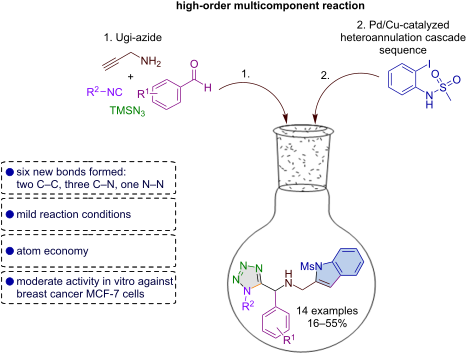
Scheme 1: Synthetic approaches to obtain the 1,5-disubstituted tetrazole-indole system and our synthetic appr...
Scheme 2: High-order multicomponent reaction for the synthesis of 1,5-disubstituted tetrazol-methanesulfonyli...
Scheme 3: Plausible reaction mechanism for the synthesis of target molecules 18a–n.
Figure 1: Differential effect of the 1,5-disubstituted tetrazole-indole hybrid compounds 18a–j on proliferati...
Beilstein J. Org. Chem. 2024, 20, 2959–3006, doi:10.3762/bjoc.20.249
Graphical Abstract
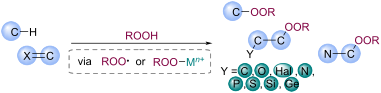
Scheme 1: Organic peroxide initiators in polymer chemistry.
Scheme 2: Synthesis of organic peroxides.
Scheme 3: Richness of radical cascades with species formed from hydroperoxides in redox conditions.
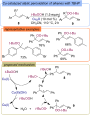
Scheme 4: Co-catalyzed allylic peroxidation of alkenes 1 and 3 by TBHP.
Scheme 5: Allylic peroxidation of alkenes 6 by Pd(II)TBHP.
Scheme 6: Cu(I)-catalyzed allylic peroxidation.
Scheme 7: Enantioselective peroxidation of alkenes 10 with TBHP in the presence of copper(I) compounds.
Scheme 8: Oxidation of α-pinene (12) by the Cu(I)/TBHP system.
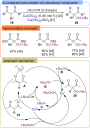
Scheme 9: Introduction of the tert-butylperoxy fragment into the α-position of cyclic ketones 15 and 17.
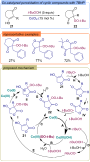
Scheme 10: α-Peroxidation of β-dicarbonyl compounds 19 using the Cu(II)/TBHP system.
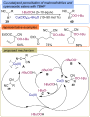
Scheme 11: Co-catalyzed peroxidation of cyclic compounds 21 with TBHP.
Scheme 12: Co-, Mn- and Fe-catalyzed peroxidation of 2-oxoindoles 23, barbituric acids 25, and 4-hydroxycoumar...
Scheme 13: Cu-catalyzed and metal-free peroxidation of barbituric acid derivatives 31 and 3,4-dihydro-1,4-benz...
Scheme 14: Electrochemical peroxidation of 1,3-dicarbonyl compounds 35.
Scheme 15: Peroxidation of β-dicarbonyl compounds, cyanoacetic esters and malonic esters 37 by the TBAI/TBHP s...
Scheme 16: Cu-catalyzed peroxidation of malonodinitriles and cyanoacetic esters 39 with TBHP.
Scheme 17: Mn-catalyzed remote peroxidation via trifluromethylation of double bond.
Scheme 18: Cu-catalyzed remote peroxidation via trifluromethylthiolation of double bond.
Scheme 19: Fe-, Mn-, and Ru-catalyzed peroxidation of alkylaromatics 45, 47, 49, and 51 with TBHP.
Scheme 20: Cu-catalyzed peroxidation of diphenylacetonitrile (53) with TBHP.
Scheme 21: Cu-catalyzed peroxidation of benzyl cyanides 60 with TBHP.
Scheme 22: Synthesis of tert-butylperoxy esters 63 from benzyl alcohols 62 using the TBAI/TBHP system.
Scheme 23: Enantioselective peroxidation of 2-phenylbutane (64) with TBHP and chiral Cu(I) complex.
Scheme 24: Photochemical synthesis of peroxides 67 from carboxylic acids 66.
Scheme 25: Photochemical peroxidation of benzylic C(sp3)–H.
Scheme 26: Cu- and Ru-catalyzed peroxidation of alkylamines with TBHP.
Scheme 27: Peroxidation of amides 76 with the TBAI/TBHP system.
Scheme 28: Fe-catalyzed functionalization of ethers 78 with TBHP.
Scheme 29: Synthesis of 4-(tert-butylperoxy)-5-phenyloxazol-2(3H)-ones 82 from benzyl alcohols 80 and isocyana...
Scheme 30: Fe- and Co-catalyzed peroxidation of alkanes with TBHP.
Scheme 31: Rh-catalyzed tert-butylperoxy dienone synthesis with TBHP.
Scheme 32: Rh- and Cu-catalyzed phenolic oxidation with TBHP.
Scheme 33: Metal-free peroxidation of phenols 94.
Scheme 34: Cu-catalyzed alkylation–peroxidation of acrylonitrile.
Scheme 35: Cu-catalyzed cycloalkylation–peroxidation of coumarins 99.
Scheme 36: Metal-free cycloalkylation–peroxidation of coumarins 102.
Scheme 37: Difunctionalization of indene 104 with tert-butylperoxy and alkyl groups.
Scheme 38: Acid-catalyzed radical addition of ketones (108, 111) and TBHP to alkenes 107 and acrylates 110.
Scheme 39: Cu-catalyzed alkylation–peroxidation of alkenes 113 with TBHP and diazo compounds 114.
Scheme 40: Cobalt(II)-catalyzed addition of TBHP and 1,3-dicarbonyl compound 116 to alkenes 117.
Scheme 41: Cu(0)- or Co(II)-catalyzed addition of TBHP and alcohols 120 to alkenes 119.
Scheme 42: Fe-catalyzed functionalization of allenes 122 with TBHP.
Scheme 43: Fe-catalyzed alkylation–peroxidation of alkenes 125 and 127.
Scheme 44: Fe- and Co-catalyzed alkylation–peroxidation of alkenes 130, 133 and 134 with TBHP and aldehydes as...
Scheme 45: Carbonylation–peroxidation of alkenes 137, 140, 143 with hydroperoxides and aldehydes.
Scheme 46: Carbamoylation–peroxidation of alkenes 146 with formamides and TBHP.
Scheme 47: TBAB-catalyzed carbonylation–peroxidation of alkenes.
Scheme 48: VOCl2-catalyzed carbonylation–peroxidation of alkenes 152.
Scheme 49: Acylation–peroxidation of alkenes 155 with aldehydes 156 and TBHP using photocatalysis.
Scheme 50: Cu-catalyzed peroxidation of styrenes 158.
Scheme 51: Fe-catalyzed acylation-peroxidation of alkenes 161 with carbazates 160 and TBHP.
Scheme 52: Difunctionalization of alkenes 163, 166 with TBHP and (per)fluoroalkyl halides.
Scheme 53: Difunctionalization of alkenes 169 and 172 with hydroperoxides and sodium (per)fluoromethyl sulfina...
Scheme 54: Trifluoromethylation–peroxidation of styrenes 175 using MOF Cu3(BTC)2 as a catalyst.
Scheme 55: Difunctionalization of alkenes 178 with tert-butylperoxy and dihalomethyl fragments.
Scheme 56: Difunctionalization of alkenes 180 with the tert-butylperoxy and dihalomethyl moieties.
Scheme 57: The nitration–peroxidation of alkenes 182 with t-BuONO and TBHP.
Scheme 58: Azidation–peroxidation of alkenes 184 with TMSN3 and TBHP.
Scheme 59: Co-catalyzed bisperoxidation of butadiene 186.
Scheme 60: Bisperoxidation of styrene (189) and acrylonitrile (192) with TBHP by Minisci.
Scheme 61: Mn-catalyzed synthesis of bis(tert-butyl)peroxides 195 from styrenes 194.
Scheme 62: Bisperoxidation of arylidene-9H-fluorenes 196 and 3-arylidene-2-oxoindoles 198 with TBHP under Mn-c...
Scheme 63: Synthesis of bisperoxides from styrenes 200 and 203 using the Ru and Rh catalysis.
Scheme 64: Iodine-catalyzed bisperoxidation of styrenes 206.
Scheme 65: Synthesis of di-tert-butylperoxyoxoindoles 210 from acrylic acid anilides 209 using a Pd(II)/TBHP o...
Scheme 66: Pinolation/peroxidation of styrenes 211 catalyzed by Cu(I).
Scheme 67: TBAI-catalyzed acyloxylation–peroxidation of alkenes 214 with carboxylic acids and TBHP.
Scheme 68: Difunctionalization of alkenes 217 with TBHP and water or alcohols.
Scheme 69: TBAI-catalyzed hydroxyperoxidation of 1,3-dienes 220.
Scheme 70: Hydroxyperoxidation of 1,3-dienes 220.
Scheme 71: Iodination/peroxidation of alkenes 223 with I2 and hydroperoxides.
Scheme 72: The reactions of cyclic enol ethers 226 and 228 with I2/ROOH system.
Scheme 73: Synthesis of 1-(tert-butylperoxy)-2-iodoethanes 231.
Scheme 74: Synthesis of 1-iodo-2-(tert-butylperoxy)ethanes 233.
Scheme 75: Cu-catalyzed phosphorylation–peroxidation of alkenes 234.
Scheme 76: Co-catalyzed phosphorylation–peroxidation of alkenes 237.
Scheme 77: Ag-catalyzed sulfonylation–peroxidation of alkenes 241.
Scheme 78: Co-catalyzed sulfonylation–peroxidation of alkenes 244.
Scheme 79: Synthesis of α/β-peroxysulfides 248 and 249 from styrenes 247.
Scheme 80: Cu-catalyzed trifluoromethylthiolation–peroxidation of alkenes 250 and allenes 252.
Scheme 81: Photocatalytic sulfonyl peroxidation of alkenes 254 via deamination of N-sulfonyl ketimines 255.
Scheme 82: Photoredox-catalyzed 1,4-peroxidation–sulfonylation of enynones 257.
Scheme 83: Cu-catalyzed silylperoxidation of α,β-unsaturated compounds 260 and enynes 261.
Scheme 84: Fe-catalyzed silyl peroxidation of alkenes.
Scheme 85: Cu-catalyzed germyl peroxidation of alkenes 267.
Scheme 86: TBAI-catalyzed intramolecular cyclization of diazo compounds 269 with further peroxidation.
Scheme 87: Co-catalyzed three-component coupling of benzamides 271, diazo compounds 272 and TBHP.
Scheme 88: Co-catalyzed esterification-peroxidation of diazo compounds 274 with TBHP and carboxylic acids 275.
Scheme 89: Cu-catalyzed alkylation–peroxidation of α-carbonylimines 277 or ketones 280.
Scheme 90: Mn-catalyzed ring-opening peroxidation of cyclobutanols 282 with TBHP.
Scheme 91: Peroxycyclization of tryptamines 284 with TBHP.
Scheme 92: Radical cyclization–peroxidation of homotryptamines 287.
Scheme 93: Iodine-catalyzed oxidative coupling of indoles 288, cyanoacetic esters and TBHP.
Scheme 94: Summary of metal-catalyzed peroxidation processes.
Beilstein J. Org. Chem. 2024, 20, 2891–2920, doi:10.3762/bjoc.20.243
Graphical Abstract
Figure 1: Various structures of iodonium salts.
Scheme 1: Αrylation of α-fluoroacetoacetamides 5 to α-aryl-α-fluoroacetoacetamides 7 and α-fluoroacetamides 8...
Scheme 2: Proposed mechanism for the arylation of α-fluoroacetoacetamides 5 to α-aryl-α-fluoroacetoacetamides ...
Scheme 3: α-Arylation of α-nitro- and α-cyano derivatives of α-fluoroacetamides 9 employing unsymmetrical DAI...
Scheme 4: Synthesis of α,α-difluoroketones 13 by reacting α,α-difluoro-β-keto acid esters 11 with aryl(TMP)io...
Scheme 5: Coupling reaction of arynes generated by iodonium salts 6 and arynophiles 14 for the synthesis of t...
Scheme 6: Metal-free arylation of quinoxalines 17 and quinoxalinones 19 with DAISs 16.
Scheme 7: Transition-metal-free, C–C cross-coupling of 2-naphthols 21 to 1-arylnapthalen-2-ols 22 employing d...
Scheme 8: Arylation of vinyl pinacol boronates 23 to trans-arylvinylboronates 24 in presence of hypervalent i...
Scheme 9: Light-induced selective arylation at C2 of quinoline N-oxides 25 and pyridine N-oxides 28 in the pr...
Scheme 10: Plaussible mechanism for the light-induced selective arylation of N-heterobiaryls.
Scheme 11: Photoinduced arylation of heterocycles 31 with the help of diaryliodonium salts 16 activated throug...
Scheme 12: Arylation of MBH acetates 33 with DIPEA and DAIRs 16.
Scheme 13: Aryl sulfonylation of MBH acetates 33 with DABSO and diphenyliodonium triflates 16.
Scheme 14: Synthesis of oxindoles 37 from N-arylacrylamides 36 and diaryliodonium salts 26.
Scheme 15: Mechanically induced N-arylation of amines 38 using diaryliodonium salts 16.
Scheme 16: o-Fluorinated diaryliodonium salts 40-mediated diarylation of amines 38.
Scheme 17: Proposed mechanism for the diarylation of amines 38 using o-fluorinated diaryliodonium salts 40.
Scheme 18: Ring-opening difunctionalization of aliphatic cyclic amines 41.
Scheme 19: N-Arylation of amino acid esters 44 using hypervalent iodonium salts 45.
Scheme 20: Regioselective N-arylation of triazole derivatives 47 by hypervalent iodonium salts 48.
Scheme 21: Regioselective N-arylation of tetrazole derivatives 50 by hypervalent iodonium salt 51.
Scheme 22: Selective arylation at nitrogen and oxygen of pyridin-2-ones 53 by iodonium salts 16 depending on t...
Scheme 23: N-Arylation using oxygen-bridged acyclic diaryliodonium salt 56.
Scheme 24: The successive C(sp2)–C(sp2)/O–C(sp2) bond formation of naphthols 58.
Scheme 25: Synthesis of diarylethers 62 via in situ generation of hypervalent iodine salts.
Scheme 26: O-Arylated galactosides 64 by reacting protected galactosides 63 with hypervalent iodine salts 16 i...
Scheme 27: Esterification of naproxen methyl ester 65 via formation and reaction of naproxen-containing diaryl...
Scheme 28: Etherification and esterification products 72 through gemfibrozil methyl ester-derived diaryliodoni...
Scheme 29: Synthesis of iodine containing meta-substituted biaryl ethers 74 by reacting phenols 61 and cyclic ...
Scheme 30: Plausible mechanism for the synthesis of meta-functionalized biaryl ethers 74.
Scheme 31: Intramolecular aryl migration of trifluoromethane sulfonate-substituted diaryliodonium salts 75.
Scheme 32: Synthesis of diaryl ethers 80 via site-selective aryl migration.
Scheme 33: Synthesis of O-arylated N-alkoxybenzamides 83 using aryl(trimethoxyphenyl)iodonium salts 82.
Scheme 34: Synthesis of aryl sulfides 85 from thiols 84 using diaryliodonium salts 16 in basic conditions.
Scheme 35: Base-promoted synthesis of diarylsulfoxides 87 via arylation of general sulfinates 86.
Scheme 36: Plausible mechanism for the arylation of sulfinates 86 via sulfenates A to give diaryl sulfoxides 87...
Scheme 37: S-Arylation reactions of aryl or heterocyclic thiols 88.
Scheme 38: Site-selective S-arylation reactions of cysteine thiol groups in 91 and 94 in the presence of diary...
Scheme 39: The selective S-arylation of sulfenamides 97 using diphenyliodonium salts 98.
Scheme 40: Plausible mechanism for the synthesis of sulfilimines 99.
Scheme 41: Synthesis of S-arylxanthates 102 by reacting DAIS 101 with potassium alkyl xanthates 100.
Figure 2: Structured of the 8-membered and 4-membered heterotetramer I and II.
Scheme 42: S-Arylation by diaryliodonium cations 103 using KSCN (104) as a sulfur source.
Scheme 43: S-Arylation of phosphorothioate diesters 107 through the utilization of diaryliodonium salts 108.
Scheme 44: Transfer of the aryl group from the hypervalent iodonium salt 108 to phosphorothioate diester 107.
Scheme 45: Synthesis of diarylselenides 118 via diarylation of selenocyanate 115.
Scheme 46: Light-promoted arylation of tertiary phosphines 119 to quaternary phosphonium salts 121 using diary...
Scheme 47: Arylation of aminophosphorus substrate 122 to synthesize phosphine oxides 123 using aryl(mesityl)io...
Scheme 48: Reaction of diphenyliodonium triflate (16) with DMSO (124) via thia-Sommelet–Hauser rearrangement.
Scheme 49: Synthesis of biaryl compounds 132 by reacting diaryliodonium salts 131 with arylhydroxylamines 130 ...
Scheme 50: Synthesis of substituted indazoles 134 and 135 from N-hydroxyindazoles 133.
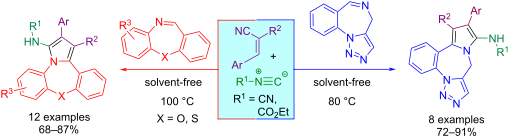
Beilstein J. Org. Chem. 2024, 20, 2870–2882, doi:10.3762/bjoc.20.241
Graphical Abstract
Figure 1: Representation of distinguished structures of benzodiazepine/benzoxazepine/benzothiazepine with pha...
Scheme 1: Methods for the construction of pyrrole-fused heterocycles through I-MCR reactions.
Scheme 2: The model reaction of dibenzoxazepine, gem-diactivated olefin (2-benzylidenemalononitrile), and cyc...
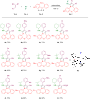
Scheme 3: Substrate scope. Conditions: Reactions were carried out using 1 (0.55 mmol), 2 (0.55 mmol), and 3 (...
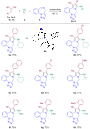
Scheme 4: Substrate scope..Conditions: reactions were carried out using 1 (0.55 mmol), 2 (0.55 mmol), and 5 (...
Figure 2: The crystal structure of 4h (CCDC 2365305).
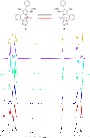
Figure 3: The DNMR (dynamic nuclear magnetic resonance) spectra of compound 6f (DMSO-d6, 300 MHz) at 25–85 °C...
Figure 4: The crystal structure of 6a (CCDC2365306).
Scheme 5: A suggested mechanism for compounds 4.
Scheme 6: Synthesis of pyrrole-fused dibenzoxazepine/triazolobenzodiazepine through a 4-CR.
Scheme 7: Gram-scale synthesis of pyrrole-fused dibenzoxazepine/triazolobenzodiazepine 4a and 6a via 3-CRs.
Figure 5: UV–vis absorption for compounds 4a, 6c and QS (quinine sulfate) (a); emission for 4a, 6c and QS (b)...
Beilstein J. Org. Chem. 2024, 20, 2722–2731, doi:10.3762/bjoc.20.230
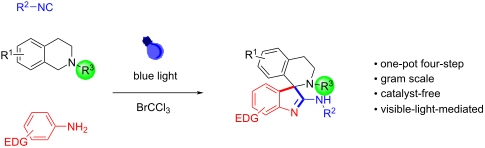
Graphical Abstract
Figure 1: Selected natural products containing spiro-indolenines.
Scheme 1: Synthesis of spiro[indole-heterocycles].
Scheme 2: Synthetic strategy for the new synthesis of 2,3-diaminoindolenines [21] and spiro[indole-isoquinolines]....
Scheme 3: Scope of the synthesis of spiro[indole-THIQs]. aα-aminoamidine 2b has been isolated (54%) too; bα-a...
Scheme 4: Two-step synthesis using p-methylaniline.
Scheme 5: Investigation of the one-pot four-step synthetic protocol employing N-Ph-benzoxazepine 5.
Figure 2: Time profile of the reaction of N-Ph-THIQ, 3,5-dimethoxyaniline and t-BuNC conducted under optimize...
Scheme 6: Proposed mechanism.
Beilstein J. Org. Chem. 2024, 20, 2668–2681, doi:10.3762/bjoc.20.224
Graphical Abstract
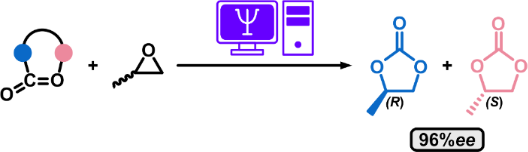
Scheme 1: Reaction between propylene oxide (PO) and CO2 and the five catalyst scaffolds under study. The posi...
Figure 1: Schematic representation of an (A) 2D and a (B) 3D volcano plot. The abbreviation “cat.” stands for...
Scheme 2: Capture reactions of CO2 or an epoxide by FLP.
Figure 2: (A) Structure of PO annotated with the C–O bond distances and electron densities at the BCPs. BCPs ...
Figure 3: Symmetric FLP scaffolds considered in the first study. X denotes N or P.
Figure 4: Subset of FLP scaffolds considered in the catalyst optimisation study. Substituents and labels are ...
Figure 5: Coupling reaction between PO and CO2. Depending on the catalyst considered, the reaction follows me...
Figure 6: VOLCANO plot group 1. The free energies of pre-TS01 assembly and Min2 are considered for the correl...
Figure 7: VOLCANO plot group 2. The free energies of pre-TS01 assembly and Min2 are considered for the correl...
Scheme 3: Asymmetric catalysis studied. On the left, the catalyst proposed by Gao et al. for the asymmetric h...
Figure 8: Catalysed reaction between the (S)-enantiomer of propylene oxide and CO2 resulting in the formation...
Figure 9: Schemes of the different asymmetric reactions observed. Hydrogen capable of rotation is marked in o...
Beilstein J. Org. Chem. 2024, 20, 2655–2667, doi:10.3762/bjoc.20.223
Graphical Abstract
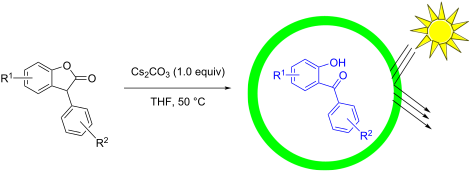
Figure 1: Some 2-hydroxybenzophenone derivatives with varied activities.
Figure 2: Decarbonylation–oxidation of lactones.
Scheme 1: Synthesis of 3-arylbenzofuran-2(3H)-ones.
Scheme 2: Synthesis of 2-hydroxybenzophenones.
Figure 3: The ORTEP view of the compounds 4ja, 4fb, and 4ma.
Scheme 3: Gram-scale experiment.
Scheme 4: Control experiments.
Figure 4: Partial 1H NMR spectra of the aliquots (taken at different time intervals) from the reaction mixtur...
Figure 5: Plausible mechanism for the transition-metal-free decarbonylation–oxidation.
Figure 6: UV–vis absorption spectra of selected synthesized compounds 4aa, 4cb, 4eb, and 4fb from 225–500 nm.
Beilstein J. Org. Chem. 2024, 20, 2500–2566, doi:10.3762/bjoc.20.214
Graphical Abstract
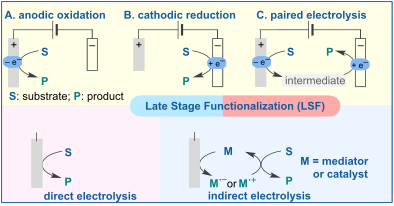
Figure 1: Classification of LSF reactions in this review.
Scheme 1: C(sp2)–H trifluoromethylation of heteroarenes.
Scheme 2: C(sp2)–H and C(sp3)–H alkylation of complex molecules.
Scheme 3: Electrochemical oxidation-induced intermolecular aromatic C–H sulfonamidation.
Scheme 4: Bioconjugation of tyrosine with (a) phenothiazine and (b) urazole derivatives.
Scheme 5: Electrochemical iodoamination of indoles using unactivated amines.
Scheme 6: Allylic C(sp3)–H aminations with sulfonamides.
Scheme 7: Electrochemical benzylic oxidation of C–H bonds.
Scheme 8: Site-selective electrooxidation of methylarenes to aromatic acetals.
Scheme 9: Electrochemical activation of C–H by electron-deficient W2C nanocrystals.
Scheme 10: α-Acyloxy sulfide preparation via C–H/OH cross-dehydrogenative coupling.
Scheme 11: Aromatic C–H-bond thiolation.
Scheme 12: C(sp2)–H functionalization for the installation of sulfonamide groups.
Scheme 13: Preparation of (hetero)aryl chlorides and vinyl chloride with 1,2-dichloroethane. aCu(OAc)2 (0.05 e...
Scheme 14: Electrochemical dual-oxidation enables access to α-chlorosulfoxides.
Scheme 15: Regio- and chemoselective formyloxylation–bromination/chlorination/trifluoromethylation of alkenes.
Scheme 16: Aziridine formation by coupling amines and alkenes.
Scheme 17: Formation of iminosulfide ethers via difunctionalization of an isocyanide.
Scheme 18: Synthesis of 1,3-difunctionalized molecules via C–C-bond cleavage of arylcyclopropane.
Scheme 19: Electrooxidative amino- and oxyselenation of alkenes. VBImBr = 1-butyl-3-vinylimidazolium bromide.
Scheme 20: Electrooxidative dehydrogenative [4 + 2] annulation of indole derivatives.
Scheme 21: Electrochemical cyclization combined with alkoxylation of triticonazole.
Scheme 22: Electrochemically tuned oxidative [4 + 2] annulation of olefins with hydroxamic acids.
Scheme 23: Electrosynthesis of indole derivatives via cyclization of 2-ethynylanilines.
Scheme 24: Allylic C–H oxidation of mono-, di-, and sesquiterpenes.
Scheme 25: Oxidation of unactivated C–H bonds.
Scheme 26: Fluorination of C(sp3)–H bonds. rAP = rapid alternating polarity.
Scheme 27: C(sp3)–H α-cyanation of secondary piperidines.
Scheme 28: Selective electrochemical hydrolysis of hydrosilanes to silanols.
Scheme 29: Organocatalytic electrochemical amination of benzylic C–H bonds.
Scheme 30: Iodide ion-initiated anodic oxidation reactions.
Scheme 31: Mn(III/IV) electro-catalyzed C(sp3)–H azidation.
Scheme 32: Tailored cobalt–salen complexes enable electrocatalytic intramolecular allylic C–H functionalizatio...
Scheme 33: Cobalt–salen complexes-induced electrochemical (cyclo)additions.
Scheme 34: Electrochemical 1,2-diarylation of alkenes enabled by direct dual C–H functionalization of electron...
Scheme 35: Cobalt-electrocatalyzed atroposelective C–H annulation.
Scheme 36: Nickel-electrocatalyzed C(sp2)–H alkoxylation with secondary alcohols.
Scheme 37: Nickel-catalyzed electrochemical enantioselective amination.
Scheme 38: Ruthenium-electrocatalyzed C(sp2)–H mono- and diacetoxylation.
Scheme 39: Rhodium(III)-catalyzed aryl-C–H phosphorylation enabled by anodic oxidation-induced reductive elimi...
Scheme 40: Asymmetric Lewis-acid catalysis for the synthesis of non-racemic 1,4-dicarbonyl compounds.
Scheme 41: Electrochemical enantioselective C(sp3)–H alkenylation.
Scheme 42: Palladium-catalyzed electrochemical dehydrogenative cross-coupling.
Scheme 43: Ir-electrocatalyzed vinylic C(sp2)–H activation for the annulation between acrylic acids and alkyne...
Scheme 44: Electrochemical gold-catalyzed C(sp3)–C(sp) coupling of alkynes and arylhydrazines.
Scheme 45: Photoelectrochemical alkylation of C–H heteroarenes using organotrifluoroborates.
Scheme 46: Mn-catalyzed photoelectro C(sp3)–H azidation.
Scheme 47: Photoelectrochemical undirected C–H trifluoromethylations of (Het)arenes.
Scheme 48: Photoelectrochemical dehydrogenative cross-coupling of heteroarenes with aliphatic C–H bonds.
Scheme 49: C–H amination via photoelectrochemical Ritter-type reaction.
Scheme 50: Photoelectrochemical multiple oxygenation of C–H bonds.
Scheme 51: Accelerated C(sp3)–H heteroarylations by the f-EPC system.
Scheme 52: Photoelectrochemical cross-coupling of amines.
Scheme 53: Birch electroreduction of arenes. GSW = galvanized steel wire.
Scheme 54: Electroreductive deuterations.
Scheme 55: Chemoselective electrosynthesis using rapid alternating polarity.
Scheme 56: Electroreductive olefin–ketone coupling.
Scheme 57: Electroreductive approach to radical silylation.
Scheme 58: Electrochemical borylation of alkyl halides. CC = carbon close.
Scheme 59: Radical fluoroalkylation of alkenes.
Scheme 60: Electrochemical defluorinative hydrogenation/carboxylation.
Scheme 61: Electrochemical decarboxylative olefination.
Scheme 62: Electrochemical decarboxylative Nozaki–Hiyama–Kishi coupling.
Scheme 63: Nickel-catalyzed electrochemical reductive relay cross-coupling.
Scheme 64: Electrochemical chemo- and regioselective difunctionalization of 1,3-enynes.
Scheme 65: Electrocatalytic doubly decarboxylative crosscoupling.
Scheme 66: Electrocatalytic decarboxylative crosscoupling with aryl halides.
Scheme 67: Nickel-catalyzed electrochemical reductive coupling of halides.
Scheme 68: Nickel-electrocatalyzed enantioselective carboxylation with CO2.
Scheme 69: Reductive electrophotocatalysis for borylation.
Scheme 70: Electromediated photoredox catalysis for selective C(sp3)–O cleavages of phosphinated alcohols to c...
Scheme 71: Stereoselective electro-2-deoxyglycosylation from glycals. MFE = methyl nonafluorobutyl ether.
Scheme 72: Electrochemical peptide modifications.
Scheme 73: Electrochemical α-deuteration of amides.
Scheme 74: Electrochemical synthesis of gem-diselenides.
Scheme 75: Site-selective electrochemical aromatic C–H amination.
Scheme 76: Electrochemical coupling of heteroarenes with heteroaryl phosphonium salts.
Scheme 77: Redox-neutral strategy for the dehydroxyarylation reaction.
Scheme 78: Nickel-catalyzed electrochemical C(sp3)–C(sp2) cross-coupling of benzyl trifluoroborate and halides....
Scheme 79: Paired electrocatalysis for C(sp3)–C(sp2) coupling.
Scheme 80: Redox-neutral strategy for amination of aryl bromides.
Scheme 81: Redox-neutral cross-coupling of aryl halides with weak N-nucleophiles. aProtocol with (+) RVC | RVC...
Scheme 82: Nickel-catalyzed N-arylation of NH-sulfoximines with aryl halides.
Scheme 83: Esterification of carboxylic acids with aryl halides.
Scheme 84: Electrochemically promoted nickel-catalyzed carbon–sulfur-bond formation. GFE = graphite felt elect...
Scheme 85: Electrochemical deoxygenative thiolation by Ni-catalysis. GFE = graphite felt electrode; NFE = nick...
Scheme 86: Electrochemical coupling of peptides with aryl halides.
Scheme 87: Paired electrolysis for the phosphorylation of aryl halides. GFE = graphite felt electrode, FNE = f...
Scheme 88: Redox-neutral alkoxyhalogenation of alkenes.
Beilstein J. Org. Chem. 2024, 20, 2461–2468, doi:10.3762/bjoc.20.210
Graphical Abstract
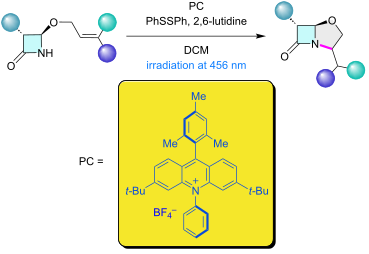
Figure 1: A) Photoredox amidocyclization reaction. B) The strongly oxidizing Fukuzumi catalyst (I) used in th...
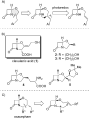
Figure 2: A) Access of clavam derivatives by intramolecular photoredox reaction of alkenes. B) Clavulanic aci...
Scheme 1: Preparation of alkenyl β-lactam derivatives for the intramolecular photoredox reaction.
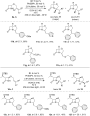
Scheme 2: Photoredox-catalyzed intramolecular N-alkylation reactions of various β-lactams. The trans/cis dr w...
Scheme 3: Synthesis of the model substrate 14 and its photoredox-catalyzed intramolecular N-alkylation reacti...
Figure 3: Tentative mechanism for the photo-cyclization reaction.
Beilstein J. Org. Chem. 2024, 20, 2378–2391, doi:10.3762/bjoc.20.202
Graphical Abstract
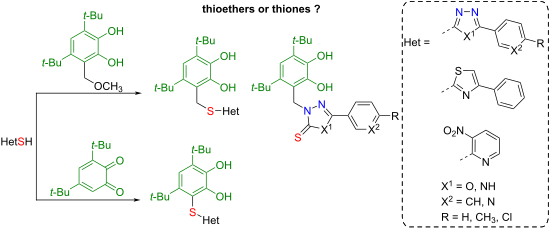
Scheme 1: Synthesis of catechol-containing compounds 1–9.
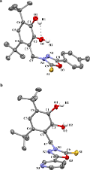
Figure 1: The X-ray structure of catechol 5 (the thermal ellipsoids of 50% probability). The hydrogen atoms e...
Figure 2: The X-ray structures of catechols 6 (a) and 8 (b) (the thermal ellipsoids of 50% probability). The ...
Figure 3: Fragment of the pack of catechol 5 in crystal (the H-bonds and π–π interactions are shown as dotted...
Figure 4: The interactions in pair of independent molecules A and B of 6 in crystal 6·0.5CH3CN (the H-bonds a...
Figure 5: Fragment of the pack of catechol 8 in crystal (the H-bonds and π–π interactions are shown as dotted...
Scheme 2: Electrochemical transformations of compounds 1–3.
Figure 6: The CV curve of 2 at the potential range from −0.50 to 1.60 V (CH3CN, GC electrode, Ag/AgCl/KCl(sat...
Figure 7: The CV curves of 3 at the potential ranges from –0.5 to 1.2 V (curve 1); from –0.5 to 2.0 V (curve ...
Figure 8: The CV curves of 7 at the potential ranges from –0.5 to 1.3 V (curve 1); from –0.5 to 1.8 V (curve ...
Scheme 3: Proposed mechanism of an electrooxidation of compounds 6–8.
Figure 9: The level of TBARS in rat liver homogenates in vitro, in the presence of compounds 1–9, Trolox, and...
Beilstein J. Org. Chem. 2024, 20, 2313–2322, doi:10.3762/bjoc.20.198
Graphical Abstract
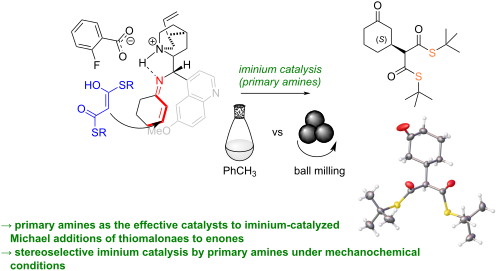
Scheme 1: Two examples of base-catalyzed addition of thiomalonates to enones and the scope of the work.
Scheme 2: Tested reactions of cyclohexanone with dibenzyl thiomalonate 1.
Scheme 3: Impact of the bisthiomalonate on the yield and the stereoselectivity of the products.
Scheme 4: Plausible stereochemical model of the addition to cyclohexenone.
Scheme 5: Addition of bisthiomalonates 1–3 to cyclopentenone.
Scheme 6: Acyclic enone in reactions with thiomalonates 1–4.
Scheme 7: Reaction of β-ketothioesters with acceptor E1.
Beilstein J. Org. Chem. 2024, 20, 2305–2312, doi:10.3762/bjoc.20.197
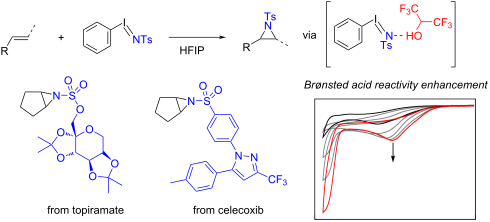
Graphical Abstract
Scheme 1: a) Lewis acid activation of hypervalent iodine reagents can enhance the reactivity of these reagent...
Scheme 2: Scope and limitations of HFIP-promoted direct aziridination with iminoiodinane reagents. Conditions...
Scheme 3: Scope of nitrogen group transfer in the aziridination of aliphatic olefins. Conditions using synthe...
Scheme 4: a) The broadening of the hydroxide proton (denoted by asterisk *) of HFIP in the presence of iminoi...
Beilstein J. Org. Chem. 2024, 20, 2242–2253, doi:10.3762/bjoc.20.192
Graphical Abstract
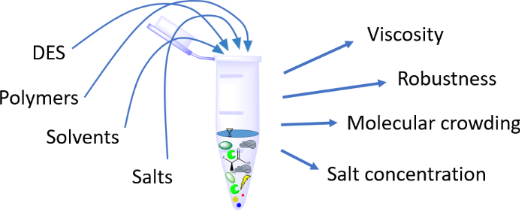
Figure 1: CFPS of sfGFP with different technical additives at various concentrations. Experiments with 2% PEG...
Figure 2: CFPS of thscGAS-sfGFP with different technical additives at various concentrations. Experiments wit...
Beilstein J. Org. Chem. 2024, 20, 2129–2142, doi:10.3762/bjoc.20.183
Graphical Abstract
Scheme 1: Esterification of oleic acid (1) with propylsulfonic acid (Pr-SO3H)-functionalised mesoporous silic...
Scheme 2: Using confinement of organocatalytic units for improving the enantioselectivity of silica-supported...
Scheme 3: Michael addition catalysed by cinchona thiourea immobilised on magnetic nanoparticles (13).
Scheme 4: Michael addition catalysed by cinchona thiourea in the presence of magnetic nanoparticles.
Scheme 5: Benzoin condensation catalysed by N-benzylthiazolium salt attached to mesoporous material.
Scheme 6: Photoinduced RAFT polymerisation of n-butyl acrylate (19) catalysed by silica nanoparticle-supporte...
Scheme 7: Pressure and temperature dependence of the 1,4-addition of propanal to trans-β-nitrostyrene under c...
Scheme 8: α-Amination of ethyl 2-oxocyclopentanecarboxylate catalysed by PS-THU which could be recycled over ...
Scheme 9: Preparation of supported catalysts C29–C31 from cinchona squaramides 29–31 modified with a primary ...
Scheme 10: Application of PGMA-supported organocatalysts C29–C31 in the asymmetric Michael addition of pentane...
Scheme 11: Alcoholytic desymmetrisation of a cyclic anhydride 34 catalysed by polyamide-supported cinchona sul...
Beilstein J. Org. Chem. 2024, 20, 2114–2128, doi:10.3762/bjoc.20.182
Graphical Abstract
Figure 1: Resonance structures and reactivity of carbon monoxide.
Figure 2: Resonance structures and reactivity of isocyanides.
Scheme 1: Possible three pathways of the E• formation for imidoylation.
Scheme 2: Radical addition of thiols to isocyanides.
Scheme 3: Selective thioselenation and catalytic dithiolation of isocyanides.
Scheme 4: Synthesis of carbacephem framework.
Scheme 5: Sequential addition of (PhSe)2 to ethyl propiolate and isocyanide.
Scheme 6: Isocyanide insertion reaction into carbon-tellurium bonds.
Scheme 7: Radical addition to isocyanides with disubstituted phosphines.
Scheme 8: Radical addition to phenyl isocyanides with diphosphines.
Scheme 9: Radical reaction of tin hydride and hydrosilane toward isocyanide.
Scheme 10: Isocyanide insertion into boron compounds.
Scheme 11: Isocyanide insertion into cyclic compounds containing boron units.
Scheme 12: Photoinduced hydrodefunctionalization of isocyanides.
Scheme 13: Tin hydride-mediated indole synthesis and cross-coupling.
Scheme 14: 2-Thioethanol-mediated radical cyclization of alkenyl isocyanide.
Scheme 15: Thiol-mediated radical cyclization of o-alkenylaryl isocyanide.
Scheme 16: (PhTe)2-assisted dithiolative cyclization of o-alkenylaryl isocyanide.
Scheme 17: Trapping imidoyl radicals with heteroatom moieties.
Scheme 18: Trapping imidoyl radicals with isocyano group.
Scheme 19: Quinoline synthesis via aza-Bergman cyclization.
Scheme 20: Phenanthridine synthesis via radical cyclization of 2-isocyanobiaryls.
Scheme 21: Phenanthridine synthesis by radical reactions with AIBN, DBP and TTMSS.
Scheme 22: Phenanthridine synthesis by oxidative cyclization of 2-isocyanobiaryls.
Scheme 23: Phenanthridine synthesis using a photoredox system.
Scheme 24: Phenanthridine synthesis induced by phosphorus-centered radicals.
Scheme 25: Phenanthridine synthesis induced by sulfur-centered radicals.
Scheme 26: Phenanthridine synthesis induced by boron-centered radicals.
Scheme 27: Phenanthridine synthesis by oxidative cyclization of 2-aminobiaryls.
Beilstein J. Org. Chem. 2024, 20, 2024–2077, doi:10.3762/bjoc.20.178
Graphical Abstract
Scheme 1: Consecutive three-component synthesis of pyrazoles 1 via in situ-formed 1,3-diketones 2 [44].
Scheme 2: Consecutive three-component synthesis of 4-ethoxycarbonylpyrazoles 5 via SmCl3-catalyzed acylation ...
Scheme 3: Consecutive four-component synthesis of 1-(thiazol-2-yl)pyrazole-3-carboxylates 8 [51].
Scheme 4: Three-component synthesis of thiazolylpyrazoles 17 via in situ formation of acetoacetylcoumarins 18 ...
Scheme 5: Consecutive pseudo-four-component and four-component synthesis of pyrazoles 21 from sodium acetylac...
Scheme 6: Consecutive three-component synthesis of 1-substituted pyrazoles 24 from boronic acids, di(Boc)diim...
Scheme 7: Consecutive three-component synthesis of N-arylpyrazoles 25 via in situ formation of aryl-di(Boc)hy...
Scheme 8: Consecutive three-component synthesis of 1,3,4-substituted pyrazoles 27 and 28 from methylhydrazine...
Scheme 9: Consecutive three-component synthesis of 4-allylpyrazoles 32 via oxidative allylation of 1,3-dicarb...
Scheme 10: Pseudo-five-component synthesis of tris(pyrazolyl)methanes 35 [61].
Scheme 11: Pseudo-three-component synthesis of 5-(indol-3-yl)pyrazoles 39 from 1,3,5-triketones 38 [64].
Scheme 12: Three-component synthesis of thiazolylpyrazoles 43 [65].
Scheme 13: Three-component synthesis of triazolo[3,4-b]-1,3,4-thiadiazin-3-yl substituted 5-aminopyrazoles 47 [67]....
Scheme 14: Consecutive three-component synthesis of 5-aminopyrazoles 49 via formation of β-oxothioamides 50 [68].
Scheme 15: Synthesis of 3,4-biarylpyrazoles 52 from aryl halides, α-bromocinnamaldehyde, and tosylhydrazine vi...
Scheme 16: Consecutive three-component synthesis of 3,4-substituted pyrazoles 57 from iodochromones 55 by Suzu...
Scheme 17: Pseudo-four-component synthesis of pyrazolyl-2-pyrazolines 59 by ring opening/ring closing cyclocon...
Scheme 18: Consecutive three-component synthesis of pyrazoles 61 [77].
Scheme 19: Three-component synthesis of pyrazoles 62 from malononitrile, aldehydes, and hydrazines [78-90].
Scheme 20: Four-component synthesis of pyrano[2,3-c]pyrazoles 63 [91].
Scheme 21: Three-component synthesis of persubstituted pyrazoles 65 from aldehydes, β-ketoesters, and hydrazin...
Scheme 22: Three-component synthesis of pyrazol-4-carbodithioates 67 [100].
Scheme 23: Regioselective three-component synthesis of persubstituted pyrazoles 68 catalyzed by ionic liquid [...
Scheme 24: Consecutive three-component synthesis of 4-halopyrazoles 69 and anellated pyrazoles 70 [102].
Scheme 25: Three-component synthesis of 2,2,2-trifluoroethyl pyrazole-5-carboxylates 72 [103].
Scheme 26: Synthesis of pyrazoles 75 in a one-pot process via carbonylative Heck coupling and subsequent cycli...
Scheme 27: Copper-catalyzed three-component synthesis of 1,3-substituted pyrazoles 76 [105].
Scheme 28: Pseudo-three-component synthesis of bis(pyrazolyl)methanes 78 by ring opening-ring closing cyclocon...
Scheme 29: Three-component synthesis of 1,4,5-substituted pyrazoles 80 [107].
Scheme 30: Consecutive three-component synthesis of 3,5-bis(fluoroalkyl)pyrazoles 83 [111].
Scheme 31: Consecutive three-component synthesis of difluoromethanesulfonyl-functionalized pyrazole 88 [114].
Scheme 32: Consecutive three-component synthesis of perfluoroalkyl-substituted fluoropyrazoles 91 [115].
Scheme 33: Regioselective consecutive three-component synthesis of 1,3,5-substituted pyrazoles 93 [116].
Scheme 34: Three-component synthesis of pyrazoles 96 mediated by trimethyl phosphite [117].
Scheme 35: One-pot synthesis of pyrazoles 99 via Liebeskind–Srogl cross-coupling/cyclocondensation [118].
Scheme 36: Synthesis of 1,3,5-substituted pyrazoles 101 via domino condensation/Suzuki–Miyaura cross-coupling ...
Scheme 37: Consecutive three-component synthesis of 1,3,5-trisubstituted pyrazoles 102 and 103 by Sonogashira ...
Scheme 38: Polymer analogous consecutive three-component synthesis of pyrazole-based polymers 107 [132].
Scheme 39: Synthesis of 1,3,5-substituted pyrazoles 108 by sequentially Pd-catalyzed Kumada–Sonogashira cycloc...
Scheme 40: Consecutive four-step one-pot synthesis of 1,3,4,5-substituted pyrazoles 110 [137].
Scheme 41: Four-component synthesis of pyrazoles 113, 115, and 117 via Sonogashira coupling and subsequent Suz...
Scheme 42: Consecutive four- or five-component synthesis for the preparation of 4-pyrazoly-1,2,3-triazoles 119...
Scheme 43: Four-component synthesis of pyrazoles 121 via alkynone formation by carbonylative Pd-catalyzed coup...
Scheme 44: Preparation of 3-azulenyl pyrazoles 124 by glyoxylation, decarbonylative Sonogashira coupling, and ...
Scheme 45: Four-component synthesis of a 3-indoloylpyrazole 128 [147].
Scheme 46: Two-step synthesis of 5-acylpyrazoles 132 via glyoxylation-Stephen–Castro sequence and subsequent c...
Scheme 47: Copper on iron mediated consecutive three-component synthesis of 3,5-substituted pyrazoles 136 [150].
Scheme 48: Consecutive three-component synthesis of 3-substituted pyrazoles 141 by Sonogashira coupling and su...
Scheme 49: Consecutive three-component synthesis of pyrazoles 143 initiated by Cu(I)-catalyzed carboxylation o...
Scheme 50: Consecutive three-component synthesis of benzamide-substituted pyrazoles 146 starting from N-phthal...
Scheme 51: Consecutive three-component synthesis of 1,3,5-substituted pyrazoles 148 [156].
Scheme 52: Three-component synthesis of 4-ninhydrin-substituted pyrazoles 151 [158].
Scheme 53: Consecutive four-component synthesis of 4-(oxoindol)-1-phenylpyrazole-3-carboxylates 155 [159].
Scheme 54: Three-component synthesis of pyrazoles 160 [160].
Scheme 55: Consecutive three-component synthesis of pyrazoles 165 [162].
Scheme 56: Consecutive three-component synthesis of 3,5-disubstituted and 3-substituted pyrazoles 168 and 169 ...
Scheme 57: Three-component synthesis of 3,4,5-substituted pyrazoles 171 via 1,3-dipolar cycloaddition of vinyl...
Scheme 58: Three-component synthesis of pyrazoles 173 and 174 from aldehydes, tosylhydrazine, and vinylidene c...
Scheme 59: Three-component synthesis of pyrazoles 175 from glyoxyl hydrates, tosylhydrazine, and electron-defi...
Scheme 60: Pseudo-four-component synthesis of pyrazoles 177 from glyoxyl hydrates, tosylhydrazine, and aldehyd...
Scheme 61: Consecutive three-component synthesis of pyrazoles 179 via Knoevenagel-cycloaddition sequence [179].
Scheme 62: Three-component synthesis of 5-dimethylphosphonate substituted pyrazoles 182 from aldehydes, the Be...
Scheme 63: Consecutive three-component synthesis of 5-(dimethyl phosphonate)-substituted pyrazoles 185 from al...
Scheme 64: Three-component synthesis of 5-(dimethyl phosphonate)-substituted pyrazoles 187 from aldehydes, the...
Scheme 65: Three-component synthesis of 5-diethylphosphonate/5-phenylsulfonyl substituted pyrazoles 189 from a...
Scheme 66: Pseudo-three-component synthesis of 3-(dimethyl phosphonate)-substituted pyrazoles 190 [185].
Scheme 67: Three-component synthesis of 3-trifluoromethylpyrazoles 193 [186].
Scheme 68: Consecutive three-component synthesis of 5-stannyl-substituted 4-fluoropyrazole 197 [191,192].
Scheme 69: Pseudo-three-component synthesis of 3,5-diacyl-4-arylpyrazoles 199 [195].
Scheme 70: Three-component synthesis of pyrazoles 204 via nitrilimines [196].
Scheme 71: Three-component synthesis of 1,3,5-substituted pyrazoles 206 via formation of nitrilimines and sali...
Scheme 72: Pseudo four-component synthesis of pyrazoles 209 from acetylene dicarboxylates 147, hydrazonyl chlo...
Scheme 73: Consecutive three-component synthesis of pyrazoles 213 via syndnones 214 [200].
Scheme 74: Consecutive three-component synthesis of pyrazoles 216 via in situ-formed diazomethinimines 217 [201].
Scheme 75: Consecutive three-component synthesis of 3-methylthiopyrazoles 219 from aldehydes, hydrazine, and 1...
Scheme 76: Three-component synthesis of 1,3,5-substituted pyrazoles 220 from aldehydes, hydrazines, and termin...
Scheme 77: Three-component synthesis of 1,3,4,5-substituted pyrazoles 222 from aldehydes, hydrazines, and DMAD ...
Scheme 78: Pseudo three-component synthesis of pyrazoles 224 from sulfonyl hydrazone and benzyl acrylate under...
Scheme 79: Titanium-catalyzed consecutive four-component synthesis of pyrazoles 225 via enamino imines 226 [211]. a...
Scheme 80: Titanium-catalyzed three-component synthesis of pyrazoles 227 via enhydrazino imine complex interme...
Scheme 81: Pseudo-three-component synthesis of pyrazoles 229 via Glaser coupling of terminal alkynes and photo...
Scheme 82: Copper(II)acetate-mediated three-component synthesis of pyrazoles 232 [216].
Scheme 83: Copper-catalyzed three-component synthesis of 1,3,4-substituted pyrazole 234 from oxime acetates, a...
Scheme 84: Three-component synthesis of 3-trifluoroethylpyrazoles 239 [218].
Scheme 85: Pseudo-three-component synthesis of 1,4-bisulfonyl-substituted pyrazoles 242 [219].
Scheme 86: Three-component synthesis of 4-hydroxypyrazole 246 [221].