
Search results
Search for "targeting" in Full Text gives 241 result(s) in Beilstein Journal of Organic Chemistry. Showing first 200.
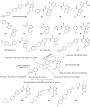
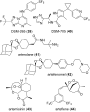
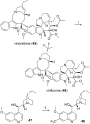
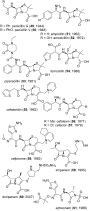
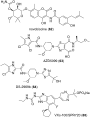
On drug discovery against infectious diseases and academic medicinal chemistry contributions
Beilstein J. Org. Chem. 2022, 18, 1355–1378, doi:10.3762/bjoc.18.141







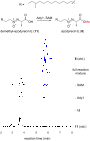
New azodyrecins identified by a genome mining-directed reactivity-based screening
Beilstein J. Org. Chem. 2022, 18, 1017–1025, doi:10.3762/bjoc.18.102
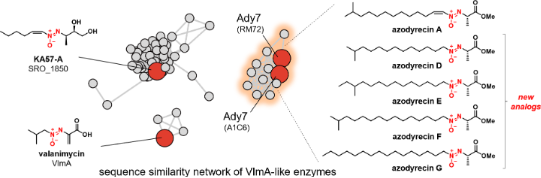
- the prediction of the producer of natural products with the functional groups of interest, leading to a higher rate of hits. We recently exploited genome mining targeting hydrazine synthetase and the generation of inorganic hydrazine N2H4 in acid hydrolysate as an indicator of N–N bond-containing




Isolation and biosynthesis of daturamycins from Streptomyces sp. KIB-H1544
Beilstein J. Org. Chem. 2022, 18, 1009–1016, doi:10.3762/bjoc.18.101
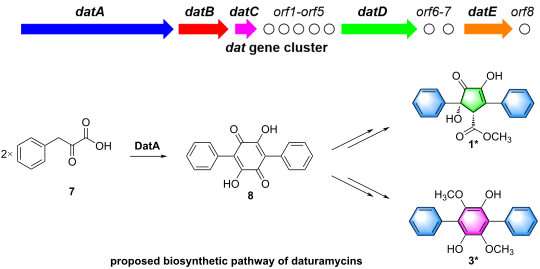
- ). The deletion mutant was constructed by λ-RED-mediated PCR targeting mutagenesis method [27]. The positive cosmid pSC-21A4 was transformed into E. coli BW25113/pIJ790 for gene inactivation. Then, the PCR fragment was introduced via electro-transformation into E. coli BW25113/pIJ790-pSC-21A4, in which


Inductive heating and flow chemistry – a perfect synergy of emerging enabling technologies
Beilstein J. Org. Chem. 2022, 18, 688–706, doi:10.3762/bjoc.18.70
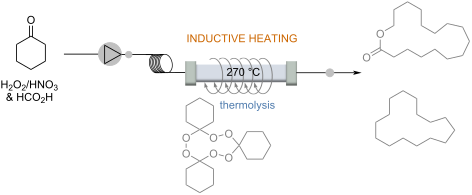
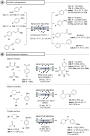
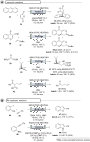
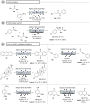
- inductive heating technology has also been used in multistep processes targeting drugs or important molecules in the fragrance industry. The first example deals with a metal-free carbon–carbon-bond formation process between tosylhydrazones generated from the corresponding aldehydes 74 and boronic acids 76


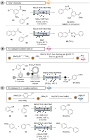


Synthesis of a new water-soluble hexacarboxylated tribenzotriquinacene derivative and its competitive host–guest interaction for drug delivery
Beilstein J. Org. Chem. 2022, 18, 539–548, doi:10.3762/bjoc.18.56
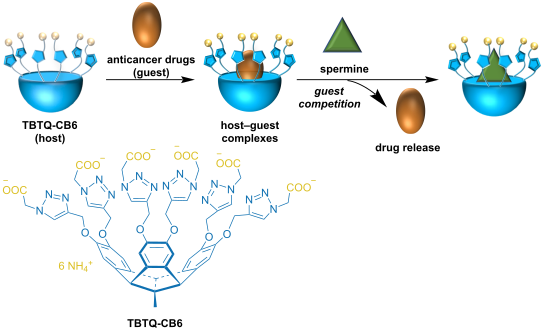
- targeting of cancer cells, resulting in low bioavailability and systemic side effects [6]. To address these drawbacks, various approaches have been developed to improve the bioavailability of these and other drugs and to enable their targeted delivery to cancer cells [7][8][9][10]. In recent years





Glycosylated coumarins, flavonoids, lignans and phenylpropanoids from Wikstroemia nutans and their biological activities
Beilstein J. Org. Chem. 2022, 18, 200–207, doi:10.3762/bjoc.18.23
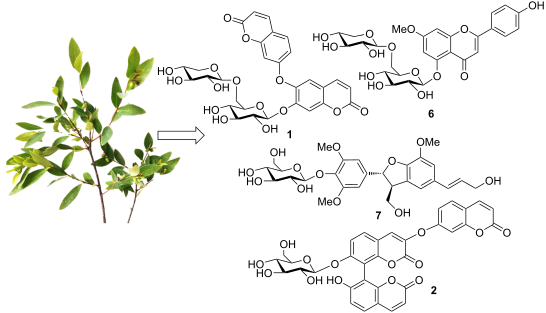
- neuroprotective effects [6]. As part of a continuing study of our group targeting at the identification of bioactive natural products from the medicinal plants and endophytes [7][8], the chemical constituents of the stems and roots of W. nutans were investigated. This work resulted into the isolation and



The role of chemistry in the success of oligonucleotides as therapeutics
Beilstein J. Org. Chem. 2022, 18, 197–199, doi:10.3762/bjoc.18.22
- nucleotides; siRNAs; RNA-targeting oligonucleotides (e.g., antisense, siRNA, and anti-miR) are widely explored as fundamental research tools and are gaining increasing promise as therapeutic agents, particularly against diseases of genetic origin. The idea of treating a disease by targeting the molecular

Synthesis and bioactivity of pyrrole-conjugated phosphopeptides
Beilstein J. Org. Chem. 2022, 18, 159–166, doi:10.3762/bjoc.18.17
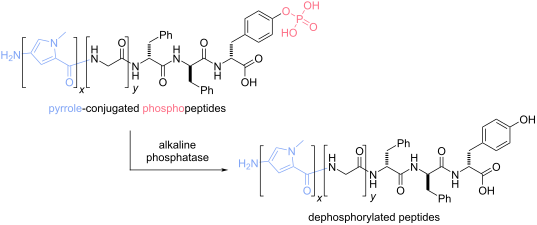
- , such as intracellular phase transition [22], molecular imaging [23][24][25][26][27][28][29][30][31][32][33], anisotropic hydrogels [34][35], targeting subcellular organelles [36][37][38][39][40], elimination of pluripotent stem cells (PSC) [41][42], and cancer therapy [43][44][45][46][47][48][49][50



Ready access to 7,8-dihydroindolo[2,3-d][1]benzazepine-6(5H)-one scaffold and analogues via early-stage Fischer ring-closure reaction
Beilstein J. Org. Chem. 2022, 18, 143–151, doi:10.3762/bjoc.18.15
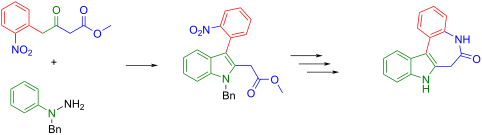
- designed and prepared [3], with the hope of developing more efficient anticancer drugs with either improved Cdk targeting or with a different mechanism of action [4][5]. The isomers B and D (Figure 1) are synthetic derivatives of paullones, in which either the lactam unit is shifted (B) or both the lactam
- to isomer C and a number of closely related derivatives with modified electronic and steric properties, e.g., bromo-substituted species, backbone with 8-membered azocinone ring, will trigger the design and synthesis of new exciting anticancer drug candidates, including metal-based, by targeting


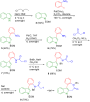
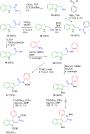


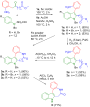


Synthetic strategies toward 1,3-oxathiolane nucleoside analogues
Beilstein J. Org. Chem. 2021, 17, 2680–2715, doi:10.3762/bjoc.17.182
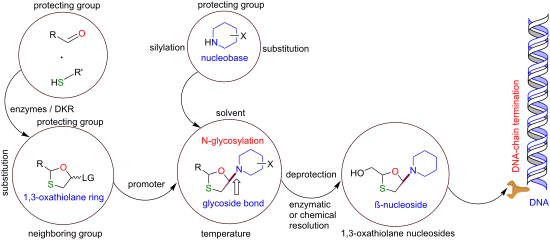
- continuity. While targeting to discover antiviral agents [35][36][37], particularly the class of dideoxynucleotides, it is essential to investigate possible fundamental alteration of the furanose ring and the practical and convenient synthesis of these analogues. These investigations are needed to improve
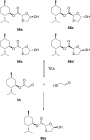
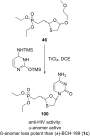
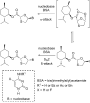
- was devised for targeting specific receptors on the leukocytes membrane. The crucial N-glycosylation reaction between 1,3-oxathiolane precursor 45 and silylated cytosine was carried out using TiCl4 as a catalyst. The N-acylation of compound 92a was performed for flash chromatography, and further








Cryogels: recent applications in 3D-bioprinting, injectable cryogels, drug delivery, and wound healing
Beilstein J. Org. Chem. 2021, 17, 2553–2569, doi:10.3762/bjoc.17.171
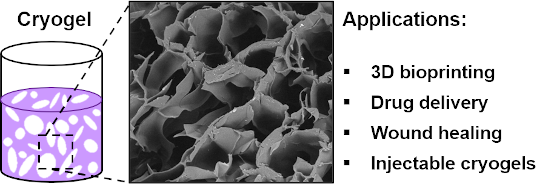
- material could be a potential for targeting release in the colon. 4. Other cryogel applications For cryogel biomedical applications not discussed in section 5, including cell separation, tissue engineering scaffolds, bioreactors and capturing of target molecules, the reader is directed to a recent review
- ) functionality [97]. The cryogels were synthesised by photochemical crosslinking of N,N-dimethylacrylamide (DMA) and β-CD triacrylate (Figure 7) and aripiprazole was incorporated through inclusion inside the hydrophobic β-CD domains. The release of aripiprazole was monitored at pH 1.2 and 6.8, targeting oral


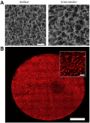


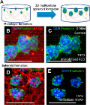


Targeting active site residues and structural anchoring positions in terpene synthases
Beilstein J. Org. Chem. 2021, 17, 2441–2449, doi:10.3762/bjoc.17.161
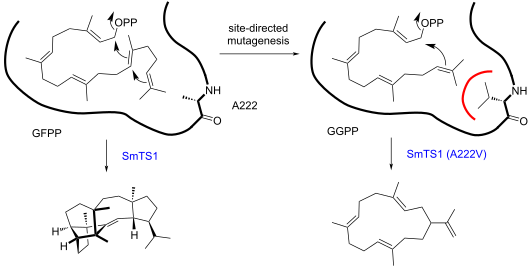


Post-functionalization of drug-loaded nanoparticles prepared by polymerization-induced self-assembly (PISA) with mitochondria targeting ligands
Beilstein J. Org. Chem. 2021, 17, 2302–2314, doi:10.3762/bjoc.17.148
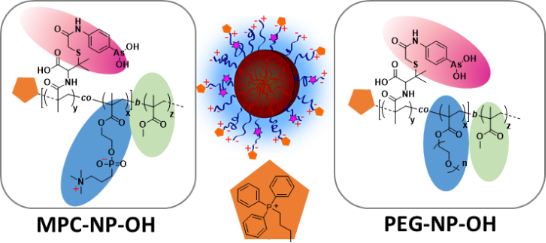
- methacrylate) (pPEGMA) and the anticancer drug PENAO (4-(N-(S-penicillaminylacetyl)amino)phenylarsenonous acid) or zwitterionic 2-methacryloyloxyethyl phosphorylcholine (MPC) and PENAO were reported. Both PISA particles were reacted with triphenylphosphonium (TPP) as mitochondria targeting units in order to
- cells. When TPP was conjugated to the pMPC PISA particles more cellular uptake as well as better spheroid penetration were observed, while TPP on PEG-based PISA had only little effect. It was hypothesized that TPP on the micelle surface may not be accessible enough to allow mitochondria targeting, but
- more structural investigations are required to elucidate this. Keywords: micelle; mitochondria; phosphorylcholine; PISA; polymerization-induced self-assembly; Introduction Targeting mitochondria is a promising strategy for the development of new anticancer drugs [1]. Among them, organoarsenical drugs






Halides as versatile anions in asymmetric anion-binding organocatalysis
Beilstein J. Org. Chem. 2021, 17, 2270–2286, doi:10.3762/bjoc.17.145
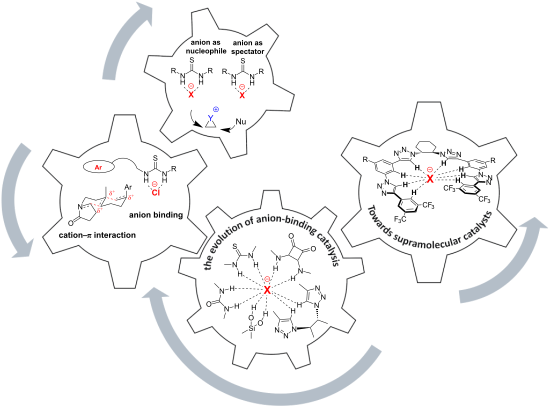
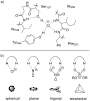
- targeting of the small receptor molecule and, thus, reducing the need for complexity compared to enzymes or co-factors. Conversely, a multitude of geometries may need to be considered for anions with linear, coplanar, trigonal or tetrahedral topologies (Figure 1b) [5][10]. However, following the advances in



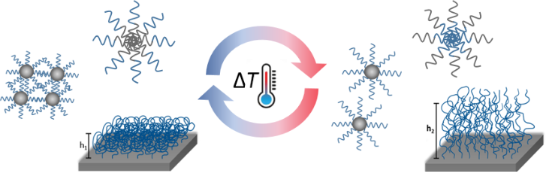
Constrained thermoresponsive polymers – new insights into fundamentals and applications
Beilstein J. Org. Chem. 2021, 17, 2123–2163, doi:10.3762/bjoc.17.138


Cationic oligonucleotide derivatives and conjugates: A favorable approach for enhanced DNA and RNA targeting oligonucleotides
Beilstein J. Org. Chem. 2021, 17, 1828–1848, doi:10.3762/bjoc.17.125
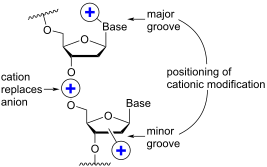
- . The key features of ASOs further enable them to be transformed into personalized medicines, eventually even targeting patient-specific sequences and very rare diseases [1]. ASOs can mediate gene silencing via different mechanisms of action. ASOs that induce RNase H degradation of the endogenous RNA
- improved liver targeting [22][23] and ASO–glucagon-like peptide-1 (GLP1) conjugation for improved delivery to pancreatic β-cells [24]. Previously, Menzi et al. reviewed the impact of cationic modifications and conjugations for ONs and siRNAs biophysical and biological activities until 2015 [25]. In this
- to a Watson–Crick interacting ON, both targeting the same ssDNA) exhibited the ability to invade double-stranded DNA (dsDNA) targets in vitro [56]. The functionalization with aminoalkyl variants onto the nucleobase is not limited to the C-5 position on the pyrimidine base. Another important site is


Natural products in the predatory defence of the filamentous fungal pathogen Aspergillus fumigatus
Beilstein J. Org. Chem. 2021, 17, 1814–1827, doi:10.3762/bjoc.17.124

- . fumigatus as an example because of its high medical importance and its diverse profile of secondary metabolites which seems to fulfil dual roles: targeting innate immune cells during virulence and protect from environmental predators in natural habitats. Review Natural products of Aspergillus fumigatus The


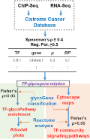
A systems-based framework to computationally describe putative transcription factors and signaling pathways regulating glycan biosynthesis
Beilstein J. Org. Chem. 2021, 17, 1712–1724, doi:10.3762/bjoc.17.119
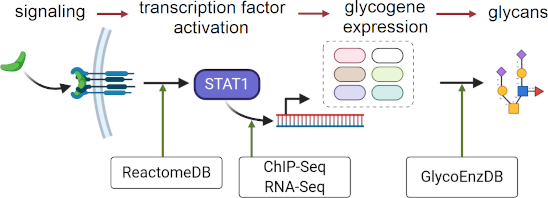
- , which drives the epithelial to mesenchymal transition [35]. Kruppel-like factor 5 (KLF5) is commonly upregulated in several cancer types and promotes pancreatic cancer proliferation by targeting the cell cycle [36]. MECOM (also known as PRDM3) is a nuclear TF known to ablate inflammatory responses and




Chemical approaches to discover the full potential of peptide nucleic acids in biomedical applications
Beilstein J. Org. Chem. 2021, 17, 1641–1688, doi:10.3762/bjoc.17.116
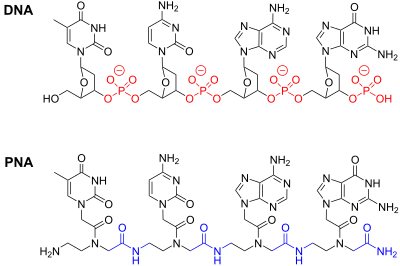
- cells [72]. GPNA targeting the transcriptional start-site of the human E-cadherin gene had potent and sequence-specific antisense activity and was less toxic to the cells than the PNA–polyarginine conjugate [73]. Interestingly, the α-arginine modification in either ʟ- or ᴅ-configuration destabilized PNA
- oligonucleotides at neutral pH [100][101][102]. Rozners and co-workers were the first to introduce M in triplex-forming PNAs targeting dsRNA [28]. Having a pKa of ≈6.7, M is partially protonated at physiological pH 7.4, which facilitates fast binding and formation of strong triplex [28][30][31]. While all
- bonding options on the purine base as well. An extended nucleobase S (Figure 7) originally developed for triplex-forming oligonucleotides [114][115], was introduced in PNAs targeting U interruptions in polypurine tracts of dsRNA triplexes [111]. However, in PNA, S showed limited sequence specificity





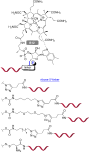


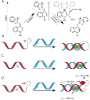


Double-headed nucleosides: Synthesis and applications
Beilstein J. Org. Chem. 2021, 17, 1392–1439, doi:10.3762/bjoc.17.98
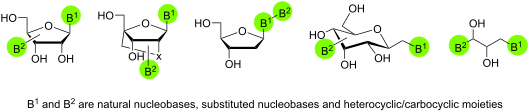
- was hybridized with a DNA target. The double-headed nucleoside 41 has potential in DNA invader probes as well as in RNA targeting and detection [23]. 1,3-Furanosyl double-headed nucleosides In this section, all double-headed nucleosides with furanosyl ring structures are collected. The first


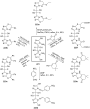

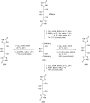


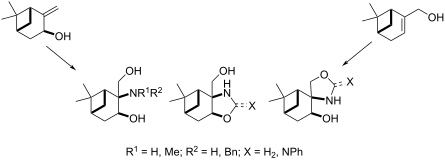
Stereoselective synthesis and transformation of pinane-based 2-amino-1,3-diols
Beilstein J. Org. Chem. 2021, 17, 983–990, doi:10.3762/bjoc.17.80
- apoptosis [1][2][3][4][5][6][7]. Due to its involvement in a wide range of cellular processes, significant efforts have been made in the last two decades targeting sphingosine analogues signalling as a therapeutic strategy. For instance, FTY720-P (3), the phosphate of FTY720 (2, fingolimod), proved to be a


Beyond ribose and phosphate: Selected nucleic acid modifications for structure–function investigations and therapeutic applications
Beilstein J. Org. Chem. 2021, 17, 908–931, doi:10.3762/bjoc.17.76
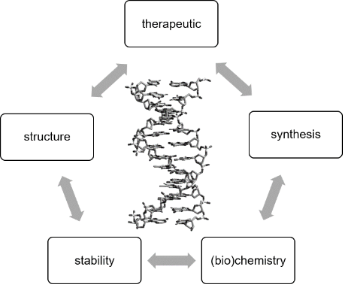
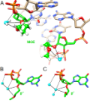
- ]. In combination with the high selectivity for RNA sequences, this makes LNA-modified oligonucleotides well suited for use as antisense therapeutics. Recent publications have used LNA’s high affinity for RNA sequences in gapmer-designed antisense oligonucleotides for successful targeting of a key gene




Enhanced target cell specificity and uptake of lipid nanoparticles using RNA aptamers and peptides
Beilstein J. Org. Chem. 2021, 17, 891–907, doi:10.3762/bjoc.17.75
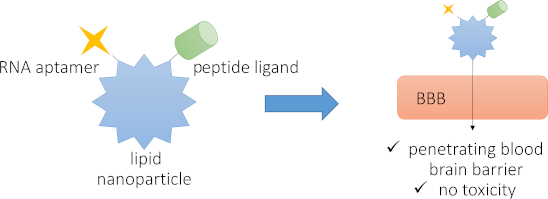
- Lipid nanoparticles (LNPs) constitute a facile and scalable approach for delivery of payloads to human cells. LNPs are relatively immunologically inert and can be produced in a cost effective and scalable manner. However, targeting and delivery of LNPs across the blood–brain barrier (BBB) has proven
- [9] and ligands [10], one can modulate the biodistribution of the LNP in the body. However, despite these advances, targeting of LNPs to the brain tissue remains a challenge [11]. In order to reach safer therapeutic options for treatment of brain diseases and disorders, a productive drug transport
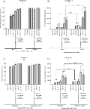
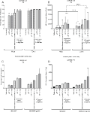
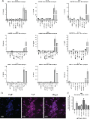
- -1 aptamer incorporation into the LNP formulation does not appear to enhance specific targeting of gp160-expressing cells either through the hCMEC/D3 barrier or through direct addition, suggesting that it may not be an ideal candidate moving forward. LNPs do not stimulate an immune response In order



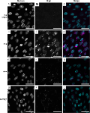
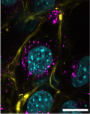
DNA with zwitterionic and negatively charged phosphate modifications: Formation of DNA triplexes, duplexes and cell uptake studies
Beilstein J. Org. Chem. 2021, 17, 749–761, doi:10.3762/bjoc.17.65
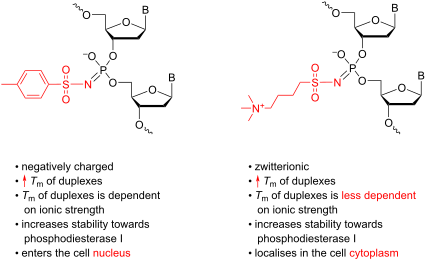
- The ability to detect and modify the genome of living organisms is important for the diagnosis, prevention, and treatment of many diseases [1]. The site-specific targeting and manipulation of genomic DNA or RNA using chemically modified short oligodeoxynucleotides (ONs) is considered to be a viable


Valorisation of plastic waste via metal-catalysed depolymerisation
Beilstein J. Org. Chem. 2021, 17, 589–621, doi:10.3762/bjoc.17.53
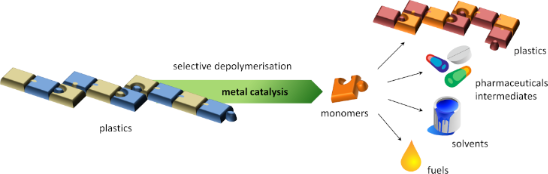
- selective depolymerisation methods of plastics. Achievements are broken down according to the plastic material, namely polyolefins, polyesters, polycarbonates and polyamides. The focus is on recent advancements targeting sustainable and environmentally friendly processes. Biocatalytic or unselective