

Search results
Search for "sulfoxides" in Full Text gives 63 result(s) in Beilstein Journal of Organic Chemistry.
The chemistry of bisallenes
- Henning Hopf and
- Georgios Markopoulos
Beilstein J. Org. Chem. 2012, 8, 1936–1998, doi:10.3762/bjoc.8.225
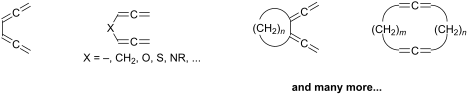

Graphical Abstract

Figure 1: Loschmidt’s structure proposal for benzene (1) (Scheme 181 from [3]) and the corresponding modern stru...

Figure 2: The first isolated bisallenes.

Figure 3: Carbon skeletons of selected bisallenes discussed in this review.

Scheme 1: The preparation of 1,2,4,5-hexatetraene (2).

Scheme 2: The preparation of a conjugated bisallene by the DMS-protocol.

Scheme 3: Preparation of the 3-deuterio- and 3,4-dideuterio derivatives of 24.

Scheme 4: A versatile method to prepare alkylated conjugated bisallenes and other allenes.

Scheme 5: A preparation of 3,4-dimethyl-1,2,4,5-hexatetraene (38).

Scheme 6: A (C6 + 0)-approach to 1,2,4,5-hexatetraene (2).

Scheme 7: The preparation of a fully alkylated bisallenes from a 2,4-hexadiyne-1,6-diol diacetate.

Scheme 8: The preparation of the first phenyl-substituted conjugated bisallenes 3 and 4.

Scheme 9: Selective hydrogenation of [5]cumulenes to conjugated bisallenes: another (C6 + 0)-route.

Scheme 10: Aryl-substituted conjugated bisallenes by a (C3 + C3)-approach.

Scheme 11: Hexaphenyl-1,2,4,5-hexatetraene (59) by a (C3 + C3)-approach.

Scheme 12: An allenation route to conjugated bisallenes.

Scheme 13: The preparation of 3,4-difunctionalized conjugated bisallenes.

Scheme 14: Problems during the preparation of sulfur-substituted conjugated bisallenes.

Scheme 15: The preparation of 3,4-dibromo bisallenes.

Scheme 16: Generation of allenolates by an oxy-Cope rearrangement.

Scheme 17: A linear trimerization of alkynes to conjugated bisallenes: a (C2 + C2 + C2)-protocol.

Scheme 18: Preparation of a TMS-substituted conjugated bisallene by a C3-dimerization route.

Scheme 19: A bis(trimethylsilyl)bisallene by a C3-coupling protocol.

Scheme 20: The rearrangement of highly substituted benzene derivatives into their conjugated bisallenic isomer...

Scheme 21: From fully substituted benzene derivatives to fully substituted bisallenes.

Scheme 22: From a bicyclopropenyl to a conjugated bisallene derivative.

Scheme 23: The conversion of a bismethylenecyclobutene into a conjugated bisallene.

Scheme 24: The preparation of monofunctionalized bisallenes.

Scheme 25: Preparation of bisallene diols and their cyclization to dihydrofurans.

Scheme 26: A 3,4-difunctionalized conjugated bisallene by a C3-coupling process.

Scheme 27: Preparation of a bisallenic diketone by a coupling reaction.

Scheme 28: Sulfur and selenium-substituted bisallenes by a [2.3]sigmatropic rearrangement.

Scheme 29: The biallenylation of azetidinones.

Scheme 30: The preparation of a fully ferrocenylated conjugated bisallene.

Scheme 31: The first isomerization of a 1,5-hexadiyne to a 1,2,4,5-hexatetraene.

Scheme 32: The preparation of alkynyl-substituted bisallenes by a C3-dimerization protocol.

Scheme 33: Preparation of another completely ferrocenylated bisallene.

Scheme 34: The cyclization of 1,5-hexadiyne (129) to 3,4-bismethylenecyclobutene (130) via 1,2,4,5-hexatetraen...
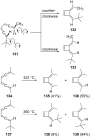
Scheme 35: Stereochemistry of the thermal cyclization of bisallenes to bismethylenecyclobutenes.

Scheme 36: Bisallene→bismethylenecyclobutene ring closures in the solid state.

Scheme 37: A bisallene cyclization/dimerization reaction.

Scheme 38: A selection of Diels–Alder additions of 1,2,4,5-hexatetraene with various double-bond dienophiles.

Scheme 39: The stereochemistry of the [2 + 4] cycloaddition to conjugated bisallenes.

Scheme 40: Preparation of azetidinone derivatives from conjugated bisallenes.

Scheme 41: Cycloaddition of heterodienophiles to a conjugated bisallene.

Scheme 42: Addition of triple-bond dienophiles to conjugated bisallenes.

Scheme 43: Sulfur dioxide addition to conjugated bisallenes.

Scheme 44: The addition of a germylene to a conjugated bisallene.

Scheme 45: Trapping of conjugated bisallenes with phosphinidenes.

Scheme 46: The cyclopropanantion of 1,2,4,5-hexatetraene (2).

Scheme 47: Photochemical reactions involving conjugated bisallenes.

Scheme 48: Base-catalyzed isomerizations of conjugated bisallenes.

Scheme 49: Ionic additions to a conjugated bisallene.

Scheme 50: Oxidation reactions of a conjugated bisallene.
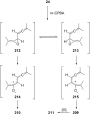
Scheme 51: The mechanism of oxidation of the bisallene 24.

Scheme 52: CuCl-catalyzed cyclization of 1,2,4,5-hexatetraene (2).

Scheme 53: The conversion of conjugated bisallenes into cyclopentenones.

Scheme 54: Oligomerization of a conjugated bisallene by nickel catalysts.
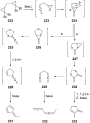
Scheme 55: Generation of 1,2,5,6-heptatetraene (229) as a reaction intermediate.

Scheme 56: The preparation of a stable derivative of 1,2,5,6-heptatetraene.

Scheme 57: A bisallene with a carbonyl group as a spacer element.

Scheme 58: The first preparation of 1,2,6,7-octatetraene (242).

Scheme 59: Preparation of 1,2,6,7-octatetraenes by (C4 + C4)-coupling of enynes.

Scheme 60: Preparation of 1,2,6,7-octatetraenes by (C4 + C4)-coupling of homoallenyl bromides.

Scheme 61: Preparation of 1,2,6,7-octatetraenes by alkylation of propargylic substrates.

Scheme 62: Preparation of two highly functionalized 1,2,6,7-octatetraenes.

Scheme 63: Preparation of several higher α,ω-bisallenes.

Scheme 64: Preparation of different alkyl derivatives of α,ω-bisallenes.

Scheme 65: The preparation of functionalized 1,2,7,8-nonatetraene derivatives.

Scheme 66: Preparation of functionalized α,ω-bisallenes.

Scheme 67: The preparation of an α,ω-bisallene by direct homologation of an α,ω-bisalkyne.

Scheme 68: The gas-phase pyrolysis of 4,4-dimethyl-1,2,5,6-heptatetraene (237).
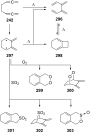
Scheme 69: Gas-phase pyrolysis of 1,2,6,7-octatetraene (242).

Scheme 70: The cyclopropanation of 1,2,6,7-octatetraene (242).

Scheme 71: Intramolecular cyclization of 1,2,6,7-octatetraene derivatives.

Scheme 72: The gas-phase pyrolysis of 1,2,7,8-nonatetraene (265) and 1,2,8,9-decatetraene (266).

Scheme 73: Rh-catalyzed cyclization of a functionalized 1,2,7,8-nonatetraene.

Scheme 74: A triple cyclization involving two different allenic substrates.

Scheme 75: Bicyclization of keto derivatives of 1,2,7,8-nonatetraene.

Scheme 76: The preparation of complex organic compounds from functionalized bisallenes.

Scheme 77: Cycloisomerization of an α,ω-bisallene containing a C9 tether.

Scheme 78: Organoborane polymers from α,ω-bisallenes.

Scheme 79: Preparation of trans- (337) and cis-1,2,4,6,7-octapentaene (341).

Scheme 80: The preparation of 4-methylene-1,2,5,6-heptatetraene (349).

Scheme 81: The preparation of acetylenic bisallenes.

Scheme 82: The preparation of derivatives of hydrocarbon 351.

Scheme 83: The construction of macrocyclic alleno-acetylenes.

Scheme 84: Preparation and reactions of 4,5-bismethylene-1,2,6,7-octatetraene (365).

Scheme 85: Preparation of 1,2-bis(propadienyl)benzene (370).

Scheme 86: The preparation of 1,4-bis(propadienyl)benzene (376).

Scheme 87: The preparation of aromatic and heteroaromatic bisallenes by metal-mediated coupling reactions.

Scheme 88: Double cyclization of an aromatic bisallene.

Scheme 89: Preparation of an allenic [15]paracyclophane by a ring-closing metathesis reaction of an aromatic α...

Scheme 90: Preparation of a macrocyclic ring system containing 1,4-bis(propadienyl)benzene units.

Scheme 91: Preparation of copolymers from 1,4-bis(propadienyl)benzene (376).

Scheme 92: A boration/copolymerization sequence of an aromatic bisallene and an aromatic bisacetylene.

Scheme 93: Formation of a layered aromatic bisallene.

Figure 4: The first members of the semicyclic bisallene series.

Scheme 94: Preparation of the first bis(vinylidene)cyclobutane derivative.
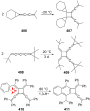
Scheme 95: Dimerization of strain-activated cumulenes to bis(vinylidene)cyclobutanes.

Scheme 96: Photodimerization of two fully substituted butatrienes in the solid state.

Scheme 97: Preparation of the two parent bis(vinylidene)cyclobutanes.

Scheme 98: The preparation of 1,3-bis(vinylidene)cyclopentane and its thermal isomerization.

Scheme 99: The preparation of the isomeric bis(vinylidene)cyclohexanes.

Scheme 100: Bi- and tricyclic conjugated bisallenes.
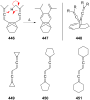
Scheme 101: A selection of polycyclic bisallenes.

Scheme 102: The first endocyclic bisallenes.

Figure 5: The stereochemistry of 1,2,6,7-cyclodecatetraene.

Scheme 103: The preparation of several endocyclic bisallenes.

Scheme 104: Synthesis of diastereomeric derivatives of 1,2,6,7-cyclodecatetraene.

Scheme 105: Preparation of a derivative of 1,2,8,9-cyclotetradecatetraene.

Scheme 106: The preparation of keto derivatives of cyclic bisallenes.

Scheme 107: The preparation of cyclic biscumulenic ring systems.

Scheme 108: Cyclic bisallenes in natural- and non-natural-product chemistry.

Scheme 109: The preparation of iron carbonyl complexes from cyclic bisallenes.

Figure 6: A selection of unknown exocyclic bisallenes that should have interesting chemical properties.

Scheme 110: The thermal isomerization of 1,2-diethynylcyclopropanes and -cyclobutanes.

Scheme 111: Intermediate generation of a cyclooctapentaene.

Scheme 112: Attempted preparation of a cyclodecahexaene.

Scheme 113: The thermal isomerization of 1,5,9-cyclododecatriyne (511) into [6]radialene (514).

Scheme 114: An isomerization involving a diketone derived from a conjugated bisallene.

Scheme 115: Typical reaction modes of heteroorganic bisallenes.

Scheme 116: Generation and thermal behavior of acyclic hetero-organic bisallenes.

Scheme 117: Generation of bis(propadienyl)thioether.

Scheme 118: The preparation of a bisallenic sulfone and its thermal isomerization.

Scheme 119: Bromination of the bisallenic sulfone 535.

Scheme 120: Metalation/hydrolysis of the bisallenic sulfone 535.

Scheme 121: Aromatic compounds from hetero bisallenes.

Scheme 122: Isomerization/cyclization of bispropargylic ethers.

Scheme 123: The preparation of novel aromatic systems by base-catalyzed isomerization of bispropargyl ethers.

Scheme 124: The isomerization of bisacetylenic thioethers to bicyclic thiophenes.

Scheme 125: Aromatization of macrocyclic bispropargylic sulfides.

Scheme 126: Preparation of ansa-compounds from macrocyclic bispropargyl thioethers.

Scheme 127: Alternate route for cyclization of a heterorganic bisallene.
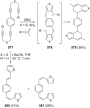
Scheme 128: Multiple isomerization/cyclization of “double” bispropargylic thioethers.

Scheme 129: Preparation of a bisallenyl disulfide and its subsequent bicyclization.

Scheme 130: Thermal cyclization of a bisallenyl thiosulfonate.

Scheme 131: Some reactions of heteroorganic bisallenes with two sulfur atoms.

Scheme 132: Further methods for the preparation of heteroorganic bisallenes.

Scheme 133: Cyclization reactions of heteroorganic bisallenes.

Scheme 134: Thermal cycloadditions of bisallenic tertiary amines.

Scheme 135: Cyclization of a bisallenic tertiary amine in the presence of a transition-metal catalyst.

Scheme 136: A Pauson–Khand reaction of a bisallenic ether.

Scheme 137: Formation of a 2:1adduct from two allenic substrates.

Scheme 138: A ring-forming silastannylation of a bisallenic tertiary amine.

Scheme 139: A three-component cyclization involving a heterorganic bisallene.

Scheme 140: Atom-economic construction of a complex organic framework from a heterorganic α,ω-bisallene.
Rh(III)-catalyzed directed C–H bond amidation of ferrocenes with isocyanates
- Satoshi Takebayashi,
- Tsubasa Shizuno,
- Takashi Otani and
- Takanori Shibata
Beilstein J. Org. Chem. 2012, 8, 1844–1848, doi:10.3762/bjoc.8.212
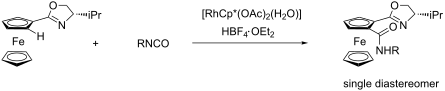
- ]. Planar chiral 1,2-disubstituted ferrocene derivatives are usually synthesized by using diastereoselective ortho-lithiation of monosubstituted ferrocenes with an appropriate chiral ortho-directing substituent such as chiral amines, sulfoxides, and oxazolines [3]. However, this method suffers from low atom

Graphical Abstract

Figure 1: The ORTEP drawing of 3c with 30% probability ellipsoids, and Flack absolute structure parameter of ...
Binding of group 15 and group 16 oxides by a concave host containing an isophthalamide unit
- Jens Eckelmann,
- Vittorio Saggiomo,
- Svenja Fischmann and
- Ulrich Lüning
Beilstein J. Org. Chem. 2012, 8, 11–17, doi:10.3762/bjoc.8.2
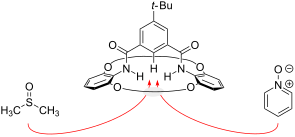
- the magnitude of the CIS need not be correlated with the binding constants. However, when sulfoxides were added as neutral guests, the relative binding of these guests by 1 and 2 showed drastic differences. Dimethyl sulfoxide (DMSO), methylphenyl sulfoxide (MPSO) and diphenyl sulfoxides (DPSO) induced
- sulfoxides were chosen as guests, namely pyridine-N-oxide (PyNO) [18][19] and triphenylphosphine oxide (TPPO). PyNO showed the same behaviour as DMSO, i.e., large CIS for concave host 1, and small CIS for the linear compound (Figure 2, PyNO, endo-CH, 0.34 ppm for 1 and 0.14 ppm for 2). In contrast, with TPPO

Graphical Abstract

Figure 1: Bi-macrocyclic concave host 1 and its non-macrocyclic model 2.

Scheme 1: Synthetic scheme for the syntheses of concave host 1 and non-macrocyclic derivative 2. a) Et3N, THF...

Figure 2: Expansion of a part of the 1H NMR spectra (200 MHz, 298 K) of pure 1 and 2 in CD2Cl2 (bottom) and a...

Figure 3: Normalized 1H NMR CIS (see text) for concave host 1 with different anionic and neutral guests. The ...

Figure 4: Normalized 1H NMR CIS (see text) for concave host 2 with different anionic and neutral guests. The ...
Synthesis and oxidation of some azole-containing thioethers
- Andrei S. Potapov,
- Nina P. Chernova,
- Vladimir D. Ogorodnikov,
- Tatiana V. Petrenko and
- Andrei I. Khlebnikov
Beilstein J. Org. Chem. 2011, 7, 1526–1532, doi:10.3762/bjoc.7.179
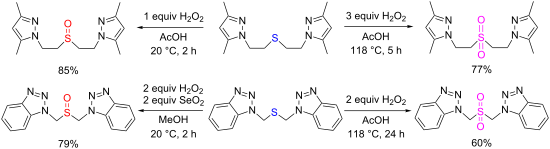
- through its conversion to sulfoxide or sulfone derivatives. In this report we present the synthesis of pyrazole and benzotriazole thioether ligands and their oxidation to the corresponding sulfoxides and sulfones. Results and Discussion 1-(2-Hydroxyethyl)-3,5-dimethylpyrazole (1), the starting compound
- oxidation reactions. Oxidation of thioethers to sulfoxides and sulfones can be achieved by using different oxidants and catalysts [15], hydrogen peroxide being the most versatile and green among them [16]. Despite the simplicity of their preparation and potentially useful properties, azole-containing
- sulfoxides and sulfones are not described in the literature. The action of one mole of hydrogen peroxide on thioether 3 in acetic acid at room temperature for 2.5 h selectively gives sulfoxide 6 (85% yield, Scheme 3). Raising the temperature to the boiling point of acetic acid (118 °C) and using an excess of

Graphical Abstract

Scheme 1: Synthesis of azole-containing thioethers.

Scheme 2: Synthesis of dithioether.

Scheme 3: Oxidation of thioethers to sulfoxides and sulfones.

Scheme 4: Preparation of functional derivatives.

Figure 1: Energies and isosurfaces of the highest occupied molecular orbitals (HOMO) of azole-containing thio...
Asymmetric synthesis of tertiary thiols and thioethers
- Jonathan Clayden and
- Paul MacLellan
Beilstein J. Org. Chem. 2011, 7, 582–595, doi:10.3762/bjoc.7.68
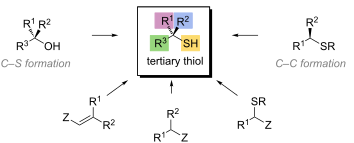
- classes of organic sulfur compounds, with chirality residing at sulfur, at carbon, or at both [2][3][4][5][6][7][8]. This field of asymmetric organosulfur chemistry is particularly well developed in connection with sulfur(IV) and sulfur(VI) species with chirality at sulfur – namely sulfoxides, sulfinates
- , sulfimines and sulfilimines [9]. Chiral sulfoxides and sulfonium ylids have themselves been extensively used as tools for asymmetric synthesis [3]. With regard to chiral sulfur(II) compounds – namely thiols and thioethers (sulfides) with chirality at carbon – methods available for their asymmetric

Graphical Abstract

Figure 1: Seven out of the ten top selling drugs in the USA in 2009 contain sulfur. Figures in italics are to...

Figure 2: Naturally occurring organosulfur compounds glutathione and (R)-thioterpineol.

Figure 3: Methods for the synthesis of chiral tertiary thiol 1.

Scheme 1: Preparation of thioethers 4 from α-hydroxy esters.

Scheme 2: Nucleophilic substitution in α-aryl-α-hydroxy esters.

Scheme 3: Preparation of α,α-dialkylthioethers.

Scheme 4: Preparation of α-cyanothioacetate 12.

Scheme 5: Synthesis of (R)-(+)-spirobrassinin.

Scheme 6: Opening of cyclic sulfamidates with thiol nucleophiles.

Scheme 7: Synthesis of androgen 20.

Scheme 8: Synthesis of (+)-BE-52440A.

Scheme 9: The Mitsunobu reaction.

Scheme 10: Mitsunobu substitution at a quaternary centre.
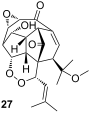
Figure 4: Initially assigned structure of hexacyclinol.

Scheme 11: Preparation of thioether 29.

Scheme 12: Thioethers 33 prepared from phosphinites 31.

Scheme 13: Preparation of enantiomerically pure thiol 39.

Scheme 14: Thioethers prepared by a modified Mitsunobu reaction.

Scheme 15: Nucleophilic conjugate addition.

Scheme 16: Asymmetric addition to cyclic enones.

Scheme 17: Preparation of thioether 45.

Scheme 18: Catalytic kinetic resolution of the enantiomers of enone 46.
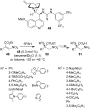
Scheme 19: Organocatalytic conjugate addition to nitroalkenes 49.

Scheme 20: Preparation of β-amino acid 54.

Scheme 21: Sulfur migration within oxazolidine-2-thiones 56.
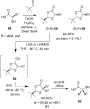
Scheme 22: Preparation of thiols 62 by self-regeneration of stereocentres.

Scheme 23: Synthesis of (5R)-thiolactomycin.

Scheme 24: Preparation of tertiary thiols and thioethers via α-thioorganolithiums.

Scheme 25: Diastereoselective methylation of organolithium 71.

Scheme 26: Addition to lithiated thiocarbamate 75.

Scheme 27: Configurational lability in unhindered α-lithiothiocarbamates.

Scheme 28: Configurational stability in bulky α-lithiothiocarbamates.

Scheme 29: Asymmetric functionalisation of secondary benzylic thiocarbamates.

Scheme 30: Methylation of lithioallyl thiocarbamates.

Scheme 31: Asymmetric preparation of tertiary allylic thiols.
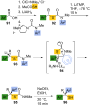
Scheme 32: Asymmetric preparation of thiols 96 by aryl migration in lithiated thiocarbamates.
The preparation of 3-substituted-1,5-dibromopentanes as precursors to heteracyclohexanes
- Bryan Ringstrand,
- Martin Oltmanns,
- Jeffrey A. Batt,
- Aleksandra Jankowiak,
- Richard P. Denicola and
- Piotr Kaszynski
Beilstein J. Org. Chem. 2011, 7, 386–393, doi:10.3762/bjoc.7.49
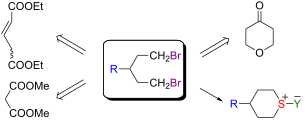
- been used as structural elements of liquid crystals [1][2][3][4][5][6] as well as antithrombotic and neuroprotectant agents [7][8]. Some thianes IV are found in petroleum distillates [9] and several have been used for the preparation of sulfones [7][10][11], sulfoxides [11][12], and sulfonium

Graphical Abstract

Figure 1: Methods for synthesis of dibromides I and their use for preparation of 6-membered heterocycles.

Scheme 1: General methods for preparation of diols VII.

Scheme 2: General methods for preparation of tetrahydropyrans VIII.

Figure 2: Structures of 1,5-dibromomopentanes 1a–1d.

Scheme 3: Preparation of dibromides 1.

Scheme 4: Preparation of diol 2a.

Scheme 5: Preparation of diol 2b.

Scheme 6: Preparation of tetrahydropyrans 3a–3c.

Scheme 7: Preparation of tetrahydropyran 3d.

Scheme 8: Preparation of methylenetetrahydropyrans 6.

Scheme 9: Preparation of bromides 8 and 10.
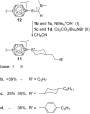
Scheme 10: Preparation of sulfonium derivatives 11.
Aromatic and heterocyclic perfluoroalkyl sulfides. Methods of preparation
- Vladimir N. Boiko
Beilstein J. Org. Chem. 2010, 6, 880–921, doi:10.3762/bjoc.6.88
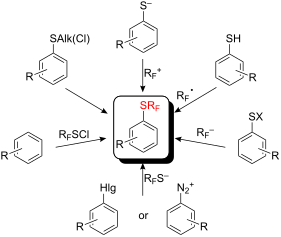
- other heavy metal fluorides, and even by silver tetrafluoroborate under mild conditions. The halex-method allows the selective preparation of α,α-difluoroalkyl aryl sulfides (and also ethers, sulfoxides and sulfones) as intermediate products in the synthesis of herbicides [66][67]. Interestingly, the

Graphical Abstract

Figure 1: Examples of industrial fluorine-containing bio-active molecules.

Figure 2: CF3(S)- and CF3(O)-containing pharmacologically active compounds.

Figure 3: Hypotensive candidates with SRF and SO2RF groups – analogues of Losartan and Nifedipin.

Figure 4: The variety of the pharmacological activity of RFS-substituted compounds.

Figure 5: Recent examples of compounds containing RFS(O)n-groups [12-18].

Scheme 1: Fluorination of ArSCCl3 to corresponding ArSCF3 derivatives. For references see: a[38-43]; b[41,42]; c[43]; d[44]; e[38-43,45-47]; f[38-43,48,49]; g...

Scheme 2: Preparation of aryl pentafluoroethyl sulfides.

Scheme 3: Mild fluorination of the aryl SCF2Br derivatives.

Scheme 4: HF fluorinations of aryl α,α,β-trichloroisobutyl sulfide at various conditions.

Scheme 5: Monofluorination of α,α-dichloromethylene group.

Scheme 6: Electrophilic substitution of phenols with CF3SCl [69].

Scheme 7: Introduction of SCF3 groups into activated phenols [71-74].

Scheme 8: Preparation of tetrakis(SCF3)-4-methoxyphenol [72].

Scheme 9: The interactions of resorcinol and phloroglucinol derivatives with RFSCl.

Scheme 10: Reactions of anilines with CF3SCl.

Scheme 11: Trifluoromethylsulfanylation of anilines with electron-donating groups in the meta position [74].

Scheme 12: Reaction of benzene with CF3SCl/CF3SO3H [77].

Scheme 13: Reactions of trifluoromethyl sulfenyl chloride with aryl magnesium and -mercury substrates.

Scheme 14: Reactions of pyrroles with CF3SCl.

Scheme 15: Trifluoromethylsulfanylation of indole and indolizines.

Scheme 16: Reactions of N-methylpyrrole with CF3SCl [80,82].

Scheme 17: Reactions of furan, thiophene and selenophene with CF3SCl.

Scheme 18: Trifluoromethylsulfanylation of imidazole and thiazole derivatives [83].

Scheme 19: Trifluoromethylsulfanylation of pyridine requires initial hydride reduction.

Scheme 20: Introduction of additional RFS-groups into heterocyclic compounds in the presence of CF3SO3H.

Scheme 21: Introduction of additional RFS-groups into pyrroles [82,87].

Scheme 22: By-products in reactions of pyrroles with CF3SCl [82].

Scheme 23: Reaction of aromatic iodides with CuSCF3 [93,95].

Scheme 24: Reaction of aromatic iodides with RFZCu (Z = S, Se), RF = CF3, C6F5 [93,95,96].

Scheme 25: Side reactions during trifluoromethylsulfanylation of aromatic iodides with CF3SCu [98].

Scheme 26: Reactions with in situ generated CuSCF3.

Scheme 27: Perfluoroalkylthiolation of aryl iodides with bulky RFSCu [105].

Scheme 28: In situ formation and reaction of RFZCu with aryl iodides.

Figure 6: Examples of compounds obtained using in situ generated RFZCu methodology [94].

Scheme 29: Introduction of SCF3 group into aromatics via difluorocarbene.

Scheme 30: Tetrakis(dimethylamino)ethylene dication trifluoromethyl thiolate as a stable reagent for substitut...

Scheme 31: The use of CF2=S/CsF or (CF3S)2C=S/CsF for the introduction of CF3S groups into fluorinated heteroc...

Scheme 32: One-pot synthesis of ArSCF3 from ArX, CCl2=S and KF.

Scheme 33: Reaction of aromatics with CF3S− Kat+ [115].

Scheme 34: Reactions of activated aromatic chlorides with AgSCF3/KI.

Scheme 35: Comparative CuSCF3/KI and Hg(SCF3)2/KI reactions.

Scheme 36: Me3SnTeCF3 – a reagent for the introduction of the TeCF3 group.

Scheme 37: Sandmeyer reactions with CuSCF3.

Scheme 38: Reactions of perfluoroalkyl iodides with alkali and organolithium reagents.

Scheme 39: Perfluoroalkylation with preliminary breaking of the disulfide bond.

Scheme 40: Preparation of RFS-substituted anilines from dinitrodiphenyl disulfides.

Scheme 41: Photochemical trifluoromethylation of 2,4,6-trimercaptochlorobenzene [163].

Scheme 42: Putative process for the formation of B, C and D.

Scheme 43: Trifluoromethylation of 2-mercapto-4-hydroxy-6-trifluoromethylyrimidine [145].

Scheme 44: Deactivation of 2-mercapto-4-hydroxypyrimidines S-centered radicals.

Scheme 45: Perfluoroalkylation of thiolates with CF3Br under UV irradiation.

Scheme 46: Catalytic effect of methylviologen for RF• generation.

Scheme 47: SO2−• catalyzed trifluoromethylation.

Scheme 48: Electrochemical reduction of CF3Br in the presence of SO2 [199,200].

Scheme 49: Participation of SO2 in the oxidation of ArSCF3−•.

Scheme 50: Electron transfer cascade involving SO2 and MV.

Scheme 51: Four stages of the SRN1 mechanism for thiol perfluoroalkylation.

Scheme 52: A double role of MV in the catalysis of RFI reactions with aryl thiols.

Scheme 53: Photochemical reaction of pentafluoroiodobenzene with trifluoromethyl disulfide.

Scheme 54: N- Trifluoromethyl-N-nitrosobenzene sulfonamide – a source of CF3• radicals [212,213].

Scheme 55: Radical trifluoromethylation of organic disulfides with ArSO2N=NCF3.

Scheme 56: Barton’s S-perfluoroalkylation reactions [216].

Scheme 57: Decarboxylation of thiohydroxamic esters in the presence of C6F13I.

Scheme 58: Reactions of thioesters of trifluoroacetic and trifluoromethanesulfonic acids in the presence of ar...

Scheme 59: Perfluoroalkylation of polychloropyridine thiols with xenon perfluorocarboxylates or XeF2 [222,223].

Scheme 60: Interaction of Xe(OCORF)2 with nitroaryl disulfide [227].

Scheme 61: Bi(CF3)3/Cu(OCOCH3)2 trifluoromethylation of thiophenolate [230].

Scheme 62: Reaction of fluorinated carbanions with aryl sulfenyl chlorides.

Scheme 63: Reaction of methyl perfluoromethacrylate with PhSCl in the presence of fluoride.

Scheme 64: Reactions of ArSCN with potassium and magnesium perfluorocarbanions [237].

Scheme 65: Reactions of RFI with TDAE and organic disulfides [239,240].

Scheme 66: Decarboxylation of perfluorocarboxylates in the presence of disulfides [245].

Scheme 67: Organization of a stable form of “CF3−” anion in the DMF.

Scheme 68: Silylated amines in the presence of fluoride can deprotonate fluoroform for reaction with disulfide...

Figure 7: Other examples of aminomethanols [264].

Scheme 69: Trifluoromethylation of diphenyl disulfide with PhSO2CF3/t-BuOK.

Scheme 70: Amides of trifluoromethane sulfinic acid are sources of CF3− anion.

Scheme 71: Trifluoromethylation of various thiols using “hyper-valent” iodine (III) reagent [279].

Scheme 72: Trifluoromethylation of p-nitrothiophenolate with diaryl CF3 sulfonium salts [280].

Scheme 73: Trifluoromethyl transfer from dibenzo (CF3)S-, (CF3)Se- and (CF3)Te-phenium salts to thiolates [283].

Scheme 74: Multi-stage paths for synthesis of dibenzo-CF3-thiophenium salts [61].
Recent advances in carbocupration of α-heterosubstituted alkynes
- Ahmad Basheer and
- Ilan Marek
Beilstein J. Org. Chem. 2010, 6, No. 77, doi:10.3762/bjoc.6.77

- species that can react with a large variety of electrophiles (Scheme 18) [36]. The regio- and stereospecific carbocupration of higher oxidation states of sulfur (i.e. sulfoxides 35) with organocopper derivatives (R2Cu•MgX2 or R2Cu•LiX) rapidly provides the corresponding metalated β,β-dialkylated ethylenic
- sulfoxides 36 in quantitative yields (Scheme 19) [37][38][39][40] that can be further used in organic synthesis [41][42][43]. However, to obtain functionalized dialkylated ethylenic sulfoxide species, the addition of functionalized organozinc species is required. Upon treatment with (FG-R2)2Zn (2 equiv) or
- -isomers. This effect can even be reinforced when an additional chelating unit is present (pyridylSi, phosphonates, sulfoxides, sulfones, sulfoximines). The resulting vinyl copper species can react with a large variety of electrophiles leading to functionalized adducts in a straightforward manner that can

Graphical Abstract

Scheme 1: General scheme for the carbocupration reaction.

Scheme 2: Regioselectivity in the carbocupration reaction.

Scheme 3: Carbocupration of α-alkoxyalkynes.

Scheme 4: Carbocupration of substituted α-alkoxyalkynes.

Scheme 5: Formation of the branched isomer.

Scheme 6: Formation of the linear isomer.

Scheme 7: Carbocupration of O-alkynyl carbamates.

Scheme 8: Carbocupration of ynamines.

Scheme 9: Carbocupration of ynamide.

Scheme 10: Formation of aldol products possessing stereogenic quaternary carbon centers.

Scheme 11: Carbocupration of alkynyl sulfonamide.

Scheme 12: Tandem carbocupration-sigmatropic rearrangement.

Scheme 13: Silylcupration of alkynyl sulfonamides.

Scheme 14: Carbocupration of P-substituted alkynes.

Scheme 15: Carbocupration of alkynylphosphonates.

Scheme 16: Carbocupration of thioalkynes.

Scheme 17: Tandem carbocupration-1,2-metalate rearrangement.

Scheme 18: Carbocupration with functionalized organocopper species.

Scheme 19: Carbocupration of alkynyl sulfoxides.

Scheme 20: Carbocupration of alkynyl sulfones.

Scheme 21: Carbocupration of alkynyl sulfoximines.

Scheme 22: Carbocupration of alkynylsilanes.

Scheme 23: Carbocupration of functionalized alkynylsilanes.

Scheme 24: Silyl- and stannyl cupration of silyl- and stannylalkynes.
Shelf-stable electrophilic trifluoromethylating reagents: A brief historical perspective
- Norio Shibata,
- Andrej Matsnev and
- Dominique Cahard
Beilstein J. Org. Chem. 2010, 6, No. 65, doi:10.3762/bjoc.6.65
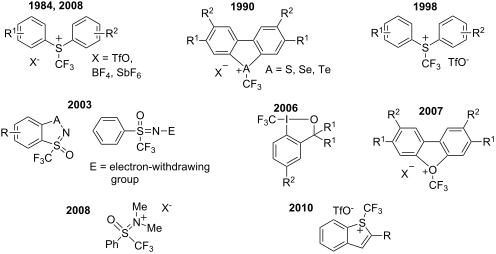
- (or selenides) with m-chloroperbenzoic acid followed by cyclization of the corresponding sulfoxides (or selenoxides) either with triflic anhydride or by direct fluorination with 10% F2/N2 in the presence of one equivalent of triflic acid or HBF4 (Scheme 2). The tellurophenium salt 7 was synthesized in

Graphical Abstract

Scheme 1: Preparation of the first electrophilic trifluoromethylating reagent and its reaction with a thiophe...

Scheme 2: Synthetic routes to S-CF3 and Se-CF3 dibenzochalcogenium salts.

Scheme 3: Synthesis of (trifluoromethyl)dibenzotellurophenium salts.

Scheme 4: Nitration of (trifluoromethyl)dibenzochalcogenium salts.

Scheme 5: Synthesis of a sulphonium salt with a bridged oxygen.

Scheme 6: Reactivity of (trifluoromethyl)dibenzochalcogenium salts.

Scheme 7: Pd(II)-Catalyzed ortho-trifluoromethylation of heterocycle-substituted arenes by Umemoto’s reagents....

Scheme 8: Mild electrophilic trifluoromethylation of β-ketoesters and silyl enol ethers.

Scheme 9: Enantioselective electrophilic trifluoromethylation of β-ketoesters.

Scheme 10: Preparation of water-soluble S-(trifluoromethyl)dibenzothiophenium salts.

Scheme 11: Method for large-scale preparation of S-(trifluoromethyl)dibenzothiophenium salts.

Scheme 12: Triflic acid catalyzed synthesis of 5-(trifluoromethyl)thiophenium salts.

Scheme 13: Trifluoromethylation of β-ketoesters and dicyanoalkylidenes by S-(trifluoromethyl)benzothiophenium ...

Scheme 14: Synthesis of chiral S-(trifluoromethyl)benzothiophenium salt 18 and attempt of enantioselective tri...

Scheme 15: Synthesis of O-(trifluoromethyl)dibenzofuranium salts.

Scheme 16: Photochemical O- and N-trifluoromethylation by 20b.

Scheme 17: Thermal O-trifluoromethylation of phenol by diazonium salt 19a. Effect of the counteranion.

Scheme 18: Thermal O- and N-trifluoromethylations.

Scheme 19: Method of preparation of S-(trifluoromethyl)diphenylsulfonium triflates.

Scheme 20: Reactivity of some S-(trifluoromethyl)diarylsulfonium triflates.

Scheme 21: One-pot synthesis of S-(trifluoromethyl)diarylsulfonium triflates.

Scheme 22: One-pot synthesis of Umemoto’s type reagents.

Scheme 23: Preparation of sulfonium salts by transformation of CF3− into CF3+.

Scheme 24: Selected reactions with the new Yagupolskii reagents.

Scheme 25: Synthesis of heteroaryl-substituted sulfonium salts.

Scheme 26: First neutral S-CF3 reagents.

Scheme 27: Synthesis of Togni reagents. aYield for the two-step procedure.

Scheme 28: Trifluoromethylation of C-nucleophiles with 37.

Scheme 29: Selected examples of trifluoromethylation of S-nucleophiles with 37.

Scheme 30: Selected examples of trifluoromethylation of P-nucleophiles with 35 and 37.

Scheme 31: Trifluoromethylation of 2,4,6-trimethylphenol with 35.

Scheme 32: Examples of O-trifluoromethylation of alcohols with 35 in the presence of 1 equiv of Zn(NTf2)2.

Scheme 33: Formation of trifluoromethyl sulfonates from sulfonic acids and 35.

Scheme 34: Organocatalytic α-trifluoromethylation of aldehydes with 37.

Scheme 35: Synthesis of reagent 42 and mechanism of trifluoromethylation.

Scheme 36: Trifluoromethylation of β-ketoesters and dicyanoalkylidenes with 42.
Enantiospecific synthesis of [2.2]paracyclophane- 4-thiol and derivatives
- Gareth J. Rowlands and
- Richard J. Seacome
Beilstein J. Org. Chem. 2009, 5, No. 9, doi:10.3762/bjoc.5.9
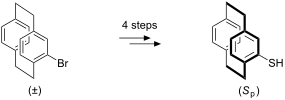
- of enantiomerically pure 4-hydroxy[2.2]paracyclophane or application of our own sulfoxide-metal exchange protocol [31] would permit enantiospecific variants of either route, but neither has been reported. An elegant entry to a variety of racemic alkyl sulfides and sulfoxides by an SEAr reaction
- developing a ‘tool-box’ for the synthesis of enantiomerically enriched [2.2]paracyclophane derivatives based on the chemistry of [2.2]paracyclophane sulfoxides [15][31][32][33]. This methodology has allowed us to develop routes to enantiomerically pure 4-monosubstituted [2.2]paracyclophanes [31] along with a

Graphical Abstract

Figure 1: [2.2]Paracyclophane (1) showing standard numbering and [2.2]paracyclophane-4-thiol (2).

Scheme 1: Conversion of [2.2]paracyclophane to enantiomerically enriched [2.2]paracyclophane-4-thiol.

Scheme 2: Synthesis of [2.2](4,7)benzo[d]thiazoloparacyclophane (Rp)-10.
Synthesis of methylenebisamides using CC- or DCMT- activated DMSO
- Qiang Wang,
- Lili Sun,
- Yu Jiang and
- Chunbao Li
Beilstein J. Org. Chem. 2008, 4, No. 51, doi:10.3762/bjoc.4.51

- amides can be aromatic or aliphatic. The operation is simple and the reagents are inexpensive. Keywords: amides; condensation; DMSO; methylenebisamides; 2,4,6-trichloro[1,3,5]triazine; Introduction Sulfoxides are activated by electrophiles to produce reactive sulfonium salts. These electrophiles
- ], hexamethylenetetramine [21] or activated DMSO [6], or by the reaction of nitriles with formaldehyde [22] or activated sulfoxides [23]. However, each method has certain limitations with regards to scope and reaction conditions, for example, longer reaction time [20], lower yield [6], purification problems [21][23] and

Graphical Abstract

Scheme 1: Synthesis of N,N′-methylenedibenzamide using CC-activated DMSO.

Scheme 2: Synthesis of N,N′-methylenebisamide using CC-activated DMSO.

Scheme 3: Synthesis of N,N′-methylenedibenzamide using DCMT-activated DMSO.

Scheme 4: Synthesis of N,N′-methylenebisamide using DCMT-activated DMSO.

Scheme 5: Plausible reaction mechanism of amide with CC- or DCMT-activated DMSO.
Asymmetric synthesis of biaryl atropisomers by dynamic resolution on condensation of biaryl aldehydes with (−)-ephedrine or a proline- derived diamine
- Ann Bracegirdle,
- Jonathan Clayden and
- Lai Wah Lai
Beilstein J. Org. Chem. 2008, 4, No. 47, doi:10.3762/bjoc.4.47
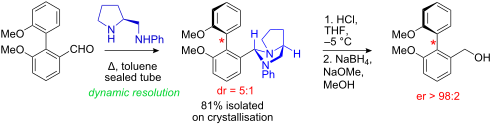
- imidazolidines [25][27], ephedrine-derived oxazolidines [26][27], and, most extensively, sulfoxides [16][29][30][31]. These perform well when a powerful electronic or steric bias is evident about the atropisomeric bond over which control is applied [32], and in the case of atropisomeric amides have offered

Graphical Abstract

Scheme 1: Synthesis of racemic aldehydes.
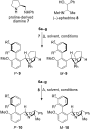
Scheme 2: Diastereoisomeric imidazolidines and oxazolidines from biaryl aldehydes.

Figure 1: X-ray crystal structure of 9a. X-ray data has been deposited with the Cambridge Crystallographic Da...

Figure 2: X-ray crystal structure of 10a. X-ray data has been deposited with the Cambridge Crystallographic D...

Scheme 3: Atropisomeric alcohols by hydrolysis and reduction.

Scheme 4: Mechanistic rationalisation of the dynamic resolution in the formation of 9.
The use of chiral lithium amides in the desymmetrisation of N-trialkylsilyl dimethyl sulfoximines
- Matthew J. McGrath and
- Carsten Bolm
Beilstein J. Org. Chem. 2007, 3, No. 33, doi:10.1186/1860-5397-3-33
- aryl-alkylsulfoximines are generally prepared by resolution with camphorsulfonic acid but this method is not applicable to dialkyl sulfoximines. [5][6][7] Imination of enantioenriched sulfoxides and derivatisation of sulfoximines with enantiomerically pure amino acid derivatives also provide
- enantioenriched S-chiral sulfoximines but both methods lack generality due to the limited availability of the appropriate chiral sulfoxides and the limited scope for cleavage of the chiral auxiliary in the latter process. [6][7][8][9][10][11][12][13][14][15] Selective substitution of one of the enantiotopic
- TMSCl quenching when sulfoximine 1b was first lithiated by treatment with n-BuLi followed by addition of a solution of (S,S)-bis-N,N-(1-phenylethyl)amine and lithium chloride (Scheme 5). In an analogous reaction, enantioenriched lithiated sulfoxides racemised via a reversible disproportionation to the

Graphical Abstract

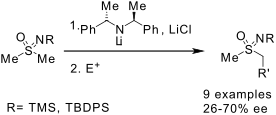
Scheme 1: Desymmetrisation of N-trialkylsilyldimethylsulfoximines using chiral bases

Scheme 2: Preparation of N-trialkylsilyl dimethyl sulfoximine derivatives

Figure 1: The diamine (-)-sparteine and three chiral lithium amide bases.

Scheme 3: Preparation of vinyl sulfoximines
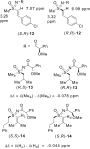
Figure 2: Selected NMR Characteristics of sulfoximine amides 12, 13 and 14.

Scheme 4: Preparation of O-methyl mandelamide derivatives (S,R)-12 and (R,R)-12

Scheme 5: The influence of (S,S)-bis(1-phenylethyl)amine on the ee of 1b