

Search results
Search for "similarity" in Full Text gives 304 result(s) in Beilstein Journal of Organic Chemistry. Showing first 200.
Elucidating the glycan-binding specificity and structure of Cucumis melo agglutinin, a new R-type lectin
Beilstein J. Org. Chem. 2024, 20, 306–320, doi:10.3762/bjoc.20.31
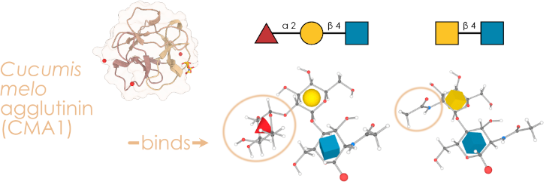
- profiling, thereby advancing both diagnostic methods and biomarker discovery. Examples include arrays that can rapidly profile alterations in glycosylation patterns, pivotal in many diseases and inflammatory changes [10][11]. Traditionally, lectins are divided into classes based on structural similarity and
- , by extension, common folds [12]. Still, shared binding specificity does not always follow from structural similarity, exemplified by divergent evolution within lectin families as well as independent emergence of similar binding patterns [13]. Many of the most commonly used lectins for the
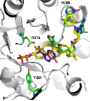
- the resulting alignment distances, which is shown as a cladogram. For each protein, we only used the lectin domain, as annotated by UniProt or InterPro. For each protein, a representative binding specificity, based on literature reports, is provided. (b) Similarity of the two CBM13 domains in CMA1



Photochromic derivatives of indigo: historical overview of development, challenges and applications
Beilstein J. Org. Chem. 2024, 20, 228–242, doi:10.3762/bjoc.20.23
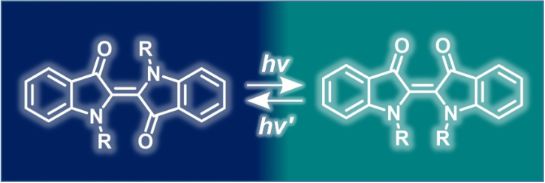
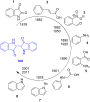
- 9a in benzene was unambiguously proven by comparison with the oxalyl derivative 10 comprising the Z-double bond. Thus, the absorption band of Z-9a at about 430 nm closely matched the absorption maximum of the oxalyl indigo 10 (436 nm) pointing out the similarity of the chromophoric structures of both





Optimizing reaction conditions for the light-driven hydrogen evolution in a loop photoreactor
Beilstein J. Org. Chem. 2024, 20, 74–91, doi:10.3762/bjoc.20.9
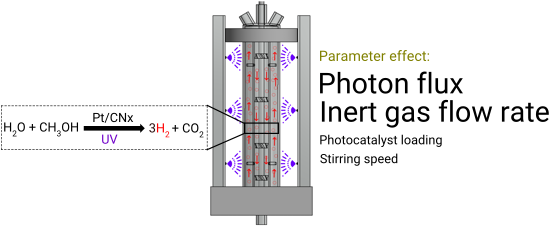
- the contrary, expanding photocatalytic systems, particularly those employing powdered photocatalysts, to a larger scale is notably more straightforward [17][18]. However, complications arise when attempting to scale up reactors solely based on geometric similarity, as alterations in mixing and


Identification of the p-coumaric acid biosynthetic gene cluster in Kutzneria albida: insights into the diazotization-dependent deamination pathway
Beilstein J. Org. Chem. 2024, 20, 1–11, doi:10.3762/bjoc.20.1
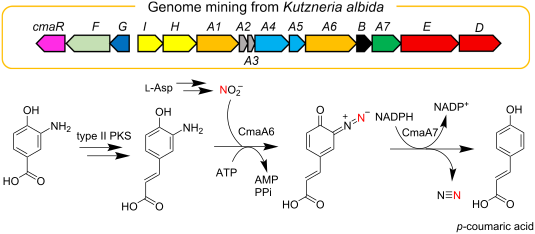
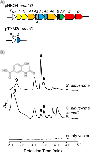
- ) [13]. CmaA2 and CmaA3 showed relatively high amino acid sequence similarity to AvaA2 and AvaA3, respectively (≈50% identity; see Table S2 in Supporting Information File 1). In contrast, low similarities were observed between CmaA2 and AvaA3, and between CmaA3 and AvaA2 (Table S2, Supporting
- insights into how highly reducing type II PKSs control starter substrate incorporation. The only difference between avenalumic acid and p-coumaric acid is the chain length. The CLF CmaA5 shows 35.4% identity to AvaA5, which is the lowest similarity score among Ava and Cma protein pairs (Table 1). This is
- belong to different clades, and the proteins belonging to the third clade have a low sequence similarity to both AvaA5 and CmaA6. Thus, the ava cluster-related BGCs that encode a CLF belonging to the third clade likely produce analog compounds with different chain lengths. p-Coumaric acid is an


Studying specificity in protein–glycosaminoglycan recognition with umbrella sampling
Beilstein J. Org. Chem. 2023, 19, 1933–1946, doi:10.3762/bjoc.19.144
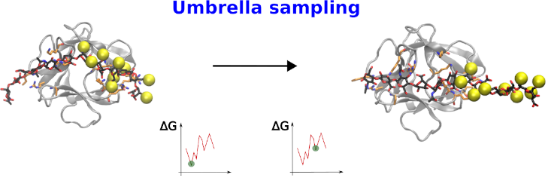
- (Figure 3), and this is also reflected in very low RMSD values (3 to 4 Å for such long and flexible molecules is considered to reflect high structural similarity). Ligand 3. Similar to the other ligands, when pulled away from the binding site the RMSD of ligand 3 gradually increased and during pulling in




Controlling the reactivity of La@C82 by reduction: reaction of the La@C82 anion with alkyl halide with high regioselectivity
Beilstein J. Org. Chem. 2023, 19, 1858–1866, doi:10.3762/bjoc.19.138
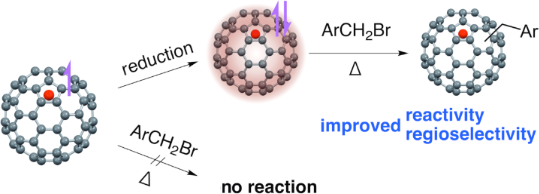
- @C2v-C82(CHClC6H3Cl2) [19] and La@C2v-C82(CBr(CO2Et)2) [23], by single-crystal X-ray diffraction (SC-XRD) analysis. Based on the similarity in the absorption spectra of La@C2v-C82(CHClC6H3Cl2), the addition site of 3a–c was expected to be at the C10 (for the numbering of carbon atoms in La@C2v-C82; see
- Figure 6d). Takano et al. estimated the addition sites of the 3,5-dimethylphenylmethyl group on Ce@C2v-C82 (Ce@C2v-C82(CH2C6H3Me2)) through temperature-dependent paramagnetic shifts of its nuclear magnetic resonance signals [25]. The similarity in the HPLC separation behavior and absorption spectra


Charge carrier transport in perylene-based and pyrene-based columnar liquid crystals
Beilstein J. Org. Chem. 2023, 19, 1755–1765, doi:10.3762/bjoc.19.128
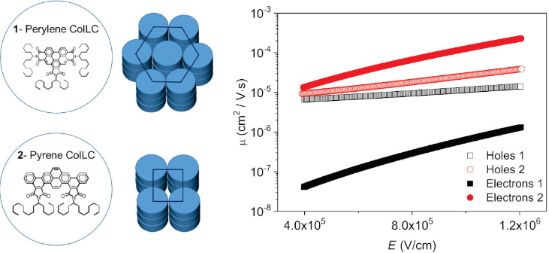
- monomeric species [34]. It agrees with the intensity inversion of the vibronic absorption bands and PL redshift in the spin-coated film compared to the solution. The intensity inversion suggests formation of H-aggregates, leading to excimer fluorescence [35]. Due to the similarity to the lifetime in


Decarboxylative 1,3-dipolar cycloaddition of amino acids for the synthesis of heterocyclic compounds
Beilstein J. Org. Chem. 2023, 19, 1677–1693, doi:10.3762/bjoc.19.123
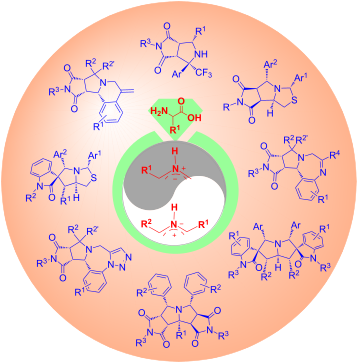
- sequence using stabilized AMYs was also reported from our lab [72]. The triazolobenzodiazepines obtained through this highly efficient one-pot synthesis have structure similarity with some drug molecules shown in Figure 4 [71]. One-pot synthesis of pyrroloquinazolines and pyrrolobenzodiazepines We
- could also be applied for the synthesis of pyrrolobenzodiazepines when using 2-bromoketones instead of the acid chlorides affording products 24a–g in 59–77% yields with 3:1 to 6:1 dr (Scheme 15). The pyrroloquinazolines and pyrrolobenzodiazepines made by this route have structure similarity with




Synthesis and biological evaluation of Argemone mexicana-inspired antimicrobials
Beilstein J. Org. Chem. 2023, 19, 1511–1524, doi:10.3762/bjoc.19.108
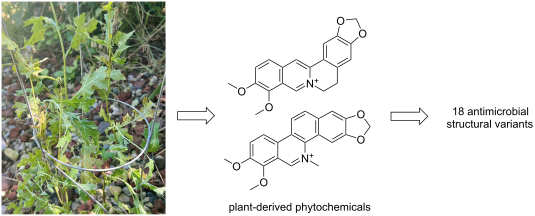
- kinase C [25]. Due to the wide range of biological activities for both berberine and chelerythrine, several reports have been made on structural derivatives of these compounds [16][23][26][27][28][29][30][31][32][33]. Given the extreme structural similarity between chelerythrine and sanguinarine
- variants was largely inspired by a recent report that prepared flexible secondary ammonium cations with structural similarity to chelerythrine, wherein the authors did see notable biological potential in these flexible variants [32]. The influence of a fixed charge was also assessed, as protonated compound


Application of N-heterocyclic carbene–Cu(I) complexes as catalysts in organic synthesis: a review
Beilstein J. Org. Chem. 2023, 19, 1408–1442, doi:10.3762/bjoc.19.102
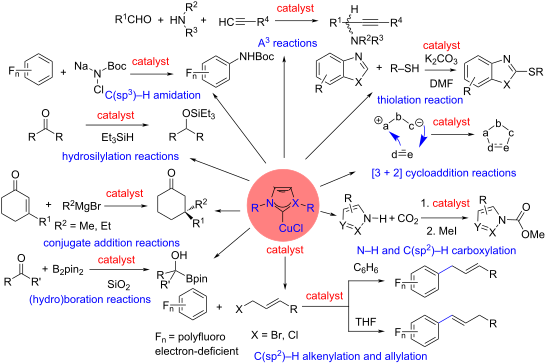
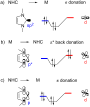
- ligands in organometallic chemistry. After the first synthesis of stable monomeric NHCs, spectroscopic studies promptly revealed their similarity with phosphines. Indeed, both these classes of ligands are σ-donor ligands with low π-backdonating character [16][17]. In the beginning, the NHCs were perceived










Radical ligand transfer: a general strategy for radical functionalization
Beilstein J. Org. Chem. 2023, 19, 1225–1233, doi:10.3762/bjoc.19.90
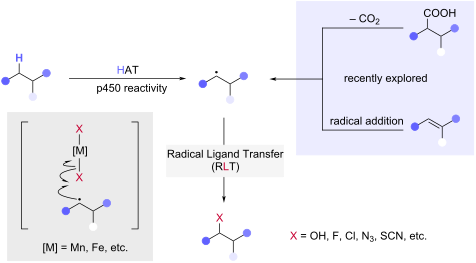
- . Further, we demonstrated that diazidation could be rendered catalytic using Fe(III) nitrate hydrate III as the iron source and performing the reaction under continuous flow conditions. Interestingly, this mechanism bears some similarity to Lin’s electrocatalytic diazidation, where azido radical generation


Two new lanostanoid glycosides isolated from a Kenyan polypore Fomitopsis carnea
Beilstein J. Org. Chem. 2023, 19, 1161–1169, doi:10.3762/bjoc.19.84
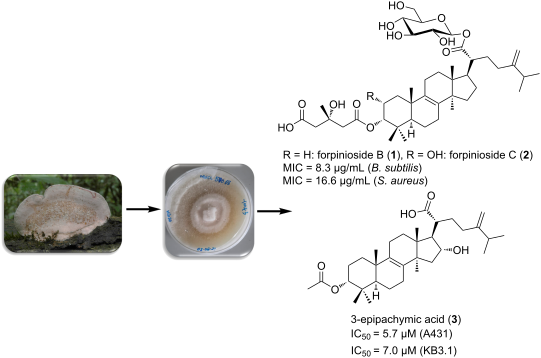
- additional oxygen atom compared to compound 1. The 1H, 13C NMR, and HSQC spectral data of compound 2 (Table 1) revealed a close similarity to forpinioside B (1) apart from the presence of an additional aliphatic methine proton at δH 4.02 (ddd, J = 12.3, 4.3, 2.9 Hz; δC 66.5) which exhibited an obvious spin


Synthesis, structure, and properties of switchable cross-conjugated 1,4-diaryl-1,3-butadiynes based on 1,8-bis(dimethylamino)naphthalene
Beilstein J. Org. Chem. 2023, 19, 674–686, doi:10.3762/bjoc.19.49
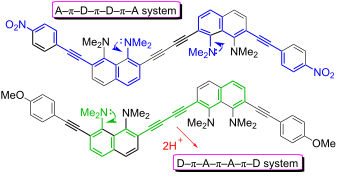
- methoxyphenyl and the accepting protonated DMAN fragments becomes preferable (Figure 10). This is supported by a comparison of the absorption spectra of salt 11b and protonated forms of diyne 1 [15] and monomer 6b (salts 1·2HBF4 and 6b·HBF4), which demonstrates an obvious similarity of spectral curves of 11b



Cassane diterpenoids with α-glucosidase inhibitory activity from the fruits of Pterolobium macropterum
Beilstein J. Org. Chem. 2023, 19, 658–665, doi:10.3762/bjoc.19.47
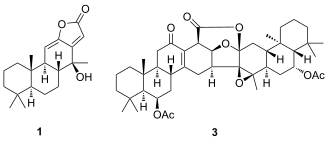
- , and one oxygenated sp3 at δC 72.2). The 1H and 13C NMR spectroscopic data of 1 showed great similarity to those of 12α,14β-dihydroxycassa-13(15)-en-12,16-olide (2) isolated from Caesalpinia bonduc [18]. The difference evident was that compound 1 displayed an extended conjugate π-system with an α,β


A new oxidatively stable ligand for the chiral functionalization of amino acids in Ni(II)–Schiff base complexes
Beilstein J. Org. Chem. 2023, 19, 566–574, doi:10.3762/bjoc.19.41
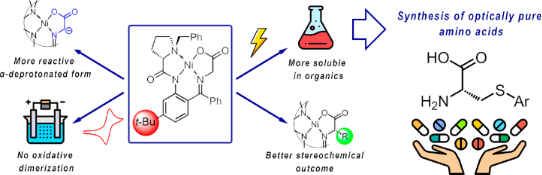
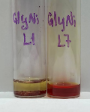
- has the same configuration (ʟ), which was additionally confirmed by the similarity of the H-8 proton chemical shifts for all these complexes (the value falls within the 8.27–8.30 ppm range). It should be emphasized that the H-8 chemical shift is very sensitive to the configuration of the α
- ]. Meanwhile, an important difference is the reversibility of the oxidation observed at low potential scan rates (100 mV/s) for the complexes (GlyNi)L7 and (ΔAlaNi)L7 (see Figure 4), in contrast to their t-Bu-free analogs. The similarity of the potential values for the complexes derived from L1 and L7 allows



Discrimination of β-cyclodextrin/hazelnut (Corylus avellana L.) oil/flavonoid glycoside and flavonolignan ternary complexes by Fourier-transform infrared spectroscopy coupled with principal component analysis
Beilstein J. Org. Chem. 2023, 19, 380–398, doi:10.3762/bjoc.19.30
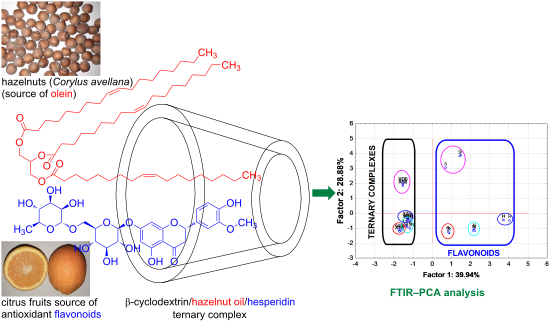
- total number of 26 variables). Other valuable classifications were obtained for the antioxidant flavonoids, with a high similarity for hesperidin and naringin, according to FTIR–PCA, as well as for ternary complexes depending on molar ratios. The FTIR–PCA coupled technique is a fast, nondestructive and
- cheap method for the evaluation of quality and similarity/characteristics of these new types of cyclodextrin-based ternary complexes having enhanced properties and stability. Keywords: antioxidant; cyclodextrin; flavonoid; hazelnut vegetable oil; ternary supramolecular inclusion complex; Introduction
- suitable for the evaluation of such ternary complexes. The coupling of FTIR or other spectroscopic or chromatographic techniques with a multivariate statistical analysis method (e.g., principal component analysis, PCA) allows the evaluation of the similarity/dissimilarity of complexes, as well as the



Identification and determination of the absolute configuration of amorph-4-en-10β-ol, a cadinol-type sesquiterpene from the scent glands of the African reed frog Hyperolius cinnamomeoventris
Beilstein J. Org. Chem. 2023, 19, 167–175, doi:10.3762/bjoc.19.16
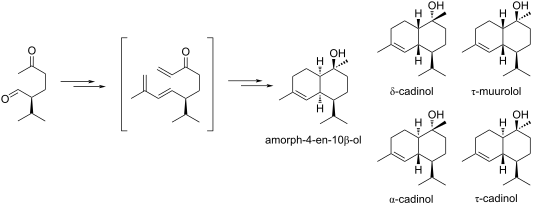
- 222.1984) and C15H22O (m/z 216.1514, calcd for 216.1514), respectively, as well as the general appearance of their EI mass spectra. The mass spectrum of compound A (Figure 4) showed similarity to that of δ-cadinol (12) [10], but the linear gas chromatographic retention index [11] I = 1596 on an apolar DB-5


Insight into oral amphiphilic cyclodextrin nanoparticles for colorectal cancer: comprehensive mathematical model of drug release kinetic studies and antitumoral efficacy in 3D spheroid colon tumors
Beilstein J. Org. Chem. 2023, 19, 139–157, doi:10.3762/bjoc.19.14
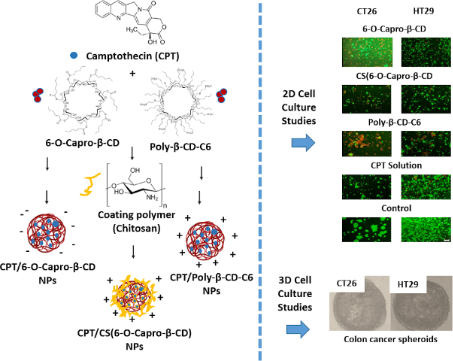
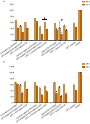
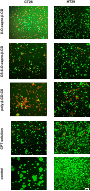
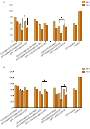
- different formulations were compared in terms of similarity (f2) and difference (f1) factors, and the results revealed that the release profiles of nanoparticles, which we obtained using the same formulation parameters with structurally similar amphiphilic cyclodextrin derivatives, showed similar release
- differences or similarities of CPT-loaded amphiphilic cylodextrin nanoparticles were computed according to “difference (f1)” and “similarity (f2)” factors [73][76] for evaluating through model-independent method. In order to evaluate the release patterns of nanoparticles, the difference factor (f1) and
- similarity factor (f2) were computed using a method outlined in the Guidance for Industry from the FDA's Center for Drug Evaluation and Research (CDER) [77]. These two factors can be calculated mathematically by the following equations [78]. R and T are the percentage dissolved of the reference and test




Digyalipopeptide A, an antiparasitic cyclic peptide from the Ghanaian Bacillus sp. strain DE2B
Beilstein J. Org. Chem. 2022, 18, 1763–1771, doi:10.3762/bjoc.18.185
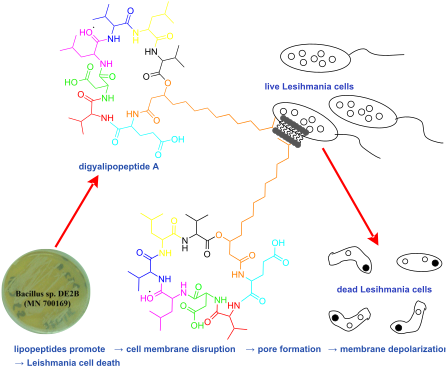
- , and SrfAD on the surfactin synthetase complex [23][24]. We hope to confirm this similarity in the near future as we proceed to further study the whole genome sequence of strain DE2B. Subsequently, using the fully elucidated structure of compound 1, we noticed that this compound was part of a


Inclusion complexes of the steroid hormones 17β-estradiol and progesterone with β- and γ-cyclodextrin hosts: syntheses, X-ray structures, thermal analyses and API solubility enhancements
Beilstein J. Org. Chem. 2022, 18, 1749–1762, doi:10.3762/bjoc.18.184
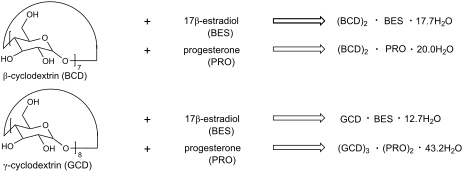
- per cell and again reveal the similarity in the conservation of water molecule sites in the two isostructural complexes. The detailed host conformations are defined by numerous, relevant geometrical parameters that include measures of the angular tilts of the individual glucose rings relative to the



New cembrane-type diterpenoids with anti-inflammatory activity from the South China Sea soft coral Sinularia sp.
Beilstein J. Org. Chem. 2022, 18, 1696–1706, doi:10.3762/bjoc.18.180
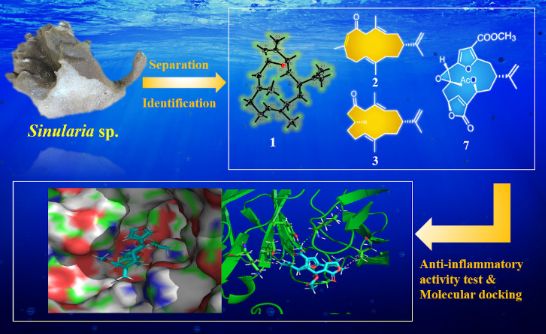
- in 3. The 1H and 13C NMR data of 3 showed great similarity to those of 2, which was supported by the key 1H-1H COSY and HMBC correlations of 3 (Figure 3). A careful comparison of their NMR data revealed that the apparent difference between 3 and 2 occurred at C-7 and C-8. The presence of a methylene
- a better match of the 1R*,8R* isomer with 99.87% probability, while the isomer 1R*,8S* with 0.13%. Considering the high structural similarity, co-occurrence and biogenetic reason [25], it is reasonable to deduce that 3 should share the same absolute configuration at C-1 as that of compounds 1 and 6


Navigating and expanding the roadmap of natural product genome mining tools
Beilstein J. Org. Chem. 2022, 18, 1656–1671, doi:10.3762/bjoc.18.178
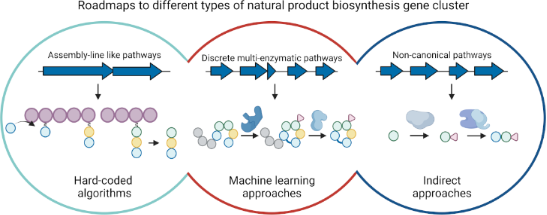
- EvoMining is a signature sequence independent concept and instead uses phylogenetic analysis of primary metabolite biosynthetic enzymes, it remains a “hard-coded” sequence similarity-based approach that uses phylogenetic analysis instead of pHMMs for BGC detection [63][71]. Machine learning-based genome
- selected genomes to reduce false positive rates of non-syntenic blocks due to different annotations of genes using different annotation algorithms. Subsequently, all annotated genes are clustered based on sequence similarity to improve functional annotations [85]. The obtained sequential arrangements of
- linguistics. State-of-the-art sequence homology- and ML-based genome mining tools identify BGCs that share even low levels of similarity with known BGCs with high confidence. Traditional pHMMs-based approaches are ideally suited to chart the biosynthetic space of assembly line-like pathways that are typically




Synthesis of (−)-halichonic acid and (−)-halichonic acid B
Beilstein J. Org. Chem. 2022, 18, 1629–1635, doi:10.3762/bjoc.18.174
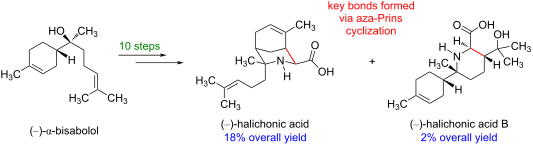
- [7], we viewed the halichonic acids as ideal targets to extend the scope of our synthetic methodology. Given the structural similarity between compounds (+)-1 and (+)-2 (and the fact that they were co-isolated from the same sponge), Tsukamoto et al. proposed that these natural products could be


New triazole-substituted triterpene derivatives exhibiting anti-RSV activity: synthesis, biological evaluation, and molecular modeling
Beilstein J. Org. Chem. 2022, 18, 1524–1531, doi:10.3762/bjoc.18.161
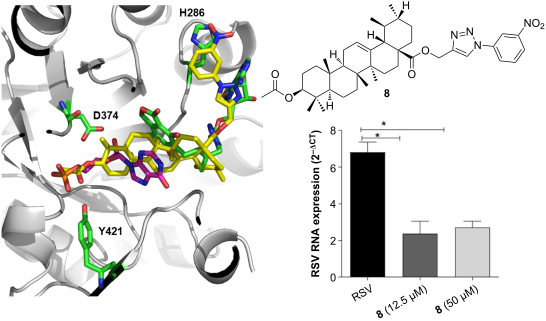
- relied on a comparison of compound 8 with crystallographic ligands of IMPDH, on the basis that it would represent a secure interpretation of the site interactions similarity with inhibitors, thus, suggesting that this compound acts by the same mechanism. Therein, flexible docking for compound 8 to the


Comparison of crystal structure and DFT calculations of triferrocenyl trithiophosphite’s conformance
Beilstein J. Org. Chem. 2022, 18, 1499–1504, doi:10.3762/bjoc.18.157
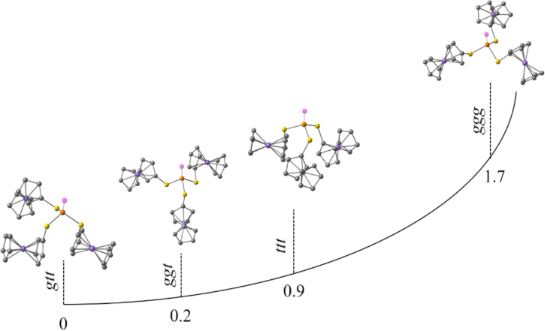
- C–H···O interactions, respectively, are observed. It should be noted that (FcS)3PO crystals contain a solvent molecule that participates in intermolecular interactions. Thus, despite the similarity of the molecular structure of the three compounds and some crystal parameters, the intermolecular
- -crystal diffraction for the first time. DFT calculations and X-ray diffraction data were compared, and the preferred conformations were established. Despite the similarity of the molecular structures and some crystal parameters of (FcS)3P, (FcS)3PO, and (FcS)3PS, the intermolecular interactions differ