
Search results
Search for "scaffolds" in Full Text gives 607 result(s) in Beilstein Journal of Organic Chemistry. Showing first 200.
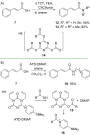
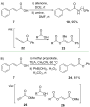
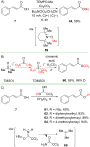
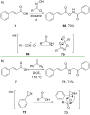
Recent advances in synthetic approaches for bioactive cinnamic acid derivatives
Beilstein J. Org. Chem. 2025, 21, 1031–1086, doi:10.3762/bjoc.21.85
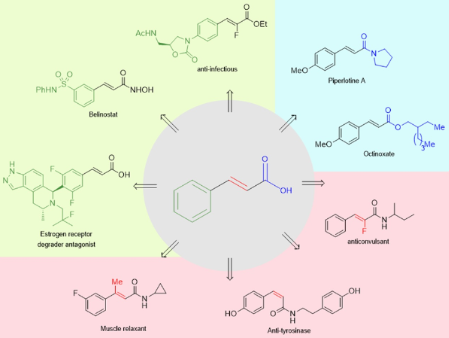
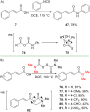
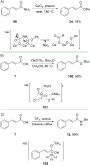
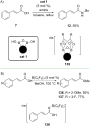
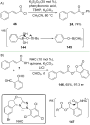
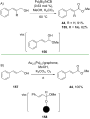
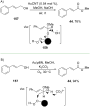
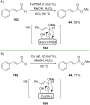
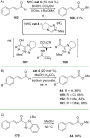
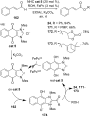
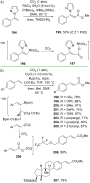
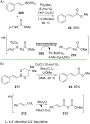
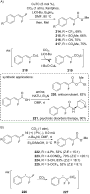
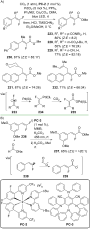
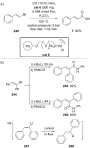
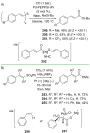
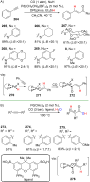
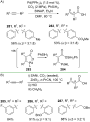
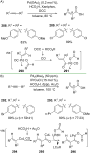
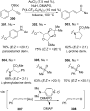
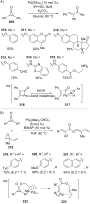
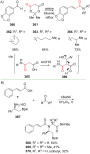
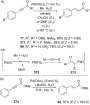
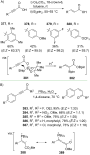
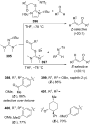
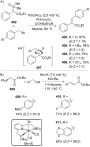
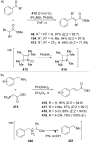
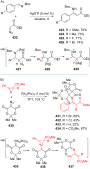
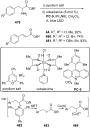
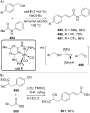
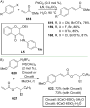
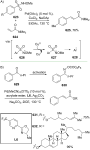
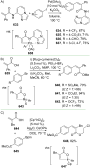
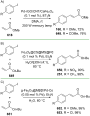
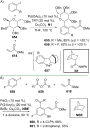
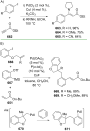
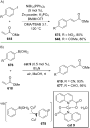
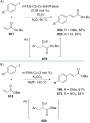
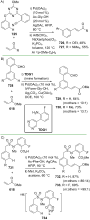
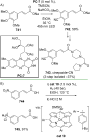
- the past five years is presented, particularly emphasizing the active scaffolds of bioactive cinnamic acid derivatives. The review provides a strategic overview of alternative synthetic routes and highlights the latest innovations, including more efficient, highly selective, and environmentally


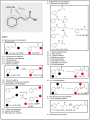

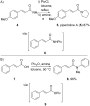







































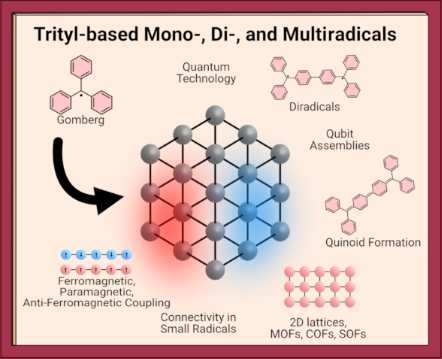
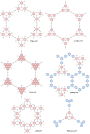
On the photoluminescence in triarylmethyl-centered mono-, di-, and multiradicals
Beilstein J. Org. Chem. 2025, 21, 964–998, doi:10.3762/bjoc.21.80









Study of tribenzo[b,d,f]azepine as donor in D–A photocatalysts
Beilstein J. Org. Chem. 2025, 21, 935–944, doi:10.3762/bjoc.21.76
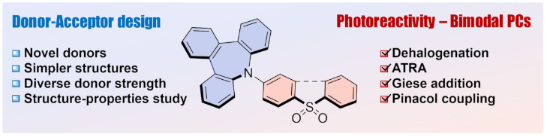
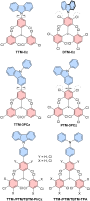
- diverse scaffolds have been reported in the literature, the identification and use of novel PCs with tunable and diverse optical and redox properties can pave the way to uncharted reactivity. In this context, sulfur-based cores, widely used as acceptors in photoelectric materials [9][10][11][12][13][14
- : diphenyl sulfone (4), dibenzo[b,d]thiophene 5,5-dioxide (5), and 9,9-dimethyl-9H-thioxanthene 10,10-dioxide (6). The selection of these scaffolds was aimed at investigating the effect of conjugation and rigidity/flexibility on the presence of the same donor (TBA, a). In the case of the D–A compounds 4a and
- transfer (CT) character in scaffolds 4a and 6a can be attributed to the absence of a complete conjugated system. On the other hand, the fluorescence profile showed more differences in the analysis of the three members of the D–A family. Again, 5a revealed a bathochromic effect compared with the less



A convergent synthetic approach to the tetracyclic core framework of khayanolide-type limonoids
Beilstein J. Org. Chem. 2025, 21, 926–934, doi:10.3762/bjoc.21.75
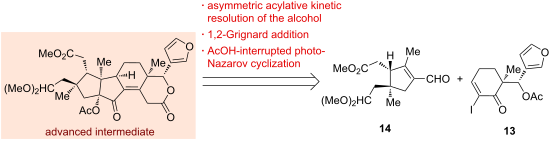
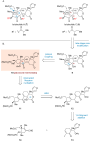
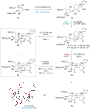
- . A preliminary investigation revealed that krishnolide A (7) exhibited unique anti-human immunodeficiency virus (HIV) activity, representing the first report of anti-HIV activity in khayanolide-type limonoids. However, the highly oxygenated and polycyclic scaffolds pose substantial challenges toward




Silver(I) triflate-catalyzed post-Ugi synthesis of pyrazolodiazepines
Beilstein J. Org. Chem. 2025, 21, 915–925, doi:10.3762/bjoc.21.74
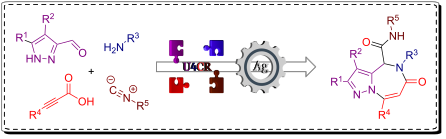
- ) triflate-catalyzed post-Ugi assembly of novel pyrazolo[1,5-a][1,4]diazepine scaffolds is reported offering high yields (up to 98%) under mild conditions. The synthetic sequence involves the Ugi four-component reaction (U4CR) of pyrazole-3-carbaldehydes, primary amines, 3-substituted propiolic acids, and
- ; pyrazolodiazepines; silver catalysis; Ugi reaction; Introduction Synthetic chemists are continuously involved in the development of methodologies for accessing new heterocyclic scaffolds that resemble naturally occurring products and biologically active molecules [1][2]. Nitrogen heterocycles draw particular
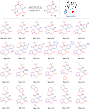
- privileged scaffolds [4][5][6] and are well-known for their use as anxiolytics, hypnotics, and muscle relaxants (Figure 1) [7][8]. Diazepam, sold under the brand name Valium, is among the first marketed medications of the benzodiazepine family [9]. Alprazolam, sold under the brand name Xanax, is a fast




Recent advances in controllable/divergent synthesis
Beilstein J. Org. Chem. 2025, 21, 890–914, doi:10.3762/bjoc.21.73
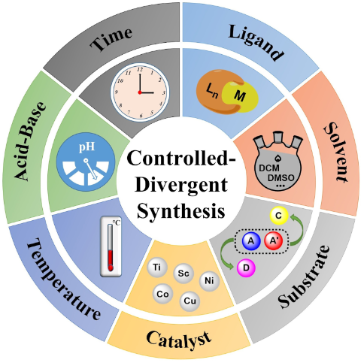
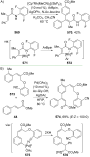
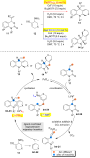
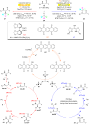
- utilizing in situ-generated π-allylpalladium complexes to capture strained cyclic allene intermediates (Scheme 4) [22]. By modulating the ligands in the reaction system, two distinct polycyclic scaffolds, 13 or 14, could be synthesized with high selectivity. Mechanistically, the Pd(0) catalyst coordinates







Cu–Bpin-mediated dimerization of 4,4-dichloro-2-butenoic acid derivatives enables the synthesis of densely functionalized cyclopropanes
Beilstein J. Org. Chem. 2025, 21, 877–883, doi:10.3762/bjoc.21.71
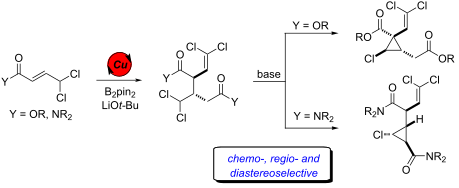
- platform for the synthetic diversification on these important scaffolds. Surprisingly, when the TBAF-mediated cyclization was attempted on bisamide 9 the corresponding cyclopropane 18 was not formed (Table 2, entry 6). The use of other mild bases at different temperatures also resulted unproductive
- functionalized cyclopropane scaffolds depending on the nature of the carboxylic acid derivative. Chemodivergent reactivity observed in copper-catalyzed borylative couplings of allylic gem-dichlorides. Cu-Bpin-mediated dimerization of 4,4-dichoro-2-butenoic acid derivatives. Control experiments. Proposed


Light-enabled intramolecular [2 + 2] cycloaddition via photoactivation of simple alkenylboronic esters
Beilstein J. Org. Chem. 2025, 21, 854–863, doi:10.3762/bjoc.21.69
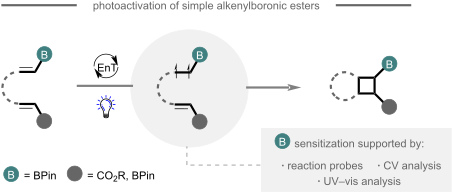
- + 2] cycloaddition established, the scope and pivotal properties of the core structure was assessed (Scheme 1). Single point modifications of the tethered backbone were tolerated, enabling access to small 3D bicyclic scaffolds 4b, 4c, and 4d containing both a boron and ester handle. Consciously aware
- . Access to vicinal boron scaffolds 4f and 4g provided conclusive evidence that sensitization of alkenylboronic esters is achievable using xanthone, with in situ oxidation enabling direct access to otherwise challenging to synthesize cyclobutyldiols. The lower observed diastereoselectivity may reflect
- strategies for cyclobutyl scaffolds [53][54][55], products 6 and 7 could be synthesized via mild conditions [68]. Inspired by recent advances by Nolan and co-workers demonstrating the synthetic power of gold catalysts in EnT catalysis [31][69][70][71][72], we probed the reactivity of [Au(SIPr)(Cbz)] in our


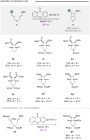

4-(1-Methylamino)ethylidene-1,5-disubstituted pyrrolidine-2,3-diones: synthesis, anti-inflammatory effect and in silico approaches
Beilstein J. Org. Chem. 2025, 21, 817–829, doi:10.3762/bjoc.21.65
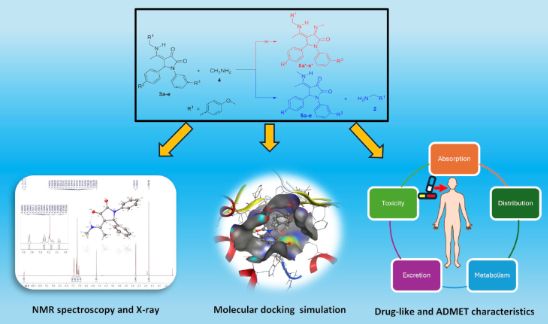
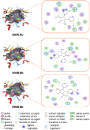
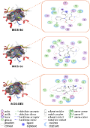
- hydrogen bonding with Cys200. These results underscore the potential of 4-(1-methylamino)ethylidenepyrrolidine-2,3-diones, especially compound 5e, as promising scaffolds for the development of anti-inflammatory agents targeting iNOS-related pathologies. Keywords: anti-inflammatory pyrrolidine-2,3-dione
- -disubstituted pyrrolidine-2,3-diones as scaffolds for the development of anti-inflammatory agents targeting iNOS-related pathologies. Results and Discussion Synthesis of 4-(1-methylamino)ethylidene-1,5-disubstituted pyrrolidine-2,3-diones 5a–e The reaction between 4-acetyl-3-hydroxy-1,5-disubstituted-3


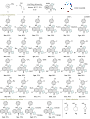
Copper-catalyzed domino cyclization of anilines and cyclobutanone oxime: a scalable and versatile route to spirotetrahydroquinoline derivatives
Beilstein J. Org. Chem. 2025, 21, 749–754, doi:10.3762/bjoc.21.58
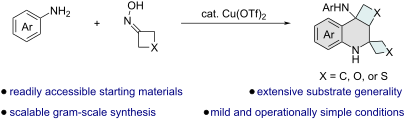
- report the copper-catalyzed synthesis of tetrahydroquinoline derivatives via a domino reaction of aniline with cyclobutanone oxime. This method demonstrates a selective approach for generating bioactive tetrahydroquinoline scaffolds, which have broad applications in pharmaceutical chemistry. The reaction
- stereocontrol (Scheme 1b) [24]. In 2023, Zeng et al. reported the first example of a chromium-catalyzed spirocyclization between anilines and cyclobutanones, providing direct access to medicinally relevant cyclobutane-annulated and structurally constrained spirotetrahydroquinoline (STHQ) scaffolds [25]. Given
- -catalyzed method for the synthesis of spirotetrahydroquinoline (STHQ) derivatives via the reaction of anilines with cyclobutanone oxime. This protocol offers a straightforward approach to constructing structurally diverse STHQ scaffolds under mild conditions, with broad substrate scope and high functional




Origami with small molecules: exploiting the C–F bond as a conformational tool
Beilstein J. Org. Chem. 2025, 21, 680–716, doi:10.3762/bjoc.21.54
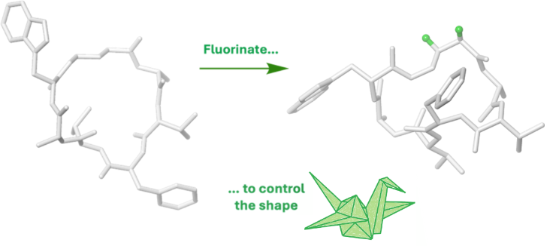
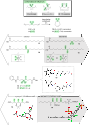
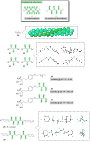
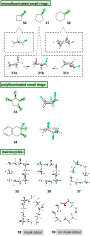
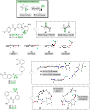
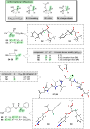
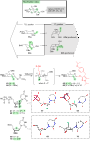
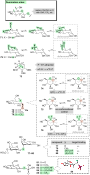
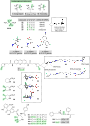
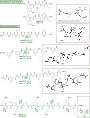
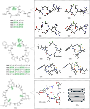
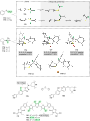
- scaffolds – alkanes – then we will progress to ethers, alcohols, sugars, amines (and their derivatives), carbonyl compounds, peptides, and finally sulfur-containing compounds. By arranging the material in this way, we hope that newcomers to the field might be able to readily envisage ways to apply these
- concepts to their own scaffolds of interest. Review 1 Alkanes The simplest organic scaffolds are the alkanes. In such molecules, C–C bond rotations often have low energy barriers, and they often deliver conformers that are similar in energy, and this means that many alkanes have considerable conformational


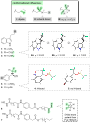

Formaldehyde surrogates in multicomponent reactions
Beilstein J. Org. Chem. 2025, 21, 564–595, doi:10.3762/bjoc.21.45
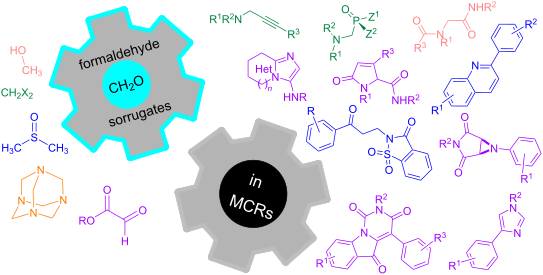
- the MCR product is possible thus increasing the versatility of these reactions in terms of structural diversity and molecular complexity. In this context, a wide variety of heterocycles and macrocycles as important biological scaffolds have been synthesized [6]. One of the most important components
- . Synthesis of heteroaromatic systems One of the most powerful applications of MCRs is the synthesis of heterocyclic compounds and several reports in recent years showed the advantages of using this tool as a synthetic strategy to generate complex molecular scaffolds with medicinal relevance [25][26][27]. In
- the cyclization process producing various highly diverse nitrogen-containing heterocycles, which are valuable scaffolds in medicinal chemistry [46]. Synthesis of non-aromatic heterocycles As stated above, DMSO can also hydrolytically decompose to formaldehyde. There are many examples of reactions in


Asymmetric synthesis of β-amino cyanoesters with contiguous tetrasubstituted carbon centers by halogen-bonding catalysis with chiral halonium salt
Beilstein J. Org. Chem. 2025, 21, 547–555, doi:10.3762/bjoc.21.43
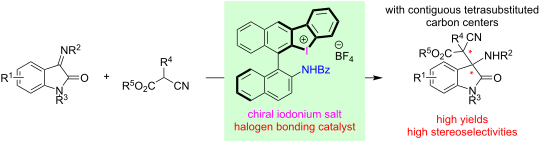
- , Chiba 263-8522, Japan 10.3762/bjoc.21.43 Abstract β-Amino cyanoesters are important scaffolds because they can be transformed into useful chiral amines, amino acids, and amino alcohols. Halogen bonding, which can be formed between halogen atoms and electron-rich chemical species, is attractive because


Synthesis of N-acetyl diazocine derivatives via cross-coupling reaction
Beilstein J. Org. Chem. 2025, 21, 490–499, doi:10.3762/bjoc.21.36
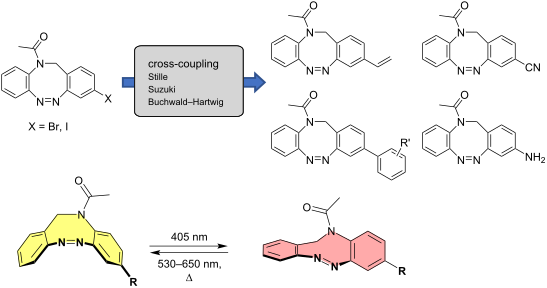
- tetracyclic steroid scaffolds such as 17β-estradiol [18], where the diazocine core mimics the framework of the bioactive compound (Figure 1a). The other option is to attach the diazocine photoswitch as a substituent (appendix) to the biologically active molecule (Figure 1b) [6][10][19][20][21]. The art of
- switching properties even in an aqueous environment and are therefore promising switches in photopharmacological applications. a) Structural similarity of N-acetyl diazocine 1 with known 17βHSD3-inhibitor tetrahydrodibenzazocine (THB) [17] and parent diazocine with steroid scaffolds [18]. b) Parent


New tandem Ugi/intramolecular Diels–Alder reaction based on vinylfuran and 1,3-butadienylfuran derivatives
Beilstein J. Org. Chem. 2025, 21, 444–450, doi:10.3762/bjoc.21.31
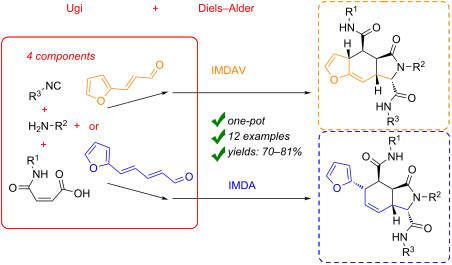
- environmentally friendly synthetic strategies, especially one-pot multicomponent and tandem reactions, are key to modern organic and medicinal chemistry [1][2][3][4][5][6][7] and have proven to be successful in generating diverse heterocyclic scaffolds, as highlighted in a recent book [8]. Multicomponent




Beyond symmetric self-assembly and effective molarity: unlocking functional enzyme mimics with robust organic cages
Beilstein J. Org. Chem. 2025, 21, 421–443, doi:10.3762/bjoc.21.30
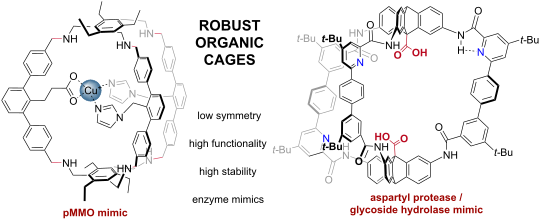
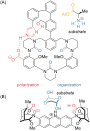
- ]. Chemists thus turned toward scaffolds that were easier to access [36][111]. Self-assembled containers, capsules, nanoreactors In the 1990s, Rebek popularized “softball”/”tennis ball” reactors [112][113][114]. These “capsules” [115][116][117] are two or more molecules that self-assemble via hydrogen bonds
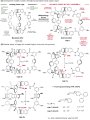
- formation possible in metal–ligand bonding provides chemists with a shortcut to access 3D scaffolds. When well-designed linkers and metals are combined, discrete cages emerge as the thermodynamic product (Figure 5A) [22][142][143][144]. Typically, rigid linkers are required to enforce geometry, although a




Synthesis, characterization, antimicrobial, cytotoxic and carbonic anhydrase inhibition activities of multifunctional pyrazolo-1,2-benzothiazine acetamides
Beilstein J. Org. Chem. 2025, 21, 348–357, doi:10.3762/bjoc.21.25
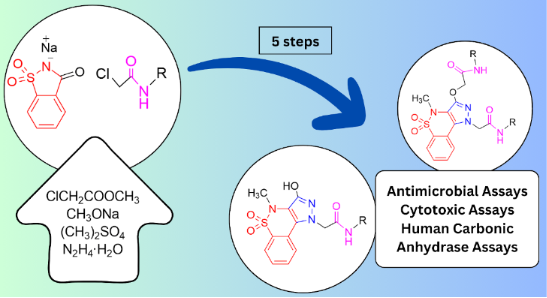
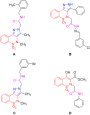
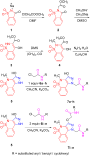
- prepared scaffolds are valuable additions to the class of pyrazolo-1,2-benzothiazine antibiotics with selective antistaphylococcal activity. Keywords: acetamides; antibiotics; antimicrobial; benzothiazines; Staphylococcus aureus; Introduction The global crisis of antibiotic resistance has been
- resistance [2]. Innovative scaffolds for novel antibiotic drug candidates are required to create new methods for safe and effective treatments. Chemically designed drug leads can complement naturally found antibiotics and may engage multiple modes of action and might have a longer lifetime before resistance
- evolves [3]. Complex chemical scaffolds with more than one protein-engaging functionality in a single molecule are advantageous for selectivity. This concept of synergistic compounds and complex chemical interactions helps to boost biological activity and prolongs the emergence of resistance in pathogens


Red light excitation: illuminating photocatalysis in a new spectrum
Beilstein J. Org. Chem. 2025, 21, 296–326, doi:10.3762/bjoc.21.22
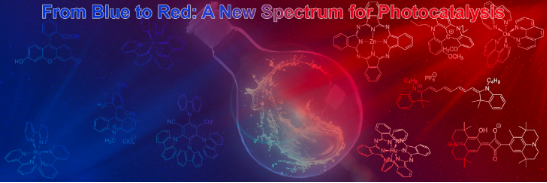
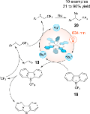
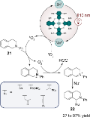
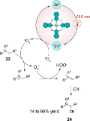
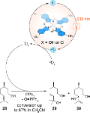
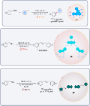
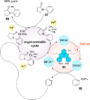
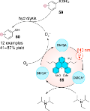
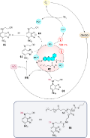
- or side reactivity in a scope of around 50 examples with yields ranging from 27 to 97 % compared to the use of blue-light (Scheme 3a) [20]. In this way, T. Rovis et al. have exploited their photocatalytic system on the functionalization of drug-like scaffolds with moderate to good yields (Scheme 3b
















Streamlined modular synthesis of saframycin substructure via copper-catalyzed three-component assembly and gold-promoted 6-endo cyclization
Beilstein J. Org. Chem. 2025, 21, 226–233, doi:10.3762/bjoc.21.14
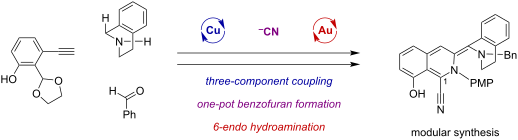
- of lower oxidation state aromatic rings at the A- and E-rings of saframycins. Rational and systematic modification of both ends of the THIQ scaffolds would facilitate the development of reversible covalent DNA binders with tailored sequence preferences. Biosynthetically, the pentacyclic core scaffold
- reliance on the biomimetic PS reactions, we sought to develop a de novo synthetic process that is independent of the substituents on the aromatic rings at both ends (Scheme 1c). To achieve more rapid synthesis and flexible structural diversification of the alkaloidal scaffolds, we conceived a streamlined




Heteroannulations of cyanoacetamide-based MCR scaffolds utilizing formamide
Beilstein J. Org. Chem. 2025, 21, 217–225, doi:10.3762/bjoc.21.13
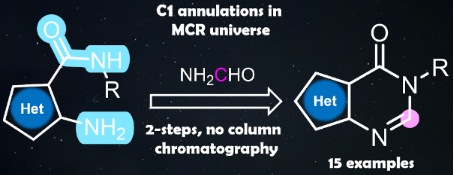
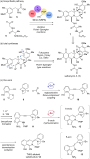
- specific MCR-based scaffolds as precursors and employing the abundant and inexpensive formamide as a C1 feedstock under neat conditions, we were able to efficiently access substituted thieno-, quinolino- and indolopyrimidones without the need of column chromatography. Further, a single-crystal X-ray
- ]. In addition, carbonyldiimidazole-based heteroannulations via MCRs have been reported, giving access to drug like scaffolds [21][22][23][24]. However, their employment in C1 chemistry should and could be advanced. Herein, we point out formamide as an alternative relevant building block for C1
- chemistry by using specific, suitably functionalized MCR scaffolds. This positions formamides as versatile, synthetic hubs towards privileged scaffolds and high-end chemicals. Over the years, the reactivity of formamide has been widely explored in heterocyclic chemistry, but it has only recently started to




Dioxazolones as electrophilic amide sources in copper-catalyzed and -mediated transformations
Beilstein J. Org. Chem. 2025, 21, 200–216, doi:10.3762/bjoc.21.12
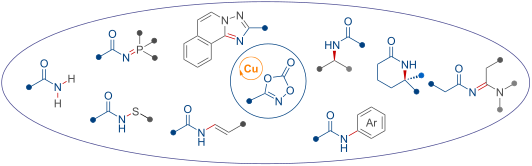
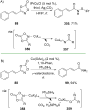
- , dioxazolones containing free -OH groups exhibited excellent functional group tolerance, leading to the formation of primary amides 28g and 28h. Moreover, biologically relevant scaffolds on dioxazolones were successfully transformed in this transformation (28i–k). As illustrated in Figure 9, a catalytic cycle
- late-stage functionalizations of complex scaffolds such as peptides, drug molecules, and natural products containing unprotected free OH and NH groups are anticipated. Proposed reaction pathway for the copper-catalyzed synthesis of δ-lactams from dioxazolones. Proposed reaction mechanism for the copper


Recent advances in electrochemical copper catalysis for modern organic synthesis
Beilstein J. Org. Chem. 2025, 21, 155–178, doi:10.3762/bjoc.21.9
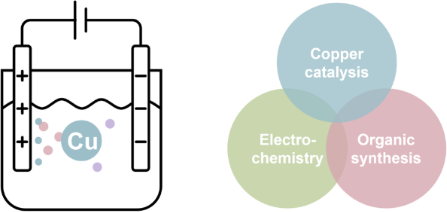
- % CuCl2 catalyst was required, and anodic oxidation was employed instead of stoichiometric chemical oxidants. This cascade strategy is compatible with various substituted N-arylenamines 57 that bear electron-withdrawing and electron-donating groups, facilitating the production of quinoxaline scaffolds 59








Recent advances in organocatalytic atroposelective reactions
Beilstein J. Org. Chem. 2025, 21, 55–121, doi:10.3762/bjoc.21.6
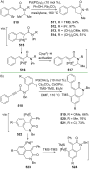
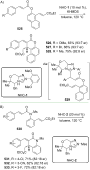
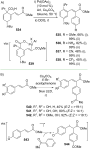
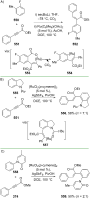
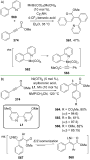
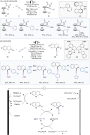
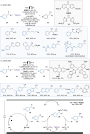
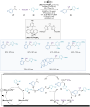
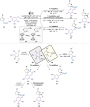
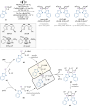
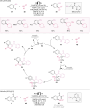
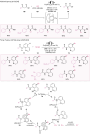
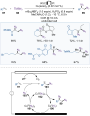
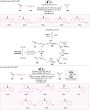
- kinetic resolution through a Pictet–Spengler reaction, enabled the preparation of axially chiral 8-aryltetrahydroisoquinolines 108 starting from aminobiaryl scaffolds 107 and paraformaldehyde (Scheme 34) [59]. For most substrates, excellent enantioselectivities and moderate to excellent yields were
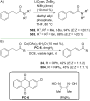
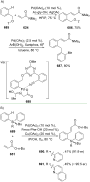
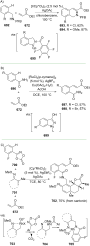
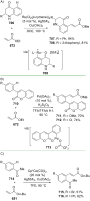
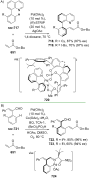
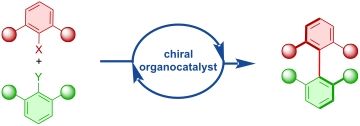
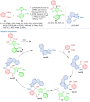
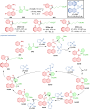
- of the naphthol's OH group and indole's NH group, presumably through hydrogen bonding with organocatalyst C27. The organocatalytic atroposelective preparation of promising EBINOL scaffolds 167 and 169 was done by Wang et al. with the help of the SPINOL-derived organocatalysts C40, C41, and C42











Facile one-pot reduction of β-nitrostyrenes to phenethylamines using sodium borohydride and copper(II) chloride
Beilstein J. Org. Chem. 2025, 21, 39–46, doi:10.3762/bjoc.21.4
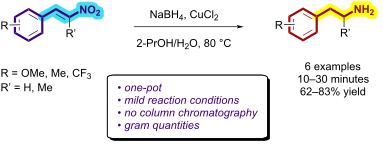
- substituted β-nitrostyrenes. This one-pot procedure allows the quick isolation of substituted β-nitrostyrene scaffolds with 62–83% yield under mild conditions, without the need for special precautions, inert atmosphere, and time-consuming purification techniques. Keywords: 2C-X; CuCl2; NaBH4; β-nitrostyrene
- aluminum hydride, sodium borohydride is a non-pyrophoric and easy-to-handle reducing agent. Since the first attempts in 1967, NaBH4 has been employed to reduce β-nitrostyrene scaffolds to the corresponding nitroalkanes [19][20][21]. Several catalysts have been combined with NaBH4 to facilitate full
- -nitrostyrene (4a), precursor of most of the hallucinogenic 2C-X family (Table 1). This method was also tested on other types of scaffolds to investigate its potential general applications and effects on other substituents. As sodium borohydride per se does not reduce ester nor nitro functionalities [15][16][17


Giese-type alkylation of dehydroalanine derivatives via silane-mediated alkyl bromide activation
Beilstein J. Org. Chem. 2024, 20, 3274–3280, doi:10.3762/bjoc.20.271
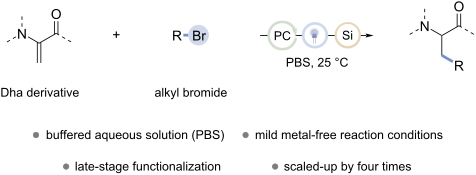
- functionalization (LSF) of peptide scaffolds. α,β-Unsaturated amino acids like dehydroalanine (Dha) derivatives have emerged as particularly useful structures, as the electron-deficient olefin moiety can engage in late-stage functionalization reactions, like a Giese-type reaction. Cheap and widely available
- ]. Amid the growing popularity of biomolecular drug candidates, the late-stage modification of peptide scaffolds has gained significant importance [28]. A particularly interesting class of amino acids for late-stage diversification consists of dehydroamino acids (Dha). Dha derivatives have shown