

Search results
Search for "oximes" in Full Text gives 81 result(s) in Beilstein Journal of Organic Chemistry.
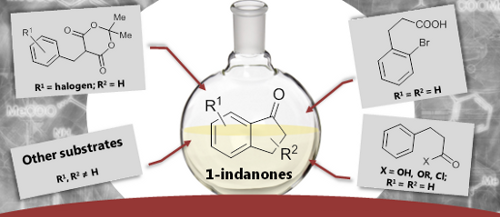
Synthesis of 1-indanones with a broad range of biological activity
- Marika Turek,
- Dorota Szczęsna,
- Marek Koprowski and
- Piotr Bałczewski
Beilstein J. Org. Chem. 2017, 13, 451–494, doi:10.3762/bjoc.13.48
- -chloropropionyl chloride 174 followed by a intramolecular Friedel–Crafts alkylation afforded 1-indanones 178 (Scheme 51) [80]. A direct reaction of the latter with n-butylnitrite led to the formation of keto-oximes 179 which underwent a Pd/C catalytic reduction to give 2-amino substituted 1-indanones 180. Both
- keto-oximes 179 and 2-amino derivatives 180 are β2-adrenergic agonists tested for bronchodilating activity. The pterosin family are sesquiterpenoids naturally occurring in bracken fern (Pteridium aquilinum), some of them exhibit antibacterial and cytotoxic activity. A practical synthesis of pterosin A

Graphical Abstract

Figure 1: Biologically active 1-indanones and their structural analogues.

Figure 2: Number of papers about (a) 1-indanones, (b) synthesis of 1-indanones.

Scheme 1: Synthesis of 1-indanone (2) from hydrocinnamic acid (1).

Scheme 2: Synthesis of 1-indanone (2) from 3-(2-bromophenyl)propionic acid (3).

Scheme 3: Synthesis of 1-indanones 5 from 3-arylpropionic acids 4.

Scheme 4: Synthesis of kinamycin (9a) and methylkinamycin C (9b).

Scheme 5: Synthesis of trifluoromethyl-substituted arylpropionic acids 12, 1-indanones 13 and dihydrocoumarin...

Scheme 6: Synthesis of 1-indanones 16 from benzoic acids 15.

Scheme 7: Synthesis of 1-indanones 18 from arylpropionic and 3-arylacrylic acids 17.

Scheme 8: The NbCl5-induced one-step synthesis of 1-indanones 22.

Scheme 9: Synthesis of biologically active 1-indanone derivatives 26.

Scheme 10: Synthesis of enantiomerically pure indatraline ((−)-29).

Scheme 11: Synthesis of 1-indanone (2) from the acyl chloride 30.

Scheme 12: Synthesis of the mechanism-based inhibitors 33 of coelenterazine.

Scheme 13: Synthesis of the indane 2-imidazole derivative 37.

Scheme 14: Synthesis of fluorinated PAHs 41.

Scheme 15: Synthesis of 1-indanones 43 via transition metal complexes-catalyzed carbonylative cyclization of m...

Scheme 16: Synthesis of 6-methyl-1-indanone (46).

Scheme 17: Synthesis of 1-indanone (2) from ester 48.

Scheme 18: Synthesis of benzopyronaphthoquinone 51 from the spiro-1-indanone 50.

Scheme 19: Synthesis of the selective endothelin A receptor antagonist 55.

Scheme 20: Synthesis of 1-indanones 60 from methyl vinyl ketone (57).

Scheme 21: Synthesis of 1-indanones 64 from diethyl phthalate 61.

Scheme 22: Synthesis of 1-indanone derivatives 66 from various Meldrum’s acids 65.

Scheme 23: Synthesis of halo 1-indanones 69.

Scheme 24: Synthesis of substituted 1-indanones 71.

Scheme 25: Synthesis of spiro- and fused 1-indanones 73 and 74.

Scheme 26: Synthesis of spiro-1,3-indanodiones 77.

Scheme 27: Mechanistic pathway for the NHC-catalyzed Stetter–Aldol–Michael reaction.

Scheme 28: Synthesis of 2-benzylidene-1-indanone derivatives 88a–d.

Scheme 29: Synthesis of 1-indanone derivatives 90a–i.

Scheme 30: Synthesis of 1-indanones 96 from o-bromobenzaldehydes 93 and alkynes 94.

Scheme 31: Synthesis of 3-hydroxy-1-indanones 99.

Scheme 32: Photochemical preparation of 1-indanones 103 from ketones 100.

Scheme 33: Synthesis of chiral 3-aryl-1-indanones 107.

Scheme 34: Photochemical isomerization of 2-methylbenzil 108.

Scheme 35: Synthesis of 2-hydroxy-1-indanones 111a–c.

Scheme 36: Synthesis of 1-indanone derivatives 113 and 114 from η6-1,2-dioxobenzocyclobutene complex 112.

Scheme 37: Synthesis of nakiterpiosin (117).

Scheme 38: Synthesis of 2-alkyl-1-indanones 120.

Scheme 39: Synthesis of fluorine-containing 1-indanone derivatives 123.

Scheme 40: Synthesis of 2-benzylidene and 2-benzyl-1-indanones 126, 127 from the chalcone 124.

Scheme 41: Synthesis of 2-bromo-6-methoxy-3-phenyl-1-indanone (130).

Scheme 42: Synthesis of combretastatin A-4-like indanones 132a–s.

Figure 3: Chemical structures of investigated dienones 133 and synthesized cyclic products 134–137.

Figure 4: Chemical structures of 1-indanones and their heteroatom analogues 138–142.

Scheme 43: Synthesis of 2-phosphorylated and 2-non-phosphorylated 1-indanones 147 and 148 from β-ketophosphona...

Scheme 44: Photochemical synthesis of 1-indanone derivatives 150, 153a, 153b.

Scheme 45: Synthesis of polysubstituted-1-indanones 155, 157.

Scheme 46: Synthesis of 1-indanones 159a–g from α-arylpropargyl alcohols 158 using RhCl(PPh3)3 as a catalyst.

Scheme 47: Synthesis of optically active 1-indanones 162 via the asymmetric Rh-catalyzed isomerization of race...

Scheme 48: Mechanism of the Rh-catalyzed isomerization of α-arylpropargyl alcohols 161 to 1-indanones 162.

Figure 5: Chemical structure of abicoviromycin (168) and its new benzo derivative 169.

Scheme 49: Synthesis of racemic benzoabicoviromycin 172.

Scheme 50: Synthesis of [14C]indene 176.

Scheme 51: Synthesis of indanone derivatives 178–180.

Scheme 52: Synthesis of racemic pterosin A 186.

Scheme 53: Synthesis of trans-2,3-disubstituted 1-indanones 189.

Scheme 54: Synthesis of 3-aryl-1-indanone derivatives 192.

Scheme 55: Synthesis of 1-indanone derivatives 194 from 3-(2-iodoaryl)propanonitriles 193.

Scheme 56: Synthesis of 1-indanones 200–204 by cyclization of aromatic nitriles.

Scheme 57: Synthesis of 1,1’-spirobi[indan-3,3’-dione] derivative 208.

Scheme 58: Total synthesis of atipamezole analogues 211.

Scheme 59: Synthesis of 3-[4-(1-piperidinoethoxy)phenyl]spiro[indene-1,1’-indan]-5,5’-diol hydrochloride 216.

Scheme 60: Synthesis of 3-arylindan-1-ones 219.

Scheme 61: Synthesis of 2-hydroxy-1-indanones 222.

Scheme 62: Synthesis of the 1-indanone 224 from the THP/MOM protected chalcone epoxide 223.

Scheme 63: Synthesis of 1-indanones 227 from γ,δ-epoxy ketones 226.

Scheme 64: Synthesis of 2-hydroxy-2-methylindanone (230).

Scheme 65: Synthesis of 1-indanone derivatives 234 from cyclopropanol derivatives 233.

Scheme 66: Synthesis of substituted 1-indanone derivatives 237.

Scheme 67: Synthesis of 7-methyl substituted 1-indanone 241 from 1,3-pentadiene (238) and 2-cyclopentenone (239...

Scheme 68: Synthesis of disubstituted 1-indanone 246 from the siloxydiene 244 and 2-cyclopentenone 239.

Scheme 69: Synthesis of 5-hydroxy-1-indanone (250) via the Diels–Alder reaction of 1,3-diene 248 with sulfoxid...

Scheme 70: Synthesis of halogenated 1-indanones 253a and 253b.

Scheme 71: Synthesis of 1-indanones 257 and 258 from 2-bromocyclopentenones 254.

Scheme 72: Synthesis of 1-indanone 261 from 2-bromo-4-acetoxy-2-cyclopenten-1-one (260) and 1,2-dihydro-4-viny...

Scheme 73: Synthesis of 1-indanone 265 from 1,2-dihydro-7-methoxy-4-vinylnaphthalene (262) and bromo-substitut...

Scheme 74: Synthesis of 1-indanone 268 from dihydro-3-vinylphenanthrene 266 and 4-acetoxy-2-cyclopenten-1-one (...

Scheme 75: Synthesis of 1-indanone 271 from phenylselenyl-substituted cyclopentenone 268.

Scheme 76: Synthesis of 1-indanone 272 from the trienone 270.

Scheme 77: Synthesis of the 1-indanone 276 from the aldehyde 273.

Scheme 78: Synthesis of 1-indanones 278 and 279.

Scheme 79: Synthesis of 1-indanone 285 from octa-1,7-diyne (282) and cyclopentenone 239.

Scheme 80: Synthesis of benz[f]indan-1-one (287) from cyclopentenone 239 and o-bis(dibromomethyl)benzene (286)....

Scheme 81: Synthesis of 3-methyl-substituted benz[f]indan-1-one 291 from o-bis(dibromomethyl)benzene (286) and...

Scheme 82: Synthesis of benz[f]indan-1-one (295) from the anthracene epidioxide 292.

Scheme 83: Synthesis of 1-indanone 299 from homophthalic anhydride 298 and cyclopentynone 297.

Scheme 84: Synthesis of cyano-substituted 1-indanone derivative 301 from 2-cyanomethylbenzaldehyde (300) and c...

Scheme 85: Synthesis of 1-indanone derivatives 303–305 from ketene dithioacetals 302.

Scheme 86: Synthesis of 1-indanones 309–316.

Scheme 87: Mechanism of the hexadehydro-Diels–Alder (HDDA) reaction.

Scheme 88: Synthesis of 1-indenone 318 and 1-indanones 320 and 321 from tetraynes 317 and 319.

Scheme 89: Synthesis of 1-indanone 320 from the triyn 319.

Scheme 90: Synthesis 1-indanone 328 from 2-methylfuran 324.

Scheme 91: Synthesis of 1-indanones 330 and 331 from furans 329.

Scheme 92: Synthesis of 1-indanone 333 from the cycloadduct 332.

Scheme 93: Synthesis of (S)-3-arylindan-1-ones 335.

Scheme 94: Synthesis of (R)-2-acetoxy-1-indanone 338.

Figure 6: Chemical structures of obtained cyclopenta[α]phenanthrenes 339.

Scheme 95: Synthesis of the benzoindanone 343 from arylacetaldehyde 340 with 1-trimethylsilyloxycyclopentene (...
Stereo- and regioselectivity of the hetero-Diels–Alder reaction of nitroso derivatives with conjugated dienes
- Lucie Brulíková,
- Aidan Harrison,
- Marvin J. Miller and
- Jan Hlaváč
Beilstein J. Org. Chem. 2016, 12, 1949–1980, doi:10.3762/bjoc.12.184
- TiO2 nanoparticle assemblies using H2O2 [51]. Geminal chloronitroso compounds are synthesized or in situ generated from their corresponding oximes by chlorination. As halogen source elemental chlorine [52][53][54], nitrosyl chloride [55], alkyl hypochlorites [56], N-chlorourea [57], tert-butyl

Graphical Abstract

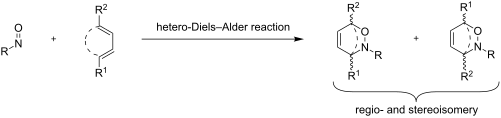
Scheme 1: Nitroso hetero-Diels–Alder reaction.

Scheme 2: The hetero-Diels–Alder reaction between thebaine (4) and an acylnitroso dienophile 5.

Figure 1: Examples of nitroso dienophiles frequently used in hetero-Diels–Alder reaction studies.

Scheme 3: Synthesis of arylnitroso species by substitution of a trifluoroborate group [36].
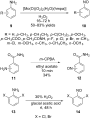
Scheme 4: Synthesis of arylnitroso compounds by amine oxidation.

Scheme 5: Synthesis of arylnitroso compounds by hydroxylamine oxidation.

Scheme 6: Synthesis of chloronitroso compounds by the treatment of a nitronate anion with oxalyl chloride.

Scheme 7: Non-oxidative routes to acylnitroso species.

Figure 2: RB3LYP/6-31G* computed energies (in kcal·mol−1) and bond lengths for exo and endo-transition states...

Scheme 8: Hetero-Diels–Alder cycloadditions of diene 28 and nitroso dienophiles 29.

Figure 3: Relative reactivity (ΔE#) and regioselectivity (Δ) for hetero-Diels–Alder of 28 and nitroso dienoph...

Scheme 9: Reaction of chiral 1-phosphono-1,3-butadiene 31 with nitroso dienophiles 32.

Scheme 10: Hetero-Diels–Alder reactions of hydroxamic acids 35 with various dienes 37.

Scheme 11: General regioselectivity of the nitroso hetero-Diels–Alder reaction observed with unsymmetrical die...

Scheme 12: Effect of the nitroso species on the regioselectivity for weakly directing 2-substituted dienes.

Scheme 13: Regioselectivity of 1,4-disubstituted dienes 51.

Scheme 14: Nitroso hetero-Diels–Alder reaction between Boc-nitroso compound 54 and dienes 55.

Scheme 15: Nitroso hetero-Diels–Alder reaction between Wightman reagent 58 and dienes 59.

Scheme 16: Regioselective reaction of 3-dienyl-2-azetidinones 62 with nitrosobenzene (47).

Scheme 17: The regioselective reaction of 1,3-butadienes 65 with various nitroso heterodienophiles 66.

Scheme 18: Catalysis of the nitroso hetero-Diels–Alder reaction by vanadium in the presence of the oxidant CHP...

Figure 4: 1,2-Oxazines synthesized in solution with moderate to high regioselectivity, showing the favored re...

Figure 5: 1,2-Oxazines synthesized in the solid phase with moderate to high regioselectivity, showing the fav...

Scheme 19: Regioselectivity of solution-phase nitroso hetero-Diels–Alder reaction with acyl and aryl nitroso d...

Scheme 20: Favored regioisomeric outcome for the solution and solid-phase reactions, giving hetero-Diels–Alder...

Figure 6: Favored regioisomers and regioisomeric ratios for 1,2-oxazines synthesized in solid phase (91, 93, ...

Scheme 21: Regiocontrol of the reaction between 3-dienyl-2-azetidinones and nitrosobenzene due to change in a ...

Scheme 22: Regiocontrol of the reaction between diene 111 and 2-methyl-6-nitrosopyridine (112) due to metal co...

Scheme 23: Asymmetric hetero-Diels–Alder reactions reported by Vasella [56].

Scheme 24: Asymmetric hetero-Diels–Alder reaction of cyclohexa-1,3-diene (120) with acylnitroso dienophile 119....

Scheme 25: Asymmetric induction with L-proline derivatives 124–126.

Scheme 26: Asymmetric cycloaddition of the acylnitroso compound 136 to diene 135.

Scheme 27: Asymmetric induction with arylmenthol-based nitroso dienophiles 142.

Scheme 28: Cycloaddition of silyloxycyclohexadiene 145 to the acylnitroso dienophile derived from (+)-camphors...

Scheme 29: Asymmetric reaction of O-isopropylidene-protected cis-cyclohexa-3,5-diene-1,2-diol 147 with mannofu...

Scheme 30: Synthesis of synthon 152 from 2-methoxyphenol 150 and chiral auxiliary 151.

Scheme 31: Asymmetric nitroso hetero-Diels–Alder reaction with Wightman chloronitroso reagent 58.

Scheme 32: Asymmetric 1,2-oxazine synthesis using chiral cyclic diene 157 and the application of this reaction...

Scheme 33: Asymmetric 1,2-oxazine synthesis using a chiral diene reported by Jones et al. [75]. aRegioisomeric rat...

Scheme 34: The nitroso hetero-Diels–Alder reaction of acyclic oxazolidine-substituted diene 170 and chiral 1-s...

Scheme 35: The nitroso hetero-Diels–Alder reaction of acyclic lactam-substituted diene 176 with various acylni...

Scheme 36: The hetero-Diels–Alder reaction of acylnitroso dienophile.

Scheme 37: The hetero-Diels–Alder reaction of arylnitroso dienophiles using Lewis acids.

Scheme 38: Asymmetric hetero-Diels–Alder reactions of chiral alkyl N-dienylpyroglutamates.

Scheme 39: Catalytic asymmetric arylnitroso reaction between mono-substituted 1,3-cyclohexadiene 196 and disub...

Figure 7: Plausible chelate intermediate complexes formed during the hetero-Diels–Alder reaction to give 1,2-...

Scheme 40: Catalytic asymmetric nitroso hetero-Diels–Alder between cyclic dienes and 2-nitrosopyridine.

Scheme 41: The reason for the increased enantioselectivity of stereoisomer 212 compared with stereoisomer 213.

Scheme 42: The copper-catalyzed nitroso hetero-Diels–Alder reaction of 6-methyl-2-nitrosopyridine (199) with p...
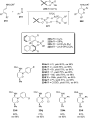
Scheme 43: Asymmetric nitroso hetero-Diels–Alder reaction of nitrosoarenes with dienylcarbamates catalyzed by ...

Scheme 44: The enantioselective hetero-Diels–Alder reaction between nitrosobenzene and (E)-2,4-pentadien-1-ol (...

Scheme 45: Asymmetric nitroso hetero-Diels–Alder reaction using tartaric acid ester chelation of the diene and...
Interactions of cyclodextrins and their derivatives with toxic organophosphorus compounds
- Sophie Letort,
- Sébastien Balieu,
- William Erb,
- Géraldine Gouhier and
- François Estour
Beilstein J. Org. Chem. 2016, 12, 204–228, doi:10.3762/bjoc.12.23
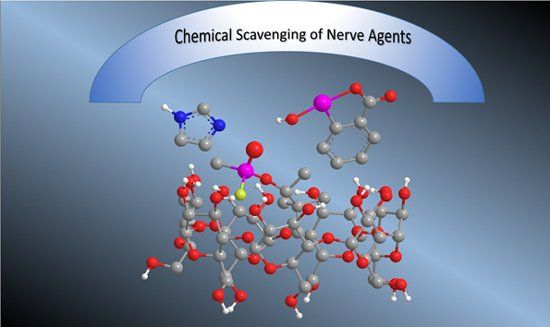
- minutes in presence of 20b, the most toxic enantiomer, (−)-cyclosarin 14a, reacting faster in this enantioselective degradation [75]. Structure–activity relationships based on this first series of compounds revealed the determinant role of oximes’ nucleophilic strength in the hydrolysis process. Firstly

Graphical Abstract

Figure 1: Structure of NOPs.

Figure 2: Examples of structures of NOPs.

Figure 3: Structures of pesticides studied in the literature as guest to form an inclusion complex with CDs.

Figure 4: Structures of pesticides sensitive to the presence of CDs.

Scheme 1: The hydrolysis mechanism of substrate (S) in presence of a cyclodextrin (CD).

Figure 5: Structures of the different stereoisomers of G agents.

Scheme 2: Reaction mechanism of CD accelerated decomposition of organophosphorus compound (PX).

Scheme 3: Proposed degradation mechanism of cyclosarin by β-CD [72].
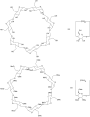
Figure 6: Schematic representations of β-CD and TRIMEB.
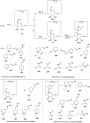
Scheme 4: Synthetic pathways to 6-monosubstituted CD derivatives.
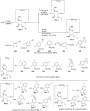
Scheme 5: Synthetic pathways to 2-monosubstituted CD by an iodosobenzoate group.

Scheme 6: Synthetic pathways to 2-monosubstituted CDs with N–OH derivatives.
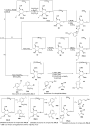
Scheme 7: Synthetic pathways to 3-monosubstituted CDs.

Scheme 8: Synthetic pathways to 3-homodisubstituted CDs.

Scheme 9: Synthetic pathways to 2,3-heterodisubstituted CDs.
Copper-mediated synthesis of N-alkenyl-α,β-unsaturated nitrones and their conversion to tri- and tetrasubstituted pyridines
- Dimitra Kontokosta,
- Daniel S. Mueller,
- Dong-Liang Mo,
- Wiktoria H. Pace,
- Rachel A. Simpson and
- Laura L. Anderson
Beilstein J. Org. Chem. 2015, 11, 2097–2104, doi:10.3762/bjoc.11.226

- . Keywords: Chan–Lam; copper; nitrone; oxygen transfer; pyridine; Introduction While most applications of the Chan–Lam reaction are focused on the synthesis of aryl ethers and aryl amines, our group has been interested in the use of the Chan–Lam reaction for the synthesis of O-alkenyl oximes and
- ][38], fragment couplings [39][40][41][42], and transition metal-catalyzed C–H bond functionalization of α,β-unsaturated imines and oximes [43][44][45][46][47][48][49][50]. We were inspired by the copper-catalyzed coupling of protected α,β-unsaturated oximes and alkenylboronic acids developed by
- -propargylic oximes and undergo similar electrocyclizations to form pyridines (Scheme 2B) [52]. Herein, we show that N-alkenylnitrones 8 can be prepared through a Chan–Lam coupling of α,β-unsaturated oximes 6 and an alkenylboronic acids 7 and that these compounds undergo a novel thermal rearrangement to the

Graphical Abstract
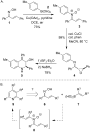
Scheme 1: Use of a Chan–Lam reaction for the synthesis of tetrahydroquinolines and potential extension to pyr...
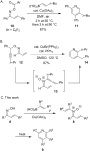
Scheme 2: Examples of pyridine synthesis from oxime precursors [51,52].

Scheme 3: Solvent effect on conversion of N-alkenylnitrones to pyridines.

Scheme 4: Mechanistic experiments.
Copper-catalyzed aerobic radical C–C bond cleavage of N–H ketimines
- Ya Lin Tnay,
- Gim Yean Ang and
- Shunsuke Chiba
Beilstein J. Org. Chem. 2015, 11, 1933–1943, doi:10.3762/bjoc.11.209

- the synthesis of azaheterocycles through an intramolecular N–C bond formation with the unsaturated systems [1][2][3][4][5][6]. As precursors of iminyl radicals, readily available oximes and their derivatives have commonly been utilized. The generation of iminyl radicals involves the homolysis of the N

Graphical Abstract

Scheme 1: Generation of iminyl radicals from oxime derivatives.

Scheme 2: Oxidative generation of iminyl radicals from N–H ketimines.

Scheme 3: Copper-catalyzed aerobic reactions of in situ generated biaryl N–H ketimines.

Scheme 4: Copper-catalyzed aerobic C–C bond cleavage reactions of N–H ketimines.
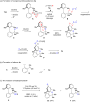
Scheme 5: Proposed reaction mechanisms for the formation of 3a, 4a and 5a, and the reaction of hydroperoxide 6...

Scheme 6: Formation of bromoketone 6e.

Scheme 7: Electrophilic cyanation of Grignard reagents with pivalonitrile (1f).

Scheme 8: Electrophilic cyanation with pivalonitrile (1e).
Synthesis of a tricyclic lactam via Beckmann rearrangement and ring-rearrangement metathesis as key steps
- Sambasivarao Kotha,
- Ongolu Ravikumar and
- Jadab Majhi
Beilstein J. Org. Chem. 2015, 11, 1503–1508, doi:10.3762/bjoc.11.163
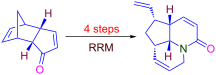
- -rearrangement metathesis as key steps. Here, we used a simple starting material such as dicyclopentadiene. Keywords: allylation; Beckmann rearrangement; lactams; oximes; ring-rearrangement metathesis; Introduction The Beckmann rearrangement (BR), a well-known protocol for the conversion of ketoxime to an
- conditions gave the saturated ketone 7 [32] (Scheme 1). Later, tricyclic ketone 7 was reacted with NH2OH·HCl in the presence of NaOAc in dry MeOH at rt to give a mixture of oximes 8a and 8b and this mixture was subjected to a BR under different reaction conditions, like (a) p-TsCl, rt, 15 h, CH3CN (b) p-TsCl
- , reflux, 15 h, CH3CN (c) PPA, reflux for 20 min. Surprisingly, in all these instances no rearrangement product was observed. Interestingly, when the mixture of oximes 8a and 8b was treated with TsCl in the presence of NaOH at rt lactams 9a and 9b were obtained in 66% combined yield for two steps (9a:9b

Graphical Abstract

Figure 1: Retrosynthetic analysis of tricyclic amide 1.

Scheme 1: Synthesis of tricyclic ketone 4.

Scheme 2: Beckmann rearrangement of oximes 8a and 8b.

Scheme 3: Beckmann rearrangement reaction in a single step.

Scheme 4: Synthesis of ring-rearrangement precursors.

Scheme 5: Synthesis of Beckmann rearrangement precursors.

Scheme 6: Beckmann rearrangement of oxime isomers 11a and 11b.

Figure 2: Molecular crystal structure of compound 11b.

Scheme 7: Synthesis of aza tricyclic compound 1 by RRM.
Cathodic hydrodimerization of nitroolefins
- Michael Weßling and
- Hans J. Schäfer
Beilstein J. Org. Chem. 2015, 11, 1163–1174, doi:10.3762/bjoc.11.131
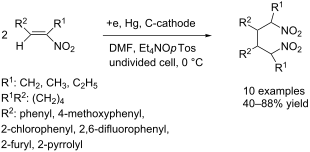
- the easy access to nitroolefins in large variety, the C–C bond formation with the introduction of two nitro groups in a 1,4-distance and the conversions of the nitro group by reduction to oximes and amines, the conversion into aldehydes and ketones via the Nef reaction and base catalyzed condensations
- anion to a carbonyl group followed by elimination of water from the resulting alcohol. The nitroolefin can be reduced at the nitro group, at the double bond and simultaneously at both groups. In acidic medium the nitro group is reduced between −0.25 V to −0.55 V vs SCE to mixtures of syn/anti-oximes in
- 85% to 92% yield at a mercury pool cathode and with slightly lower yields at a graphite cathode [5][6][7][8]. The current controlled reduction of alkyl- and aryl-substituted nitroalkenes in acidic medium affords mixtures of ketones and oximes in yields of 39% to 72% [9] and 55% to 91% [10

Graphical Abstract

Scheme 1: Proposed mechanisms via pathways (I) to (III) for the cathodic hydrodimerization of olefins with el...

Scheme 2: Cathodic reduction of nitroalkene 1 to hydrodimer 2 and oxime 5.

Scheme 3: Preparation of the 1-aryl-2-nitroalkenes 1, 4, 8–15.

Scheme 4: Reduction potentials (Ep,c in Volt) of nitroolefins. Conditions: amalgamated gold wire, v = 0.1 V/s...

Figure 1: (a) CV of 15; v = 0.1 V/s, (b) CV of 15; v = 10 V/s.

Scheme 5: Hydrodimerization of nitroalkene 14 and 15.

Scheme 6: (a) Intramolecular hydrocoupling of dinitrodiene 16 and (b) hydrodimerization of 1-nitrocyclohexene...

Scheme 7: Possible stereoisomers and their mirror images for the hydrodimers 2 and 18–23; R and S are the con...

Figure 2: 1H NMR spectrum of 18b (without aromatic H); below experimental spectrum, above: simulated signals ...
Diastereoselective and enantioselective conjugate addition reactions utilizing α,β-unsaturated amides and lactams
- Katherine M. Byrd
Beilstein J. Org. Chem. 2015, 11, 530–562, doi:10.3762/bjoc.11.60
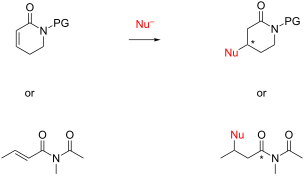
- ] and biological chemistry [249][250][251][252]. In the past, the Jacobsen group has used chiral (salen)Al complexes [253] as catalysts for the asymmetric 1,4-addition of azide [254], cyanide [219], substituted nitriles [255] and oximes [256] to α,β-unsaturated imides. The authors used these previous

Graphical Abstract

Scheme 1: Generic mechanism for the conjugate addition reaction.

Figure 1: Methods to activate unsaturated amide/lactam systems.

Scheme 2: DCA of Grignard reagents to an L-ephedrine derived chiral α,β–unsaturated amide.

Figure 2: Chiral auxiliaries used in DCA reactions.

Scheme 3: Comparison between auxiliary 5 and the Oppolzer auxiliary in a DCA reaction.

Scheme 4: Use of Evans auxiliary in a DCA reaction.
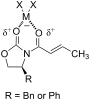
Figure 3: Lewis acid complex of the Evans auxiliary [43].

Scheme 5: DCA reactions of α,β-unsaturated amides utilizing (S,S)-(+)-pseudoephedrine and the OTBS-derivative...

Figure 4: Proposed model accounting for the diastereoselectivity observed in the 1,4-addition of Bn2NLi to α,...

Scheme 6: An example of a tandem conjugate addition–α-alkylation reaction of an α,β-unsaturated amide utilizi...

Scheme 7: Conjugate addition to an α,β-unsaturated bicyclic lactam leading to (+)-paroxetine and (+)-femoxeti...

Scheme 8: Intramolecular conjugate addition reaction to α,β-unsaturated amide.

Scheme 9: Conjugate addition to an α,β-unsaturated pyroglutamate derivative.

Scheme 10: Cu(I)–NHC-catalyzed asymmetric silylation of α,β-unsaturated lactams and amides.

Scheme 11: Asymmetric copper-catalyzed 1,4-borylation of an α,β-unsaturated amide.

Scheme 12: Asymmetric cross-coupling 49 to phenyl chloride.

Scheme 13: Rhodium-catalyzed asymmetric 1,4-arylation of an α,β-unsaturated lactam.

Scheme 14: Rhodium-catalyzed asymmetric 1,4-arylation of an α,β-unsaturated amide.

Scheme 15: Rhodium-catalyzed asymmetric 1,4-arylation of an α,β-unsaturated amide using a chiral bicyclic dien...

Scheme 16: Synthesis of (R)-(−)-baclofen through a rhodium-catalyzed asymmetric 1,4-arylation of lactam 58.

Scheme 17: Rhodium-catalyzed asymmetric 1,4-arylation of an α,β-unsaturated amide and lactam employing organo[...

Scheme 18: Rhodium-catalyzed asymmetric 1,4-arylation of an α,β-unsaturated lactam employing benzofuran-2-ylzi...

Figure 5: Further chiral ligands that have been used in rhodium-catalyzed 1,4-additions of α,β-unsaturated am...

Scheme 19: Palladium-catalyzed asymmetric 1,4-arylation of arylsiloxanes to a α,β-unsaturated lactam.

Scheme 20: SmI2-mediated cyclization of α,β-unsaturated Weinreb amides.

Figure 6: Chiral Lewis acid complexes used in the Mukaiyama–Michael addition of α,β-unsaturated amides.

Scheme 21: Mukaiyama–Michael addition of thioester silylketene acetal to α,β-unsaturated N-alkenoyloxazolidino...

Scheme 22: Asymmetric 1,4-addition of aryl acetylides to α,β-unsaturated thioamides.

Scheme 23: Asymmetric 1,4-addition of alkyl acetylides to α,β-unsaturated thioamides.

Scheme 24: Asymmetric vinylogous conjugate additions of unsaturated butyrolactones to α,β-unsaturated thioamid...

Scheme 25: Gd-catalyzed asymmetric 1,4-cyanation of α,β-unsaturated N-acylpyrroles [205].

Scheme 26: Lewis acid-catalyzed asymmetric 1,4-cyanation of α,β-unsaturated N-acylpyrazole 107.

Scheme 27: Lewis acid mediated 1,4-addition of dibenzyl malonate to α,β-unsaturated N-acylpyrroles.

Scheme 28: Chiral Lewis acid mediated 1,4-radical addition to α,β-unsaturated N-acyloxazolidinone [224].

Scheme 29: Aza-Michael addition of O-benzylhydroxylamine to an α,β-unsaturated N-acylpyrazole.

Scheme 30: An example of the aza-Michael addition of secondary aryl amines to an α,β-unsaturated N-acyloxazoli...

Scheme 31: Aza-Michael additions of anilines to a α,β-unsaturated N-alkenoyloxazolidinone catalyzed by palladi...

Scheme 32: Aza-Michael additions of aniline to an α,β-unsaturated N-alkenoylbenzamide and N-alkenoylcarbamate ...

Scheme 33: Difference between aza-Michael addition ran using the standard protocol versus the slow addition pr...

Scheme 34: Aza-Michael additions of aryl amines salts to an α,β-unsaturated N-alkenoyloxazolidinone catalyzed ...

Scheme 35: Aza-Michael addition of N-alkenoyloxazolidiniones catalyzed by samarium diiodide [244].

Scheme 36: Asymmetric aza-Michael addition of p-anisidine to α,β-unsaturated N-alkenoyloxazolidinones catalyze...

Scheme 37: Asymmetric aza-Michael addition of O-benzylhydroxylamine to N-alkenoyloxazolidinones catalyzed by i...

Scheme 38: Asymmetric 1,4-addition of purine to an α,β-unsaturated N-alkenoylbenzamide catalyzed by (S,S)-(sal...

Scheme 39: Asymmetric 1,4-addition of phosphites to α,β-unsaturated N-acylpyrroles.

Scheme 40: Asymmetric 1,4-addition of phosphine oxides to α,β-unsaturated N-acylpyrroles.

Scheme 41: Tandem Michael-aldol reaction catalyzed by a hydrogen-bonding organocatalyst.

Scheme 42: Examples of the sulfa-Michael–aldol reaction employing α,β-unsaturated N-acylpyrazoles.

Scheme 43: Example of the sulfa-Michael addition of α,β-unsaturated N-alkenoyloxazolidinones.

Figure 7: Structure of cinchona alkaloid-based squaramide catalyst.

Scheme 44: Asymmetric intramolecular oxa-Michael addition of an α,β-unsaturated amide.

Scheme 45: Formal synthesis atorvastatin.
Stereoselective cathodic synthesis of 8-substituted (1R,3R,4S)-menthylamines
- Carolin Edinger,
- Jörn Kulisch and
- Siegfried R. Waldvogel
Beilstein J. Org. Chem. 2015, 11, 294–301, doi:10.3762/bjoc.11.34
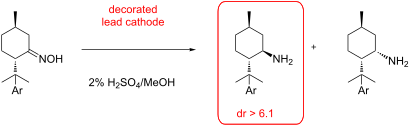
- Carolin Edinger Jorn Kulisch Siegfried R. Waldvogel Institut für Organische Chemie, Johannes Gutenberg-Universität Mainz, Duesbergweg 10-14, 55128 Mainz, Germany 10.3762/bjoc.11.34 Abstract The electrochemical generation of menthylamines from the corresponding menthone oximes equipped with an
- additional substituent in position 8 is described. Due to 1,3-diaxial interactions a pronounced diastereoselectivity for the menthylamines is found. Keywords: cathodic reduction; chiral amines; electrosynthesis; menthylamines; oximes; Introduction Optically active amines serve as powerful and versatile
- starting from commercially available (+)-pulegone (4, Scheme 3). An important feature of this sequence is the initial introduction of a sterically demanding moiety R in position 8 via cuprate addition. After conversion to menthone oximes 7 within the second step, R is supposed to enhance the

Graphical Abstract

Scheme 1: Structural features of 8-substituted menthylamines 1.

Scheme 2: Synthetic strategies to menthylamines.

Scheme 3: Stereoselective synthesis of 8-substituted (1R,3R,4S)-menthylamines.

Scheme 4: Influence of the cathode system onto the stereoselectivity of the reduction of (1R,4S)-menthone oxi...

Scheme 5: Preparation of 8-substituted (1R)-menthones 6 and the corresponding oximes 7.

Scheme 6: Influence of cathode material on the preparation of (1R,3R,4S)-menthylamine 8a.

Scheme 7: Protection of the oxime functionality in 7c due to the sterically demanding diphenyl moiety in 8-po...

Scheme 8: Separation of the diastereomeric 8-substituted menthylamines by crystallization of their hydrochlor...
Cross-dehydrogenative coupling for the intermolecular C–O bond formation
- Igor B. Krylov,
- Vera A. Vil’ and
- Alexander O. Terent’ev
Beilstein J. Org. Chem. 2015, 11, 92–146, doi:10.3762/bjoc.11.13
- lower temperature (50 °C instead of 100 °C, as in the case of CH-reagents 22 and 23) [53]. The ortho-acetoxylation and methoxylation of O-methyl aryl oximes 31 with Pd(OAc)2 combined with such oxidants as oxone, potassium persulfate, and (diacetoxyiodo)benzene (Scheme 7, coupling products 32 and 33
- [55], and O-acetyl aryl oximes [56] in the presence of the Pd(OAc)2/PhI(OAc)2 system were described. The ruthenium-catalyzed ortho-acyloxylation of acetanilides 39 with carboxylic acids in the presence of AgSbF6 and ammonium persulfate afforded products 40 (Scheme 8) [57]. This method can be used for
- of iodine(III) oxidants (50–130 °C, Scheme 19 and Scheme 20). Under similar conditions methyl groups of N-(quinolin-8-yl)amides were acetoxylated using the Cu(OAc)2 catalyst (50 mol %) and AgOAc (3 equiv) as acetoxylating agent. The acetoxylation of alkyl groups of O-acetyl oximes 102 taking place in

Graphical Abstract

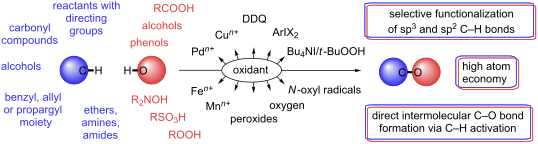
Scheme 1: Cross-dehydrogenative coupling.

Scheme 2: Cross-dehydrogenative C–O coupling.

Scheme 3: Regioselective ortho-acetoxylation of meta-substituted arylpyridines and N-arylamides.
Scheme 4: ortho-Acyloxylation and alkoxylation of arenes directed by pyrimidine, benzoxazole, benzimidazole a...

Scheme 5: Cu(OAc)2/AgOTf/O2 oxidative system in the ortho-alkoxylation of arenes.
Scheme 6: Pd(OAc)2/persulfate oxidative system in the ortho-alkoxylation and acetoxylation of arenes with nit...
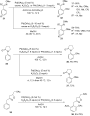
Scheme 7: ortho-Acetoxylation and methoxylation of O-methyl aryl oximes, N-phenylpyrrolidin-2-one, and (3-ben...

Scheme 8: Ruthenium-catalyzed ortho-acyloxylation of acetanilides.

Scheme 9: Acetoxylation and alkoxylation of arenes with amide directing group using Pd(OAc)2/PhI(OAc)2 oxidat...

Scheme 10: Alkoxylation of azoarenes, 2-aryloxypyridines, picolinamides, and N-(1-methyl-1-(pyridin-2-yl)ethyl...

Scheme 11: Acetoxylation of compounds containing picolinamide and quinoline-8-amine moieties using the Pd(OAc)2...

Scheme 12: (CuOH)2CO3 catalyzed oxidative ortho-etherification using air as oxidant.

Scheme 13: Copper-catalyzed aerobic alkoxylation and aryloxylation of arenes containing pyridine-N-oxide moiet...

Scheme 14: Cobalt-catalyzed aerobic alkoxylation of arenes and alkenes containing pyridine N-oxide moiety.

Scheme 15: Non-symmetric double-fold C–H ortho-acyloxylation.

Scheme 16: N-nitroso directed ortho-alkoxylation of arenes.

Scheme 17: Selective alkoxylation and acetoxylation of alkyl groups.

Scheme 18: Acetoxylation of 2-alkylpyridines and related compounds.
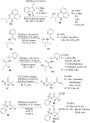
Scheme 19: Acyloxylation and alkoxylation of alkyl fragments of substrates containing amide or sulfoximine dir...

Scheme 20: Palladium-catalyzed double sp3 C–H alkoxylation of N-(quinolin-8-yl)amides for the synthesis of sym...

Scheme 21: Copper-catalyzed acyloxylation of methyl groups of N-(quinolin-8-yl)amides.

Scheme 22: One-pot acylation and sp3 C–H acetoxylation of oximes.

Scheme 23: Possible mechanism of oxidative esterification catalyzed by N-heterocyclic nucleophilic carbene.

Scheme 24: Oxidative esterification employing stoichiometric amounts of aldehydes and alcohols.

Scheme 25: Selective oxidative coupling of aldehydes with alcohols in the presence of amines.

Scheme 26: Iodine mediated oxidative esterification.

Scheme 27: Oxidative C–O coupling of benzyl alcohols with methylarenes under the action of Bu4NI/t-BuOOH syste...

Scheme 28: Oxidative coupling of methyl- and ethylarenes with aromatic aldehydes under the action of Bu4NI/t-B...

Scheme 29: Cross-dehydrogenative C–O coupling of aldehydes with t-BuOOH in the presence of Bu4NI.

Scheme 30: Bu4NI-catalyzed α-acyloxylation reaction of ethers and ketones with aldehydes and t-BuOOH.

Scheme 31: Oxidative coupling of aldehydes with N-hydroxyimides and hexafluoroisopropanol.

Scheme 32: Oxidative coupling of alcohols with N-hydroxyimides.

Scheme 33: Oxidative coupling of aldehydes and primary alcohols with N-hydroxyimides using (diacetoxyiodo)benz...

Scheme 34: Proposed mechanism of the oxidative coupling of aldehydes and N-hydroxysuccinimide under action of ...

Scheme 35: Oxidative coupling of aldehydes with pivalic acid (172).

Scheme 36: Oxidative C–O coupling of aldehydes with alkylarenes using the Cu(OAc)2/t-BuOOH system.

Scheme 37: Copper-catalyzed acyloxylation of C(sp3)-H bond adjacent to oxygen in ethers using benzyl alcohols.

Scheme 38: Oxidative C–O coupling of aromatic aldehydes with cycloalkanes.

Scheme 39: Ruthenium catalyzed cross-dehydrogenative coupling of primary and secondary alcohols.

Scheme 40: Cross-dehydrogenative C–O coupling reactions of β-dicarbonyl compounds with sulfonic acids, acetic ...

Scheme 41: Acyloxylation of ketones, aldehydes and β-dicarbonyl compounds using carboxylic acids and Bu4NI/t-B...

Scheme 42: Acyloxylation of ketones using Bu4NI/t-BuOOH system.

Scheme 43: Cross-dehydrogenative C–O coupling of β-dicarbonyl compounds and their heteroanalogues with N-hydro...

Scheme 44: Cross-dehydrogenative C–O coupling of β-dicarbonyl compounds and their heteroanalogues with t-BuOOH....

Scheme 45: Oxidative C–O coupling of 2,6-dialkylphenyl-β-keto esters and thioesters with tert-butyl hydroxycar...

Scheme 46: α’-Acyloxylation of α,β-unsaturated ketones using KMnO4.

Scheme 47: Possible mechanisms of the acetoxylation at the allylic position of alkenes by Pd(OAc)2.

Scheme 48: Products of the oxidation of terminal alkenes by Pd(II)/AcOH/oxidant system.

Scheme 49: Acyloxylation of terminal alkenes with carboxylic acids.

Scheme 50: Synthesis of linear E-allyl esters by cross-dehydrogenative coupling of terminal alkenes wih carbox...

Scheme 51: Pd(OAc)2-catalyzed acetoxylation of Z-vinyl(triethylsilanes).

Scheme 52: α’-Acetoxylation of α-acetoxyalkenes with copper(II) chloride in acetic acid.

Scheme 53: Oxidative acyloxylation at the allylic position of alkenes and at the benzylic position of alkylare...

Scheme 54: Copper-catalyzed alkoxylation of methylheterocyclic compounds using di-tert-butylperoxide as oxidan...

Scheme 55: Oxidative C–O coupling of methylarenes with β-dicarbonyl compounds or phenols.

Scheme 56: Copper-catalyzed esterification of methylbenzenes with cyclic ethers and cycloalkanes.

Scheme 57: Oxidative C–O coupling of carboxylic acids with toluene catalyzed by Pd(OAc)2.

Scheme 58: Oxidative acyloxylation at the allylic position of alkenes with carboxylic acids using the Bu4NI/t-...

Scheme 59: Cross-dehydrogenative C–O coupling of carboxylic acids with alkylarenes using the Bu4NI/t-BuOOH sys...

Scheme 60: Oxidative C–O cross-coupling of methylarenes with ethyl or isopropylarenes.

Scheme 61: Phosphorylation of benzyl C–H bonds using the Bu4NI/t-BuOOH oxidative system.

Scheme 62: Selective C–H acetoxylation of 2,3-disubstituted indoles.

Scheme 63: Acetoxylation of benzylic position of alkylarenes using DDQ as oxidant.

Scheme 64: C–H acyloxylation of diarylmethanes, 3-phenyl-2-propen-1-yl acetate and dimethoxyarene using DDQ.

Scheme 65: Cross-dehydrogenative C–O coupling of 1,3-diarylpropylenes and 1,3-diarylpropynes with alcohols.

Scheme 66: One-pot azidation and C–H acyloxylation of 3-chloro-1-arylpropynes.

Scheme 67: Cross-dehydrogenative C–O coupling of 1,3-diarylpropylenes, (E)-1-phenyl-2-isopropylethylene and is...

Scheme 68: Cross-dehydrogenative C–O coupling of alkylarenes and related compounds with N-hydroxyphthalimide.

Scheme 69: Acetoxylation at the benzylic position of alkylarenes mediated by N-hydroxyphthalimide.

Scheme 70: C–O coupling of methylarenes with aromatic carboxylic acids employing the NaBrO3/NaHSO3 system.

Scheme 71: tert-Butyl peroxidation of allyl, propargyl and benzyl ethers catalyzed by Fe(acac)3.

Scheme 72: Cross-dehydrogenative C–O coupling of ethers with carboxylic acids mediated by Bu4NI/t-BuOOH system....

Scheme 73: Oxidative acyloxylation of dimethylamides and dioxane with 2-aryl-2-oxoacetic acids accompanied by ...

Scheme 74: tert-Butyl peroxidation of N-benzylamides and N-allylbenzamide using the Bu4NI/t-BuOOH system.

Scheme 75: Cross-dehydrogenative C–O coupling of aromatic carboxylic acids with ethers using Fe(acac)3 as cata...

Scheme 76: Cross-dehydrogenative C–O coupling of cyclic ethers with 2-hydroxybenzaldehydes using iron carbonyl...
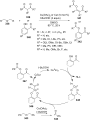
Scheme 77: Cross-dehydrogenative C–O coupling of ethers with β-dicarbonyl compounds and phenols using copper c...

Scheme 78: Cross-dehydrogenative C–O coupling of 2-hydroxybenzaldehyde with dioxane catalyzed by Cu2(BPDC)2(BP...

Scheme 79: Ruthenium chloride-catalyzed acyloxylation of β-lactams.

Scheme 80: Ruthenium-catalyzed tert-butyl peroxydation amides and acetoxylation of β-lactams.

Scheme 81: PhI(OAc)2-mediated α,β-diacetoxylation of tertiary amines.

Scheme 82: Electrochemical oxidative methoxylation of tertiary amines.

Scheme 83: Cross-dehydrogenative C–O coupling of ketene dithioacetals with carboxylic acids in the presence of...

Scheme 84: Cross-dehydrogenative C–O coupling of enamides with carboxylic acids using iodosobenzene as oxidant....

Scheme 85: Oxidative alkoxylation, acetoxylation, and tosyloxylation of acylanilides using PhI(O(O)CCF3)2 in t...

Scheme 86: Proposed mechanism of the oxidative C–O coupling of actetanilide with O-nucleophiles in the presenc...

Scheme 87: Three-component coupling of aldehydes, anilines and alcohols involving oxidative intermolecular C–O...

Scheme 88: Oxidative coupling of phenols with alcohols.

Scheme 89: 2-Acyloxylation of quinoline N-oxides with arylaldehydes in the presence of the CuOTf/t-BuOOH syste...

Scheme 90: Cross-dehydrogenative C–O coupling of azoles with primary alcohols.

Scheme 91: Oxidation of dipyrroles to dipyrrins and subsequent oxidative alkoxylation in the presence of Na3Co...

Scheme 92: Oxidative dehydrogenative carboxylation of alkanes and cycloalkanes to allylic esters.

Scheme 93: Pd-catalyzed acetoxylation of benzene.
Come-back of phenanthridine and phenanthridinium derivatives in the 21st century
- Lidija-Marija Tumir,
- Marijana Radić Stojković and
- Ivo Piantanida
Beilstein J. Org. Chem. 2014, 10, 2930–2954, doi:10.3762/bjoc.10.312

- rather expensive; therefore efforts were made to replace them with cheaper analogues. One successful approach included iron(III) acetylacetonate in acetic acid as catalytic agent (Scheme 16) [37], whereby O-acetyl oximes obtained from 2′-arylacetophenones underwent N–O bond cleavage and intramolecular N

Graphical Abstract

Scheme 1: The Grignard-based synthesis of 6-alkyl phenanthridine.

Scheme 2: Radical-mediated synthesis of 6-arylphenanthridine [14].

Scheme 3: A t-BuO• radical-assisted homolytic aromatic substitution mechanism proposed for the conversion of ...

Scheme 4: Synthesis of 5,6-unsubstituted phenanthridine starting from 2-iodobenzyl chloride and aniline [17].

Scheme 5: Phenanthridine synthesis initiated by UV-light irradiation photolysis of acetophenone O-ethoxycarbo...

Scheme 6: PhI(OAc)2-mediated oxidative cyclization of 2-isocyanobiphenyls with CF3SiMe3 [19,20].

Scheme 7: Targeting 6-perfluoroalkylphenanthridines [21,22].

Scheme 8: Easily accessible biphenyl isocyanides reacting under mild conditions (room temp., visible light ir...

Scheme 9: Microwave irradiation of Diels–Alder adduct followed by UV irradiation of dihydrophenanthridines yi...

Scheme 10: A representative palladium catalytic cycle.

Scheme 11: The common Pd-catalyst for the biphenyl conjugation results simultaneously in picolinamide-directed...

Scheme 12: Pd(0)-mediated cyclisation of imidoyl-selenides forming 6-arylphenanthridine derivatives [16]. The inse...

Scheme 13: Palladium-catalysed phenanthridine synthesis.

Scheme 14: Aerobic domino Suzuki coupling combined with Michael addition reaction in the presence of a Pd(OAc)2...

Scheme 15: Rhodium-catalysed alkyne [2 + 2 + 2] cycloaddition reactions [36].

Scheme 16: The O-acetyloximes derived from 2′-arylacetophenones underwent N–O bond cleavage and intramolecular ...

Scheme 17: C–H arylation with aryl chloride in the presence of a simple diol complex with KOt-Bu (top) [39]; for s...

Scheme 18: The subsequent aza-Claisen rearrangement, ring-closing enyne metathesis and Diels–Alder reaction – ...

Scheme 19: Phenanthridine central-ring cyclisation with simultaneous radical-driven phosphorylation [42].

Scheme 20: Three component reaction yielding the benzo[a]phenanthridine core in excellent yields [44].
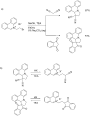
Scheme 21: a) Reaction of malononitrile and 1,3-indandione with BEP to form the cyclised DPP products; b) pH c...

Figure 1: Schematic presentation of the intercalative binding mode by the neighbour exclusion principle and i...

Figure 2: Urea and guanidine derivatives of EB with modified DNA interactions [57].

Figure 3: Structure of mono- (3) and bis-biguanide (4) derivative. Fluorescence (y-axis normalised to startin...

Scheme 22: Bis-phenanthridinium derivatives (5–7; inert aliphatic linkers, R = –(CH2)4– or –(CH2)6–): rigidity...

Figure 4: Series of amino acid–phenanthridine building blocks (general structure 10; R = H; Gly) and peptide-...

Figure 5: General structure of 45 bis-ethidium bromide analogues. Reproduced with permission from [69]. Copyright...

Scheme 23: Top: Recognition of poly(U) by 12 and ds-polyAH+ by 13; bottom: Recognition of poly(dA)–poly(dT) by ...

Figure 6: The bis-phenanthridinium–adenine derivative 15 (LEFT) showed selectivity towards complementary UMP;...

Figure 7: The neomycin–methidium conjugate targeting DNA:RNA hybrid structures [80].

Figure 8: Two-colour RNA intercalating probe for cell imaging applications: Left: Chemical structure of EB-fl...

Figure 9: The ethidium bromide nucleosides 17 (top) and 18 (bottom). DNA duplex set 1 and 2 (E = phenanthridi...

Figure 10: Left: various DNA duplexes; DNA1 and DNA2 used to study the impact on the adjacent basepair type on...

Figure 11: Structure of 4,9-DAP derivative 19; Rright: MIAPaCa-2 cells stained with 10 μM 19 after 60 and 120 ...

Figure 12: Examples of naturally occurring phenanthridine analogues.
Recent advances in the electrochemical construction of heterocycles
- Robert Francke
Beilstein J. Org. Chem. 2014, 10, 2858–2873, doi:10.3762/bjoc.10.303
- case due to the Thorpe–Ingold effect [46]. Recently, Zeng, Little and co-workers reported a new electrochemical method for the preparation of 3,5-disubstituted isoxazoles from chalcone oximes 20 (Scheme 8) [47]. The electrolysis of 20 is carried out in an undivided cell under galvanostatic conditions
- ester 12. Preparation of pyrrolidines and tetrahydrofurans via Kolbe-type electrolysis of unsaturated carboxylic acids 16. Anodic cyclization of chalcone oximes 19. Generation of N-acyliminium (23) and alkoxycarbenium species (24) from amides and ethers with and without the use of electroauxiliaries

Graphical Abstract

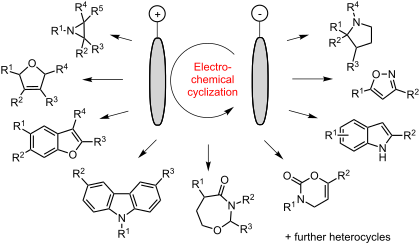
Figure 1: Common types of electrochemically induced cyclization reactions.

Scheme 1: Principle of indirect electrolysis.

Scheme 2: Anodic intramolecular cyclization of olefines in methanol.

Scheme 3: Anodic cyclization of olefines in CH2Cl2/DMSO.

Scheme 4: Intramolecular coupling of 1,6-dienes in CH2Cl2/DMSO.

Scheme 5: Cyclization of bromopropargyloxy ester 12.

Scheme 6: Proposed mechanism for the radical cyclization of bromopropargyloxy ester 12.
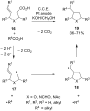
Scheme 7: Preparation of pyrrolidines and tetrahydrofurans via Kolbe-type electrolysis of unsaturated carboxy...

Scheme 8: Anodic cyclization of chalcone oximes 19.

Scheme 9: Generation of N-acyliminium (23) and alkoxycarbenium species (24) from amides and ethers with and w...

Scheme 10: Anodic cyclization of dipeptide 25.

Scheme 11: Anodic cyclization of a dipeptide using an electroauxiliary.

Scheme 12: Anodic cyclization of hydroxyamino compound 29.

Scheme 13: Cyclization of unsaturated thioacetals using the ArS(ArSSAr)+ mediator.

Scheme 14: Cyclization of biaryl 35 to carbazol 36 as key-step of the synthesis of glycozoline (37).

Scheme 15: Electrosynthesis of 39 as part of the total synthesis of alkaloids 40 and 41.

Scheme 16: Wacker-type cyclization of alkenyl phenols 42.

Scheme 17: Cathodic synthesis of indol derivatives.

Scheme 18: Fluoride mediated anodic cyclization of α-(phenylthio)acetamides.

Scheme 19: Synthesis of 2-substituted benzoxazoles from Schiff bases.

Scheme 20: Synthesis of euglobal model compounds via electrochemically induced Diels–Alder cycloaddition.

Scheme 21: Cycloaddition of anodically generated N-acyliminium species 58 with olefins and alkynes.

Scheme 22: Electrochemical aziridination of olefins.

Scheme 23: Proposed mechanism for the aziridination reaction.

Scheme 24: Electrochemical synthesis of benzofuran and indole derivatives.

Scheme 25: Anodic anellation of catechol derivatives 66 with different 1,3-dicarbonyl compounds.

Scheme 26: Electrosynthesis of 1,2-fused indoles from catechol and ketene N,O-acetals.

Scheme 27: Reaction of N-acyliminium pools with olefins having a nucleophilic substituent.

Scheme 28: Synthesis of thiochromans using the cation-pool method.

Scheme 29: Electrochemical synthesis and diversity-oriented modification of 73.
N–O Cleavage reactions of heterobicycloalkene-fused 2-isoxazolines
- Jaipal R. Nagireddy,
- Geoffrey K. Tranmer,
- Emily Carlson and
- William Tam
Beilstein J. Org. Chem. 2014, 10, 2200–2205, doi:10.3762/bjoc.10.227
- -hydroxyimines 3, β-hydroxynitriles 4, β-aminoketones 5, γ-aminoalcohols 6 and oximes 7 can all be readily attained through ring cleavage of 2-isoxazolines using suitable reagents for each transformation (Scheme 1) [1][2][3][4][5][6][7]. In recent years, there has been considerable interest in applying this

Graphical Abstract

Scheme 1: Cleavage reactions of 2-isoxazoline 1.

Scheme 2: Potential modes of cleavage for heterobicycloalkene-fused isoxazolines 10 or 11.

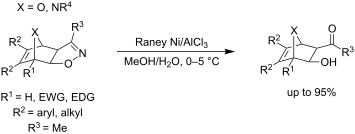
Scheme 3: Raney Ni/AlCl3-mediated cleavage of 2-isoxazolines with various fused heterobicyclic frameworks.

Scheme 4: Proposed mechanism for Mo-mediated cleavage of carbobicycle-fused 2-isoxazoline.

Scheme 5: Proposed mechanism for Raney nickel-mediated formation of β-hydroxyketones from heterobicycloalkene...
Facile synthesis of 1-alkoxy-1H-benzo- and 7-azabenzotriazoles from peptide coupling agents, mechanistic studies, and synthetic applications
- Mahesh K. Lakshman,
- Manish K. Singh,
- Mukesh Kumar,
- Raghu Ram Chamala,
- Vijayender R. Yedulla,
- Domenick Wagner,
- Evan Leung,
- Lijia Yang,
- Asha Matin and
- Sadia Ahmad
Beilstein J. Org. Chem. 2014, 10, 1919–1932, doi:10.3762/bjoc.10.200
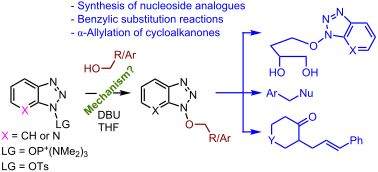
- demonstrated the isolation and synthetic utility of a nucleoside phosphonium salt [28]. Thus, to us the reaction of oximes with BOP was an intriguing result, leading us to query whether a benzotriazolyl intermediate, rather than a phosphonium ion, was formed en route to the cyanide. This line of reasoning

Graphical Abstract

Scheme 1: Examples of methods for the synthesis of 1-alkoxy-1H-benzo[d][1,2,3]triazoles.

Figure 1: Examples of commercially available reagents for amidation reactions.

Scheme 2: Three possible mechanisms for the reaction of BOP with oxygen nucleophiles.

Figure 2: Evaluation of the reaction between 2-phenylethanol and BOP by 31P{1H} NMR.

Scheme 3: Possible products in the [18O]-labeling experiments.

Scheme 4: Two possible products from the reaction of At-OTs with MeOH.

Scheme 5: Synthesis of acyclic nucleoside-like compounds.

Figure 3: Products from the nucleophilic substitution reactions.

Figure 4: γ,δ-Unsaturated cycloalkanones obtained from 1g.

Scheme 6: Formation of Bt-OR and At-OR from HBTU and HATU type of compounds.
Application of cyclic phosphonamide reagents in the total synthesis of natural products and biologically active molecules
- Thilo Focken and
- Stephen Hanessian
Beilstein J. Org. Chem. 2014, 10, 1848–1877, doi:10.3762/bjoc.10.195
- acids 55 (Scheme 7) [59]. The synthesis of an mGluR agonist was achieved using chloromethyl phosphonamide 28d [60][61], as discussed later in this review. Replacing Michael acceptors with oximes in the reaction with chloroallyl phosphonamide 47a leads to the stereoselective formation of cis-aziridines
- 57 (Scheme 8) [62]. Thus, addition of the anion of phosphonamide 47a to tert-butyl glyoxylate O-protected oximes affords the corresponding aziridine adducts 57 in excellent diastereoselectivity in a Darzens-type reaction via intermediate 56. This aziridination methodology was then used in the

Graphical Abstract

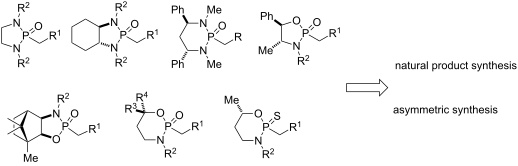
Figure 1: Examples of phosphonamide reagents used in stereoselective synthesis.

Figure 2: Natural products and bioactive molecules synthesized using phosphonamide-based chemistry (atoms, bo...

Scheme 1: Olefination with cyclic phosphonamide anions, mechanistic rationale, and selected examples 27a–d [18].

Scheme 2: Asymmetric olefination with chiral phosphonamide anions and selected examples 31a–d [1,22].

Scheme 3: Synthesis of α-substituted phosphonic acids 33a–e by asymmetric alkylation of chiral phosphonamide ...

Scheme 4: Asymmetric conjugate additions of C2-symmetric chiral phosphonamide anions to cyclic enones, lacton...

Scheme 5: Asymmetric conjugate additions of P-chiral phosphonamide anions generated from 40a and 44a to cycli...

Scheme 6: Asymmetric cyclopropanation with chiral chloroallyl phosphonamide 47, mechanistic rationale, and se...

Scheme 7: Asymmetric cyclopropanation with chiral chloromethyl phosphonamide 28d [59].

Scheme 8: Stereoselective synthesis of cis-aziridines 57 from chiral chloroallyl phosphonamide 47a [62].

Scheme 9: Synthesis of phosphonamides by (A) Arbuzov reaction, (B) condensation of diamines with phosphonic a...

Figure 3: Original and revised structure of polyoxin A (69) [24-26].
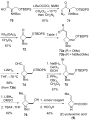
Scheme 10: Synthesis of (E)-polyoximic acid (9) [24-26].

Figure 4: Key assembly strategy of acetoxycrenulide (10) [41,42].

Scheme 11: Total synthesis of (+)-acetoxycrenulide (10) [41,42].

Scheme 12: Synthesis squalene synthase inhibitor 19 by asymmetric sulfuration (A) and asymmetric alkylation (B...
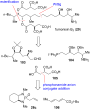
Figure 5: Key assembly strategy of fumonisin B2 (20) and its tricarballylic acid fragment 105 [45,46].

Scheme 13: Final steps of the total synthesis of fumonisin B2 (20) [45,46].

Figure 6: Selected examples of two subclasses of β-lactam antibiotics – carbapenems (111 and 112) and trinems...

Scheme 14: Synthesis of tricyclic β-lactam antibiotic 123 [97].

Scheme 15: Total synthesis of (−)-anthoplalone (8) [56].
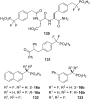
Figure 7: Protein tyrosine phosphatase (PTP) inhibitors 130, 131 and model compounds 16, 132 and 133 [68].

Scheme 16: Synthesis of model PTP inhibitors 16a,b [68].
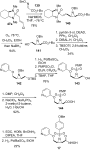
Scheme 17: Synthesis of aziridine hydroxamic acid 17 as MMP inhibitor [63].
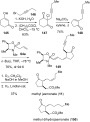
Scheme 18: Synthesis of methyl jasmonate (11) [48].

Figure 8: Structures of nudiflosides A (137) and D (13) [49].

Scheme 19: Total synthesis of the pentasubstituted cyclopentane core 159 of nudiflosides A (151) and D (13) an...

Figure 9: L-glutamic acid (161) and constrained analogues [57,124].

Scheme 20: Stereoselective synthesis of DCG-IV (162) [57].

Scheme 21: Stereoselective synthesis of mGluR agonist 21 [124].
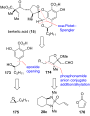
Figure 10: Key assembly strategy of berkelic acid (15) [43].

Scheme 22: Total synthesis of berkelic acid (15) [43].
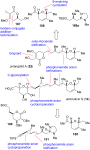
Figure 11: Key assembly strategy of jerangolid A (22) and ambruticin S (14) [27,28].
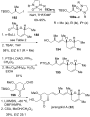
Scheme 23: Final assembly steps in the total synthesis of jerangolid A [27].

Scheme 24: Key assembly steps in the total synthesis of ambruticin S (14) [28].

Figure 12: General steroid construction strategy based on conjugate addition of 212 to cyclopentenone 48, exem...

Scheme 25: Total synthesis of estrone (12) [44].
Synthesis of trifluoromethyl-substituted pyrazolo[4,3-c]pyridines – sequential versus multicomponent reaction approach
- Barbara Palka,
- Angela Di Capua,
- Maurizio Anzini,
- Gyté Vilkauskaité,
- Algirdas Šačkus and
- Wolfgang Holzer
Beilstein J. Org. Chem. 2014, 10, 1759–1764, doi:10.3762/bjoc.10.183

- . Oximes derived from (intermediate) 5-alkynyl-1-phenyl-3-trifluoromethyl-1H-pyrazole-4-carbaldehydes were transformed into the corresponding 1H-pyrazolo[4,3-c]pyridine 5-oxides by silver triflate-catalyzed cyclization. Detailed NMR spectroscopic investigations (1H, 13C, 15N and 19F) were undertaken with
- reaction of the thus obtained 5-alkynyl-1H-pyrazole-4-carbaldehydes in the presence of tert-butylamine [17]. Furthermore, we showed that the oximes derived from the before mentioned 5-alkynylpyrazole-4-carbaldehydes can be transformed into the corresponding 1-phenylpyrazolo[4,3-c]pyridine 5-oxides [17
- gain access to the corresponding N-oxides of type 7, aldehydes 4a–c were transformed into the corresponding oximes 6a–c by reaction with hydroxylamine hydrochloride in ethanol in the presence of sodium acetate (Scheme 1). Subsequent treatment of the oximes with AgOTf in dichloromethane [29] finally

Graphical Abstract

Figure 1: Important drug molecules containing a trifluoromethylpyridine, respectively a trifluoromethylpyrazo...

Scheme 1: Synthesis of the title compounds.

Figure 2: 1H (in italics, red), 13C (black), 15N (in blue) and 19F NMR (green) chemical shifts of compounds 4c...
Rasta resin–triphenylphosphine oxides and their use as recyclable heterogeneous reagent precursors in halogenation reactions
- Xuanshu Xia and
- Patrick H. Toy
Beilstein J. Org. Chem. 2014, 10, 1397–1405, doi:10.3762/bjoc.10.143
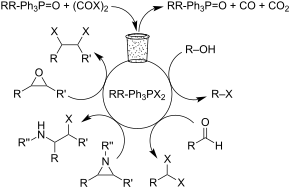
- the dehydration of oximes 12 to form nitriles 13. Capitalizing on the fact that 1 is formed as a byproduct from 3a,b in each of these reactions, Denton and co-workers have recently combined the Masaki–Fukui reaction with many of the functional group transformation outlined in Scheme 2, in one-pot

Graphical Abstract

Scheme 1: The Masaki–Fukui reaction and halophosphonium salt reduction.

Scheme 2: Representative reactions involving halophosphonium salts 3a,b.

Scheme 3: Catalytic Appel reactions reported by Denton and co-workers.

Figure 1: Rasta resins 14 and 15.

Scheme 4: Synthesis and applications of rasta resins 16 and 17a,b.

Scheme 5: Synthesis of bifuncitonal rasta resin 18.
Total synthesis and cytotoxicity of the marine natural product malevamide D and a photoreactive analog
- Werner Telle,
- Gerhard Kelter,
- Heinz-Herbert Fiebig,
- Peter G. Jones and
- Thomas Lindel
Beilstein J. Org. Chem. 2014, 10, 316–322, doi:10.3762/bjoc.10.29
- led to nearly quantitative hydrolysis of the dioxolane affording diol oxime 20 as 95:5 mixture of E- and Z-isomers. However, if solid NaOH was added to the reaction mixture and heated for several hours, the dioxolane survived, affording a 1:1 mixture of E/Z-oximes, which were tosylated after short

Graphical Abstract
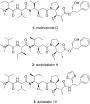
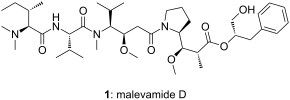
Figure 1: Structures of the strongly cytotoxic marine natural products malevamide D (1), isodolastatin H (2),...

Scheme 1: Total synthesis of malevamide D (1). a) DMSO (16 equiv), NEt3 (5 equiv), pyridine·SO3 (5 equiv), 0 ...

Scheme 2: Formation of oxazolylphosphate 18 on attempted DEPC-mediated coupling of dipeptide 15.
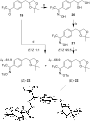
Scheme 3: Synthesis of tosyloximes (Z)-22 and (E)-22, X-ray structure of (E)-22. a) NH2OH·HCl (1.5 equiv), py...
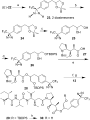
Scheme 4: Synthesis of photo malevamide D 30. a) NH3(l), t-BuOMe, −40 °C, 2 h, rt, 16 h, quant. b) I2 (1.2 eq...

Figure 2: DSC curve of diazirine 25, heating rate 5 °C/min.
Synthesis of five- and six-membered cyclic organic peroxides: Key transformations into peroxide ring-retaining products
- Alexander O. Terent'ev,
- Dmitry A. Borisov,
- Vera A. Vil’ and
- Valery M. Dembitsky
Beilstein J. Org. Chem. 2014, 10, 34–114, doi:10.3762/bjoc.10.6
- ozonolysis of alkenes, the cross-ozonolysis of alkenes with carbonyl compounds, and the cross-ozonolysis of О-alkylated oximes in the presence of carbonyl compounds (Griesbaum coozonolysis). 2.1. Ozonolysis of alkenes According to the mechanism proposed by R. Criegee [268][269] the ozonolysis of alkenes 163
- 44) [256]. 2.3. Cross-ozonolysis of O-alkyl oximes in the presence of carbonyl compounds (Griesbaum co-ozonolysis) In 1995, K. Griesbaum and co-workers reported a new type of cross-ozonolysis [295]. This method enables the synthesis of tetrasubstituted ozonides 176 by an ozone-mediated reaction of О
- -alkyl oximes 174 with ketones 175 (Scheme 45, Table 13). The selective synthesis of ozonides has attracted great interest because it allows the preparation of compounds exhibiting high antiparasitic activity. The Griesbaum method is widely applicable and allows the selective synthesis of symmetrical and

Graphical Abstract

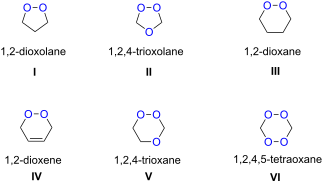
Figure 1: Five and six-membered cyclic peroxides.

Figure 2: Artemisinin and semi-synthetic derivatives.

Scheme 1: Synthesis of 3-hydroxy-1,2-dioxolanes 3a–c.

Scheme 2: Synthesis of dioxolane 6.

Scheme 3: Photooxygenation of oxazolidines 7a–d with formation of spiro-fused oxazolidine-containing dioxolan...

Scheme 4: Oxidation of cyclopropanes 10a–e and 11a–e with preparation of 1,2-dioxolanes 12a–e.

Scheme 5: VO(acac)2-catalyzed oxidation of silylated bicycloalkanols 13a–c.

Scheme 6: Mn(II)-catalyzed oxidation of cyclopropanols 15a–g.

Scheme 7: Oxidation of aminocyclopropanes 20a–c.

Scheme 8: Synthesis of aminodioxolanes 24.
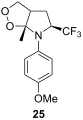
Figure 3: Trifluoromethyl-containing dioxolane 25.

Scheme 9: Synthesis of 1,2-dioxolanes 27a–e by the oxidation of cyclopropanes 26a–e.

Scheme 10: Photoinduced oxidation of methylenecyclopropanes 28.

Scheme 11: Irradiation-mediated oxidation.

Scheme 12: Application of diazene 34 for dioxolane synthesis.

Scheme 13: Mn(OAc)3-catalyzed cooxidation of arylacetylenes 37a–h and acetylacetone with atmospheric oxygen.
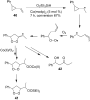
Scheme 14: Peroxidation of (2-vinylcyclopropyl)benzene (40).

Scheme 15: Peroxidation of 1,4-dienes 43a,b.

Scheme 16: Peroxidation of 1,5-dienes 46.

Scheme 17: Peroxidation of oxetanes 53a,b.

Scheme 18: Peroxidation of 1,6-diene 56.

Scheme 19: Synthesis of 3-alkoxy-1,2-dioxolanes 62a,b.

Scheme 20: Synthesis of spiro-bis(1,2-dioxolane) 66.

Scheme 21: Synthesis of dispiro-1,2-dioxolanes 68, 70, 71.

Scheme 22: Synthesis of spirohydroperoxydioxolanes 75a,b.

Scheme 23: Synthesis of spirohydroperoxydioxolane 77 and dihydroperoxydioxolane 79.

Scheme 24: Ozonolysis of azepino[4,5-b]indole 80.

Scheme 25: SnCl4-mediated fragmentation of ozonides 84a–l in the presence of allyltrimethylsilane.

Scheme 26: SnCl4-mediated fragmentation of bicyclic ozonide 84m in the presence of allyltrimethylsilane.

Scheme 27: MCl4-mediated fragmentation of alkoxyhydroperoxides 96 in the presence of allyltrimethylsilane.

Scheme 28: SnCl4-catalyzed reaction of monotriethylsilylperoxyacetal 108 with alkene 109.

Scheme 29: SnCl4-catalyzed reaction of triethylsilylperoxyacetals 111 with alkenes.

Scheme 30: Desilylation of tert-butyldimethylsilylperoxy ketones 131a,b followed by cyclization.

Scheme 31: Deprotection of peroxide 133 followed by cyclization.

Scheme 32: Asymmetric peroxidation of methyl vinyl ketones 137a–e.

Scheme 33: Et2NH-catalyzed intramolecular cyclization.

Scheme 34: Synthesis of oxodioxolanes 143a–j.

Scheme 35: Haloperoxidation accompanied by intramolecular ring closure.

Scheme 36: Oxidation of triterpenes 149a–d with Na2Cr2O7/N-hydroxysuccinimide.

Scheme 37: Curtius and Wolff rearrangements to form 1,2-dioxolane ring-retaining products.

Scheme 38: Oxidative desilylation of peroxide 124.

Scheme 39: Synthesis of dioxolane 158, a compound containing the aminoquinoline antimalarial pharmacophore.

Scheme 40: Diastereomers of plakinic acid A, 162a and 162b.

Scheme 41: Ozonolysis of alkenes.

Scheme 42: Cross-ozonolysis of alkenes 166 with carbonyl compounds.

Scheme 43: Ozonolysis of the bicyclic cyclohexenone 168.

Scheme 44: Cross-ozonolysis of enol ethers 172a,b with cyclohexanone.

Scheme 45: Griesbaum co-ozonolysis.

Scheme 46: Reactions of aryloxiranes 177a,b with oxygen.

Scheme 47: Intramolecular formation of 1,2,4-trioxolane 180.

Scheme 48: Formation of 1,2,4-trioxolane 180 by the reaction of 1,5-ketoacetal 181 with H2O2.

Scheme 49: 1,2,4-Trioxolane 186 with tetrazole fragment.

Scheme 50: 1,2,4-Trioxolane 188 with a pyridine fragment.

Scheme 51: 1,2,4-Trioxolane 189 with pyrimidine fragment.

Scheme 52: Synthesis of aminoquinoline-containing 1,2,4-trioxalane 191.

Scheme 53: Synthesis of arterolane.

Scheme 54: Oxidation of diarylheptadienes 197a–c with singlet oxygen.

Scheme 55: Synthesis of hexacyclinol peroxide 200.

Scheme 56: Oxidation of enone 201 and enenitrile 203 with singlet oxygen.

Scheme 57: Synthesis of 1,2-dioxanes 207 by oxidative coupling of carbonyl compounds 206 and alkenes 205.

Scheme 58: 1,2-Dioxanes 209 synthesis by co-oxidation of 1,5-dienes 208 and thiols.

Scheme 59: Synthesis of bicyclic 1,2-dioxanes 212 with aryl substituents.

Scheme 60: Isayama–Mukaiyama peroxysilylation of 1,5-dienes 213 followed by desilylation under acidic conditio...

Scheme 61: Synthesis of bicycle 218 with an 1,2-dioxane ring.

Scheme 62: Intramolecular cyclization with an oxirane-ring opening.

Scheme 63: Inramolecular cyclization with the oxetane-ring opening.

Scheme 64: Intramolecular cyclization with the attack on a keto group.

Scheme 65: Peroxidation of the carbonyl group in unsaturated ketones 228 followed by cyclization of hydroperox...

Scheme 66: CsOH and Et2NH-catalyzed cyclization.

Scheme 67: Preparation of peroxyplakoric acid methyl ethers A and D.

Scheme 68: Hg(OAc)2 in 1,2-dioxane synthesis.

Scheme 69: Reaction of 1,4-diketones 242 with hydrogen peroxide.

Scheme 70: Inramolecular cyclization with oxetane-ring opening.

Scheme 71: Inramolecular cyclization with MsO fragment substitution.

Scheme 72: Synthesis of 1,2-dioxane 255a, a structurally similar compound to natural peroxyplakoric acids.

Scheme 73: Synthesis of 1,2-dioxanes based on the intramolecular cyclization of hydroperoxides containing C=C ...
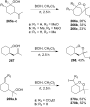
Scheme 74: Use of BCIH in the intramolecular cyclization.

Scheme 75: Palladium-catalyzed cyclization of δ-unsaturated hydroperoxides 271a–e.

Scheme 76: Intramolecular cyclization of unsaturated peroxyacetals 273a–d.

Scheme 77: Allyltrimethylsilane in the synthesis of 1,2-dioxanes 276a–d.

Scheme 78: Intramolecular cyclization using the electrophilic center of the peroxycarbenium ion 279.

Scheme 79: Synthesis of bicyclic 1,2-dioxanes.

Scheme 80: Preparation of 1,2-dioxane 286.

Scheme 81: Di(tert-butyl)peroxalate-initiated radical cyclization of unsaturated hydroperoxide 287.

Scheme 82: Oxidation of 1,4-betaines 291a–d.

Scheme 83: Synthesis of aminoquinoline-containing 1,2-dioxane 294.

Scheme 84: Synthesis of the sulfonyl-containing 1,2-dioxane.

Scheme 85: Synthesis of the amido-containing 1,2-dioxane 301.

Scheme 86: Reaction of singlet oxygen with the 1,3-diene system 302.

Scheme 87: Synthesis of (+)-premnalane А and 8-epi-premnalane A.

Scheme 88: Synthesis of the diazo group containing 1,2-dioxenes 309a–e.

Figure 4: Plakortolide Е.

Scheme 89: Synthesis of 6-epiplakortolide Е.

Scheme 90: Application of Bu3SnH for the preparation of tetrahydrofuran-containing bicyclic peroxides 318a,b.

Scheme 91: Application of Bu3SnH for the preparation of lactone-containing bicyclic peroxides 320a–f.

Scheme 92: Dihydroxylation of the double bond in the 1,2-dioxene ring 321 with OsO4.

Scheme 93: Epoxidation of 1,2-dioxenes 324.

Scheme 94: Cyclopropanation of the double bond in endoperoxides 327.

Scheme 95: Preparation of pyridazine-containing bicyclic endoperoxides 334a–c.

Scheme 96: Synthesis of 1,2,4-trioxanes 337 by the hydroperoxidation of unsaturated alcohols 335 with 1O2 and ...

Scheme 97: Synthesis of sulfur-containing 1,2,4-trioxanes 339.

Scheme 98: BF3·Et2O-catalyzed synthesis of the 1,2,4-trioxanes 342a–g.

Scheme 99: Photooxidation of enol ethers or vinyl sulfides 343.

Scheme 100: Synthesis of tricyclic peroxide 346.

Scheme 101: Reaction of endoperoxides 348a,b derived from cyclohexadienes 347a,b with 1,4-cyclohexanedione.

Scheme 102: [4 + 2]-Cycloaddition of singlet oxygen to 2Н-pyrans 350.

Scheme 103: Synthesis of 1,2,4-trioxanes 354 using peroxysilylation stage.

Scheme 104: Epoxide-ring opening in 355 with H2O2 followed by the condensation of hydroxy hydroperoxides 356 wi...

Scheme 105: Peroxidation of unsaturated ketones 358 with the H2O2/CF3COOH/H2SO4 system.

Scheme 106: Synthesis of 1,2,4-trioxanes 362 through Et2NH-catalyzed intramolecular cyclization.

Scheme 107: Reduction of the double bond in tricyclic peroxides 363.

Scheme 108: Horner–Wadsworth–Emmons reaction in the presence of peroxide group.

Scheme 109: Reduction of ester group by LiBH4 in the presence of 1,2,4-trioxane moiety.

Scheme 110: Reductive amination of keto-containing 1,2,4-trioxane 370.

Scheme 111: Reductive amination of keto-containing 1,2,4-trioxane and a Fe-containing moiety.

Scheme 112: Acid-catalyzed reactions of Н2О2 with ketones and aldehydes 374.
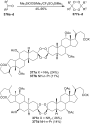
Scheme 113: Cyclocondensation of carbonyl compounds 376a–d using Me3SiOOSiMe3/CF3SO3SiMe3.

Scheme 114: Peroxidation of 4-methylcyclohexanone (378).

Scheme 115: Synthesis of symmetrical tetraoxanes 382a,b from aldehydes 381a,b.

Scheme 116: Synthesis of unsymmetrical tetraoxanes using of MeReO3.

Scheme 117: Synthesis of symmetrical tetraoxanes using of MeReO3.

Scheme 118: Synthesis of symmetrical tetraoxanes using of MeReO3.

Scheme 119: MeReO3 in the synthesis of symmetrical tetraoxanes with the use of aldehydes.

Scheme 120: Preparation of unsymmmetrical 1,2,4,5-tetraoxanes with high antimalarial activity.

Scheme 121: Re2O7-Catalyzed synthesis of tetraoxanes 398.

Scheme 122: H2SO4-Catalyzed synthesis of steroidal tetraoxanes 401.

Scheme 123: HBF4-Catalyzed condensation of bishydroperoxide 402 with 1,4-cyclohexanedione.

Scheme 124: BF3·Et2O-Catalyzed reaction of gem-bishydroperoxides 404 with enol ethers 405 and acetals 406.

Scheme 125: HBF4-Catalyzed cyclocondensation of bishydroperoxide 410 with ketones.

Scheme 126: Synthesis of symmetrical and unsymmetrical tetraoxanes 413 from benzaldehydes 412.
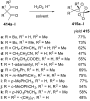
Scheme 127: Synthesis of bridged 1,2,4,5-tetraoxanes 415a–l from β-diketones 414a–l and H2O2.

Scheme 128: Dimerization of zwitterions 417.

Scheme 129: Ozonolysis of verbenone 419.

Scheme 130: Ozonolysis of O-methyl oxime 424.

Scheme 131: Peroxidation of 1,1,1-trifluorododecan-2-one 426 with oxone.

Scheme 132: Intramolecular cyclization of dialdehyde 428 with H2O2.

Scheme 133: Tetraoxanes 433–435 as by-products in peroxidation of ketals 430–432.

Scheme 134: Transformation of triperoxide 436 in diperoxide 437.

Scheme 135: Preparation and structural modifications of tetraoxanes.

Scheme 136: Structural modifications of steroidal tetraoxanes.

Scheme 137: Synthesis of 1,2,4,5-tetraoxane 454 containing the fluorescent moiety.

Scheme 138: Synthesis of tetraoxane 458 (RKA182).
Studies on the interaction of isocyanides with imines: reaction scope and mechanistic variations
- Ouldouz Ghashghaei,
- Consiglia Annamaria Manna,
- Esther Vicente-García,
- Marc Revés and
- Rodolfo Lavilla
Beilstein J. Org. Chem. 2014, 10, 12–17, doi:10.3762/bjoc.10.3
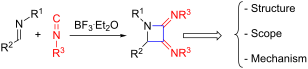
- (Table 1, entry 10), without traces of the corresponding α-aminoamide. Different types of activated substrates displaying C=N bonds (N-sulfinylimines, oximes and hydrazones) were studied, but none of them reacted productively with isocyanides under the described conditions. Finally, the reaction with

Graphical Abstract

Scheme 1: Azetidine formation from the interaction of imines with isocyanides.

Scheme 2: Reaction conditions.

Figure 1: X-ray diffraction analysis of azetidine 3a.

Scheme 3: Stepwise mechanism for the formation of azetidine 3a.

Scheme 4: Manifold reaction mechanism.
Gallium-containing polymer brush film as efficient supported Lewis acid catalyst in a glass microreactor
- Rajesh Munirathinam,
- Roberto Ricciardi,
- Richard J. M. Egberink,
- Jurriaan Huskens,
- Michael Holtkamp,
- Herbert Wormeester,
- Uwe Karst and
- Willem Verboom
Beilstein J. Org. Chem. 2013, 9, 1698–1704, doi:10.3762/bjoc.9.194
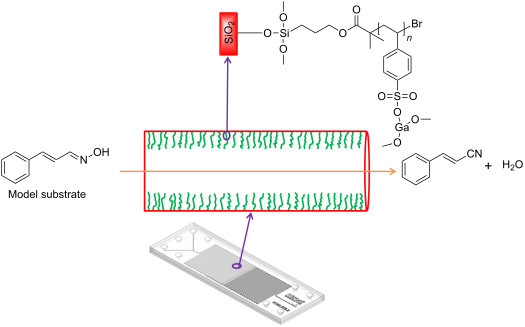
- X-ray photoelectron spectroscopy (XPS). XPS revealed the presence of one gallium per 2–3 styrene sulfonate groups of the polymer brushes. The catalytic activity of the Lewis acid-functionalized brushes in a microreactor was demonstrated for the dehydration of oximes, using cinnamaldehyde oxime as a
- model substrate, and for the formation of oxazoles by ring closure of ortho-hydroxy oximes. The catalytic activity of the microreactor could be maintained by periodic reactivation by treatment with GaCl3. Keywords: dehydration of oximes; flow chemistry; gallium; microreactors; Lewis acid catalysis
- substrate scope of the dehydration of oximes was extended using the same reaction conditions as above (Table 2). 4-Nitrobenzaldehyde oxime (3, Table 2, entry 1) resulted in a conversion of 62% within 13 min reaction time, while for the batch reaction, using gallium(III) triflate as a catalyst, 16 h at 120

Graphical Abstract

Scheme 1: Gallium-catalyzed dehydration of cinnamaldehyde oxime (1).

Scheme 2: General scheme for anchoring of initiator, ATRP of styrene sulfonate, activation, and reaction with...

Figure 1: Gallium-catalyzed formation of nitrile 2 at 90 °C and 5 atm pressure.

Figure 2: Arrhenius plot for the dehydration of cinnamaldehyde oxime (1).

Figure 3: Conversion of cinnamaldehyde oxime (1, 25 µM in acetonitrile) by continuously running the catalytic...
Re2O7-catalyzed reaction of hemiacetals and aldehydes with O-, S-, and C-nucleophiles
- Wantanee Sittiwong,
- Michael W. Richardson,
- Charles E. Schiaffo,
- Thomas J. Fisher and
- Patrick H. Dussault
Beilstein J. Org. Chem. 2013, 9, 1526–1532, doi:10.3762/bjoc.9.174
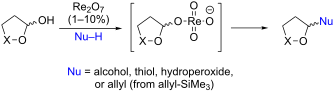
- lack of reactivity of ozonolysis-derived 1-methoxyhydroperoxides towards methanolic acid may mask a rapid degenerate exchange [27]. The failure of the perrhenate to catalyze formation of N,O-acetals was initially perplexing. However, reported perrhenate-promoted dehydrations of amides and oximes

Graphical Abstract

Scheme 1: Transacetalization of acetal 7.

Scheme 2: Thioacetalization of hexanal with Re2O7.

Scheme 3: Proposed mechanistic pathway.
Interplay of ortho- with spiro-cyclisation during iminyl radical closures onto arenes and heteroarenes
- Roy T. McBurney and
- John C. Walton
Beilstein J. Org. Chem. 2013, 9, 1083–1092, doi:10.3762/bjoc.9.120
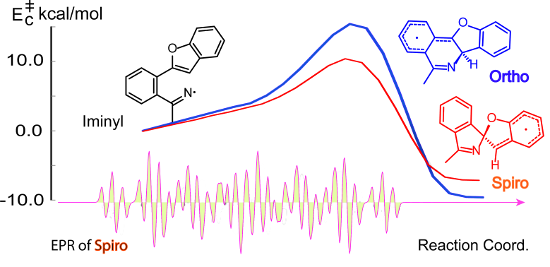
- Roy T. McBurney John C. Walton EaStCHEM School of Chemistry, University of St. Andrews, St. Andrews, Fife, KY16 9ST, UK 10.3762/bjoc.9.120 Abstract Sensitised photolyses of ethoxycarbonyl oximes of aromatic and heteroaromatic ketones yielded iminyl radicals, which were characterised by EPR
- derivatives of oximes with various aromatic and heteroaromatic architectures (Figure 1). Compounds 1a–f contain comparatively rigid arms and their aromatic acceptors range from electron-withdrawing to electron-releasing in character. In compounds 2a,b and 3 heteroarenes replace the benzene rings and in 4 the
- affecting this are weighed up. Results and Discussion The arene and heteroarene-based oxime carbonates 1 and 2 were prepared as described previously by reaction of the corresponding aromatic ethanone oximes with ethyl chloroformate [26]. Precursors 3 and 4 were made in a similar way from the oximes of 2

Graphical Abstract

Figure 1: O-Ethoxycarbonyl oximes prepared.
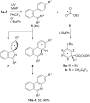
Scheme 1: Photochemical reactions of biphenyl oxime carbonates.

Figure 2: EPR spectrum during photolysis of 1f in t-BuPh at 240 K. Top (black): experimental spectrum. Bottom...

Figure 3: EPR spectrum during photolysis of 2a in t-BuPh at 230 K. Top (blue): experiment; bottom (red): simu...

Scheme 2: Ring closure of iminyl radicals derived from 2a,b.
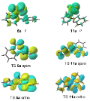
Figure 4: DFT computed structures for 5a, 11a and their cyclisation transition states (TS). Top line: spin de...
Some aspects of radical chemistry in the assembly of complex molecular architectures
- Béatrice Quiclet-Sire and
- Samir Z. Zard
Beilstein J. Org. Chem. 2013, 9, 557–576, doi:10.3762/bjoc.9.61

- that benzoates of hydroxamic acids, oximes and related derivatives reacted nicely with stannyl radicals to furnish the corresponding nitrogen radicals under mild conditions [7]. These could be readily incorporated into various radical sequences leading to complex nitrogen-containing scaffolds. One

Graphical Abstract

Scheme 1: Key radical step in the total synthesis of (–)-dendrobine.

Scheme 2: Radical cascade in the total synthesis of (±)-13-deoxyserratine (ACCN = 1,1'-azobis(cyclohexanecarb...

Scheme 3: Formation of the complete skeleton of (±)-fortucine.
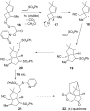
Scheme 4: Model radical sequence for the synthesis of quadrone.

Scheme 5: Radical cascade using the Barton decarboxylation.

Scheme 6: Simplified mechanism for the xanthate addition to alkenes.

Scheme 7: Synthesis of β-lactam derivatives.

Scheme 8: Sequential additions to three different alkenes (PhthN = phthalimido).

Scheme 9: Key cascade in the total synthesis of (±)-matrine (43).

Scheme 10: Synthesis of complex tetralones.

Scheme 11: Synthesis of functionalised azaindoline and indole derivatives.

Scheme 12: Synthesis of thiochromanones.

Scheme 13: Synthesis of complex benzothiepinones. Conditions: 1) CF3COOH; 2) RCHO / AcOH (PMB = p-methoxybenzy...

Scheme 14: Formation and capture of a cyclic nitrone.
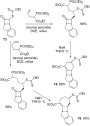
Scheme 15: Synthesis of bicyclic cyclobutane motifs.

Scheme 16: Construction of the CD rings of steroids.

Scheme 17: Rapid assembly of polyquinanes.

Scheme 18: Formation of a polycyclic structure via an allene intermediate.
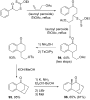
Scheme 19: A polycyclic structure via the alkylative Birch reduction.

Scheme 20: Synthesis of polycyclic pyrimidines and indoline structures.

Scheme 21: Construction of a trans-decalin derivative.
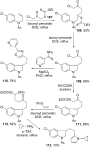
Scheme 22: Multiple uses of a chloroacetonyl xanthate.

Scheme 23: A convergent route to spiroketals.

Scheme 24: A modular approach to 3-arylpiperidines.

Scheme 25: A convergent route to cyclopentanols and to functional allenes.
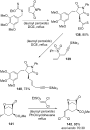
Scheme 26: Allylation and vinylation of a xanthate and an iodide.
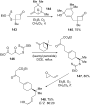
Scheme 27: Vinyl epoxides as allylating agents.

Scheme 28: Radical allylations using allylic alcohol derivatives.

Scheme 29: Synthesis of variously substituted lactams.

Scheme 30: Nickel-mediated synthesis of unsaturated lactams.
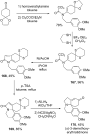
Scheme 31: Total synthesis of (±)-3-demethoxy-erythratidinone.

Scheme 32: Generation and capture of an iminyl radical from an oxime ester.
Synthesis of SF5-containing benzisoxazoles, quinolines, and quinazolines by the Davis reaction of nitro-(pentafluorosulfanyl)benzenes
- Petr Beier and
- Tereza Pastýříková
Beilstein J. Org. Chem. 2013, 9, 411–416, doi:10.3762/bjoc.9.43
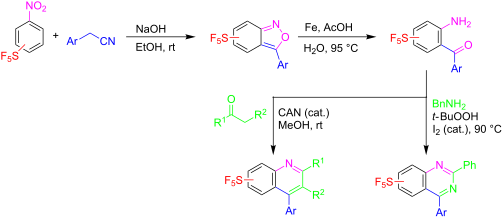
- found to be problematic [9]. The reactions of nitrobenzene with arylacetonitriles gave oximes 2 (Figure 1) [11]. Pentafluorosulfanyl-containing compounds (first synthesized by Sheppard in 1960 [12][13]) are relatively rare, and their chemistry is underdeveloped. These derivatives are promising for
- access to new SF5-substituted aromatic and nitrogen-containing heteroaromatic compounds. Substitution products 1, oximes 2 and nitro-(pentafluorosulfanyl)benzenes 3 and 4. Proposed mechanism of the Davis reaction giving benzisoxazoles. Synthesis of SF5-substituted quinolines and mefloquine analogues by

Graphical Abstract

Scheme 1: Proposed mechanism of the Davis reaction giving benzisoxazoles.

Figure 1: Substitution products 1, oximes 2 and nitro-(pentafluorosulfanyl)benzenes 3 and 4.

Scheme 2: Synthesis of SF5-substituted quinolines and mefloquine analogues by Wipf and co-workers [29,30].

Scheme 3: Synthesis of quinoline 12.

Scheme 4: Synthesis of quinoline 13.

Scheme 5: Synthesis of quinazoline 14.