

Search results
Search for "ligand" in Full Text gives 1052 result(s) in Beilstein Journal of Organic Chemistry. Showing first 200.
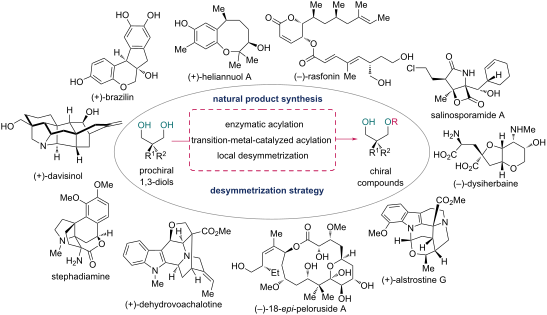
Enantioselective desymmetrization strategy of prochiral 1,3-diols in natural product synthesis
Beilstein J. Org. Chem. 2025, 21, 1932–1963, doi:10.3762/bjoc.21.151
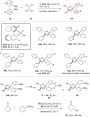
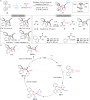
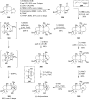
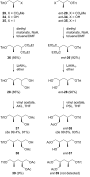
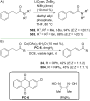
- of the product in the same process by employing the antipodal ligand, as both enantiomers of the chiral ligand are normally accessible. Additionally, the substrate scope can be broadened by modifying the ligand’s structure. Early in 1984, Ichikawa and co-workers reported a Sn-mediated
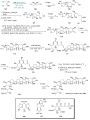
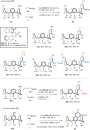
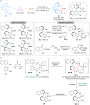
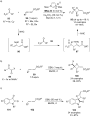
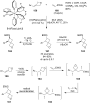
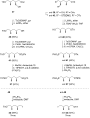
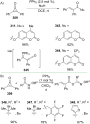
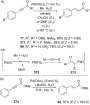
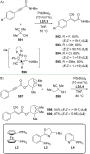
- 139, epoxide 136 was first prepared from (R)-130 in two steps. Parikh–Doering oxidation of 136 followed by addition with Et2Zn in the presence of ligand 137 afforded alcohol 138, which was subsequently converted into amine 139 via a seven-step sequence. With the fragments 135 and 139 in hand
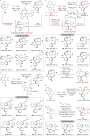
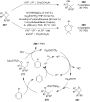
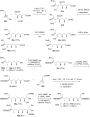
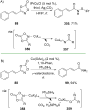
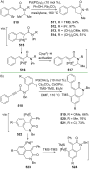
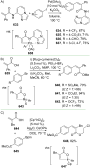
- diol 158, the ligand with only isopropyl substitution at C4 proved effective with suitable size for the substrate–catalyst coordination. A subsequent two-step sequence enabled the sythesis of olefinic carbamate 161 from benzoate 160. Treatment of 161 with Hg(CF3CO2)2 induced mercuriocyclization












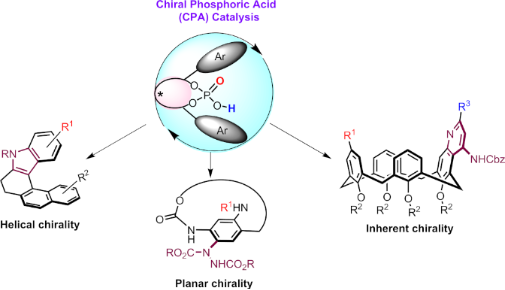
Chiral phosphoric acid-catalyzed asymmetric synthesis of helically chiral, planarly chiral and inherently chiral molecules
Beilstein J. Org. Chem. 2025, 21, 1864–1889, doi:10.3762/bjoc.21.145
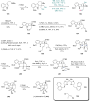
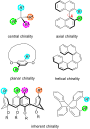
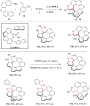
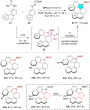
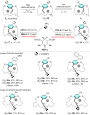
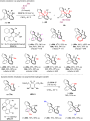
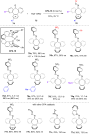
- novel inherently chiral ligands have been explored. For example, they demonstrated excellent enantioselectivity control in some asymmetric reactions, such as the Rh/diphosphine ligand 66-catalyzed asymmetric addition reaction between cyclic enone and arylboronic acid. In 2024, our group reported the











Research progress on calixarene/pillararene-based controlled drug release systems
Beilstein J. Org. Chem. 2025, 21, 1757–1785, doi:10.3762/bjoc.21.139
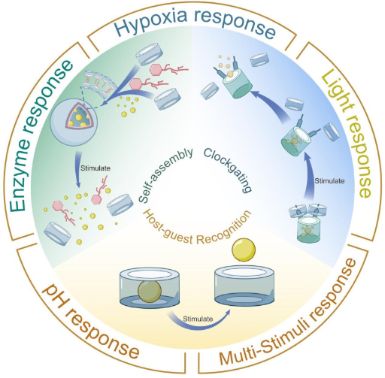
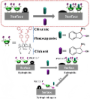
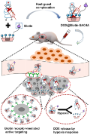
- –guest complexation realizes a reversible ON-OFF-ON type pseudo-monomeric ligand-gated ion transport switch [91]. The development of these pillararene-based materials has enriched the dynamic regulation methods of supramolecular structures and provided innovative approaches for prodrug design. 2 Stimulus
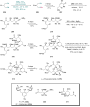
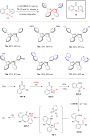
- chiral ligand, which was modified on the upper rim of calixarene through hydrogen bonding. An azobenzene group was introduced as the photo-regulating part at the upper edge of calixarene. The alkyne at the lower edge of FC4AD was used to form self-assembled monolayers (SAMs) on a silicon surface through






Catalytic asymmetric reactions of isocyanides for constructing non-central chirality
Beilstein J. Org. Chem. 2025, 21, 1648–1660, doi:10.3762/bjoc.21.129
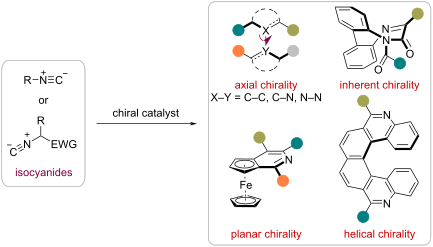
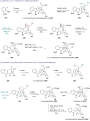
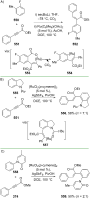
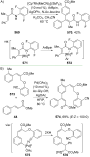
- iodides (Scheme 1a) [27]. This transformation proceeded via two key steps, isocyanide insertion and desymmetric C(sp2)–H bond activation. By using phosphoramidite L1 as the chiral ligand, planar chiral pyridoferrocenes 2 were obtained in 61–99% yield with 72–99% ee. In addition, this catalytic system
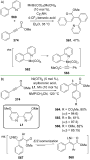
- ] between alkynyl ketones 33 and isocyanoacetates (Scheme 6) [38]. The success of this study not only adds a new entry to the de novo arene formation strategy [39][40] but also initiates the application of isocyanoacetates in constructing axial chirality. With Ag2O and quinine-derived amino-phosphine ligand
- 34f could be used as the starting material to prepare the axially chiral olefin-oxazole 37, which might be a potentially useful ligand in asymmetric catalysis. A possible stereochemical model was proposed as well, involving synergistic activation of both the alkynyl ketone and isocyanoacetate by the





Photocatalysis and photochemistry in organic synthesis
Beilstein J. Org. Chem. 2025, 21, 1645–1647, doi:10.3762/bjoc.21.128
- ; photochemistry; Soon after its first reported synthesis in 1936 [1], [Ru(bpy)3]Cl2 (bpy = 2,2'-bipyridine) and its derivatives attracted significant attention due to their photophysical properties [2][3][4]. These complexes can efficiently absorb visible light through a metal-to-ligand charge transfer (MLCT

Formal synthesis of a selective estrogen receptor modulator with tetrahydrofluorenone structure using [3 + 2 + 1] cycloaddition of yne-vinylcyclopropanes and CO
Beilstein J. Org. Chem. 2025, 21, 1639–1644, doi:10.3762/bjoc.21.127
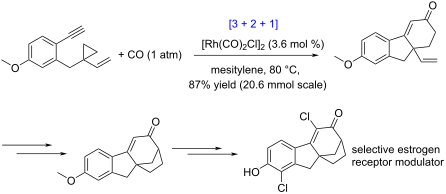
- widely distributed nuclear receptor proteins and include two subtypes, ERα [3][4] and ERβ [5][6]. These receptors can bind 17β-estradiol with similar affinity, facilitating the transfer of estrogen to various tissues in the body. Due to this, 17β-estradiol as non-selective ligand has been extensively


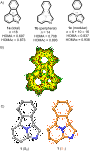
On the aromaticity and photophysics of 1-arylbenzo[a]imidazo[5,1,2-cd]indolizines as bicolor fluorescent molecules for barium tagging in the study of double-beta decay of 136Xe
Beilstein J. Org. Chem. 2025, 21, 1627–1638, doi:10.3762/bjoc.21.126
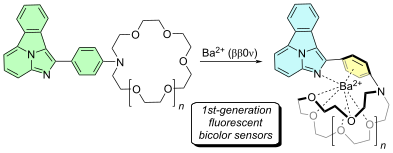
- values. Our calculations show that, as expected, 12-crown-4 16a and 15-crown-5 16b are too small and consequently the barium cation lies outside the average molecular plane determined by the macrocycle. In the case of 18-crown-6 16c, the cyclic ligand accommodates very well the cation, which is now
- within the average molecular plane. In addition, the corresponding ΔGiso values increase with the n-values (Figure 4A). Ligand 21-crown-7 15d suggests that this size of the cyclic ligand is less than optimal, since the calculated structure shown a concave-convex topology, in which one oxygen atom
- , highlighted by an asterisk, lies out from the direct coordination perimeter, thus suggesting that this ligand is too big. The relatively lower increase of the ΔGiso(d) with respect to its ΔGiso(c) congener also indicate that the stabilization induced by the additional oxygen atom is lower in magnitude. An





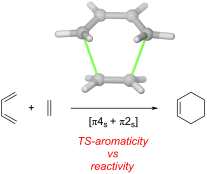
Transition-state aromaticity and its relationship with reactivity in pericyclic reactions
Beilstein J. Org. Chem. 2025, 21, 1613–1626, doi:10.3762/bjoc.21.125
- , very recently it was found that the C≡P moiety, in particular, can be stabilized in the form of a cyaphide ligand bonded to a metal fragment [99][100]. These cyaphide complexes are proven to readily undergo 1,3-dipolar cycloaddition reactions with organic azides [99][100][101], affording novel metal
- interaction derives from both electrostatic and orbital interactions, which are markedly more stabilizing for the process involving the magnesium cyaphide complex. The stronger electrostatic interactions mainly result from the significant polarization of the cyaphide ligand induced by the highly


General method for the synthesis of enaminones via photocatalysis
Beilstein J. Org. Chem. 2025, 21, 1535–1543, doi:10.3762/bjoc.21.116
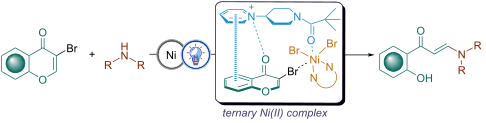
- carried out by using 3-bromochromone (7a) and morpholine (8a) as model substrates in the presence of Ni(II) salt (5 mol %) and ligand (5 mol %), a pyridinium salt (1 equiv) and a photocatalyst (1 mol %) under 427 nm blue LEDs. After carefully screening of the reaction parameters (Table 1 and Tables S1–S7
- -dimethylformamide (DMF) at 20 °C afforded the best results, giving the desired product 9a in 70% isolated yield (Table 1, entry 1). Changing NiBr2·diglyme to other nickel salts, such as Ni(OTf)2 and NiCl2·diglyme led to lower yields (Table 1, entries 2 and 3). Similarly, changing the ligand for dtbbpy or


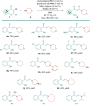


Copper catalysis: a constantly evolving field
Beilstein J. Org. Chem. 2025, 21, 1477–1479, doi:10.3762/bjoc.21.109
- substitution reactions [1]. In particular, the authors elaborate the concept and recent developments in this field, which allows access to enantioenriched chiral enynes. Interestingly, the article also illustrates the effects of the copper salt and the ligand employed, as well as the influence of the substrate
Microwave-enhanced additive-free C–H amination of benzoxazoles catalysed by supported copper
Beilstein J. Org. Chem. 2025, 21, 1462–1476, doi:10.3762/bjoc.21.108
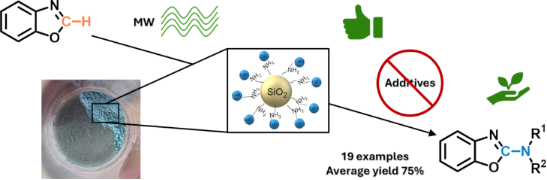
- without the aminopropyl ligand. Under these conditions, only 48% of the product was obtained (Table 3, entry 13). This result demonstrates that the activity of the Cu catalyst is significantly influenced by the surrounding ligands. The amino ligand not only stabilises the catalyst, by ensuring stronger
- in the preparation (theoretical loading). This suggests that optimum catalyst distribution and activity is achieved with 5 wt % supported CuCl. The two catalysts were also characterised by FTIR and DR UV–vis spectroscopy, to obtain information about the grafted aminopropyl ligand and inserted copper
- functionality, respectively. Figure 5 shows the FTIR spectra measured on the silica support functionalised with the aminopropyl group, and the subsequent insertion of copper. The successful grafting of the amino ligand is testified by the characteristic stretching and bending modes of the NH2 group (νNH2 and



Oxetanes: formation, reactivity and total syntheses of natural products
Beilstein J. Org. Chem. 2025, 21, 1324–1373, doi:10.3762/bjoc.21.101
- ) [48]. Good yields were obtained only when CuI was used in combination with 1,10-phenanthroline as a ligand, and this intramolecular Ullmann-type coupling was found to be compatible with primary, secondary and tertiary alcohols, with secondary alcohols exhibiting the following order of reactivity










Recent advances in oxidative radical difunctionalization of N-arylacrylamides enabled by carbon radical reagents
Beilstein J. Org. Chem. 2025, 21, 1207–1271, doi:10.3762/bjoc.21.98
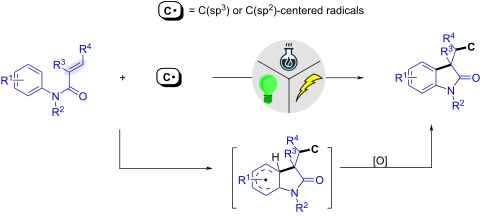
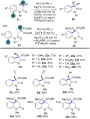
- heteroatom for the synthesis of functionalized oxindoles was also reported in 2013 [3]. In this study, DBU was employed as a ligand and TBHP as an oxidant. A series of ethers, including 1,2-dimethoxyethane, THF, 1,4-dioxane, tetrahydro-2H-pyran, 2,3-dihydrobenzofuran, tetrahydro-2H-thiopyran, and N














Synthesis of β-ketophosphonates through aerobic copper(II)-mediated phosphorylation of enol acetates
Beilstein J. Org. Chem. 2025, 21, 1192–1200, doi:10.3762/bjoc.21.96
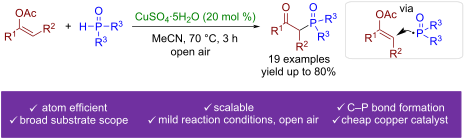
- produced by the oxidation of PH-reagents by copper(II)-containing species. Employing anhydrous CuSO4 instead of the pentahydrate led to a dramatic phosphorylation yield drop from 70 to <5%. It seems that the ligand environment of copper is very important for the effective reaction: other Cu(II) and Cu(I


Enhancing chemical synthesis planning: automated quantum mechanics-based regioselectivity prediction for C–H activation with directing groups
Beilstein J. Org. Chem. 2025, 21, 1171–1182, doi:10.3762/bjoc.21.94
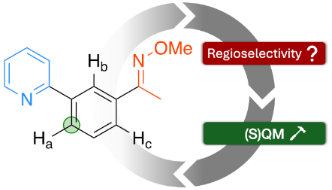
- activation, called concerted metal deprotonation (CMD) [5][6][7]. In a concerted mechanism, the Pd atom of the catalyst forms a sigma bond to an aromatic carbon, which increases the acidity of the adjacent (alpha) proton. This allows for the simultaneous abstraction of this proton by a carboxylate ligand. A


Synthetic approach to borrelidin fragments: focus on key intermediates
Beilstein J. Org. Chem. 2025, 21, 1135–1160, doi:10.3762/bjoc.21.91
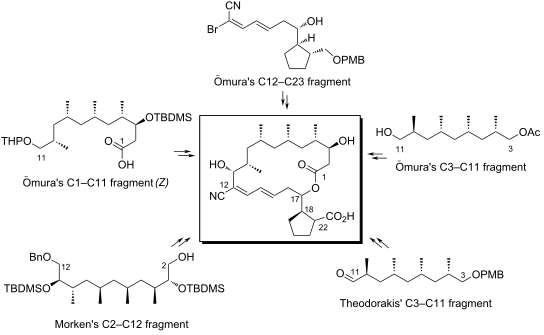
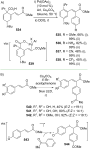
- synthesis of part 62b began with the asymmetric hydrogenation of 93 to yield β-hydroxy ester 106 (Scheme 17). Initial experiments, following the procedure of Noyori et al. [51] and using [RuCl2(p-cymene)]2 metal complex with BINAP as the chiral ligand, produced 106 in 92% yield (92% ee, 99:1 dr). Optimized
- conditions were achieved by employing [RuI2(p-cymene)]2 with the chiral ligand 3,5-xylyl-BINAP, resulting in 106 with an improved yield of 98% (97% ee, 99:1 dr). The secondary alcohol of 106 was protected as a THP ether, and the ester group was reduced to a primary alcohol 107 in 89% yield. This primary








Salen–scandium(III) complex-catalyzed asymmetric (3 + 2) annulation of aziridines and aldehydes
Beilstein J. Org. Chem. 2025, 21, 1087–1094, doi:10.3762/bjoc.21.86
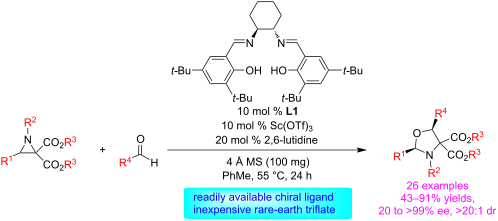
- require dineopentyl aziridine-2,2-dicarboxylates to realize high enantioselectivity, while the synthesis of the chiral ligand N,N'-dioxide requires multiple steps. Herein, we present a convenient highly diastereo- and enantioselective synthesis of dialkyl 2,5-diaryl-1-sulfonyloxazolidine-2,2
- -dicarboxylates from aldehydes and dialkyl 2-aryl-1-sulfonylaziridine-2,2-dicarboxylates under the catalysis of the readily available salen–Sc(OTf)3 complex (Scheme 1d). The salen ligand can be prepared in one step from enantiopure cyclohexane-1,2-diamines and substituted salicylaldehydes. Results and Discussion
- 35 h in the presence of commercially available Sc(OTf)3 (0.01 mmol, 5 mol %), only a trace amount of product 3aa was observed (Table 1, entry 1). When chiral ligand L1 (0.01 mmol) was added, a trace amount of product 3aa was obtained with 17% ee (Table 1, entry 2). The enantioselectivity increased to



Recent advances in synthetic approaches for bioactive cinnamic acid derivatives
Beilstein J. Org. Chem. 2025, 21, 1031–1086, doi:10.3762/bjoc.21.85
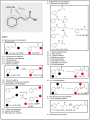
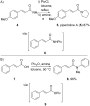
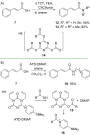
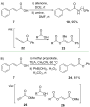
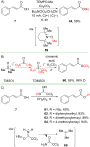
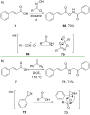
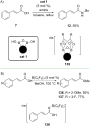
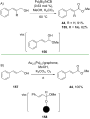
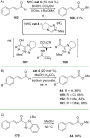
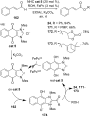
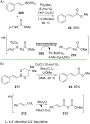
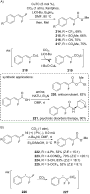
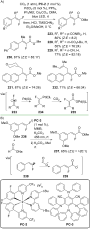
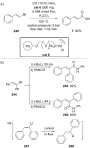
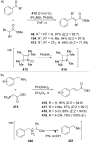
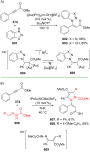
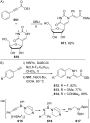
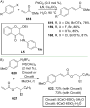
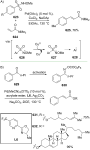
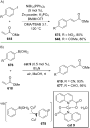
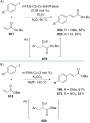
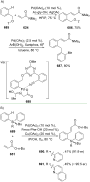
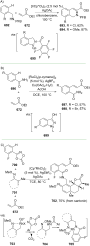
- -workers (2019) prepared a ring-like polyoxometalate (POM) inorganic ligand-supported Fe(III) catalyst (FePOM) to convert cinnamaldehyde (162) into methyl cinnamate (44) in good yield. The reaction proceeds through hemiacetal-attached on the catalyst surface 163 (Scheme 52A) [92]. Similarly, Erande and co
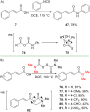
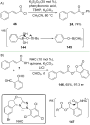
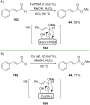
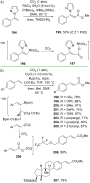
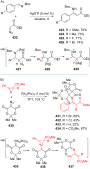
- using this method. Furthermore, Dai and co-workers (2020) employed alkenylboronic acid 209 and O-methyl S-p-tolyl thiocarbonate to prepare methyl cinnamate (44) catalyzed by Pd2dba3 in the presence of Cu(I) thiophene-2-carboxylate (CuTC) and the ligand tri(2-furyl)phosphine (TFP). The reaction proceeds
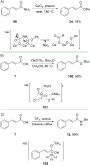
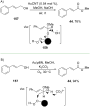
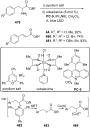
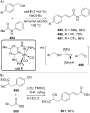
- cinnamate (44). The reaction is catalyzed by Cu(I) and 4,4’-dimethyl-2,2’-bipyridine as the ligand and proceeds via organocopper intermediate 212 followed by carbonate 213 formation (Scheme 61B) [106]. In addition, a gram scale reaction has been smoothly conducted. Yu and co-workers (2019) reported a Cu


























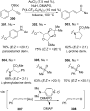
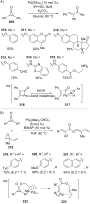
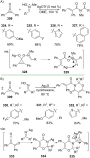
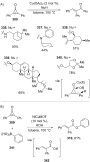
















Pd-Catalyzed asymmetric allylic amination with isatin using a P,olefin-type chiral ligand with C–N bond axial chirality
Beilstein J. Org. Chem. 2025, 21, 1018–1023, doi:10.3762/bjoc.21.83
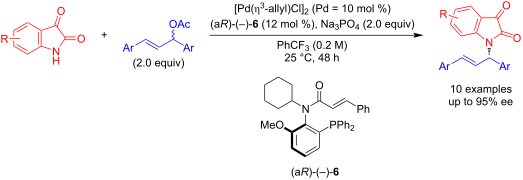
- Advanced Academic Research (IAAR), Chiba University, 1-33 Yayoi-cho, Inage-ku, Chiba 263-8522, Japan 10.3762/bjoc.21.83 Abstract In this study, we implemented the P,olefin-type chiral ligand (aR)-(−)-6, which contains a cyclohexyl group and a cinnamoyl group on the nitrogen atom, in the Pd-catalyzed
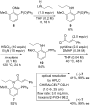
- the resulting product (S)-13a in the presence of FeCl3 as the catalyst, the corresponding malononitrile derivative (S)-16 was obtained without any loss in optical purity. Keywords: asymmetric allylic amination; axial chirality; isatin; palladium catalysis; P,olefin-type chiral ligand; Introduction
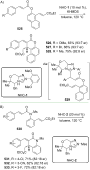
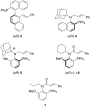
- ligands with axial chirality for Pd-catalyzed asymmetric allylic substitution reactions. For example, the Zhou group reported a P,olefin-type chiral ligand 3 with C–C bond axial chirality for this reaction (Figure 2) [27]. Additionally, we have recently reported chiral ligands with C–N bond axial




Synthesis of pyrrolo[3,2-d]pyrimidine-2,4(3H)-diones by domino C–N coupling/hydroamination reactions
Beilstein J. Org. Chem. 2025, 21, 1010–1017, doi:10.3762/bjoc.21.82
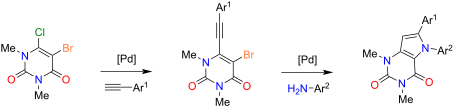
- optimized for the reaction of 3a with p-toluidine to give pyrrolo[3,2-d]pyrimidine-2,4(3H)-dione 4a (Table 1). For the first experiment, we chose Pd(OAc)2 (5 mol %) as the catalyst, XPhos (5 mol %) as the ligand and K3PO4 (3 equiv) as the base in DMA (100 °C, 15 hours), which previously proved to be
- efficient for related transformations [28][29]. However, only a yield of 15% of the desired product 4a was obtained after stirring for 15 hours, due to low conversion of the starting material. Subsequently, different mono- and bidentate ligands were tested. DPEphos was found to be the most potent ligand



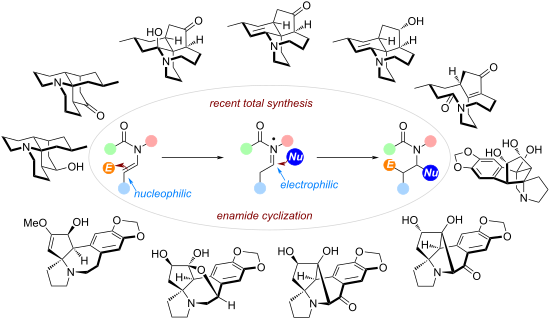
Recent total synthesis of natural products leveraging a strategy of enamide cyclization
Beilstein J. Org. Chem. 2025, 21, 999–1009, doi:10.3762/bjoc.21.81
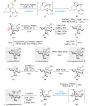
- . Optimization studies identified the tetraphenyl-substituted PyBox ligand L1 as particularly effective in controlling the stereochemistry of the polycyclization, yielding high enantioselectivity for most substrates. As illustrated in Scheme 5, tertiary enamides with a tethered electron-rich arene could undergo
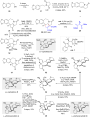
- intermediate would meet challenges associated with the instability of enolate derivatives. In their recent study, they successfully developed such a polycyclization taking advantage of a novel spiropyrroline-derived oxazole (SPDO) ligand (L3). As shown in Scheme 7, one-pot condensation of primary amine 40, β





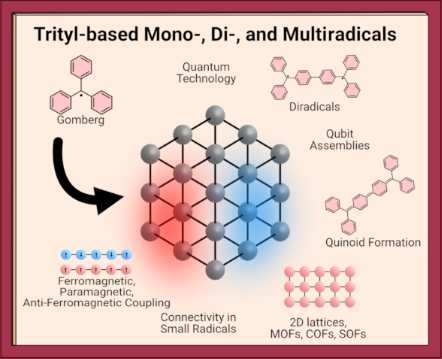
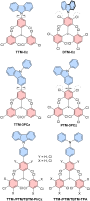
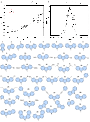
On the photoluminescence in triarylmethyl-centered mono-, di-, and multiradicals
Beilstein J. Org. Chem. 2025, 21, 964–998, doi:10.3762/bjoc.21.80





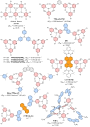


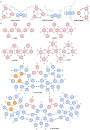
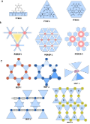


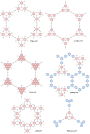
Recent advances in controllable/divergent synthesis
Beilstein J. Org. Chem. 2025, 21, 890–914, doi:10.3762/bjoc.21.73
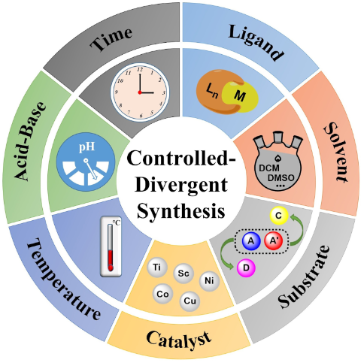
- providing illustrative examples across reaction classes, and emerging strategies for programming synthetic outcomes. The integration of these approaches promises to accelerate drug discovery and materials development through sustainable, atom-economic synthesis of complex molecular libraries. Review Ligand
- control The precise regulation of product selectivity represents a fundamental challenge in transition-metal-catalyzed organic transformations, with significant implications for complex molecule synthesis. In this context, ligand-modulated divergent catalysis has emerged as a paradigm-shifting strategy
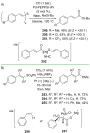
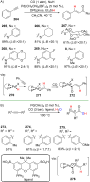
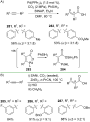
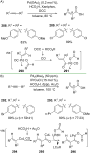
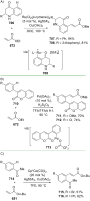
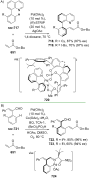
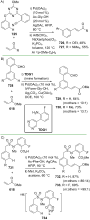
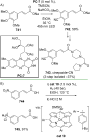
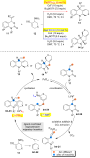
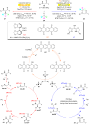
- carbon monoxide were used as starting materials, and two natural product frameworks of phenanthridone and acridone alkaloids could be selectively obtained by controlling ligands. The reaction of o-iodoaniline with in situ-generated arynes under CO atmosphere under ligand-free conditions selectively







4-(1-Methylamino)ethylidene-1,5-disubstituted pyrrolidine-2,3-diones: synthesis, anti-inflammatory effect and in silico approaches
Beilstein J. Org. Chem. 2025, 21, 817–829, doi:10.3762/bjoc.21.65
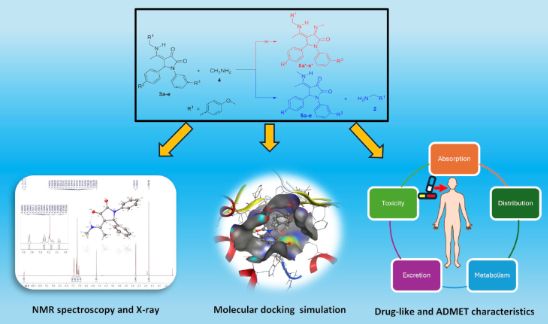
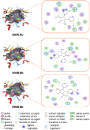
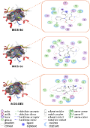
- interactions also contribute to the stabilization of the ligand–iNOS complexes. In particular, 4-(1-methylamino)ethylidene-5-phenyl-1-(3-nitrophenyl)pyrrolidine-2,3-dione (5e) exhibited the strongest binding affinity (−9.51 kcal/mol) and demonstrated significant inhibitory activity against nitric oxide (NO
- ligands (Figure 4 and Figure 5). Additionally, dexamethasone (DEX) was employed as an experimental control for comparative purposes [34][35][36]. The docking scores (DS), reported in Table 5 as binding affinities, reveal that negative DS values correspond to stronger binding affinities between the ligand
- that all ligands consistently interacted with Cys200 and Ser242, key residues in the enzyme's active site, underscoring their critical role in ligand stabilization. In addition to hydrogen bonding, extensive van der Waals interactions were observed, particularly involving residues such as Thr190


Recent advances in the electrochemical synthesis of organophosphorus compounds
Beilstein J. Org. Chem. 2025, 21, 770–797, doi:10.3762/bjoc.21.61
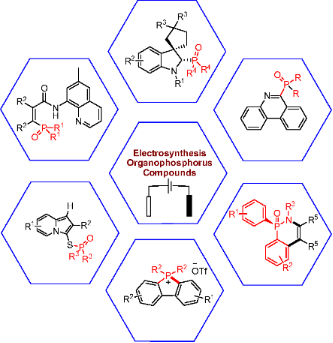
- . Studies showed that a Mn catalyst is critical for synthesizing derivatives of phenanthridine-based diarylphosphine oxides. The reaction yield decreased in the absence of the ligand, and eliminating both the ligand and manganese salt suppressed the reaction. Moreover, a slight decrease in the reaction
- carried out in a divided cell using platinum electrodes as the anode and cathode in the presence of pyridine as a base and ligand (Scheme 14). The catalyst behavior of palladium is attributed to its ability to form palladium clusters of specific sizes that exhibit high catalytic activity. However, this
- can lead to lower reaction yields because various reaction pathways, including those involving unstable metal-organic intermediates, may become involved. Cyclic voltammetry analysis in both solution and solid phases, using a carbon paste electrode (CPE), revealed that the nature of the bridging ligand