

Search results
Search for "cinchona" in Full Text gives 82 result(s) in Beilstein Journal of Organic Chemistry.
Multicomponent reactions: A simple and efficient route to heterocyclic phosphonates
- Mohammad Haji
Beilstein J. Org. Chem. 2016, 12, 1269–1301, doi:10.3762/bjoc.12.121
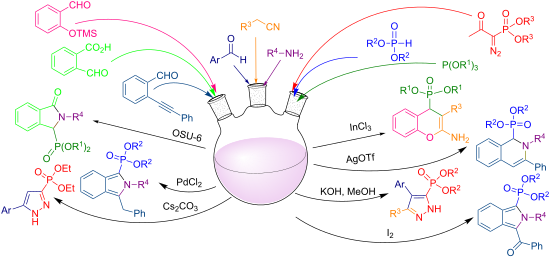
- this method, the one-pot reaction of isatin derivatives 301, iminophosphorane 302, and diphenyl phosphonate in the presence of Cinchona-derived thiourea as the catalyst afforded α-aminophosphonates 303 in 70–81% yields and with 70–84% ee (Scheme 62) [100]. The trans-1,5-benzodiazepines 307 bearing both

Graphical Abstract

Scheme 1: The Biginelli condensation.

Scheme 2: The Biginelli reaction of β-ketophosphonates catalyzed by ytterbium triflate.

Scheme 3: Trimethylchlorosilane-mediated Biginelli reaction of diethyl (3,3,3-trifluoropropyl-2-oxo)phosphona...

Scheme 4: Biginelli reaction of dialkyl (3,3,3-trifluoropropyl-2-oxo)phosphonate with trialkyl orthoformates ...

Scheme 5: p-Toluenesulfonic acid-promoted Biginelli reaction of β-ketophosphonates, aryl aldehydes and urea.

Scheme 6: General Kabachnik–Fields reaction for the synthesis of α-aminophosphonates.

Scheme 7: Phthalocyanine–AlCl catalyzed Kabachnik–Fields reaction of N-Boc-piperidin-4-one with diethyl phosp...

Scheme 8: Kabachnik–Fields reaction of isatin with diethyl phosphite and benzylamine.

Scheme 9: Magnetic Fe3O4 nanoparticle-supported phosphotungstic acid-catalyzed Kabachnik–Fields reaction of i...

Scheme 10: The Mg(ClO4)2-catalyzed Kabachnik–Fields reaction of 1-tosylpiperidine-4-one.

Scheme 11: An asymmetric version of the Kabachnik–Fields reaction for the synthesis of α-amino-3-piperidinylph...

Scheme 12: A classical Kabachnik–Fields reaction followed by an intramolecular ring-closing reaction for the s...

Scheme 13: Synthesis of (S)-piperidin-2-phosphonic acid through an asymmetric Kabachnik–Fields reaction.

Scheme 14: A modified diastereoselective Kabachnik–Fields reaction for the synthesis of isoindolin-1-one-3-pho...

Scheme 15: A microwave-assisted Kabachnik–Fields reaction toward isoindolin-1-ones.

Scheme 16: The synthesis of 3-arylmethyleneisoindolin-1-ones through a Horner–Wadsworth–Emmons reaction of Kab...

Scheme 17: An efficient one-pot method for the synthesis of ethyl (2-alkyl- and 2-aryl-3-oxoisoindolin-1-yl)ph...

Scheme 18: FeCl3 and PdCl2 co-catalyzed three-component reaction of 2-alkynylbenzaldehydes, anilines, and diet...

Scheme 19: Three-component reaction of 6-methyl-3-formylchromone (75) with hydrazine derivatives or hydroxylam...

Scheme 20: Three-component reaction of 6-methyl-3-formylchromone (75) with thiourea, guanidinium carbonate or ...

Scheme 21: Three-component reaction of 6-methyl-3-formylchromone (75) with 1,4-bi-nucleophiles in the presence...

Scheme 22: One-pot three-component reaction of 2-alkynylbenzaldehydes, amines, and diethyl phosphonate.

Scheme 23: Lewis acid–surfactant combined catalysts for the one-pot three-component reaction of 2-alkynylbenza...

Scheme 24: Lewis acid catalyzed cyclization of different Kabachnik–Fields adducts.

Scheme 25: Three-component synthesis of N-arylisoquinolone-1-phosphonates 119.

Scheme 26: CuI-catalyzed three-component tandem reaction of 2-(2-formylphenyl)ethanones with aromatic amines a...

Scheme 27: Synthesis of 1,5-benzodiazepin-2-ylphosphonates via ytterbium chloride-catalyzed three-component re...

Scheme 28: FeCl3-catalyzed four-component reaction for the synthesis of 1,5-benzodiazepin-2-ylphosphonates.

Scheme 29: Synthesis of indole bisphosphonates through a modified Kabachnik–Fields reaction.

Scheme 30: Synthesis of heterocyclic bisphosphonates via Kabachnik–Fields reaction of triethyl orthoformate.

Scheme 31: A domino Knoevenagel/phospha-Michael process for the synthesis of 2-oxoindolin-3-ylphosphonates.

Scheme 32: Intramolecular cyclization of phospha-Michael adducts to give dihydropyridinylphosphonates.

Scheme 33: Synthesis of fused phosphonylpyrans via intramolecular cyclization of phospha-Michael adducts.

Scheme 34: InCl3-catalyzed three-component synthesis of (2-amino-3-cyano-4H-chromen-4-yl)phosphonates.

Scheme 35: Synthesis of phosphonodihydropyrans via a domino Knoevenagel/hetero-Diels–Alder process.

Scheme 36: Multicomponent synthesis of phosphonodihydrothiopyrans via a domino Knoevenagel/hetero-Diels–Alder ...

Scheme 37: One-pot four-component synthesis of 1,2-dihydroisoquinolin-1-ylphosphonates under multicatalytic co...

Scheme 38: CuI-catalyzed four-component reactions of methyleneaziridines towards alkylphosphonates.

Scheme 39: Ruthenium–porphyrin complex-catalyzed three-component synthesis of aziridinylphosphonates and its p...

Scheme 40: Copper(I)-catalyzed three-component reaction towards 1,2,3-triazolyl-5-phosphonates.

Scheme 41: Three-component reaction of acylphosphonates, isocyanides and dialkyl acetylenedicarboxylate to aff...

Scheme 42: Synthesis of (4-imino-3,4-dihydroquinazolin-2-yl)phosphonates via an isocyanide-based three-compone...

Scheme 43: Silver-catalyzed three-component synthesis of (2-imidazolin-4-yl)phosphonates.

Scheme 44: Three-component synthesis of phosphonylpyrazoles.

Scheme 45: One-pot three-component synthesis of 3-carbo-5-phosphonylpyrazoles.

Scheme 46: A one-pot two-step method for the synthesis of phosphonylpyrazoles.

Scheme 47: A one-pot method for the synthesis of (5-vinylpyrazolyl)phosphonates.

Scheme 48: Synthesis of 1H-pyrrol-2-ylphosphonates via the [3 + 2] cycloaddition of phosphonate azomethine yli...

Scheme 49: Three-component synthesis of 1H-pyrrol-2-ylphosphonates.

Scheme 50: The classical Reissert reaction.

Scheme 51: One-pot three-component synthesis of N-phosphorylated isoquinolines.

Scheme 52: One-pot three-component synthesis of 1-acyl-1,2-dihydroquinoline-2-phosphonates and 2-acyl-1,2-dihy...

Scheme 53: Three-component reaction of pyridine derivatives with ethyl propiolate and dialkyl phosphonates.

Scheme 54: Three-component reactions for the phosphorylation of benzothiazole and isoquinoline.

Scheme 55: Three-component synthesis of diphenyl [2-(aminocarbonyl)- or [2-(aminothioxomethyl)-1,2-dihydroisoq...

Scheme 56: Three-component stereoselective synthesis of 1,2-dihydroquinolin-2-ylphosphonates and 1,2-dihydrois...

Scheme 57: Diphosphorylation of diazaheterocyclic compounds via a tandem 1,4–1,2 addition of dimethyl trimethy...

Scheme 58: Multicomponent reaction of alkanedials, acetamide and acetyl chloride in the presence of PCl3 and a...

Scheme 59: An oxidative domino three-component synthesis of polyfunctionalized pyridines.

Scheme 60: A sequential one-pot three-component synthesis of polysubstituted pyrroles.

Scheme 61: Three-component decarboxylative coupling of proline with aldehydes and dialkyl phosphites for the s...

Scheme 62: Three-component domino aza-Wittig/phospha-Mannich sequence for the phosphorylation of isatin deriva...

Scheme 63: Stereoselective synthesis of phosphorylated trans-1,5-benzodiazepines via a one-pot three-component...

Scheme 64: One-pot three-component synthesis of phosphorylated 2,6-dioxohexahydropyrimidines.
Towards the total synthesis of keramaphidin B
- Pavol Jakubec,
- Alistair J. M. Farley and
- Darren J. Dixon
Beilstein J. Org. Chem. 2016, 12, 1096–1100, doi:10.3762/bjoc.12.104
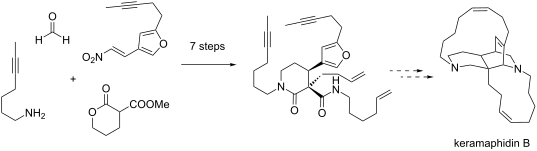
- nitroolefin 9 under the control of a cinchona-derived bifunctional Brønsted base/H-bond donor organocatalyst developed in our group and others [16][17][18][19]. Bifunctional organocatalysed Michael addition studies In our previous total syntheses of nakadomarin A [5][7][20] and manzamine A [10] the
- subsequently subjected to a Swern oxidation to yield the aldehyde 21 in 88% yield. Finally, treatment of the aldehyde with Petasis reagent afforded the target bisalkene RCM precursor 5 in a satisfactory 42% yield. Conclusion In conclusion we have utilized a bifunctional cinchona-derived thiourea organocatalyst

Graphical Abstract
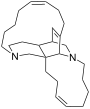
Figure 1: Keramaphidin B (1).

Figure 2: Retrosynthetic analysis of keramaphidin B.

Scheme 1: Enantio- and diastereoselective bifunctional thiourea 12 organocatalysed Michael addition. (a) CO(O...

Scheme 2: Synthesis of bis alkene 5. (a) 12 (20 mol %), toluene, −20 °C, 36 h, 95:5 dr, 92% yield; (b) aq HCH...
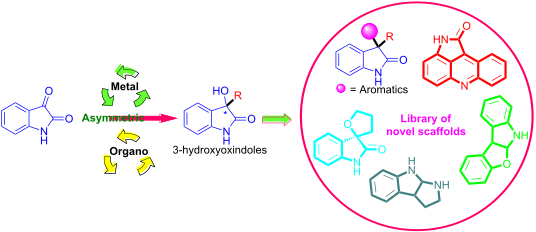
Catalytic asymmetric synthesis of biologically important 3-hydroxyoxindoles: an update
- Bin Yu,
- Hui Xing,
- De-Quan Yu and
- Hong-Min Liu
Beilstein J. Org. Chem. 2016, 12, 1000–1039, doi:10.3762/bjoc.12.98
- , unprotected isatins failed to gave the desired products under the same conditions. As shown in the binding model, the catalyst activated the carbonyl groups through hydrogen bonds, while the allyltributyltin reagent attacked the 3-carbonyl group from the Si face, forming (R)-isomers. Cinchona alkaloid
- catalysts Cinchona alkaloids and their derivatives have been widely used as chiral catalysts in many reactions [44] and also show synthetic utilities in the synthesis of enantiomerically pure 3-substituted 3-hydroxyoxindoles. In 2013, Wu and co-workers reported the cinchona alkaloid (cat. 14)-catalyzed
- -diols was deprived by the amino group of the catalyst, and then the anion attacked isatin from the Re face, followed by release of one mol equivalent trifluoroacetate. The enol anion retrieved the proton from the catalyst to give the (S)-products. In 2013, Chimni and co-workers designed the cinchona

Graphical Abstract

Figure 1: 3-Hydroxyoxindole-containing natural products and biologically active molecules.

Scheme 1: Chiral CNN pincer Pd(II) complex 1 catalyzed asymmetric allylation of isatins.

Scheme 2: Asymmetric allylation of ketimine catalyzed by the chiral CNN pincer Pd(II) complex 2.

Scheme 3: Pd/L1 complex-catalyzed asymmetric allylation of 3-O-Boc-oxindoles.

Scheme 4: Cu(OTf)2-catalyzed asymmetric direct addition of acetonitrile to isatins.

Scheme 5: Chiral tridentate Schiff base/Cu complex catalyzed asymmetric Friedel–Crafts alkylation of isatins ...

Scheme 6: Guanidine/CuI-catalyzed asymmetric alkynylation of isatins with terminal alkynes.

Scheme 7: Asymmetric intramolecular direct hydroarylation of α-ketoamides.

Scheme 8: Plausible catalytic cycle for the direct hydroarylation of α-ketoamides.

Scheme 9: Ir-catalyzed asymmetric arylation of isatins with arylboronic acids.

Scheme 10: Enantioselective decarboxylative addition of β-ketoacids to isatins.

Scheme 11: Ruthenium-catalyzed hydrohydroxyalkylation of olefins and 3-hydroxy-2-oxindoles.

Scheme 12: Proposed catalytic mechanism and stereochemical model.

Scheme 13: In-catalyzed allylation of isatins with stannylated reagents.

Scheme 14: Modified protocol for the synthesis of allylated 3-hydroxyoxindoles.

Scheme 15: Hg-catalyzed asymmetric allylation of isatins with allyltrimethylsilanes.

Scheme 16: Enantioselective additions of organoborons to isatins.

Scheme 17: Asymmetric aldol reaction of isatins with cyclohexanone.

Scheme 18: Enantioselective aldol reactions of aliphatic aldehydes with isatin derivatives and the plausible t...

Scheme 19: Enantioselective aldol reaction of isatins and 2,2-dimethyl-1,3-dioxan-5-one.

Scheme 20: Asymmetric aldol reactions between ketones and isatins.

Scheme 21: Phenylalanine lithium salt-catalyzed asymmetric synthesis of 3-alkyl-3-hydroxyoxindoles.

Scheme 22: Aldolization between isatins and dihydroxyacetone derivatives.

Scheme 23: One-pot asymmetric synthesis of convolutamydine A.

Scheme 24: Asymmetric aldol reactions of cyclohexanone and acetone with isatins.

Scheme 25: Aldol reactions of acetone with isatins.

Scheme 26: Aldol reactions of ketones with isatins.

Scheme 27: Enantioselective allylation of isatins.

Scheme 28: Asymmetric aldol reaction of trifluoromethyl α-fluorinated β-keto gem-diols with isatins.

Scheme 29: Plausible mechanism proposed for the asymmetric aldol reaction.
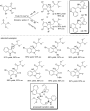
Scheme 30: Asymmetric aldol reaction of 1,1-dimethoxyacetone with isatins.

Scheme 31: Enantioselective Friedel-Crafts reaction of phenols with isatins.

Scheme 32: Enantioselective addition of 1-naphthols with isatins.

Scheme 33: Enantioselective aldol reaction between 3-acetyl-2H-chromen-2-ones and isatins.

Scheme 34: Stereoselective Mukaiyama–aldol reaction of fluorinated silyl enol ethers with isatins.

Scheme 35: Asymmetric vinylogous Mukaiyama–aldol reaction between 2-(trimethylsilyloxy)furan and isatins.

Scheme 36: β-ICD-catalyzed MBH reactions of isatins with maleimides.

Scheme 37: β-ICD-catalyzed MBH reactions of 7-azaisatins with maleimides and activated alkenes.

Scheme 38: Enantioselective aldol reaction of isatins with ketones.

Scheme 39: Direct asymmetric vinylogous aldol reactions of allyl ketones with isatins.

Scheme 40: Enantioselective aldol reactions of ketones with isatins.

Scheme 41: The MBH reaction of isatins with α,β-unsaturated γ-butyrolactam.

Scheme 42: Reactions of tert-butyl hydrazones with isatins followed by oxidation.

Scheme 43: Aldol reactions of isatin derivatives with ketones.

Scheme 44: Enantioselective decarboxylative cyanomethylation of isatins.

Scheme 45: Catalytic kinetic resolution of 3-hydroxy-3-substituted oxindoles.

Scheme 46: Lewis acid catalyzed Friedel–Crafts alkylation of 3-hydroxy-2-oxindoles with electron-rich phenols.

Scheme 47: Lewis acid catalyzed arylation of 3-hydroxyoxindoles with aromatics.

Scheme 48: Synthetic application of 3-arylated disubstituted oxindoles in the construction of core structures ...

Scheme 49: CPA-catalyzed dearomatization and arylation of 3-indolyl-3-hydroxyoxindoles with tryptamines and 3-...

Scheme 50: CPA-catalyzed enantioselective decarboxylative alkylation of β-keto acids with 3-hydroxy-3-indolylo...

Scheme 51: BINOL-derived imidodiphosphoric acid-catalyzed enantioselective Friedel–Crafts reactions of indoles...

Scheme 52: CPA-catalyzed enantioselective allylation of 3-indolylmethanols.

Scheme 53: 3-Indolylmethanol-based substitution and cycloaddition reactions.

Scheme 54: CPA-catalyzed asymmetric [3 + 3] cycloaddtion reactions of 3-indolylmethanols with azomethine ylide...

Scheme 55: CPA-catalyzed three-component cascade Michael/Pictet–Spengler reactions of 3-indolylmethanols and a...

Scheme 56: Acid-promoted chemodivergent and stereoselective synthesis of diverse indole derivatives.

Scheme 57: CPA-catalyzed asymmetric formal [3 + 2] cycloadditions.

Scheme 58: CPA-catalyzed enantioselective cascade reactions for the synthesis of C7-functionlized indoles.

Scheme 59: Lewis acid-promoted Prins cyclization of 3-allyl-3-hydroxyoxindoles with aldehydes.

Scheme 60: Ga(OTf)3-catalyzed reactions of allenols and phenols.

Scheme 61: I2-catalyzed construction of pyrrolo[2.3.4-kl]acridines from enaminones and 3-indolyl-3-hydroxyoxin...

Scheme 62: CPA-catalyzed asymmetric aza-ene reaction of 3-indolylmethanols with cyclic enaminones.

Scheme 63: Asymmetric α-alkylation of aldehydes with 3-indolyl-3-hydroxyoxindoles.

Scheme 64: Organocatalytic asymmetric α-alkylation of enolizable aldehydes with 3-indolyl-3-hydroxyoxindoles a...
1H-Imidazol-4(5H)-ones and thiazol-4(5H)-ones as emerging pronucleophiles in asymmetric catalysis
- Antonia Mielgo and
- Claudio Palomo
Beilstein J. Org. Chem. 2016, 12, 918–936, doi:10.3762/bjoc.12.90
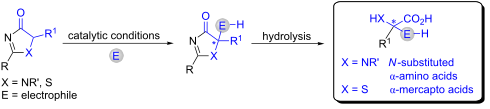
- acceptors in reactions promoted by bifunctional Brønsted bases. 1.2.1 Nitroalkenes as acceptors. Investigation of the base-catalyzed Michael addition reaction of 2-thio-1H-imidazol-4(5H)-ones 4 to nitroalkenes 5 [55] revealed that cinchona alkaloids such as quinine, (DHQ)2Pyr or even thiourea tertiary amine

Graphical Abstract

Figure 1: Some α-substituted heterocycles for asymmetric catalysis, their reactivity patterns against enoliza...

Figure 2: 1H-Imidazol-4(5H)-ones 1 and thiazol-4(5H)-ones 2.
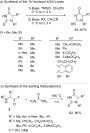
Scheme 1: a) Synthesis of 2-thio-1H-imidazol-4(5H)-ones [55] and b) preparation of the starting thiohydantoins [59].

Scheme 2: Selected examples of the Michael addition of 2-thio-1H-imidazol-4(5H)-ones to nitroalkenes [55]. aReact...

Scheme 3: Michael addition of thiohydantoins to nitrostyrene assisted by Et3N and catalysts C1 and C3. aAbsol...

Scheme 4: Elaboration of the Michael adducts coming from the Michael addition to nitroalkenes [55].

Figure 3: Proposed model for the Michael addition of 1H-imidazol4-(5H)-ones and selected 1H NMR data which su...

Scheme 5: Michael addition 2-thio-1H-imidazol-4(5H)-ones to the α-silyloxyenone 29 [55].

Scheme 6: Elaboration of the Michael adducts coming from the Michael addition to nitroolefins [55].
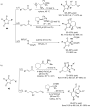
Scheme 7: Rhodanines in asymmetric catalytic reactions: a) Reaction with rhodanines of type 44 [78-80]; b) reactions...

Scheme 8: Michael addition of thiazol-4(5H)-ones to nitroolefins promoted by the ureidopeptide-like bifunctio...

Figure 4: Ureidopeptide-like Brønsted bases: catalyst design. a) Previous known design. b) Proposed new desig...

Scheme 9: Ureidopeptide-like Brønsted base bifunctional catalyst preparation. NMM = N-methylmorpholine, THF =...

Scheme 10: Selected examples of the Michael addition of thiazolones to different nitroolefins promoted by cata...

Scheme 11: Elaboration of the Michael adducts to α,α-disubstituted α-mercaptocarboxylic acid derivatives [85].

Scheme 12: Effect of the nitrogen atom at the aromatic substituent of the thiazolone on yield and stereoselect...

Scheme 13: Michael addition reaction of thiazol-4(5H)ones 74 to α’-silyloxyenone 29 [73].

Scheme 14: Elaboration of the thiazolone Michael adducts [73].

Scheme 15: Enantioselective γ-addition of oxazol-4(5H)-ones and thiazol-4(5H)-ones to allenoates promoted by C6...

Scheme 16: Enantioselective γ-addition of thiazol-4(5H)-ones and oxazol-4(5H)-ones to alkynoate 83 promoted by ...
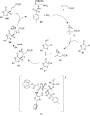
Scheme 17: Proposed mechanism for the C6-catalyzed γ-addition of thiazol-4(5H)-one to allenoates. Adapted from ...

Scheme 18: Catalytic enantioselective α-amination of thiazolones promoted by ureidopeptide like catalysts C5 a...

Scheme 19: Iridium-catalized asymmetric allyllation of substituted oxazol-4(5H)-ones and thiazol-4(5H)-ones pr...
Supported bifunctional thioureas as recoverable and reusable catalysts for enantioselective nitro-Michael reactions
- José M. Andrés,
- Miriam Ceballos,
- Alicia Maestro,
- Isabel Sanz and
- Rafael Pedrosa
Beilstein J. Org. Chem. 2016, 12, 628–635, doi:10.3762/bjoc.12.61
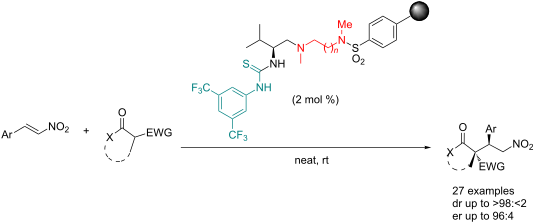
- [12]. Cinchona-derived thioureas have been also prepared by co-polymerization of polyfunctionalized thiols with olefins [23]. Our interest in the search for novel bifunctional thioureas as organocatalysts [24][25][26][27] lead us to consider the preparation of different polymeric materials decorated

Graphical Abstract

Figure 1: Parent and supported bifunctional thioureas used in this work.

Scheme 1: Reaction of nitrostyrene with diethyl malonate and 2-ethoxycarbonyl cyclopentanone.

Scheme 2: Reaction of nitrostyrenes with malonates and β-diketones.

Scheme 3: Reaction of nitrostyrenes with β-keto esters and β-dicarbonyl compounds.

Scheme 4: Reaction of nitrostyrenes with α-nitrocyclohexanone and ethyl α-nitropropionate.
The aminoindanol core as a key scaffold in bifunctional organocatalysts
- Isaac G. Sonsona,
- Eugenia Marqués-López and
- Raquel P. Herrera
Beilstein J. Org. Chem. 2016, 12, 505–523, doi:10.3762/bjoc.12.50
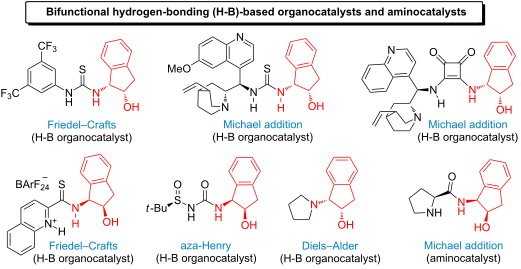
- origin of the asymmetric induction was proposed. In the plausible transition state TS12, acidic hydrogen atoms from both hydroxy and thiourea moieties would activate and fix the nitroalkene. Simultaneously, the tertiary amine of the cinchona framework would deprotonate the acidic proton of acetylacetone
- in the chiral induction of the process. The authors proposed the transition state TS14, where the NH groups and the OH group of the squaramide would coordinate to the nitroalkene 3 through hydrogen-bonding interactions with the nitro group. Simultaneously, the amine in the cinchona alkaloid would

Graphical Abstract

Figure 1: Different configurations of 1,2-aminoindanol 1a–d.

Scheme 1: Asymmetric F–C alkylation catalyzed by thiourea 4.

Figure 2: Results for the F–C reaction carried out with catalyst 4 and the structurally modified analogues, 4'...

Figure 3: (a) Transition state TS1 originally proposed for the F–C reaction catalyzed by thiourea 4 [18]. (b) Tra...

Scheme 2: Asymmetric F–C alkylation catalyzed by thiourea ent-4 in the presence of D-mandelic acid as a Brøns...

Figure 4: Transition state TS2 proposed for the activation of the thiourea-based catalyst ent-4 by an externa...

Scheme 3: Friedel–Crafts alkylation of indoles catalyzed by the chiral thioamide 6.

Scheme 4: Scalable tandem C2/C3-annulation of indoles, catalyzed by the thioamide ent-6.

Scheme 5: Plausible tandem process mechanism for the sequential, double Friedel–Crafts alkylation, which invo...

Scheme 6: One-pot multisequence process that allows the synthesis of interesting compounds 14. The pharmacolo...

Scheme 7: Reaction pathway proposed for the preparation of the compounds 14.

Scheme 8: The enantioselective synthesis of cis-vicinal-substituted indane scaffolds 21, catalyzed by ent-6.

Scheme 9: Asymmetric domino procedure (Michael addition/Henry cyclization), catalyzed by the thioamide ent-6 ...

Scheme 10: The enantioselective addition of indoles 2 to α,β-unsaturated acyl phosphonates 24, a) screening of...

Figure 5: Proposed transition state TS7 for the Friedel–Crafts reaction of indole and α,β-unsaturated acyl ph...

Scheme 11: Study of aliphatic β,γ-unsaturated α-ketoesters 26 as substrates in the F–C alkylation of indoles c...

Figure 6: Possible transition states TS8 and TS9 in the asymmetric addition of indoles 2 to the β,γ-unsaturat...

Figure 7: Transition state TS10 proposed for the asymmetric addition of dialkylhydrazone 28 to the β,γ-unsatu...

Scheme 12: Different β-hydroxylamino-based catalysts tested in a Michael addition, and the transition state TS...

Scheme 13: Enantioselective addition of acetylacetone (36a) to nitroalkenes 3, catalyzed by 37 and the propose...

Scheme 14: Addition of 3-oxindoles 39 to 2-amino-1-nitroethenes 40, catalyzed by 41.

Scheme 15: Michael addition of 1,3-dicarbonyl compounds 36 to the nitroalkenes 3 catalyzed by the squaramide 43...

Scheme 16: Asymmetric aza-Henry reaction catalyzed by the aminoindanol-derived sulfinyl urea 50.

Figure 8: Results for the aza-Henry reaction carried out with the structurally modified catalysts 50–50''.

Scheme 17: Diels–Alder reaction catalyzed by the aminoindanol derivative ent-41.

Scheme 18: Asymmetric Michael addition of 3-pentanone (55a) to the nitroalkenes 3 through aminocatalysis.

Scheme 19: Substrate scope extension for the asymmetric Michael addition between the ketones 55 and the nitroa...

Scheme 20: A possible reaction pathway in the presence of the catalyst 56 and the plausible transition state T...
(Thio)urea-mediated synthesis of functionalized six-membered rings with multiple chiral centers
- Giorgos Koutoulogenis,
- Nikolaos Kaplaneris and
- Christoforos G. Kokotos
Beilstein J. Org. Chem. 2016, 12, 462–495, doi:10.3762/bjoc.12.48
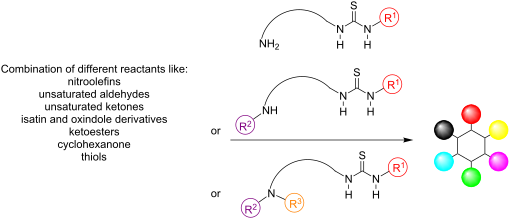
- excellent enantioselectivities (83–96% ee) [31]. In 2009, Cobb and co-workers disclosed the asymmetric intramolecular Michael addition of nitronates 62 onto conjugated esters utilizing the cinchona-derived thiourea 63 (Scheme 22) [32]. The reaction proceeded with excellent selectivity and afforded products
- stereochemistry of the carbon bearing the R2 group. Very recently, Wang and co-workers used a cinchona alkaloid-based bifunctional thiourea 103 as the catalyst of choice to an organocatalytic domino process. This domino reaction involded a Michael cyclization–tautomerization reaction sequence between isatylidene
- -unsaturated aldehydes 108, affording the desired products 110 in moderate to good yields and good to excellent stereoselectivities (Scheme 35). Recently, Wang and co-workers disclosed an asymmetric synthesis of dihydrocoumarins 113 containing adjacent stereogenic centers, utilizing the cinchona-derived

Graphical Abstract

Scheme 1: Activation of carbonyl compounds via enamine and iminium intermediates [2].

Scheme 2: Electronic and steric interactions present in enamine activation mode [2].

Scheme 3: Electrophilic activation of carbonyl compounds by a thiourea moiety.

Scheme 4: Asymmetric synthesis of dihydro-2H-pyran-6-carboxylate 3 using organocatalyst 4 [16].

Scheme 5: Possible hydrogen-bonding for the reaction of (E)-methyl 2-oxo-4-phenylbut-3-enoate [16].

Scheme 6: Asymmetric desymmetrization of 4,4-cyclohexadienones using the Michael addition reaction with malon...

Scheme 7: The enantioselective synthesis of α,α-disubstituted cycloalkanones using catalyst 11 [18].

Scheme 8: The enantioselective synthesis of indolo- and benzoquinolidine compounds through aza-Diels–Alder re...

Scheme 9: Enantioselective [5 + 2] cycloaddition [20].

Scheme 10: Asymmetric synthesis of oxazine derivatives 26 [21].

Scheme 11: Asymmetric synthesis of bicyclo[3.3.1]nonadienone, core 30 present in (−)-huperzine [22].

Scheme 12: Asymmetric inverse electron-demand Diels-Alder reaction catalyzed by amine-thiourea 34 [23].

Scheme 13: Asymmetric entry to morphan skeletons, catalyzed by amine-thiourea 37 [24].

Scheme 14: Asymmetric transformation of (E)-2-nitroallyl acetate [25].

Scheme 15: Proposed way of activation.

Scheme 16: Asymmetric synthesis of nitrobicyclo[3.2.1]octan-2-one derivatives [26].

Scheme 17: Asymmetric tandem Michael–Henry reaction catalyzed by 50 [27].

Scheme 18: Asymmetric Diels–Alder reactions of 3-vinylindoles 51 [29].

Scheme 19: Proposed transition state and activation mode of the asymmetric Diels–Alder reactions of 3-vinylind...

Scheme 20: Desymmetrization of meso-anhydrides by Chin, Song and co-workers [30].

Scheme 21: Desymmetrization of meso-anhydrides by Connon and co-workers [31].

Scheme 22: Asymmetric intramolecular Michael reaction [32].

Scheme 23: Asymmetric addition of malonate to 3-nitro-2H-chromenes 67 [33].

Scheme 24: Intramolecular desymmetrization through an intramolecular aza-Michael reaction [34].

Scheme 25: Enantioselective synthesis of (−)-mesembrine [34].

Scheme 26: A novel asymmetric Michael–Michael reaction [35].

Scheme 27: Asymmetric three-component reaction catalyzed by Takemoto’s catalyst 77 [46].

Scheme 28: Asymmetric domino Michael–Henry reaction [47].

Scheme 29: Asymmetric domino Michael–Henry reaction [48].

Scheme 30: Enantioselective synthesis of derivatives of 3,4-dihydro-2H-pyran 89 [49].

Scheme 31: Asymmetric addition of α,α-dicyano olefins 90 to 3-nitro-2H-chromenes 91 [50].

Scheme 32: Asymmetric three-component reaction producing 2,6-diazabicyclo[2.2.2]octanones 95 [51].

Scheme 33: Asymmetric double Michael reaction producing substituted chromans 99 [52].

Scheme 34: Enantioselective synthesis of multi-functionalized spiro oxindole dienes 106 [53].

Scheme 35: Organocatalyzed Michael aldol cyclization [54].

Scheme 36: Asymmetric synthesis of dihydrocoumarins [55].

Scheme 37: Asymmetric double Michael reaction en route to tetrasubstituted cyclohexenols [56].

Scheme 38: Asymmetric synthesis of α-trifluoromethyl-dihydropyrans 121 [58].

Scheme 39: Tyrosine-derived tertiary amino-thiourea 123 catalyzed Michael hemiaketalization reaction [59].

Scheme 40: Enantioselective entry to bicyclo[3.2.1]octane unit [60].

Scheme 41: Asymmetric synthesis of spiro[4-cyclohexanone-1,3’-oxindoline] 126 [61].

Scheme 42: Kinetic resolution of 3-nitro-2H-chromene 130 [62].

Scheme 43: Asymmetric synthesis of chromanes 136 [63].

Scheme 44: Wang’s utilization of β-unsaturated α-ketoesters 87 [64,65].

Scheme 45: Asymmetric entry to trifluoromethyl-substituted dihydropyrans 144 [66].

Scheme 46: Phenylalanine-derived thiourea-catalyzed domino Michael hemiaketalization reaction [67].

Scheme 47: Asymmetric synthesis of α-trichloromethyldihydropyrans 149 [68].

Scheme 48: Takemoto’s thiourea-catalyzed domino Michael hemiaketalization reaction [69].

Scheme 49: Asymmetric synthesis of densely substituted cyclohexanes [70].

Scheme 50: Enantioselective synthesis of polysubstituted chromeno [4,3-b]pyrrolidine derivatines 157 [71].

Scheme 51: Enantioselective synthesis of spiro-fused cyclohexanone/5-oxazolone scaffolds 162 [72].

Scheme 52: Utilizing 2-mercaptobenzaldehydes 163 in cascade processes [73,74].

Scheme 53: Proposed transition state of the initial sulfa-Michael step [74].

Scheme 54: Asymmetric thiochroman synthesis via dynamic kinetic resolution [75].

Scheme 55: Enantioselective synthesis of thiochromans [76].

Scheme 56: Enantioselective synthesis of chromans and thiochromans synthesis [77].

Scheme 57: Enantioselective sulfa-Michael aldol reaction en route to spiro compounds [78].

Scheme 58: Enantioselective synthesis of 4-aminobenzo(thio)pyrans 179 [79].

Scheme 59: Asymmetric synthesis of tetrahydroquinolines [80].

Scheme 60: Novel asymmetric Mannich–Michael sequence producing tetrahydroquinolines 186 [81].

Scheme 61: Enantioselective synthesis of biologically interesting chromanes 190 and 191 [82].

Scheme 62: Asymmetric tandem Henry–Michael reaction [83].

Scheme 63: An asymmetric synthesis of substituted cyclohexanes via a dynamic kinetic resolution [84].

Scheme 64: Three component-organocascade initiated by Knoevenagel reaction [85].

Scheme 65: Asymmetric Michael reaction catalyzed by catalysts 57 and 211 [86].

Scheme 66: Proposed mechanism for the asymmetric Michael reaction catalyzed by catalysts 57 and 211 [86].

Scheme 67: Asymmetric facile synthesis of hexasubstituted cyclohexanes [87].

Scheme 68: Dual activation catalytic mechanism [87].

Scheme 69: Asymmetric Michael–Michael/aldol reaction catalyzed by catalysts 57, 219 and 214 [88].

Scheme 70: Asymmetric synthesis of substituted cyclohexane derivatives, using catalysts 57 and 223 [89].

Scheme 71: Asymmetric synthesis of substituted piperidine derivatives, using catalysts 223 and 228 [90].

Scheme 72: Asymmetric synthesis of endo-exo spiro-dihydropyran-oxindole derivatives catalyzed by catalyst 232 [91]....

Scheme 73: Asymmetric synthesis of carbazole spiroxindole derivatives, using catalyst 236 [92].

Scheme 74: Enantioselective formal [2 + 2] cycloaddition of enal 209 with nitroalkene 210, using catalysts 23 ...

Scheme 75: Asymmetric synthesis of polycyclized hydroxylactams derivatives, using catalyst 242 [94].

Scheme 76: Asymmetric synthesis of product 243, using catalyst 246 [95].

Scheme 77: Formation of the α-stereoselective acetals 248 from the corresponding enol ether 247, using catalys...

Scheme 78: Selective glycosidation, catalyzed by Shreiner’s catalyst 23 [97].
Cupreines and cupreidines: an established class of bifunctional cinchona organocatalysts
- Laura A. Bryant,
- Rossana Fanelli and
- Alexander J. A. Cobb
Beilstein J. Org. Chem. 2016, 12, 429–443, doi:10.3762/bjoc.12.46
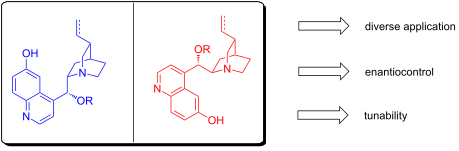
- Laura A. Bryant Rossana Fanelli Alexander J. A. Cobb School of Chemistry, Food and Pharmacy (SCFP), University of Reading, Whiteknights, Reading, Berks RG6 6AD, United Kingdom 10.3762/bjoc.12.46 Abstract Cinchona alkaloids with a free 6'-OH functionality are being increasingly used within
- . Keywords: bifunctional; cupreidine; cinchona; cupreine; organocatalysis; Introduction The cinchona alkaloids, comprising quinine (QN), quinidine (QD), cinchonidine (CD), cinchonine (CN, Figure 1), and their derivatives have revolutionized asymmetric catalysis owing to their privileged structures. The
- optimize their stereoselective behaviour has seen their utility burgeon dramatically over the last decade. Of particular note is the use of these cinchona systems within bifunctional thiourea catalysis [3][4][5][6][7][8][9][10][11][12]. Cupreine (CPN) and cupreidine (CPD), the non-natural demethylated

Graphical Abstract

Figure 1: The structural diversity of the cinchona alkaloids, along with cupreine, cupreidine, β-isoquinidine...

Scheme 1: The original 6’-OH cinchona alkaloid organocatalytic MBH process, showing how the free 6’-OH is ess...

Scheme 2: Use of β-ICPD in an aza-MBH reaction.

Scheme 3: (a) The isatin motif is a common feature for MBH processes catalyzed by β-ICPD, as demonstrated by ...

Scheme 4: (a) Chen’s asymmetric MBH reaction. Good selectivity was dependent upon the presence of (R)-BINOL (...

Scheme 5: Lu and co-workers synthesis of a spiroxindole.

Scheme 6: Kesavan and co-workers’ synthesis of spiroxindoles.

Scheme 7: Frontier’s Nazarov cyclization catalyzed by β-ICPD.

Scheme 8: The first asymmetric nitroaldol process catalyzed by a 6’-OH cinchona alkaloid.

Scheme 9: A cupreidine derived catalyst induces a dynamic kinetic asymmetric transformation.

Scheme 10: Cupreine derivative 38 has been used in an organocatalytic asymmetric Friedel–Crafts reaction.

Scheme 11: Examples of 6’-OH cinchona alkaloid catalyzed processes include: (a) Deng’s addition of dimethyl ma...

Scheme 12: A diastereodivergent sulfa-Michael addition developed by Melchiorre and co-workers.

Scheme 13: Melchiorre’s vinylogous Michael addition.

Scheme 14: Simpkins’s TKP conjugate addition reactions.

Scheme 15: Hydrocupreine catalyst HCPN-59 can be used in an asymmetric cyclopropanation.

Scheme 16: The hydrocupreine and hydrocupreidine-based catalysts HCPN-65 and HCPD-67 demonstrate the potential...

Scheme 17: Jørgensen’s oxaziridination.

Scheme 18: Zhou’s α-amination using β-ICPD.

Scheme 19: Meng’s cupreidine catalyzed α-hydroxylation.

Scheme 20: Shi’s biomimetic transamination process for the synthesis of α-amino acids.

Scheme 21: β-Isocupreidine catalyzed [4 + 2] cycloadditions.

Scheme 22: β-Isocupreidine catalyzed [2+2] cycloaddition.

Scheme 23: A domino reaction catalyst by cupreidine catalyst CPD-30.

Scheme 24: (a) Dixon’s 6’-OH cinchona alkaloid catalyzed oxidative coupling. (b) An asymmetric oxidative coupl...
Bifunctional phase-transfer catalysis in the asymmetric synthesis of biologically active isoindolinones
- Antonia Di Mola,
- Maximilian Tiffner,
- Francesco Scorzelli,
- Laura Palombi,
- Rosanna Filosa,
- Paolo De Caprariis,
- Mario Waser and
- Antonio Massa
Beilstein J. Org. Chem. 2015, 11, 2591–2599, doi:10.3762/bjoc.11.279
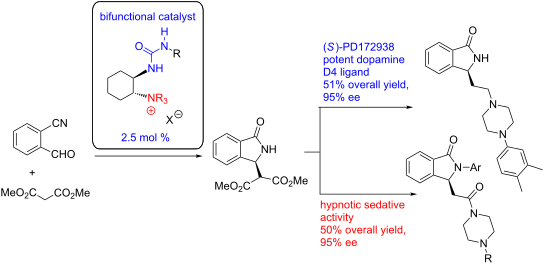
- elaborations en route to the targets of medicinal interest (Figure 1). A high yield (usually >95%) and a maximum level of enantioselectivity of 74% ee were obtained but only in the presence of large amounts of cinchona alkaloid-based thiourea-containing organocatalysts (15 mol %) and after an unacceptably long
- reaction time (72 h) [21][22]. Readily available chiral ammonium salts (e.g., cinchona alkaloid-based or commercially available Maruoka catalysts) were also investigated, but the enantioselectivity was lower, reaching a maximum of 46% ee [23]. Gratifyingly, a very efficient heterochiral crystallization

Graphical Abstract

Figure 1: Some chiral, bioactive isoindolinones.

Scheme 1: This work: 1) trans-1,2-cyclohexane diamine-based bifunctional ammonium salts 8 in the asymmetric s...

Scheme 2: Asymmetric cascade, crystallization and decarboxylation reaction.

Scheme 3: Proposed racemization pathways of isoindolinones 9 via retro-Michael process.

Scheme 4: Asymmetric synthesis of (S)-PD172938.

Scheme 5: Coupling of chiral acid 9 with p-tolylpiperazine and CuI arylation of chiral isoindolinones.
Organocatalytic and enantioselective Michael reaction between α-nitroesters and nitroalkenes. Syn/anti-selectivity control using catalysts with the same absolute backbone chirality
- Jose I. Martínez,
- Uxue Uria,
- Maria Muñiz,
- Efraím Reyes,
- Luisa Carrillo and
- Jose L. Vicario
Beilstein J. Org. Chem. 2015, 11, 2577–2583, doi:10.3762/bjoc.11.277
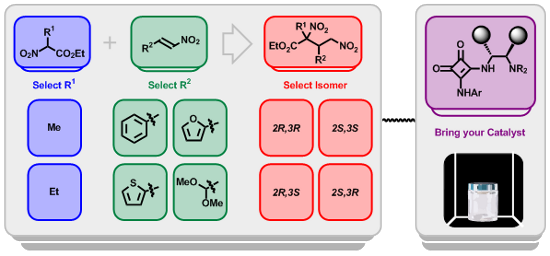
- advantage of the Michael addition of nitroalkenes and using two different bifunctional catalysts derived from cinchona alkaloids (catalyst 4) or cyclohexadiamine (catalyst 6). These catalysts, both with the same absolute backbone chirality, allow us to control the syn or anti selectivity obtaining the final

Graphical Abstract

Scheme 1: Diastereodivergent cascade Michael/Michael reaction using catalysts with the same absolute chiralit...

Scheme 2: Diastereodivergent enantioselective Michael reaction using ethyl 2-nitropropanoate and β-nitrostyre...

Figure 1: ORTEP diagrams for anti-3a and syn-3o respectively.

Scheme 3: Proposed models to explain the stereochemical outcome of the reaction.
Selected synthetic strategies to cyclophanes
- Sambasivarao Kotha,
- Mukesh E. Shirbhate and
- Gopalkrushna T. Waghule
Beilstein J. Org. Chem. 2015, 11, 1274–1331, doi:10.3762/bjoc.11.142
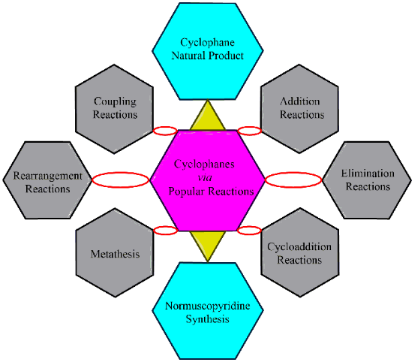

Graphical Abstract

Figure 1: General representation of cyclophanes.

Figure 2: cyclophanes one or more with heteroatom.

Figure 3: Metathesis catalysts 12–17 and C–C coupling catalyst 18.

Figure 4: Natural products containing the cyclophane skeleton.

Figure 5: Turriane family of natural products.

Scheme 1: Synthesis of [3]ferrocenophanes through Mannich reaction. Reagents and conditions: (i) excess HNMe2...

Scheme 2: Synthesis of cyclophanes through Michael addition. Reagents and conditions: (i) xylylene dibromide,...

Scheme 3: Synthesis of normuscopyridine analogue 37 through an oxymercuration–oxidation strategy. Reagents an...

Scheme 4: Synthesis of tribenzocyclotriyne 39 through Castro–Stephens coupling reaction. Reagents and conditi...

Scheme 5: Synthesis of cyclophane 43 through Glaser–Eglinton coupling. Reagents and conditions: (i) 9,10-bis(...

Scheme 6: Synthesis of the macrocyclic C-glycosyl cyclophane through Glaser coupling. Reagents and conditions...

Scheme 7: Synthesis of cyclophane-containing complex 49 through Glaser–Eglinton coupling reaction. Reagents a...

Scheme 8: Synthesis of cyclophane 53 through Glaser–Eglinton coupling. Reagents and conditions: (i) K2CO3, ac...

Figure 6: Cyclophanes 54–56 that have been synthesized through Glaser–Eglinton coupling.

Figure 7: Synthesis of tetrasubstituted [2.2]paracyclophane 57 and chiral cyclophyne 58 through Eglinton coup...

Scheme 9: Synthesis of cyclophane through Glaser–Hay coupling reaction. Reagents and conditions: (i) CuCl2 (1...

Scheme 10: Synthesis of seco-C/D ring analogs of ergot alkaloids through intramolecular Heck reaction. Reagent...

Scheme 11: Synthesis of muscopyridine 73 via Kumada coupling. Reagents and conditions: (i) 72, THF, ether, 20 ...

Scheme 12: Synthesis of the cyclophane 79 via McMurry coupling. Reagents and conditions: (i) 75, decaline, ref...

Scheme 13: Synthesis of stilbenophane 81 via McMurry coupling. Reagents and conditions: (i) TiCl4, Zn, pyridin...

Scheme 14: Synthesis of stilbenophane 85 via McMurry coupling. Reagents and conditions: (i) NBS (2 equiv), ben...
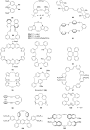
Figure 8: List of cyclophanes prepared via McMurry coupling reaction as a key step.

Scheme 15: Synthesis of paracyclophane by cross coupling involving Pd(0) catalyst. Reagents and conditions: (i...

Scheme 16: Synthesis of the cyclophane 112 via the pinacol coupling and 113 by RCM. Reagents and conditions: (...

Scheme 17: Synthesis of cyclophane derivatives 122a–c via Sonogoshira coupling. Reagents and conditions: (i) C...

Scheme 18: Synthesis of cyclophane 130 via Suzuki–Miyaura reaction as a key step. Reagents and conditions: (i)...

Scheme 19: Synthesis of the mycocyclosin via Suzuki–Miyaura cross coupling. Reagents and conditions: (i) benzy...

Scheme 20: Synthesis of cyclophanes via Wurtz coupling reaction Reagents and conditions: (i) PhLi, Et2O, C6H6,...

Scheme 21: Synthesis of non-natural glycophanes using alkyne metathesis. Reagents and conditions: (i) G-I (12)...

Figure 9: Synthesis of cyclophanes via ring-closing alkyne metathesis.

Scheme 22: Synthesis of crownophanes by cross-enyne metathesis. Reagents and conditions: (i) G-II (13), 5 mol ...

Scheme 23: Synthesis of (−)-cylindrocyclophanes A (156) and (−)-cylindrocyclophanes F (155). Reagents and cond...

Scheme 24: Synthesis of cyclophane 159 derivatives via SM cross-coupling and RCM. Reagents and conditions: (i)...

Scheme 25: Sexithiophene synthesis via cross metathesis. Reagents and conditions: (i) 161, Pd(PPh3)4, K2CO3, T...

Scheme 26: Synthesis of pyrrole-based cyclophane using enyne metathesis. Reagents and conditions: (i) Se, chlo...

Scheme 27: Synthesis of macrocyclic derivatives by RCM. Reagents and conditions: (i) G-I/G-II, CH2Cl2, 0.005 M...

Scheme 28: Synthesis of enantiopure β-lactam-based dienyl bis(dihydrofuran) 179. Reagents and conditions: (i) ...

Scheme 29: Synthesis of a [1.1.6]metaparacyclophane derivative 183 via SM cross coupling. Reagents and conditi...

Scheme 30: Synthesis of a [1.1.6]metaparacyclophane derivative 190 via SM cross coupling. Reagents and conditi...

Scheme 31: Template-promoted synthesis of cyclophanes involving RCM. Reagents and conditions: (i) acenaphthene...

Scheme 32: Synthesis of [3.4]cyclophane derivatives 200 via SM cross coupling and RCM. Reagents and conditions...
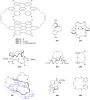
Figure 10: Examples for cyclophanes synthesized by RCM.

Scheme 33: Synthesis of the longithorone C framework assisted by fluorinated auxiliaries. Reagents and conditi...

Scheme 34: Synthesis of the longithorone framework via RCM. Reagents and conditions: (i) 213, NaH, THF, rt, 10...

Scheme 35: Synthesis of floresolide B via RCM as a key step. Reagents and conditions: (i) G-II (13, 0.1 equiv)...

Scheme 36: Synthesis of normuscopyridine (223) by the RCM strategy. Reagents and condition: (i) Mg, THF, hexen...

Scheme 37: Synthesis of muscopyridine (73) via RCM. Reagents and conditions: (i) 225, NaH, THF, 0 °C to rt, 1....

Scheme 38: Synthesis of muscopyridine (73) via RCM strategy. Reagents and conditions: (i) NaH, n-BuLi, 5-bromo...

Scheme 39: Synthesis of pyridinophane derivatives 223 and 245. Reagents and conditions: (i) PhSO2Na, TBAB, CH3...

Scheme 40: Synthesis of metacyclophane derivatives 251 and 253. Reagents and conditions: (i) 240, NaH, THF, rt...

Scheme 41: Synthesis of normuscopyridine and its higher analogues. Reagents and conditions: (i) alkenyl bromid...

Scheme 42: Synthesis of fluorinated ferrocenophane 263 via a [2 + 2] cycloaddition. Reagents and conditions: (...

Scheme 43: Synthesis of [2.n]metacyclophanes 270 via a [2 + 2] cycloaddition. Reagents and conditions: (i) Ac2...

Scheme 44: Synthesis of metacyclophane 273 by a [2 + 2 + 2] co-trimerization. Reagents and conditions: (i) [Rh...

Scheme 45: Synthesis of paracyclophane 276 via a [2 + 2 + 2] cycloaddition reaction. Reagents and conditions: ...

Scheme 46: Synthesis of cyclophane 278 via a [2 + 2 + 2] cycloaddition reaction. Reagents and conditions: (i) ...

Scheme 47: Synthesis of cyclophane 280 via a [2 + 2 + 2] cycloaddition. Reagents and conditions: (i) [(Rh(cod)(...

Scheme 48: Synthesis of taxane framework by a [2 + 2 + 2] cycloaddition. Reagents and conditions: (i) Cp(CO)2 ...

Scheme 49: Synthesis of cyclophane 284 and 285 via a [2 + 2 + 2] cycloaddition reaction. Reagents and conditio...

Scheme 50: Synthesis of pyridinophanes 293a,b and 294a,b via a [2 + 2 + 2] cycloaddition. Reagents and conditi...

Scheme 51: Synthesis of pyridinophanes 296 and 297 via a [2 + 2 + 2] cycloaddition. Reagents and conditions: (...

Scheme 52: Synthesis of triazolophane by a 1,3-dipolar cycloaddition. Reagents and conditions: (i) propargyl b...

Scheme 53: Synthesis of glycotriazolophane 309 by a click reaction. Reagents and conditions: (i) LiOH, H2O, Me...

Figure 11: Cyclophanes 310 and 311 prepared via click chemistry.

Scheme 54: Synthesis of cyclophane via the Dötz benzannulation. Reagents and conditions: (i) THF, 100 °C, 12 h...

Scheme 55: Synthesis of [6,6]metacyclophane by a Dötz benzannulation. Reagents and conditions: (i) THF, 100 °C...

Scheme 56: Synthesis of cyclophanes by a Dötz benzannulation. Reagents and conditions: (i) THF, 65 °C, 3 h; (i...

Scheme 57: Synthesis of muscopyridine (73) via an intramolecular DA reaction of ketene. Reagents and condition...

Scheme 58: Synthesis of bis[10]paracyclophane 336 via Diels–Alder reaction. Reagents and conditions: (i) DMAD,...

Scheme 59: Synthesis of [8]paracyclophane via DA reaction. Reagents and conditions: (i) maleic anhydride, 3–5 ...

Scheme 60: Biomimetic synthesis of (−)-longithorone A. Reagents and conditions: (i) Me2AlCl, CH2Cl2, −20 °C, 7...

Scheme 61: Synthesis of sporolide B (349) via a [4 + 2] cycloaddition reaction. Reagents and conditions: (i) P...

Scheme 62: Synthesis of the framework of (+)-cavicularin (352) via a [4 + 2] cycloaddition. Reagents and condi...

Scheme 63: Synthesis of oxazole-containing cyclophane 354 via Beckmann rearrangement. Reagents and conditions:...

Scheme 64: Synthesis of cyclophanes 360a–c via benzidine rearrangement. Reagents and conditions: (i) 356a–d, K2...

Scheme 65: Synthesis of cyclophanes 365a–c via benzidine rearrangement. Reagents and conditions: (i) BocNHNH2,...

Scheme 66: Synthesis of metacyclophane 367 via Ciamician–Dennstedt rearrangement. Reagents and conditions: (i)...

Scheme 67: Synthesis of cyclophane by tandem Claisen rearrangement and RCM as key steps. Reagents and conditio...

Scheme 68: Synthesis of cyclophane derivative 380. Reagents and conditions: (i) K2CO3, CH3CN, allyl bromide, r...

Scheme 69: Synthesis of metacyclophane via Cope rearrangement. Reagents and conditions: (i) MeOH, NaBH4, rt, 1...

Scheme 70: Synthesis of cyclopropanophane via Favorskii rearrangement. Reagents and conditions: (i) Br2, CH2Cl2...

Scheme 71: Cyclophane 389 synthesis via photo-Fries rearrangement. Reagents and conditions: (i) DMAP, EDCl/CHCl...

Scheme 72: Synthesis of normuscopyridine (223) via Schmidt rearrangement. Reagents and conditions: (i) ethyl s...

Scheme 73: Synthesis of crownophanes by tandem Claisen rearrangement. Reagents and conditions: (i) diamine, Et3...

Scheme 74: Attempted synthesis of cyclophanes via tandem Claisen rearrangement and RCM. Reagents and condition...

Scheme 75: Synthesis of muscopyridine via alkylation with 2,6-dimethylpyridine anion. Reagents and conditions:...

Scheme 76: Synthesis of cyclophane via Friedel–Craft acylation. Reagents and conditions: (i) CS2, AlCl3, 7 d, ...

Scheme 77: Pyridinophane 418 synthesis via Friedel–Craft acylation. Reagents and conditions: (i) 416, AlCl3, CH...

Scheme 78: Cyclophane synthesis involving the Kotha–Schölkopf reagent 421. Reagents and conditions: (i) NBS, A...

Scheme 79: Cyclophane synthesis involving the Kotha–Schölkopf reagent 421. Reagents and conditions: (i) BEMP, ...

Scheme 80: Cyclophane synthesis by coupling with TosMIC. Reagents and conditions: (i) (a) ClCH2OCH3, TiCl4, CS2...

Scheme 81: Synthesis of diaza[32]cyclophanes and triaza[33]cyclophanes. Reagents and conditions: (i) DMF, NaH,...

Scheme 82: Synthesis of cyclophane 439 via acyloin condensation. Reagents and conditions: (i) Na, xylene, 75%;...

Scheme 83: Synthesis of multibridged binuclear cyclophane 442 by aldol condensation. Reagents and conditions: ...

Scheme 84: Synthesis of various macrolactones. Reagents and conditions: (i) iPr2EtN, DMF, 77–83%; (ii) TBDMSCl...

Scheme 85: Synthesis of muscone and muscopyridine via Yamaguchi esterification. Reagents and conditions: (i) 4...

Scheme 86: Synthesis of [5]metacyclophane via a double elimination reaction. Reagents and conditions: (i) LiBr...

Figure 12: Cyclophanes 466–472 synthesized via Hofmann elimination.

Scheme 87: Synthesis of cryptophane via Baylis–Hillman reaction. Reagents and conditions: (i) methyl acrylate,...

Scheme 88: Synthesis of cyclophane 479 via double Chichibabin reaction. Reagents and conditions: (i) excess 478...

Scheme 89: Synthesis of cyclophane 483 via double Chichibabin reaction. Reagents and conditions: (i) 481, OH−;...

Scheme 90: Synthesis of cyclopeptide via an intramolecular SNAr reaction. Reagents and conditions: (i) TBAF, T...

Scheme 91: Synthesis of muscopyridine (73) via C-zip ring enlargement reaction. Reagents and conditions: (i) H...

Figure 13: Mechanism of the formation of compound 494.

Scheme 92: Synthesis of indolophanetetraynes 501a,b using the Nicholas reaction as a key step. Reagents and co...

Scheme 93: Synthesis of cyclophane via radical cyclization. Reagents and conditions: (i) cyclododecanone, phen...

Scheme 94: Synthesis of (−)-cylindrocyclophanes A (156) and (−)-cylindrocyclophanes F (155). Reagents and cond...

Scheme 95: Cyclophane synthesis via Wittig reaction. Reagents and conditions: (i) LiOEt (2.1 equiv), THF, −78 ...

Figure 14: Representative examples of cyclophanes synthesized via Wittig reaction.

Scheme 96: Synthesis of the [6]paracyclophane via isomerization of Dewar benzene. Reagents and conditions: (i)...
Diastereoselective and enantioselective conjugate addition reactions utilizing α,β-unsaturated amides and lactams
- Katherine M. Byrd
Beilstein J. Org. Chem. 2015, 11, 530–562, doi:10.3762/bjoc.11.60
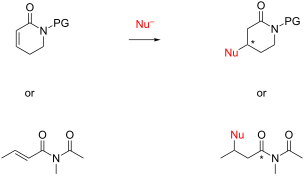

Graphical Abstract

Scheme 1: Generic mechanism for the conjugate addition reaction.

Figure 1: Methods to activate unsaturated amide/lactam systems.

Scheme 2: DCA of Grignard reagents to an L-ephedrine derived chiral α,β–unsaturated amide.

Figure 2: Chiral auxiliaries used in DCA reactions.

Scheme 3: Comparison between auxiliary 5 and the Oppolzer auxiliary in a DCA reaction.

Scheme 4: Use of Evans auxiliary in a DCA reaction.
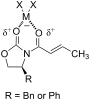
Figure 3: Lewis acid complex of the Evans auxiliary [43].

Scheme 5: DCA reactions of α,β-unsaturated amides utilizing (S,S)-(+)-pseudoephedrine and the OTBS-derivative...

Figure 4: Proposed model accounting for the diastereoselectivity observed in the 1,4-addition of Bn2NLi to α,...

Scheme 6: An example of a tandem conjugate addition–α-alkylation reaction of an α,β-unsaturated amide utilizi...

Scheme 7: Conjugate addition to an α,β-unsaturated bicyclic lactam leading to (+)-paroxetine and (+)-femoxeti...

Scheme 8: Intramolecular conjugate addition reaction to α,β-unsaturated amide.

Scheme 9: Conjugate addition to an α,β-unsaturated pyroglutamate derivative.

Scheme 10: Cu(I)–NHC-catalyzed asymmetric silylation of α,β-unsaturated lactams and amides.

Scheme 11: Asymmetric copper-catalyzed 1,4-borylation of an α,β-unsaturated amide.

Scheme 12: Asymmetric cross-coupling 49 to phenyl chloride.

Scheme 13: Rhodium-catalyzed asymmetric 1,4-arylation of an α,β-unsaturated lactam.

Scheme 14: Rhodium-catalyzed asymmetric 1,4-arylation of an α,β-unsaturated amide.

Scheme 15: Rhodium-catalyzed asymmetric 1,4-arylation of an α,β-unsaturated amide using a chiral bicyclic dien...

Scheme 16: Synthesis of (R)-(−)-baclofen through a rhodium-catalyzed asymmetric 1,4-arylation of lactam 58.

Scheme 17: Rhodium-catalyzed asymmetric 1,4-arylation of an α,β-unsaturated amide and lactam employing organo[...

Scheme 18: Rhodium-catalyzed asymmetric 1,4-arylation of an α,β-unsaturated lactam employing benzofuran-2-ylzi...

Figure 5: Further chiral ligands that have been used in rhodium-catalyzed 1,4-additions of α,β-unsaturated am...

Scheme 19: Palladium-catalyzed asymmetric 1,4-arylation of arylsiloxanes to a α,β-unsaturated lactam.

Scheme 20: SmI2-mediated cyclization of α,β-unsaturated Weinreb amides.

Figure 6: Chiral Lewis acid complexes used in the Mukaiyama–Michael addition of α,β-unsaturated amides.

Scheme 21: Mukaiyama–Michael addition of thioester silylketene acetal to α,β-unsaturated N-alkenoyloxazolidino...

Scheme 22: Asymmetric 1,4-addition of aryl acetylides to α,β-unsaturated thioamides.

Scheme 23: Asymmetric 1,4-addition of alkyl acetylides to α,β-unsaturated thioamides.

Scheme 24: Asymmetric vinylogous conjugate additions of unsaturated butyrolactones to α,β-unsaturated thioamid...

Scheme 25: Gd-catalyzed asymmetric 1,4-cyanation of α,β-unsaturated N-acylpyrroles [205].

Scheme 26: Lewis acid-catalyzed asymmetric 1,4-cyanation of α,β-unsaturated N-acylpyrazole 107.

Scheme 27: Lewis acid mediated 1,4-addition of dibenzyl malonate to α,β-unsaturated N-acylpyrroles.

Scheme 28: Chiral Lewis acid mediated 1,4-radical addition to α,β-unsaturated N-acyloxazolidinone [224].

Scheme 29: Aza-Michael addition of O-benzylhydroxylamine to an α,β-unsaturated N-acylpyrazole.

Scheme 30: An example of the aza-Michael addition of secondary aryl amines to an α,β-unsaturated N-acyloxazoli...

Scheme 31: Aza-Michael additions of anilines to a α,β-unsaturated N-alkenoyloxazolidinone catalyzed by palladi...

Scheme 32: Aza-Michael additions of aniline to an α,β-unsaturated N-alkenoylbenzamide and N-alkenoylcarbamate ...

Scheme 33: Difference between aza-Michael addition ran using the standard protocol versus the slow addition pr...

Scheme 34: Aza-Michael additions of aryl amines salts to an α,β-unsaturated N-alkenoyloxazolidinone catalyzed ...

Scheme 35: Aza-Michael addition of N-alkenoyloxazolidiniones catalyzed by samarium diiodide [244].

Scheme 36: Asymmetric aza-Michael addition of p-anisidine to α,β-unsaturated N-alkenoyloxazolidinones catalyze...

Scheme 37: Asymmetric aza-Michael addition of O-benzylhydroxylamine to N-alkenoyloxazolidinones catalyzed by i...

Scheme 38: Asymmetric 1,4-addition of purine to an α,β-unsaturated N-alkenoylbenzamide catalyzed by (S,S)-(sal...

Scheme 39: Asymmetric 1,4-addition of phosphites to α,β-unsaturated N-acylpyrroles.

Scheme 40: Asymmetric 1,4-addition of phosphine oxides to α,β-unsaturated N-acylpyrroles.

Scheme 41: Tandem Michael-aldol reaction catalyzed by a hydrogen-bonding organocatalyst.

Scheme 42: Examples of the sulfa-Michael–aldol reaction employing α,β-unsaturated N-acylpyrazoles.

Scheme 43: Example of the sulfa-Michael addition of α,β-unsaturated N-alkenoyloxazolidinones.

Figure 7: Structure of cinchona alkaloid-based squaramide catalyst.

Scheme 44: Asymmetric intramolecular oxa-Michael addition of an α,β-unsaturated amide.

Scheme 45: Formal synthesis atorvastatin.
Preparation of phosphines through C–P bond formation
- Iris Wauters,
- Wouter Debrouwer and
- Christian V. Stevens
Beilstein J. Org. Chem. 2014, 10, 1064–1096, doi:10.3762/bjoc.10.106
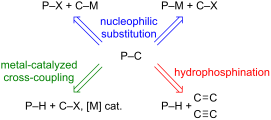
- used to carry out an asymmetric alkylation reaction (Scheme 4). The monoalkylation of phosphine–borane complex 15 was performed in the presence of the Cinchona alkaloid ammonium salt 16 [50]. However, the enantioselectivity of the reaction was low. Imamoto et al. prepared a new tetraphosphine ligand 19
- diphenylphosphine to a range of nitroalkenes 56 has been described using a bifuntional Cinchona alkoid/thiourea catalyst 58 [132]. The catalyst 58 is able to simultaneously activate both the electrophilic and nucleophilic reagents. On one hand the thiourea presumably binds the nitro group while on the other hand

Graphical Abstract

Scheme 1: Synthesis of P-stereogenic phosphines 5 using menthylphosphinite borane diastereomers 2.

Scheme 2: Enantioselective synthesis of chiral phosphines 10 with ephedrine as a chiral auxiliary.

Scheme 3: Chlorophosphine boranes 11a as P-chirogenic electrophilic building blocks.

Scheme 4: Monoalkylation of phenylphosphine borane 15 with methyl iodide in the presence of Cinchona alkaloid...

Scheme 5: Preparation of tetraphosphine borane 19.

Scheme 6: Using chiral chlorophosphine-boranes 11b as phosphide borane 20 precursors.

Scheme 7: Nickel-catalyzed cross-coupling (dppe = 1,2-bis(diphenylphosphino)ethane).

Scheme 8: Pd-catalyzed cross-coupling reaction with organophosphorus stannanes 30.

Scheme 9: Copper iodide catalyzed carbon–phosphorus bond formation.

Scheme 10: Thermodynamic kinetic resolution as the origin of enantioselectivity in metal-catalyzed asymmetric ...

Scheme 11: Ru-catalyzed asymmetric phosphination of benzyl and alkyl chlorides 35 with HPPhMe (36a, PHOX = pho...

Scheme 12: Pt-catalyzed asymmetric alkylation of secondary phosphines 36b.

Scheme 13: Different adducts 43 can result from hydrophosphination.

Scheme 14: Pt-catalyzed asymmetric hydrophosphination.

Scheme 15: Intramolecular hydrophosphination of phosphinoalkene 47.

Scheme 16: Organocatalytic asymmetric hydrophosphination of α,β-unsaturated aldehydes 59.

Scheme 17: Preparation of phosphines using zinc organometallics.

Scheme 18: Preparation of alkenylphosphines 71a from alkenylzirconocenes 69 (dtc = N,N-diethyldithiocarbamate,...

Scheme 19: SNAr with P-chiral alkylmethylphosphine boranes 13c.

Scheme 20: Synthesis of QuinoxP 74 (TMEDA = tetramethylethylenediamine).

Scheme 21: Pd-Mediated couplings of a vinyl triflate 76 with diphenylphosphine borane 13e.

Figure 1: Menthone (83) and camphor (84) derived chiral phosphines.

Scheme 22: Palladium-catalyzed cross-coupling reaction of vinyl tosylates 85 and 87 with diphenylphosphine bor...

Scheme 23: Attempt for the enantioselective palladium-catalyzed C–P cross-coupling reaction between an alkenyl...

Scheme 24: Enol phosphates 88 as vinylic coupling partners in the palladium-catalyzed C–P cross-coupling react...

Scheme 25: Nickel-catalyzed cross-coupling in the presence of zinc (dppe = 1,2-bis(diphenylphosphino)ethane).

Scheme 26: Copper-catalyzed coupling of secondary phosphines with vinyl halide 94.

Scheme 27: Palladium-catalyzed cross-coupling of aryl iodides 97 with organoheteroatom stannanes 30.

Scheme 28: Synthesis of optically active phosphine boranes 100 by cross-coupling with a chiral phosphine boran...

Scheme 29: Palladium-catalyzed P–C cross-coupling reactions between primary or secondary phosphines and functi...

Scheme 30: Enantioselective synthesis of a P-chirogenic phosphine 108.

Scheme 31: Enantioselective arylation of silylphosphine 110 ((R,R)-Et-FerroTANE = 1,1'-bis((2R,4R)-2,4-diethyl...

Scheme 32: Nickel-catalyzed arylation of diphenylphosphine 25d.

Scheme 33: Nickel-catalyzed synthesis of (R)-BINAP 116 (dppe = 1,2-bis(diphenylphosphino)ethane, DABCO = 1,4-d...

Scheme 34: Nickel-catalyzed cross-coupling between aryl bromides 119 and diphenylphosphine (25d) (dppp = 1,3-b...

Scheme 35: Stereocontrolled Pd(0)−Cu(I) cocatalyzed aromatic phosphorylation.

Scheme 36: Preparation of alkenylphosphines by hydrophosphination of alkynes.

Scheme 37: Palladium and nickel-catalyzed addition of P–H to alkynes 125a.

Scheme 38: Palladium-catalyzed asymmetric hydrophosphination of an alkyne 128.

Scheme 39: Ruthenium catalyzed hydrophosphination of propargyl alcohols 132 (cod = 1,5-cyclooctadiene).

Scheme 40: Cobalt-catalyzed hydrophosphination of alkynes 134a (acac = acetylacetone).

Scheme 41: Tandem phosphorus–carbon bond formation–oxyfunctionalization of substituted phenylacetylenes 125c (...

Scheme 42: Organolanthanide-catalyzed intramolecular hydrophosphination/cyclization of phosphinoalkynes 143.

Scheme 43: Hydrophosphination of alkynes 134c catalyzed by ytterbium-imine complexes 145 (hmpa = hexamethylpho...

Scheme 44: Calcium-mediated hydrophosphanylation of alkyne 134d.

Scheme 45: Formation and substitution of bromophosphine borane 151.

Scheme 46: General scheme for a nickel or copper catalyzed cross-coupling reaction.

Scheme 47: Copper-catalyzed synthesis of alkynylphosphines 156.
Primary-tertiary diamine-catalyzed Michael addition of ketones to isatylidenemalononitrile derivatives
- Akshay Kumar and
- Swapandeep Singh Chimni
Beilstein J. Org. Chem. 2014, 10, 929–935, doi:10.3762/bjoc.10.91
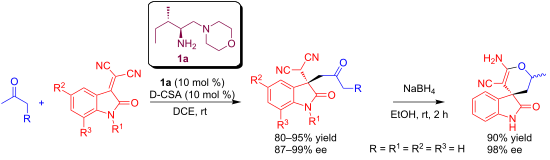
- been found to catalyze a variety of carbon–carbon bond-forming reactions [25][26][27][28][29][30]. Small peptides derived from acyclic amino acids, primary-secondary diamines, Cinchona-based primary amines, and thioureas with a primary amine functionality etc., have found many successful applications
- 86% yield and 88% ee (Table 5, entry 9). A recently reported similar reaction catalyzed by Cinchona alkaloid-based primary amine catalyst requires high catalyst loading and is only suitable for N-unprotected isatylidenemalononitrile derivatives [5]. In contrast, our methodology is suitable for both N

Graphical Abstract

Figure 1: Oxindole based Michael acceptors.

Figure 2: Primary-tertiary diamine organocatalysts.

Scheme 1: Diamine catalyzed Michael addition of acetone to isatylidenemalononitrile.

Scheme 2: Substrate scope of the addition of 2 with 3 catalyzed by 1a D-CSA.

Scheme 3: One-pot, three-component Knoevenagel condensation–Michael addition.

Scheme 4: Cascade reduction–cyclization for the synthesis of spirooxindole.
Addition of H-phosphonates to quinine-derived carbonyl compounds. An unexpected C9 phosphonate–phosphate rearrangement and tandem intramolecular piperidine elimination
- Łukasz Górecki,
- Artur Mucha and
- Paweł Kafarski
Beilstein J. Org. Chem. 2014, 10, 883–889, doi:10.3762/bjoc.10.85
- ; Introduction Medicinal, organocatalytic and stereoselective properties of quinine make it the most prominent representative of Cinchona alkaloids [1], a group of natural compounds of a unique three-dimensional structure. The structure involves a particular arrangement of two rigid heterocyclic fragments
- novel contribution to the reactivity of quinine although similar eliminations of piperidine in Cinchona alkaloids have been reported in the literature. Accordingly, heating of quinine or derivatives in acids provided either quino-/cinchotoxine ketones or their tautomeric enol esters, depending on the

Graphical Abstract

Scheme 1: Quinine (1) and O-9-t-butylcarbamoylquinine (2) as the substrates for oxidation of the C9 hydroxy a...
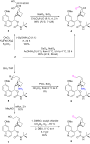
Scheme 2: Oxidation of the vinyl group of 9-O-tert-butylcarbamoylquinine to homologous aldehydes.
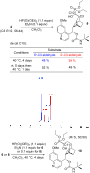
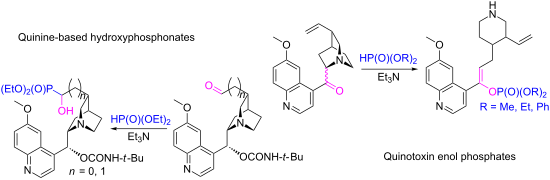
Scheme 3: Addition of diethyl phosphite to aldehydes obtained in oxidation of the vinyl group.

Scheme 4: Oxidation of quinine to quininone and quinidinone and addition of phosphites to the ketones yieldin...

Scheme 5: Spectroscopic features that confirmed the structure of the phosphate ester product of rearrangement...

Scheme 6: Tentative mechanism of the phosphonate–phosphate rearrangement associated with tandem quinuclidine ...
Stereoselectively fluorinated N-heterocycles: a brief survey
- Xiang-Guo Hu and
- Luke Hunter
Beilstein J. Org. Chem. 2013, 9, 2696–2708, doi:10.3762/bjoc.9.306
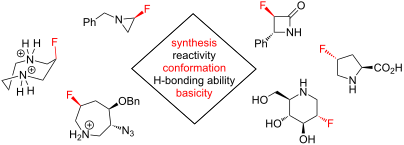
- derivatives bearing a pendant nitrogen nucleophile, and the source of chirality was a substoichiometric quantity of the cinchona alkaloid derivative (DHQ)2PHAL (70). This method was shown to work very well with several different pendant nucleophiles, but the N-acetamido nucleophile was found to be optimal

Graphical Abstract

Figure 1: Fluorination alters the reactivity of aziridines.

Scheme 1: Fluorination makes β-lactam derivatives more reactive towards lipase-catalysed methanolysis.

Figure 2: The ring pucker in azetidine derivatives can be influenced by a C–F…N+ charge–dipole interaction.

Figure 3: Fluorination ridifies the pyrrolidine rings of ligand 10, with several consequences for its G-quadr...

Figure 4: Proline 11 readily undergoes a ring-flip process, but (4R)-fluoroproline 12 is more rigid because o...

Scheme 2: Hyperconjugation rigidifies the ring pucker of a fluorinated organocatalyst 14, leading to higher e...

Figure 5: Fluorinated piperidines prefer the axial conformation, due to stabilising C–F…N+ interactions.

Figure 6: Fluorination can rigidify a substituted azepane, but only if it acts in synergy with the other subs...

Figure 7: The eight-membered N-heterocycle 24 prefers an axial orientation of the fluorine substituent, givin...

Figure 8: Some iminosugars are “privileged structures” that serve as valuable drug leads.

Figure 9: Fluorinated iminosugar analogues 32–34 illuminate the binding interactions of the α-glycosidase inh...

Figure 10: Fluorinated miglitol analogues, and their inhibitory activity towards yeast α-glycosidase.

Figure 11: Analogues of isofagomine (31) have different pKaH values, and therefore exhibit maximal β-glucosida...

Scheme 3: General strategy for the synthesis of fluorinated N-heterocycles via deoxyfluorination.

Figure 12: Late stage deoxyfluorination in the synthesis of multifunctional N-heterocycles.

Scheme 4: During the deoxyfluorination of N-heterocycles, neighbouring group participation can sometimes lead...

Scheme 5: A building block approach for the synthesis of fluorinated aziridines 2 and 3.

Scheme 6: Building block approach for the synthesis of a difluorinated analogue of calystegine B (63).

Scheme 7: Synthesis of fluorinated analogues of brevianamide E (65) and gypsetin (68) via electrophilic fluor...

Scheme 8: Organocatalysed enantioselective fluorocyclisation.

Scheme 9: Synthesis of 3-fluoroazetidine 73 via radical fluorination.

Scheme 10: Synthesis of 3,3-difluoropyrrolidine 78 via a radical cyclisation.

Scheme 11: Chemoenzymatic synthesis of fluorinated β-lactam 4b.
Asymmetric allylic alkylation of Morita–Baylis–Hillman carbonates with α-fluoro-β-keto esters
- Lin Yan,
- Zhiqiang Han,
- Bo Zhu,
- Caiyun Yang,
- Choon-Hong Tan and
- Zhiyong Jiang
Beilstein J. Org. Chem. 2013, 9, 1853–1857, doi:10.3762/bjoc.9.216
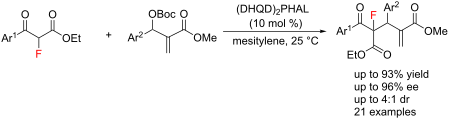
- and Biological Chemistry, Nanyang Technological University, 21 Nanyang Link, Singapore 637371 10.3762/bjoc.9.216 Abstract In the presence of a commercially available Cinchona alkaloid as catalyst, the asymmetric allylic alkylation of Morita–Baylis–Hillman carbonates, with α-fluoro-β-keto esters as
- compounds with chiral quaternary carbon centres containing a fluorine atom. Results and Discussion In the preliminary experiments, we investigated the reaction of α-fluoro-β-ketoester 1a with MBH carbonate 2a as the model substrate, in the presence of several commercially available Cinchona alkaloids as
- 1, entry 2). Next, we screened a series of C2-symmetric bis-Cinchona alkaloids as catalysts under the same conditions (Table 1, entries 3–7). (DHQD)2PHAL showed moderate catalytic activity; 3aa was obtained in 67% yield with 71% ee and 60:40 dr (entry 3). The effects of solvent were then

Organocatalyzed enantioselective desymmetrization of aziridines and epoxides
- Ping-An Wang
Beilstein J. Org. Chem. 2013, 9, 1677–1695, doi:10.3762/bjoc.9.192
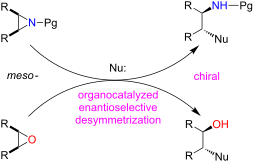
- including cinchona alkaloid derivatives, chiral phosphoric acids, chiral amino alcohols, chiral thioureas, chiral guanidines, and chiral 1,2,3-triazolium chlorides. In this review, the research work of enantioselective desymmetrization of meso-aziridines is organized into sections according to the employed
- organocatalysts. Cinchona alkaloid derivatives The first organocatalytic enantioselective desymmetrization of meso-aziridines was discovered by Hou and co-workers in 2007 [40] with various arylthiols as nucleophiles in CCl4 at 0 °C in the presence of cinchonine-derived phase-transfer catalysts (PTCs, Figure 2, OC
- -1 to OC-6). The substituent on the bridgehead nitrogen of cinchona alkaloids has a great impact on the enantioselectivity of the reactions. The catalyst OC-2 with 9-anthracenylmethyl on the bridgehead nitrogen is more efficient than other cinchona alkaloid-derived catalysts for the desymmetrization

Graphical Abstract

Figure 1: The catalyzed enantioselective desymmetrization.
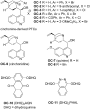
Figure 2: Cinchona alkaloid-derived catalysts OC-1 to OC-11.

Scheme 1: The enantioselective desymmetrization of meso-aziridines in the presence of selected Cinchona alkal...

Figure 3: Cinchona alkaloid-derived catalysts OC-12 to OC-19.

Scheme 2: The enantioselective ring-opening of aziridines in the presence of OC-16.

Scheme 3: OC-16 catalyzed enantioselective ring-opening of aziridines.

Figure 4: The chiral phosphoric acids catalysts OC-20 and OC-21.

Scheme 4: OC-20 and OC-21 catalyzed enantioselective desymmetrization of meso-aziridines.

Figure 5: The proposed mechanism for chiral phosphorous acid-induced enantioselctive desymmetrization of meso...

Scheme 5: OC-21 catalyzed enantioselective desymmetrization of meso-aziridines by Me3SiSPh.

Scheme 6: OC-21 catalyzed the enantioselective desymmetrization of meso-aziridines by Me3SiSePh/PhSeH.

Figure 6: L-Proline and its derivatives OC-22 to OC-27.

Scheme 7: OC-23 catalyzed enantioselective desymmetrization of meso-aziridines.

Figure 7: Proposed bifunctional mode of action of OC-23.

Figure 8: The chiral thioureas OC-28 to OC-44 for the desymmetrization of meso-aziridines.

Scheme 8: Desymmetrization of meso-aziridines with OC-41.

Figure 9: The chiral guanidines (OC-45 to OC-48).

Scheme 9: OC-46 catalyzed desymmetrization of meso-aziridines by arylthiols.

Scheme 10: Desymmetrization of cis-aziridine-2,3-dicarboxylate.

Figure 10: The proposed activation mode of OC-46.

Scheme 11: The enantioselective desymmetrization of meso-aziridines by amine/CS2 in the presence of OC-46.

Figure 11: The chiral 1,2,3-triazolium chlorides OC-49 to OC-55.

Scheme 12: The enantioselective desymmetrization of meso-aziridines by Me3SiX (X = Cl or Br) in the presence o...

Figure 12: Early organocatalysts for enantioselective desymmetrization of meso-epoxides.

Scheme 13: Attempts of enantioselective desymmetrization of meso-epoxides in the presence of OC-58 or OC-60.

Scheme 14: The enantioselective desymmetrization of a meso-epoxide containing one P atom.
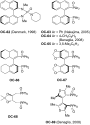
Figure 13: Some chiral phosphoramide and chiral phosphine oxides.

Scheme 15: OC-62 catalyzed enantioselective desymmetrization of meso-epoxides by SiCl4.

Figure 14: The proposed mechanism of the chiral HMPA-catalyzed desymmetrization of meso-epoxides.

Scheme 16: The enantioselective desymmetrization of meso-epoxides in the presence of OC-63.

Figure 15: The Chiral phosphine oxides (OC-70 to OC-77) based on an allene backbone.

Scheme 17: OC-73 catalyzed enantioselective desymmetrization of meso-epoxides by SiCl4.

Figure 16: Chiral pyridine N-oxides used in enantioselective desymmetrization of meso-epoxides.
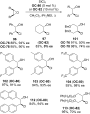
Scheme 18: Catalyzed enantioselective desymmetrization of meso-epoxides in the presence of OC-80 or OC-82.

Figure 17: Chiral pyridine N-oxides OC-85 to OC-94.

Scheme 19: Enantioselective desymmetrization of cis-stilbene oxide by using OC-85 to OC-92 as catalysts.

Figure 18: A novel family of helical chiral pyridine N-oxides OC-95 to OC-97.

Scheme 20: Desymmetrization of meso-epoxides catalyzed by OC-95 to OC-97.

Scheme 21: OC-98 catalyzed enantioselective desymmetrization of meso-epoxides by SiCl4.
Efficient synthesis of β’-amino-α,β-unsaturated ketones
- Isabelle Abrunhosa-Thomas,
- Aurélie Plas,
- Nishanth Kandepedu,
- Pierre Chalard and
- Yves Troin
Beilstein J. Org. Chem. 2013, 9, 486–495, doi:10.3762/bjoc.9.52

- under different protocols in which the stereoselectivity of the reaction can be introduced through the use of a chiral catalyst [9][10] (Lewis acid, Brønsted acids, L-proline, Cinchona alkaloids derivatives, thioureas, etc.), or by the addition of chiral amines to α,β-unsaturated esters [11][12] or the

Graphical Abstract

Scheme 1: Asymmetric synthesis of 2-methyl-6-phenyl piperidine.

Scheme 2: (a) Davies amine, BuLi, THF, −78 °C; dr ≥ 94% ; (b) H2, Pd(OH)2, MeOH; (c) Na2CO3, PhCH2CO2Cl, CH2Cl...

Scheme 3: Modified synthetic route to15.

Scheme 4: Possible pathways to obtain phosphonate 13 (a) Davies amine, BuLi, THF, −78 °C; dr ≥ 95%; (b) H2, P...

Scheme 5: Synthesis of compound 14.

Scheme 6: General synthesis of compound 13 (a) Davies amine, BuLi, THF, −78 °C; (b) H2, Pd(OH)2/C, MeOH; (c) ...

Scheme 7: Optimization of conditions for the Horner–Wadsworth–Emmons reaction.
Mechanochemistry assisted asymmetric organocatalysis: A sustainable approach
- Pankaj Chauhan and
- Swapandeep Singh Chimni
Beilstein J. Org. Chem. 2012, 8, 2132–2141, doi:10.3762/bjoc.8.240
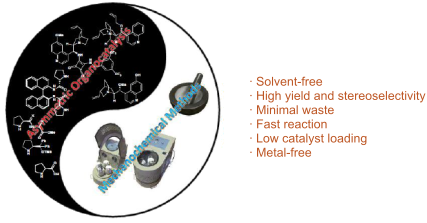
- solvent-free conditions by using a planetary ball mill (Scheme 7) [46]. Cinchona-derived chiral squaramide IX, at low catalyst loading of 0.5 mol %, efficiently catalyses the solvent-free Michael reaction of acetylacetone (9) with various substituted nitroalkenes 7 in a short reaction time (5–30 minutes
- stereoselective meso-anhydride ring opening represents an important approach for providing multiple stereogenic centres in the target molecule [55][56][57]. In this feat the Cinchona alkaloids have emerged as powerful organocatalysts. A ball-milling-assisted highly efficient asymmetric ring opening of meso

Graphical Abstract

Scheme 1: Proline-catalysed aldol reaction in a ball-mill.

Scheme 2: Proline-catalysed aldol reaction between solid substrates (1b and 2a).

Scheme 3: (S)-Binam-L-prolinamide catalysed asymmetric aldol reaction by using a ball-mill. aConversion.

Scheme 4: Asymmetric aldol reaction assisted by ball-milling catalysed by dipeptides (A) with III and (B) wit...

Scheme 5: Thiodipeptide-catalysed asymmetric aldol reaction of (A) ketones with aldehydes and (B) acetone wit...

Scheme 6: Enantioselective Michael reaction of aldehydes with nitroalkenes catalysed by pyrrolidine-derived o...

Scheme 7: Chiral squaramide catalysed asymmetric Michael reaction assisted by ball-milling.

Scheme 8: Asymmetric organocatalytic Michael reaction assisted by pestle and mortar grinding.

Scheme 9: C-2 symmetric thiourea catalysed enantioselective MBH reaction.

Scheme 10: Quinine-catalysed ring opening of meso-anhydride by ball-milling.

Scheme 11: Ball-milling-assisted (A) synthesis of glycine schiff bases and (B) their organocatalytic asymmetri...

Scheme 12: Enantioselective amination of β-ketoester by using pestle and mortar.
Organocatalytic tandem Michael addition reactions: A powerful access to the enantioselective synthesis of functionalized chromenes, thiochromenes and 1,2-dihydroquinolines
- Chittaranjan Bhanja,
- Satyaban Jena,
- Sabita Nayak and
- Seetaram Mohapatra
Beilstein J. Org. Chem. 2012, 8, 1668–1694, doi:10.3762/bjoc.8.191
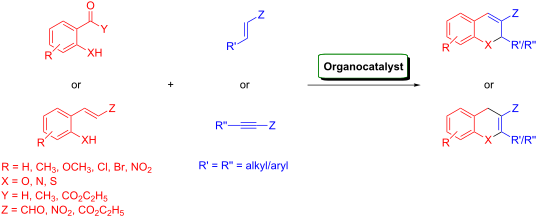
- thiochromenes; and (3) Organocatalytic aza-Michael reactions to access functionalized 1,2-dihydroquinolines, using chiral proline and its derivatives (Figure 2), chiral bifunctional thioureas, cinchona alkaloids and other organocatalysts (Figure 3). For each reaction, the initial screening result of various
- -cinchona bifunctional chiral organocatalyst XXXIb, the reaction of 2-mercaptobenzaldehydes 34 and α,β-unsaturated oxazolidinones 40 by a synergistic noncovalent hydrogen-bonding dual-activation strategy afforded the highly chiral thiochromenes 41 with excellent yields and enantioselectivities (Scheme 21
- unprecedented asymmetric domino thio-Michael–Michael process, involving dynamic kinetic resolution, was reported by Wang et al. [72] using cinchona alkaloid amine-thiourea XXXIb as catalyst at a low catalytic loading of 2 mol %. Reaction of 3-(2-mercaptophenyl)-2-propenoic acid ethyl esters 50 with α,β

Graphical Abstract

Figure 1: Some representative molecules having chromene, thiochromene or 1,2-dihydroquinolin structural motif...

Figure 2: Screened chiral proline and its derivatives as organocatalysts. Rb = rubidium.
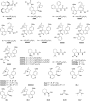
Figure 3: Screened chiral bifunctional thiourea, its derivatives, cinchona alkaloids and other organocatalyst...

Scheme 1: Diarylprolinolether-catalyzed tandem oxa-Michael–aldol reaction reported by Arvidsson.

Scheme 2: Tandem oxa-Michael–aldol reaction developed by Córdova.

Scheme 3: Domino oxa-Michael-aldol reaction developed by Wei and Wang.

Scheme 4: Chiral amine/chiral acid catalyzed tandem oxa-Michael–aldol reaction developed by Xu et al.

Scheme 5: Modified diarylproline ether as amino catalyst in oxa-Michael–aldol reaction as reported by Xu and ...

Scheme 6: Chiral secondary amine promoted oxa-Michael–aldol cascade reactions as reported by Wang and co-work...

Scheme 7: Reaction of salicyl-N-tosylimine with aldehydes by domino oxa-Michael/aza-Baylis–Hillman reaction, ...

Scheme 8: Silyl prolinol ether-catalyzed oxa-Michael–aldol tandem reaction of alkynals with salicylaldehydes ...

Scheme 9: Oxa-Michael–aldol sequence for the synthesis of tetrahydroxanthones developed by Córdova.
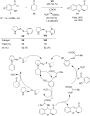
Scheme 10: Synthesis of tetrahydroxanthones developed by Xu.

Scheme 11: Diphenylpyrrolinol trimethylsilyl ether catalyzed oxa-Michael–Michael–Michael–aldol reaction for th...

Scheme 12: Enantioselective cascade oxa-Michael–Michael reaction of alkynals with 2-(E)-(2-nitrovinyl)-phenols...

Scheme 13: Domino oxa-Michael–Michael–Michael–aldol reaction of 2-(2-nitrovinyl)-benzene-1,4-diol with α,β-uns...

Scheme 14: Tandem oxa-Michael–Henry reaction catalyzed by organocatalyst and salicylic acid, as reported by Xu....

Scheme 15: Asymmetric synthesis of nitrochromenes from salicylaldehydes and β-nitrostyrene, as reported by San...

Scheme 16: Domino Michael–aldol reaction between salicyaldehydes with β-nitrostyrene, as reported by Das and c...

Scheme 17: Enantioselective synthesis of 2-aryl-3-nitro-2H-chromenes, as reported by Schreiner.

Scheme 18: (S)-diphenylpyrrolinol silyl ether-promoted cascade thio-Michael–aldol reactions, as reported by Wa...

Scheme 19: Organocatalytic asymmetric domino Michael–aldol condensation of mercaptobenzaldehyde and α,β-unsatu...

Scheme 20: Organocatalytic asymmetric domino Michael–aldol condensation between mercaptobenzaldehyde and α,β-u...

Scheme 21: Hydrogen-bond-mediated Michael–aldol reaction of 2-mercaptobenzaldehyde with α,β-unsaturated oxazol...

Scheme 22: Domino Michael–aldol reaction of 2-mercaptobenzaldehydes with maleimides catalyzed by cinchona alka...

Scheme 23: Domino thio-Michael–aldol reaction between 2-mercaptoacetophenone and enals developed by Córdova an...

Scheme 24: Enantioselective tandem Michael–Henry reaction of 2-mercaptobenzaldehyde with β-nitrostyrenes repor...

Scheme 25: Enantioselective tandem Michael–Knoevenagel reaction between 2-mercaptobenzaldehydes and benzyliden...

Scheme 26: Cinchona alkaloid thiourea catalyzed Michael–Michael cascade reaction, as reported by Wang and co-w...

Scheme 27: Domino aza-Michael–aldol reaction between 2-aminobenzaldehydes and α,β-unsaturated aldehydes, as re...

Scheme 28: (S)-Diphenylprolinol TES ether-promoted aza-Michael–aldol cascade reaction, as developed by Wang’s ...

Scheme 29: Domino aza-Michael–aldol reaction reported by Hamada.

Scheme 30: Organocatalytic asymmetric synthesis of 3-nitro-1,2-dihydroquinolines by a dual activation protocol...
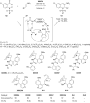
Scheme 31: Asymmetric synthesis of 3-nitro-1,2-dihydroquinolines by cascade aza-Michael–Henry–dehydration reac...
Organocatalytic asymmetric addition of malonates to unsaturated 1,4-diketones
- Sergei Žari,
- Tiiu Kailas,
- Marina Kudrjashova,
- Mario Öeren,
- Ivar Järving,
- Toomas Tamm,
- Margus Lopp and
- Tõnis Kanger
Beilstein J. Org. Chem. 2012, 8, 1452–1457, doi:10.3762/bjoc.8.165
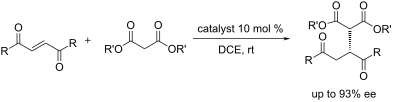
- unsaturated 1,4-diketones catalyzed by thiourea and squaramide derivatives with Cinchona alkaloids afforded the formation of a new C–C bond in high yields (up to 98%) and enantiomeric purities (up to 93%). The absolute configuration of the product was suggested from comparison of the experimental and
- investigated the organocatalytic approach to the asymmetric desymmetrization of the title compounds with malonates. Three types of organocatalysts providing noncovalent interactions were used for this purpose: Cinchona alkaloids (I–V), thiourea derivatives (VI, VII) and squaramide derivatives (VIII, IX
- high. Cinchona alkaloids (Table 1, entries 1–4) catalyzed the reaction with low stereoselectivity. There was a remarkable difference in their reaction rates. Quinine (II) and quinidine (IV, Table 1, entries 2 and 4) were more efficient than cinchonine (I) and cinchonidine (III, Table 1, entries 1 and 3

Graphical Abstract

Figure 1: The conjugated addition to unsaturated 1,4-diketone 1.

Figure 2: Organocatalysts screened.

Figure 3: Proposed transition state.

Figure 4: Calculated (red) and experimental (blue) IR (A) and VCD spectrum (B) of compound (R)-3a.
Organocatalytic asymmetric Michael addition of unprotected 3-substituted oxindoles to 1,4-naphthoquinone
- Jin-Sheng Yu,
- Feng Zhou,
- Yun-Lin Liu and
- Jian Zhou
Beilstein J. Org. Chem. 2012, 8, 1360–1365, doi:10.3762/bjoc.8.157
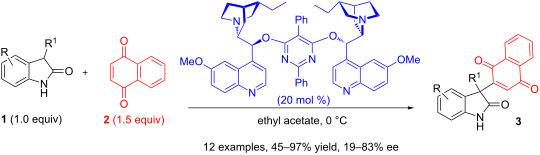
- [26][27]. To construct the C3 quaternary stereogenic carbon center, we have designed a novel cinchona alkaloid-based phosphoramide bifunctional catalyst to realize a highly enantioselective Michael addition of both unprotected 3-alkyl- and 3-aryloxindoles to nitroolefins [28]. Based on these results
- to report our initial results about the catalytic asymmetric Michael addition of unprotected 3-prochiral oxindoles to 1,4-naphthoquinone. Results and Discussion We began the reaction development by the evaluation of different chiral catalysts derived from cinchona alkaloids in the reaction of 3
- -phenyloxindole 1a and 1,4-naphthoquinone (2a), with ethyl acetate (EtOAc) as the solvent at 0 °C (Table 1, Figure 1). A variety of bifunctional cinchona alkaloid-derived catalysts 5–9 were first tried, aiming to facilitate the reaction by the dual activation of both reaction partners, with H-bonding donor moiety

Graphical Abstract

Figure 1: Cinchona alkaloid-derived catalysts screened for condition optimization (Table 1).

Scheme 1: A one-pot synthesis of enantioenriched 3,3-diaryloxindoles.
Asymmetric organocatalytic decarboxylative Mannich reaction using β-keto acids: A new protocol for the synthesis of chiral β-amino ketones
- Chunhui Jiang,
- Fangrui Zhong and
- Yixin Lu
Beilstein J. Org. Chem. 2012, 8, 1279–1283, doi:10.3762/bjoc.8.144
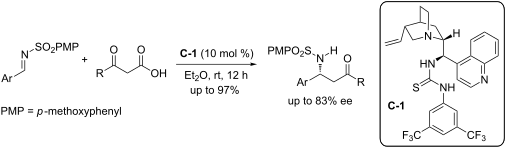
- tosylimine 1a and β-keto acid 2a in the presence of a range of bifunctional catalysts (Table 1). We first evaluated the catalytic effects of several cinchona alkaloid derivatives. Commercially available cinchonidine (CD-1) led to the formation of the product with disappointing enantioselectivity (Table 1
- , entry 1). Quinine-derived sulfonamide [40], β-isocupreidine (β-ICD) [41][42] and biscinchona alkaloid (DHQ)2AQN were all found to be poor catalysts (Table 1, entries 2–4). On the other hand, cinchona alkaloid derived bifunctional thiourea tertiary amine catalysts afforded much improved results (Table 1

Graphical Abstract

Scheme 1: Working hypothesis: Decarboxylative Mannich reaction.
Recyclable fluorous cinchona alkaloid ester as a chiral promoter for asymmetric fluorination of β-ketoesters
- Wen-Bin Yi,
- Xin Huang,
- Zijuan Zhang,
- Dian-Rong Zhu,
- Chun Cai and
- Wei Zhang
Beilstein J. Org. Chem. 2012, 8, 1233–1240, doi:10.3762/bjoc.8.138
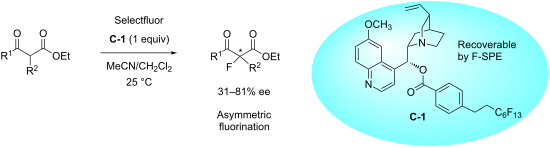
- , Boston, MA 02125, USA 10.3762/bjoc.8.138 Abstract A fluorous cinchona alkaloid ester has been developed as a chiral promoter for the asymmetric fluorination of β-ketoesters. It has comparable reactivity and selectivity to the nonfluorous versions of cinchona alkaloids and can be easily recovered from
- the reaction mixture by simple fluorous solid-phase extraction (F-SPE) and used for the next round of reaction without further purification. Keywords: asymmetric fluorination; β-ketoester; fluorous cinchona ester; organocatalysis; recyclable chiral promoter; Introduction Fluorinated organic
- electrophilic reaction with Selectfluor (F-TEDA-BF4, 1-chloromethyl-4-fluoro-1,4-diazoniabicyclo[2.2.2]octane bis(tetrafluoroborate)), as developed by Bank [7][8][9]. The Cahard [10][11][12] and Shibata [13][14] groups combined cinchona alkaloids and Selectfluor for asymmetric fluorination of substrates such as

Graphical Abstract

Figure 1: Biologically interesting α-fluorinated β-ketoesters.

Scheme 1: Preparation of quinine ester C-1.

Figure 2: Promoters for asymmetric fluorination.

Scheme 2: Preparation of 2a by using recycled quinine ester C-1.

Figure 3: The asymmetric fluorination of various β-ketoesters.