

Search results
Search for "LEDs" in Full Text gives 102 result(s) in Beilstein Journal of Organic Chemistry.
Oxime radicals: generation, properties and application in organic synthesis
- Igor B. Krylov,
- Stanislav A. Paveliev,
- Alexander S. Budnikov and
- Alexander O. Terent’ev
Beilstein J. Org. Chem. 2020, 16, 1234–1276, doi:10.3762/bjoc.16.107
- carried out under the action of a PC-I/TEMPO catalytic system and the irradiation of blue LEDs (Scheme 37) [127]. A variety of electronically rich and electronically poor aryl or heteroaryl groups at the oxime group (R1) are well-tolerated (products 115a–e). Oximes with disubstituted double C=C bond also

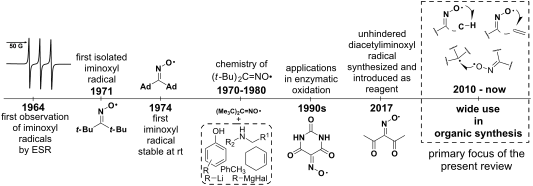
Graphical Abstract

Figure 1: Imine-N-oxyl radicals (IV) discussed in the present review and other classes of N-oxyl radicals (I–...
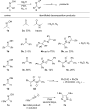
Figure 2: The products of decomposition of iminoxyl radicals generated from oximes by oxidation with Ag2O.

Scheme 1: Generation of oxime radicals and study of the kinetics of their decay by photolysis of the solution...

Scheme 2: Synthesis of di-tert-butyliminoxyl radical and its decomposition products.

Scheme 3: The proposed reaction pathway of the decomposition of di-tert-butyliminoxyl radical (experimentally...

Scheme 4: Monomolecular decomposition of the tert-butyl(triethylmethyl)oxime radical.

Scheme 5: The synthesis and stability of the most stable dialkyl oxime radicals – di-tert-butyliminoxyl and d...

Scheme 6: The formation of iminoxyl radicals from β-diketones under the action of NO2.

Scheme 7: Synthesis of the diacetyliminoxyl radical.

Scheme 8: Examples of long-living oxime radicals with electron-withdrawing groups and the conditions for thei...

Figure 3: The electronic structure iminoxyl radicals and their geometry compared to the corresponding oximes.

Figure 4: Bond dissociation enthalpies (kcal/mol) of oximes and N,N-disubstituted hydroxylamines calculated o...

Scheme 9: Examples demonstrating the low reactivity of the di-tert-butyliminoxyl radical towards the substrat...

Scheme 10: The reactions of di-tert-butyliminoxyl radical with unsaturated hydrocarbons involving hydrogen ato...

Scheme 11: Possible mechanisms of reaction of di-tert-butyliminoxyl radical with alkenes.

Scheme 12: Products of the reaction between di-tert-butyliminoxyl radical and phenol derivatives.

Scheme 13: The reaction of di-tert-butyliminoxyl radical with amines.

Scheme 14: Reaction of di-tert-butyliminoxyl radicals with organolithium reagents.

Scheme 15: Cross-dehydrogenative C–O coupling of 1,3-dicarbonyl compounds with oximes under the action of mang...

Scheme 16: Cross-dehydrogenative C–O coupling of 1,3-dicarbonyl compounds with oximes under the action of Cu(BF...

Scheme 17: Oxidative C–O coupling of benzylmalononitrile (47) with 3-(hydroxyimino)pentane-2,4-dione (19).

Scheme 18: The proposed mechanism of the oxidative coupling of benzylmalononitrile (47) with diacetyl oxime (19...

Scheme 19: Oxidative C–O coupling of pyrazolones with oximes under the action of Fe(ClO4)3.

Scheme 20: The reaction of diacetyliminoxyl radical with pyrazolones.

Scheme 21: Oxidative C–O coupling of oximes with acetonitrile, ketones, and esters.

Scheme 22: Intramolecular cyclizations of oxime radicals to form substituted isoxazolines or cyclic nitrones.

Scheme 23: TEMPO-mediated oxidative cyclization of oximes with C–H bond cleavage.

Scheme 24: Proposed reaction mechanism of oxidative cyclization of oximes with C–H bond cleavage.

Scheme 25: Selectfluor/Bu4NI-mediated C–H oxidative cyclization of oximes.

Scheme 26: Oxidative cyclization of N-benzyl amidoximes to 1,2,4-oxadiazoles.

Scheme 27: The formation of quinazolinone 73a from 5-phenyl-4,5-dihydro-1,2,4-oxadiazole 74 under air.

Scheme 28: DDQ-mediated oxidative cyclization of thiohydroximic acids.

Scheme 29: Plausible mechanism of the oxidative cyclization of thiohydroximic acids.

Scheme 30: Silver-mediated oxidative cyclization of α-halogenated ketoximes and 1,3-dicarbonyl compounds.

Scheme 31: Possible pathway of one-pot oxidative cyclization of α-halogenated ketoximes and 1,3-dicarbonyl com...

Scheme 32: T(p-F)PPT-catalyzed oxidative cyclization of oximes with the formation of 1,2,4-oxadiazolines.

Scheme 33: Intramolecular cyclization of iminoxyl radicals involving multiple C=C and N=N bonds.

Scheme 34: Oxidative cyclization of β,γ- and γ,δ-unsaturated oximes employing the DEAD or TEMPO/DEAD system wi...

Scheme 35: Cobalt-catalyzed aerobic oxidative cyclization of β,γ-unsaturated oximes.

Scheme 36: Manganese-catalyzed aerobic oxidative cyclization of β,γ-unsaturated oximes.

Scheme 37: Visible light photocatalytic oxidative cyclization of β,γ-unsaturated oximes.

Scheme 38: TBAI/TBHP-mediated radical cascade cyclization of the β,γ-unsaturated oximes.

Scheme 39: TBAI/TBHP-mediated radical cascade cyclization of vinyl isocyanides with β,γ-unsaturated oximes.

Scheme 40: tert-Butylnitrite-mediated oxidative cyclization of unsaturated oximes with the introduction of an ...

Scheme 41: Transformation of unsaturated oxime to oxyiminomethylisoxazoline via the confirmed dimeric nitroso ...

Scheme 42: tert-Butylnitrite-mediated oxidative cyclization of unsaturated oximes with the introduction of a n...

Scheme 43: Synthesis of cyano-substituted oxazolines from unsaturated oximes using the TBN/[RuCl2(p-cymene)]2 ...

Scheme 44: Synthesis of trifluoromethylthiolated isoxazolines from unsaturated oximes.

Scheme 45: Copper-сatalyzed oxidative cyclization of β,γ-unsaturated oximes with the introduction of an azido ...

Scheme 46: TBHP-mediated oxidative cascade cyclization of β,γ-unsaturated oximes and unsaturated N-arylamides.

Scheme 47: Copper-сatalyzed oxidative cyclization of unsaturated oximes with the introduction of an amino grou...

Scheme 48: TEMPO-mediated oxidative cyclization of unsaturated oximes followed by elimination.

Scheme 49: Oxidative cyclization of β,γ-unsaturated oximes with the introduction of a trifluoromethyl group.

Scheme 50: Oxidative cyclization of unsaturated oximes with the introduction of a nitrile group.

Scheme 51: Oxidative cyclization of β,γ-unsaturated oximes to isoxazolines with the introduction of a nitrile ...

Scheme 52: Oxidative cyclization of β,γ-unsaturated oximes to isoxazolines with the introduction of a sulfonyl...

Scheme 53: Oxidative cyclization of β,γ- and γ,δ-unsaturated oximes to isoxazolines with the introduction of a...

Scheme 54: Oxidative cyclization of β,γ-unsaturated oximes to isoxazolines with the introduction of a thiocyan...

Scheme 55: PhI(OAc)2-mediated oxidative cyclization of oximes with C–S and C–Se bond formation.

Scheme 56: PhI(OAc)2-mediated oxidative cyclization of unsaturated oximes accompanied by alkoxylation.

Scheme 57: PhI(OAc)2-mediated cyclization of unsaturated oximes to methylisoxazolines.

Scheme 58: Oxidative cyclization-alkynylation of unsaturated oximes.

Scheme 59: TEMPO-mediated oxidative cyclization of C-glycoside ketoximes to C-glycosylmethylisoxazoles.

Scheme 60: Silver-сatalyzed oxidative cyclization of β,γ-unsaturated oximes with formation of fluoroalkyl isox...

Scheme 61: Oxidative cyclization of β,γ-unsaturated oximes with the formation of haloalkyl isoxazolines.

Scheme 62: Cyclization of β,γ-unsaturated oximes into haloalkyl isoxazolines under the action of the halogenat...

Scheme 63: Synthesis of haloalkyl isoxazoles and cyclic nitrones via oxidative cyclization and 1,2-halogen shi...

Scheme 64: Electrochemical oxidative cyclization of diaryl oximes.

Scheme 65: Copper-сatalyzed cyclization and dioxygenation oximes containing a triple C≡C bond.

Scheme 66: Photoredox-catalyzed sulfonylation of β,γ-unsaturated oximes by sulfonyl hydrazides.

Scheme 67: Oxidative cyclization of β,γ-unsaturated oximes with introduction of sulfonate group.

Scheme 68: Ultrasound-promoted oxidative cyclization of β,γ-unsaturated oximes.
Synthesis of esters of diaminotruxillic bis-amino acids by Pd-mediated photocycloaddition of analogs of the Kaede protein chromophore
- Esteban P. Urriolabeitia,
- Pablo Sánchez,
- Alexandra Pop,
- Cristian Silvestru,
- Eduardo Laga,
- Ana I. Jiménez and
- Carlos Cativiela
Beilstein J. Org. Chem. 2020, 16, 1111–1123, doi:10.3762/bjoc.16.98
- spectra were measured on a Thermo Scientific Evolution 600BB spectrophotometer. Cinnamoylglycine (1) was prepared by the Schotten–Baumann method [49]. Irradiation setup for batch synthesis The irradiation setup consisted of a flask (100 mL) irradiated by a printed circuit board (PCB) formed by 24 LEDs of
- 10 mm diameter each LED. The LEDs were serially connected in blocks of 6, with the minimum voltage possible (3 V) and a resistance of 60 Ω (according to Ohm's law). The output power per LED unit (blue, 465 nm) was 250 kmcd; the optical output power of the PCB of LEDs measured with a photometer
- emitting diodes (LEDs) were purchased from Topbright. X-ray crystallography Single crystals of 2c and 4a of suitable quality for X-ray diffraction measurements were grown by slow diffusion of n-pentane into CH2Cl2 solutions of the crude product at –18 °C for several weeks. One selected single crystal was

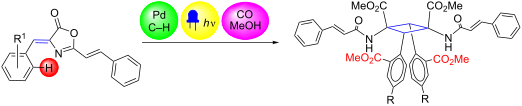
Graphical Abstract

Figure 1: (a) General scheme for truxillic acid derivatives; (b) general scheme for symmetric 1,3-diaminotrux...

Figure 2: (a) (Z)-4-Arylidene-2-aryl-5(4H)-oxazolones used for the synthesis of 1,3-diaminotruxillic derivati...

Figure 3: (Z)-4-Arylidene-2((E)-styryl)-5(4H)-oxazolones 2a–j used in this work and overall reaction scheme.

Figure 4: Molecular drawing of the oxazolone 2c.

Scheme 1: Ortho-palladation of oxazolones 2 by treatment with Pd(OAc)2 and different structures obtained for ...

Scheme 2: [2 + 2] Photocycloaddition of cyclopalladated complexes 3 in solution to give the dinuclear cyclobu...

Figure 5: Molecular drawing of cyclobutane ortho-palladated 4a. Ellipsoids are shown at the 50% probability l...
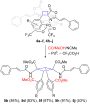
Scheme 3: Release of the 1,3-diaminotruxillic bis-amino ester derivatives 5 by methoxycarbonylation of the Pd...
Accelerating fragment-based library generation by coupling high-performance photoreactors with benchtop analysis
- Quentin Lefebvre,
- Christophe Salomé and
- Thomas C. Fessard
Beilstein J. Org. Chem. 2020, 16, 982–988, doi:10.3762/bjoc.16.87
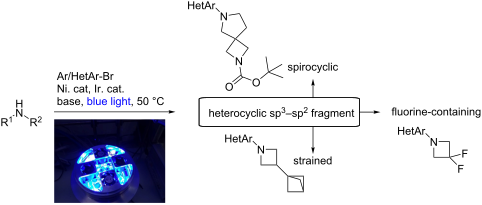
- conditions compared to a single vial reactor. Active water cooling protects the LEDs from overheating, while additional air cooling with bespoke fans prevents the vessels to heat over 50 °C. Each vessel is placed at equal distance of a 35 W high power blue LED (Figure 1). Reaction monitoring by TLC–MS

Graphical Abstract

Scheme 1: One-day workflow for fragment-based library generation. QC: Quality control. MPLC: Medium-pressure ...

Figure 1: Top: high-power blue LED photoreactors. Bottom, from left to right: photoreactor OFF, ON, and ON th...

Figure 2: TLC–MS equipment: analysis of 5 reactions in 5 minutes.

Figure 3: Pre-QC validation by 60 MHz benchtop NMR.
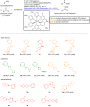
Scheme 2: Scope of the fragment-based library generation: BCP-amines and azetidines. See Supporting Information File 1 for experimental de...
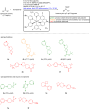
Scheme 3: Scope of the fragment-based library generation: pyrrolidines, piperidines and morpholines. See Supporting Information File 1 for...
A method to determine the correct photocatalyst concentration for photooxidation reactions conducted in continuous flow reactors
- Clemens R. Horn and
- Sylvain Gremetz
Beilstein J. Org. Chem. 2020, 16, 871–879, doi:10.3762/bjoc.16.78
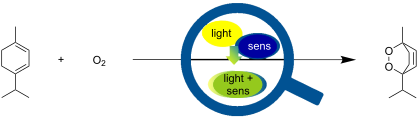
- can be delivered to the catalyst. These limitations are defined by the photoflow setup, specifically the channel height and the emission peak of the light source. This method was tested and shown to work well for three catalysts with different absorption properties through using LEDs with emission
- sources over mercury arcs and other light sources commonly used in industry and classical synthetic organic photochemistry. LEDs typically have much narrower emission spectra when compared to these light sources, all of which have broad emission spectra except for low-pressure sodium vapor lamps [15][16
- emission wavelength, the appropriate wavelength above 365 nm can be selected for every reaction, and the scale-up can be achieved by simply increasing the number of the LEDs applied [19]. The narrower spectra, while providing many benefits and likely reducing the occurrence of side reactions, also

Graphical Abstract

Figure 1: Reaction setup (FC: flow controller, BPR: back pressure regulator).

Scheme 1: Photocatalysts A–I screened for the oxidation of citronellol.

Figure 2: Conversion and transmission at fixed reaction conditions (0.5 N citronellol, 1 mL/min,1 mol % catal...

Figure 3: Measured transmission spectrum of a 5 mmol/L (1 mol %) solution of TPP (H) in dichloromethane with ...

Figure 4: Transmission spectra of rose bengal (D) and the emission spectrum of an LED with a maximum at 524 n...

Figure 5: Transmission spectra of dimethylanthracene (Gb) and emission spectra of LEDs with maxima at 365, 37...

Figure 6: Transmission spectra of TPP (H) and emission spectra of LEDs with maxima at 407 and 424 nm, respect...

Scheme 2: Photooxidation of alpha-terpinene.

Figure 7: Conversion of alpha-terpinene using the wavelength-adapted TPP (H) concentrations.

Figure 8: Conversion of alpha-terpinene at different TPP (H) concentrations.

Figure 9: Conversion of alpha-terpinene (0.5 N) as a function of the wavelength using DMA (Gb) as the catalys...

Figure 10: Conversion of citronellol at different concentrations of rose bengal (D).

Figure 11: Conversion of citronellol as a function of the light power (0.5 mol/L of citronellol, 1.34 mmol/L r...
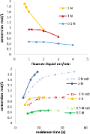
Figure 12: Absolute conversion of various concentrations of alpha-terpinene at 407 nm using 0.32 mmol/L of TPP...
Photocatalytic deaminative benzylation and alkylation of tetrahydroisoquinolines with N-alkylpyrydinium salts
- David Schönbauer,
- Carlo Sambiagio,
- Timothy Noël and
- Michael Schnürch
Beilstein J. Org. Chem. 2020, 16, 809–817, doi:10.3762/bjoc.16.74
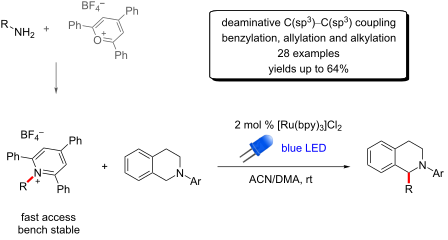
- catalyst loading could be decreased to 2 mol % without negative effects (cf. entries 15 and 16 in Table 1). Further dilution gave no further improvement in the yield (see Supporting Information File 1). Next, increasing the power of the LEDs from 6 to 18 W gave 73% GC yield and a 64% isolated yield of 3

Graphical Abstract

Scheme 1: Examples of photocatalytic C–C bond formation by nucleophilic trapping of a reactive THIQ intermedi...

Figure 1: Kinetic profile for the benzylation of 1 to 3.
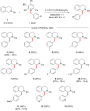
Scheme 2: Benzylation of N-phenyl-THIQ.

Scheme 3: Benzylation of substituted N-arylTHIQs.

Scheme 4: Removal of the PMP protecting group.

Scheme 5: Alkylation of N-phenyl-THIQ derivatives. Conditions: a2 mol % [Ir(dtbbpy)(ppy)2]PF6, DMA, 60 h; b2 ...

Scheme 6: Proposed mechanism.
Recent advances in photocatalyzed reactions using well-defined copper(I) complexes
- Mingbing Zhong,
- Xavier Pannecoucke,
- Philippe Jubault and
- Thomas Poisson
Beilstein J. Org. Chem. 2020, 16, 451–481, doi:10.3762/bjoc.16.42
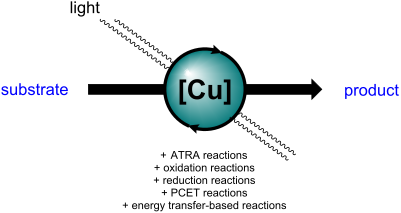
- organic molecules absorb light in the UV region (UV-A, UV-B, or UV-C), selectivity was a key point to address in photochemistry and photocatalysis using visible light tackled this issue. Moreover, the use of inexpensive and energy-efficient visible light-emitting diodes (LEDs) was an impressive

Graphical Abstract

Scheme 1: [Cu(I)(dap)2]Cl-catalyzed ATRA reaction under green light irradiation.

Scheme 2: Photocatalytic allylation of α-haloketones.

Scheme 3: [Cu(I)(dap)2]Cl-photocatalyzed chlorosulfonylation and chlorotrifluoromethylation of alkenes.

Scheme 4: Photocatalytic perfluoroalkylchlorination of electron-deficient alkenes using the Sauvage catalyst.

Scheme 5: Photocatalytic synthesis of fluorinated sultones.
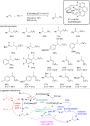
Scheme 6: Photocatalyzed haloperfluoroalkylation of alkenes and alkynes.
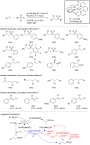
Scheme 7: Chlorosulfonylation of alkenes catalyzed by [Cu(I)(dap)2]Cl. aNo Na2CO3 was added. b1 equiv of Na2CO...

Scheme 8: Copper-photocatalyzed reductive allylation of diaryliodonium salts.

Scheme 9: Copper-photocatalyzed azidomethoxylation of olefins.

Scheme 10: Benzylic azidation initiated by [Cu(I)(dap)2]Cl.

Scheme 11: Trifluoromethyl methoxylation of styryl derivatives using [Cu(I)(dap)2]PF6. All redox potentials ar...

Scheme 12: Trifluoromethylation of silyl enol ethers.
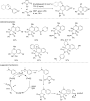
Scheme 13: Synthesis of annulated heterocycles upon oxidation with the Sauvage catalyst.
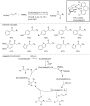
Scheme 14: Oxoazidation of styrene derivatives using [Cu(dap)2]Cl as a precatalyst.

Scheme 15: [Cu(I)(dpp)(binc)]PF6-catalyzed ATRA reaction.

Scheme 16: Allylation reaction of α-bromomalonate catalyzed by [Cu(I)(dpp)(binc)]PF6 following an ATRA mechani...

Scheme 17: Bromo/tribromomethylation reaction using [Cu(I)(dmp)(BINAP)]PF6.

Scheme 18: Chlorotrifluoromethylation of alkenes catalyzed by [Cu(I)(N^N)(xantphos)]PF6.

Scheme 19: Chlorosulfonylation of styrene and alkyne derivatives by ATRA reactions.

Scheme 20: Reduction of aryl and alkyl halides with the complex [Cu(I)(bcp)(DPEPhos)]PF6. aIrradiation was car...
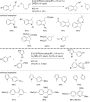
Scheme 21: Meerwein arylation of electron-rich aromatic derivatives and 5-exo-trig cyclization catalyzed by th...

Scheme 22: [Cu(I)(bcp)(DPEPhos)]PF6-photocatalyzed synthesis of alkaloids. aYield over two steps (cyclization ...

Scheme 23: Copper-photocatalyzed decarboxylative amination of NHP esters.

Scheme 24: Photocatalytic decarboxylative alkynylation using [Cu(I)(dq)(binap)]BF4.
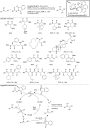
Scheme 25: Copper-photocatalyzed alkylation of glycine esters.

Scheme 26: Copper-photocatalyzed borylation of organic halides. aUnder continuous flow conditions.

Scheme 27: Copper-photocatalyzed α-functionalization of alcohols with glycine ester derivatives.
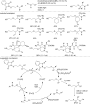
Scheme 28: δ-Functionalization of alcohols using [Cu(I)(dmp)(xantphos)]BF4.

Scheme 29: Photocatalytic synthesis of [5]helicene and phenanthrene.

Scheme 30: Oxidative carbazole synthesis using in situ-formed [Cu(I)(dmp)(xantphos)]BF4.
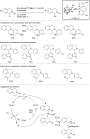
Scheme 31: Copper-photocatalyzed functionalization of N-aryl tetrahydroisoquinolines.

Scheme 32: Bicyclic lactone synthesis using a copper-photocatalyzed PCET reaction.

Scheme 33: Photocatalytic Pinacol coupling reaction catalyzed by [Cu(I)(pypzs)(BINAP)]BF4. The ligands of the ...

Scheme 34: Azide photosensitization using a Cu-based photocatalyst.
Photophysics and photochemistry of NIR absorbers derived from cyanines: key to new technologies based on chemistry 4.0
- Bernd Strehmel,
- Christian Schmitz,
- Ceren Kütahya,
- Yulian Pang,
- Anke Drewitz and
- Heinz Mustroph
Beilstein J. Org. Chem. 2020, 16, 415–444, doi:10.3762/bjoc.16.40
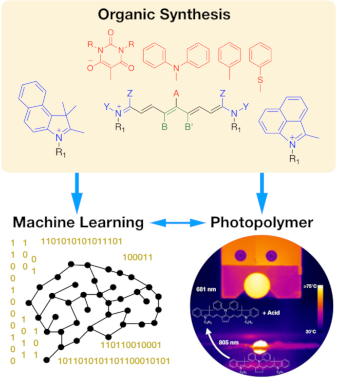
- facilitated to shift the absorption between 750–1000 nm. This enabled their use in applications with light sources emitting in the near-infrared (NIR) region selected from high power LEDs or lasers with line-shaped focus. The absorbers considered were discussed regarding their function as sensitizer for
- their use in applications based on sensitized photoinduced electron transfer. This can be NIR-sensitized photopolymerization resulting in formation of initiating radicals and conjugate acid [5][6][13][14][15][63][64]. Recently, the use of NIR-LEDs exhibiting high excitation intensity brought more light
- differ. It facilitates their use with modern light sources such LEDs and lasers with emission in the NIR between 800–1100 nm. A purposeful use requires a more detailed understanding of the photochemistry occurring in such compounds. Photophysics and photochemistry General aspects Figure 1 depicts
Graphical Abstract

Scheme 1: Structural patterns of several symmetric cyanines relating to trimethines (I), pentamethines (II), ...

Scheme 2: 1-Substituted 2,3,3-trimethylindolium-, 2,3,3-benzo[e]indolium-, and 2,3,3-benzo[c,d]indolium salts...

Scheme 3: Substitution of the chlorine substituent at the meso-position by a stronger nucleophilic moiety B [68].

Scheme 4: Structure of alternative chain builders for synthesis of heptamethines.

Figure 1: Simplified process chart of photophysical processes occurring in NIR absorbers.

Scheme 5: Chemical structure of the electron acceptors that were from iodonium cations 88 and triazines 89.

Figure 2: Photoinduced electron transfer under different scenarios in which each example exhibits an intrinsi...

Scheme 6: Photoexcited absorber 33 results in reaction with an iodonium cation in the respective cation radic...

Scheme 7: Reaction scheme of absorbers comprising in the molecules center a five ring bridged moiety. This le...

Scheme 8: Structure of donor compounds used in a three component system.

Figure 3: Cationic photopolymerization of an epoxide (Epikote 828) initiated by excitation of the absorber 36...

Scheme 9: Different modes of photoinitiated ATRP using UV, visible and NIR light.

Scheme 10: The structure of Sens used in photo-ATRP.

Figure 4: Comparison of the GPC traces of precursor PMMA with a) chain extended PMMA and b) PMMA-b-PS. Condit...

Figure 5: Spectral changes of the solution of 48 in the presence of [Cu(L)]Br2 (L: tris(2-pyridylmethyl)amine...

Scheme 11: Photoinduced CuAAC reactions in which photochemical reactions result in formation of the Cu(I) cata...

Scheme 12: Model reaction between benzyl azide and phenyacetylene using the absorber 48 as NIR sensitizer at 7...

Figure 6: Block copolymerization of the precursors PS-N3 and Alkyne-PCL results in the block copolymer PS-b-P...

Figure 7: UV–vis–NIR absorption changes of the solution of 48 in the presence of PMDETA, phenylacetylene and ...

Scheme 13: Workflow to design and process new materials in a setup based on an intelligent DoE to develop tech...

Scheme 14: Illustration of the iDoE setting up experiments suggested and analyzed by the A.I. After defining t...

Scheme 15: Classification of the factors for the formation of polymer networks by NIR-photocuring depending on...
Visible-light-induced addition of carboxymethanide to styrene from monochloroacetic acid
- Kaj M. van Vliet,
- Nicole S. van Leeuwen,
- Albert M. Brouwer and
- Bas de Bruin
Beilstein J. Org. Chem. 2020, 16, 398–408, doi:10.3762/bjoc.16.38
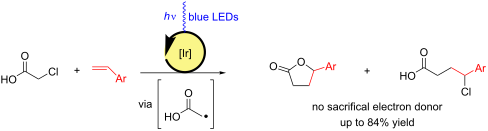
- acetonitrile under an atmosphere of N2 to form the lactone 5-phenyldihydrofuran-2(3H)-one (and HCl) or the acid 4-chloro-4-phenylbutanoic acid via an ATRA reaction (Scheme 2). The photoredox catalysts are excited by using blue LEDs with a peak excitation of 458 nm (see the experimental section for a detailed
- reacted irradiated mixtures of 3 with either the photoredox catalyst, monochloroacetic acid or both. We did not see any formation of the lactone (1) after irradiating the mixtures overnight with 458 nm LEDs. Therefore, it is unlikely that in benzene direct conversion from 3 to 1 plays any significant role

Graphical Abstract

Figure 1: A part of the industry around monochloroacetic acid.

Scheme 1: Redox based activation of haloacetic acid.

Figure 2: Cyclic voltammogram of monochloroacetic acid and ferrocene with 0.1 M [TBA][PF6] in MeCN. The poten...

Scheme 2: Initial attempts for lactone formation by photoredox catalysis.

Scheme 3: The photoredox reaction of TEMPO with monochloroacetic acid catalyzed by fac-[Ir(ppy)3].

Figure 3: EPR spectra measured (black) and simulated (red) based on the structure of the oxidized photoredox ...

Scheme 4: Two possible acid-assisted, reductive activation pathways of monochloroacetic acid (A–H = acid).

Figure 4: Reaction mixtures after overnight irradiation of (A) 4-chloro-4-phenylbutanoic acid (3) and fac-[Ir...

Scheme 5: Substrate scope of styrene derivatives in the photoredox reaction with monochloroacetic acid. Yield...

Scheme 6: Proposed reaction mechanism.

Scheme 7: The photoredox formation of 1-(chloromethoxy)-2,2,6,6-tetramethylpiperidine.
Recent developments in photoredox-catalyzed remote ortho and para C–H bond functionalizations
- Rafia Siddiqui and
- Rashid Ali
Beilstein J. Org. Chem. 2020, 16, 248–280, doi:10.3762/bjoc.16.26
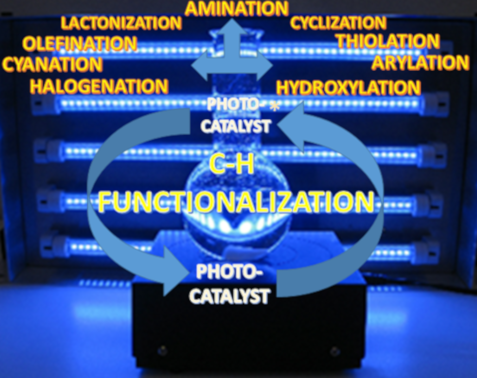
- neutrality; (iii) the use of household bulbs or LEDs as light sources under operationally simple reaction conditions; (iv) the high redox potential of photocatalysts that can manipulate the oxidation states of transition metal catalysts [54][55]. They have also found applications in novel solar cell
- catalysts, such as low toxicity, their functioning at room temperature, and smooth irradiation requirements with low-energy lights (e.g., LEDs, fluorescent bulbs, etc.) made this area of research very interesting. Within a very short time, photoredox catalysis has emerged as an important future direction

Graphical Abstract

Figure 1: List of photoredox catalysts used for C–H bond functionalizations.

Figure 2: List of metal-based photoredox catalysts used in this review article.

Figure 3: Jablonski diagram.

Figure 4: Photoredox catalysis via reductive or oxidative pathways. D = donor, A = acceptor, S = substrate, P...
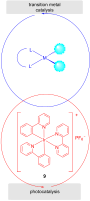
Figure 5: Schematic representation of the combination of photoredox catalysis and transition metal catalysis.

Scheme 1: Weinreb amide C–H olefination.

Figure 6: Mechanism for the formation of 21 from 19 using photoredox catalyst 11.

Scheme 2: C–H olefination of phenolic ethers.

Scheme 3: Decarboxylative acylation of acetanilides.

Figure 7: Mechanism for the formation of 30 from acetanilide derivatives.

Scheme 4: Synthesis of fluorenone derivatives by intramolecular deoxygenative acylation of biaryl carboxylic ...

Figure 8: Mechanism for the photoredox-catalyzed synthesis of fluorenone derivatives.

Scheme 5: Synthesis of benzothiazoles via aerobic C–H thiolation.

Figure 9: Plausible mechanism for the construction of benzothiazoles from benzothioamides.

Scheme 6: Synthesis of benzothiazoles via oxidant-free C–H thiolation.
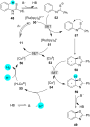
Figure 10: Mechanism involved in the synthesis of benzothiazoles via oxidant-free C–H thiolation.

Scheme 7: Synthesis of indoles via C–H cyclization of anilides with alkynes.

Scheme 8: Preparation of 3-trifluoromethylcoumarins via C–H cyclization of arylpropiolate esters.

Figure 11: Mechanistic pathway for the synthesis of coumarin derivatives via C–H cyclization.

Scheme 9: Monobenzoyloxylation without chelation assistance.

Figure 12: Plausible mechanism for the formation of 71 from 70.

Scheme 10: Aryl-substituted arenes prepared by inorganic photoredox catalysis using 12a.

Figure 13: Proposed mechanism for C–H arylations in the presence of 12a and a Pd catalyst.

Scheme 11: Arylation of purines via dual photoredox catalysis.

Scheme 12: Arylation of substituted arenes with an organic photoredox catalyst.

Scheme 13: C–H trifluoromethylation.

Figure 14: Proposed mechanism for the trifluoromethylation of 88.

Scheme 14: Synthesis of benzo-3,4-coumarin derivatives.

Figure 15: Plausible mechanism for the synthesis of substituted coumarins.

Scheme 15: Oxidant-free oxidative phosphonylation.

Figure 16: Mechanism proposed for the phosphonylation reaction of 100.

Scheme 16: Nitration of anilines.

Figure 17: Plausible mechanism for the nitration of aniline derivatives via photoredox catalysis.

Scheme 17: Synthesis of carbazoles via intramolecular amination.

Figure 18: Proposed mechanism for the formation of carbazoles from biaryl derivatives.

Scheme 18: Synthesis of substituted phenols using QuCN.

Figure 19: Mechanism for the synthesis of phenol derivatives with photoredox catalyst 8.

Scheme 19: Synthesis of substituted phenols with DDQ (5).
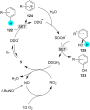
Figure 20: Possible mechanism for the generation of phenols with the aid of photoredox catalyst 5.

Scheme 20: Aerobic bromination of arenes using an acridinium-based photocatalyst.

Scheme 21: Aerobic bromination of arenes with anthraquinone.

Figure 21: Proposed mechanism for the synthesis of monobrominated compounds.

Scheme 22: Chlorination of benzene derivatives with Mes-Acr-MeClO4 (2).

Figure 22: Mechanism for the synthesis of 131 from 132.
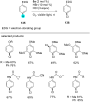
Scheme 23: Chlorination of arenes with 4CzIPN (5a).

Figure 23: Plausible mechanism for the oxidative photocatalytic monochlorination using 5a.

Scheme 24: Monofluorination using QuCN-ClO4 (8).

Scheme 25: Fluorination with fluorine-18.

Scheme 26: Aerobic amination with acridinium catalyst 3a.

Figure 24: Plausible mechanism for the aerobic amination using acridinium catalyst 3a.
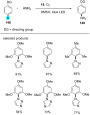
Scheme 27: Aerobic aminations with semiconductor photoredox catalyst 18.

Scheme 28: Perfluoroalkylation of arenes.

Scheme 29: Synthesis of benzonitriles in the presence of 3a.

Figure 25: Plausible mechanism for the synthesis of substituted benzonitrile derivatives in the presence of 3a....
Synthesis and characterization of bis(4-amino-2-bromo-6-methoxy)azobenzene derivatives
- David Martínez-López,
- Amirhossein Babalhavaeji,
- Diego Sampedro and
- G. Andrew Woolley
Beilstein J. Org. Chem. 2019, 15, 3000–3008, doi:10.3762/bjoc.15.296
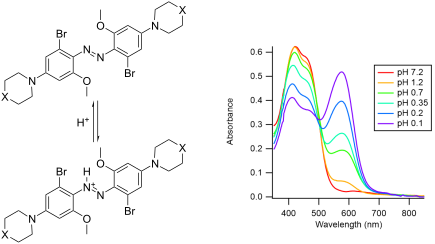
- . Photoisomerization UV irradiation was performed by placing a 365 nm LED (897-LZ440U610; LED Engin) operating at 68 mW/cm2 above the sample tube for 1 minute. For blue light irradiation, a 440 nm LED (Luxeon III Star LED Royal Blue Lambertian; Luxeon Star LEDs) operating at 40 mW/cm2 at 700 mA was used in the

Graphical Abstract

Figure 1: Structures of azonium ions studied.

Figure 2: a) Structures of model compounds used for computations (see Experimental section; in calculations, ...

Scheme 1: Synthesis of bis(4-amino-2-bromo-6-methoxy)azobenzene compounds.

Figure 3: a) UV–vis spectra of 4 in DCM (ca. 15 µM) at the PSS and 440 nm irradiation (thick dotted line; ca....

Figure 4: a) UV–vis spectra of 5 in aqueous solution (c ≈ 15 µM, 5% methanol, pH 7) at the PSS and 440 nm irr...
Chemical tuning of photoswitchable azobenzenes: a photopharmacological case study using nicotinic transmission
- Lorenzo Sansalone,
- Jun Zhao,
- Matthew T. Richers and
- Graham C. R. Ellis-Davies
Beilstein J. Org. Chem. 2019, 15, 2812–2821, doi:10.3762/bjoc.15.274
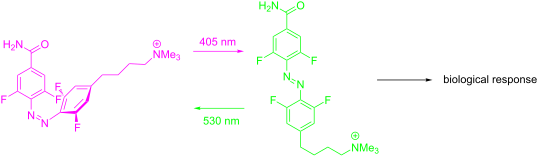
- ). LEDs centered at 405 and 530 nm were used for photoswitching. a) Representative responses evoked by all trans-2 and cis-2 in the green PSS. b) Representative responses evoked by cis-2 in the green PSS without and with violet light (10 mW). c) Sequential responses from the same neuron when all trans-2

Graphical Abstract

Figure 1: Fluoro-AB derivatives and spectra. Structures of 4FAB-diamides [13] cis and trans configurations, and t...
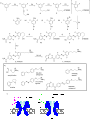
Scheme 1: Synthesis of 4FABTA. a) Reagents and conditions: (a) 3-Butynol, PdCl2(PPh3)2, CuI, THF, rt, 93%; (b...
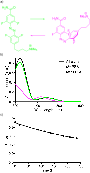
Figure 2: Photochemistry of 4FABTA (2), and thermodynamic stability in physiological buffer. a) Trans–cis pho...

Figure 3: Reaction of t-4FABTA (1) with thiols, and thermal stability of initial conjugate. a) Chemical react...

Figure 4: Testing photo-antagonism of 1 with genetically tagged nicotinic acetylcholine receptors. Currents f...

Figure 5: Photopharmacology with 4FABTA (2). Currents from neurons in the medial habenula in acutely isolated...
A photochemical determination of luminescence efficiency of upconverting nanoparticles
- Baptiste Amouroux,
- Clément Roux,
- Jean-Claude Micheau,
- Fabienne Gauffre and
- Christophe Coudret
Beilstein J. Org. Chem. 2019, 15, 2671–2677, doi:10.3762/bjoc.15.260
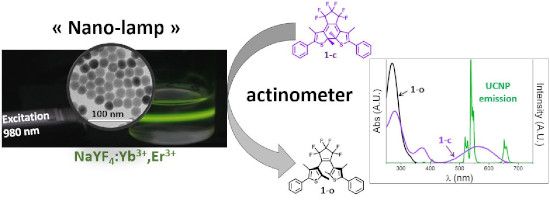
- sources. Since the recent renewal of photochemistry caused by the use of LEDs and microfluidic devices, actinometry has become a convenient tool to parameterize the performances of photoreactors [23][24][25]. Actinometer choice is guided by the operating conditions and by the spectral overlap between the

Graphical Abstract

Figure 1: Top: photoisomers of diarylethene 1, bottom: spectral overlaps between the 1-o (black line), 1-c (r...

Figure 2: UCNPs (black dots) are irradiated inside the cylindrical CW 976 nm laser beam. Absorbed laser power...

Figure 3: Kinetic trace at 650 nm under CW 976 nm laser at 4.71 W. Initial slope (red line) was determined on...
Recent advances in transition-metal-catalyzed incorporation of fluorine-containing groups
- Xiaowei Li,
- Xiaolin Shi,
- Xiangqian Li and
- Dayong Shi
Beilstein J. Org. Chem. 2019, 15, 2213–2270, doi:10.3762/bjoc.15.218

Graphical Abstract
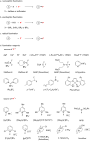
Scheme 1: The main three strategies of fluorination: nucleophilic, electrophilic and radical fluorination.

Scheme 2: Doyle’s Pd-catalyzed fluorination of allylic chlorides.

Scheme 3: Allylic fluorination of 2- and 3-substituted propenyl esters.

Scheme 4: Regioselective allylic fluorination of cinnamyl phosphorothioate esters.

Scheme 5: Palladium-catalyzed aliphatic C–H fluorination reported by Doyle.

Scheme 6: Pd-catalyzed enantioselective fluorination of α-ketoesters followed by stereoselective reduction to...

Scheme 7: Pd-catalyzed C(sp3)–H fluorination of oxindoles.

Scheme 8: C–H fluorination of 8-methylquinoline derivatives with F− reagents.

Scheme 9: Fluorination of α-cyano acetates reported by van Leeuwen.

Scheme 10: The catalytic enantioselective electrophilic C–H fluorination of α-chloro-β-keto phosphonates.

Scheme 11: Fluorination of unactivated C(sp3)–H bonds directed by the bidentate PIP auxiliary.

Scheme 12: Fluorination of C(sp3)–H bonds at the β-position of carboxylic acids.

Scheme 13: Enantioselective benzylic C–H fluorination with a chiral transient directing group.

Scheme 14: Microwave-heated Pd-catalyzed fluorination of aryl alcohols.

Scheme 15: Fluorination of aryl potassium trifluoroborates.

Scheme 16: C(sp2)–F bond formation using precatalyst [L·Pd]2(cod).

Scheme 17: Pd-catalyzed fluorination of (hetero)aryl triflates and bromides.

Scheme 18: The Pd-catalyzed C–H fluorination of arenes with Selectfluor/NFSI.

Scheme 19: Pd(II)-catalyzed ortho-monofluorination protocol for benzoic acids.

Scheme 20: Pd-catalyzed C(sp2)–H bond fluorination of 2-arylbenzothiazoles.

Scheme 21: Nitrate-promoted fluorination of aromatic and olefinic C(sp2)–H bonds and proposed mechanism.

Scheme 22: Fluorination of oxalyl amide-protected benzylamine derivatives.

Scheme 23: C–H fluorination of benzaldehydes with orthanilic acids as transient directing group.

Scheme 24: Pd(II)-catalyzed aryl C–H fluorination with various directing groups.

Scheme 25: Cu-catalyzed aliphatic, allylic, and benzylic fluorination.

Scheme 26: Cu-catalyzed SN2 fluorination of primary and secondary alkyl bromides.

Scheme 27: Copper-catalyzed fluorination of alkyl triflates.

Scheme 28: Cu-catalyzed fluorination of allylic bromides and chlorides.

Scheme 29: Synthetic strategy for the fluorination of active methylene compounds.

Scheme 30: Fluorination of β-ketoesters using a tartrate-derived bidentate bisoxazoline-Cu(II) complex.

Scheme 31: Highly enantioselective fluorination of β-ketoesters and N-Boc-oxindoles.

Scheme 32: Amide group-assisted site-selective fluorination of α-bromocarbonyl compounds.

Scheme 33: Cu-mediated aryl fluorination reported by Sanford [77].

Scheme 34: Mono- or difluorination reactions of benzoic acid derivatives.

Scheme 35: Cu-catalyzed fluorination of diaryliodonium salts with KF.
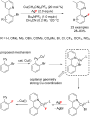
Scheme 36: Copper(I)-catalyzed cross-coupling of 2-pyridylaryl bromides.

Scheme 37: AgNO3-catalyzed decarboxylative fluorination of aliphatic carboxylic acids.

Scheme 38: The Mn-catalyzed aliphatic and benzylic C–H fluorination.

Scheme 39: Iron(II)-promoted C–H fluorination of benzylic substrates.

Scheme 40: Ag-catalyzed fluorodecarboxylation of carboxylic acids.

Scheme 41: Vanadium-catalyzed C(sp3)–H fluorination.

Scheme 42: AgNO3-catalyzed radical deboronofluorination of alkylboronates and boronic acids.
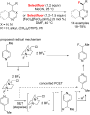
Scheme 43: Selective heterobenzylic C–H fluorination with Selectfluor reported by Van Humbeck.

Scheme 44: Fe(II)-catalyzed site-selective fluorination guided by an alkoxyl radical.

Scheme 45: Fluorination of allylic trichloroacetimidates reported by Nguyen et al.

Scheme 46: Iridium-catalyzed fluorination of allylic carbonates with TBAF(t-BuOH)4.

Scheme 47: Iridium-catalyzed asymmetric fluorination of allylic trichloroacetimidates.

Scheme 48: Cobalt-catalyzed α-fluorination of β-ketoesters.

Scheme 49: Nickel-catalyzed α-fluorination of various α-chloro-β-ketoesters.

Scheme 50: Ni(II)-catalyzed enantioselective fluorination of oxindoles and β-ketoesters.

Scheme 51: Scandium(III)-catalyzed asymmetric C–H fluorination of unprotected 3-substituted oxindoles.

Scheme 52: Iron-catalyzed directed C–H fluorination.

Scheme 53: Electrophilic silver-catalyzed Ar–F bond-forming reaction from arylstannanes.

Figure 1: Nucleophilic, electrophilic and radical CF3 sources.

Scheme 54: Cu(I)-catalyzed allylic trifluoromethylation of unactivated terminal olefins.

Scheme 55: Direct copper-catalyzed trifluoromethylation of allylsilanes.

Scheme 56: Cupper-catalyzed enantioselective trifluoromethylation of five and six-membered ring β-ketoesters.

Scheme 57: Cu-catalyzed highly stereoselective trifluoromethylation of secondary propargyl sulfonates.

Scheme 58: Remote C(sp3)–H trifluoromethylation of carboxamides and sulfonamides.

Scheme 59: Trifluoromethylation of allylsilanes with photoredox catalysis.

Scheme 60: Ag-catalyzed decarboxylative trifluoromethylation of aliphatic carboxylic acids in aqueous CH3CN.
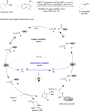
Scheme 61: Decarboxylative trifluoromethylation of aliphatic carboxylic acids via combined photoredox and copp...

Scheme 62: Palladium-catalyzed Ar–CF3 bond-forming reaction.

Scheme 63: Palladium-catalyzed trifluoromethylation of arenes with diverse heterocyclic directing groups.

Scheme 64: Pd-catalyzed trifluoromethylation of indoles as reported by Liu.

Scheme 65: Pd-catalyzed trifluoromethylation of vinyl triflates and vinyl nonaflates.

Scheme 66: Pd(II)-catalyzed ortho-trifluoromethylation of aromatic C–H bonds.

Scheme 67: Visible-light-induced Pd(OAc)2-catalyzed ortho-trifluoromethylation of acetanilides with CF3SO2Na.

Scheme 68: CuI-catalyzed trifluoromethylation of aryl- and alkenylboronic acids.

Scheme 69: Cu-catalyzed trifluoromethylation of aryl- and vinylboronic acids.

Scheme 70: Copper-catalyzed trifluoromethylation of α,β-unsaturated carboxylic acids.

Scheme 71: Formation of C(sp2)–CF3 bond catalyzed by copper(I) complex.

Scheme 72: Loh’s Cu(I)-catalyzed trifluoromethylation of enamides and electron-deficient alkenes.

Scheme 73: Copper and iron-catalyzed decarboxylative tri- and difluoromethylation.

Scheme 74: Cu-catalyzed trifluoromethylation of hydrazones developed by Bouyssi.

Scheme 75: Cu(I)-catalyzed trifluoromethylation of terminal alkenes.

Scheme 76: Cu/Ag-catalyzed decarboxylative trifluoromethylation of cinnamic acids.

Scheme 77: Copper-catalyzed direct alkenyl C–H trifluoromethylation.

Scheme 78: Copper(I/II)-catalyzed direct trifluoromethylation of styrene derivatives.

Scheme 79: Regioselective trifluoromethylation of pivalamido arenes and heteroarenes.

Scheme 80: Synthesis of trifluoromethylquinones in the presence of copper(I).
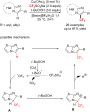
Scheme 81: Oxidative trifluoromethylation of imidazoheterocycles in ionic liquid/water.

Scheme 82: A mild and fast continuous-flow trifluoromethylation of coumarins using a CuI/CF3SO2Na/TBHP system.

Scheme 83: Copper-catalyzed oxidative trifluoromethylation of various 8-aminoquinolines.

Scheme 84: PA-directed copper-catalyzed trifluoromethylation of anilines.

Scheme 85: Trifluoromethylation of potassium vinyltrifluoroborates catalyzed by Fe(II).

Scheme 86: Alkenyl trifluoromethylation catalyzed by Ru(phen)3Cl2 as photocatalyst.

Scheme 87: Ru-catalyzed trifluoromethylation of alkenes by Akita’s group.

Scheme 88: Ir-catalyzed Cvinyl–CF3 bond formation of α,β-unsaturated carboxylic acids.

Scheme 89: Ag(I)-catalyzed denitrative trifluoromethylation of β-nitrostyrenes.

Scheme 90: Photocatalyzed direct trifluoromethylation of aryl and heteroaryl C–H bonds.

Scheme 91: Rhenium (MTO)-catalyzed direct trifluoromethylation of aromatic substrates.

Scheme 92: Trifluoromethylation of unprotected anilines under [Ir(ppy)3] catalyst.

Scheme 93: Oxidative trifluoromethylation of imidazopyridines and imidazoheterocycles.

Scheme 94: Ruthenium-catalyzed trifluoromethylation of (hetero)arenes with trifluoroacetic anhydride.

Scheme 95: Phosphovanadomolybdic acid-catalyzed direct C–H trifluoromethylation.

Scheme 96: Picolinamide-assisted ortho-trifluoromethylation of arylamines.

Scheme 97: A nickel-catalyzed C–H trifluoromethylation of free anilines.

Scheme 98: Cu-mediated trifluoromethylation of terminal alkynes reported by Qing.

Scheme 99: Huang’s C(sp)–H trifluoromethylation using Togni’s reagent.

Scheme 100: Cu-catalyzed methods for trifluoromethylation with Umemoto’s reagent.

Scheme 101: The synthesis of alkynyl-CF3 compounds in the presence of fac-[Ir(ppy)3] under visible-light irradi...

Scheme 102: Pd-catalyzed Heck reaction reported by Reutrakul.

Scheme 103: Difluoromethylation of enamides and ene-carbamates.

Scheme 104: Difluoromethylation of α,β-unsaturated carboxylic acids.

Scheme 105: Copper-catalyzed direct C(sp2)–H difluoroacetylation reported by Pannecoucke and co-workers.

Scheme 106: Difluoroalkylation of aldehyde-derived hydrazones with functionalized difluoromethyl bromides.

Scheme 107: Photoredox-catalyzed C–H difluoroalkylation of aldehyde-derived hydrazones.

Scheme 108: Synergistic ruthenium(II)-catalyzed C–H difluoromethylation reported by Ackermann.

Scheme 109: Visible-light photocatalytic decarboxylation of α,β-unsaturated carboxylic acids.

Scheme 110: Synthesis of difluorinated ketones via S-alkyl dithiocarbamates obtained from acyl chlorides and po...

Scheme 111: Synthesis of aryl and heteroaryl difluoromethylated phosphonates.

Scheme 112: Difluoroalkylation of secondary propargyl sulfonates using Cu as the catalyst.

Scheme 113: Ru(II)-mediated para-selective difluoromethylation of anilides and their derivatives.

Scheme 114: Bulky diamine ligand promoted cross-coupling of difluoroalkyl bromides.

Scheme 115: Copper-catalyzed C3–H difluoroacetylation of quinoxalinones.

Scheme 116: Copper(I) chloride-catalyzed trifluoromethylthiolation of enamines, indoles and β-ketoesters.

Scheme 117: Copper-boxmi-catalyzed asymmetric trifluoromethylthiolation of β-ketoesters.

Scheme 118: Direct Cu-catalyzed trifluoromethylthiolation of boronic acids and alkynes.

Scheme 119: Cu-catalyzed synthesis of α-trifluoromethylthio-substituted ketones.

Scheme 120: Trifluoromethylthiolation reactions promoted by diazotriflone and copper.

Scheme 121: Halide activation of N-(trifluoromethylthio)phthalimide.

Scheme 122: The visible light-promoted trifluoromethylthiolation reported by Glorius.

Scheme 123: Synthesis of α-trifluoromethylthioesters via Goossen’s approach.

Scheme 124: Photoinduced trifluoromethylthiolation of diazonium salts.

Scheme 125: Ag-mediated trifluoromethoxylation of aryl stannanes and arylboronic acids.

Scheme 126: Catalytic (hetero)aryl C–H trifluoromethoxylation under visible light.

Scheme 127: Photoinduced C–H-bond trifluromethoxylation of (hetero)arenes.
Naphthalene diimides with improved solubility for visible light photoredox catalysis
- Barbara Reiß and
- Hans-Achim Wagenknecht
Beilstein J. Org. Chem. 2019, 15, 2043–2051, doi:10.3762/bjoc.15.201
- potential was estimated to be approximately +1.0 V (vs SCE) which is sufficient to photocatalyze typical organic reactions. The photoredox catalytic activity in the visible light range was tested by the α-alkylation of 1-octanal as benchmark reaction. Irradiations were performed with LEDs in the visible
- sustainable method for catalysis because sunlight is an essentially unlimited and thereby “green” natural light source and LEDs – conveniently used for irradiation experiments in the laboratory – are cheap and energy-saving artificial sources for irradiations. The current “working horse” for photoredox
- following paragraphs because enantioselectivity is not a matter of discussion in this work. The photoredox catalysis with NDI 1 was performed by LEDs with 387 nm maximum emission wavelength and an irradiation time of 18 h. In order to ensure solubility of all components, a solvent mixture of DMF/CH2Cl2 = 1

Graphical Abstract
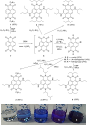
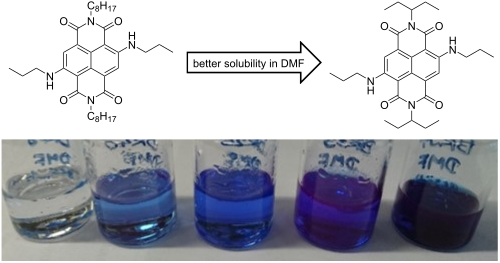
Scheme 1: Synthesis of reference NDI 1 and cNDIs 2–6; bottom: image of saturated solutions of cNDIs 2–6 in DM...

Figure 1: Optical properties of NDI 1 and cNDIs 2 and 6: UV–vis absorbance in CH2Cl2 and in DMF (normal lines...

Scheme 2: Photocatalytic α-alkylation of octanal (12): 500 mM 12, 250 mM 13, 50 mM (20 mol %) organocatalyst ...

Figure 2: Normalized absorbance of cNDI 6 in comparison to normalized emission of the 468 nm, 520 nm, 597 nm,...

Figure 3: Kinetic analysis of yields of product 14 in the presence (solid lines) and in the absence (dashed l...
Organometallic vs organic photoredox catalysts for photocuring reactions in the visible region
- Aude-Héloise Bonardi,
- Frédéric Dumur,
- Guillaume Noirbent,
- Jacques Lalevée and
- Didier Gigmes
Beilstein J. Org. Chem. 2018, 14, 3025–3046, doi:10.3762/bjoc.14.282
- observed after a strong absorption of the complex centered at 380 nm (Table 4). Thus, it can react through a redox cycle with similar reaction than the Ru-based complexes under irradiation by different visible light such as a halogen lamp, laser diodes (405 and 457 nm) or LEDs (405 and 455 nm) [63]. Iron
- photochemical properties are given in Table 7. We observe from Table 7 that by irradiation in the near-UV range, the excited state of C2 is reached. This phenomenon can be observed upon exposure to different light irradiation such as light emitting diodes (LEDs) from 405 to 477 nm or a household device for

Graphical Abstract

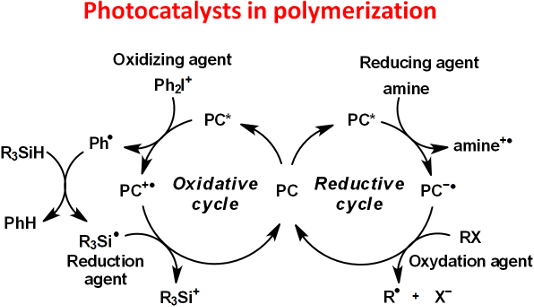
Figure 1: Typical oxidative and reductive cycle for a photoredox catalyst (PC).

Figure 2: Transitions involved in absorbing species containing π, σ and n electrons.

Figure 3: Ligand to metal charge transfer (illustrated here for a d6 metal complex).

Figure 4: Metal to ligand charge transfer (illustrated here for a d5 metal complex).

Scheme 1: Structures of additives involved in the photoredox catalytic cycles.

Figure 5: Catalytic cycles involved with iodonium salt and (A) (TMS)3SiH, (B) NVK and (C) EDB.

Scheme 2: Structures of photoredox metal-based catalysts.

Scheme 3: Photocatalytical cycle for the Ru complex.

Scheme 4: Structures of photoredox organocatalysts.

Scheme 5: Diversity of the chemical structures of photoredox organocatalysts.

Scheme 6: Structures of benchmarked monomers.
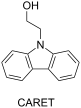
Scheme 7: Structure of the CARET additive.

Scheme 8: Photoredox catalysis mechanism of a visible light-mediated living radical polymerization. (Abbrevia...
Photocatalyic Appel reaction enabled by copper-based complexes in continuous flow
- Clémentine Minozzi,
- Jean-Christophe Grenier-Petel,
- Shawn Parisien-Collette and
- Shawn K. Collins
Beilstein J. Org. Chem. 2018, 14, 2730–2736, doi:10.3762/bjoc.14.251
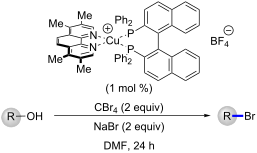
- of 50 different catalysts was evaluated in the conversion of alcohol 1 to bromide 2 (Figure 2 and Figure 3). Several homoleptic complexes were not evaluated due to problematic oxidation or low solubility. Reactions were irradiated at either 394 nm (purple LEDs) or 450 nm (blue LEDs), depending on the
- were then transferred to continuous flow (Table 2). Initially, an experimental set-up using a previously reported reactor for purple LEDs was selected for the reaction [30][31]. Following injection of the reaction mixture with a target residence time of 60 min, only traces of the desired bromide 2 were
- complexes and are colored in lighter blue. Entries without a color indicate reactions which could not be performed due to solubility or overoxidation of the complex. Experimental set-up for the photocatalytic conversion of alcohols to bromides. PFA tubing is wrapped around purple LEDs (394 nm) and fans are

Graphical Abstract
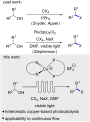
Figure 1: Alcohol→bromide functional group transformations.

Figure 2: Ligands used in the library generation of heteroleptic copper(I)-based complexes for photocatalysis....
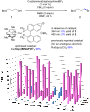
Figure 3: Evaluation of the library of copper-based complexes in photocatalytic alcohol→bromide conversion. R...

Figure 4: Experimental set-up for the photocatalytic conversion of alcohols to bromides. PFA tubing is wrappe...

Scheme 1: Copper-based photocatalysis for photocatalytic synthesis of an anhydride.
Applications of organocatalysed visible-light photoredox reactions for medicinal chemistry
- Michael K. Bogdos,
- Emmanuel Pinard and
- John A. Murphy
Beilstein J. Org. Chem. 2018, 14, 2035–2064, doi:10.3762/bjoc.14.179
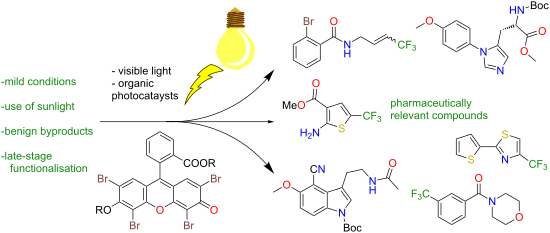
- irradiation with blue LEDs at room temperature (Scheme 7) [48]. The authors report that in general their procedure allowed for better transformation of electron-poor anilines compared to their electron-rich counterparts. Unfortunately, it is also reported that the scope of the reaction cannot be extended to
- compatibility. Hajra et al. have reported the direct C–H thiocyanation of substituted imidazo[1,2-a]pyridines, using ammonium thiocyanate, in combination with Eosin Y under irradiation by blue LEDs (Scheme 9) [52]. This is another photoredox example of C–S bond formation, in this case to a highly versatile
- reactions using traditional chemistry and organophotoredox synthesis can offer some interesting options as well. Wu et al. reported the alkylation of unfunctionalised allylic and benzylic sp3 C–H bonds by reaction with Michael acceptors, using blue LEDs and acridinium salts (Scheme 12) [55]. The main

Graphical Abstract

Figure 1: Depiction of the energy levels of a typical organic molecule and the photophysical processes it can...

Figure 2: General catalytic cycle of a photocatalyst in a photoredox organocatalysed reaction. [cat] – photoc...
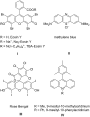
Figure 3: Structures and names of the most common photocatalysts encountered in the reviewed literature.

Figure 4: General example of a reductive quenching catalytic cycle. [cat] – photocatalyst, [cat]* – photocata...

Figure 5: General example of an oxidative quenching catalytic cycle. [cat] – photocatalyst, [cat]* – photocat...

Scheme 1: Oxidative coupling of aldehydes and amines to amides using acridinium salt photocatalysis.

Figure 6: Biologically active molecules containing a benzamide linkage.

Scheme 2: The photocatalytic reduction of amino acids to produce the corresponding free or protected amines.

Scheme 3: The organocatalysed photoredox base-mediated oxidation of thiols to disulfides.

Scheme 4: C-Terminal modification of peptides and proteins using organophotoredox catalysis.

Scheme 5: The reduction and aryl coupling of aryl halides using a doubly excited photocatalyst (PDI).

Figure 7: Mechanism for the coupling of aryl halides using PDI, which is excited sequentially by two photons.

Scheme 6: The arylation of five-membered heteroarenes using arenediazonium salts under organophotoredox condi...

Scheme 7: The C–H (hetero)arylation of five-membered heterocycles under Eosin Y photocatalysis.

Scheme 8: The C–H sulfurisation of imidazoheterocycles using Eosin B-catalyzed photochemical methods.

Scheme 9: The introduction of the thiocyanate group using Eosin Y photocatalysis.

Scheme 10: Sulfonamidation of pyrroles using oxygen as the terminal oxidant.

Scheme 11: DDQ-catalysed C–H amination of arenes and heteroarenes.

Scheme 12: Photoredox-promoted radical Michael addition reactions of allylic or benzylic carbons.

Figure 8: Proposed mechanistic rationale for the observed chemoselectivities.

Scheme 13: The photocatalytic manipulation of C–H bonds adjacent to amine groups.

Scheme 14: The perylene-catalysed organophotoredox tandem difluoromethylation–acetamidation of styrene-type al...

Figure 9: Examples of biologically active molecules containing highly functionalised five membered heterocycl...

Scheme 15: The [3 + 2]-cycloaddition leading to the formation of pyrroles, through the reaction of 2H-azirines...

Figure 10: Proposed intermediate that determines the regioselectivity of the reaction.

Figure 11: Comparison of possible pathways of reaction and various intermediates involved.

Scheme 16: The acridinium salt-catalysed formation of oxazoles from aldehydes and 2H-azirines.

Scheme 17: The synthesis of oxazolines and thiazolines from amides and thioamides using organocatalysed photor...

Figure 12: Biologically active molecules on the market containing 1,3,4-oxadiazole moieties.

Scheme 18: The synthesis of 1,3,4-oxadiazoles from aldehyde semicarbazones using Eosin Y organophotocatalysis.

Scheme 19: The dimerization of primary thioamides to 1,2,4-thiadiazoles catalysed by the presence of Eosin Y a...

Scheme 20: The radical cycloaddition of o-methylthioarenediazonium salts and substituted alkynes towards the f...

Scheme 21: The dehydrogenative cascade reaction for the synthesis of 5,6-benzofused heterocyclic systems.

Figure 13: Trifluoromethylated version of compounds which have known biological activities.

Scheme 22: Eosin Y-catalysed photoredox formation of 3-substituted benzimidazoles.

Scheme 23: Oxidation of dihydropyrimidines by atmospheric oxygen using photoredox catalysis.

Scheme 24: Photoredox-organocatalysed transformation of 2-substituted phenolic imines to benzoxazoles.

Scheme 25: Visible light-driven oxidative annulation of arylamidines.

Scheme 26: Methylene blue-photocatalysed direct C–H trifluoromethylation of heterocycles.

Scheme 27: Photoredox hydrotrifluoromethylation of terminal alkenes and alkynes.

Scheme 28: Trifluoromethylation and perfluoroalkylation of aromatics and heteroaromatics.

Scheme 29: The cooperative asymmetric and photoredox catalysis towards the functionalisation of α-amino sp3 C–...

Scheme 30: Organophotoredox-catalysed direct C–H amidation of aromatics.

Scheme 31: Direct C–H alkylation of heterocycles using BF3K salts. CFL – compact fluorescent lamp.

Figure 14: The modification of camptothecin, demonstrating the use of the Molander protocol in LSF.

Scheme 32: Direct C–H amination of aromatics using acridinium salts.

Scheme 33: Photoredox-catalysed nucleophilic aromatic substitution of nucleophiles onto methoxybenzene derivat...

Scheme 34: The direct C–H cyanation of aromatics with a focus on its use for LSF.
Phosphoramidite building blocks with protected nitroxides for the synthesis of spin-labeled DNA and RNA
- Timo Weinrich,
- Eva A. Jaumann,
- Ute M. Scheffer,
- Thomas F. Prisner and
- Michael W. Göbel
Beilstein J. Org. Chem. 2018, 14, 1563–1569, doi:10.3762/bjoc.14.133
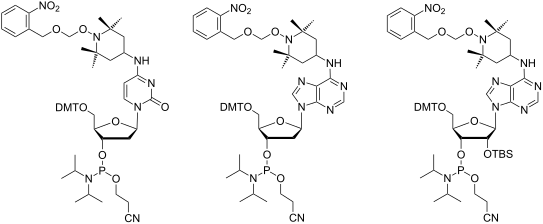
- TEMPO-labeled oligonucleotides and of phosphoramidites 5–8. Structures of palindromic oligonucleotides prepared from amidites 5 (22a, 23a), 7 (24a, 25a), and 8 (26a, 27a). Hemiacetals 22b–27b were obtained after photochemical deprotection (custom built apparatus with three LEDs Nichia NCCU033, 365 nm

Graphical Abstract

Figure 1: Structures of TEMPO-labeled oligonucleotides and of phosphoramidites 5–8.

Scheme 1: Synthesis of phosphoramidite 5. Reagents and conditions: (a) 1. 2,4,6-triisopropylbenzenesulfonyl c...

Scheme 2: Synthesis of phosphoramidite 7. Reagents and conditions: (a) Addition of 10, diisopropylethylamine,...

Scheme 3: Synthesis of phosphoramidite 8. Reagents and conditions: (a) Addition of 10, diisopropylethylamine,...
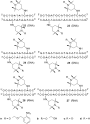
Figure 2: Structures of palindromic oligonucleotides prepared from amidites 5 (22a, 23a), 7 (24a, 25a), and 8...

Figure 3: PELDOR measurement of 24c (12mer dA). The background-corrected time trace (original time trace in Supporting Information File 1,...
Photocatalytic formation of carbon–sulfur bonds
- Alexander Wimmer and
- Burkhard König
Beilstein J. Org. Chem. 2018, 14, 54–83, doi:10.3762/bjoc.14.4
- N2) which triggers an intramolecular cyclization reaction via a nitrogen-centred radical intermediate to form sulfonylated phenanthridines. The reaction is photocatalyzed by [Ru(bpy)3]Cl2 under irradiation with blue LEDs and proceeds smoothly for a variety of substituted vinyl azides and sulfonyl

Graphical Abstract

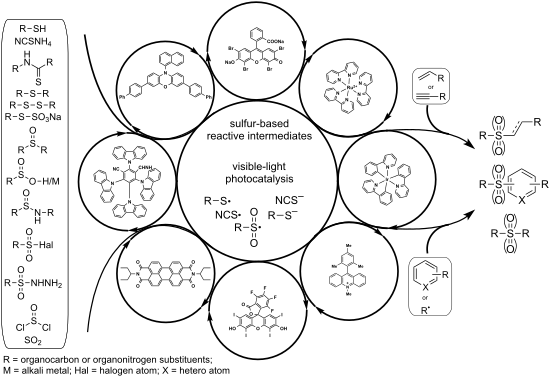
Scheme 1: General overview over the sulfur-based substrates and reactive intermediates that are discussed in ...
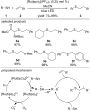
Scheme 2: Photoredox-catalyzed radical thiol–ene reaction, applying [Ru(bpz)3](PF6)2 as photocatalyst.

Scheme 3: Photoredox-catalyzed thiol–ene reaction of aliphatic thiols with alkenes enabled by aniline derivat...
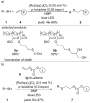
Scheme 4: Photoredox-catalyzed radical thiol–ene reaction for the postfunctionalization of polymers (a) and n...

Scheme 5: Photoredox-catalyzed thiol–ene reaction enabled by bromotrichloromethane as redox additive.
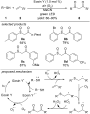
Scheme 6: Photoredox-catalyzed preparation of β-ketosulfoxides with Eosin Y as organic dye as photoredox cata...
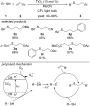
Scheme 7: Greaney’s photocatalytic radical thiol–ene reaction, applying TiO2 nanoparticles as photocatalyst.

Scheme 8: Fadeyi’s photocatalytic radical thiol–ene reaction, applying Bi2O3 as photocatalyst.

Scheme 9: Ananikov’s photocatalytic radical thiol-yne reaction, applying Eosin Y as photocatalyst.
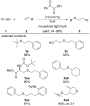
Scheme 10: Organocatalytic visible-light photoinitiated thiol–ene coupling, applying phenylglyoxylic acid as o...

Scheme 11: Xia’s photoredox-catalyzed synthesis of 2,3-disubstituted benzothiophenes, applying 9-mesityl-10-me...
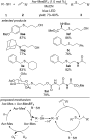
Scheme 12: Wang’s metal-free photoredox-catalyzed radical thiol–ene reaction, applying 9-mesityl-10-methylacri...

Scheme 13: Visible-light benzophenone-catalyzed metal- and oxidant-free radical thiol–ene reaction.
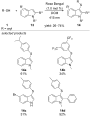
Scheme 14: Visible-light catalyzed C-3 sulfenylation of indole derivatives using Rose Bengal as organic dye.
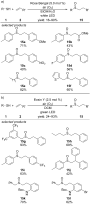
Scheme 15: Photocatalyzed radical thiol–ene reaction and subsequent aerobic sulfide-oxidation with Rose Bengal...
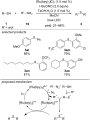
Scheme 16: Photoredox-catalyzed synthesis of diaryl sulfides.

Scheme 17: Photocatalytic cross-coupling of aryl thiols with aryl diazonium salts, using Eosin Y as photoredox...
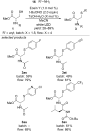
Scheme 18: Photocatalyzed cross-coupling of aryl diazonium salts with cysteines in batch and in a microphotore...
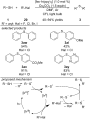
Scheme 19: Fu’s [Ir]-catalyzed photoredox arylation of aryl thiols with aryl halides.

Scheme 20: Fu’s photoredox-catalyzed difluoromethylation of aryl thiols.
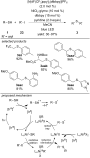
Scheme 21: C–S cross-coupling of thiols with aryl iodides via [Ir]-photoredox and [Ni]-dual-catalysis.
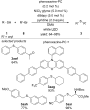
Scheme 22: C–S cross-coupling of thiols with aryl bromides, applying 3,7-bis-(biphenyl-4-yl)-10-(1-naphthyl)ph...
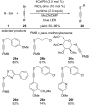
Scheme 23: Collin’s photochemical dual-catalytic cross-coupling of thiols with bromoalkynes.
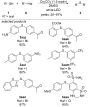
Scheme 24: Visible-light-promoted C–S cross-coupling via intermolecular electron donor–acceptor complex format...
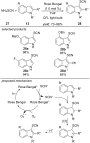
Scheme 25: Li’s visible-light photoredox-catalyzed thiocyanation of indole derivatives with Rose Bengal as pho...
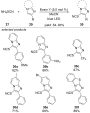
Scheme 26: Hajra’s visible-light photoredox-catalyzed thiocyanation of imidazoheterocycles with Eosin Y as pho...

Scheme 27: Wang’s photoredox-catalyzed thiocyanation reaction of indoles, applying heterogeneous TiO2/MoS2 nan...
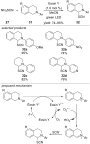
Scheme 28: Yadav’s photoredox-catalyzed α-C(sp3)–H thiocyanation reaction for tertiary amines, applying Eosin ...

Scheme 29: Yadav’s photoredox-catalyzed synthesis of 5-aryl-2-imino-1,3-oxathiolanes.

Scheme 30: Yadav’s photoredox-catalyzed synthesis of 1,3-oxathiolane-2-thiones.
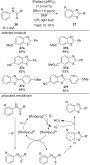
Scheme 31: Li’s photoredox catalysis for the preparation of 2-substituted benzothiazoles, applying [Ru(bpy)3](...
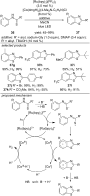
Scheme 32: Lei’s external oxidant-free synthesis of 2-substituted benzothiazoles by merging photoredox and tra...

Scheme 33: Metal-free photocatalyzed synthesis of 2-aminobenzothiazoles, applying Eosin Y as photocatalyst.

Scheme 34: Metal-free photocatalyzed synthesis of 1,3,4-thiadiazoles, using Eosin Y as photocatalyst.
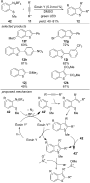
Scheme 35: Visible-light photoredox-catalyzed preparation of benzothiophenes with Eosin Y.

Scheme 36: Visible-light-induced KOH/DMSO superbase-promoted preparation of benzothiophenes.
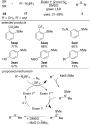
Scheme 37: Jacobi von Wangelin’s photocatalytic approach for the synthesis of aryl sulfides, applying Eosin Y ...

Scheme 38: Visible-light photosensitized α-C(sp3)–H thiolation of aliphatic ethers.

Scheme 39: Visible-light photocatalyzed cross-coupling of alkyl and aryl thiosulfates with aryl diazonium salt...
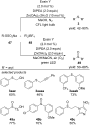
Scheme 40: Visible-light photocatalyzed, controllable sulfenylation and sulfoxidation with organic thiosulfate...

Scheme 41: Rastogi’s photoredox-catalyzed methylsulfoxidation of aryl diazonium salts, using [Ru(bpy)3]Cl2 as ...
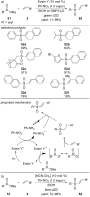
Scheme 42: a) Visible-light metal-free Eosin Y-catalyzed procedure for the preparation of vinyl sulfones from ...
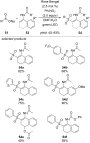
Scheme 43: Visible-light photocatalyzed cross-coupling of sodium sulfinates with secondary enamides.

Scheme 44: Wang’s photocatalyzed oxidative cyclization of phenyl propiolates with sulfinic acids, applying Eos...

Scheme 45: Lei’s sacrificial oxidant-free synthesis of allyl sulfones by merging photoredox and transition met...
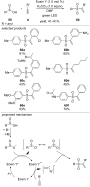
Scheme 46: Photocatalyzed Markovnikov-selective radical/radical cross-coupling of aryl sulfinic acids and term...

Scheme 47: Visible-light Eosin Y induced cross-coupling of aryl sulfinic acids and styrene derivatives, afford...
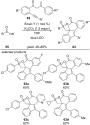
Scheme 48: Photoredox-catalyzed bicyclization of 1,7-enynes with sulfinic acids, applying Eosin Y as photocata...

Scheme 49: Visible-light-accelerated C–H-sulfinylation of arenes and heteroarenes.
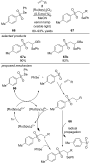
Scheme 50: Visible-light photoredox-catalyzed β-selenosulfonylation of electron-rich olefins, applying [Ru(bpy)...

Scheme 51: Photocatalyzed preparation of β-chlorosulfones from the respective olefins and p-toluenesulfonyl ch...
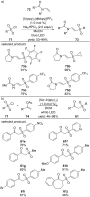
Scheme 52: a) Photocatalyzed preparation of β-amidovinyl sulfones from sulfonyl chlorides. b) Preparation of β...

Scheme 53: Visible-light photocatalyzed sulfonylation of aliphatic tertiary amines, applying [Ru(bpy)3](PF6)2 ...
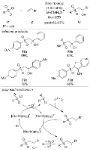
Scheme 54: Reiser’s visible-light photoredox-catalyzed preparation of β-hydroxysulfones from sulfonyl chloride...
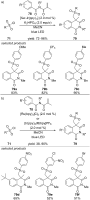
Scheme 55: a) Sun’s visible-light-catalyzed approach for the preparation of isoquinolinonediones, applying [fac...
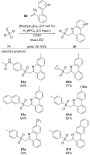
Scheme 56: Visible-light photocatalyzed sulfonylation/cyclization of vinyl azides, applying [Ru(bpy)3]Cl2 as p...

Scheme 57: Visible-light photocatalyzed procedure for the formation of β-ketosulfones from aryl sulfonyl chlor...

Scheme 58: Zheng’s method for the sulfenylation of indole derivatives, applying sulfonyl chlorides via visible...
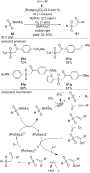
Scheme 59: Cai’s visible-light induced synthesis of β-ketosulfones from sulfonyl hydrazines and alkynes.

Scheme 60: Photoredox-catalyzed approach for the preparation of vinyl sulfones from sulfonyl hydrazines and ci...
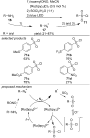
Scheme 61: Jacobi von Wangelin’s visible-light photocatalyzed chlorosulfonylation of anilines.
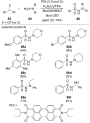
Scheme 62: Three-component photoredox-catalyzed synthesis of N-amino sulfonamides, applying PDI as organic dye....

Scheme 63: Visible-light induced preparation of complex sulfones from oximes, silyl enol ethers and SO2.
CF3SO2X (X = Na, Cl) as reagents for trifluoromethylation, trifluoromethylsulfenyl-, -sulfinyl- and -sulfonylation. Part 1: Use of CF3SO2Na
- Hélène Guyon,
- Hélène Chachignon and
- Dominique Cahard
Beilstein J. Org. Chem. 2017, 13, 2764–2799, doi:10.3762/bjoc.13.272
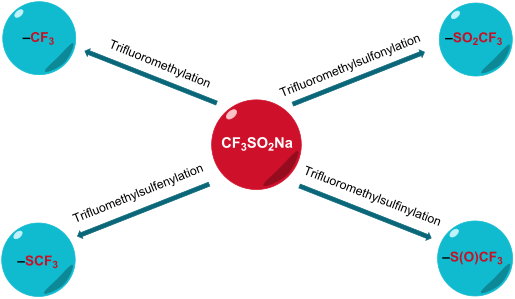
- delivered comparable and even higher yields of the products in longer reaction times but with lower catalyst loading (1 mol %). Both unactivated terminal alkenes and electron-deficient alkenes (Michael acceptors) were successfully hydrotrifluoromethylated under irradiation with 36 W blue LEDs in the

Graphical Abstract

Scheme 1: Trifluoromethylation of enol acetates by Langlois.

Scheme 2: Trifluoromethylation of (het)aryl enol acetates.

Scheme 3: Mechanism for the trifluoromethylation of enol acetates.

Scheme 4: Oxidative trifluoromethylation of unactivated olefins and mechanistic pathway.
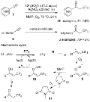
Scheme 5: Oxidative trifluoromethylation of acetylenic substrates.

Scheme 6: Metal free trifluoromethylation of styrenes.

Scheme 7: Synthesis of α-trifluoromethylated ketones by oxytrifluoromethylation of heteroatom-functionalised ...
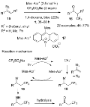
Scheme 8: Catalysed photoredox trifluoromethylation of vinyl azides.

Scheme 9: Oxidative difunctionalisation of alkenyl MIDA boronates.

Scheme 10: Synthesis of β-trifluoromethyl ketones from cyclopropanols.

Scheme 11: Aryltrifluoromethylation of allylic alcohols.

Scheme 12: Cascade multicomponent synthesis of nitrogen heterocycles via azotrifluoromethylation of alkenes.

Scheme 13: Photocatalytic azotrifluoromethylation of alkenes with aryldiazonium salts and CF3SO2Na.

Scheme 14: Copper-promoted intramolecular aminotrifluoromethylation of alkenes with CF3SO2Na.

Scheme 15: Oxytrifluoromethylation of alkenes with CF3SO2Na and hydroxamic acid.

Scheme 16: Manganese-catalysed oxytrifluoromethylation of styrene derivatives.

Scheme 17: Oxytrifluoromethylation of alkenes with NMP/O2 and CF3SO2Na.

Scheme 18: Intramolecular oxytrifluoromethylation of alkenes.

Scheme 19: Hydrotrifluoromethylation of styrenyl alkenes and unactivated aliphatic alkenes.

Scheme 20: Hydrotrifluoromethylation of electron-deficient alkenes.

Scheme 21: Hydrotrifluoromethylation of alkenes by iridium photoredox catalysis.

Scheme 22: Iodo- and bromotrifluoromethylation of alkenes by CF3SO2Na/I2O5 or CF3SO2Na / NaBrO3.

Scheme 23: N-methyl-9-mesityl acridinium and visible-light-induced chloro-, bromo- and SCF3 trifluoromethylati...

Scheme 24: Carbotrifluoromethylation of N-arylacrylamides with CF3SO2Na / TBHP by Lipshutz.

Scheme 25: Carbotrifluoromethylation of N-arylacrylamides with CF3SO2Na/TBHP reported by Lei.

Scheme 26: Carbotrifluoromethylation of N-arylacrylamides with CF3SO2Na/(NH4)2S2O8.

Scheme 27: Metal-free carbotrifluoromethylation of N-arylacrylamides with CF3SO2Na/K2S2O8 reported by Wang.

Scheme 28: Metal-free carbotrifluoromethylation of N-arylacrylamides with CF3SO2Na/PIDA reported by Fu.

Scheme 29: Metal-free cascade trifluoromethylation/cyclisation of N-arylmethacrylamides (a) and enynes (b) wit...

Scheme 30: Trifluoromethylation/cyclisation of N-arylcinnamamides: Synthesis of 3,4-disubstituted dihydroquino...

Scheme 31: Trifluoromethylation/cyclisation of aromatic-containing unsaturated ketones.

Scheme 32: Chemo- and regioselective cascade trifluoromethylation/heteroaryl ipso-migration of unactivated alk...

Scheme 33: Copper-mediated 1,2-bis(trifluoromethylation) of alkenes.

Scheme 34: Trifluoromethylation of aromatics with CF3SO2Na reported by Langlois.

Scheme 35: Baran’s oxidative C–H trifluoromethylation of heterocycles.

Scheme 36: Trifluoromethylation of acetanilides and anilines.

Scheme 37: Trifluoromethylation of heterocycles in water.

Scheme 38: Trifluoromethylation of coumarins in a continuous-flow reactor.

Scheme 39: Oxidative trifluoromethylation of coumarins, quinolines and pyrimidinones.

Scheme 40: Oxidative trifluoromethylation of pyrimidinones and pyridinones.

Scheme 41: Phosphovanadomolybdic acid-catalysed direct C−H trifluoromethylation.
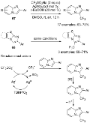
Scheme 42: Oxidative trifluoromethylation of imidazopyridines and imidazoheterocycles.

Scheme 43: Oxidative trifluoromethylation of imidazoheterocycles and imidazoles in ionic liquid/water.
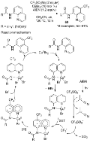
Scheme 44: Oxidative trifluoromethylation of 8-aminoquinolines.

Scheme 45: Oxidative trifluoromethylation of various 8-aminoquinolines using the supported catalyst CS@Cu(OAc)2...

Scheme 46: Oxidative trifluoromethylation of the naphthylamide 70.

Scheme 47: Oxidative trifluoromethylation of various arenes in the presence of CF3SO2Na and sodium persulfate.
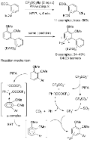
Scheme 48: Trifluoromethylation of electron-rich arenes and unsymmetrical biaryls with CF3SO2Na in the presenc...

Figure 1: Trifluoromethylated coumarin and flavone.

Scheme 49: Metal-free trifluoromethylation catalysed by a photoredox organocatalyst.
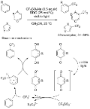
Scheme 50: Quinone-mediated trifluoromethylation of arenes and heteroarenes.
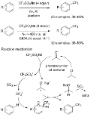
Scheme 51: Metal- and oxidant-free photochemical trifluoromethylation of arenes.

Scheme 52: Copper-mediated trifluoromethylation of arenediazonium tetrafluoroborates.

Scheme 53: Oxidative trifluoromethylation of aryl- and heteroarylboronic acids.
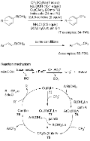
Scheme 54: Oxidative trifluoromethylation of aryl- and vinylboronic acids.

Scheme 55: Oxidative trifluoromethylation of unsaturated potassium organotrifluoroborates.

Scheme 56: Oxidative trifluoromethylation of (hetero)aryl- and vinyltrifluoroborates.

Scheme 57: Copper−catalysed decarboxylative trifluoromethylation of cinnamic acids.

Scheme 58: Iron-mediated decarboxylative trifluoromethylation of α,β-unsaturated carboxylic acids.

Scheme 59: Cu/Ag-catalysed decarboxylative trifluoromethylation of cinnamic acids.

Scheme 60: I2O5-Promoted decarboxylative trifluoromethylation of cinnamic acids.

Scheme 61: Silver(I)-catalysed denitrative trifluoromethylation of β-nitrostyrenes.
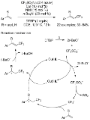
Scheme 62: Copper-catalysed direct trifluoromethylation of styrene derivatives.
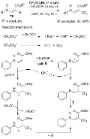
Scheme 63: Transition-metal-free synthesis of β-trifluoromethylated enamines.

Scheme 64: I2O5-mediated iodotrifluoromethylation of alkynes.

Scheme 65: Silver-catalysed tandem trifluoromethylation/cyclisation of aryl isonitriles.

Scheme 66: Photoredox trifluoromethylation of 2-isocyanobiphenyls.

Scheme 67: Trifluoromethylation of potassium alkynyltrifluoroborates with CF3SO2Na.
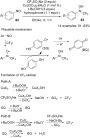
Scheme 68: N-trifluoromethylation of nitrosoarenes with CF3SO2Na (SQ: semiquinone).

Scheme 69: Trifluoromethylation of disulfides with CF3SO2Na.

Scheme 70: Trifluoromethylation of thiols with CF3SO2Na/I2O5.
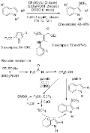
Scheme 71: Electrophilic trifluoromethylsulfenylation by means of CF3SO2Na/(EtO)2P(O)H/CuCl/DMSO.

Scheme 72: Electrophilic trifluoromethylsulfenylation by means of CF3SO2Na/(EtO)2P(O)H/TMSCl.
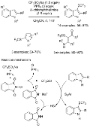
Scheme 73: Electrophilic trifluoromethylsulfenylation by means of CF3SO2Na/PPh3/N-chlorophthalimide.

Scheme 74: Electrophilic trifluoromethylsulfenylation by means of CF3SO2Na/PCl3.

Scheme 75: Electrophilic trifluoromethylsulfenylation by means of CF3SO2Na/PCl3.

Scheme 76: Trifluoromethylsulfenylation of aryl iodides with in situ generated CuSCF3 (DMI: 1,3-dimethyl-2-imi...

Scheme 77: Pioneering trifluoromethylsulfinylation of N, O, and C-nucleophiles.

Scheme 78: Trifluoromethylsulfinylation of (1R,2S)-ephedrine (Im: imidazole; DIEA: N,N-diisopropylethylamine).

Scheme 79: Trifluoromethylsulfinylation of substituted benzenes with CF3SO2Na/CF3SO3H.

Scheme 80: Trifluoromethylsulfinylation of indoles with CF3SO2Na/P(O)Cl3.

Scheme 81: Trifluoromethylsulfinylation of indoles with CF3SO2Na/PCl3.

Scheme 82: Formation of triflones from benzyl bromides (DMA: dimethylacetamide).

Scheme 83: Formation of α-trifluoromethylsulfonyl ketones, esters, and amides.

Scheme 84: Allylic trifluoromethanesulfonylation of aromatic allylic alcohols.

Scheme 85: Copper-catalysed couplings of aryl iodonium salts with CF3SO2Na.

Scheme 86: Palladium-catalysed trifluoromethanesulfonylation of aryl triflates and chlorides with CF3SO2Na.

Scheme 87: Copper-catalysed coupling of arenediazonium tetrafluoroborates with CF3SO2Na.

Scheme 88: Synthesis of phenyltriflone via coupling of benzyne with CF3SO2Na.

Scheme 89: Synthesis of 1-trifluoromethanesulfonylcyclopentenes from 1-alkynyl-λ3-bromanes and CF3SO2Na.

Scheme 90: One-pot synthesis of functionalised vinyl triflones.

Scheme 91: Regioselective synthesis of vinyltriflones from styrenes.

Scheme 92: Trifluoromethanesulfonylation of alkynyl(phenyl) iodonium tosylates by CF3SO2Na.

Scheme 93: Synthesis of thio- and selenotrifluoromethanesulfonates.
Mechanochemical borylation of aryldiazonium salts; merging light and ball milling
- José G. Hernández
Beilstein J. Org. Chem. 2017, 13, 1463–1469, doi:10.3762/bjoc.13.144
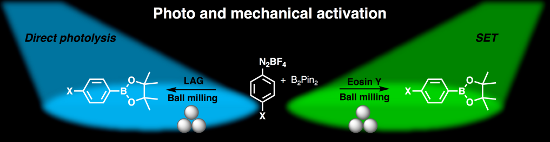
- yielded the same negative result proving that ambient light did not mediate the photoredox catalytic borylation reaction under mechanochemical conditions (Table 1, entry 3). Furthermore, neat grinding of a catalyst-free mixture of 1a and 2 under blue LEDs (light-emitting diodes) light did not afford the
- operating under solventless conditions (Table 1, entry 4). Then, a premilled mixture of 1a, B2pin2, and eosin Y was subjected to irradiation with blue LEDs for 2 h in the absence of milling (Table 1, entry 5). After the irradiation was halted, the reaction mixture was immediately analyzed by 1H NMR
- ) in the mixture. Indeed, milling the product 3a under the standard milling conditions using the LEDs led to its melt. Similarly, milling a mixture of 1a, 2 and 3a for 1 h under light irradiation reached a eutectic melt phase. The need for simultaneous light and mechanical milling was also confirmed

Graphical Abstract

Figure 1: (a) Cartoon representing the merging of light and mechanical energy. (b) 25 mL transparent PMMA mil...

Scheme 1: Borylation of 1a in the presence of 1,1-diphenylethene (4).

Scheme 2: Light-mediated LAG borylation of 1a. aDetermined by 1H NMR spectroscopy using internal standard. bA...
Photocatalyzed synthesis of isochromanones and isobenzofuranones under batch and flow conditions
- Manuel Anselmo,
- Lisa Moni,
- Hossny Ismail,
- Davide Comoretto,
- Renata Riva and
- Andrea Basso
Beilstein J. Org. Chem. 2017, 13, 1456–1462, doi:10.3762/bjoc.13.143
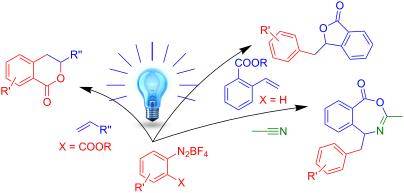
- loading of photocatalyst (0.5% vs 2%) and excess of alkene (2 equiv vs 3 equiv) employed; moreover, the use of an inert atmosphere did not lead to significant improvements. No differences were observed when the 440 nm laser was replaced by blue LEDs (maximum wavelength 455 nm). Diazonium salts were
- atmosphere was not essential, we therefore decided to test our synthetic methodology with an in house-made flow apparatus. The reaction coil was formed with 1 m of FEP tubing (internal diameter 0.8 mm) wrapped around a glass cylinder. Irradiation was obtained with strips of blue LEDs attached inside a hollow

Graphical Abstract

Scheme 1: Photo-Meerwein reaction leading to amides.

Figure 1: Products detected in the reaction mixtures during attempts to intercept the radical/cationic interm...

Scheme 2: Reaction of o-alkoxycarbonyldiazonium salts with alkenes under Ru-photocatalyzed conditions.

Scheme 3: Proposed mechanism for the reaction of diazonium salt 2h with methyl methacrylate (3a).

Scheme 4: Reaction of 2-aminocarbonyldiazonium salt 2i with styrene (3b).

Figure 2: The meso-flow apparatus assembled in-house. The components are shown on the left, while the operati...

Scheme 5: Reaction of diazonium salts 11 with styrenes 12. The nucleophilic attack to intermediate A is given...

Scheme 6: Proposed mechanism for the formation of benzo[e][1,3]oxazepin-1(5H)-one 14.

Scheme 7: Investigation of the selectivity of the photochemically induced cyclization.
Energy down converting organic fluorophore functionalized mesoporous silica hybrids for monolith-coated light emitting diodes
- Markus Börgardts and
- Thomas J. J. Müller
Beilstein J. Org. Chem. 2017, 13, 768–778, doi:10.3762/bjoc.13.76
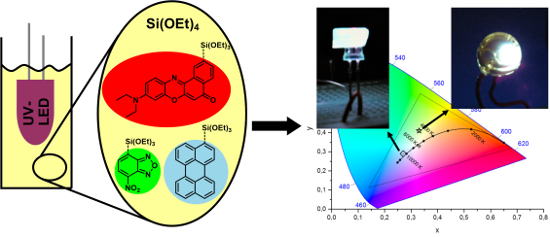
- concept, we prepared four examples of white light emitting LEDs with organic phosphors. Therefore, UV-emitting LEDs were early immersed into the reaction mixture upon monolith formation. After aging, according to the described method, the UV emitting diodes were coated with the white light emitting hybrid
- materials as shown in Figure 9. Two different LED designs were investigated, a conventional diode setup as well as a much smaller surface mounted device (SMD). These coated LEDs were spectroscopically analyzed displaying correlated color temperatures of 10700 K and 41100 K for the conventional LED setup
- (2nd order of excitation beam not shown). Coating of the a) conventional diode setup and b) surface-mounted device (SMD) (left: prior to the addition of the reaction mixture, right: after the addition), c) coated conventional diode setup, d) coated surface-mounted device. Pictures of the coated LEDs in

Graphical Abstract

Scheme 1: Synthesis of the triethoxysilyl-functionalized dye precursors 8, 9, and 10.
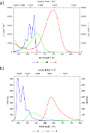
Figure 1: Absorption (a) and emission (b) spectra of perylene 9, benzofurazane 10, and Nile red precursors 8 ...

Figure 2: CIE 1931 color space chromaticity diagram (2° observer) with the CIE chromaticity coordinates of th...

Figure 3: Number of molecules per 100 nm² and quantum yields of 8@MCM in relation to the loading of hybrid ma...

Figure 4: Solid-state fluorescence quantum yields Φf of grafted hybrid materials in relation to the calculate...

Figure 5: CIE 1931 color space chromaticity diagram (2° observer) with the color space accessible by mixing t...

Figure 6: a) Suspensions of the dye-functionalized silica hybrid materials 8@MCM-3, 9@MCM-3, and 10@MCM-6 as ...
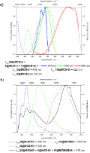
Figure 7: a) Excitation and b) emission spectra of the single dye-functionalized hybrid materials 8@MCM-2, 9@...

Figure 8: Emission spectra of blend [8@MCM-2 + 9@MCM-3 + 10@MCM-6]-1 at different excitation wavelengths (2nd...

Figure 9: Coating of the a) conventional diode setup and b) surface-mounted device (SMD) (left: prior to the ...
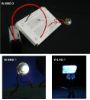
Figure 10: Pictures of the coated LEDs in compact device set-up (SMD) and conventional diode design (LED).

Figure 11: CIE chromaticity coordinates of the coated LEDs in compact device set-up (SMD) and conventional dio...
Synthesis and optical properties of new 5'-aryl-substituted 2,5-bis(3-decyl-2,2'-bithiophen-5-yl)-1,3,4-oxadiazoles
- Anastasia S. Kostyuchenko,
- Tatyana Yu. Zheleznova,
- Anton J. Stasyuk,
- Aleksandra Kurowska,
- Wojciech Domagala,
- Adam Pron and
- Alexander S. Fisyuk
Beilstein J. Org. Chem. 2017, 13, 313–322, doi:10.3762/bjoc.13.34
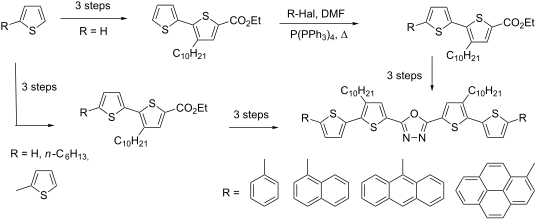
- oxadiazole central ring symmetrically functionalized with bithiophene end-capped with various aryl groups. Our preliminary studies show that these compounds can be used as electroluminophores in LEDs, which show superior performance as compared to the devices fabricated from 1 or 2 [18]. Results and

Graphical Abstract

Figure 1: D–A compounds 1–3.

Scheme 1: Synthesis of 3-decyl-2,2'-bithiophene-5-carboxylic acid ethyl esters 7a–c.

Scheme 2: Synthesis of ethyl esters of 5'-aryl-3-decyl-2,2'-bithiophene-5-carboxylic acids 7d–g.

Scheme 3: Synthesis of diacyl hydrazines 14b–g.

Scheme 4: Synthesis of 5'-aryl-substituted 2,5-bis(3-decyl-2,2'-bithiophen-5-yl)-1,3,4-oxadiazoles 15b–g.

Figure 2: 5'-Aryl-substituted 2,5-bis(3-decyl-2,2'-bithiophen-5-yl)-1,3,4-oxadiazoles 15b–g: a) absorption sp...

Figure 3: General structure of 5'-aryl-substituted 2,5-bis(3-decyl-2,2'-bithiophen-5-yl)-1,3,4-oxadiazoles.

Figure 4: Frontier molecular orbitals (HOMO−1, HOMO, LUMO and LUMO+1) and values for HOMO–LUMO band gaps of t...
Solvent-free, visible-light photocatalytic alcohol oxidations applying an organic photocatalyst
- Martin Obst and
- Burkhard König
Beilstein J. Org. Chem. 2016, 12, 2358–2363, doi:10.3762/bjoc.12.229
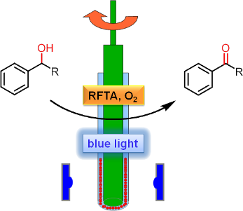
- a stirrer, and an LED frame with 5 LEDs (λ = 455 nm). Figure 1 shows a schematic representation and photographs. Before reaction, the solid substrate and photocatalyst are gently homogenized with a spatula, followed by grinding with pestle and mortar. The reaction mixture is then filled into the
- test tube. Subsequently, the rotating glass rod is pressed into the test tube, which leads to vertical migration of the reaction mixture and the formation of a film between the inner wall of the test tube and the glass rod. The reaction is carried out by rotation and irradiation with the LEDs from the
- was observed in all cases, indicating melting of the substrate or the product, which maintains mobility. The oxidation of benzilic acid and benzhydrol was also performed using an LED setup containing only 4 LEDs instead of 5 LEDs like in the frame rod mill. Here, the obtained yields were significantly

Graphical Abstract

Figure 1: Rod mill, schematic (left) and photographs (middle and right).

Scheme 1: Oxidation of 4,4’-dimethoxybenzhydrol (1a) to 4,4’-dimethoxybenzophenone (1b).
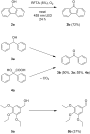
Scheme 2: Scope for benzylic alcohol oxidation and obtained yields.

Scheme 3: Oxidation of 4-methoxyphenyl methyl carbinol (6a) to 4-methoxyacetophenone (6b).

Figure 2: 1H NMR (crude) of 4-methoxyacetophenone 6b.