

Search results
Search for "intermediates" in Full Text gives 1504 result(s) in Beilstein Journal of Organic Chemistry. Showing first 200.
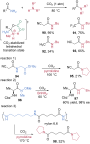
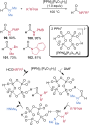
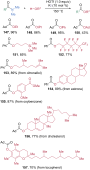
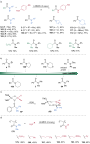
Recent advances in the cleavage of non-activated amides
Beilstein J. Org. Chem. 2026, 22, 352–369, doi:10.3762/bjoc.22.23
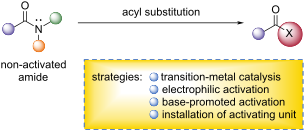
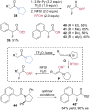
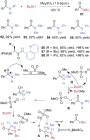
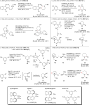
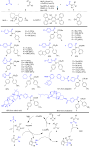
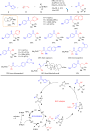
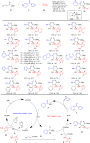
- good to high yields. The authors proposed that a manganese–potassium heterodinuclear alkoxylate complex F, formed from Mn(acac)2(Me2N-Phen), potassium methoxide, and n-butanol, serves as the key catalytic species. The dinuclear complex stabilizes the relevant transition states and intermediates
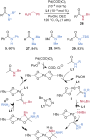
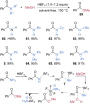
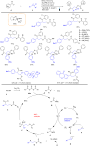
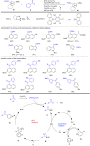
- corresponding amide products 26 were obtained using only 10−4 mol % Pd(COD)Cl2 in combination with 1-benzyl-1H-1,2,3-triazole (L1). Based on kinetic curves, TEM images, catalyst poisoning experiments, MS identification of intermediates, and EPR spectra of the crude mixture, the authors proposed two kinetically
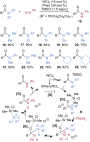
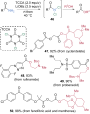
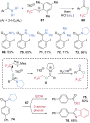
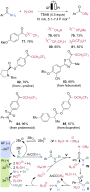
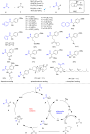
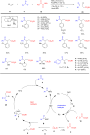
- of 2 equivalents of TCCA as a chlorinating reagent and 2.5 equivalents of lithium benzoate (LiOBz) as a base, primary amides are converted into the corresponding N,N-dichloroamide intermediates 46, which then undergo smooth nucleophilic acyl substitution with alcohols to afford esters. The substrate










Ring contraction and ring expansion reactions in terpenoid biosynthesis and their application to total synthesis
Beilstein J. Org. Chem. 2026, 22, 289–343, doi:10.3762/bjoc.22.21
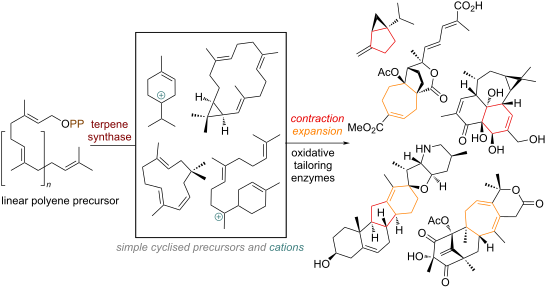
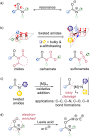
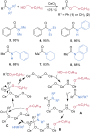
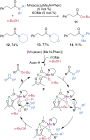
- operational intermediates, as calculations showed instead a concerted rearrangement towards the tertiary cation 23c to be more likely. From here, ent-kaurene (24) is obtained directly after elimination. The formation of ent-atiserene (25) involves a more dramatic rearrangement to reach the tertiary






Arene activation via π-bond localization: concepts and opportunities
Beilstein J. Org. Chem. 2026, 22, 257–273, doi:10.3762/bjoc.22.19
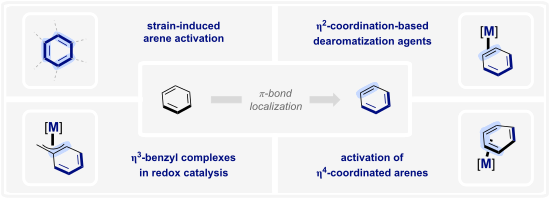
- palladium to aryl halides serving as a prominent example [41]. In addition to such fleeting intermediates, recent decades have seen the emergence of numerous well-defined metal–arene complexes, sufficiently stable to enable systematic exploration of their rich and versatile organic chemistry. η2
- reactivity emerges when the metal binds the arene at a site other than its thermodynamically preferred position, giving rise to fleeting but highly reactive intermediates (Figure 7). Such species are typically inferred from the product rather than observed directly. A defining feature of η2-coordinated
- sulfone complex of W(0) (Scheme 3A) [60]. As established previously [61], protonation of η2-arene ligands bearing electron-withdrawing substituents generates reactive arenium intermediates that react with nucleophiles to furnish disubstituted η2-cyclohexadiene complexes. A second protonation/nucleophilic




A mild and atom-efficient four-component cascade strategy for the construction of biologically relevant 4-hydroxyquinolin-2(1H)-one derivatives
Beilstein J. Org. Chem. 2026, 22, 244–256, doi:10.3762/bjoc.22.18
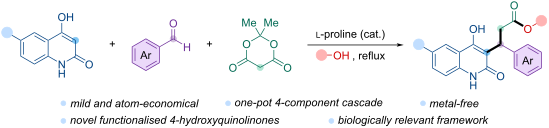
- quantitatively. Although the two-step sequence generally performed well, isolation of malonamides 1a–c was associated with significant material loss, impacting the overall yield. To address this, a one-pot synthesis directly from anilines was developed, avoiding isolation of intermediates. After approximately 4
- diverted from the formation of the kinetically favored pyranoquinolinone intermediates toward thermodynamically controlled alcoholysis, ultimately affording open-chain quinolinone esters. As a result, the transformation efficiently produces the corresponding methyl and ethyl esters 10a–c and 9a–c in good
- alcoholysis under prolonged reflux. This insight resolves a long-standing selectivity issue and transforms a known cascade into a synthetically divergent, operationally simple one-pot process. The selective access to methyl and ethyl esters is synthetically valuable, serving as versatile intermediates for


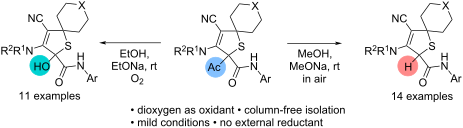
Base-promoted deacylation of 2-acetyl-2,5-dihydrothiophenes and their oxygen-mediated hydroxylation
Beilstein J. Org. Chem. 2026, 22, 192–204, doi:10.3762/bjoc.22.13
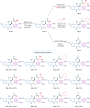
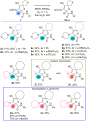
- significant effect on the reaction outcome. Thus, there was no formation of oxidized intermediates during transformation. The effect of TEMPO (up to 2.0 equiv) was evaluated on the oxidation reaction, and TEMPO was found to not inhibit the formation of 2-hydroxy-substituted product 2a (Scheme 5, VI




A new synthesis of Tyrian purple (6,6’-dibromoindigo) and its corresponding sulfonate salts
Beilstein J. Org. Chem. 2026, 22, 167–174, doi:10.3762/bjoc.22.10
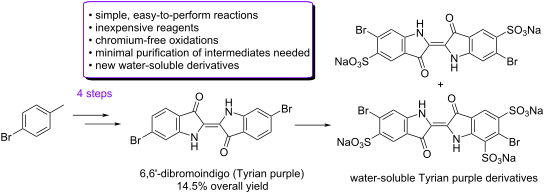
- advantages of inexpensive starting reagents, operationally simple reactions, and minimal purification of intermediates. Moreover, this work reports the successful sulfonation of 6,6’-dibromoindigo, producing water-soluble derivatives of this historically relevant dye. Keywords: 6,6’-dibromoindigo; dye
- carmine (5,5’-indigodisulfonic acid disodium salt). Results and Discussion In pursuing a new synthesis of 1, we sought to develop a shortened, chromium-free, synthetic approach leading to 1 via intermediates of 3 and 4. Furthermore, we were interested in synthesizing a water-soluble derivative of 1 via
- that the reported synthetic scheme is valuable because it can produce 6,6’-dibromoindigo from an inexpensive starting material using operationally simple reactions without the need for extensive purification of intermediates. Additionally, this work shows that it is possible to sulfonate compound 1


Circumventing Mukaiyama oxidation: selective S–O bond formation via sulfenamide–alcohol coupling
Beilstein J. Org. Chem. 2026, 22, 158–166, doi:10.3762/bjoc.22.9
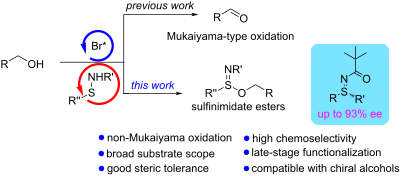
- versatile intermediates for enantioselective S–C bond formation under mild and metal-free conditions. Keywords: asymmetric synthesis; late-stage functionalization; selective oxidation; sulfenamides; sulfinimidate esters; Introduction Sulfur is a privileged heteroatom in organic chemistry, celebrated for
- interest due to their unique reactivity and value as intermediates in molecular design and medicinal chemistry [5][6][7][8][9][10] (Figure 1). In contrast, sulfinimidate esters, which feature a tetravalent sulfur–oxygen (S(=N)–O) motif, remain a relatively underexplored subclass of organosulfur compounds
- [11][12][13][14]. The highly polarized S–O bond imparts distinctive reactivity, making them promising modular electrophilic intermediates for the construction of complex and functionally rich sulfur–nitrogen architectures [14]. Despite their synthetic potential, general and efficient methods for the


Total synthesis of natural products based on hydrogenation of aromatic rings
Beilstein J. Org. Chem. 2026, 22, 88–122, doi:10.3762/bjoc.22.4
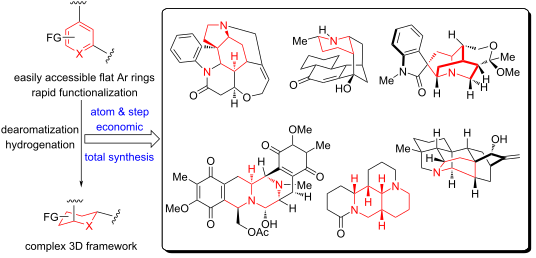
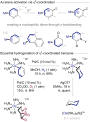
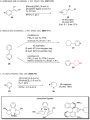
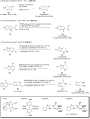
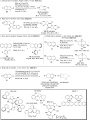
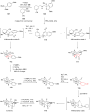
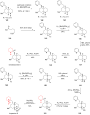
- hydrogenation of aromatic rings The catalytic hydrogenation of arenes offers a powerful route to disrupt aromaticity and access synthetically valuable intermediates. However, its implementation in strategic synthesis has been hindered by the persistent challenge of controlling selectivity across diverse
- fragment-based screening across a broad substrate set, their method efficiently provides cyclohexane and piperidine frameworks commonly found in bioactive molecules and pharmaceutical intermediates. In the same year, Yu and co-worker described another mild and convenient approach to reduce monocyclic
- also be reduced through hydride-based or electron-transfer pathways, which provide complementary modes of reactivity that are often orthogonal to metal-catalyzed hydrogenation systems. Classical dissolving-metal reductions such as the Birch reduction convert arenes into 1,4-dihydro intermediates via











Synthesis and applications of alkenyl chlorides (vinyl chlorides): a review
Beilstein J. Org. Chem. 2026, 22, 1–63, doi:10.3762/bjoc.22.1
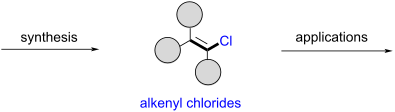
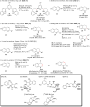
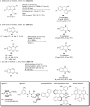
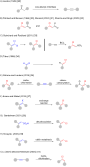
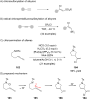
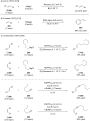
- 1875, Louis Henry extended this transformation to ketone 4 (Scheme 1B) [46]. Exposure to PCl5 gave a mixture of chlorinated intermediates described as 5 and 6, which, upon prolonged treatment with ethanolic KOH, underwent elimination to afford allene 7. Henry also observed that thermal treatment of the
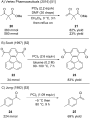
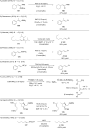
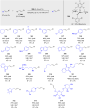
- alkenyl chlorides isolated in purities below 85% (not shown) [59]. Transformations of enols to alkenyl chlorides with phosphorous pentachloride (PCl5): β-Chlorovinyl ketones and esters represent highly versatile intermediates, as the chloride moiety is readily displaced by a wide range of nucleophiles
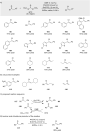
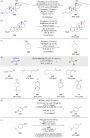
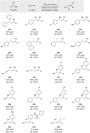
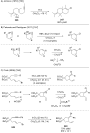
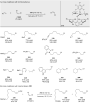
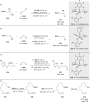
- also worth noting that as early as 1959, Horner reported the synthesis of 1-chlorocyclohexene in 45% yield from cyclohexanone using PPh3.Cl2 complex (not shown) [65]. In 2005, Kamei reported that alkenyl chlorides could be efficiently prepared from the corresponding alkenyl phosphate intermediates via























Sustainable electrochemical synthesis of aliphatic nitro-NNO-azoxy compounds employing ammonium dinitramide and their in vitro evaluation as potential nitric oxide donors and fungicides
Beilstein J. Org. Chem. 2025, 21, 2739–2754, doi:10.3762/bjoc.21.211
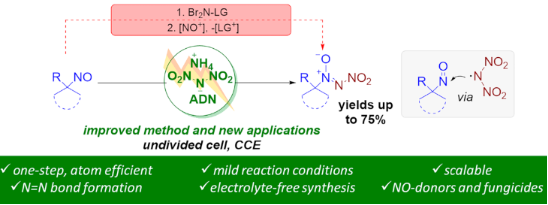
- electrochemical cell distinguishes electroorganic synthesis from traditional organic chemistry methods. Particular attention is paid to the generation of radical intermediates via the oxidation or reduction of radical precursors [40][41][42][43][44][45][46][47][48][49]. In this regard, the anodic oxidation of

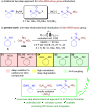




Competitive cyclization of ethyl trifluoroacetoacetate and methyl ketones with 1,3-diamino-2-propanol into hydrogenated oxazolo- and pyrimido-condensed pyridones
Beilstein J. Org. Chem. 2025, 21, 2716–2729, doi:10.3762/bjoc.21.209
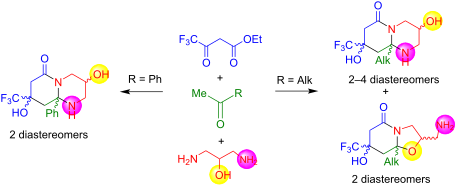
- intermediate C (path a), or by adding an OH group to generate an oxazolidine ring of intermediate D (path b). The subsequent intramolecular cyclization of intermediates C and D involving a secondary NH group and an ester substituent yields the bicycles 4 and 5, respectively (Scheme 4). In the reactions with


Mechanistic insights into hydroxy(tosyloxy)iodobenzene-mediated ditosyloxylation of chalcones: a DFT study
Beilstein J. Org. Chem. 2025, 21, 2703–2715, doi:10.3762/bjoc.21.208
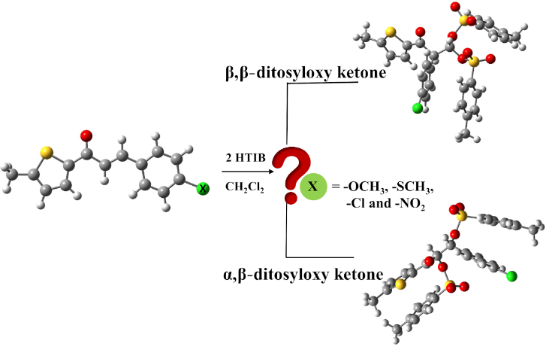
- corresponding reaction profile for X = -OCH3 has been discussed in our earlier study [34]. Figure 2 and Figure 3 present the free energy reaction profiles for chalcones with X = -Cl and X = -NO2, respectively. Table 1 lists the free energy and potential energy for various intermediates and transition states for
- product). These two pathways are further elaborated below and Table 3 lists the free energies and potential energies for various intermediates and transition states for chalcones with different X = -OCH3, -SCH3, -Cl, -NO2 for the reaction proceeding as per Scheme 4 leading to formation of α,β-ditosyloxy
- . Effect of substituent group present on the migrating aryl ring on relative free energies (G) and relative potential energies (E) of the transition state, intermediates and product for the reaction pathway leading to formation of β,β-ditosyloxy ketones. The energies are reported relative to the reactant


Tandem hydrothiocyanation/cyclization of CF3-iminopropargyl alcohols with NaSCN in the presence of AcOH
Beilstein J. Org. Chem. 2025, 21, 2694–2702, doi:10.3762/bjoc.21.207
- The hydrofunctionalization of alkynes is one of the most effective and convenient ways of synthesizing polysubstituted alkenes [1][2][3][4][5]. Such reactions can also afford more complex products, provided that the vinyl intermediates formed during the reaction undergo further transformations [6][7
- from chemists as it is one of the most expedient and direct methods for the formation of a new C–S bond [9][10][11]. Thiocyanates represent a valuable class of molecules serving as versatile intermediates [12][13][14][15] in the synthesis of a broad range of organosulfur compounds, including thiols
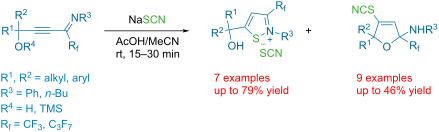
- formation and ratio of the products in contrast to the substituents in the imine fragment. NMR monitoring of reactions (1a/NaSCN/AcOH or 1g/NaSCN/AcOH in MeCN) did not allow to detect any intermediates even when the temperature was lowered to 0 °C. In the 1H and 19F NMR spectra the signals of products 2a

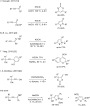


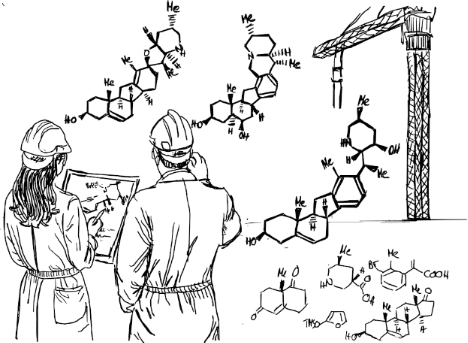
Recent advancements in the synthesis of Veratrum alkaloids
Beilstein J. Org. Chem. 2025, 21, 2657–2693, doi:10.3762/bjoc.21.206
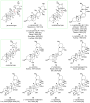
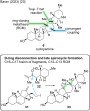
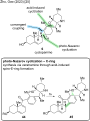
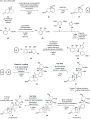
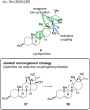
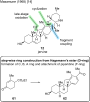
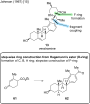
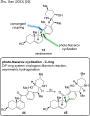
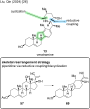
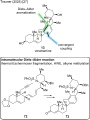
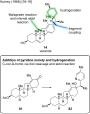
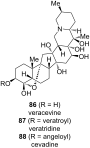
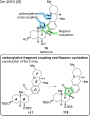
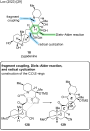
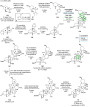
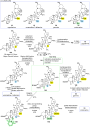
- . For intermediates, circles are added with the number of carbon atoms (carbons included in the skeleton, carbon atoms of protecting groups are not counted). We decided to deviate from the originally proposed step-count and will stick to the definition of a reaction step being the sum of all
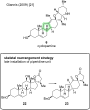
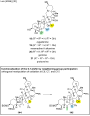
- -Methylenegermine The total synthesis of (±)-4-methylenegermine (17) was reported by Stork and co-workers in 2017 [22]. It represents an unnatural derivative of germine (20) with an additional methylene unit at C4 that was introduced to increase the stability of synthetic intermediates by avoiding the base
















Synthesis of new tetra- and pentacyclic, methylenedioxy- and ethylenedioxy-substituted derivatives of the dibenzo[c,f][1,2]thiazepine ring system
Beilstein J. Org. Chem. 2025, 21, 2645–2656, doi:10.3762/bjoc.21.205
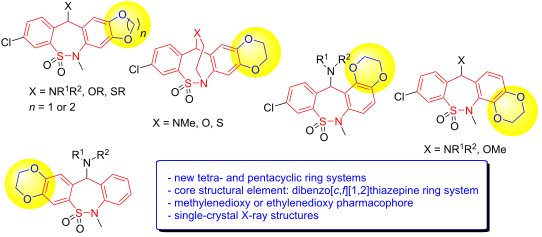
- have been also prepared. The synthesis of key intermediates 6 and 7 is presented in Scheme 1. The reaction of sulfonyl chloride 9 with 1,3-benzodioxol-5-amine or 2,3-dihydro-1,4-benzodioxin-6-amine gave sulfonamides 10 or 11, respectively. N-Methylation with methyl iodide via compounds 12 and 13
- intermediates 40‒43 to chloro derivative 44, which was converted with amines to compounds 45 and with methanol to ether 46. Finally, we synthesized related tetracyclic derivatives containing the ethylenedioxy moiety attached to positions 2 and 3 of the dibenzo[c,f][1,2]thiazepine (1) core (Scheme 8). While the
- intermediates 6 and 7. Conditions: i) 1,3-benzodioxol-5-amine (n = 1)/2,3-dihydro-1,4-benzodioxin-6-amine (n = 2), PhNEt2, MeOH, rt, 1 h, 95%/92%; ii) MeI, K2CO3, DMF, 4 h/1 h, 97%/98%; iii) NaOH, MeOH/H2O, reflux, 1 h, 97%/99%; iv) 1. PCl5, DCM, reflux, 8.5 h/9 h; 2. SnCl4, 0–5 °C, 2 h/1 h → rt, 2 h; 76%/84


Chemoenzymatic synthesis of the cardenolide rhodexin A and its aglycone sarmentogenin
Beilstein J. Org. Chem. 2025, 21, 2637–2644, doi:10.3762/bjoc.21.204
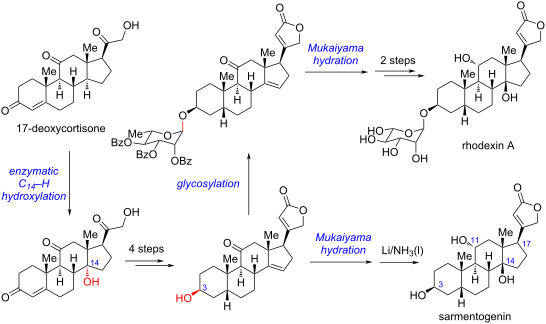
- . Therefore, we decided to perform the Mukaiyama hydration on advanced intermediates. Next, a K-selectride-promoted chemo- and stereoselective reduction of the C3 carbonyl of 9 was realized to solely deliver 11 in 85% yield [33]. Then, 11 was subjected to Mukaiyama hydration conditions. Under the Fe(acac)3



Thiazolidinones: novel insights from microwave synthesis, computational studies, and potentially bioactive hybrids
Beilstein J. Org. Chem. 2025, 21, 2618–2636, doi:10.3762/bjoc.21.203
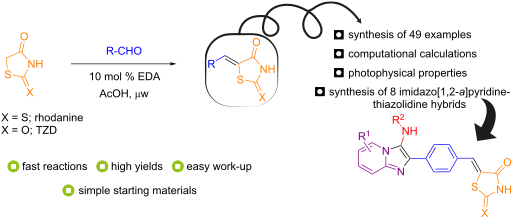
- (H3PW12O40, HPW) as a catalyst in ethanol under microwave (μw) heating (Scheme 5) [63]. These intermediates were then subjected to the previously optimized Knoevenagel condensation conditions with rhodanine or thiazolidine-2,4-dione (Scheme 6). Notably, the hybrid compounds 9a–d, 10a–d were obtained in good






Visible-light-driven NHC and organophotoredox dual catalysis for the synthesis of carbonyl compounds
Beilstein J. Org. Chem. 2025, 21, 2584–2603, doi:10.3762/bjoc.21.200
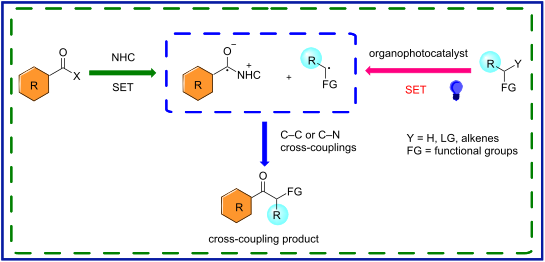
- carbonyl compounds and pharmaceutically relevant intermediates. Moreover, this catalytic system operates under green and sustainable conditions, tolerating a broad range of functional groups and substrate scope, and utilizes low-cost, atom-economical, non-toxic starting materials. Keywords: dual catalysis
- ; NHC; organic photocatalyst; radicals; visible-light; Introduction Over the last ten years, NHC-catalyzed visible-light-promoted radical chemistry has been extensively developed for the cost-effective and practical synthesis of bioactive intermediates, pharmaceuticals, drugs, and natural products [1
- ][2][3][4][5][6]. Recently developed photocatalysis affords sustainable, regioselective green methods for producing a wide range of functionalized carbonyl compounds and their related bioactive chiral intermediates under mild conditions, employing dual organic photoredox catalysis [7][8][9][10][11





Recent advances in total synthesis of illisimonin A
Beilstein J. Org. Chem. 2025, 21, 2571–2583, doi:10.3762/bjoc.21.199
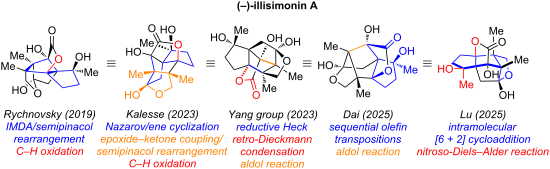
- cation were consistent with earlier reports [2][26], though the configurations of the intermediates were clearly delineated. The authors proposed that dicarbonyl compound 50 serves as the key intermediate diverging to all Illicium sesquiterpenes, with a retro-Dieckmann condensation and aldol reaction






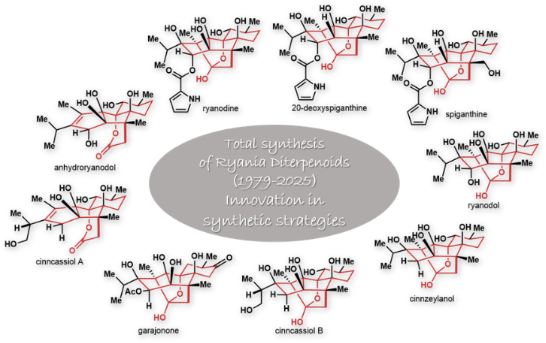
Total syntheses of highly oxidative Ryania diterpenoids facilitated by innovations in synthetic strategies
Beilstein J. Org. Chem. 2025, 21, 2553–2570, doi:10.3762/bjoc.21.198
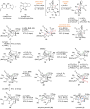
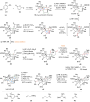
- alkyne difunctionalization, furyl group installation, Achmatowicz rearrangement, and subsequent functional group manipulations provided intermediates 84 and 85. C5-acylation and methylation under kinetically controlled conditions followed by Sonogashira coupling yielded cyclization precursor 89







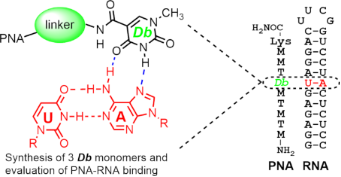
Isoorotamide-based peptide nucleic acid nucleobases with extended linkers aimed at distal base recognition of adenosine in double helical RNA
Beilstein J. Org. Chem. 2025, 21, 2513–2523, doi:10.3762/bjoc.21.193
- calorimetry.c Supporting Information Supporting Information File 20: General synthetic details and procedures, characterization data for synthetic intermediates, biophysical assays, and computational details. Acknowledgements We thank Ilze Kumpina for help with the ITC data analysis. Funding This work was


Assembly strategy for thieno[3,2-b]thiophenes via a disulfide intermediate derived from 3-nitrothiophene-2,5-dicarboxylate
Beilstein J. Org. Chem. 2025, 21, 2489–2497, doi:10.3762/bjoc.21.191
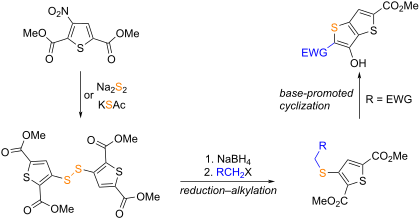
- robust approach to a wide range of 3-substituted thiophene-2,5-dicarboxylates. These intermediates are of interest as valuable building blocks for the synthesis of more complex thiophene derivatives in both materials and medicinal chemistry contexts. The synthetic routes to 3-hydroxy-substituted TT


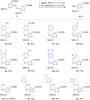

Synthesis of the tetracyclic skeleton of Aspidosperma alkaloids via PET-initiated cationic radical-derived interrupted [2 + 2]/retro-Mannich reaction
Beilstein J. Org. Chem. 2025, 21, 2470–2478, doi:10.3762/bjoc.21.189
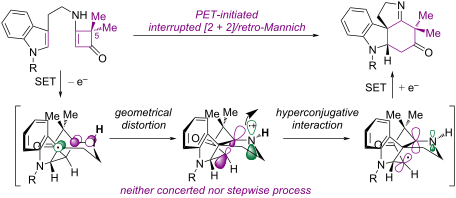
- formation of unique radical intermediates [9][10]. We previously demonstrated the Ir-catalyzed [2 + 2] cyclization/retro-Mannich reaction of a tryptamine-substituted cyclopentenone F, which led to the formation of indoline J (Figure 1b) [15]. Unlike other reported methods [16][17][18], the PET reaction of F
- TS2, the reactant (IN2), and the C19–C3 bond cleavage product IN3 wells (Figure 2c). Possible intermediates with a bicyclo[2.2.0]hexane unit located on the PES minimum were investigated by performing two-dimensional scans of simplified structures to find a minimum. When the nonbonding sp3 orbital of
- order [34][35] analyses were performed to determine the hyperconjugative interactions in the intermediates, transition states, and transient structures along the IRC path (Figure 2c and 2d). In the early stage of this process (Figure 2f, IN2 → R-50 → R-24 → TS2), formation of the C19–C3 bond arises from


Catalytic enantioselective synthesis of selenium-containing atropisomers via C–Se bond formations
Beilstein J. Org. Chem. 2025, 21, 2447–2455, doi:10.3762/bjoc.21.186
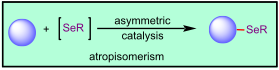
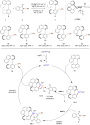
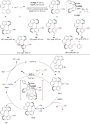
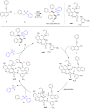
- selenides, recognized as valuable synthetic intermediates and biologically active compounds, have been demonstrated to exhibit a broad spectrum of biological activities. Among them, the synthesis of β-(selenium)vinyl sulfones can be accomplished via selenosulfonylation reactions initiated by free radicals


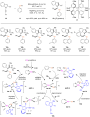
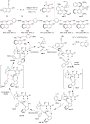
Transformation of the cyclohexane ring to the cyclopentane fragment of biologically active compounds
Beilstein J. Org. Chem. 2025, 21, 2416–2446, doi:10.3762/bjoc.21.185
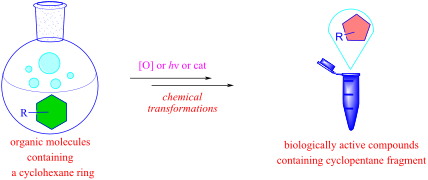
- simple building blocks [72]. The main feature of light-induced transformations is the involvement of electronically excited states that occur during photon absorption, leading to the formation of reactive intermediates causing significant changes in chemical compound reactivity. As a result, light energy
- contraction is demonstrated by the example of converting organoborane intermediates into alcohols, amines, and E-alkenes (Scheme 32). 4 Meinwald rearrangements of epoxides The rearrangements of oxiranes annelated to cyclohexane occupy an important place in the synthesis of cyclopentanes due to the
- promotes tandem transformations with the Lewis acid, resulting in oxygen-containing bicyclic compounds 198 and 199 through the formation of oxonium intermediates E and F. In the work of Kulciţki et al. [89], a very attractive acid-induced rearrangement of homodrimanic epoxide 200 was described. This