

Search results
Search for "heating" in Full Text gives 1089 result(s) in Beilstein Journal of Organic Chemistry. Showing first 200.
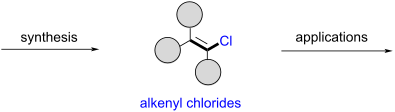
Synthesis and applications of alkenyl chlorides (vinyl chlorides): a review
- Daniel S. Müller
Beilstein J. Org. Chem. 2026, 22, 1–63, doi:10.3762/bjoc.22.1
- high-yielding synthesis of 23 by heating diketone 22 with PCl5 for several hours in toluene (Scheme 6B) [52]. Similarly, Jung obtained 25 in 69% yield after heating neat ketone and PCl5 (Scheme 6C) [53]. The high yield of 25 is somewhat surprising, considering the limited stability thereof. In our

Graphical Abstract
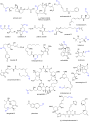
Figure 1: Representative alkenyl chloride motifs in natural products. References: Pinnaic acid [8], haterumalide ...

Figure 2: Representative alkenyl chloride motifs in pharmaceuticals and pesticides. References: clomifene [25], e...
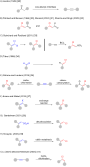
Figure 3: Graphical overview of previously published reviews addressing the synthesis of alkenyl chlorides.

Figure 4: Classification of synthetic approaches to alkenyl chlorides.

Scheme 1: Early works by Friedel, Henry, and Favorsky.

Scheme 2: Product distribution obtained by H NMR integration of crude compound as observed by Kagan and co-wo...

Scheme 3: Side reactions observed for the reaction of 14 with PCl5.

Scheme 4: Only compounds 15 and 18 were observed in the presence of Hünig’s base.

Scheme 5: Efficient synthesis of dichloride 15 at low temperatures.
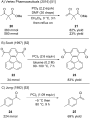
Scheme 6: Various syntheses of alkenyl chlorides on larger scale.

Scheme 7: Scope of the reaction of ketones with PCl5 in boiling cyclohexane.

Scheme 8: Side reactions occur when using excess amounts of PCl5.

Scheme 9: Formation of versatile β-chlorovinyl ketones.

Scheme 10: Mixture of PCl5 and PCl3 used for the synthesis of 49.

Scheme 11: Catechol–PCl3 reagents for the synthesis of alkenyl chlorides.

Scheme 12: (PhO)3P–halogen-based reagents for the synthesis of alkenyl halides.

Scheme 13: Preparation of alkenyl chlorides from alkenyl phosphates.

Scheme 14: Preparation of alkenyl chlorides by treatment of ketones with the Vilsmeier reagent.

Scheme 15: Preparation of electron-rich alkenyl chlorides by treatment of ketones with the Vilsmeier reagent.

Scheme 16: Cu-promoted synthesis of alkenyl chlorides from ketones and POCl3.

Figure 5: GC yield of 9 depending on time and reaction temperature.

Figure 6: Broken reaction flask after attempts to clean the polymerized residue.

Figure 7: GC yield of 9 depending on the amount of CuCl and time.

Scheme 17: Treatment of 4-chromanones with PCl3.

Scheme 18: Synthesis of alkenyl chlorides from the reaction of ketones with acyl chlorides.

Scheme 19: ZnCl2-promoted alkenyl chloride synthesis.
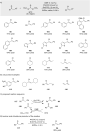
Scheme 20: Regeneration of acid chlorides by triphosgene.

Scheme 21: Alkenyl chlorides from ketones and triphosgene.
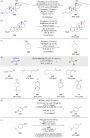
Scheme 22: Various substitution reactions.

Scheme 23: Vinylic Finkelstein reactions reported by Evano and co-workers.

Scheme 24: Challenge of selective monohydrochlorination of alkynes.

Scheme 25: Sterically encumbered internal alkynes furnish the hydrochlorination products in high yield.

Scheme 26: Recent work by Kropp with HCl absorbed on alumina.

Scheme 27: High selectivities for monhydrochlorination with nitromethane/acetic acid as solvent.

Figure 8: Functionalized alkynes which typically afford the monhydrochlorinated products.
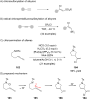
Scheme 28: Related chorosulfonylation and chloroamination reactions.
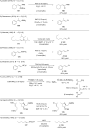
Scheme 29: Reaction of organometallic reagents with chlorine electrophiles.

Scheme 30: Elimination reactions of dichlorides to furnish alkenyl chlorides.

Scheme 31: Elimination reactions of allyl chloride 182 to furnish alkenyl chloride 183.

Scheme 32: Detailed studies by Schlosser on the elimination of dichloro compounds.

Scheme 33: Stereoselective variation caused by change of solvent.

Scheme 34: Elimination of gem-dichloride 189 to afford alkene 190.

Scheme 35: Oxidation of enones to dichlorides and in situ elimination thereof.

Scheme 36: Oxidation of allylic alcohols to dichlorides and in situ elimination thereof.

Scheme 37: Chlorination of styrenes with SOCl2 and elimination thereof.

Scheme 38: Chlorination of styrenes with SOCl2 and elimination thereof.

Scheme 39: Fluorine–chlorine exchange followed by elimination.

Scheme 40: Intercepting cations with alkynes and trapping of the alkenyl cation intermediate with chloride.

Scheme 41: Investigations by Mayr and co-workers.

Scheme 42: In situ activation of benzyl alcohol 230 with BCl3.

Scheme 43: In situ activation of benzylic alcohols with TiCl4.
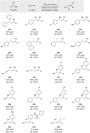
Scheme 44: In situ activation of benzylic alcohols with FeCl3.

Scheme 45: In situ activation of benzylic alcohols with FeCl3.

Scheme 46: In situ activation of aliphatic chlorides and alcohols with ZnCl2, InCl3, and FeCl3.

Scheme 47: In situ generation of benzylic cations and trapping thereof with alkynes.
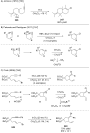
Scheme 48: Intramolecular trapping reactions affording alkenyl halides.

Scheme 49: Intramolecular trapping reactions affording alkenyl chlorides.

Scheme 50: Intramolecular trapping reactions of oxonium and iminium ions affording alkenyl chlorides.
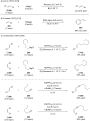
Scheme 51: Palladium and nickel-catalyzed coupling reactions to afford alkenyl chlorides.

Scheme 52: Rhodium-catalyzed couplings of 1,2-trans-dichloroethene with arylboronic esters.

Scheme 53: First report on monoselective coupling reactions for 1,1-dichloroalkenes.

Scheme 54: Negishi’s and Barluenga’s contributions.

Scheme 55: First mechanistic investigation by Johnson and co-workers.

Scheme 56: First successful cross-metathesis with choroalkene 260.

Scheme 57: Subsequent studies by Johnson.
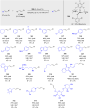
Scheme 58: Hoveyda and Schrock’s work on stereoretentive cross-metathesis with molybdenum-based catalysts.
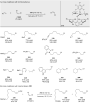
Scheme 59: Related work with (Z)-dichloroethene.
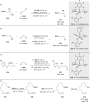
Scheme 60: Further ligand refinement and traceless protection of functional groups with HBpin.

Scheme 61: Alkenyl chloride synthesis by Wittig reaction.

Scheme 62: Alkenyl chloride synthesis by Julia olefination.

Scheme 63: Alkenyl chloride synthesis by reaction of ketones with Mg/TiCl4 mixture.

Scheme 64: Frequently used allylic substitution reactions which lead to alkenyl chlorides.
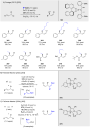
Scheme 65: Enantioselective allylic substitutions.

Scheme 66: Synthesis of alkenyl chlorides bearing an electron-withdrawing group.

Scheme 67: Synthesis of α-nitroalkenyl chlorides from aldehydes.

Scheme 68: Synthesis of alkenyl chlorides via elimination of an in situ generated geminal dihalide.

Scheme 69: Carbenoid approach reported by Pace.

Scheme 70: Carbenoid approach reported by Pace.

Scheme 71: Ring opening of cyclopropenes in the presence of MgCl2.

Scheme 72: Electrophilic chlorination of alkenyl MIDA boronates to Z- or E-alkenyl chlorides.

Scheme 73: Hydroalumination and hydroboration of alkynyl chlorides.

Scheme 74: Carbolithiation of chloroalkynes.

Scheme 75: Chlorination of enamine 420.

Scheme 76: Alkyne synthesis by elimination of alkenyl chlorides.

Scheme 77: Reductive lithiation of akenyl chlorides.

Scheme 78: Reactions of alkenyl chlorides with organolithium reagents.

Scheme 79: Reactions of alkenyl chlorides with organolithium reagents.

Scheme 80: Addition–elimination reaction of alkenyl chloride 9 with organolithium reagents.

Scheme 81: C–H insertions of lithiumcarbenoids.
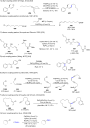
Scheme 82: Pd-catalyzed coupling reactions with alkenyl chlorides as coupling partner.

Scheme 83: Ni-catalyzed coupling of alkenylcopper reagent with alkenyl chloride 183.

Scheme 84: Ni-catalyzed coupling of heterocycle 472 with alkenyl chloride 473.

Scheme 85: Synthesis of α-chloroketones by oxidation of alkenyl chlorides.

Scheme 86: Tetrahalogenoferrate(III)-promoted oxidation of alkenyl chlorides.

Scheme 87: Chlorine–deuterium exchange promoted by a palladium catalyst.

Scheme 88: Reaction of alkenyl chlorides with thiols in the presence of AIBN (azobisisobutyronitrile).

Scheme 89: Chloroalkene annulation.
Total synthesis of asperdinones B, C, D, E and terezine D
- Ravi Devarajappa and
- Stephen Hanessian
Beilstein J. Org. Chem. 2025, 21, 2730–2738, doi:10.3762/bjoc.21.210
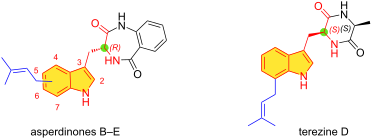
- iodoindoles 25–28 in 68–79% yields (Scheme 5). Negishi cross-coupling according to Jackson et al. [39] with the organozinc reagent prepared from 29 gave the adducts 30–33 in 42–55% yields. Removal of the Fmoc and N-acetyl groups with piperidine gave the corresponding anthranilamides, which upon heating with

Graphical Abstract

Figure 1: Structures of prenylindole alkaloids derived from tryptophan.

Figure 2: Representative retrosynthetic considerations for 7-prenyl- and 7-allyltryptophan.

Scheme 1: C-7 Functionalization of 7-iodo-Nα-Boc-tryptophan methyl ester.

Scheme 2: C-7 Prenylation via C–H activation.

Figure 3: Negishi cross-coupling of allyl- and prenyl(iodo)indoles.

Scheme 3: Synthesis of prenyl- and allylindoles.

Scheme 4: Markovnikov hydrochlorination and hydrotrifluoroacetylation.

Scheme 5: Synthesis of asperdinones B–E 1–4.

Scheme 6: Control experiment.

Scheme 7: Control experiment of the Negishi cross-coupling reaction.

Scheme 8: Synthesis of terezine D and ent-asperdinone E.
Competitive cyclization of ethyl trifluoroacetoacetate and methyl ketones with 1,3-diamino-2-propanol into hydrogenated oxazolo- and pyrimido-condensed pyridones
- Svetlana O. Kushch,
- Marina V. Goryaeva,
- Yanina V. Burgart,
- Marina A. Ezhikova,
- Mikhail I. Kodess,
- Pavel A. Slepukhin,
- Alexandrina S. Volobueva,
- Vladimir V. Zarubaev and
- Victor I. Saloutin
Beilstein J. Org. Chem. 2025, 21, 2716–2729, doi:10.3762/bjoc.21.209
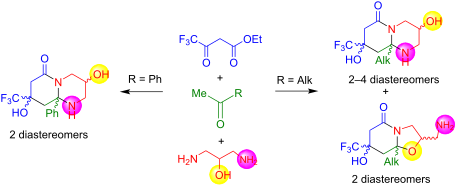
- 5att (δF 79.74 ppm) (Table 1, entries 1–4). The synthesis in 1,4-dioxane resulted in the highest conversion and the least amount of by-products, but the reaction proceeded slowly over four days. To speed up the process, the synthesis in dioxane was carried out by heating at 60 °C (Table 1, entry 5) in
- a microwave (MW) reactor (Table 1, entry 6). It turned out that after 24 hours of heating the complete conversion of oxo ester 1 occurred and the overall yield increased to 83% (Table 1, entry 5), whereas the use of MW reduced the reaction time down to five hours (Table 1, entry 6), but the contents
- of by-products were observed to increase to 23%. Under all conditions used, the predominant formation of the trans,trans-diastereomeric form of octahydropyrido[1,2-a]pyrimidin-6-one 4att was observed (with the maximum amount of 33% in polar MeCN). Heating in dioxane affected the diastereomeric

Graphical Abstract

Figure 1: Structures of bioactive molecules with trifluoromethylpyridine and piperidine frameworks.

Scheme 1: The reaction of ethyl trifluoroacetoacetate (1), acetone (2a) and 1,3- diaminopropan-2-ol (3).

Scheme 2: Three-component reaction of ethyl trifluoroacetoacetate (1), alkyl methyl ketones 2b,c and 1,3-diam...

Scheme 3: Three-component reaction of ethyl trifluoroacetoacetate (1), acetophenone (2d) and 1,3-diaminopropa...

Scheme 4: The proposed mechanism of three-component cyclization of 3-oxo ester 1, methyl ketones 2a–d and 1,3...

Figure 2: ORTEP view of compounds 4асc (a, CCDC: 2479553), 4аct (b, CCDC: 2479554), 4аtt (c, CCDC: 2479555), ...

Figure 3: ORTEP view of compound 5ctc (a, CCDC: 2479558), 5ctt (b, CCDC: 2479559) showing with the thermal el...

Figure 4: The fragments of the 1H NMR spectra (400 MHz, DMSO-d6) of diastereomers 4acc (a), 4аct (b), 4аtt (c...

Figure 5: Fragments of 1H NMR spectra (400 MHz, DMSO-d6) of hexahydrooxazolo[3,2-a]pyridin-5-ones 5ctc (a) an...
Recent advancements in the synthesis of Veratrum alkaloids
- Morwenna Mögel,
- David Berger and
- Philipp Heretsch
Beilstein J. Org. Chem. 2025, 21, 2657–2693, doi:10.3762/bjoc.21.206
- transformed into rockogenin 12-methanesulfonate-3-pivalate (89) by reduction and mesylation. Heating to reflux in anhydrous pyridine afforded the rearrangement to the C-nor-D-homo isosteroid skeleton 90 with an exocyclic 13,18-double bond in 5 steps from hecogenin acetate (see Scheme 29). In a five-step
- corresponding to deprotonation at C14 was observed. The elimination to the enal did not occur spontaneously but required heating of the corresponding C12-mesylate, hinting at the ring strain accompanied by formation of the double bond in the trans-hydrindane system. The enal was subjected to a Wittig

Graphical Abstract

Scheme 1: Representatives of steroid alkaloid classes. Marked in blue is the steroidal cholestane framework, ...

Scheme 2: Subclasses of Veratrum alkaloids: jervanine, veratramine and cevanine-type [8].

Scheme 3: Flow chart presentation of the synthesis of (−)-englerin A developed by the Christmann group [10].
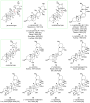
Scheme 4: Structures and year of synthesis of the three types of Veratrum alkaloids reported in the literatur...
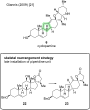
Scheme 5: Key step in the synthesis of cyclopamine (6) by the Giannis group [21].

Scheme 6: Overview of the semisynthesis of cyclopamine (6) reported by the Giannis group in 2009 [21].
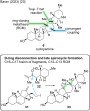
Scheme 7: Key steps in the synthesis of cyclopamine (6) by the Baran group [23].

Scheme 8: Overview of the total synthesis of cyclopamine (6) by the Baran group in 2023 [23].
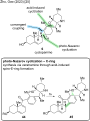
Scheme 9: Key steps in the synthesis of cyclopamine (6) by the Zhu/Gao group [25].
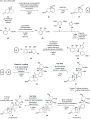
Scheme 10: Overview of the total synthesis of cyclopamine (6) by the group of Zhao/Gao in 2023 [25].
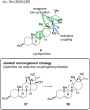
Scheme 11: Key steps in the synthesis of cyclopamine (6) by the Liu/Qin group [26].

Scheme 12: Overview of the semisynthesis of cyclopamine (6) by the Liu/Qin group in 2024 [26].
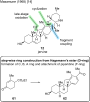
Scheme 13: Key steps in the synthesis of jervine (12) by the Masamune group [14].

Scheme 14: Overview of the total synthesis of jervine (12) by the Masamune group in 1968 [14].

Scheme 15: Color-coded schemes of the presented cyclopamine (6) syntheses by Giannis, Baran, Zhu/Gao, and Liu/...
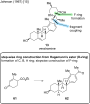
Scheme 16: Key steps in the total synthesis of veratramine (13) by the Johnson group [15].

Scheme 17: Overview of the total synthesis of veratramine (13) by the Johnson group in 1967 [15].
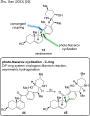
Scheme 18: Key steps in the synthesis of veratramine (13) by the Zhu/Gao group [25].

Scheme 19: Shortened overview of the total synthesis of veratramine (13) by the Zhu/Gao group in 2023 [25].
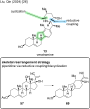
Scheme 20: Key steps in the synthesis of veratramine by the Liu/Qin group [26].

Scheme 21: Overview of the semisynthesis of veratramine (13) by the Liu/Qin group in 2024 [26].
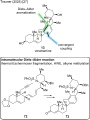
Scheme 22: Key steps in the synthesis of veratramine (13) by the Trauner group [27].

Scheme 23: Overview of the total synthesis of veratramine (13) by the Trauner group in 2025 [27].
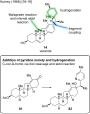
Scheme 24: Key steps in the synthesis of verarine (14) by the Kutney group [16-19].

Scheme 25: Overview of the total synthesis of verarine (14) by the Kutney group reported 1962–1968 [16-19].

Scheme 26: Color-coded schemes of the presented veratramine-type alkaloid synthesis of Zhu/Gao, Liu/Qin and Tr...
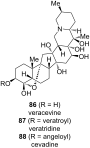
Scheme 27: Structures of veracevine (86), veratridine (87), and cevadine (88).

Scheme 28: Key step in the semisynthesis of verticine (15) by the Kutney group (1977) [20,46].

Scheme 29: Overview of the semisynthesis of verticine (15) by the Kutney group (1977) [20,46].

Scheme 30: Key step of the total synthesis of (±)-4-methylenegermine (17) by the Stork group (2017) [22].

Scheme 31: Overview of the total synthesis of (±)-4-methylenegermine (17) by the Stork group (2017) [22].

Scheme 32: Key step of the total synthesis of heilonine (16) by Cassaidy and Rawal (2021) [24].

Scheme 33: Overview of the total synthesis of heilonine (16) by Cassaidy and Rawal (2021) [24]. FGI: functional gr...
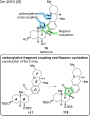
Scheme 34: Key steps of the synthesis of heilonine (16) by Dai and co-workers (2024) [28].

Scheme 35: Overview of the total synthesis of heilonine (16) by Dai and co-workers (2024) [28].
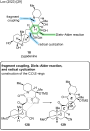
Scheme 36: Key steps of the total synthesis of zygadenine (18) reported by Luo and co-workers [29].
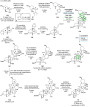
Scheme 37: Overview of the total synthesis of zygadenine (18) by Luo and co-workers (2023) [29].
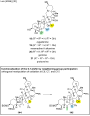
Scheme 38: Key step of the divergent total syntheses of highly oxidized cevanine-type alkaloids by Luo and co-...
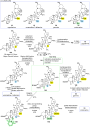
Scheme 39: Divergent syntheses of highly oxidized cevanine-type alkaloids by Luo and co-workers (2024) [30].
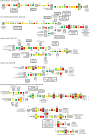
Scheme 40: Color-coded overview of the presented cevanine-type alkaloid syntheses [10,20,22,24,28-30,46]. LLS: longest linear sequen...
Synthesis of new tetra- and pentacyclic, methylenedioxy- and ethylenedioxy-substituted derivatives of the dibenzo[c,f][1,2]thiazepine ring system
- Gábor Berecz,
- András Dancsó,
- Mária Tóthné Lauritz,
- Loránd Kiss,
- Gyula Simig and
- Balázs Volk
Beilstein J. Org. Chem. 2025, 21, 2645–2656, doi:10.3762/bjoc.21.205
- –transmission spinner stage (1 rps sample rotation speed) and measured in transmission mode using Cu Kα (1.541874 Å) radiation in the 2.0000–34.9964° 2θ range with 0.0131° 2θ step size and continuous gonio (θ/θ) scan in 1 measurement cycle. 45 kV accelerating voltage and 40 mA anode heating current were used
- . Diffraction intensity was measured by a PIXcel 3D 1 × 1 area detector. Thermogravimetric (TG) curves of amorphous samples (21b, 38d, 54f) were measured by a TA Instruments Discovery TGA thermogravimetric analyzer in the 30–200 °C temperature range with a 10 °C/min heating rate using 11 to 12 mg sample in a
- 100 μL platinum pan in 25 mL/min nitrogen atmosphere. Melting properties of the amorphous samples (21b, 38d, 54f) were also studied by a TA Instruments Discovery DSC differential scanning calorimeter in the 25–120 °C temperature range with a 10 °C/min heating rate using 2.5 to 3.0 mg sample in a

Graphical Abstract

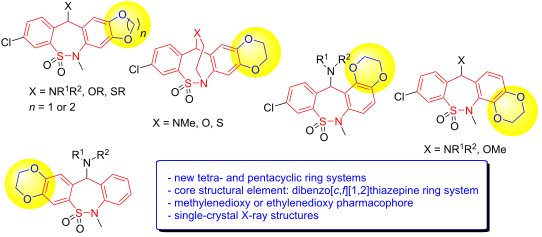
Figure 1: Reported ring systems incorporating the dibenzo[c,f][1,2]thiazepine (1) skeleton.

Figure 2: Drugs exhibiting a 1,3-benzodioxole or 1,4-benzodioxane structural unit marketed or in development.

Scheme 1: Synthesis of tetracyclic key intermediates 6 and 7. Conditions: i) 1,3-benzodioxol-5-amine (n = 1)/...

Scheme 2: Synthesis of tetracyclic compounds 20 and 21. Conditions: i) NaBH4, DMF, EtOH, rt, 4.5 h/23 h, 95%/...

Figure 3: X-ray structures of compounds 20e and 21g.

Scheme 3: Synthesis of tianeptine analogues 20b and 21b. Conditions: 20b: NaOH, EtOH/H2O, rt, 25 h, 80%; 21b:...

Scheme 4: Synthesis of tetracyclic ethers 23 and thioether 24. Conditions: i) ROH, MeCN, rt, 2–3 h, 38–84%; i...

Figure 4: X-ray structure of compound 23a.

Scheme 5: Synthesis of pentacyclic compounds 25–27. Conditions: i) Py·HCl, 180 °C, 27 h, 51%; ii) Br(CH2)2Br,...

Figure 5: X-ray structures of compounds 25, 26, and 27.

Scheme 6: Synthesis of tetracyclic compounds 38. Conditions: i) NaBH4, DMF/EtOH, rt, 3 h, 89%; ii) SOCl2, DCM...

Scheme 7: Synthesis of tetracyclic compounds 45 and 46. Conditions: i) 2,3-dihydro-1,4-benzodioxin-5-amine, P...

Scheme 8: Synthesis of tetracyclic compounds 54. Conditions: i) methyl anthranilate, pyridine, 0–5 °C, 4 h, r...
Thiazolidinones: novel insights from microwave synthesis, computational studies, and potentially bioactive hybrids
- Luan A. Martinho,
- Victor H. J. G. Praciano,
- Guilherme D. R. Matos,
- Claudia C. Gatto and
- Carlos Kleber Z. Andrade
Beilstein J. Org. Chem. 2025, 21, 2618–2636, doi:10.3762/bjoc.21.203
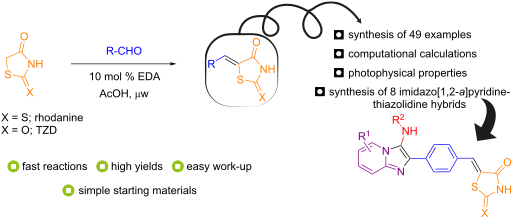
- 10.3762/bjoc.21.203 Abstract Various 5-arylidene derivatives were prepared via a Knoevenagel condensation-type reaction of aromatic/heteroaromatic aldehydes with rhodanine or thiazolidine-2,4-dione (TZD) catalyzed by EDA/AcOH under microwave heating. This convenient methodology is broad in scope (49
- condensation-type reaction using ethylenediamine (EDA) as catalyst in AcOH under microwave (μw) heating. This convenient methodology is broad in scope, provides the condensation products in high yields (up to 99%), with a reasonable catalyst loading (10 mol %) in only 30 minutes. This approach also enabled the
- . Photophysical studies indicated a fluorescence mechanism via intramolecular charge transfer (ICT). Results and Discussion Synthesis of 5-arylidene derivatives under microwave heating To find the ideal reaction conditions for the synthesis of 5-arylidene derivatives, benzaldehyde (1a) and rhodanine (2a) were

Graphical Abstract

Figure 1: Structure of thiazolidinone derivatives.

Figure 2: Selected examples of commercial drugs containing the thiazolidinone core.

Scheme 1: Multicomponent reaction of benzaldehyde, rhodanine, and piperidine in ethanol leading directly to a...
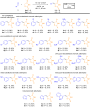
Scheme 2: Substrate scope of the EDA-catalyzed Knoevenagel condensation reactions using a range of aromatic/h...

Scheme 3: Limitations of the EDA-catalyzed Knoevenagel reactions for the synthesis of rhodanine or thiazolidi...

Scheme 4: Plausible reaction mechanism for the EDA-catalyzed Knoevenagel condensation reactions.

Scheme 5: Substrate scope of the HPW-catalyzed GBB reactions.

Scheme 6: Synthesis of imidazo[1,2-a]pyridine-thiazolidinone hybrids by EDA-catalyzed Knoevenagel condensatio...
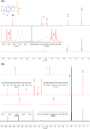
Figure 3: Overlay of predicted (red) and experimental (black) NMR spectra for compound 3n: a) 1H NMR spectra ...

Figure 4: a) Molecular structure of 3n with crystallographic labeling (50% probability displacement). b) Pers...

Scheme 7: a) Tautomeric forms of thiazolidinones and b) resonance structures for compounds 3n and 4n.

Figure 5: Molecular energy as a function of the torsion angle obtained from a relaxed dihedral scan at the M0...

Figure 6: Identification of the carbon atoms used in the theoretical study of chemical shifts. In red, easily...

Figure 7: a) Visual impressions of the solvatochromic study in various solvents (10−5 M) after excitation wit...

Scheme 8: Proposed ICT-type mechanism for the fluorescence process, adapted from ref. [89].

Figure 8: Photophysical study in aqueous solution under different pH values for compound 3n (10−5 M) at room ...

Scheme 9: Two equilibria of compound 3n in aqueous solutions, adapted from ref. [92,93].

Figure 9: Molecular fragments associated with intramolecular charge transfer states.

Figure 10: Frontier molecular orbitals of compounds 3n and 4n in three different states: protonated, deprotona...
Silica gel with covalently attached bambusuril macrocycle for dicyanoaurate sorption from water
- Michaela Šusterová and
- Vladimír Šindelář
Beilstein J. Org. Chem. 2025, 21, 2604–2611, doi:10.3762/bjoc.21.201
- example, an amphiphilic poly(methyl methacrylate)-based polymer modified with calix[4]pyrrole was found to form micelles in water that capture anions from caesium salts and can be precipitated from solution upon heating [11]. Similarly, a hydrogel composed of poly(vinyl alcohol) cross-linked by a “Texas

Graphical Abstract

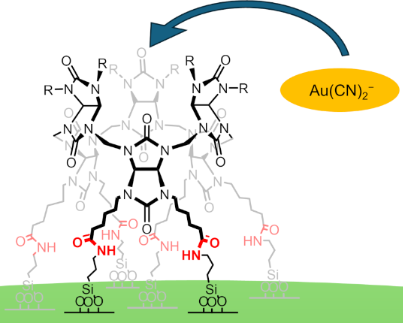
Scheme 1: Synthesis of SG-NHCO-BU1 and SG-BU1 materials based on covalently and non-covalently attached BU1 o...

Figure 1: A) Thermogravimetric analyses of BU1, SG, a-SG, and SG-NHCO-BU1. B) UV–vis titration of K[Au(CN)2] ...

Figure 2: The efficiency of materials (blue SG-BU1, grey SG-NHCO-BU1) in sorbing dicyanoaurate from its water...
Recent advances in total synthesis of illisimonin A
- Juan Huang and
- Ming Yang
Beilstein J. Org. Chem. 2025, 21, 2571–2583, doi:10.3762/bjoc.21.199
- reaction of 87 was employed, generating both the kinetic product 88 and the desired thermodynamic product 89. Heating 88 promoted a retro-Diels–Alder/Diels–Alder equilibrium, favoring the more stable isomer 89. Palladium-catalyzed hydrogenation of the 1,2-disubstituted alkene in 89, followed by Mo(CO)6
- Suzuki and co-workers in 2021 [44]. Their work proposed that this core structure could be generated from a highly oxidized allo-cedrane moiety through a tandem retro-Claisen/aldol reaction. Beginning with compound 100, a 6-step sequence afforded ortho-quinone 101 (Scheme 10). Heating 101 promoted an

Graphical Abstract

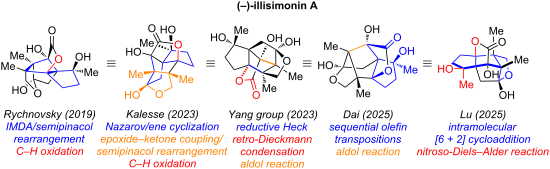
Figure 1: The categorization of Illicium sesquiterpenes and representative natural products.

Figure 2: The original assigned (−)-illisimonin A, revised (−)-illisimonin A, and their different draws.

Scheme 1: Proposed biosynthetic pathway of illisimonin A by Yu et al.

Scheme 2: Rychnovsky’s racemic synthesis of illisimonin A (1).

Scheme 3: The absolute configuration revision of (−)-illisimonin A.
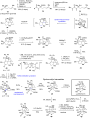
Scheme 4: Kalesse’s asymmetric synthesis of (−)-illisimonin A.

Scheme 5: Yang group proposed biosynthetic pathway of illisimonin A.

Scheme 6: Yang’s bioinspired synthesis of illisimonin A.
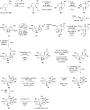
Scheme 7: Dai’s asymmetric synthesis of (–)-illisimonin A.

Scheme 8: Lu’s total synthesis of illisimonin A.

Scheme 9: Initial efforts toward the total synthesis of illisimonin A by the Lu Group.

Scheme 10: Suzuki’s synthetic effort towards illisimonin A.
Pentacyclic aromatic heterocycles from Pd-catalyzed annulation of 1,5-diaryl-1,2,3-triazoles
- Kaylen D. Lathrum,
- Emily M. Hanneken,
- Katelyn R. Grzelak and
- James T. Fletcher
Beilstein J. Org. Chem. 2025, 21, 2524–2534, doi:10.3762/bjoc.21.194
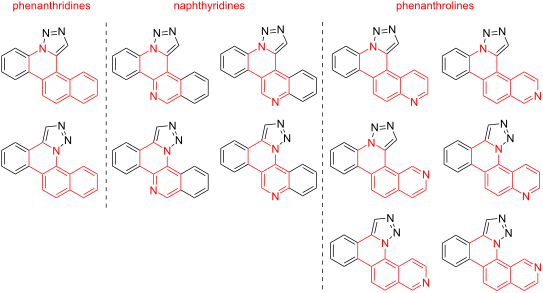
- -connected ortho-bromobenzene subunit analogs failed under microwave irradiation but were successful using conventional thermal heating in yields of 31–65%. The expanded nature of the aromatic ring system following annulation was reflected by the downfield shifting of aromatic 1H NMR signals and the red
- tandem approach preparing 7–12 ranged from 43–85%, which were similar to running the deprotection and cycloaddition reactions sequentially. Pd-catalyzed annulation using a modification of previously reported reaction conditions [46] under microwave irradiation instead of thermal heating converted 1,5
- thermal heating conditions [46] was successful for preparing these compounds. Yields of annulation reactions for the naphthalene-containing analog 31 (65%) was once again appreciably higher than that of the quinoline and isoquinoline derivatives 32–36 (31–51%), but there appeared to be no significant

Graphical Abstract

Figure 1: Examples of polycyclic aromatic heterocycle structures: phenanthridine (left), 1,5-naphthyridine (c...

Figure 2: Overview of the synthetic scheme employed by this study.

Figure 3: Base-catalyzed [53] tandem deprotection/cycloaddition reaction conditions used to prepare 1,5-diaryl-1,...

Figure 4: Identity of 1,5-diaryl-1,2,3-triazole control compounds prepared from tandem deprotection/click con...

Figure 5: Exemplary comparison of 1H NMR aromatic signal shifts for annulated and non-annulated compounds (CD...

Figure 6: UV–visible absorbance spectra of annulated 13–18 (black lines) compared with their non-annulated co...
Isoorotamide-based peptide nucleic acid nucleobases with extended linkers aimed at distal base recognition of adenosine in double helical RNA
- Grant D. Walby,
- Brandon R. Tessier,
- Tristan L. Mabee,
- Jennah M. Hoke,
- Hallie M. Bleam,
- Angelina Giglio-Tos,
- Emily E. Harding,
- Vladislavs Baskevics,
- Martins Katkevics,
- Eriks Rozners and
- James A. MacKay
Beilstein J. Org. Chem. 2025, 21, 2513–2523, doi:10.3762/bjoc.21.193
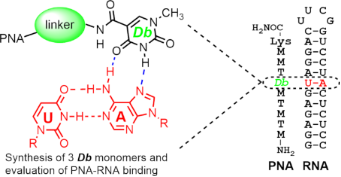
- perform equally well using conventional heating methods. Aniline 10 and carboxylic acid 13 were combined under standard (HBTU) amide coupling conditions to afford benzyl ester 14 in 52% yield. Compound 14 was subsequently debenzylated via hydrogenolysis to afford the target Db2 monomer 15 in 77% yield

Graphical Abstract

Figure 1: (a) Structure of a PNA oligomer with the N-(2-aminoethyl)glycine backbone (in red); (b) Representat...

Figure 2: Representative extended nucleobase triples through Hoogsteen hydrogen bonding (blue dashed lines). ...

Figure 3: Evolution of the strategy for U–A recognition.

Figure 4: Isoorotamide-derived nucleobases for A–U recognition.

Figure 5: Proposed isoorotamide distal binding (Db) nucleobases designed from the Io5 core. Hydrogen bonding ...

Scheme 1: Synthesis of the Db1 monomer (8).

Scheme 2: Synthesis of Db2 monomer 15.

Scheme 3: Synthesis of Db3 monomer 21.

Figure 6: Sequences for RNA hairpins and PNA ligands used for binding studies.

Figure 7: Major-groove view of hydrogen-bonding interactions in the (A) Db1*U–A triplet, (B) Db2*U–A triplet,...
Effect of a photoswitchable rotaxane on membrane permeabilization across lipid compositions
- Udyogi N. K. Conthagamage,
- Lilia Lopez,
- Zuliah A. Abdulsalam and
- Víctor García-López
Beilstein J. Org. Chem. 2025, 21, 2498–2512, doi:10.3762/bjoc.21.192
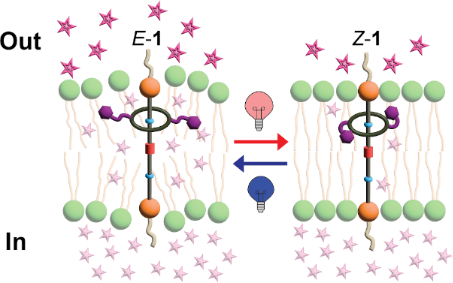
- heating, to membrane permeabilization and dye release (Supporting Information File 1, Figures S12 and S13). In LUVs composed solely of EYPC, azobenzene photoisomerization in rotaxane 1 leads to 70% sulforhodamine B release (Table 1, Figure 4b, and Supporting Information File 1, Figure S14), comparable to
- rotaxane 1-Z would convert to 1-E over that timescale. Nevertheless, the results clearly show that heating above Tm enhances release. We next evaluated the effect of light irradiation on rotaxane 1 in DPPC. At 25 °C, the initial addition of 1-Z resulted in only a 3% release after 5 minutes. Irradiation at
- same amount of DMSO but no axle over five irradiation cycles alternating 370 nm and 467 nm light. As seen in Figure 7a, the release occurs only in vesicles containing axle 3, ruling out nonspecific effects such as membrane degradation from direct light exposure or solvent heating (HEPES buffer and

Graphical Abstract

Figure 1: a) Structural components of the rotaxanes (PEG, polyethylene glycol chain; BAA (benzylalkylammonium...
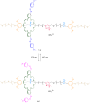
Figure 2: Photoisomerization of rotaxane 1.
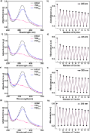
Figure 3: Reversible photoswitching of rotaxane 1 in LUVs with varying lipid compositions. Left column: UV–vi...

Figure 4: Summary of sulforhodamine B release from LUVs of varying lipid compositions. a) Dye release after 7...

Figure 5: Percentage of sulforhodamine B released from EYPC/Chol 8:2 LUVs upon five irradiation cycles after ...

Figure 6: Percentage of sulforhodamine B released from LUVs containing rotaxane 1 upon five alternating light...

Figure 7: Evaluation of effect of axle 3 upon light exposure. a) Percentage of sulforhodamine B released from...

Figure 8: a) Illustration of rotaxane 4 in its preferred orientation within a lipid bilayer; percentage of su...
Synthesis of the tetracyclic skeleton of Aspidosperma alkaloids via PET-initiated cationic radical-derived interrupted [2 + 2]/retro-Mannich reaction
- Ru-Dong Liu,
- Jian-Yu Long,
- Zhi-Lin Song,
- Zhen Yang and
- Zhong-Chao Zhang
Beilstein J. Org. Chem. 2025, 21, 2470–2478, doi:10.3762/bjoc.21.189
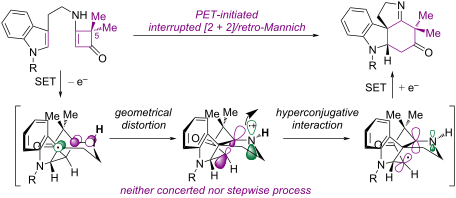
- photoredox catalysis) processes [8][9][10]. Cyclobutenone (A) is a versatile C4 synthon [11] – its [2 + 2] photocyclization yields B, featuring a strained bicyclo[2.2.0]hexane unit [12], which can fragment to form C (Figure 1a) [13][14]. However, competitive C1–C4 bond cleavage under irradiation or heating

Graphical Abstract
Figure 1: Synthetic plan. a) General model of cyclobutenone bond cleavage; b) our previously reported method;...

Scheme 1: Substrate scope.
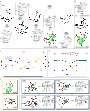
Figure 2: Computational study. a) Energy profiles from IN1 to IN3 and spin density of TS2 (isovalue = 0.004),...
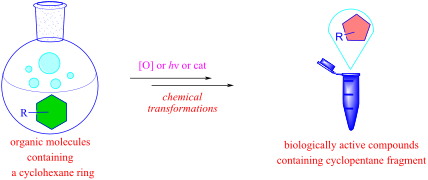
Transformation of the cyclohexane ring to the cyclopentane fragment of biologically active compounds
- Natalya Akhmetdinova,
- Ilgiz Biktagirov and
- Liliya Kh. Faizullina
Beilstein J. Org. Chem. 2025, 21, 2416–2446, doi:10.3762/bjoc.21.185
- 30% and a selectivity of 70% at −100 °C (Scheme 21). 2.3 Wolff rearrangement The Wolff rearrangement is the transformation of α-diazoketones into acids or their derivatives through heating, catalysis, or UV irradiation in the presence of water, alcohols, ammonia, amines, etc. The Wolff rearrangement
- intermediate. The Wolff rearrangement was carried out by heating 132 in collidine and BnOH to obtain trans-hydrindane 133 as a single diastereomer with a yield of 73% (Scheme 23). In the work of Ding et al. [68], an elegant synthesis of (−)-pavidolide B (134) was described using the Wolff rearrangement. In
- the perhydrindanic structure. In contrast, the use of Al-H-Na-Lar pillared clay [90] as a heterogeneous catalyst and heating in 2-nitropropane at 100 °C induced angular methyl migration with formation of the halimanic bicyclic system 203 [90]. The acid-induced rearrangement of the drimanic epoxide 201

Graphical Abstract

Scheme 1: Ozonolysis–cyclization sequence in the synthesis of echinopine A (3).

Scheme 2: Ozonolysis–cyclization sequence in the synthesis of taiwaniaquinoids 7–12.

Figure 1: Iridoid skeleton.

Scheme 3: Ozonolysis–cyclization sequence in the synthesis of compounds 17a,b, 18 and 19 with iridoid topolog...

Scheme 4: Oxidation–aldol condensation sequence in the synthesis of compounds 21 and 23 with iridoid topology....

Scheme 5: Oxidation–aldol condensation sequence in the synthesis of compounds 29 and 30 with iridoid topology....

Scheme 6: Method for ring contraction in the absence of a double bond in a six-membered ring of triterpenoids....

Scheme 7: Oxidation–Dieckmann cyclization sequence in the synthesis of a new nortriterpenoid 39.

Scheme 8: Oxidation–Dieckmann cyclization sequence in the synthesis of 18,19-di-nor-cholesterol (40).

Scheme 9: Oxidation–cyclization sequence in the synthesis of 3-ethyl-substituted betulinic acid derivatives 49...

Scheme 10: Benzilic acid-type rearrangement in the synthesis of 4β-acetoxyprobotryane-9β,15α-diol (52).

Scheme 11: Benzilic acid-type rearrangement in the synthesis of (−)-taiwaniaquinone H (11).

Scheme 12: Benzilic acid-type rearrangement in the synthesis of dactylicapnosines A (63) and B (64).

Scheme 13: Aza-benzilic acid-type rearrangement in the synthesis of (+)-stephadiamine (71).

Scheme 14: α-Ketol rearrangement in the synthesis of saffloneoside (73).

Scheme 15: Conversion of (−)-preaustinoid A (80) to (−)-preaustinoid B (81) via α-ketol rearrangement.

Scheme 16: α-Ketol rearrangement in the synthesis of 2,8-oxymethano-bridged diquinane 90.

Scheme 17: Oxidative ring contraction during the synthesis of (+)-cuparene (91) and (+)-tochuinylacetate (92).

Scheme 18: Semipinacol rearrangement in the synthesis of diterpenoids 97–100.

Scheme 19: Co-catalyzed homoallyl-type rearrangement in the syntheses of meroterpenes 106–109.

Scheme 20: Ring contraction reaction promoted by TTN·3H2O and HTIB in the synthesis of indanes.

Scheme 21: Rearrangement involving a hypervalent iodine compound in the synthesis of derivative 120.

Scheme 22: Wolff rearrangement in the synthesis of taiwaniaquinones A (7), F (8), taiwaniaquinols B (10), D (1...

Scheme 23: Wolff rearrangement in the synthesis of cheloviolene C (128), seconorrisolide B (129), and seconorr...

Scheme 24: Wolff rearrangement in the synthesis of (−)-pavidolide B (134).

Scheme 25: Wolff rearrangement in the synthesis of presilphiperfolan-8-ol (141).

Scheme 26: Photochemical rearrangement in the synthesis of cyclopentane derivatives 147a,b.

Scheme 27: Synthesis of cyclopentane derivatives 147a and 151.

Scheme 28: Photochemical rearrangement in the synthesis of cyclopentane derivative 153.

Scheme 29: Photochemical rearrangement in the synthesis of tricyclic ketones 155, 156.

Scheme 30: Photochemical rearrangement in the synthesis of cis/trans salts 160.

Figure 2: Scope of the photoinduced carboborative ring contraction of steroids. Reaction conditions: steroid ...

Scheme 31: Photoinduced carboborative ring contraction in the synthesis of artalbic acid (180).

Scheme 32: Synthetic versatility of the photoinduced carboborative ring contraction.

Scheme 33: Methods of disclosure of epoxide 189.

Scheme 34: Methods of disclosure of epoxide 190.

Scheme 35: Rearrangement of α,β-epoxy ketone 197.

Scheme 36: Acid-induced rearrangement in the synthesis of perhydrindane ketones 202 and 205.

Scheme 37: Rearrangement of epoxyketone 208 in the synthesis of huperzine Q (206).

Scheme 38: Rearrangement of epoxide 212 under the action of Grignard reagent.

Scheme 39: Semipinacol rearrangement of epoxide 220 in the synthesis of (−)-citrinadin A (217) and (+)-citrina...

Scheme 40: Semipinacol rearrangement of epoxide 225 in the synthesis of hamigeran G (223).

Scheme 41: Semipinacol rearrangement of epoxide 231 in the synthesis of (−)-spirochensilide A (228).

Scheme 42: Wagner–Meerwein rearrangement in the synthesis of compound 234 with iridoid topology.

Scheme 43: Wagner–Meerwein rearrangement in the synthesis of compound 238 with iridoid topology.

Scheme 44: Wagner–Meerwein rearrangement in the synthesis of compound 241 with iridoid topology.

Scheme 45: Wagner–Meerwein rearrangement in the synthesis of lupane derivatives 245, 246, 248, and 249.

Scheme 46: Wagner–Meerwein rearrangement in the synthesis of weisaconitine D (252) and cardiopetaline (255).

Scheme 47: Wagner–Meerwein rearrangement in the synthesis of cardiopetaline (255).
The high potential of methyl laurate as a recyclable competitor to conventional toxic solvents in [3 + 2] cycloaddition reactions
- Ayhan Yıldırım and
- Mustafa Göker
Beilstein J. Org. Chem. 2025, 21, 2389–2415, doi:10.3762/bjoc.21.184
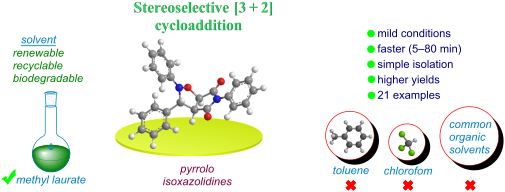
- laurate can be readily purified by vacuum distillation at the end of the reaction and safely reused. The synthesis of the corresponding cycloaddition products 3a–u was achieved by heating equimolar amounts of nitrone and maleimide in methyl laurate at 80 °C for the times indicated in Table 4. The

Graphical Abstract

Figure 1: Versatile compounds via cycloaddition reactions.
Scheme 1: Molecular structures of parent compounds 1a–f, 2a–d and cycloadducts 3a–u.

Figure 2: a) Radar view of the physical properties of methyl laurate. b) Oral toxicity values of methyl laura...

Figure 3: The oral toxicity values of all the solvents utilized in the present study obtained with ProTox 3.0....

Figure 4: Ecological, environmental risk assessments, pesticide similarity and biodegradability assessments o...

Figure 5: Ecological, environmental risk assessments, pesticide similarity and biodegradability assessments o...

Figure 6: Ecological, environmental risk assessments, pesticide similarity and biodegradability assessments o...

Figure 7: Various toxicity parameters of methyl laurate and a series of other solvents calculated by ADMETLab...

Figure 8: a) Visualization of the localization of conventional organic and bio-based solvents in the Hansen s...
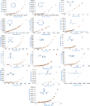
Figure 9: Vapour pressures of the solvents used (values retrieved from the Chemeo molecular database).

Scheme 2: Endo and exo stereoisomeric approaches of nitrone 1a and maleimide 2a in [3 + 2] cycloaddition reac...

Figure 10: Signals of protons used in the calculation of the diastereomeric ratios (cis/trans) of cycloadditio...

Figure 11: Results of studies on the recovery of solvents used in the reaction.

Figure 12: Simplified scheme describing the reaction monitoring and solvent recovery.
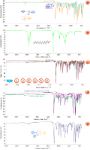
Figure 13: a) The superimposed spectra of C,N-diphenylnitrone and N-phenylmaleimide. b) The spectrum of methyl...
An Fe(II)-catalyzed synthesis of spiro[indoline-3,2'-pyrrolidine] derivatives
- Elizaveta V. Gradova,
- Nikita A. Ozhegov,
- Roman O. Shcherbakov,
- Alexander G. Tkachenko,
- Larisa Y. Nesterova,
- Elena Y. Mendogralo and
- Maxim G. Uchuskin
Beilstein J. Org. Chem. 2025, 21, 2383–2388, doi:10.3762/bjoc.21.183
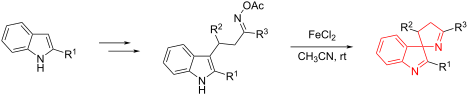
- under heating furnished chiral spiroindolylpyrroles in excellent yields and enantioselectivity (Scheme 1, path d) [11]. Moreover, a copper-catalyzed reaction of oxindole-derived alkenes with acetophenone O-acetyl oxime has also been employed to construct the spiroindolylpyrrole scaffold (Scheme 1, path

Graphical Abstract

Figure 1: Natural and synthetic bioactive spiro[indoline-3,2'-pyrrolidine] derivatives.
Scheme 1: Previous approaches and our work.

Scheme 2: The reaction of 2-arylindoles 1 with α,β-unsaturated ketones 2. aIsolated yield of the 5 mmol scale...

Scheme 3: The scope of the Fe-catalyzed spirocyclization. aIsolated yield of the 4.2 mmol scale experiment.

Scheme 4: The proposed mechanism of product 4 formation.
Rotaxanes with integrated photoswitches: design principles, functional behavior, and emerging applications
- Jullyane Emi Matsushima,
- Khushbu,
- Zuliah Abdulsalam,
- Udyogi Navodya Kulathilaka Conthagamage and
- Víctor García-López
Beilstein J. Org. Chem. 2025, 21, 2345–2366, doi:10.3762/bjoc.21.179
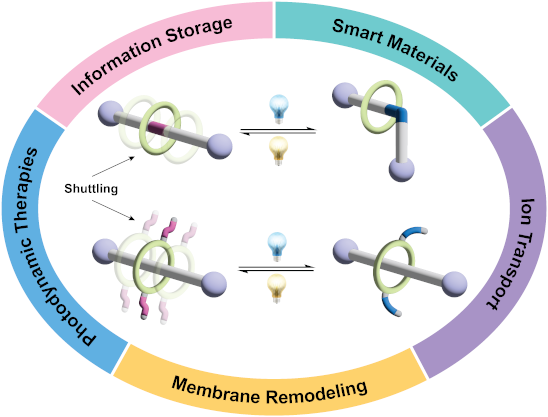
- , temperature, and acid–base stimuli. Additionally, this spiropyran-based rotaxane showed pronounced photochromic and fluorescent behavior in both powder and solid film under alternating UV/sunlight and visible light/heating conditions, highlighting its suitability for dynamic optical systems and anti
- is suppressed, and the macrocycle becomes effectively immobilized. The process is reversible upon heating. Later, Tron and co-workers synthesized a [2]rotaxane containing a barbiturate moiety in the axle, which serves as a template for a reversible clipping approach [84]. The macrocycle precursor is

Graphical Abstract

Figure 1: Schematic of common rotaxanes (left) and depiction of the macrocycle shuttling (right).

Figure 2: Structure of some common photoswitches integrated into rotaxanes.

Figure 3: Rotaxane with an acridane photoswitch on the axle modulates the translation of a CBQT4+ macrocycle ...

Figure 4: Hydrogel composed of [2]rotaxanes featuring a central azobenzene in the axle and a cyclodextrin mac...

Figure 5: Dendrimer composed of [2]rotaxane with an azobenzene photoswitch functioning as a macroscopic actua...

Figure 6: (a) Structure of the [2]rotaxane and (b) mechanism for K+ cations transport across lipid bilayers. Figure 6...

Figure 7: Dithienylethene-based [2]rotaxane used in writing patterning applications: (a) rotaxane with open d...

Figure 8: Dithienylethene-based [1]rotaxane shuttling motion triggered by pH changes (top). Dithienylethene p...
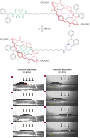
Figure 9: Depiction of a fumaramide-based [2]rotaxane photoswitching cycle and deposition on glass and mica s...

Figure 10: Hydrazone-based rotaxane controls helical pitch in a liquid crystal. Figure 10 was adapted from [73] (© 2024 S. ...

Figure 11: (a) Light- and pH-responsive Förster resonance energy transfer observed on a spiropyran-based [2]ro...

Figure 12: Photoresponsive bending of artificial muscle with [c2]daisy chain reported by Harada and collaborat...

Figure 13: Light-responsive shuttling motion of [2]rotaxane based on a stiff-stilbene photoswitch. Figure 13 was reprod...
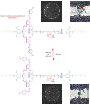
Figure 14: Azobenzene-based rotaxane modulating lipid bilayers upon photoisomerization. Figure 14 was adapted from [23] (© ...

Figure 15: Depiction of fluorescence quenching processes upon external stimuli of a dithienylethene-based [2]r...
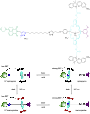
Figure 16: Diagrammatic illustration of rotaxane 1-H-SP depicting interconversions between the four isomeric s...
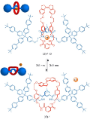
Figure 17: Representation of [2]rotaxane chloride binding modulated by photoisomerization of a stiff-stilbene. ...
Insoluble methylene-bridged glycoluril dimers as sequestrants for dyes
- Suvenika Perera,
- Peter Y. Zavalij and
- Lyle Isaacs
Beilstein J. Org. Chem. 2025, 21, 2302–2314, doi:10.3762/bjoc.21.176
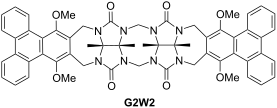
- . Before use, samples of H2, G2W1–G2W4 were repeatedly washed with water to remove TFA (monitored by 19F NMR) and activated by grinding and heating overnight at 90 °C under high vacuum. Experimentally, we incubated equimolar amounts (7.2 μmol) of each host with aqueous solutions of each dye (240 μM, 1 mL

Graphical Abstract

Figure 1: Chemical structures of selected hosts used as the basis for sequestrants.

Scheme 1: a) Synthesis of triphenylene-derived aromatic walls W1 and W2, and b) structure of commercially ava...

Scheme 2: Synthesis of methylene-bridged glycoluril dimers G2W1–G2W4. Conditions: a) TFA: Ac2O, 95 °C, 3.5 h (...

Figure 2: Chemical structures of dyes used in this study.

Figure 3: 1H NMR spectra recorded (400 MHz, DMSO-d6, rt) for: a) G2W1, b) G2W2, c) G2W3, d) G2W4.

Figure 4: Plot of removal efficiency of dyes from water after incubating with equimolar amounts (7.2 μmol) of ...

Figure 5: Cross-eyed stereoview of: a) one molecule of G2W3 in the crystal, and b) the packing of G2W3 in the...

Figure 6: Cross-eyed stereoview of: a) a molecule of G2W1 in the crystal, b) the packing of G2W1 along the xz...
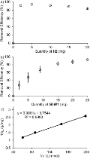
Figure 7: a) Plot of removal efficiency of methylene blue (240 μM, 1 mL) from water after incubating with dif...

Figure 8: Plot of the removal efficiency versus methylene blue concentration (70, 90, 120, 180, 240, 300, 100...
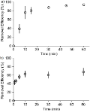
Figure 9: a) Plot of removal efficiency of methylene blue (240 μM, 1 mL) from water as a function of time aft...
Thiadiazino-indole, thiadiazino-carbazole and benzothiadiazino-carbazole dioxides: synthesis, physicochemical and early ADME characterization of representatives of new tri-, tetra- and pentacyclic ring systems and their intermediates
- Gyöngyvér Pusztai,
- László Poszávácz,
- Anna Vincze,
- András Marton,
- Ahmed Qasim Abdulhussein,
- Judit Halász,
- András Dancsó,
- Gyula Simig,
- György Tibor Balogh and
- Balázs Volk
Beilstein J. Org. Chem. 2025, 21, 2220–2233, doi:10.3762/bjoc.21.169
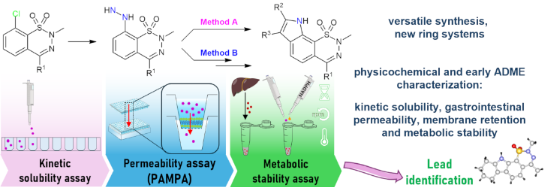
- were previously used for the synthesis of 7-nitroindole derivatives: heating in polyphosphoric acid (PPA) at 80 °C [24][25]. However, our attempt was not successful. Experiments with zinc chloride, the most commonly used Lewis acid catalyst in Fischer indole syntheses, also failed under various
- performed using the method described in the literature [18], i.e., by heating compounds 5a,b with ketones 6a–e in the presence of bismuth nitrate pentahydrate catalyst and PPA in methanol at 110 °C in a closed vial (Scheme 1, method B). In the synthesis of asymmetric hydrazones 7a,c,f,h, the major product

Graphical Abstract

Figure 1: Phthalazinones 1, benzothiadiazine dioxides 2, and thiadiazinoindole dioxides 3.

Scheme 1: Synthesis of tri- and tetracyclic thiadiazinoindole dioxides 3.

Figure 2: 1H NMR and selective 1D NOESY (with the excitation of NH) spectra of (E)-7h.

Figure 3: 1H NMR and selective 1D NOESY (with the excitation of NH) spectra of (Z)-7h.

Scheme 2: Synthesis of pentacyclic compounds 10.

Figure 4: X-ray structures of compounds 3d (A), 7d (B), (Z)-7h (C), and (E)-9a (D).

Figure 5: The capacity factor (logk) vs calculated partition coefficients (clogP) by ACD Labs/Percepta [36]); the...
Synthesis of triazolo- and tetrazolo-fused 1,4-benzodiazepines via one-pot Ugi–azide and Cu-free click reactions
- Xiaoming Ma,
- Zijie Gao,
- Jiawei Niu,
- Wentao Shao,
- Shenghu Yan,
- Sai Zhang and
- Wei Zhang
Beilstein J. Org. Chem. 2025, 21, 2202–2210, doi:10.3762/bjoc.21.167
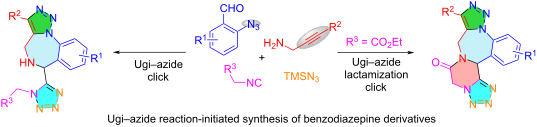
- ), tert-butyl isocyanide (3a), and TMSN3 (4) in 2 mL of MeOH. After heating the reaction mixture at 40 °C for 12 h, the solvent was removed and changed to 2 mL of MeCN followed by heating at 130 °C for 2 h (Scheme 3A). However, no desired product was detected in the reaction mixture. The functional groups

Graphical Abstract

Figure 1: Some bioactive molecules bearing triazole, tetrazole, and 1,4-benzodiazepin rings.

Scheme 1: Ugi–azide reaction for the synthesis of 1,5-DS-T-containing heterocycles.

Scheme 2: Proposed Ugi–azide-initiated synthesis of polyheterocyclic scaffolds 7 and 8.

Scheme 3: 4-CR vs stepwise Ugi–azide reactions for the synthesis of 7a.

Scheme 4: Synthesis of benzodiazepines 7a–k. Reaction conditions: 1) 0.2 mmol each of 2-azidobenzaldehyde (1a...

Scheme 5: Synthesis of polycyclic compound 8a.

Scheme 6: Synthesis of product analogs 8. Reaction conditions: 1) 0.2 mmol each of 2-azidobenzaldehyde (1a) a...

Scheme 7: Control reactions to trap the Ugi–azide adduct.

Figure 2: 1H NMR spectra of compounds 6a (red) and 8a (blue).

Scheme 8: Gram-scale one-pot synthesis of 8a.
C2 to C6 biobased carbonyl platforms for fine chemistry
- Jingjing Jiang,
- Muhammad Noman Haider Tariq,
- Florence Popowycz,
- Yanlong Gu and
- Yves Queneau
Beilstein J. Org. Chem. 2025, 21, 2103–2172, doi:10.3762/bjoc.21.165
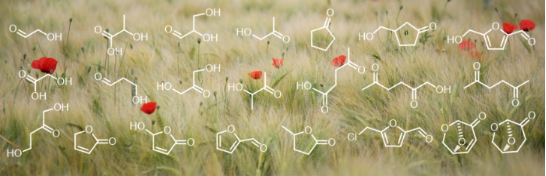

Graphical Abstract

Figure 1: C2–C6 biobased carbonyl building blocks.

Scheme 1: Proposed (2 + 2) route to glycolaldehyde and glycolic acid from erythritol by Cu/AC catalyst (AC = ...

Scheme 2: Reductive amination of GCA.

Scheme 3: N-Formylation of secondary amines by reaction with GCA.

Scheme 4: Synthesis and conversion of hydroxy acetals to cyclic acetals.

Scheme 5: Synthesis of 3-(indol-3-yl)-2,3-dihydrofurans via three-component reaction of glycolaldehyde, indol...

Scheme 6: BiCl3-catalyzed synthesis of benzo[a]carbazoles from 2-arylindoles and α-bromoacetaldehyde ethylene...

Scheme 7: Cu/NCNSs-based conversion of glycerol to glycolic acid and other short biobased acids.

Scheme 8: E. coli-based biotransformation of C1 source molecules (CH4, CO2 and CO) towards C2 glycolic acid.

Scheme 9: N-Formylation of amines with C2 (a) or C3 (b) biomass-based feedstocks.

Scheme 10: Methods for the formation of propanoic acid (PA) from lactic acid (LA).

Scheme 11: Co-polymerization of biobased lactic acid and glycolic acid via a bicatalytic process.

Scheme 12: Oxidation of α-hydroxy acids by tetrachloroaurate(III) in acetic acid–sodium acetate buffer medium.

Figure 2: Selective catalytic pathways for the conversion of lactic acid (LA).

Scheme 13: Synthesis of 1,3-PDO via cross-aldol reaction between formaldehyde and acetaldehyde to 3-hydroxypro...

Scheme 14: Hydrothermal conversion of 1,3-dihydroxy-2-propane and 2,3-dihydroxypropanal to methylglyoxal.

Scheme 15: FLS-catalyzed formose reaction to synthesize GA and DHA.

Scheme 16: GCA and DHA oxidation products of glycerol and isomerization of GCA to DHA under flow conditions us...

Scheme 17: Acid-catalyzed reactions of DHA with alcohols.

Scheme 18: Synthesis of dihydroxyacetone phosphate from dihydroxyacetone.

Scheme 19: Bifunctional acid–base catalyst DHA conversion into lactic acid via pyruvaldehyde or fructose forma...

Scheme 20: Catalytic one-pot synthesis of GA and co-synthesis of formamides and formates from DHA.

Scheme 21: (a) Synthesis of furan derivatives and (b) synthesis of thiophene derivative by cascade [3 + 2] ann...

Scheme 22: Brønsted acidic ionic liquid catalyzed synthesis of benzo[a]carbazole from renewable acetol and 2-p...

Scheme 23: Asymmetric hydrogenation of α-hydroxy ketones to 1,2-diols.

Scheme 24: Synthesis of novel 6-(substituted benzylidene)-2-methylthiazolo [2,3-b]oxazol-5(6H)-one from 1-hydr...

Scheme 25: ʟ-Proline-catalyzed synthesis of anti-diols from hydroxyacetone and aldehydes.

Scheme 26: C–C-bond-formation reactions of a biomass-based feedstock aromatic aldehyde (C5) and hydroxyacetone...

Scheme 27: Ethanol upgrading to C4 bulk chemicals via the thiamine (VB1)-catalyzed acetoin condensation.

Scheme 28: One-pot sequential chemoenzymatic synthesis of 2-aminobutane-1,4-diol and 1,2,4-butanetriol via 1,4...

Scheme 29: Synthesis of 1,4-dihydroxybutan-2-one by microbial transformation.

Scheme 30: Conversion of polyols by [neocuproine)Pd(OAc)]2(OTf)2] to α-hydroxy ketones.

Scheme 31: Chemoselective oxidation of alcohols with chiral palladium-based catalyst 2.

Scheme 32: Electrochemical transformation of furfural to 5-hydroxy-2(5H)-furanone (HFO).

Scheme 33: Selective hydrodeoxygenation of HFO and oxidation to γ-butyrolactone (GBL).

Scheme 34: Photosensitized oxygenation of furan towards HFO via ozonide intermediates.

Scheme 35: Conversion of furfural to HFO and MAN by using mesoporous carbon nitride (SGCN) as photocatalyst.

Scheme 36: Synthesis of HFO from furan derivatives.

Scheme 37: Photooxidation of furfural to 5-hydroxy-2(5H)-furanone (HFO).

Scheme 38: Synthesis of Friedel–Crafts indole adduct from HFO.

Scheme 39: Conversion of HFO to α,γ-substituted chiral γ-lactones.

Scheme 40: Tautomeric transformation of HFO to formylacrylic acid.

Scheme 41: Hydrolysis of HFO to succinic acid in aqueous solution.

Scheme 42: Substitution and condensation reactions of 5-hydroxy-2(5H)-furanone (HFO).

Scheme 43: (a) Conversion of HFO towards valuable C4 chemicals and (b) anodic oxidation of 5-hydroxy-2(5H)-fur...

Figure 3: Conversion of HFO towards other natural and synthetic substances.

Scheme 44: Conversion of furfural to maleic anhydride (reaction a: VOx/Al2O3; reaction b: VPO).

Scheme 45: Conversion of furfural into succinic acid.

Scheme 46: Electro‑, photo‑, and biocatalysis for one-pot selective conversions of furfural into C4 chemicals.

Scheme 47: Production route of furfural from hemicellulose.

Scheme 48: Mechanism for xylose dehydration to furfural through a choline xyloside intermediate.

Scheme 49: Conversion of furfural to furfuryl alcohol and its derivatives.

Scheme 50: Conversion of furfural to furfuryl alcohol and 3-(2-furyl)acrolein.

Scheme 51: The aerobic oxidative condensation of biomass-derived furfural and linear alcohols.

Scheme 52: The single-step synthesis of 2-pentanone from furfural.

Scheme 53: Electrocatalytic coupling reaction of furfural and levulinic acid.

Scheme 54: Conversion of furfural to m-xylylenediamine.

Scheme 55: Conversion of furfural to tetrahydrofuran-derived amines.

Scheme 56: Formation of trans-4,5-diamino-cyclopent-2-enones from furfural.

Scheme 57: Production of pyrrole and proline from furfural.

Scheme 58: Synthesis of 1‑(trifluoromethyl)-8-oxabicyclo[3.2.1]oct-3-en-2-ones from furfural.

Scheme 59: Conversion of furfural to furfural-derived diacids.

Scheme 60: A telescope protocol derived from furfural and glycerol.

Scheme 61: A tandem cyclization of furfural and 5,5-dimethyl-1,3-cyclohexanedione.

Scheme 62: A Ugi four-component reaction to construct furfural-based polyamides.

Scheme 63: One-pot synthesis of γ-acyloxy-Cy7 from furfural.

Scheme 64: Dimerization–Piancatelli sequence toward humins precursors from furfural.

Scheme 65: Conversion of furfural to CPN.

Scheme 66: Synthesis of jet fuels range cycloalkanes from CPN and lignin-derived vanillin.

Scheme 67: Solar-energy-driven synthesis of high-density biofuels from CPN.

Scheme 68: Reductive amination of CPN to cyclopentylamine.

Scheme 69: Asymmetric hydrogenation of C=O bonds of exocyclic α,β-unsaturated cyclopentanones.

Scheme 70: Preparation of levulinic acid via the C5 route (route a) or C6 route (routes b1 and b2).

Scheme 71: Mechanism of the rehydration of HMF to levulinic acid and formic acid.

Scheme 72: Important levulinic acid-derived chemicals.

Scheme 73: Direct conversion of levulinic acid to pentanoic acid.

Scheme 74: Catalytic aerobic oxidation of levulinic acid to citramalic acid.

Scheme 75: Conversion of levulinic acid to 1,4-pentanediol (a) see ref. [236]; b) see ref. [237]; c) see ref. [238]; d) see r...

Scheme 76: Selective production of 2-butanol through hydrogenolysis of levulinic acid.

Scheme 77: General reaction pathways proposed for the formation of 5MPs from levulinic acid.

Scheme 78: Selective reductive amination of levulinic acid to N-substituted pyrroles.

Scheme 79: Reductive amination of levulinic acid to chiral pyrrolidinone.

Scheme 80: Reductive amination of levulinic acid to non-natural chiral γ-amino acid.

Scheme 81: Nitrogen-containing chemicals derived from levulinic acid.

Scheme 82: Preparation of GVL from levulinic acid by dehydration and hydrogenation.

Scheme 83: Ruthenium-catalyzed levulinic acid to chiral γ-valerolactone.

Scheme 84: Catalytic asymmetric hydrogenation of levulinic acid to chiral GVL.

Scheme 85: Three steps synthesis of ε-caprolactam from GVL.

Scheme 86: Multistep synthesis of nylon 6,6 from GVL.

Scheme 87: Preparation of MeGVL by α-alkylation of GVL.

Scheme 88: Ring-opening polymerization of five-membered lactones.

Scheme 89: Synthesis of GVL-based ionic liquids.

Scheme 90: Preparation of butene isomers from GVL under Lewis acid conditions.

Scheme 91: Construction of C5–C12 fuels from GVL over nano-HZSM-5 catalysts.

Scheme 92: Preparation of alkyl valerate from GVL via ring opening/reduction/esterification sequence.

Scheme 93: Construction of 4-acyloxypentanoic acids from GVL.

Scheme 94: Synthesis of 1,4-pentanediol (PDO) from GVL.

Scheme 95: Construction of novel cyclic hemiketal platforms via self-Claisen condensation of GVL.

Scheme 96: Copper-catalyzed lactamization of GVL.

Figure 4: Main scaffolds obtained from HMF.

Scheme 97: Biginelli reactions towards HMF-containing dihydropyrimidinones.

Scheme 98: Hantzsch dihydropyridine synthesis involving HMF.

Scheme 99: The Kabachnik–Fields reaction involving HMF.

Scheme 100: Construction of oxazolidinone from HMF.

Scheme 101: Construction of rhodamine-furan hybrids from HMF.

Scheme 102: A Groebke–Blackburn–Bienaymé reaction involving HMF.

Scheme 103: HMF-containing benzodiazepines by [4 + 2 + 1] cycloadditions.

Scheme 104: Synthesis of fluorinated analogues of α-aryl ketones.

Scheme 105: Synthesis of HMF derived disubstituted γ-butyrolactone.

Scheme 106: Functionalized aromatics from furfural and HMF.

Scheme 107: Diels–Alder adducts from HMF or furfural with N-methylmaleimide.

Scheme 108: Pathway of the one-pot conversion of HMF into phthalic anhydride.

Scheme 109: Photocatalyzed preparation of humins (L-H) from HMF mixed with spoiled HMF residues (LMW-H) and fur...

Scheme 110: Asymmetric dipolar cycloadditions on HMF.

Scheme 111: Dipolar cycloadditions of HMF based nitrones to 3,4- and 3,5-substituted isoxazolidines.

Scheme 112: Production of δ-lactone-fused cyclopenten-2-ones from HMF.

Scheme 113: Aza-Piancatelli access to aza-spirocycles from HMF-derived intermediates.

Scheme 114: Cross-condensation of furfural, acetone and HMF into C13, C14 and C15 products.

Scheme 115: Base-catalyzed aldol condensation/dehydration sequences from HMF.

Scheme 116: Condensation of HMF and active methylene nitrile.

Scheme 117: MBH reactions involving HMF.

Scheme 118: Synthesis of HMF-derived ionic liquids.

Scheme 119: Reductive amination/enzymatic acylation sequence towards HMF-based surfactants.

Scheme 120: The formation of 5-chloromethylfurfural (CMF).

Scheme 121: Conversion of CMF to HMF, levulinic acid, and alkyl levulinates.

Scheme 122: Conversion of CMF to CMFCC and FDCC.

Scheme 123: Conversion of CMF to BHMF.

Scheme 124: Conversion of CMF to DMF.

Scheme 125: CMF chlorine atom substitutions toward HMF ethers and esters.

Scheme 126: Introduction of carbon nucleophiles in CMF.

Scheme 127: NHC-catalyzed remote enantioselective Mannich-type reactions of CMF.

Scheme 128: Conversion of CMF to promising biomass-derived dyes.

Scheme 129: Radical transformation of CMF with styrenes.

Scheme 130: Synthesis of natural herbicide δ-aminolevulinic acid from CMF.

Scheme 131: Four step synthesis of the drug ranitidine from CMF.

Scheme 132: Pd/CO2 cooperative catalysis for the production of HHD and HXD.

Scheme 133: Different ruthenium (Ru) catalysts for the ring-opening of 5-HMF to HHD.

Scheme 134: Proposed pathways for preparing HXD from HMF.

Scheme 135: MCP formation and uses.

Scheme 136: Cu(I)-catalyzed highly selective oxidation of HHD to 2,5-dioxohexanal.

Scheme 137: Synthesis of N‑substituted 3‑hydroxypyridinium salts from 2,5-dioxohexanal.

Scheme 138: Ru catalyzed hydrogenations of HHD to 1,2,5-hexanetriol (a) see ref. [396]; b) see ref. [397]).

Scheme 139: Aviation fuel range quadricyclanes produced by HXD.

Scheme 140: Synthesis of HDGK from HXD and glycerol as a chain extender.

Scheme 141: Synthesis of serinol pyrrole from HXD and serinol.

Scheme 142: Synthesis of pyrroles from HXD and nitroarenes.

Scheme 143: Two-step production of PX from cellulose via HXD.

Scheme 144: Preparation of HCPN from HMF via hydrogenation and ring rearrangement.

Scheme 145: Suggested pathways from HMF to HCPN.

Scheme 146: α-Alkylation of HCPN with ethylene gas.

Scheme 147: Synthesis of 3-(hydroxymethyl)cyclopentylamine from HMF via reductive amination of HCPN.

Scheme 148: Production of LGO and Cyrene® from biomass.

Scheme 149: Synthesis of HBO from LGO and other applications.

Scheme 150: Construction of m-Cyrene® homopolymer.

Scheme 151: Conversion of Cyrene® to THFDM and 1,6-hexanediol.

Scheme 152: RAFT co-polymerization of LGO and butadienes.

Scheme 153: Polycondensation of HO-LGOL and diols with dimethyl adipate.

Scheme 154: Self-condensation of Cyrene® and Claisen–Schmidt reactions.

Scheme 155: Synthesis of 5-amino-2-(hydroxymethyl)tetrahydropyran from Cyrene®.
Solar thermal fuels: azobenzene as a cyclic photon–heat transduction platform
- Jie Yan,
- Shaodong Sun,
- Minghao Wang and
- Si Wu
Beilstein J. Org. Chem. 2025, 21, 2036–2047, doi:10.3762/bjoc.21.159
- charged solar thermal fuels for deicing tests [74], showing effective ice removal capability under green light irradiation (Figure 7a). Wang et al. developed a photostimulated self-heating wristband [94] that elevates surface temperature from 29 °C to 44 °C upon blue light irradiation, protecting users
- irradiation (550 nm). Figure 7a was reprinted with permission from [74] Copyright © 2020 American Chemical Society. This content is not subject to CC BY 4.0. (b) Real-time infrared thermal imaging images of a charged self-heating wristband under blue light irradiation (450 nm). Figure 7b was reprinted from

Graphical Abstract

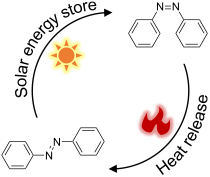
Figure 1: Schematic diagram of molecular solar thermal energy storage system.
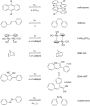
Figure 2: Photoisomerization of different types of molecular optical switches. Figure 2 was redrawn from [8].

Figure 3: Nanocarbon-based azobenzene polymer solar thermal fuels: (a) SWCNT templating. Figure 3a is from [43] (T. J. Kuc...
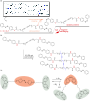
Figure 4: Conjugated azobenzene polymer solar thermal fuels: (a) Photoisomerization and thermally induced rev...
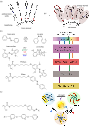
Figure 5: Linear azobenzene polymer solar thermal fuels: (a) Schematic illustration of the trans-to-cis isome...

Figure 6: Representative examples of azobenzene small-molecule derivative solar thermal fuels. (a) Polarized ...

Figure 7: (a) Deicing test of charged solar thermal fuels under green light irradiation (550 nm). Figure 7a was reprin...
Switchable pathways of multicomponent heterocyclizations of 5-amino-1,2,4-triazoles with salicylaldehydes and pyruvic acid
- Yana I. Sakhno,
- Oleksander V. Buravov,
- Kostyantyn Yu. Yurkov,
- Anastasia Yu. Andryushchenko,
- Svitlana V. Shishkina and
- Valentyn A. Chebanov
Beilstein J. Org. Chem. 2025, 21, 2030–2035, doi:10.3762/bjoc.21.158
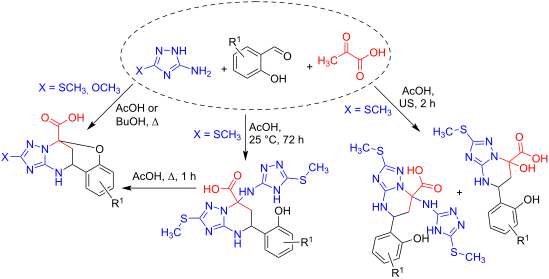
- -triazoles, pyruvic acid, and salicylaldehydes were studied under different conditions. Upon conventional heating, benzotriazolooxadiazocine-5-carboxylic acids were formed in the three-component reactions as single reaction products. Upon ultrasonic activation or mechanical stirring at room temperature, the
- -triazoles, salicylaldehydes, and pyruvic acid were studied under different reaction conditions. In particular, it was found that the three-component reaction of an equimolar mixture of 5-amino-3-methylthio(methoxy)-1,2,4-triazole 1a,b, salicylaldehydes 2a–f, and pyruvic acid (3) under conventional heating
- behavior in this MCR. In the case of 3-carbomethoxy- and 3-(trifluoromethyl)-5-amino-1,2,4-triazoles the treatment with pyruvic acid and salicylaldehydes under thermal heating in different solvents (AcOH, DMF, n-butanol), instead of oxygen-bridged compounds gave a mixture of unidentified products with

Graphical Abstract

Scheme 1: Diversity of heterocyclization products from reaction of aminoazoles with salicylaldehydes, and pyr...

Scheme 2: MCRs of 3-amino-5-methylthio-1,2,4-triazole (1a) and 3-amino-5-methoxy-1,2,4-triazole (1b) with sal...

Scheme 3: MCRs of 3-amino-5-methylthio-1,2,4-triazole (1a), salicylaldehydes 2a–c,f, and pyruvic acid (3) und...

Figure 1: Molecular structure of compound 4c according to X-ray diffraction data. Thermal ellipsoids are show...
Photoswitches beyond azobenzene: a beginner’s guide
- Michela Marcon,
- Christoph Haag and
- Burkhard König
Beilstein J. Org. Chem. 2025, 21, 1808–1853, doi:10.3762/bjoc.21.143

Graphical Abstract

Figure 1: Energy diagram of a two-state photoswitch. Figure 1 was redrawn from [2].

Figure 2: Example of the absorption spectra of the isomers of a photoswitch with most efficient irradiation w...
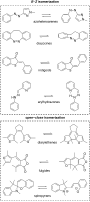
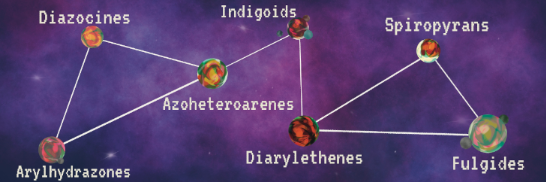
Scheme 1: Photoswitch classes described in this review.

Figure 3: Azoheteroarenes.

Scheme 2: E–Z Isomerisation (top) and mechanisms of thermal Z–E isomerisation (bottom).

Scheme 3: Rotation mechanism favoured by the electron displacement in push–pull systems. Selected examples of...

Figure 4: A) T-shaped and twisted Z-isomers determine the thermal stability and the Z–E-PSS (selected example...

Figure 5: Effect of di-ortho-substitution on thermal half-life and PSS.

Figure 6: Selected thermal lifetimes of azoindoles in different solvents and concentrations. aConcentration o...

Figure 7: Aryliminopyrazoles: N-pyrazoles (top) and N-phenyl (bottom).

Scheme 4: Synthesis of symmetrical heteroarenes through oxidation (A), reduction (B), and the Bayer–Mills rea...

Scheme 5: Synthesis of diazonium salt (A); different strategies of azo-coupling: with a nucleophilic ring (B)...

Scheme 6: Synthesis of arylazothiazoles 25 (A) and heteroaryltriazoles 28 (B).

Scheme 7: Synthesis of heteroarylimines 31a,b [36-38].

Figure 8: Push–pull non-ionic azo dye developed by Velasco and co-workers [45].

Scheme 8: Azopyridine reported by Herges and co-workers [46].

Scheme 9: Photoinduced phase transitioning azobispyrazoles [47].

Figure 9: Diazocines.

Scheme 10: Isomers, conformers and enantiomers of diazocine.

Scheme 11: Partial overlap of the ππ* band with electron-donating substituents and effect on the PSS. Scheme 11 was ada...

Figure 10: Main properties of diazocines with different bridges. aMeasured in n-hexane [56]. bMeasured in THF. cMe...

Scheme 12: Synthesis of symmetric diazocines.

Scheme 13: Synthesis of asymmetric diazocines.

Scheme 14: Synthesis of O- and S-heterodiazocines.

Scheme 15: Synthesis of N-heterodiazocines.

Scheme 16: Puromycin diazocine photoswitch [60].

Figure 11: Indigoids.

Figure 12: The main representatives of the indigoid photoswitch class.

Scheme 17: Deactivation process that prevents Z-isomerisation of indigo.

Figure 13: Stable Z-indigo derivative synthesised by Wyman and Zenhäusern [67].

Figure 14: Selected examples of indigos with aliphatic and aromatic substituents [68]. Dashed box: proposed π–π in...

Scheme 18: Resonance structures of indigo and thioindigo involving the phenyl ring.

Scheme 19: Possible deactivation mechanism for 4,4'-dihydroxythioindigo [76].

Scheme 20: Effect of different heteroaryl rings on the stability and the photophysical properties of hemiindig...

Figure 15: Thermal half-lives of red-shifted hemithioindigos in toluene [79]. aMeasured in toluene-d8.

Scheme 21: Structures of pyrrole [81] and imidazole hemithioindigo [64].

Figure 16: Examples of fully substituted double bond hemithioindigo (left), oxidised hemithioindigos (centre),...

Scheme 22: Structure of iminothioindoxyl 72 (top) and acylated phenyliminoindolinone photoswitch 73 (bottom). ...

Scheme 23: (top) Transition states of iminothioindoxyl 72. The planar transition state is associated with a lo...

Scheme 24: Baeyer–Drewsen synthesis of indigo (top) and N-functionalisation strategies (bottom).

Scheme 25: Synthesis of hemiindigo.

Scheme 26: Synthesis of hemithioindigo and iminothioindoxyl.

Scheme 27: Synthesis of double-bond-substituted hemithioindigos.

Scheme 28: Synthesis of phenyliminoindolinone.

Scheme 29: Hemithioindigo molecular motor [85].

Figure 17: Arylhydrazones.

Scheme 30: Switching of arylhydrazones. Note: The definitions of stator and rotor are arbitrary.

Scheme 31: Photo- and acidochromism of pyridine-based phenylhydrazones.

Scheme 32: A) E–Z thermal inversion of a thermally stable push–pull hydrazone [109]. B) Rotation mechanism favoured...

Scheme 33: Effect of planarisation on the half-life.

Scheme 34: The longest thermally stable hydrazone switches reported so far (left). Modulation of thermal half-...

Figure 18: Dependency of t1/2 on concentration and hypothesised aggregation-induced isomerisation.

Figure 19: Structure–property relationship of acylhydrazones.

Scheme 35: Synthesis of arylhydrazones.

Scheme 36: Synthesis of acylhydrazones.

Scheme 37: Photoswitchable fluorophore by Aprahamian et al. [115].

Scheme 38: The four-state photoswitch synthesised by the Cigáň group [116].

Figure 20: Diarylethenes.

Scheme 39: Isomerisation and oxidation pathway of E-stilbene to phenanthrene.

Scheme 40: Strategies adapted to avoid E–Z isomerisation and oxidation.
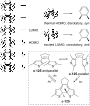
Scheme 41: Molecular orbitals and mechanism of electrocyclisation for a 6π system.

Figure 21: Aromatic stabilisation energy correlated with the thermal stability of the diarylethenes [127,129].

Figure 22: Half-lives of diarylethenes with increasing electron-withdrawing groups [128,129].

Scheme 42: Photochemical degradation pathway promoted by electron-donating groups [130].

Figure 23: The diarylethenes studied by Hanazawa et al. [134]. Increased rigidity leads to bathochromic shift.

Scheme 43: The dithienylethene synthesised by Nakatani's group [135].

Scheme 44: Synthesis of perfluoroalkylated diarylethenes.

Scheme 45: Synthesis of 139 and 142 via McMurry coupling.

Scheme 46: Synthesis of symmetrical derivatives 145 via Suzuki–Miyaura coupling.

Scheme 47: Synthesis of acyclic 148, malonic anhydride 149, and maleimide derivatives 154.

Figure 24: Gramicidin S (top left) and two of the modified diarylethene derivatives: first generation (bottom ...

Scheme 48: Pyridoxal 5'-phosphate and its reaction with an amino acid (top). The analogous dithienylethene der...

Figure 25: Fulgides.

Scheme 49: The three isomers of fulgides.

Scheme 50: Thermal and photochemical side products of unsubstituted fulgide [150].

Figure 26: Maximum absorption λc of the closed isomer compared with the nature of the aromatic ring and the su...

Scheme 51: Possible rearrangement of the excited state of 5-dimethylaminoindolylfulgide [153].

Figure 27: Quantum yields of ring closure (ΦE→C) and E–Z isomerisation (ΦE→Z) correlated with the increasing s...

Scheme 52: Active (Eα) and inactive (Eβ) conformers (left) and the bicyclic sterically blocked fulgide 169 (ri...

Scheme 53: Quantum yield of ring-opening (ΦC→E) and E–Z isomerisation (ΦE→Z) for different substitution patter...

Scheme 54: Stobbe condensation pathway for the synthesis of fulgides 179, fulgimides 181 and fulgenates 178.

Scheme 55: Alternative synthesis of fulgides through Pd-catalysed carbonylation.

Scheme 56: Optimised synthesis of fulgimides [166].

Scheme 57: Photoswitchable FRET with a fulgimide photoswitch [167].

Scheme 58: Three-state fulgimide strategy by Slanina's group.

Figure 28: Spiropyrans.

Scheme 59: Photochemical (left) and thermal (right) ring-opening mechanisms for an exemplary spiropyran with a...

Figure 29: Eight possible isomers of the open merocyanine according to the E/Z configurations of the bonds hig...

Scheme 60: pH-Controlled photoisomerisation between the closed spiropyran 191-SP and the open E-merocyanine 19...

Scheme 61: Behaviour of spiropyran in water buffer according to Andréasson and co-workers [180]. 192-SP in an aqueo...

Scheme 62: (left box) Proposed mechanism of basic hydrolysis of MC [184]. (right box) Introduction of electron-dona...

Scheme 63: Photochemical interconversion of naphthopyran 194 (top) and spirooxazine 195 (bottom) photoswitches...

Scheme 64: Synthesis of spiropyrans and spirooxazines 198 and the dicondensation by-product 199.

Scheme 65: Alternative synthesis of spiropyrans and spirooxazines with indolenylium salt 200.

Scheme 66: Synthesis of 4’-substituted spiropyrans 203 by condensation of an acylated methylene indoline 201 w...

Scheme 67: Synthesis of spironaphthopyrans 210 by acid-catalysed condensation of naphthols and diarylpropargyl...

Scheme 68: Photoswitchable surface wettability [194].

Figure 30: Some guiding principles for the choice of the most suitable photoswitch. Note that this guide is ve...
Research progress on calixarene/pillararene-based controlled drug release systems
- Liu-Huan Yi,
- Jian Qin,
- Si-Ran Lu,
- Liu-Pan Yang,
- Li-Li Wang and
- Huan Yao
Beilstein J. Org. Chem. 2025, 21, 1757–1785, doi:10.3762/bjoc.21.139

Graphical Abstract

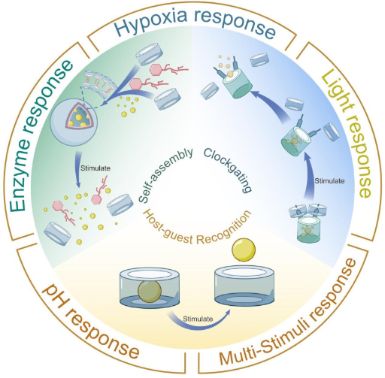
Figure 1: Schematic diagram of drug-controlled release mechanisms based on aromatic macrocycles.

Figure 2: Chemical structure of a) calix[n]arene (m = 1,3,5), and b) pillar[n]arene (m = 1,2,3).

Figure 3: Changes in pH conditions cause the release of drugs from CA8 host–guest complexes [101]. Figure 3 was adapted wi...

Figure 4: The illustration of the pH-mediated 1:1 complex formation between the host and guest molecules in a...

Figure 5: Illustration of the pH-responsive self-assembly of mannose-modified CA4 into micelles and the subse...

Figure 6: Illustration of the assembly of supramolecular prodrug nanoparticles from WP6 and DOX-derived prodr...

Figure 7: Illustration of the formation of supramolecular vesicles and their pH-dependent drug release [93]. Figure 7 was...

Figure 8: Schematic illustration of the application of the multifunctional nanoplatform CyCA@POPD in combined...

Figure 9: Illustration of the photolysis of an amphiphilic assembly via CA-induced aggregation [114]. Figure 9 was reprint...
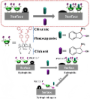
Figure 10: Schematic illustration of drug release controlled by the photo-responsive macroscopic switch based ...

Figure 11: Schematic illustration of the formation process of Azo-SMX and its photoisomerization reaction unde...

Figure 12: Schematic illustration of the enzyme-responsive behavior of supramolecular polymers [95]. Figure 12 was used wit...

Figure 13: Schematic illustration of the amphiphilic assembly of SC4A and its enzyme-responsive applications [119]. ...

Figure 14: Stimuli-responsive nanovalves based on MSNs and choline-SC4A[2]pseudorotaxanes, MSN-C1 with ester-l...

Figure 15: A schematic diagram showing the construction of a supramolecular system by host–guest interaction b...
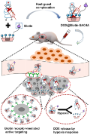
Figure 16: A schematic diagram showing the formation of the host–guest complex DOX@Biotin-SAC4A by biotin modi...

Figure 17: A schematic diagram showing the self-assembly of CA4 into a hypoxia-responsive peptide hydrogel, wh...

Figure 18: Schematic illustration of the formation process of Lip@GluAC4A and the release of Lip under hypoxic...

Figure 19: Schematic illustration of the construction of a supramolecular vesicle based on the host–guest comp...

Figure 20: Schematic illustration of WP6 self-assembly at pH > 7, and the stimulus-responsive drug release beh...

Figure 21: Schematic illustration of the formation of supramolecular vesicles based on the WP5⊃G super-amphiph...

Figure 22: Schematic illustrations of the host–guest recognition of QAP5⊃SXD, the formation of the nanoparticl...

Figure 23: Schematic illustration of the activation of T-SRNs by acid, alkali, or Zn2+ stimuli to regulate the...

Figure 24: Illustration of the triggered release of BH from CP[5]A@MSNs-Q NPs in response to a drop in pH or a...

Figure 25: Illustration of the supramolecular amphiphiles TPENCn@1 (n = 6 and 12) self-assembling with disulfi...
Convenient alternative synthesis of the Malassezia-derived virulence factor malassezione and related compounds
- Karu Ramesh and
- Stephen L. Bearne
Beilstein J. Org. Chem. 2025, 21, 1730–1736, doi:10.3762/bjoc.21.135
- ) ketone, which could be converted to the corresponding bis(4-hydroxybenzyl) ketone (25c) by heating at 200 °C for 15 min to 3 h in the presence of pyridinium chloride [22][24]. Herein, we also show that the EDC-mediated coupling of 4-(benzyloxy)phenylacetic acid readily yields 25b, which may be

Graphical Abstract

Figure 1: Various natural indole-containing compounds isolated from Malassezia furfur.

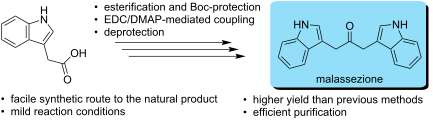
Scheme 1: Synthetic routes to malassezione (1) from either A) an isonitrile precursor [18] or B) indole-3-acetic ...
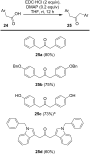
Scheme 2: Various bis-substituted ketones prepared. a25c prepared from 25b.