

Search results
Search for "complexity" in Full Text gives 396 result(s) in Beilstein Journal of Organic Chemistry. Showing first 200.
Enhancing chemical synthesis planning: automated quantum mechanics-based regioselectivity prediction for C–H activation with directing groups
- Julius Seumer,
- Nicolai Ree and
- Jan H. Jensen
Beilstein J. Org. Chem. 2025, 21, 1171–1182, doi:10.3762/bjoc.21.94
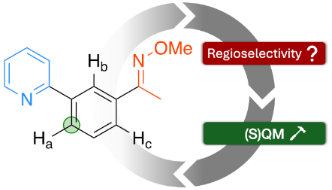
- molecular architectures in pharmaceuticals, polymers, and agrochemicals. Despite advancements in directing group (DG) methodologies and computational approaches, predicting accurate regioselectivity in C–H activation poses significant difficulties due to the diversity and complexity of organic compounds

Graphical Abstract

Figure 1: Overview of the predictive workflow: For the shown substrate on the left, three unique activation s...

Figure 2: Example of the output from running the SMARTS pattern approach introduced by Tomberg et al. [9] with t...

Figure 3: An example where our algorithm found a more specific SMARTS pattern match than highlighted in Tombe...

Figure 4: An example highlighting the difficulties in prioritizing the SMARTS patterns. All three patterns ma...

Figure 5: Example of a combination of C–H bond and DG that is discarded because of the angle constraint on th...

Figure 6: Example of combinations of C–H bonds and DGs that are considered identical because of symmetry of t...

Figure 7: Example of combinations of C–H bonds and DGs that are considered identical because of symmetry of t...

Figure 8: Example of combinations of C–H bonds and DGs that are considered identical because of resonance str...

Figure 9: A: Distribution of correct (green) and wrong (red) predictions for molecules with two to five poten...

Figure 10: Molecules with five potential reaction sites that are predicted wrong by the QM workflow. The exper...

Figure 11: Predictions of reaction sites within a 1 kcal·mol−1 threshold for ten molecules are marked with a b...

Figure 12: Substrate with six potential unique reaction sites for C–H functionalization. The experimentally de...
A convergent synthetic approach to the tetracyclic core framework of khayanolide-type limonoids
- Zhiyang Zhang,
- Jialei Hu,
- Hanfeng Ding,
- Li Zhang and
- Peirong Rao
Beilstein J. Org. Chem. 2025, 21, 926–934, doi:10.3762/bjoc.21.75
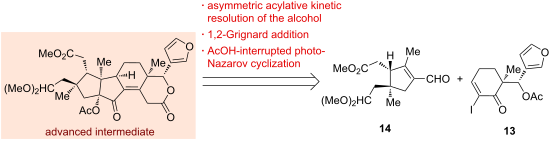
- as compelling targets for both therapeutic development and agrochemical innovation. Furthermore, limonoids are also renowned for their extraordinary structural complexity. For instance, the phragmalin-type limonoids represent a significant category of highly oxygenated rearranged limonoids, which

Graphical Abstract

Figure 1: Representative limonoid triterpenes.
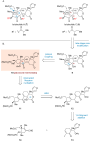
Scheme 1: Structures and retrosynthetic analysis of krishnolides A (7) and C (8).

Scheme 2: Construction of α-iodoenone 13.

Scheme 3: Construction of aldehyde 14.
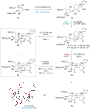
Scheme 4: Synthesis of the advanced intermediate 10 (in the X ray structure of 10 solvent molecule is omitted...
Orthogonal photoswitching of heterobivalent azobenzene glycoclusters: the effect of glycoligand orientation in bacterial adhesion
- Leon M. Friedrich and
- Thisbe K. Lindhorst
Beilstein J. Org. Chem. 2025, 21, 736–748, doi:10.3762/bjoc.21.57
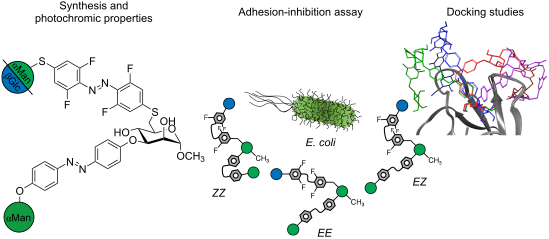
- bivalent azobenzene glycosides 1 and 2 in the various isomeric states (EE, EZ, ZE, and ZZ) and the lectin FimH reach a complexity which obscures the effect of azo group isomerization. (iv) Calculated binding energies for the highest affinity isomers of 1 and 2, respectively, (−107.61 and −96.22 kcal mol−1

Graphical Abstract

Figure 1: Cartoon of the photoswitchable glycoconjugates investigated in this account. The previously describ...

Scheme 1: Synthesis of the homobivalent azobenzene glycocluster 6αMan3αMan 2. Reagents and conditions: a) BF3...

Scheme 2: Synthesis of the antennas 6βGlc 3 and 3αMan 4 (A), and 6αMan 5 (B). Reagents and conditions: a) DTT...

Figure 2: A: Wavelength-selective photoswitching of the α-ᴅ-mannopyranosyloxy-AB and -ABF4 antennas comprised...

Figure 3: Comparison of the inhibitory potencies of 1, 2, 4, and 5 in the different isomeric states. The depi...

Figure 4: Three-dimensional representation of the superimposed most stable ligand–protein complexes from IFD ...
Origami with small molecules: exploiting the C–F bond as a conformational tool
- Patrick Ryan,
- Ramsha Iftikhar and
- Luke Hunter
Beilstein J. Org. Chem. 2025, 21, 680–716, doi:10.3762/bjoc.21.54
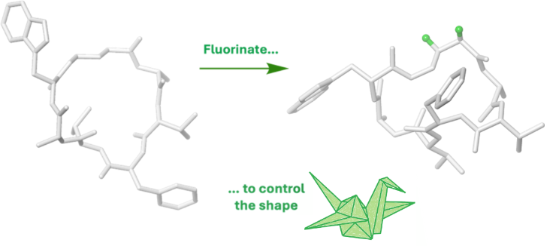
- , conformations in which the two C–F bonds are aligned gauche will be favoured in water due to their high molecular dipole moment. A final layer of complexity is afforded by the stereochemistry of the 1,2-difluoroalkane motif: the various conformational factors described above will aggregate differently depending
- that features both an ester moiety and an amino group will be discussed later, in section 5 of this review [112]. 4 Sugars We have examined several classes of molecules of gradually increasing complexity, progressing from alkanes (section 1) to ethers (section 2) and then alcohols (section 3

Graphical Abstract

Figure 1: Fundamental characteristics of the C–F bond.
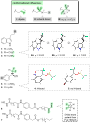
Figure 2: Incorporation of fluorine at the end of an alkyl chain.
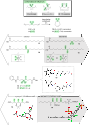
Figure 3: Incorporation of fluorine into the middle of a linear alkyl chain.
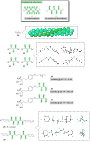
Figure 4: Incorporation of fluorine across much, or all, of a linear alkyl chain.
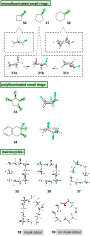
Figure 5: Incorporation of fluorine into cycloalkanes.
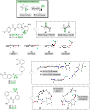
Figure 6: Conformational effects of introducing fluorine into an ether (geminal to oxygen).

Figure 7: Conformational effects of introducing fluorine into an ether (vicinal to oxygen).
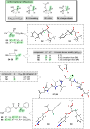
Figure 8: Effects of introducing fluorine into alcohols (and their derivatives).
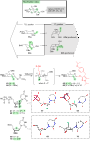
Figure 9: Controlling the ring pucker of sugars through fluorination.
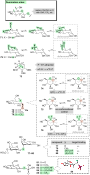
Figure 10: Controlling bond rotations outside the sugar ring through fluorination.
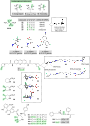
Figure 11: Effects of incorporating fluorine into amines.
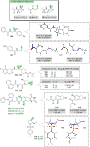
Figure 12: Effects of incorporating fluorine into amine derivatives, such as amides and sulfonamides.
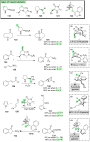
Figure 13: Effects of incorporating fluorine into organocatalysts.
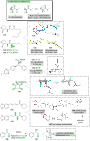
Figure 14: Effects of incorporating fluorine into carbonyl compounds, focusing on the “carbon side.”
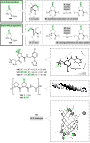
Figure 15: Fluoroproline-containing peptides and proteins.
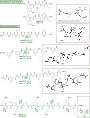
Figure 16: Further examples of fluorinated linear peptides (besides fluoroprolines). For clarity, sidechains a...
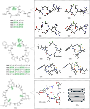
Figure 17: Fluorinated cyclic peptides.
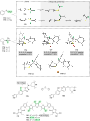
Figure 18: Fluorine-derived conformational control in sulfur-containing compounds.
Photocatalyzed elaboration of antibody-based bioconjugates
- Marine Le Stum,
- Eugénie Romero and
- Gary A. Molander
Beilstein J. Org. Chem. 2025, 21, 616–629, doi:10.3762/bjoc.21.49
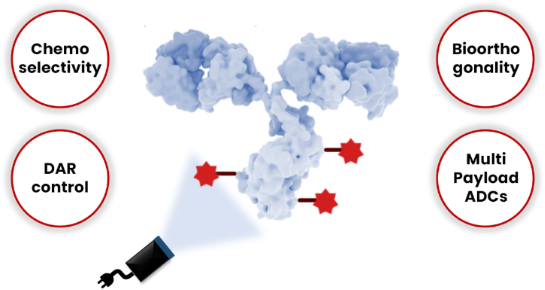
- stability, and/or a shorter ADC half-life [14]. Optimization of the drug/antibody ratio (DAR) and payload distribution/location thus becomes significant for ideal ADC design. Given the complexity of biological macromolecules, there are inherent limitations in terms of the types of reactions that can be used
- remains largely unexplored. This is primarily because of the structural complexity of antibodies, which exhibit a three-dimensional architecture and numerous potential modification sites, making selective control of functionalization sites challenging. Nonetheless, photocatalytic approaches offer a unique
- demonstrates the potency of photoinduced methods to access more homogeneous ADCs, hopefully reducing patient side effects. In summary, photoredox modifications of antibodies have gained attention in recent years, though the field is still in its early stages because of the complexity of antibody structures

Graphical Abstract

Figure 1: Representation of an antibody–drug conjugate. The antibody shown in this figure is from https://www...

Figure 2: a. Photoredox catalytic cycles; b. absorption spectrum of photosensitizers. Therapeutic window indi...

Figure 3: Graph representing the average number of publications focusing on photoredox chemistry applied to p...

Figure 4: Schematic procedure developed by Sato et al. on histidine photoinduced modification. The antibody s...

Figure 5: Schematic procedure of the divergent method developed by Sato et al. on histidine/tyrosine photoind...

Figure 6: Schematic procedure developed by Bräse et al. on photoinduced disulfide rebridging method.

Figure 7: Schematic procedure developed by Lang et al. on a photoinduced dual nickel photoredox-catalyzed app...

Figure 8: Schematic of the procedure developed by Chang et al. on photoinduced high affinity IgG Fc-binding s...

Figure 9: Potential advantages of photoredox chemistry for bioconjugation applied to antibodies. The antibody...

Figure 10: Representation of the photoinduced control of the DAR. The antibody shown in this figure is from ht...

Figure 11: Representation of a photoinduced control of multi-payloads ADC strategy. The antibody shown in this...
Formaldehyde surrogates in multicomponent reactions
- Cecilia I. Attorresi,
- Javier A. Ramírez and
- Bernhard Westermann
Beilstein J. Org. Chem. 2025, 21, 564–595, doi:10.3762/bjoc.21.45
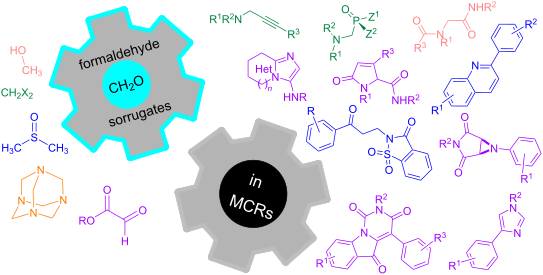
- the MCR product is possible thus increasing the versatility of these reactions in terms of structural diversity and molecular complexity. In this context, a wide variety of heterocycles and macrocycles as important biological scaffolds have been synthesized [6]. One of the most important components

Graphical Abstract

Scheme 1: Features of the ideal reaction (redrawn from P. A. Wender et al. [1]).

Scheme 2: Some of the most popular MCRs with formaldehyde as the carbonyl component.

Scheme 3: Ugi reaction under a catalyzed electro-oxidation process using TEMPO (2,2,6,6-tetramethyl-1-piperid...

Scheme 4: Examples of different products obtained by MCRs in which DMSO serves as -SCH3 source.

Scheme 5: Mechanism of the decomposition of DMSO under acidic or thermal conditions. a) In situ generation of...

Scheme 6: Povarov multicomponent reaction to quinolines.

Scheme 7: Example of the Povarov reaction with formaldehyde with a julolidine derivative as main product.

Scheme 8: Povarov multicomponent reaction to quinoline derivatives I and II using DMSO as formaldehyde surrog...

Scheme 9: Example of a Povarov three-component reaction with change of catalyst, yielding regioisomer III. In...

Scheme 10: The Povarov three-component reactions carried out under acidic catalysis to afford quinoline regios...

Scheme 11: Different MCR routes involving DMSO to synthesize complex heterocycles such as diarylpyridines and ...

Scheme 12: Pyrazole synthesis by a three-component reaction using DMSO as a source of a C-1 unit.

Scheme 13: Three-component reactions for the synthesis of aliphatic heterocycles 13 and 14 using DMSO as a for...

Scheme 14: Proposed mechanism for the 3CR between homoallylic amines, disulfides, and DMSO.

Scheme 15: Mannich-type reaction using DMSO as formaldehyde surrogate.

Scheme 16: Mechanism for the 3CR-Mannich-type reaction between aryl ketone 18, saccharine (19), and DMSO. The ...

Scheme 17: Mannich-type reaction using DMSO as formaldehyde surrogate and under oxidative activation.

Scheme 18: Three-component reaction between an indazole, a carboxylic acid, and DMSO.

Scheme 19: Amine–aldehyde–alkyne (AAA) coupling reaction and plausible mechanism.

Scheme 20: AHA coupling for the synthesis of propargylamines using dihalomethanes as C1 building blocks.

Scheme 21: AHA coupling using CH2Cl2 as both solvent and methylene source.

Scheme 22: Examples of propargylamines synthesized under catalytic AHA protocols.

Scheme 23: Proposed mechanism for the synthesis of propargylamines using dichloromethane as a C1 source.

Scheme 24: Mechanism proposed for the generation of the aminal intermediate E by Buckley et al. [68].

Scheme 25: Pudovic and Kabachnik–Fields reactions for the synthesis of α-aminophosphonates.

Scheme 26: a) Abramov side reaction that generates α-hydroxy phosphonate as a byproduct during the Kabachnik-F...

Scheme 27: Catalyst-free three component reaction to afford α-amino phosphorus product 35 using 1,1-dihaloalka...

Scheme 28: a) Proposed mechanism for the three-component reaction of dichloromethane, amine and phosphorus com...

Scheme 29: Ugi-ammonia strategy using HMTA as a formaldehyde surrogate.

Scheme 30: Glyoxylate and its derivatives as C1 building blocks.

Scheme 31: The Groebke–Blackburn–Bienaymé multicomponent reaction (GBB) and its mechanism.

Scheme 32: a) Byproducts in the GBB multicomponent reaction (GBB) when formaldehyde is used as the carbonyl co...

Scheme 33: Possible regioisomers in the GBB multicomponent reaction when formaldehyde is used as the carbonyl ...

Scheme 34: The multicomponent GBB reaction yields 2-unsubstituted 3-aminoimidazo heterocycles 42a using MP-gly...

Scheme 35: GBB multicomponent reaction to 2-unsubstituted 3-amino imidazo heterocycles 42a using glyoxylic aci...

Scheme 36: GBB reaction using glyoxylic acid immobilized on silica as formaldehyde surrogate.

Scheme 37: Bioactive products synthesized by the GBB reaction using glyoxylic acid.

Scheme 38: van Leusen three-component reaction to imidazoles.

Scheme 39: Side reaction during the synthesis of imidazoles with formaldehyde as the carbonyl compound.

Scheme 40: Optimization of the van Leusen three component reaction to 1,4-disubstituted imidazoles 43 using gl...

Scheme 41: Application of the Sisko strategy [96] for the synthesis of CB1 receptor antagonist compounds [97].

Scheme 42: Side reaction, when NH4OH is used as amine component.

Scheme 43: Ugi-type adducts with the ester moiety and the acidic CH to be used for post-cyclization sequences.

Scheme 44: Ugi/cycloisomerization process to pyrrolones 51, butenolides 52, and pyrroline 53.

Scheme 45: Radical cyclization reactions from Ugi adducts promoted by TEMPO.

Scheme 46: Hydrolysis and decarboxylation reactions to products with incorporation of a C1 unit of ethyl glyox...

Scheme 47: One-step synthetic route to pyrrolones 60 using phenylglyoxal.

Scheme 48: Ugi-pseudo-Knoevenagel-pseudo-Dieckmann cascade sequence for the synthesis of fused heterocycles.

Scheme 49: Ugi-pseudo-Knoevenagel reaction from ethyl glyoxylate.
Beyond symmetric self-assembly and effective molarity: unlocking functional enzyme mimics with robust organic cages
- Keith G. Andrews
Beilstein J. Org. Chem. 2025, 21, 421–443, doi:10.3762/bjoc.21.30
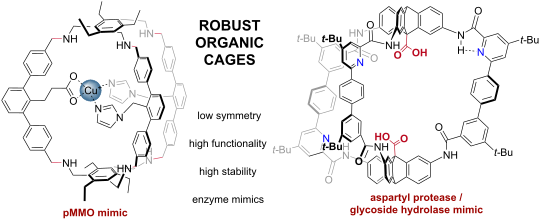
- quickly identified the triptycenyl-based imine cages of Mastalerz [301] as a strong starting point because: (i) they offered efficient, modular assembly; (ii) all of the complexity could be confined to the privileged triptycene motifs, which would present rigid internal vectors into the cavity for

Graphical Abstract

Figure 1: Catalytic rate enhancements from a reduction in the Gibbs free energy transition barrier can be fra...

Figure 2: Typical catalysis modes using macrocycle cavities performing (non-specific) hydrophobic substrate b...
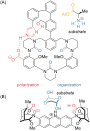
Figure 3: (A) Cram’s serine protease model system [87,88]. The macrocycle showed strong substrate binding (organizat...

Figure 4: (A) Self-assembling capsules can perform hydrophobic catalysis [116,117]. (B) Resorcin[4]arene building bloc...

Figure 5: (A) Metal-organic cages and key modes in catalysis. (B) Charged metals or ligands can result in +/−...

Figure 6: (A) Frameworks (MOFs, COFs) can be catalysts. (B) Example of a 2D-COF, assembled by dynamic covalen...

Figure 7: (A) Examples of dynamic covalent chemistry used to synthesize organic cages. (B) Organic cages are ...
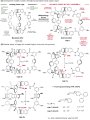
Figure 8: (A) Design and development of soluble, functionalized, robust organic cages. (B) Examples of modula...
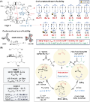
Figure 9: (A) There are 13 metastable conformers (symmetry-corrected) for cage 1 due to permutations of amide...
The effect of neighbouring group participation and possible long range remote group participation in O-glycosylation
- Rituparna Das and
- Balaram Mukhopadhyay
Beilstein J. Org. Chem. 2025, 21, 369–406, doi:10.3762/bjoc.21.27
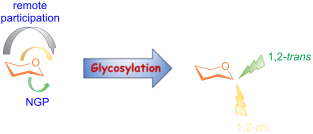
- enzymatic protocols and thus, glycoscientists mostly rely on chemical glycosylation to achieve complex oligosaccharide targets. However, chemical glycosylation remains to be a highly complex, ubiquitous and non-templated process for the synthetic chemists [19]. The inherent structural complexity of the
- glycoside 8 (Scheme 1). Glycosylation is considered as the most crucial step in any oligosaccharide synthesis, although it may be argued that, building block preparations or final deprotection steps remain equally demanding. The main challenge of glycosylation lies in the structural complexity of the
- [48]. The review will primarily be referring to axial or α-glycosides as 1,2-cis glycosides except for mannosides where the term β-mannosides will be used for 1,2-cis-mannoside configuration, respecting the complexity and novelty they bring to the world of synthetic glycochemistry. The spanning of the

Graphical Abstract

Scheme 1: Continuum in the mechanistic pathway of glycosylation [32] reactions ranging between SN2 and SN1.

Scheme 2: Formation of 1,2-trans glycosides by neighbouring group participation with acyl protection in C-2 p...

Scheme 3: Solvent-free activation [92] of disarmed per-acetylated (15) and per-benzoylated (18) glycosyl donors.

Scheme 4: Synthesis of donor 2-(2,2,2-trichloroethoxy)glucopyrano-[2,1-d]-2-oxazoline 22 [94] and regioselective ...

Scheme 5: The use of levulinoyl protection for an orthogonal glycosylation reaction.

Figure 1: The derivatives 32–36 of the pivaloyl group.

Scheme 6: Benzyl and cyanopivalolyl ester-protected hexarhamnoside derivative 37 and its global deprotection ...

Scheme 7: Orthogonal chloroacetyl group deprotection in oligosaccharide synthesis [113].

Figure 2: The derivatives of the chloroacetyl group: CAMB protection (41) [123], CAEB protection (42) [124], POMB prote...

Scheme 8: Use of the (2-nitrophenyl)acetyl protecting group [126] as the neighbouring group protecting group at th...

Scheme 9: Neighbouring group participation protocol by the BnPAc protecting group [128] in the C-2 position.

Scheme 10: Glycosylation reaction with O-PhCar (54) and O-Poc (55) donors showing high β-selectivity [133].

Scheme 11: Neighbouring group participation rendered by an N-benzylcarbamoyl (BnCar) group [137] at the C-2 positio...

Scheme 12: Stereoselectivity obtained from glycosylation [138] with 2-O-(o-trifluoromethylbenzenesulfonyl)-protecte...

Scheme 13: (a) Plausible mechanistic pathway for glycosylation with C-2 DMTM protection [139] and (b) example of a ...

Scheme 14: Glycosylation reactions employing MOM 78, BOM 81, and NAPOM 83-protected thioglycoside donors. Reag...

Scheme 15: Plausible mechanistic pathway for alkoxymethyl-protected glycosyl donors. Path A. Expected product ...

Scheme 16: Plausible mechanistic pathway for alkoxymethyl-protected glycosyl donors [147].

Scheme 17: A. Formation of α-glycosides and B formation of β-glycosides by using chiral auxiliary neighbouring...

Scheme 18: Bimodal participation of 2-O-(o-tosylamido)benzyl (TAB) protecting group to form both α and β-isome...

Scheme 19: (a) 1,2-trans-Directing nature using C-2 cyanomethyl protection and (b) the effect of acceptors and...

Scheme 20: 1,3-Remote assistance by C-3-ester protection for gluco- and galactopyranosides to form 1,2-cis gly...

Scheme 21: 1,6-Remote assistance by C-6-ester protection for gluco- and galactopyranosides to form 1,2-cis gly...

Scheme 22: 1,4-Remote assistance by C-4-ester protection for galactopyranosides to form 1,2-cis glycosidic pro...

Scheme 23: Different products obtained on activation of axial 3-O and equatorial 3-O ester protected glycoside...

Scheme 24: The role of 3-O-protection on the stereochemistry of the produced glycoside [191].

Scheme 25: The role of 4-O-protection on the stereochemistry of the produced glycosides.

Scheme 26: Formation and subsequent stability of the bicyclic oxocarbenium intermediate formed due to remote p...

Scheme 27: The role a C-6 p-nitrobenzoyl group on the stereochemistry of the glycosylated product [196].

Scheme 28: Difference in stereoselectivity obtained in glycosylation reactions by replacing non-participating ...

Scheme 29: The role of electron-withdrawing and electron-donating substituents on the C-4 acetyl group in glyc...

Scheme 30: Effect of the introduction of a methyl group in the C-4 position on the glycosylation with more rea...

Figure 3: Remote group participation effect exhibited by the 2,2-dimethyl-2-(o-nitrophenyl)acetyl (DMNPA) pro...
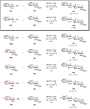
Scheme 31: The different stereoselectivities obtained by Pic and Pico donors on being activated by DMTST.

Figure 4: Hydrogen bond-mediated aglycon delivery (HAD) in glycosylation reactions for 1,2-cis 198a and 1,2-t...

Scheme 32: The role of different acceptor with 6-O-Pic-protected glycosyl donors.

Scheme 33: The role of the remote C-3 protection on various 4,6-O-benzylidene-protected mannosyl donors affect...

Scheme 34: The dual contribution of the DTBS group in glycosylation reactions [246,247].
Heteroannulations of cyanoacetamide-based MCR scaffolds utilizing formamide
- Marios Zingiridis,
- Danae Papachristodoulou,
- Despoina Menegaki,
- Konstantinos G. Froudas and
- Constantinos G. Neochoritis
Beilstein J. Org. Chem. 2025, 21, 217–225, doi:10.3762/bjoc.21.13
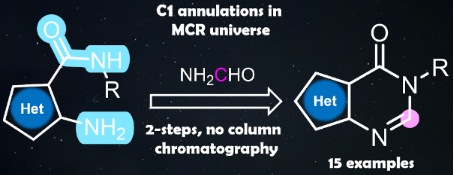
- convergent chemistry characterized by diversity, complexity and efficiency. MCRs are compatible with C1 chemistry due to the generally great tolerance of different functional groups. They have been mostly employed in the synthesis of oxazolidinones and oxazinanones utilizing CO2 and CO [4][16][17][18][19][20
- anthranilic acid and B) access to heteroannulated pyrimidones by MCRs of suitably substituted heterocycles and formamide as C1 source. Access to the key building blocks 2–4 by employing three different nonisocyanide-based MCRs. Diversity and complexity were the essential features of our library of starting

Graphical Abstract

Figure 1: Heteroannulated pyrimidones in drug discovery: blockbuster drugs that are based on the privileged p...

Scheme 1: Strategies towards targeted adducts: A) Niementowski quinazoline synthesis utilizing anthranilic ac...
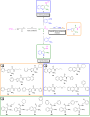
Scheme 2: Access to the key building blocks 2–4 by employing three different nonisocyanide-based MCRs. Divers...

Scheme 3: Synthesis of N-substituted thienopyrimidones 5a–e by a Gewald three-component reaction employing 2-...

Scheme 4: Synthesis of N-substituted quinolinopyrimidones 6a–e from 2-aminoindoles 3a–e and formamide as C1 s...

Scheme 5: Synthesis of N-substituted indolopyrimidones 7a–e from 2-aminoindoles 4a–e and formamide as C1 sour...

Figure 2: Representative fluorescence spectrum of compounds 5b (λex = 330 nm) and 6e (λex = 430 nm) at 0.2 M ...

Figure 3: Molecular geometry observed within the crystal structure of compound 7b (CCDC 2376493).
Hydrogen-bonded macrocycle-mediated dimerization for orthogonal supramolecular polymerization
- Wentao Yu,
- Zhiyao Yang,
- Chengkan Yu,
- Xiaowei Li and
- Lihua Yuan
Beilstein J. Org. Chem. 2025, 21, 179–188, doi:10.3762/bjoc.21.10
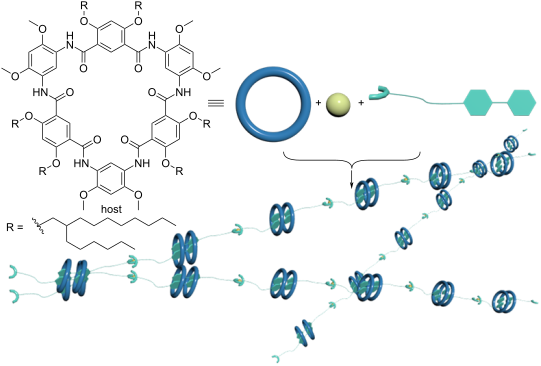
- noncovalent bonding interactions. It also confers on supramolecular assemblies with higher complexity and multilevel ordering [9][10][11], leading to a vast number of applications, for example, for use in detection and separation [12], sensing [13], photocatalysis [14], release [15], and as thermochromic and

Graphical Abstract
Scheme 1: a) Chemical structures of H-bonded macrocycles H1, H2, and guest G1, and schematic representation o...

Figure 1: ESIMS spectrum of an equimolar mixture of G1 and H1 in CHCl3/CH3CN (1:1, v/v), including calculated...

Figure 2: Stacked 1H NMR spectra (CDCl3/CD3CN 1:1, v/v, 400 MHz, 298 K) of G1 upon addition of different equi...

Figure 3: Single-crystal X-ray structure of the complex H2 ⊃ G1. a) Dimeric structure formed by cyclo[6]arami...

Figure 4: Stacked 1H NMR spectra (CDCl3/CD3CN 1:1, v/v, 400 MHz, 298 K) of G2 upon addition of different equi...

Figure 5: TEM images of a solution of H1, G2, and Zn(ClO4)2 at different concentrations (CHCl3/CH3CN 1:1, v/v...

Figure 6: Stacked 1H NMR spectra (CDCl3/CD3CN 1:1, v/v, 400 MHz, 298 K) of G2 and Zn2+ upon addition of diffe...

Figure 7: Specific viscosity of the linear supramolecular polymer in CHCl3/CH3CN (1:1, v/v, 298 K) at variabl...

Figure 8: Variable-concentration 1H NMR spectra of the supramolecular polymer: (a) 2.0 mM, (b) 4.0 mM, (c) 6....
Recent advances in organocatalytic atroposelective reactions
- Henrich Szabados and
- Radovan Šebesta
Beilstein J. Org. Chem. 2025, 21, 55–121, doi:10.3762/bjoc.21.6

Graphical Abstract

Scheme 1: Formation of axially chiral styrenes 3 via iminium activation.

Scheme 2: Synthesis of axially chiral 2-arylquinolines 6.

Scheme 3: Atroposelective intramolecular (4 + 2) annulation leading to aryl-substituted indolines.

Scheme 4: Atroposelective formation of biaryl via twofold aldol condensation.

Scheme 5: Strategy towards diastereodivergent formation of axially chiral oligonaphthylenes.

Scheme 6: Atroposelective formation of chiral biaryls based on a Michael/Henry domino reaction.

Scheme 7: Organocatalytic Michael/aldol cascade followed by oxidative aromatization.

Scheme 8: Atroposelective formation of C(sp2)–C(sp3) axially chiral compounds.

Scheme 9: NHC-catalyzed synthesis of axially chiral styrenes 26.

Scheme 10: NHC-catalyzed synthesis of biaxial chiral pyranones.

Scheme 11: Formation of bridged biaryls with eight-membered lactones.

Scheme 12: The NHC-catalyzed (3 + 2) annulation of urazoles 37 and ynals 36.

Scheme 13: NHC-catalyzed synthesis of axially chiral 4‑aryl α‑carbolines 41.

Scheme 14: NHC-catalyzed construction of N–N-axially chiral pyrroles and indoles.

Scheme 15: NHC-catalyzed oxidative Michael–aldol cascade.

Scheme 16: NHC-catalyzed (4 + 2) annulation for the synthesis of benzothiophene-fused biaryls.
Scheme 17: NHC-catalyzed desymmetrization of N-aryl maleimides.

Scheme 18: NHC-catalyzed deracemization of biaryl hydroxy aldehydes 55a–k into axially chiral benzonitriles 56a...

Scheme 19: NHC-catalyzed desymmetrization of 2-aryloxyisophthalaldehydes.

Scheme 20: NHC-catalyzed DKR of 2-arylbenzaldehydes 62.

Scheme 21: Atroposelective biaryl amination.

Scheme 22: CPA-catalyzed atroposelective amination of 2-anilinonaphthalenes.

Scheme 23: Atroposelective DKR of naphthylindoles.

Scheme 24: CPA-catalyzed kinetic resolution of binaphthylamines.

Scheme 25: Atroposelective amination of aromatic amines with diazodicarboxylates.

Scheme 26: Atroposelective Friedländer heteroannulation.

Scheme 27: CPA-catalyzed formation of axially chiral 4-arylquinolines.

Scheme 28: CPA-catalyzed Friedländer reaction of arylketones with cyclohexanones.

Scheme 29: CPA-catalyzed atroposelective Povarov reaction.

Scheme 30: Atroposelective CPA-catalyzed Povarov reaction.

Scheme 31: Paal–Knorr formation of axially chiral N-pyrrolylindoles and N-pyrrolylpyrroles.

Scheme 32: Atroposelective Paal–Knorr reaction leading to N-pyrrolylpyrroles.

Scheme 33: Atroposelective Pictet–Spengler reaction of N-arylindoles with aldehydes.

Scheme 34: Atroposelective Pictet–Spengler reaction leading to tetrahydroisoquinolin-8-ylanilines.

Scheme 35: Atroposelective formation of arylindoles.

Scheme 36: CPA-catalyzed arylation of naphthoquinones with indolizines.

Scheme 37: Atroposelective reaction of o-naphthoquinones.

Scheme 38: CPA-catalyzed formation of axially chiral arylquinones.

Scheme 39: CPA-catalyzed axially chiral N-arylquinones.

Scheme 40: Atroposelective additions of bisindoles to isatin-based 3-indolylmethanols.

Scheme 41: CPA-catalyzed synthesis of axially chiral arylindolylindolinones.

Scheme 42: CPA-catalyzed reaction between bisindoles and ninhydrin-derived 3-indoylmethanols.

Scheme 43: Atroposelective reaction of bisindoles and isatin-derived imines.

Scheme 44: CPA-catalyzed formation of axially chiral bisindoles.

Scheme 45: Atroposelective reaction of 2-naphthols with alkynylhydroxyisoindolinones.

Scheme 46: CPA-catalyzed reaction of indolylnaphthols with propargylic alcohols.

Scheme 47: Atroposelective formation of indolylpyrroloindoles.

Scheme 48: Atroposelective reaction of indolylnaphthalenes with alkynylnaphthols.

Scheme 49: CPA-catalyzed addition of naphthols to alkynyl-2-naphthols and 2-naphthylamines.

Scheme 50: CPA-catalyzed formation of axially chiral aryl-alkene-indoles.

Scheme 51: CPA-catalyzed formation of axially chiral styrenes.

Scheme 52: Atroposelective formation of alkenylindoles.

Scheme 53: Atroposelective formation of axially chiral arylquinolines.

Scheme 54: Atroposelective (3 + 2) cycloaddition of alkynylindoles with azonaphthalenes.

Scheme 55: CPA-catalyzed formation of axially chiral 3-(1H-benzo[d]imidazol-2-yl)quinolines.

Scheme 56: Atroposelective cyclization of 3-(arylethynyl)-1H-indoles.

Scheme 57: Atroposelective three-component heteroannulation.

Scheme 58: CPA-catalyzed formation of arylbenzimidazols.

Scheme 59: CPA-catalyzed reaction of N-naphthylglycine esters with nitrosobenzenes.
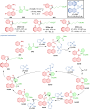
Scheme 60: CPA-catalyzed formation of axially chiral N-arylbenzimidazoles.

Scheme 61: CPA-catalyzed formation of axially chiral arylbenzoindoles.

Scheme 62: CPA-catalyzed formation of pyrrolylnaphthalenes.
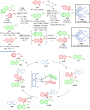
Scheme 63: CPA-catalyzed addition of naphthols and indoles to nitronaphthalenes.

Scheme 64: Atroposelective reaction of heterobiaryl aldehydes and aminobenzamides.

Scheme 65: Atroposelective cyclization forming N-arylquinolones.

Scheme 66: Atroposelective formation of 9H-carbazol-9-ylnaphthalenes and 1H-indol-1-ylnaphthalene.

Scheme 67: CPA-catalyzed formation of pyrazolylnaphthalenes.

Scheme 68: Atroposelective addition of diazodicarboxamides to azaborinephenols.

Scheme 69: Catalytic formation of axially chiral arylpyrroles.

Scheme 70: Atroposelective coupling of 1-azonaphthalenes with 2-naphthols.

Scheme 71: CPA-catalyzed formation of axially chiral oxindole-based styrenes.

Scheme 72: Atroposelective electrophilic bromination of aminonaphthoquinones.

Scheme 73: Atroposelective bromination of dienes.

Scheme 74: CPA-catalyzed formation of axially chiral 5-arylpyrimidines.

Scheme 75: Atroposelective hydrolysis of biaryloxazepines.

Scheme 76: Atroposelective opening of dinaphthosiloles.

Scheme 77: Atroposelective reduction of naphthylenals.

Scheme 78: Atroposelective allylic substitution with 2-naphthols.

Scheme 79: Atroposelective allylic alkylation with phosphinamides.

Scheme 80: Atroposelective allylic substitution with aminopyrroles.

Scheme 81: Atroposelective allylic substitution with aromatic sulfinamides.

Scheme 82: Atroposelective sulfonylation of naphthylynones.

Scheme 83: Squaramide-catalyzed reaction of alkynyl-2-naphthols with 5H-oxazolones.

Scheme 84: Formation of axially chiral styrenes via sulfonylative opening of cyclopropanols.

Scheme 85: Atroposelective organo-photocatalyzed sulfonylation of alkynyl-2-naphthols.

Scheme 86: Thiourea-catalyzed atroposelective cyclization of alkynylnaphthols.

Scheme 87: Squaramide-catalyzed formation of axially chiral naphthylisothiazoles.

Scheme 88: Atroposelective iodo-cyclization catalyzed by squaramide C69.

Scheme 89: Squaramide-catalyzed formation of axially chiral oligoarenes.

Scheme 90: Atroposelective ring-opening of cyclic N-sulfonylamides.

Scheme 91: Thiourea-catalyzed kinetic resolution of naphthylpyrroles.

Scheme 92: Atroposelective ring-opening of arylindole lactams.

Scheme 93: Atroposelective reaction of 1-naphthyl-2-tetralones and diarylphosphine oxides.

Scheme 94: Atroposelective reaction of iminoquinones with indoles.

Scheme 95: Kinetic resolution of binaphthylalcohols.

Scheme 96: DKR of hydroxynaphthylamides.

Scheme 97: Atroposelective N-alkylation with phase-transfer catalyst C75.
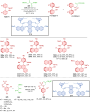
Scheme 98: Atroposelective allylic substitution via kinetic resolution of biarylsulfonamides.

Scheme 99: Atroposelective bromo-functionalization of alkynylarenes.
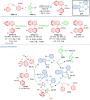
Scheme 100: Sulfenylation-induced atroposelective cyclization.

Scheme 101: Atroposelective O-sulfonylation of isochromenone-indoles.

Scheme 102: NHC-catalyzed atroposelective N-acylation of anilines.

Scheme 103: Peptide-catalyzed atroposelective ring-opening of lactones.

Scheme 104: Peptide-catalyzed coupling of 2-naphthols with quinones.

Scheme 105: Atroposelective nucleophilic aromatic substitution of fluoroarenes.
Emerging trends in the optimization of organic synthesis through high-throughput tools and machine learning
- Pablo Quijano Velasco,
- Kedar Hippalgaonkar and
- Balamurugan Ramalingam
Beilstein J. Org. Chem. 2025, 21, 10–38, doi:10.3762/bjoc.21.3
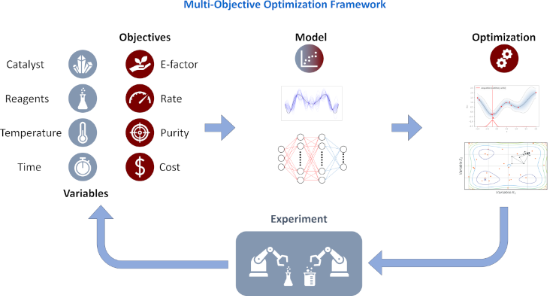
- substantial resources and are labor-intensive, often exploring only a single variable in search of the optimal conditions while disregarding the intricate interactions among competing variables within the synthesis process. The complexity of the problem requires consideration that process optimization often

Graphical Abstract

Figure 1: A high-level representation of the workflow and framework used for the optimization of organic reac...

Figure 2: (a) Photograph showing a Chemspeed HTE platform using 96-well reaction blocks. (b) Mobile robot equ...

Figure 3: (a) Description of a slug flow platform developed using segments of gas as separation medium for hi...

Figure 4: Schematic representation (a) and photograph (b) of the flow parallel synthesizer intelligently desi...

Figure 5: (a) Schematic representation of an ASFR for obtaining an optimal solution with minimal human interv...

Figure 6: (a) A modular flow platform developed for a wider variety of chemical syntheses. (b) Various catego...

Figure 7: Implementation of four complementary PATs into the optimization process of a three-step synthesis.

Figure 8: Overlay of several Raman spectra of a single condition featuring the styrene vinyl region (a) and t...

Figure 9: (a) Schematic description of the process of chemical reaction optimization through ML methods. (b) ...

Figure 10: (a) Comparison between a standard GP (single-task) and a multitask GP. Training an auxiliary task u...

Figure 11: Comparison of the reaction yield between optimizations campaign where the catalyst ligand selection...
Ceratinadin G, a new psammaplysin derivative possessing a cyano group from a sponge of the genus Pseudoceratina
- Shin-ichiro Kurimoto,
- Kouta Inoue,
- Taito Ohno and
- Takaaki Kubota
Beilstein J. Org. Chem. 2024, 20, 3215–3220, doi:10.3762/bjoc.20.267
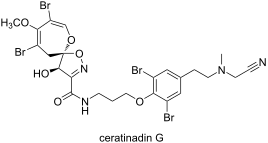
- ]undeca-2,7,9-trien-4-ol moiety classified as psammaplysin derivatives. About 50 psammaplysin derivatives have been identified so far [2][3]. Among bromotyrosine alkaloids, the psammaplysin derivatives are particularly intriguing due to their structural complexity and biological activities. Psammaplysin

Graphical Abstract

Figure 1: Structures of ceratinadin G (1) and psammaplysin F (2).

Figure 2: Selected 2D NMR correlations for ceratinadin G (1).

Figure 3: ECD spectra of ceratinadin G (1) and psammaplysin F (2) in MeOH.
Synthesis of the 1,5-disubstituted tetrazole-methanesulfonylindole hybrid system via high-order multicomponent reaction
- Cesia M. Aguilar-Morales,
- América A. Frías-López,
- Nadia V. Emilio-Velázquez,
- Alejandro Islas-Jácome,
- Angelica Judith Granados-López,
- Jorge Gustavo Araujo-Huitrado,
- Yamilé López-Hernández,
- Hiram Hernández-López,
- Luis Chacón-García,
- Jesús Adrián López and
- Carlos J. Cortés-García
Beilstein J. Org. Chem. 2024, 20, 3077–3084, doi:10.3762/bjoc.20.256
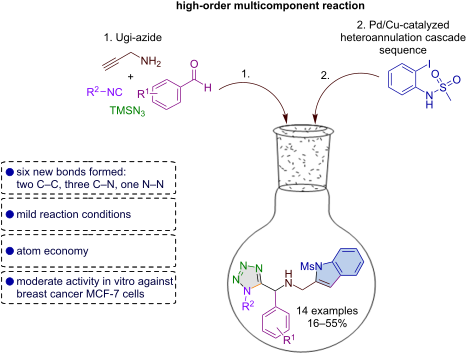
- structural diversity and complexity compared to classical 3- or 4-CRs [17][18][19]. In the same context, the hybridization of 1,5-disubstituted tetrazoles with an indole moiety using I-MCRs such as the Ugi-azide reaction as a key step, is very limited. To our knowledge, only three reactions have been
- -disubstituted tetrazole-methanesulfonylindole derivatives, with yields ranging from 16% to 55% after purification by column chromatography. Despite some yields being modest, they are deemed reasonable considering the reaction’s structural complexity, atom economy, and the efficiency achieved in terms of time

Graphical Abstract
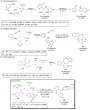
Scheme 1: Synthetic approaches to obtain the 1,5-disubstituted tetrazole-indole system and our synthetic appr...
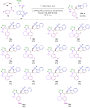
Scheme 2: High-order multicomponent reaction for the synthesis of 1,5-disubstituted tetrazol-methanesulfonyli...

Scheme 3: Plausible reaction mechanism for the synthesis of target molecules 18a–n.

Figure 1: Differential effect of the 1,5-disubstituted tetrazole-indole hybrid compounds 18a–j on proliferati...
Tailored charge-neutral self-assembled L2Zn2 container for taming oxalate
- David Ocklenburg and
- David Van Craen
Beilstein J. Org. Chem. 2024, 20, 3007–3015, doi:10.3762/bjoc.20.250
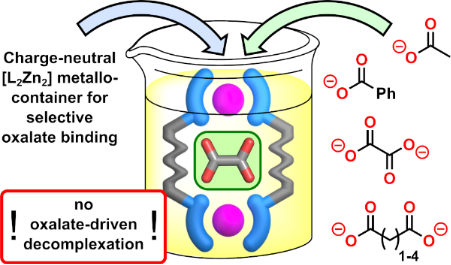
- inevitable presence of counteranions necessary to balance the positive charge increases the complexity of the underlying equilibria. Competition between the desired guest and the counteranions can lead to significantly weakened binding strength of the target analyte in the worst case. One option to mitigate

Graphical Abstract

Figure 1: a) Generally desired guest recognition by encapsulation of the analyte within self-assembled metal-...
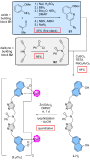
Scheme 1: Two-synthon approach for ligand preparation via CuAAC click reaction of an azide-functionalized, pr...

Figure 2: Recognition of mono- and dicarboxylates with [L2Zn2] which results in the formation of 1:1 host–gue...
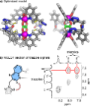
Figure 3: a) Optimized structure (ωB97X‒D4 [83]/def2-SVP [84,85], implicit solvation with DMSO [86], ORCA 5.0.3 [81,82]) of [(C2)@L2...
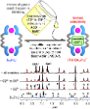
Figure 4: 1H NMR competition experiments (500 MHz, 500 µM, DMSO-d6, 25 °C) with mixtures of studied analytes ...
Advances in radical peroxidation with hydroperoxides
- Oleg V. Bityukov,
- Pavel Yu. Serdyuchenko,
- Andrey S. Kirillov,
- Gennady I. Nikishin,
- Vera A. Vil’ and
- Alexander O. Terent’ev
Beilstein J. Org. Chem. 2024, 20, 2959–3006, doi:10.3762/bjoc.20.249
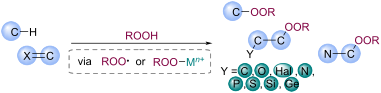
- Kharasch–Sosnovsky peroxidation became the basic universal platform for the development of peroxidation methods, with its great potential for rapid generation of complexity due to the ability to couple the resulting free radicals with a wide range of partners. This review discusses the recent advances in

Graphical Abstract

Scheme 1: Organic peroxide initiators in polymer chemistry.

Scheme 2: Synthesis of organic peroxides.

Scheme 3: Richness of radical cascades with species formed from hydroperoxides in redox conditions.
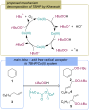
Scheme 4: Co-catalyzed allylic peroxidation of alkenes 1 and 3 by TBHP.

Scheme 5: Allylic peroxidation of alkenes 6 by Pd(II)TBHP.
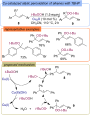
Scheme 6: Cu(I)-catalyzed allylic peroxidation.

Scheme 7: Enantioselective peroxidation of alkenes 10 with TBHP in the presence of copper(I) compounds.

Scheme 8: Oxidation of α-pinene (12) by the Cu(I)/TBHP system.

Scheme 9: Introduction of the tert-butylperoxy fragment into the α-position of cyclic ketones 15 and 17.
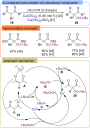
Scheme 10: α-Peroxidation of β-dicarbonyl compounds 19 using the Cu(II)/TBHP system.
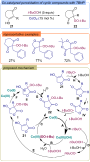
Scheme 11: Co-catalyzed peroxidation of cyclic compounds 21 with TBHP.

Scheme 12: Co-, Mn- and Fe-catalyzed peroxidation of 2-oxoindoles 23, barbituric acids 25, and 4-hydroxycoumar...

Scheme 13: Cu-catalyzed and metal-free peroxidation of barbituric acid derivatives 31 and 3,4-dihydro-1,4-benz...

Scheme 14: Electrochemical peroxidation of 1,3-dicarbonyl compounds 35.

Scheme 15: Peroxidation of β-dicarbonyl compounds, cyanoacetic esters and malonic esters 37 by the TBAI/TBHP s...
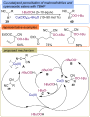
Scheme 16: Cu-catalyzed peroxidation of malonodinitriles and cyanoacetic esters 39 with TBHP.

Scheme 17: Mn-catalyzed remote peroxidation via trifluromethylation of double bond.

Scheme 18: Cu-catalyzed remote peroxidation via trifluromethylthiolation of double bond.

Scheme 19: Fe-, Mn-, and Ru-catalyzed peroxidation of alkylaromatics 45, 47, 49, and 51 with TBHP.

Scheme 20: Cu-catalyzed peroxidation of diphenylacetonitrile (53) with TBHP.
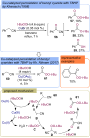
Scheme 21: Cu-catalyzed peroxidation of benzyl cyanides 60 with TBHP.
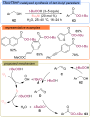
Scheme 22: Synthesis of tert-butylperoxy esters 63 from benzyl alcohols 62 using the TBAI/TBHP system.

Scheme 23: Enantioselective peroxidation of 2-phenylbutane (64) with TBHP and chiral Cu(I) complex.
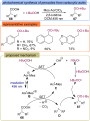
Scheme 24: Photochemical synthesis of peroxides 67 from carboxylic acids 66.
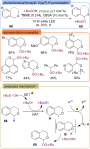
Scheme 25: Photochemical peroxidation of benzylic C(sp3)–H.
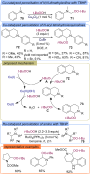
Scheme 26: Cu- and Ru-catalyzed peroxidation of alkylamines with TBHP.
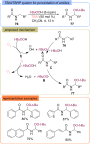
Scheme 27: Peroxidation of amides 76 with the TBAI/TBHP system.
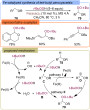
Scheme 28: Fe-catalyzed functionalization of ethers 78 with TBHP.

Scheme 29: Synthesis of 4-(tert-butylperoxy)-5-phenyloxazol-2(3H)-ones 82 from benzyl alcohols 80 and isocyana...

Scheme 30: Fe- and Co-catalyzed peroxidation of alkanes with TBHP.
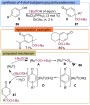
Scheme 31: Rh-catalyzed tert-butylperoxy dienone synthesis with TBHP.

Scheme 32: Rh- and Cu-catalyzed phenolic oxidation with TBHP.

Scheme 33: Metal-free peroxidation of phenols 94.

Scheme 34: Cu-catalyzed alkylation–peroxidation of acrylonitrile.

Scheme 35: Cu-catalyzed cycloalkylation–peroxidation of coumarins 99.

Scheme 36: Metal-free cycloalkylation–peroxidation of coumarins 102.

Scheme 37: Difunctionalization of indene 104 with tert-butylperoxy and alkyl groups.

Scheme 38: Acid-catalyzed radical addition of ketones (108, 111) and TBHP to alkenes 107 and acrylates 110.

Scheme 39: Cu-catalyzed alkylation–peroxidation of alkenes 113 with TBHP and diazo compounds 114.

Scheme 40: Cobalt(II)-catalyzed addition of TBHP and 1,3-dicarbonyl compound 116 to alkenes 117.

Scheme 41: Cu(0)- or Co(II)-catalyzed addition of TBHP and alcohols 120 to alkenes 119.

Scheme 42: Fe-catalyzed functionalization of allenes 122 with TBHP.

Scheme 43: Fe-catalyzed alkylation–peroxidation of alkenes 125 and 127.

Scheme 44: Fe- and Co-catalyzed alkylation–peroxidation of alkenes 130, 133 and 134 with TBHP and aldehydes as...
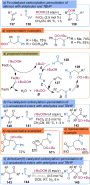
Scheme 45: Carbonylation–peroxidation of alkenes 137, 140, 143 with hydroperoxides and aldehydes.

Scheme 46: Carbamoylation–peroxidation of alkenes 146 with formamides and TBHP.

Scheme 47: TBAB-catalyzed carbonylation–peroxidation of alkenes.

Scheme 48: VOCl2-catalyzed carbonylation–peroxidation of alkenes 152.
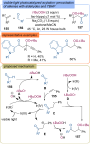
Scheme 49: Acylation–peroxidation of alkenes 155 with aldehydes 156 and TBHP using photocatalysis.
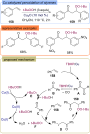
Scheme 50: Cu-catalyzed peroxidation of styrenes 158.

Scheme 51: Fe-catalyzed acylation-peroxidation of alkenes 161 with carbazates 160 and TBHP.

Scheme 52: Difunctionalization of alkenes 163, 166 with TBHP and (per)fluoroalkyl halides.

Scheme 53: Difunctionalization of alkenes 169 and 172 with hydroperoxides and sodium (per)fluoromethyl sulfina...
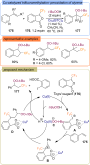
Scheme 54: Trifluoromethylation–peroxidation of styrenes 175 using MOF Cu3(BTC)2 as a catalyst.
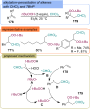
Scheme 55: Difunctionalization of alkenes 178 with tert-butylperoxy and dihalomethyl fragments.

Scheme 56: Difunctionalization of alkenes 180 with the tert-butylperoxy and dihalomethyl moieties.
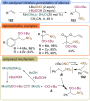
Scheme 57: The nitration–peroxidation of alkenes 182 with t-BuONO and TBHP.
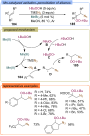
Scheme 58: Azidation–peroxidation of alkenes 184 with TMSN3 and TBHP.

Scheme 59: Co-catalyzed bisperoxidation of butadiene 186.

Scheme 60: Bisperoxidation of styrene (189) and acrylonitrile (192) with TBHP by Minisci.

Scheme 61: Mn-catalyzed synthesis of bis(tert-butyl)peroxides 195 from styrenes 194.

Scheme 62: Bisperoxidation of arylidene-9H-fluorenes 196 and 3-arylidene-2-oxoindoles 198 with TBHP under Mn-c...

Scheme 63: Synthesis of bisperoxides from styrenes 200 and 203 using the Ru and Rh catalysis.
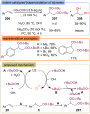
Scheme 64: Iodine-catalyzed bisperoxidation of styrenes 206.
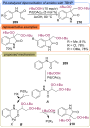
Scheme 65: Synthesis of di-tert-butylperoxyoxoindoles 210 from acrylic acid anilides 209 using a Pd(II)/TBHP o...

Scheme 66: Pinolation/peroxidation of styrenes 211 catalyzed by Cu(I).
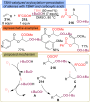
Scheme 67: TBAI-catalyzed acyloxylation–peroxidation of alkenes 214 with carboxylic acids and TBHP.

Scheme 68: Difunctionalization of alkenes 217 with TBHP and water or alcohols.

Scheme 69: TBAI-catalyzed hydroxyperoxidation of 1,3-dienes 220.

Scheme 70: Hydroxyperoxidation of 1,3-dienes 220.

Scheme 71: Iodination/peroxidation of alkenes 223 with I2 and hydroperoxides.

Scheme 72: The reactions of cyclic enol ethers 226 and 228 with I2/ROOH system.

Scheme 73: Synthesis of 1-(tert-butylperoxy)-2-iodoethanes 231.

Scheme 74: Synthesis of 1-iodo-2-(tert-butylperoxy)ethanes 233.
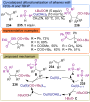
Scheme 75: Cu-catalyzed phosphorylation–peroxidation of alkenes 234.
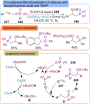
Scheme 76: Co-catalyzed phosphorylation–peroxidation of alkenes 237.
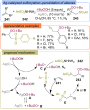
Scheme 77: Ag-catalyzed sulfonylation–peroxidation of alkenes 241.

Scheme 78: Co-catalyzed sulfonylation–peroxidation of alkenes 244.

Scheme 79: Synthesis of α/β-peroxysulfides 248 and 249 from styrenes 247.

Scheme 80: Cu-catalyzed trifluoromethylthiolation–peroxidation of alkenes 250 and allenes 252.

Scheme 81: Photocatalytic sulfonyl peroxidation of alkenes 254 via deamination of N-sulfonyl ketimines 255.

Scheme 82: Photoredox-catalyzed 1,4-peroxidation–sulfonylation of enynones 257.

Scheme 83: Cu-catalyzed silylperoxidation of α,β-unsaturated compounds 260 and enynes 261.

Scheme 84: Fe-catalyzed silyl peroxidation of alkenes.

Scheme 85: Cu-catalyzed germyl peroxidation of alkenes 267.
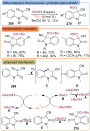
Scheme 86: TBAI-catalyzed intramolecular cyclization of diazo compounds 269 with further peroxidation.

Scheme 87: Co-catalyzed three-component coupling of benzamides 271, diazo compounds 272 and TBHP.

Scheme 88: Co-catalyzed esterification-peroxidation of diazo compounds 274 with TBHP and carboxylic acids 275.

Scheme 89: Cu-catalyzed alkylation–peroxidation of α-carbonylimines 277 or ketones 280.

Scheme 90: Mn-catalyzed ring-opening peroxidation of cyclobutanols 282 with TBHP.

Scheme 91: Peroxycyclization of tryptamines 284 with TBHP.

Scheme 92: Radical cyclization–peroxidation of homotryptamines 287.
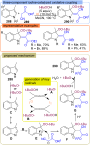
Scheme 93: Iodine-catalyzed oxidative coupling of indoles 288, cyanoacetic esters and TBHP.

Scheme 94: Summary of metal-catalyzed peroxidation processes.
Investigation of a bimetallic terbium(III)/copper(II) chemosensor for the detection of aqueous hydrogen sulfide
- Parvathy Mini,
- Michael R. Grace,
- Genevieve H. Dennison and
- Kellie L. Tuck
Beilstein J. Org. Chem. 2024, 20, 2818–2826, doi:10.3762/bjoc.20.237
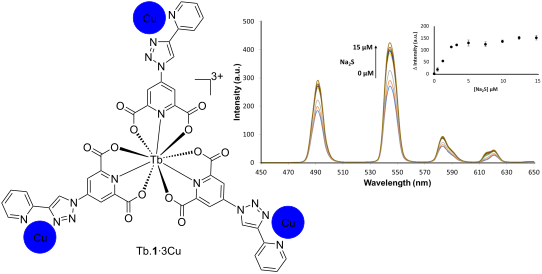
- advances have been made, there remain critical challenges and unmet needs that call for innovative approaches. One of the key motivations for this exploration is the increasing complexity and diversity of analytes that require detection in real-world scenarios. Traditional methods, while effective, often
- emission spectrum, unlike that observed with the europium(III) analogue. This result suggests potential variations in the luminescence response among terbium(III) analogues and highlights the complexity of the interaction between lanthanide complexes and gaseous H2S, and understanding the nuances of this

Graphical Abstract

Figure 1: Previously reported lanthanide complexes [12,16,17].

Scheme 1: Synthesis of Tb.1.

Figure 2: Absorption (red line), excitation (yellow line, λem = 615 nm), and emission (green line, λex = 250 ...

Figure 3: (a) Changes in the luminescence emission spectrum of 5 µM [Tb.1·3Cu]3+ upon the addition of Na2S (0...

Figure 4: (a) Changes in the luminescence emission spectrum of 5 µM [Tb.1·3Cu]3+ upon the addition of Na2S (0...

Figure 5: Luminescence intensity of 5 μM Tb.1 in 10 mM Tris-HCl buffer, pH 7.4, containing 5% DMSO upon the a...

Figure 6: Changes in luminescent intensity of [Tb.1·3Cu]3+ (5 µM) detected at 545 nm in the presence of vario...

Figure 7: Chemical structure and mode of action of [Tb(DPA-N3)3]3− for detection of H2S(g) [11].
Copper-catalyzed yne-allylic substitutions: concept and recent developments
- Shuang Yang and
- Xinqiang Fang
Beilstein J. Org. Chem. 2024, 20, 2739–2775, doi:10.3762/bjoc.20.232
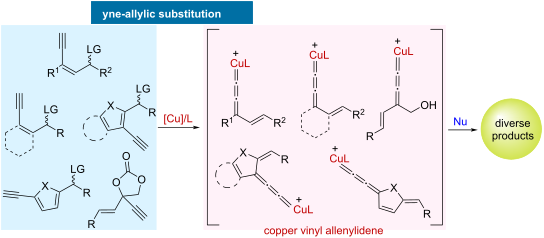
- catalytic strategy provided direct access to a range of chiral spiropyrazolones in good to high yields, displaying moderate to excellent enantiomeric excess (Scheme 47, 47a–l). The method represents a novel approach for the synthesis of enantioenriched spirocyclic compounds with structural complexity

Graphical Abstract

Scheme 1: Copper-catalyzed allylic and yne-allylic substitution.

Scheme 2: Challenges in achieving highly selective yne-allylic substitution.

Scheme 3: Yne-allylic substitutions using indoles and pyroles.

Scheme 4: Yne-allylic substitutions using amines.

Scheme 5: Yne-allylic substitution using 1,3-dicarbonyls.

Scheme 6: Postulated mechanism via copper acetylide-bonded allylic cation.

Scheme 7: Amine-participated asymmetric yne-allylic substitution.

Scheme 8: Asymmetric decarboxylative yne-allylic substitution.

Scheme 9: Asymmetric yne-allylic alkoxylation and alkylation.

Scheme 10: Proposed mechanism for Cu(I) system.

Scheme 11: Asymmetric yne-allylic dialkylamination.

Scheme 12: Proposed mechanism of yne-allylic dialkylamination.

Scheme 13: Asymmetric yne-allylic sulfonylation.

Scheme 14: Proposed mechanism of yne-allylic sulfonylation.

Scheme 15: Aymmetric yne-allylic substitutions using indoles and indolizines.

Scheme 16: Double yne-allylic substitutions using pyrrole.

Scheme 17: Proposed mechanism of yne-allylic substitution using electron-rich arenes.

Scheme 18: Aymmetric yne-allylic monofluoroalkylations.

Scheme 19: Proposed mechanism.
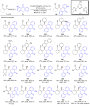
Scheme 20: Aymmetric yne-allylic substitution of yne-allylic esters with anthrones.

Scheme 21: Aymmetric yne-allylic substitution of yne-allylic esters with coumarins.
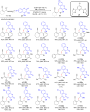
Scheme 22: Aymmetric yne-allylic substitution of with coumarins by Lin.

Scheme 23: Proposed mechanism.

Scheme 24: Amination by alkynylcopper driven dearomatization and rearomatization.

Scheme 25: Arylation by alkynylcopper driven dearomatization and rearomatization.

Scheme 26: Remote substitution/cyclization/1,5-H shift process.

Scheme 27: Proposed mechanism.

Scheme 28: Arylation or amination by alkynylcopper driven dearomatization and rearomatization.

Scheme 29: Remote nucleophilic substitution of 5-ethynylthiophene esters.

Scheme 30: Proposed mechanism.

Scheme 31: [4 + 1] annulation of yne-allylic esters and cyclic 1,3-dicarbonyls.
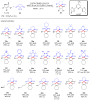
Scheme 32: Asymmetric [4 + 1] annulation of yne-allylic esters.

Scheme 33: Proposed mechanism.

Scheme 34: Asymmetric [3 + 2] annulation of yne-allylic esters.

Scheme 35: Postulated annulation step.

Scheme 36: [4 + 1] Annulations of vinyl ethynylethylene carbonates and 1,3-dicarbonyls.

Scheme 37: Proposed mechanism.

Scheme 38: Formal [4 + 1] annulations with amines.

Scheme 39: Formal [4 + 2] annulations with hydrazines.

Scheme 40: Proposed mechanism.
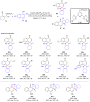
Scheme 41: Dearomative annulation of 1-naphthols and yne-allylic esters.

Scheme 42: Dearomative annulation of phenols or 2-naphthols and yne-allylic esters.

Scheme 43: Postulated annulation mechanism.
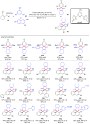
Scheme 44: Dearomative annulation of phenols or 2-naphthols.

Scheme 45: Dearomative annulation of indoles.

Scheme 46: Postulated annulation step.

Scheme 47: Asymmetric [4 + 1] cyclization of yne-allylic esters with pyrazolones.

Scheme 48: Proposed mechanism.

Scheme 49: Construction of C–C axially chiral arylpyrroles.

Scheme 50: Construction of C–N axially chiral arylpyrroles.
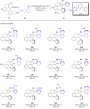
Scheme 51: Construction of chiral arylpyrroles with 1,2-di-axial chirality.

Scheme 52: Proposed mechanism.

Scheme 53: CO2 shuttling in yne-allylic substitution.

Scheme 54: CO2 fixing in yne-allylic substitution.

Scheme 55: Proposed mechanism.
Synthesis of spiroindolenines through a one-pot multistep process mediated by visible light
- Francesco Gambuti,
- Jacopo Pizzorno,
- Chiara Lambruschini,
- Renata Riva and
- Lisa Moni
Beilstein J. Org. Chem. 2024, 20, 2722–2731, doi:10.3762/bjoc.20.230
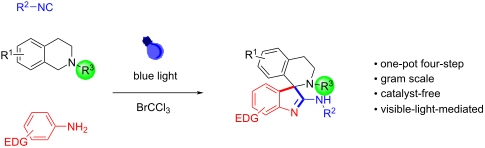
- ]. Among the common compound collections for drug discovery, the introduction of spirocyclic elements presents an attractive strategy for increasing molecular complexity without increasing molecular weight, and at the same time, for introducing structural novelty for patentability [3]. However, the

Graphical Abstract

Figure 1: Selected natural products containing spiro-indolenines.
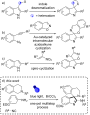
Scheme 1: Synthesis of spiro[indole-heterocycles].
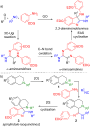
Scheme 2: Synthetic strategy for the new synthesis of 2,3-diaminoindolenines [21] and spiro[indole-isoquinolines]....
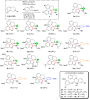
Scheme 3: Scope of the synthesis of spiro[indole-THIQs]. aα-aminoamidine 2b has been isolated (54%) too; bα-a...

Scheme 4: Two-step synthesis using p-methylaniline.

Scheme 5: Investigation of the one-pot four-step synthetic protocol employing N-Ph-benzoxazepine 5.

Figure 2: Time profile of the reaction of N-Ph-THIQ, 3,5-dimethoxyaniline and t-BuNC conducted under optimize...

Scheme 6: Proposed mechanism.
Computational design for enantioselective CO2 capture: asymmetric frustrated Lewis pairs in epoxide transformations
- Maxime Ferrer,
- Iñigo Iribarren,
- Tim Renningholtz,
- Ibon Alkorta and
- Cristina Trujillo
Beilstein J. Org. Chem. 2024, 20, 2668–2681, doi:10.3762/bjoc.20.224
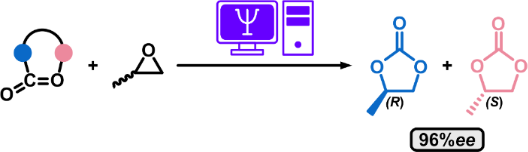
- based on an N/B pair, while the remaining six are P/B FLPs. Given the relative complexity of the mechanism studied, it was necessary to employ a 3D volcano plot using the energy span (δE) and two energies of the system. Analysis of the correlations revealed that the most suitable combination of energies

Graphical Abstract

Scheme 1: Reaction between propylene oxide (PO) and CO2 and the five catalyst scaffolds under study. The posi...

Figure 1: Schematic representation of an (A) 2D and a (B) 3D volcano plot. The abbreviation “cat.” stands for...

Scheme 2: Capture reactions of CO2 or an epoxide by FLP.

Figure 2: (A) Structure of PO annotated with the C–O bond distances and electron densities at the BCPs. BCPs ...

Figure 3: Symmetric FLP scaffolds considered in the first study. X denotes N or P.

Figure 4: Subset of FLP scaffolds considered in the catalyst optimisation study. Substituents and labels are ...

Figure 5: Coupling reaction between PO and CO2. Depending on the catalyst considered, the reaction follows me...

Figure 6: VOLCANO plot group 1. The free energies of pre-TS01 assembly and Min2 are considered for the correl...

Figure 7: VOLCANO plot group 2. The free energies of pre-TS01 assembly and Min2 are considered for the correl...

Scheme 3: Asymmetric catalysis studied. On the left, the catalyst proposed by Gao et al. for the asymmetric h...

Figure 8: Catalysed reaction between the (S)-enantiomer of propylene oxide and CO2 resulting in the formation...

Figure 9: Schemes of the different asymmetric reactions observed. Hydrogen capable of rotation is marked in o...
Applications of microscopy and small angle scattering techniques for the characterisation of supramolecular gels
- Connor R. M. MacDonald and
- Emily R. Draper
Beilstein J. Org. Chem. 2024, 20, 2608–2634, doi:10.3762/bjoc.20.220
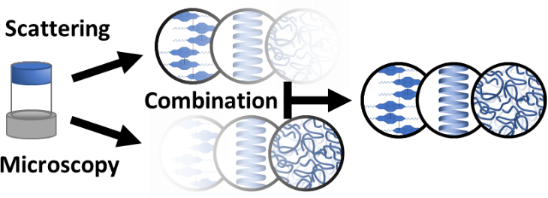
- leave the solvent deuterated. This gives the advantage of contrast matching, where parts of the molecule can be hidden so temporal mapping can be achieved, but all add to the cost and complexity of the experiments. This is discussed in more detail further on. A number of models exist which describe the
- macroscopic irradiated volume [10]. This makes the meaningful application of SAS techniques to heterogeneous systems challenging [72]. As the topological complexity of the system increases, so too does the difficulty of modelling the data. This can result in the number of modelling parameters becoming

Graphical Abstract

Figure 1: Hierarchical assembly occurring across length scales. Molecular interactions result in fibres which...

Figure 2: Three-dimensional CLSM image of a multicomponent supramolecular structure. The three-dimensional CL...

Figure 3: AFM images of air-dried aqueous Fmoc-FF, Fmoc-S, and 1:1 Fmoc-FF:Fmoc-S solutions. Figure 3 was reprinted f...

Figure 4: (a) 3D CLSM images of macroscopically a self-sorting gel network, where all fibres were stained gre...

Figure 5: (a) 3D AFM topographic image of dried elastin fibre. (b) Indicative height and diameter profile plo...

Figure 6: The nano-to-micro imaging range of SEM and TEM [30]. Cartoons represent the nanoparticles, pores, nanow...

Figure 7: Cartoon of artifacts caused by blotting and thinning. a) Alignment of threadlike micelles (left) [32] a...

Figure 8: (a) Chemical structures of monomer compounds and a schematic of the resulting chiral helical struct...

Figure 9: Commonly observed entanglements of urea-based supramolecular helices. (a) Double helix, (b) quadrup...

Figure 10: (a) SEM image of a single three-stranded braid showing a defect in which the braid separates into s...

Figure 11: Visualization of individual atoms at 1.25 Å resolution. Three apoferritin residues are shown at hig...

Figure 12: Cartoon of a general small-angle scattering setup.

Figure 13: (a) SAXS data and fits for solution in H2O (open symbols) and D2O (closed symbols). Cryo-TEM data f...

Figure 14: (a) A cartoon illustrating the orientation phases caused by shear alignment of WLMs. (b) Rheologica...

Figure 15: (a) Chemical structure of 2NapFF and (b) a cartoon cross-section of the hollow cylinder structure f...

Figure 16: Length scales of scattering and imaging techniques [16,54,55].

Figure 17: A schematic of a hydrogel network showing the significance of various parameters extracted from SAN...

Figure 18: The morphologies of a co-assembled complex dependent on the solvent composition. Figure 18 is from [89] and was ...

Figure 19: Allowed and forbidden crossings of entangled helices. Figure 19 is from [44] and was adapted by permission from ...

Figure 20: (a) Cryo-TEM density map of self-assembled (ʟ,ʟ)-2NapFF. (b) Computational model fit to cryo-TEM ma...

Figure 21: Map showing an incomplete list of global scientific centres providing access to (a) cryo-EM in red ...

Figure 22: SANS at a range of times. Solid lines are fits to a hollow cylinder model (T = 114 min and T = 202 ...

Figure 23: SAXS data of 5 mg/mL alanine-functionalised perylene bisimide (PBI-A) in 20 v/v % MeOH at pH (a) 2;...

Figure 24: Cryo-TEM sample prepared using plunge freezing in liquid nitrogen slush and sublimed for 30 minutes...
Machine learning-guided strategies for reaction conditions design and optimization
- Lung-Yi Chen and
- Yi-Pei Li
Beilstein J. Org. Chem. 2024, 20, 2476–2492, doi:10.3762/bjoc.20.212
- compute reaction enthalpy for particular types of reactions [30], this approach often demands significant computational resources to determine accurate TSs and activation energies. The complexity increases further when considering the impacts of solvents and catalysts, which means that large-scale
- procedure can provide valuable chemical insights into graph-based reaction encoding, as it reveals how the reaction center atoms influence the bond breaking and formation. However, obtaining accurate AAM for reactions can be difficult and depends on the complexity of the reaction types, as shown by Lin et

Graphical Abstract

Figure 1: Schematic diagram illustrating the data mining and preprocessing steps for chemical reaction datase...

Figure 2: A comparison of three types of reaction embedding methods: (A) descriptor-based, which use predefin...

Figure 3: A schematic diagram of how ML algorithms can be combined with HTE platforms to optimize reaction co...
Facile preparation of fluorine-containing 2,3-epoxypropanoates and their epoxy ring-opening reactions with various nucleophiles
- Yutaro Miyashita,
- Sae Someya,
- Tomoko Kawasaki-Takasuka,
- Tomohiro Agou and
- Takashi Yamazaki
Beilstein J. Org. Chem. 2024, 20, 2421–2433, doi:10.3762/bjoc.20.206
- (17%) were employed instead of nitroacetate, while no other compound was separated from these mixtures due to their complexity (Scheme 6). Reactions of (E)-4,4,4-trifluoro-2,3-epoxybutanoate 2b with Grignard-based copper reagents Despite the previous report by the Seebach group on the intriguing

Graphical Abstract
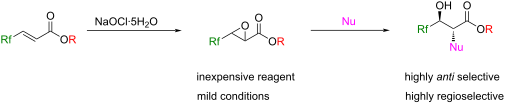
Scheme 1: Expectation of the regio- as well as stereoselective reactions of 2.

Scheme 2: Attempts of the present epoxidation to other α,β-unsaturated esters, 1h–j.
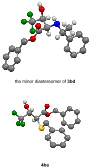
Figure 1: Crystallographic structure of the epoxy ring-opening products by PhCH(NH2)Me (3bd) and PhCH2SH (4ba...

Scheme 3: Introduction of additional halogen atoms at the 2-position of the compound 2b.
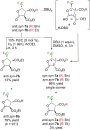
Scheme 4: Clarification of the stereochemistry of anti,syn-8a and -7b.

Figure 2: Crystallographic structure of anti,syn-8a.
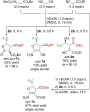
Scheme 5: Reaction of 2b with other stabilized nucleophiles.

Scheme 6: Production of 4,4,4-trifluoro-2,3-dihydroxybutanoate anti-10a.
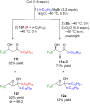
Scheme 7: Reactions of n-C10H21MgBr-based cuprate with 13f as well as 2b with/without D2O quenching.
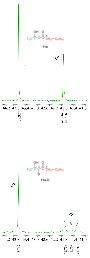
Figure 3: A part of 13C NMR spectra for the compounds 11a and 11a-D.
Asymmetric organocatalytic synthesis of chiral homoallylic amines
- Nikolay S. Kondratyev and
- Andrei V. Malkov
Beilstein J. Org. Chem. 2024, 20, 2349–2377, doi:10.3762/bjoc.20.201
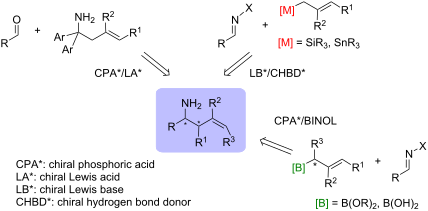
- -trifluoromethylamine derivatives of high molecular complexity (Scheme 28). The process involves a highly enantioselective reaction of the isatin-derived Morita–Baylis–Hillman carbonate 137 with a novel α-CF3-substituted imine 136, derived from inexpensive benzothiophene-2,3-dione. A C2-symmetrical cinchona-derived

Graphical Abstract

Scheme 1: The position of homoallylic amines in the landscape of alkaloid and nitrogen compounds syntheses.
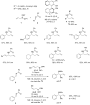
Scheme 2: 3,3’-Diaryl-BINOL-catalysed asymmetric organocatalytic allylation of acylimines [24].

Scheme 3: Aminophenol-catalysed reaction between N-phosphinoylimines and pinacol allylboronic ester. Imine sc...

Scheme 4: Asymmetric geranylation and prenylation of indoles catalysed by (R)- or (S)-3,3’-dibromo-BINOL [25]. aA...

Scheme 5: (R)-3,3’-Di(3,5-di(trifluoromethyl)phenyl-BINOL-catalysed asymmetric geranylation and prenylation o...

Scheme 6: Microwave-induced one-pot asymmetric allylation of in situ-formed arylimines, catalysed by (R)-3,3’...

Scheme 7: Microwave-induced one-pot asymmetric allylation of in situ-formed arylimines, catalysed by (R)-3,3’...
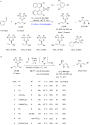
Scheme 8: Kinetic resolution of chiral secondary allylboronates [15,30].

Scheme 9: (E)-Stereospecific asymmetric α-trifluoromethylallylation of cyclic imines and hydrazones [31].

Scheme 10: Hosomi–Sakurai-type allylation of in situ-formed N-Fmoc aldimines [32].

Figure 1: Two different pathways for the Hosomi–Sakurai reaction of allyltrimethylsilane with N-Fmoc aldimine...

Scheme 11: Chiral squaramide-catalysed hydrogen bond-assisted chloride abstraction–allylation of N-carbamoyl α...

Figure 2: The pyrrolidine unit gem-methyl group conformational control in the squaramide-based catalyst [34].

Figure 3: The energetic difference between the transition states of the two proposed modes of the reaction (SN...

Scheme 12: One-pot preparation procedure for oxazaborolidinium ion (COBI) 63 [37].

Scheme 13: Chiral oxazaborolidinium ion (COBI)-catalysed allylation of N-(2-hydroxy)phenylimines with allyltri...

Scheme 14: The two-step N-(2-hydroxy)phenyl group deprotection procedure [37].

Scheme 15: Low-temperature (−40 °C) NMR experiments evidencing the reversible formation of the active COBI–imi...

Figure 4: Two computed reaction pathways for the COBI-catalysed Strecker reaction (TS1 identical to allylatio...

Scheme 16: Highly chemoselective and stereospecific synthesis of γ- and γ,δ-substituted homoallylic amines by ...

Scheme 17: Catalytic cycle for the three-component allylation with HBD/πAr–Ar catalyst [39].

Scheme 18: Reactivity of model electrophiles [39].
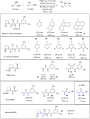
Scheme 19: HBD/πAr–Ar catalyst rational design and optimisation [39].

Scheme 20: Scope of the three-component HBD/πAr–Ar-catalysed reaction [39].

Scheme 21: Limitations of the HBD/πAr–Ar-catalysed reaction [39].

Scheme 22: Asymmetric chloride-directed dearomative allylation of in situ-generated N-acylquinolinium ions, ca...

Scheme 23: Chiral phosphoric acid-catalysed aza-Cope rearrangement of in situ-formed N-α,α’-diphenyl-(α’’-ally...

Scheme 24: Tandem (R)-VANOL-triborate-catalysed asymmetric aza-Cope rearrangement of in situ-formed aldimines ...

Scheme 25: (S)-TRIP-catalysed enantioconvergent aza-Cope rearrangement of β-formyl amides, substrate scope [43]. a...

Scheme 26: (S)-TRIP-catalysed enantioconvergent aza-Cope rearrangement of β-formyl amides 16–19, amide and all...

Scheme 27: Synthetic applications of homoallylic N-benzophenone imine products 131 [43].

Scheme 28: Chiral organocatalysed addition of 2,2,2-trifluoroethyl ketimines to isatin-derived Morita–Baylis–H...

Scheme 29: Chiral chinchona-derived amine-catalysed reaction between isatin-based Morita–Baylis–Hilman carbona...

Scheme 30: (R)-VAPOL-catalysed hydrogen atom transfer deracemisation [45].

Scheme 31: Chiral PA-catalysed [1,3]-rearrangement of ene-aldimines [46].
Improved deconvolution of natural products’ protein targets using diagnostic ions from chemical proteomics linkers
- Andreas Wiest and
- Pavel Kielkowski
Beilstein J. Org. Chem. 2024, 20, 2323–2341, doi:10.3762/bjoc.20.199
- modified peptides resulting from the proteolytic digest of a whole proteome. In other words, the complexity of the whole proteome digest is beyond the coverage and sensitivity of today’s mass spectrometers. On the other hand, the enrichment of the probe–peptide conjugates necessitates larger amounts of
- modified proteins. The linkers releasing the reporter ion may serve as an interesting tool during transition from enrichment-based methods to direct ‘linker-free’ identification MS methods of desired probe–peptide conjugates. Enrichment-based chemical proteomics The pursuit to decrease the complexity of

Graphical Abstract

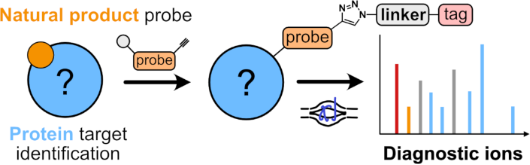
Figure 1: Overall chemical proteomics strategy to identify protein targets of natural products (NPs) and simi...

Figure 2: A) Design of mostly used photo-crosslinking groups. B) Mass spectrometry properties of proteins PTM...

Figure 3: Direct and indirect approach to identify protein targets and representative chemical proteomics wor...

Figure 4: Products of the CuAAC side reactions.

Figure 5: Search possibilities on peptide-level characterization. A) Comparison of DDA and DIA techniques. B)...

Figure 6: In-gel analysis using a tag with fluorophore (A) or via shift-assay (B).
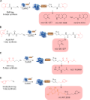
Figure 7: Reporter linkers. A) DMP-tag. B) AzidoTMT tag. C) SOX-tag. D) Imidazolium tag. *A star indicates th...
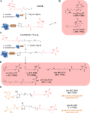
Figure 8: Biotin and desthiobition-based sample linkers and their associated diagnostic peaks. A) Structure o...

Figure 9: A) isoDTB linker and probe-specific diagnostic ions (B). *A star indicates the possible introductio...

Figure 10: TEV-cleavable linker structure with its characteristic diagnostic ions (A) and probe-specific diagn...

Figure 11: A) Structure of the full length DADPS linker and remaining part after cleavage. B) Diagnostic ions....

Figure 12: Diagnostic peaks included in the search identify higher numbers of modified PSMs and peptides using...

Figure 13: An alternative DADPS linker.

Figure 14: Chemical structure of the trifunctional trypsin cleavable AzKTB linker.