

Search results
Search for "complexes" in Full Text gives 1202 result(s) in Beilstein Journal of Organic Chemistry. Showing first 200.
Total synthesis of natural products based on hydrogenation of aromatic rings
Beilstein J. Org. Chem. 2026, 22, 88–122, doi:10.3762/bjoc.22.4
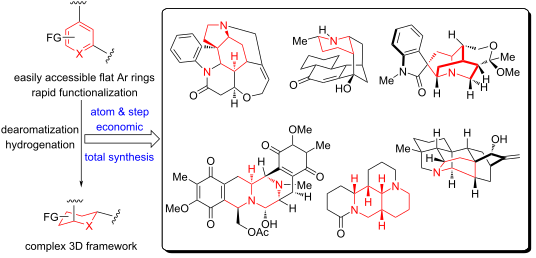
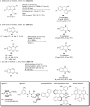
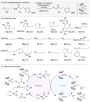
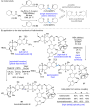
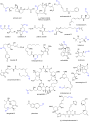
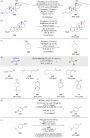
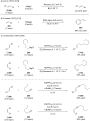
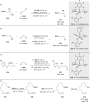
- limitations in terms of substrate scope, stereoselectivity, and scalability, leaving ample room for innovation in catalyst design and mechanistic understanding. Fan and co-workers have long been dedicated to the asymmetric catalysis of chiral diamine ruthenium complexes. In 2020, they reported the efficient











Advances in Zr-mediated radical transformations and applications to total synthesis
Beilstein J. Org. Chem. 2026, 22, 71–87, doi:10.3762/bjoc.22.3
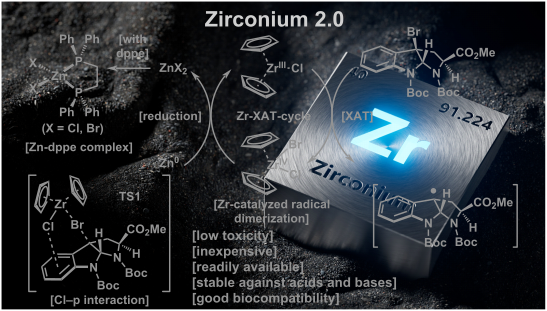
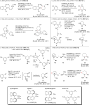
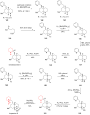
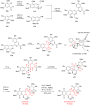
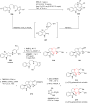
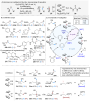
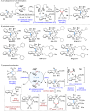
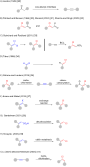
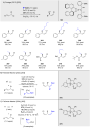
- Yamaguchi published a review on radical reactions catalyzed by zirconium complexes [6]. Their review provides a comprehensive summary, particularly of photo-redox reactions involving zirconium catalysis. In the present review, we focus on three aspects: 1) Zr-mediated stoichiometric radical reactions 2) Zr
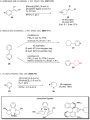
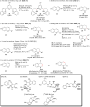
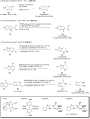
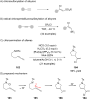
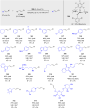
- -mediated stoichiometric radical reactions Traditionally, the use of Zr complexes in organic reactions had been limited to two-electron processes; however, the first example of a Zr-mediated radical reaction was reported by Oshima et al. in 2001. They reported an intramolecular radical cyclization using
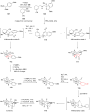
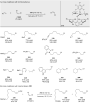
- and accelerating the whole process. Zr-mediated catalytic radical reactions In recent years, numerous chemical transformations employing photoredox catalysts in combination with catalytic amounts of zirconium complexes have been reported. In this section, representative examples of such reactions are








Synthesis and applications of alkenyl chlorides (vinyl chlorides): a review
Beilstein J. Org. Chem. 2026, 22, 1–63, doi:10.3762/bjoc.22.1
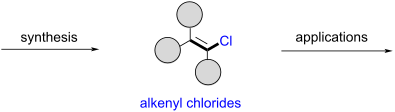
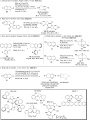
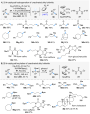
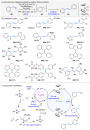
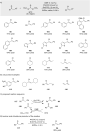
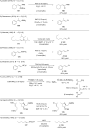
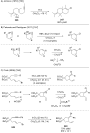
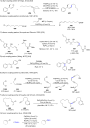
- chlorides was also utilized in the total synthesis of (S)-jamaicamide C and laingolide B (not shown) [121][122]. Schwartz’s work on alkenylzirconium complexes revealed high-yielding, stereoretentive transformations under similar conditions (Scheme 29H) [123]. In a complementary study, Srebnik showed that























Silica gel with covalently attached bambusuril macrocycle for dicyanoaurate sorption from water
Beilstein J. Org. Chem. 2025, 21, 2604–2611, doi:10.3762/bjoc.21.201
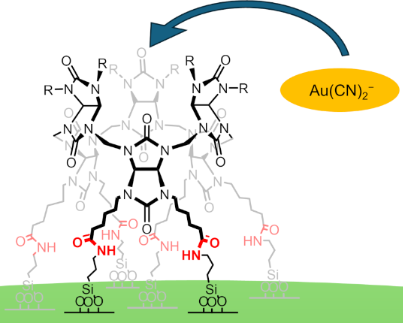
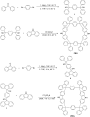
- that 1.3/1.4 equivalents of BU1 on the material are required to bind a single dicyanoaurate anion. A similar macrocycle-to-anion ratio was previously determined for the SG-BnBU material. In contrast, water-soluble BU and dicyanoaurate have been reported to form complexes of 1:1 stoichiometry


Palladium-catalyzed regioselective C1-selective nitration of carbazoles
Beilstein J. Org. Chem. 2025, 21, 2479–2488, doi:10.3762/bjoc.21.190
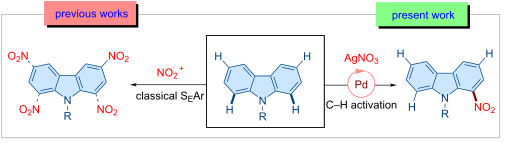
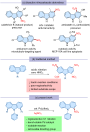
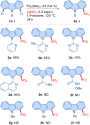
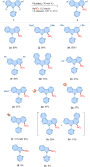
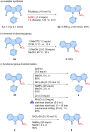
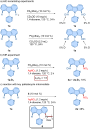
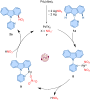
- were ineffective in improving the reaction outcome (Table 1, entry 6). Other palladium complexes promoted the formation of 2a but with diminished efficiency (Table 1, entries 7 and 8). Varying the amount of AgNO3 did also not lead to a better yield (Table 1, entry 9), and alternative nitro sources also


Conformational effects on iodide binding: a comparative study of flexible and rigid carbazole macrocyclic analogs
Beilstein J. Org. Chem. 2025, 21, 2369–2375, doi:10.3762/bjoc.21.181
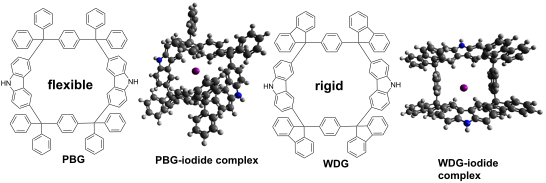
- iodine ions, which is consistent with the conclusions reached by our NMR titration. The binding constants of the complexes (K), KPBG = (1.387 ± 0.02363) × 105 M−1, KWDG= (6.089 ± 0.3320) × 103 M−1 were measured (Tables S1 and S2 in Supporting Information File 1), indicating that both acceptors had strong
- than the formation of new excited state complexes. As the I− content continued to increase, the fluorescence emission intensity of PBG continued to decrease at 354 nm and 364 nm. Similarly, the fluorescence emission intensity of WDG at 356 nm and 369 nm decreases as the I− content increases



Enantioselective radical chemistry: a bright future ahead
Beilstein J. Org. Chem. 2025, 21, 2283–2296, doi:10.3762/bjoc.21.174
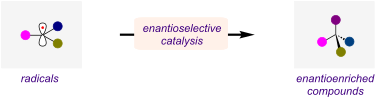
- enantioenriched catalysts ranging from chiral organometallic complexes to organocatalysts (small organic molecules) have been designed, synthesized, and successfully used in several organic transformations [1][2][3]. Despite these advances, catalytic methods involving radical intermediates were very rare until
- occurred in an anti fashion. Products were obtained with up to 97% ee via catalysis by complexes of magnesium or copper(II) with ligand L1. The absolute stereochemistry of the product could be controlled by a simple change from copper(II) to magnesium Lewis acids while using the same chiral ligand, thus
- different transition-metal complexes have been employed in metalloradical catalysis, including porphyrin complexes of cobalt(II) [55][56] and iron(III) [57][58]. Both cobalt in oxidation state +2 and iron in oxidation state +3 can be viewed as persistent metalloradicals. Zhang and co-workers reported a


Pd-catalyzed dehydrogenative arylation of arylhydrazines to access non-symmetric azobenzenes, including tetra-ortho derivatives
Beilstein J. Org. Chem. 2025, 21, 2234–2242, doi:10.3762/bjoc.21.170
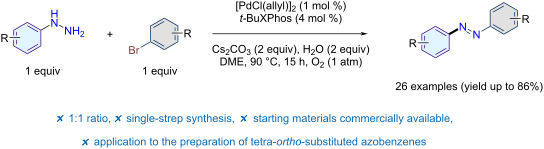
- )–aryl intermediate (B). Subsequently, ligand exchange occurs, generating hydrazido complexes C and C'. When bulky substituents are present on the phosphine ligand and/or (both) coupling partner(s) has ortho-substituent(s), the hydrazido complex C, chelating on the terminal nitrogen, is preferentially


Solar thermal fuels: azobenzene as a cyclic photon–heat transduction platform
Beilstein J. Org. Chem. 2025, 21, 2036–2047, doi:10.3762/bjoc.21.159
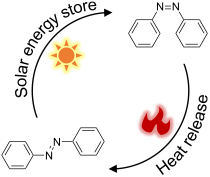
- ], norbornadiene–quadricyclane (NBD–QC) complexes [17][18][19][20][21][22][23], dihydroazulene–vinylheptadiene (DHA-VHF) systems [24][25][26][27][28][29][30], and azobenzene derivatives [31][32][33][34] (Figure 2). In addition, other reversible photoisomers exhibit potential for development as solar thermal fuels





Photochemical reduction of acylimidazolium salts
Beilstein J. Org. Chem. 2025, 21, 1973–1983, doi:10.3762/bjoc.21.153
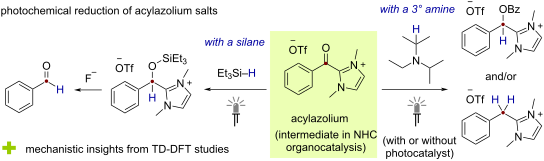
- transition-metal complexes such as the Grubbs’ second-generation metathesis catalyst, NHCs are now also well-established as organocatalysts. With the first application pre-dating the unambiguous characterization of a free NHC by nearly 50 years, NHCs can facilitate numerous synthetically attractive
- efficiency observed upon switching from blue to UV-A light irradiation. Nevertheless, alternative scenarios involving the potential formation of excited donor–acceptor (EDA) complexes between benzoylazolium species 1 and DIPEA were considered. Measurements of the UV–vis spectra in the presence of the amine


Enantioselective desymmetrization strategy of prochiral 1,3-diols in natural product synthesis
Beilstein J. Org. Chem. 2025, 21, 1932–1963, doi:10.3762/bjoc.21.151
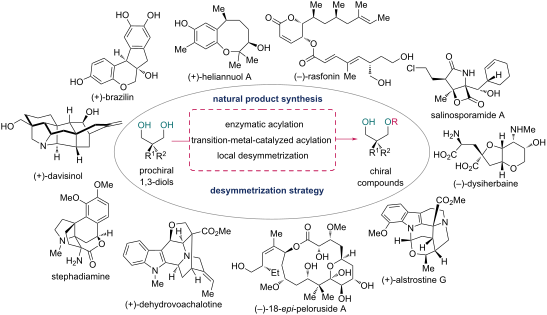
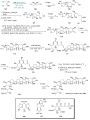
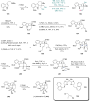
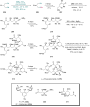
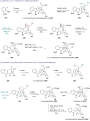
- been developed, employing enzymes, metal complexes, or organocatalysts to convert prochiral or meso precursors into chiral motifs. Different from other strategies constructing chiral centers by formation of a new chemical bond at the central carbon, enantioselective desymmetrization is achieved through
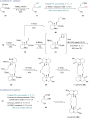
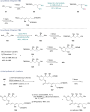
- desymmetrization of 1,3-diols in 2003 [56]. Subsequent advances included Cu-based complexes developed by Kang and co-workers [57][58], first applied in total synthesis in 2008. In this section, examples of transition-metal-catalyzed acylations of prochiral 1,3-diols in total synthesis are discussed, including Cu
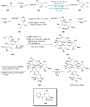
- -catalyzed acylation Zn-based complexes are another class of effective catalysts used in desymmetrization of 1,3-diols, as reported by Trost and co-worker in 2003 [56]. In 2013, Trost et al. developed the synthesis of (−)-18-epi-peloruside A (Scheme 26) [68], and converted diol 204 into enantioenriched












Stereoselective electrochemical intramolecular imino-pinacol reaction: a straightforward entry to enantiopure piperazines
Beilstein J. Org. Chem. 2025, 21, 1897–1908, doi:10.3762/bjoc.21.147
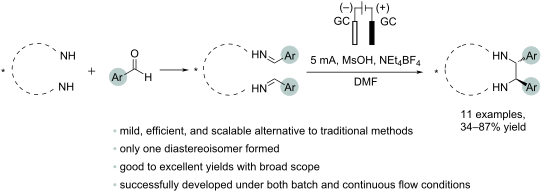
- products, agrochemicals, and pharmacologically active compounds. Enantiomerically pure 1,2-diamines and their derivatives are also increasingly used in stereoselective synthesis, particularly as chiral auxiliaries or as ligands for metal complexes in asymmetric catalysis [1]. Metal-based reductants
- photochemical and electrochemical methods, have been explored. Over the past two decades a variety of light-promoted imino-pinacol coupling reactions have been developed, involving the use of catalytic transition-metal complexes [35][36], organic dyes [37][38][39], and polyaromatic compounds [40][41] as





Fe-catalyzed efficient synthesis of 2,4- and 4-substituted quinolines via C(sp2)–C(sp2) bond scission of styrenes
Beilstein J. Org. Chem. 2025, 21, 1799–1807, doi:10.3762/bjoc.21.142
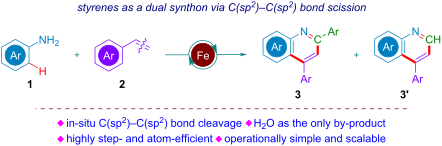
- probes for sensing and bioimaging applications (Figure 1) [16][17]. Quinoline-derived metal complexes have also demonstrated broad utility, functioning as effective catalysts in organic synthesis and finding applications across medicinal chemistry, materials science, photovoltaics, and chemical sensing




Research progress on calixarene/pillararene-based controlled drug release systems
Beilstein J. Org. Chem. 2025, 21, 1757–1785, doi:10.3762/bjoc.21.139
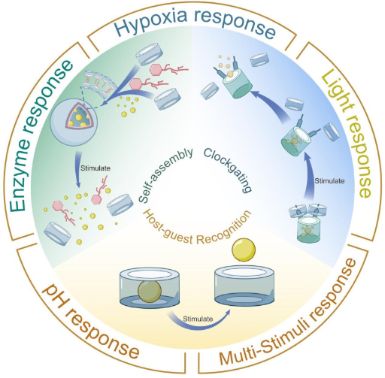
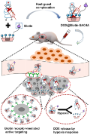
- nanoparticles [73]. Calixarene-based amphiphiles are characterized by their low cytotoxicity and ability to load drugs. The structure of calixarene-drug complexes can respond to external stimuli, causing the self-assembled complex to disassemble, which enables sustained drug release. Based on these
- -assembly after separately modifying hydrophobic and hydrophilic segments; the other is the formation of host–guest complexes between water-soluble PAs and guest molecules containing hydrophobic chains, followed by self-assembly into bilayer vesicles through host–guest interactions, hydrophobic effects, and
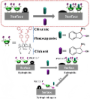
- destruction of aromatic macrocycles and their components. The external triggers include: pH [93], oxidation–reduction states [94], enzymatic actions [95], and light [96]. Specifically, within host–guest frameworks, the capability to meticulously regulate the assembly of complexes and synchronize them with






Thermodynamics and polarity-driven properties of fluorinated cyclopropanes
Beilstein J. Org. Chem. 2025, 21, 1742–1747, doi:10.3762/bjoc.21.137
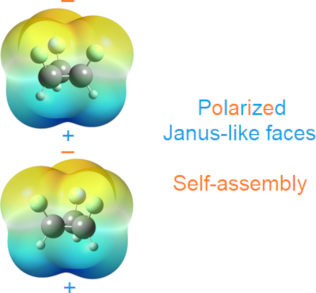
- its ability to form ion complexes and self-assemble into a stacking arrangement [12][13][14]. Therefore, understanding the energetics and polarity of fluorinated cyclopropanes is crucial for elucidating the intramolecular forces that govern the stability of molecular structures. Moreover, these
- 1.2.3-c.c., it is capable of interacting with ions and potentially acting as both an anion and a cation carrier. To evaluate this property, Na+ and Cl− ions were simulated in interaction with one and two molecules of 1.2.3-c.c., forming complexes akin to a "sandwich," as illustrated in Figure 3. In
- these complexes, the cation coordinates with the fluorine atoms, while the anion interacts with the positively charged hydrogen atoms. The complexation is thermodynamically favorable when compared to the isolated species (ions and 1.2.3-c.c.), as indicated by the ΔH0 of formation: −32.5 kcal mol−1 for


Approaches to stereoselective 1,1'-glycosylation
Beilstein J. Org. Chem. 2025, 21, 1700–1718, doi:10.3762/bjoc.21.133
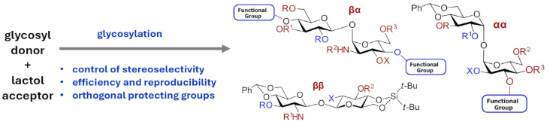
- 3,4,6-tri-O-benzylated 1,2-anhydroglucose 129 using an organoboron catalyst (Scheme 11). In situ-generated tricyclic borinate complexes (formed between 1,2-glycosyl diols and diarylborinic acids) effectively promoted the glycosylation with glycosyl anhydro sugars, yielding the 1,1'-α,α-trehalose


Catalytic asymmetric reactions of isocyanides for constructing non-central chirality
Beilstein J. Org. Chem. 2025, 21, 1648–1660, doi:10.3762/bjoc.21.129
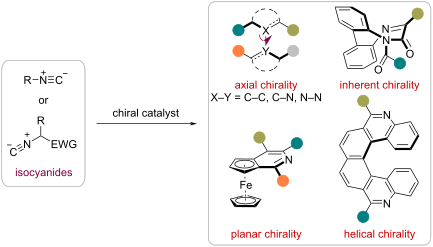
- thionolactones, getting rid of the pre-formation of stoichiometric Ru-complexes [52][53]. Mechanistic investigations indicated that this transformation proceeds through a two-step sequence promoted by the same catalyst: 1) the diastereo- and enantioselective [3 + 2] cycloaddition to generate spiro-S,O-ketal 52





Photocatalysis and photochemistry in organic synthesis
Beilstein J. Org. Chem. 2025, 21, 1645–1647, doi:10.3762/bjoc.21.128
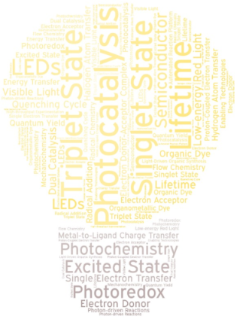
- ; photochemistry; Soon after its first reported synthesis in 1936 [1], [Ru(bpy)3]Cl2 (bpy = 2,2'-bipyridine) and its derivatives attracted significant attention due to their photophysical properties [2][3][4]. These complexes can efficiently absorb visible light through a metal-to-ligand charge transfer (MLCT
- Review article discussing photocatalysts capable of harnessing low-energy red light to trigger chemical reactions [19]. In addition to photoredox catalysis, several mechanistic platforms that leverage light – such as the use of electron donor–acceptor complexes [20], proton-coupled electron transfer [21

On the aromaticity and photophysics of 1-arylbenzo[a]imidazo[5,1,2-cd]indolizines as bicolor fluorescent molecules for barium tagging in the study of double-beta decay of 136Xe
Beilstein J. Org. Chem. 2025, 21, 1627–1638, doi:10.3762/bjoc.21.126
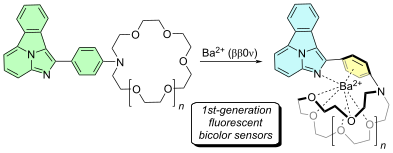
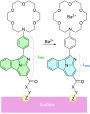
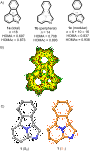
- energies computed at 298.17 K. We also extended this study to the interaction between complexes 15a–d and benzene (14) and computed the corresponding complexation energies as In addition, Figure 4 includes the chief geometric parameters of the different complexes, as well as the corresponding free energy
- analysis of the effect of the aromatic ring represented by the benzene ring shown in Scheme 2 and in Figure 4B was also performed. We observed that for complexes 17a (n = 1) and 17b (n = 2) the low size of the crown ethers generates a poor coordination to Ba2+, which results in more charge available for
- -311+G** (S0) and using TDDFT (S1). Hydrogen atoms have been omitted for clarity. Fully optimized geometries (B3LYP-D3BJ/6ccrow-311++G**&DefTZVPP(Ba) level of theory) of Ba2+·crown ethers 15a–d (A) and phenyl·Ba2+·crown ether complexes 17a–d (B). Barium cations are represented in dark blue. Descriptors





Transition-state aromaticity and its relationship with reactivity in pericyclic reactions
Beilstein J. Org. Chem. 2025, 21, 1613–1626, doi:10.3762/bjoc.21.125
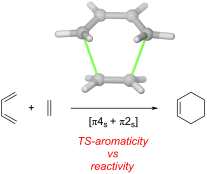
- this end, selected representative examples ranging from fundamental processes such as Diels–Alder or Alder–ene reactions to double-group transfer reactions or 1,3-dipolar cycloadditions involving metal complexes are presented. It is found that while more synchronous processes tend to exhibit greater
- computed lower strain energy and ultimately into the lower barrier. 1,3-Dipolar cycloaddition reactions between azides and metal cyaphide complexes Similar to the Diels–Alder cycloaddition reaction, the 1,3-dipolar cycloaddition between a 1,3-dipole (acting as 4π system) and a 2π dipolarophile is a widely
- , very recently it was found that the C≡P moiety, in particular, can be stabilized in the form of a cyaphide ligand bonded to a metal fragment [99][100]. These cyaphide complexes are proven to readily undergo 1,3-dipolar cycloaddition reactions with organic azides [99][100][101], affording novel metal


3-Aryl-2H-azirines as annulation reagents in the Ni(II)-catalyzed synthesis of 1H-benzo[4,5]thieno[3,2-b]pyrroles
Beilstein J. Org. Chem. 2025, 21, 1595–1602, doi:10.3762/bjoc.21.123
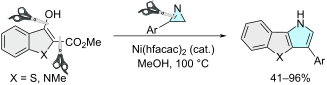
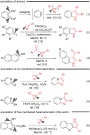
- mechanisms of the formation of azirindine 16 under Ni(II)- and Cu(I)-catalysis. Oxidative dimerization of non-aromatic cyclic enols has been previously observed in their reactions with 3-arylazirines catalyzed by Cu(I) and Cu(II) complexes and was attributed to the recombination of intermediate free radicals



General method for the synthesis of enaminones via photocatalysis
Beilstein J. Org. Chem. 2025, 21, 1535–1543, doi:10.3762/bjoc.21.116
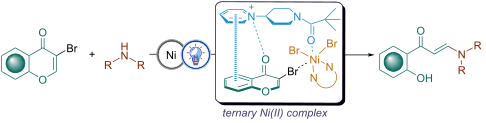
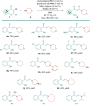
- the reactivity of unsaturated esters towards an aza-Michael addition is the use of transition metal complexes as catalysts/promoters [40][41][42]. Considering this background, we reasoned that Ni(II) could be a suitable catalyst for the amination of unsaturated systems. Initial investigations were




Azobenzene protonation as a tool for temperature sensing
Beilstein J. Org. Chem. 2025, 21, 1528–1534, doi:10.3762/bjoc.21.115
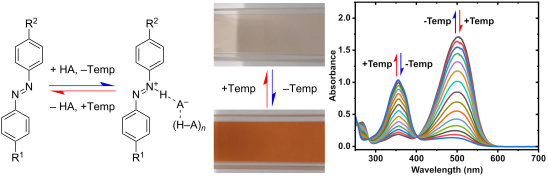
- +MSA−. Because the azo group contains two nitrogens with lone pairs and an excess of MSA was used in the experiments, geometry optimizations were also performed for complexes with two MSA molecules (1H+MSA−MSA, 2H+MSA−MSA and 3H+MSA−MSA). In addition to protonation, we also considered hydrogen-bonded
- complexes between 1–3 and MSA (X-MSA and X-(MSA)2, X = 1, 2 or 3). The geometry-optimized structure of 3H+MSA−MSA is shown in Figure 3. In this structure, the second MSA molecule does not bind directly to the azo group but forms a hydrogen bond with the mesylate anion, and one of its oxygen atoms interacts
- with the 3H+ ion. All geometry-optimized structures for compounds 1–3 are shown in Supporting Information File 1, Figures S19–S28). Table 1 presents the calculated Gibbs free energy changes (∆G°) for the complexes. Among the XH+MSA−MSA (X = 1, 2 or 3) complexes, 3 shows the highest protonation


Microwave-enhanced additive-free C–H amination of benzoxazoles catalysed by supported copper
Beilstein J. Org. Chem. 2025, 21, 1462–1476, doi:10.3762/bjoc.21.108
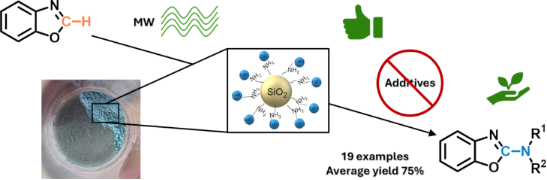
- selectivity for the desired product. Despite the advantages of the developed protocol, the homogeneously catalysed procedure negatively impacted the purification and recovery of the products because of the presence of copper salts and complexes. We observed that multiple aqueous washes of the reaction crude
- also required to obtain a pure final product. To overcome this problem, a heterogeneous catalytic approach has been developed in which copper is anchored on an aminated silica support. Given that ammonia, amino derivatives and other nitrogen-containing compounds form strong coordination complexes with



Advances in nitrogen-containing helicenes: synthesis, chiroptical properties, and optoelectronic applications
Beilstein J. Org. Chem. 2025, 21, 1422–1453, doi:10.3762/bjoc.21.106
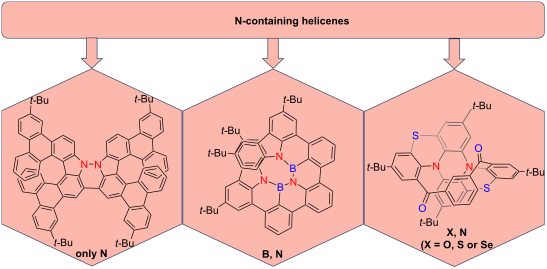
- with Ru(II) to form NIR-emissive complexes that exhibit redox-responsive chiroptical switching, notably with complex 8 showing reversible electronic circular dichroism (ECD) upon oxidation [21]. Liao and co-workers introduced a narrowband CP-TADF emitter 9, characterized by a narrow emission bandwidth
- −1 (Table 3). Importantly, both dimers displayed selective fluoride ion recognition through hydrogen bonding, with (M,M)-12c exhibiting a high binding constant (Ka = 2 × 10⁵ M−1). The resulting [12c·F−] and [12d·F−] complexes exhibited red-shifted circular dichroism (CD), fluorescence, and CPL
- , the team achieved the enantioselective synthesis of heterodehydrospiroenes on a gram scale using chiral vanadium(V) complexes – marking a significant advancement in asymmetric electrochemical catalysis. In a complementary study that same year, they reported a two-step electrochemical synthesis of a