

Search results
Search for "addition reactions" in Full Text gives 172 result(s) in Beilstein Journal of Organic Chemistry.
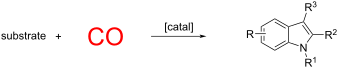
Carbonylative synthesis and functionalization of indoles
- Alex De Salvo,
- Raffaella Mancuso and
- Xiao-Feng Wu
Beilstein J. Org. Chem. 2024, 20, 973–1000, doi:10.3762/bjoc.20.87
- yields in CH3CN under 10–20 bar of CO at 140 °C within 15–30 min and with carbon dioxide as the side-product (Scheme 18). Carbon monoxide is a cheap gas but its use requires safe and controlled environments and systems because it is highly toxic to human. In addition, reactions in which carbon monoxide

Graphical Abstract

Scheme 1: Pd(0)-catalyzed domino C,N-coupling/carbonylation/Suzuki coupling reaction for the synthesis of 2-a...

Scheme 2: Pd(0)-catalyzed single isonitrile insertion: synthesis of 1-(3-amino)-1H-indol-2-yl)-1-ketones.
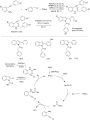
Scheme 3: Pd(0)-catalyzed gas-free carbonylation of 2-alkynylanilines to 1-(1H-indol-1-yl)-2-arylethan-1-ones....

Scheme 4: Pd(II)-catalyzed heterocyclization/alkoxycarbonylation of 2-alkynylaniline imines.

Scheme 5: Pd(II)-catalyzed heterocyclization/alkoxycarbonylation of 2-alkynylanilines to N-substituted indole...

Scheme 6: Synthesis of indol-2-acetic esters by Pd(II)-catalyzed carbonylation of 1-(2-aminoaryl)-2-yn-1-ols.
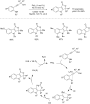
Scheme 7: Pd(II)-catalyzed carbonylative double cyclization of suitably functionalized 2-alkynylanilines to 3...

Scheme 8: Indole synthesis by deoxygenation reactions of nitro compounds reported by Cenini et al. [21].

Scheme 9: Indole synthesis by reduction of nitro compounds: approach reported by Watanabe et al. [22].

Scheme 10: Indole synthesis from o-nitrostyrene compounds as reported by Söderberg and co-workers [23].
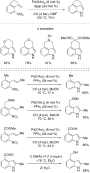
Scheme 11: Synthesis of fused indoles (top) and natural indoles present in two species of European Basidiomyce...

Scheme 12: Synthesis of 1,2-dihydro-4(3H)-carbazolones through N-heteroannulation of functionalized 2-nitrosty...

Scheme 13: Synthesis of indoles from o-nitrostyrenes by using Pd(OAc)2 and Pd(tfa)2 in conjunction with bident...
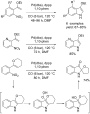
Scheme 14: Synthesis of substituted 3-alkoxyindoles via palladium-catalyzed reductive N-heteroannulation.

Scheme 15: Synthesis of 3-arylindoles by palladium-catalyzed C–H bond amination via reduction of nitroalkenes.

Scheme 16: Synthesis of 2,2′-bi-1H-indoles, 2,3′-bi-1H-indoles, 3,3′-bi-1H-indoles, indolo[3,2-b]indoles, indo...

Scheme 17: Pd-catalyzed reductive cyclization of 1,2-bis(2-nitrophenyl)ethene and 1,1-bis(2-nitrophenyl)ethene...

Scheme 18: Flow synthesis of 2-substituted indoles by reductive carbonylation.

Scheme 19: Pd-catalyzed synthesis of variously substituted 3H-indoles from nitrostyrenes by using Mo(CO)6 as C...

Scheme 20: Synthesis of indoles from substituted 2-nitrostyrenes (top) and ω-nitrostyrenes (bottom) via reduct...

Scheme 21: Synthesis of indoles from substituted 2-nitrostyrenes with formic acid as CO source.

Scheme 22: Ni-catalyzed carbonylative cyclization of 2-nitroalkynes and aryl iodides (top) and the Ni-catalyze...

Scheme 23: Mechanism of the Ni-catalyzed carbonylative cyclization of 2-nitroalkynes and aryl iodides (top) an...

Scheme 24: Route to indole derivatives through Rh-catalyzed benzannulation of heteroaryl propargylic esters fa...

Scheme 25: Pd-catalyzed cyclization of 2-(2-haloaryl)indoles reported by Yoo and co-workers [54], Guo and co-worke...

Scheme 26: Approach for the synthesis of 6H-isoindolo[2,1-a]indol-6-ones reported by Huang and co-workers [57].

Scheme 27: Zhou group’s method for the synthesis of 6H-isoindolo[2,1-a]indol-6-ones.

Scheme 28: Synthesis of 6H-isoindolo[2,1-a]indol-6-ones from o-1,2-dibromobenzene and indole derivatives by us...

Scheme 29: Pd(OAc)2-catalyzed Heck cyclization of 2-(2-bromophenyl)-1-alkyl-1H-indoles reported by Guo et al. [55]....

Scheme 30: Synthesis of indolo[1,2-a]quinoxalinone derivatives through Pd/Cu co-catalyzed carbonylative cycliz...

Scheme 31: Pd-catalyzed carbonylative cyclization of o-indolylarylamines and N-monosubstituted o-indolylarylam...

Scheme 32: Pd-catalyzed diasteroselective carbonylative cyclodearomatization of N-(2-bromobenzoyl)indoles with...
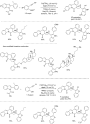
Scheme 33: Pd(0)-catalyzed synthesis of CO-linked heterocyclic scaffolds from alkene-indole derivatives and 2-...

Scheme 34: Proposed mechanism for the Pd(0)-catalyzed synthesis of CO-linked heterocyclic scaffolds.

Scheme 35: Pd-catalyzed C–H and N–H alkoxycarbonylation of indole derivatives to indole-3-carboxylates and ind...

Scheme 36: Rh-catalyzed C–H alcoxycarbonylation of indole derivatives to indole-3-carboxylates reported by Li ...

Scheme 37: Pd-catalyzed C–H alkoxycarbonylation of indole derivatives with alcohols and phenols to indole-3-ca...

Scheme 38: Synthesis of N-methylindole-3-carboxylates from N-methylindoles and phenols through metal-catalyst-...

Scheme 39: Synthesis of indol-3-α-ketoamides (top) and indol-3-amides (bottom) via direct double- and monoamin...

Scheme 40: The direct Sonogashira carbonylation coupling reaction of indoles and alkynes via Pd/CuI catalysis ...

Scheme 41: Synthesis of indole-3-yl aryl ketones reported by Zhao and co-workers [73] (path a) and Zhang and co-wo...

Scheme 42: Pd-catalyzed carbonylative synthesis of BIMs from aryl iodides and N-substituted and NH-free indole...

Scheme 43: Cu-catalyzed direct double-carbonylation and monocarbonylation of indoles and alcohols with hexaket...

Scheme 44: Rh-catalyzed direct C–H alkoxycarbonylation of indoles to indole-2-carboxylates [79] (top) and Co-catal...
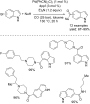
Scheme 45: Pd-catalyzed carbonylation of NH free-haloindoles.
Advancements in hydrochlorination of alkenes
- Daniel S. Müller
Beilstein J. Org. Chem. 2024, 20, 787–814, doi:10.3762/bjoc.20.72
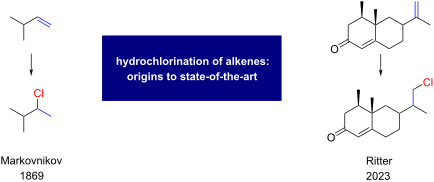
- hydrochlorinations, followed by metal-promoted radical hydrochlorinations, and concludes with a brief overview of recent anti-Markovnikov hydrochlorinations. Keywords: addition reactions; alkenes; alkyl chlorides; hydrochlorination; Markovnikov; Introduction The hydrochlorination of alkenes dates back to its

Graphical Abstract

Scheme 1: Classes of hydrochlorination reactions discussed in this review.

Figure 1: Mayr’s nucleophilicity parameters for several alkenes. References for each compound can be consulte...

Figure 2: Hydride affinities relating to the reactivity of the corresponding alkene towards hydrochlorination....

Scheme 2: Distinction of polar hydrochlorination reactions.

Scheme 3: Reactions of styrenes with HCl gas or HCl solutions.

Figure 3: Normal temperature dependence for the hydrochlorination of (Z)-but-2-ene.

Figure 4: Pentane slows down the hydrochlorination of 11.
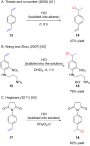
Scheme 4: Recently reported hydrochlorinations of styrenes with HCl gas or HCl solutions.
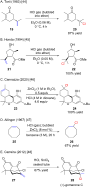
Scheme 5: Hydrochlorination reactions with di- and trisubstituted alkenes.

Scheme 6: Hydrochlorination of fatty acids with liquified HCl.

Scheme 7: Hydrochlorination with HCl/DMPU solutions.

Scheme 8: Hydrochlorination with HCl generated from EtOH and AcCl.
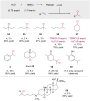
Scheme 9: Hydrochlorination with HCl generated from H2O and TMSCl.

Scheme 10: Regioisomeric mixtures of chlorooctanes as a result of hydride shifts.

Scheme 11: Regioisomeric mixtures of products as a result of methyl shifts.

Scheme 12: Applications of the Kropp procedure on a preparative scale.

Scheme 13: Curious example of polar anti-Markovnikov hydrochlorination.
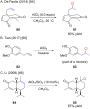
Scheme 14: Unexpected and expected hydrochlorinations with AlCl3.
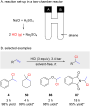
Figure 5: Ex situ-generated HCl gas and in situ application for the hydrochlorination of activated alkenes (*...
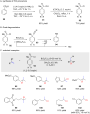
Scheme 15: HCl generated by Grob fragmentation of 92.

Scheme 16: Formation of chlorophosphonium complex 104 and the reaction thereof with H2O.

Scheme 17: Snyder’s hydrochlorination with stoichiometric amounts of complex 104 or 108.

Scheme 18: In situ generation of HCl by mixing of MsOH with CaCl2.

Scheme 19: First hydrochlorination of alkenes using hydrochloric acid.

Scheme 20: Visible-light-promoted hydrochlorination.
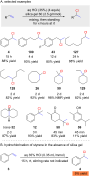
Scheme 21: Silica gel-promoted hydrochlorination of alkenes with hydrochloric acid.
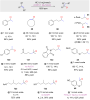
Scheme 22: Hydrochlorination with hydrochloric acid promoted by acetic acid or iron trichloride.

Figure 6: Metal hydride hydrogen atom transfer reactions vs cationic reactions; BDE (bond-dissociation energy...

Scheme 23: Carreira’s first report on radical hydrochlorinations of alkenes.

Figure 7: Mechanism for the cobalt hydride hydrogen atom transfer reaction reported by Carreira.
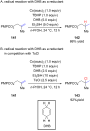
Scheme 24: Radical “hydrogenation” of alkenes; competing chlorination reactions.

Scheme 25: Bogers iron-catalyzed radical hydrochlorination.

Scheme 26: Hydrochlorination instead of hydrogenation product.

Scheme 27: Optimization of the Boger protocol by researchers from Merck [88,89].

Figure 8: Proposed mechanism for anti-Markovnikov hydrochlorination by Nicewicz.

Scheme 28: anti-Markovnikov hydrochlorinations as reported by Nicewicz.

Figure 9: Mechanism for anti-Markovnikov hydrochlorination according to Ritter.

Scheme 29: anti-Markovnikov hydrochlorinations as reported by Nicewicz; rr (regioisomeric ratio) corresponds t...
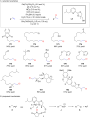
Scheme 30: anti-Markovnikov hydrochlorinations as reported by Liu.
Synthesis of new representatives of A3B-type carboranylporphyrins based on meso-tetra(pentafluorophenyl)porphyrin transformations
- Victoria M. Alpatova,
- Evgeny G. Rys,
- Elena G. Kononova and
- Valentina A. Ol'shevskaya
Beilstein J. Org. Chem. 2024, 20, 767–776, doi:10.3762/bjoc.20.70
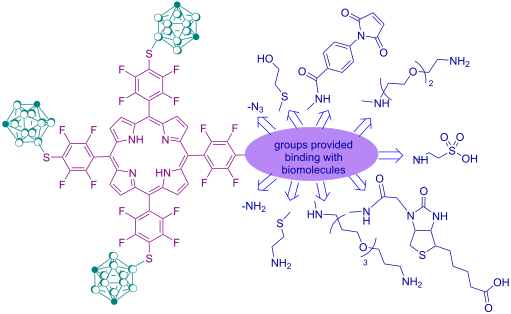
- has become one of the most popular route for the site-selective modification of cysteine residues in bioconjugation technology. We suppose that the maleimide group in porphyrin 11 is a useful target for thiol conjugation via Michael addition reactions [44]. This also concerns biotin-conjugated organic

Graphical Abstract

Scheme 1: Synthesis of porphyrins 2 and 3.

Scheme 2: Synthesis of carborane aminoporphyrin 5.

Scheme 3: Synthesis of carboranyl-substituted porphyrins 5–7.
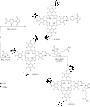
Scheme 4: Synthesis of acylated carboranylporphyrins 11, 12, and 14.

Scheme 5: Synthesis of thio-substituted carboranylporphyrins 18–20.
Scheme 6: Synthesis of amino-substituted carboranylporphyrins 23, 24, and 26.
(E,Z)-1,1,1,4,4,4-Hexafluorobut-2-enes: hydrofluoroolefins halogenation/dehydrohalogenation cascade to reach new fluorinated allene
- Nataliia V. Kirij,
- Andrey A. Filatov,
- Yurii L. Yagupolskii,
- Sheng Peng and
- Lee Sprague
Beilstein J. Org. Chem. 2024, 20, 452–459, doi:10.3762/bjoc.20.40
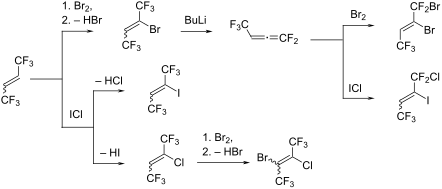
- the formation of the corresponding olefin [12]. Another area of application of olefins 1a,b is based on C=C double bond addition reactions. As early as 1968, Atherton and Fields showed that (Z)- and (E)-butenes 1a,b reacted with diazotrifluoroethane to give 3,4,5-tris(trifluoromethyl)pyrazoline [13

Graphical Abstract

Scheme 1: Synthesis of 2,3-dibromo-1,1,1,4,4,4-hexafluorobutane (2).

Scheme 2: Synthesis of (E)-butene 3a.

Scheme 3: Isomerization reaction of (E)-butene 3a to (Z)-butene 3b.

Scheme 4: Synthesis of 2-chloro-3-iodo-1,1,1,4,4,4-hexafluorobutane (5).

Scheme 5: Dehydrohalogenation reaction of 2-chloro-3-iodo-1,1,1,4,4,4-hexafluorobutane (5).

Scheme 6: The reaction of silane 8 with I2/KF.

Scheme 7: The reaction of 3a with iPrMgCl and 4-fluorobenzaldehyde (9).

Scheme 8: The reaction of olefin 3a with iPrMgCl.

Scheme 9: The reaction of (E)-butene 3a with BuLi.

Scheme 10: The reaction of allene 11 with bromine.

Scheme 11: The reaction of allene 11 with ICl.

Scheme 12: Synthesis of 2,3-dibromo-2-chloro-1,1,1,4,4,4-hexafluorobutane (16).

Scheme 13: Synthesis of (Z, E)-2-bromo-3-chloro-1,1,1,4,4,4-hexafluorobut-2-enes (17a,b).

Scheme 14: The reaction of olefins 17a,b with BuLi.
Mechanisms for radical reactions initiating from N-hydroxyphthalimide esters
- Carlos R. Azpilcueta-Nicolas and
- Jean-Philip Lumb
Beilstein J. Org. Chem. 2024, 20, 346–378, doi:10.3762/bjoc.20.35
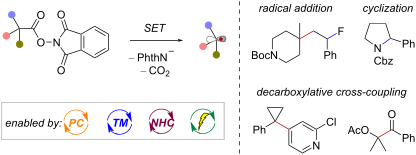
- type addition reactions (Scheme 4A). In 1991, Okada and co-workers reported the addition of alkyl radicals to α,β-unsaturated ketones, by subjecting NHPI esters to visible-light irradiation in the presence of the photocatalyst [Ru(bpy)3]Cl2 and the reductant 1-benzyl-1,4-dihydronicotinamide (BNAH) [37

Graphical Abstract

Scheme 1: Comparison between Barton and NHPI ester radical precursors.

Scheme 2: Overview of the mechanisms and activation modes involved in radical generation from RAEs.

Scheme 3: Common mechanisms in photocatalysis.

Scheme 4: A) Giese-type radical addition of NHPI esters mediated by a reductive quenching photocatalytic cycl...

Scheme 5: A) Minisci-type radical addition of NHPI esters. B) Reaction mechanism involving an “off-cycle” red...

Scheme 6: Activation of NHPI esters through hydrogen-bonding in an oxidative quenching photocatalytic cycle.

Scheme 7: SET activation of RAE facilitated by a Lewis acid catalyst.

Scheme 8: PCET activation of NHPI esters in the context of a radical-redox annulation.

Scheme 9: Activation enabled by a strong excited-state reductant catalyst and its application in the dearomat...

Scheme 10: Proposed formation of an intramolecular charge-transfer complex in the synthesis of (spiro)anellate...

Scheme 11: Formation of a charge-transfer complex between enamides and NHPI esters enabled by a chiral phospha...

Scheme 12: Activation of NHPI ester through the formation of photoactive EDA-complexes.

Scheme 13: A) EDA complex-mediated radical hydroalkylation reactions of NHPI esters. B) Proposed mechanism for...

Scheme 14: Proposed radical chain mechanism initiated by EDA-complex formation.
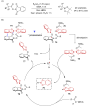
Scheme 15: A) Photoinduced decarboxylative borylation. B) Proposed radical chain mechanism.
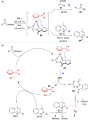
Scheme 16: A) Activation of NHPI esters mediated by PPh3/NaI. B) Proposed catalytic cycle involving EDA-comple...

Scheme 17: A) Radical generation facilitated by EDA complex formation between PTH1 catalyst and NHPI esters. B...

Scheme 18: Proposed catalytic cycle for the difunctionalization of styrenes.

Scheme 19: Formation of a charge-transfer complex between NHPI esters and Cs2CO3 enables decarboxylative amina...

Scheme 20: 3-Acetoxyquinuclidine as catalytic donor in the activation of TCNHPI esters.
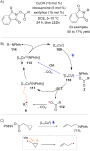
Scheme 21: A) Photoinduced Cu-catalyzed decarboxylative amination. B) Proposed catalytic cycle. C) Radical clo...

Scheme 22: A) Photoinduced Pd-catalyzed aminoalkylation of 1,4-dienes. B) Proposed catalytic cycle.

Scheme 23: A) TM-catalyzed decarboxylative coupling of NHPI esters and organometallic reagents. B) Representat...
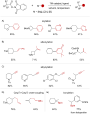
Scheme 24: Synthetic applications of the TM-catalyzed decarboxylative coupling of NHPI esters and organometall...
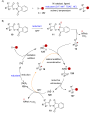
Scheme 25: A) Ni-catalyzed cross-electrophile coupling of NHPI esters. B) Representative catalytic cycle.
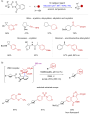
Scheme 26: A) Synthetic applications of decarboxylative cross-electrophile couplings. B) Decarboxylative aryla...

Scheme 27: A) Activation of tetrachlorophthalimide redox-active esters enabled by a low-valency Bi complex. B)...

Scheme 28: Activation of NHPI esters mediated by Zn0 applied in a Z-selective alkenylation reaction.

Scheme 29: A) Activation of NHPI esters enabled by a pyridine-boryl radical species applied to the decarboxyla...

Scheme 30: A) Decarboxylative coupling of RAE and aldehydes enabled by NHC-catalyzed radical relay. B) Propose...

Scheme 31: A) Decarboxylative C(sp3)–heteroatom coupling reaction of NHPI esters under NHC catalysis B) The NH...

Scheme 32: A) Electrochemical Giese-type radical addition of NHPI esters. B) Reaction mechanism.

Scheme 33: Electrochemical Minisci-type radical addition of NHPI-esters.

Scheme 34: Ni-electrocatalytic cross-electrophile coupling of NHPI esters with aryl iodides.

Scheme 35: A) Decarboxylative arylation of NHPI esters under Ag-Ni electrocatalysis B) Formation of AgNP on th...

Scheme 36: Synthetic applications of decarboxylative couplings of NHPI esters under Ni-electrocatalysis.

Scheme 37: Examples of natural product syntheses in which RAEs were used in key C–C bond forming reactions.
A novel recyclable organocatalyst for the gram-scale enantioselective synthesis of (S)-baclofen
- Gyula Dargó,
- Dóra Erdélyi,
- Balázs Molnár,
- Péter Kisszékelyi,
- Zsófia Garádi and
- József Kupai
Beilstein J. Org. Chem. 2023, 19, 1811–1824, doi:10.3762/bjoc.19.133
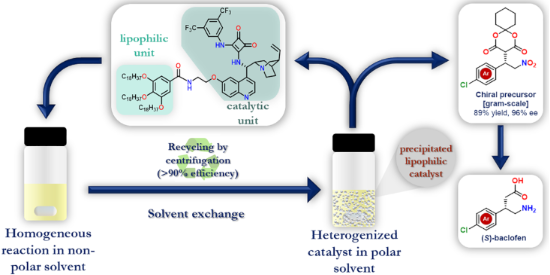
- stereoselective Michael addition reactions. Homogeneous catalysis was carried out in non-polar solvents (i.e., toluene), which allows the high performance of the lipophilic organocatalyst in terms of yield and stereoselectivity. To facilitate the pharmaceutical use of the lipophilic organocatalyst, we

Graphical Abstract

Figure 1: Application of cinchona squaramide 1 and recyclable, lipophilic cinchona squaramide organocatalysts ...

Scheme 1: Synthesis of demethylated cinchona squaramide organocatalyst and the incorporation of the flexible ...

Scheme 2: Synthesis of the lipophilic tag from methyl gallate (8) and attachment to the cinchona squaramide.

Figure 2: Classification of the tested non-polar solvents according to the GSK’s solvent sustainability guide ...

Figure 3: Recycling of the lipophilic organocatalyst in the stereoselective Michael addition by replacing the...

Scheme 3: A new, stereoselective synthetic route for baclofen.

Scheme 4: Gram-scale synthesis of (S)-baclofen hydrochloride.
Trifluoromethylated hydrazones and acylhydrazones as potent nitrogen-containing fluorinated building blocks
- Zhang Dongxu
Beilstein J. Org. Chem. 2023, 19, 1741–1754, doi:10.3762/bjoc.19.127
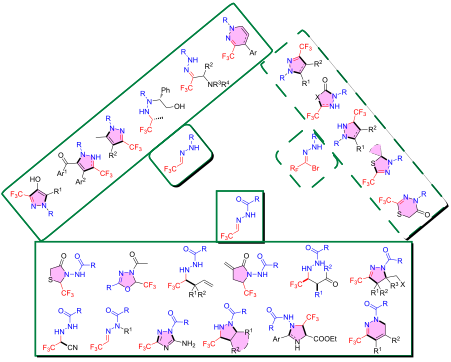
- building blocks [91] (Scheme 14). Inspired by previous accounts and this work [92][93], Hu et al. explored 1,2- nucleophilic addition reactions of trifluoromethylated acylhydrazones with organometallic reagents for the synthesis of trifluorinated homoallylic acylhydrazines [94][95][96][97][98
- . [3 + 2] Cycloadditions of difluoromethylated hydrazonoyl halides. Preparation and early applications of trifluoromethylated acylhydrazones. 1,2-Nucleophilic addition reactions of trifluoromethylated acylhydrazones. Cascade oxidation/cyclization reactions of trifluoromethylated homoallylic

Graphical Abstract

Scheme 1: Synthesis of trifluoromethylpyrazoles from trifluoroacetaldehyde hydrazones.

Scheme 2: Synthesis of polysubstituted pyrazolidines and pyrazolines.

Scheme 3: Asymmetric synthesis of 3-trifluoromethyl-1,4-dihydropyridazines reported by Rueping et al. [39].

Scheme 4: Synthesis of 3-trifluoromethyl-1,4-dihydropyridazine with Brønsted acid-assisted Lewis base catalys...

Scheme 5: Synthesis of CF3-pyrazoles and CF3-1,6-dihydropyridazines.

Scheme 6: Asymmetric reactions of trifluoromethylimines with organometallic reagents.

Scheme 7: Mannich-type reaction of trifluoroacetaldehyde hydrazones.

Scheme 8: Synthesis of trifluoromethylated hydrazonoyl halides.

Scheme 9: Early work of trifluoromethylated hydrazonoyl halides.

Scheme 10: [3 + 2]/[3 + 3] Cycloadditions of trifluoromethylated hydrazonoyl halides.

Scheme 11: Substrate scope for [3 + 2] cycloadditions with trifluoroacetonitrile imines reported by Jasiński’s...

Scheme 12: Synthesis of trifluoromethylated 1,2,4-triazole and 1,2,4-triazine derivatives.

Scheme 13: [3 + 2] Cycloadditions of difluoromethylated hydrazonoyl halides.

Scheme 14: Preparation and early applications of trifluoromethylated acylhydrazones.

Scheme 15: 1,2-Nucleophilic addition reactions of trifluoromethylated acylhydrazones.

Scheme 16: Cascade oxidation/cyclization reactions of trifluoromethylated homoallylic acylhydrazines.

Scheme 17: Synthesis of trifluoromethylated cyanohydrazines and 3-trifluoromethyl-1,2,4-triazolines.

Scheme 18: N-Arylation and N-alkylation of trifluoromethyl acylhydrazones.

Scheme 19: [3 + 2]-Cycladditions of trifluoromethyl acylhydrazones.
Morpholine-mediated defluorinative cycloaddition of gem-difluoroalkenes and organic azides
- Tzu-Yu Huang,
- Mario Djugovski,
- Sweta Adhikari,
- Destinee L. Manning and
- Sudeshna Roy
Beilstein J. Org. Chem. 2023, 19, 1545–1554, doi:10.3762/bjoc.19.111
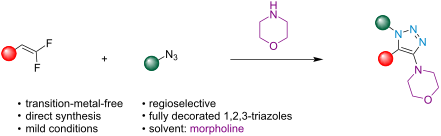
- cycloaddition or addition–elimination reactions with 1,3-dipoles and gem-difluoroalkenes is largely unexplored and the only report of a cycloaddition is with 2-fluoroindolizines (Figure 1A) via a β-fluoride elimination in an SNV (nucleophilic vinylic substitution)-like transformation [9]. Nucleophilic addition
- reactions with azoles and amines (Figure 1B) are also well-precedented [10]. Herein, we address a critical gap in the literature and report the discovery of a cycloaddition of gem-difluoroalkenes and organic azides mediated by a base and with morpholine as a solvent. The cycloaddition adducts, 1,4,5

Graphical Abstract

Figure 1: Functionalization of gem-difluoroalkenes with 1,3-dipoles and N-nucleophiles.
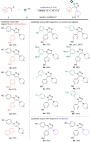
Figure 2: Substrate scope. Reaction conditions: 1 (1 equiv), 2 (1.5 equiv) 0.4 equiv of LiHMDS (1 M in THF), ...

Figure 3: Time course profile monitored by 19F NMR spectroscopy.

Figure 4: NOESY of 4e confirming the regiochemistry of the product.

Figure 5: Proposed mechanism.

Figure 6: Scale-up experiment.
α-(Aminomethyl)acrylates as acceptors in radical–polar crossover 1,4-additions of dialkylzincs: insights into enolate formation and trapping
- Angel Palillero-Cisneros,
- Paola G. Gordillo-Guerra,
- Fernando García-Alvarez,
- Olivier Jackowski,
- Franck Ferreira,
- Fabrice Chemla,
- Joel L. Terán and
- Alejandro Perez-Luna
Beilstein J. Org. Chem. 2023, 19, 1443–1451, doi:10.3762/bjoc.19.103
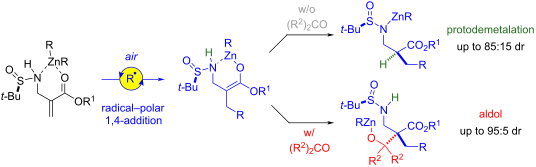
- enolate and a new R• that propagates the radical chain (Scheme 1). Initiation occurs upon oxidation of the dialkylzinc reagent by oxygen. The feasibility of such 1,4-addition reactions is fully reliant on the ease of the intermediate enoxyl radical to undergo alkylzinc-group transfer. Secondary α-carbonyl
- -butanesulfinamide (4) and the requisite α-(bromomethyl)acrylates gave satisfactory yields as well. Finally, N-benzyl-N-(tert-butanesulfinyl) α-(aminomethyl)acrylate 10 was prepared by allylation of lithiated N-benzyl tert-butanesulfinamide 9 (Scheme 3). 1,4-Addition reactions Having the requisite α-(aminomethyl
- thus the sense of chiral induction for the 1,4-addition reactions reported in Table 2. Tandem 1,4-addition–aldol condensation reactions We then went on to consider tandem 1,4-addition–aldol condensation reactions (Scheme 6), which offer the interesting prospect of generating an all-carbon quaternary

Graphical Abstract

Scheme 1: Air-promoted radical chain reaction of dialkylzinc reagents with α,β-unsaturated carbonyl compounds....
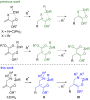
Scheme 2: Enolate formation by zinc radical transfer (SH2 on dialkylzinc reagents).

Scheme 3: Preparation of α-(aminomethyl)acrylate 10.

Scheme 4: Reaction of α-(aminomethyl)acrylate 10 with Et2Zn in the presence of air.

Scheme 5: Chemical correlation to determine the configuration of the major diastereomer of (RS)-14b.
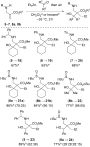
Scheme 6: Air-promoted tandem 1,4-addition–aldol condensation reactions of Et2Zn with α-(aminomethyl)acrylate...
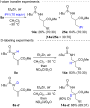
Scheme 7: Diagnostic experiments for a radical mechanism and for enolate formation.

Scheme 8: Diagnostic experiments with N-benzyl enoate 10.

Scheme 9: Reactivity manifolds for the air-promoted tandem 1,4-addition–electrophilic substitution reaction b...
Application of N-heterocyclic carbene–Cu(I) complexes as catalysts in organic synthesis: a review
- Nosheen Beig,
- Varsha Goyal and
- Raj K. Bansal
Beilstein J. Org. Chem. 2023, 19, 1408–1442, doi:10.3762/bjoc.19.102
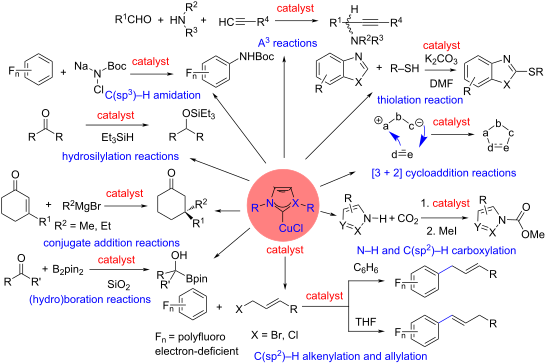
- (I) complex at the β-carbon atom of the activated C=C bond thereby catalyzing the reaction. The NHC–Cu(I) complexes have been found to be effective catalysts for conjugate addition reactions because they stabilize the intermediate species involved in the reaction, which can otherwise be highly
- reactive and difficult to isolate. The NHC–Cu complex also helps to control the regioselectivity and stereoselectivity of the reaction, which are of high importance in organic synthesis. Overall, the use of NHC–Cu complexes as catalysts for conjugate addition reactions offers a highly efficient and
- selective method for the synthesis of a wide range of organic compounds [55][56]. Organometallic reagents, such as organolithium, organomagnesium, and organozinc reagents are commonly used in conjugate addition reactions. 2.2.1 Reaction with Grignard reagents: Organomagnesium reagents, such as Grignard

Graphical Abstract

Scheme 1: In situ generation of imidazolylidene carbene.

Scheme 2: Hg(II) complex of NHC.

Scheme 3: Isolable and bottlable carbene reported by Arduengo [3].

Scheme 4: First air-stable carbene synthesized by Arduengo in 1992 [5].

Figure 1: General structure of an NHC.

Figure 2: Stabilization of an NHC by donation of the lone pair electrons into the vacant p-orbital (LUMO) at ...

Figure 3: Abnormal NHC reported by Bertrand [8,9].

Figure 4: Cu(d) orbital to σ*C-N(NHC) interactions in NHC–CuX complexes computed at the B3LYP/def2-SVP level ...
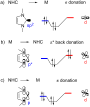
Figure 5: Molecular orbital contributions to the NHC–metal bond.

Scheme 5: Synthesis of NHC–Cu(I) complexes by deprotonation of NHC precursors with a base.

Scheme 6: Synthesis of [NHC–CuX] complexes.

Scheme 7: Synthesis of [(ICy)CuX] and [(It-Bu)CuX] complexes.

Scheme 8: Synthesis of iodido-bridged copper–NHC complexes by deprotonation of benzimidazolium salts reported...

Scheme 9: Synthesis of copper complexes by deprotonation of triazolium salts.

Scheme 10: Synthesis of thiazolylidene–Cu(I) complex by deprotonation with KOt-Bu.

Scheme 11: Preparation of NHC–Cu(I) complexes.

Scheme 12: Synthesis of methylmalonic acid-derived anionic [(26a,b)CuCl]Li(THF)2 and zwitterionic (28) heterol...

Scheme 13: Synthesis of diaminocarbene and diamidocarbene (DAC)–Cu(I) complexes.

Scheme 14: Synthesis of the cationic (NHC)2Cu(I) complex 39 from benzimidazolium salts 38 with tetrakis(aceton...

Scheme 15: Synthesis of NHC and ADC (acyclic diamino carbenes) Cu(I) hexamethyldisilazide complexes reported b...

Scheme 16: Synthesis of NHC–copper(I) complexes using an acetylacetonate-functionalized imidazolium zwitterion...

Scheme 17: Synthesis of NHC–Cu(I) complexes through deprotonation of azolium salts with Cu2O.

Scheme 18: Synthesis of NHC–CuBr complex through deprotonation with Cu2O reported by Kolychev [31].

Scheme 19: Synthesis of chiral NHC–CuBr complexes from phenoxyimine-imidazolium salts reported by Douthwaite a...

Scheme 20: Preparation of linear neutral NHC–CuCl complexes through the use of Cu2O. For abbreviations, please...

Scheme 21: Synthesis of abnormal-NHC–copper(I) complexes by Bertrand, Cazin and co-workers [35].

Scheme 22: Microwave-assisted synthesis of thiazolylidene/benzothiazolylidene–CuBr complexes by Bansal and co-...

Scheme 23: Synthesis of NHC–CuX complexes through transmetallation.

Scheme 24: Preparation of six- or seven-membered NHC–Cu(I) complexes through transmetalation from Ag(I) comple...

Scheme 25: Synthesis of 1,2,3-triazolylidene–CuCl complexes through transmetallation of Ag(I) complexes genera...

Scheme 26: Synthesis of NHC–copper complexes having both Cu(I) and Cu(II) units through transmetalation report...

Scheme 27: Synthesis of new [(IPr(CH2)3Si(OiPr)3)CuX] complexes and anchoring on MCM-41.

Scheme 28: Synthesis of bis(trimethylsilyl)phosphide–Cu(I)–NHC complexes through ligand displacement.

Scheme 29: Synthesis of silyl- and stannyl [(NHC)Cu−ER3] complexes.

Scheme 30: Synthesis of amido-, phenolato-, thiophenolato–Cu(NHC) complexes.

Scheme 31: Synthesis of first isolable NHC–Cu–difluoromethyl complexes reported by Sanford et al. [44].

Scheme 32: Synthesis of NHC–Cu(I)–bifluoride complexes reported by Riant, Leyssens and co-workers [45].

Scheme 33: Conjugate addition of Et2Zn to enones catalyzed by an NHC–Cu(I) complex reported by Woodward in 200...

Scheme 34: Hydrosilylation of a carbonyl group.

Scheme 35: NHC–Cu(I)-catalyzed hydrosilylation of ketones reported by Nolan et al. [48,49].

Scheme 36: Application of chiral NHC–CuCl complex 104 for the enantioselective hydrosilylation of ketones.

Scheme 37: Hydrosilylation reactions catalyzed by NHC–Cu(Ot-Bu) complexes.

Scheme 38: NHC–CuCl catalyzed carbonylative silylation of alkyl halides.

Scheme 39: Nucleophilic conjugate addition to an activated C=C bond.

Figure 6: Molecular electrostatic potential maps (MESP) of two NHC–CuX complexes computed at the B3LYP/def2-S...

Scheme 40: Conjugate addition of Grignard reagents to 3-alkyl-substituted cyclohexenones catalyzed by a chiral...

Scheme 41: NHC–copper complex-catalyzed conjugate addition of Grignard reagent to 3-substituted hexenone repor...

Scheme 42: Conjugate addition or organoaluminum reagents to β-substituted cyclic enones.

Scheme 43: Conjugate addition of boronates to acyclic α,β-unsaturated carboxylic esters, ketones, and thioeste...

Scheme 44: NHC–Cu(I)-catalyzed hydroboration of an allene reported by Hoveyda [63].

Scheme 45: Conjugate addition of Et2Zn to cyclohexenone catalyzed by NHC–Cu(I) complex derived from benzimidaz...

Scheme 46: Asymmetric conjugate addition of diethylzinc to 3-nonen-2-one catalyzed by NHC–Cu complexes derived...

Scheme 47: General scheme of a [3 + 2] cycloaddition reaction.

Scheme 48: [3 + 2] Cycloaddition of azides with alkynes catalyzed by NHC–Cu(I) complexes reported by Diez-Gonz...

Scheme 49: Application of NHC–CuCl/N-donor combination to catalyze the [3 + 2] cycloaddition of benzyl azide w...

Scheme 50: [3 + 2] Cycloaddition of azides with acetylenes catalyzed by bis(NHC)–Cu complex 131 and mixed NHC–...
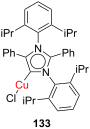
Figure 7: NHC–CuCl complex 133 as catalyst for the [3 + 2] cycloaddition of alkynes with azides at room tempe...

Scheme 51: [3 + 2] Cycloaddition of a bulky azide with an alkynylpyridine using [(NHC)Cu(μ-I)2Cu(NHC)] copper ...

Scheme 52: [3 + 2] Cycloaddition of benzyl azide with phenylacetylene under homogeneous and heterogeneous cata...

Scheme 53: [3 + 2] Cycloaddition of benzyl azide with acetylenes catalyzed by bisthiazolylidene dicopper(I) co...
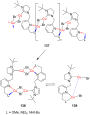
Figure 8: Copper (I)–NHC linear coordination polymer 137 and its conversion into tetranuclear (138) and dinuc...

Scheme 54: An A3 reaction.

Scheme 55: Synthesis of SiO2-immobilized NHC–Cu(I) catalyst 141 and its application in the A3-coupling reactio...

Scheme 56: Preparation of dual-purpose Ru@SiO2–[(NHC)CuCl] catalyst system 142 developed by Bordet, Leitner an...

Scheme 57: Application of the catalyst system Ru@SiO2–[Cu(NHC)] 142 to the one-pot tandem A3 reaction and hydr...

Scheme 58: A3 reaction of phenylacetylene with secondary amines and aldehydes catalyzed by benzothiazolylidene...

Figure 9: Kohn–Sham HOMOs of phenylacetylene and NHC–Cu(I)–phenylacetylene complex computed at the B3LYP/def2...

Figure 10: Energies of the FMOs of phenylacetylene, iminium ion, and NHC–Cu(I)–phenylacetylene complex compute...

Scheme 59: NHC–Cu(I) catalyzed diboration of ketones 147 by reacting with bis(pinacolato)diboron (148) reporte...

Scheme 60: Protoboration of terminal allenes catalyzed by NHC–Cu(I) complexes reported by Hoveyda and co-worke...

Scheme 61: NHC–CuCl-catalyzed borylation of α-alkoxyallenes to give 2-boryl-1,3-butadienes.

Scheme 62: Regioselective hydroborylation of propargylic alcohols and ethers catalyzed by NHC–CuCl complexes 1...

Scheme 63: NHC–CuOt-Bu-catalyzed semihydrogenation and hydroborylation of alkynes.

Scheme 64: Enantioselective NHC–Cu(I)-catalyzed hydroborations of 1,1-disubstituted aryl olefins reported by H...

Scheme 65: Enantioselective NHC–Cu(I)-catalyzed hydroboration of exocyclic 1,1-disubstituted alkenes reported ...

Scheme 66: Markovnikov-selective NHC–CuOH-catalyzed hydroboration of alkenes and alkynes reported by Jones et ...
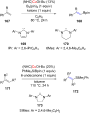
Scheme 67: Dehydrogenative borylation and silylation of styrenes catalyzed by NHC–CuOt-Bu complexes developed ...

Scheme 68: N–H/C(sp2)–H carboxylation catalyzed by NHC–CuOH complexes.

Scheme 69: C–H Carboxylation of benzoxazole and benzothiazole derivatives with CO2 using a 1,2,3-triazol-5-yli...

Scheme 70: Use of Cu(I) complex derived from diethylene glycol-functionalized imidazo[1,5,a] pyridin-3-ylidene...

Scheme 71: Allylation and alkenylation of polyfluoroarenes and heteroarenes catalyzed by NHC–Cu(I) complexes r...

Scheme 72: Enantioselective C(sp2)–H allylation of (benz)oxazoles and benzothiazoles with γ,γ-disubstituted pr...

Scheme 73: C(sp2)–H arylation of arenes catalyzed by dual NHC–Cu/NHC–Pd catalytic system.

Scheme 74: C(sp2)–H Amidation of (hetero)arenes with N-chlorocarbamates/N-chloro-N-sodiocarbamates catalyzed b...

Scheme 75: NHC–CuI catalyzed thiolation of benzothiazoles and benzoxazoles.
Radical ligand transfer: a general strategy for radical functionalization
- David T. Nemoto Jr,
- Kang-Jie Bian,
- Shih-Chieh Kao and
- Julian G. West
Beilstein J. Org. Chem. 2023, 19, 1225–1233, doi:10.3762/bjoc.19.90
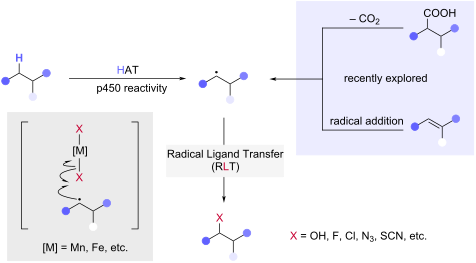
- report, it augured the potential of RLT to be a general strategy in synthetic method development, with modern examples including new alkene addition reactions and decarboxylative functionalizations (Scheme 2). Recent applications of RLT in catalysis Upon the discovery and initial exploration of the RLT

Graphical Abstract

Scheme 1: Overview of the RLT mechanism in nature and in literature. I: The radical rebound mechanism in cyto...

Scheme 2: Areas of recent work on RLT development and application in catalysis. I: Reported RLT pathways ofte...

Scheme 3: The incorporation of RLT catalysis in ATRA photocatalysis. I: The reported method is compatible wit...

Scheme 4: Pioneering and recent work on decarboxylative functionalization involving a posited RLT pathway. I:...

Scheme 5: Our lab reported decarboxylative azidation of aliphatic and benzylic acids. I: The reaction proceed...
Clauson–Kaas pyrrole synthesis using diverse catalysts: a transition from conventional to greener approach
- Dileep Kumar Singh and
- Rajesh Kumar
Beilstein J. Org. Chem. 2023, 19, 928–955, doi:10.3762/bjoc.19.71
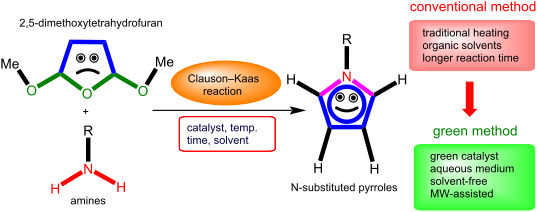
- transformations. It was discovered that, in general, arylamines with electron-withdrawing groups deactivated the arylamines and produced the corresponding pyrroles in only modest yields, whereas arylamines with electron-donating groups reacted much faster and produced the pyrroles in excellent yields. In addition
- , reactions of sterically hindered anilines with 2,5-dimethoxytetrahydrofuran give moderate yields, and reactions with less sterically hindered anilines give good yields of products. The Clauson–Kaas method for the synthesis of pyrroles has a wide range of applications, including the synthesis of various

Graphical Abstract

Figure 1: Various pyrrole containing molecules.
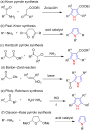
Scheme 1: Various synthestic protocols for the synthesis of pyrroles.

Figure 2: A tree-diagram showing various conventional and green protocols for Clauson-Kaas pyrrole synthesis.

Scheme 2: A general reaction of Clauson–Kaas pyrrole synthesis and proposed mechanism.

Scheme 3: AcOH-catalyzed synthesis of pyrroles 5 and 7.

Scheme 4: Synthesis of N-substituted pyrroles 9.

Scheme 5: P2O5-catalyzed synthesis of N-substituted pyrroles 11.

Scheme 6: p-Chloropyridine hydrochloride-catalyzed synthesis of pyrroles 13.

Scheme 7: TfOH-catalyzed synthesis of N-sulfonylpyrroles 15, N-sulfonylindole 16, N-sulfonylcarbazole 17.

Scheme 8: Scandium triflate-catalyzed synthesis of N-substituted pyrroles 19.

Scheme 9: MgI2 etherate-catalyzed synthesis and proposed mechanism of N-arylpyrrole derivatives 21.

Scheme 10: Nicotinamide catalyzed synthesis of pyrroles 23.

Scheme 11: ZrOCl2∙8H2O catalyzed synthesis and proposed mechanism of pyrrole derivatives 25.

Scheme 12: AcONa catalyzed synthesis of N-substituted pyrroles 27.

Scheme 13: Squaric acid-catalyzed synthesis and proposed mechanism of N-substituted pyrroles 29.

Figure 3: Reusability of catalyst γ-Fe2O3@SiO2-Sb-IL in six cycles.

Scheme 14: Magnetic nanoparticle-supported antimony catalyst used in the synthesis of N-substituted pyrroles 31...

Scheme 15: Iron(III) chloride-catalyzed synthesis of N-substituted pyrroles 33.

Scheme 16: Copper-catalyzed Clauson–Kaas synthesis and mechanism of pyrroles 35.

Scheme 17: β-CD-SO3H-catalyzed synthesis and proposed mechanism of pyrroles 37.

Figure 4: Recyclability of β-cyclodextrin-SO3H.

Scheme 18: Solvent-free and catalyst-free synthesis and plausible mechanism of N-substituted pyrroles 39.

Scheme 19: Nano-sulfated TiO2-catalyzed synthesis of N-substituted pyrroles 41.

Figure 5: Plausible mechanism for the formation of N-substituted pyrroles catalyzed by nano-sulfated TiO2 cat...

Scheme 20: Copper nitrate-catalyzed Clauson–Kaas synthesis and mechanism of N-substituted pyrroles 43.

Scheme 21: Synthesis of N-substituted pyrroles 45 by using Co catalyst Co/NGr-C@SiO2-L.

Scheme 22: Zinc-catalyzed synthesis of N-arylpyrroles 47.

Scheme 23: Silica sulfuric acid-catalyzed synthesis of pyrrole derivatives 49.

Scheme 24: Bismuth nitrate-catalyzed synthesis of pyrroles 51.

Scheme 25: L-(+)-tartaric acid-choline chloride-catalyzed Clauson–Kaas synthesis and plausible mechanism of py...

Scheme 26: Microwave-assisted synthesis of N-substituted pyrroles 55 in AcOH or water.

Scheme 27: Synthesis of pyrrole derivatives 57 using a nano-organocatalyst.

Figure 6: Nano-ferric supported glutathione organocatalyst.

Scheme 28: Microwave-assisted synthesis of N-substituted pyrroles 59 in water.

Scheme 29: Iodine-catalyzed synthesis and proposed mechanism of pyrroles 61.

Scheme 30: H3PW12O40/SiO2-catalyzed synthesis of N-substituted pyrroles 63.

Scheme 31: Fe3O4@-γ-Fe2O3-SO3H-catalyzed synthesis of pyrroles 65.

Scheme 32: Mn(NO3)2·4H2O-catalyzed synthesis and proposed mechanism of pyrroles 67.

Scheme 33: p-TsOH∙H2O-catalyzed (method 1) and MW-assisted (method 2) synthesis of N-sulfonylpyrroles 69.

Scheme 34: ([hmim][HSO4]-catalyzed Clauson–Kaas synthesis of pyrroles 71.

Scheme 35: Synthesis of N-substituted pyrroles 73 using K-10 montmorillonite catalyst.

Scheme 36: CeCl3∙7H2O-catalyzed Clauson–Kaas synthesis of pyrroles 75.

Scheme 37: Synthesis of N-substituted pyrroles 77 using Bi(NO3)3∙5H2O.

Scheme 38: Oxone-catalyzed synthesis and proposed mechanism of N-substituted pyrroles 79.
Asymmetric tandem conjugate addition and reaction with carbocations on acylimidazole Michael acceptors
- Brigita Mudráková,
- Renata Marcia de Figueiredo,
- Jean-Marc Campagne and
- Radovan Šebesta
Beilstein J. Org. Chem. 2023, 19, 881–888, doi:10.3762/bjoc.19.65

- obtained by other conjugate addition reactions. Keywords: acylimidazole; asymmetric catalysis; carbocation; conjugate addition; enolate; Introduction Asymmetric metal-catalyzed conjugate additions provide access to numerous chiral scaffolds. This type of C–C bond formation efficiently enables the

Graphical Abstract

Scheme 1: Concept of this work.

Scheme 2: Initial experiments for the trapping of the intermediate enolate Enl-1a with tropylium NTf2.
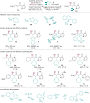
Scheme 3: The reaction scope.

Figure 1: Comparison of DFT-calculated and experimental ECD of (2R,3R)-4 and (2S,3R)-4.

Figure 2: DFT calculated (ωB97X-D4/def2-TZVPPD//PBEh-3c/def2-mSVP) HOMO energies and NBO charges for represen...
A new oxidatively stable ligand for the chiral functionalization of amino acids in Ni(II)–Schiff base complexes
- Alena V. Dmitrieva,
- Oleg A. Levitskiy,
- Yuri K. Grishin and
- Tatiana V. Magdesieva
Beilstein J. Org. Chem. 2023, 19, 566–574, doi:10.3762/bjoc.19.41
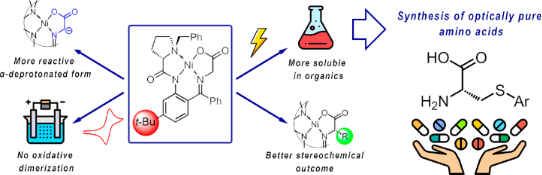
- as the starting platform for the modification of an amino acid moiety by nucleophilic substitution and addition reactions, including electrochemically induced processes [5][16][17][18][31]. The electrochemical behavior of the new complexes was investigated to get an experimental support for their

Graphical Abstract

Scheme 1: Selected examples of the chiral ligands used for synthesis of the Ni(II)–Schiff base complexes.

Scheme 2: Synthesis of the chiral ligand L7 and its Ni(II) complexes with glycine, serine, dehydroalanine, an...

Figure 1: Fragment of the NOESY spectrum of the ʟ-(oBrCysNi)L7 complex indicating the correlation between the...

Figure 2: Low-gradient isosurfaces with low densities (blue color of the isosurface corresponds to the hydrog...
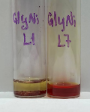
Figure 3: Saturated solutions of (GlyNi)L1 (left) and (GlyNi)L7 (right) in diethyl ether.

Figure 4: The CV curves observed for (GlyNi)L7 and (ΔAlaNi)L7 in the anodic and cathodic regions (Pt, CH3CN, ...
Group 13 exchange and transborylation in catalysis
- Dominic R. Willcox and
- Stephen P. Thomas
Beilstein J. Org. Chem. 2023, 19, 325–348, doi:10.3762/bjoc.19.28
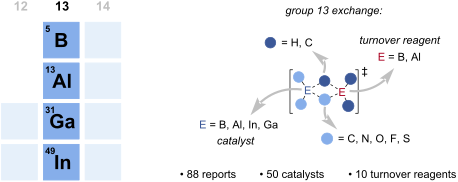
- for catalysis, due to the generally higher abundance and lower toxicity of these elements. Group 13 elements have a rich catalogue of stoichiometric addition reactions to unsaturated bonds but cannot undergo the redox chemistry which underpins transition-metal catalysis. Group 13 exchange reactions

Graphical Abstract

Scheme 1: Group 13 exchange.

Scheme 2: Borane-catalysed hydroboration of alkynes and the proposed mechanism.
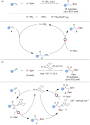
Scheme 3: a) Borane-catalysed hydroboration of alkenes and the proposed mechanism. b) H-B-9-BBN-catalysed dou...
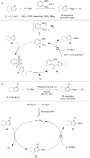
Scheme 4: a) Amine-borane-catalysed C‒H borylation of heterocycles and the proposed mechanism. b) Benzoic aci...

Scheme 5: Bis(pentafluorophenyl)borane-catalysed dimerisation of allenes and the proposed mechanism.

Scheme 6: Alkoxide-promoted hydroboration of heterocycles and the proposed mechanism.
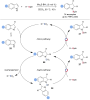
Scheme 7: Borane-catalysed reduction of indoles and the proposed mechanism.

Scheme 8: H-B-9-BBN-catalysed hydrocyanation of enones and the proposed mechanism.

Scheme 9: Borane-catalysed hydroboration of nitriles and the proposed mechanism.

Scheme 10: Myrtanylborane-catalysed asymmetric reduction of propargylic ketones and the proposed mechanism.

Scheme 11: H-B-9-BBN-catalysed C–F esterification of alkyl fluorides and the proposed mechanism.

Scheme 12: H-B-9-BBN-catalysed 1,4-hydroboration of enones and the proposed mechanism.

Scheme 13: Boric acid-promoted reduction of esters, lactones, and carbonates and the proposed mechanism.

Scheme 14: H-B-9-BBN-catalysed reductive aldol-type reaction and the proposed mechanism.

Scheme 15: H-B-9-BBN-catalysed diastereoselective allylation of ketones and the Ph-BBD-catalysed enantioselect...

Scheme 16: H-B-9-BBN-catalysed C–F arylation of benzyl fluorides and the proposed mechanism.

Scheme 17: Borane-catalysed S‒H borylation of thiols and the proposed mechanism.

Scheme 18: Borane-catalysed hydroalumination of alkenes and allenes.
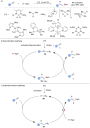
Scheme 19: a) Aluminium-catalysed hydroboration of alkynes and example catalysts. b) Deprotonation mechanistic...

Scheme 20: Aluminium-catalysed hydroboration of alkenes and the proposed mechanism.

Scheme 21: Aluminium-catalysed C–H borylation of terminal alkynes and the proposed mechanism.

Scheme 22: Aluminium-catalysed dehydrocoupling of amines, alcohols, and thiols with H-B-9-BBN or HBpin and the...

Scheme 23: Aluminium-catalysed hydroboration of unsaturated compounds and the general reaction mechanism.
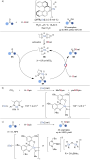
Scheme 24: a) Gallium-catalysed asymmetric hydroboration of ketones and the proposed mechanism. b) Gallium-cat...

Scheme 25: Gallium(I)-catalysed allylation/propargylation of acetals and aminals and the proposed mechanism.

Scheme 26: Indium(I)-catalysed allylation/propargylation of acetals, aminals, and alkyl ethers.

Scheme 27: Iron–indium cocatalysed double hydroboration of nitriles and the proposed mechanism.

Figure 1: a) The number of reports for a given group 13 exchange in catalysis. b) Average free energy barrier...
Investigation of cationic ring-opening polymerization of 2-oxazolines in the “green” solvent dihydrolevoglucosenone
- Solomiia Borova and
- Robert Luxenhofer
Beilstein J. Org. Chem. 2023, 19, 217–230, doi:10.3762/bjoc.19.21
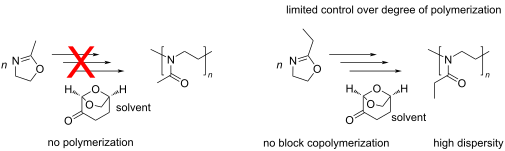
- which interfere with the cationic ring-opening polymerization of 2-oxazolines (Figure 5). It has been reported that DLG can undergo keto–enol tautomerism and form enols or can participate in nucleophilic addition reactions [49]. Furthermore, it can react with water to its hydrated form, a geminal diol

Graphical Abstract

Figure 1: Schematic representation of the mechanism of the cationic ring-opening polymerization (CROP) of 2-a...

Figure 2: (a) First-order kinetic plot for the 2-ethyl-2-oxazoline ring-opening polymerization in DLG at 90 °...

Figure 3: MALDI-TOF mass spectrometry analysis of the poly(2-ethyl-2-oxazoline) initiated with methyl triflat...

Figure 4: MALDI-TOF mass spectrometry analysis of the poly(2-ethyl-2-oxazoline) initiated with 2-ethyl-3-meth...

Figure 5: Schematic illustration of the side reactions that can occur during the polymerization of 2-alkyl-2-...

Figure 6: Investigation of 2-ethyl-2-oxazoline polymerization in DLG at 60 °C initiated with MeOTf (black), M...

Figure 7: Investigation of 2-ethyl-2-oxazoline polymerization initiated with EtOxMeOTf at different monomer/i...
Functionalization of imidazole N-oxide: a recent discovery in organic transformations
- Koustav Singha,
- Imran Habib and
- Mossaraf Hossain
Beilstein J. Org. Chem. 2022, 18, 1575–1588, doi:10.3762/bjoc.18.168
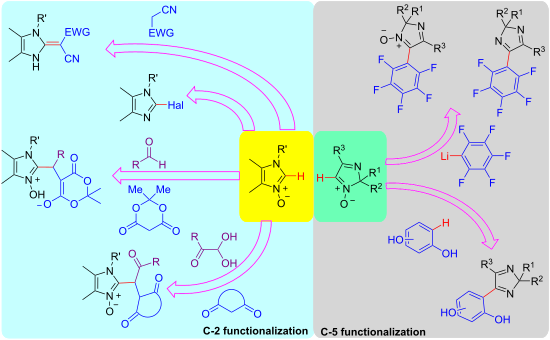
- cyanoacetate to generate ethyl 2-cyano-2-(1,3-dihydro-2H-imidazole-2-ylidene)acetates in the presence of aldehyde catalyst through a [3 + 2] cycloaddition [16]. Here, imidazole N-oxides behaved as 1,3-dipoles and nucleophiles in Michael-type addition reactions. The optimized reaction conditions were estimated

Graphical Abstract

Figure 1: Selected imidazole-based bioactive molecules.
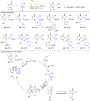
Scheme 1: Formation of ethyl 2-cyano-2-(1,3-dihydro-2H-imidazole-2-ylidene)acetate derivatives via [3 + 2] cy...
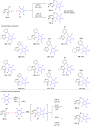
Scheme 2: C–H/C–Li coupling reaction of 2H-imidazole 1-oxides with pentafluorophenyllithium.
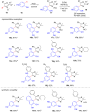
Scheme 3: Transition-metal-free coupling reaction of 2H-imidazole 1-oxides with polyphenols. Reaction conditi...

Scheme 4: Halogenation reaction of 2-unsubstituted imidazole N-oxides using tosyl halogenides.
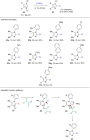
Scheme 5: Solvent-free chlorination reaction of imidazole N-oxides.
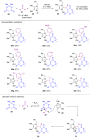
Scheme 6: Multicomponent reaction of imidazole N-oxides 28 with Meldrum’s acid (26) and aldehydes.
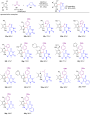
Scheme 7: Multicomponent reaction of imidazole N-oxides with CH-acids and aldehydes. Reaction conditions: aTh...

Scheme 8: Three-component condensation reaction of imidazole N-oxides, arylglyoxals, and CH-acids 38 (dimedon...

Scheme 9: Synthesis of imidazole-2-thiones containing cyclohexyl-substituents at 3-position.

Scheme 10: Preparation of optically active derivatives of 3-butoxyimidazole-2-thione.
A facile approach to spiro[dihydrofuran-2,3'-oxindoles] via formal [4 + 1] annulation reaction of fused 1H-pyrrole-2,3-diones with diazooxindoles
- Pavel A. Topanov,
- Anna A. Maslivets,
- Maksim V. Dmitriev,
- Irina V. Mashevskaya,
- Yurii V. Shklyaev and
- Andrey N. Maslivets
Beilstein J. Org. Chem. 2022, 18, 1532–1538, doi:10.3762/bjoc.18.162
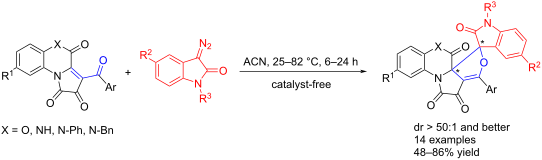
- formal [4 + 1] cycloaddition (Scheme 1). Results and Discussion FPDs are highly reactive compounds [25][26] containing an highly electrophilic enone fragment which facilitates the course of cycloaddition and nucleophilic addition reactions. In recent years, some types of cycloaddition reactions were

Graphical Abstract

Figure 1: Selected examples of biologically active natural products bearing a spirofuranoxindole moiety.

Scheme 1: Synthesis of spiro[dihydrofuran-2,3'-oxindoles] from enones and diazooxindoles.

Scheme 2: Cycloaddition reactions of [e]-fused 1H-pyrrole-2,3-diones.

Scheme 3: The model reaction of FPD 1a and diazooxindole 2a.

Scheme 4: The reaction of FPD 1k with diazooxindole 2a.

Scheme 5: A) Plausible mechanism of formal [4 + 1] cycloaddition of FPDs 1 with diazooxindoles 2 (negative ch...
1,4,6,10-Tetraazaadamantanes (TAADs) with N-amino groups: synthesis and formation of boron chelates and host–guest complexes
- Artem N. Semakin,
- Ivan S. Golovanov,
- Yulia V. Nelyubina and
- Alexey Yu. Sukhorukov
Beilstein J. Org. Chem. 2022, 18, 1424–1434, doi:10.3762/bjoc.18.148
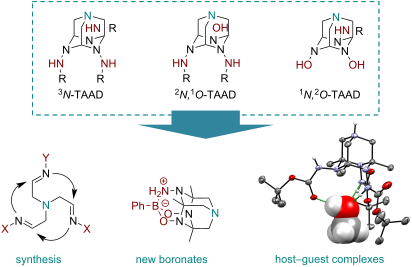
- self-assembly reactions from simple precursors and easily functionalized through addition reactions at heteroatoms [15][16][17][18][19][20]. Some time ago, our group introduced 1,4,6,10-tetraazaadamantane (TAAD) as a promising molecular platform for the design of functional tripodal molecules (Figure

Graphical Abstract
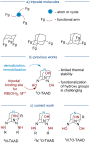
Figure 1: Adamantane-based tripodal scaffolds and current work.

Scheme 1: A general strategy for the assembly of TAAD derivatives.

Scheme 2: Synthesis of acyclic precursors to 3N-TAADs, 2N,1O-TAADs, and 1N,2O-TAADs.
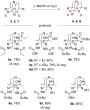
Scheme 3: Synthesis of 3N-TAADs, 2N,1O-TAADs, and 1N,2O-TAADs. *Yield based on compound 14.

Scheme 4: Deprotection of TAAD 8b and subsequent complexation with phenylboronic acid.

Scheme 5: Quaternization of TAADs 4c, 4e, 6a, and 8a followed by deprotection of N-Boc groups.

Figure 2: General view of the 1,4,6,10-tetraazaadamantane motif in X-ray structures of the obtained N-TAAD de...
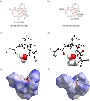
Figure 3: (a) General structure of host–guest complexes of 3N-TAADs with water. (b) The general structure of ...

Figure 4: (a) Dynamic processes in TAADs 4 and complexation with ROH. (b) Fragment of 1H NMR spectra of Bn-4c...
Modular synthesis of 2-furyl carbinols from 3-benzyldimethylsilylfurfural platforms relying on oxygen-assisted C–Si bond functionalization
- Sebastien Curpanen,
- Per Reichert,
- Gabriele Lupidi,
- Giovanni Poli,
- Julie Oble and
- Alejandro Perez-Luna
Beilstein J. Org. Chem. 2022, 18, 1256–1263, doi:10.3762/bjoc.18.131
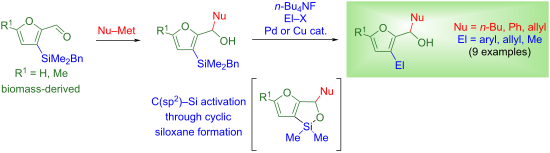
- Achmatowicz rearrangement [18]. Addition reactions of nucleophiles to the C–O double bond of furfurals represent an obvious synthetic approach to 2-furyl carbinols. We reasoned that for carbinols derived from C3-triorganosilyl-substituted furfurals, the OH unit could be exploited to assist C–Si bond

Graphical Abstract

Scheme 1: C3–Si bond functionalization of biomass-derived 3-silylated furfural platforms.

Scheme 2: Preparation of 3-silylated 2-furyl carbinols.

Scheme 3: C–Si bond functionalization of 2,3-disubstituted furyl carbinols by 1,4-silyl migration.

Scheme 4: Attempts of C3–Si bond functionalization promoted by intramolecular activation via alkoxide.

Scheme 5: Alkoxide-promoted cyclic siloxane formation from 2-[(3-benzyldimethylsilyl)furyl] carbinol 4c.

Scheme 6: TBAF-promoted cyclic siloxane formation from 2-[(3-benzyldimethylsilyl)furyl] carbinol 4c.

Scheme 7: Pd-catalyzed arylation of 2-[(3-benzyldimethylsilyl)furyl] carbinol 4c.
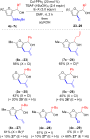
Scheme 8: Cu-catalyzed allylation and methylation of 2-[(3-benzyldimethylsilyl)furyl] carbinols. aCuI⋅PPh3 (1...
Experimental and theoretical studies on the synthesis of 1,4,5-trisubstituted pyrrolidine-2,3-diones
- Nguyen Tran Nguyen,
- Vo Viet Dai,
- Nguyen Ngoc Tri,
- Luc Van Meervelt,
- Nguyen Tien Trung and
- Wim Dehaen
Beilstein J. Org. Chem. 2022, 18, 1140–1153, doi:10.3762/bjoc.18.118
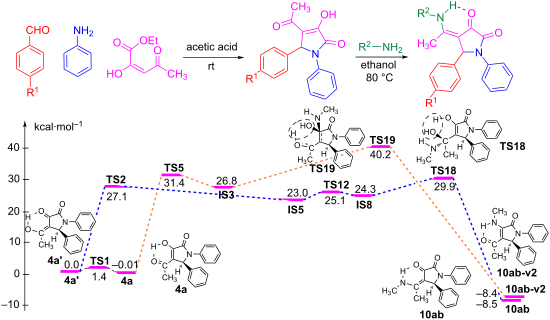
- antibacterial and antifungal activities [39][40][41]. The presence of an acyl group at the 4-position enables these heterocycles to be functionalized via nucleophilic addition reactions between the carbonyl group and nucleophiles like hydroxylamine and semicarbazide [42]. Herein, we report the synthesis of 4

Graphical Abstract

Figure 1: Structure of naturally occurring and synthetic 2-pyrrolidone derivatives.

Figure 2: Structure of natural compounds containing a 1,5-dihydro-2H-pyrrol-2-one subunit.

Scheme 1: Synthesis of substituted 4-acetyl-3-hydroxy-3-pyrroline-2-ones 4 via three-component reaction.

Scheme 2: Proposed mechanistic path for the synthesis of substituted 4-acetyl-3-hydroxy-3-pyrroline-2-ones.

Scheme 3: Tautomerism of compounds 4a–c in DMSO.

Figure 3: View of the molecular structure of compound 10aa with atom labeling. Displacement ellipsoids are dr...

Figure 4: The PES of reaction for the synthesis of 1,4,5-trisubstituted pyrrolidine-2,3-dione 10ab enamine de...

Scheme 4: Reaction pathways from 4a, 4a’ to 10ab via IS5 in the gase phase.

Scheme 5: Reaction pathways from 4a to 10ab-v2 via IS3 in the gase phase.

Figure 5: The PES for the possible pathways (1), (2), (3), and (4) in ethanol solvent.
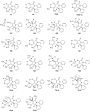
Figure 6: The optimized structures of some reactants, intermediates, transition states, and products in the p...
Synthesis of odorants in flow and their applications in perfumery
- Merlin Kleoff,
- Paul Kiler and
- Philipp Heretsch
Beilstein J. Org. Chem. 2022, 18, 754–768, doi:10.3762/bjoc.18.76
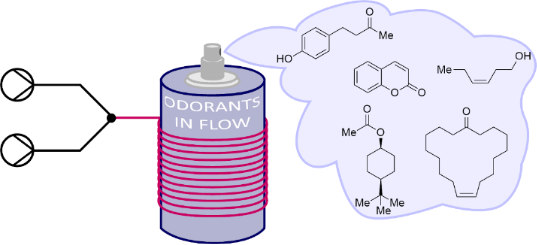
- -closing metathesis reaction for the preparation of macrocyclic musks, the efficient removal of ethylene by the means of a tube-in-tube reactor or a continuously stirred tank reactor (CSTR) can promote the reaction and suppress decomposition of the catalyst. In addition, reactions involving organometallics

Graphical Abstract

Figure 1: The olfactory spectrum wheel ordering different types of odorants from fruity to musky.

Figure 2: Classification of odorants as “top note”, “middle note” and “base note” depending on their substant...

Scheme 1: Synthesis of raspberry ketone (5) and raspberry ketone methyl ether (6) in two steps in flow.

Scheme 2: Autoxidation of (+)-valencene (7) to (+)-nootkatone (8) under catalyst and solvent-free conditions ...

Scheme 3: Enzyme-catalyzed acetylation of isoamyl alcohol (9) in a biphasic n-heptane/water mixture utilizing...

Scheme 4: Esterification of alcohols by transesterification, catalyzed by immobilized acyltransferase in a pa...

Scheme 5: Synthesis of homologated alcohols 20 by iterative homologation of terpenyl boronate esters 17 follo...

Scheme 6: Sequential three-step synthesis of (S)-α-phellandrene (30) from (R)-carvone (25) via selective hydr...

Scheme 7: Selective hydrogenation of alkyne 31 to “leaf alcohol” 32 employing a solid-supported palladium cat...

Scheme 8: A) Synthesis of jasmonal (35) by crossed aldol condensation of benzaldehyde (33) and heptanal (34) ...

Scheme 9: Synthesis of thymol (41) from m-cresol (39) and isopropyl alcohol via Fries-type rearrangement of e...

Scheme 10: Preparation of coumarin (46) by reaction of salicylaldehyde (44) with potassium acetate, acetic aci...

Scheme 11: Synthesis of phthalide (50) by photoinduced decatungstate catalysis.

Scheme 12: Synthesis of woody acetate (54) by reduction of cyclohexanone 51 and subsequent acetylation; ADH200...

Scheme 13: Synthesis of juniper lactone (56) by pyrolysis of triperoxide 55 generated by oxidation of cyclohex...

Scheme 14: Synthesis of macrocyclic olefine 60 by ring-closing metathesis of diene 58 in a continuously stirre...

Scheme 15: Synthesis of macrocycles 65 and 66 by ring-closing metathesis of dienes 62 or 63, respectively, in ...

Scheme 16: Z-Selective synthesis of civetone (69) enabled by metathesis catalyst 68 in a tube-in-tube reactor.

Scheme 17: Synthesis of macrocyclic olefine 72 by ring-closing metathesis of diene 70.
Heteroleptic metallosupramolecular aggregates/complexation for supramolecular catalysis
- Prodip Howlader and
- Michael Schmittel
Beilstein J. Org. Chem. 2022, 18, 597–630, doi:10.3762/bjoc.18.62
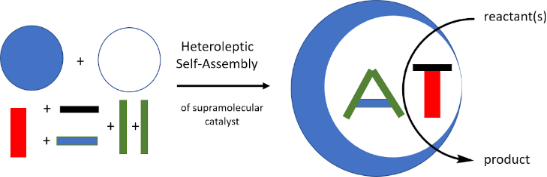
- enantiopure tetrahedral Pt12 cage has been previously studied for catalytic Michael addition reactions, but no enantioselectivity was detected because the chiral building blocks were located at peripheral positions thus not sufficiently breaking symmetry within the cavity [73]. Therefore, it was envisioned

Graphical Abstract

Figure 1: Butterfly 1 (Figure was reprinted with permission from [45]. Copyright 2012 American Chemical Society. ...

Figure 2: Synthesis of the three-component heteroleptic molecular boat 8 and its use as a catalyst for the Kn...

Figure 3: Synthesis of the two-component triangle 14 and three-component heteroleptic prism 15 [59]. Figure was a...

Figure 4: Catalytic Michael addition reaction using the urea-decorated molecular prism 15 [59].

Figure 5: Self-assembly of two-component tetragonal prismatic architectures with different cavity size. Figur...

Figure 6: Construction of artificial LHS using rhodamine B as an acceptor and 24b as donor generating a photo...
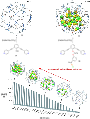
Figure 7: Synthesis of supramolecular spheres with varying [AuCl] concentration inside the cavity. Figure was...

Figure 8: Hydroalkoxylation reaction of γ-allenol 34 in the presence of [AuCl]-encapsulated molecular spheres ...

Figure 9: Two-component heteroleptic triangles of different size containing a BINOL functionality. Figure was...

Figure 10: Asymmetric conjugate addition of chalcone 42 with trans-styrylboronic acid (43) catalyzed by BINOL-...

Figure 11: Encapsulation of monophosphoramidite-Rh(I) catalyst into a heteroleptic tetragonal prismatic cage 47...

Figure 12: (a) Representations of the basic HETPYP, HETPHEN, and HETTAP complex motifs. (b) The three-componen...
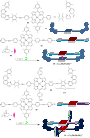
Figure 13: Two representative four-component rotors, with a (top) two-arm stator and (bottom) a four-arm stato...

Figure 14: Four-component rotors with a monohead rotator. Figure was adapted with permission from [94]. Copyright ...

Figure 15: (left) Click reaction catalyzed by rotors [Cu2(55)(60)(X)]2+. (right) Yield as a function of the ro...

Figure 16: A supramolecular AND gate. a) In truth table state (0,0) two nanoswitches serve as the receptor ens...

Figure 17: Two supramolecular double rotors (each has two rotational axes) and reference complex [Cu(78)]+ for...

Figure 18: The slider-on-deck system (82•X) (X = 83, 84, or 85). Figure is from [98] and was reprinted from the jo...

Figure 19: Catalysis of a conjugated addition reaction in the presence of the slider-on-deck system (82•X) (X ...

Figure 20: A rotating catalyst builds a catalytic machinery. For catalysis of the catalytic machinery, see Figure 21. F...

Figure 21: Catalytic machinery. Figure was adapted from [100] (“Evolution of catalytic machinery: three-component n...
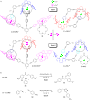
Figure 22: An information system based on (re)shuffling components between supramolecular structures [99]. Figure ...

Figure 23: Switching between dimeric heteroleptic and homoleptic complex for OFF/ON catalytic formation of rot...

Figure 24: A chemically fueled catalytic system [112]. Figure was adapted from [112]. Copyright 2021 American Chemical S...

Figure 25: (Top) Operation of a fuel acid. (Bottom) Knoevenagel addition [112].

Figure 26: Development of the yield of Knoevenagel product 118 in a fueled system [112]. Figure was reprinted with ...

Figure 27: Weak-link strategy to increased catalytic activity in epoxide opening [119]. Figure was adapted from [24]. C...
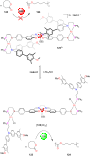
Figure 28: A ON/OFF polymerization switch based on the weak-link approach [118]. Figure was reprinted with permissi...

Figure 29: A weak-link switch turning ON/OFF a Diels–Alder reaction [132]. Figure was reprinted with permission fro...
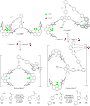
Figure 30: A catalyst duo allowing selective activation of one of two catalytic acylation reactions [133] upon subs...

Figure 31: A four-state switchable nanoswitch (redrawn from [134]).

Figure 32: Sequential catalysis as regulated by nanoswitch 138 and catalyst 139 in the presence of metal ions ...

Figure 33: Remote control of ON/OFF catalysis administrated by two nanoswitches through ion signaling (redrawn...
Bioinspired tetraamino-bisthiourea chiral macrocycles in catalyzing decarboxylative Mannich reactions
- Hao Guo,
- Yu-Fei Ao,
- De-Xian Wang and
- Qi-Qiang Wang
Beilstein J. Org. Chem. 2022, 18, 486–496, doi:10.3762/bjoc.18.51
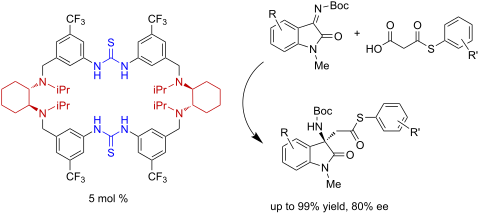
- cavity could resemble the circumstance of the catalytic triad of Polyketide synthases (PKSs) [40][41][42] (Figure 1). On the other hand, the organocatalytic asymmetric decarboxylative addition reactions of MAHTs to imines provide an efficient means for accessing valuable chiral β-amino esters [43][44][45
- mechanism The above results showed that the tetraamino-bisthiourea chiral macrocycles can efficiently catalyze the decarboxylative addition reactions with good yields and enantioselectivity. To check the role of the macrocyclic framework, two acyclic compounds (9 and 3c) containing the similar structural

Graphical Abstract

Figure 1: Design of PKS-inspired multifunctional amino-thiourea macrocycle catalysts.
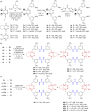
Scheme 1: Synthesis of tetraamino-bisthiourea chiral macrocycles M1–M12. The synthesis of M1, M5, M7, and M8 ...

Scheme 2: Substrate scope of isatin imines. Reaction conditions: 6 (0.2 mmol), 7a (0.3 mmol), and 5 mol % M3 ...

Scheme 3: Substrate scope of MAHTs. Reaction conditions: 6a (0.2 mmol), 7 (0.3 mmol), and 5 mol % M3 in 2 mL ...

Figure 2: Proposed catalytic mechanism.
Menadione: a platform and a target to valuable compounds synthesis
- Acácio S. de Souza,
- Ruan Carlos B. Ribeiro,
- Dora C. S. Costa,
- Fernanda P. Pauli,
- David R. Pinho,
- Matheus G. de Moraes,
- Fernando de C. da Silva,
- Luana da S. M. Forezi and
- Vitor F. Ferreira
Beilstein J. Org. Chem. 2022, 18, 381–419, doi:10.3762/bjoc.18.43

Graphical Abstract

Figure 1: Natural bioactive naphthoquinones.

Figure 2: Chemical structures of vitamins K.

Figure 3: Redox cycle of menadione.

Scheme 1: Selected approaches for menadione synthesis using silver(I) as a catalyst.

Scheme 2: Methylation approaches for the preparation of menadione from 1,4-naphthoquinone using tert-butyl hy...

Scheme 3: Methylation approach of 1,4-naphthoquinone using i) rhodium complexes/methylboronic acid and ii) bi...

Scheme 4: Synthesis of menadione (10) from itaconic acid.

Scheme 5: Menadione synthesis via Diels–Alder reaction.

Scheme 6: Synthesis of menadione (10) using p-cresol as a synthetic precursor.

Scheme 7: Synthesis of menadione (10) via demethoxycarbonylating annulation of methyl methacrylate.

Scheme 8: Furan 34 used as a diene in a Diels–Alder reaction for the synthesis of menadione (10).

Scheme 9: o-Toluidine as a dienophile in a Diels–Alder reaction for the synthesis of menadione (10).

Scheme 10: Representation of electrochemical synthesis of menadione.

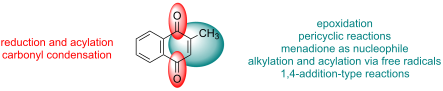
Figure 4: Reaction sites and reaction types of menadione as substrate.

Scheme 11: DBU-catalyzed epoxidation of menadione (10).

Scheme 12: Phase-transfer catalysis for the epoxidation of menadione.

Scheme 13: Menadione epoxidation using a hydroperoxide derived from (+)-norcamphor.

Scheme 14: Enantioselective Diels–Alder reaction for the synthesis of asymmetric quinone 50 catalyzed by a chi...

Scheme 15: Optimized reaction conditions for the synthesis of anthra[9,1-bc]pyranone.

Scheme 16: Synthesis of anthra[9,1-bc]furanone, anthra[9,1-bc]pyridine, and anthra[9,1-bc]pyrrole derivatives.

Scheme 17: Synthesis of derivatives employing protected trienes.

Scheme 18: Synthesis of cyclobutene derivatives of menadione.

Scheme 19: Menadione reduction reactions using sodium hydrosulfite.

Scheme 20: Green methodology for menadiol synthesis and pegylation.

Scheme 21: Menadione reduction by 5,6-O-isopropylidene-ʟ-ascorbic acid under UV light irradiation.

Scheme 22: Selected approaches of menadione hydroacetylation to diacetylated menadiol.

Scheme 23: Thiele–Winter reaction catalyzed by Bi(OTf)3.

Scheme 24: Carbonyl condensation of menadione using resorcinol and a hydrazone derivative.

Scheme 25: Condensation reaction of menadione with thiosemicarbazide.

Scheme 26: Condensation reaction of menadione with acylhydrazides.

Scheme 27: Menadione derivatives functionalized with organochalcogens.

Scheme 28: Synthesis of selenium-menadione conjugates derived from chloromethylated menadione 84.

Scheme 29: Menadione alkylation by the Kochi–Anderson method.

Scheme 30: Menadione alkylation by diacids.

Scheme 31: Menadione alkylation by heterocycles-substituted carboxylic acids.

Scheme 32: Menadione alkylation by bromoalkyl-substituted carboxylic acids.

Scheme 33: Menadione alkylation by complex carboxylic acids.

Scheme 34: Kochi–Anderson method variations for the menadione alkylation via oxidative decarboxylation of carb...

Scheme 35: Copper-catalyzed menadione alkylation via free radicals.

Scheme 36: Nickel-catalyzed menadione cyanoalkylation.

Scheme 37: Iron-catalyzed alkylation of menadione.

Scheme 38: Selected approaches to menadione alkylation.

Scheme 39: Menadione acylation by photo-Friedel–Crafts acylation reported by Waske and co-workers.

Scheme 40: Menadione acylation by Westwood procedure.

Scheme 41: Synthesis of 3-benzoylmenadione via metal-free TBAI/TBHP system.

Scheme 42: Michael-type addition of amines to menadione reported by Kallmayer.

Scheme 43: Synthesis of amino-menadione derivatives using polyalkylamines.

Scheme 44: Selected examples for the synthesis of different amino-substituted menadione derivatives.

Scheme 45: Selected examples of Michael-type addition of complex amines to menadione (10).

Scheme 46: Addition of different natural α-amino acids to menadione.

Scheme 47: Michael-type addition of amines to menadione using silica-supported perchloric acid.

Scheme 48: Indolylnaphthoquinone or indolylnaphthalene-1,4-diol synthesis reported by Yadav et al.

Scheme 49: Indolylnaphthoquinone synthesis reported by Tanoue and co-workers.

Scheme 50: Indolylnaphthoquinone synthesis from menadione by Escobeto-González and co-workers.

Scheme 51: Synthesis of menadione analogues functionalized with thiols.

Scheme 52: Synthesis of menadione-derived symmetrical derivatives through reaction with dithiols.

Scheme 53: Mercaptoalkyl acids as nucleophiles in Michael-type addition reaction to menadione.

Scheme 54: Reactions of menadione (10) with cysteine derivatives for the synthesis of quinoproteins.

Scheme 55: Synthesis of menadione-glutathione conjugate 152 by Michael-type addition.