

Search results
Search for "active sites" in Full Text gives 84 result(s) in Beilstein Journal of Organic Chemistry.
Ready access to 7,8-dihydroindolo[2,3-d][1]benzazepine-6(5H)-one scaffold and analogues via early-stage Fischer ring-closure reaction
- Irina Kuznetcova,
- Felix Bacher,
- Daniel Vegh,
- Hsiang-Yu Chuang and
- Vladimir B. Arion
Beilstein J. Org. Chem. 2022, 18, 143–151, doi:10.3762/bjoc.18.15
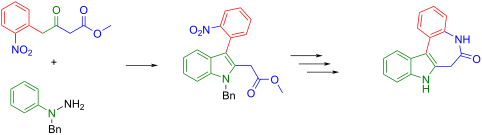
- enzyme active sites and/or improved selectivity [7]. One of the main drawbacks of paullones is their poor aqueous solubility. Therefore, in an attempt to overcome this shortcoming, the paullone backbone A was decorated with functional groups and coordinated to metal ions. Ruthenium(II), osmium(II), and

Graphical Abstract

Figure 1: Paullone related indolobenzazepinone isomers. 7,12-Dihydroindolo[3,2-d][1]benzazepin-6(5H)-one or p...
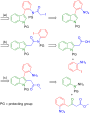
Scheme 1: Investigated retrosynthetic pathways to scaffold C.
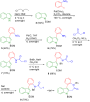
Scheme 2: Attempted synthesis of scaffold C by route (a).
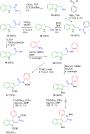
Scheme 3: Attempted synthesis of C by route (b).

Scheme 4: Attempted synthesis of N-benzylated indole-2-acetic acid.

Scheme 5: Attempt to obtain open-chain precursor N-(2-bromophenyl)-2-(1H-indol-2-yl)acetamide.
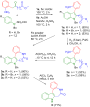
Scheme 6: Synthesis of scaffold C and analogues by route (c).

Figure 2: ORTEP view of 1a with thermal ellipsoids drawn at the 50% probability level.

Figure 3: ORTEP view of 3a with thermal ellipsoids drawn at the 50% probability level.

Scheme 7: Attempted Ullmann cross-coupling of 23 with o-bromo-nitrobenzene.
One-step synthesis of imidazoles from Asmic (anisylsulfanylmethyl isocyanide)
- Louis G. Mueller,
- Allen Chao,
- Embarek AlWedi and
- Fraser F. Fleming
Beilstein J. Org. Chem. 2021, 17, 1499–1502, doi:10.3762/bjoc.17.106
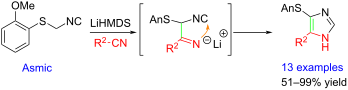
- central role of histidine in biological machinery, particularly as a base at enzymatic active sites [2]. As histidine mimics, imidazole-containing pharmaceuticals are often only N-substituted, as in the fungicides ketoconazole and econazole (Figure 1) [3], or disubstituted as illustrated by the anesthetic

Graphical Abstract

Figure 1: Representative imidazole-containing pharmaceuticals.

Scheme 1: Asmic-condensation approach to imidazoles.

Scheme 2: Asmic condensation with methyl N-phenylformimidate.

Scheme 3: Anisylsulfanylimidazole reduction to monosubstituted imidazoles.
A comprehensive review of flow chemistry techniques tailored to the flavours and fragrances industries
- Guido Gambacorta,
- James S. Sharley and
- Ian R. Baxendale
Beilstein J. Org. Chem. 2021, 17, 1181–1312, doi:10.3762/bjoc.17.90
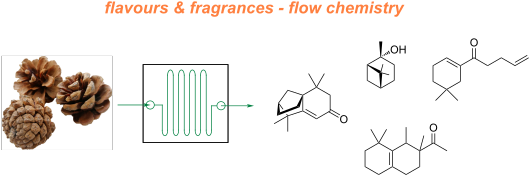

Graphical Abstract

Figure 1: Representative shares of the global F&F market (2018) segmented on their applications [1].

Figure 2: General structure of an international fragrance company [2].

Figure 3: The Michael Edwards fragrance wheel.

Figure 4: Examples of oriental (1–3), woody (4–7), fresh (8–10), and floral (11 and 12) notes.

Figure 5: A basic depiction of batch vs flow.

Scheme 1: Examples of reactions for which flow processing outperforms batch.

Scheme 2: Some industrially important aldol-based transformations.

Scheme 3: Biphasic continuous aldol reactions of acetone and various aldehydes.

Scheme 4: Aldol synthesis of 43 in flow using LiHMDS as the base.

Scheme 5: A semi-continuous synthesis of doravirine (49) involving a key aldol reaction.

Scheme 6: Enantioselective aldol reaction using 5-(pyrrolidin-2-yl)tetrazole (51) as catalyst in a microreact...

Scheme 7: Gröger's example of asymmetric aldol reaction in aqueous media.

Figure 6: Immobilised reagent column reactor types.

Scheme 8: Photoinduced thiol–ene coupling preparation of silica-supported 5-(pyrrolidin-2-yl)tetrazole 63 and...

Scheme 9: Continuous-flow approach for enantioselective aldol reactions using the supported catalyst 67.

Scheme 10: Ötvös’ employment of a solid-supported peptide aldol catalyst in flow.

Scheme 11: The use of proline tetrazole packed in a column for aldol reaction between cyclohexanone (65) and 2...

Scheme 12: Schematic diagram of an aminosilane-grafted Si-Zr-Ti/PAI-HF reactor for continuous-flow aldol and n...

Scheme 13: Continuous-flow condensation for the synthesis of the intermediate 76 to nabumetone (77) and Microi...

Scheme 14: Synthesis of ψ-Ionone (80) in continuous-flow via aldol condensation between citral (79) and aceton...

Scheme 15: Synthesis of β-methyl-ionones (83) from citral (79) in flow. The steps are separately described, an...

Scheme 16: Continuous-flow synthesis of 85 from 84 described by Gavriilidis et al.

Scheme 17: Continuous-flow scCO2 apparatus for the synthesis of 2-methylpentanal (87) and the self-condensed u...

Scheme 18: Chen’s two-step flow synthesis of coumarin (90).

Scheme 19: Pechmann condensation for the synthesis of 7-hydroxyxcoumarin (93) in flow. The setup extended to c...

Scheme 20: Synthesis of the dihydrojasmonate 35 exploiting nitro derivative proposed by Ballini et al.

Scheme 21: Silica-supported amines as heterogeneous catalyst for nitroaldol condensation in flow.

Scheme 22: Flow apparatus for the nitroaldol condensation of p-hydroxybenzaldehyde (102) to nitrostyrene 103 a...

Scheme 23: Nitroaldol reaction of 64 to 105 employing a quaternary ammonium functionalised PANF.

Scheme 24: Enantioselective nitroaldol condensation for the synthesis of 108 under flow conditions.

Scheme 25: Enatioselective synthesis of 1,2-aminoalcohol 110 via a copper-catalysed nitroaldol condensation.

Scheme 26: Examples of Knoevenagel condensations applied for fragrance components.

Scheme 27: Flow apparatus for Knoevenagel condensation described in 1989 by Venturello et al.

Scheme 28: Knoevenagel reaction using a coated multichannel membrane microreactor.

Scheme 29: Continuous-flow apparatus for Knoevenagel condensation employing sugar cane bagasse as support deve...

Scheme 30: Knoevenagel reaction for the synthesis of 131–135 in flow using an amine-functionalised silica gel. ...

Scheme 31: Continuous-flow synthesis of compound 137, a key intermediate for the synthesis of pregabalin (138)...
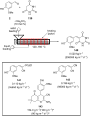
Scheme 32: Continuous solvent-free apparatus applied for the synthesis of compounds 140–143 using a TSE. Throu...

Scheme 33: Lewis et al. developed a spinning disc reactor for Darzens condensation of 144 and a ketone to furn...

Scheme 34: Some key industrial applications of conjugate additions in the F&F industry.

Scheme 35: Continuous-flow synthesis of 4-(2-hydroxyethyl)thiomorpholine 1,1-dioxide (156) via double conjugat...

Scheme 36: Continuous-flow system for Michael addition using CsF on alumina as the catalyst.

Scheme 37: Calcium chloride-catalysed asymmetric Michael addition using an immobilised chiral ligand.

Scheme 38: Continuous multistep synthesis for the preparation of (R)-rolipram (173). Si-NH2: primary amine-fun...

Scheme 39: Continuous-flow Michael addition using ion exchange resin Amberlyst® A26.

Scheme 40: Preparation of the heterogeneous catalyst 181 developed by Paixão et al. exploiting Ugi multicompon...

Scheme 41: Continuous-flow system developed by the Paixão’s group for the preparation of Michael asymmetric ad...

Scheme 42: Continuous-flow synthesis of nitroaldols catalysed by supported catalyst 184 developed by Wennemers...

Scheme 43: Heterogenous polystyrene-supported catalysts developed by Pericàs and co-workers.

Scheme 44: PANF-supported pyrrolidine catalyst for the conjugate addition of cyclohexanone (65) and trans-β-ni...

Scheme 45: Synthesis of (−)-paroxetine precursor 195 developed by Ötvös, Pericàs, and Kappe.

Scheme 46: Continuous-flow approach for the 5-step synthesis of (−)-oseltamivir (201) as devised by Hayashi an...

Scheme 47: Continuous-flow enzyme-catalysed Michael addition.

Scheme 48: Continuous-flow copper-catalysed 1,4 conjugate addition of Grignard reagents to enones. Reprinted w...

Scheme 49: A collection of commonly encountered hydrogenation reactions.

Figure 7: The ThalesNano H-Cube® continuous-flow hydrogenator.

Scheme 50: Chemoselective reduction of an α,β-unsaturated ketone using the H-Cube® reactor.

Scheme 51: Incorporation of Lindlar’s catalyst into the H-Cube® reactor for the reduction of an alkyne.

Scheme 52: Continuous-flow semi-hydrogenation of alkyne 208 to 209 using SACs with H-Cube® system.

Figure 8: The standard setups for tube-in-tube gas–liquid reactor units.

Scheme 53: Homogeneous hydrogenation of olefins using a tube-in-tube reactor setup.
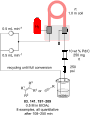
Scheme 54: Recyclable heterogeneous flow hydrogenation system.

Scheme 55: Leadbeater’s reverse tube-in-tube hydrogenation system for olefin reductions.

Scheme 56: a) Hydrogenation using a Pd-immobilised microchannel reactor (MCR) and b) a representation of the i...

Scheme 57: Hydrogenation of alkyne 238 exploiting segmented flow in a Pd-immobilised capillary reactor.

Scheme 58: Continuous hydrogenation system for the preparation of cyrene (241) from (−)-levoglucosenone (240).

Scheme 59: Continuous hydrogenation system based on CSMs developed by Hornung et al.

Scheme 60: Chemoselective reduction of carbonyls (ketones over aldehydes) in flow.

Scheme 61: Continuous system for the semi-hydrogenation of 256 and 258, developed by Galarneau et al.

Scheme 62: Continuous synthesis of biodiesel fuel 261 from lignin-derived furfural acetone (260).

Scheme 63: Continuous synthesis of γ-valerolacetone (263) via CTH developed by Pineda et al.

Scheme 64: Continuous hydrogenation of lignin-derived biomass (products 265, 266, and 267) using a sustainable...

Scheme 65: Ru/C or Rh/C-catalysed hydrogenation of arene in flow as developed by Sajiki et al.

Scheme 66: Polysilane-immobilized Rh–Pt-catalysed hydrogenation of arenes in flow by Kobayashi et al.

Scheme 67: High-pressure in-line mixing of H2 for the asymmetric reduction of 278 at pilot scale with a 73 L p...
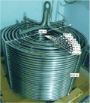
Figure 9: Picture of the PFR employed at Eli Lilly & Co. for the continuous hydrogenation of 278 [287]. Reprinted ...

Scheme 68: Continuous-flow asymmetric hydrogenation using Oppolzer's sultam 280 as chiral auxiliary.
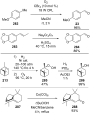
Scheme 69: Some examples of industrially important oxidation reactions in the F&F industry. CFL: compact fluor...

Scheme 70: Gold-catalysed heterogeneous oxidation of alcohols in flow.
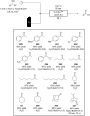
Scheme 71: Uozumi’s ARP-Pt flow oxidation protocol.

Scheme 72: High-throughput screening of aldehyde oxidation in flow using an in-line GC.

Scheme 73: Permanganate-mediated Nef oxidation of nitroalkanes in flow with the use of in-line sonication to p...

Scheme 74: Continuous-flow aerobic anti-Markovnikov Wacker oxidation.

Scheme 75: Continuous-flow oxidation of 2-benzylpyridine (312) using air as the oxidant.

Scheme 76: Continuous-flow photo-oxygenation of monoterpenes.

Scheme 77: A tubular reactor design for flow photo-oxygenation.

Scheme 78: Glucose oxidase (GOx)-mediated continuous oxidation of glucose using compressed air and the FFMR re...

Scheme 79: Schematic continuous-flow sodium hypochlorite/TEMPO oxidation of alcohols.

Scheme 80: Oxidation using immobilised TEMPO (344) was developed by McQuade et al.

Scheme 81: General protocol for the bleach/catalytic TBAB oxidation of aldehydes and alcohols.

Scheme 82: Continuous-flow PTC-assisted oxidation using hydrogen peroxide. The process was easily scaled up by...

Scheme 83: Continuous-flow epoxidation of cyclohexene (348) and in situ preparation of m-CPBA.

Scheme 84: Continuous-flow epoxidation using DMDO as oxidant.

Scheme 85: Mukayama aerobic epoxidation optimised in flow mode by the Favre-Réguillon group.

Scheme 86: Continuous-flow asymmetric epoxidation of derivatives of 359 exploiting a biomimetic iron catalyst.

Scheme 87: Continuous-flow enzymatic epoxidation of alkenes developed by Watts et al.

Scheme 88: Engineered multichannel microreactor for continuous-flow ozonolysis of 366.

Scheme 89: Continuous-flow synthesis of the vitamin D precursor 368 using multichannel microreactors. MFC: mas...

Scheme 90: Continuous ozonolysis setup used by Kappe et al. for the synthesis of various substrates employing ...

Scheme 91: Continuous-flow apparatus for ozonolysis as developed by Ley et al.

Scheme 92: Continuous-flow ozonolysis for synthesis of vanillin (2) using a film-shear flow reactor.

Scheme 93: Examples of preparative methods for ajoene (386) and allicin (388).

Scheme 94: Continuous-flow oxidation of thioanisole (389) using styrene-based polymer-supported peroxytungstat...

Scheme 95: Continuous oxidation of thiosulfinates using Oxone®-packed reactor.

Scheme 96: Continuous-flow electrochemical oxidation of thioethers.

Scheme 97: Continuous-flow oxidation of 400 to cinnamophenone (235).

Scheme 98: Continuous-flow synthesis of dehydrated material 401 via oxidation of methyl dihydrojasmonate (33).

Scheme 99: Some industrially important transformations involving Grignard reagents.

Scheme 100: Grachev et al. apparatus for continuous preparation of Grignard reagents.

Scheme 101: Example of fluidized Mg bed reactor with NMR spectrometer as on-line monitoring system.

Scheme 102: Continuous-flow synthesis of Grignard reagents and subsequent quenching reaction.

Figure 10: Membrane-based, liquid–liquid separator with integrated pressure control [52]. Adapted with permission ...

Scheme 103: Continuous-flow synthesis of 458, an intermediate to fluconazole (459).

Scheme 104: Continuous-flow synthesis of ketones starting from benzoyl chlorides.

Scheme 105: A Grignard alkylation combining CSTR and PFR technologies with in-line infrared reaction monitoring....

Scheme 106: Continuous-flow preparation of 469 from Grignard addition of methylmagnesium bromide.

Scheme 107: Continuous-flow synthesis of Grignard reagents 471.

Scheme 108: Preparation of the Grignard reagent 471 using CSTR and the continuous process for synthesis of the ...

Scheme 109: Continuous process for carboxylation of Grignard reagents in flow using tube-in-tube technology.

Scheme 110: Continuous synthesis of propargylic alcohols via ethynyl-Grignard reagent.

Scheme 111: Silica-supported catalysed enantioselective arylation of aldehydes using Grignard reagents in flow ...

Scheme 112: Acid-catalysed rearrangement of citral and dehydrolinalool derivatives.

Scheme 113: Continuous stilbene isomerisation with continuous recycling of photoredox catalyst.

Scheme 114: Continuous-flow synthesis of compound 494 as developed by Ley et al.

Scheme 115: Selected industrial applications of DA reaction.

Scheme 116: Multistep flow synthesis of the spirocyclic structure 505 via employing DA cycloaddition.

Scheme 117: Continuous-flow DA reaction developed in a plater flow reactor for the preparation of the adduct 508...

Scheme 118: Continuous-flow DA reaction using a silica-supported imidazolidinone organocatalyst.

Scheme 119: Batch vs flow for the DA reaction of (cyclohexa-1,5-dien-1-yloxy)trimethylsilane (513) with acrylon...

Scheme 120: Continuous-flow DA reaction between 510 and 515 using a shell-core droplet system.

Scheme 121: Continuous-flow synthesis of bicyclic systems from benzyne precursors.

Scheme 122: Continuous-flow synthesis of bicyclic scaffolds 527 and 528 for further development of potential ph...

Scheme 123: Continuous-flow inverse-electron hetero-DA reaction to pyridine derivatives such as 531.

Scheme 124: Comparison between batch and flow for the synthesis of pyrimidinones 532–536 via retro-DA reaction ...

Scheme 125: Continuous-flow coupled with ultrasonic system for preparation of ʟ-ascorbic acid derivatives 539 d...

Scheme 126: Two-step continuous-flow synthesis of triazole 543.

Scheme 127: Continuous-flow preparation of triazoles via CuAAC employing 546-based heterogeneous catalyst.

Scheme 128: Continuous-flow synthesis of compounds 558 through A3-coupling and 560 via AgAAC both employing the...

Scheme 129: Continuous-flow photoinduced [2 + 2] cycloaddition for the preparation of bicyclic derivatives of 5...

Scheme 130: Continuous-flow [2 + 2] and [5 + 2] cycloaddition on large scale employing a flow reactor developed...

Scheme 131: Continuous-flow preparation of the tricyclic structures 573 and 574 starting from pyrrole 570 via [...

Scheme 132: Continuous-flow [2 + 2] photocyclization of cinnamates.

Scheme 133: Continuous-flow preparation of cyclobutane 580 on a 5-plates photoreactor.

Scheme 134: Continuous-flow [2 + 2] photocycloaddition under white LED lamp using heterogeneous PCN as photocat...

Figure 11: Picture of the parallel tube flow reactor (PTFR) "The Firefly" developed by Booker-Milburn et al. a...

Scheme 135: Continuous-flow acid-catalysed [2 + 2] cycloaddition between silyl enol ethers and acrylic esters.

Scheme 136: Continuous synthesis of lactam 602 using glass column reactors.

Scheme 137: In situ generation of ketenes for the Staudinger lactam synthesis developed by Ley and Hafner.

Scheme 138: Application of [2 + 2 + 2] cycloadditions in flow employed by Ley et al.

Scheme 139: Examples of FC reactions applied in F&F industry.

Scheme 140: Continuous-flow synthesis of ibuprofen developed by McQuade et al.

Scheme 141: The FC acylation step of Jamison’s three-step ibuprofen synthesis.

Scheme 142: Synthesis of naphthalene derivative 629 via FC acylation in microreactors.

Scheme 143: Flow system for rapid screening of catalysts and reaction conditions developed by Weber et al.

Scheme 144: Continuous-flow system developed by Buorne, Muller et al. for DSD optimisation of the FC acylation ...

Scheme 145: Continuous-flow FC acylation of alkynes to yield β-chlorovinyl ketones such as 638.

Scheme 146: Continuous-flow synthesis of tonalide (619) developed by Wang et al.

Scheme 147: Continuous-flow preparation of acylated arene such as 290 employing Zr4+-β-zeolite developed by Kob...

Scheme 148: Flow system applied on an Aza-FC reaction catalysed by the thiourea catalyst 648.

Scheme 149: Continuous hydroformylation in scCO2.

Scheme 150: Two-step flow synthesis of aldehyde 655 through a sequential Heck reaction and subsequent hydroform...

Scheme 151: Single-droplet (above) and continuous (below) flow reactors developed by Abolhasani et al. for the ...

Scheme 152: Continuous hydroformylation of 1-dodecene (655) using a PFR-CSTR system developed by Sundmacher et ...

Scheme 153: Continuous-flow synthesis of the aldehyde 660 developed by Eli Lilly & Co. [32]. Adapted with permissio...

Scheme 154: Continuous asymmetric hydroformylation employing heterogenous catalst supported on carbon-based sup...

Scheme 155: Examples of acetylation in F&F industry: synthesis of bornyl (S,R,S-664) and isobornyl (S,S,S-664) ...

Scheme 156: Continuous-flow preparation of bornyl acetate (S,R,S-664) employing the oscillating flow reactor.

Scheme 157: Continuous-flow synthesis of geranyl acetate (666) from acetylation of geraniol (343) developed by ...

Scheme 158: 12-Ttungstosilicic acid-supported silica monolith-catalysed acetylation in flow.

Scheme 159: Continuous-flow preparation of cyclopentenone 676.

Scheme 160: Two-stage synthesis of coumarin (90) via acetylation of salicylaldehyde (88).

Scheme 161: Intensification process for acetylation of 5-methoxytryptamine (677) to melatonin (678) developed b...

Scheme 162: Examples of macrocyclic musky odorants both natural (679–681) and synthetic (682 and 683).

Scheme 163: Flow setup combined with microwave for the synthesis of macrocycle 686 via RCM.

Scheme 164: Continuous synthesis of 2,5-dihydro-1H-pyrroles via ring-closing metathesis.

Scheme 165: Continuous-flow metathesis of 485 developed by Leadbeater et al.

Figure 12: Comparison between RCM performed using different routes for the preparation of 696. On the left the...

Scheme 166: Continuous-flow RCM of 697 employed the solid-supported catalyst 698 developed by Grela, Kirschning...

Scheme 167: Continuous-flow RORCM of cyclooctene employing the silica-absorbed catalyst 700.

Scheme 168: Continuous-flow self-metathesis of methyl oleate (703) employing SILP catalyst 704.

Scheme 169: Flow apparatus for the RCM of 697 using a nanofiltration membrane for the recovery and reuse of the...

Scheme 170: Comparison of loadings between RCMs performed with different routes for the synthesis of 709.
Selected peptide-based fluorescent probes for biological applications
- Debabrata Maity
Beilstein J. Org. Chem. 2020, 16, 2971–2982, doi:10.3762/bjoc.16.247

- heparin stabilizes the tetrameric structure, without its tryptase dissociates into inactive monomers. The reported cationic ligand binds at the rim of anionic residues around the entrance of the central pore, blocks the access to the active sites, and inhibits enzyme activity. Schmuck et al. reported a
- . Thus, it acts as inhibitor by preventing the substrate to reach the active sites in β-tryptase. Confocal laser scanning microscopy (CLSM) confirms that peptide 9 is mast-cell permeable and exhibits inhibitory activity within cells by suppressing their growth (Figure 8B). Heparin detection Heparin is a

Graphical Abstract
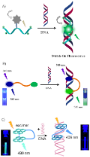
Figure 1: Three different type of peptide-based fluorescent probes and their interaction with nucleic acids a...
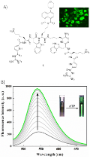
Figure 2: A) Molecular structure of peptidic probe 1, Inset: HeLa cells incubated with peptide 1 (50 μM), sho...
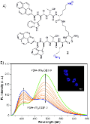
Figure 3: A) Molecular structure of probe 2; B) fluorescence emission spectra for the titration of a 10 μM so...
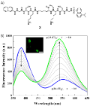
Figure 4: A) Molecular structure of 3; B) fluorescence emission spectra for the titration of a 10 μM solution...
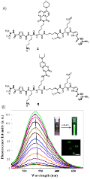
Figure 5: A) Molecular structure of 4 and 5; B) fluorescence spectra for the titration of a 0.5 μM solution o...
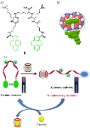
Figure 6: A) Molecular structure of 6; B) possible binding mode of pyrene termini of 6 to CB[8] according to ...
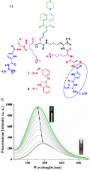
Figure 7: A) Molecular structure of peptidic probes 7 and 8; B) fluorescence emission spectra of probe 7 (5.0...

Figure 8: Top: Molecular structure of 9; bottom: A) fluorescence response of 9 (500 nM) upon addition of β-tr...

Figure 9: Top: Molecular structures of 10 and 11; bottom: A) fluorescence emission spectra of 10 (1.0 µM, λex...
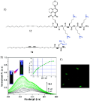
Figure 10: A) Structure of two peptide amphiphiles 12 and 13; B) fluorescent spectra (λex = 400 nm) from a tit...

Figure 11: a) Molecular structure of peptide 14; b) the coordinate represents the states of sensor at differen...
A novel and robust heterogeneous Cu catalyst using modified lignosulfonate as support for the synthesis of nitrogen-containing heterocycles
- Bingbing Lai,
- Meng Ye,
- Ping Liu,
- Minghao Li,
- Rongxian Bai and
- Yanlong Gu
Beilstein J. Org. Chem. 2020, 16, 2888–2902, doi:10.3762/bjoc.16.238
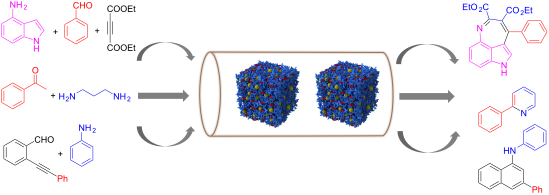
- preparing a heterogeneous Cu-based catalyst, the thereby obtained catalyst displayed remarkable performance in the Glaser hetero-coupling reaction. Combining two successful attempts, a further study concerning improvement of the robustness of catalysts and active sites when using LS as support is urgently

Graphical Abstract

Figure 1: Schematic illustration for the preparation of the catalyst in this work.

Figure 2: FTIR spectra of LS, LS-FAS, and LS-FAS-Cu.

Figure 3: Thermogravimetric weight loss of the obtained materials LS-FAS and LS-FAS-Cu.

Figure 4: FSEM imagine of LS-FAS-Cu in different scale label a) 1 μm, b) 200 nm; FTEM images of LS-FAS-Cu in ...

Figure 5: XPS spectra of LS-FAS-Cu in the regions of C 1s, O 1s, Cu 2p3/2 and Cu LMM (inset).
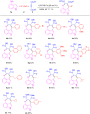
Scheme 1: Substrate scope of LS-FAS-Cu catalyzed three-component reactions of 4-aminoindoles, alkynes and ald...

Figure 6: Recyclability of LS-FAS-Cu, LS-FM-Cu and Resin-Cu in the reaction between compounds 1a, 2a and 3a.
Vicinal difluorination as a C=C surrogate: an analog of piperine with enhanced solubility, photostability, and acetylcholinesterase inhibitory activity
- Yuvixza Lizarme-Salas,
- Alexandra Daryl Ariawan,
- Ranjala Ratnayake,
- Hendrik Luesch,
- Angela Finch and
- Luke Hunter
Beilstein J. Org. Chem. 2020, 16, 2663–2670, doi:10.3762/bjoc.16.216
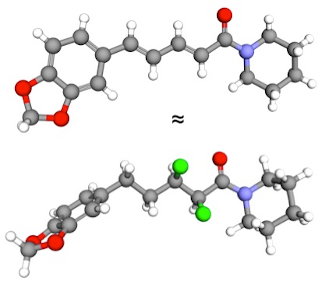
- to different levels of flexibility within the enzyme active sites. A third possibility is that the analog 2 adopts different conformations upon binding to AChE vs BACE-1, since the microenvironments within the enzymes’ active sites could be different (e.g., more/less polar), the “correct” binding

Graphical Abstract

Figure 1: The natural product piperine (1) is the inspiration for this work; the crystal structure is shown [14]....

Scheme 1: The attempted synthesis of 6 (a diastereoisomer of 2) via a one-step 1,2-difluorination reaction [24]. ...

Scheme 2: The attempted synthesis of 2 via a stepwise fluorination approach (ether series). THF = tetrahydrof...

Scheme 3: Synthesis of compound 2 via a stepwise fluorination approach (ester series). DIC = diisopropylcarbo...

Figure 2: Conformational analysis of 2 by DFT and NMR. The numbering scheme for NMR spins is given on structu...

Figure 3: Analog 2 has greater stability to UV light than does piperine (1).

Figure 4: Biological activity of piperine (1) and derivative 2. (a) Inihbition of AChE by 1 (IC50 >1000 μM) a...
Activation of pentafluoropropane isomers at a nanoscopic aluminum chlorofluoride: hydrodefluorination versus dehydrofluorination
- Maëva-Charlotte Kervarec,
- Thomas Braun,
- Mike Ahrens and
- Erhard Kemnitz
Beilstein J. Org. Chem. 2020, 16, 2623–2635, doi:10.3762/bjoc.16.213
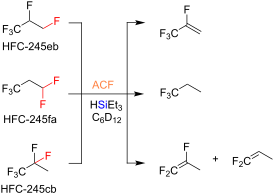
- further purification. ACF was synthesized according to the literature and stored in a glove box. The number of active sites (1 mmol acidic sites/g of catalyst) was determined by temperature programmed desorption of ammonia (NH3-TPD) [34][65]. NMR spectra were recorded at room temperature using a Bruker

Graphical Abstract

Scheme 1: Reactivity of tetrafluoropropanes HFO-1234yf (1) (top) and HFO-1234ze (4a) (bottom) in the presence...

Scheme 2: Reactivity of 10a in the presence of ACF as the catalyst in C6D12 (top) or C6D6 (bottom) as solvent...

Scheme 3: Proposed catalytic cycle of the transformation of 10a in C6D12 and C6D6 in the presence of ACF as t...

Scheme 4: Reactivity of 10a in the presence of ACF as the catalyst and HSiEt3 as a hydrogen source in C6D12 (...

Scheme 5: Proposed catalytic cycle for sylilium-mediated hydrodefluorinations and dehydrofluorinations from 1...

Scheme 6: Reactivity of 13 in the presence of ACF as the catalyst, with (top) or without (bottom) HSiEt3 as a...

Scheme 7: Independent reactions starting from 5, 6, or 14 in the presence of ACF as the catalyst.
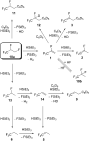
Scheme 8: Proposed reaction pathways starting from 10a in the presence of ACF and silane.

Scheme 9: Reactivity of 10c in the presence of ACF as the catalyst and 0.5 equivalents of HSiEt3 as a hydroge...

Scheme 10: Proposed catalytic cycles for the transformation of 10c in C6D12 and in the presence of 0.5 equival...

Scheme 11: Reactivity of 10c in the presence of ACF as the catalyst and HSiEt3 as a hydrogen source in C6D12 (...

Scheme 12: Proposed reaction pathways starting from 10c in the presence of ACF and silane.

Scheme 13: Reactivity of 10b in the presence of ACF as the catalyst and HSiEt3 as a hydrogen source in C6D12 (...

Scheme 14: Proposed reaction pathway starting from 10b in the presence of ACF and silane.
Heterogeneous photocatalysis in flow chemical reactors
- Christopher G. Thomson,
- Ai-Lan Lee and
- Filipe Vilela
Beilstein J. Org. Chem. 2020, 16, 1495–1549, doi:10.3762/bjoc.16.125
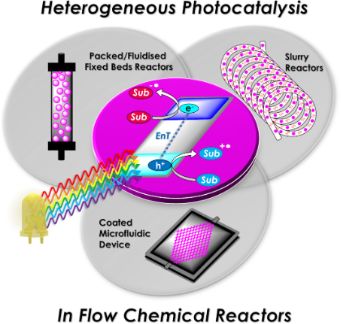
- separation and recycling, HPCats show advantages such as an enhanced photostability and selectivity [47][48]. A heterogeneous catalyst with a high surface area is often associated with a greater number of surface-active sites for catalysis to occur and makes morphological control critical to the catalyst

Graphical Abstract

Figure 1: A) Bar chart of the publications per year for the topics “Photocatalysis” (49,662 instances) and “P...

Figure 2: A) Professor Giacomo Ciamician and Dr. Paolo Silber on their roof laboratory at the University of B...

Scheme 1: PRC trifluoromethylation of N-methylpyrrole (1) using hazardous gaseous CF3I safely in a flow react...

Figure 3: A) Unit cells of the three most common crystal structures of TiO2: rutile, brookite, and anatase. R...

Figure 4: Illustration of the key semiconductor photocatalysis events: 1) A photon with a frequency exceeding...
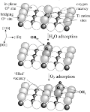
Figure 5: Photocatalytic splitting of water by oxygen vacancies on a TiO2(110) surface. Reprinted with permis...

Figure 6: Proposed adsorption modes of A) benzene, B) chlorobenzene, C) toluene, D) phenol, E) anisole, and F...

Figure 7: Structures of the sulfonate-containing organic dyes RB5 (3) and MX-5B (4) and the adsorption isothe...

Figure 8: Idealised triclinic unit cell of a g-C3N4 type polymer, displaying possible hopping transport scena...

Figure 9: Idealised structure of a perfect g-C3N4 sheet. The central unit highlighted in red represents one t...

Figure 10: Timeline of the key processes of charge transport following the photoexcitation of g-C3N4, leading ...

Scheme 2: Photocatalytic bifunctionalisation of heteroarenes using mpg-C3N4, with the selected examples 5 and ...

Figure 11: A) Structure of four linear conjugated polymer photocatalysts for hydrogen evolution, displaying th...

Figure 12: Graphical representation of the common methods used to immobilise molecular photocatalysts (PC) ont...

Figure 13: Wireless light emitter-supported TiO2 (TiO2@WLE) HPCat spheres powered by resonant inductive coupli...

Figure 14: Graphical representation of zinc–perylene diimide (Zn-PDI) supramolecular assembly photocatalysis v...

Scheme 3: Upconversion of NIR photons to the UV frequency by NaYF4:Yb,Tm nanocrystals sequentially coated wit...

Figure 15: Types of reactors employed in heterogeneous photocatalysis in flow. A) Fixed bed reactors and the s...

Figure 16: Electrochemical potential of common semiconductor, transition metal, and organic dye-based photocat...

Scheme 4: Possible mechanisms of an immobilised molecular photoredox catalyst by oxidative or reductive quenc...
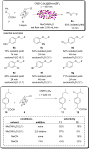
Scheme 5: Scheme of the CMB-C3N4 photocatalytic decarboxylative fluorination of aryloxyacetic acids, with the...

Scheme 6: Scheme of the g-C3N4 photocatalytic desilylative coupling reaction in flow and proposed mechanism [208].

Scheme 7: Proposed mechanism of the radical cyclisation of unsaturated alkyl 2-bromo-1,3-dicarbonyl compounds...

Scheme 8: N-alkylation of benzylamine and schematic of the TiO2-coated microfluidic device [213].

Scheme 9: Proposed mechanism of the Pt@TiO2 photocatalytic deaminitive cyclisation of ʟ-lysine (23) to ʟ-pipe...
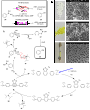
Scheme 10: A) Proposed mechanism for the photocatalytic oxidation of phenylboronic acid (24). B) Photos and SE...

Scheme 11: Proposed mechanism for the DA-CMP3 photocatalytic aza-Henry reaction performed in a continuous flow...

Scheme 12: Proposed mechanism for the formation of the cyclic product 32 by TiO2-NC HPCats in a slurry flow re...

Scheme 13: Reaction scheme for the photocatalytic synthesis of homo and hetero disulfides in flow and scope of...

Scheme 14: Reaction scheme for the MoOx/TiO2 HPCat oxidation of cyclohexane (34) to benzene. The graph shows t...

Scheme 15: Proposed mechanism of the TiO2 HPC heteroarene C–H functionalisation via aryl radicals generated fr...

Scheme 16: Scheme of the oxidative coupling of benzylamines with the HOTT-HATN HPCat and selected examples of ...
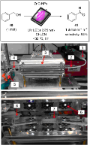
Scheme 17: Photocatalysis oxidation of benzyl alcohol (40) to benzaldehyde (41) in a microflow reactor coated ...

Figure 17: Mechanisms of Dexter and Forster energy transfer.
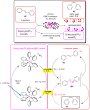
Scheme 18: Continuous flow process for the isomerisation of alkenes with an ionic liquid-immobilised photocata...

Scheme 19: Singlet oxygen synthetic step in the total synthesis of canataxpropellane [265].
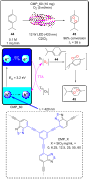
Scheme 20: Scheme and proposed mechanism of the singlet oxygen photosensitisation by CMP_X HPCats, with the st...

Scheme 21: Structures of CMP HPCat materials applied by Vilela and co-workers for the singlet oxygen photosens...
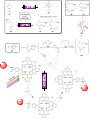
Scheme 22: Polyvinylchloride resin-supported TDCPP photosensitisers applied for singlet oxygen photosensitisat...

Scheme 23: Structure of the ionically immobilised TPP photosensitiser on amberlyst-15 ion exchange resins (TPP...

Scheme 24: Photosensitised singlet oxygen oxidation of citronellol (46) in scCO2, with automatic phase separat...

Scheme 25: Schematic of PS-Est-BDP-Cl2 being applied for singlet oxygen photosensitisation in flow. A) Pseudo-...

Scheme 26: Reaction scheme of the singlet oxygen oxidation of furoic acid (54) using a 3D-printed microfluidic...

Figure 18: A) Photocatalytic bactericidal mechanism by ROS oxidative cleavage of membrane lipids (R = H, amino...

Figure 19: A) Suggested mechanisms for the aqueous pollutant degradation by TiO2 in a slurry flow reactor [284-287]. B)...

Figure 20: Schematic of the flow system used for the degradation of aqueous oxytetracycline (56) solutions [215]. M...
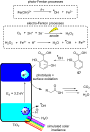
Scheme 27: Degradation of a salicylic acid (57) solution by a coupled solar photoelectro-Fenton (SPEF) process...

Figure 21: A) Schematic flow diagram using the TiO2-coated NETmix microfluidic device for an efficient mass tr...
Photocatalytic trifluoromethoxylation of arenes and heteroarenes in continuous-flow
- Alexander V. Nyuchev,
- Ting Wan,
- Borja Cendón,
- Carlo Sambiagio,
- Job J. C. Struijs,
- Michelle Ho,
- Moisés Gulías,
- Ying Wang and
- Timothy Noël
Beilstein J. Org. Chem. 2020, 16, 1305–1312, doi:10.3762/bjoc.16.111
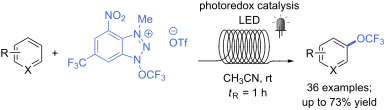
- (Scheme 1A). This property might be responsible for stronger binding affinities of trifluoromethoxylated compounds with the active sites in enzymes, proteins, or other biomolecules [8][9]. Several procedures for the synthesis of trifluoromethyl aryl ethers were reported from the mid-1900s, mostly based on

Graphical Abstract
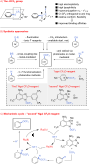
Scheme 1: A) Properties and B) synthesis of CF3O-bearing arenes; C) trifluoromethoxylation using the “second”...

Scheme 2: Optimization of residence time. 19F NMR yields are reported.
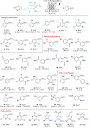
Scheme 3: Scope of photoredox trifluoromethoxylation in continuous-flow. In case of different products, the m...

Figure 1: Effect of KH2PO4 – other substrates. a Conditions as for entry 15 (Table 2), 1 h residence time; b conditi...
The charge-assisted hydrogen-bonded organic framework (CAHOF) self-assembled from the conjugated acid of tetrakis(4-aminophenyl)methane and 2,6-naphthalenedisulfonate as a new class of recyclable Brønsted acid catalysts
- Svetlana A. Kuznetsova,
- Alexander S. Gak,
- Yulia V. Nelyubina,
- Vladimir A. Larionov,
- Han Li,
- Michael North,
- Vladimir P. Zhereb,
- Alexander F. Smol'yakov,
- Artem O. Dmitrienko,
- Michael G. Medvedev,
- Igor S. Gerasimov,
- Ashot S. Saghyan and
- Yuri N. Belokon
Beilstein J. Org. Chem. 2020, 16, 1124–1134, doi:10.3762/bjoc.16.99
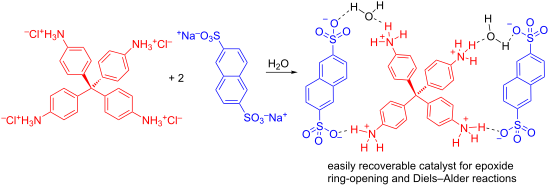
- polymeric matrix and the low availability of the active sites to the substrates due to diffusion problems. Additionally, the self-association of catalytic centers on flexible polymeric chains may negatively influence the expected activity of the immobilized catalyst. Moreover, the degradation of cross

Graphical Abstract

Scheme 1: The synthesis of F-1.

Figure 1: View of the crystal structure of F-1 (F-1a phase), with representation of atoms by thermal ellipsoi...

Figure 2: View of the crystal structure of F-1 (F-1a’ phase), with representation of the atoms via thermal el...

Figure 3: SEM image of F-1.

Figure 4: SEM image of F-1 with an F-1a phase.

Figure 5: TGA-DSC analysis of a sample of F-1. The TGA plot is shown in green, the DSC curve is shown in blue...
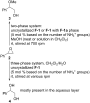
Scheme 2: Uncrystallized F-1 or F-1 with an F-1a phase promoted the two- and three-phase reactions of styrene...

Scheme 3: CAHOF F-1-promoted reactions of cyclohexene oxide (5) with alcohols and water.

Scheme 4: F-1-promoted Diels–Alder reaction.
Design and synthesis of diazine-based panobinostat analogues for HDAC8 inhibition
- Sivaraman Balasubramaniam,
- Sajith Vijayan,
- Liam V. Goldman,
- Xavier A. May,
- Kyra Dodson,
- Sweta Adhikari,
- Fatima Rivas,
- Davita L. Watkins and
- Shana V. Stoddard
Beilstein J. Org. Chem. 2020, 16, 628–637, doi:10.3762/bjoc.16.59
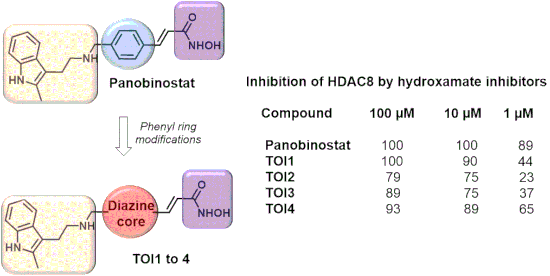
- analysis is a well-established technique that is utilized to evaluate interactions in important biological receptors such as that of HDACs [28][29][30]. Previously, we implored docking to predict the interactions between the active sites of HDAC2 and HDAC8 molecular frameworks with similar structures to

Graphical Abstract

Figure 1: Chemical structures of the target diazine-based surrogates for the central core of panobinostat.

Figure 2: Docking pose for panobinostat and panobinostat derivatives in the HDAC8 receptor. (a) Overlay of al...

Figure 3: General building blocks for the visualized targets.

Scheme 1: Reaction conditions: a) MeOH, H2SO4 (5 drops), MS 4 Å (2 pieces), 68 °C, 8 h, 81%; b) DIBAL-H (1.2 ...
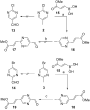
Scheme 2: Reaction conditions: a) boronic acid 15 (1.3 equiv), PdCl2(PPh3)2 (0.1 equiv), dioxane/H2O (3:1), Na...

Scheme 3: Reaction conditions: a) 5-bromo-2-chloropyrimidine (1 equiv), ethyl formate (1.5 equiv), THF (20 mL...

Scheme 4: Reaction conditions: a) boronic acid 15 (1.3 equiv), PdCl2(PPh3)2 (0.1 equiv), dioxane/H2O (8:2, Na2...
Architecture and synthesis of P,N-heterocyclic phosphine ligands
- Wisdom A. Munzeiwa,
- Bernard Omondi and
- Vincent O. Nyamori
Beilstein J. Org. Chem. 2020, 16, 362–383, doi:10.3762/bjoc.16.35
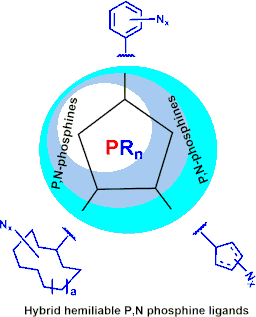
- sterically crowded biaryl ligands as they showed outstanding performances [8]. Phosphines with imidazole and imidazoline functional groups present some interesting features. The imidazolium functionality mimics active sites in biological molecules [83][84]. The ionic nature adds another dimension to the
Graphical Abstract

Scheme 1: Synthesis of pyridylphosphine ligands.

Figure 1: Pyridylphosphine ligands.

Scheme 2: Synthesis of piperidyl- and oxazinylphosphine ligands.

Scheme 3: Synthesis of linear multi-chelate pyridylphosphine ligands.

Scheme 4: Synthesis of chiral acetal pyridylphosphine ligands.

Scheme 5: Synthesis of diphenylphosphine-substituted triazine ligands.
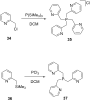
Scheme 6: Synthesis of (pyridine-2-ylmethyl)phosphine ligands.

Scheme 7: Synthesis of diphosphine pyrrole ligands.

Scheme 8: Synthesis of 4,5-diazafluorenylphosphine ligands.

Scheme 9: Synthesis of thioether-containing pyridyldiphosphine ligands starting from ethylene sulfide and dip...

Scheme 10: Synthesis of monoterpene-derived phosphine pyridine ligands.

Scheme 11: Synthesis of N-phenylphosphine-substituted imidazole ligands.

Scheme 12: Synthesis of triazol-4-ylphosphine ligands.

Scheme 13: Synthesis of phosphanyltriazolopyridines and product selectivity depending on the substituents’ eff...

Scheme 14: Synthesis of PTA-phosphine ligands.

Scheme 15: Synthesis of isomeric phosphine dipyrazole ligands by varying the reaction temperature.

Scheme 16: Synthesis of N-tethered phosphine imidazolium ligands (route A) and diphosphine imidazolium ligands...

Scheme 17: Synthesis of {1-[2-(pyridin-2-yl)- (R = CH) and {1-[2-(pyrazin-2-yl)quinazolin-4-yl]naphthalen-2-yl...

Scheme 18: Synthesis of oxazolylindolylphosphine ligands 102.

Scheme 19: Synthesis of pyrrolylphosphine ligands.

Scheme 20: Synthesis of phosphine guanidinium ligands.

Scheme 21: Synthesis of a polydentate aminophosphine ligand.

Scheme 22: Synthesis of quinolylphosphine ligands.

Scheme 23: Synthesis of N-(triazolylmethyl)phosphanamine ligands.

Figure 2: Triazolylphosphanamine ligands synthesized by Wassenaar’s method [22].

Scheme 24: Synthesis of oxazaphosphorines.

Scheme 25: Synthesis of paracyclophane pyridylphosphine ligands.

Scheme 26: Synthesis of triazolylphosphine ligands.

Figure 3: Click-phosphine ligands.

Scheme 27: Ferrocenyl pyridylphosphine imine ligands.

Scheme 28: Synthesis of phosphinooxazolines (PHOX).

Scheme 29: Synthesis of ferrocenylphosphine oxazoles.
Bacterial terpene biosynthesis: challenges and opportunities for pathway engineering
- Eric J. N. Helfrich,
- Geng-Min Lin,
- Christopher A. Voigt and
- Jon Clardy
Beilstein J. Org. Chem. 2019, 15, 2889–2906, doi:10.3762/bjoc.15.283
- (37–40), though only diterpenes were observed in the culture headspace of the wild type producer (Figure 9a) [118]. These examples suggest a remarkable degree of plasticity of TC active sites in order to direct the intermediate to different trajectories and accommodate substrates with variable lengths

Graphical Abstract

Figure 1: Examples of bioactive terpenoids.

Figure 2: Repetitive electrophilic and nucleophilic functionalities in terpene and type II PKS-derived polyke...

Figure 3: Abundance and distribution of bacterial terpene biosynthetic gene clusters as determined by genome ...

Figure 4: Terpenoid biosynthesis. Terpenoid biosynthesis is divided into two phases, 1) terpene scaffold gene...

Figure 5: Mechanisms for type I, type II, and type II/type I tandem terpene cyclases. a) Tail-to-head class I...

Figure 6: Functional TC characterization. a) Different terpenes were produced when hedycaryol (18) synthase a...

Figure 7: Selected examples of terpene modification by bacterial CYPs. a) Hydroxylation [89]. b) Carboxylation, h...

Figure 8: Off-target effects observed during heterologous expression of terpenoid BGCs. Unexpected oxidation ...
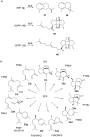
Figure 9: TC promiscuity and engineering. a) Spata-13,17-diene (39) synthase (SpS) can take C15 and C25 oligo...

Figure 10: Substrate promiscuity and engineering of CYPs. a) Selected examples from using a CYP library to oxi...

Figure 11: Engineering of terpenoid pathways. a) Metabolic network of terpenoid biosynthesis. Toxic intermedia...
Current understanding and biotechnological application of the bacterial diterpene synthase CotB2
- Ronja Driller,
- Daniel Garbe,
- Norbert Mehlmer,
- Monika Fuchs,
- Keren Raz,
- Dan Thomas Major,
- Thomas Brück and
- Bernhard Loll
Beilstein J. Org. Chem. 2019, 15, 2355–2368, doi:10.3762/bjoc.15.228
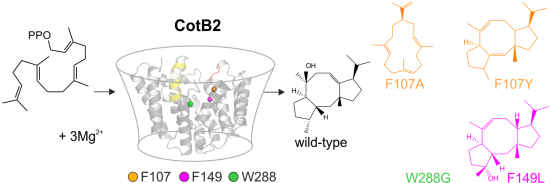
- ). CotB2 is arranged as a homo-dimer in crystallo [36][38] and it was demonstrated that CotB2 exists as a homo-dimer in solution as well [38]. The two active sites of CotB2 are arranged in an antiparallel fashion, resembling the arrangement initially observed for the monoterpene (+)-bornyl diphosphate

Graphical Abstract

Figure 1: CotB1 synthesizes geranylgeranyl diphosphate (GGDP) 3 from the substrates dimethylallyl diphosphate...

Figure 2: The bacterial diterpene synthase CotB2wt·Mg2+3·F-Dola in the closed, active conformation (PDB-ID 6G...

Figure 3: Conformational changes of CotB2 upon ligand binding. Superposition of CotB2’s open (teal), pre-cata...

Figure 4: View into the active site of CotB2wt·Mg2+3·F-Dola [37] superimposed with CotB2wt·Mg2+B·GGSDP [36]. (A) The ...

Figure 5: View into the active site of CotB2wt·Mg2+3·F-Dola [37]. Identical view as in Figure 4. (A) The bound F-Dola rea...

Figure 6: The WXXXXXRY motif in protein sequences of diterpene TPS from different bacteria. Highlighted is th...

Scheme 1: Overview of the altered product portfolio as a result of introduced point mutations in the active s...

Scheme 2: Catalytic mechanism of CotB2, derived from isotope labeling experiments [34,35], density functional theory...

Figure 7: (A) The inner surface of the active site is shown in gray. The bound F-Dola reaction intermediate i...

Scheme 3: Variants of CotB2 open the route to a novel product portfolio with altered cyclic carbon skeletons,...
Back to the future: Why we need enzymology to build a synthetic metabolism of the future
- Tobias J. Erb
Beilstein J. Org. Chem. 2019, 15, 551–557, doi:10.3762/bjoc.15.49
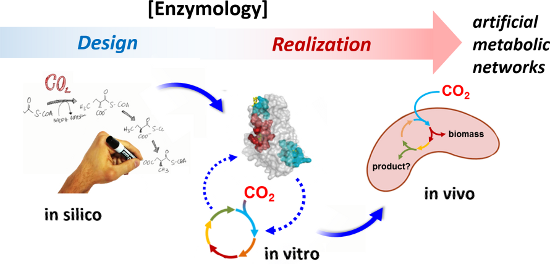
- methods that succeeded in creating active sites of remarkable promiscuous activities in the scaffold of existing enzymes [42]. Such computationally-created “catalytically diverse active sites” could be further developed towards a new activity through directed evolution. Without any question, screening

Graphical Abstract

Figure 1: The five levels of metabolic engineering and their definitions according to [11]. The enzyme solution s...

Figure 2: Two level 4 pathways that were recently realized in vitro. (a) The CETCH cycle for CO2 fixation [13] an...
Olefin metathesis in multiblock copolymer synthesis
- Maria L. Gringolts,
- Yulia I. Denisova,
- Eugene Sh. Finkelshtein and
- Yaroslav V. Kudryavtsev
Beilstein J. Org. Chem. 2019, 15, 218–235, doi:10.3762/bjoc.15.21

- stage of the reaction when Ru–polymer carbene active sites are formed as a result of the catalyst–polymer interaction. The decrease in Mn is observed during the first 1–2 hours and then it remains nearly unchanged [84]. The molecular mass of the resulting multiblock copolymer decreases with increasing

Graphical Abstract

Scheme 1: Multiblock copolymer synthesis by sequential ROMP, replotted from [51].

Figure 1: The most known commercially available catalysts for olefin metathesis.

Scheme 2: Multiblock copolymer synthesis by combining ROMP and NMP, replotted from [56].

Figure 2: A highly fluorescent multiblock copolymer for bioimaging and in vivo tumor targeting [60].

Scheme 3: Multiblock copolymer synthesis by combining ROMP and click reactions replotted from [61].
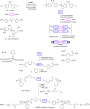
Scheme 4: Multiblock copolymer synthesis by combining ADMET and other reactions, replotted from [63,64].

Scheme 5: Synthesis of multiblock bottle-brush copolymers by ROMP, replotted from [68].

Scheme 6: Sacrificial synthesis of multiblock copolymers, replotted from [70].

Scheme 7: Synthesis of supramolecular multiblock copolymers, replotted from [74].

Figure 3: The multiblock copolymer capable of post-functionalization [76].
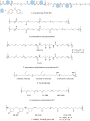
Figure 4: Multiblock copolymers synthesized by macromolecular cross metathesis.

Scheme 8: Macromolecular cross metathesis.

Figure 5: Changes in the DSC thermograms during MCM of PBD and polyesters (left) [84] and PNB–PCOE (right) mediat...

Figure 6: The 13C NMR spectrum recorded after 8 h of the reaction between PCOE, PNB, and Gr1; the homo- and h...

Scheme 9: Elementary reactions of MCM between PNB and PCOE, replotted from [90].

Figure 7: The 1H NMR spectrum recorded after 24 h of the reaction between PCOE, PNB, and Gr1 in CDCl3. The ca...

Scheme 10: Post-modification of multiblock copolymers by hydrogenation (A) [85] and epoxidation (B) [101] of C=C double...

Figure 8: Integral distribution functions for the lamella thickness of crystallites in thermally fractionated...
New standards for collecting and fitting steady state kinetic data
- Kenneth A. Johnson
Beilstein J. Org. Chem. 2019, 15, 16–29, doi:10.3762/bjoc.15.2
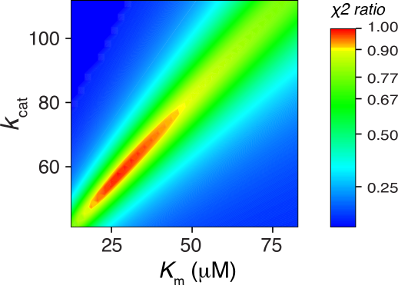
- concentration of active sites. There are significant systematic errors in measurements of protein concentrations using dye-binding assays or by absorbance measurements, and the fraction of protein that is active is not known without direct measurement. For these reasons, it is important to perform an active
- site titration to establish the concentration of active sites. One method is isothermal titration calorimetry relying on the heat change upon binding of a substrate analog. Because the method is relatively insensitive it requires high concentrations of protein (usually μM) so the stoichiometry is easy
- concentration of active sites under favorable conditions [15]. In any event, kinetic data should be normalized by dividing the rate by the concentration of enzyme active sites, and the basis for estimating enzyme concentration should be clearly stated. It is no longer acceptable to report enzyme specific

Graphical Abstract

Figure 1: Michaelis–Menten plot. The rate of product formation is plotted versus substrate concentration and ...
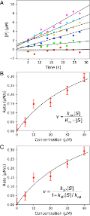
Figure 2: Fitting data to derive kcat and Km. A) Synthetic data were fit to a straight line and then the obse...
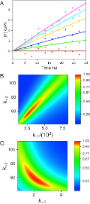
Figure 3: Fitting steady state data by simulation. A) Synthetic data from Figure 2A were fit globally to derive estima...
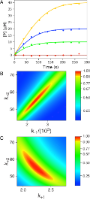
Figure 4: Fitting full progress curve data by simulation. A) Synthetic data were generated and then were fit ...
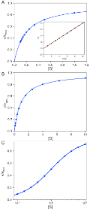
Figure 5: Optimal spacing of data points. Different scenarios for computing the distribution of data points f...
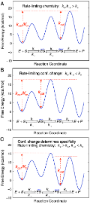
Figure 6: Free energy profiles. Free energy profiles are shown for a three step model with different rate con...

Figure 7: Free energy profile for DNA polymerization. Free energy profiles for a correct base pair (solid blu...
Ruthenium-based olefin metathesis catalysts with monodentate unsymmetrical NHC ligands
- Veronica Paradiso,
- Chiara Costabile and
- Fabia Grisi
Beilstein J. Org. Chem. 2018, 14, 3122–3149, doi:10.3762/bjoc.14.292
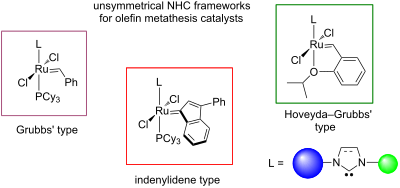
- pentiptycenyl side of the NHC ligand compared to the other less hindered side determines two differently accessible active sites around the metal and different rates of monomer incorporation, thus dominating the selectivity in the formation of alternating copolymers. The nature of the alkyl group also plays a

Graphical Abstract
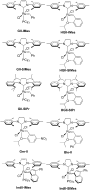
Figure 1: Second-generation Grubbs (GII), Hoveyda (HGII), Grela (Gre-II), Blechert (Ble-II) and indenylidene-...

Figure 2: Grubbs (1a) and Hoveyda-type (1b) complexes with N-phenyl, N’-mesityl NHCs.

Figure 3: C–H insertion product 2.
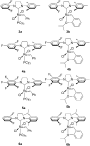
Figure 4: Grubbs (3a–6a) and Hoveyda-type (3b–6b) complexes with N-fluorophenyl, N’-aryl NHCs.

Scheme 1: RCM of diethyl diallylmalonate (7).

Scheme 2: RCM of diethyl allylmethallylmalonate (9).

Scheme 3: RCM of diethyl dimethallylmalonate (11).

Scheme 4: CM of allylbenzene (13) with cis-1,4-diacetoxy-2-butene (14).

Scheme 5: ROMP of 1,5-cyclooctadiene (16).
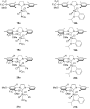
Figure 5: Grubbs (18a–21a) and Hoveyda-type (18b–21b) catalysts bearing uNHCs with a hexafluoroisopropylalkox...

Figure 6: A Grubbs-type complex with an N-adamantyl, N’-mesityl NHC 22 and the Hoveyda-type complex with a ch...

Figure 7: Grubbs (24a and 25a) and Hoveyda-type (24b and 25b) complexes with N-alkyl, N’-mesityl NHCs.

Figure 8: Grubbs-type complexes 31–34 with N-alkyl, N’-mesityl NHCs.

Figure 9: Grubbs-type complex 35 with an N-cyclohexyl, N’-2,6-diisopropylphenyl NHC.

Figure 10: Hoveyda-type complexes with an N-alkyl, N’-mesityl (36, 37) and an N-alkyl, N’-2,6-diisopropylpheny...

Figure 11: Indenylidene-type complexes 41–43 with N-alkyl, N’-mesityl NHCs.

Figure 12: Grubbs-type complex 44 and its monopyridine derivative 45 containing a chiral uNHC.

Scheme 6: Alternating copolymerization of 46 with 47 and 48.
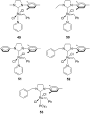
Figure 13: Pyridine-containing complexes 49–52 and Grubbs-type complex 53.

Figure 14: Hoveyda-type complexes 54–58 in the alternating ROMP of NBE (46) and COE (47).

Figure 15: Catalysts 59 and 60 in the tandem RO–RCM of 47.

Figure 16: Hoveyda-type complexes 61–69 with N-alkyl, N’-aryl NHCs.

Scheme 7: Ethenolysis of methyl oleate (70).

Scheme 8: AROCM of cis-5-norbornene-endo-2,3-dicarboxylic anhydride (75) with styrene.

Figure 17: Hoveyda-type catalysts 79–82 with N-tert-butyl, N’-aryl NHCs.

Scheme 9: Latent ROMP of 83 with catalyst 82.
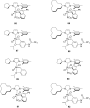
Figure 18: Indenylidene and Hoveyda-type complexes 85–92 with N-cycloalkyl, N’-mesityl NHCs.

Scheme 10: RCM of N,N-dimethallyl-N-tosylamide (93) with catalyst 85.

Scheme 11: Self metathesis of 13 with catalyst 85.

Figure 19: Grubbs-type complexes 98–104 with N-alkyl, N’-mesityl NHCs.

Figure 20: Grubbs-type complexes 105–115 with N-alkyl, N’-mesityl ligands.

Figure 21: Complexes 116 and 117 bearing a carbohydrate-based NHC.

Figure 22: Complexes 118 and 119 bearing a hemilabile amino-tethered NHC.
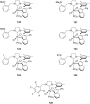
Figure 23: Indenylidene-type complexes 120–126 with N-benzyl, N’-mesityl NHCs.

Scheme 12: Diastereoselective ring-rearrangement metathesis (dRRM) of cyclopentene 131.

Figure 24: Indenylidene-type complexes 134 and 135 with N-nitrobenzyl, N’-mesityl NHCs.

Figure 25: Hoveyda-type complexes 136–138 with N-benzyl, N’-mesityl NHCs.

Figure 26: Hoveyda-type complexes 139–142 with N-benzyl, N’-Dipp NHC.

Figure 27: Indenylidene (143–146) and Hoveyda-type (147) complexes with N-heteroarylmethyl, N’-mesityl NHCs.

Figure 28: Hoveyda-type complexes 148 and 149 with N-phenylpyrrole, N’-mesityl NHCs.
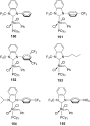
Figure 29: Grubbs-type complexes with N-trifluoromethyl benzimidazolidene NHCs 150–153, 155 and N-isopropyl be...

Scheme 13: Ethenolysis of ethyl oleate 156.

Scheme 14: Ethenolysis of cis-cyclooctene (47).

Figure 30: Grubbs-type C1-symmetric (164) and C2-symmetric (165) catalysts with a backbone-substituted NHC.

Figure 31: Possible syn and anti rotational isomers of catalyst 164.

Scheme 15: ARCM of substrates 166, 168 and 170.

Figure 32: Hoveyda (172) and Grubbs-type (173,174) backbone-substituted C1-symmetric NHC complexes.
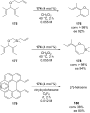
Scheme 16: ARCM of 175,177 and 179 with catalyst 174.

Figure 33: Grubbs-type C1-symmetric NHC catalysts bearing N-propyl (181, 182) or N-benzyl (183, 184) groups on...

Scheme 17: ARCM of 185 and 187 promoted by 184 to form the encumbered alkenes 186 and 188.
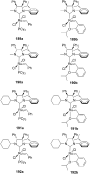
Figure 34: N-Alkyl, N’-isopropylphenyl NHC ruthenium complexes with syn (189, 191) and anti (190, 192) phenyl ...
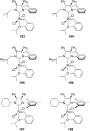
Figure 35: Hoveyda-type complexes 193–198 bearing N-alkyl, N’-aryl backbone-substituted NHC ligands.

Scheme 18: ARCM of 166 and 199 promoted by 192b.

Figure 36: Enantiopure catalysts 201a and 201b with syn phenyl units on the NHC backbone.

Figure 37: Backbone-monosubstituted catalysts 202–204.

Figure 38: Grubbs (205a) and Hoveyda-type (205b) backbone-monosubstituted catalysts.

Scheme 19: AROCM of 206 with allyltrimethylsilane promoted by catalyst 205a.
MoO3 on zeolites MCM-22, MCM-56 and 2D-MFI as catalysts for 1-octene metathesis
- Hynek Balcar,
- Martin Kubů,
- Naděžda Žilková and
- Mariya Shamzhy
Beilstein J. Org. Chem. 2018, 14, 2931–2939, doi:10.3762/bjoc.14.272
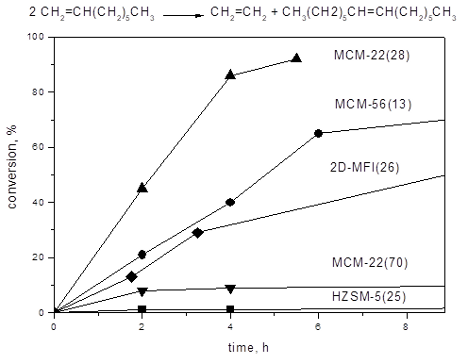
- . Moreover, for related system based on tungsten oxide in zeolite, it was suggested using high resolution STEM that Brønsted acid sites in proximity to metathesis active sites facilitate olefin adsorption and metallocycle formation [29]. Such mechanism may be effective also for Mo catalysts. The decrease in
- ) in accord with poor MoO3 spreading (see Figure 1D). Despite the high acidity of the support, a poor accessibility of relevant surface OH groups during the thermal spreading process and a poor accessibility of possible active sites by substrate molecule during metathesis may cause 6MoO3/HZSM-5(25) to

Graphical Abstract

Scheme 1: 1-Octene metathesis reaction.

Figure 1: A,B,C,D: XRD patterns of parent supports and catalysts used. Asterisk marks MoO3.

Figure 2: Conversion vs time curves for 1-octene metathesis over 6MoO3/MCM-22(28) and 6MoO3/SBA-15. Neat 1-oc...

Figure 3: Conversion vs time curves for the 1-octene metathesis over 6MoO3/MCM-56(13). Neat 1-octene, 1-octen...

Figure 4: Conversion vs time curves for 1-octene metathesis over 6MoO3/2D-MFI(26) and 6MoO3/HZSM-5(25). Neat ...

Figure 5: Conversion to oligomers for 1-octene over MCM-22(28) and MCM-22(70) (a) and conversion to oligomers...
An overview on recent advances in the synthesis of sulfonated organic materials, sulfonated silica materials, and sulfonated carbon materials and their catalytic applications in chemical processes
- Hashem Sharghi,
- Pezhman Shiri and
- Mahdi Aberi
Beilstein J. Org. Chem. 2018, 14, 2745–2770, doi:10.3762/bjoc.14.253
- before use in the reaction. This causes that the tendency of adsorption of PFAD on active sites was decreased and consequently the catalyst will not be deactivated. A covalently grafting modified nanoscaled diamond powder with 1,3-propanesultone (Scheme 26) 138 exhibited excellent catalytic activity for

Graphical Abstract

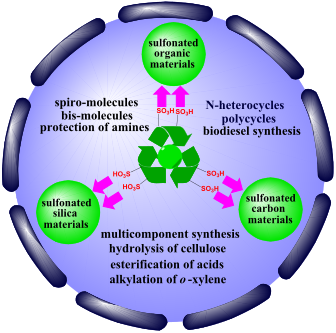
Figure 1: Different types of sulfonated materials as acid catalysts.

Scheme 1: Synthetic route of 3-methyl-1-sulfo-1H-imidazolium metal chloride ILs and their catalytic applicati...

Scheme 2: Synthetic route of 1,3-disulfo-1H-imidazolium transition metal chloride ILs and their catalytic app...
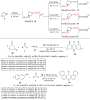
Scheme 3: Synthetic route of 1,3-disulfoimidazolium carboxylate ILs and their catalytic applications in the s...

Scheme 4: Synthetic route of [BiPy](HSO3)2Cl2 and [Dsim]HSO4 ILs and their catalytic applications for the syn...

Scheme 5: The catalytic applications of (C4(DABCO-SO3H)2·4Cl) IL for the synthesis of spiro-isatin derivative...

Scheme 6: The catalytic applications of (C4(DABCO-SO3H)2·4Cl) IL for the synthesis of bis 2-amino-4H-pyran de...

Scheme 7: The synthetic route of N,N-disulfo-1,1,3,3-tetramethylguanidinium carboxylate ILs and their catalyt...

Scheme 8: The catalytic application of 1-methyl-3-sulfo-1H-imidazolium tetrachloroferrate IL in the synthesis...

Scheme 9: The synthetic route of 3-sulfo-1H-imidazolopyrimidinium hydrogen sulfate IL and its catalytic appli...

Scheme 10: The results for the synthesis of bis(indolyl)methanes and di(bis(indolyl)methyl)benzenes in the pre...

Scheme 11: The catalytic applications of 1-(1-sulfoalkyl)-3-methylimidazolium chloride acidic ILs for the hydr...
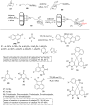
Scheme 12: The synthetic route of immobilized 1,4-diazabicyclo[2.2.2]octanesulfonic acid chloride on SiO2 and ...

Scheme 13: The catalytic application of a silica-bonded sulfoimidazolium chloride for the synthesis of 12-aryl...

Scheme 14: The synthetic route of the SBA-15-Ph-SO3H and its catalytic applications for the synthesis of 2H-in...

Scheme 15: The synthetic route for heteropolyanion-based ionic liquids immobilized on mesoporous silica SBA-15...

Scheme 16: Some mechanism aspects of SSA catalyst for the protection of amine derivatives.

Scheme 17: The synthetic route for MWCNT-SO3H and its catalytic application for the synthesis of N-substituted...
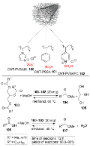
Scheme 18: The sulfonic acid-functionalized polymers (P-SO3H) covalently grafted on multi-walled carbon nanotu...

Scheme 19: The transesterification reaction in the presence of S-MWCNTs.
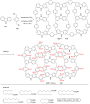
Scheme 20: The synthetic route for the new hypercrosslinked supermicroporous polymer via the Friedel–Crafts al...

Scheme 21: The synthetic route for a new microporous copolymer via the Friedel–Crafts alkylation reaction of t...

Scheme 22: The synthetic route for sulfonated polynaphthalene and its catalytic application for the amidoalkyl...

Scheme 23: The synthetic route of the acidic carbon material and its catalytic application in the etherificatio...

Scheme 24: The synthetic route of the acidic carbon materials and their catalytic applications for the esterif...

Scheme 25: The sulfonated MWCNTs.

Scheme 26: The sulfonated nanoscaled diamond powder for the dehydration of D-xylose into furfural.

Scheme 27: The synthetic route and catalytic application of the GR-SO3H.
The enzymes of microbial nicotine metabolism
- Paul F. Fitzpatrick
Beilstein J. Org. Chem. 2018, 14, 2295–2307, doi:10.3762/bjoc.14.204
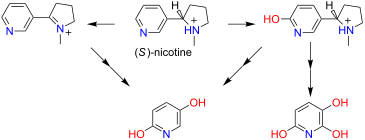
- in (S)-nicotine to form N-methylmyosmine. The recent evidence that the product of the oxidation of 6-hydroxynicotine by LHNO and DHNO arises from oxidation of a carbon–nitrogen bond [18][24] and the similarity of the active sites of LHNO and NicA2 to that of MAO makes it much more likely that the

Graphical Abstract
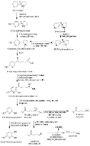
Scheme 1: Nicotine catabolism in A. nicotinovorans. The respective gene names are given in parentheses.

Scheme 2: Hydroxylation of nicotine by the molybdopterin cofactor of nicotine dehydrogenase.

Figure 1: Overlay of the structure of LHNO (blue, pdb file 3NG7) with that of human MAO B (orange, pdb file 2...

Scheme 3: Proposed mechanism of LHNO [21].

Scheme 4: Mechanism of LHNO.

Figure 2: Overlay of the structures of DHNO (blue, pdb file 2bvf) and tirandamycin oxidase (orange, pdb file ...

Scheme 5: Proposed mechanism for DHNO [27].

Scheme 6: Mechanism of 2,6-dihydroxypseudooxynicotine hydrolase [37].

Figure 3: Overlay of structures of salicylate hydroxylase (orange, pdb file 5evy) and 2,3-dihydroxypyridine 3...

Scheme 7: Mechanism of 2,3-dihydroxypyridine 3-hydroxylase [42].
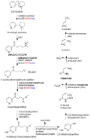
Scheme 8: The pyrrolidine pathway for nicotine degradation by pseudomonads. The gene names for P. putida S16 ...
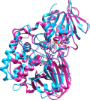
Figure 4: Overlay of the structure of LHNO (magenta, pdb file 3NG7) with that of NicA2 (magenta, pdb file 5tt...

Scheme 9: The pseudooxynicotine amine oxidase reaction.

Scheme 10: Mechanism of HspB [59].
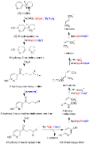
Scheme 11: Hybrid pyridine/pyrrolidine pathway for nicotine metabolism in Agrobacter tumefaciens S33 (black), ...
Enzyme-free genetic copying of DNA and RNA sequences
- Marilyne Sosson and
- Clemens Richert
Beilstein J. Org. Chem. 2018, 14, 603–617, doi:10.3762/bjoc.14.47
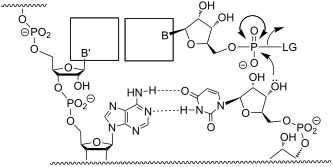
- factor that significantly affects whether an enzyme-free primer extension reaction occurs in high yield or not is the strength of the template effect. Unlike the reactions that are catalyzed by polymerases, purely chemical primer extension reactions are not facilitated by the active sites of enzymes

Graphical Abstract

Figure 1: Enzyme-free template-directed extension of an RNA primer by one nucleotide. B = nucleobase, LG = le...

Figure 2: Oligomerization of the 2-methylimidazolide of guanosine-5'-monophosphate on a poly(C) template.

Figure 3: Structures of backbone linkages produced in enzyme-free primer extension reactions: the phosphorami...

Figure 4: System used for studying the template effect with all 64 possible triplets at the extension site (B...

Figure 5: Interactions attracting the incoming nucleotide to the extension site. Besides base pairing via hyd...

Figure 6: Three possible fates of activated nucleotides in aqueous buffer that result from hydrolysis, primer...

Figure 7: Steps and equilibria considered in our quantitative model of chemical primer extension [34]. The model ...

Figure 8: Binding equilibrium between mononucleotides and hairpins representing primer–template duplexes, as ...

Figure 9: Template-directed primer extension on an RNA template performed with OAt-GMP at 1.8 mM (orange), 3....

Figure 10: Copying of four nucleotides on an immobilized RNA duplex, as reported by Deck et al. [32].

Figure 11: Extension cycle of aminoterminal primer with N-protected nucleotides on solid support, as described...

Figure 12: Formation of a highly reactive methylimidazolium bisphosphate from methylimidazolides of nucleotide...

Figure 13: 31P NMR spectrum (161.9 MHz) of crude MeIm-GMP in D2O. The resonance of the imidazolium bisphosphat...

Figure 14: Imidazolium bisphosphate as intermediate in the primer extension reaction, as described by Szostak ...

Figure 15: Proposed steps of enzyme-free primer extension with in situ activation, using the "general condensa...
Stimuli-responsive oligonucleotides in prodrug-based approaches for gene silencing
- Françoise Debart,
- Christelle Dupouy and
- Jean-Jacques Vasseur
Beilstein J. Org. Chem. 2018, 14, 436–469, doi:10.3762/bjoc.14.32
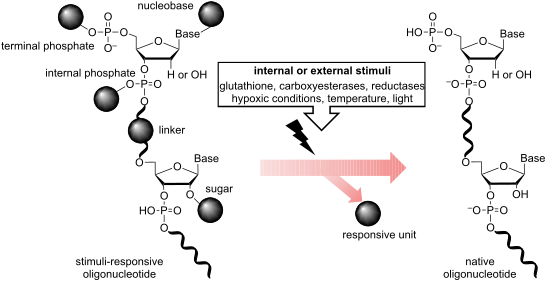
- the reaction between a phosphorothioate derivative and 2-bromo-4’-hydroxyacetophenone to produce a phosphate protected with a thioether-enol phosphotriester, phenol substituted (TEEP, Scheme 19) [77]. The TEEP modification was introduced into “active sites” of 8–17 and 10–23 DNAzymes with good yields

Graphical Abstract

Scheme 1: Demasking under reducing agents of ON prodrugs modified as phosphotriesters with A) benzyl groups [13] ...

Scheme 2: A) Synthesis via phosphoramidite chemistry and B) demasking under the reducing environment of 2’-O-...

Scheme 3: Synthesis via phosphoramidite chemistry of various 2’-O-alkyldithiomethyl (RSSM)-modified RNAs bear...

Scheme 4: A) siRNA conjugates to cholesterol [19] and B) PNA conjugates to a triphenylphosphonium [20] through a disu...

Scheme 5: Synthesis via phosphoramidite chemistry and deprotection mediated by nitroreductase/NADH of hypoxia...

Scheme 6: Synthesis via phosphoramidite chemistry and conversion mediated by nitroreductase/NADH of hypoxia-a...

Scheme 7: Incorporation of O6-(4-nitrobenzyl)-2’-deoxyguanosine into an ON prone to form a G-quadruplex struc...

Scheme 8: Synthesis and mechanism for the demasking of ON prodrugs from A) S-acylthioethyl phosphotriester [29] a...

Figure 1: Oligothymidylates bearing A) 2,2-bis(ethoxycarbonyl)-3-(pivaloyloxy)propyl- and B) 2-cyano-2(2-phen...

Figure 2: Oligothymidylates containing esterase and thermo-labile (4-acetylthio-2,2-dimethyl-3-oxobutyl) phos...

Scheme 9: Phosphoramidites and the corresponding RNA prodrugs protected as A) t-Bu-SATE, B) OH-SATE and C) A-...

Scheme 10: Mechanism of the hydrolysis of 2’-O-acyloxymethyl ONs mediated by carboxyesterases [46]. The hydrolysis...

Scheme 11: Synthesis of partially 2’-O-PivOM-modified RNAs [49] and 2’-O-PiBuOM-modified RNAs [53] using their corresp...

Figure 3: A) 2’-O-amino and guanidino-containing acetal ester phosphoramidites and B) 2’-O-(amino acid) aceta...

Scheme 12: Prodrugs of tricyclo-ONs functionalized with A) ethyl (tcee-T) and B) hexadecyl (tchd-T) ester func...

Scheme 13: Demasking mechanism of fma thiophosphate triesters in CpG ODN upon heat action [58].

Scheme 14: Thermolytic cleavage of the hydroxy-alkylated thiophosphate and phosphato-/thiophosphato-alkylated ...

Scheme 15: Synthesis via phosphoramidite chemistry and thermolytic cleavage of alkylated (diisopropyl, diethyl...

Scheme 16: Synthesis of thermosensitive prodrugs of ODNs containing fma thiophosphate triesters combined to po...

Scheme 17: Caging of deoxycytidine in methylphosphonate ONs by using the thermolabile phenylsulfonylcarbamoyl ...

Figure 4: Biotinylated 1-(5-(aminomethyl)-2-nitrophenyl)ethyl phosphoramidite used to cage the 5’-end of a si...

Scheme 18: Introduction and cleavage of 1-(4,5-dimethoxy-2-nitrophenyl)ethyl (DMNPE) [74] and cyclododecyl-DMNPE (...

Scheme 19: Post-synthetic introduction of a thioether-enol phosphodiester (TEEP) linkage into a DNAzyme by the...

Scheme 20: A) NPP dT and dG phosphoramidites [91,92] and B) NPOM U and G phosphoramidites [83] used to introduce photocag...

Scheme 21: Introduction of the photocaged 3-NPOM nucleobase into phosphorothioate antisense and morpholino ant...

Scheme 22: Control of the activity of an antisense ODN using a photocaged hairpin [82]. Formation of the hairpin s...

Scheme 23: Control of alternative splicing using phosphorothioate (PS) 2’-OMe-photocaged ONs resulting from th...

Scheme 24: A) Light activation of a photocaged DNAzyme incorporating 3-NPOM thymidine in its catalytic site [87]; ...

Scheme 25: Incorporation of 3-(6-nitropiperonyloxymethyl) (NPOM) thymidine and 4-nitropiperonylethyl (NPE) deo...

Scheme 26: Synthesis of a photocaged DNA decoy from a 3-NPOM thymidine phosphoramidite and release of the NPOM...

Scheme 27: Synthesis of a caged DNA decoy hairpin containing a 7-nitroindole nucleotide and release of the mod...

Figure 5: Caged-2’-adenosines used by MacMillan et al [93,94] (X = O) and Piccirilli et al [95] (X = S) to study RNA mec...

Scheme 28: Synthesis of circular ODNs containing a photolabile linker as described by Tang et al. [101,104].

Scheme 29: Control of RNA digestion with RNase H using light activation of a photocaged hairpin [97].

Scheme 30: Photocontrol of RNA degradation using caged circular antisense ODNs containing a photoresponsive li...

Scheme 31: Control of RNA translation using an “RNA bandage” consisting of two short 2’-OMe ONs linked togethe...

Scheme 32: Control of alternative splicing using photocaged ONs resulting from the incorporation of an o-nitro...

Scheme 33: A) Light deactivation of a photocaged DNAzyme incorporating one photocleavable spacer in its cataly...

Scheme 34: Solid-phase synthesis of a caged vit E-siRNA conjugate and its release upon UV irradiation [106].

Scheme 35: Synthesis of a siRNA conjugated to a nanoparticle (NP) via a cyclooctene heterolinker from a siRNA-...
Rh(II)-mediated domino [4 + 1]-annulation of α-cyanothioacetamides using diazoesters: A new entry for the synthesis of multisubstituted thiophenes
- Jury J. Medvedev,
- Ilya V. Efimov,
- Yuri M. Shafran,
- Vitaliy V. Suslonov,
- Vasiliy A. Bakulev and
- Valerij A. Nikolaev
Beilstein J. Org. Chem. 2017, 13, 2569–2576, doi:10.3762/bjoc.13.253
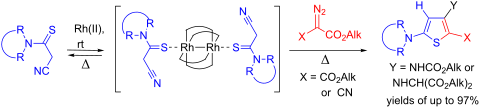
- where both axial active sites of the catalyst are inaccessible for further interaction with diazoesters 2. To verify this assumption, a separate experiment was performed by the example of dimethyl diazomalonate (2a) decomposition with the obtained Rh-complex 6e. And it was demonstrated that under these

Graphical Abstract

Scheme 1: General scheme for intramolecular heterocylization of intermediate X-ylides.

Figure 1: Thioamides 1a–e, diazoesters 2a–d and Rh(II)-catalysts used in the project.

Figure 2: The structures of compounds 4a and 3b according to the data of X-ray analysis (Olex2 plot with 50% ...

Scheme 2: Rh(II)-Catalyzed reactions of α-diazocyanoacetic ester 2d with α-cyanothioacetamides 1a–e.

Figure 3: The structure of thiophene 5c according to the data of X-ray analysis (Olex2 plot with 50% probabil...

Scheme 3: Interaction of thioacetamide 1e with dirhodium pivalate to produce complex 6e.

Figure 4: The structure of the complex 6e according to the data of X-ray analysis (Olex2 plot with 50% probab...

Scheme 4: The assumed mechanism for the formation of thiophenes 3, 5.

Scheme 5: The plausible mechanism for the formation of thiophenes 4.
18-Hydroxydolabella-3,7-diene synthase – a diterpene synthase from Chitinophaga pinensis
- Jeroen S. Dickschat,
- Jan Rinkel,
- Patrick Rabe,
- Arman Beyraghdar Kashkooli and
- Harro J. Bouwmeester
Beilstein J. Org. Chem. 2017, 13, 1770–1780, doi:10.3762/bjoc.13.171
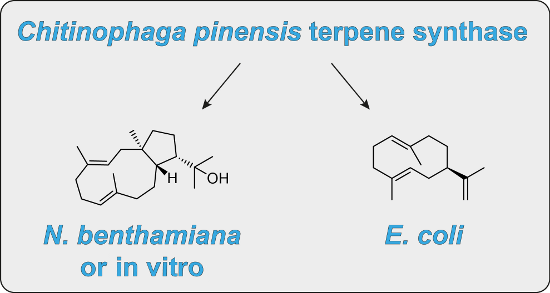
- and achiral oligoprenyl diphosphates in just one enzymatic step into a remarkable diversity of usually polycyclic structurally complex lipophilic terpenes with multiple stereogenic centres. In their active sites type I terpene synthases contain the highly conserved aspartate-rich motif DDXX(X)(D,E

Graphical Abstract

Scheme 1: Germacrene A (1) and its Cope rearrangement to β-elemene (2).
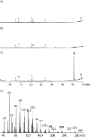
Figure 1: In vitro terpene synthase activity of the investigated recombinant enzyme from C. pinensis, showing...

Scheme 2: Product obtained from the diterpene synthase from C. pinensis. (A) Structure of (1R,3E,7E,11S,12S)-...
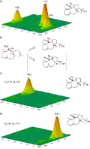
Figure 2: Determination of the absolute configuration of 3. (A) Partial HSQC spectrum of unlabelled 3 showing...
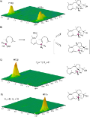
Figure 3: Determination of the absolute configuration of 3. (A) Partial HSQC spectrum of unlabelled 3 showing...
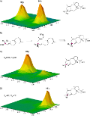
Figure 4: Assignment of H6α and H6β of 3. (A) Partial HSQC spectrum of unlabelled 3 showing the region for C6...

Figure 5: Partial 13C NMR spectra of A) unlabeled 3, B) (13C1)-3 arising from incubation of HdS and GGPPS wit...
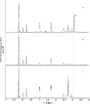
Figure 6: Transient expression of 18-hydroxydolabella-3,7-diene synthase (HdS) in Nicotiana benthamiana. Tota...